James Davie
Splatoon has been a member of Nintendo's first-party clubhouse since 2015, squirting out three successful core entries that are much adored by fans. Deviating away from its multiplayer bread and butter leanings, Splatoon Raiders is a new single and co-operative player take on the franchise on Nintendo Switch 2, eschewing the well-rejoiced competitive elements of its predecessors for a looter splatter experience, where drilling for glistening gem nuggets and opening spangly treasure boxes are normalized, and where you definitely cannot pulverize your teammates with ink until the squids explode out of their trounced bodies. What we’re left with is something that’s not quite ink-redible, but may leave you with an ink-redulous look on your face as you wonder how a single-player Nintendo game could be so moreish and addictive.
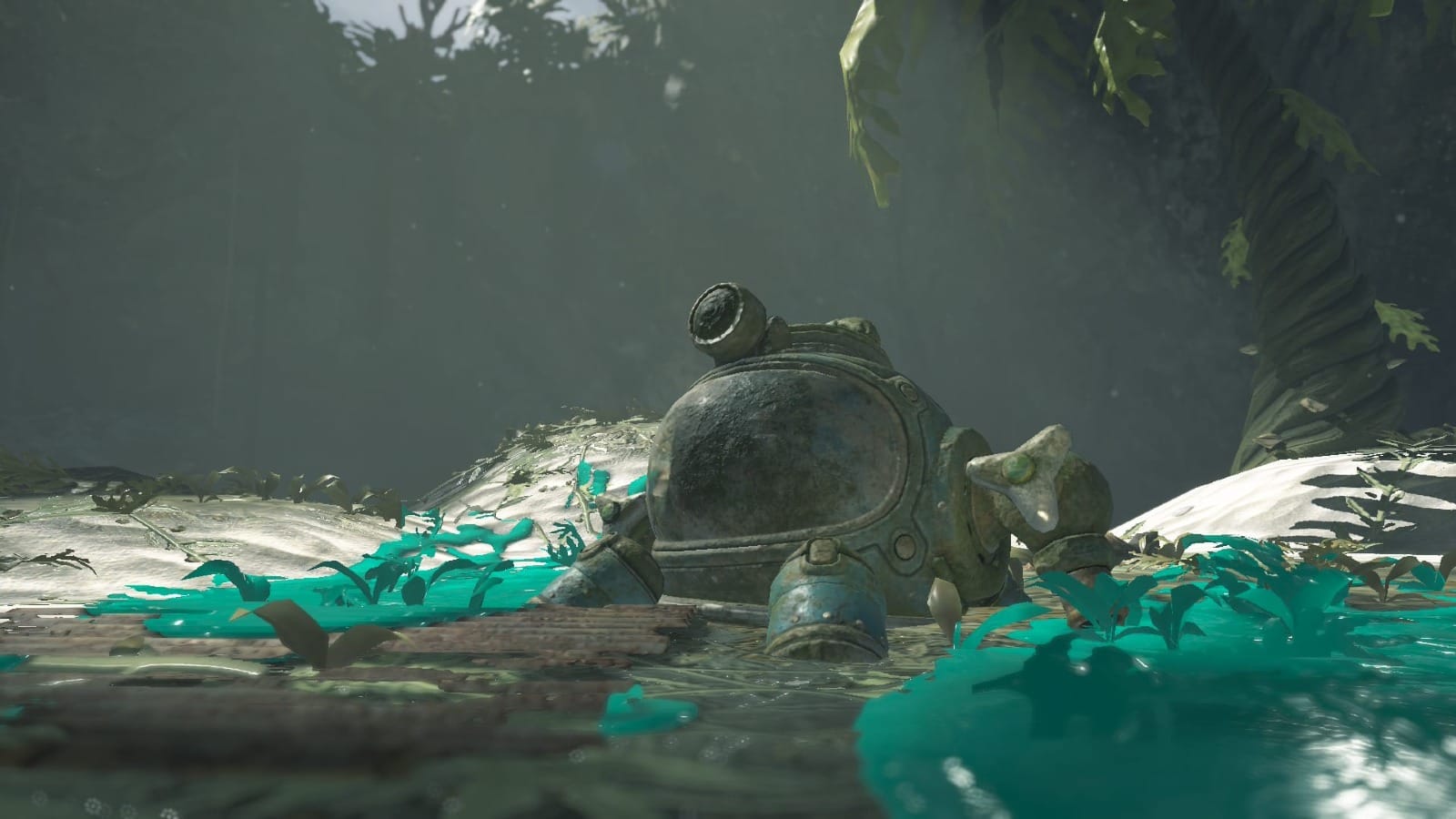
Raiders isn’t a traditional nor a numbered Splatoon entry, it’s a spin-off with an emphasis on single and co-operative play. Every level drops you into big islands, where you’re tasked with obtaining a big bountiful haul of treasure.
Before you can press your gold-digging mitts on the plunder though, you’ll need to contend with a horde of oversized and undersized beasts known as Salmonids. Some Salmonids are big and burly like overstuffed Angry Birds, and some of them are the size of the Hoothoot Pokemon. Their tactics are nefarious and diverse, as some will use their girth to cause damage, while some of them are stacked high with sniper-trained splat beams aiming for your supple body, and there are those pesky types who man ink-loaded machinery you’ll need to overload with splat fire in order to bring them and their conniving contraptions down. They’re a dangerous and devious bunch, especially as you level up and progress through Raiders’ deluge of levels. Every Salmonoid you find will be detailed in an encyclopedia, and if you defeat a significant number of them, you unlock an interesting fact-which is a laughably weak excuse for all the grinding, isn’t it?
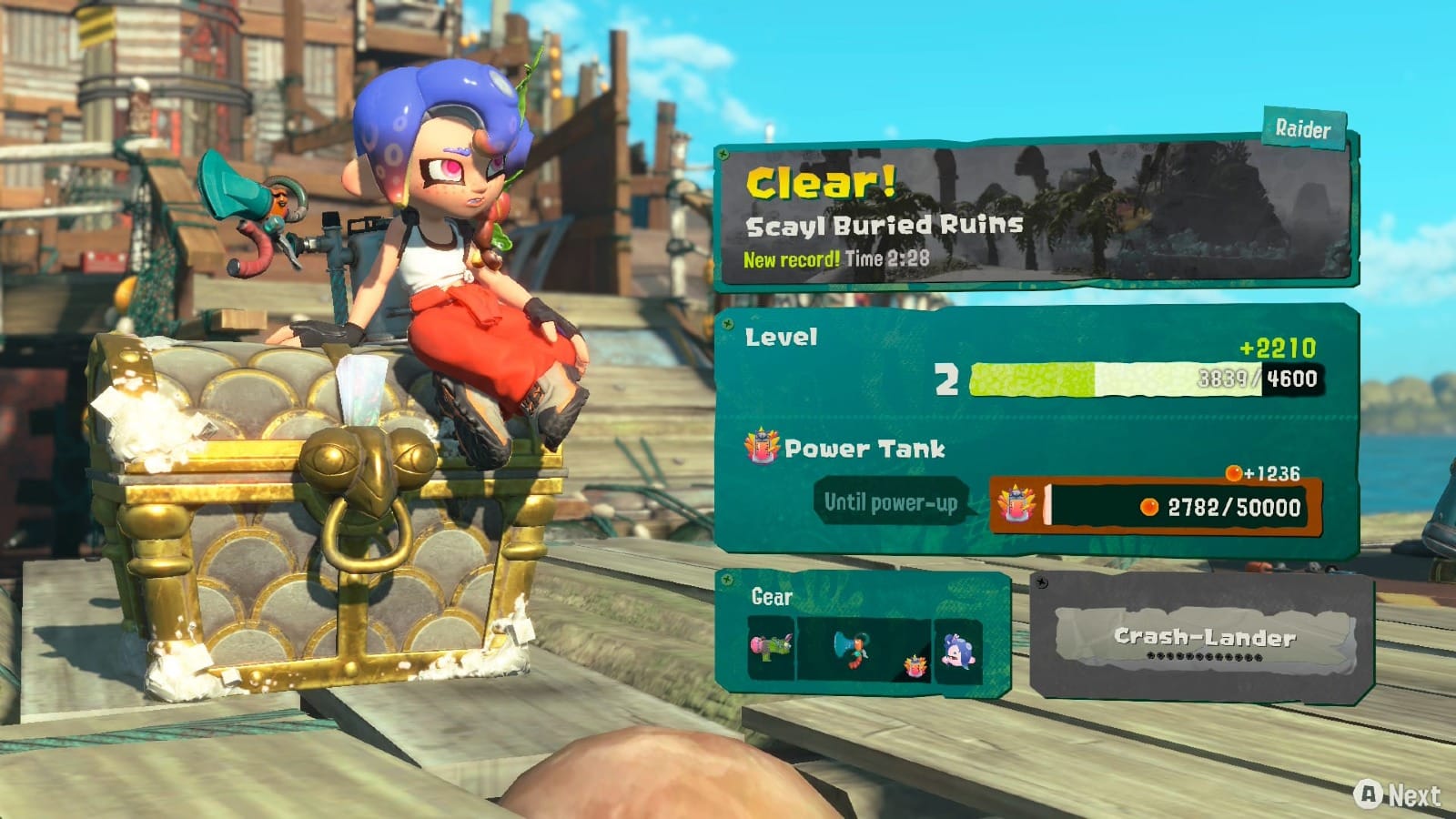
Referring back to the plunder, there are numerous special trinkets you can find and they’re all on display for you to look at in a menu. Unfortunately this doesn’t mean a whole lot because none of it is entrenched in Splatoon lore, but you’ll learn enough from the relics you unearth from the golden chests you open after each level. There are also workbenches to upgrade your weapons, health and special abilities that’ll prove useful as the difficulty gradually stacks up.
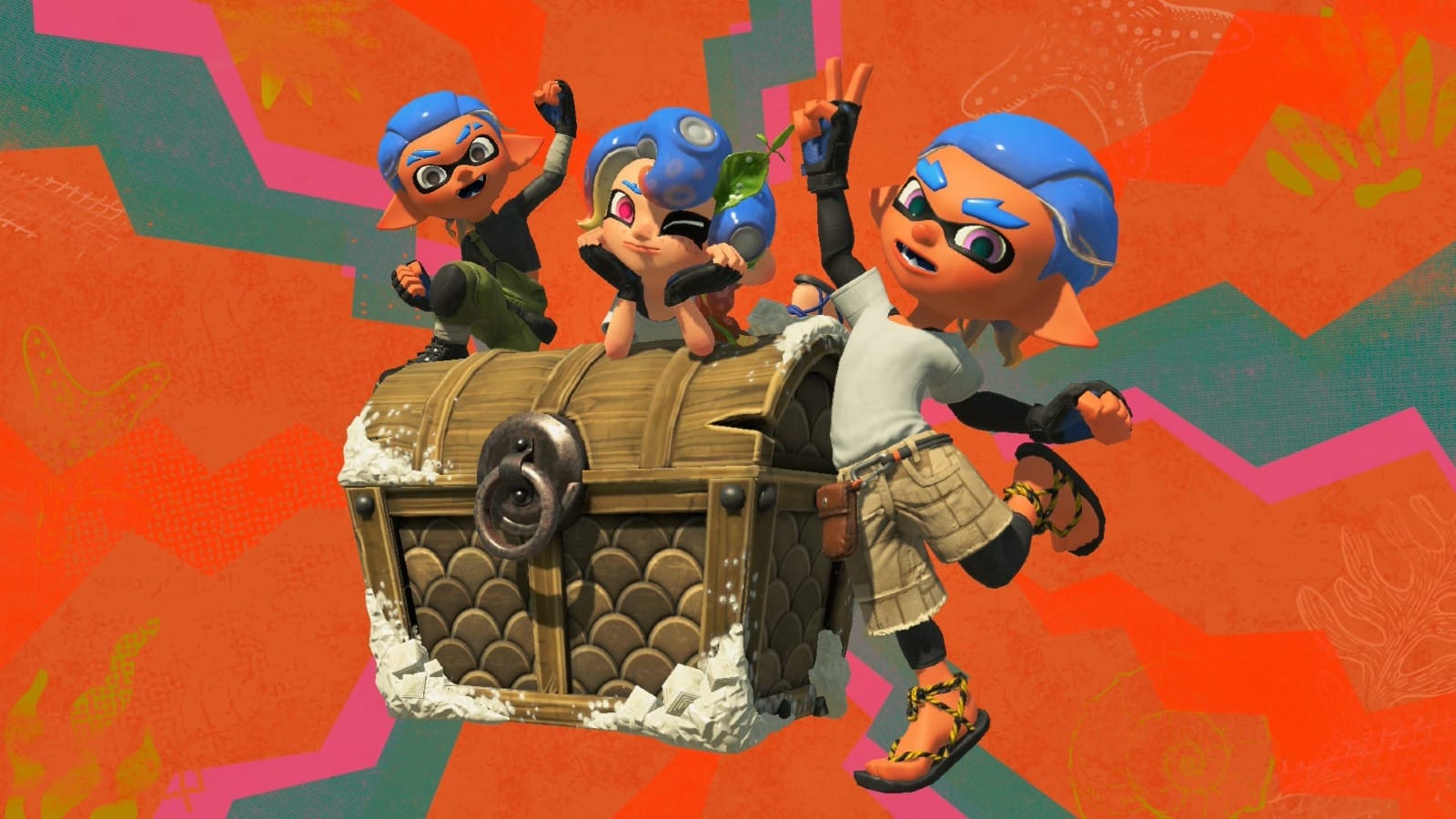
The levels in Splatoon Raiders never stop being wildly chaotic, and this is what makes it so darned addictive, massaging the “one-more-go” appeal over and over again until you’re up into the graveyard hours of the morning still splatting away with nary a care that you’ve got a full day of work ahead of you. You’d be forgiven for thinking that Nintendo’s foray into the looter shooter is madness, but their method of creating this madness should be bottled and processed into the future for the betterment of their modern videogame standards.
Not all is right as blotted rain as Nintendo made us believe Raiders was a huge new single player-lead experience, yet they’ve allowed players to buddy up with each other whenever you if you find yourself stuck. All you need to do is select the “Call For Help” option, and suddenly you’ve got three pals backing you up and your chances of success just increased exponentially. This option comes with a 30 minute cooldown where you cannot request support, which incentivizes you to attempt difficult levels again in case you’re successful. It’s no doubt great to play with others and to receive a helping hand when urgently called for, but players might use it as a crutch too often.
Despite how enjoyable and devilishly moreish it can be, Splatoon Raiders does feel like a seismic rinse and repeat. The levels are lavish, the challenges are plenty, the compulsive qualities are undeniable, and its whimsy is as wonderful as always, yet it is hard not to feel like something more ambitious was left on the cutting room floor and Raiders really could do with more variation to keep the sense of monotony at bay.
David Flynn
While I adore Salmon Run in Splatoon 2 and 3, I actually didn’t love Splatoon Raiders. Don’t get me wrong, it’s still a lot of fun, but I think it follows the Salmon Run formula a little too closely. Raiders is very focused on combat, almost solely so, and this means things can get very repetitive very fast. You’re fighting the same groups of the same enemies in the same or very similar arenas over and over again. There are stage types sprinkled throughout that mix things up, like the Sample dungeons to test out weapons, gadgets, and builds, or the more open Spirhalite mining levels, but these are outnumbered by the standard arena stages or linear levels. I enjoyed the linear levels the most out of these because they add just a bit of platforming into the mix, but they also all blended together by sharing similar, beachy or mountainous aesthetics.
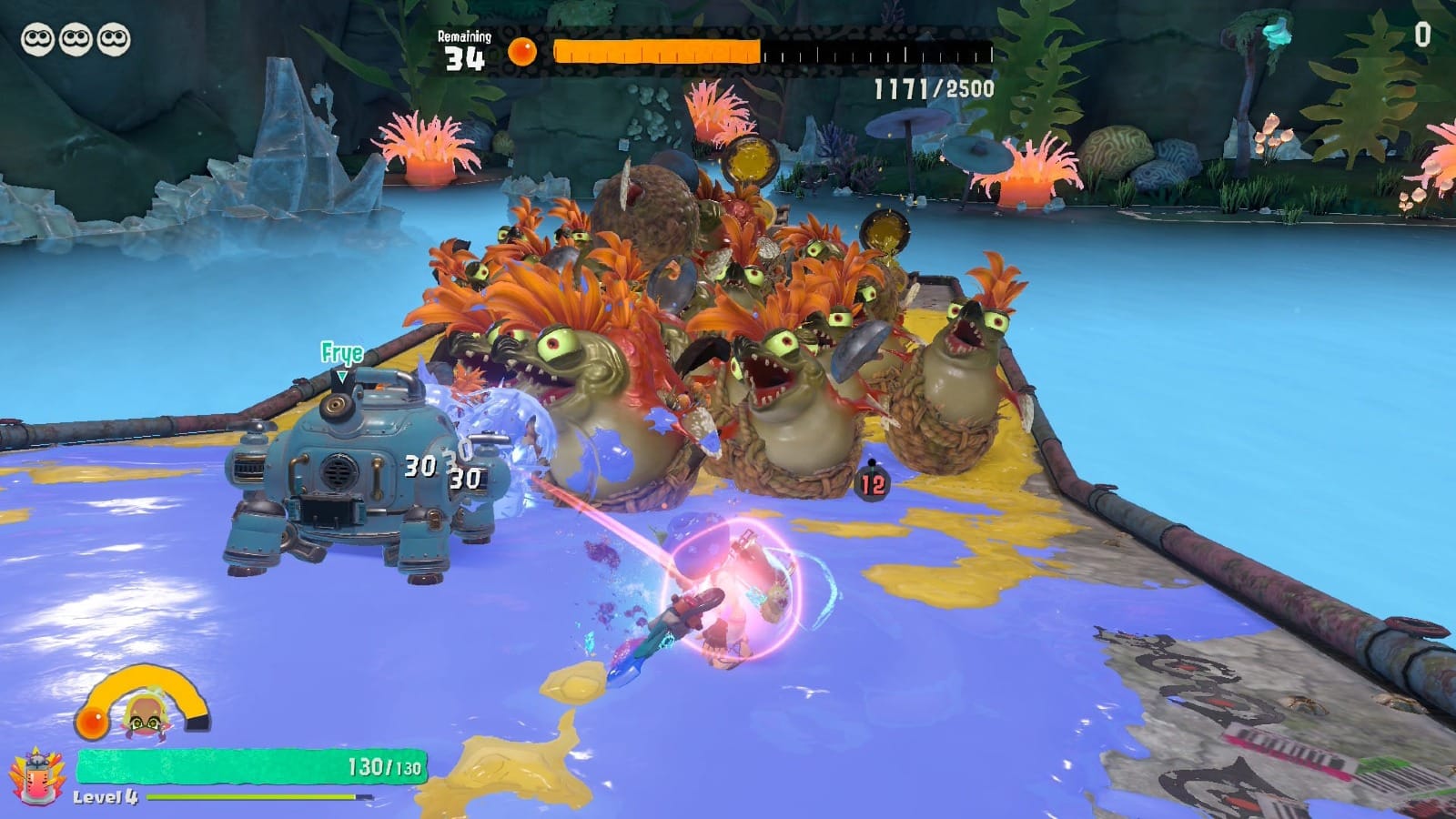
What does vary things is the massive build potential available, with even more opening up as you progress the game. My favorite build I settled on involved a pair of Dualies, Frye as my bot operator, and the Power type tank. I used the Spatchet to deal tons of damage to any enemies in front of me, and constantly combined the Flywyrie to get up high when grappling enemies and the Meteor Mitt to slam down for a big AoE splash. I became something of a glass cannon, but you really do need high DPS to get through some of the later stages, let alone the Spicy Mode variants.
Making that and other builds for each tank/operator was a ton of fun, but I do think it’s a bit of a problem when I’m thinking more about how to improve my build than what I’m actually doing in any particular stage. The campaign here could have been greatly improved if it took more after the three main game’s story modes rather than the Side Order DLC of 3.
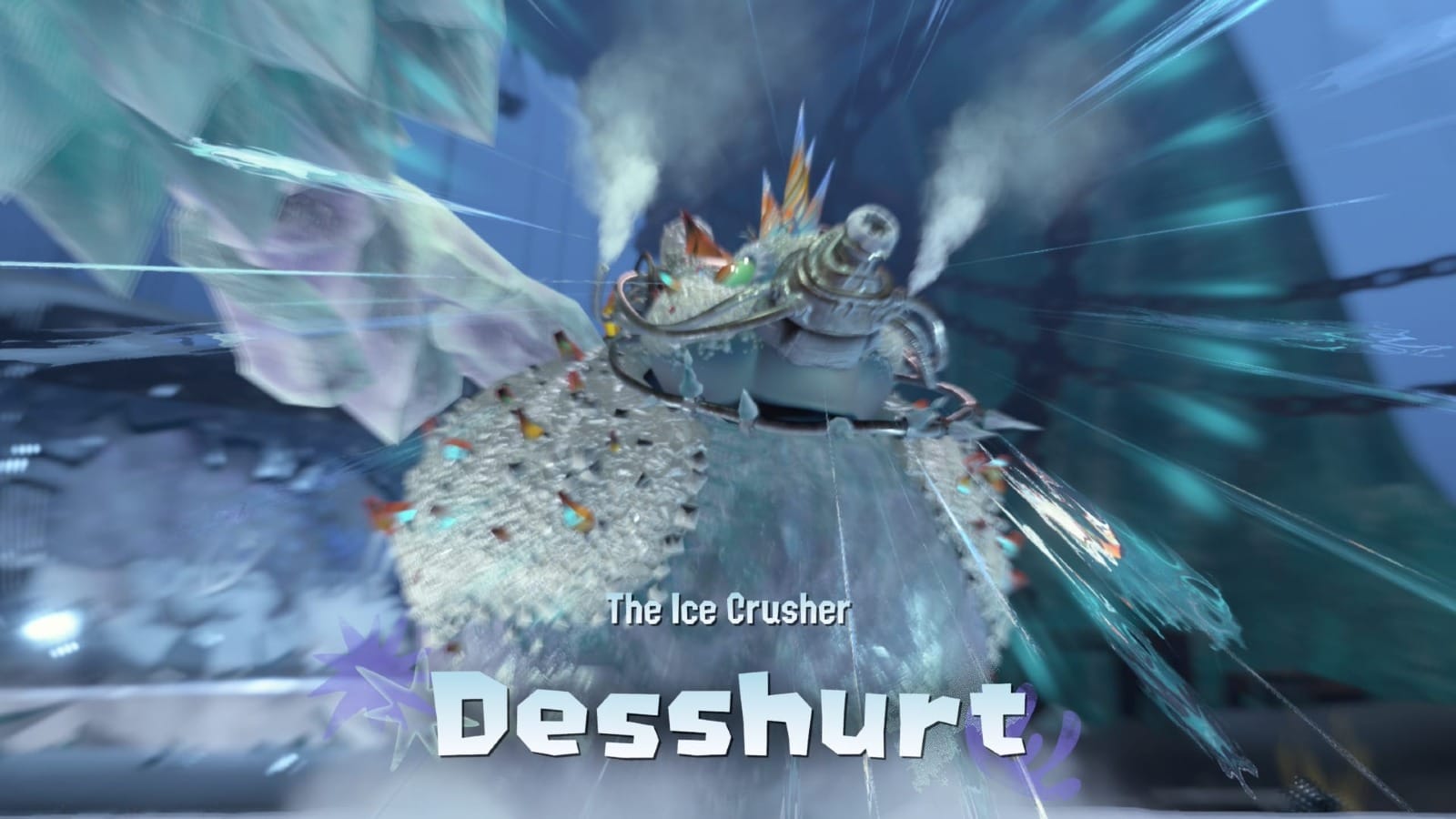
While Raiders is primarily a single-player adventure, there is multiplayer where you and two other players can take on any stage. You can simply request help on a particular mission, or join up in a persistent party for multiple runs. I find the multiplayer is way more stable here than in Splatoon 3, though that might be because of the reduced player count. I actually didn’t make use of multiplayer too often, but that’s because of the game’s very fast pace. You’re constantly jumping in and out of levels, and waiting a few seconds for matchmaking is something of an interruption. It’s not a bad thing, it’s just the reality of multiplayer.
Tyler Catalano
As the first spin-off of the series, Splatoon Raiders is a refreshing departure from the PvP-driven focus of the mainline games. Although there is an online aspect to Raiders, its focus is entirely on Co-Op PvE. As someone who clocked an unreasonable amount of time on Splatoon 2 during the Pandemic, but who lost touch with the game during the Splatoon 3 era, Raiders revived the love I had for this series. It features the classic catalogue ofNot only does it feature the classic catalog of ink-based weapons that I remembered from past gameslove, with my personal favorites being the dualies and the roller, while also utilizing the familiar gameplay of past “mini-games,” with the main gameplay loop boiling down to what is e but the main gameplay loop centers around what is essentially Salmon Run Plus.
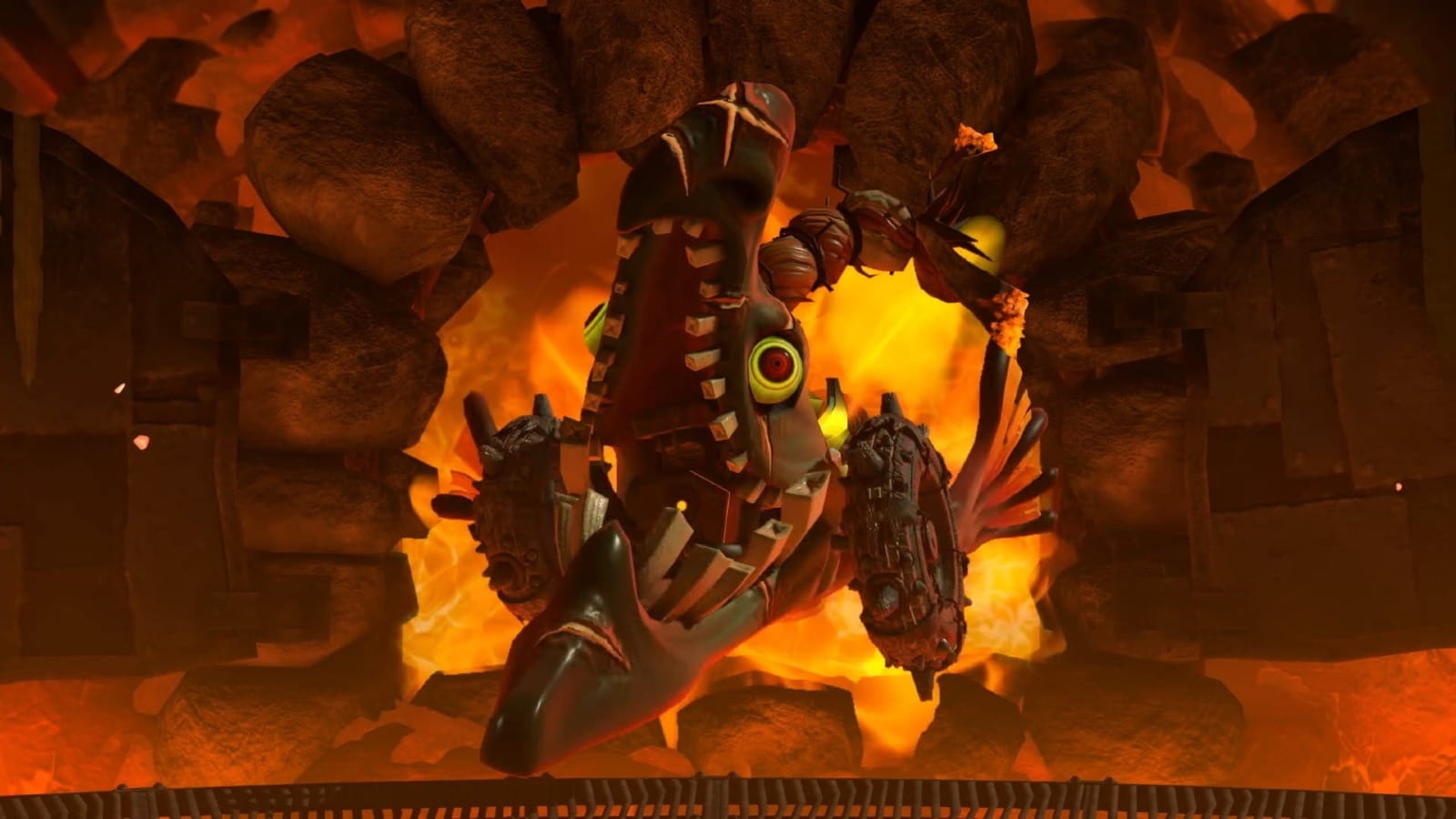
You play as The Mechanic, and as The Mechanic, you are deployed to specific locations throughout the Spiralite Islands, with the end goal of reaching the treasure at the center of the spiral for which the archipelago is named. As you progress through the islands, you’ll encounter more and more difficult salmonoid enemies, with designs that are both grotesque and hilarious. These encounters are the core of Raiders as it is through them that you collect both treasure to upgrade your weapons, as well as the weapons themselves. Don’t get too attached to your weapons though because there is a limit to how much you can upgrade them. Eventually, to keep up with the increasing difficulty of the further islands, you’ll have to use the higher level weapons you receive while playing through them.
This brings me to one of my personal favorite parts of Raiders, and a detail I think will interest a lot of people, and anger just as many. This game heavily encourages experimentation with other playstyles/gadgets, with it almost being mandatory when it comes to the gadgets that you use. There are three options for ink tanks, Speed, Power, and Tactical, with each option coming with 5 distinct gadgets. You level up the tanks by collecting a specific amount of Salmonoid eggs with each tank equipped, but to unlock the full power of each tank, you’ll have to collect eggs with one of the others. I started off using the Power tank, but eventually switched to the Tactical tank as its fully upgraded version allows the use of a single Power tank gadget. In order to unlock this upgrade for the Tactical Tank though, you’ll need to collect some salmonoid eggs with the Power Tank.
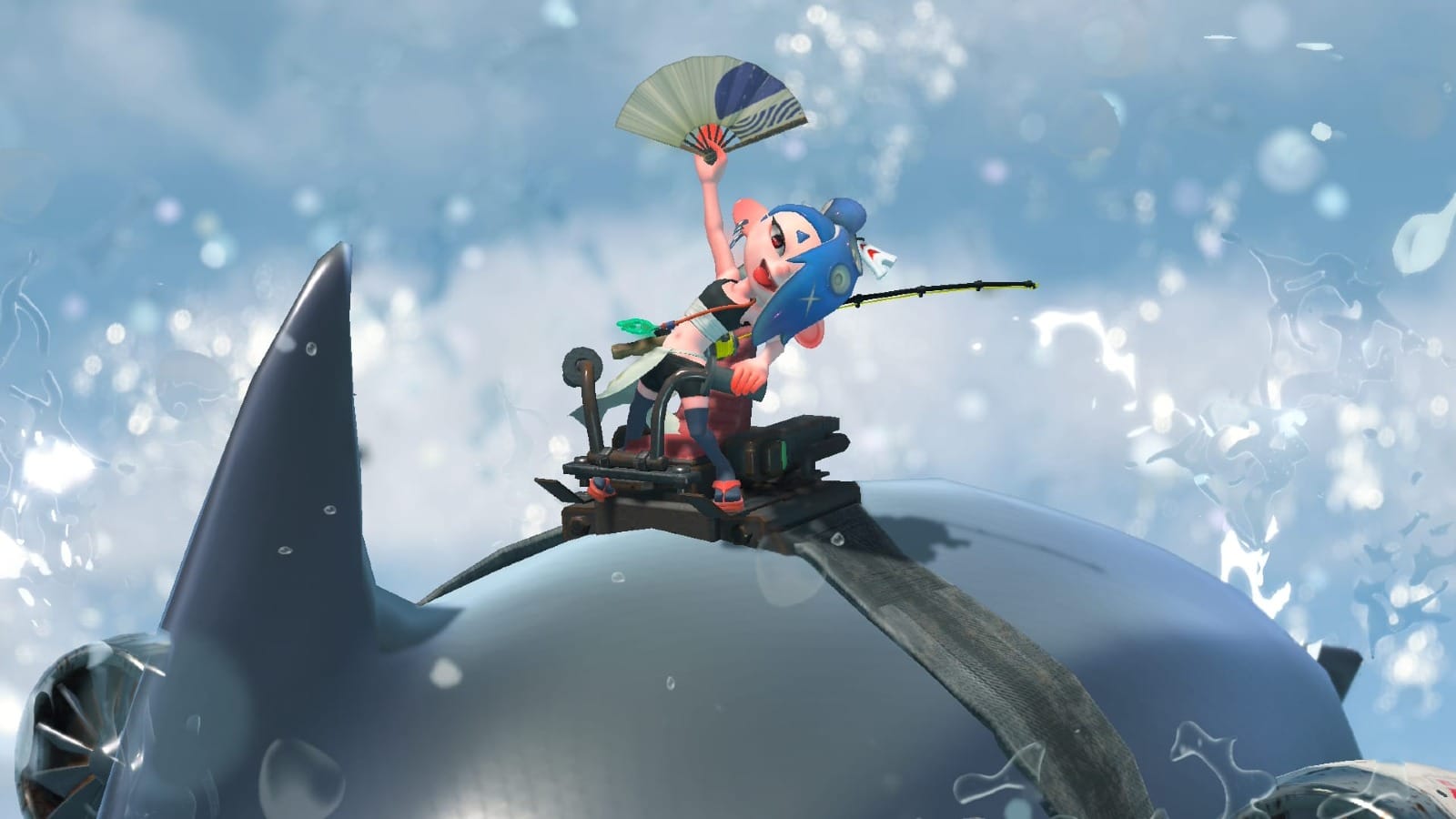
The other side of this “forced experimentation" is with weapons. You collect weapons as you play through levels, with some dropping from enemies and bosses, and others being found in the chests at the end of some levels. As mentioned before, you will inevitably outgrow your weapons, so it is best not to rely on one weapon solely because there is a chance that you’ll enter a level on a new island, and the damage output won’t be enough to protect against the enemies anymore. The nuance of this situation forces players to try out playstyles and weapon-gadget combinations they would have never tried before. I know it certainly did for me.
Splatoon Raiders is not what I expected, and I couldn’t be more happy about it. It isn’t just a fresh coat of pain on an eleven year old franchise, it's a purposeful switch up designed to reignite the love that some players may have forgotten they had for this franchise.
Splatoon Raiders
Good
Despite how enjoyable and devilishly moreish it can be, Splatoon Raiders does feel like a seismic rinse and repeat. The levels are lavish, the challenges are plenty, the compulsive qualities are undeniable, and its whimsy is as wonderful as always, yet it is hard not to feel like something more ambitious was left on the cutting room floor and Raiders really could do with more variation to keep the sense of monotony at bay.
Pros
- Tons of build potential
- Fun characters
- Very addictive
Cons
- Bland level design
- Very repetitive
- Lacking ambition
This review is based on a retail Nintendo Switch 2 copy provided by the publisher.