The first time I played The Legend of Zelda: Ocarina of Time, I hated it. I was 10 years old or something, playing on the Wii Virtual Console because I had heard it was the “greatest game ever made”. That hype propelled me all the way to the Fire Temple, as I kept thinking to myself, “it must get good later on”. Link felt stiff and imprecise to control, the framerate actively made me feel sick, and there was so much input lag that even as a kid I could definitely tell something was wrong. I beat the game, but was left with a bitter feeling which was not remedied by finding a copy of the Zelda Collection on GameCube to play through Majora’s Mask. I simply could not see what other people saw in these two games. Fast forward to 2011, and I got the 3DS remake of OoT for Christmas, popped it into my 3DS, and…I finally got it. I was actually having fun; I got more invested in the subtext of the story, and somehow the 3D effect never made me feel sick, so it was like Hyrule Field really stretched out before me. I had such a good time; I fully regretted playing the game through Wii VC first as, despite loving the game, it was missing some of the magic of a first playthrough. 15 years later, we have yet another Ocarina of Time remake and, while I have my issues with it, playing this felt like donning Link’s cap for the first time.
While this is a remake, it’s also the first return to the traditional, pre-Open Air Zelda style since 2013, as every game after A Link Between Worlds was either a surprisingly fun multiplayer-focused excursion or a freeform, open-world, open-ended title. While I’ve enjoyed all of those games, they’ve also felt like they’re missing some of the Zelda magic that made us fall in love with the series in the first place, and I’m glad to see that back in Ocarina of Time. I’ve especially missed having a proper soundtrack, being able to play an instrument in-game, having a constant companion, and well-designed dungeons. In some ways, OoT feels like a one-to-one remake, but in a lot of others it also feels like a brand new Zelda game just using the framework of the N64 original. For example, sections of the Fire Temple are almost entirely new. It’s all in service of making the game easier to navigate and a little more frictionless, which is great and terrible in equal measure.
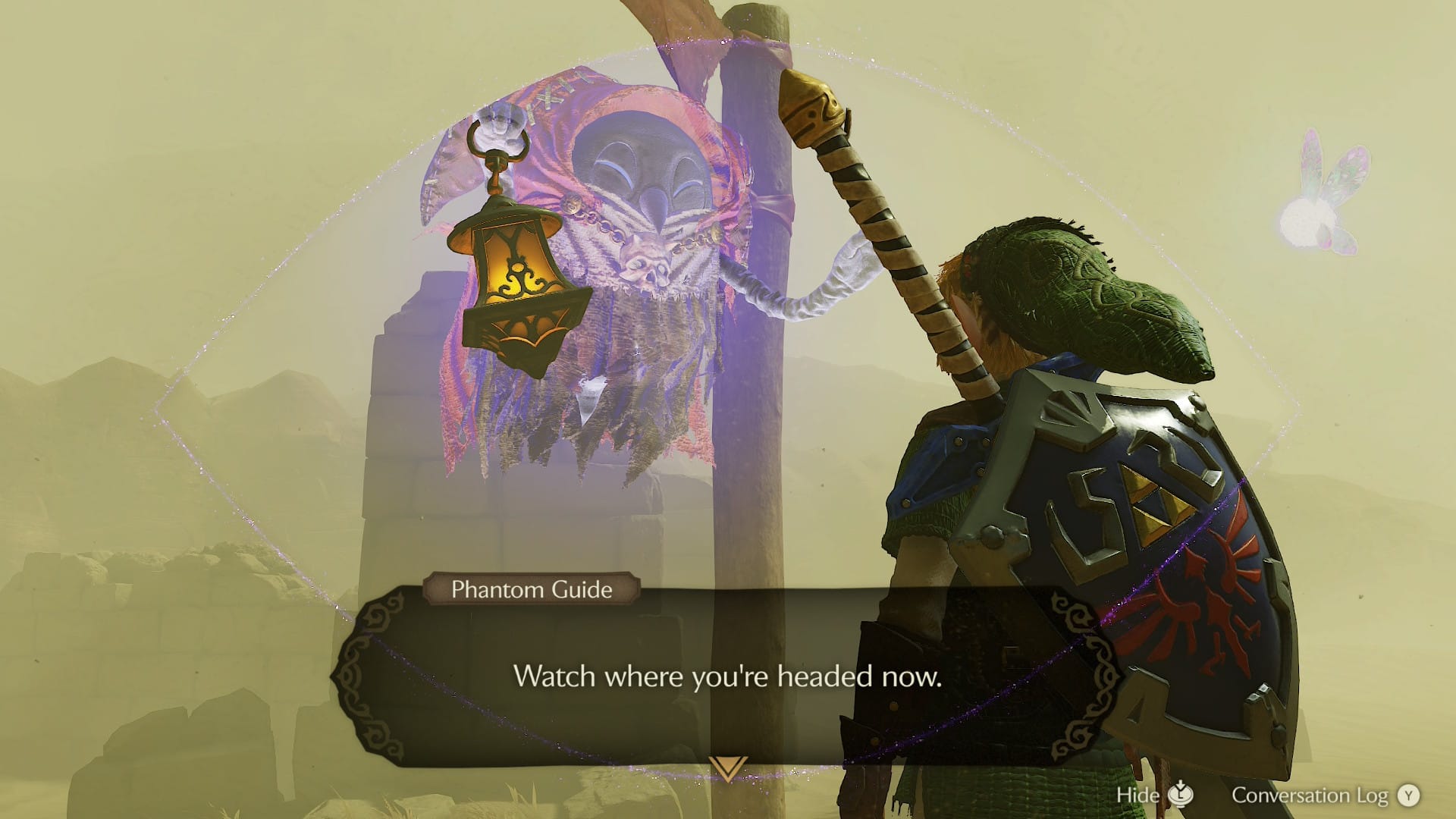
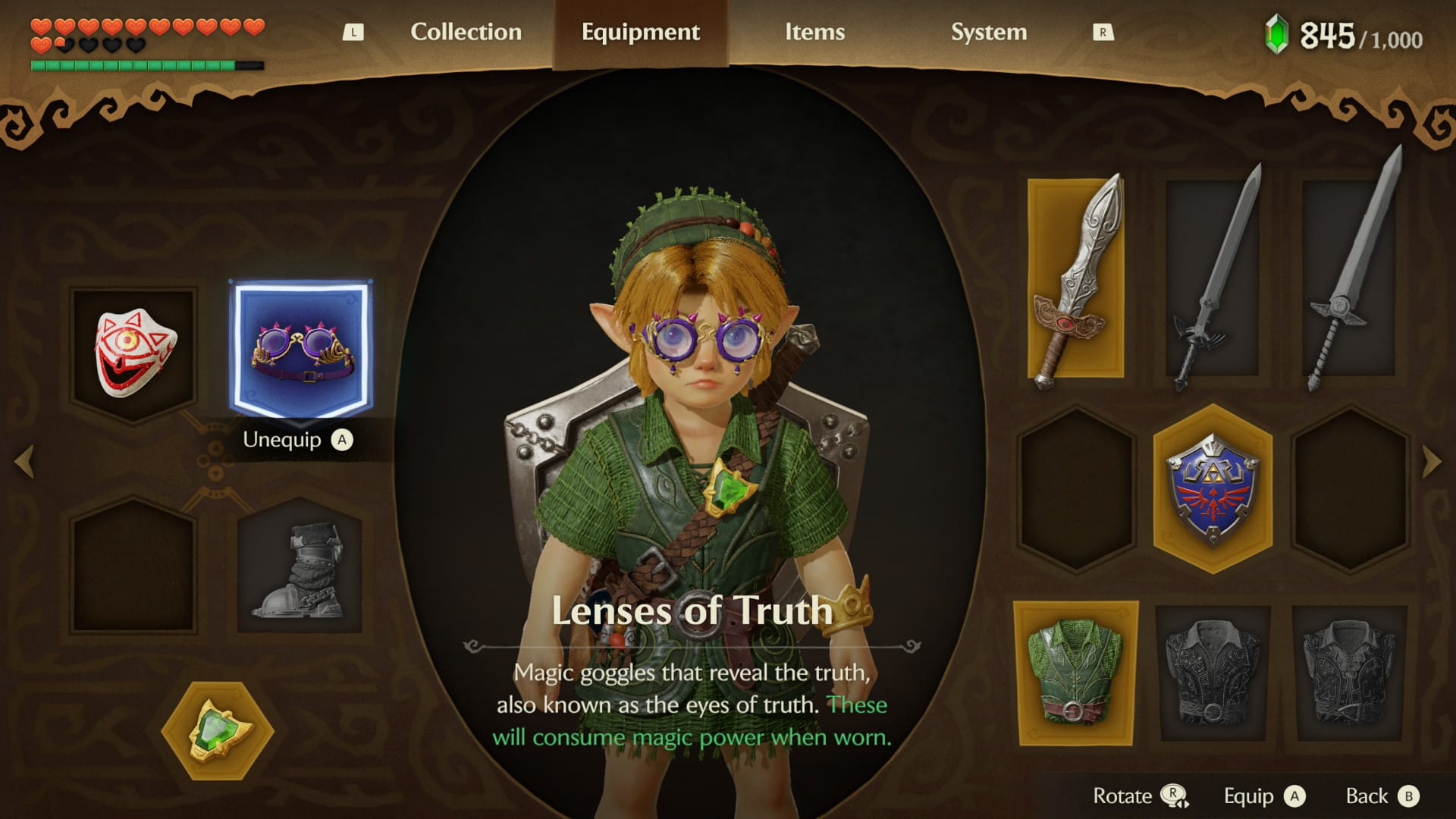
Ocarina of Time was never a hard game. Its puzzles are less brain teasers and more slight bumps in the road to Ganon, but this remake has decided to make things even easier for some reason. You’ll never get lost or not know where to go despite Navi now never chiming in to remind you of your objective. There are several points where puzzles are now just spelled out for you despite still retaining the context clues of the original. The Shadow Temple is the most obvious example of this, as it’s constantly reminding you to use the Lenses of Truth and straight up says you need to throw a bomb in those spinny skull things despite them looking like the spinny thing in Goron City you probably already threw a bomb in. There is still the fun of discovery, but only off the beaten path. Like finding a hidden attraction in a theme park.
Some of these conveniences do work to the game’s benefit, however. There’s an elevator in the Forest Temple now so you don’t have to run through that room with the ladders over and over again, and the Scarecrow song is now listed amongst all the other tunes you learn over the course of the game. Stuff like that makes me instantly prefer this remake over even the 3DS version, but I do still wish it was a little less hand-hold-y. Like the developers never want you to be inconvenienced in any way or need to turn to a guide. These games are for children, granted, but kids in 1998 were also able to beat it without help.
Despite my gripes, Ocarina of Time is a dream to play. Link feels so smooth to control now, responding to every button press and flick of the control stick instantly. While you can’t crouch-stab or use the shield without locking on, I got used to that pretty quickly and found the new methods work pretty well, though the lack of intentional shield use does make the Spirit Temple boss a tad less interesting. This is also more of a preference thing, but I do miss the auto-jump, mostly because it’s just so built into my muscle memory. I don’t consider that an actual problem with the game, though it does weirdly contrast with Link auto-jumping to grab ledges. Having a jump button is just fun in any context, and I’m glad it's there.
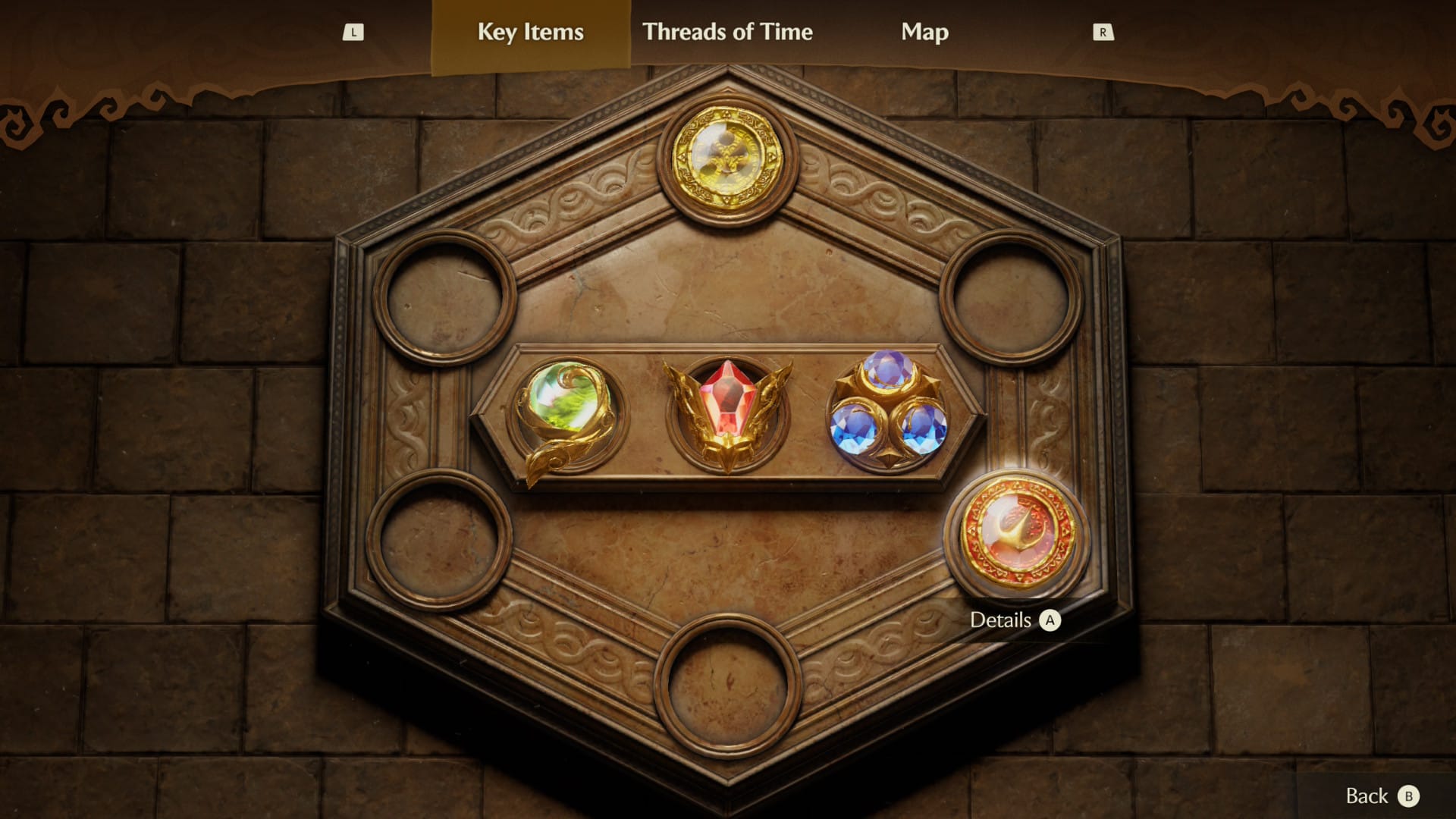
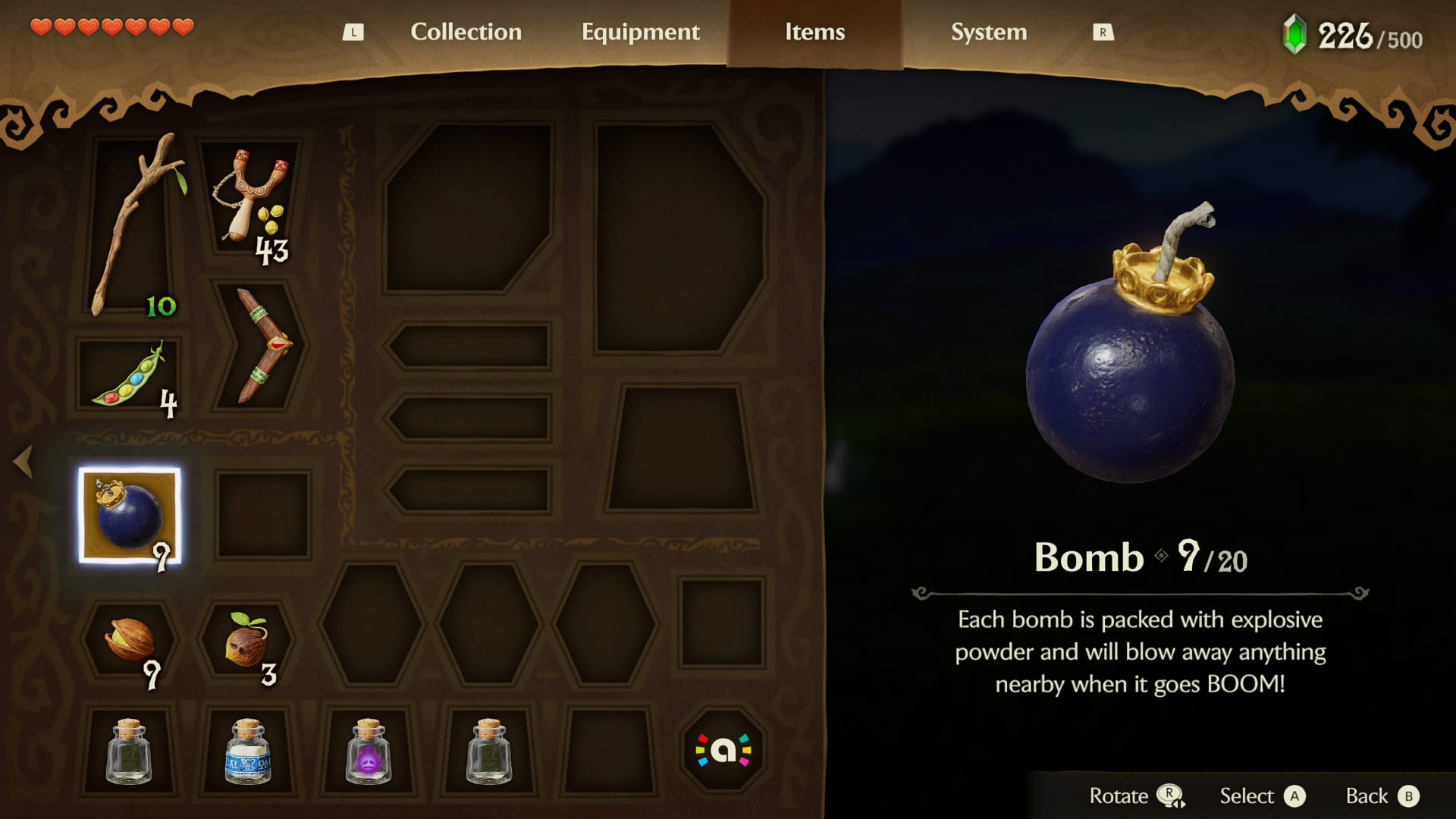
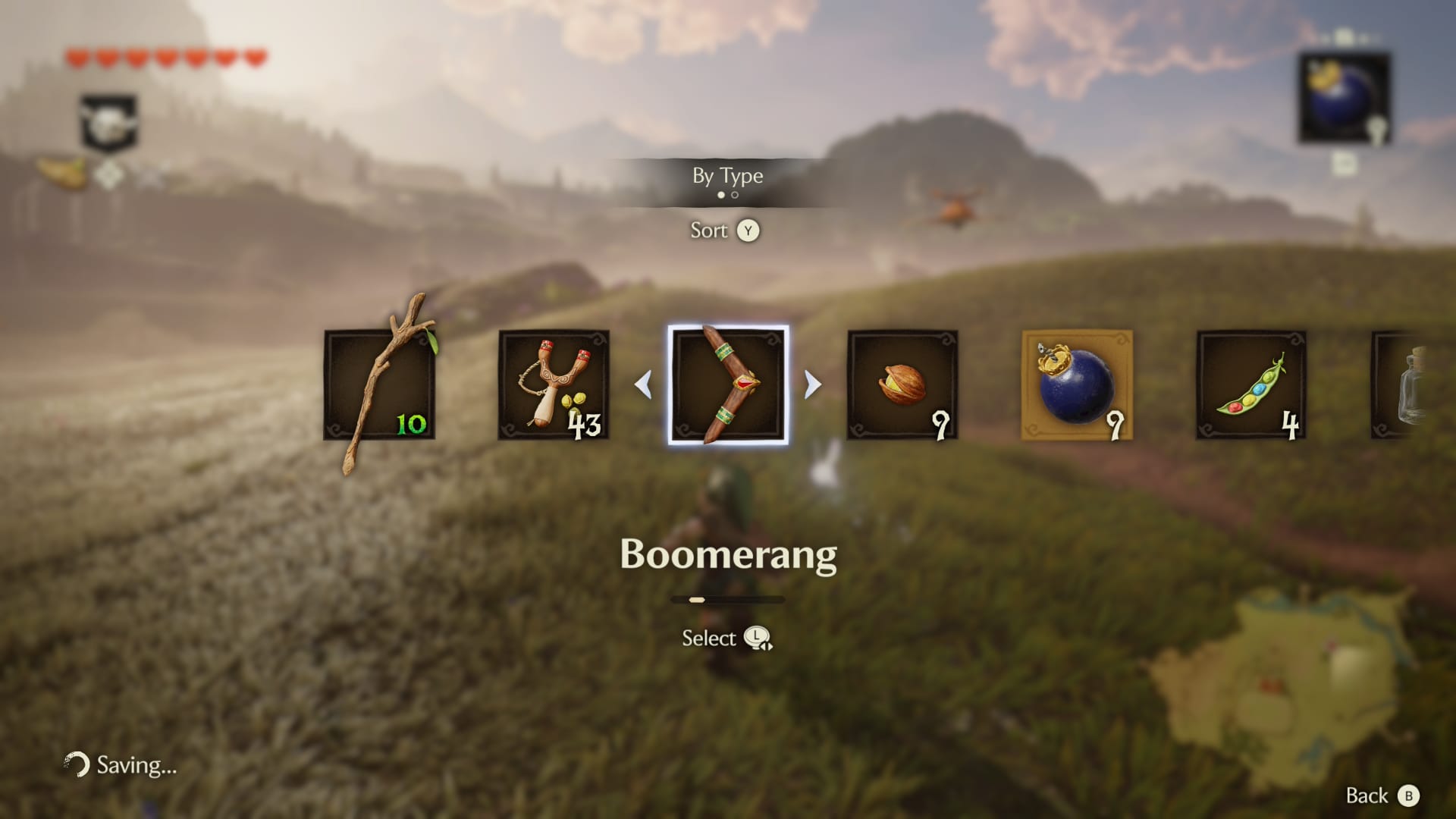
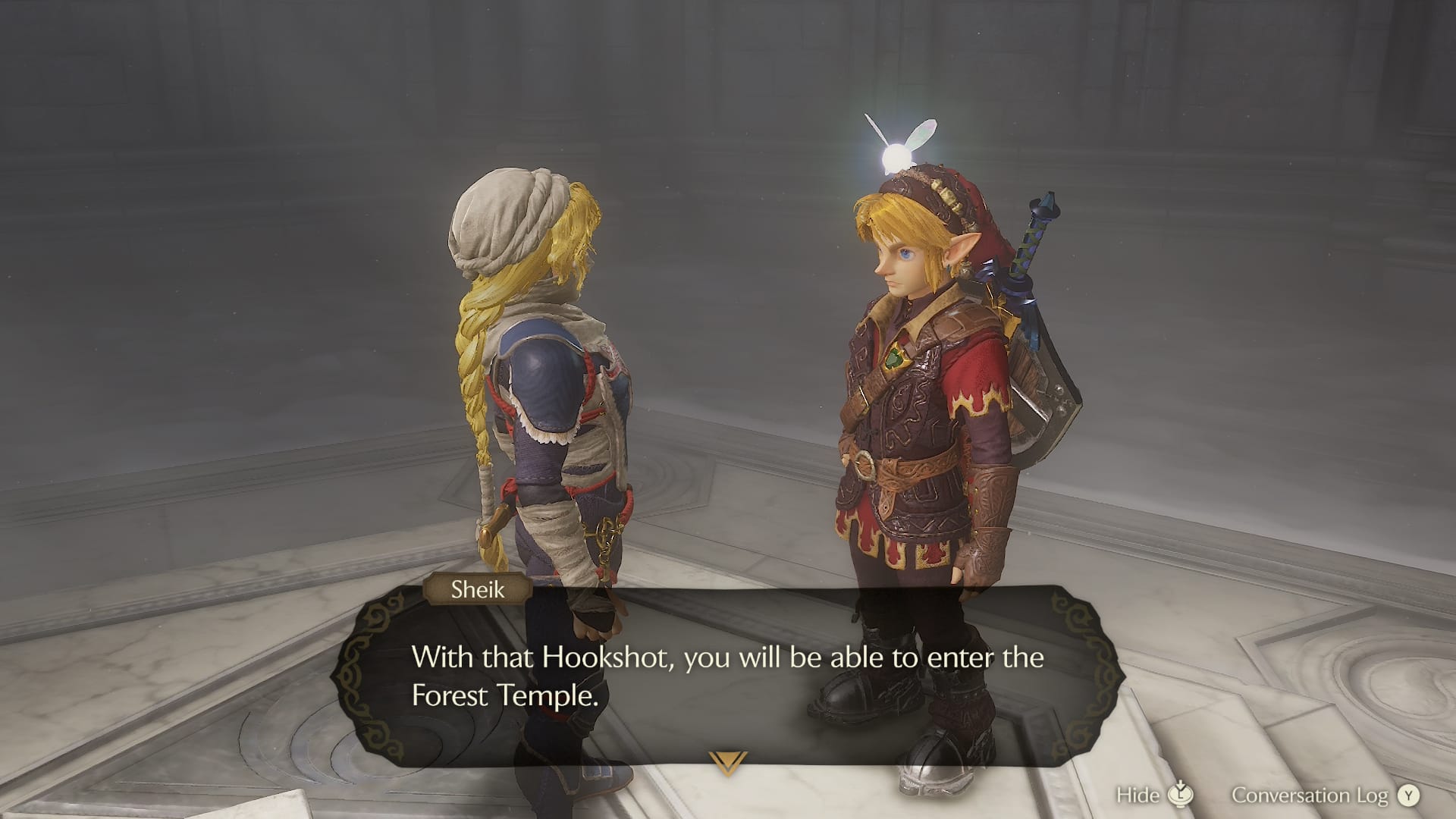
I do think the controls needed a bit more tweaking, however, specifically surrounding item use. Where the original had three assignable buttons to use items, and the 3DS version had 4 plus a dedicated Ocarina button, this remake has… one. Plus dedicated buttons for a mask/the lenses of truth and two kinds of boots, but it still left me feeling a little too limited. You do have a quick swap menu accessed by holding L or R (because that needed two buttons for some reason), but it’s the annoying single line menu Nintendo has insisted on since Breath of the Wild. After a certain point, unless I was swapping between items that were right next to each other, I just opted to use the pause menu instead. There are points in the game where you need to use one item right after another, such as opening a gate with the bow, then grappling through before it closes with the Hookshot, and these moments felt much clunkier than they should have. Especially since, with some rearrangement, we could have had 3 to 4 assignable item slots. Do we really need a dedicated button to put things away?
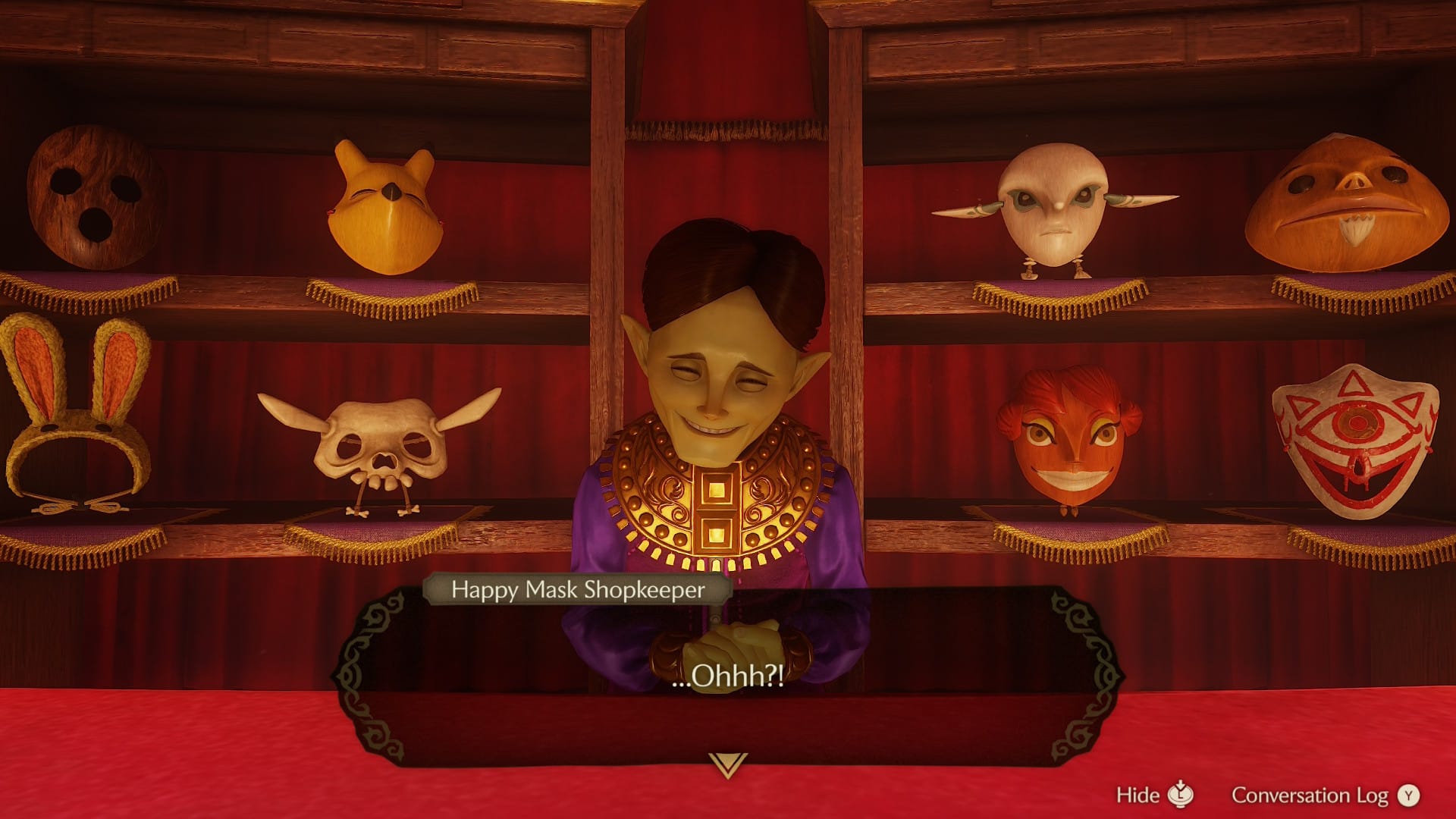
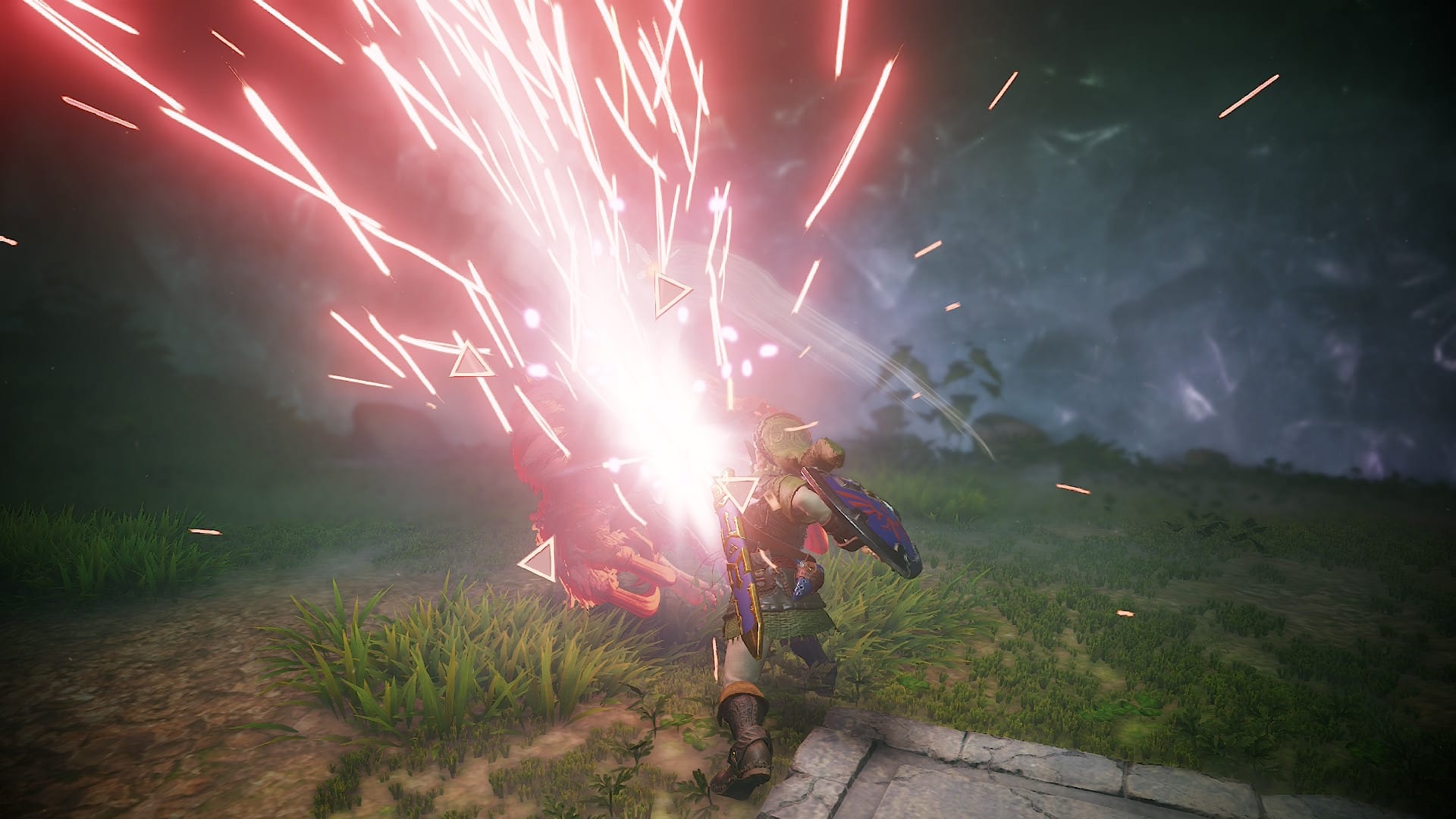
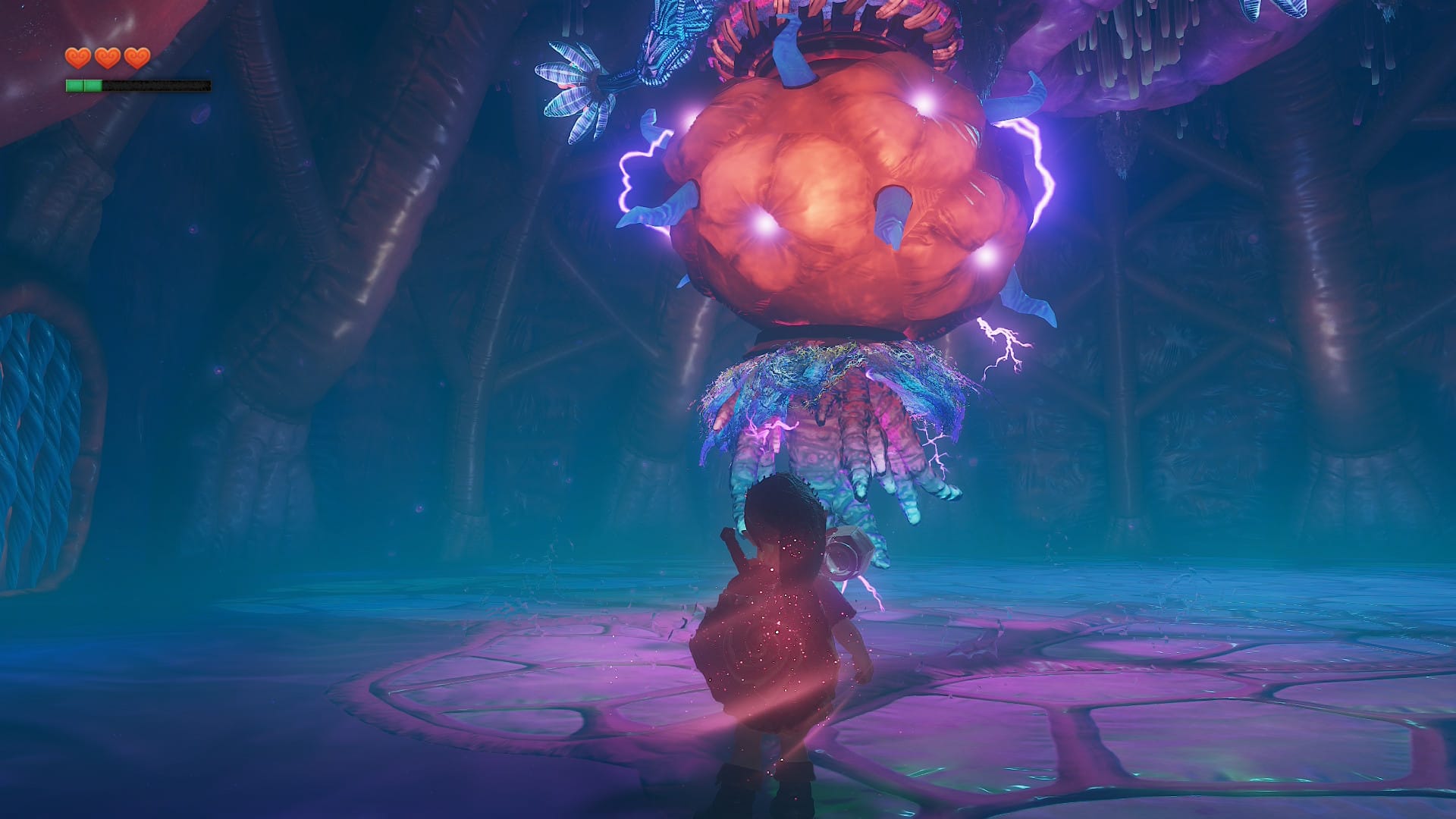
Of all the game’s many reworks and reimaginings, my favorite is the combat. On the surface, it seems like it’s the same as the original: you can dodge sideways or backwards, block, and strike when you see an opening. There are two key changes that make this some of the most satisfying swordplay in the series, up there with Wind Waker and Twilight Princess: hit effects and expedience. Everything has been made much faster so you’re not waiting around as much anymore. Skulltulas don’t even turn around on their own; you have to hit them to get them to spin and expose their vulnerable underbellies. This also means that enemies will be open to attack for shorter periods of time, meaning you really need to stay on your toes and make sure you can get in there.
Link’s every sword strike feels like it carries a massive amount of power behind it now too. Each swing that connects will bring with it action lines that span the screen in the direction of the cut, deep and satisfying cracks as the sword does its thing, and the perfect amount of hit stop to really make you feel the damage you’re doing. Normally I’d just spam jump attacks because those deal double damage, but I opted to just go for normal combos here because it’s so satisfying.
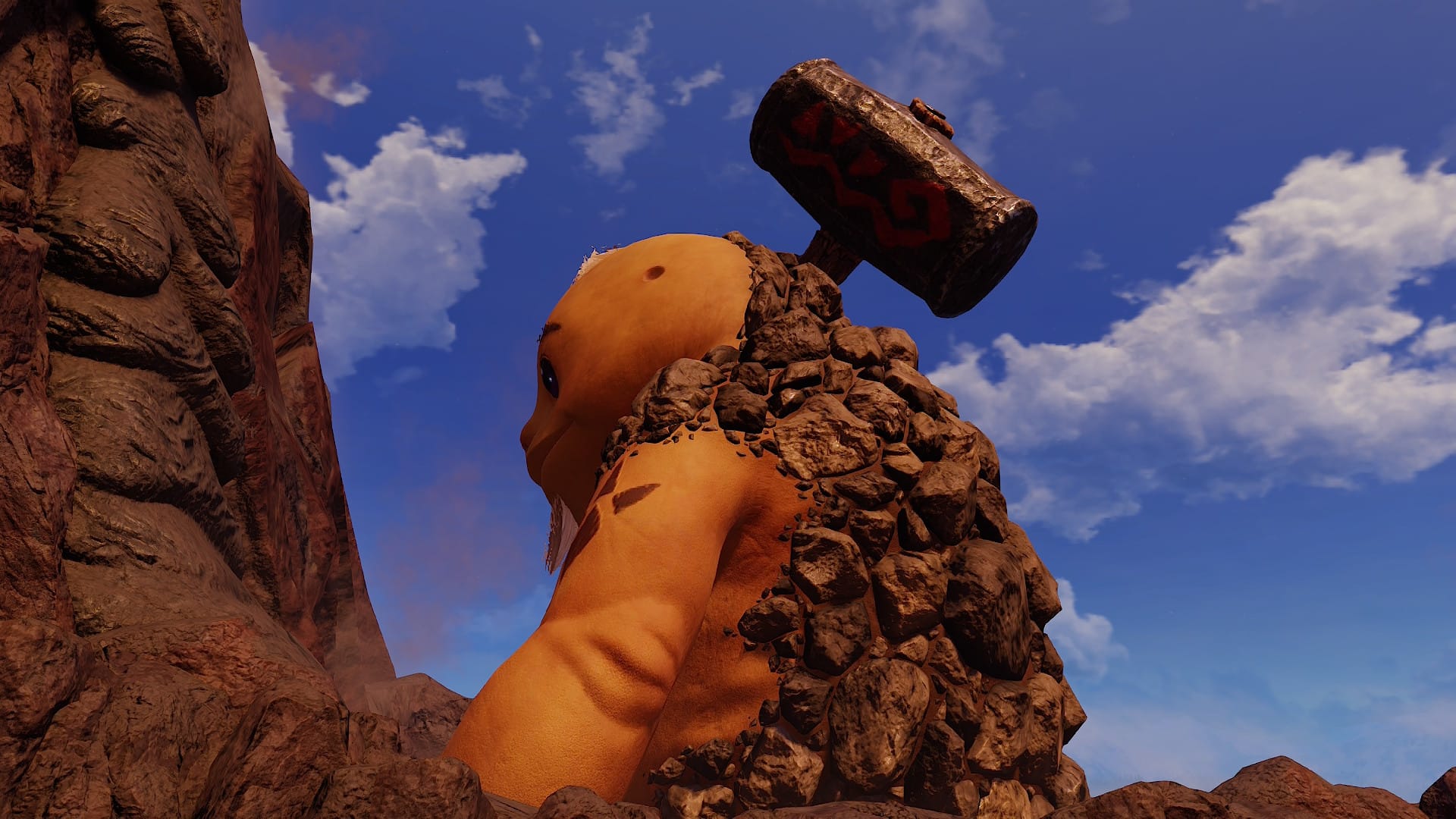
Speaking of “optimal damage,” though, that’s been carefully balanced to offer more consideration in Link’s moves. Jump attacks now have far more ending lag, so you can’t just chain them together anymore. Likewise, the Biggoron Sword feels more like a typical Greatsword now, with longer startup to match its greater damage potential. In the past, the Biggoron Sword always felt like a straight upgrade, but here you’re asked to swap between it and the Master Sword based on the situation. Sometimes I really needed my shield and the quicker strikes offered by the latter, and other times the former’s riskier approach to combat was worth it to get fights finished fast.
I’ve played this game more than a few times, so in my initial playthrough of this remake I tried to mimic my most recent run of the game on NSO where I tried to do as much of the game out of order as possible. This isn’t quite as feasible in the remake, but I did at least manage to do the Fire Temple first, then the Water Temple, and then the Forest Temple as completing that dungeon opens up access to the final two. You do need to go into some dungeons, grab the item, then leave to accomplish this, but it’s still pretty neat.
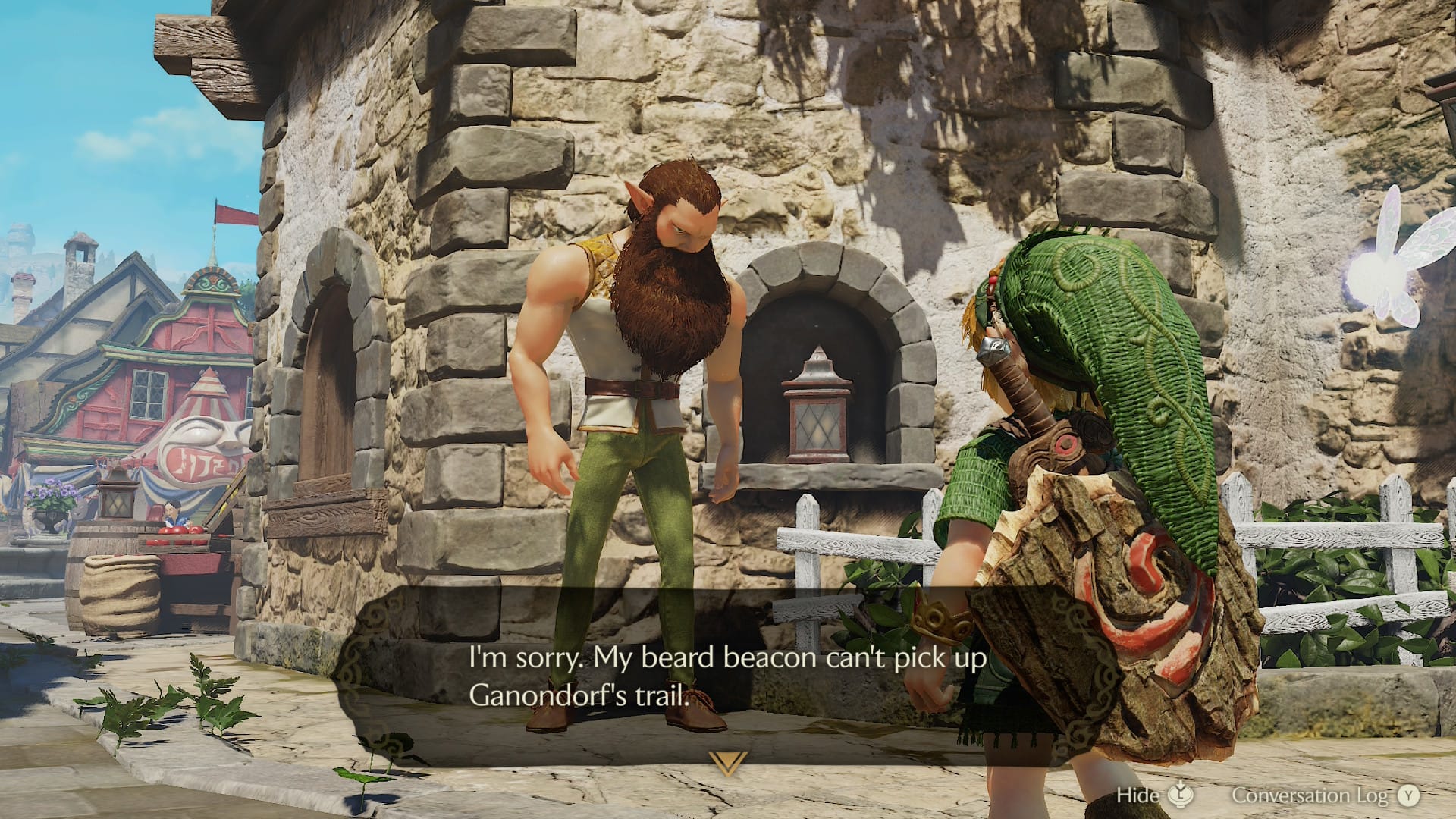
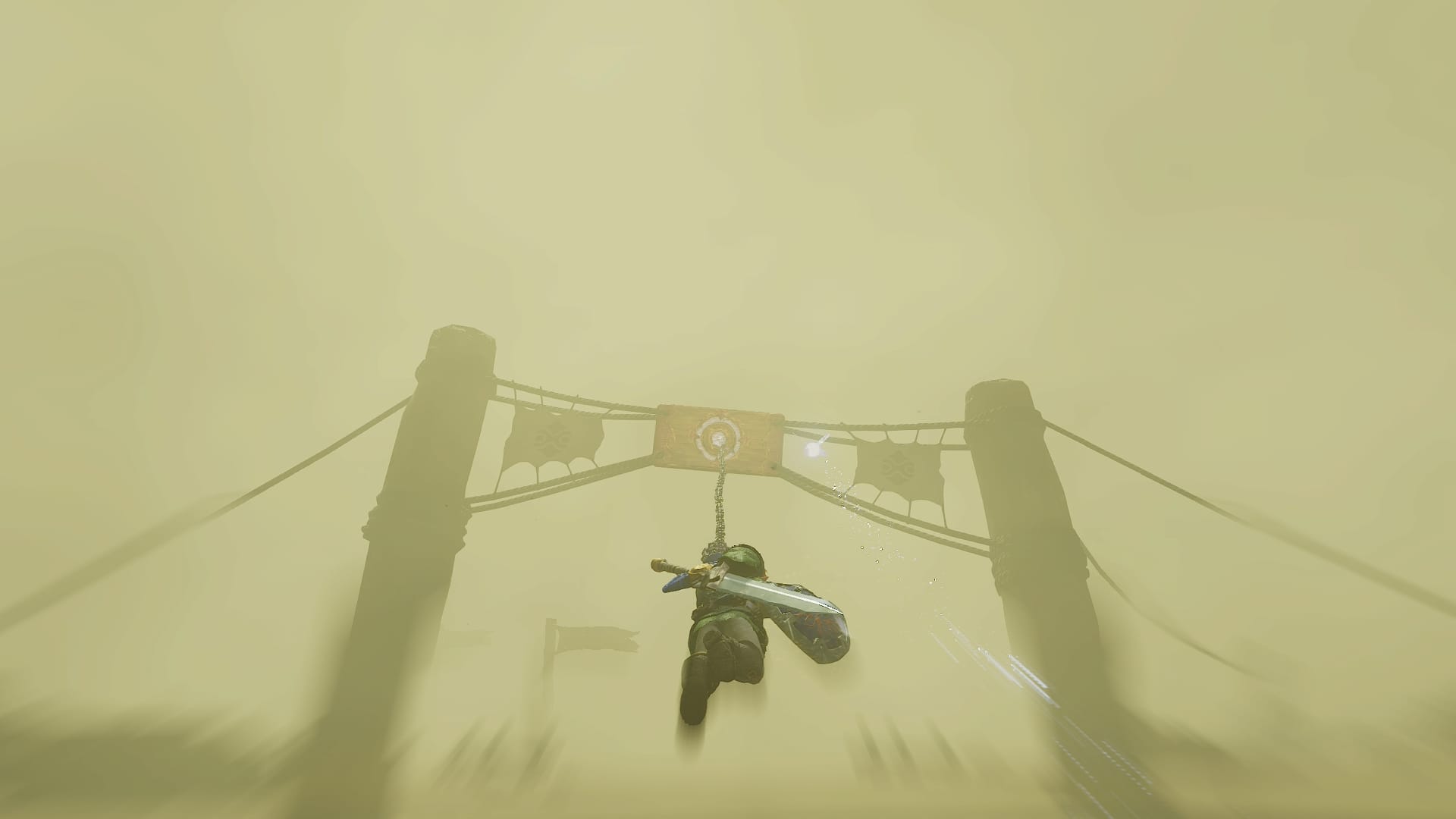
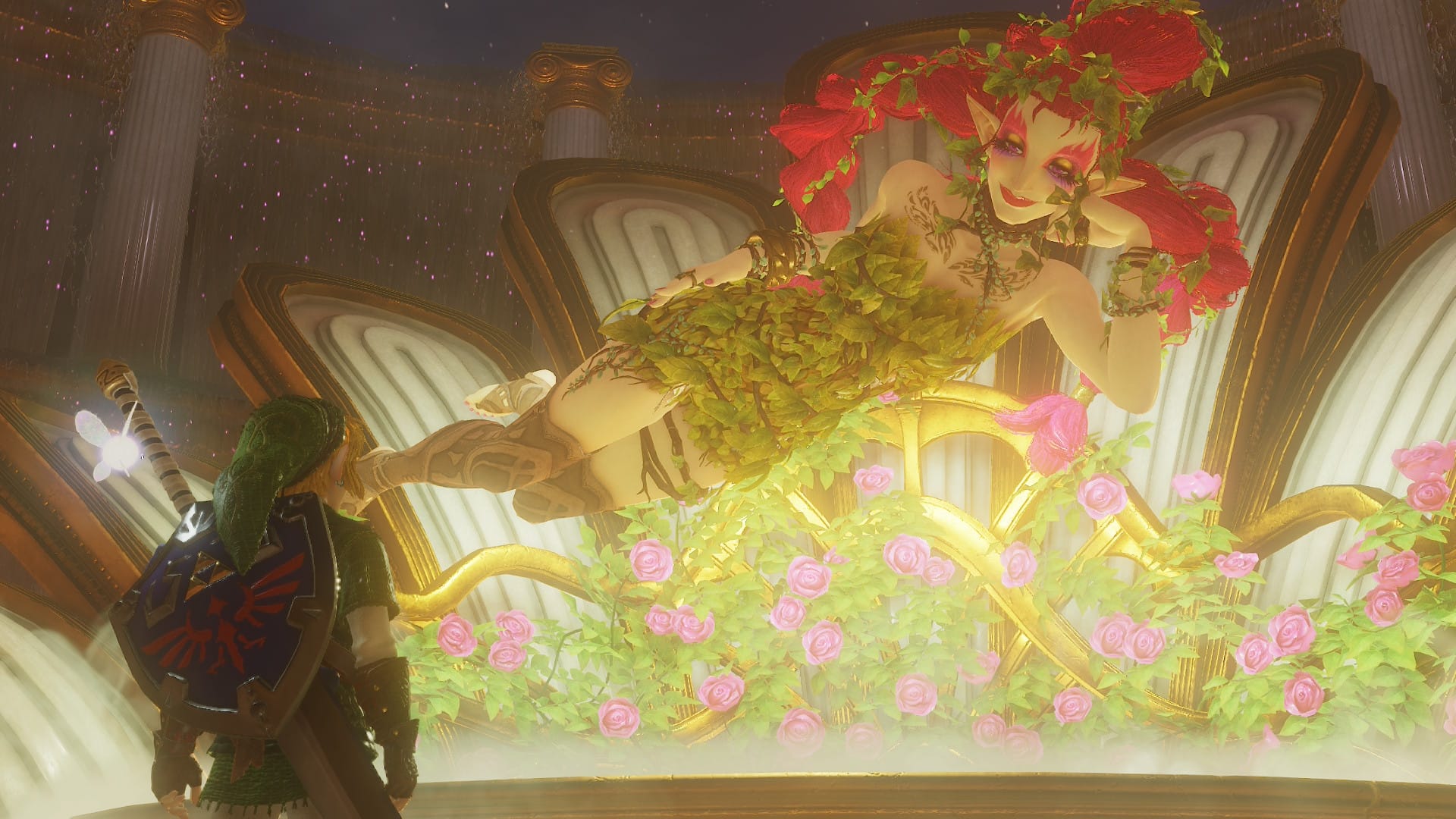
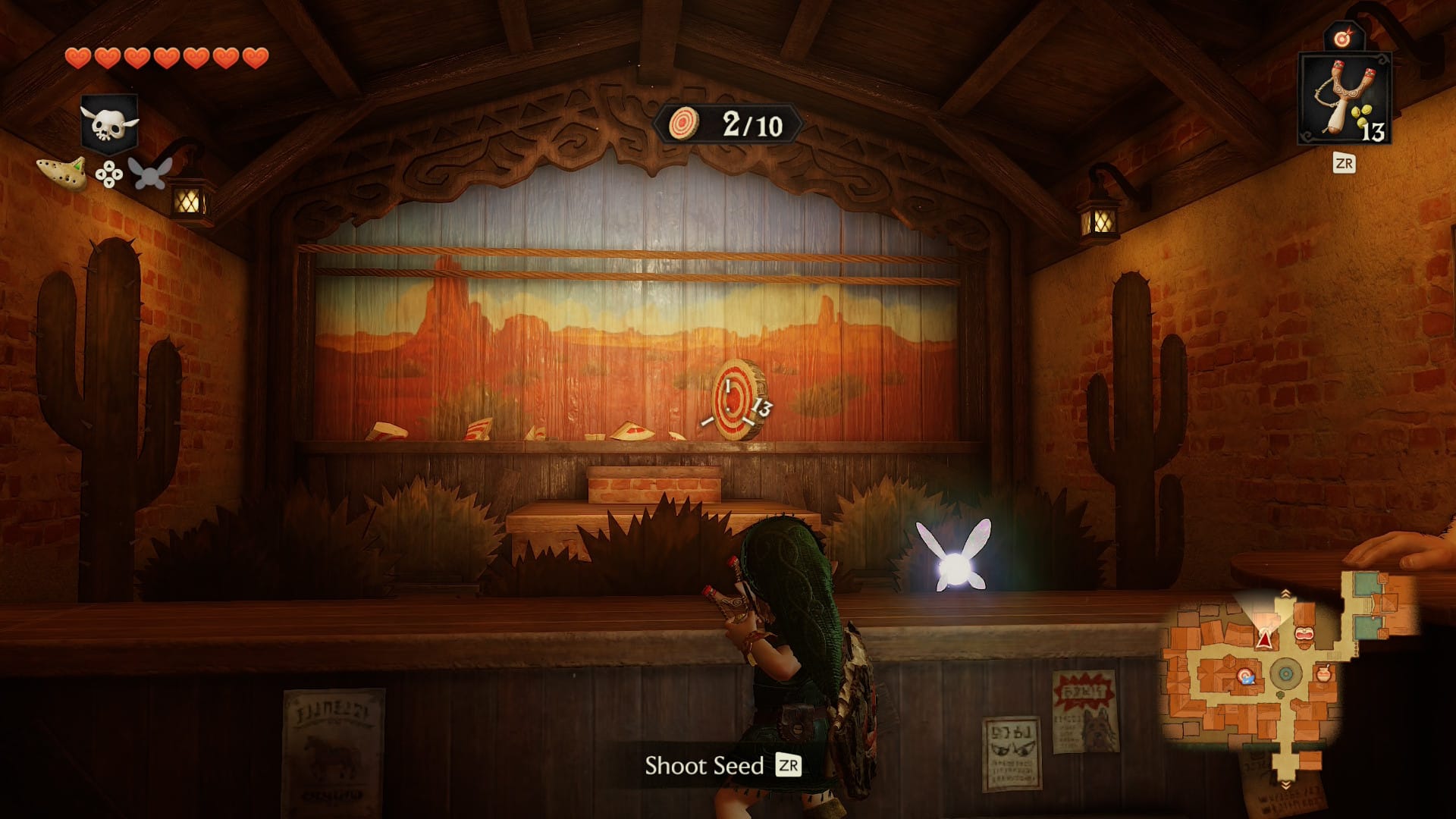
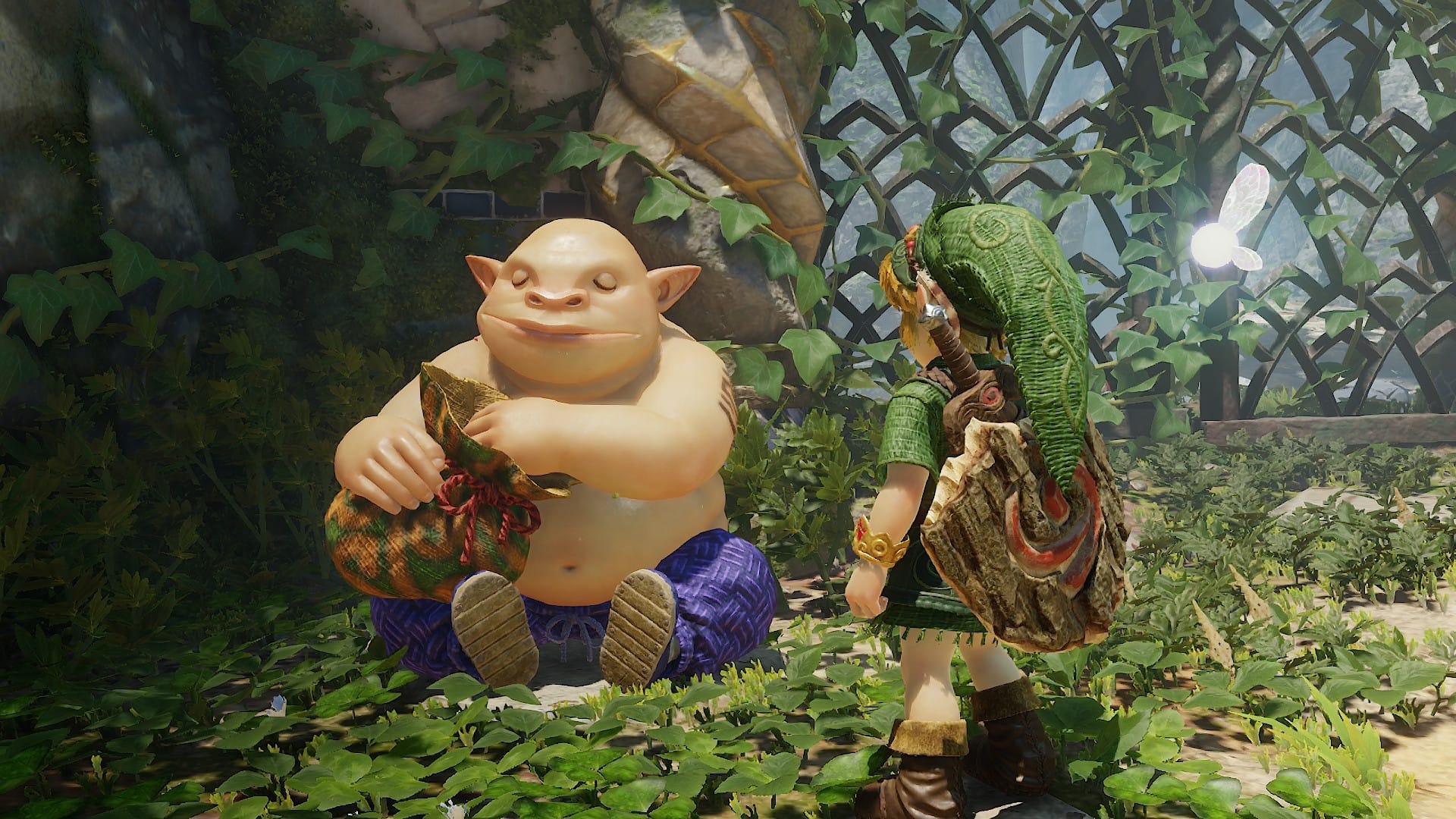
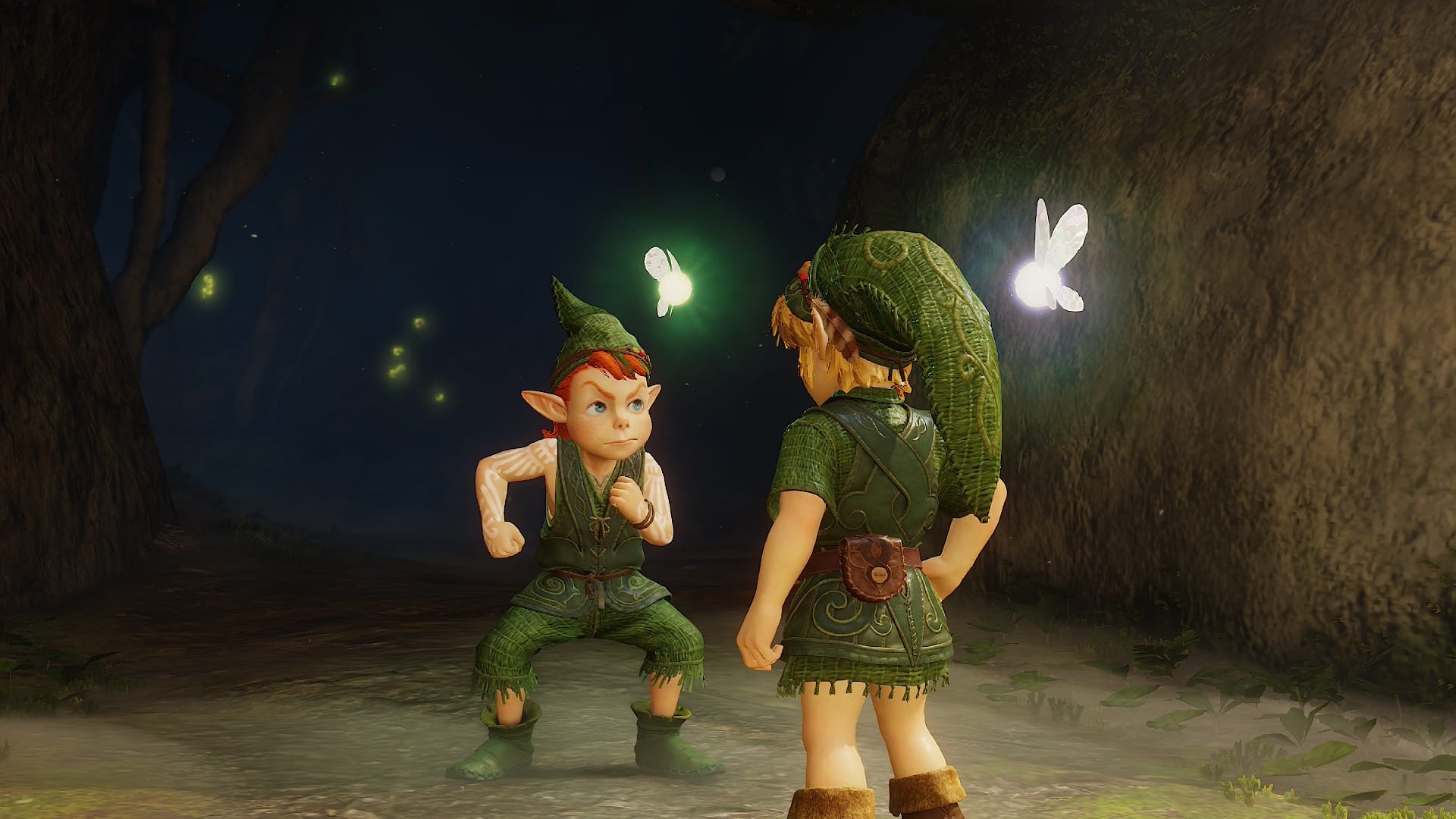
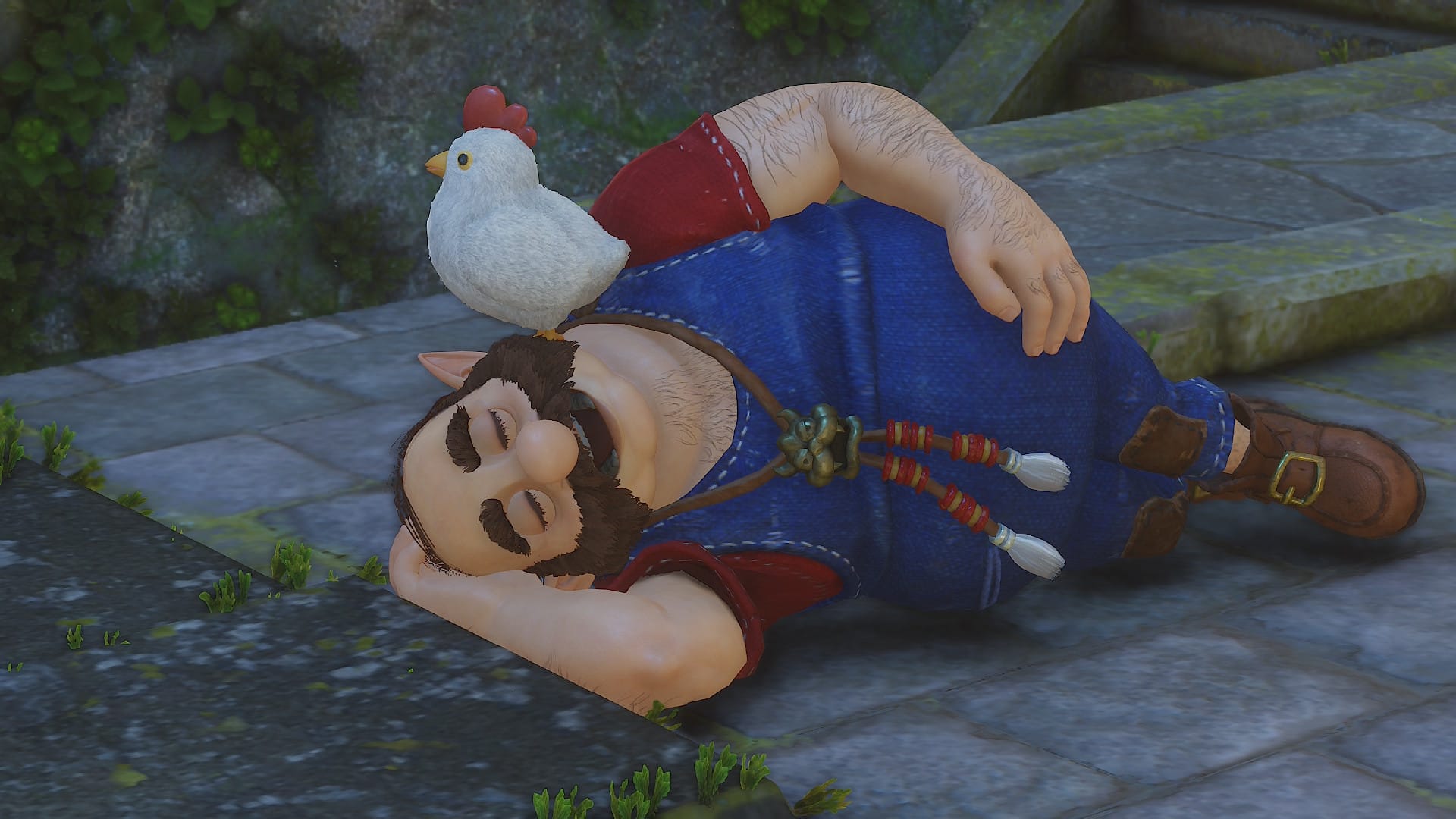
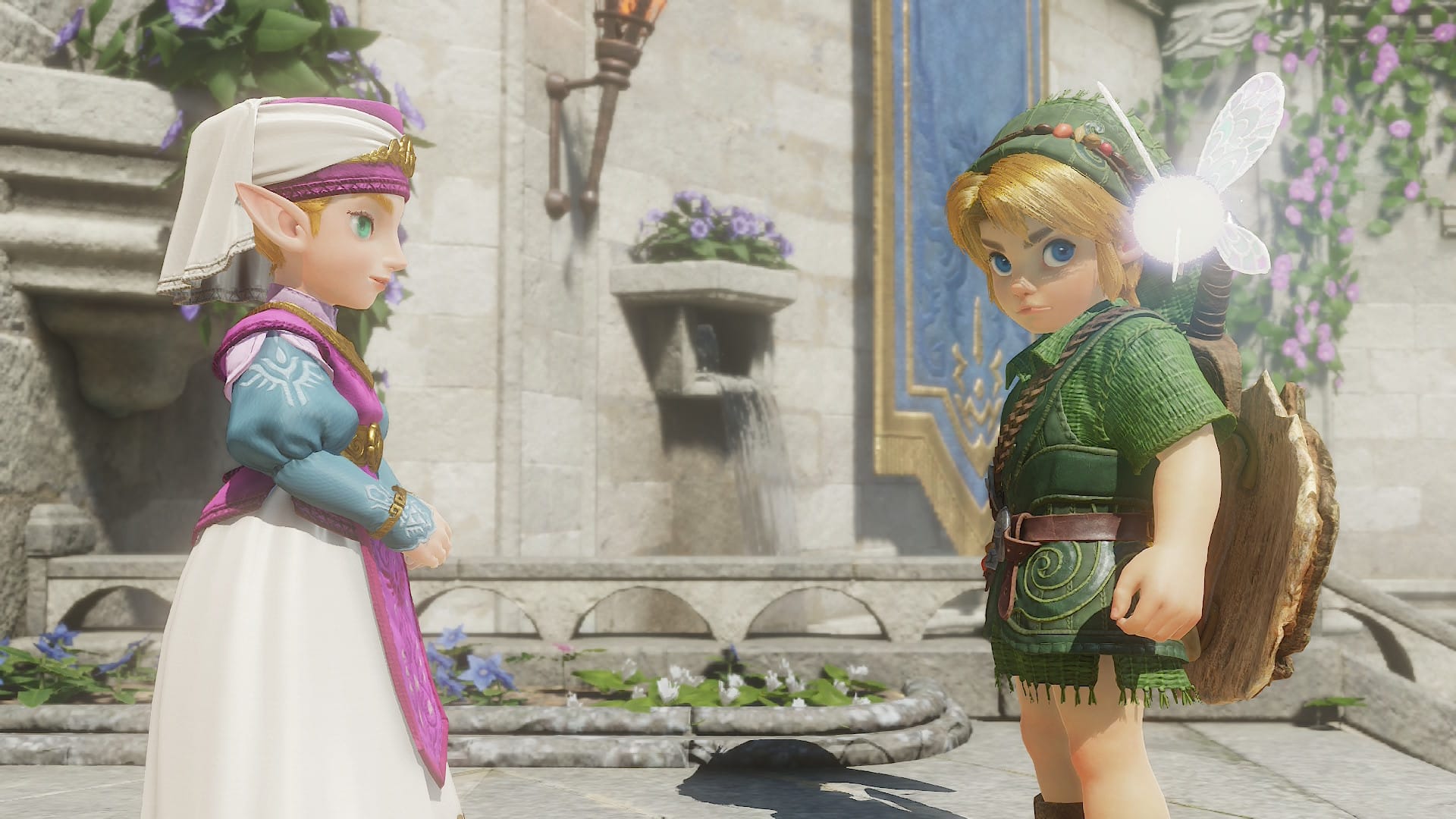
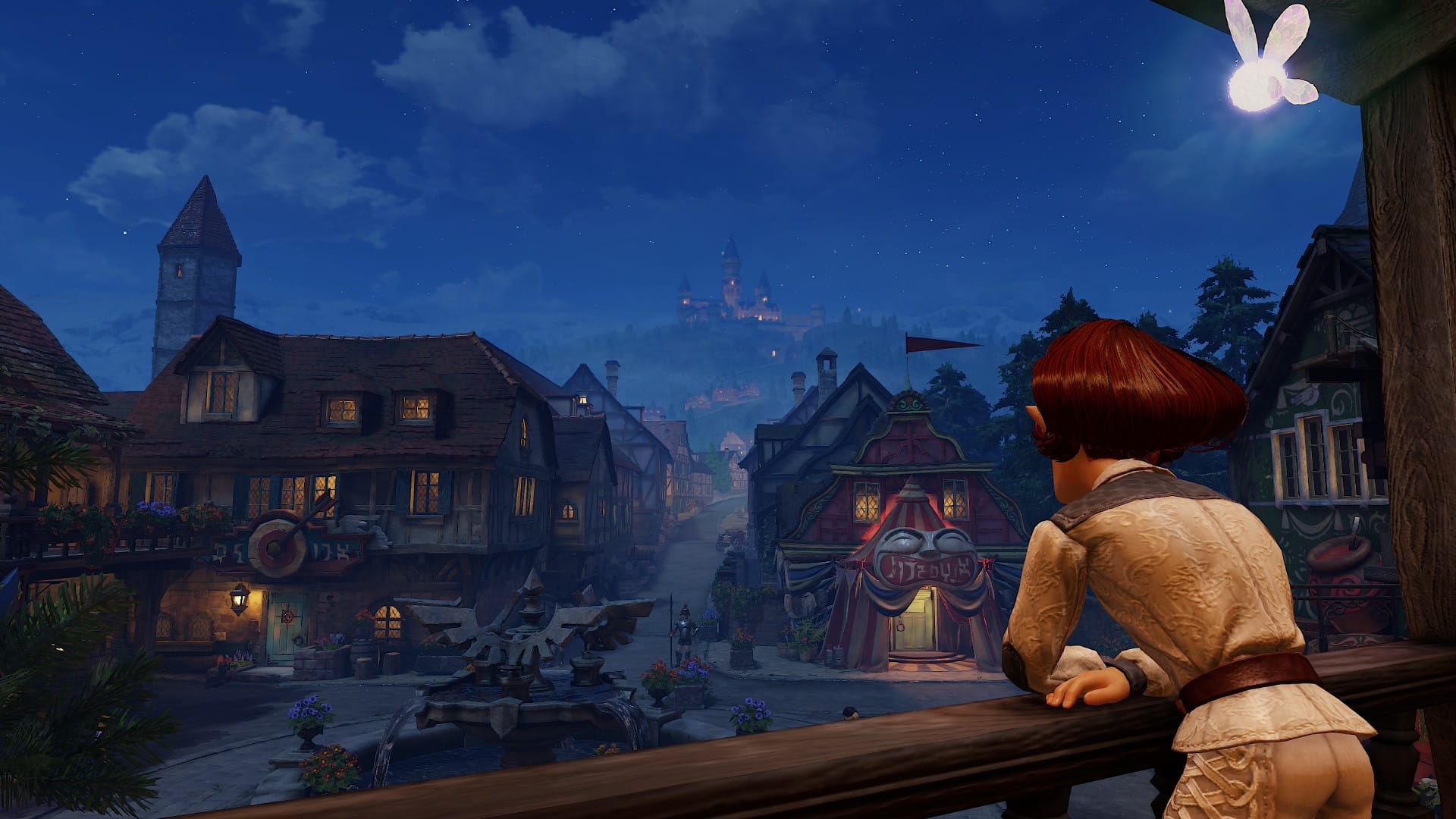
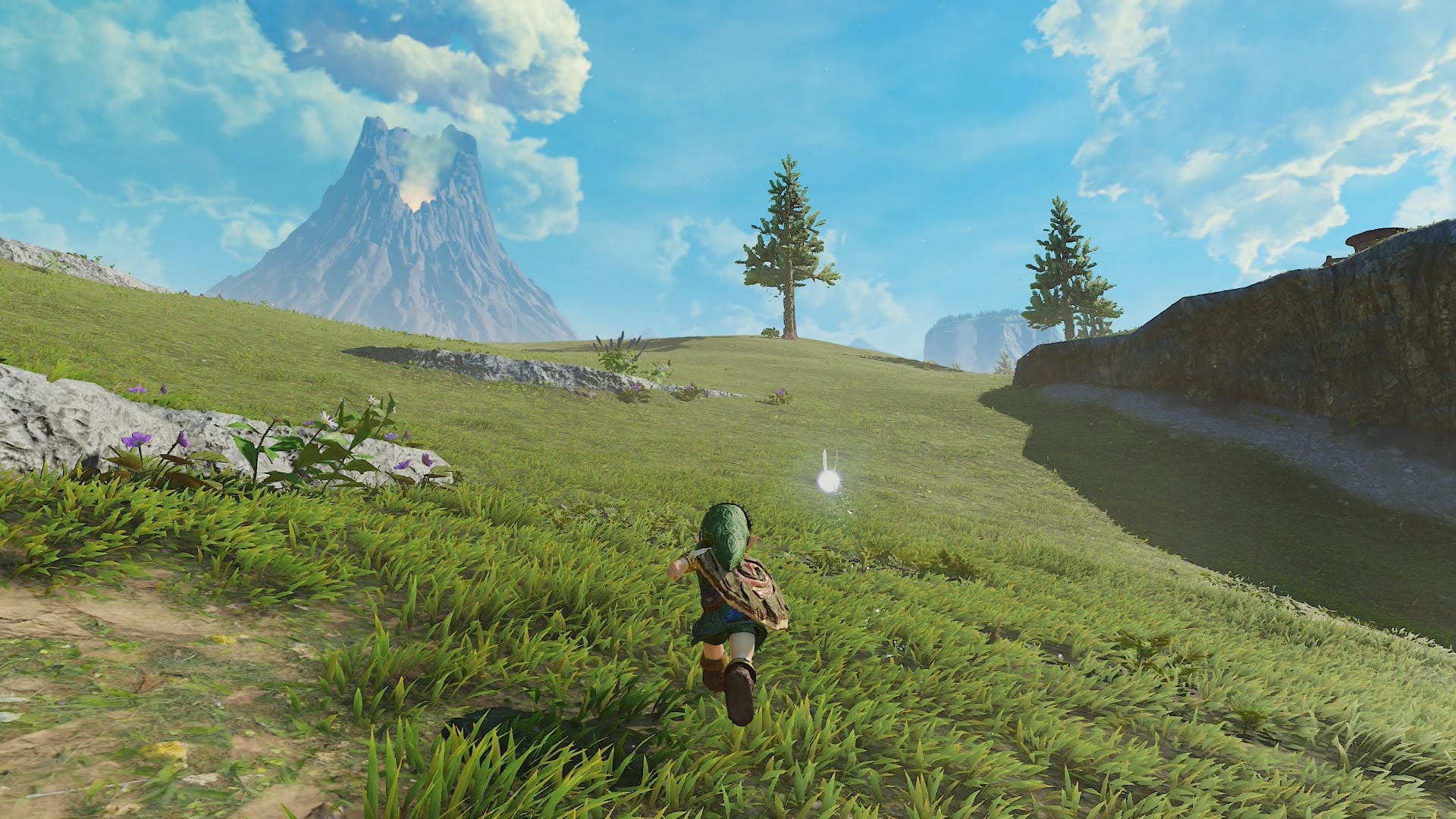
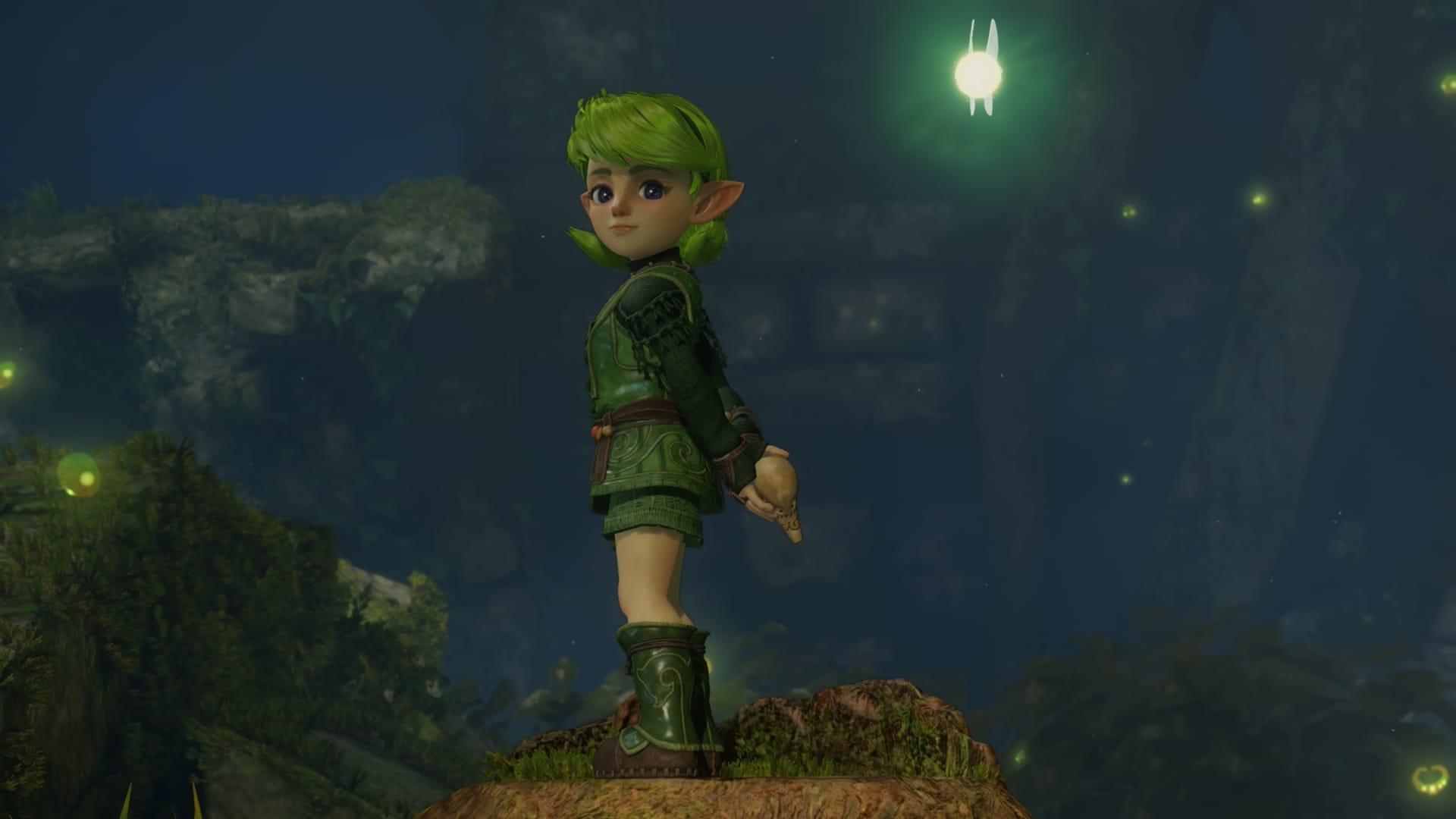
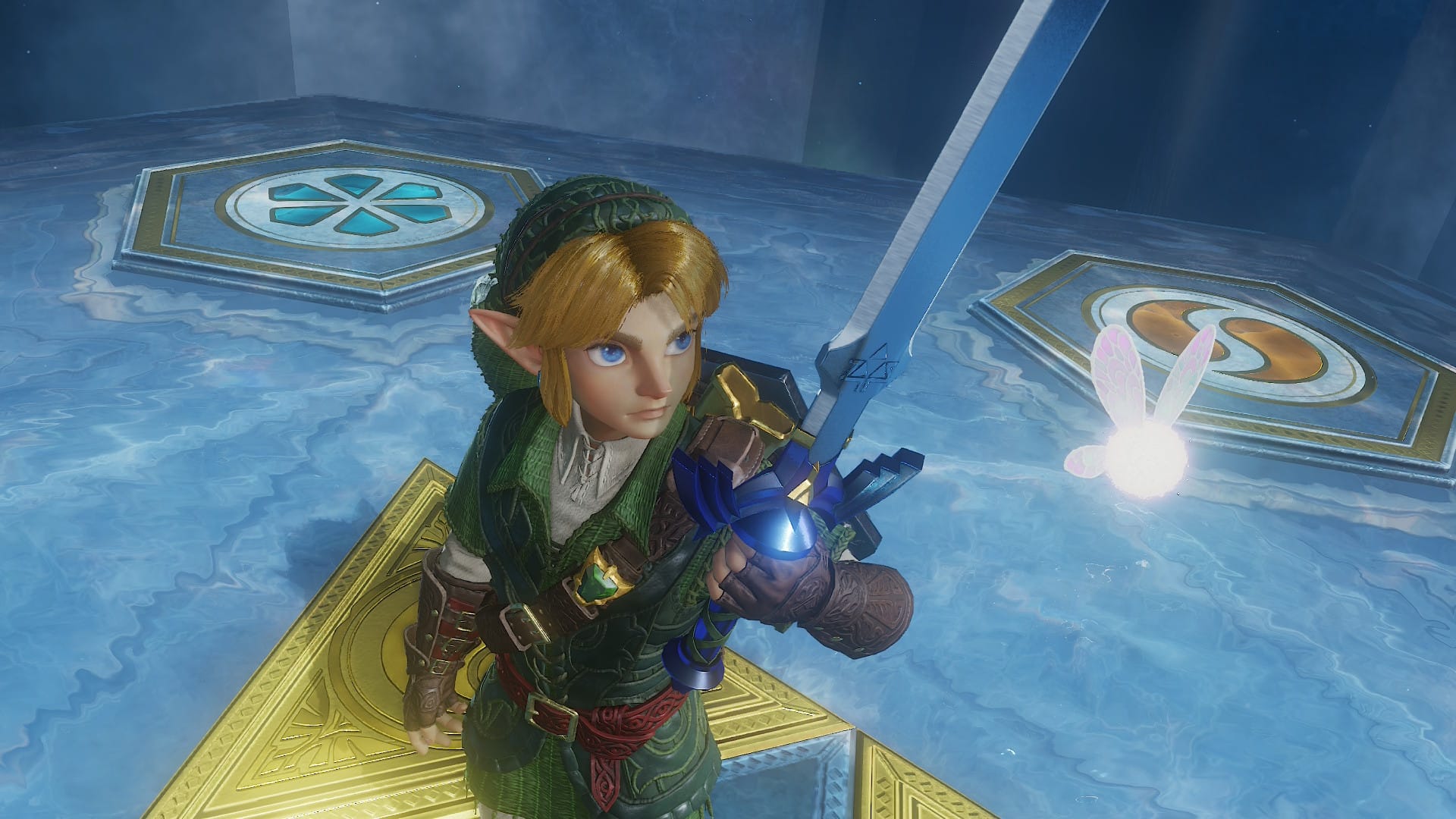
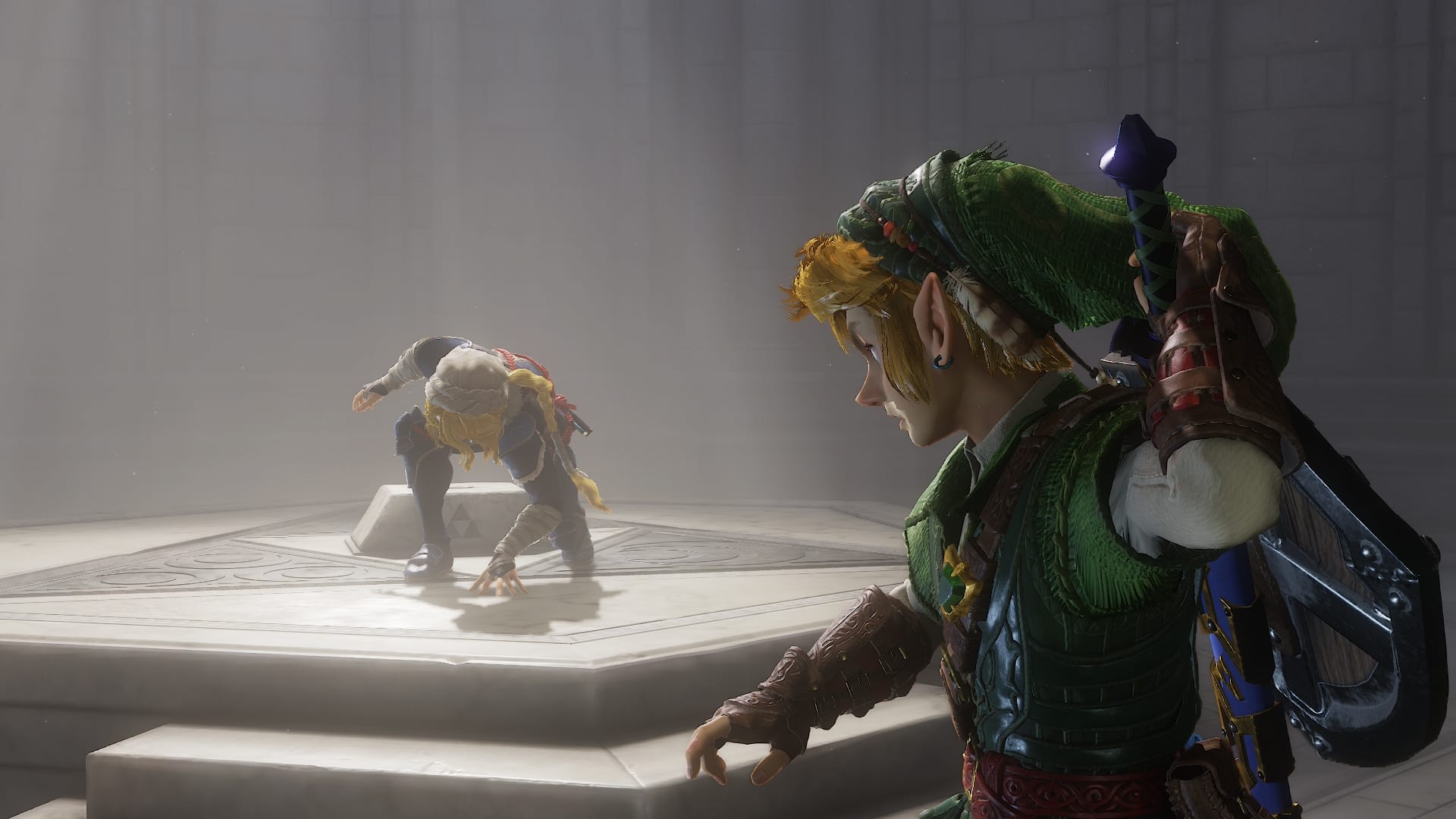
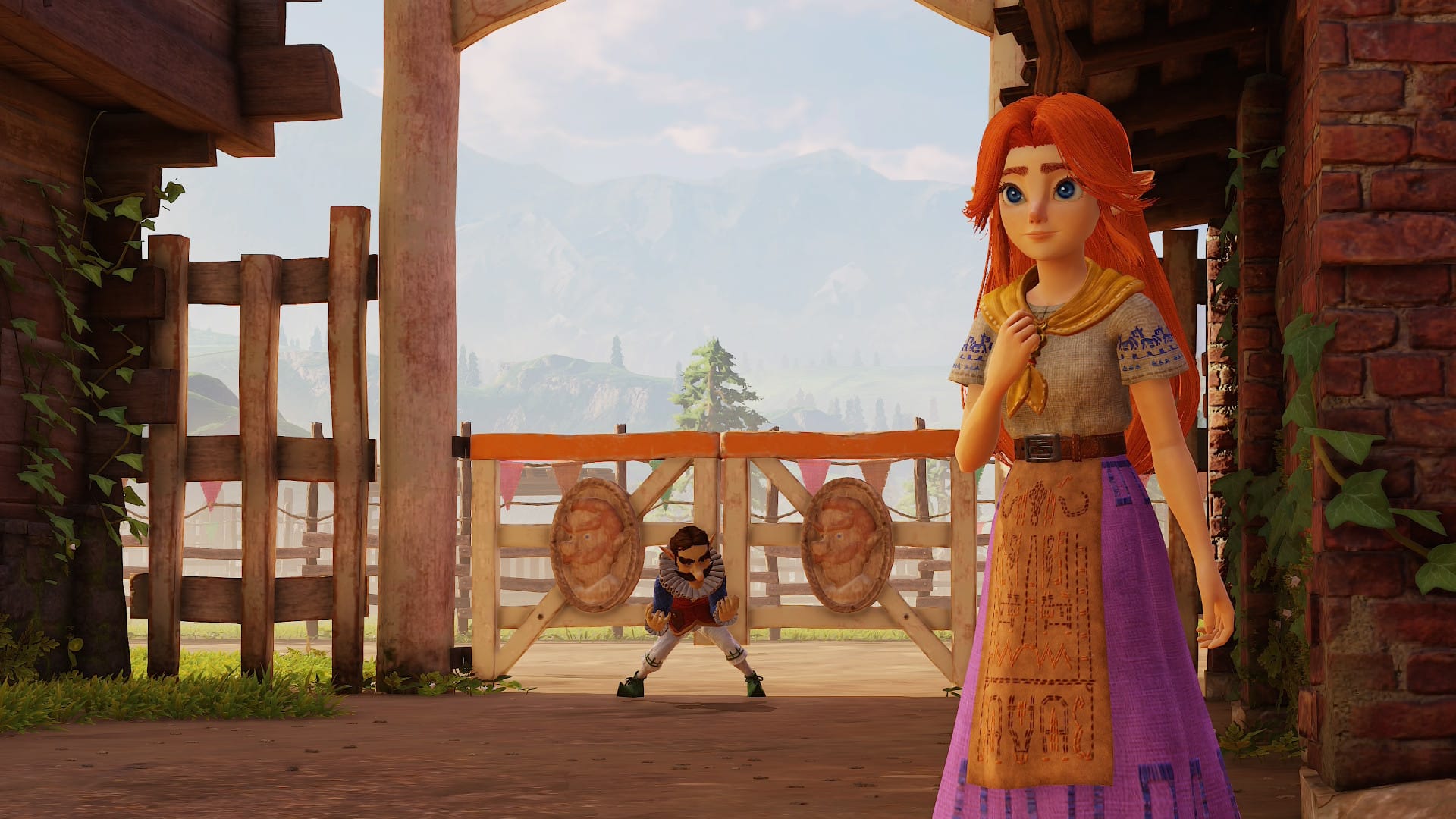
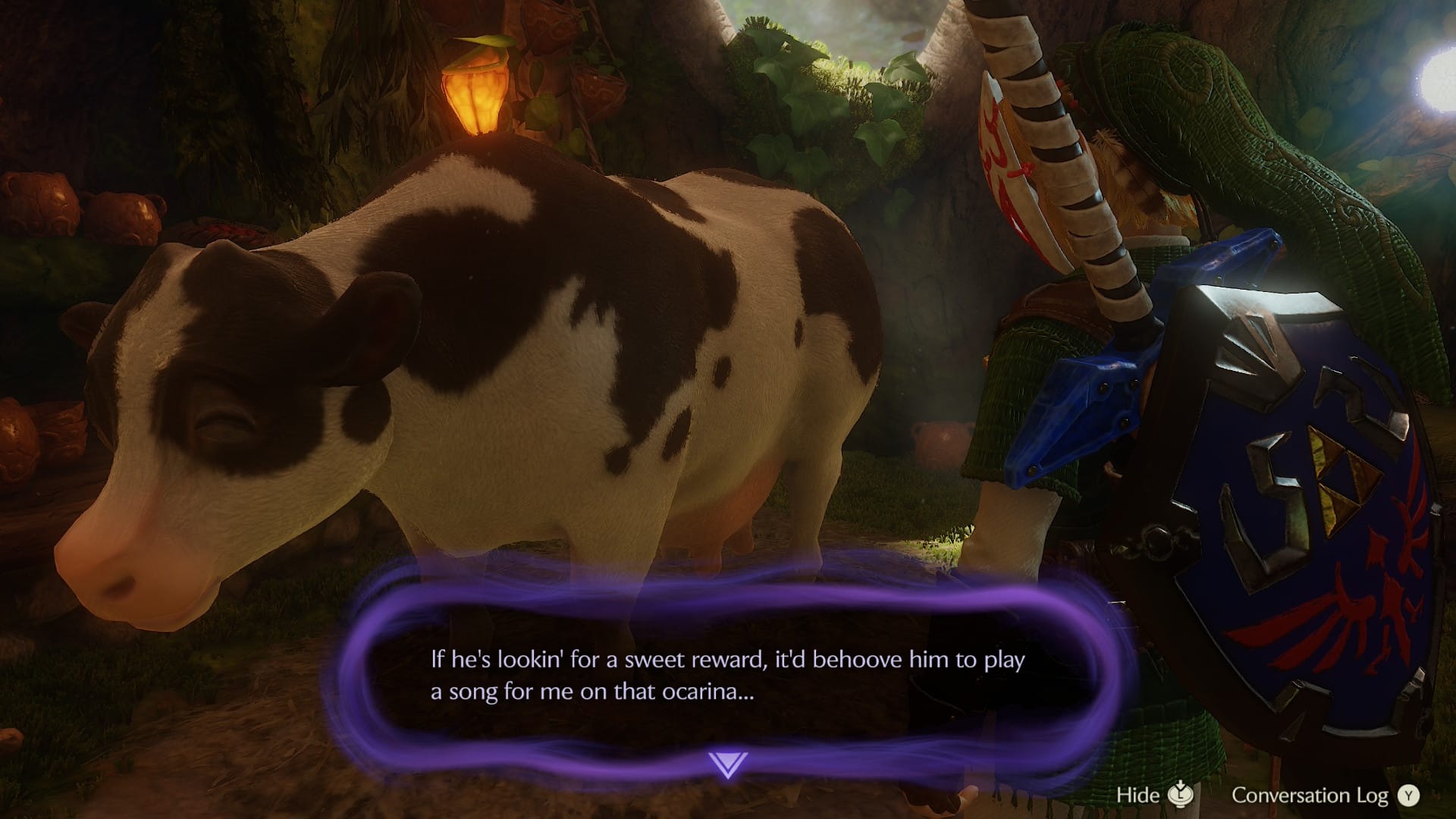
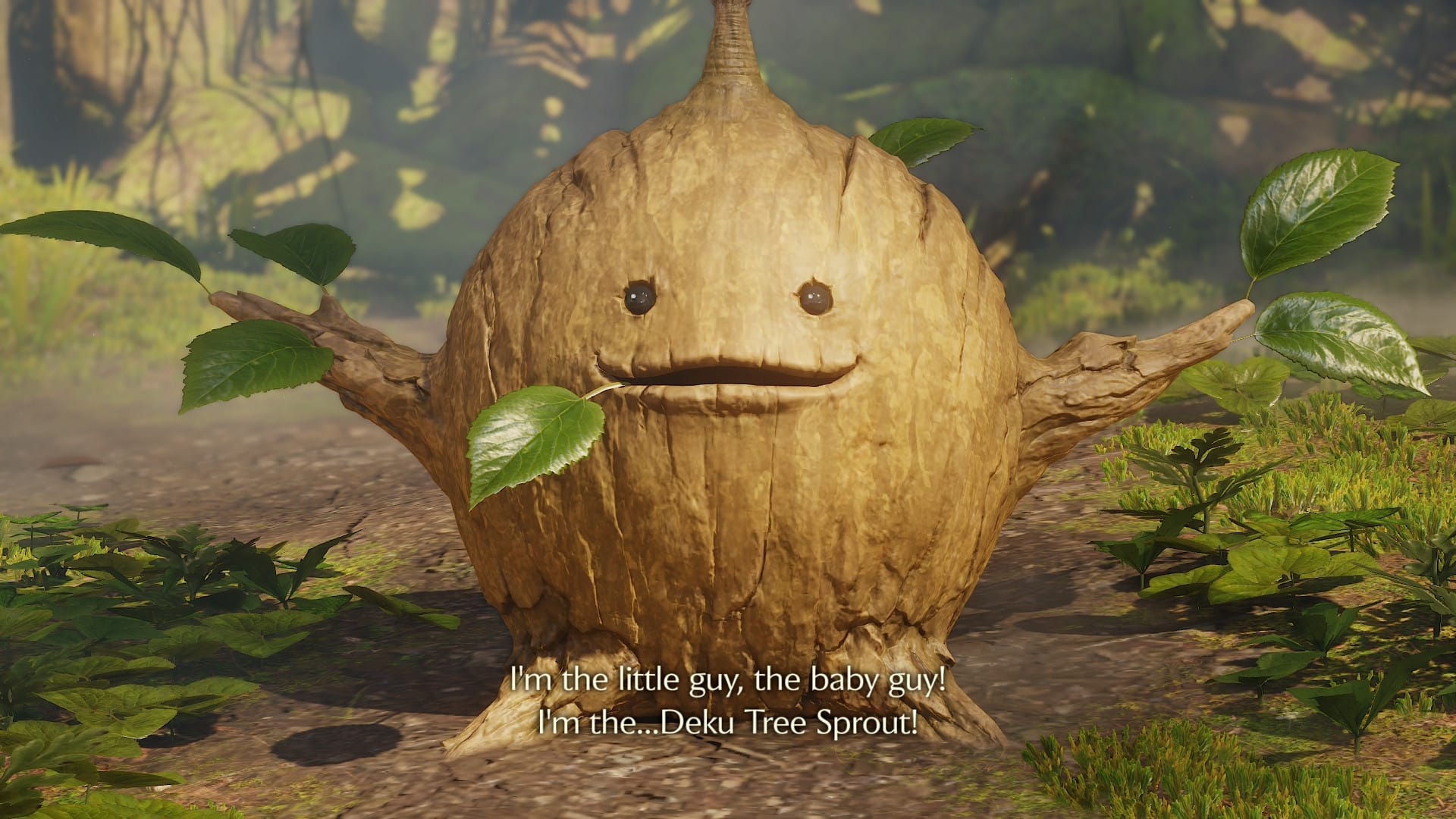
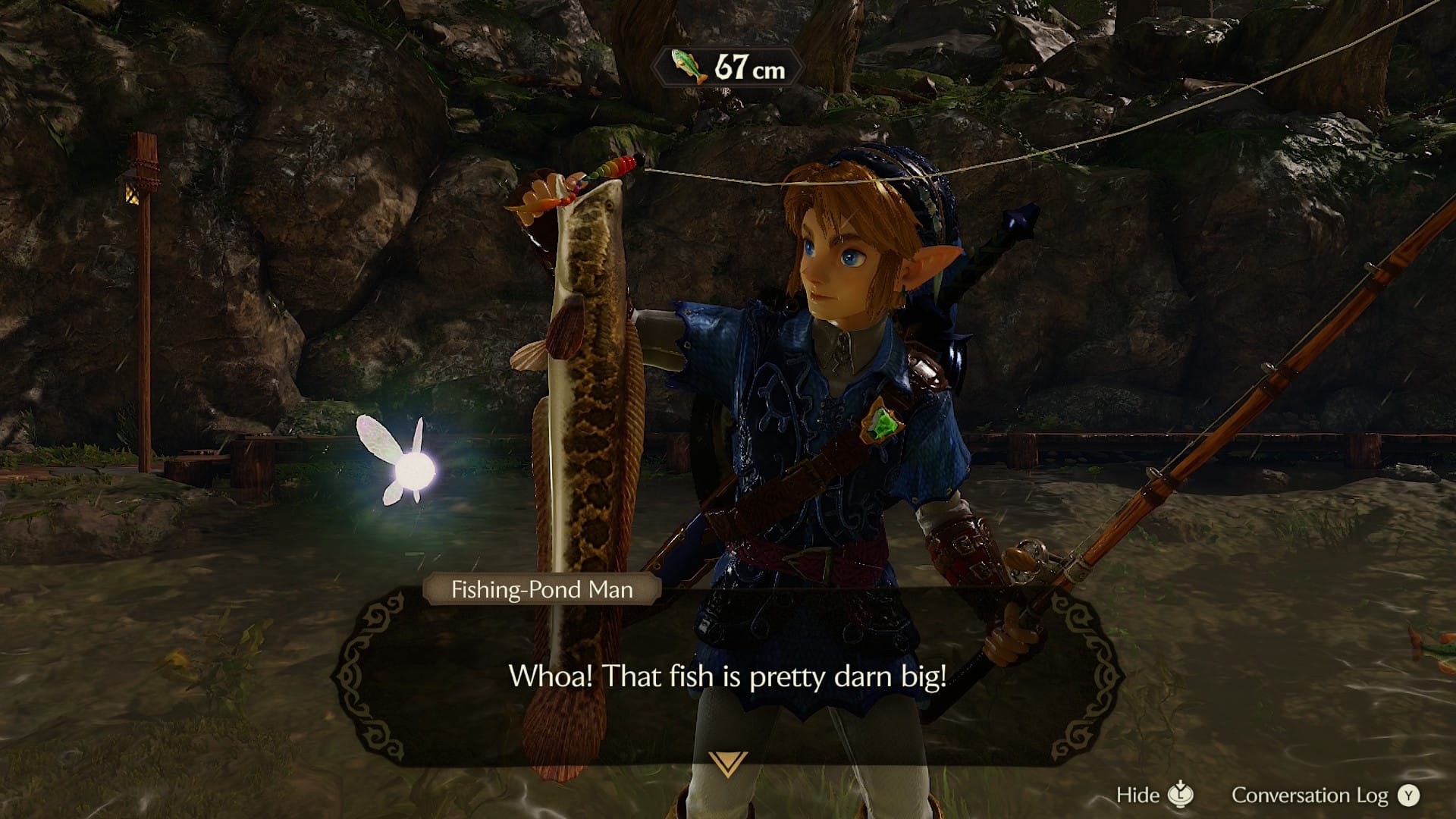
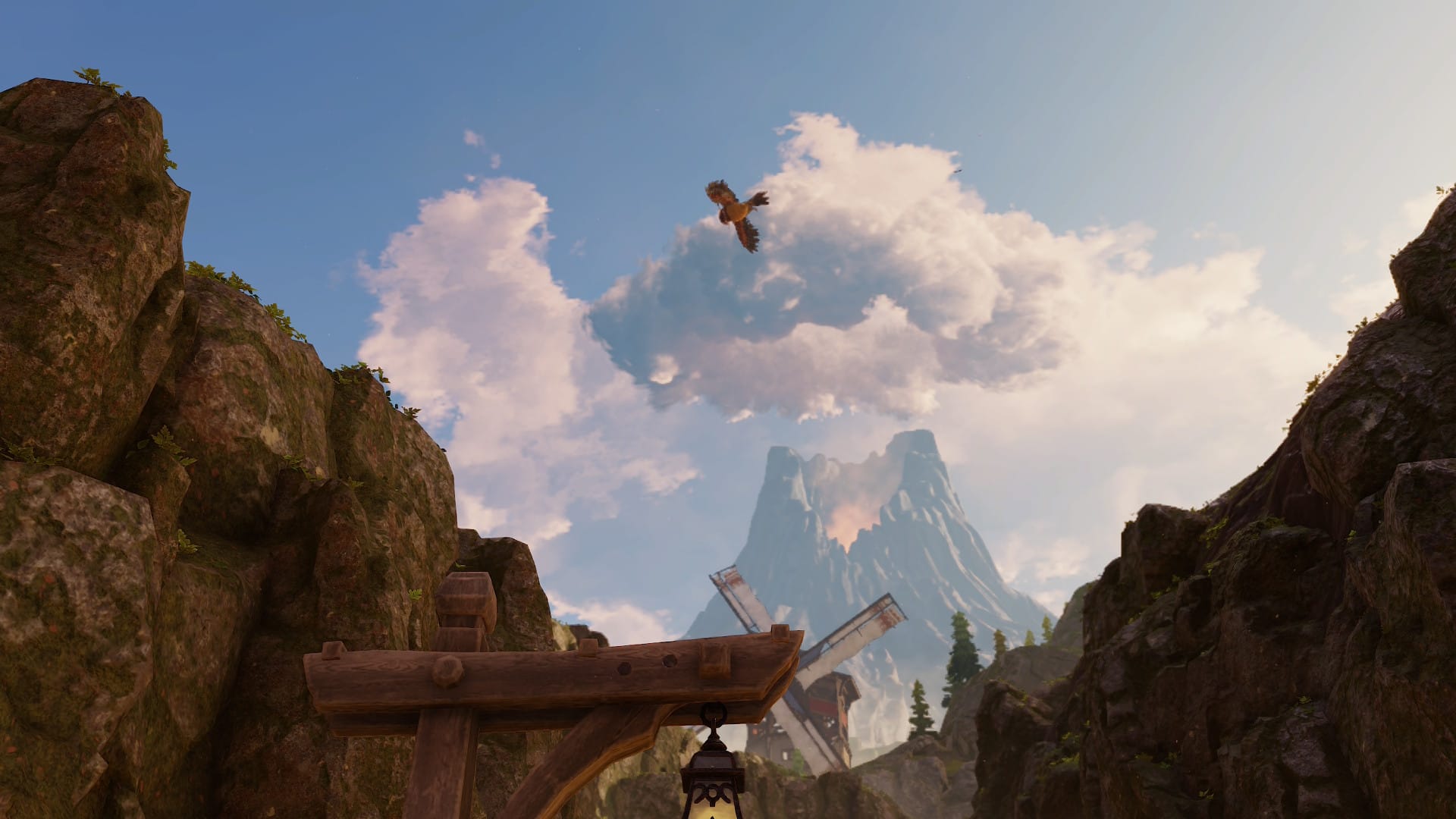
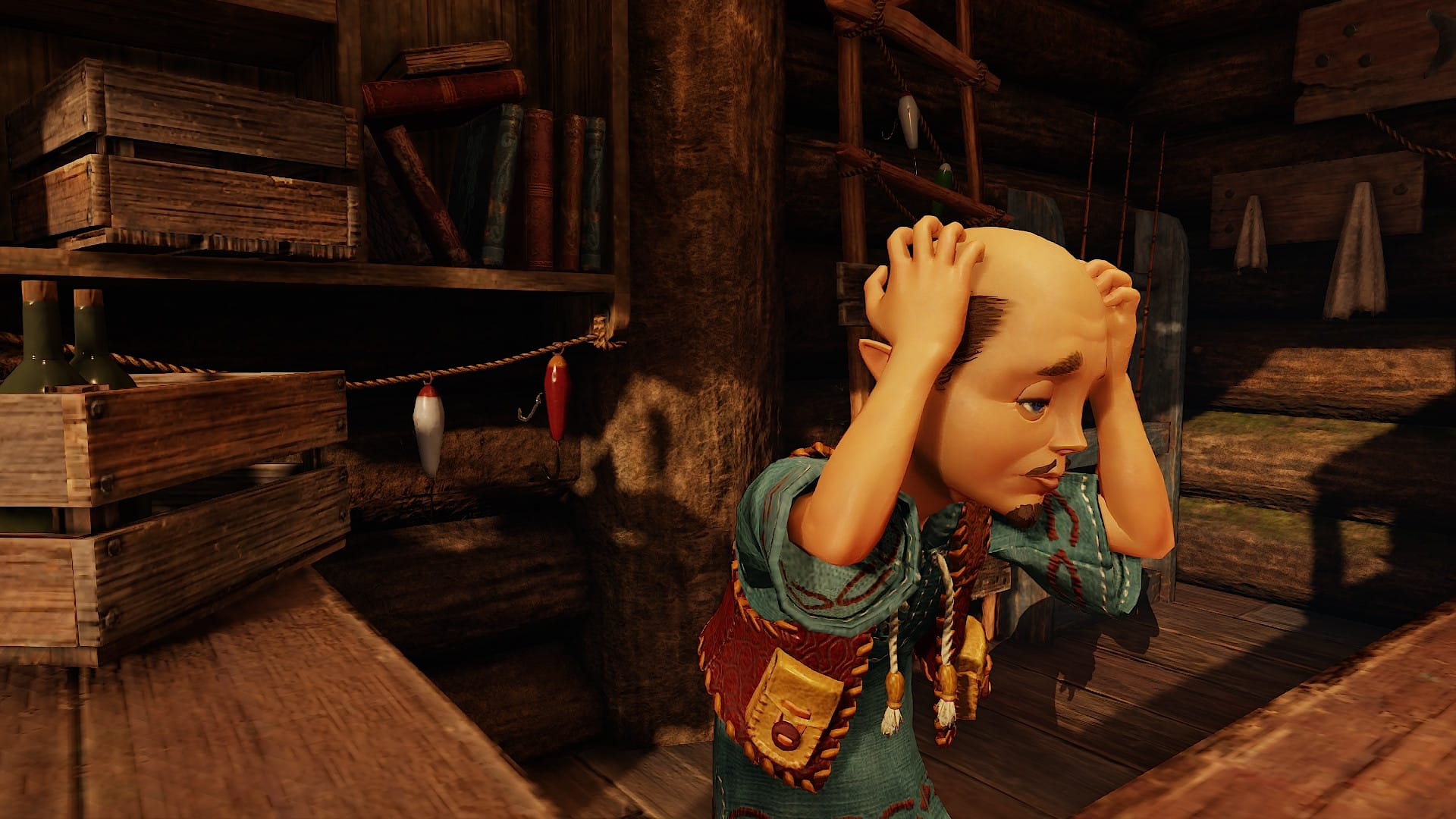
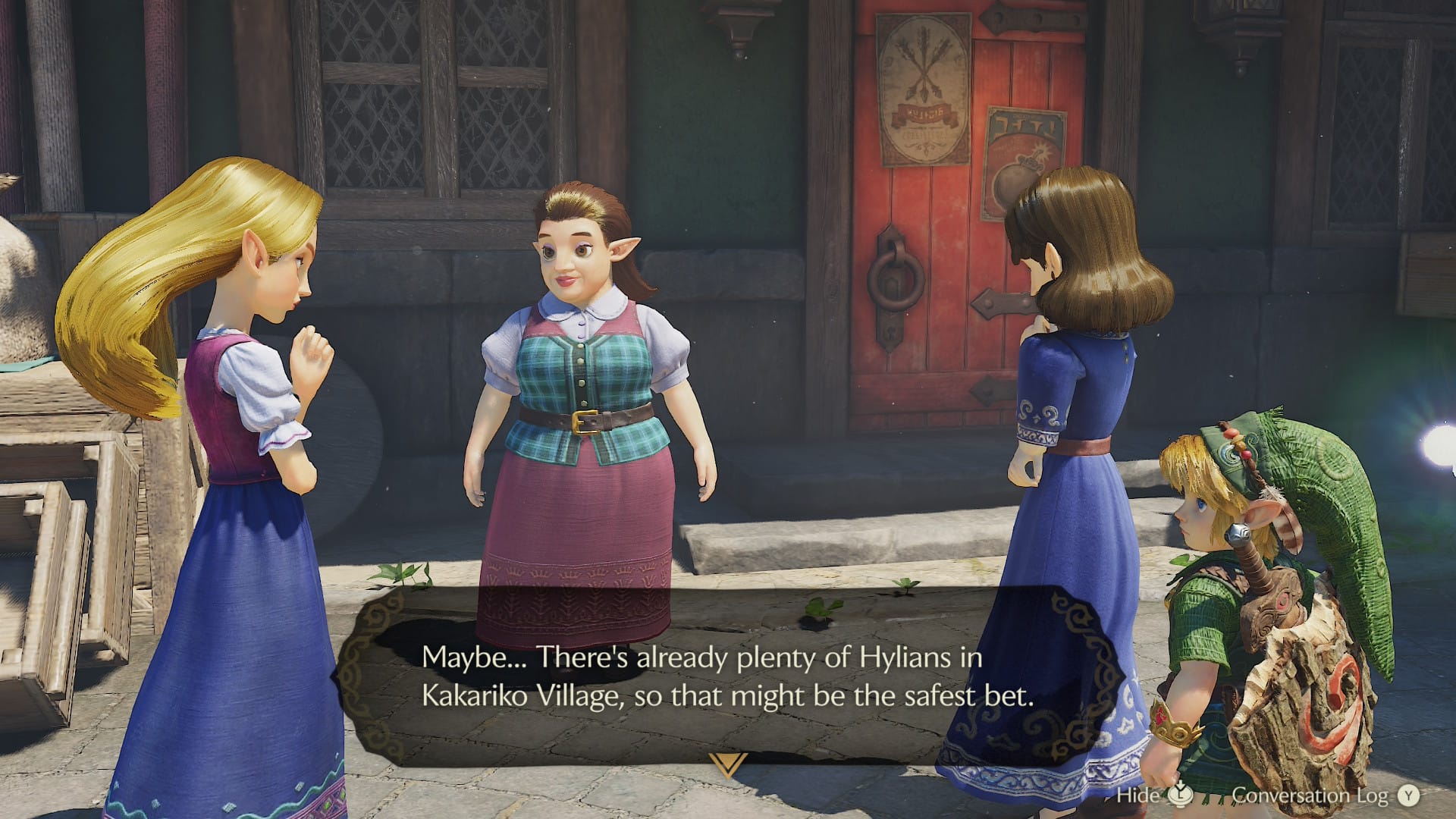
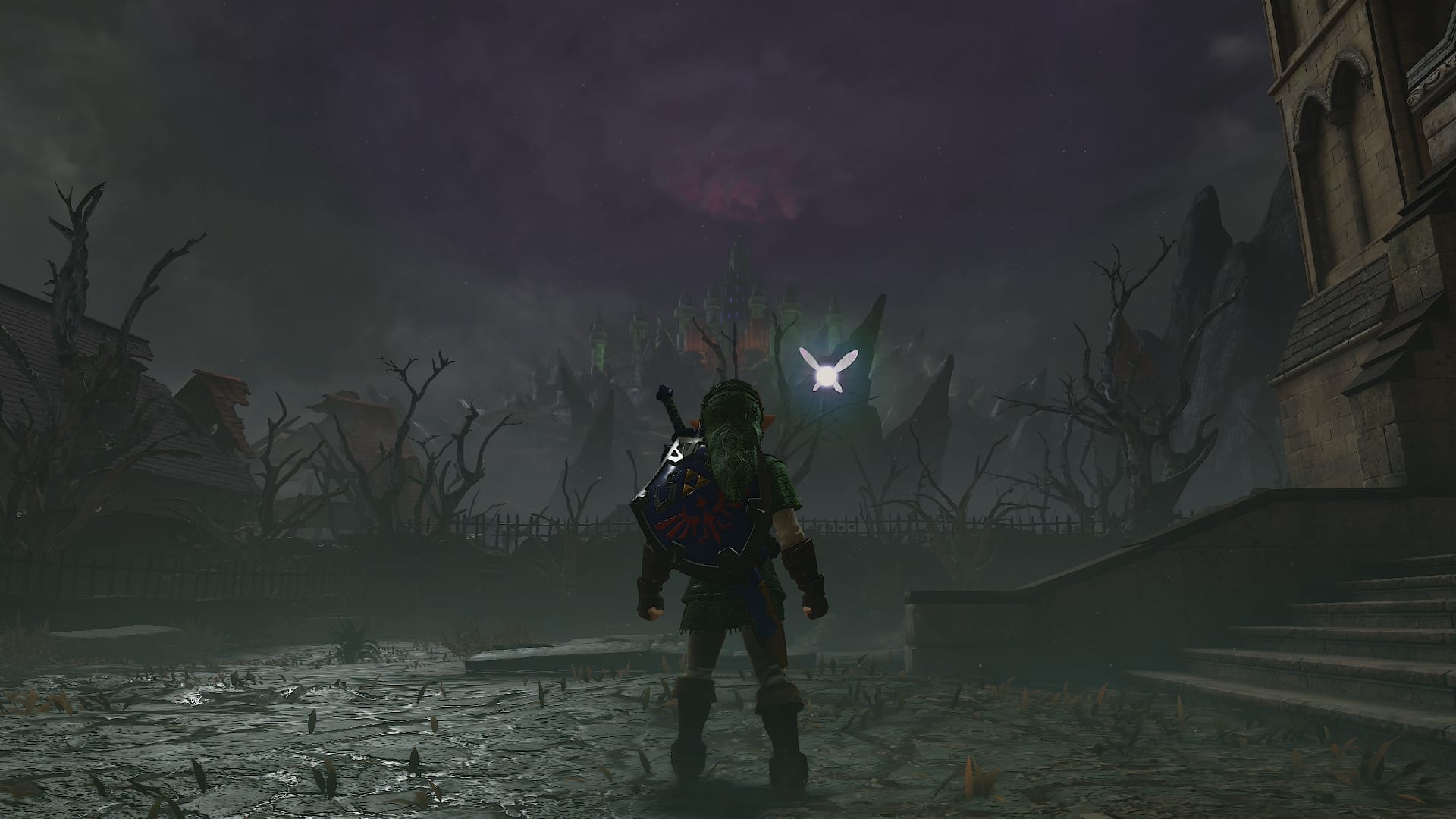
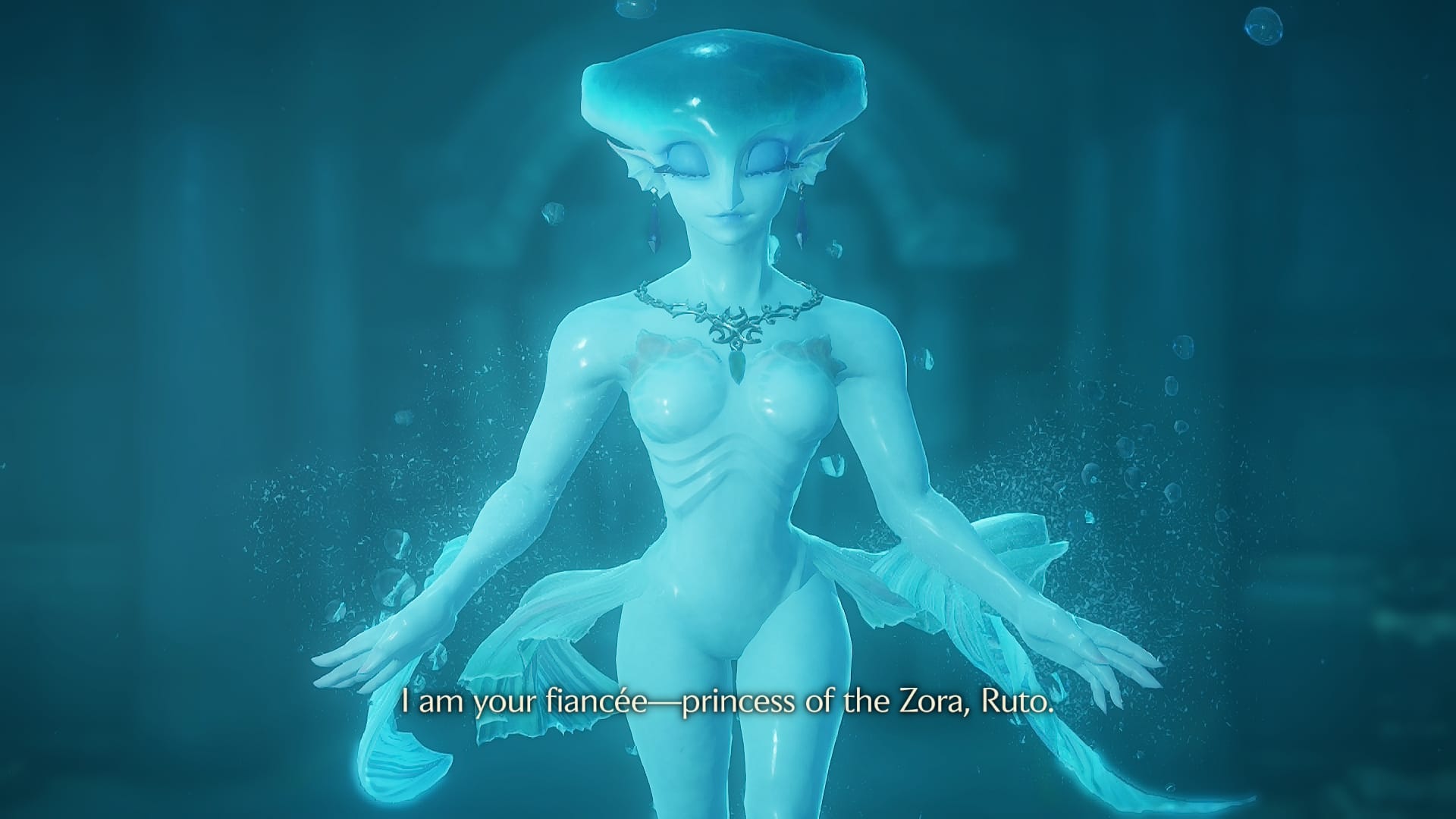
What’s also neat (nailed it, perfect segue) are the visuals. Put simply, Ocarina of Time is absolutely stunning. It feels like a very detailed wargaming diorama landscape came to life and was populated by porcelain and wooden dolls. It reads as realism at first glance, and there is some of that in here, but in my eyes it leans more towards that idea of serious play both kids and adults take part in. Adults often need more structure, hence the wargaming comparison, but for a child I could see this as their imagination coming to life as they play with their dolls. It allows you to step into the world and fully believe the stakes, while also retaining a whimsical attitude; treating the fourth wall as a permeable surface rather than an obstacle to be overcome, something I had already felt in the 3DS version.
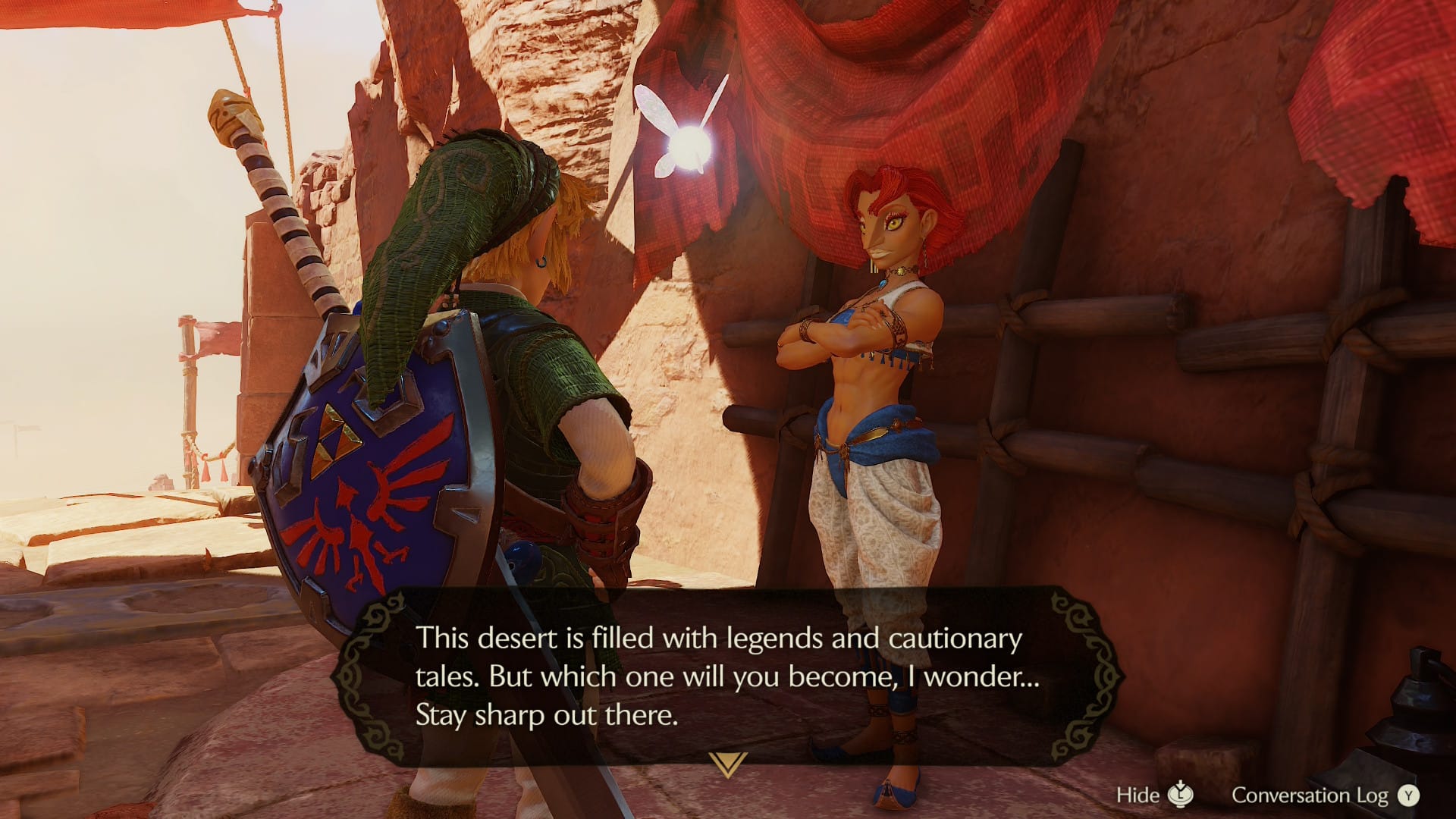
That applies to the writing as well. I never thought Ocarina of Time was super well written. It has some amazing subtext and theming about taking responsibility, loss, and growing up, but the prose itself was pretty basic for the most part. The script is a weird mix of keeping dialogue the same and changing things up dramatically to add more depth or, disappointingly, spell out things that were only previously implied. Some of the added scenes are fantastic, like the one after pulling out the Master Sword for the first time, really showing you Link and Zelda’s critical mistake and how they’re both in way over their heads. Conversely, there’s now a goodbye scene with Kaepora Gaebora that really didn’t need to be there, and I think actually detracts from him disappearing from the game after a certain point. In my mind, he somewhat represented Link’s childhood innocence, and his disappearance with no fanfare felt like a very real representation of growing up too quickly or just becoming an adult.
Some cool tidbits are nowhere to be found in the remake. 23 is number 1 has been replaced by a straight up explanation of the puzzle, and Bottom of the Well also removed atmosphere and history in favor of reminding you to use the Lenses of Truth. Just like Nintendo seems afraid of you getting stuck in the gameplay, it seems like they’re afraid of you not “getting” the story. I’d say there are more good additions than bad, though for every Princess Zelda helping you during the final battle, there’s her never shutting up during the escape sequence.
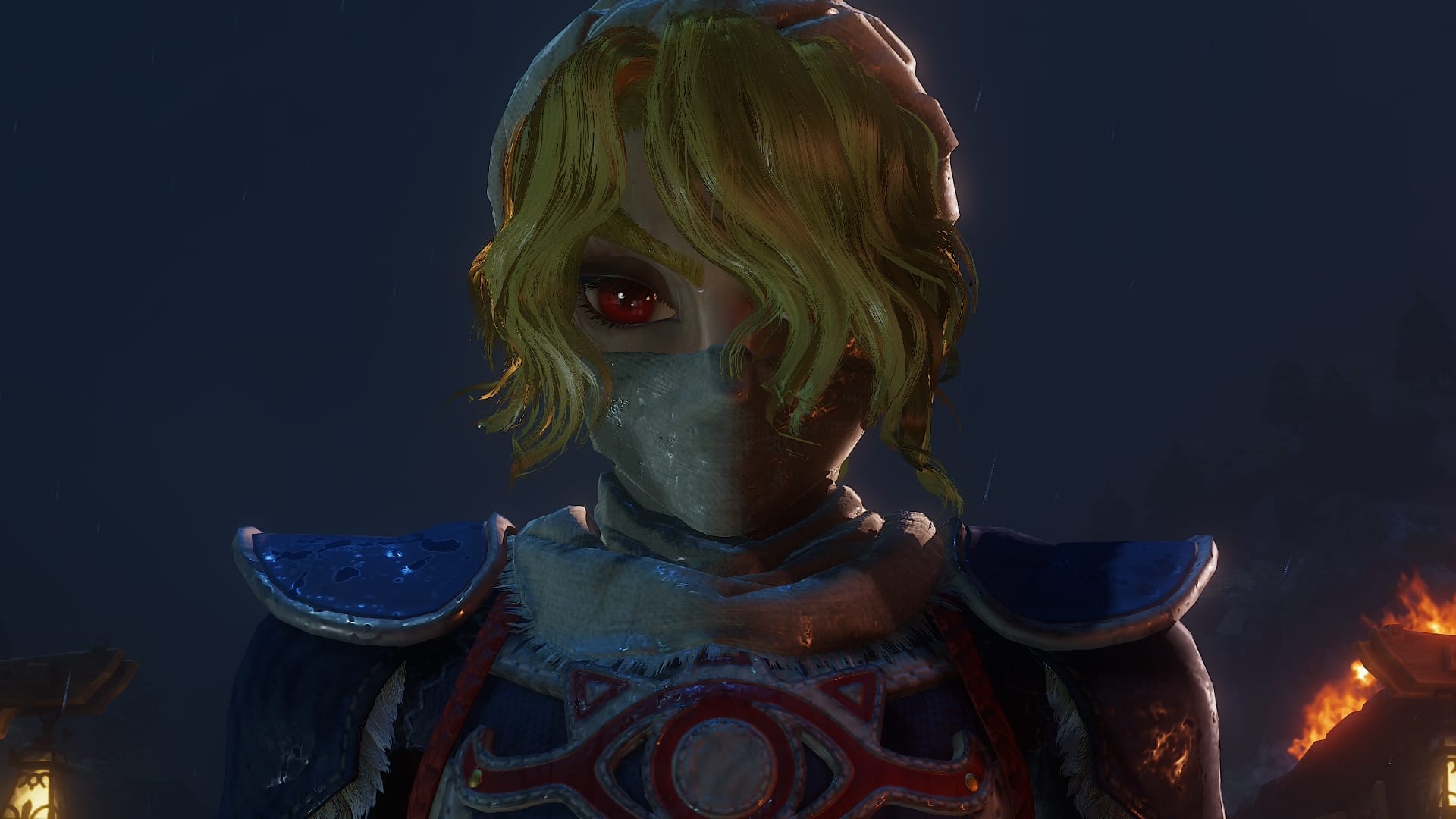
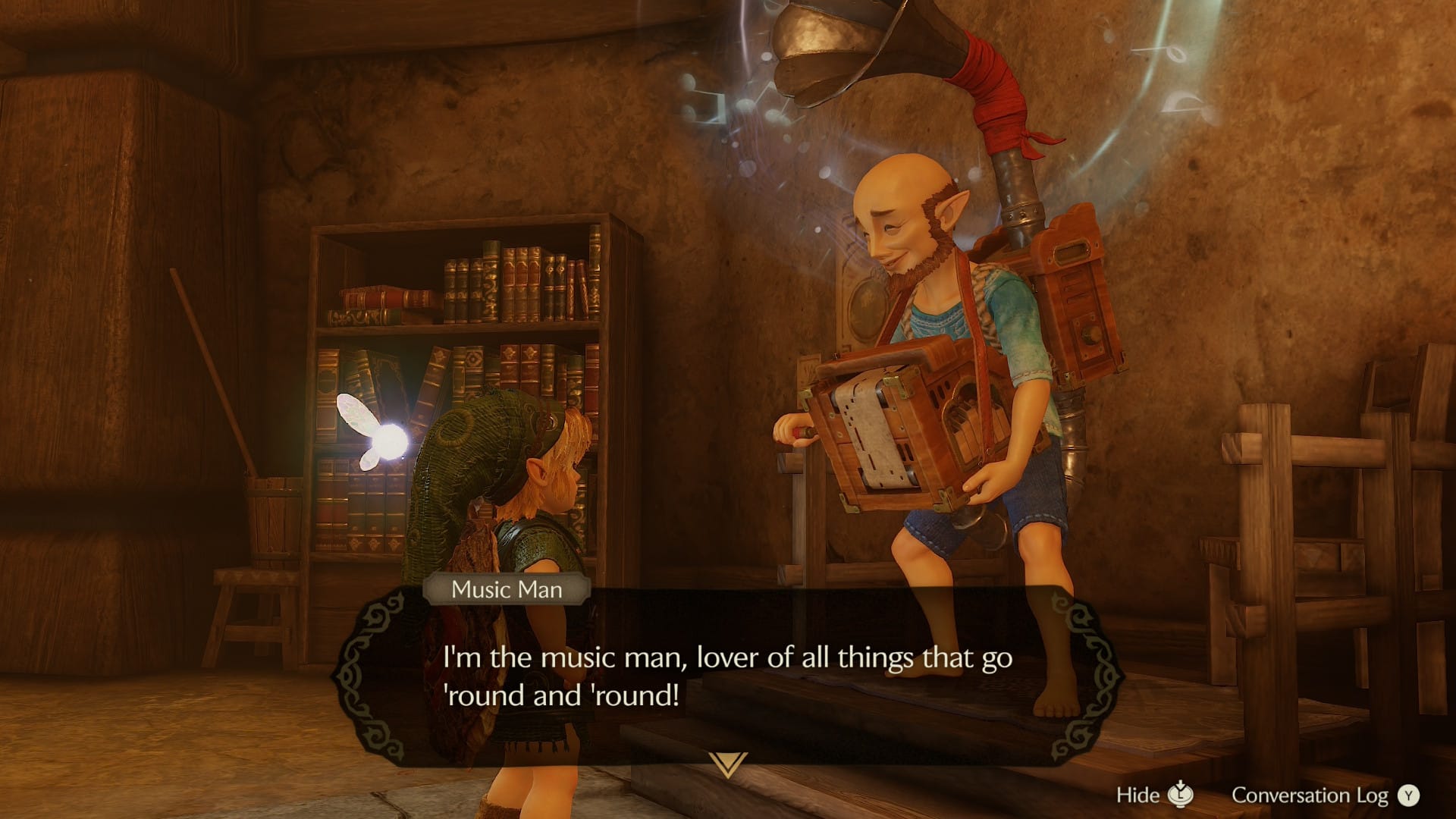
I do want to pay special attention to one particular character who’s received some great changes: Navi. Before, she was Link’s guide and helper, providing information on enemies and telling you where to go next, but now she feels like a proper partner in the adventure, up there with Midna and Ghost Zelda. A large part of this feeling comes from her never tucking herself away in Link’s tunic or hat here; she is by your side for almost all of the adventure. It does make me question how she can survive for long periods underwater or in the volcano, but let’s just ignore that. She’ll comment on things happening as you explore through tiny text boxes that never stop the action, which is incredibly charming. Her more overt role in cutscenes as Link’s mouthpiece is also well done here, and in some aspects she feels as heroic as her stoic companion. I’ve always been a Navi defender, and I hope more people can see how important she is to this game and its narrative now that she’s been fleshed out.
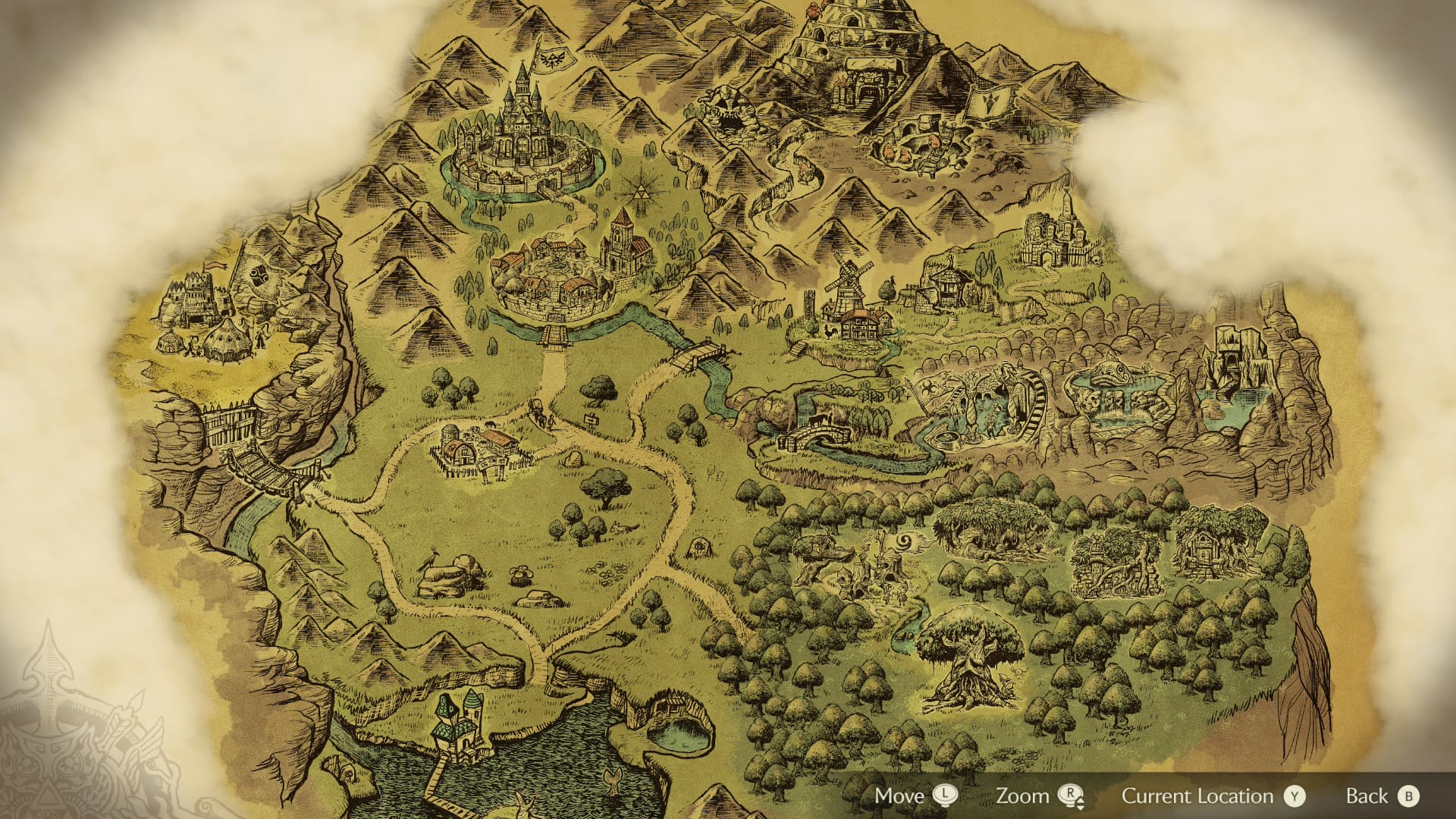
I would be remiss if I didn’t mention one of the game’s coolest features: connection with Zelda Notes. Accessible through the Nintendo Switch Online smart device app, this allows you to see a detailed map of the game with all collectibles marked, take daily quizzes, complete Shieka Stone challenges, view the gorgeous tapestry representing your quest progress, play the ocarina and create custom songs, and a whole lot more. I felt the HUD was pretty cluttered and turned on Pro Mode, which disables most elements, so I often had the app open as I was playing to have some sort of map, and there were even maps of some areas like the Lost Woods and the desert that were not available in-game. Side note: I do wish there was something between the Normal, Pro, and Master HUD modes that just showed your hearts, magic, and the map. It’s a fun companion on your adventures regardless, and really helps with cleaning up your final Gold Skulltulas and Heart Pieces.
Just like Link at the end of his adventure, I can’t go back. I can’t play Ocarina of Time for the first time again. But I was very curious as to how a new player would feel about this remake, so I dragooned my older sister into playing the game to gather her thoughts. She’s only played maybe an hour of Wind Waker way back when, so she’s essentially starting fresh here. Her first thought was that Link is “just a little guy, a cutie patootie”, and kept remarking on how pretty things were, so the art style is definitely a hit. After speaking with Saria, she naturally went around Kokiri Forest exploring, gathering rupees, and throwing grass at children.
After speaking with Mido and immediately disliking him, she found the combat tutorial, grabbed the Kokiri Sword, and then learned how to jump attack, remarking that she found pressing X to jump then Y while in the air to swing was a bit awkward. After buying the shield and speaking with the Great Deku Tree, she started bouncing around on the spider web at the center of the first dungeon. Once she had her fill, she confronted her first Deku Scrub and was a bit confused until she asked Navi for help. She didn’t seem frustrated by this, instead having something of an “Aha!” moment after being told to use the shield to reflect its shots. Once she grabbed the Slingshot and remarked that every chest seems to have dry ice in it, she did have a little trouble getting out of the room. It took a minute or two for her to realize she needed to shoot the eyeball switch, but she did get there. She also found having to press ZR once to take out the Slingshot, then press it again to actually use it, a bit frustrating.
The rest of the dungeon went very smoothly. She mostly used the Slingshot to shoot big Skulltula’s weak spots rather than using the sword, and actually did something that surprised me by shooting the Scrub triplets at the end from far away rather than reflecting their shots in order. She was jumpscared by Ghoma on the ceiling, and then tended to wait for her to open up on the ceiling rather than baiting her on the ground before attacking. She also almost missed the Heart Container at the end because they now require interacting with them rather than walking into them like most other collectibles. Despite being less than enthused about playing the game, she said she enjoyed playing and even kept going until she reached Hyrule Field. However, she was disappointed in the level of difficulty presented in puzzles, and said she “wouldn’t consider any of that a puzzle”.
This little “experiment” was done with absolutely no guidance from me, so I think the game is largely successful at remaining intuitive and easy to grasp. This first bit is also a win on the storytelling front, as she was interested in seeing Ganondorft after the initial dream, felt sympathy for Mido after the Deku Tree dies, and spoke to every NPC before and after the dungeon. She’s interested in returning to the game, mostly for the gameplay which was surprising for her as she’s primarily focused on story in most games, and on my end it was a blast to see someone naturally approach a game I’ve loved for a long time now (and actually enjoy their first time playing it). I think that’s the best part of this Ocarina of Time remake, allowing people unfamiliar with the game to discover the magic.
The Legend of Zelda: Ocarina of Time
Excellent
The Legend of Zelda: Ocarina of Time is the platonic ideal of a Zelda game. What it lacks in interesting puzzles it makes up for in a story that’s deeper than you think, deliciously satisfying combat, fantastic music, and a mythical atmosphere that the series has been chasing since 1998. This remake delights in some ways and feels like a step back in others, with a few fantastic changes, some strange controls, and one or two outright bad alterations. It speaks to the quality at the core of the game and this remake that not even those can put a damper on the experience.
Pros
- Transcendent visual style
- Amazing combat
- Fantastic atmosphere
- Great story…
Cons
- …that sometimes overexplains itself now
- Puzzles are easier than ever
- Only one item slot
This review is based on a retail Nintendo Switch 2 copy provided by the publisher.