There are times when you need power on the go. Sure, there are power banks aplenty on the market, and more than a few that’ll rapidly charge your gear, but few that offer enough juice to handle multiple devices simultaneously, nor with enough oomph for the most demanding. Every year, I make the trek to Los Angeles for Summer Game Fest and it is a demanding week. I’m running upwards of 10 interviews a day, having to rapidly recharge my devices on the go. Sometimes the only charge I’m getting is as I walk to my next appointment and check in – 10 minutes at the most. As such, I need an absolutely bulletproof, rapid charging, multi-device supporting power provider that I can rely on, but with enough capacity to outlast my needs. Frankly, there are very few solutions I’d trust to handle that job. In this case, I took the UGREEN Nexode Pro 25,000 mAh 200W laptop portable charger (heretofore referred to simply as the UGREEN Nexode Pro) and put it through the wringer. To say I came away impressed would be an understatement, so you’ll forgive this review if it sounds like a love letter to the tech – this thing is a solid improvement even over their previous models. Let’s dig into the specs.
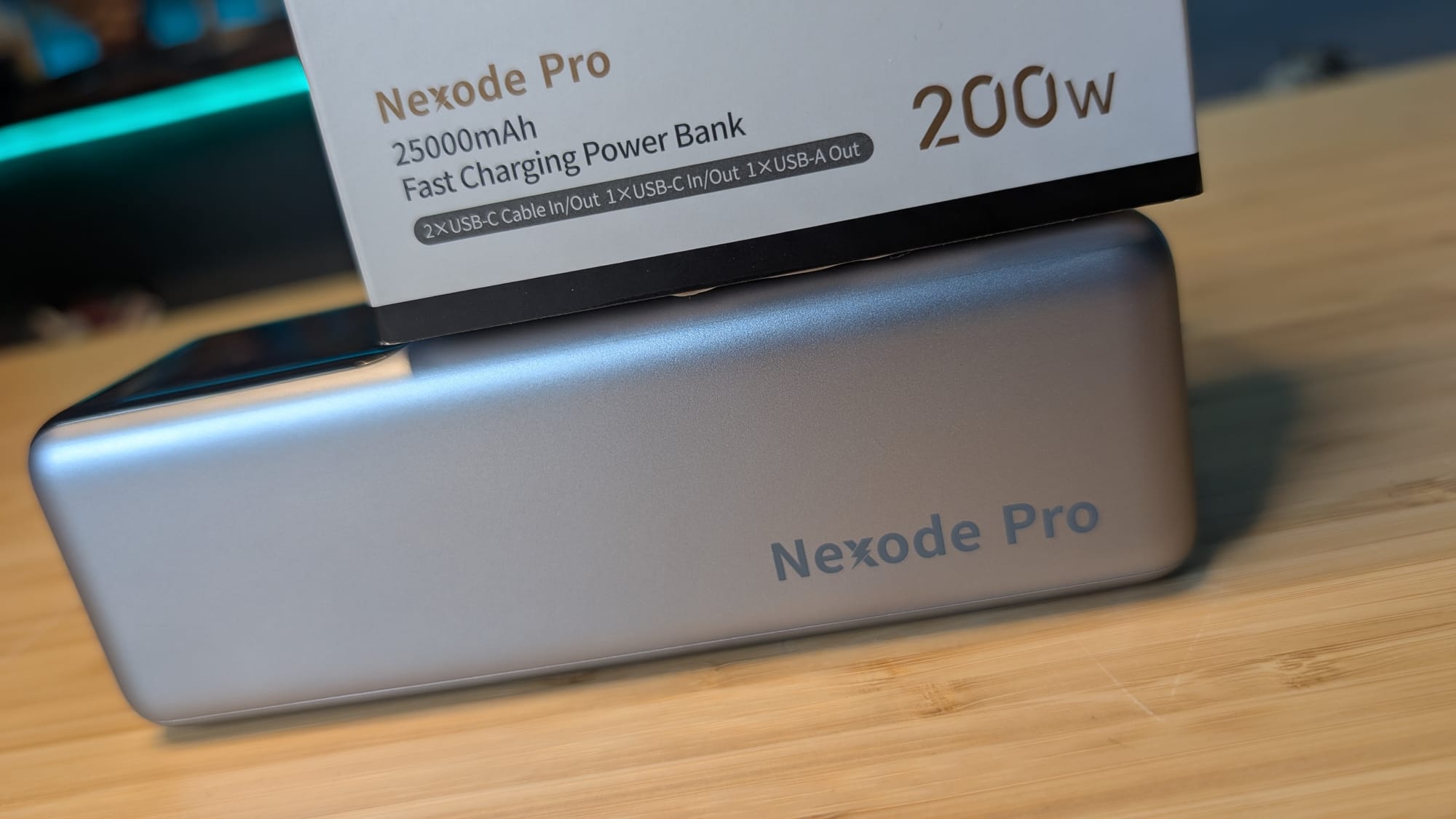
The name of the device denotes this as a 25,000 mAh battery with 200W of charging power. At this point, the FAA gets involved with how powerful we can make these devices, so it’s important to note that this comes pretty close – that maximum is 27,000 mAh. Similarly, the FAA mandates that charging devices can’t push more than 100 Wh, which is enough to power a reasonable laptop. The Nexode Pro has four ports - three USB-C ports capable of pushing 100 W each, and a USB-A port that’ll handle 22.5W. The total output caps at 200W, meaning you can mix and match but not get full power from all simultaneously. This is as much for safety as it is practicality.
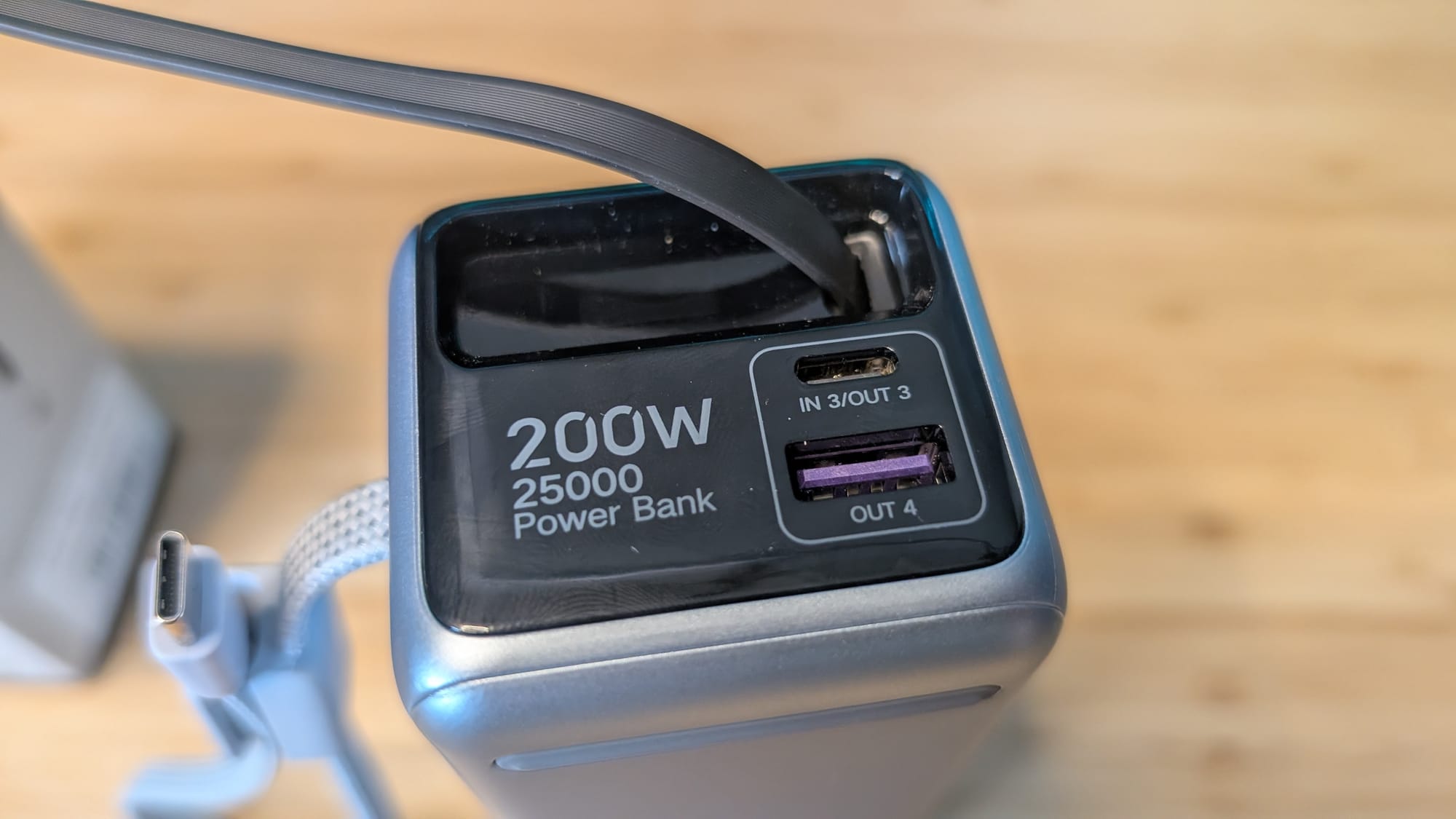
The device has a variety of connectivity methods
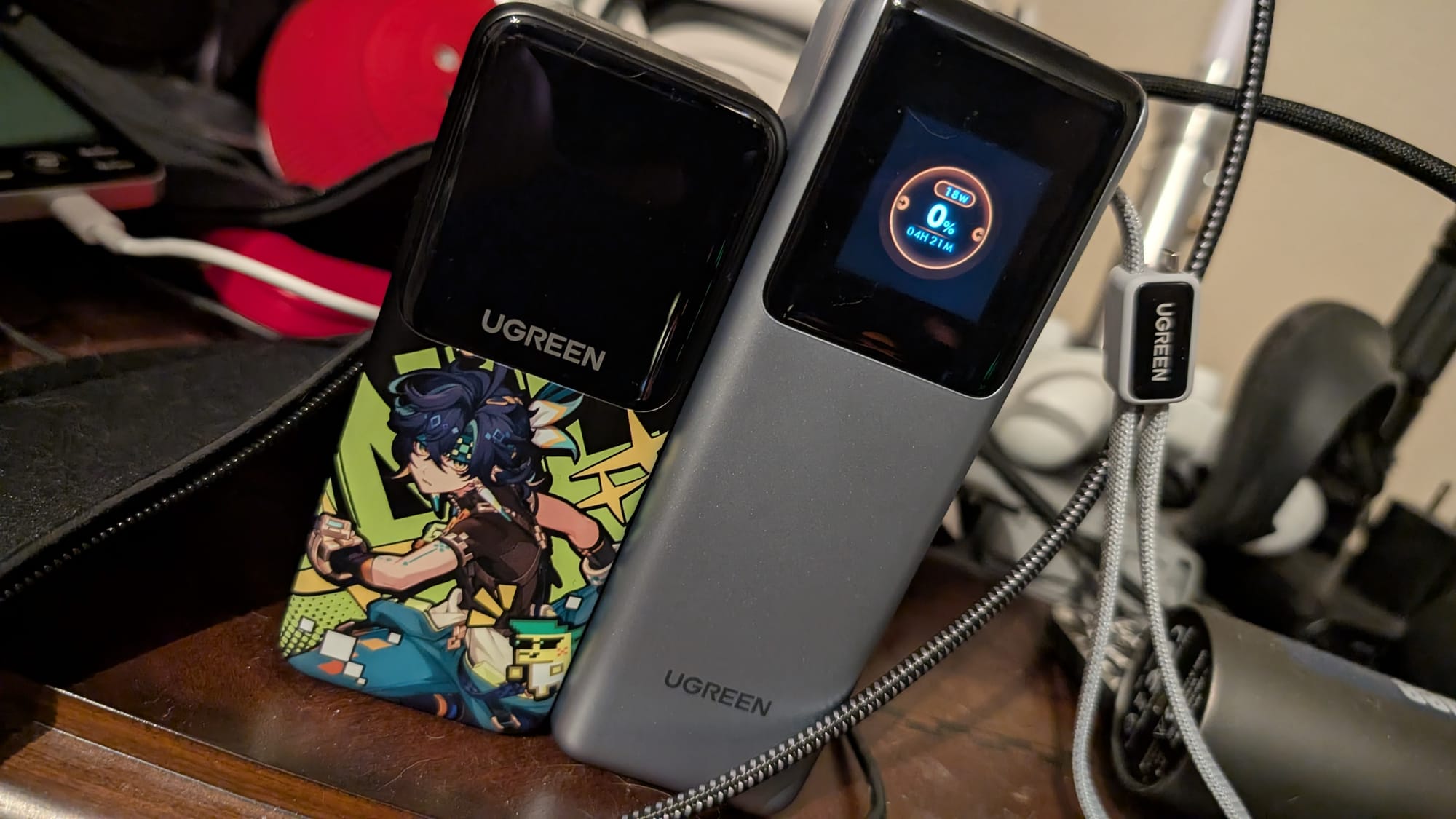
Nobody would call the Nexode Pro “sveldt”. It’s a tall rectangular shape, measuring 155mm x 54mm x 50mm, or 6.1” x 2.12” x 2.11”. It’s not going to be something you drop in your front pocket or your cargo pants, but it slips into a bag easily enough. The device weighs in at almost exactly 605 grams, or 1.32 pounds. I have a similar battery from UGREEN that was a tie-in with Genshin Impact, and it’s roughly the same size as that. Under the hood, we can infer that there are a half-dozen-ish (they’ve not stated directly) automotive-grade 21700-type Lithium-ion power cells, wired in parallel. The wiring is standard, but the type of batteries is a cut above the norm – a solid improvement over their contemporaries. These advanced batteries, combined with UGREEN’s special sauce, impart significant layers of safety protection:
- high temperature
- low temperature
- undervoltage
- auto circuit interruption
- input overvoltage
- input overcurrent
- output overvoltage
- output overcurrent
- overcharge
- overdischarge
- short circuit
- overpower
- manual reset
Obviously, in the day and age of batteries turning supernova on planes, safety is important, and it’s great that UGREEN not only agrees and has taken significant steps to ensure their device is protected from that outcome in a variety of ways.
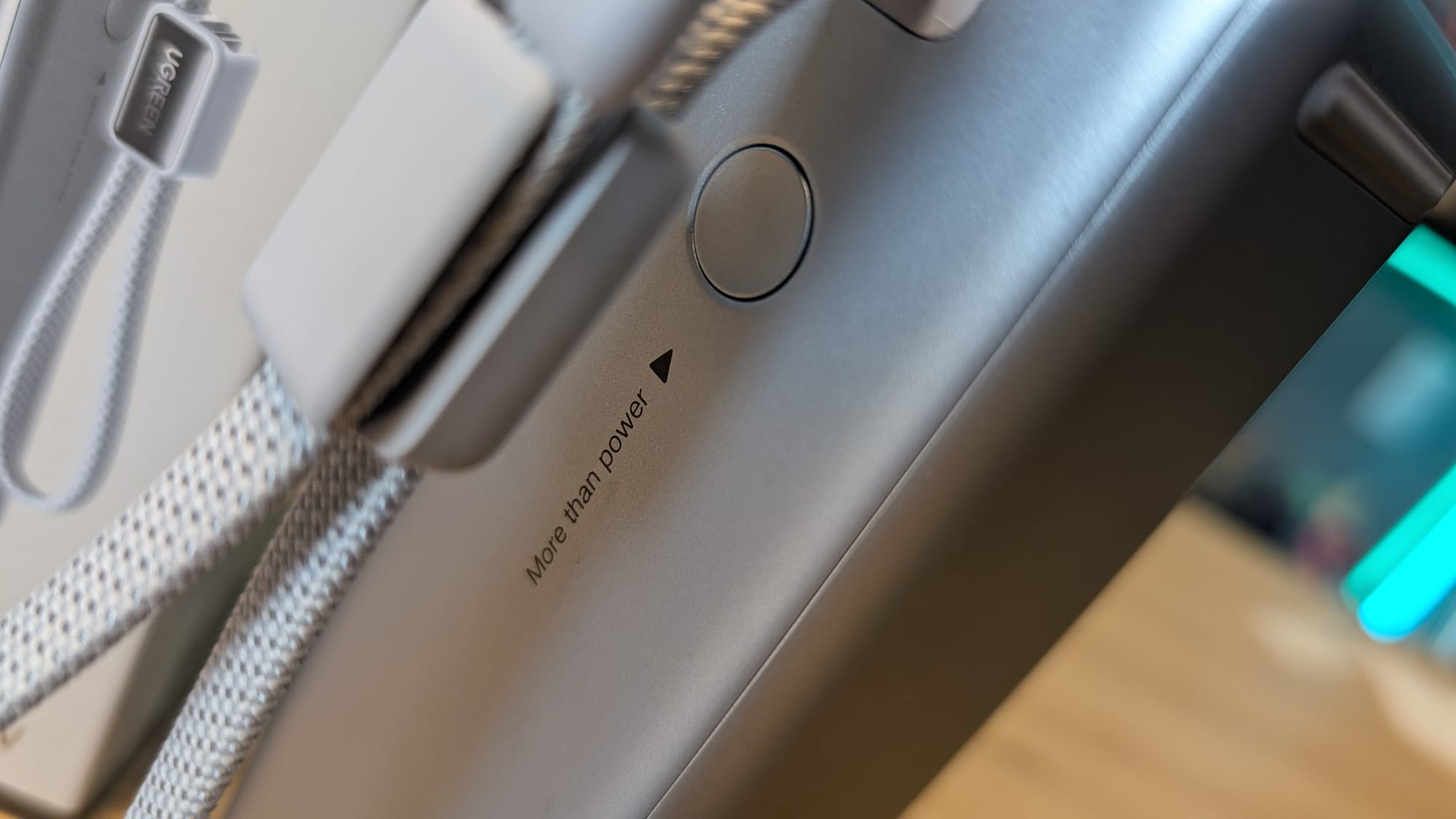
On one side is the only button on the charger – it wakes up the display on the front. A small bit of text next to the battery says “More than power”. The screen takes up roughly 1/3rd of the front of the device, powering up with a UGREEN logo and then showing the total amount of power remaining in the tank as a percentage of the total. That brings me to one of the best features of this system.
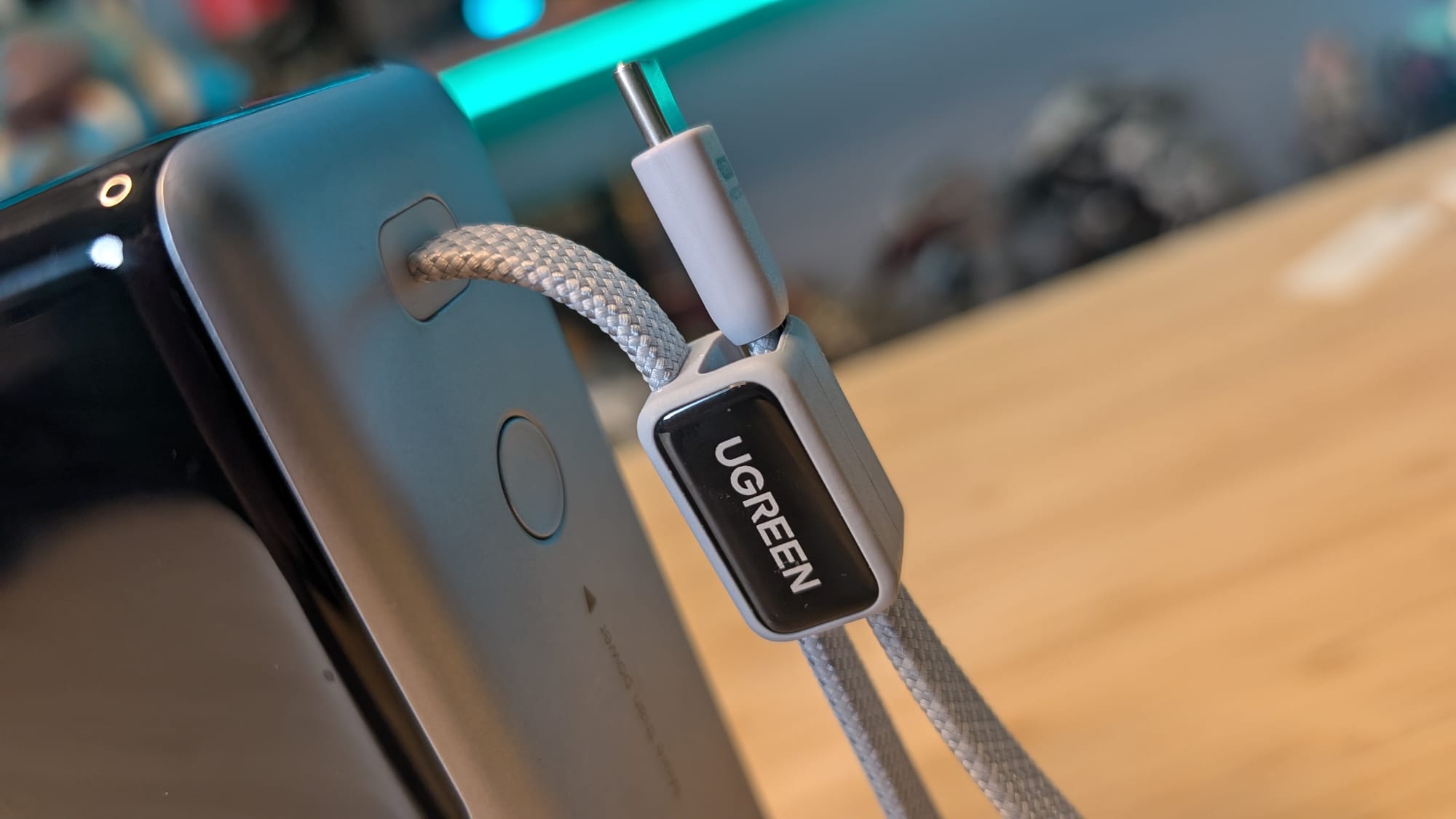
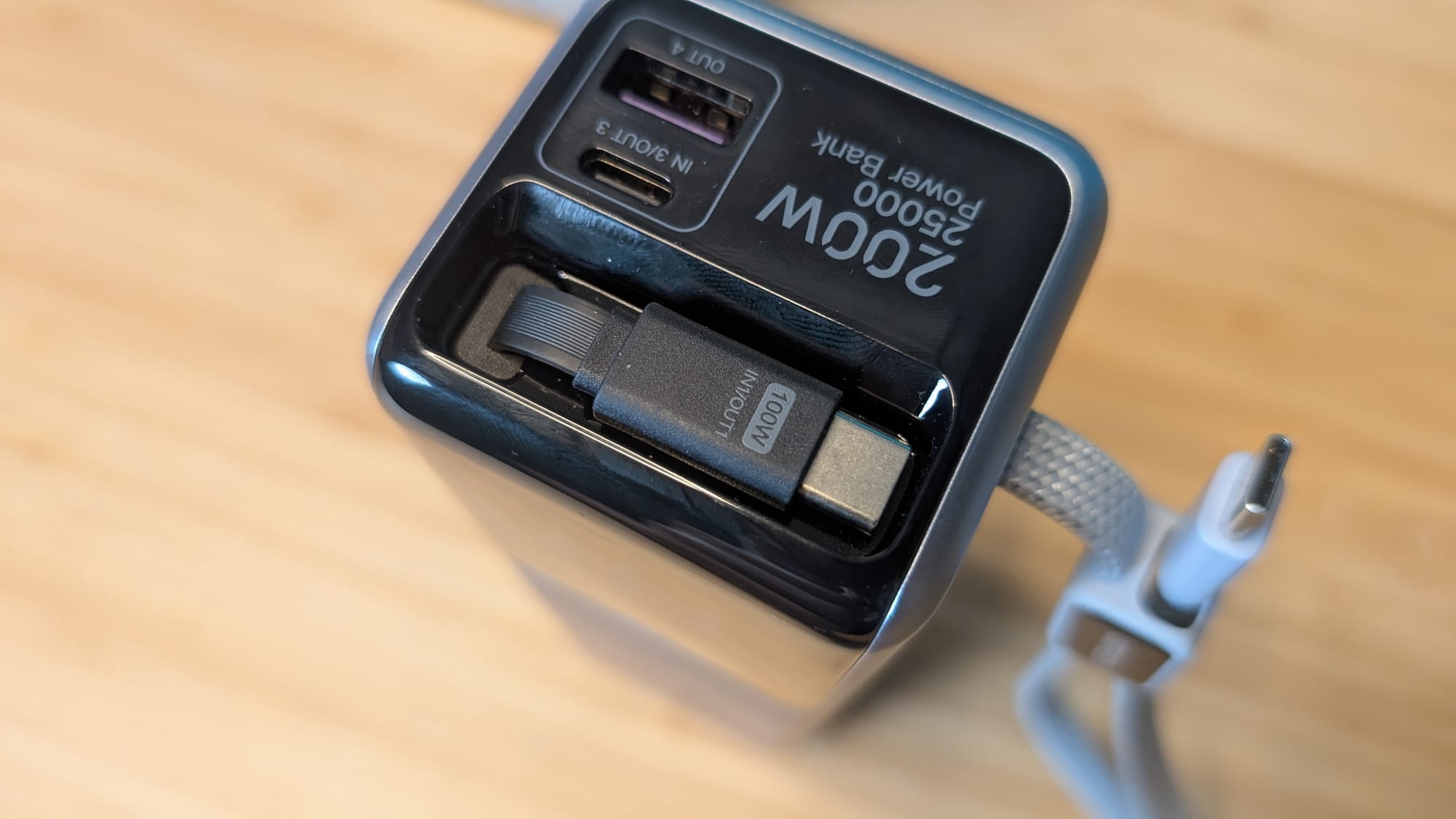
Obviously, you have to get power in and out of this device. The four interface methods on the Nexode Pro are the USB-A and USB-C ports, or the two attached cables. Integrated and tucked inside (as you can see below) is a retractable thin USB-C cable that measures 65cm or 25.6 inches. It has 7 stop positions, letting you pull out just what you need, and it retracts entirely into the device and then lies flat on the top. Additionally, there is a wrist strap with a very tough, textured cloth-type sheath. Tucked inside the plastic UGREEN tag is, surprisingly, another USB-C cable! Sliding out of that tag is the end of this carry strap cable measuring 35cm or 13.7 inches. UGREEN claims 25000+ retractions on the retractable cord, and over 10,000+ bends on the carry strap cable to test it for durability. All of this provides a variety of ways to get power in and out of the device, but let’s get back to that 200W claim.
Most laptops utilize roughly 2-5 watts of power when idle, bumping up to between 20 and 50 watts for web browsing and light use like word processing. Pushing into gaming, you’ll see that rise to 80 to 100 watts of power draw. This battery is more than capable of handling that entire power draw, but it’s not quite done. You can then use one of the other ports to feed a SECOND laptop at full power draw! I have seen exactly zero chargers that can deliver that sort of power, so it’s incredible to see it in action. Admittedly, my Razer Blade 16 (2026) is a bit of a pig while gaming at between 300-330 W of power draw for games like Baldur’s Gate 3, so it’s more Slay the Spire 2 if I want to run off the Nexode Pro. What I can run, however, is my Steam Deck.
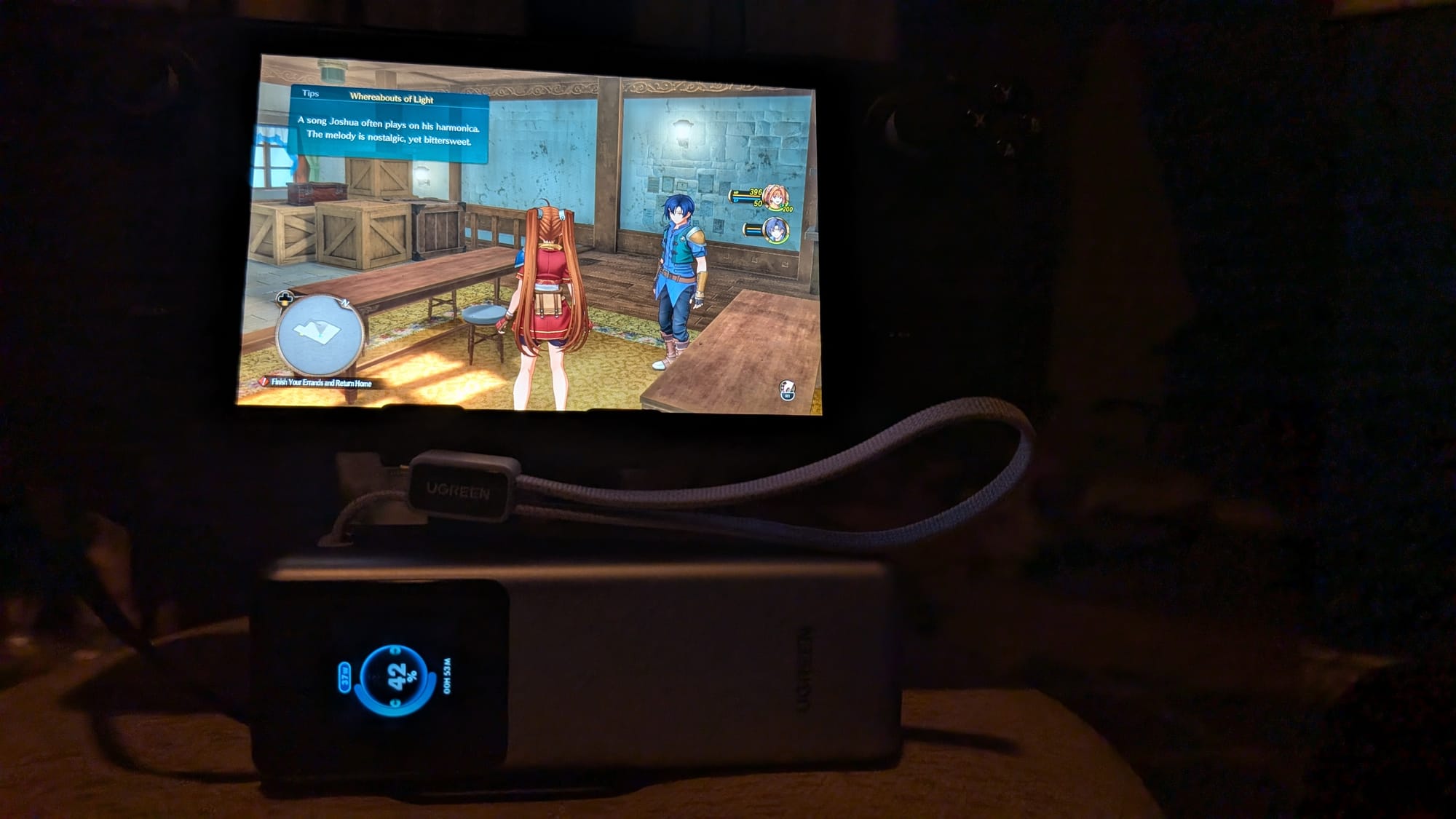
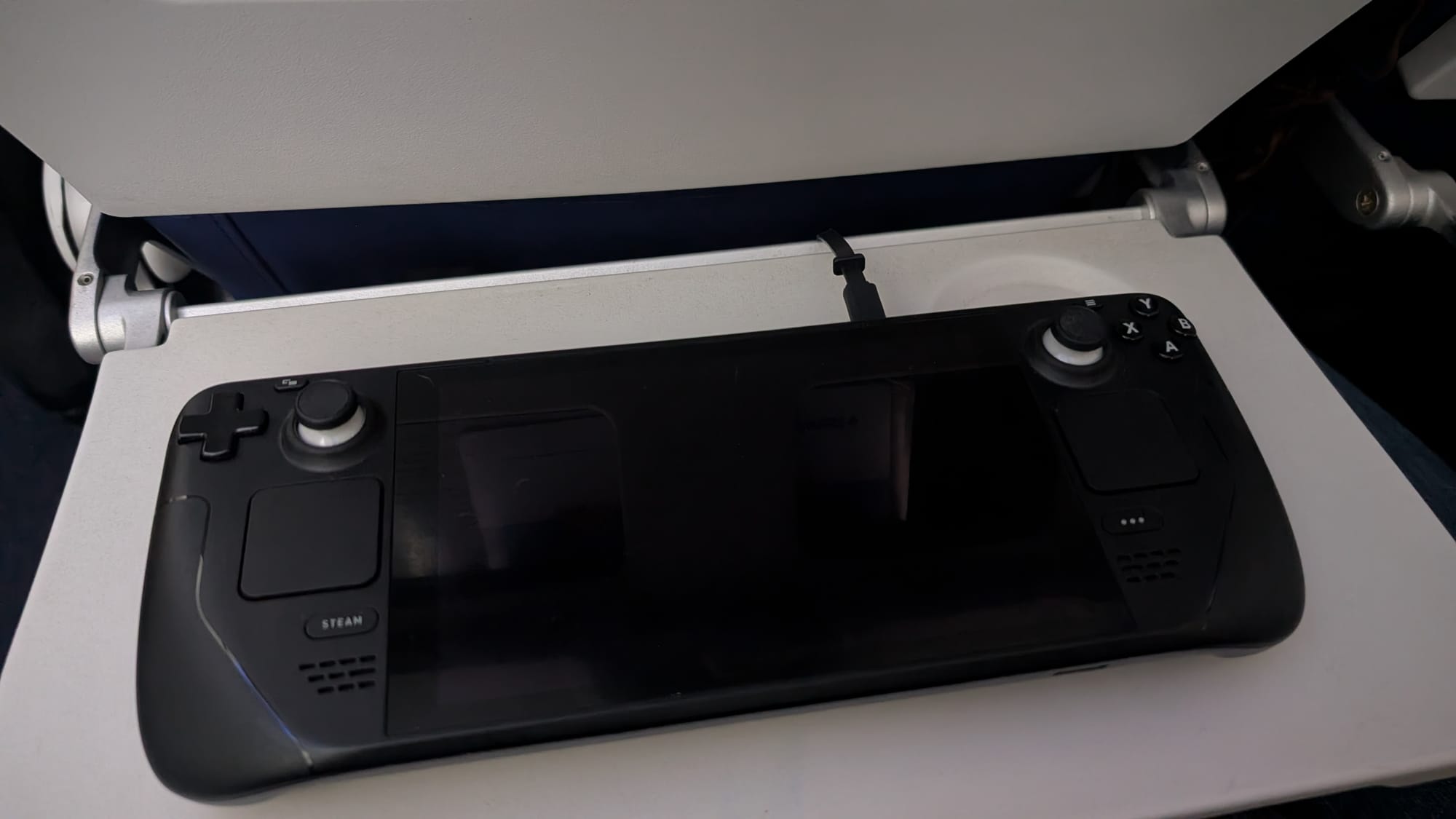
While flying, I prefer to play games rather than make “3-hour friends”. I also prefer to do that with my XREAL 1S Glasses, as it gives me the privacy to play or watch whatever I want without people peeping over my shoulder. Using a handy splitter, I can power my Steam Deck and the XREAL glasses, but that’s even more power draw – 2.5W. Coupled with the Steam Deck at 20-25W, and let’s just call it 30 at the top end for calculation’s sake. The battery in the Steam Deck LCD is 40W, and the OLED is 50W, so you can see that it’s roughly 2 hours of life in the device, but a 25,000mAh battery at a constant 30W draw will last for approximately 5 additional hours! 7 hours of AAA gameplay gets me anywhere I’d want to go in the United States. Conversely, if I’m watching movies on my phone with the same pair of glasses, it is roughly 6W (2.5 for the glasses, and 2.5 to 3.5 for the phone), which extends that to almost 11 hours of constant use. The FAA says I have to have my battery pack visible. Who am I not to make full use of it?
On the screen, you'll see a variety of information, starting with the UGREEN logo as it boots (to be clear, the device provides power while the screen wakes up – you aren’t waiting). From there, it shows which port is in use, whether it's taking a charge or providing power from that port, a symbol designating the type of port in use (USB-C or USB-A), and then the total amount of power drawn measured in watts. A closer inspection when you have a device plugged in, and you'll see a few more options have appeared. Above the total charge circle is now a real-time power draw indicator. Inside the circle, if you happen to be using it, is a small icon that would indicate a lower current mode. This mode is useful for things like earbud cases, where slamming it with 100W would be damaging, so the device knows to step it down for safety. The large number in the center is the total capacity remaining, of course. Plugging in the battery to charge it will cause a small time indicator under the circle to appear, telling you how long it'll be before the device is fully charged. To the left and right of the large power capacity indicator is an arrow to the left and right, telling you whether power is going in, out, or both.
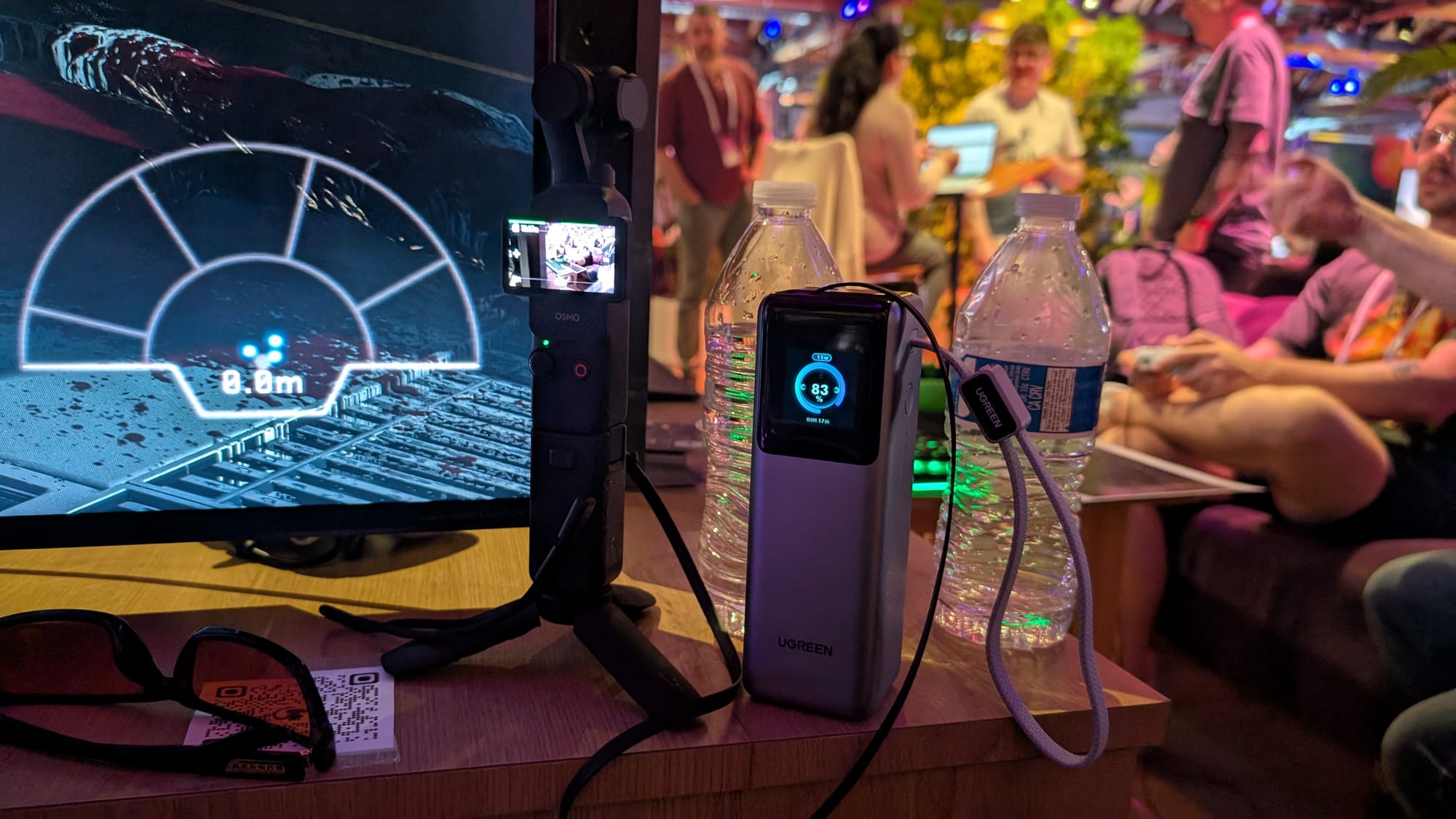
Tapping the button on the side changes the screen to a more detailed look at what's going on with power usage. When you have C1 through C3 plugged in, you'll see those pop up with up to 100W of power draw being shown. Plug in the USB-A port, and you'll see that 22.5W is indicated here. Plug in all four, and all of them will show blue, indicating that all four ports are in use. It's very clear and easy to read. Press the button one more time, and you get a look at battery health. It'll tell you how those aforementioned cells are handling power discharge, the total cycle count, and whether you've lost any overall capacity.
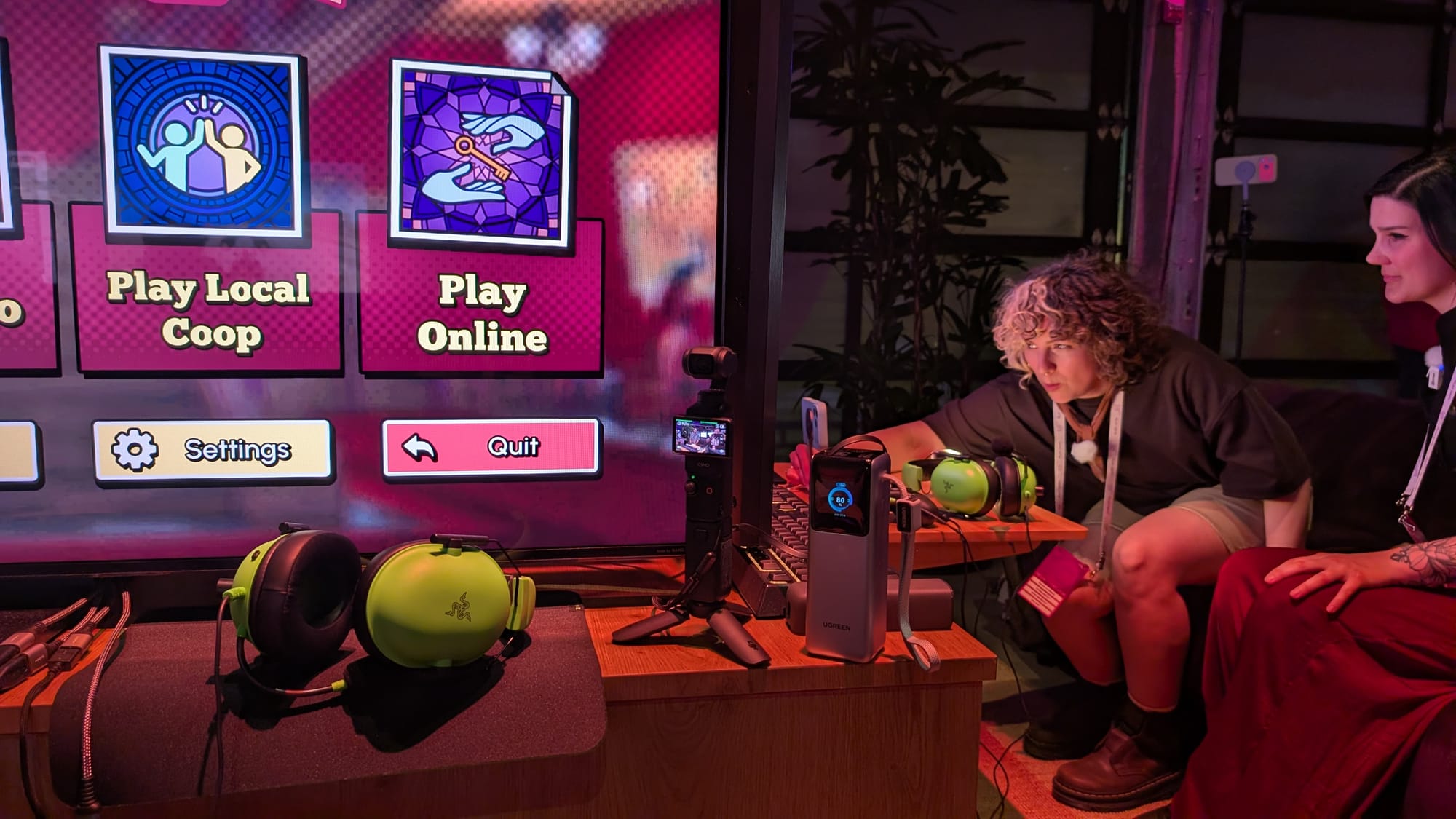
Back in the real world, I found myself making use of the Nexode Pro non-stop. Whenever I wasn’t using a device, I’d use the retractable cable to snake it into the depths of my backpack to leave it charging. My larger camera batteries, my DJI Osmo Pocket 3, audio capture devices – all of them need juice, and none of them can fail due to low power lest I lose an opportunity that I can’t easily recover. With the Nexode Pro in the bag, that wasn’t a concern. Frankly, most days I’d pull out the battery-chewing Osmo Pocket 3 only to find that it was sitting at full power already, having been topped off in the cab ride home.
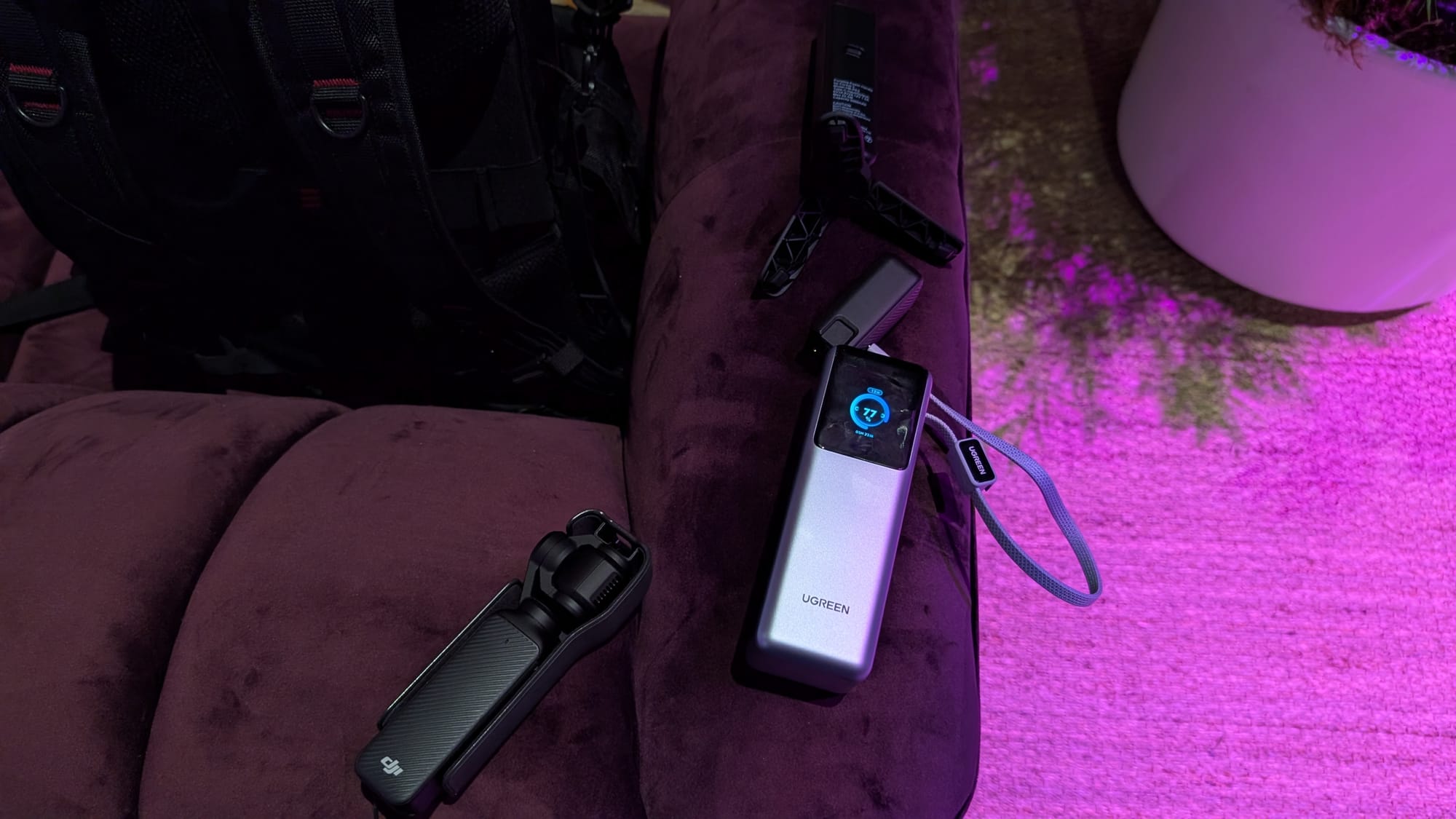
Ultimately, we may have reached the maximum the FAA will let us travel with, but that hasn’t stopped UGREEN from figuring out ways to continue to improve their products. The device's predecessor only charged at 65W, and they fixed that. It couldn’t charge on all ports, and they fixed that, too. Frankly, there isn’t a single thing I could think of to improve with the Nexode Pro, minus the weight. Since they’re using enterprise-grade power cells, once those get smaller, this pack will too. I can’t wait to see what they do next!
UGREEN Nexode Pro 25,000mAh 200W Laptop Portable Charger
Excellent
From safety features and novel connection methods to simultaneous charging on all ports, the Nexode Pro is now a permanent staple when I travel. From gaming to productivity, there’s nothing better on the market - period.
Pros
- Power aplenty on all ports
- 100W of power output can run a laptop – three of them!
- Rapid charging for the battery itself
- Retractable and carry cables are genius
- A score of safety features
Cons
- A touch bulky
This review is based on a retail version provided by the manufacturer.