The Wolf Among Us, originally released over the course of 2013 and 2014, is the best later-day Telltale Games had to offer. It’s a sublime noir detective story focusing on the lives of fairly tale characters as they navigate life in the modern world. Well, modern as in 1986. Which is 20 years before Fables, the comic series the game is based on. You play as Bigby Wolf, AKA the Big Bad Wolf, as he investigates a series of disturbing murders that may just run all the way to the top of Fabletown and beyond. While the game always ends in the same place, TellTale’s choice-focused gameplay affects your journey to the end of the case. Characters will live and die by your actions, but you’ll always solve the case whether you’re playing good cop or bad cop.
The Wolf Among Us Remastered doesn’t touch the phenomenal core of the experience. There are a few new Easter eggs and a fresh coat of graphical paint (which can’t entirely cover up the jank of the Telltale Tool), but it’s the same 5 episodes with the same choices and outcomes I’ve been replaying since 2014. Seriously, despite being a narrative-focused title, The Wolf Among Us is extremely replayable with small, reactive choices that alter context and character relationships in a fascinating way. It also helps that the mystery never fully sticks in my mind, so it feels like I’m experiencing the game for the first time with every revisit.
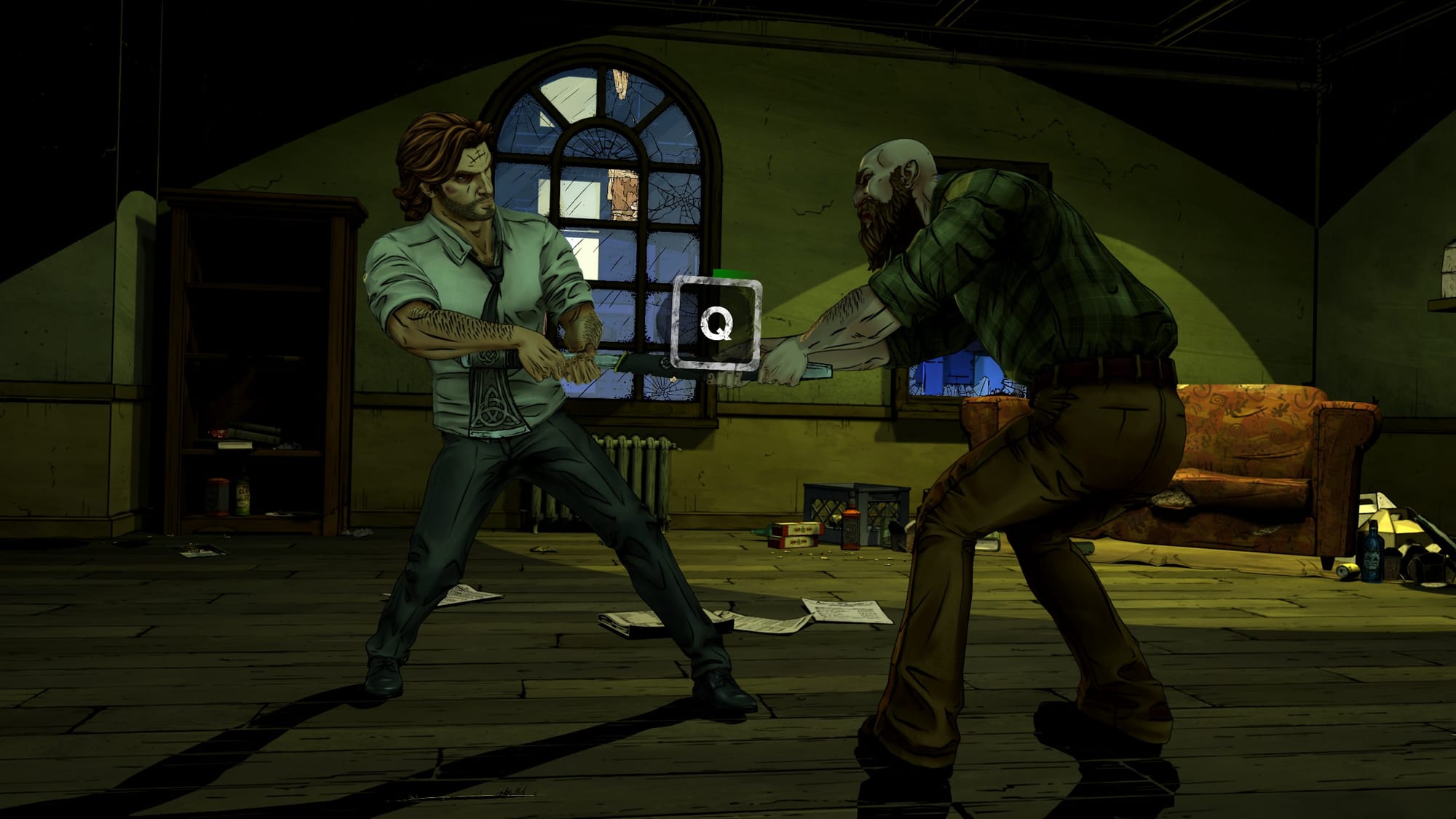
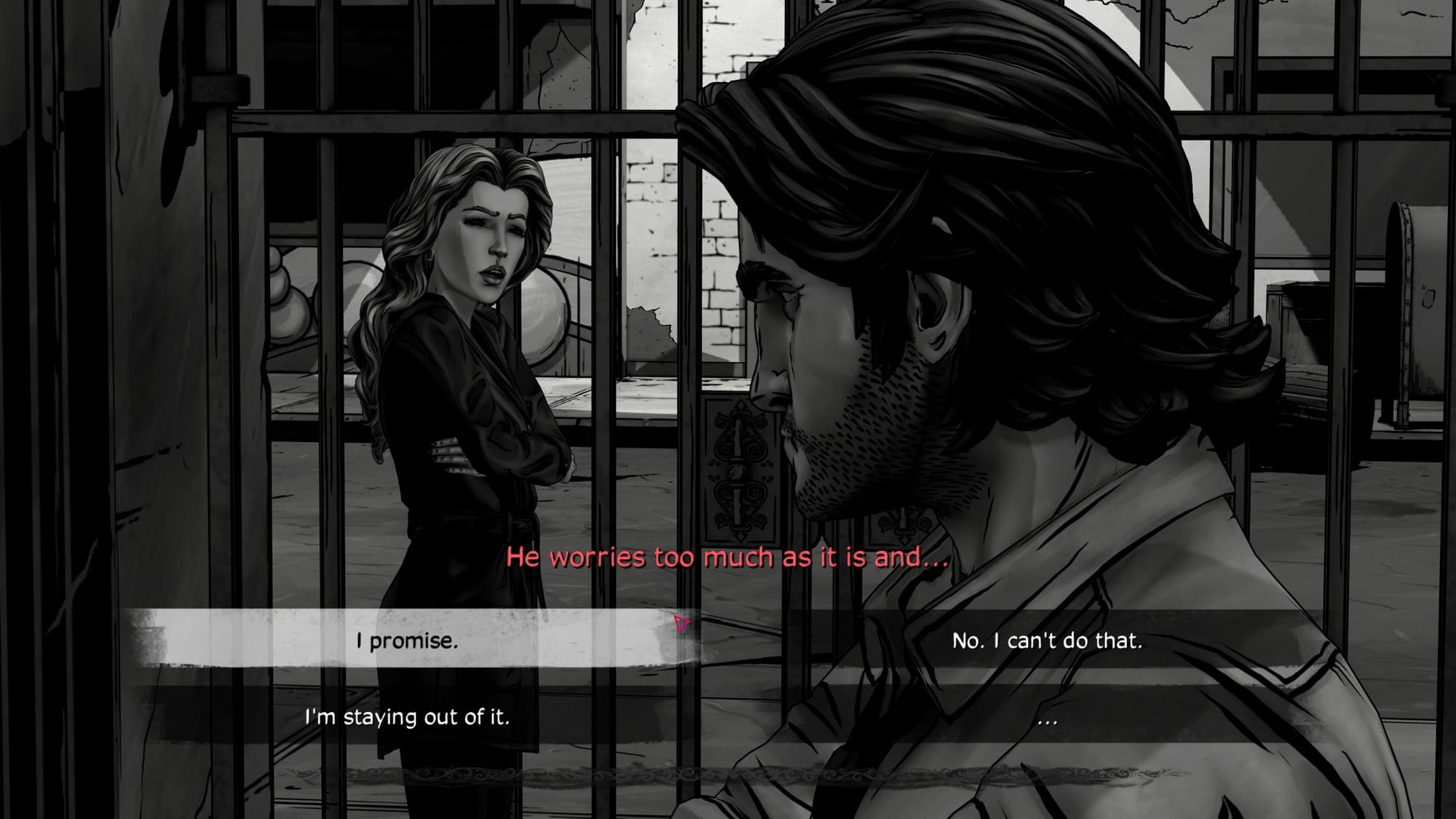
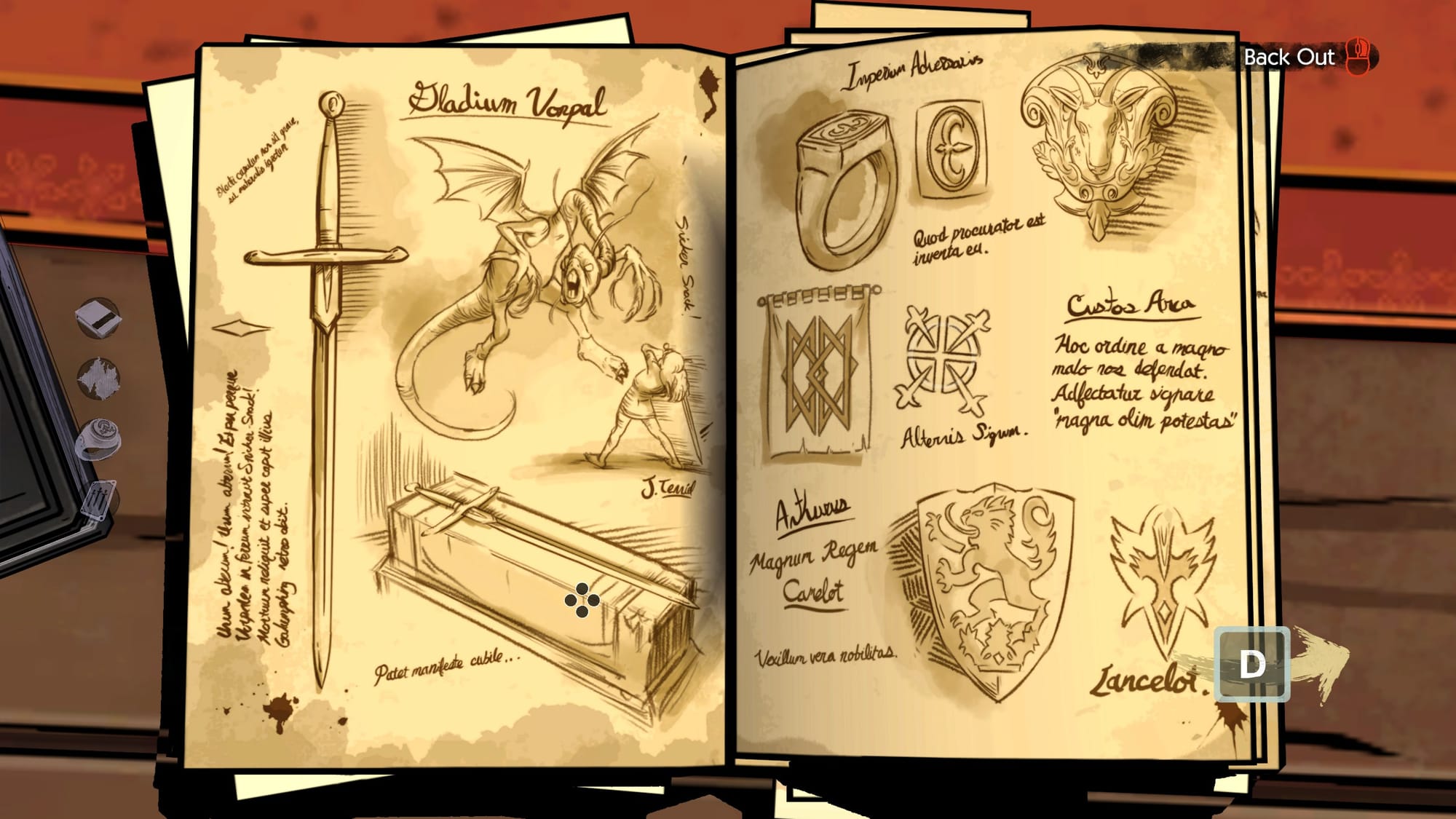
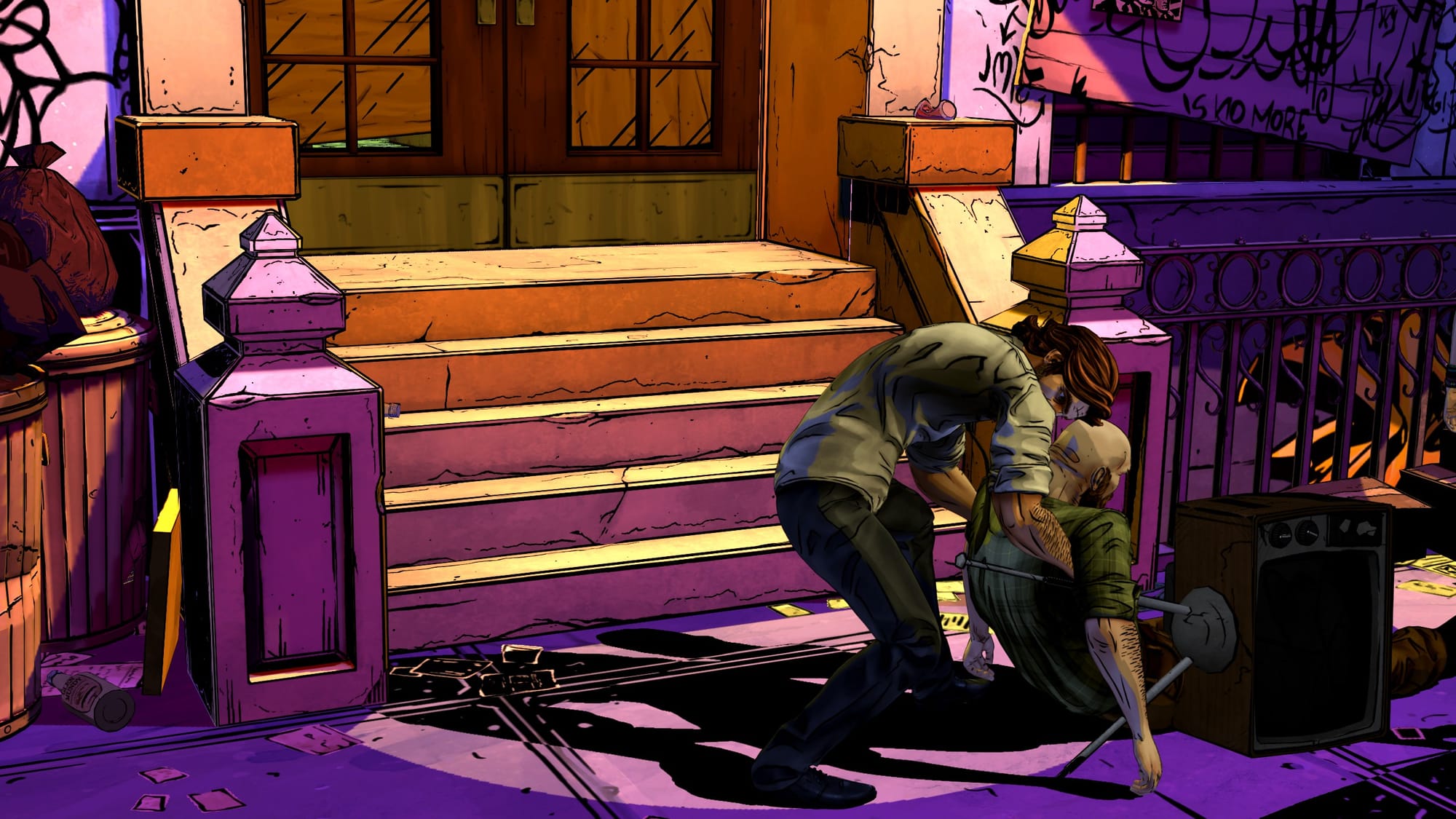
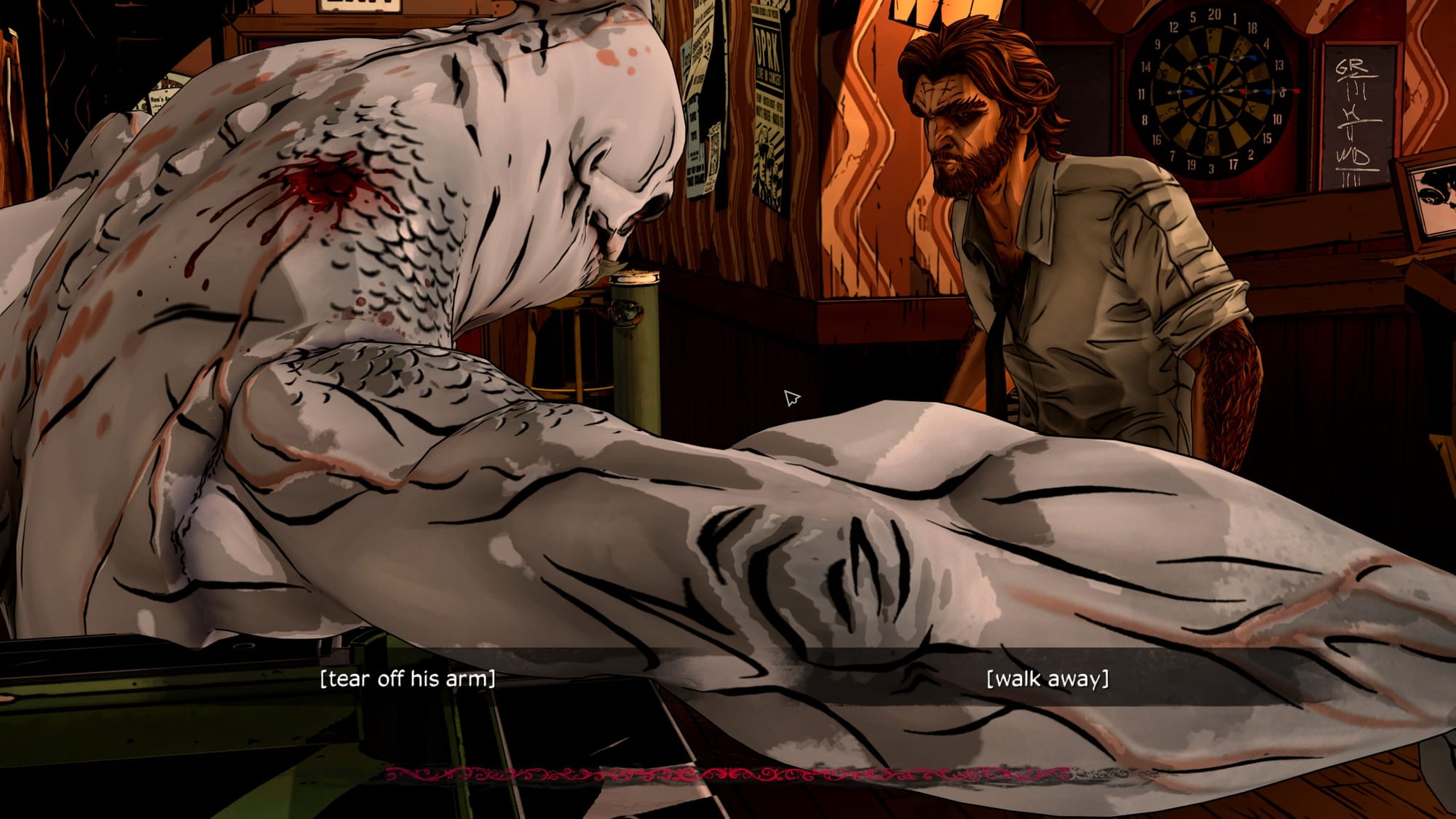
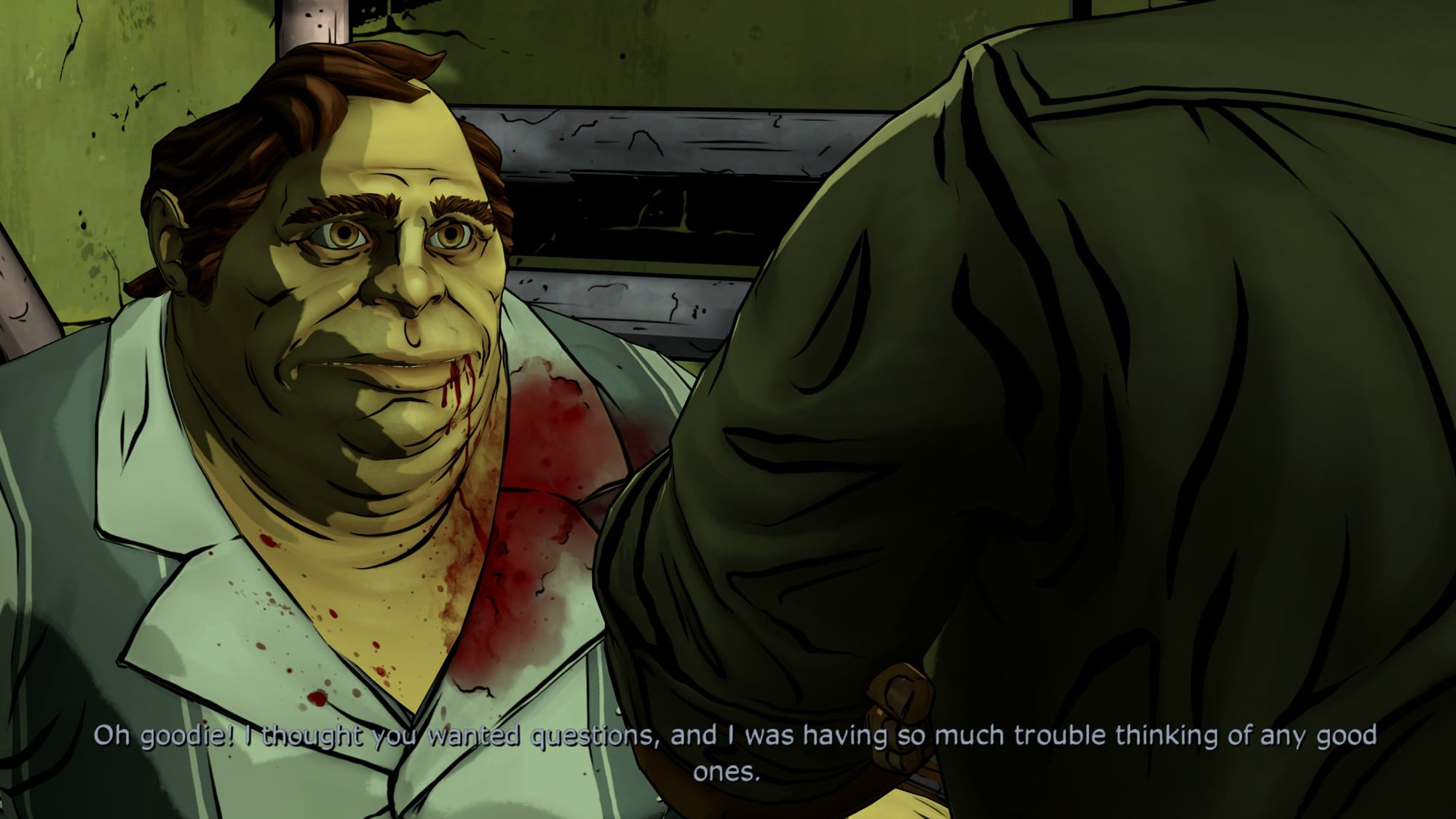
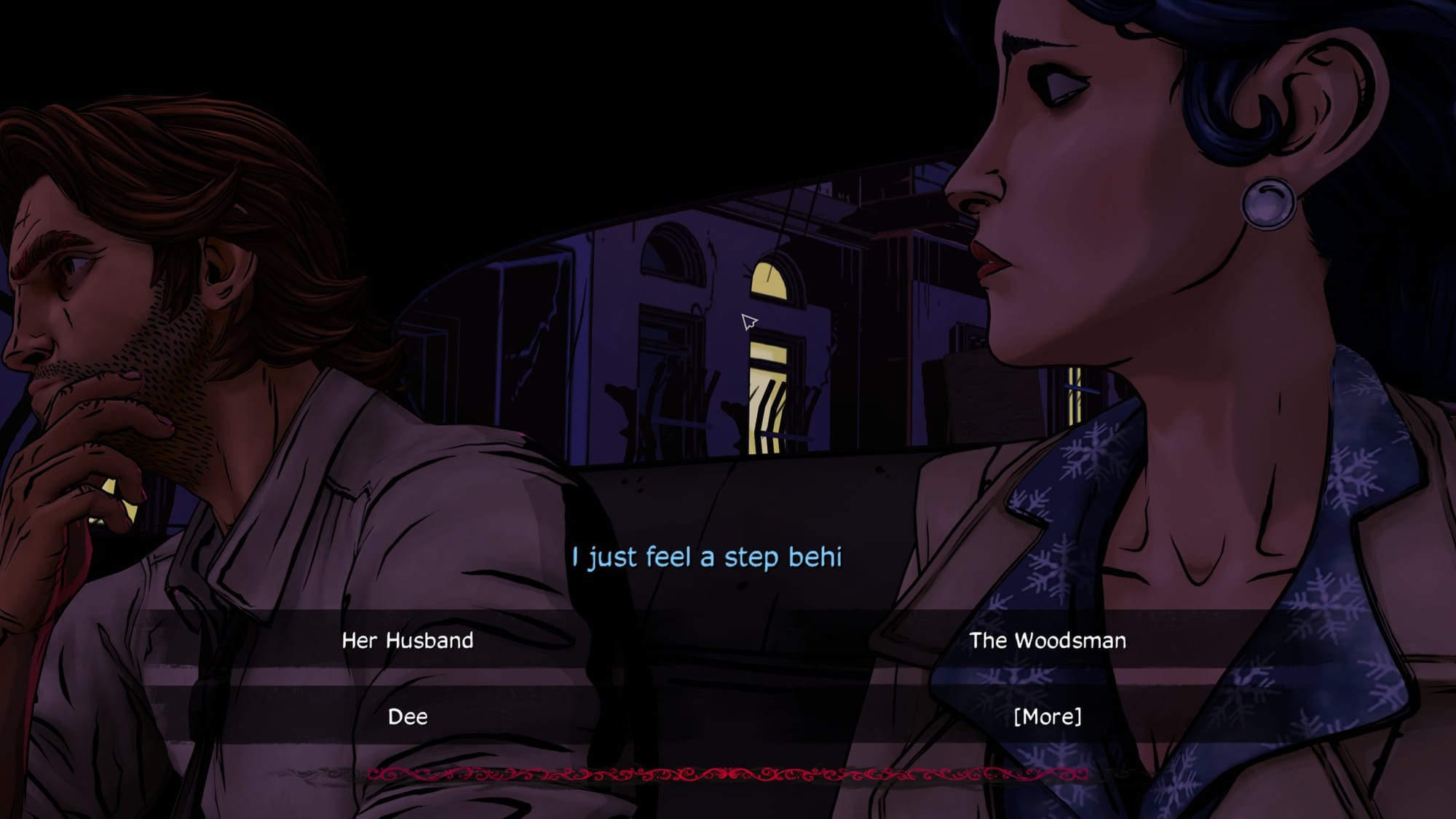
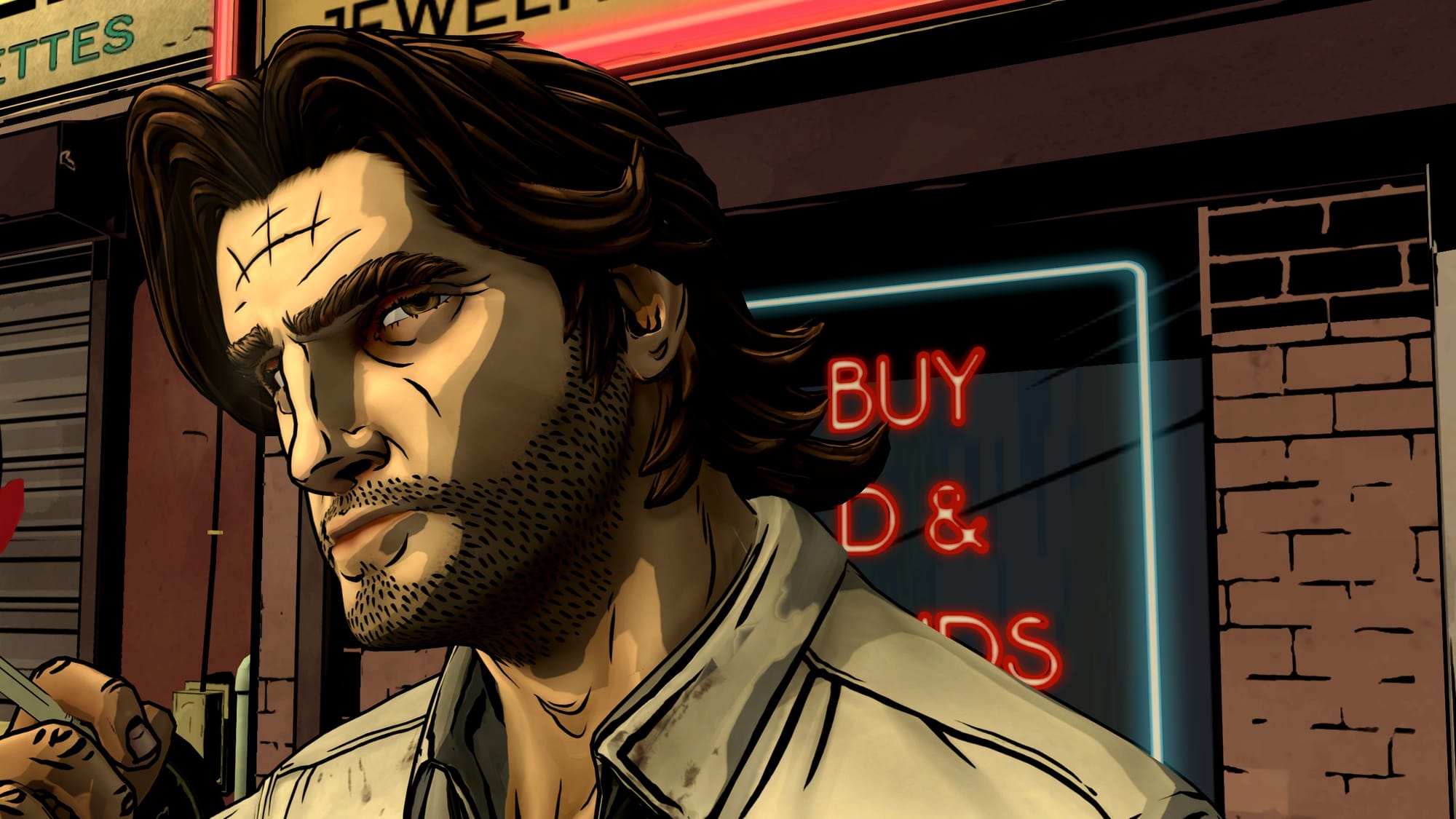
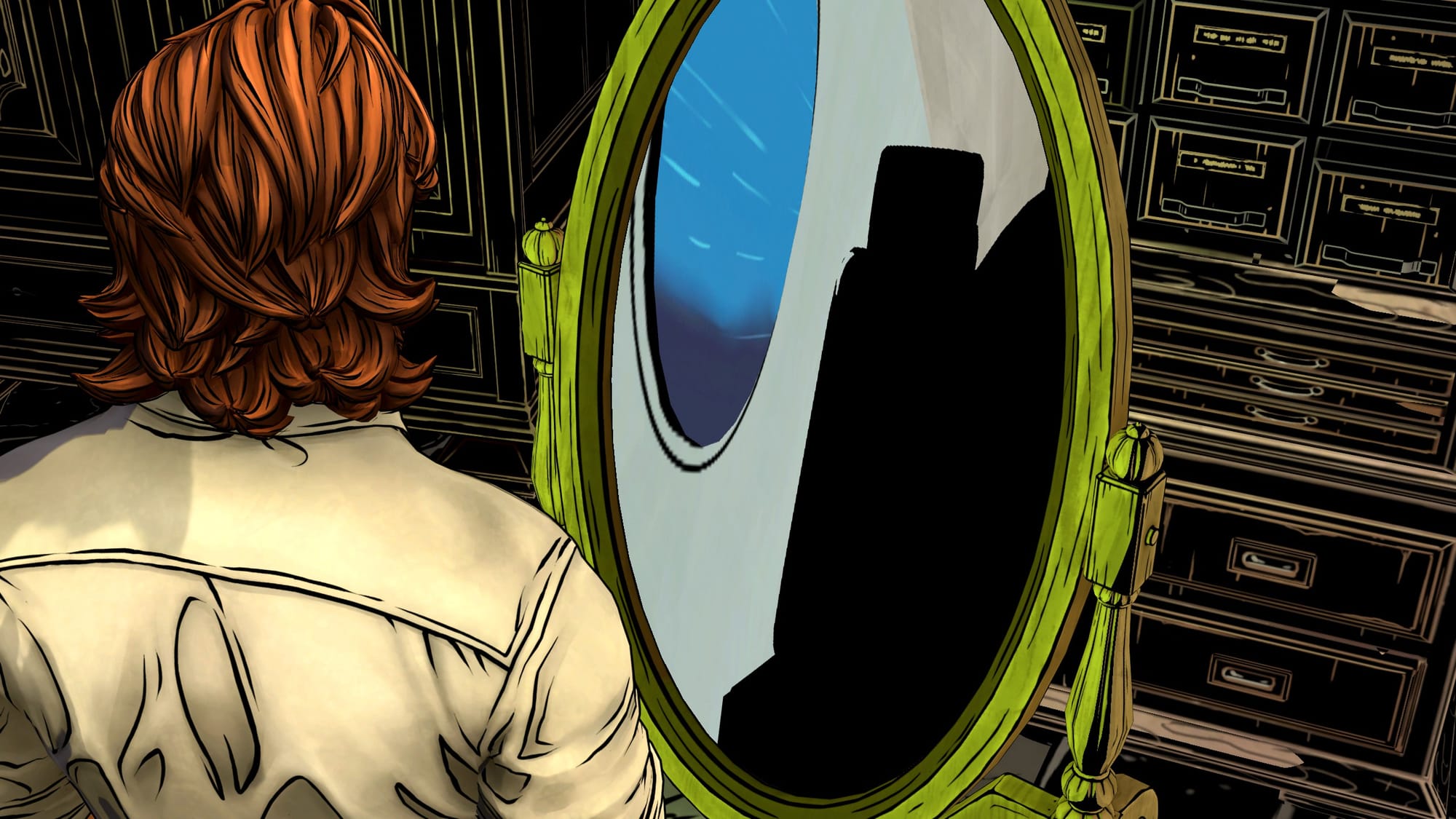
If you haven’t played or looked at the original in a while, you might be hard-pressed to tell what’s different about this Remaster. It’s the same cartoony art style with the same stiff, awkward animations Telltale was known for. When you compare the two, though, the difference is night and day. Textures have been entirely redrawn with some added detail in places. There’s new geometry to give characters a bit more life, and the lighting is even more stark to really enhance the noir style. There’s even a new Noir mode if you want to play the game in black and white, though I personally wouldn’t recommend it as it can make UI elements like dialogue timers hard to parse.
The visual upgrade isn’t perfect; there are a few conditions where the lighting in particular looks a bit weird—I don’t think Bigby was meant to be seen in harsh daylight—but overall it’s a net positive. On the performance side, I tested the game on both my desktop PC and a Razer Blade 18 on loan from Razer, and my desktop hit 170 fps (my monitor’s refresh rate) easily. The laptop didn’t quite get up to the 240 Hz refresh rate even at the same 1440p resolution as my desktop, but it still hit around 190. Far more than you’d realistically need from a game like this, but it’s always good to have games run nice and smooth.
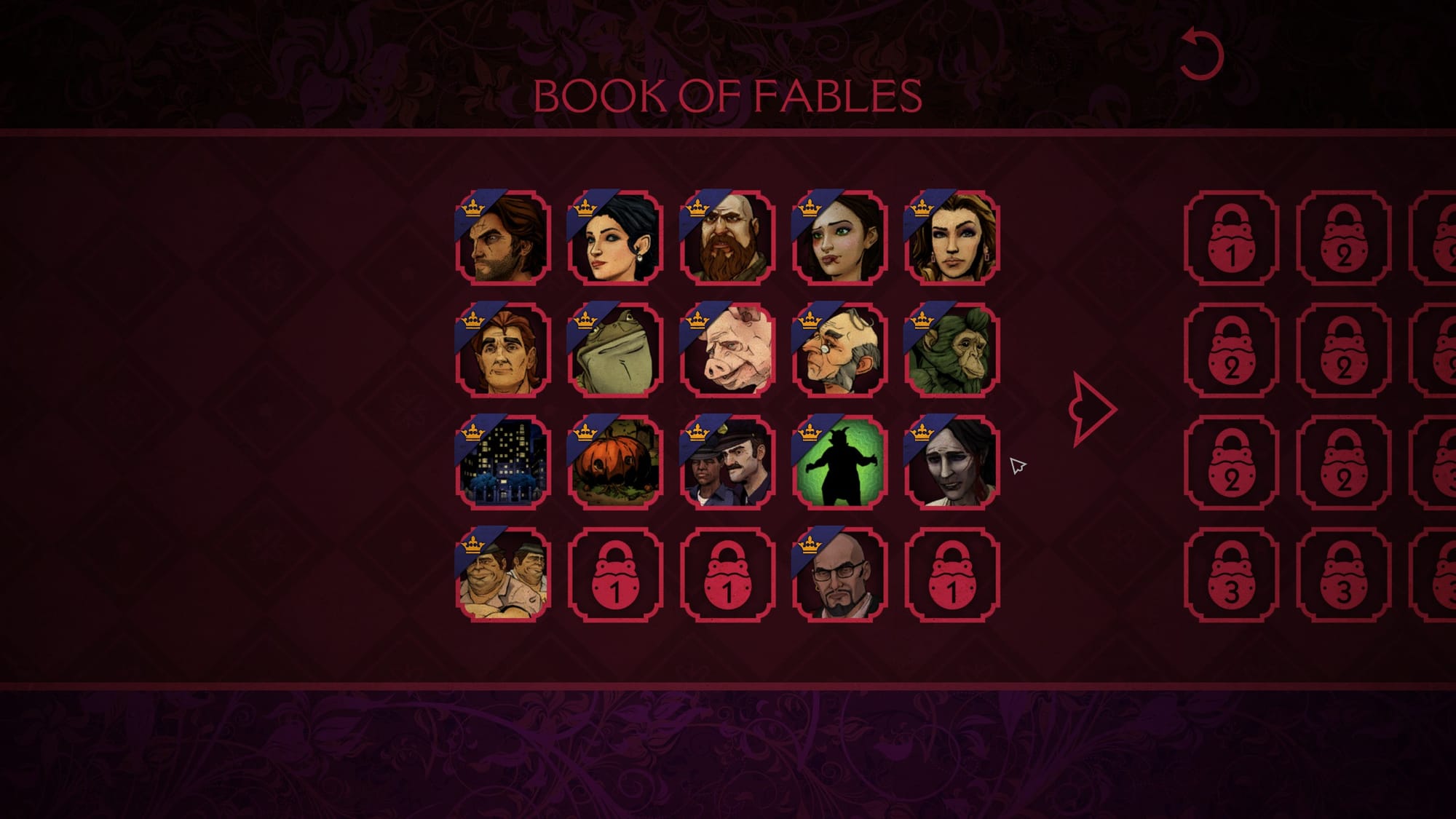
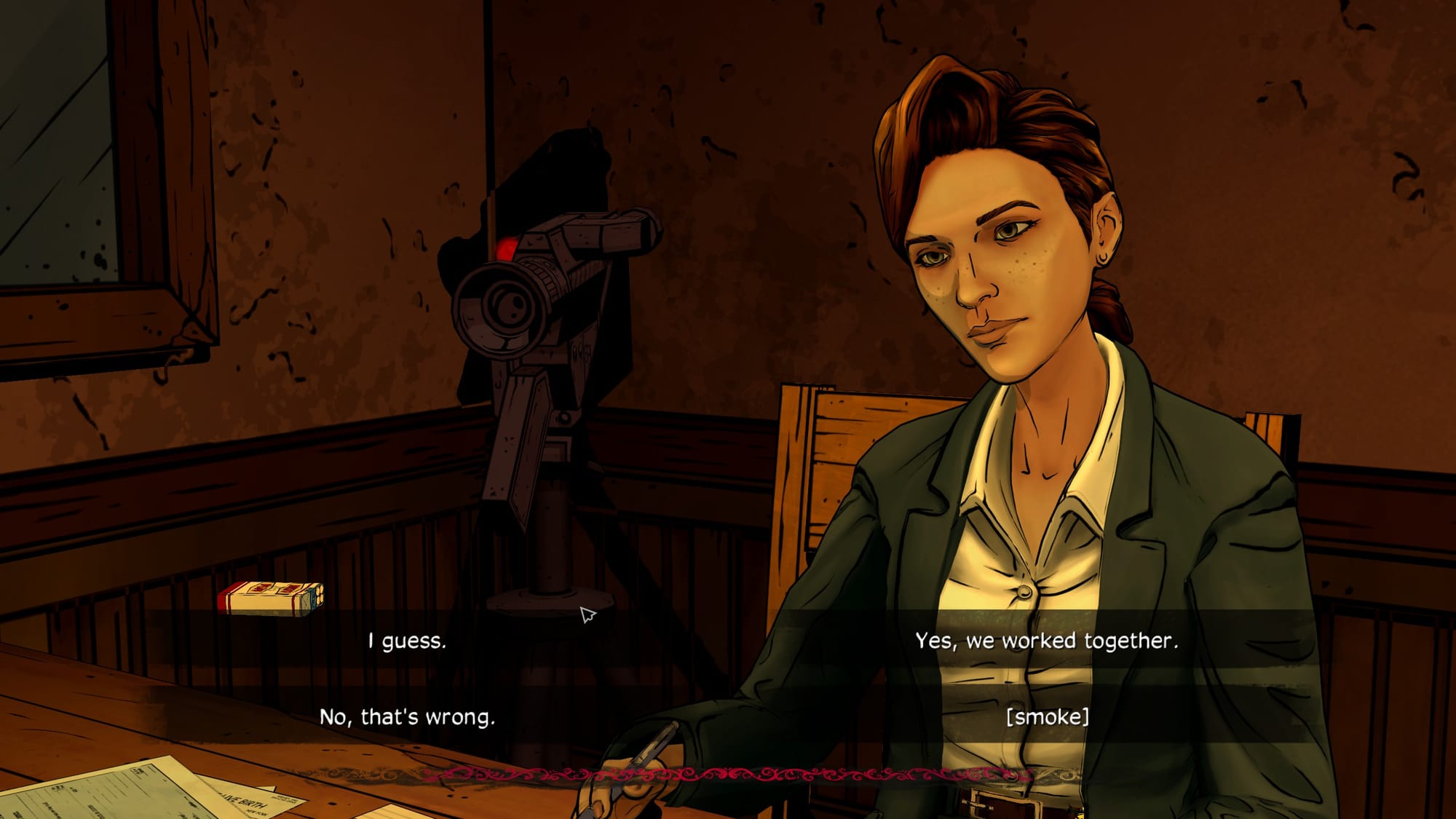
It took me about 9 hours to get through all 5 episodes, and I had a wonderful time revisiting the game. As the cherry on top, though, there’s a good amount of extras here to take a gander at. Most alluring to me were the deleted scenes; sections of certain episodes that got cut from the full game for whatever reason, but were playable enough to be shown off in the Extras menu. These are both fascinating—seeing part of a game mid-development is always cool—and hilarious—thanks to unfinished animations and voices. Some of these scenes add interesting new context, like Bigby being questioned by the Mundy cop or needing to hide Woody while he recovers from his… head wound, but you can clearly see why all of them were cut. For some, it’s because their pacing is off and the scene can drag when compared to the final version, while others simply wouldn’t matter in the overall story. Still, they’re a lot of fun to see and play through.
For further peeks behind the curtain, the game also has some Making Of videos covering both the original release and the remaster. These videos are super interesting, though the playback UI would constantly disappear, then reappear after a few seconds, which was very distracting. I also would have liked to see an interview with Jared Emmerson-Johnson, the game’s composer, as his phenomenal work doesn’t get enough spotlight.

I am of the opinion that remasters, remakes, and even rereleases should never replace their original versions, so I’m happy to note that, at least on Steam, the original The Wolf Among Us is still available for purchase. I originally played the game on PS3, then replayed it on Epic because it was free there at one point, but to avoid those two platforms I’m more than happy to stick with the remaster for the foreseeable future. It’s still buggy; when I first launched the game, I couldn’t change the resolution because it wouldn’t let my mouse move down that far, but that’s more from the abysmal Telltale Tool than any Remaster-specific quirk. This is an amazing version of the game and includes tons of fun extras that will please any returning fan.
The Wolf Among Us Remastered
Excellent
The Wolf Among Us Remastered is still the best in class when it comes to narrative adventures, with reactive choices that don’t overhype themselves as “changing the story as you play”. It’s a more subtle, grounded title that’s a joy to revisit, particularly with the enhanced visuals and deleted scenes.
Pros
- Gorgeous remastered visuals
- Playable deleted scenes
- Behind-the-Scenes videos
- Still the same, phenomenal narrative
Cons
- Still kinda janky, particularly with animations
- Noir Mode feels tacked on
This review is based on an early PC copy provided by the publisher. The Wolf Among Us Remastered comes out on October 29, 2026.