Hello there! Welcome to Star Wars: Legion
Star Wars: Legion is the premier wargame from Atomic Mass Games featuring large army battles set in the Star Wars universe. Over the last year, Atomic Mass Games has released a series of new starter sets and expansions to update the old models and breathe new life into both the community for both competitive and casual play.
We (Alec Kozak and Randy Gregory) were lucky enough to get Starter Sets for review from Atomic Mass Games - you can check out the unboxing review here. Additionally, we have been building and painting up expansions for the armies, including the Wookie Warriors for the Republic.
While building and painting is always fun, we really wanted to actually use the pieces in a game.
The goal? Build both the Separatist and Republic Armies from the boxes and meet at Adepticon 2026 to square off against each other in full scale combat.
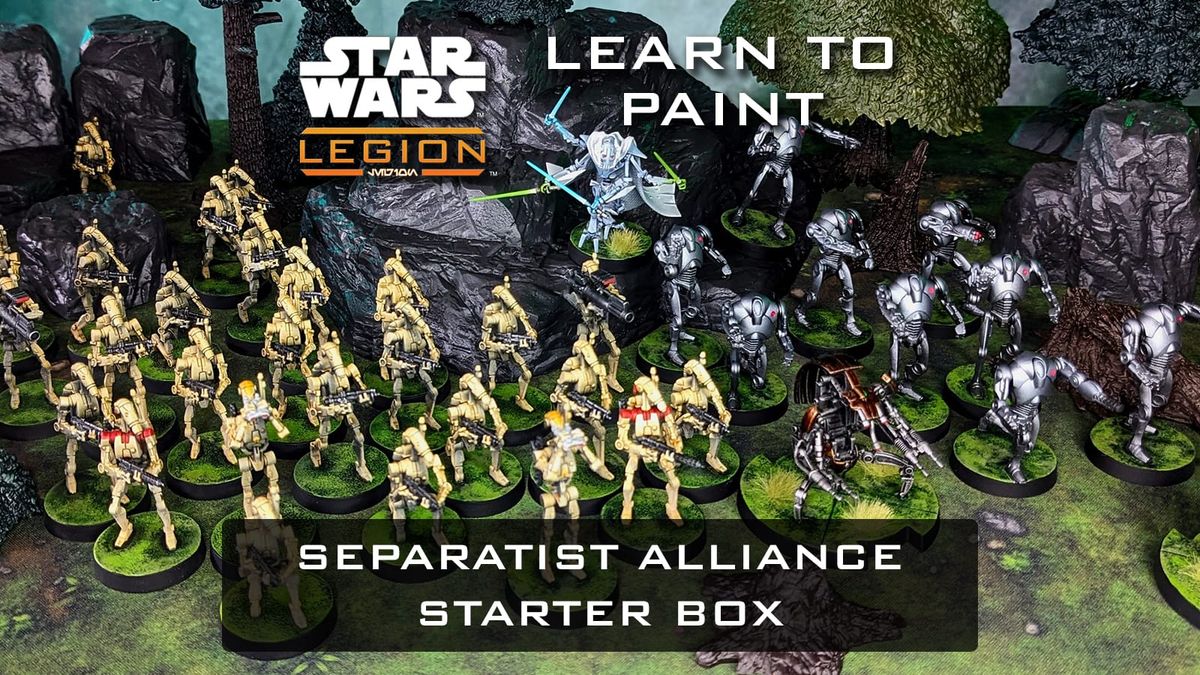
If you’re interested in learning how we painted up our armies, be sure to check our paint guides for paint & color choices, as well as techniques to help get your pieces from the box to the table for play!
 Alec Kozak
 Randy Gregory II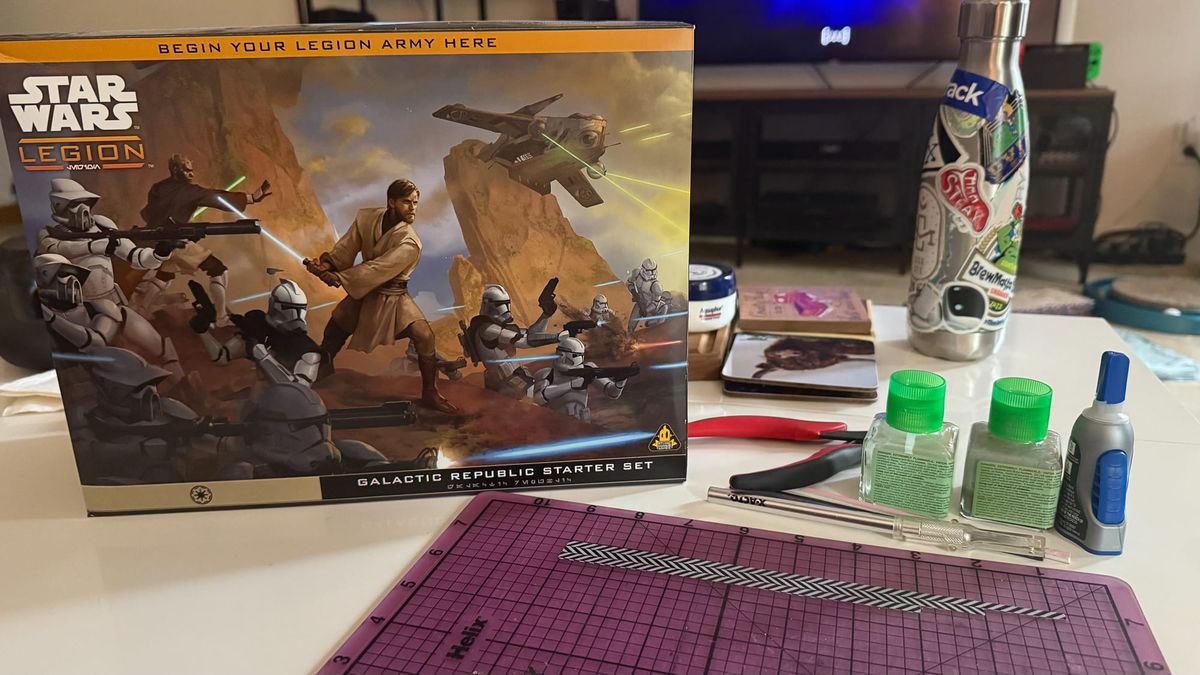
The Starter Sets available from Atomic Mass Games are seriously a great deal for players wanting to get into playing Legion. Each box contains enough units to build a 600 point Recon army, all of the required unit cards, dice, measurement tools, tokens, and game tracker. Two starter sets will allow two players to get straight into Legion. For $99.99 USD, it’s absolutely worth the price.
If you haven’t played Legion and have been curious about jumping, here are some basics of how Legion is played, so you can understand a bit more about how this game operates vs. other large army focused wargames.
Learn the ways of the force - How Star Wars: Legion is Played
In Star Wars: Legion, players build, paint, and command armies built out of individual miniature models that form units. Each unit brings specific rules and abilities for the players to use throughout the course of the game. Played over a series of 5 rounds, players take turns activating units in order to move, attack, complete objectives, secure victory points, and ultimately, claim a win.
Games are typically played on a 6ft by 3ft battlefield, so a decent sized kitchen table or hobby table is sufficient. The battlefield contains a variety of terrain, which can be anything from soda cans and tissue boxes to 3d printed landing platforms and crashed star fighters. The more immersive (and less open) your battlefield is, the more exciting the game will be.
Players build armies using the miniatures in their collections. The Starter Sets offer a solid foundation for building out an army, and expansion packs add more options to your army. Expansions range from familiar heroes and villains, to units and vehicles, all of whom have appeared onscreen in the Star Wars universe.
In Legion, any army can battle each other, which can lead to some fantastic storytelling opportunities. An Imperial detachment finds a late awakened Clone Army driven by a Jedi who survived Order 66. A Stormtrooper army led by Darth Vader finds the remnants of a Separatist Robot army led by Darth Maul. A Mandalorian Clan battles a Rebel Force on an ice planet, similar to Hoth. The combinations are driven by the rule of cool.
For Army Building, there are specific requirements that players must follow when building the army. Depending on the size of game, armies have certain minimums that they must fulfill before bringing other units to the game, requirements of leader and corp units, as well as maximums they can bring, like tanks and airspeeders. So, an army can’t just have 6 AT-STs or only Jedi (and no, you can’t have multiple unique characters). Units also have options and restrictions when building them, specifically the Upgrade Cards that can be assigned to the unit. For example, your ARC troopers could also include DC-15x armed snipers, or a heavy unit with a rocket launcher. Depending on your individual strategy, you can kit out your unit as you see fit. And unlike other wargames, the models don’t need to be holding the weapons, so you’re not limited to the specific miniature, but the models do need to properly represent the unit they are and not be misleading.
The combination of models, units, and upgrades help create your army. In a traditional game of Legion, players build 1000 points of units. In the Starter set, you will play a Recon game, which is 600 points of units. It’s a smaller board and less complicated, which is nice if you want to play a shorter game or are brand new and just dipping your toes in.
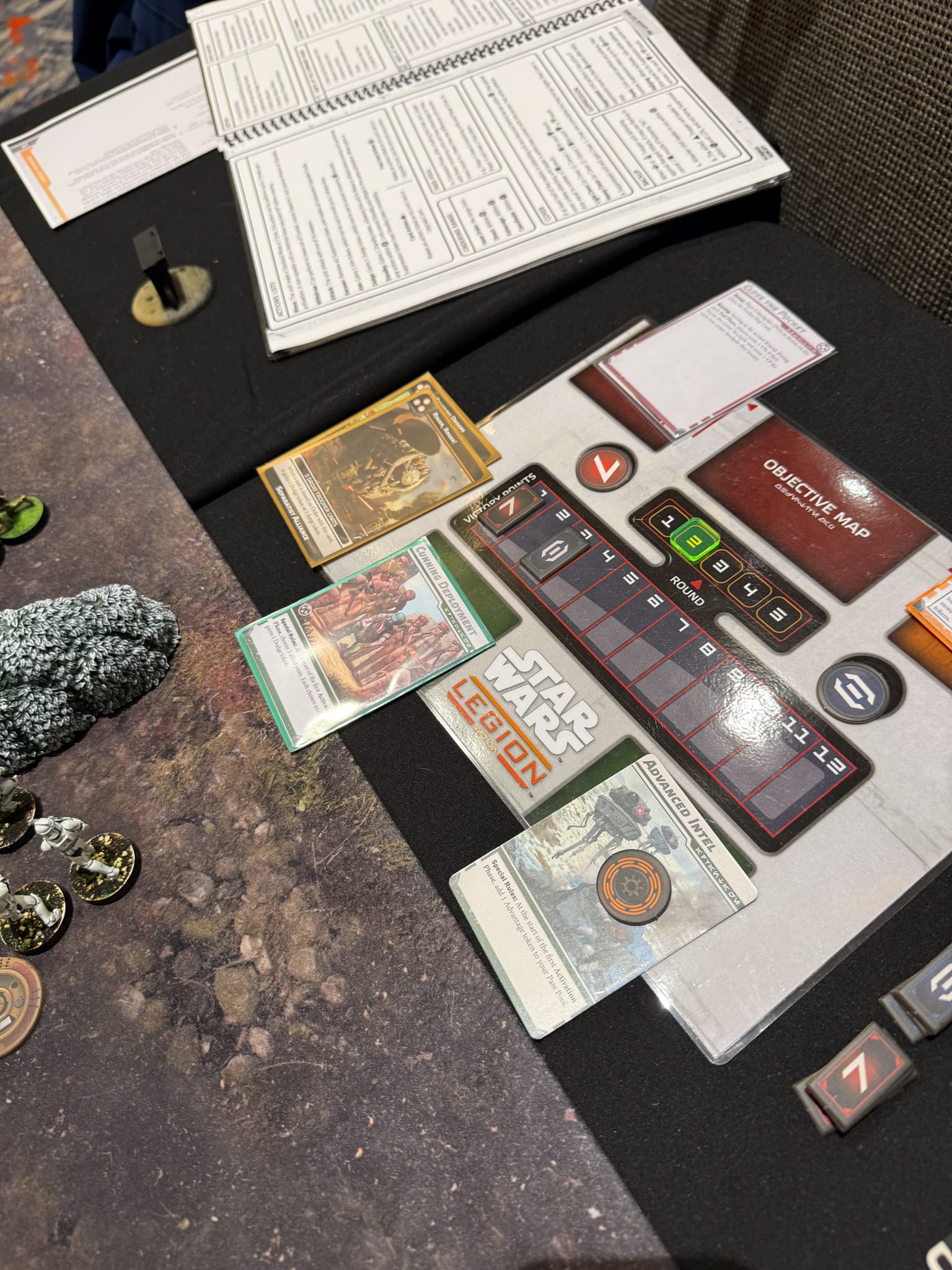
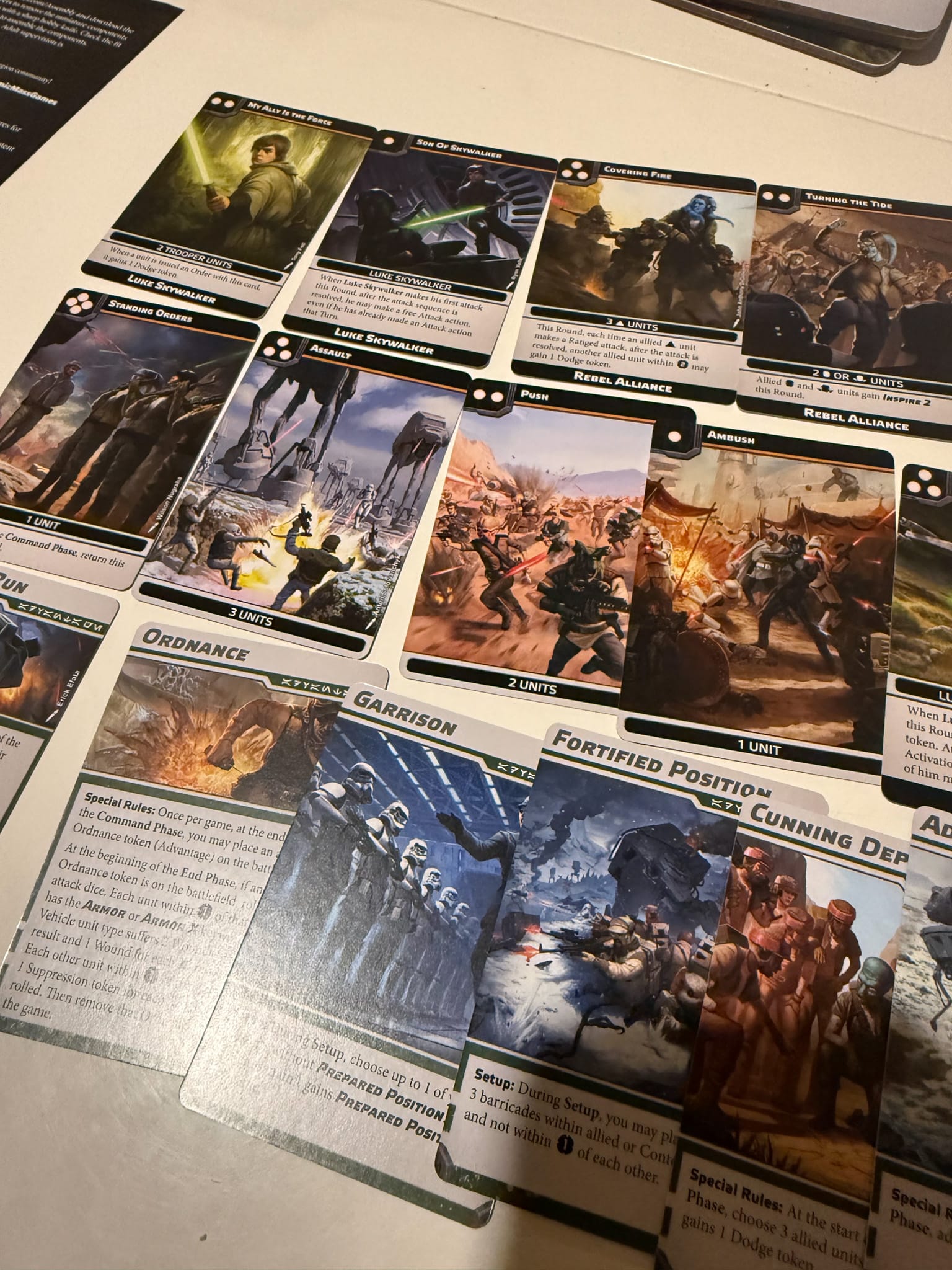
In addition to the units themselves, each player builds a Command Hand and a Battle Deck. The Command Hand is composed of cards that reflect the army leader’s abilities. Each Command Hand must consist of 7 cards, which are detailed with Pips. Two 1 pip cards, two 2 pip cards, two 3 pip cards, and the 4 pip card “Standing Orders”. These Command Cards are secret and not shared with the opponent until a particular moment in the game, which when revealed sets up certain units or conditions as well as player priority. During each round, the player who played the lowest pip gets to activate first. This all feeds into the strategy a player may have during the game, but also creates a sense of surprise and uniqueness to the combat.
The Battle Deck contains 9 cards, broken up into 3 Objective Cards, 3 Secondary Objectives, and 3 Advantage Cards. These objectives determine the valuable victory points, but we’ll get into that later. The Advantage Card is a special card that a player can deploy during the game to get a special tactical edge over their opponent.
Like other Atomic Mass Games, the core rulebook, cards, errata, rulebooks, and all updates are available free and online, making updates a breeze and preventing players from having to “chase expansions” they have to buy to get the one upgrade they need to play. In fact, print-and-play is totally ok for Star Wars: Legion Tournaments.
An abridged history of the Clone Wars
Since there is so much backstory and lore to Star Wars, especially when it comes to the Clone Wars, we’re going to do a (very brief) overview. In Episode IV: A New Hope, there are two subtle lines, almost throw-away, that are spoken in reference to the Clone Wars. 25 years later, Episode II: Attack of the Clones launched Star Wars fans into the story saga of a 3-year war that tore the galaxy apart and gave rise to the Galactic Empire.
The Clone Wars was the war between the Republic and the Separatists. Following a decade of corruption, inaction, and inefficiency within the Galactic Republic, the Separatist Alliance, a.k.a. The Confederacy of Independent Systems (CIS), gained the following support of hundreds of planets. Using droids, which are easy to manufacture, the Separatists, led by Darth Sidious, were able to maintain control over their planets as well as conquer other planets that provided resources for their cause. The Republic, led by Chancellor Palpatine, only had a small number of peace-keeping Jedi to maintain control. Much to their surprise, a massive Clone Army had been built in secret, and after the Republic settled up their bill with the Kaminoans who grew the clones, they got a big army to fight against the Separatists in order to maintain control. The twist is that Darth Sidious and Palpatine are the same person and he was playing everyone for a fool to kill off the Jedi and become the all-powerful, all-controlling ruler of the galaxy.
The Clone Wars expanded the backstories of many characters, specifically Ob-Wan Kenobi, Anakin Skywalker/Darth Vader, Yoda, and Emperor Palpatine. Further material introduced new characters, such as Count Dooku, Ahsoka Tano, and General Grievous, who all play a part in the war. The Clone Wars series (both 2003 and 2008) explain the story that exists between Episode II and Episode III, covering “Order 66”, the pre-programmed secret executive order of Palpatine forced the clones to execute all the Jedi, and how Anakin falls down the path of the dark side.
So… with that said, we embarked on our own, super, SUPER, abridged version of the Clone Wars at Adepticon 2026.
Randy’s Republic Army
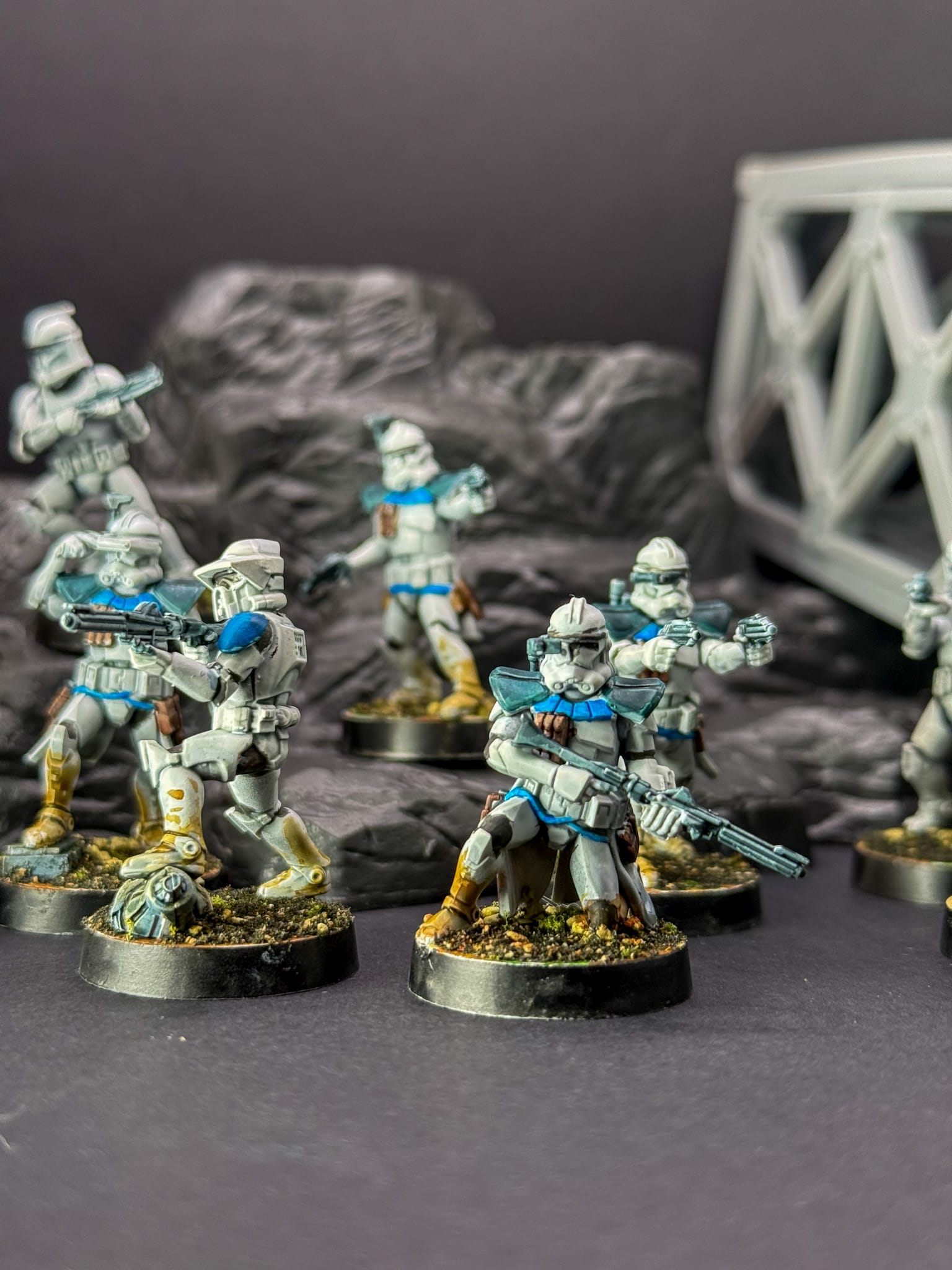
Before we get into it, I want to make it clear that Alec and I originally agreed to use just the starter kits provided by AMG. Darth Maul is not a part of that kit!
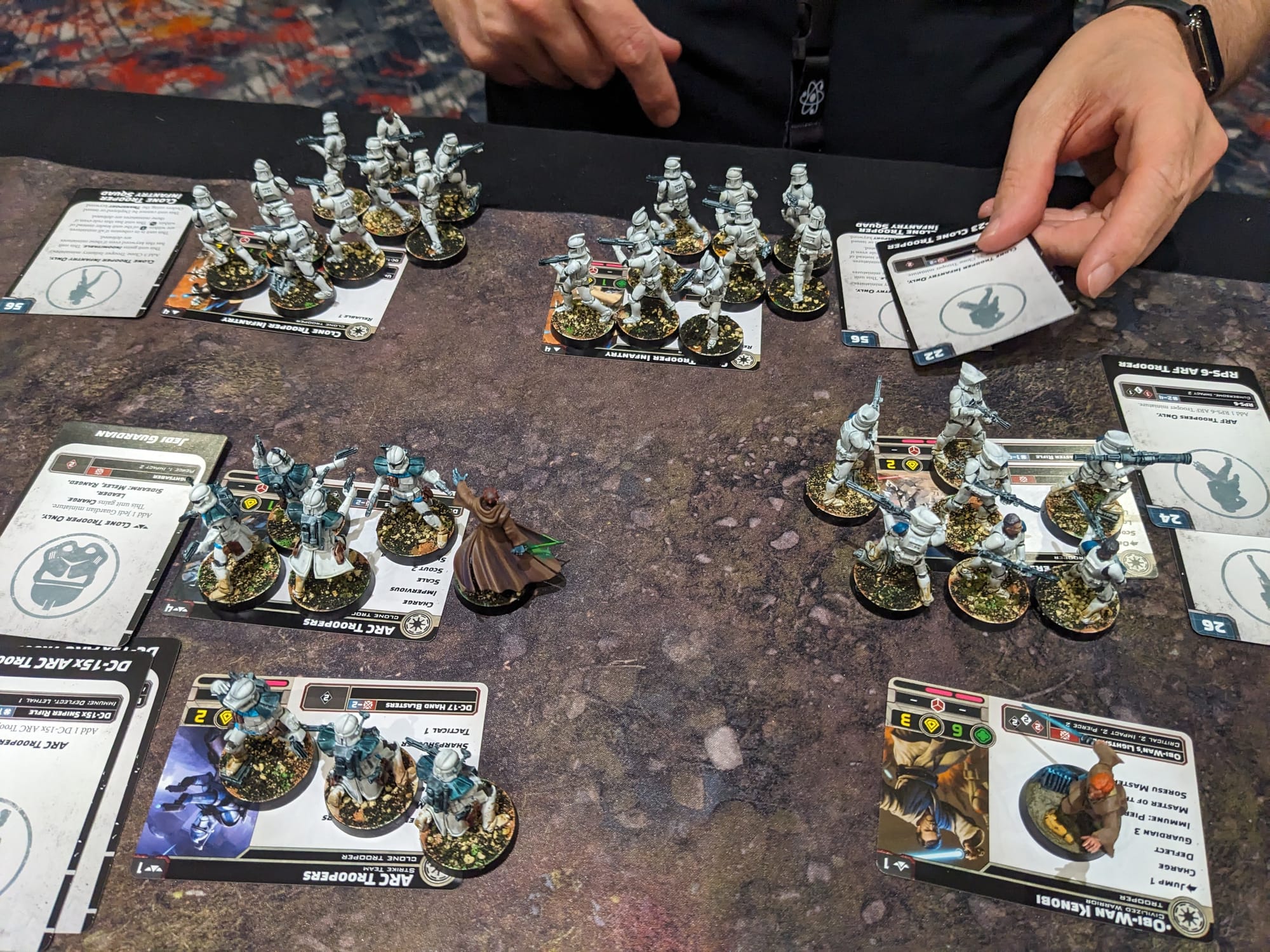
Seeing as it was my first game, I didn’t really know anything about how the various units interact with each other, my only thought was that if I could keep Kenobi in proximity to all of my units, it would give them a boon. That boon being “Force Guidance”, which will give a Surge token. This token allows me to change a surge result to a hit on a die. This works for both offense and defense. Secondly, the force contained Z-6 units and RPS (rocket launcher) units. I figure I can use the Z-6 to mow down B1s, and the RPS for either Grevious or the Droidekas.
Lastly, ARC Troopers have Scout 2, which allows them an extra move, helping me get to objectives faster, Sharpshooter, which allows for reducing enemy cover die, and Tactical, which gives me an aim token after moving, which will grant me a re-roll.
Basically, ARC Troopers are fast moving units that can ensure they hold a spot, and when combined with Kenobi, a powerhouse that can dominate the field..
Alec’s Separatist Alliance Army
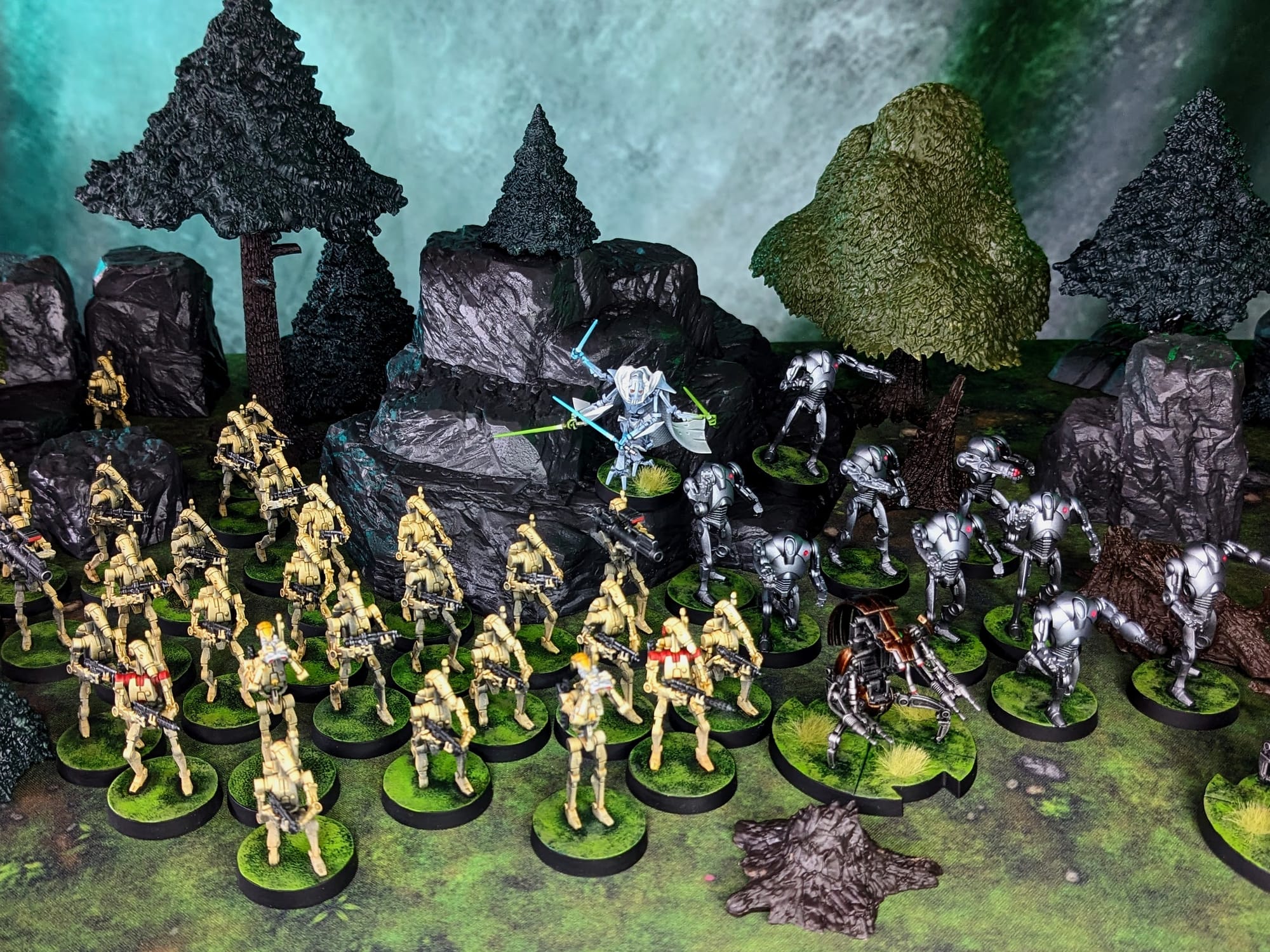
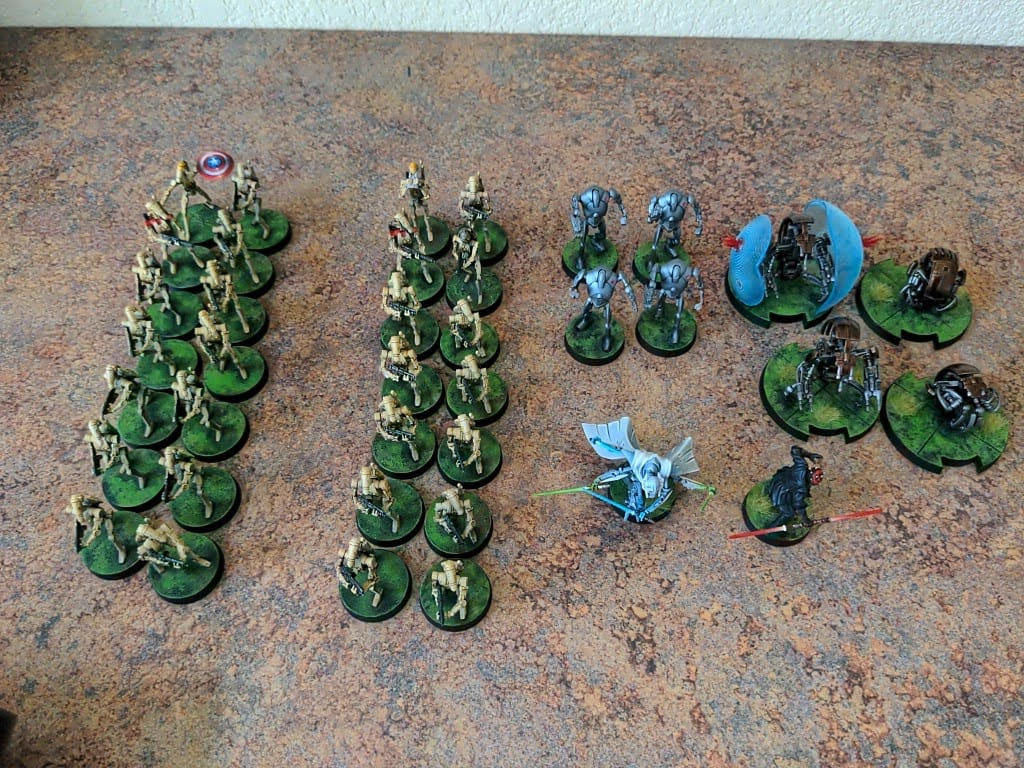
In true Separatist fashion, I added a little duplicity to my army by including the double-bladed demon himself, Darth Maul. This was partly due to the fact I was limited on space for transportation of all my Legion models, and then partly due to the fact that he’s one of my favorite characters and I wanted to play him. Grievous led the army, escorted by one squad of B2 Super Battle Droids, two squads of B1s (with the B1 Battle Droid Squad upgrade), and a pair of Droidekas, or, as I call them, rollyboys.
The plan was to have the rollyboys hold up on one objective, have Grievous, Maul, and the B2s go up the middle, and then throw all of the B1s at whichever objective did not have the ARC Troopers. The B1s are cannon fodder, and I was hoping to divide Randy’s forces to allow Grievous and Maul to start picking off squads, thereby reducing the number of contesting units for the objectives.
The Game
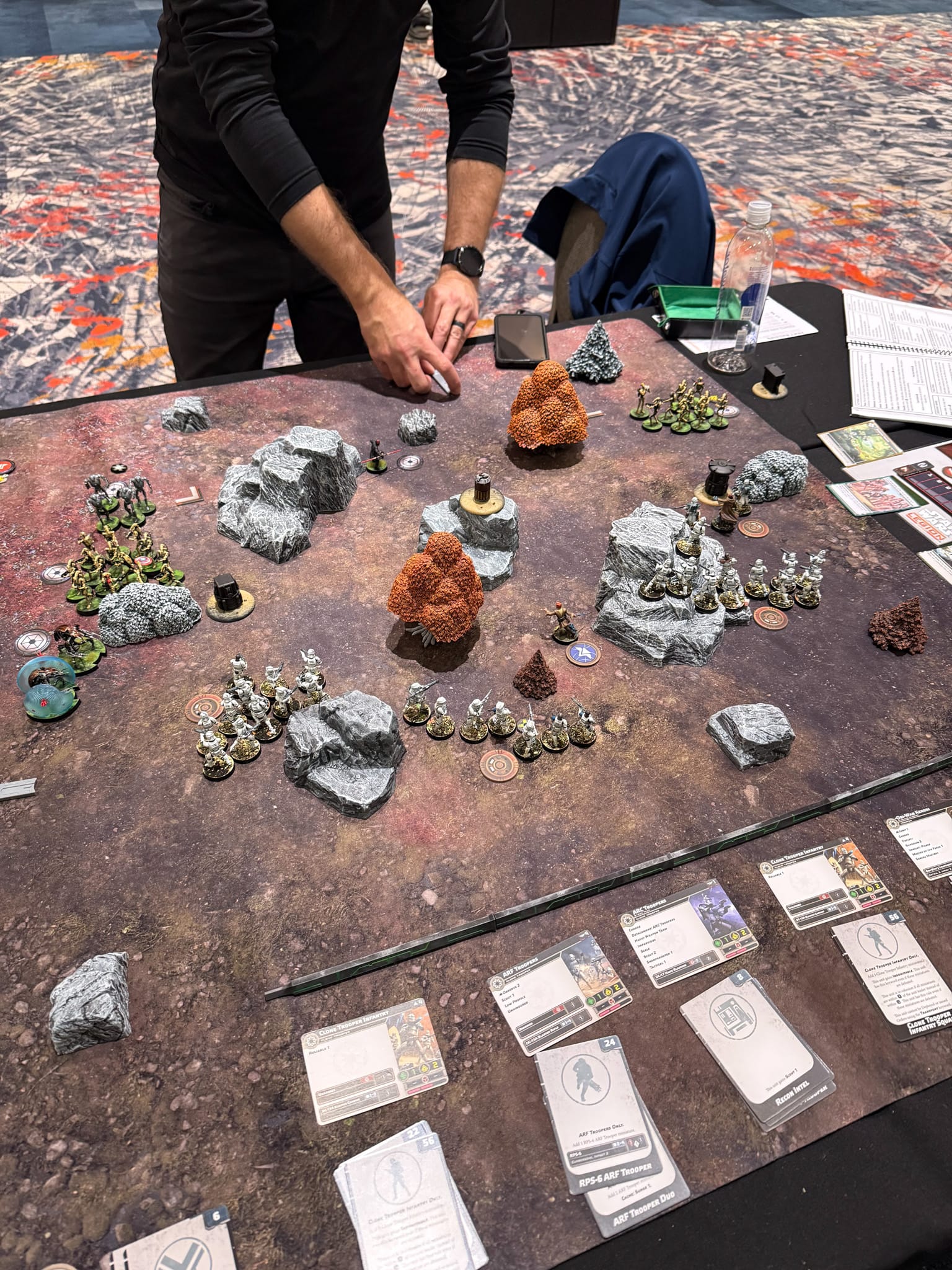
With the objectives ‘Close the Pocket’ and ‘Bring them to Heel,’ the game was going to be pretty much a bloodbath (oil bath?). Basically, just get right into it and start shooting blasters. The 3x3’ board was set up/marked with tape, and we created a nice, peaceful autumn forest, where gentle woodland space creatures frolicked and played, unaware of the impending destruction that was about to befall their hamlet.
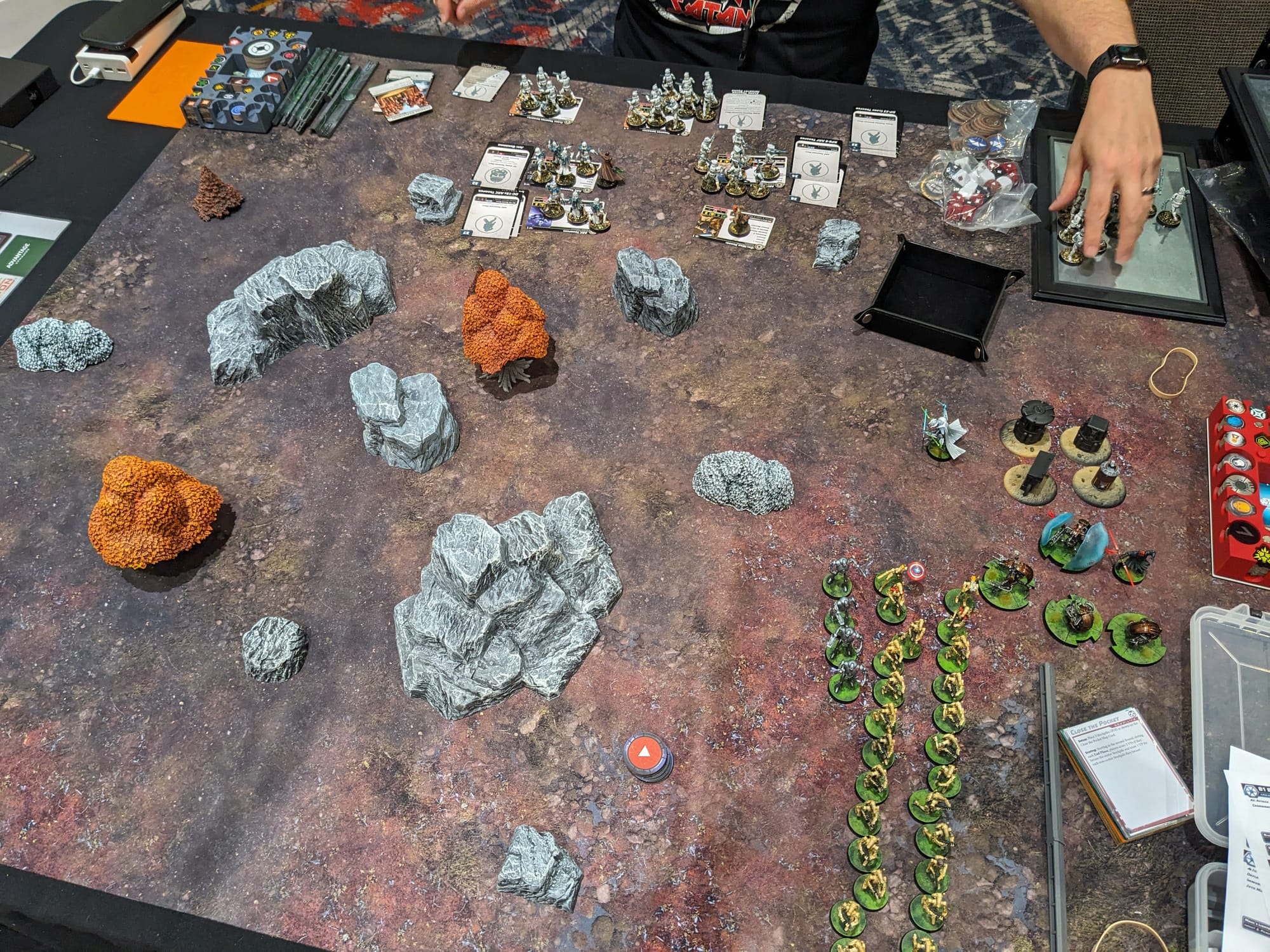
The game was set, the pieces were ready to be deployed (which happens during Turn 1), and we were ready to roll. Here is our battle report:
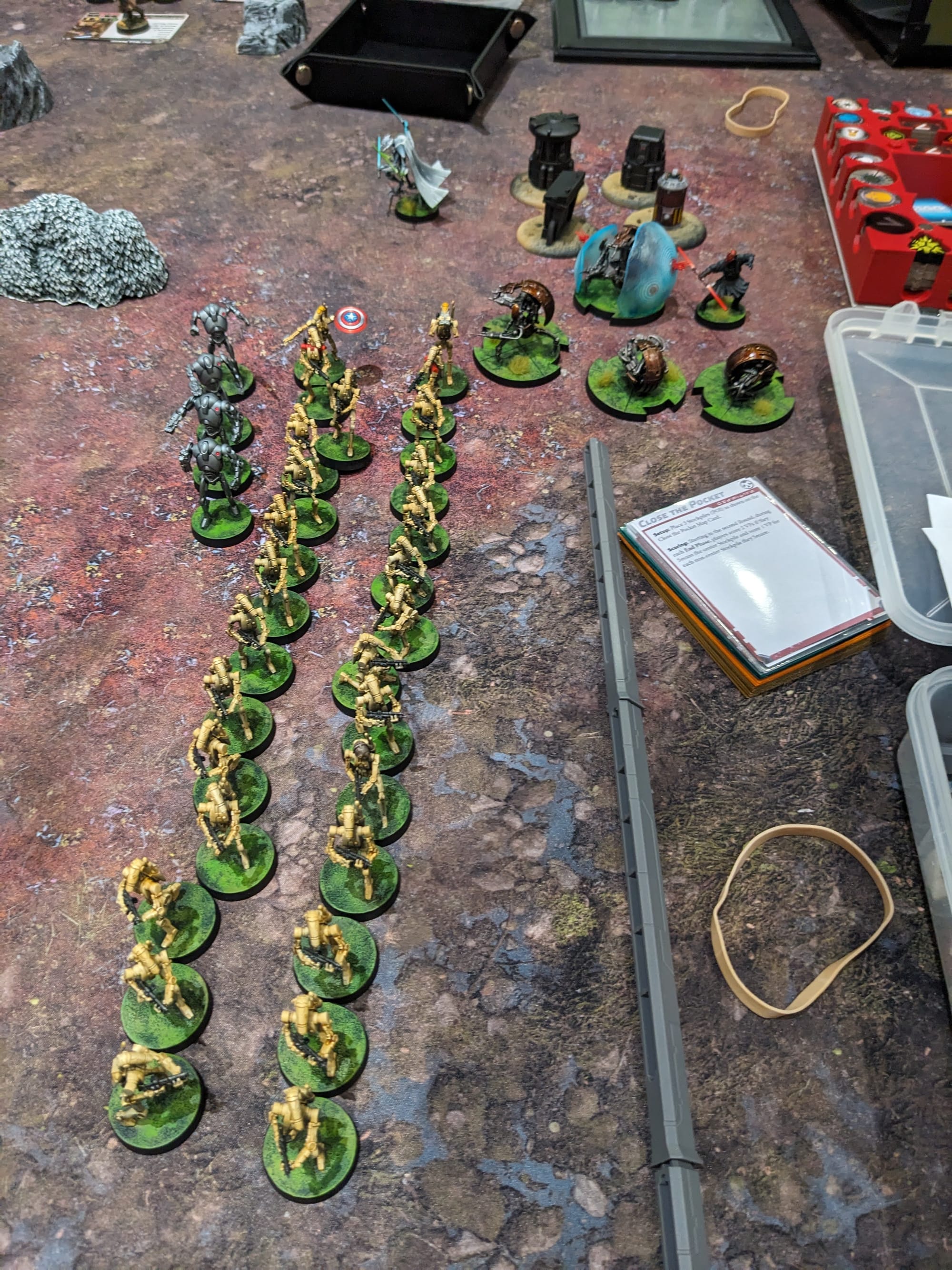
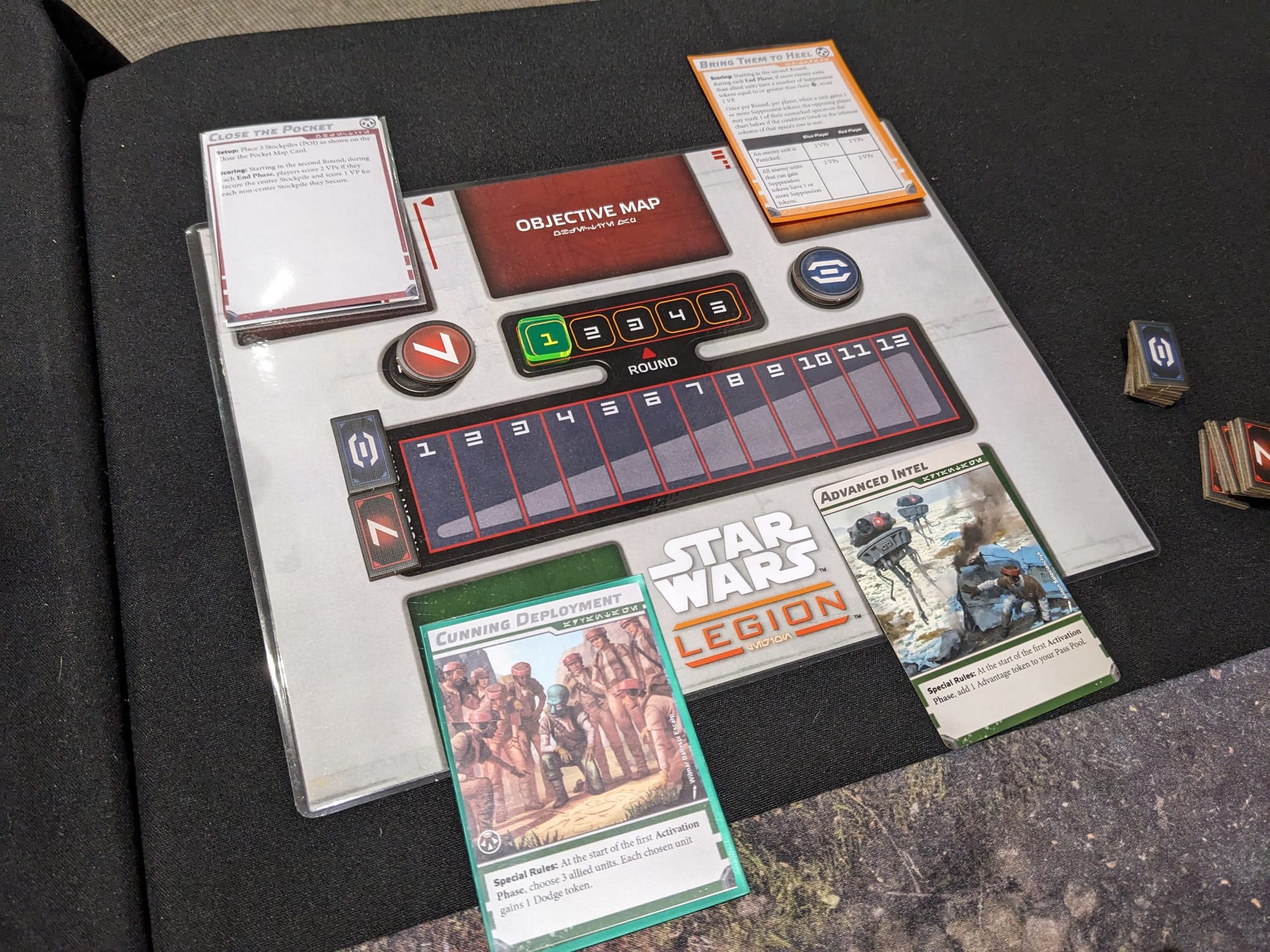
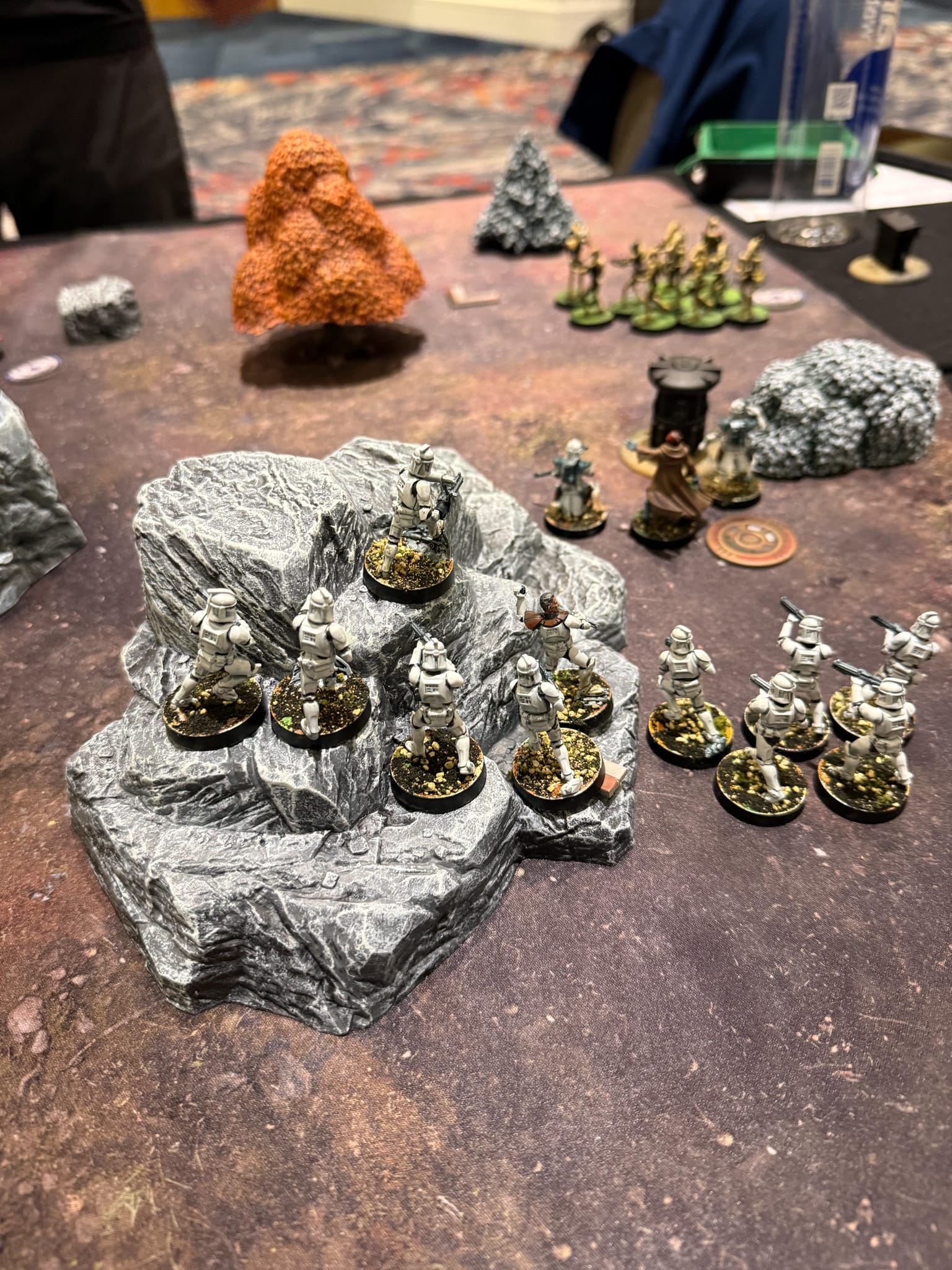
Randy:
Had I known what I know now, I wouldn’t have deployed the way I did. I wasn’t aware of the advantages I would have had setting up my ARC troopers near the B1s. Instead, I put one group on the right side of the board, and one near Obi Wan. I think I was going for more of a “Run to the objectives!” bit.
Alec:
B1s fold fast, but B2s and Grievous hit hard. Depending on how Randy set up his troops, I could counter with either a direct confrontation or a circumvention, depending on what unit was going out. I figured if I could hold the center and right side, it would force Randy to attack my army through the center, where Grievous and Maul would be. I figured my lone unit of B1s would just slow down the ARCs and ARFs.
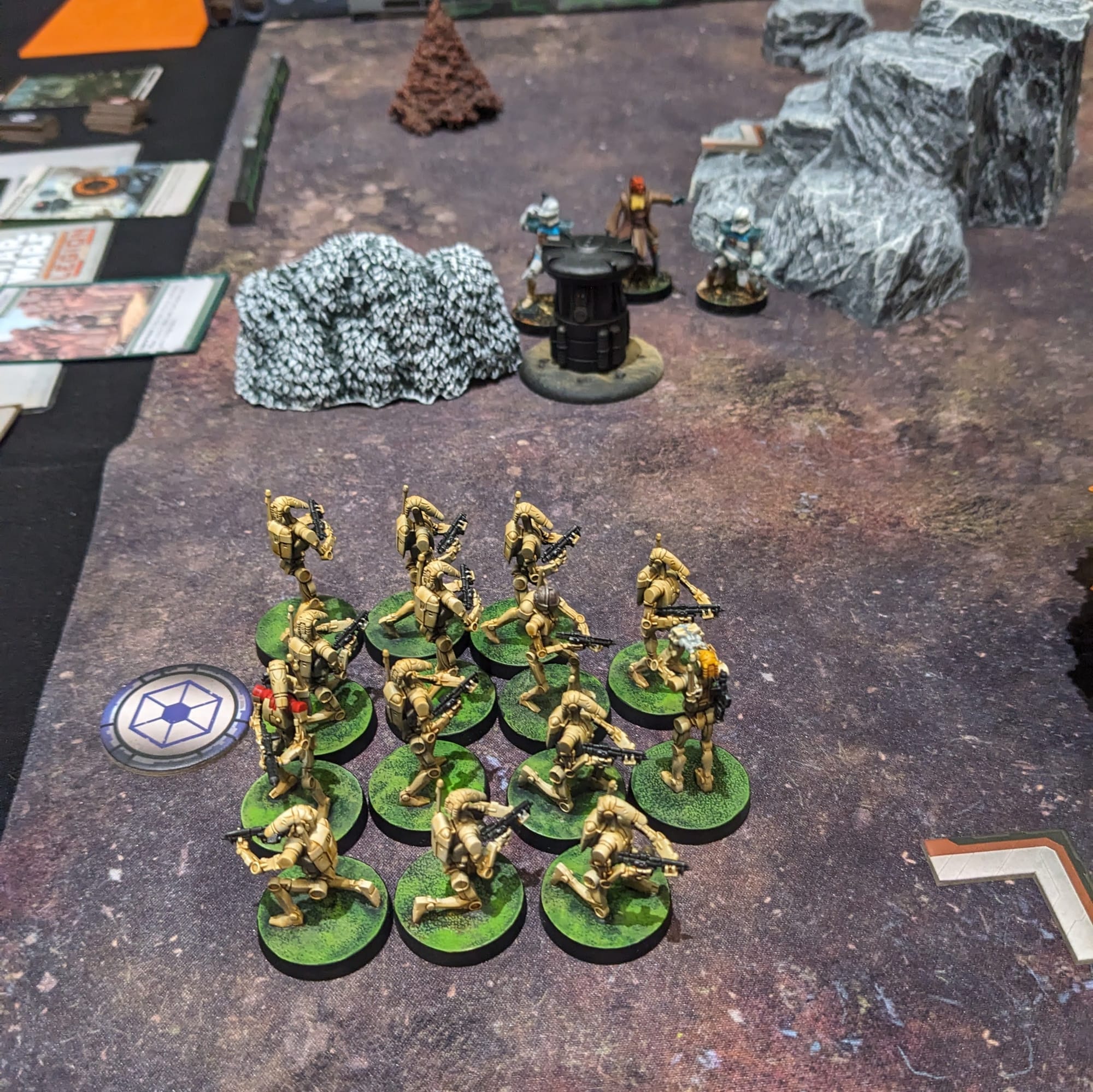
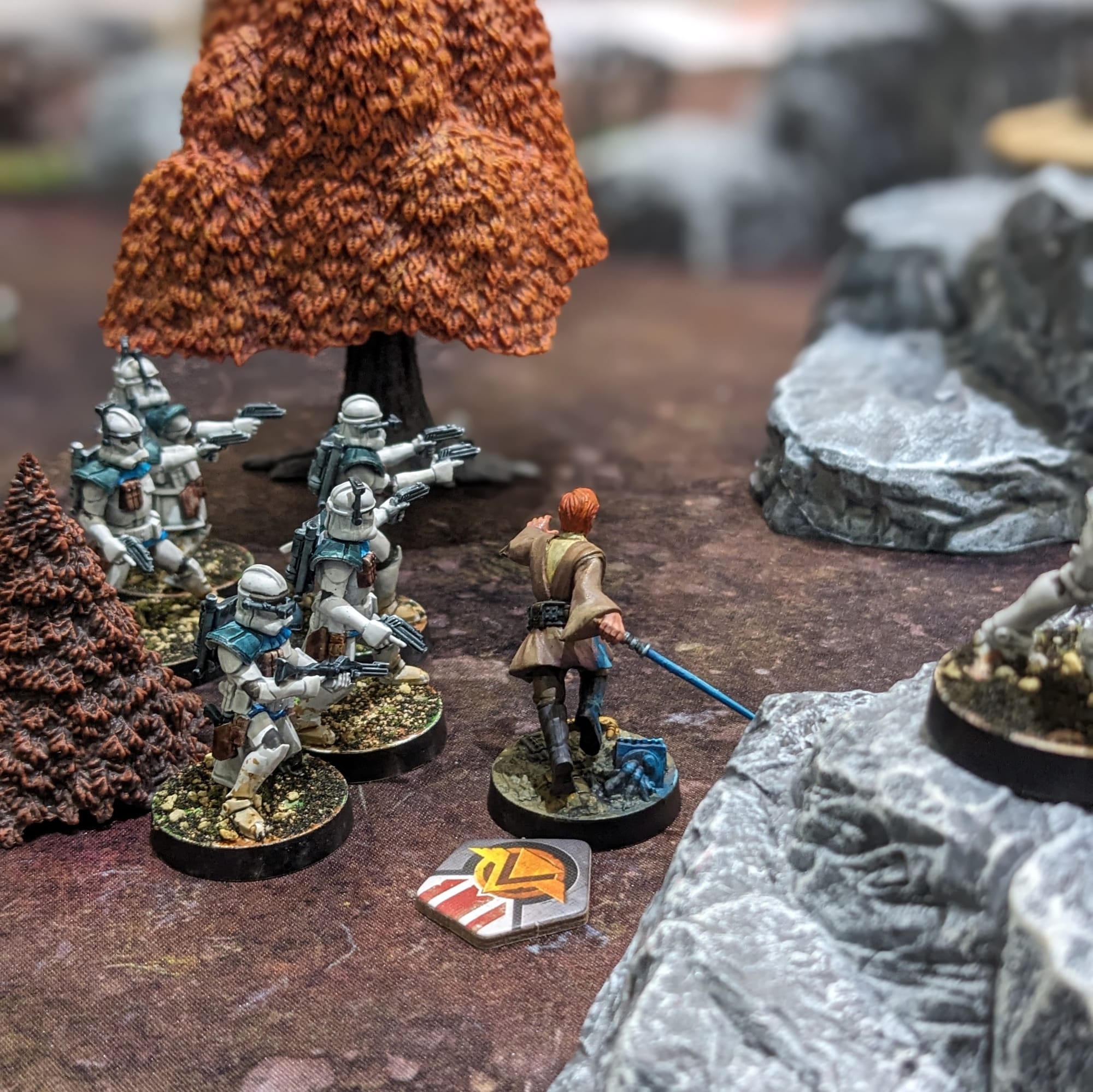
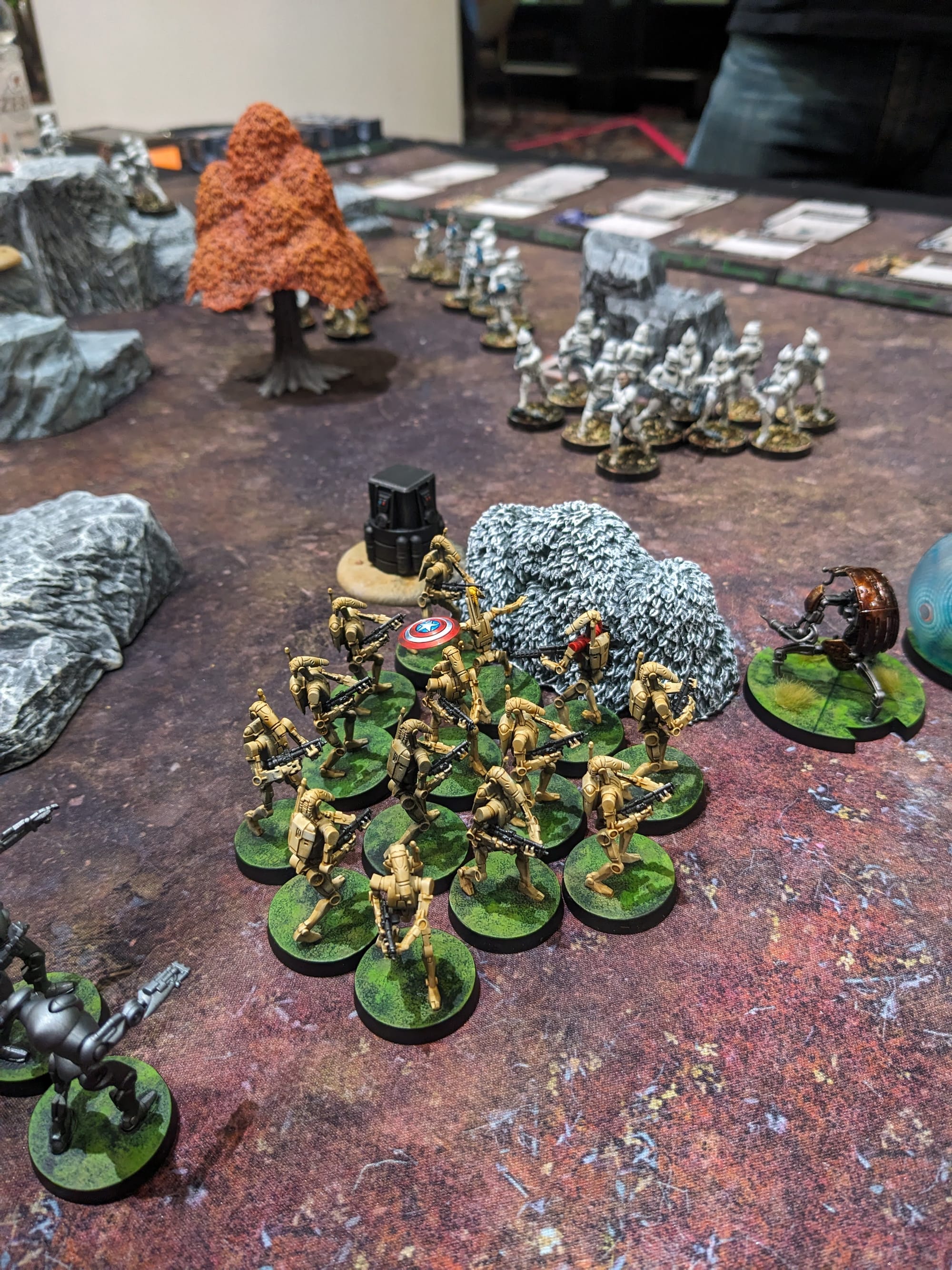
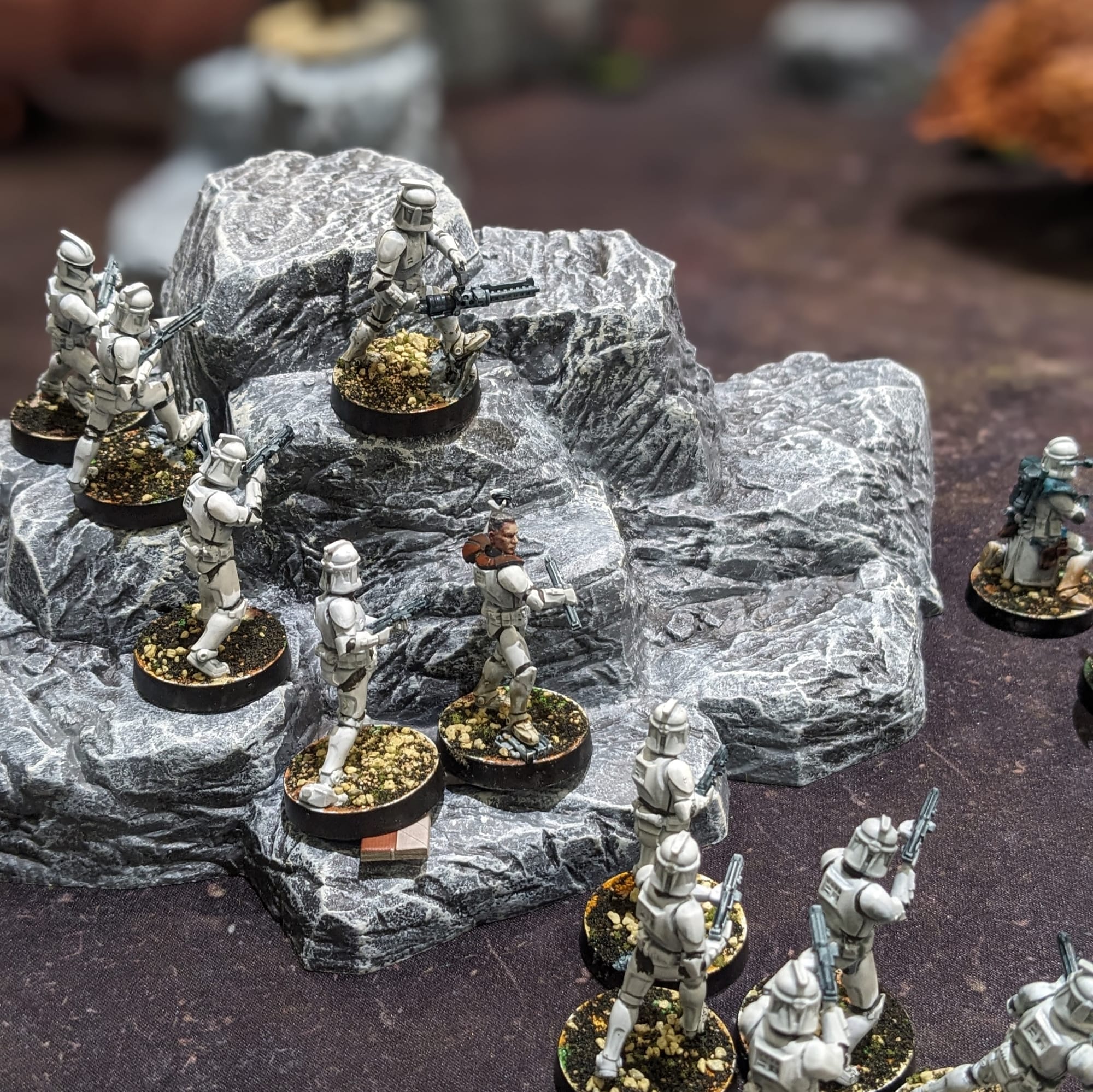
Randy:
I went for “Rule of Cool” and put Clone Troopers on top of a rock. For some reason, I thought it would be pretty cool to have them on the rocks, getting some advantage…you know, the high ground?
Alec:
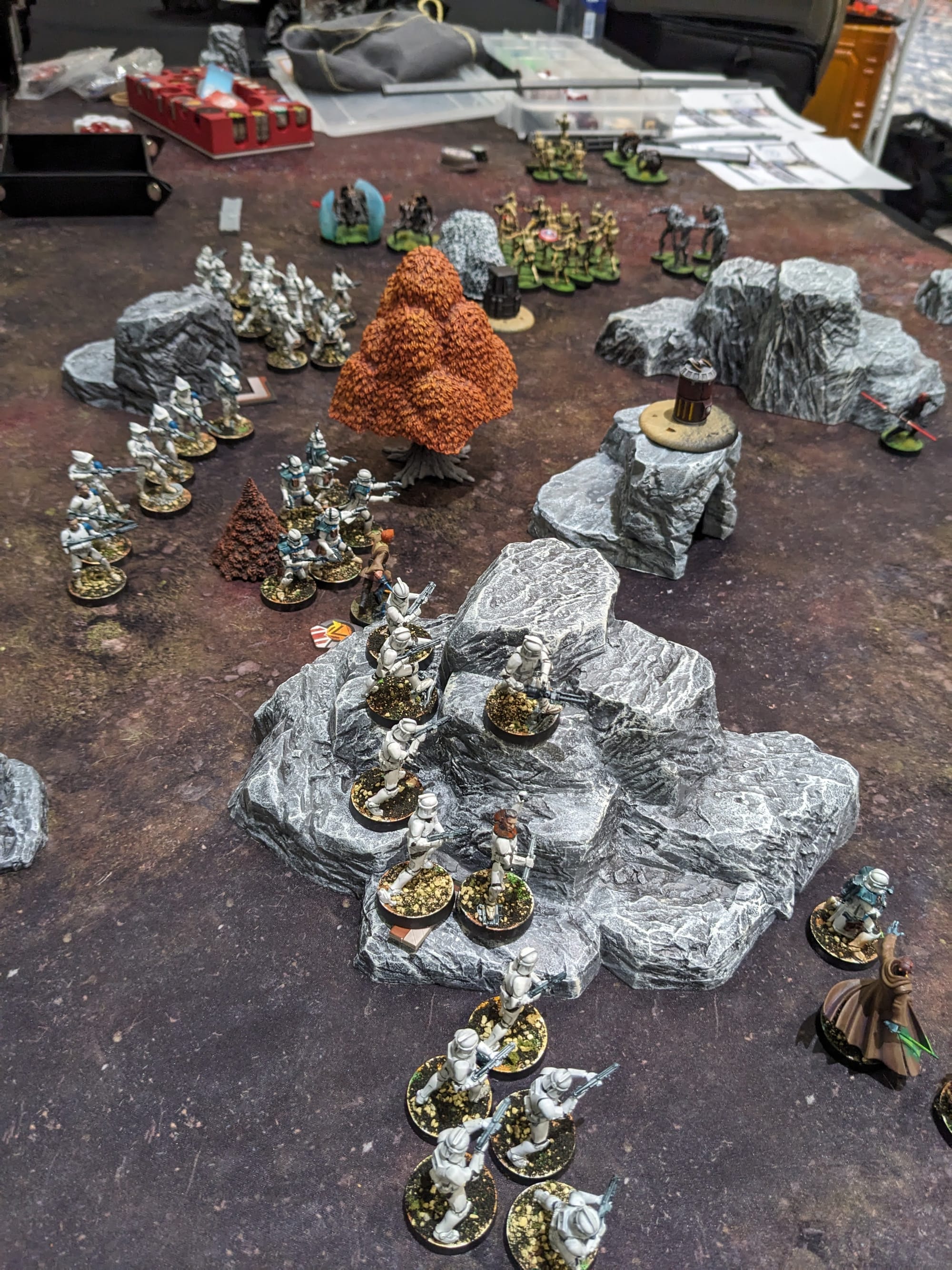
Seeing where Randy deployed his ARC Troopers and ARF Trooper Unit (with the Jedi General), I opted to deploy the bulk of my army on the opposite end of the board, including my B2s and rollyboys. Most of my army moved to the right side, with the intention of then pushing in towards the center objective.
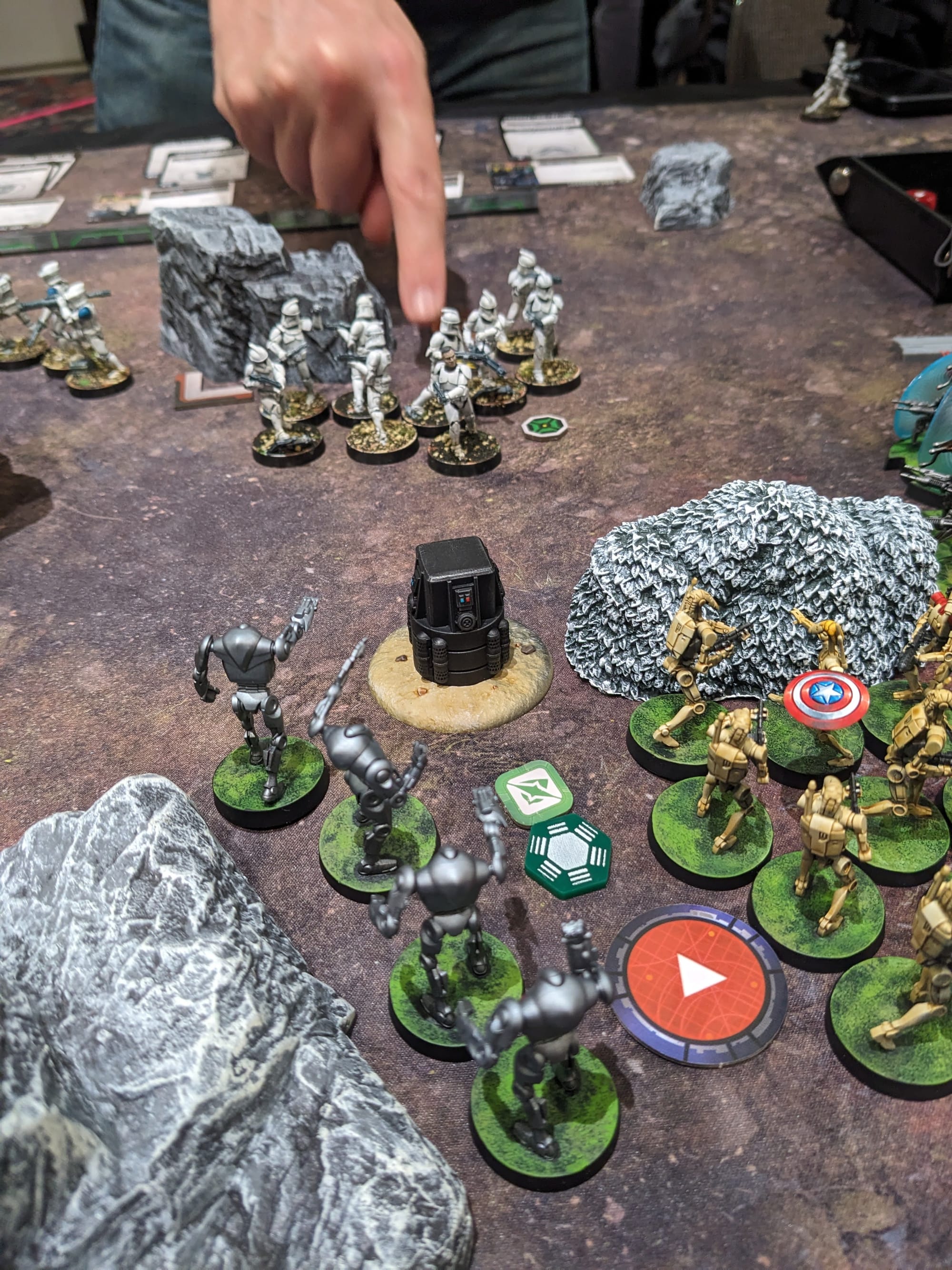
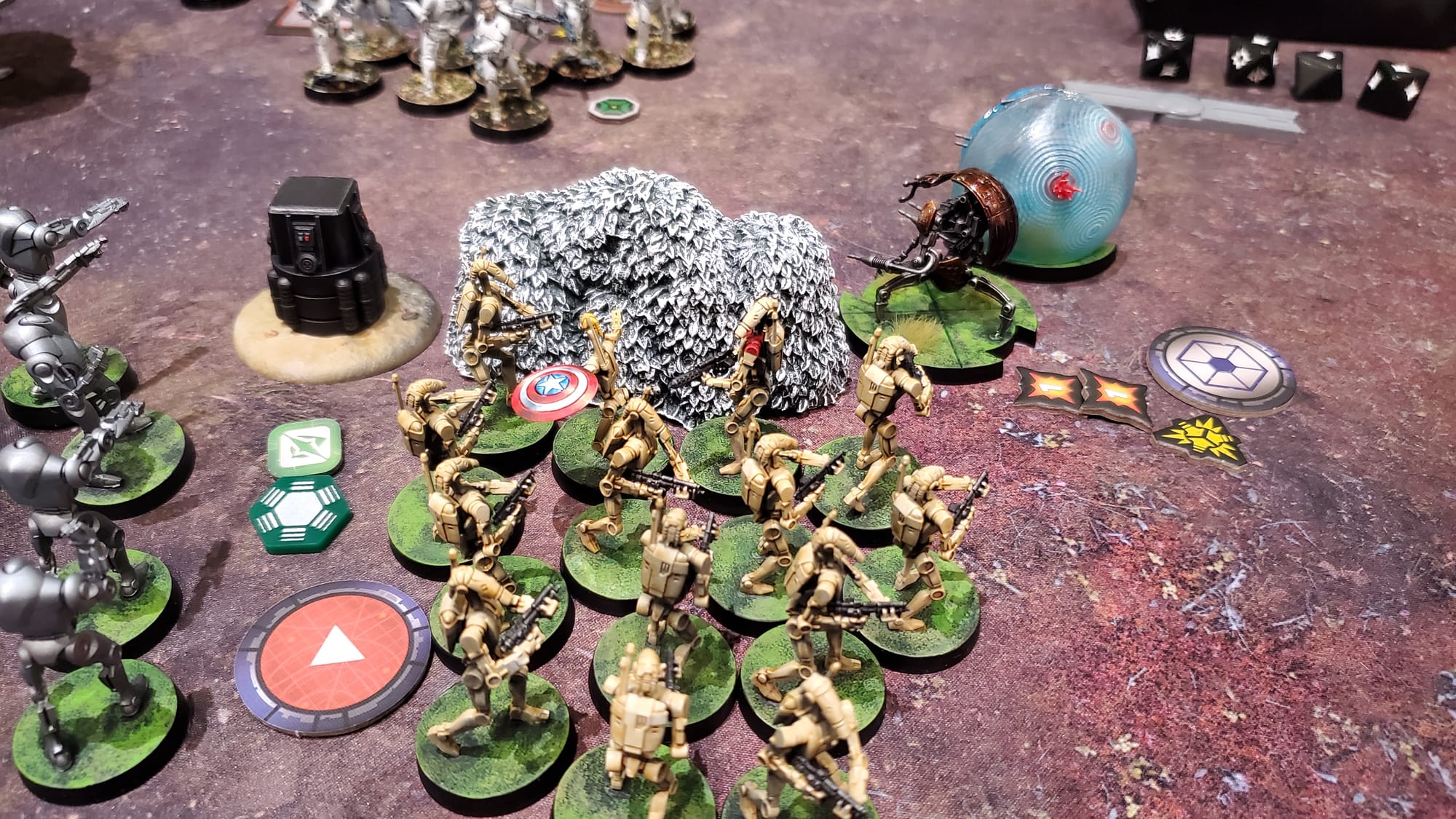
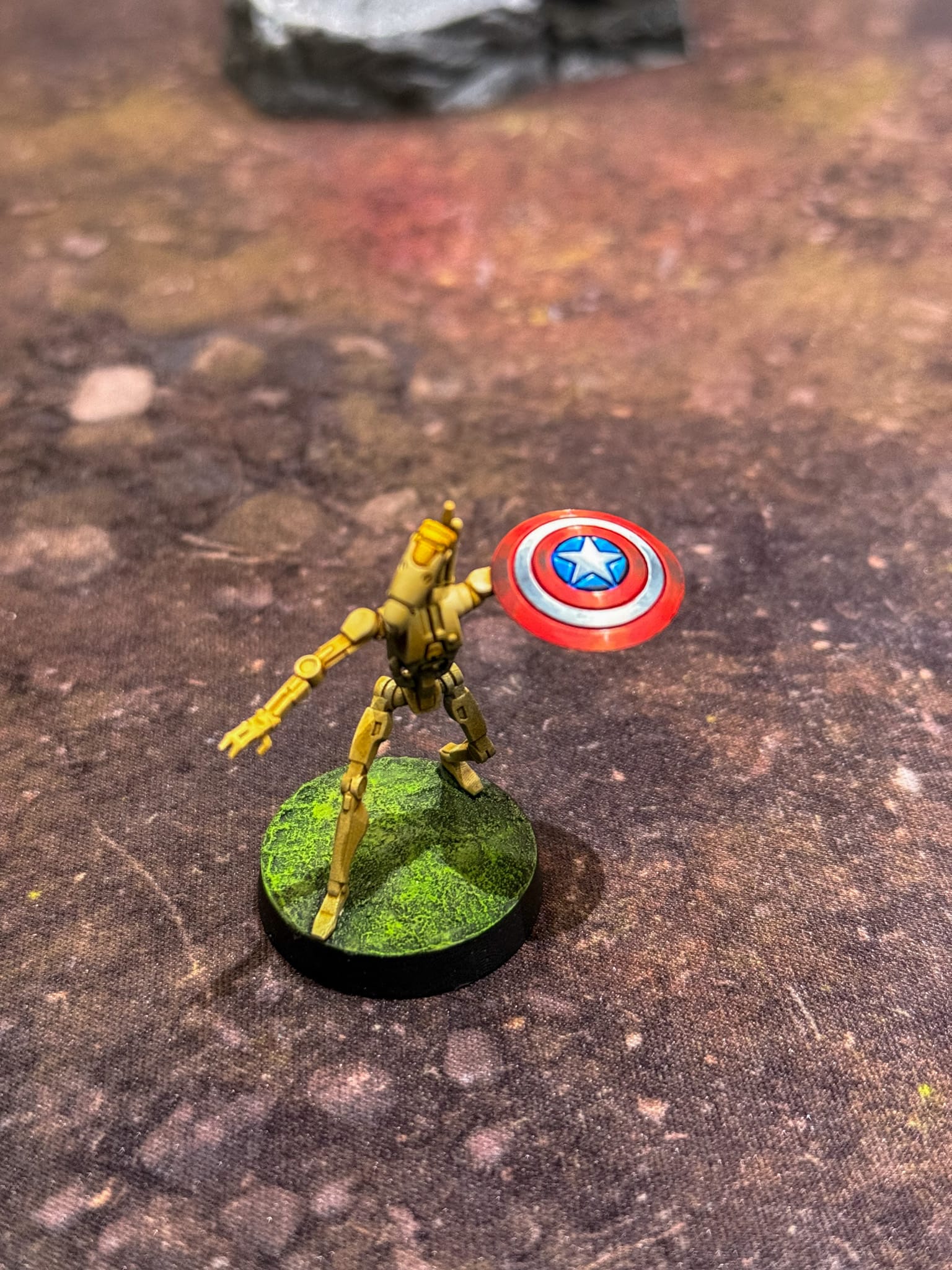
Randy:
Ok, rad. I was able to take out some B1s with my massive Clone Trooper squad. Something that kind of makes this game feel real is that the robots do fall pretty easily to my clones, and that naturally, I get to roll more defensive dice.
Alec:
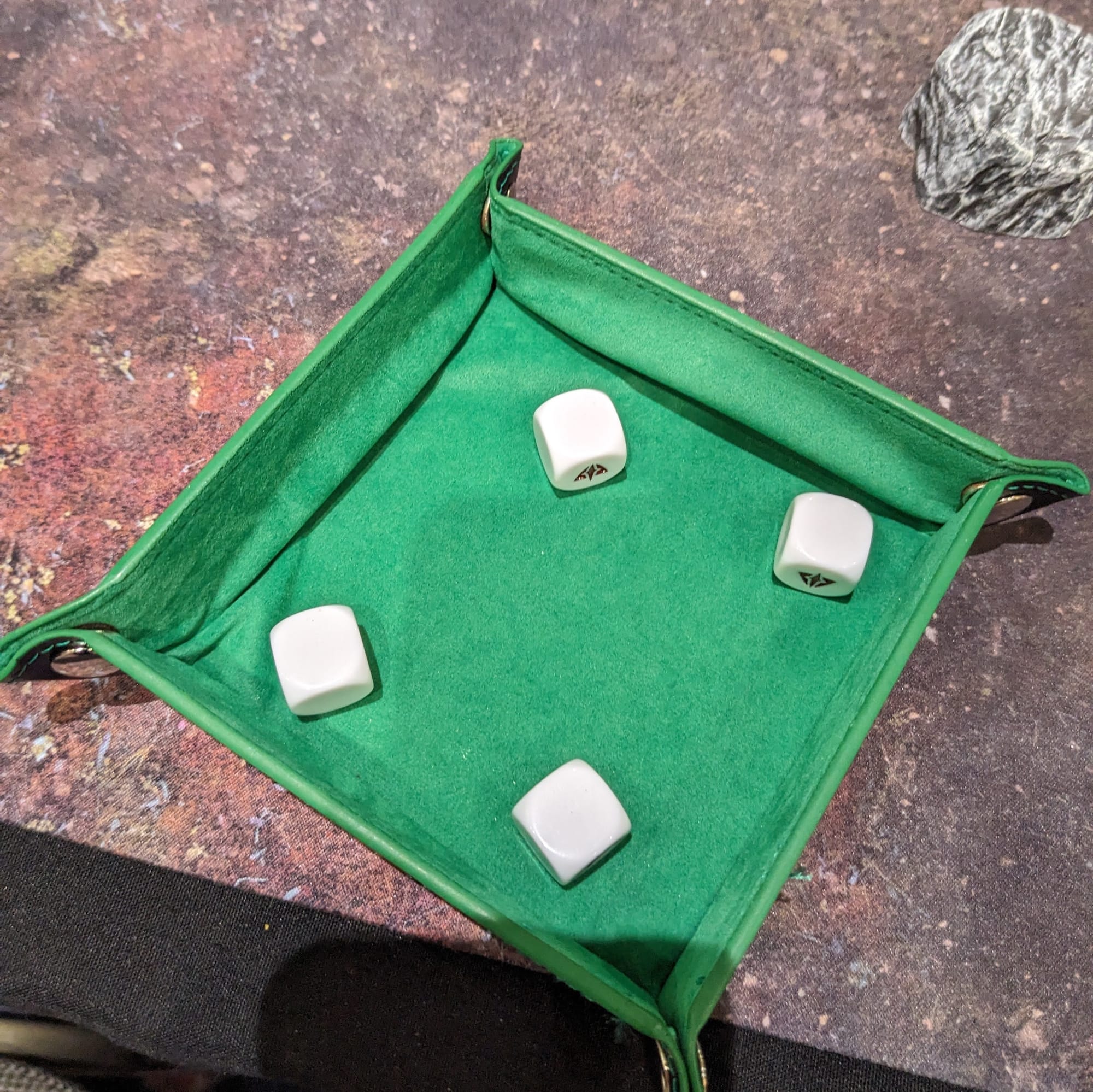
The B1s break apart easier than TIE Fighters in an asteroid field. While I did lose some with the approach up to the objective, I still had enough units to hold the area. This also allowed me to move the Destroyer Droids into a crossfire position.
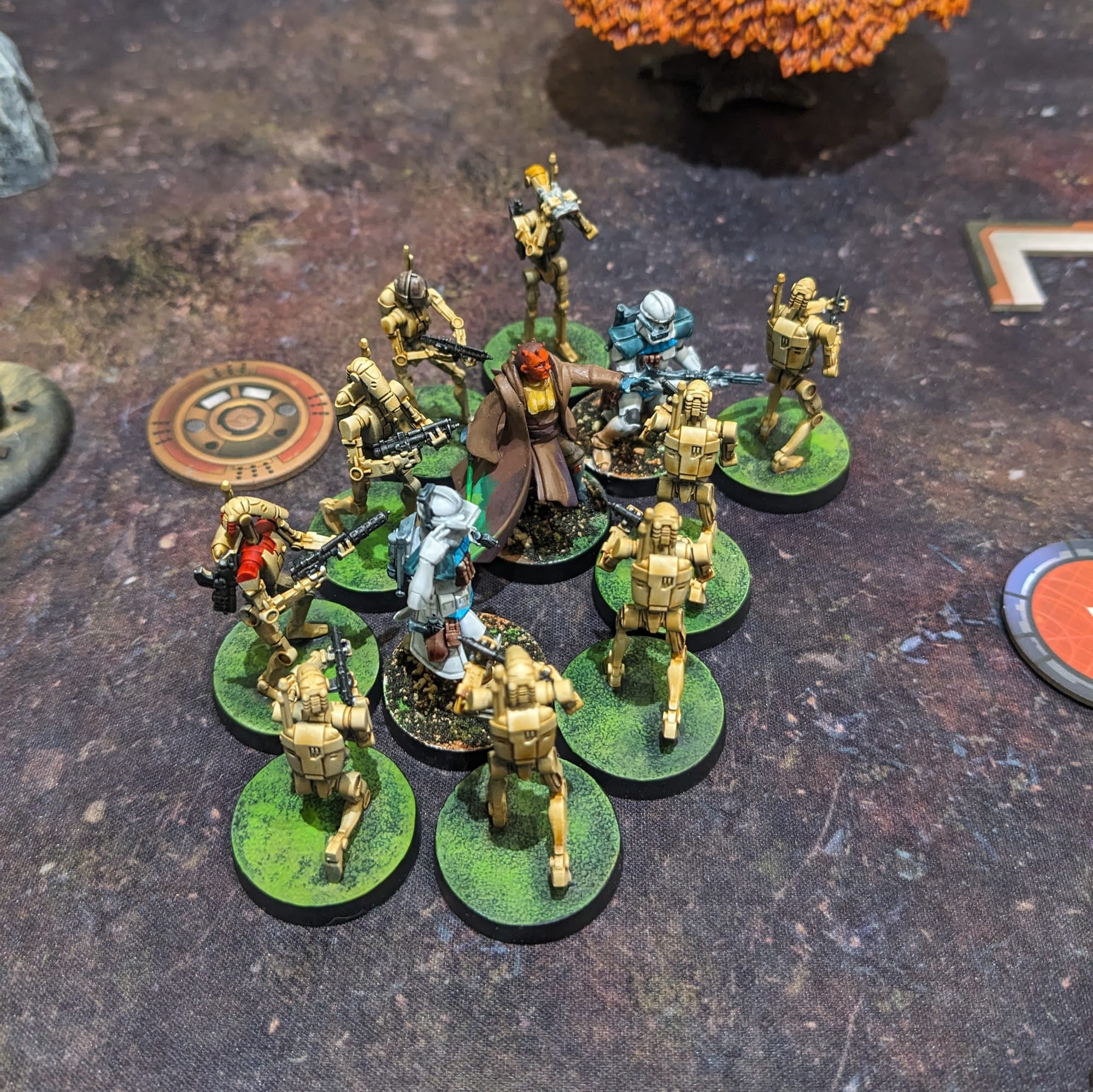
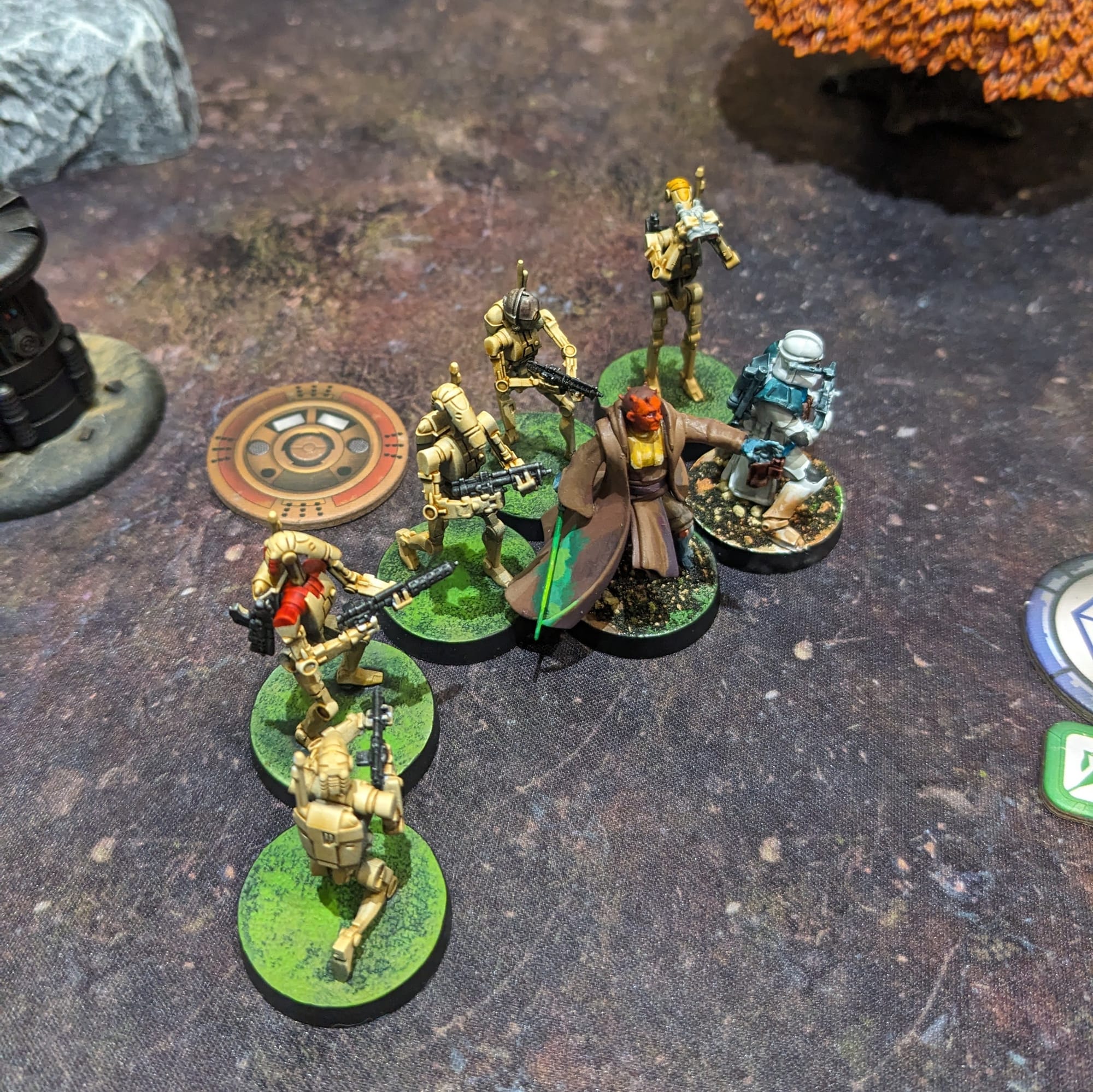
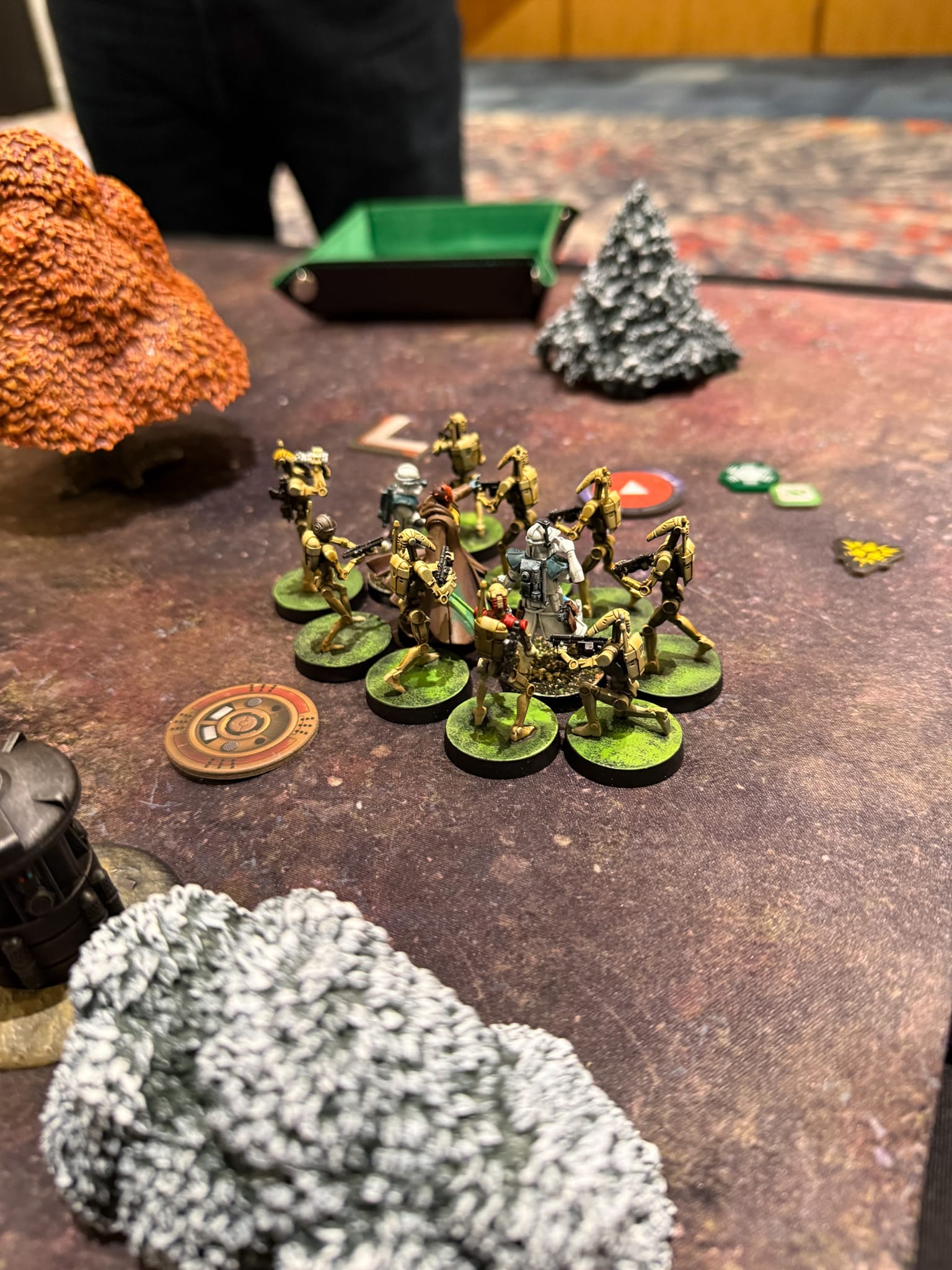
As Randy said - "Whoops."
Randy:
Ok, my hubris got the best of me. My ARF Troopers, which included a Jedi Guardian, got completely surrounded by B1s. I was indeed terrified by this, but then I only lost 1 clone and Alec lost 4 Clankers. I thought for a moment I was going to lose it all. This game really won me over at this point.
Alec:
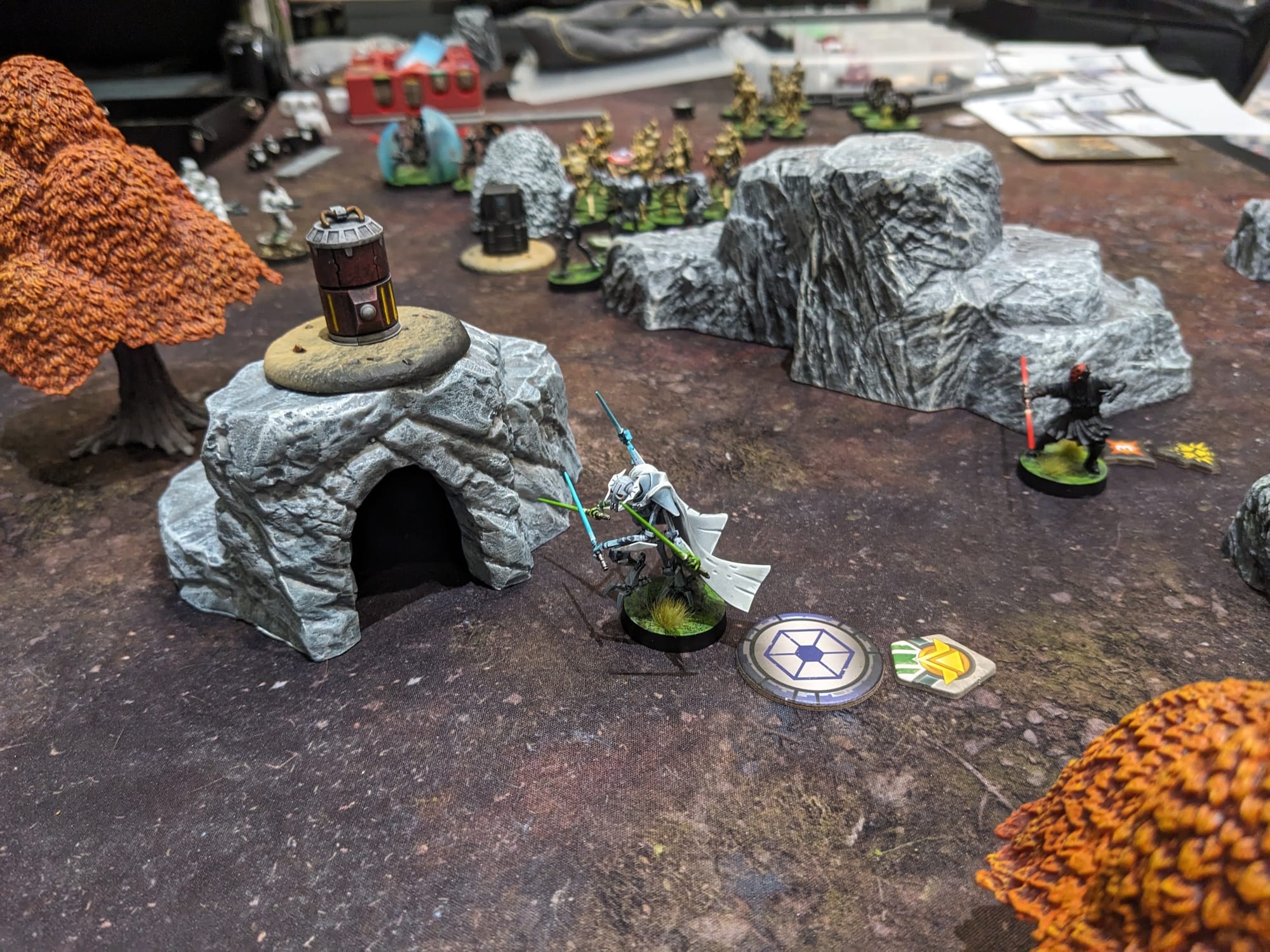
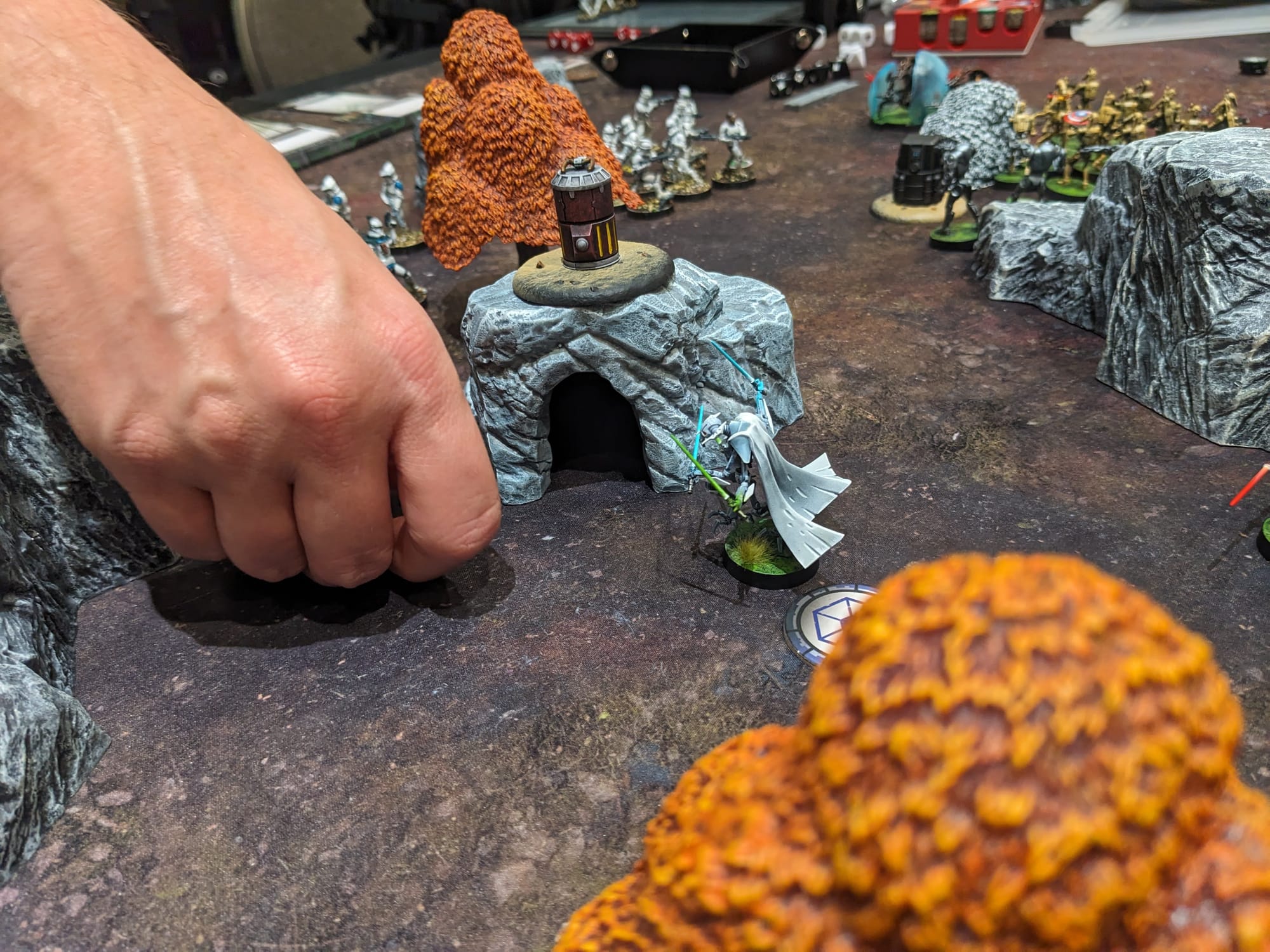
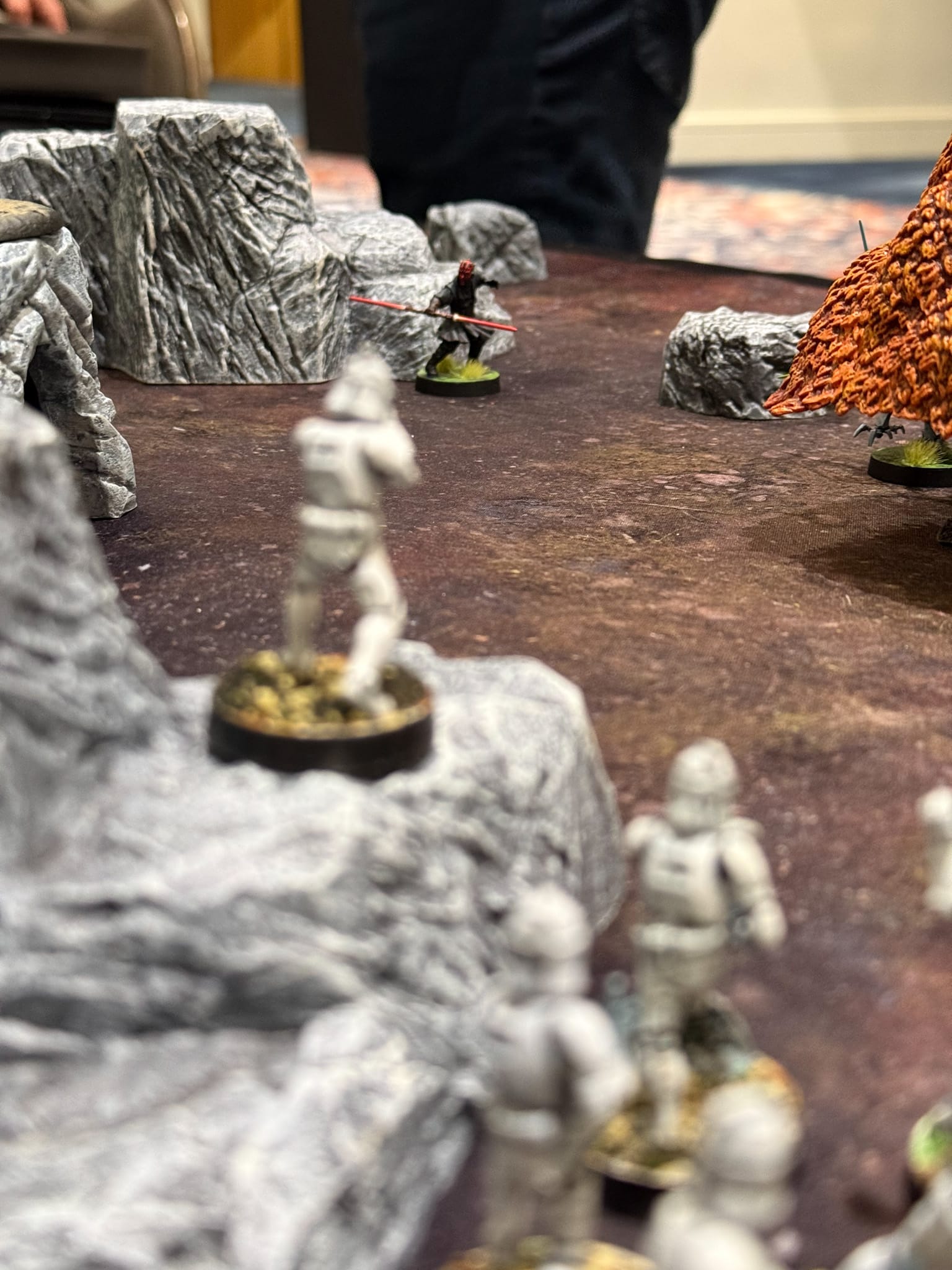
In an uncharacteristic series of good dice rolls (for attack and defense), the B1s were able to secure the left flank. This allowed Grievous and Maul to move up to the center objective to taunt Obi-Wan.
Randy:
Despite the casualties, I was able to collect a VP for holding a Priority Target. However, Alec also scored a VP for holding one. We also had Bring them To Heel as the secondary objective, which netted Alec some points due to me losing some clones. Clearly, I’d need to do something in the next round to hold more points.
Alec:
I really thought with the heavy swing in my favor early on that I would have the high ground the rest of the game. The B1s were meant to be cannon fodder and hold the points as long as possible to allow the rollyboys, B2s, Grievous, and Maul to remove units and thus remove them scoring.
Randy:
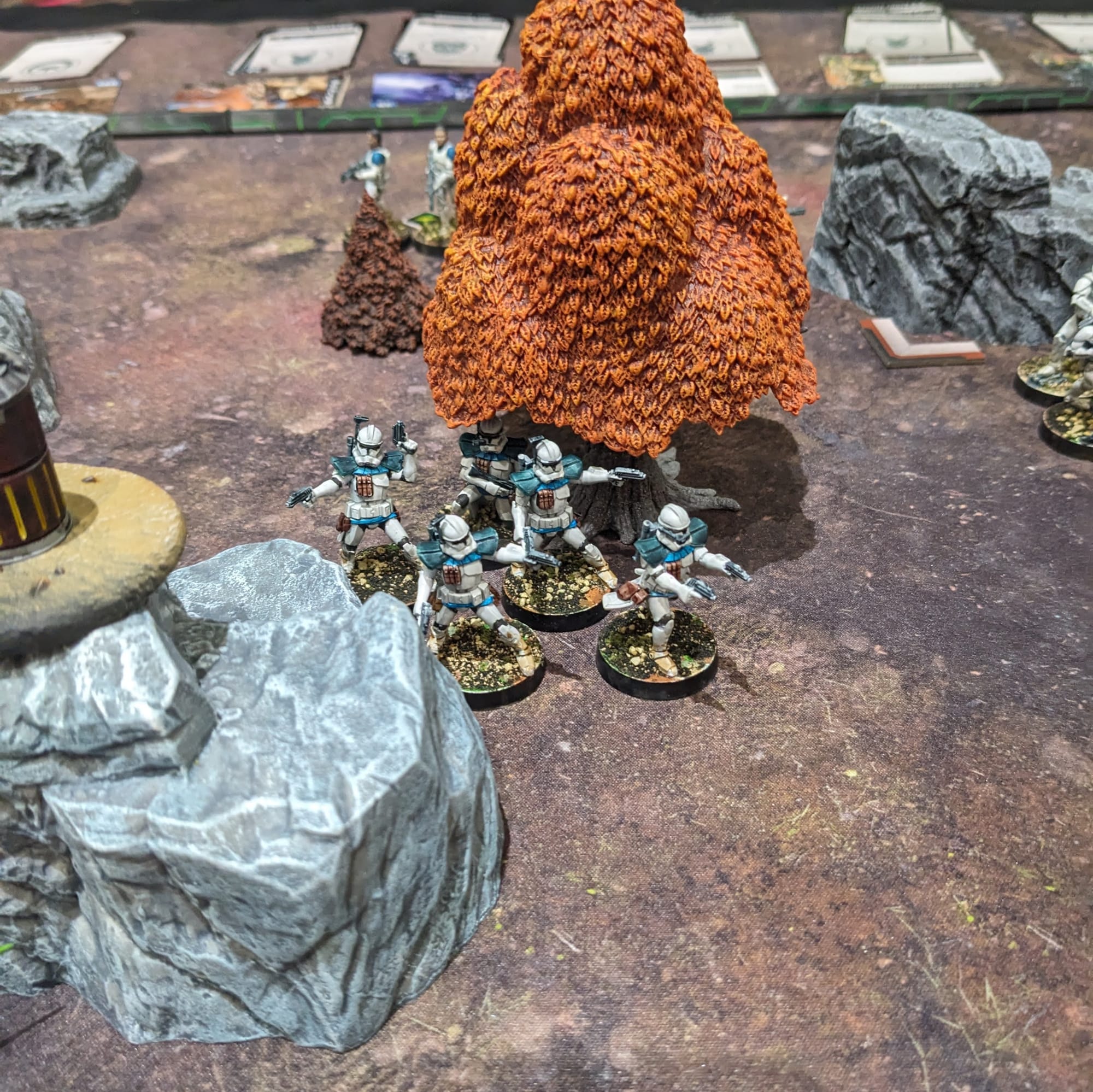
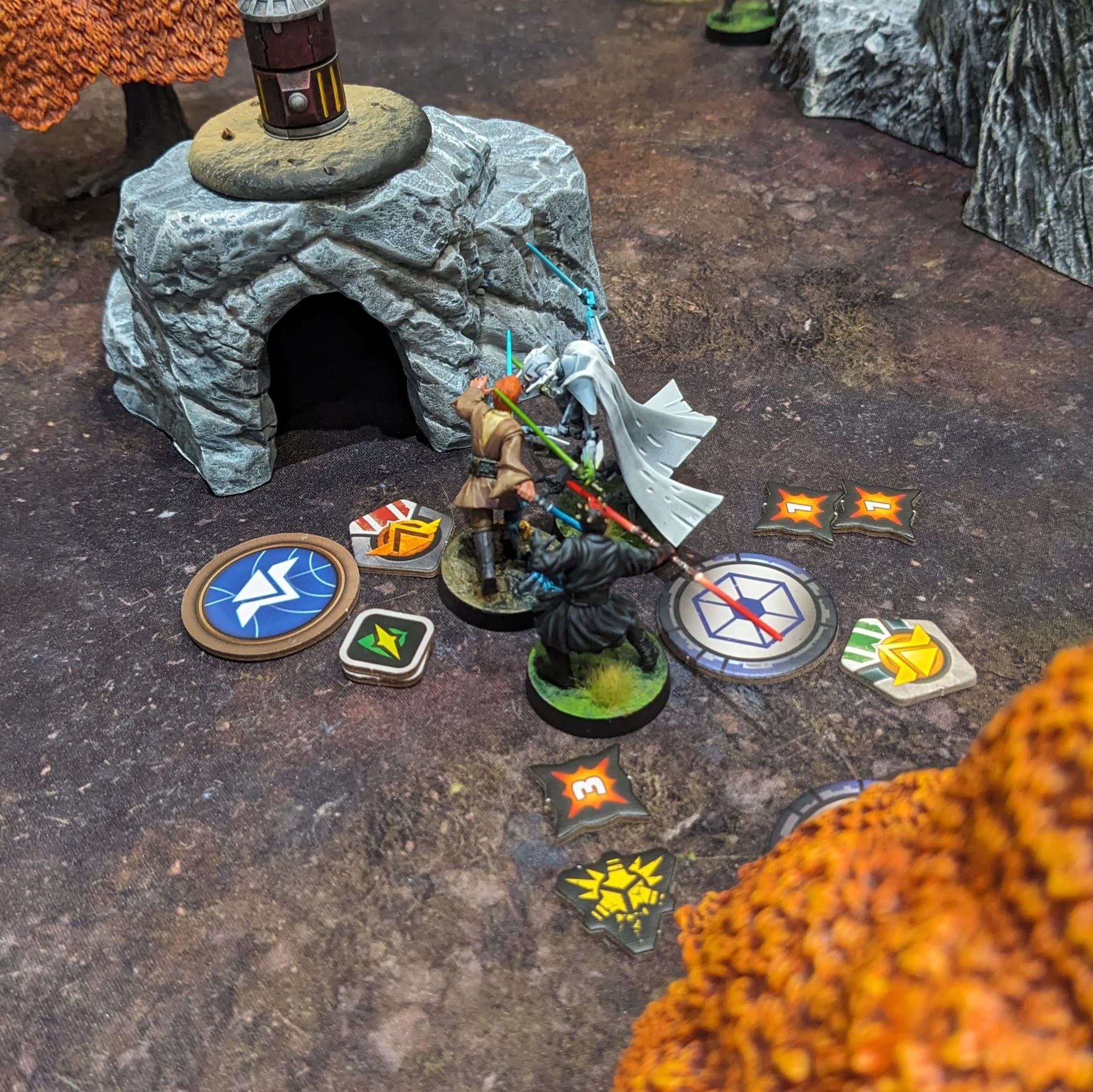
So in the second round, I wanted to focus on some kills. That would give me the Victory Points I needed. I also wanted to focus on the rule of cool, so naturally Obi Wan and the ARCs were going to try to get into combat with Darth Maul. Then Grievous showed up and I really put myself into a pickle.
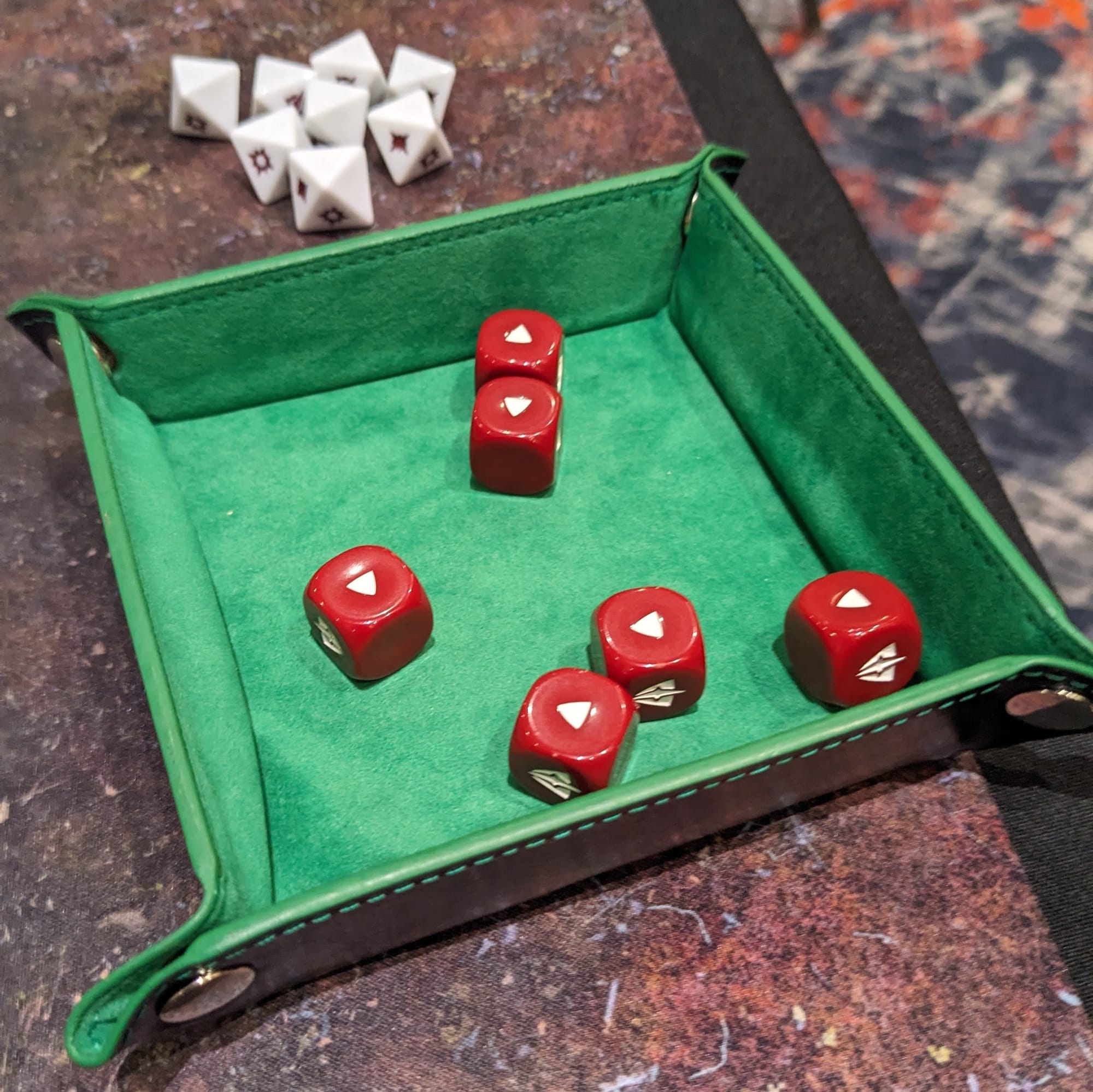
One of my ARC teams got mostly killed by the Super Battle Droids as well, so things were not looking hot for me. On my other fronts though, I was holding an Objective fairly well, so I started moving clones to the left of the board, where we met Droidekas. Those models are awesome and they are hard to hit! I was unsuccessful in killing them, but I was able to get suppression tokens out, which will help me.
Alec:
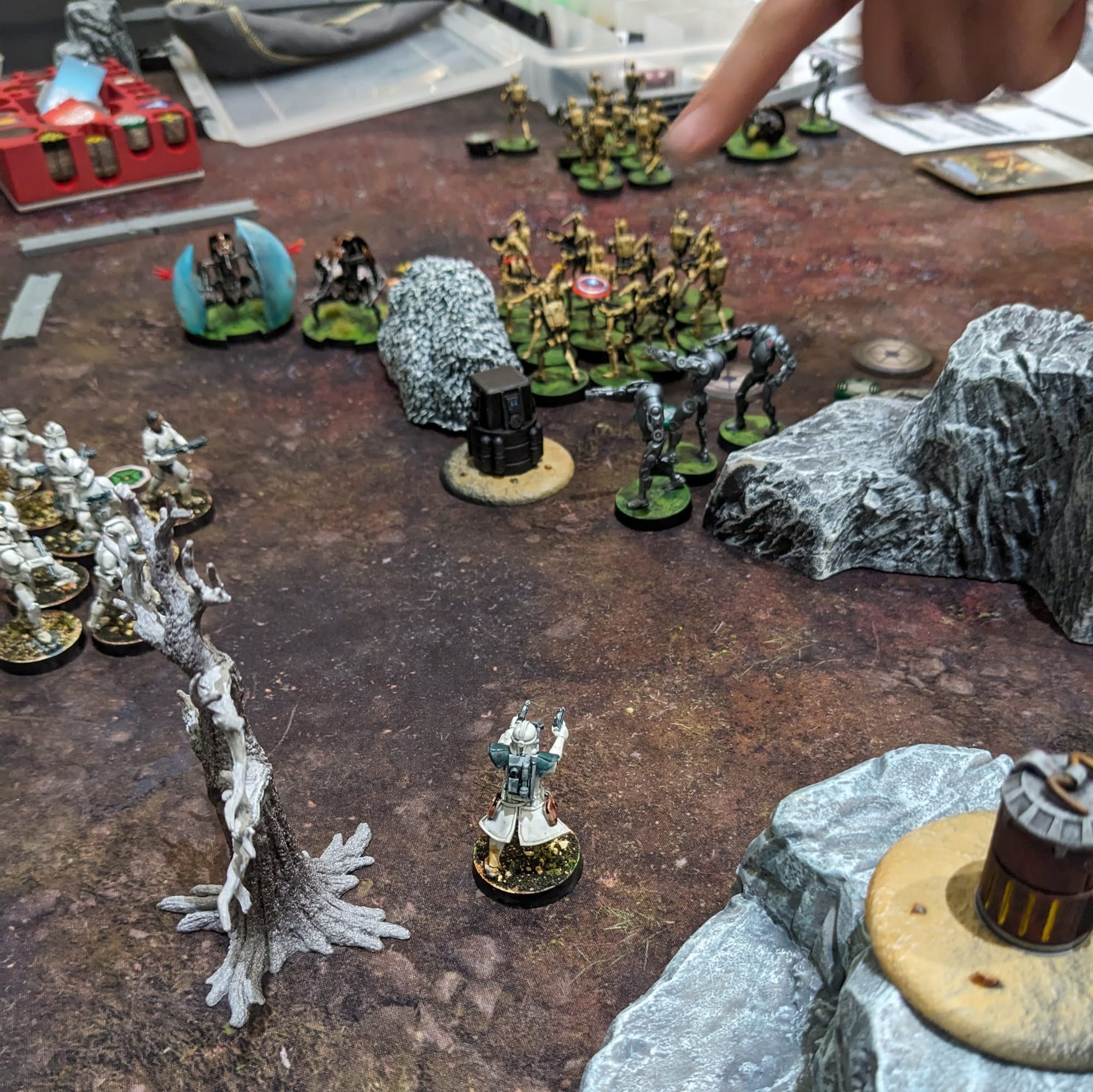
Randy had an amazing turn of solid placement, rolls, and timing. Maul and Grievous tried to take on Obi-Wan, but he just kept dishing out the damage. Additionally, the ARCs dealt some good damage on Maul in his approach to the secondary objective. The right flank dug in and held, throwing attacks out to keep the large Clone unit at bay. The B1s on the left still had to face off against the Clone unit there, and it was going to be an uphill battle.
Randy:
Miraculously, I was saved by the bell. Adepticon staffers were looking to get people out of the hall, and I was somehow UP on victory points. I actually credit the suppression tokens and holding an objective, as those kept me up on the board. If we had continued, I suspect I would have lost Obi-Wan, at which point the game would have definitely went to the droids. In the future, I’ll plan on mowing down the individual units and creating suppression vs. splitting up my force to take multiple points and combat.
But for an intro game, this was cool. It was easy to grasp, fun to play, and the amount of people who stopped by really made it exciting for me.
Alec:
I think it would have come down to the heroes and command cards played in the center. The victors there would have secured the object and opened up safe movement to the center with little to no loss. To be honest, I felt like with Grievous and Maul there I could have been ok, but those ARCs were nothing to sneeze at and, regardless of which one lived, the other would have been in the crosshairs. It was a close game, but I think with Randy’s placement, consistent attack rolls, and tenacity, he would have won out the day!
An expert’s view on Legion
Alec:
As a life-long fan of Star Wars, I got into Star Wars: Legion back in 2018 on the heels of Star Wars: X-Wing 2nd Edition. I played the Star Wars Miniature Game and Warhammer 40k 3rd Edition back in the day, and really hadn’t played any full-scale wargames since. X-Wing was (and honestly still is) one of the best Star Wars tabletop games ever made, and so I had full confidence that Fantasy Flight Games’ foray into the ground-based wargame was going to live up to expectations. Eight years, two companies, and hundreds of painted miniatures later, I think Star Wars: Legion still holds itself as one of the best miniature games out there.
That being said, eight years a long time for a game to go without needing a fresh coat of paint. In addition to the keys going from FFG to AMG, there were many models and pieces that weren’t being manufactured and thus were very expensive on the secondary market. The original Core Sets, designed for two-players, had long-since become obsolete, with the expectation of the actual models. Needless to say, it was time for a new edition. Updated cards (for free) and new Starter Sets force-jumped the game back to the top of top wargame lists and, more importantly, back onto the tables at the local game stores. New players could get into the game at a very reasonable price, especially when compared to other large army games like Warhammer and Bolt Action. A new player could easily spend $150-$200 and get a starter, paints, and an expansion or two, and be ready to play. When taking that same dollar amount and comparing it to Warhammer, you can get just a Combat Patrol box for $170. I’m not saying Star Wars is for everyone, but as far as cost-to-play goes, Star Wars: Legion is smoking the competition right now.
As a final note, the newer models are absolutely fantastic to paint. The originals, made with soft plastic, were decently fine to paint, but you get a lot more details on the new hard plastic models. In addition to painting the armies, I absolutely love printing and painting up terrain for the game, embellishing the game table, and providing as immersive an experience as I can when battling with those little plastic figures.
A beginner’s view on Legion
Randy:
I never really wanted to play a full scale wargame. I have enough models as it is, and the anxieties of learning a whole new game (I barely comprehend Shatterpoint) really hadn’t made me feel great about getting into this. I tried to read through the book, and to Atomic Mass’s credit they really have great and comprehensive rules, but I just couldn’t take the time to really understand the rules in the midst of everything else I do as an artist, a designer, and a human.
But when we found a table at Adepticon, and Alec explained exactly how we set up, the usage of cards…it clicked. The only thing that didn’t really make sense was all of the different tokens, I found they got visually lost on the table with the models, terrain, and background textures of the battlemat, but that’s more of a me problem than a game design problem.
After the first 2 turns, it made a whole lot of sense. I was able to move my squads, get into combat, consider terrain…I did find it odd that when Maul and a Squad were in combat, I couldn’t attack Maul, but that was a rules thing vs. my logic. Besides, it’s a game, and games have rules.
The only issues I have with the game are two: one is minor, and one is major. The minor issue is that each squad of mine needs to have a model that is clearly the commander of the unit. This is mentioned in one sentence in the rules, but it represents a potential opportunity for AMG to create some special “commander” units that could be assigned to any squad, without impact to the rules…just in sculpt. Now that I realize that, I need to go and modify one of each of my units so that I know which one is the “cool clone”.
My major issue lies with the design of the upgrade cards. When building your unit, you can optionally include different weapons or models based on the upgrade card, but upgrade cards all have a standardized design. For example, a card that brings a different weapon to the unit uses a symbol of what looks like a stormtrooper running with a laser gatling gun. On quick glance, I assumed that card meant my character had a gatling gun, which is confusing when one unit has the gun, and the other unit has a rocket launcher. While solving a printing issue of not having to source a bunch of unique artwork, they have inadvertently created a perception issue. This is something a player can learn over time, but it’s still a missed opportunity.
Ultimately, I had a blast and all of my previous anxieties and fears of playing a large scale war game have gone away. Now, I have to try to make time to get out and play again before I have the chance to get with Alec and play, not to mention bolstering my force with the various models AMG have been sending me since Adepticon (Hondo and his pirates, Clone Commandos, a TANK.)
There’s a ton of depth and replayability I will be getting myself into.
…Thunderous applause
Star Wars: Legion is one of the most affordable, accessible, and community-positive games out there in the market today. AMG has repeatedly stated that, while they want you to buy Legion from them, use of printed or proxy cards and 3d printed miniatures is absolutely ok. The stunning creativity of miniature painters and terrain builders is immense, and, in our personal experiences, the community for the game is by and large supporting, positive, and inclusive. We have seen lifelong friendships begin and continue from games throughout our lives, and some of my (Alec’s) closest friends have been through Star Wars miniature games, including Star Wars: Legion.
This latest edition has revitalized and strengthened the game, and it will continue to do so as more players come in and the accessibility remains strong. With new expansions and consistent and meaningful point revisions, the meta continues to thrive. Tours of Duty, the narrative-driven campaign version of the game, offers players the opportunity to play their pieces in ways outside of the competitive scene. And, of course, there are endless painters and tutorials (including ours) that can help new players learn and build confidence through their model building and painting journey.
Star Wars: Legion – Galactic Republic Starter Set
Phenomenal
Control the Grand Army of the Republic with the Republic Starter set. You get to control Obi-Wan and a variety of clones, which provides endless customization options, and with the rest of what Legion has to offer, it’s the high ground.
Pros
- Affordably priced and easy to get into the core game
- Excellent sculpts that are easy and fun to paint
- Cleaned-up rules with smooth gameplay
- Unlimited replay potential and value
Cons
- Upgrade cards, specifically for units, are missing artwork to indicate/match the models they represent
- Obi Wan should’ve had the clone armor, but that's just me.
This review is based on a retail copy provided by the publisher.
Star Wars: Legion – Separatist Alliance Starter Set
Phenomenal
Free the galaxy from the corruption in the senate with droves of droids led by the dreadful General Grievous. A bountiful beginning to build up your B1 Battle Droids, the starter set offers an incredible value of figures, dice, templates and cards that not even Intergalactic Banking Clan could pass up.
Pros
- An irresistibly priced core set to get you right into playing the game.
- General Grievous’s sculpt is far more menacing!
- Lots of minis that are easy to paint up.
- New upgrades allow for the Battle Droid squads to feel like Battle Droid Squads should be.
- All the dice, tokens, templates, and cards you need to play.
Cons
- Droids can be tricky to assemble, but a vast improvement over their previous production designs.
- There can always be more droids.
This review is based on a retail copy provided by the publisher.
Have you painted Star Wars: Legion miniatures yet? Share your work with us!
Don’t forget to subscribe and follow us on Instagram, Bluesky, and YouTube for more Star Wars: Legion reviews and painting guides, as well as more hobby and tabletop news and reviews!