My crew and I absolutely loved Aliens: Fireteam Elite. It was a fan favorite for my team, with our primary complaints being “we need a fourth gunner” and “when are they releasing more maps?!”. Well, we’ve got our new maps, we finally have a fourth gunner in the mix, and we see new classes, but that’s not all they’ve been up to. As Apone would say, “All right, people, on the ready line!” – let’s get into it.
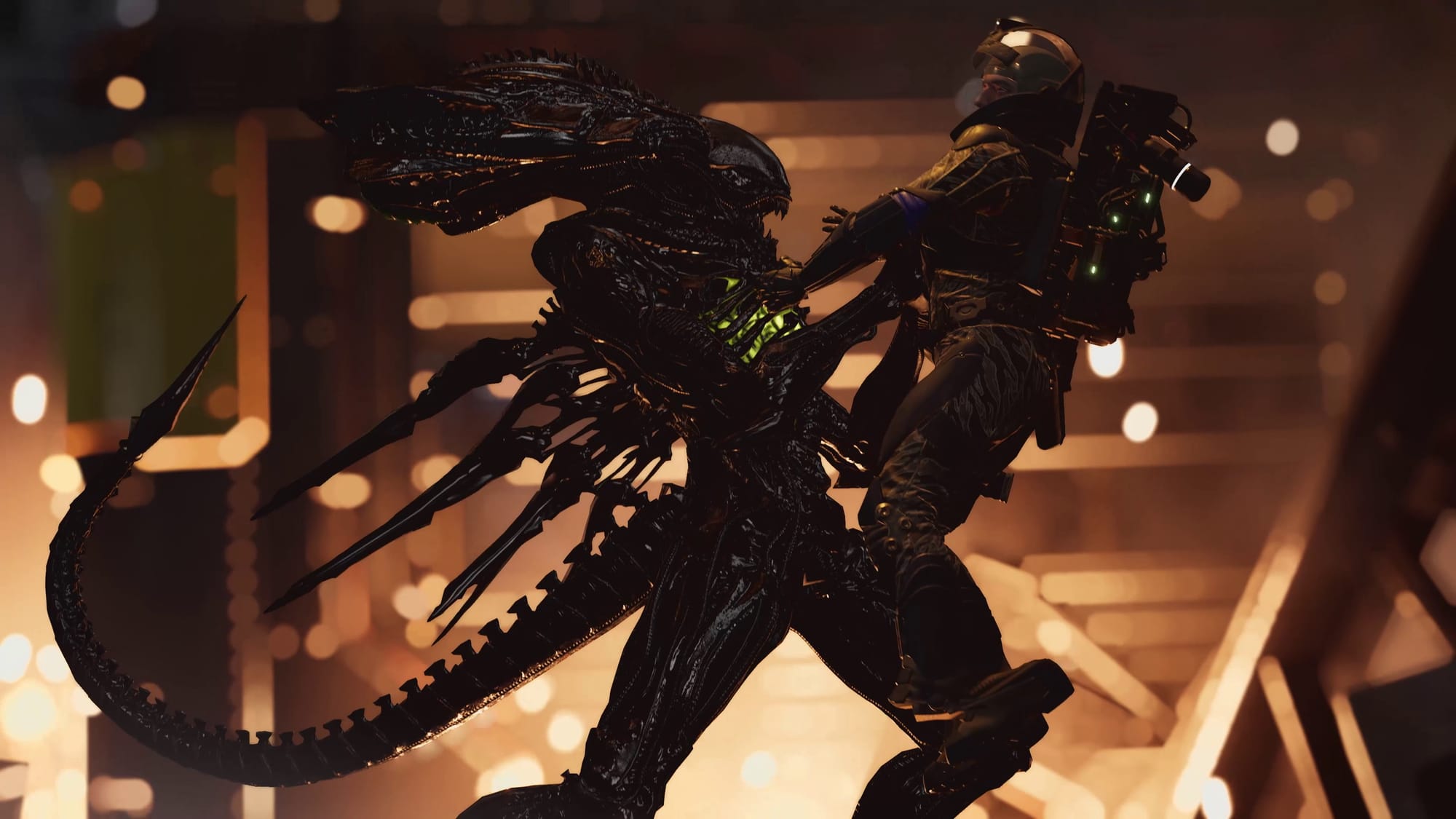
Aliens: Fireteam Elite 2 is, in many ways, a stronger, more confident sequel, but a month post-launch, it’s still in need of a few patches to really solidify what they’ve built. What’s here, much like its predecessor, is undeniably fun: a louder, more coordinated bug‑hunt that leans hard into the Aliens world of pulse rifles, welded doors, and overwhelming swarms. But as much as the sequel improves the formula, it also carries forward some rough edges that remind you this hive isn’t fully cleared out quite yet.
The expanded four‑Marine fireteam is the standout improvement for this sequel. With an extra Marine in the field, classes finally feel properly defined, with a fun twist for those who stick with the game long-term. You’re no longer stretching a three‑person squad to cover too many tactical gaps; instead, each role has room to breathe. Defensive specialists can actually specialize, medics can focus on triage, and roaming damage dealers can commit to their job without constantly backfilling someone else’s. When the game is operating like a “team of ultimate bad-asses”, it really nails the look and feel of the series. The rhythm of coordinated positioning, overlapping fields of fire, and well-coordinated save-the-day ability pops is exactly what we all enjoyed in the original title, and that’s here too – just tighter.
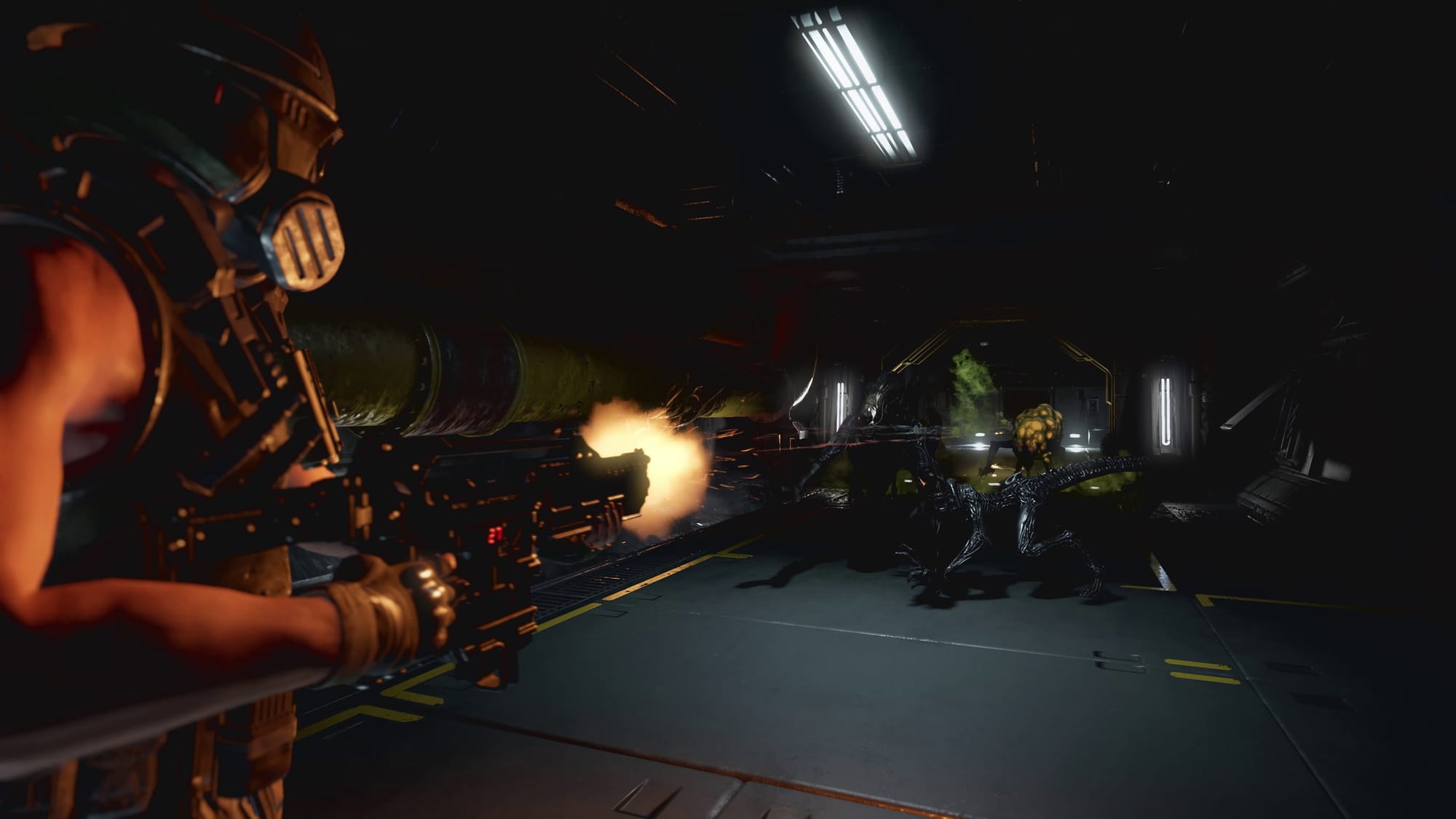
Combat itself is punchier and more aggressive. Xenomorphs flank faster, hit harder, take to the ceiling, and punish sloppy or overly-aggressive tactics. The “hold the line” moments that made the movies so tense are present and accounted for (and still very predictable), but are now more intense. More tools, more classes, and more tools are met with more enemy varieties, more movement mechanics, and more pressure. The perk‑grid system returns with deeper customization, allowing you to mix and match your weapons and tactics to match the incoming threat. For instance, deploying a drone that can fire shotgun shells will do wonderful work against armored targets, but acid clouds won’t be as effective against xenomorphs as they are against slower-moving synths. It’s the new Specialist class that adds the most to the game.
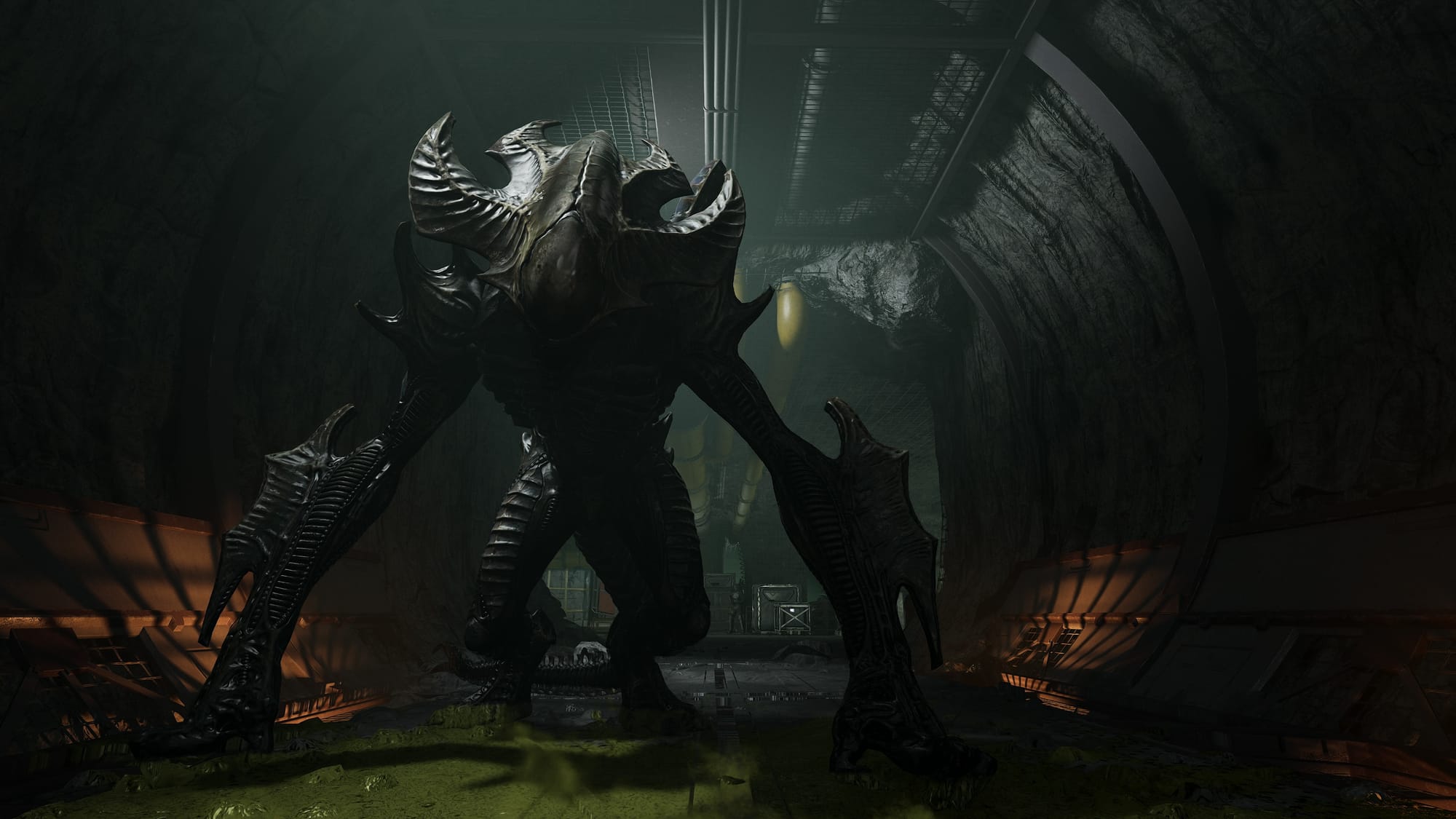
The Specialist is a new hybrid class that allows players to mix and match weapons and specializations. While they can’t quite dive as deep as a named specialist, they can, for example, deploy a turret while also employing a smartgun. You’d think that’d cause your team to gravitate towards having four specialists, but that didn’t end up being the case. Instead, it’s a solid all-arounder that can help round out the squad synergy.
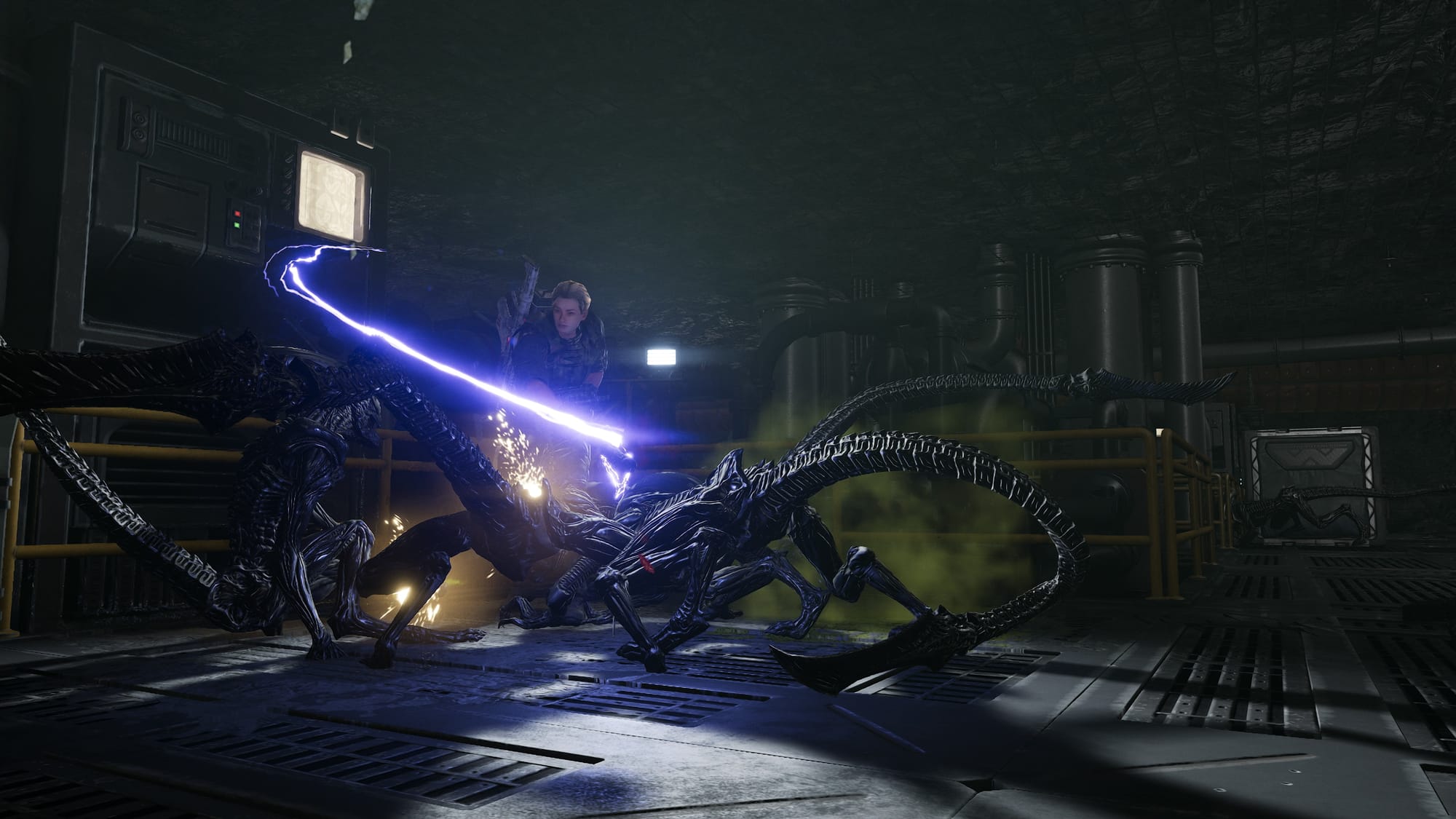
Despite several large patches, Fireteam Elite 2 still has a noticeable layer of technical grit that continues to plague the game, even when you’re playing with four players on PC. Some missions still suffer from AI pathing hiccups - something we cited from the original game. Xenomorphs get stuck on geometry or funnel awkwardly instead of swarming as intended, which is actually fine as it’s cosmetic and rather jarring as they sway from their trapped appendages. What doesn’t add, however, is that frequent animation desyncs can make certain elite enemies feel jittery, slide around like they’re on roller skates, disappear and reappear, or move in unpredictable ways that break immersion rather than enhance tension. We had an issue where I ended up locked into a forward-run action, unable to stop until I shut off my controller and switched to mouse and keyboard. We also had sound dropouts during heavy firefights when there were a lot of competing weapon sounds. The worst issue, however, continues to be matchmaking.
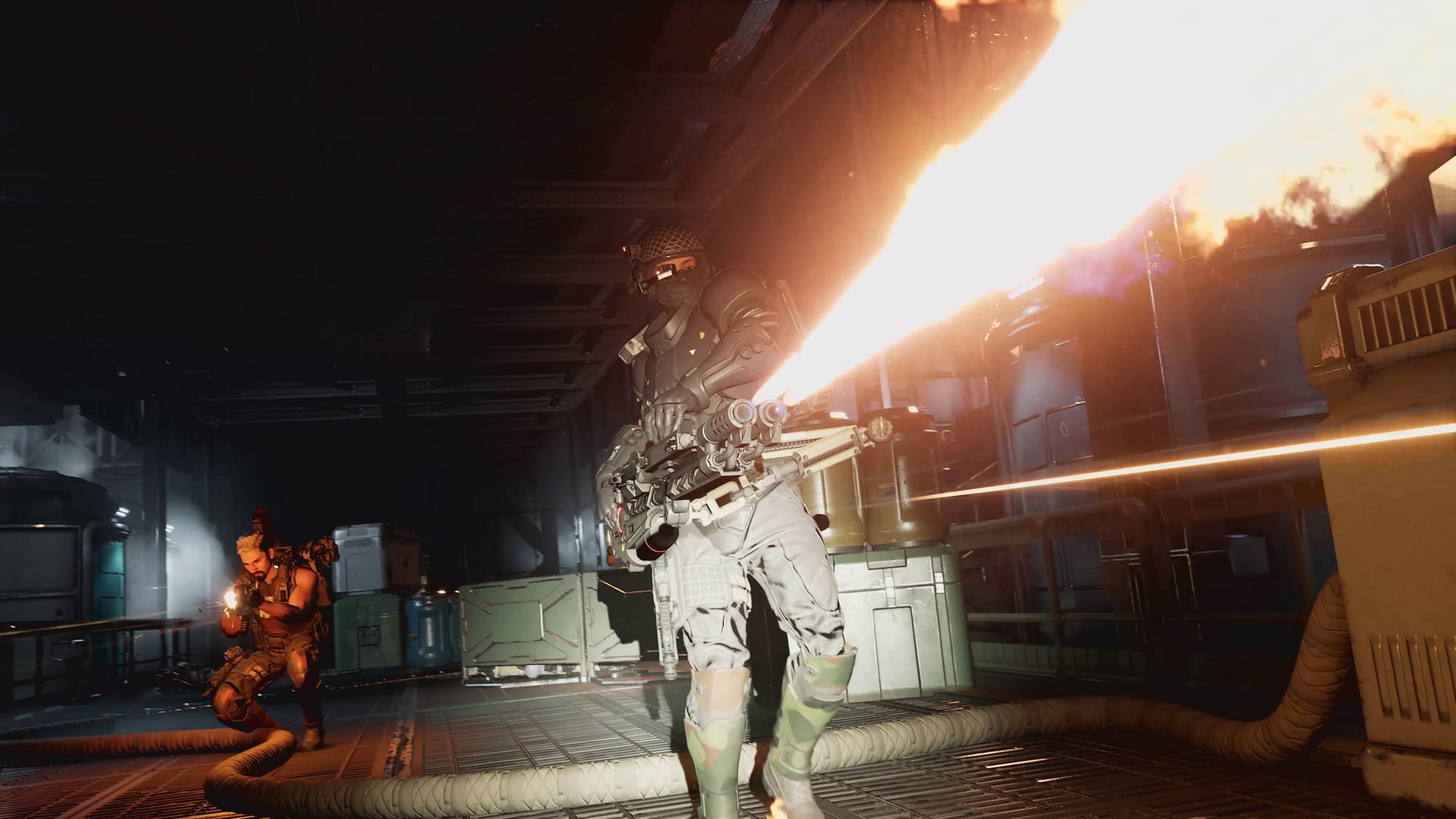
Getting four players into a team has proven to be problematic. One player would inevitably struggle to join, no matter who was hosting. When three would get in, the last player would take all the way till the game timed out, dropping that player and then forcing them to rejoin. When they did, the other players would see them as “Alpha” or “Beta” or whatever, rather than their name. Unfortunately, this was also coupled with dropouts where one of us would inevitably (and always at the worst time) drop from the game, leaving the rest of the team to struggle. While the cosmetic bugs are one thing, the desynchronization, join, and drop issues are enough to make the game frustrating for a team-up.
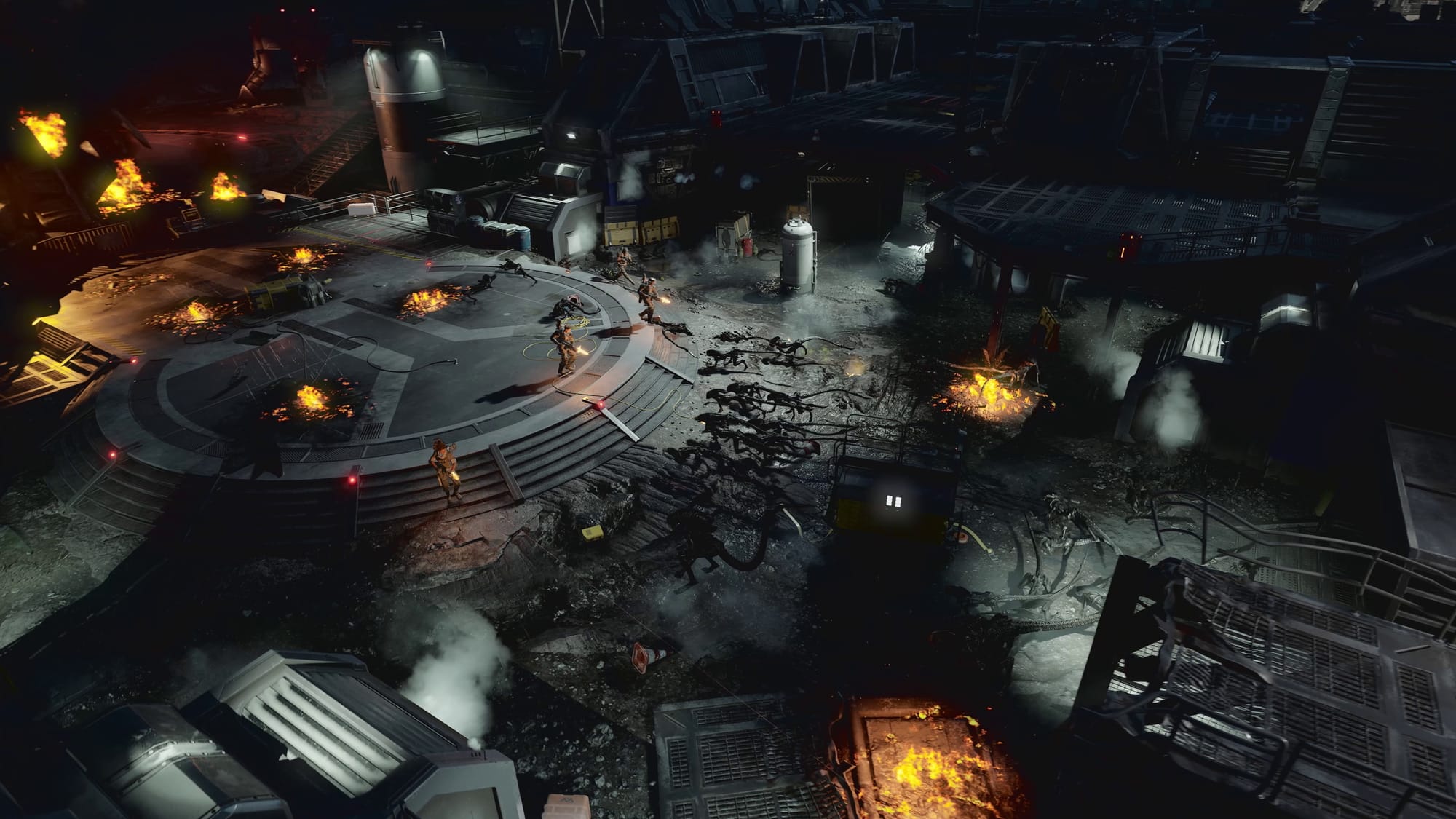
Another area that hit us a few times during our runs was where scripting simply misfires. Horde triggers sometimes fail to activate, leaving squads standing in eerily quiet rooms until someone backtracks far enough to reset the encounter trigger, leaving them FAR out of position. Enemy spawns can occasionally stack in strange ways, producing difficulty spikes that feel more like the wrong kind of bugs. We had one mission where we were holding the line while we waited for our ride. It came, landed, and left without us on it. Waves of xenos crashed on our team until the ship inexplicably came back, landed, dropped its ramp, but wouldn’t let us onboard. The mission continued, the ship disappeared, and then about a minute later, without a dropship, the mission just ended successfully. Ignoring the fact that some missions just don’t have a method of escape written into the narrative, instead just kinda “ending” with a hand wave that we all got home safely, the ship thing happening more than once was anything but funny.
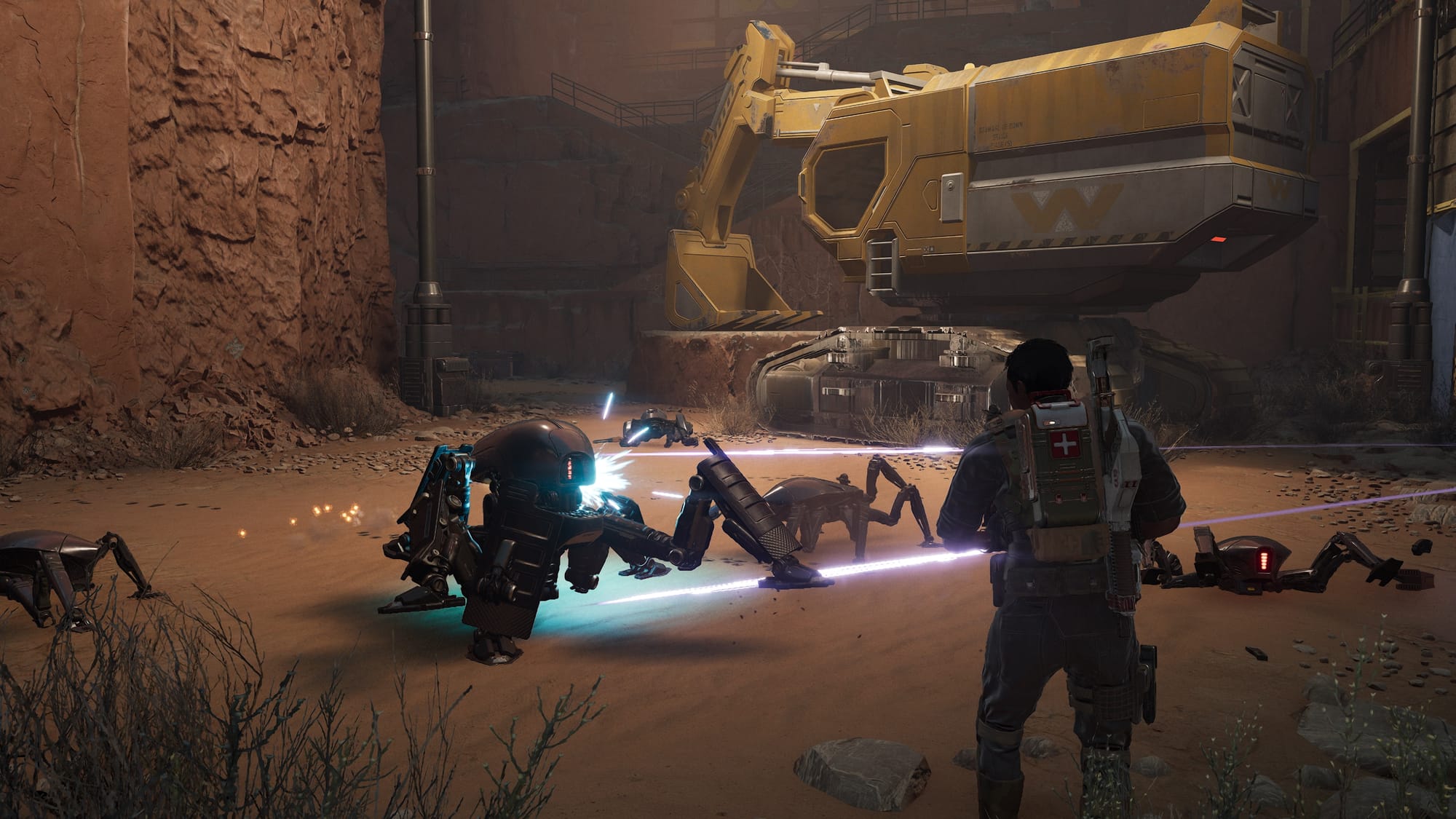
The narrative has always been an ultra-military gung-ho hoorah theme park, riddled with over-the-top voice lines, and testosterone-fueled tension. Narratively, the game wobbles between sounding overly serious and hitting the more comedic “game over man!” moments, and much of that is due to the voice acting. Several of the characters sound like they’re doing their best fake accent on top of trying to act military, and it’s one uplift too many. It sails past camp and ends up in the vocal uncanny valley. It makes the heavier moments lean more into spectacle and occasionally comedy rather than the spectacle and horror the series is known for. The fact that the voice lines repeat ad nauseum isn’t helping the issue either.
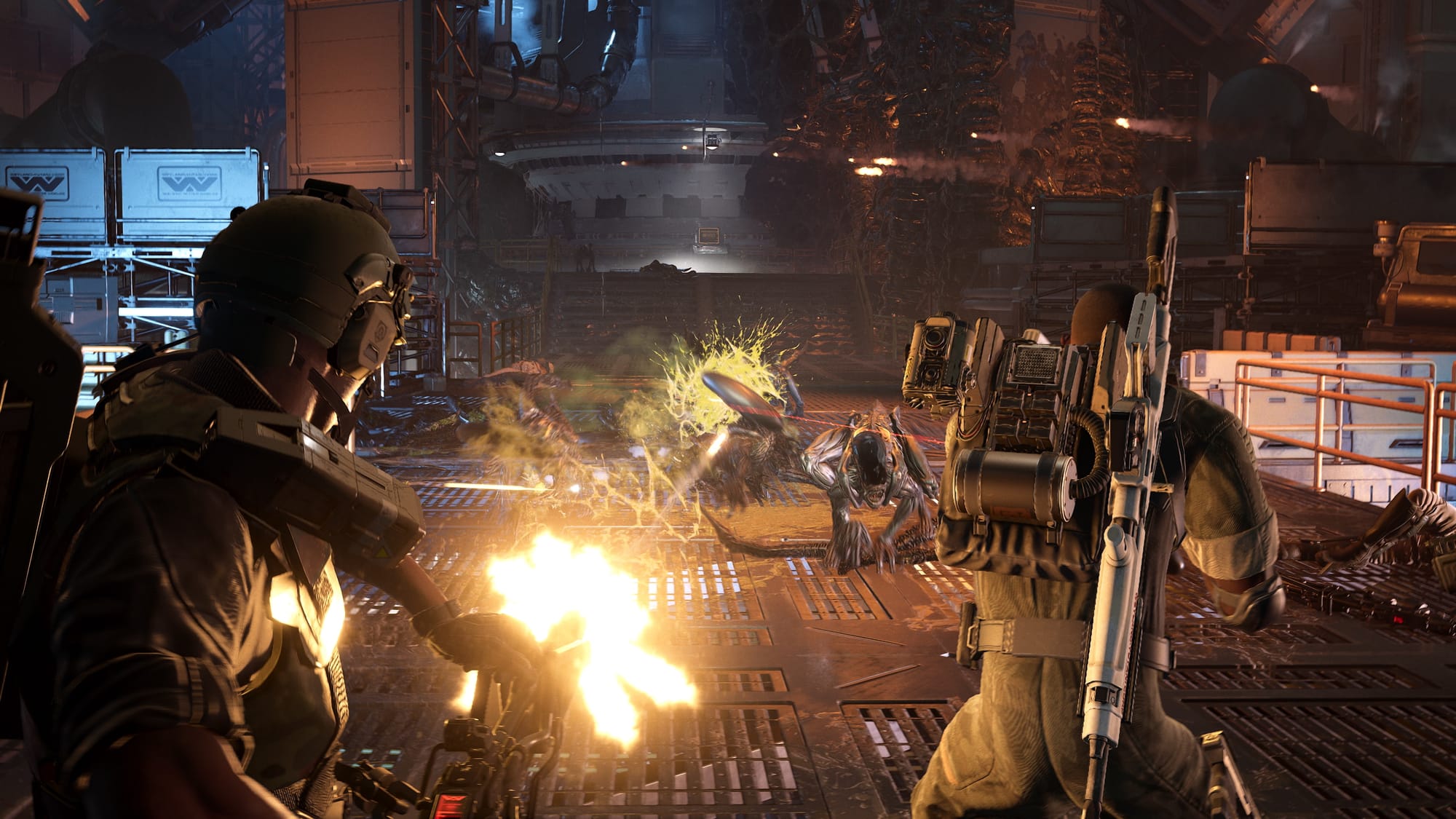
Even with these issues, Fireteam Elite 2 has the guts of a better, more confident game than its predecessor. The core loop is strong, the class system is deeper, and the four‑player structure finally unlocks the tactical identity the series has been chasing. With a few targeted patches addressing AI behavior, encounter scripting, audio stability, and matchmaking reliability, this could become the definitive cooperative Xeno‑slaughter sequel we’re all hoping it can be! Until then, it’s a promising sequel with noticeable improvements, held back by a handful of lingering bugs that left our squad feeling “a little demoralized”.
Aliens: Fireteam Elite 2
Good
With the squad expansion pushed to four, and some notable technical upgrades for the whole crew, Aliens: Fireteam Elite 2 has a number of marked improvements over its predecessor. Unfortunately, it also brings with it a number of bugs ranging from nuisance to game-breaking. Here’s to hoping the bugs can get suppressed soon, as despite them, the game is still a ton of fun.
Pros
- Action feels frantic and nail-biting
- 4-player squad is a welcome addition
- Expanded character classes and weapons
- New foes and variations provide new challenges
- Specialist class fills a lot of gaps
- Bird facts!
Cons
- More than a few bugs remain
- A ton of voice repetition
- Desynchronization / join / drop issues
- Voice acting is all over the place
This review is based on a retail PC copy provided by the publisher.