When The Last of Us Part I was unveiled, its existence as a remake was, and still is, the poster child for unnecessary remakes. Despite the visual overhaul and minor adjustments to gameplay, this was essentially a second re-release of an accessible title. Ratchet and Clank 2016 is a reimagining of the first game that adheres closely to the film adaptation, which sanded down the tone and characterization of the original. Pokémon Brilliant Diamond and Shining Pearl choose to ignore a more content-rich version, Platinum, and instead chose to remake the game with less content.
I present these examples because Steins;Gate RE:BOOT, a 2026 remake of a 2018 remake based on a 2011 adaptation of a 2009 game, takes all the worst aspects of these controversial remakes and mashes them together.
Instead of being a remake of Science Adventure's (SciADV) masterful second entry, RE:BOOT instead roots itself in the foundations of the previous remake, 2018’s Steins;Gate Elite. This release takes scenes from the anime adaptation and slaps the dialogue from the original title over it. As a consequence, Elite had to trim down and make changes to the story in order to adhere closely to scenes from the show. Although RE:BOOT brings back some of the cut lines, it’s still a far cry from the impeccable atmosphere and characterization of the accessible original. The additional content is cool and has fascinating implications for the SciADV franchise, but is a drop in the bucket for this package of reheated leftovers.
That’s what makes this second remake so frustrating. On its own, RE:BOOT is good, more often than not amazing. The original, which is my second favorite VN behind Chaos;Child, is so good that the excellence carries over. Yet I find it hard to recommend a delicious In-N-Out burger when a three-Michelin-star burger joint down the street is vastly cheaper, tastier, and has more fulfilling portion sizes. I love Steins;Gate because it is a deeply moving masterpiece. I love Steins;Gate Elite because it is still Steins;Gate, even if the remake’s cuts and changes to the narrative blemish prior perfection. Finally, I love Steins;Gate RE:BOOT because it is still Steins;Gate, even if the full-price remake of a remake’s cuts and changes to the narrative blemish prior perfection… again.

First, let’s get housekeeping out of the way. For clarity, while Spike Chunsoft kindly provided me with a review copy, I had already purchased the Japanese version months prior. While these are different builds, the Japanese release contained the English version from the get-go. My review will primarily be based on this build. Second, this is a spoiler-free review; however, I will discuss the themes and genre of the story. Furthermore, I will not address the specifics of new content outside of bringing up where they reside inside the package.
Lastly, contrary to popular belief, Steins;Gate is the second game in a long running visual novel series. Similar to the MCU, every entry is connected and builds towards an overarching plot. Do you need to play its predecessor, Chaos;Head, beforehand? Short answer is no, with an asterisk. Certain plot points, scientific mechanics, references, and a group of antagonists lose bits of context without knowledge of the debut title. Nonetheless, the core plot and characters stand strongly on their own even without any knowledge of SciADV.

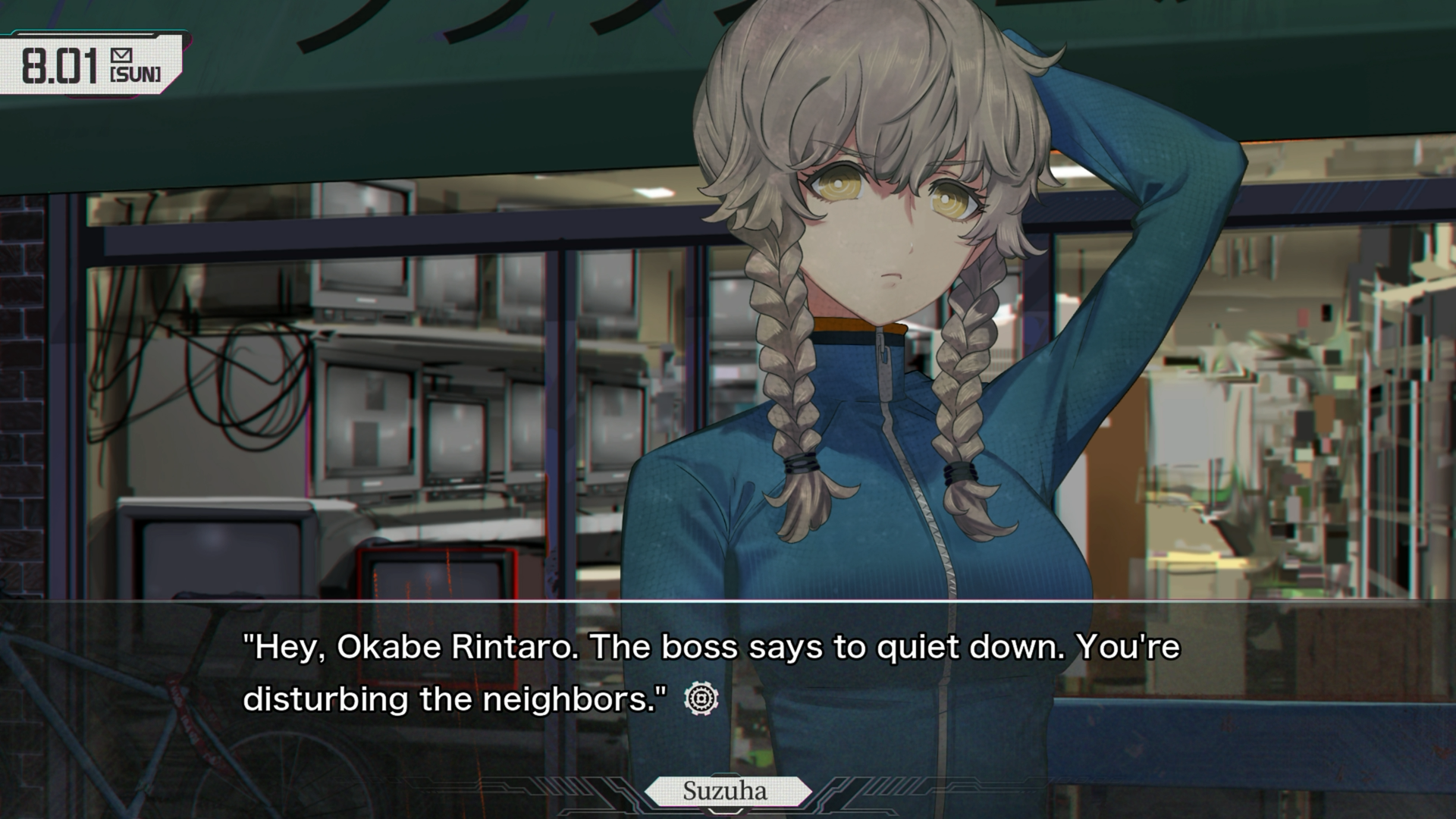
Steins;Gate follows the Future Gadget Laboratory, a ragtag group of friends who spend their days inventing random, near-useless knickknacks. That is until one of their inventions, a microwave that can be controlled with their phones, performs an unintended function: sending emails back in time. Thus begins a time travel adventure filled with scientific experiments and conspiracy. Spearheading the FGL is the eccentric college student Rintaro Okabe, a self-proclaimed mad scientist who constantly spouts nonsense about plunging the world into chaos under his pseudonym, Hououin Kyouma.
Right off the bat, Okabe represents the fundamental core for SciADV: the deliberately slow first half dedicated to characterizing the aggravatingly flawed protagonist. Centering the narrative around someone intentionally unlikeable is a risky gambit, but the way each entry executes this fundamental choice is what enamored me to Steins;Gate and the rest of this franchise to begin with.

For starters, viewing the story through the lens of someone you wouldn’t traditionally call a “good” person is deeply fascinating and infuriating in the best way possible. Their simultaneously self-destructive and self-centered demeanor makes for unique and compelling interactions between characters. Strangers are unsettled by the protagonists’ eccentricities, and those close to them express concern for their behavior.
Thankfully, the writing shows restraint in not making each lead cartoonishly despicable. Beyond providing the necessary context for why they act the way they do, each entry successfully straddles the line by presenting a person with extreme flaws, but not to the point of being irredeemable. Someone obnoxious, but not enough that they are incapable of having a group of friends. Essentially, these are the type of people you encounter in your everyday life that fulfill your daily quota of judgmental sighing.
Crucially, the series never condones any of their behaviors. Quite the opposite, actually, with the negative perception the cast has of them in their daily status quo. More importantly, the story utilizes the inciting incident to gleefully lay down the narrative powder kegs the MCs will ignite as a byproduct of their actions. Once they do become lit, these tales shift from a slow burn into a scorching wildfire. The back half of most SciADV entries is basically nonstop suffering for each lead. They dug their own grave of consequences, and now they have to try climbing out of it. What gives them extra layers is how the MCs quickly become lucid about their toxic traits, which makes for gripping internal turmoil as they oscillate from growing and regressing when trying to change.
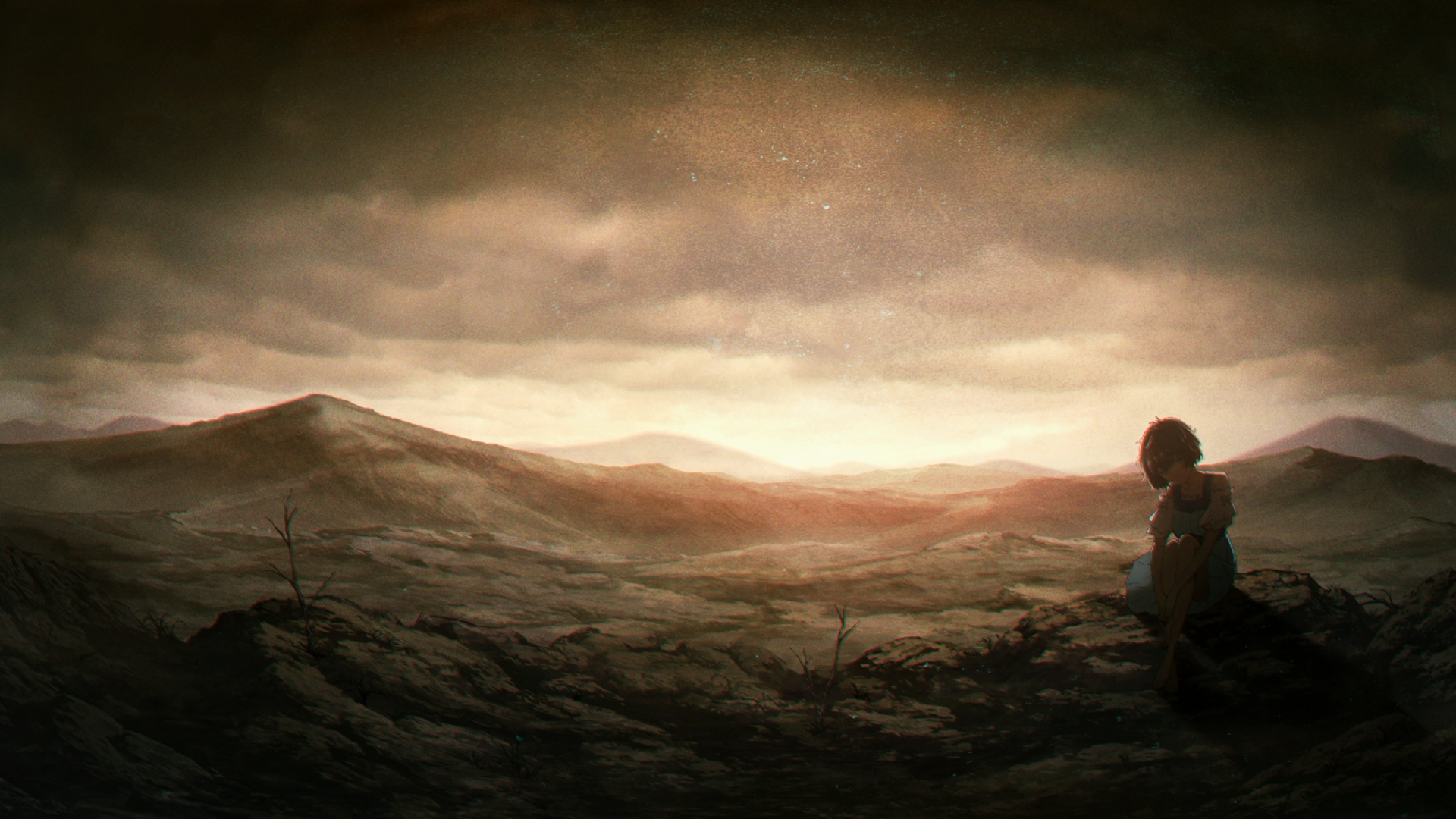
That iron vice of hammering each lead with repercussions is what makes the Science Adventure series my favorite stories in gaming. Each title is a window for the player to observe the painfully realistic flaws of each main character. At its most resonant, this window morphs into something more uncomfortable. Is this a window, or is it actually a mirror? Are you willing to admit that there are parts of you reflected in the ugliness you are observing?
Being the second entry in a franchise, Steins;Gate takes this formula established by Chaos;Head and massages its predecessor’s growing pains. To me, Okabe’s primary character flaw is the easiest to digest for a wider audience of players. A large proponent of his initial characterization is how he constantly slips into the persona of mad scientist Hououin Kyouma, yielding hilarious scenes of comedy.
Unlike Takumi’s shut-in nature/misogyny, Kaito’s depressive burnout, and Takuru’s clout-chasing Reddit brain, we can laugh alongside Okabe as he refuses to take things seriously. Even though this makes him one of the least aggravating protagonists in the series, it also makes him less interesting in theory. Heck, he even gets beaten by himself in the midquel, Steins;Gate 0. SciADV is at its most emotionally poignant when the protags manage to claw and bleed past their initial, toxic traits. Thus, Rintaro Okabe’s less insufferable flaw only left me a sobbing mess on numerous occasions rather than a blubbering, sobbing mess.

With that being said, concept and execution are two different beasts. Pushing aside my preference for the bolder approach of the other entries, Steins;Gate’s execution of the formula is near perfect. I’d even go as far as to say it’s consistently the best the series has to offer from a quality standpoint. Kyouma’s over-the-top demeanor is a tragic case of irony poisoning. By rarely breaking character, he purposefully obfuscates whether he’s being genuinely silly or putting up a mask in front of others. His character is at its most compelling when even he doesn’t know the answer.
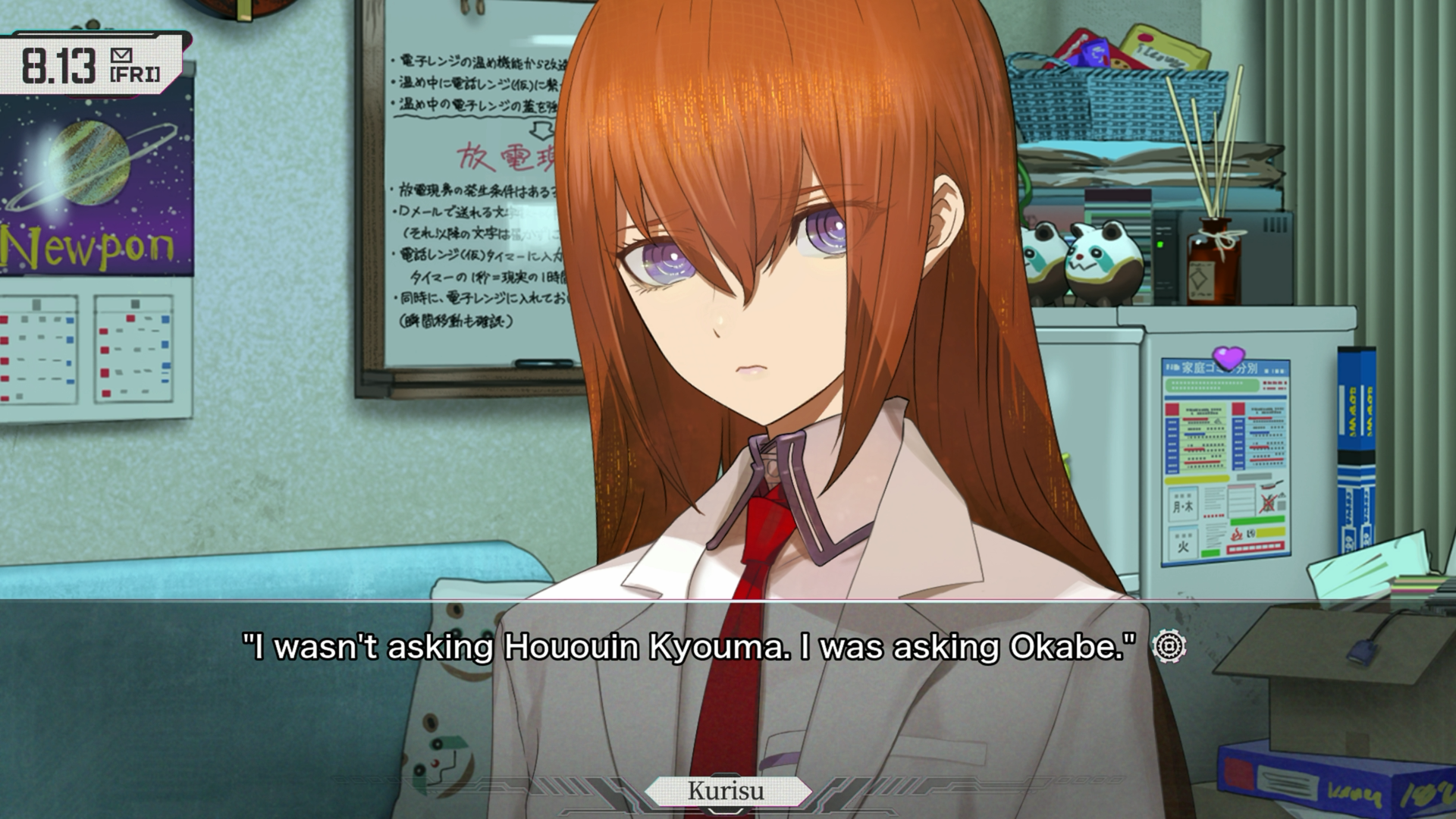
Additionally, S;G has its own unique boons that further contribute to Okabe’s wonderful characterization. Most of the cast are already chummy with each other prior to what we see in the game. There is an intentional lack of tension between the group as they roll their eyes but brush aside Okabe’s grand delusions. This is what makes the addition of Kurisu Makise a refreshing wrinkle to the established group. Since she and Okabe meet on bad terms at the start of the story, it gives this entry the unique position where both the main and secondary leads start out antagonistic towards each other. Kurisu is the only character who challenges the self-proclaimed mad scientist’s BS, which he does not take kindly to. Their sassy bouts are electrifying to witness, and also serve as a way for the game to deliver its exposition-heavy scenes regarding time travel in an entertainingly digestible manner.
Speaking of time travel, this narrative premise is the key strength that elevates Okabe’s character. Whether it's the murder mysteries of the Chaos; games, or the robotics club of Robotics;Note, SciADV has always been successful at using its narrative hooks as thematic backdrops to observe the flaws of its protagonists; watching them squirm through the repercussions of their behaviors. Steins;Gate takes that premise and broadens the scope on a quantum scale.
Centering a story around this narrative vessel is a risky move. Plenty of works employing this storytelling device crumble under the weight of convoluted plots and glaringly inconsistent applications of their own mechanics. While Steins;Gate has plenty of praise and critiques for its accuracy of quantum theory, I am more invested in whether the premise molds compelling characters and narrative beats. As long as it nails that, I can handwave a certain threshold of inconsistencies. Fortunately, Steins;Gate is successful at adhering to its established sci-fi rules, and more importantly, is utterly exceptional at using it to elevate its story and cast.
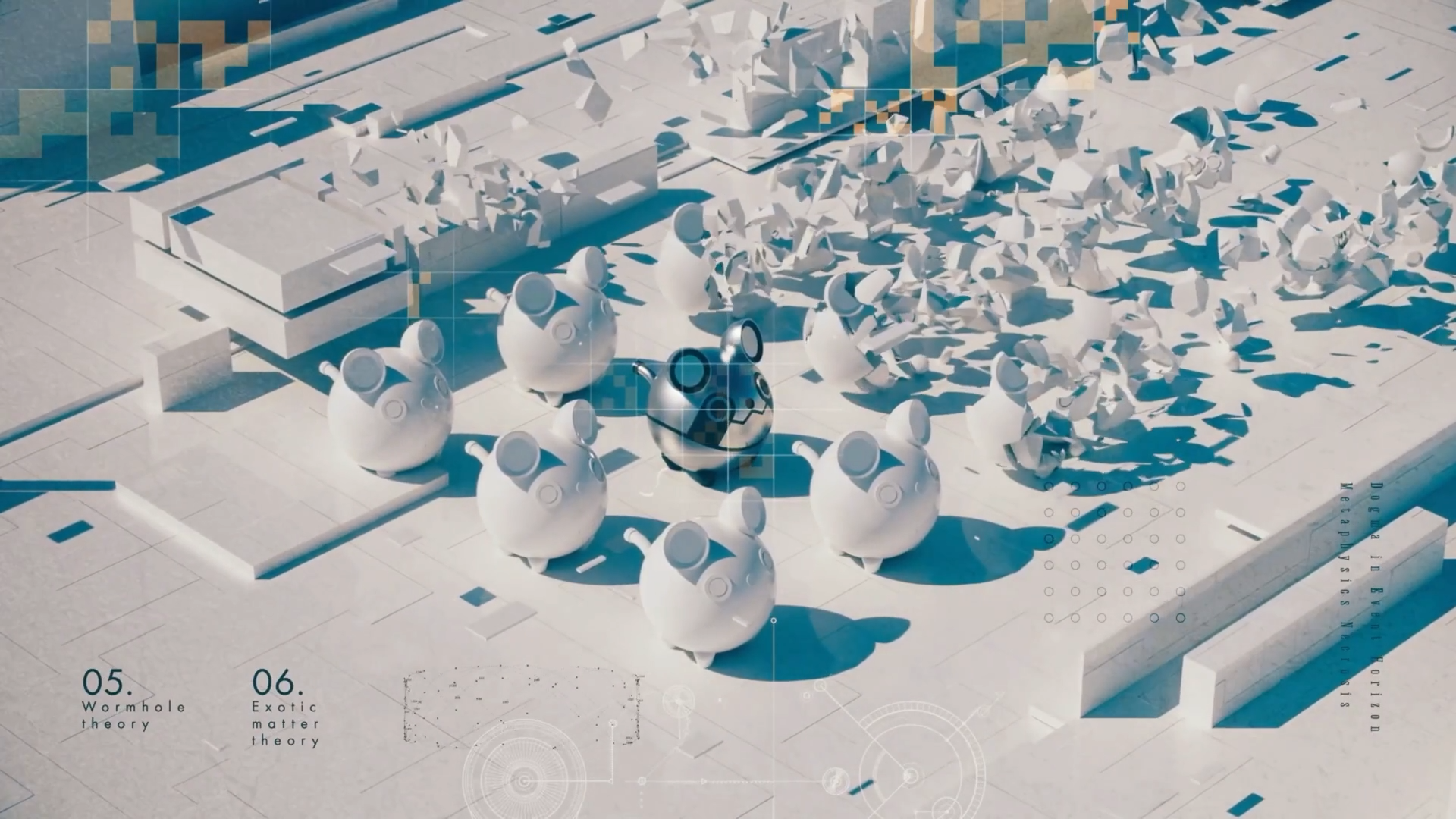
Steins;Gate never veers towards horror akin to prior and future entries of Chaos;Head and Chaos;Child, but it constantly emphasizes the abject terror of how insignificant we are in the dominion of time. Trying to play god over something we can’t control is a fruitless and destructive endeavor. Experiments the Future Gadget Lab conducts to cause specific alterations to the past have unintended ripple effects. With Okabe being the only one who can recall events across timelines, there is an off-kilter eeriness in seeing prior events and locations in the story morph into something unrecognizable. It makes for a strong Boy Who Cried Wolf situation where no one takes his truthful claims seriously, at times causing the young man to question his own sanity. It culminates in one of the most seamless and hard-hitting genre shifts I’ve seen in any story, transforming the tale into exhilarating misery porn.
Okabe’s suffering and growth is heartbreaking, yet beautifully cathartic. To paraphrase a lyric in the vocal rendition of the game’s main musical theme, Gate of Steiner, Rintaro is trying to defy his destiny, to defy time. A completely foolish notion, but being foolish is what humanity’s good at. It’s what makes us human.

This is what enamored me with time travel and time loop stories to begin with. From games such as Alan Wake II or Zero Escape, to films such Back to the Future, Avengers Endgame, Edge of Tomorrow, or Source Code, time travel in these works touches on the human feeling of obsessing over the past and pondering the decisions made that shaped the present. Time travel as a plot device feeds on that desire to alter history to mold a better future. The ones that incorporate time loops tack on the additional layer of trying to find success through countless failures. When done well, it is the ultimate character-driven form of narrative payoff. Steins;Gate, to me, is the best depiction of one of my favorite storytelling frameworks.
With that being said, there is one quibble I have with how this narrative structure is handled. It’s time to talk about my least favorite part of almost every visual novel: “gameplay”. Besides Anonymous;Code, each Science Adventure game has various character routes that give insight and development to the side cast. How these routes unlock ties into each title’s method of interactivity. In Steins;Gate’s case, you can whip out Okabe’s phone to respond to emails or make calls at certain points of the story. So, if you want to unlock every character route, it requires grinding… in a visual novel. While S;G’s true end isn’t gated behind unlocking every ending, unlike the other entries, triggering the specific conditions to unlock the ultimate conclusion is still aggressively obtuse. It essentially boils down to a tedious repetition of trial and error unless you’re using a guide.
Okay, so let’s address the RE:BOOTed elephant in the room. With this game being a second remake to hit the timeline, there were three mentalities I had when judging it: what MAGES promised, the game in a vacuum, and as a second remake. Let’s start with the latter. Most of my praise for the original Steins;Gate applies to RE:BOOT. That's the byproduct of having two similar remakes that root themselves in a mostly faithful adaptation. The show is often heralded as one of the greatest anime ever made, even despite the occasional cut content and changes to the source material. The first remake, 2018’s Steins;Gate Elite, takes the script and voice recordings from the original game and overlays them with scenes from the anime. New bits of animation were added to adapt sequences not present in the show.
This is precisely what makes Elite such a peculiar product. On one hand, reintroducing cut content from the original game improves an already fantastic TV series. On the other hand, the outcome of being constrained by the show's animation means numerous lines and sequences are omitted or altered to follow this remake’s selling point of "play[ing] the anime."
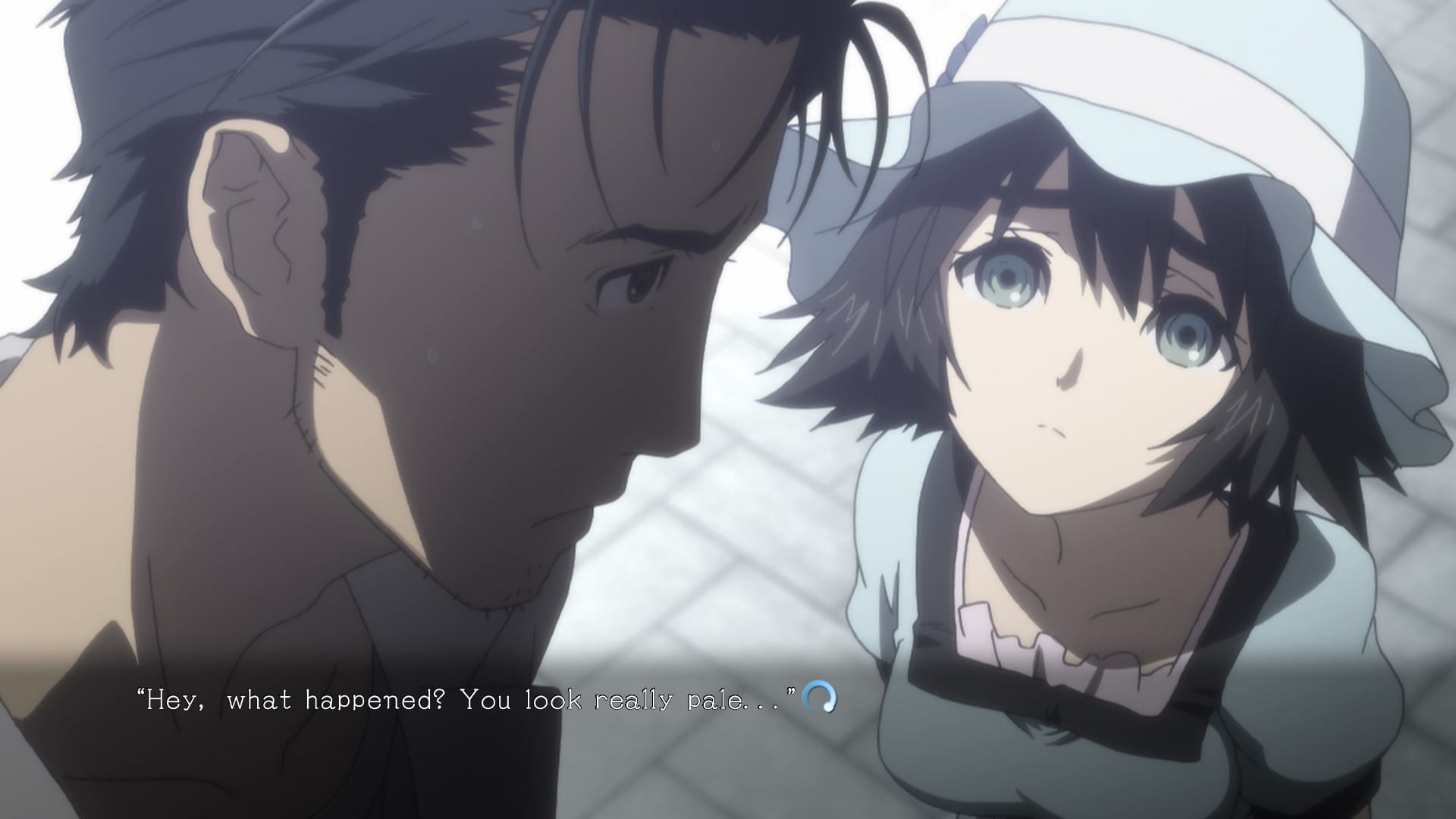
That’s not to say the concept of trimming down the text is a bad thing. Thanks to the animation, lines of narration can simply be replaced by showing what happens on screen. And admittedly, the slow burn of SciADV means almost every entry is at least a few hours too long. While Steins;Gate is easily the best-paced entry in the series, a more streamlined script is a captivating prospect that sometimes pays off. However, Elite goes too far with its cuts, particularly with regard to Okabe’s inner monologue. This is especially a piercing sting, as the characterization SciADV’s lead is the linchpin of the series’s narrative structure. Additionally, a chapter from the original title that the anime altered for the worse remains changed here. As a result, Elite exists in a dilemma where it is an inferior, truncated version of a masterful game, but a slightly expanded version of a masterful season of television.
This is why it took so long for me to talk about RE:BOOT itself. Because this brand new remake uses the prior’s truncated script as a base, it is almost the same exact package, warts and all. While some lines from the original game have been restored, the key difference between the two remakes is that RE:BOOT substitutes the anime scenes from Elite with traditional VN sprites… like the original game. So, if the first remake was the middle ground of two different products in two different mediums, then RE:BOOT is the middle ground of the original game and the 2018 release.
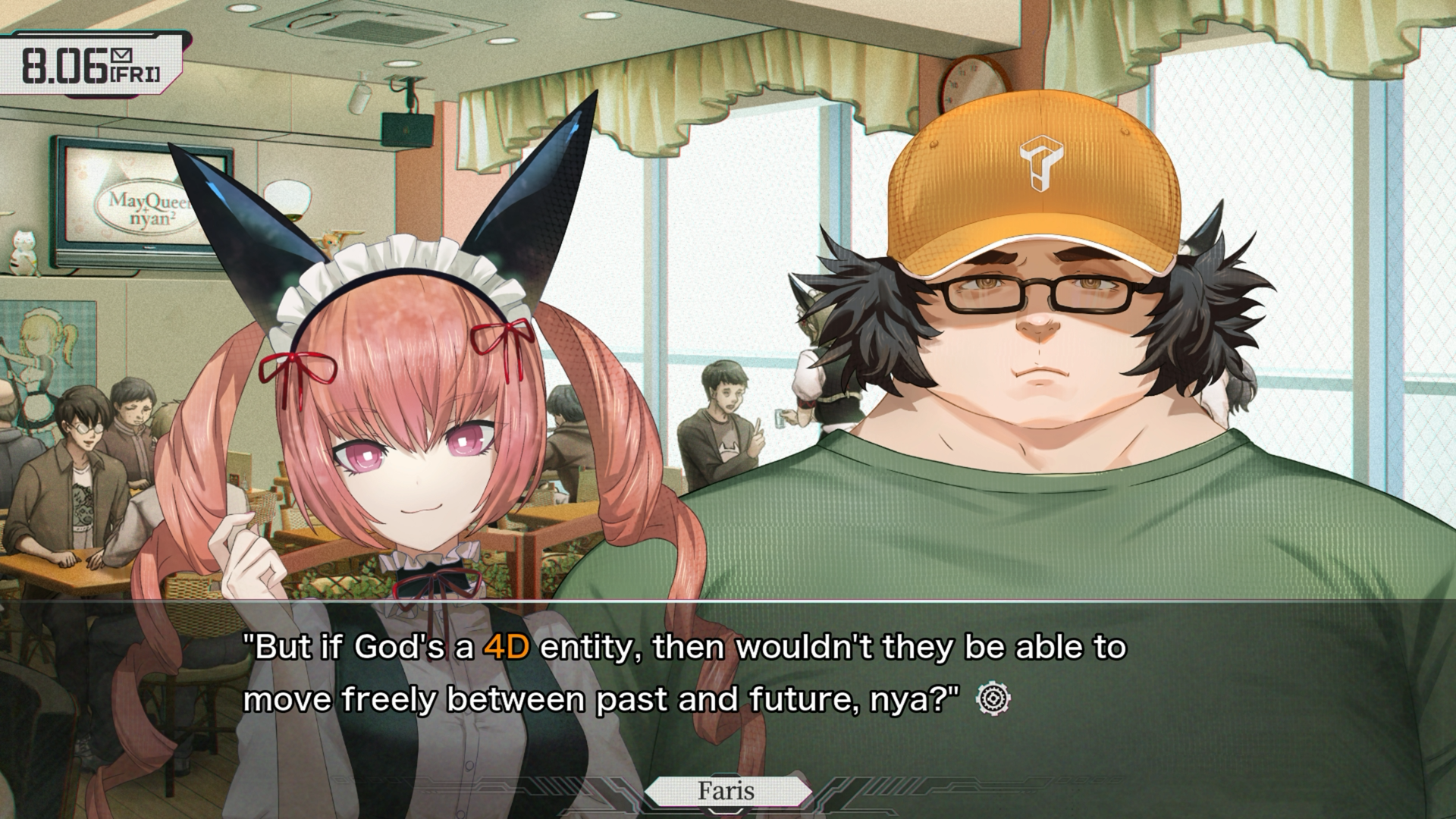
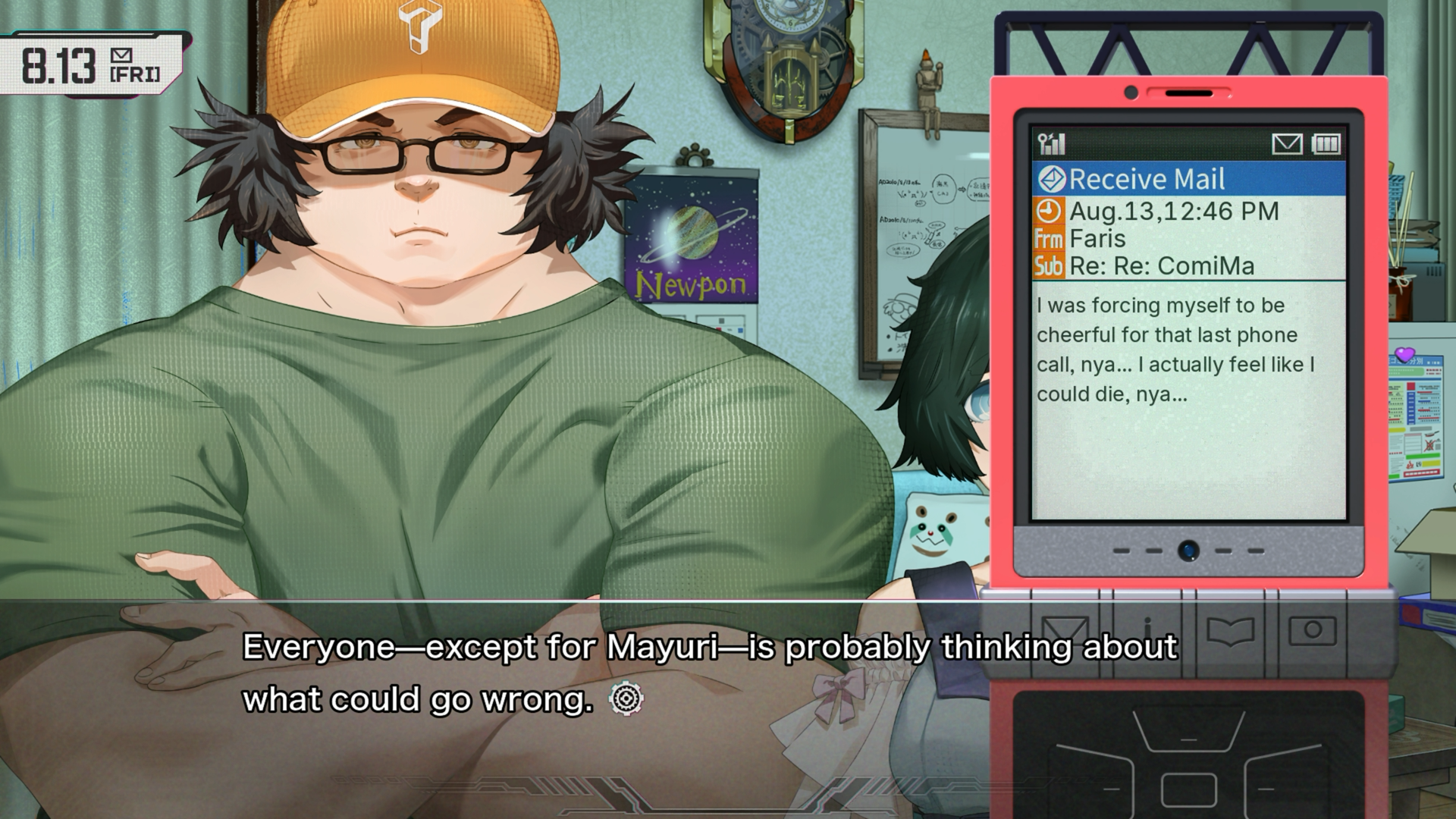
I wish I could end it there by saying how RE:BOOT pales in comparison to the original, but is a slight improvement over Elite on a textual front. But that’s the key phrase here, “textual front”. With this latest release readopting a traditional visual novel presentation, it amplifies the script’s cuts and turns them into lacerations. Even with some of the recovered narration, Okabe’s characterization and the suffocating atmosphere I praised earlier feel noticeably neutered. Often the pace feels too breakneck, brushing past letting the characters stew over the emotional gut punches.
The anime adaptation and, to a lesser extent, Elite are able to make up for this by being able to see Okabe in the third person. The animation and cinematography transform the original’s text into deliberately paced subtext. Not enough to make up for the cut content, but at the very least, the intent of the cinematic medium is to be a band-aid on a gaping wound. Since RE:BOOT conveys the story primarily through the eyes of its lead, it lacks the advantages of the anime and prior remake while inheriting their disadvantages. The wound is slightly smaller, but the band-aid has been ripped off entirely.

Admittedly, there are intentional choices made to address the shortcomings of having a traditional VN presentation with the sanded-down script. With the E-mote animation system, characters are able to express more dynamic and subtle expressions and body language. We’ve seen MAGES employ these types of animated sprites with Anonymous;Code and Nintendo’s Famicom Detective Club series to charming, if janky, results. RE:BOOT improves on this style immensely, delivering smooth movements that don’t distort the sprites in unnatural ways A;C did.
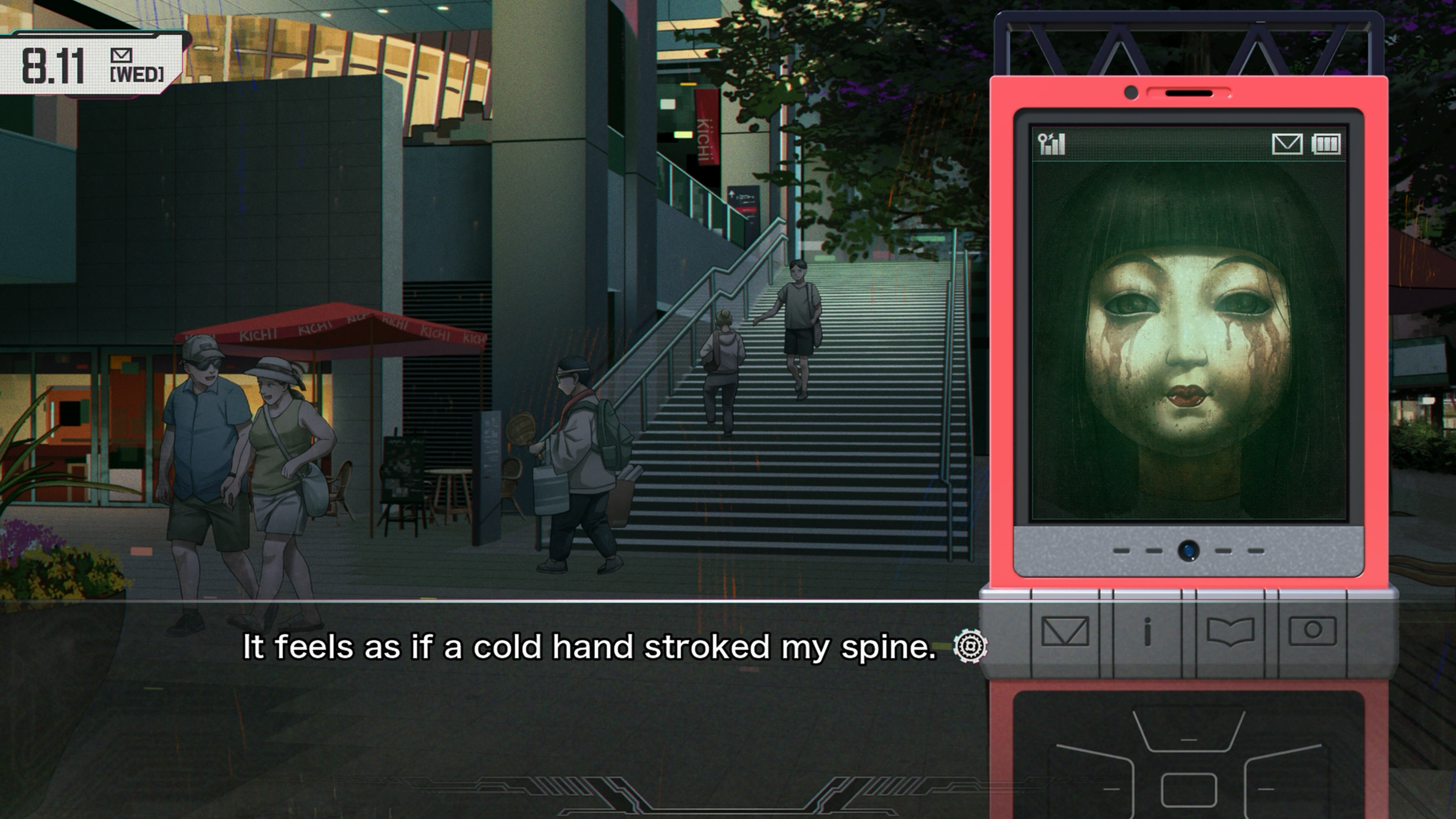
Narratively speaking, these dynamic portraits are intended to mimic the anime/Elite by translating text describing body language into visual movement. This is where the function of the style falls apart a bit. Every now and then, the narration would redundantly describe the actions of the characters on screen. For example, the character Moeka communicates primarily via text messages, even with folks standing face to face. The writing mentions how she’s pounding away at the keys when the animation shows that same intense concentration of her typing. Meanwhile, Okabe, the character who could have benefited the most from the conceptual boons of the art style shift, gets almost nothing thanks to the first-person perspective.
That’s what makes this latest rendition of S;G so baffling to judge. In spite of the omissions and changes, Steins;Gate’s anime adaptation and Elite mostly capture what makes the original one of the greatest stories in gaming. With RE:BOOT basically doing the same thing again, that also makes it fantastic despite inheriting and exacerbating the issues that made Elite such a frustrating remake.
Yet, it’s because of this that I am less willing to give grace to these pre-existing gripes. Even if the game is amazing in a vacuum, MAGES releasing another remake for full price despite failing to address the issues of the previous one feels utterly insulting. It’s 2026, and even with two remakes, the 2009 original is still the best, most content-complete version of Steins;Gate.
Unless you prefer to play VNs on console, the original S;G on Steam is an accessible, cheaper, and definitive version of a masterpiece. I tend to avoid bringing up pricing in reviews, as folks can determine if they want to wait for price cuts/sales. But SciADV gets discounted often thanks to Spike Chunsoft having consistent sales. Which is awesome! Although it makes looking at this a tad bit ridiculous.

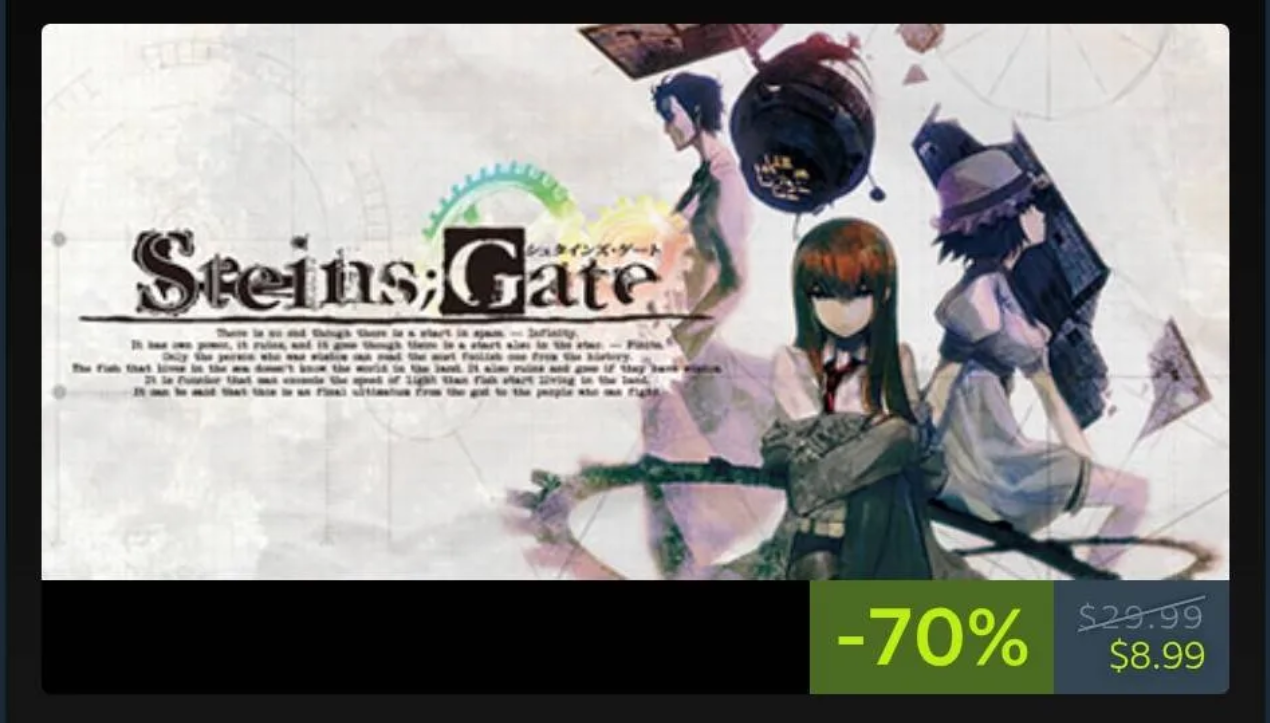
RE:BOOT vs Steins;Gate Steam sale on 10/1/2026
That just leaves the final lens to examine the game through: what MAGES promised this remake would be. RE:BOOT was promoted as a game “to connect to new scientific pursuits…S;G to be continued.” Basically, that’s a fancy way to describe how this remake will have brand new content to push Science Adventure forward. Well, don’t get your hopes up because it basically consists of a two-minute post-credits scene and that’s about it. Don’t get me wrong, it’s filled with plenty of cryptic intrigue that likely hints at the Steins;??? title MAGES teased all the way back in 2020. But I expected a little more with that promise, y'know? Especially where Anonymous;Code left the series with the concept of World Layers.
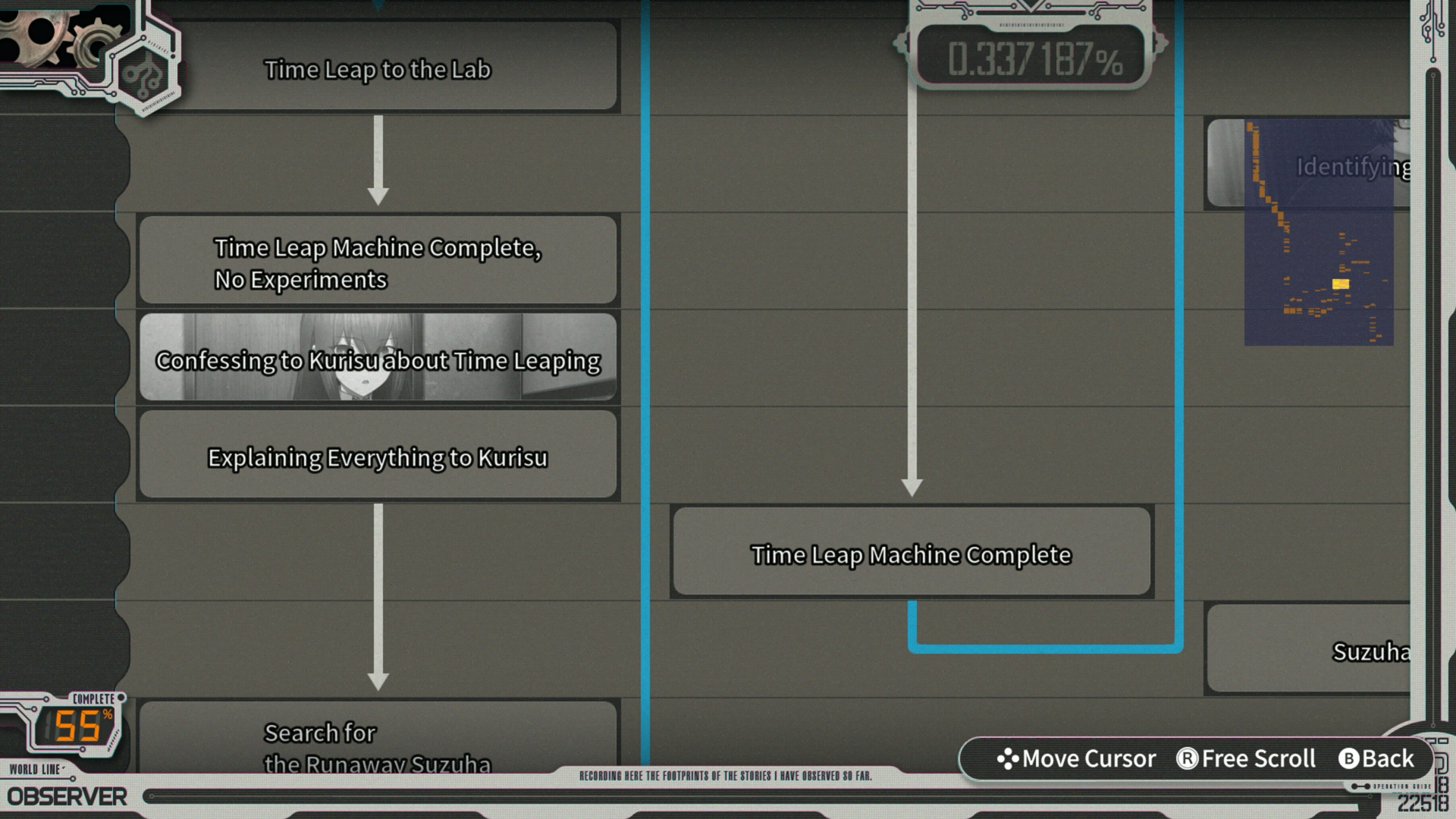
Lastly, there is one more interesting tidbit within the Observer mode, a feature that serves as an overarching flowchart to track the chronology of events and which timeline(s) they occur in. It's neat, if a bit rudimentary. No summary of events and no way to jump back to previous points in the story to make grinding for routes easier. As for how this constitutes a plot-relevant addition, let’s just say the mode has a little blurb with fascinating implications. It’s one of those “if you know, you know” sorta things.
There is one more thing that RE:BOOT has that no other version of Steins;Gate does, but calling it “new” content is a bit of a stretch. Similar to how Steins;Gate 0 was an amalgamation of pre-existing side stories from different mediums, this game’s additional route centering around Moeka is an adaptation of 2010’s Hyde of the Dark Dimension Drama CD.
As my first time going through this tale, it was neat seeing a new part of Steins;Gate through my preferred medium. There’s plenty of uneasy tension with how the Future Gadget Lab acts icy towards Okabe, and the spotlight being put on Moeka brings an underrated dynamic from the original to the forefront. Unfortunately, the route is extremely short, meaning it ends before it can establish itself more than just okay.

That’s it for the content RE:BOOT has on offer, so it's time to dive into the other major facet of remakes: the visual overhaul. Fortunately, I am a lot more positive on this than I am with the story of the game. I’ve already gushed about the E-mote system being a refinement on MAGES’s previous attempt at dynamic character movement, but the sprites themselves are gorgeous. They’re highly saturated while slightly adding back the grunge textures that the sprites in S;G0 lacked. Although a nitpick I have is how the brighter color palette diminishes the exhausted dreariness of the original’s blend of silver and rusted brown. Still, this is the best Steins;Gate has looked to me, especially with the beautiful new CGs exclusive to RE:BOOT.
The backgrounds are fantastic too, drawn with a surprising amount of clarity and detail. During their Anime Expo panel, Spike Chunsoft confirmed that none of these stills were drawn with AI. We better savor it while it lasts, given how MAGES has been gung-ho about their company’s future with AI, ew. A detail I adored is how there are artifacts and dead pixels in most of the backgrounds. While I could see this being annoying for some folks, I loved it from a lore standpoint. Again, it’s one of those “if you know, you know.”
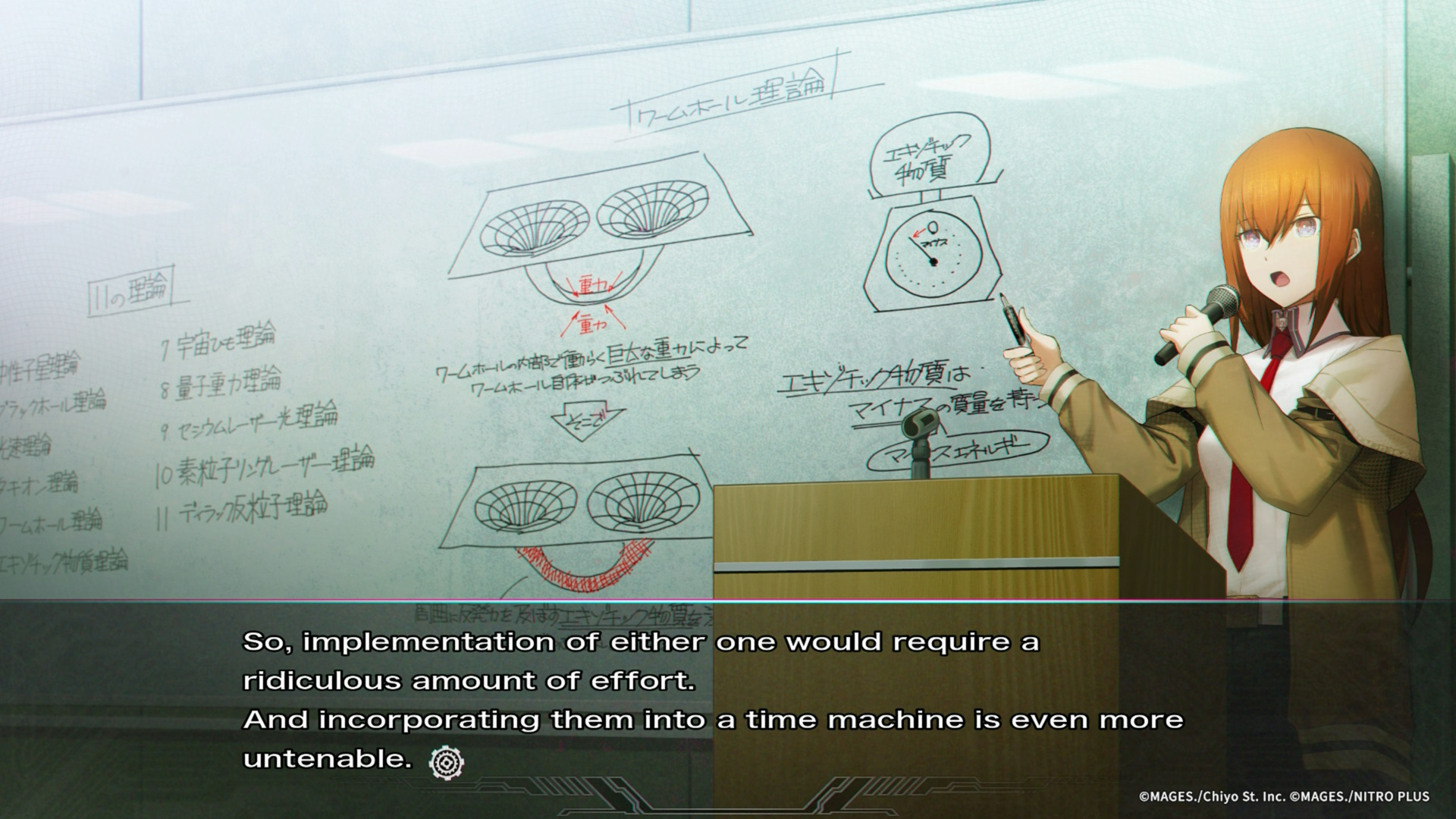
The only visual gripe I have is with some of the localization. The translation itself I didn’t have any issues with; rather, the text formatting is extremely rough at times. Often the game would scrunch a massive chunk of text into a single text box, making for a hideous block of stretched-out sentences. To add on, information on signs and boards remains untranslated. For a plot heavily centered around the exposition of its sci-fi concepts, having the diagrams be inaccessible to non-Japanese speakers makes the quality assurance of the localization feel spotty.
It’s a shame after how stellar Anonymous;Code’s localization was. To be clear, my experience was with the Switch 2 Japanese version that has English support. However, when testing the retail English release with the latest patch installed, these issues remain from what I skimmed through in the early game. The lack of addressing these known quantities makes releasing the the English console version months after the Steam and Japanese console versions all the more frustrating.
As for how the title looks on Switch 2, I can’t undersell how much of a game changer this is as someone who primarily plays visual novels in Switch handheld mode. The typical layer of crust present thanks to the lack of anti-aliasing is gone on Nintendo’s latest handheld hybrid. MAGES visual direction for their VNs is always top-notch, so I cannot wait to see how their future titles look on the platform.
Something minor, but very much appreciated, is how the game supports the use of a single Joy-Con on its side. VNs are essentially video game picture books, so it doesn’t exactly require the most buttons to function. Actually, I didn’t use the Joy-Con on its side much thanks to the button mapping feature on Switch 2. It allowed me to map all the buttons I needed to play with a single Joy-Con held vertically. The only thing I wish this game had was touchscreen support.

On a audio front, plenty of the music tracks are recycled from the original, with additional remixes from series composer Takeshi Abo. Gate of Steiner is my favorite main theme in gaming, and I adore how Abo is keen on incorporating its melody as a motif throughout so many of the tracks. The newly recorded voice lines are a treat to listen to, although I am bummed that there is a lack of an English dub, considering how Anonymous;Code had one.
STEINS;GATE RE:BOOT
Good
With RE:BOOT kicking off SciADV’s new future, it’s off to an anemic start with the lack of new content to push the series forward. Still, STEINS;GATE is one of the greatest video game stories ever told. A tale that never fails to pack an emotional punch that reduces me to devastated and euphoric tears. In a vacuum, the remake still captures most of that brilliance, even if the punches are noticeably weaker thanks to a sanded-down script. However, as a second remake, it is insulting that MAGES have spent the past 15 years removing and unsuccessfully restoring plot points from the legendary and accessible 2009 original. If you want a masterpiece, play STEINS;GATE. If you want a more expensive, gimped masterpiece, play STEINS;GATE RE:BOOT.
Pros
- An emotionally gripping time travel adventure
- Okabe’s development is tragic and moving
- Beautiful art style and soundtrack
- Works like a dream on Switch 2
- Sometimes the streamlined pacing works
Cons
- Cuts to OG script hinder characters/atmosphere
- Route system is still clunky
- Issues with text formatting
- New narrative additions are lackluster
This review is based on a Nintendo Switch 2 copy provided by the reviewer.