There’s a moment about twenty minutes into Silent Hill: Townfall where you spot a giant creature moving through the fog in the distance (think The Mist), and your brain does that thing where it asks whether you actually want to keep walking forward. That, in a nutshell, is what Screen Burn has bottled here.
The Glasgow studio formerly known as No Code, founded by veterans of Alien: Isolation and responsible for the excellent Stories Untold and the BAFTA-winning Observation, has taken Konami's most psychologically loaded franchise, moved it to a remote Scottish island in 1996, and shifted the whole thing into first person for the first time in a full length Silent Hill game.
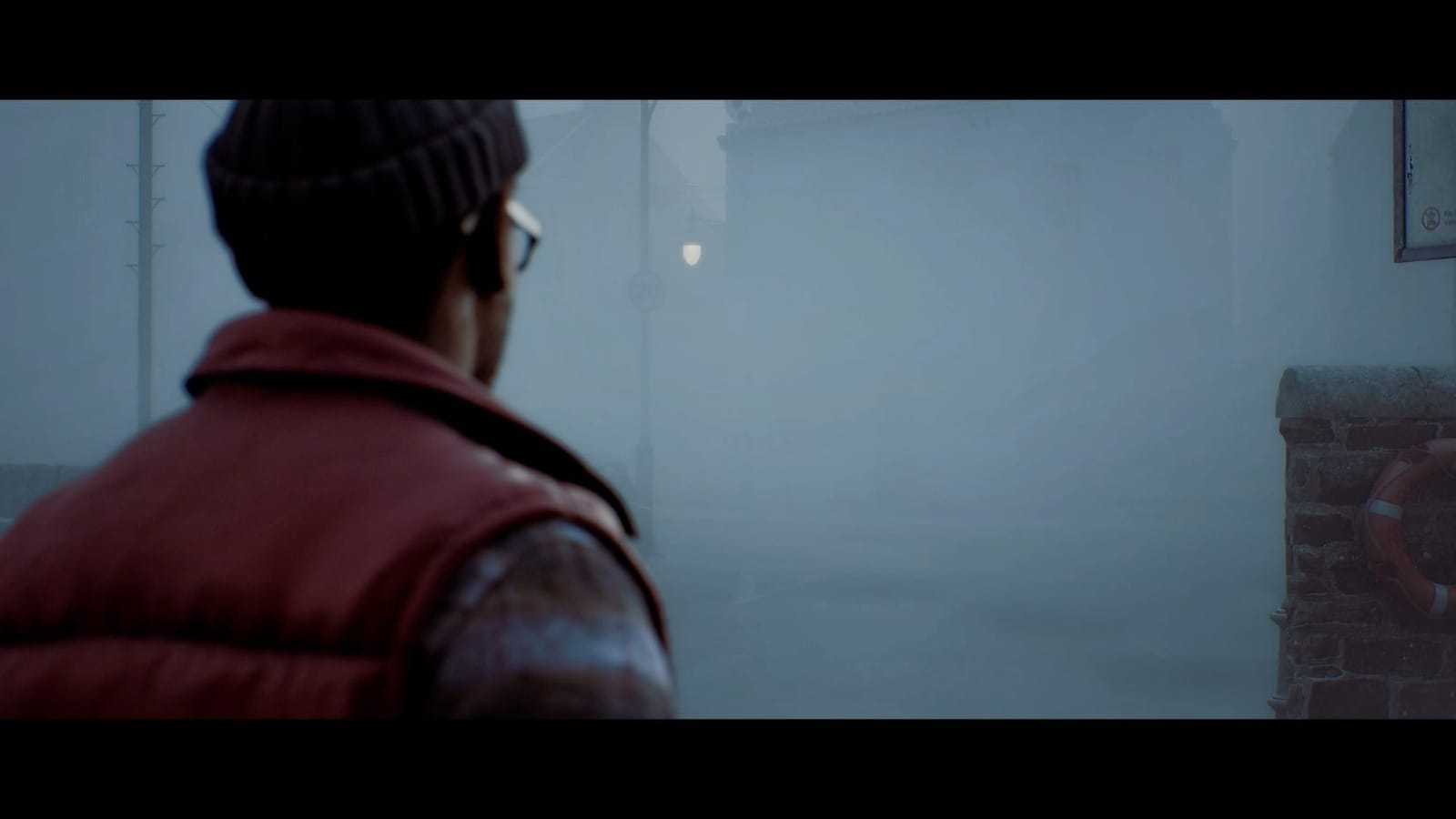
I spent several hours across two hands-on sections, one covering the opening hours and another set later in a medical center, and I came away rattled in the best possible way, but also concerned about a few things we will get to.
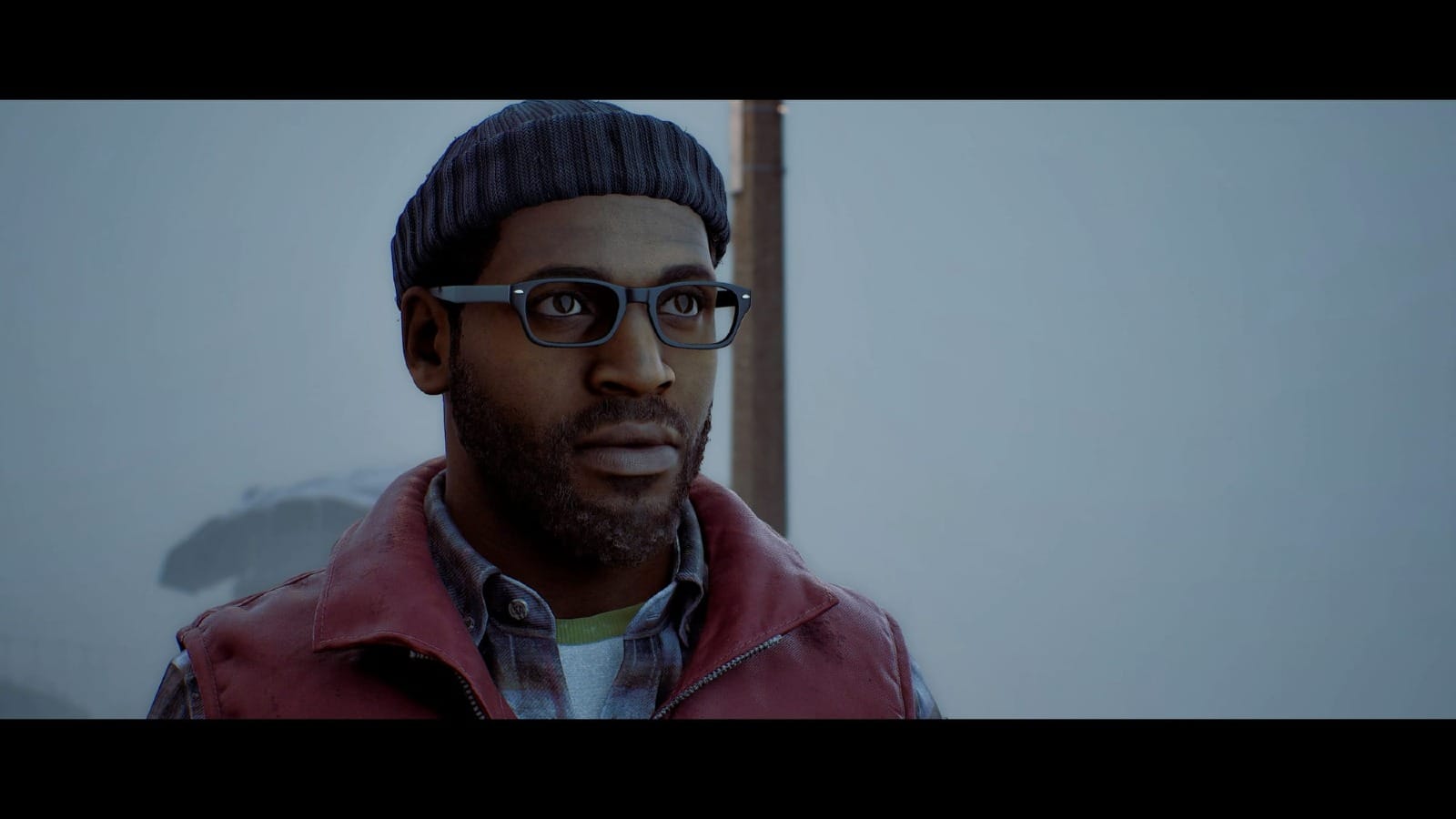
You play as Simon Ordell, a man drawn back to the island of St. Amelia with a vague compulsion to put things right, and the game wastes no time making you feel wrong in your own skin. Simon climbs ashore with an IV line still taped into his arm and hand, wearing a hospital wristband that carries his own name. He is clearly not supposed to be here, or maybe he is exactly where someone wants him.
The town itself tells its own quiet story before a single line of dialogue lands. Homes for sale line the streets of this dying mid-nineties community. A phone rings, someone calls, then hangs up. Later, a mysterious man speaks to Simon over the line, and you start to understand that the phone booths dotted around the island are more than just save points.
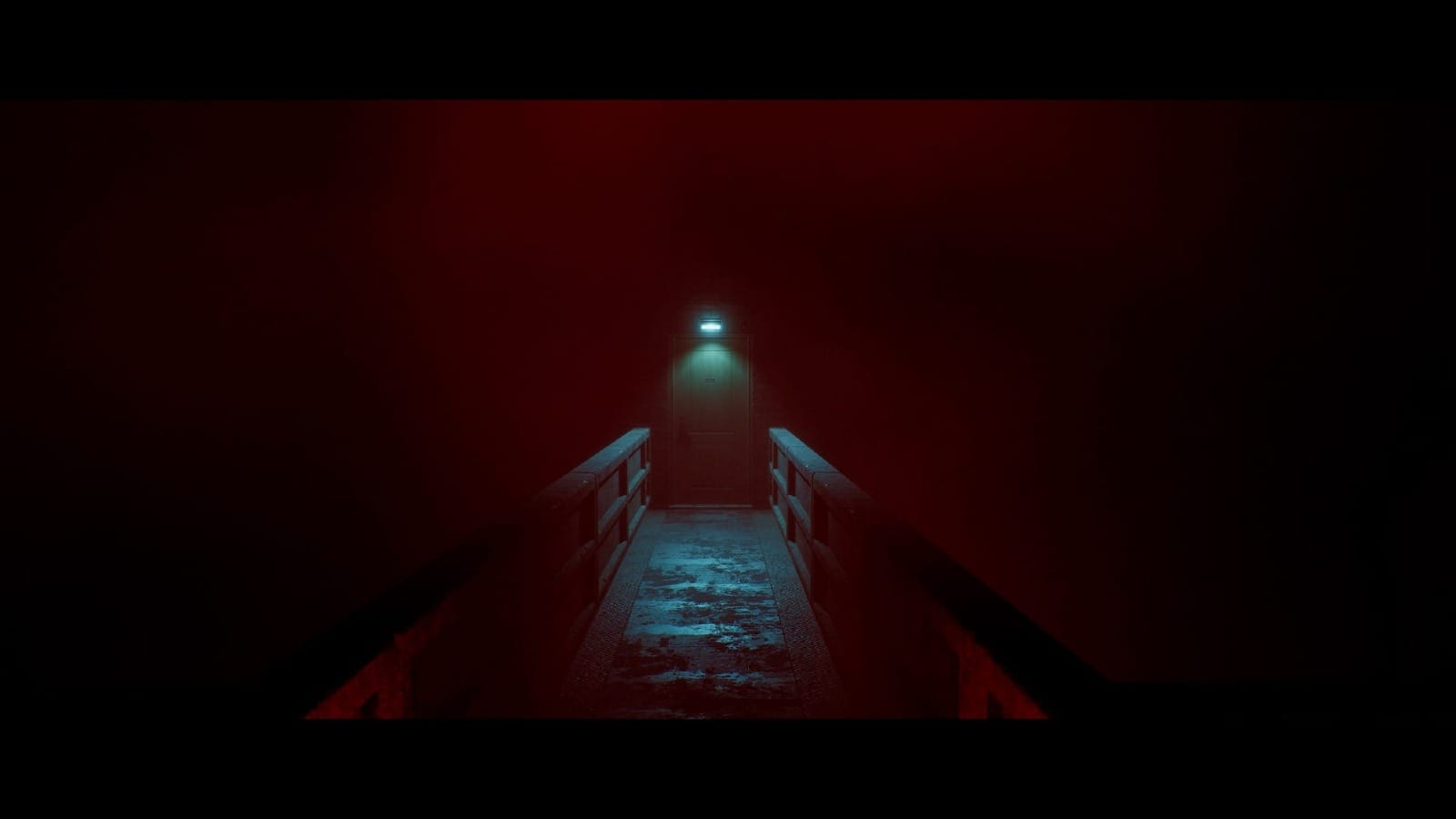
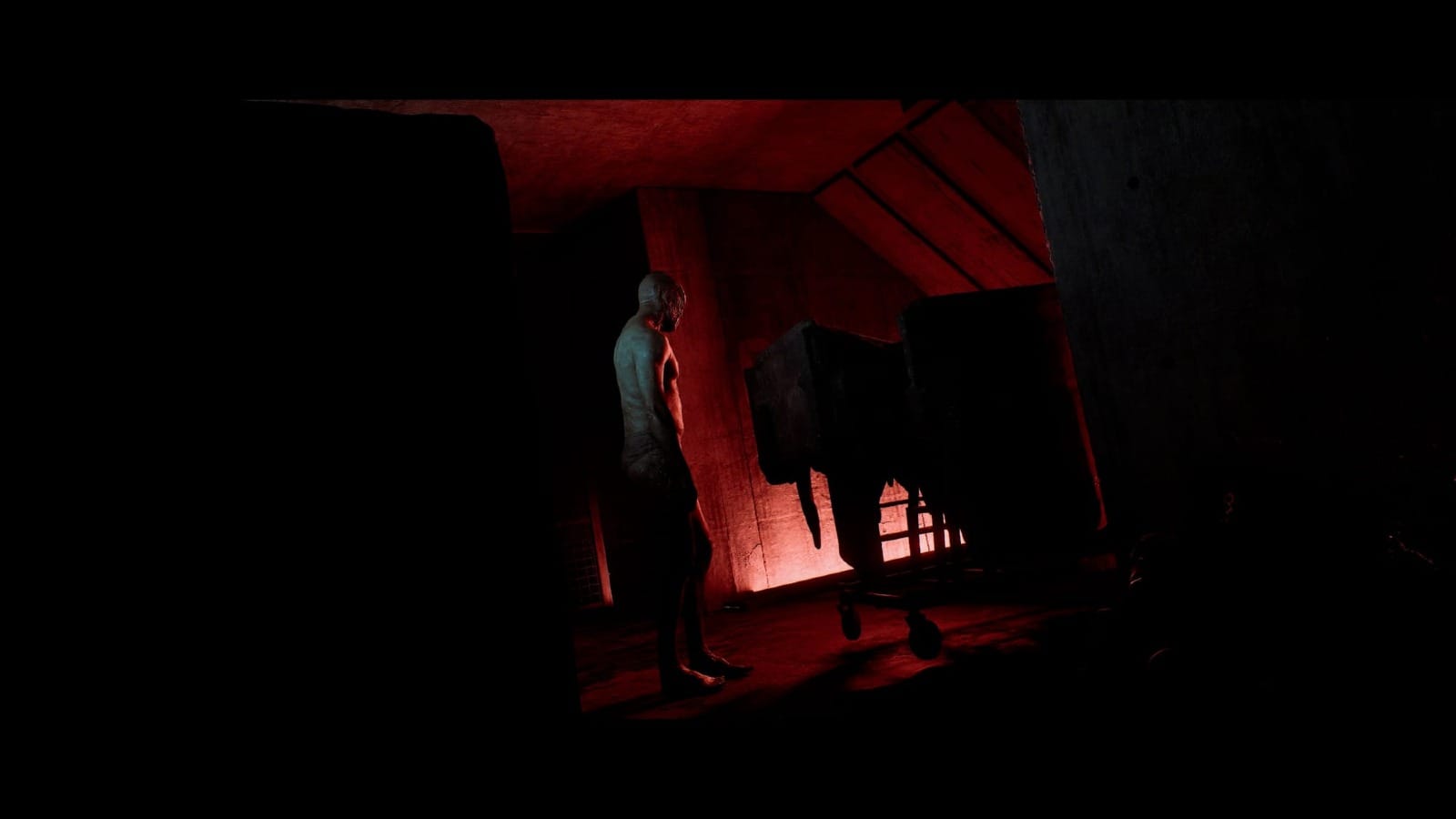
Director and writer Jon McKellan has spoken about how the guilt-soaked storytelling of Silent Hill 2 shaped his approach here, and you can feel that DNA in what I played. The prologue takes a hard swerve early on. You witness a bald man being fed something through a tube descending from the sky, which is every bit as unsettling as it sounds, and when you intervene, he leaves you with two words: find her. Then you wake in a red-soaked dreamscape dungeon that, honestly, left me a little confused in the moment. I suspect that is intentional, but the tonal shift between the grounded coastal town and this abstract nightmare space might not click for everyone right away. And I hope this isn’t just a rehash of Silent Hill 2.
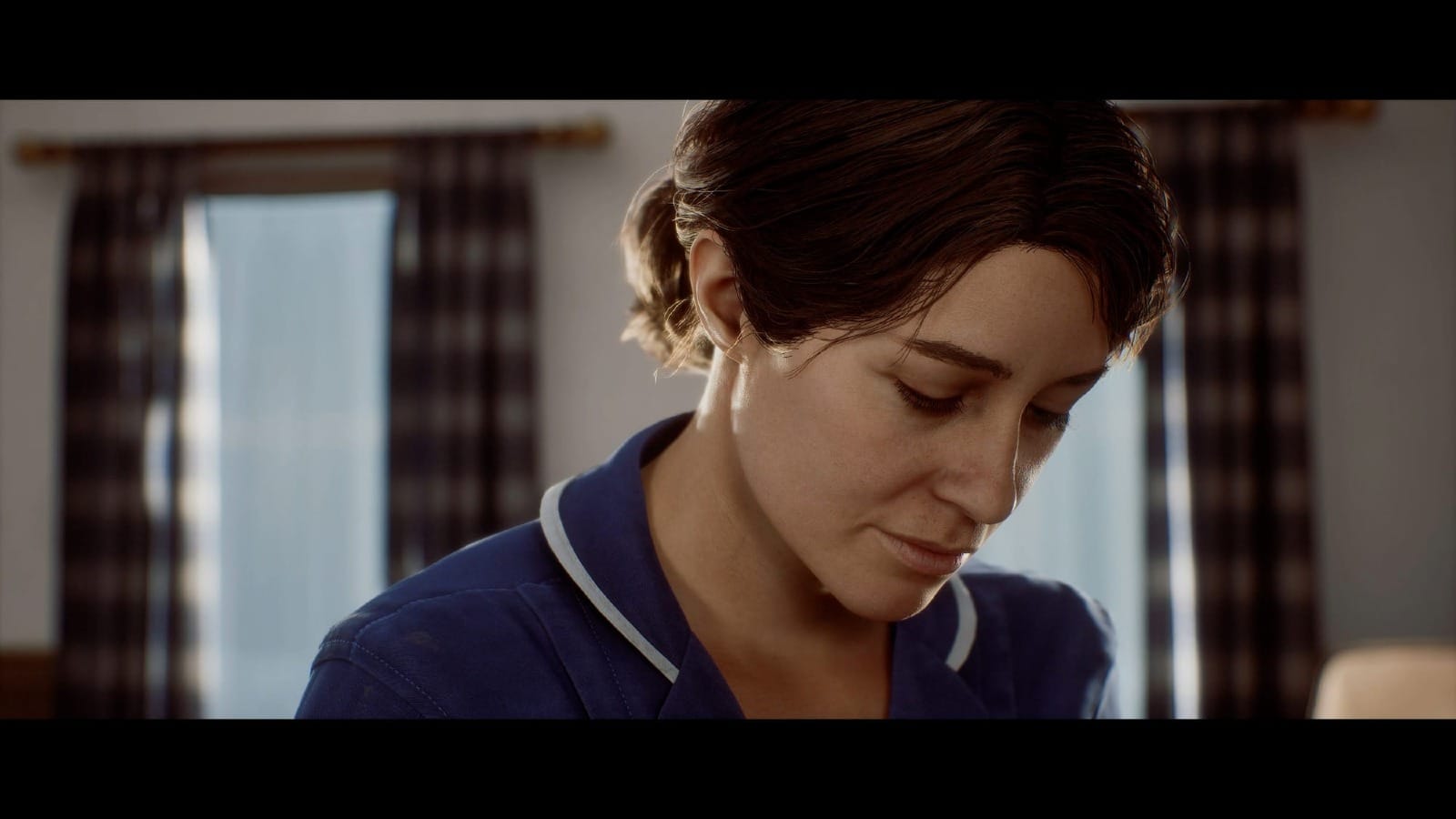
Where the narrative really grabbed me was in the quiet detective work. Tracking down Zoe Ellis, a nurse whose voice pleads through the static of your CRTV device asking to go home, means picking through her house, finding a flashlight that needs batteries, discovering a human organ transplant card, and then stumbling across a photograph of yourself in this stranger’s house. Screen Burn describes the game as a slow burn about loss, introspection, and mystery, with social commentary built around the duality between the individual and society, and the individual and corporations. Based on what I played, they mean it. The medical imagery, the patient wristband, it all points somewhere uncomfortable, and I want to know where.
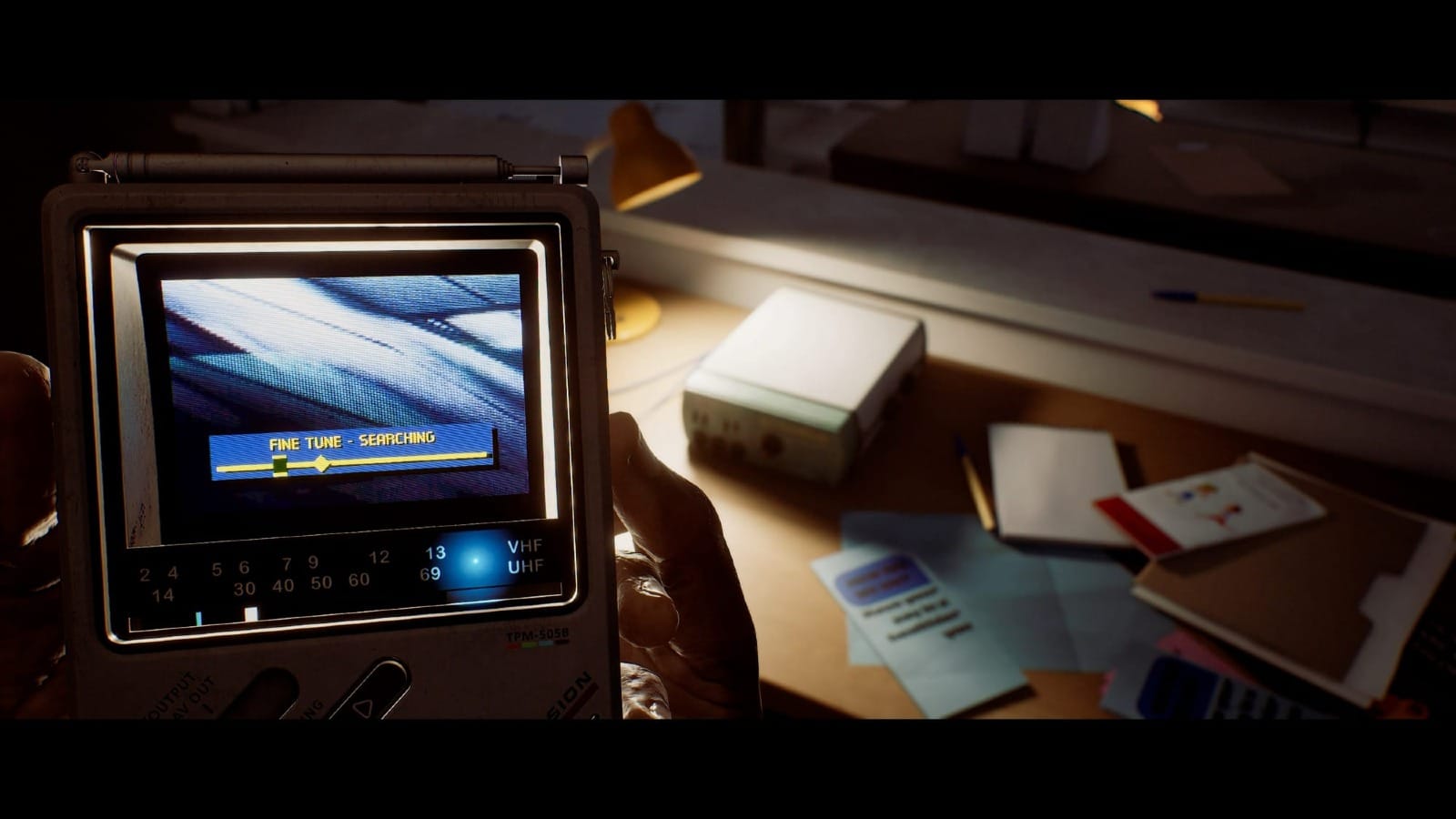
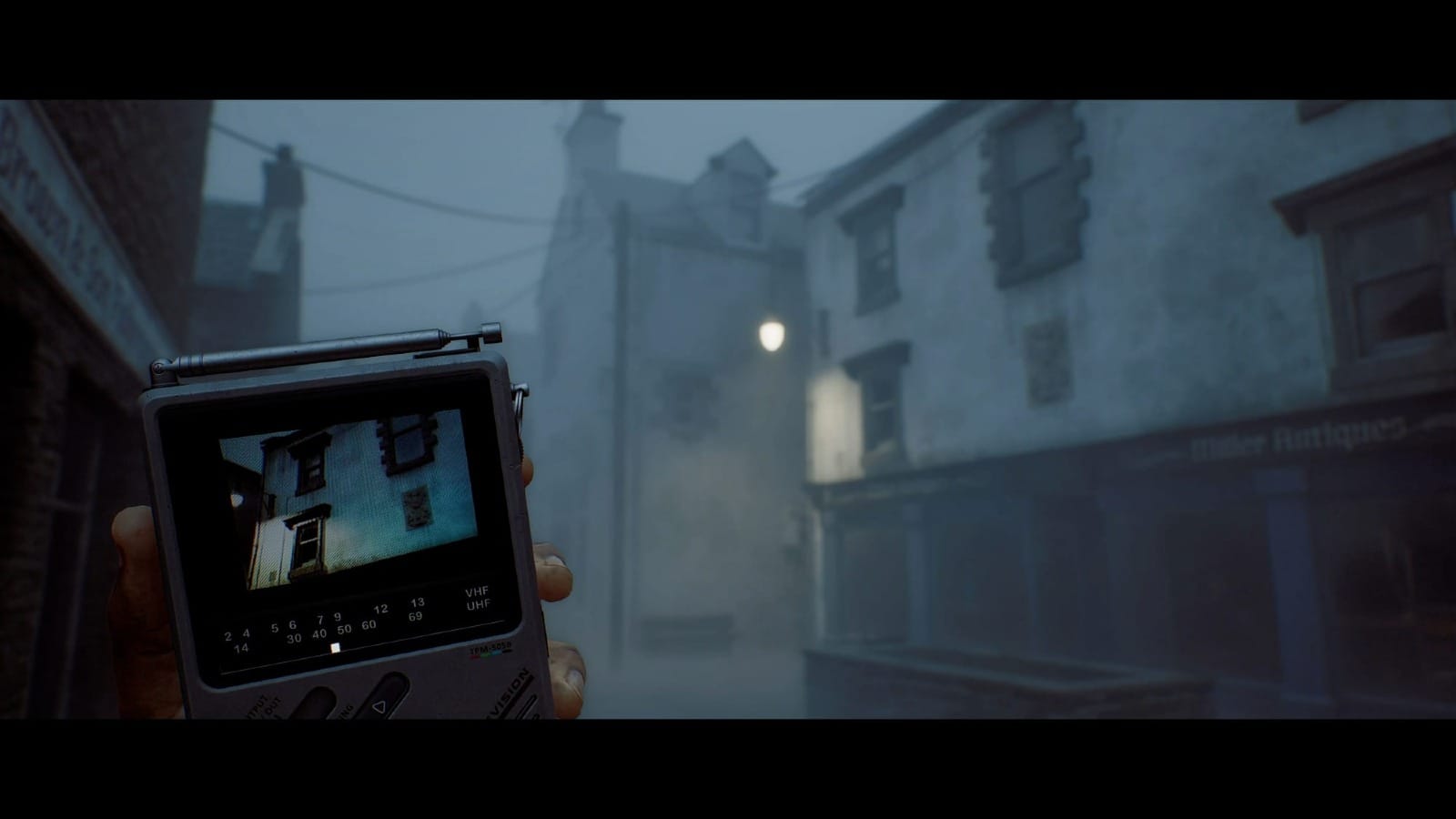
The star of the show is the CRTV, a portable television radio device Simon finds in a bedroom during the prologue. It is this game's answer to the series' famous radio, except far more versatile. The CRTV picks up information on threats, lets you visualize enemies regardless of obstacles between you, and tunes into signals to acquire clues and solve puzzles. This device transforms exploration and stealth, wiring the studio's longtime obsession with old technology directly into survival horror.
Combat is faster and more frenetic than longtime fans might expect. Melee attacks and gunplay coexist; you can block when holding a melee weapon, and the game encourages you to think real hard before engaging in fights. Weapons break down over time, bullets are scarce, and firing a shot alerts everything nearby, so every trigger pull is a choice. In my session, dying took only two or three hits on normal difficulty, and enemies had grab attacks that punish hesitation.
Stealth is where the design gets clever. You locate enemies with the CRTV, take cover, and even lure creatures away using audio distractions or bottles. When I encountered the first monster, some horrible tied-up abomination, I had no weapons at all, and the only option was to hide. Enemy detection felt very sensitive, sometimes to the point of feeling unfair. Whether that is a deliberate choice or a tuning issue is something the final game will answer. There is one safety net where you can take a fatal hit at low health and revive once using your IV fluid bag attached to you, a mechanic that ties directly into Simon being a patient.
The first portion of the game took me around two hours, with roughly thirty minutes just to reach the title screen, which tells you how confident Screen Burn is in its slow build. You can’t even run at the start, and the game only hands you that ability partway through the prologue. Progression is driven by narrative puzzles rooted in the story itself. Puzzles here are not filler. They shed light on characters' memories and frames of mind, exposing you to the story piece by piece.
Saving happens at phone booths, while autosaves appear as the iconic red squares, a lovely nod that made me grin. There is even a “red squares email” easter egg tucked in there. Difficulty options include story, normal, and nightmare, and puzzles can be set to hinted or normal, which should keep all sorts of fans content. By the second demo, set in the hospital Zoe has moved to, Simon finally gets a gun, and the game's rhythm shifts accordingly.
Screen Burn is promising five endings with secret endings included, the kind of replay structure this series was built on. I obviously could not test how meaningfully choices branch in a preview build, so consider this the biggest open question: whether or not the endings hinge on real player behavior rather than a checklist.
The hands-on session was played entirely on a PS5 Pro. Built on Unreal Engine 5, Townfall on PS5 offers a quality mode at 30 fps and a performance mode at 60 fps, with PSSR2 handling upscaling and ray tracing pushing photorealistic townscapes. The build I played ran flawlessly in both modes, though I gravitated to performance mode. DualSense support is thorough too, with haptic feedback, adaptive triggers, gyro control support, and motion sensor aiming. The gyro aiming in particular felt great for lining up scarce, precious shots.
I learned that the development team drove around Scotland to research the setting, and that attention to detail shows in every rain-slicked street and decrepit shopfront rendered in 4K. There is a cinematic, almost arthouse quality to the presentation, and St. Amelia feels like a real, dying place. The first-person perspective helps here too, since without a character model filling the frame, the team can pack each scene tighter and let the environment do the frightening. Brightness can be an issue since some interiors are so dark that the atmosphere occasionally tips into frustration, so be sure to turn up the gamma!
In the audio department, this might be the best-sounding horror game I have previewed in years, and the credits explain why. The score comes from Pilotpriest, the Canadian musician and filmmaker Anthony Scott Burns, who has been open about how deeply Akira Yamaoka's original Silent Hill soundtracks shaped his work. Dynamic soundtracks build as enemies close in, and sounds act as cues, meaning you can hide and take cover before an audio track fully swells to avoid detection entirely. Playing the music like a threat meter is a brilliant idea, and it makes headphones basically mandatory.
Silent Hill: Townfall already feels like the most interesting risk Konami has taken in this revival era. The first-person shift works, the CRTV is a great hook, and the mystery around Simon and the town had me theorizing a little too much after my hands-on time was over.
Townfall marks the third straight autumn with a new Silent Hill release, following the Silent Hill 2 remake in 2024 and Silent Hill f last year, and the momentum to keep that streak alive is real. It launches September 24, 2026 on PS5 and PC through both Steam and Epic, co-published by Konami and Annapurna Interactive, priced at $49.99 for the standard edition and $59.99 for the deluxe.
In case you missed it, check out Lyra's hands-off preview at SGF too! For more news on SILENT HILL: Townfall, stay tuned to GamingTrend!