With the Osaka Major now behind us, ending in a blowout victory for Faze Clan over SLC Major champions, Dark Zero, we look forward to Six Invitational coming up in February. Faze Clan have won the last two Six Invitationals, so it’ll be interesting to see if they can secure a third in a row. We’ll still get to see Dark Zero at the invitational, of course, with them sitting at #2 in the global standings, right behind Faze. New region China National League have a couple qualified teams as well, Edward Gaming and All Gamers.
But before that, there’s the S.I. Last Chance Qualifier where teams will get their final chance to compete at Six Invitational ‘27 in Sao Paolo, including Jynxzi Esports. They’ll compete in the NA regional LCQ with other Tier 2 and Tier 1 teams for one of the five remaining slots at S.I., including 100 Thieves, who have come a long way since Kick Off earlier this year. Each region claims one of those five remaining slots. The exact dates for each region’s LCQ have yet to be announced, but will likely take place in January.
The year is quickly coming to a close, which means we’re also gearing up now for the end of Siege Year 11. In Season 4, Operation Vital Signal, we are seeing another big update to playing Ranked, a brand new weapon (that no one saw coming at all), and a rework to one of the game’s Pathfinder operators, as well as other content and feature updates. Many of these changes are defender-sided, as is much of Rainbow Six Siege, but I am very excited for what’s coming next season.
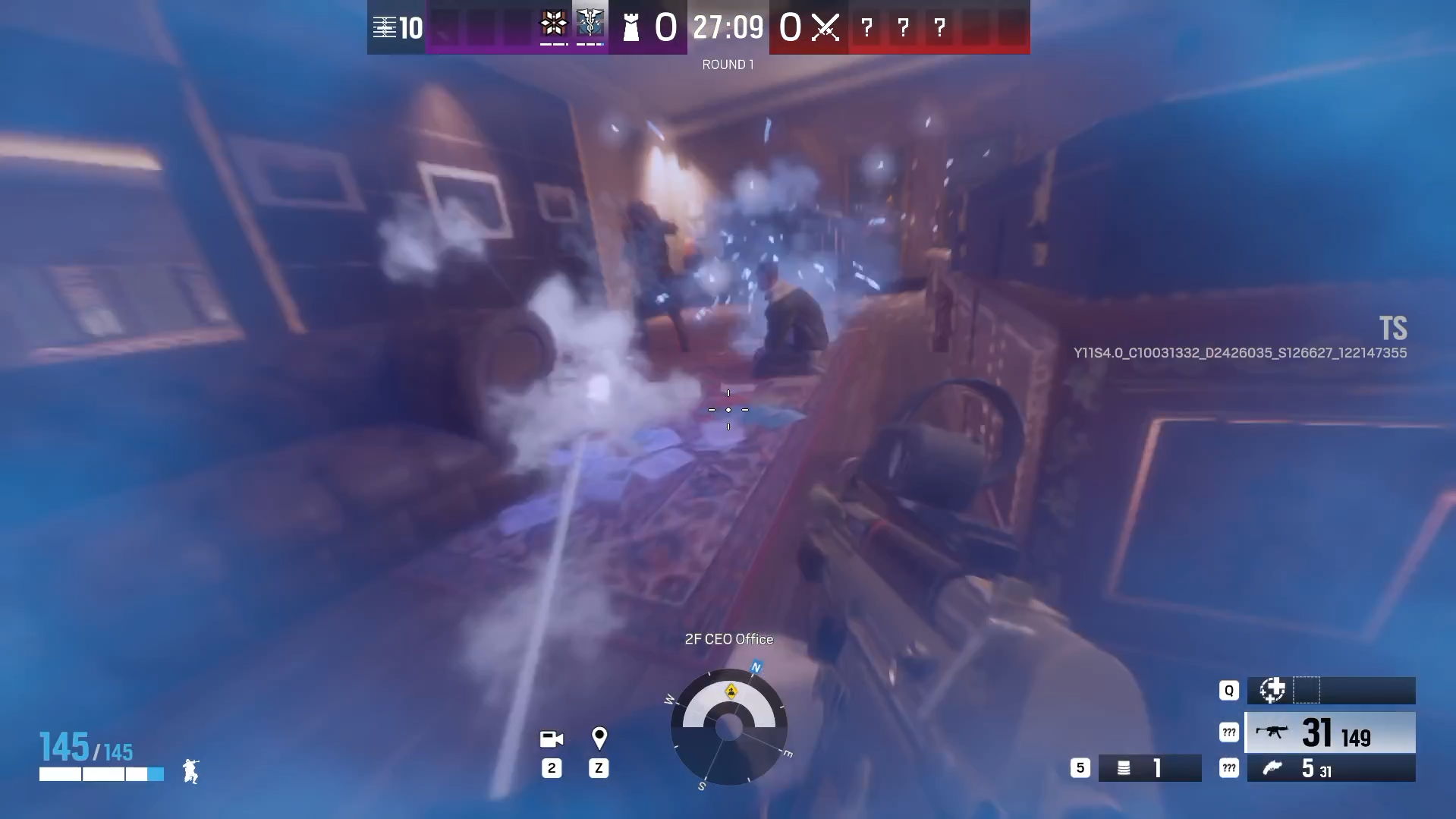
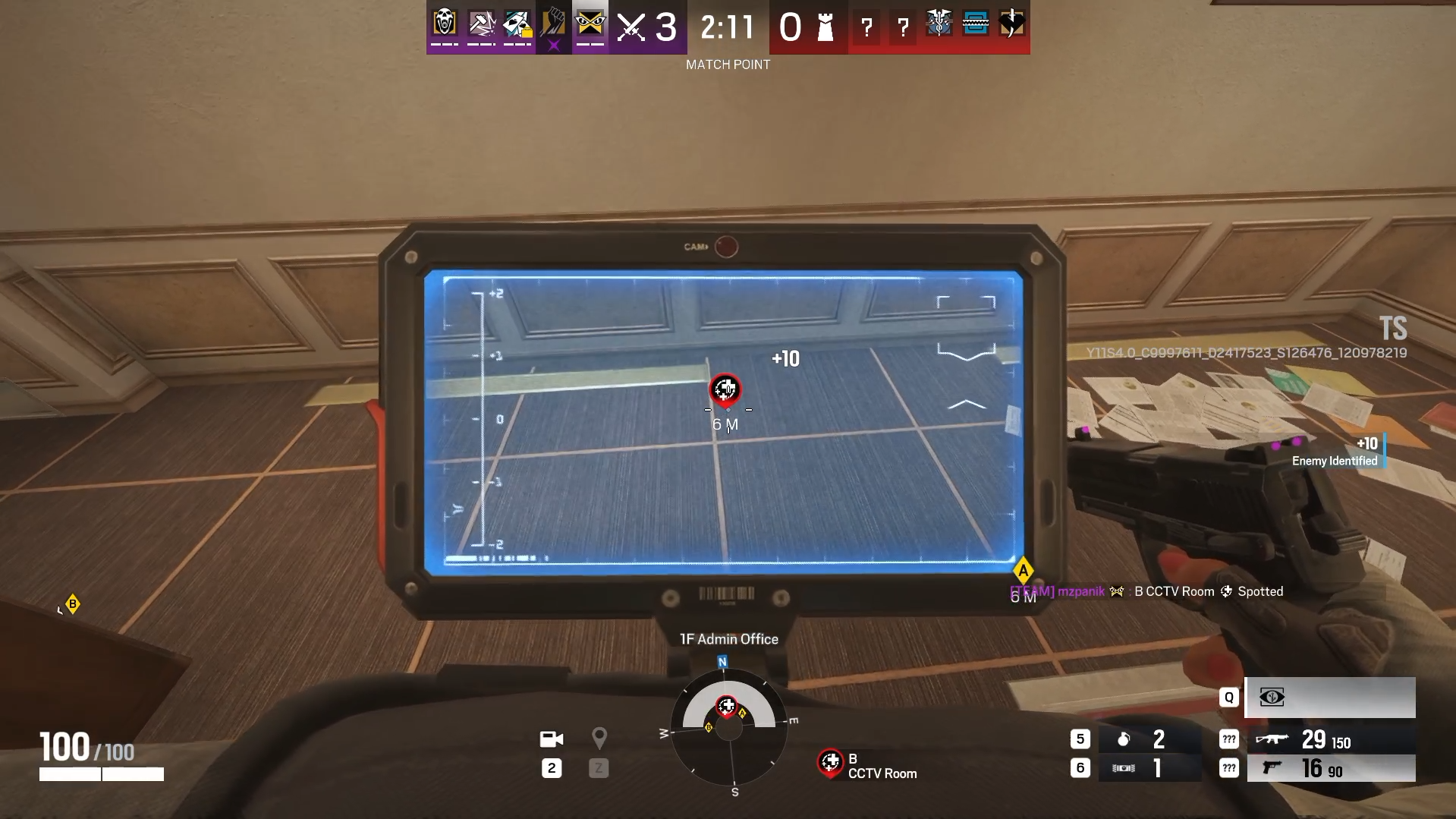
We’ll start with the star of the show, the rework of Doc, the final operator remaster coming to Rainbow Six Siege. Currently, Doc’s stim pistol is reliant on whether or not Doc can aim, whether or not the target is moving, and whether or not Doc or his teammates are instantly headshot. Tweaks have been made over time to try to keep him relevant and in the game, but his current gadget just hasn’t been as reliable in Siege’s current run-and-gun meta. His new E-Heal Monitor helps alleviate some of those pains, and aims to give Doc more freedom and that reliability that’s been sorely missed.
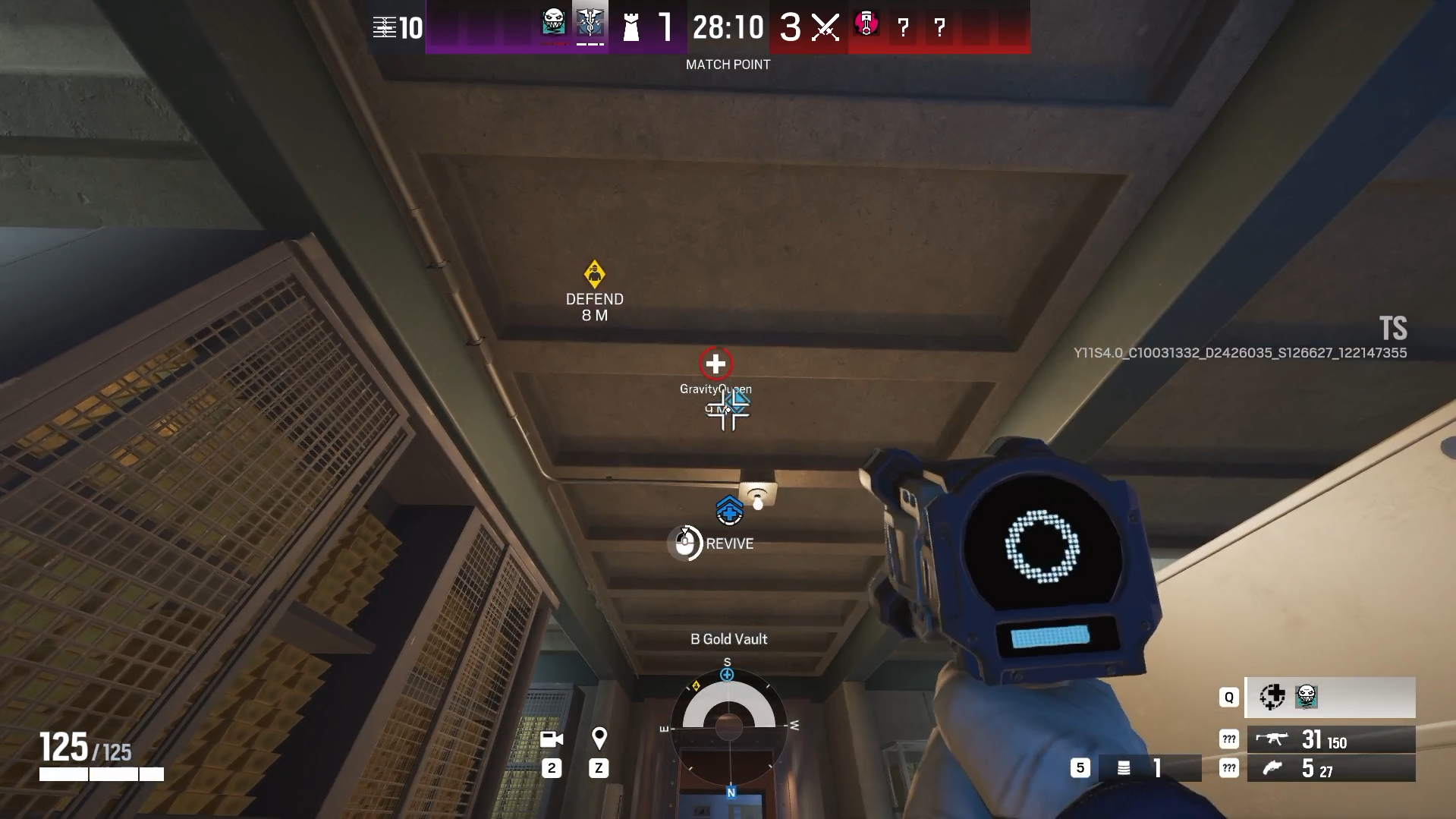
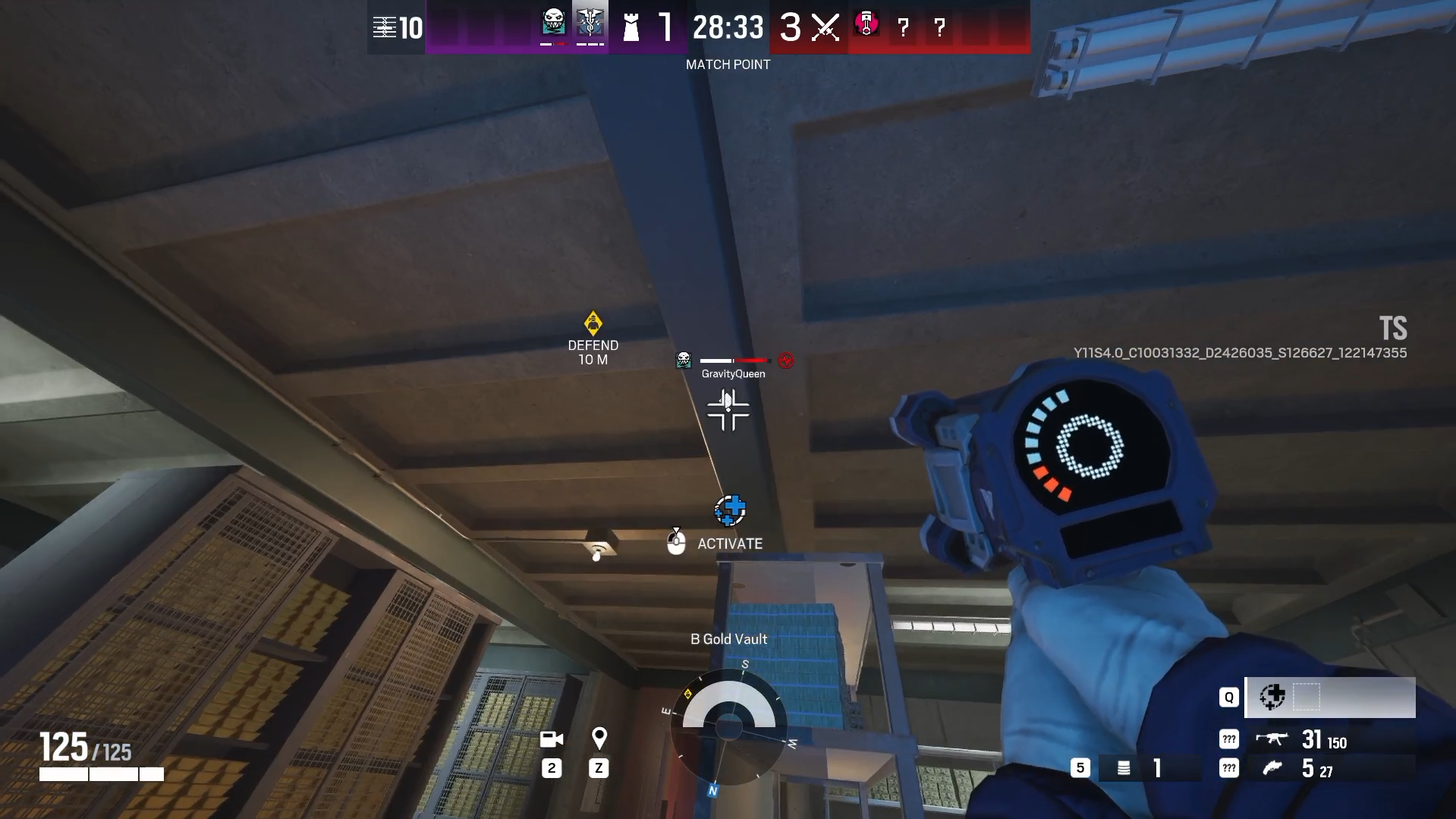
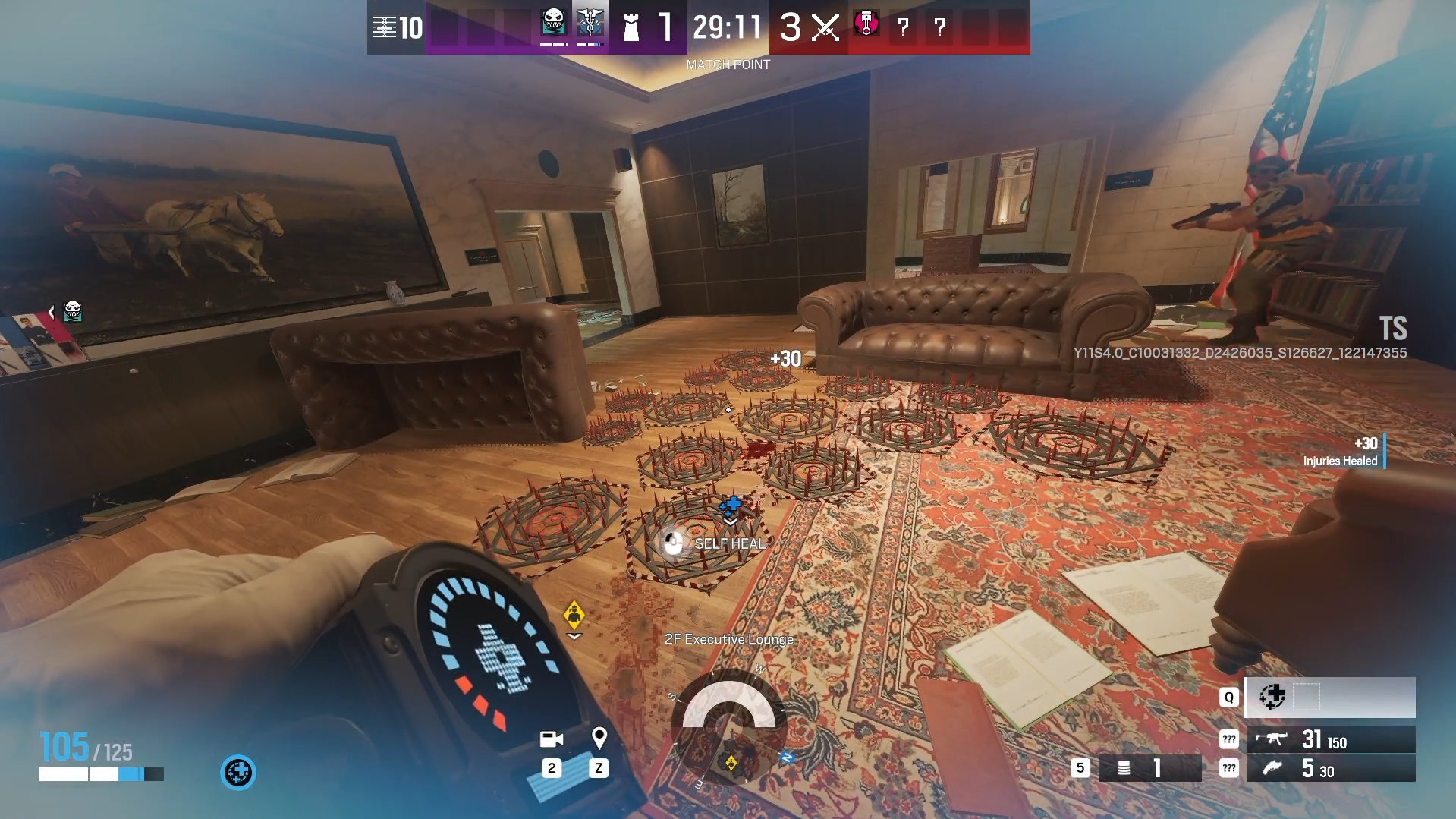
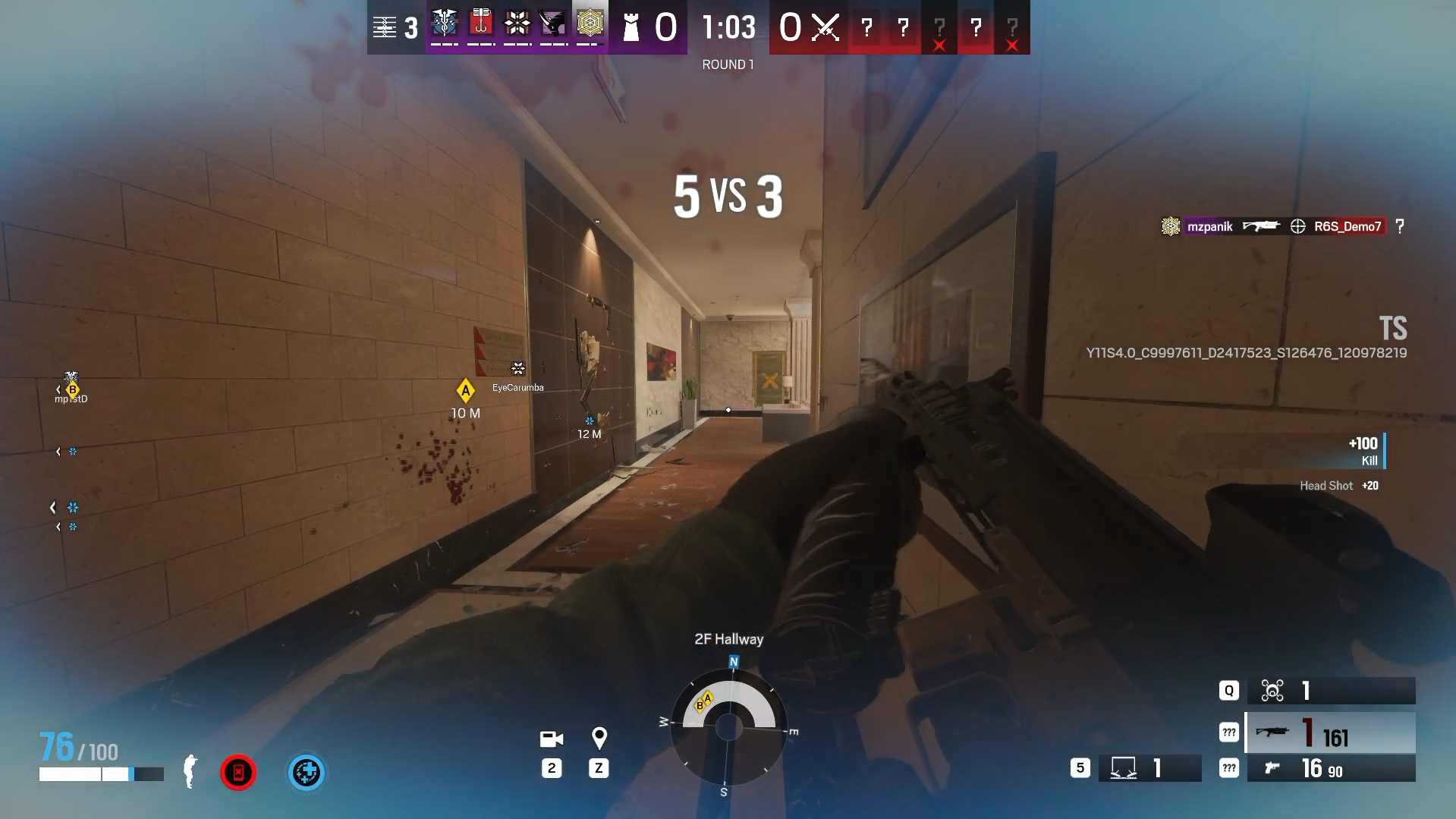
With the E-Heal Monitor in hand, Doc can see the health bars of all of his teammates displayed above their heads from anywhere on the map. If he sees a teammate’s health drop, he can target them and activate a stim patch that will regenerate their health and even revive them if they’re down. Much like with Thunderbird’s Kona stations, the health isn’t instantly boosted back to full. Instead, health increases over a few seconds. You no longer have to have a clear line of sight, no longer have to worry about a missed stim dart, and no longer need to be anchored to a specific area to best serve your team.
In testing, this has already proven to be tremendously helpful. It appears you can even ‘prefire’ the gadget onto a specific target so they start regaining health if they take damage, which is particularly handy for aggressive players who like to roam or run out on attackers. However attackers have a couple ways to counter this. Of course, finishing your kills prevents Doc from healing himself or his teammates. Second, the E-Heal Monitor is visible to both Thatcher’s E.G.S. Disruptor and IQ’s RED Mk III “Spectre” Electronics Detector, making Doc a hot target, especially if IQ finds him behind a soft surface. Lastly, there is a small sound queue when an operator’s health patch is activated, potentially giving away their position.
This isn’t the only way health on the defense is getting some attention, as Thunderbird is also getting a major buff. Firstly, she is getting a fourth Kona station, and the cooldown between uses is down from 15 seconds to 10 seconds. That’s not all. Kona Stations will now also cleanse players of stun and flash effects, and even grants 1.5 seconds of immunity to a second hit. A priority feature is also being added where a Kona station with target stunned/flashed teammates over downed teammates within its range. These changes will make Thunderbird a much stronger asset to the defense.
The fun on defense doesn’t stop there. A new weapon is being introduced that the most observant Siege-ists already predicted. The MBZ-19 has been plucked off the armory walls in the Clubhouse basement and is now in the hands of Thunderbird, Warden, and Jager. This new Bizon SMG features a 64-round magazine, which I will surely reload after shooting only 10 rounds. Like other SMGs, it excels at mid-range gunfights, but still gets the job done at longer range as well, with easy-to-control recoil and a decent amount of damage all around.
Additional balancing changes are coming next season in an attempt to alleviate some of the crutch headaches attackers have to face, including the known nerf to the TCSG12 (damage reduced from 75 to 50). We’re also seeing the ACS12 take a hit, with damage reduced from 69 to 45 and smaller magazine size, though an additional magazine is provided. This along with the changes to defender DMRs in previous updates will hopefully help push Siege back towards a more tactical, gadget-focused meta and away from the Call of Duty meta.
Half-wall reinforcements are something that have been on our radar for quite some time now, and we’re finally getting the chance to see what this could actually look like. In Season 4, players will be able to test this new gameplay element in Testing Grounds. Half-wall reinforcements will deploy on the lower half of a soft wall, destroying the top half of the wall at the end of its placement. This means they’re not just a tool for defenders to provide a covered anchor point, but also gives attackers a clear line-of-sight and rotate option as well. These will take the place of a secondary gadget (deployable shield, bulletproof camera, barbed wire, etc.), and each defender can only deploy one.
Of course, maps get a little attention in Season 4. Yacht, Favela, and Tower are getting the modernized map treatment, to be affixed with exploding gas pipes, fire extinguishers (that don’t actually extinguish fires), and updated textures and lighting. We are also seeing another tactical map update, this time for Bank. The balcony between Top Square and Stock (if you play Siege, you know where) has long been a pain point because it’s all-to-easy for attackers to get stuck in a crossfire between those two areas. To remedy this, a wall has been constructed that obstructs that view, giving attacks a small reprieve from getting shot in the back. Additionally, a staircase has been added for easier access to that balcony when coming from the Alley Access spawn point.
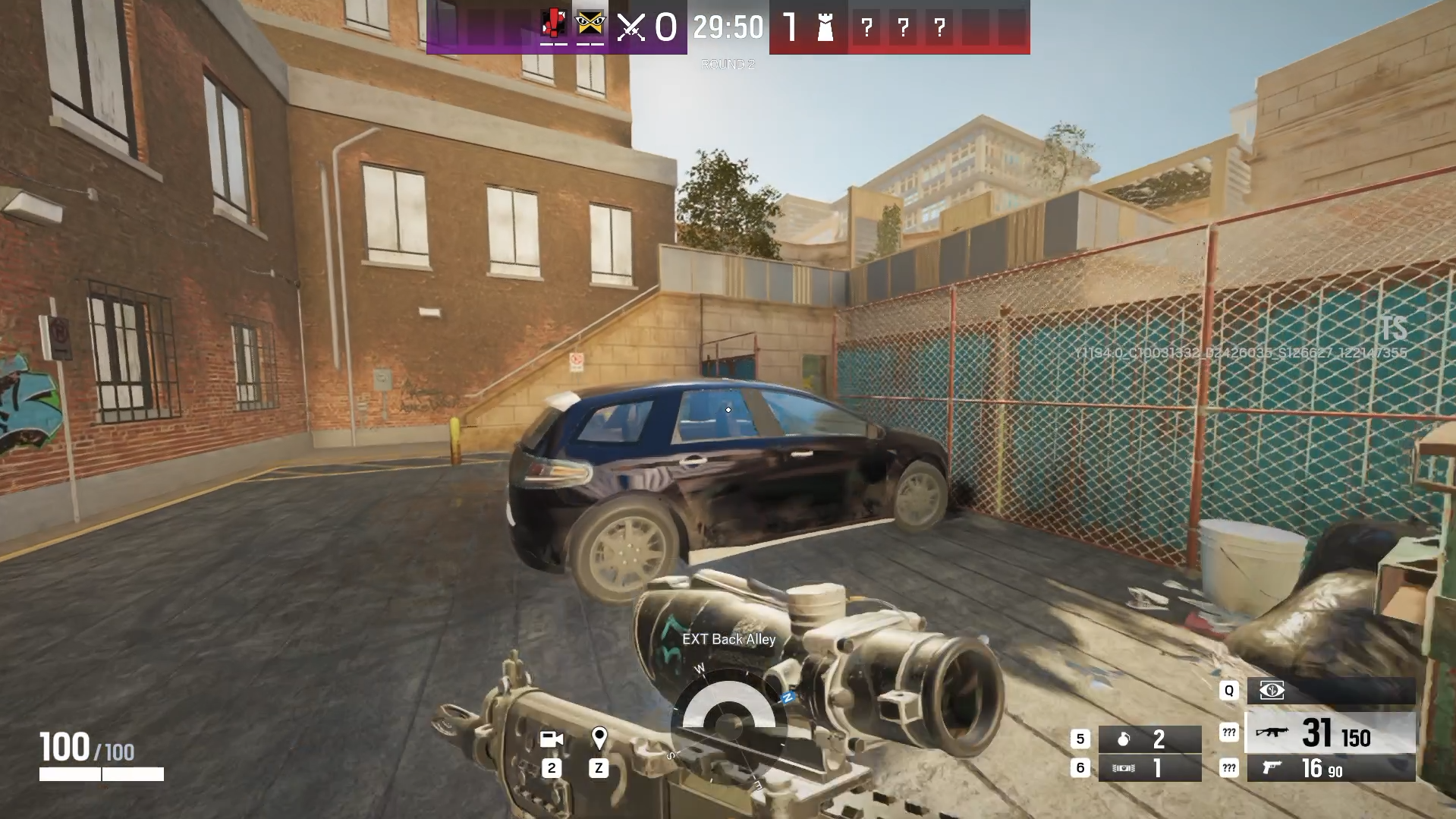
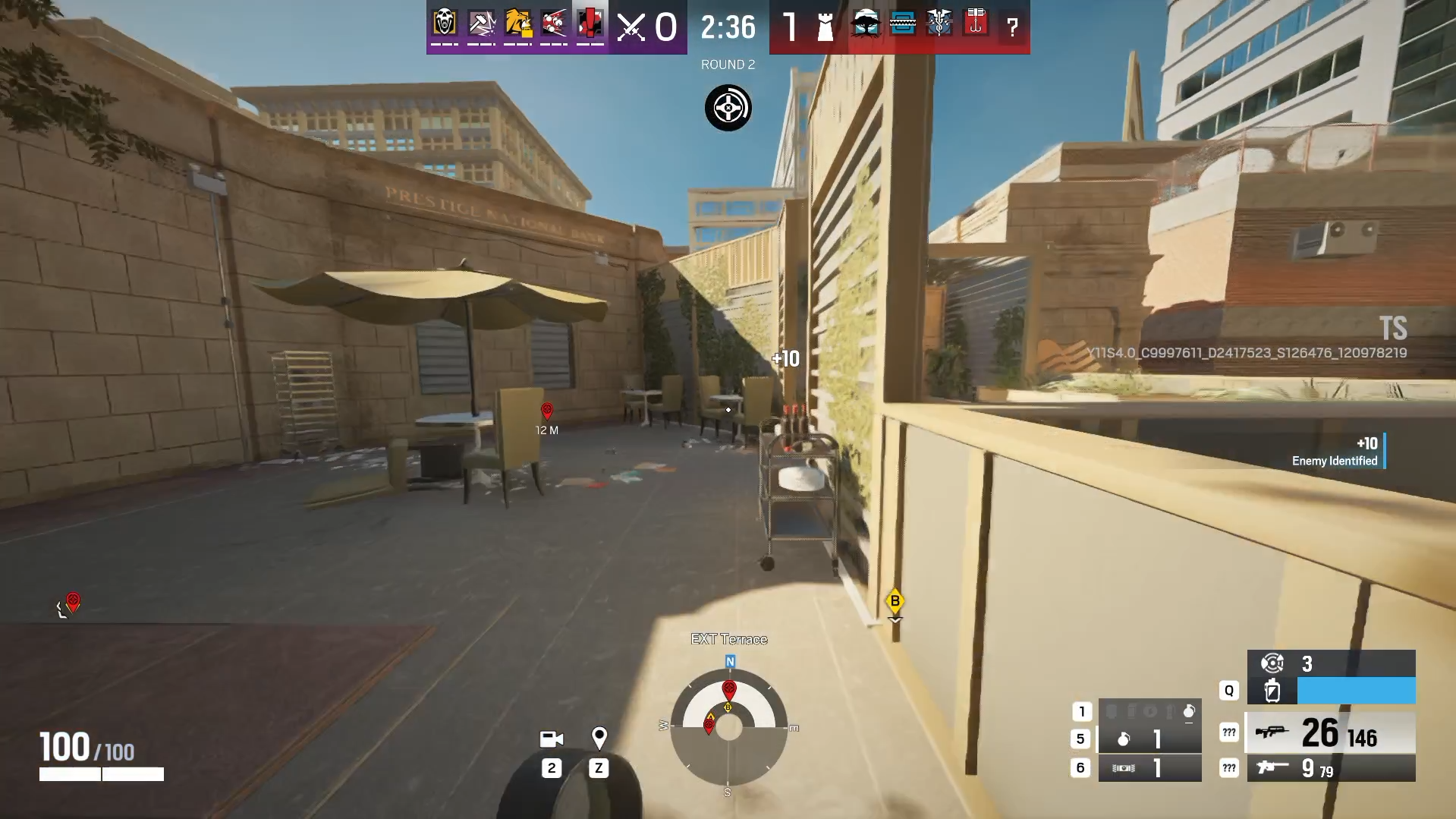
As a person who often plays Siege as a solo-queue, I’m excited for the changes coming to Ranked queue and matchmaking. Starting next season, there will be two Ranked queues, Solo/Duo and Flex. In Solo/Duo, you can run solo or queue with a friend and be placed into matches with other solo- or duo-queued players. The main argument in favor of this change is that no one who is queued solo in Ranked should ever have to face a 5-stack (or even a 4-stack, in my opinion).
On the flip side, the Flex queue is basically regular Ranked matchmaking, but with a small change – no more 4-stacks. That’s right, they are doing away with a team of four entering a match with a lone solo-queuer filling the squad who, more often than not, has to fend for themselves. The Flex queue will comprise teams of solo, duo, trio, and 5-stack players. Yes, solos can still queue into Flex. Matchmaking will still try to prioritize solo, duo, and trio team compositions where solos are concerned, and pull duos from Solo/Duo if needed to fill teams.
Players will earn a separate rank in each queue, however if a duo is pulled from Solo/Duo to a Flex match to fill a Flex team, their rank progression will still be applied to the Solo/Duo rank. A player’s rank in each playlist will be soft reset at the beginning of the season based on their Ranked performance this season, and then they will progress from there. The changes to Ranked queues should result in fairer matchmaking and more balanced teams. Of course, only time will tell if these changes will have a truly positive impact, potentially bringing more players to Ranked, and improving the overall Ranked experience for many.
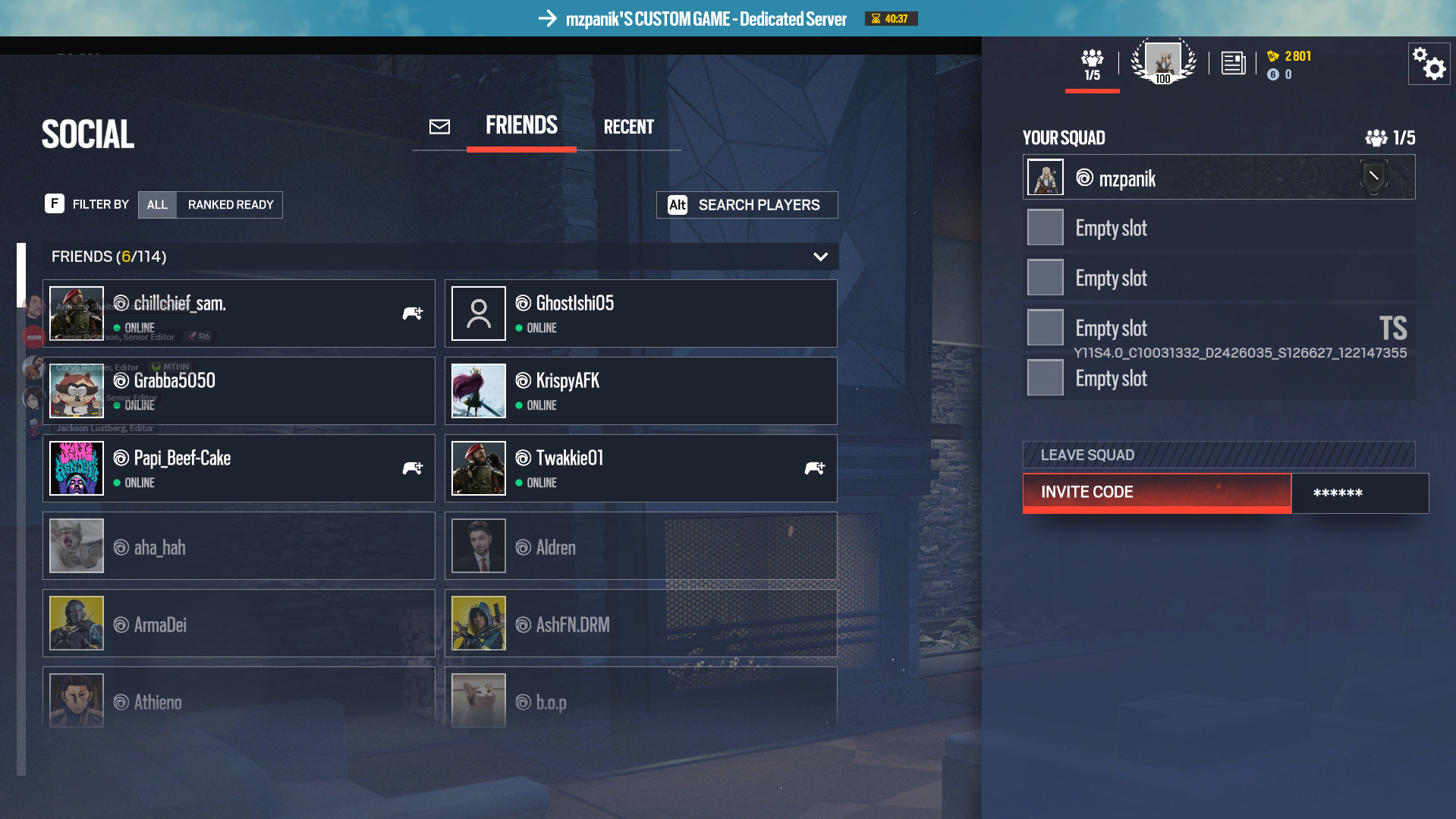
A long-awaited social feature is finally coming to Siege, the Social Hub. Players will now be able to see their friends list, including availability statuses, inside the game. Up until this change, we’ve had to use the Ubisoft Connect in-game menu, which is often unreliable. We’ll be able to see friends from all platforms and launchers, including Steam. Additionally, Invite by Code is also being added for easier lobby fills, especially when doing custom matches where more than 5 people will be playing. A code can be generated and then shared with other players who will then be connected to the lobby, and then you can send a friend request after. No more having to doom scroll the friends list or worry about typos when searching for people. For content creators, the code is able to be hidden as well to prevent random people from joining.
There are a handful of other small updates coming to the game in Season 4, including the return of the Grand Larceny event, which we haven’t seen since Year 5. It’ll take place on a modified version of the old Hereford base map with fully destructible floors (including the joists) and close-range, 5-v-5, shotgun-only gameplay. On day one of the new season, Winter Daily Rewards will start where players can claim up to 20 gifts between December 1 and January 15, with no consecutive login requirements. Five Celebration Packs are included in that pile, with the small chance to give players Gold Dust and Glacier, two weapon skins that haven’t been available in a very long time. Lastly, multi-pack openings are being added, so you’ll be able to open up to 10 packs at a time.
We’ll have more coming to you for Rainbow Six Siege and R6 Esports, so stay tuned!