Henry’s thoughts on PS5:
I had very high hopes for The Blood of Dawnwalker when I previewed it back in June of this year. It’s been a long while since any of us gamers got a good vampire game, and the fact that Witcher 3 alums were working on this title? Say less. However, after reviewing the full build on PS5, I’m quite disappointed to say the least. I’m past the point of no return, so I’m nearing the end, but I don’t think I’ll be finishing up the game. Why, you might ask? The game’s design is fundamentally flawed to the point where it’s an absolute chore to put even an extra minute into the ending portions of the campaign. Take a look at my hands-on preview if you need a refresher on the game and all that jazz.
 Henry Viola
While the game truly is a “narrative sandbox”, where you can take on a variety of side quests involving different villagers, it still can’t escape the typical open-world design of checklist tasks to do on a map scattered with a buffet of icons. Some activities can only be done during the day while others can only be done at night, which actually forces you to either tick the clock forward or find something else to do.
A big part of the narrative revolves around investigations where you turn on your X-Ray vision mode to inspect footprints or artifacts. Though it sets the scene, it’s nothing more than sequential button presses to give more context. There’s also an endless number of books and manuscripts you can pick up for more lore on Vale Sangora. I’m glad the option is there, but I wish there were more depth.
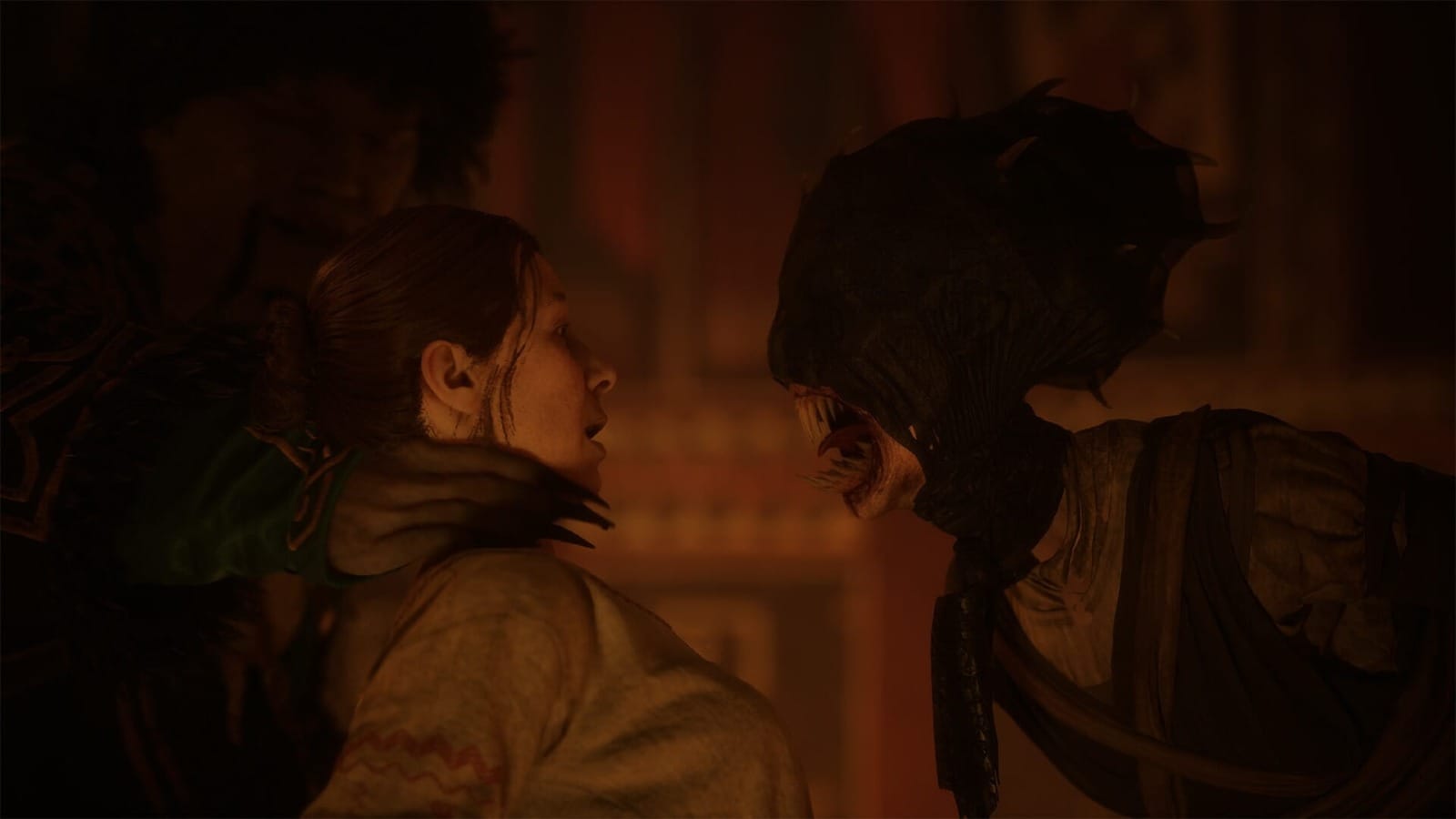
What I do like is the juxtaposition between Coen staying true to being a human or giving in to the corruption of a vampire. Every time he sucks the blood out of pretty much anything, his corruption level goes up, which allows him to gain some cool new vampire abilities, but also causes him to see more spooky visions and lose control of himself. This is seen explicitly in dialogue options where there is a “give in to bloodthirst” option that sometimes triggers against your will. This can happen to major NPCs, so be warned!
One of my biggest disappointments is the lack of a stable 60 fps mode on consoles. Yes, the developers have announced that a dedicated Performance Mode will come out via a Day One Patch, but I wasn’t able to play the game with that or test it out. Is it a smooth 60 fps or a choppy one? The visual quality on Balanced Mode with 40 fps already looks soft and muddy, with noticeable pop in, texture clipping, and uncanny facial expressions, so I have my reservations about the actual finished product.
It’s pretty clear that Rebel Wolves did not spend enough time optimizing their game on the PlayStation 5. There are absolutely zero DualSense features utilized other than standard rumbling and health color indication via the light bars. Buttons on the controller are unresponsive in the in-game UI at times, and sometimes selling items at a store randomly stops working since the game won’t read your button inputs. You need to quit the store and re-engage in dialogue.
The overall user experience of the game is just subpar as well, such as the game failing to teach you how to switch your sword back to claws and vice versa when you are a vampire at night. It’s the Square button, by the way; you’re welcome, because nowhere in the game will it tell you that. Since it’s an open-world game, you can technically travel anywhere you want in the world, but the game doesn’t show enemy levels. So you can go to an area with a wolf that can 1-shot you, but have an area 30 seconds away that you yourself can 1-shot. The one saving grace is that they finally added a sort function in your inventory, which is something I complained about in my preview.
Even though I said I was impressed by the design philosophy of combat in my preview, I couldn’t help but get tired of it after a couple hours. All you have to do is directionally block and simply just spam attacks and skills until your enemies are dead. It’s all very one note and vanilla, and also feeds into the poorly designed user experience. First off, you practically cannot get out of combat once you are in it since the camera will always pan towards an enemy, forcing you to be in a “combat stance.” Sometimes you are also locked into a combat arena with invisible walls, and it’s extremely clunky to switch targets mid combat.
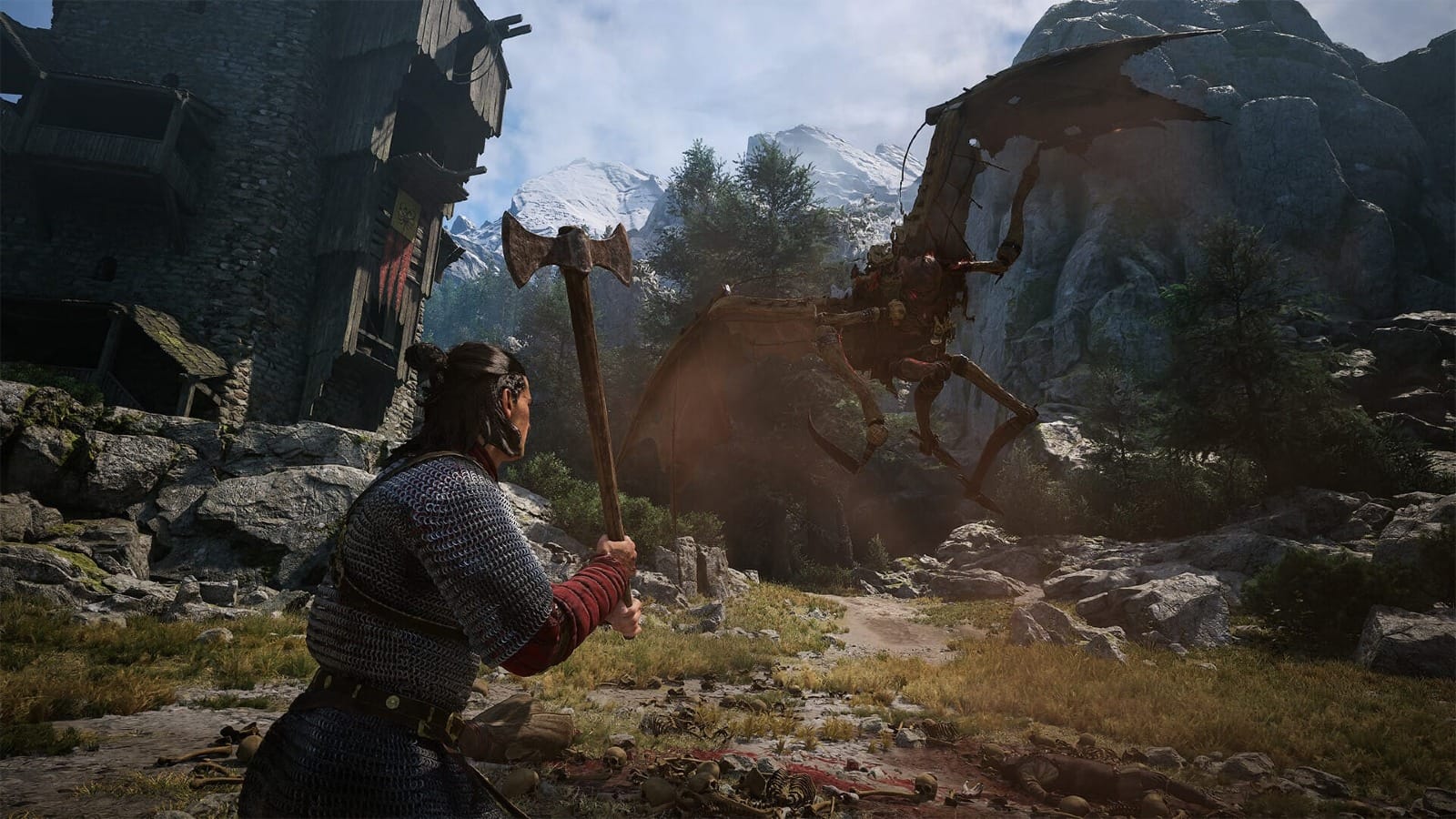
There is also a disappointing number of enemy types in the game. Humans, boars, wolves, bears, specters, and goblins. Aside from the major narrative bosses, that’s quite literally it. They have the same movesets that you’ve seen countless of times already, to the point where it feels like a chore.
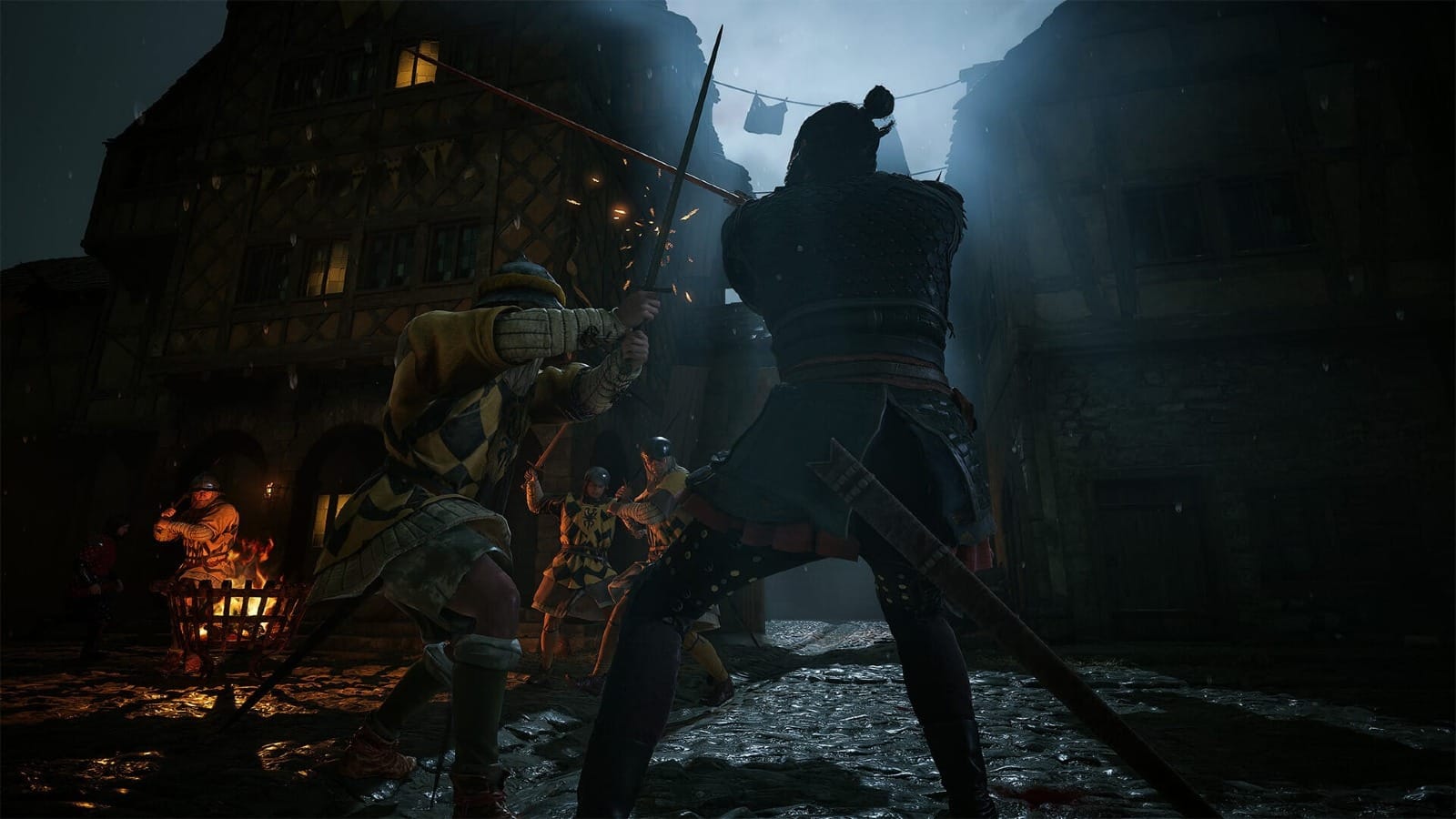
This brings me to my other biggest disappointment: the design of the last portions of the game. It’s essentially back-to-back combat encounters with the same enemy types you’ve faced a million times by now. Over and over and over. The citizens and soldiers you recruit on your crusade are essentially useless, as they tickle the enemies in fights. I even dropped the difficulty to Story to speed things up, but not only are there sometimes tens of enemies that are spongy beyond belief, but the game will also intentionally make you repeat the same sections over and over again. Why? Because narratively, the game is tricking you into escaping a mind prison, and messing up results in you wasting hours of your time doing the same button mash fights again and again. Combine this with how depthless combat is, and you will never want to spend another minute on this game again. It just isn’t fun.
Though this game is playable from front to end without any game-breaking bugs, from what I’ve experienced, there are just too many minor ones to ignore. Bodies randomly disappear after completing an open world activity or if the day-night cycle changes, meaning you can’t loot them. At night, if a town is filled with vampire dogs, and time passes, the dogs suddenly vanish and all of a sudden villagers are back. It’s not immersive or seamless at all. It’s so non immersive that I can drink the blood and kill everyone around an important NPC, and they will act like nothing happened at all!
The most egregious bug of all was when my entire screen filled with a bright orange tint, basically blinding me from seeing anything. I actually defeated a boss in this state, which ended up being quite hilarious. Thankfully it recovered after rebooting the game.
The Blood of Dawnwalker comes in at 51.38 GB on the PS5, and it takes around 10 seconds to load in from the main menu. There are four difficulty options to choose from: Story, Fair, Challenging, and Duelist, that can be changed at any time. You also customize the difficulty for enemy health and damage, along with enemy attack speed to fit your own preferred style. Given how boring combat gets, I personally recommend sticking to Story, as the harder difficulties simply make them more spongy or give you less stamina.
There was a meaty 14.783 GB patch on August 25th, which I hoped was the Performance Mode update, but sadly it wasn’t, and I noticed nothing new. In fact, my game crashed twice after installing this patch! A lot of my complaints can be fixed with patches, but a lot of them also can’t since they have to do with the game’s fundamental design.
I know there is a charming game underneath all of this, because I see the ambition from Rebel Wolves. But I cannot recommend the game as it is right now, on console at least. Ron had a drastically different experience on PC, a slightly more positive one at that, so take a look at his thoughts below.
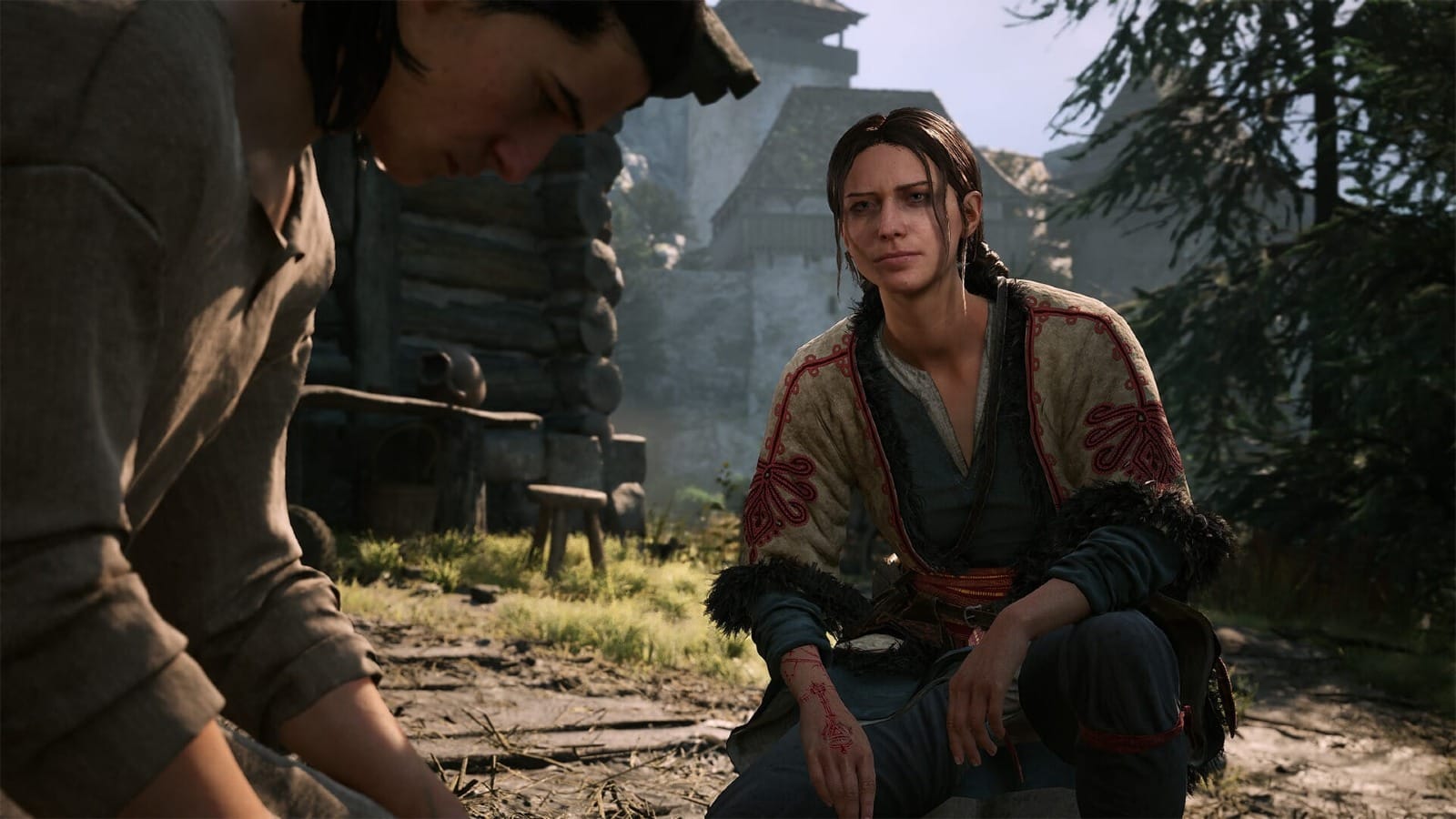
Ron’s thoughts on PC:
Arguably the biggest allure of Dawnwalker is its attachment to time. You have just 30 days to execute your mission, but just about anything and everything will take time to complete. Training? You’ll need to spend a few hours. Got arrested for attacking a villager? That’s a full day and night. Investigate where some nearby will-o-wisps are trying to take you? Another segment. What’s worse is it’s a little like gambling. You say “Sure, I’ll do this quick thing”, expecting that it’ll only take a single segment of time, when suddenly four more things happen and you’re left with choices. Do you continue to while away at this activity in hopes of some greater reward, or do you abandon it to sunk cost fallacy knowing that this time spent means not having time to spend later? The vampire Brencis might be the vicious killer awaiting you at the end, but your biggest foe will always be the clock.
In the beginning of Dawnwalker, you aren’t really feeling the weight of the clock. 30 days feels like an eternity, at first, and many of your choices don’t seem to matter much in the grand scheme of things. If you botch some choices and the person ends up dying anyway, getting it right or wrong becomes inconsequential. As you progress, however, the weight of the number of quests you have starts to become consequential. Doing something for the local butcher means you might show up too late to stop something that happens at the local almshouse. Characters you might otherwise meet might be dead and drug off like so much cattle by the time you arrive. It’s easy to judge these early moments and think the game lacks punch for all of its shades of gray, but soon it’s all gray and you haven’t the time to color it all in by half. This pressure encourages you to be more mindful of how you spend such a precious resource.
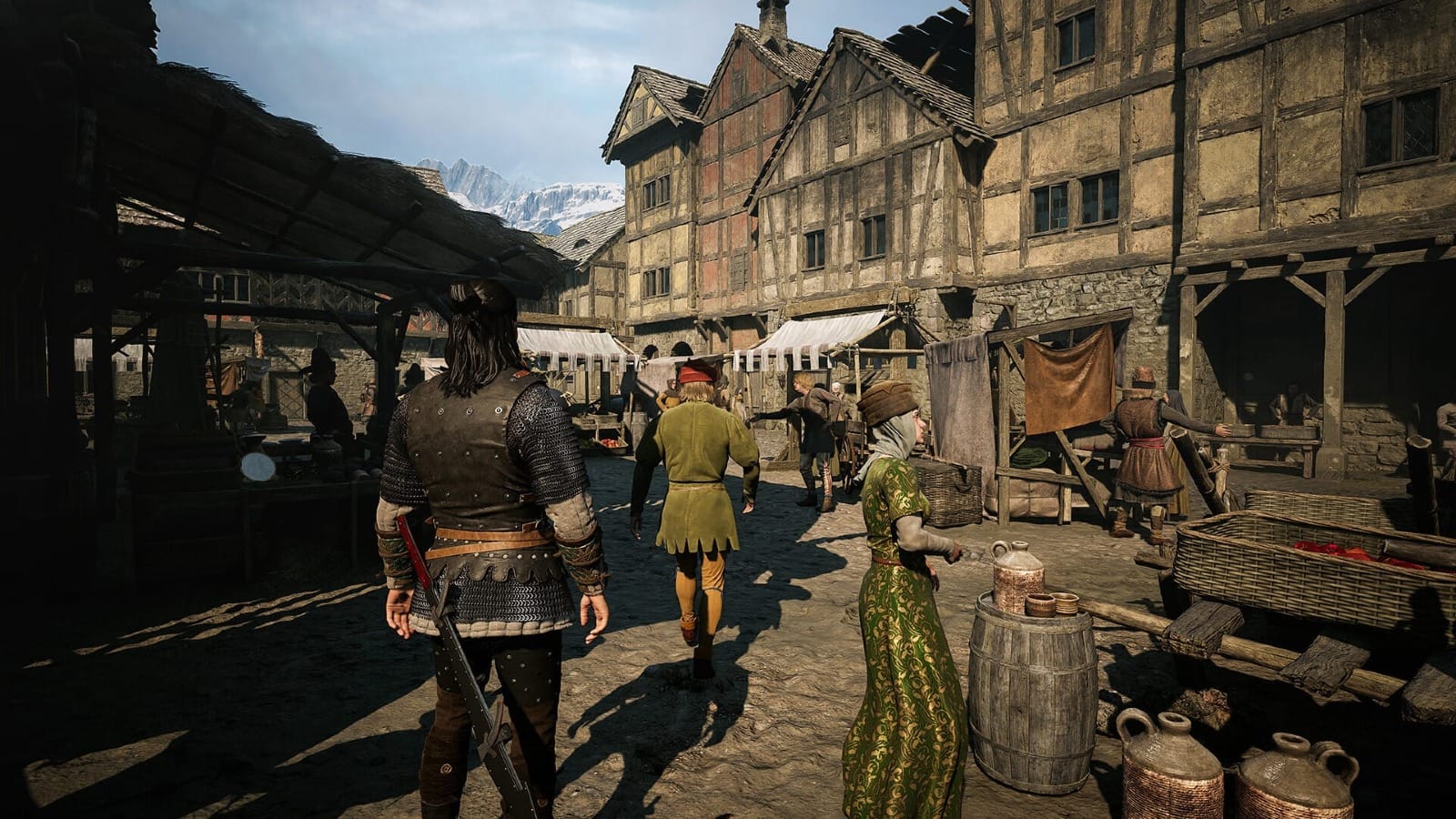
I personally find the 30 day timer refreshing. It applies pressure that builds gradually, and it encourages you to try the game over again and make entirely different choices. Since the 30 day mark is not a hard fail state, instead integrating the consequences into your story, you can continue past that mark, which is also a choice, of sorts. Ultimately, this is likely going to be an incredibly divisive feature, as some RPG purists who want to do every quest and pick every flower might not enjoy it, whereas people who have gotten tired of being told “the world is ending” only to allow you to roam the countryside for a decade playing cards and solving every peasant’s pressing issue might find this new approach refreshing.
When Coen swings a sword, you’re going to immediately recognize some familiar sword movements - master swordsman Maciej Kwiatkowski from the stunt group Stunt Forces once again returns, providing motion capture for the steel-on-steel fighting in the game. He also provided the capture for Geralt in The Witcher III: Wild Hunt, giving Coen a familiar feel. That’s where the comparisons end.
Combat in The Blood of Dawnwalker has far more in common with games like For Honor than they do with The Witcher III. Enemies will attack, and Coen has to use a direction push and a button press to block it effectively. Doing so will not cost you stamina, allowing you to fight longer and harder. Missing timing means you’ll expend a small amount of stamina instead. Doing it perfectly will stagger most foes, opening them for a counter. When it works well, you feel like an unstoppable badass, and you settle into a flow state. When it doesn’t, you feel like you’re made of paper, giving you another view of the loading screen.
If you don’t want to use the directional blocking system, or you have too much to concentrate on to watch for directional attacks, you can also simply hold the left bumper to employ an Omniblock. Omniblock automatically selects the correct angle for deflection, but it does cost you a little bit of stamina, even when properly timed. It’s a tradeoff that doesn’t result in the player just holding the bumper to wait for opportunities.
Enemies are, for the most part, fairly intelligent in Dawnwalker. They attack in waves, or single file, or all at once, and everything in between. They circle Coen and wait for opportunities, and they press the attack when it makes sense. If Coen employs the same attack over and over, they begin to adapt, and will likely have some voiceover to tell you all about how much of an idiot you are for “trying that shite again”.
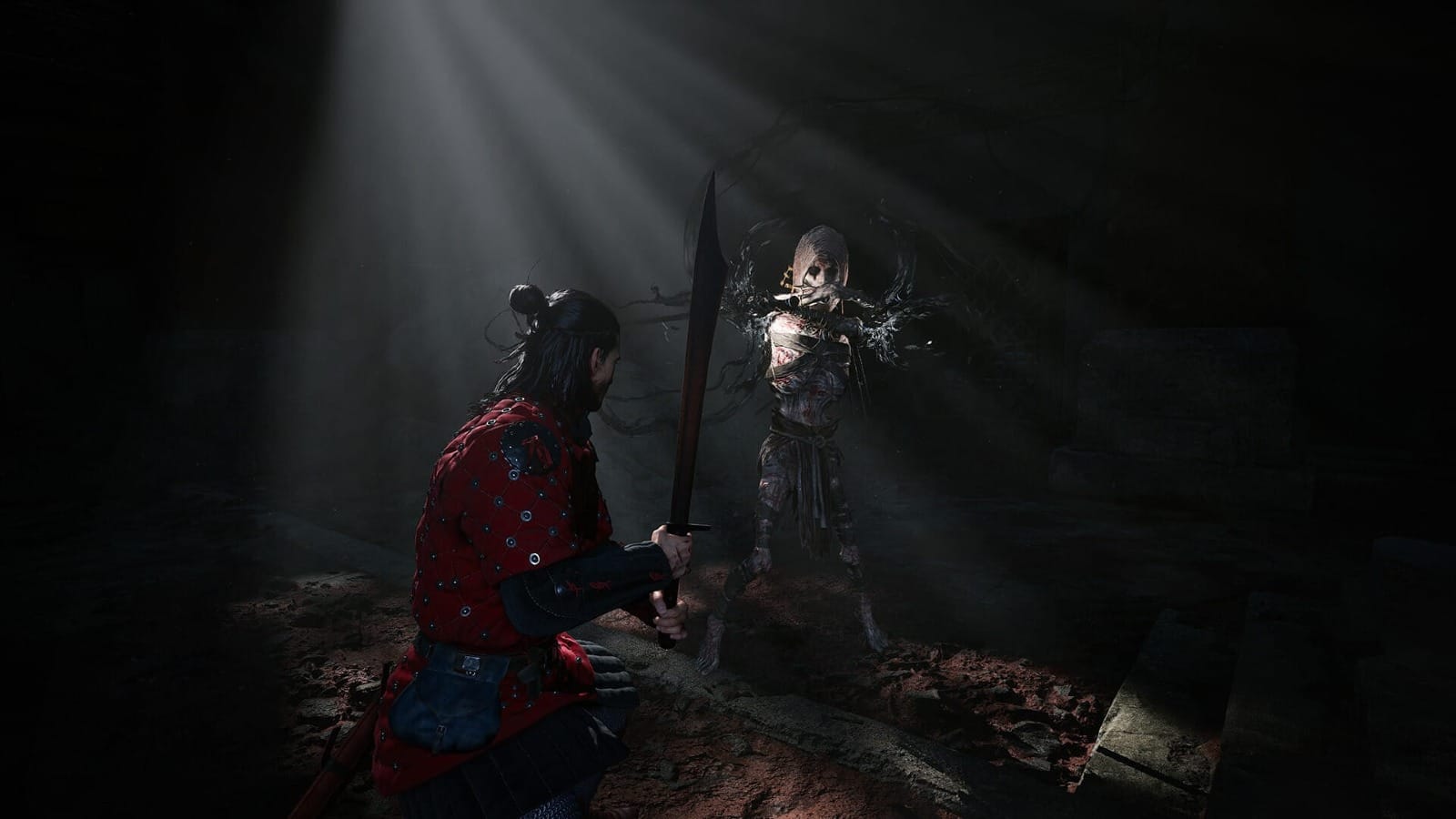
Unfortunately, where the wheels fall off a bit isn’t the combat, but the camera. During combat, the camera seems to have a mind of its own. You can lock onto a target, but the word “lock” is doing a lot of heavy lifting, as Coen will frequently switch targets. Does he attack the target that’s nearest him? Nope, the guy in the back 30 feet away suddenly has all of his attention. Do you block the incoming sword thrust? Apparently the guy who isn’t even attacking is more important. It’s frustrating where it doesn’t need to be, and it’s something developer Rebel Wolves needs to work on shoring up, as combat is a central pillar for Dawnwalker.
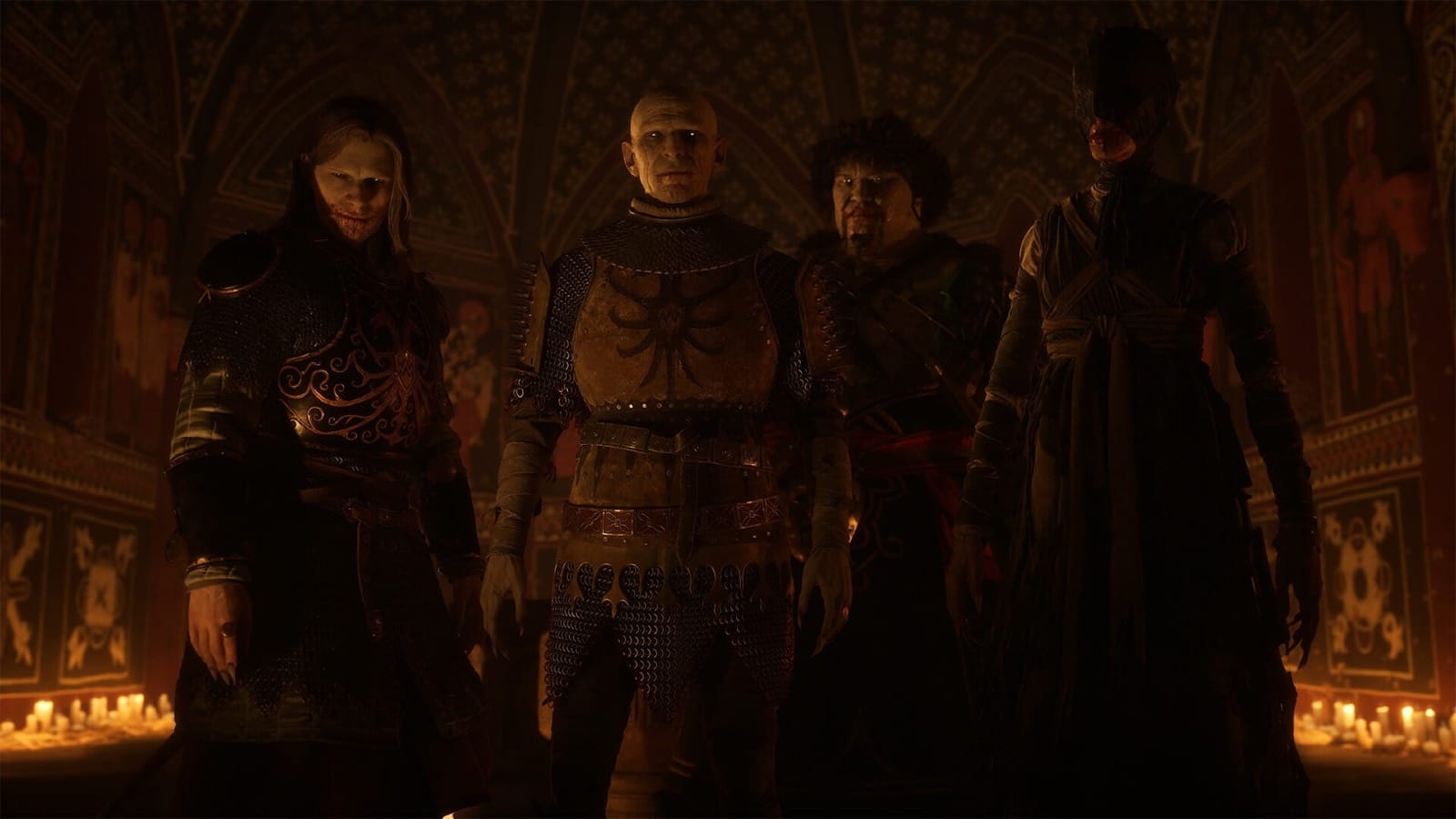
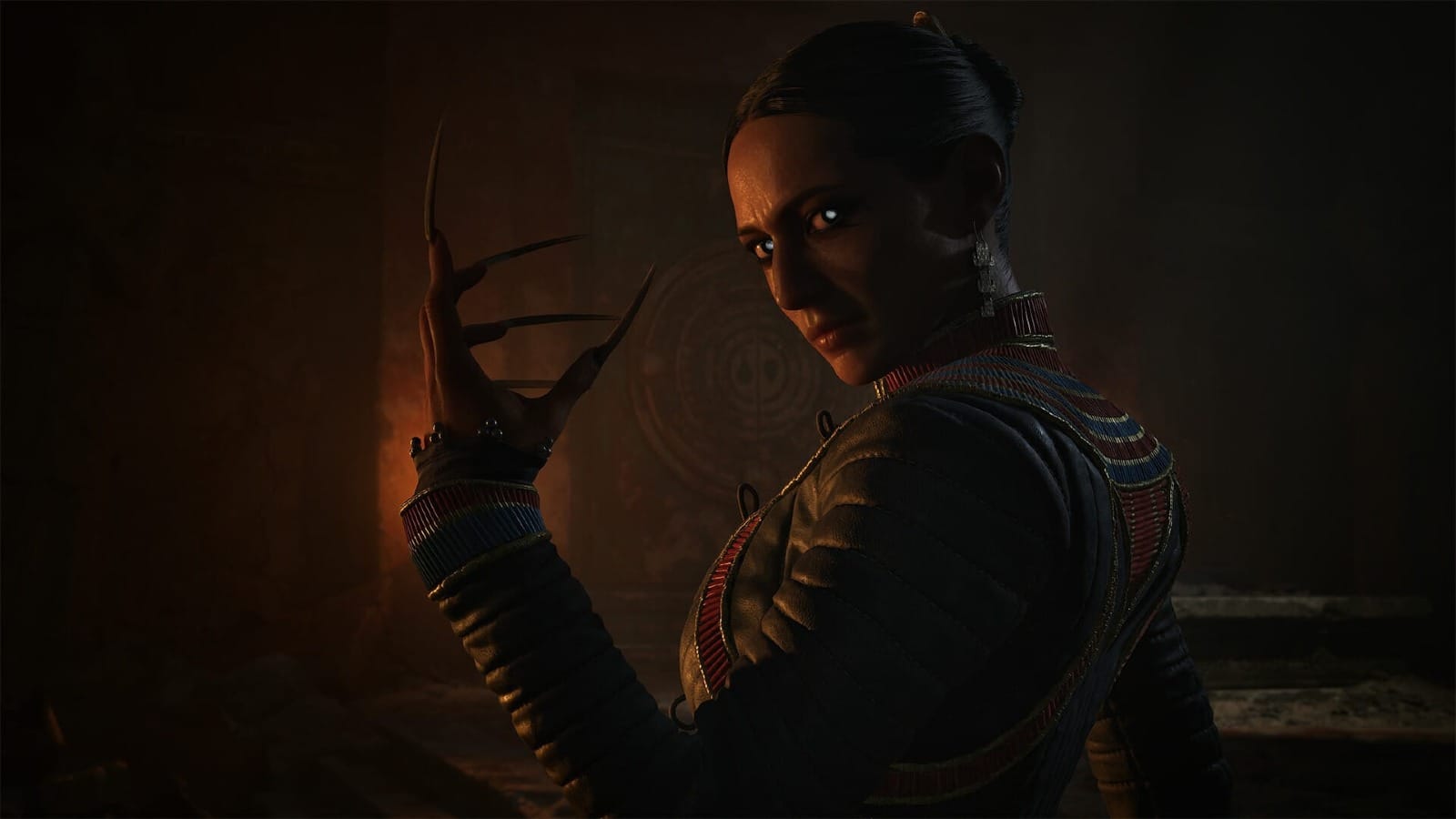
Just about every RPG has the same problem with their protagonists – they wait for you to arrive, doing nothing but twiddling their thumbs while you grow stronger. Brencis, on the other hand, is not some cartoon villain, and neither are his lieutenants. While the Kynaz of Vale Sangora is more than capable of turning you into sashimi on his own, so are his trio of shock troops, Ambrus, Xanthe, and Bakir. These three vampires are more than capable in their own right, but they too have underlings that you’ll likely want to dispatch on your way to the man at the top. Bakir has five followers, Ambrus has six, and Xanthe has seven. Killing any one of them makes Brencis and his followers more aware of Coen. It’s not unlike the Cult of Kosmos in Assassin’s Creed Odyssey. Over the course of nine levels, Coen’s legend grows as well, rising from “insignificant” to “notorious” and finally “dreaded”.
You are free to seek them out, if you know where they are, and try to dispatch them directly, but there are side quests for each vrakhir that unlocks at a specified Infamy level, guiding you towards them and granting you a chance to learn more about them, and ultimately what you might do to take them apart. It’s not all downside with Infamy, though - your primary job is to try to find allies, and the best way to do that is to make yourself known. Destroying the creatures that have had a boot on their neck tends to ingratiate people, and with enough such demonstrations, they might support you. When you start the game, much like the choices, these moments are few and far between – nobody knows you. As your legend grows, they start to recognize that you're the guy who is systematically dismantling the vhrakir, and they might be able to support that in some small way. This “memory” extends past support for your mission, however - it also ties to romance.
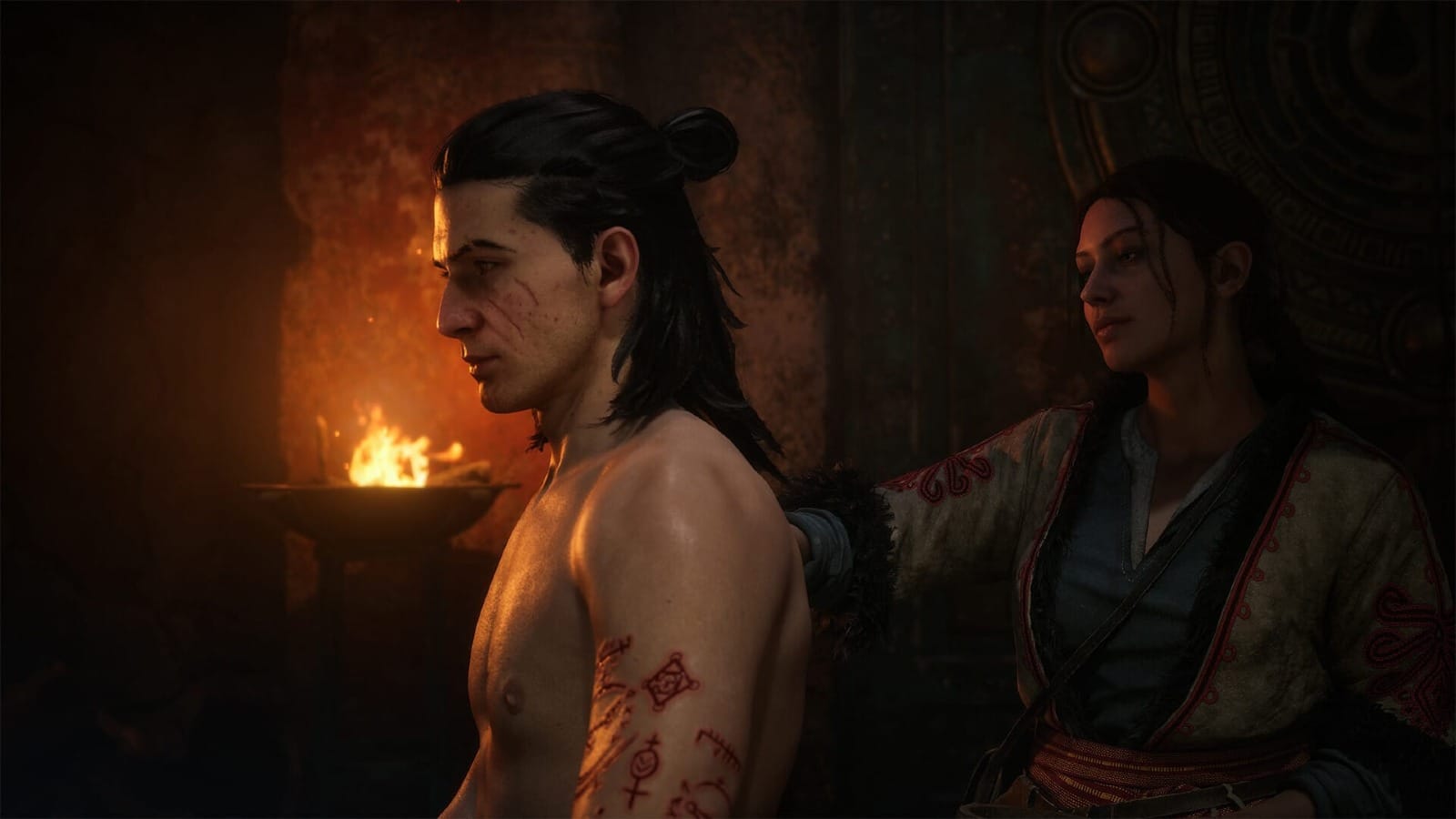
While you have only 30 days to save your family, that doesn’t mean you don’t have time to build close relationships. How you treat folks, how you treat folks around those folks, and what you’re doing to save the valley get noticed. Being close with others who are suffering under the yoke of the vhakir creates chances to steal a moment away from the brutality. I’ll leave these for you to discover, but there are opportunities for those with a kind heart.
As Henry mentioned, the experience on PC seems to be markedly different from what we’re seeing on PlayStation 5. I’ve not experienced any of the slowdown issues, but that’s largely due to vastly more powerful hardware. I also am not experiencing any of the crash issues or pop-in that we see on consoles, either. Lack of optimization on consoles is far from a new problem, but it’s becoming clear that we’re seeing more instances of the ninth generation of consoles falling behind the curve of more modern engines like Unreal Engine 5, Unity 6, Godot, and CryEngine’s most recent iterations. More time would have served this title, but with the very real fear of releasing anywhere near Grand Theft Auto VI, nobody is taking that risk.
Final thoughts after the 60 fps patch on August 31st:
After testing out the Day One patch, I'm glad to say it holds up pretty well. Playing the game at 60 fps makes a night and day difference compared to 30 fps. Of course, the majority of the playthrough I did on Balanced and Quality, so I can't speak on how the Performance Mode holds up from beginning to end. Visuals still look a bit soft, but not any more than it was on Balanced. Bugs such as texture clipping and getting stuck in terrain remains unchanged.
The Blood of Dawnwalker
Alright
The Blood of Dawnwalker is a diamond in the rough. On PS5, the game is a hard sell, even with the 60 fps Day One patch. There's real ambition here from Rebel Wolves, but the the game needed more time for technical polish along with some major overhauls to the repetitive combat. Still, there's a compelling story to be told here.
Pros
- Human/vampire corruption system
- Infamy system unlocks quests and allies
- Narrative sandbox
Cons
- Buggy, unpolished console build
- Repetitive, tedious combat
- Lack of enemy variety
- Endgame repeats the same fights
- Open world checklist
This review is based on an early PS5 copy provided by the publisher. The Blood of Dawnwalker comes out on September 3, 2026.