There’s something almost rebellious about a brand-new studio, on its very first game, telling players they can skip the main quest, kill whoever they want, and still see the credits roll. That’s Rebel Wolves’ pitch for The Blood of Dawnwalker and, playing the game myself, I think they might actually pull it off. Built by a team of roughly 170 people, consisting of several Witcher 3 alumni, this dark-fantasy vampire RPG comes out in less than two months.
The narrative setup puts a clever twist on a familiar template. It's the 14th century and a family of ancient vampires has used the chaos of the Black Death to seize a Carpathian valley known as Vale Sangora. You play as Coen, a former miner whose exposure to silver dust has given him argyria, a real medical condition that turns his skin blue-ish grey. This detail becomes the hook for his soon-to-be-discovered half-vampire status. The silver in his blood makes it foul to other vampires, and since he is half-human as well the title of the game makes perfect sense. Human by day, vampire by night; he is the Dawnwalker.
What's refreshing is that there are no side quests or main quests in the traditional sense. The development team has called this a "narrative sandbox". You have one main goal, which is to save your family within 30 in-game days, but the rest is yours to chase or ignore. You can kill major NPCs whenever, attack the final boss within hours if you feel suicidal, or skip vast chunks of the world entirely. Unfortunately, I can’t say how it actually plays out across the full 30 days yet. Patryk Fijalkowski, the senior quest designer, has said even running out of time doesn't just end the game abruptly; it triggers a worse ending.
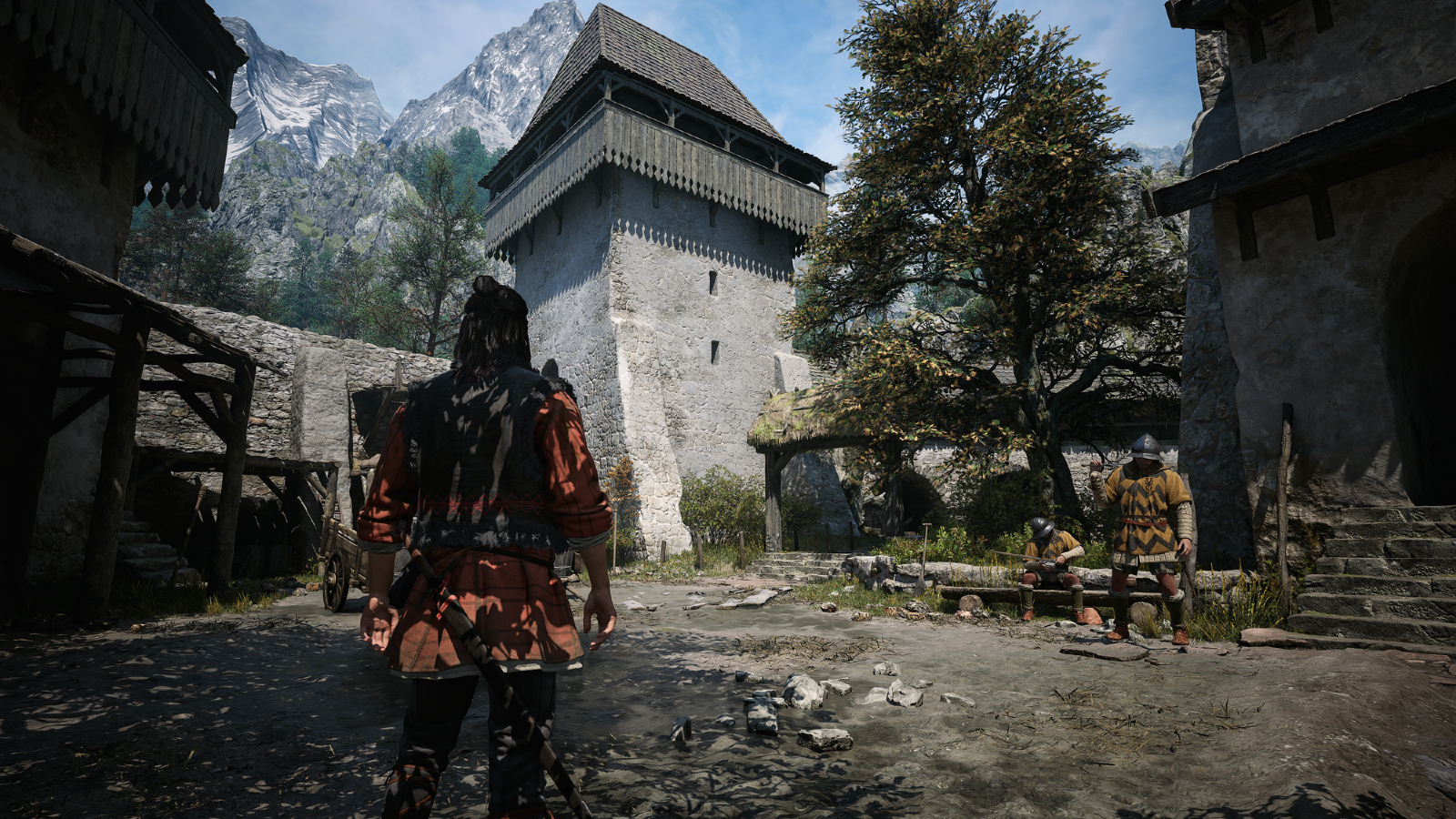
The hands-on preview gave me access to the prologue and a small portion of the open world to explore. The narrative hook drew me in almost immediately, with the prologue itself taking about an hour and a half on Challenging difficulty, though it may be a bit shorter on the other difficulty modes (story, fair, challenging, and duelist).
You attend Sunday mass with your family, and the vampire lord Brencis is the one leading it. In this world, humanity must pay "blood taxes" to vampires in exchange for their security. Brencis feeds on the village through this ritual, but your mother Esme is sick and resists, and she is eaten alive in front of you as punishment. A rebellion in the village breaks out, but it ultimately fails, and the rest of your family is captured and your home burned to the ground.
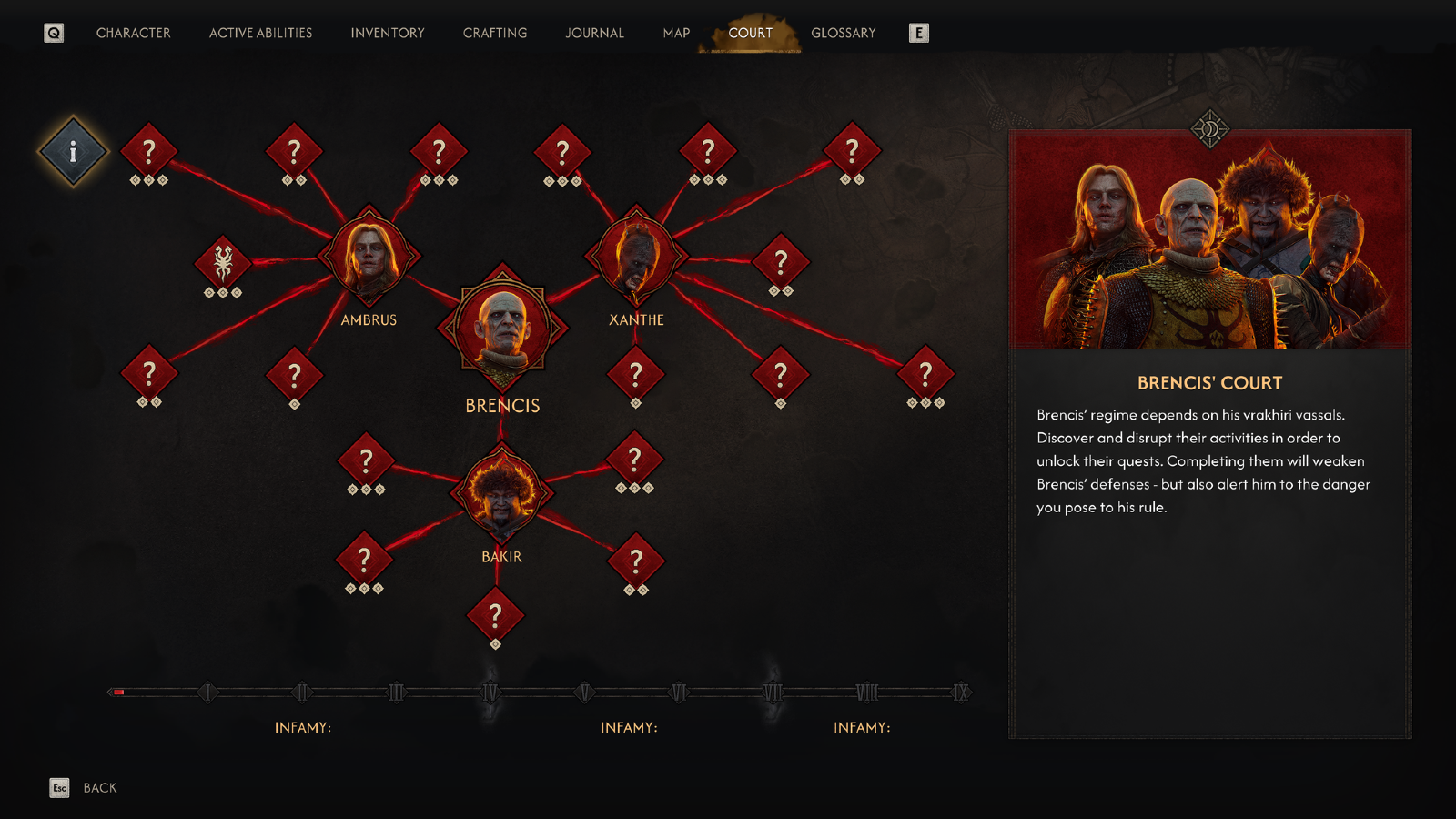
Underneath Brencis sit three named sub lords — Ambrus, Xanthe, and Bakir— and the open world is structured around disrupting his rule before he completes a coronation. The game tracks an Infamy meter as you cause problems for him, and each time it rises to certain thresholds he sends one of his sub lords after you. It's pretty cool seeing the world react to player aggression instead of waiting passively, and that reactivity is where the game first won me over.
Combat is another area that impressed me. The Blood of Dawnwalker uses a directional system that sounds difficult on paper but ends up being refreshing and intuitive. You hold a direction (up, down, left, or right) before attacking or blocking, and the swing or guard maps to that angle. A right bumper press randomizes the attack if you do not want to commit to a particular direction. Perfect blocks function as parries, perfect dodges have their own window, and slow-motion kicks in on clean blocks and combat finishers. Successful blocks, parries, and hits build Activation Charges, which act as the only way to perform special skills.
In practice, the system feels more reactive than proactive. You spend most of your time watching the directional angle the enemy is attacking in and waiting to time your block or dodge, rather than driving the rhythm yourself. The two minor gripes I had in combat are that switching between multiple targets in a fight is finicky and harder than it should be, and that once you are engaged in combat, getting out of it feels awkward, as the camera still focuses on the target even if you’re not locked on.
What sets The Blood of Dawnwalker apart from other open-world RPGs is the day-night cycle split. During the day, you are human, so you can only fight with your melee weapon and ritual blood magic, runes literally carved into your skin to channel power. Magic aligns more with witchcraft than with traditional spellcasting, and can only be done during the day in human form.
But when night falls, you turn into a vampire, so you get a set of vampiric abilities on top. These include claws, a Focus Mode that highlights points of interest, Shadow Step for short range teleports, Shadow Walk for walking on walls and ceilings (at the cost of stamina), and the ability to drink blood from animals, villagers, and enemies to replenish your health.
There's also an ability in Focus Mode that lets you replay the final moments of a dead person, used in investigation related quests to follow footprints and reconstruct events. Think of it like supernatural detective vision that functions similarly to Geralt's "Witcher senses."
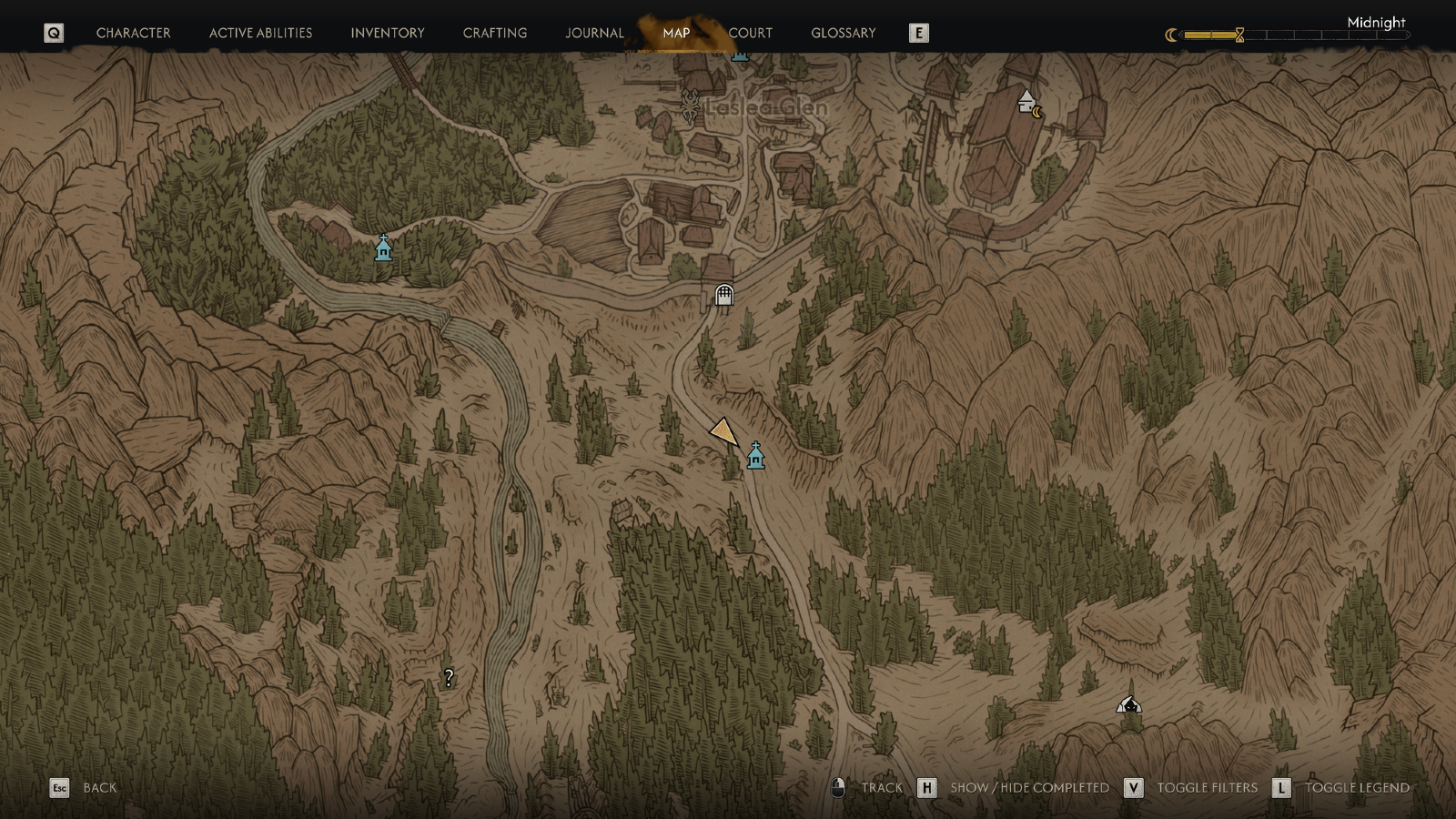
The map uses classic scouting towers to reveal nearby points of interest, but they can only be climbed at night, in vampire form, because you need Shadow Step to reach the top. So if it's daytime and you're working on a quest or traversing the open-world and you spot a tower, you can't climb it. You either need to do activities that specifically pass time, or skip it.I was told the full game will let you manually advance time at shrines, but just know that this eats into your 30-day budget. It's an interesting design choice that creates tension and tradeoffs, but it can be annoying in practice too.
Each day-night cycle is divided into eight time segments. Getting caught and locked up in jail for killing or attacking innocent villagers costs 16 of them, which is basically a wasted day-night cycle. You can attack soldiers freely, but most villagers are protected, with some exceptions. You can even steal from shops or vendors! One day-only activity is Astral Communion, which has you battling waves of powerful monsters for rewards. All of these are signs of a truly lived in open-world, and I really hope the main game delivers.
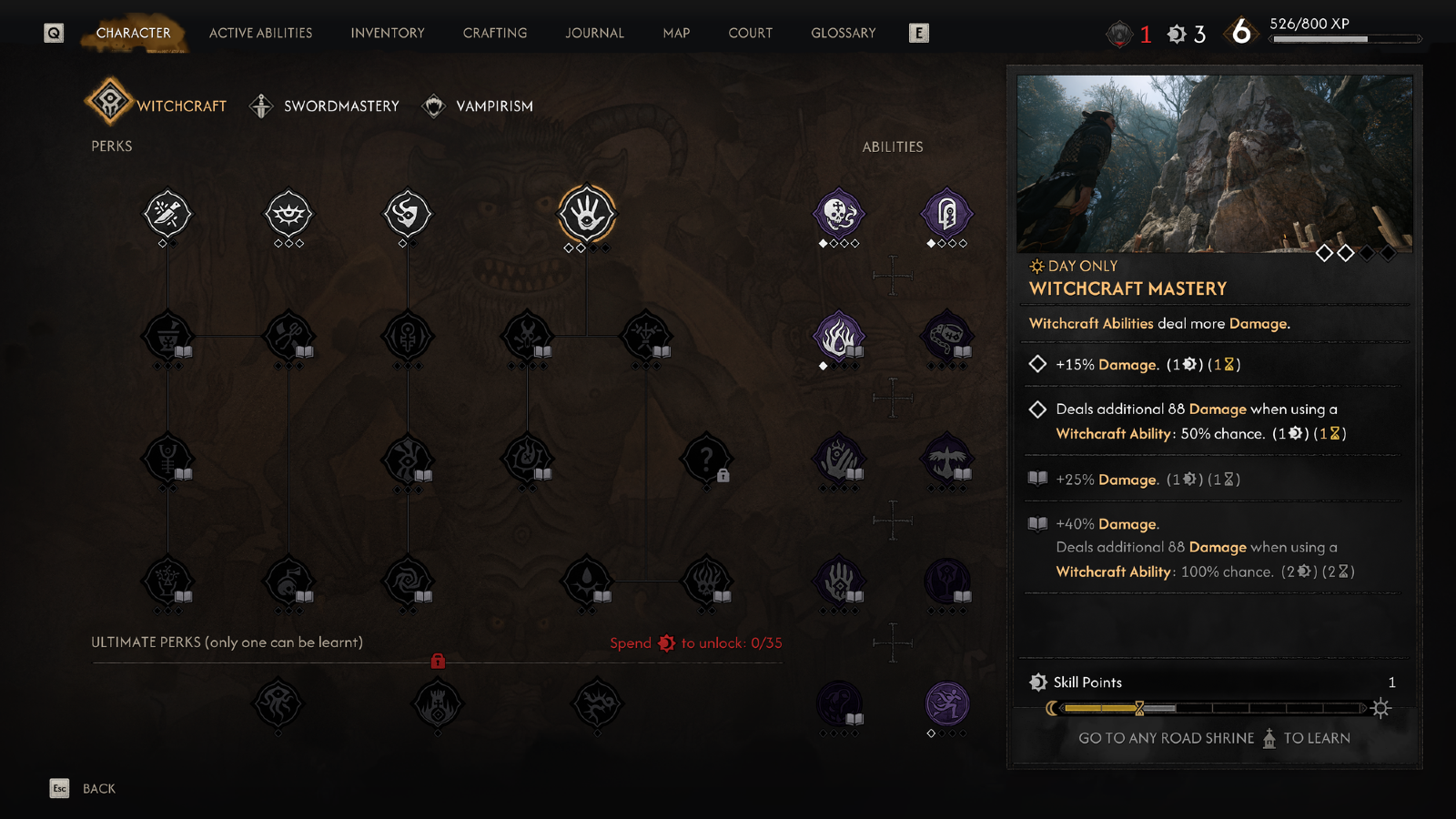
Game progression comes in the form of three skill trees: Swordmastery, Witchcraft, and Vampirism. Swordmastery handles weapon arts like Stinging Blade and Omniblock; Witchcraft is for ritual magic; and Vampirism is where powers like Shadow Walk, Shapeshift (a wolf form that speeds up travel), and Hastening live. Generic perks like stamina, hp, and carry weight sit across them. You can only spend points at shrines, which also double as fast-travel waypoints.
For Witchcraft and Swordmastery skills, you don't just unlock things by leveling. You have to find specific manuals out in the world to learn new perks or abilities. For Vampirism, you need to raise your vampire level high enough to qualify for the upgrade you want. That mixed-source progression keeps exploration meaningful, which a lot of skill trees fail at. Each tree has its own ultimate perk, and you can only learn one.
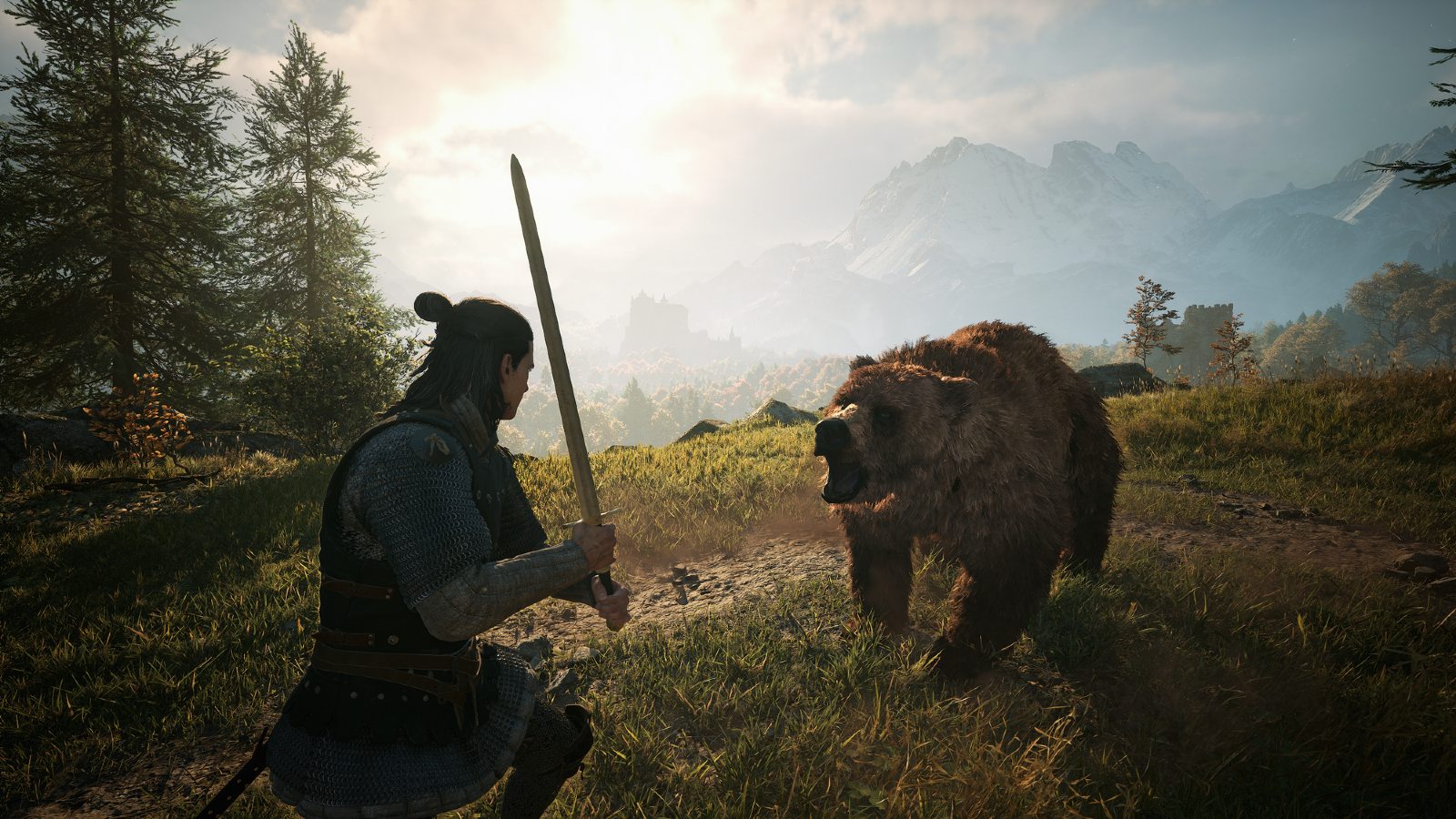
The big curveball is that spending skill points costs you in-game time. Upgrades, important quest beats, and certain dialogue options all push the bar forward. I have some mixed feelings about this. On one hand, it gives every decision weight, which is rare in an RPG these days, where you tend to hoard experience points and dump them the second you find a shrine or bonfire. On the other, mechanically penalizing you for getting stronger just doesn't sit right with me.
Rebel Wolves has insisted there is no hard failure state and the runtime is generous, so the design intent seems to be a soft hourglass rather than a hard one. After the prologue and a few hours of open-world play I was level 7, which feels reasonable, but it's impossible to grade pacing this early. Multiple endings are confirmed, tied to which factions you back, who you kill, who you feed on, and whether you run the clock out.
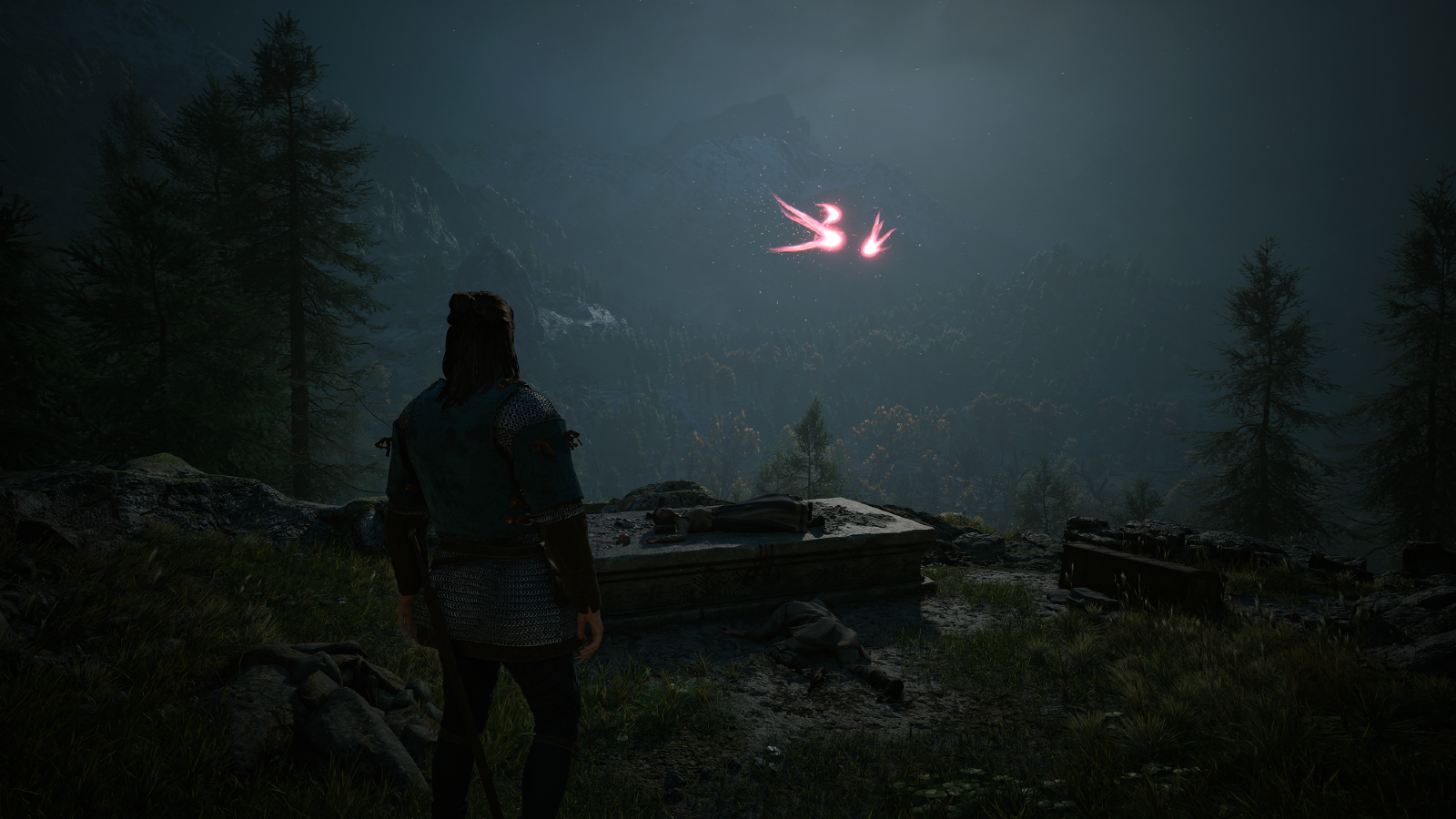
The preview build I played was clearly pre-release, so I won't judge frame rate or stability too harshly, but the technical performance was solid on fps and load times. I ran into a few small things: occasional clipping through benches, some graphical glitches, and one moment where Coen got visibly stuck in a wall animation. One thing I do want to point out is that I could not rebind controls, so hopefully the developers add that before the September launch.
It should also be noted that the in-game inventory has no sort function, which is most likely a design decision, but also one that can be annoying when you have to manually look through each item to drop, sell, or consume.
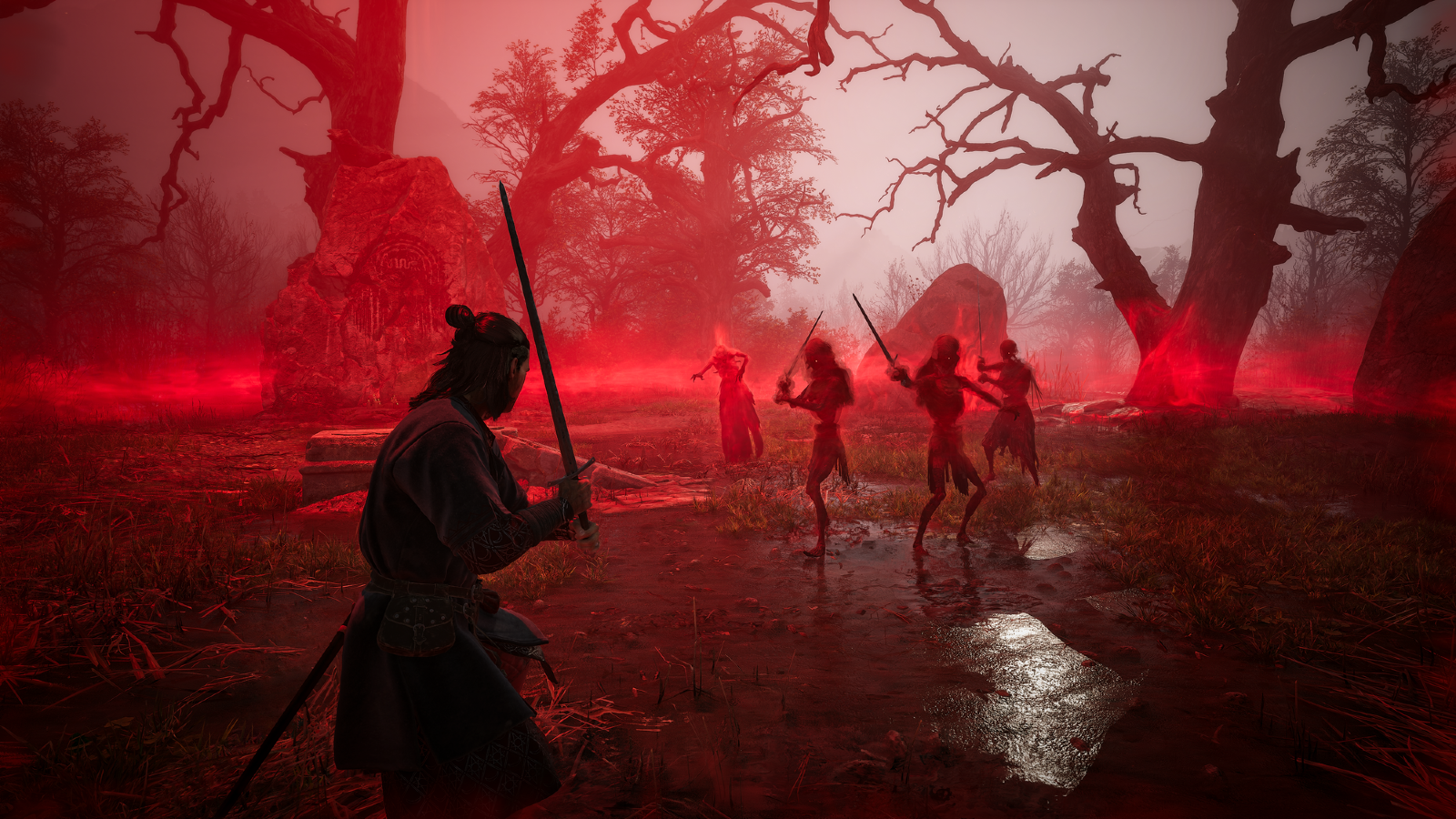
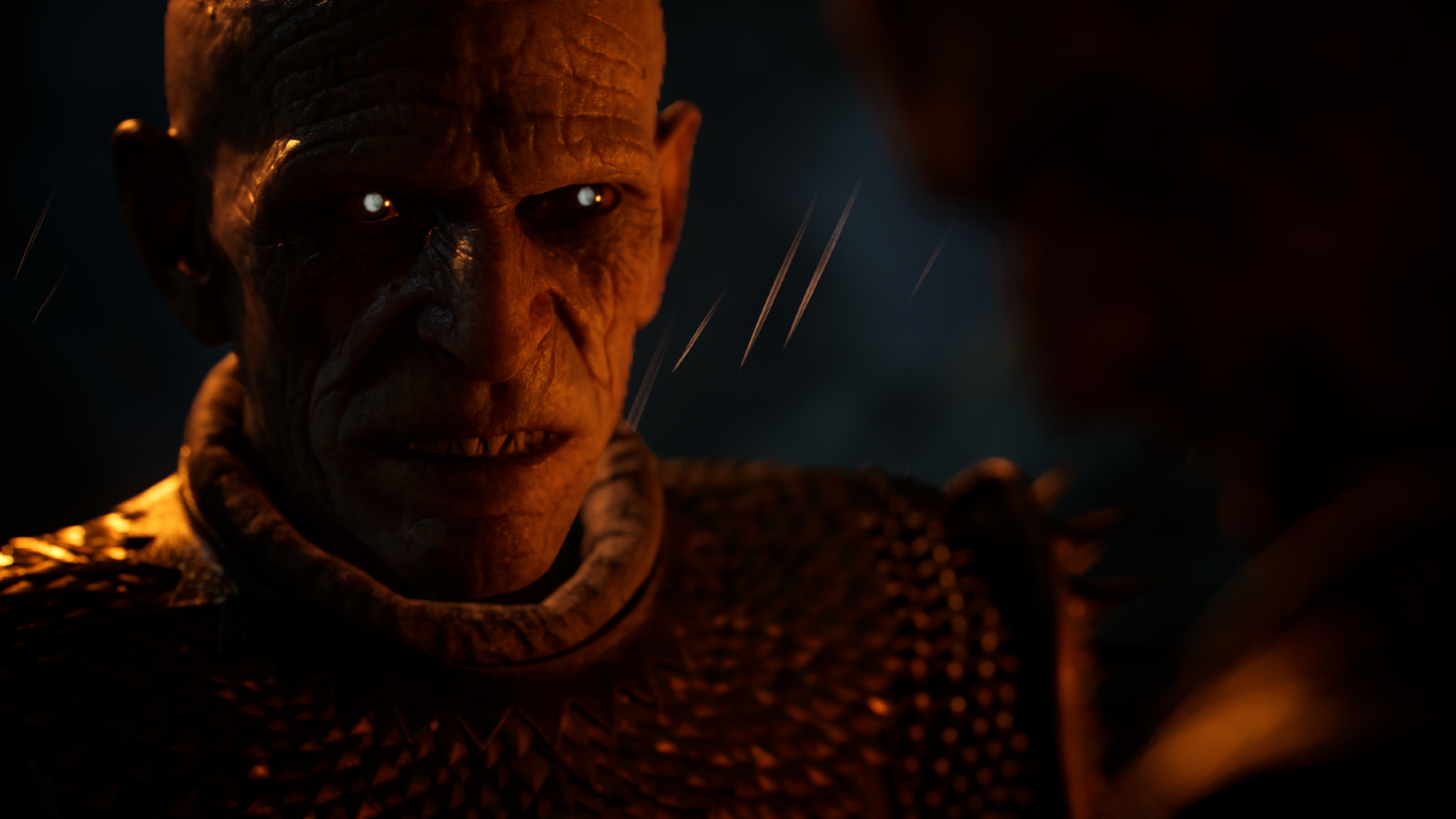
The game looks really good in motion. The world of Vale Sangora comes across as a distinct setting with dense woodlands and medieval villages with timber and stone architecture. However, the character work is a bit uneven. Coen himself looks great, and the vampires, especially Brencis, have an unsettling otherworldly quality. Where things fall apart a bit is in the dialogue. The speaking animations need more polish, as lips don't quite line up with the audio, and the overall effect lands in the uncanny valley more often than it should.
The Blood of Dawnwalker is one of the most ambitious single-player RPGs of the decade. The right people are behind it and the setting is fresher than the genre default, but the structural risks are real. The narrative sandbox idea with Witcher-grade storytelling and directional combat is novel for a big budget release. If Rebel Wolves nails the landing and polishes the remaining gaps, this could be the standout RPG of 2026.
The Blood of Dawnwalker launches on September 3, 2026 on PC, PlayStation 5, and Xbox Series X|S. For more news on The Blood of Dawnwalker, stay tuned to GamingTrend!