Despite growing up as the Onimusha franchise found its legs, I somehow managed to neglect the series until covering the originals last year. This sparked a newfound love for a franchise Capcom had seemingly allowed to languish as Monster Hunter and Resident Evil flourished. Now, thankfully, another hero has been granted an Oni Gauntlet and a grand adventure has been set in motion.
Way of the Sword opens with our hero, Miyamoto Musashi, entering a duel with one of Kyoto’s local sword teachers. After handily defeating the teacher, Musashi has to make a break as all of the fallen teacher's students surround him, eager to defend their school’s honor. Upon his escape (which is full of fun character moments), Musashi enters a secluded area where he’s cornered for a duel by another samurai. Blades unexpectedly slaughter the lesser samurai, and a group of demonic swordsmen circle our hero, cutting him down as he fights to the bitter end.
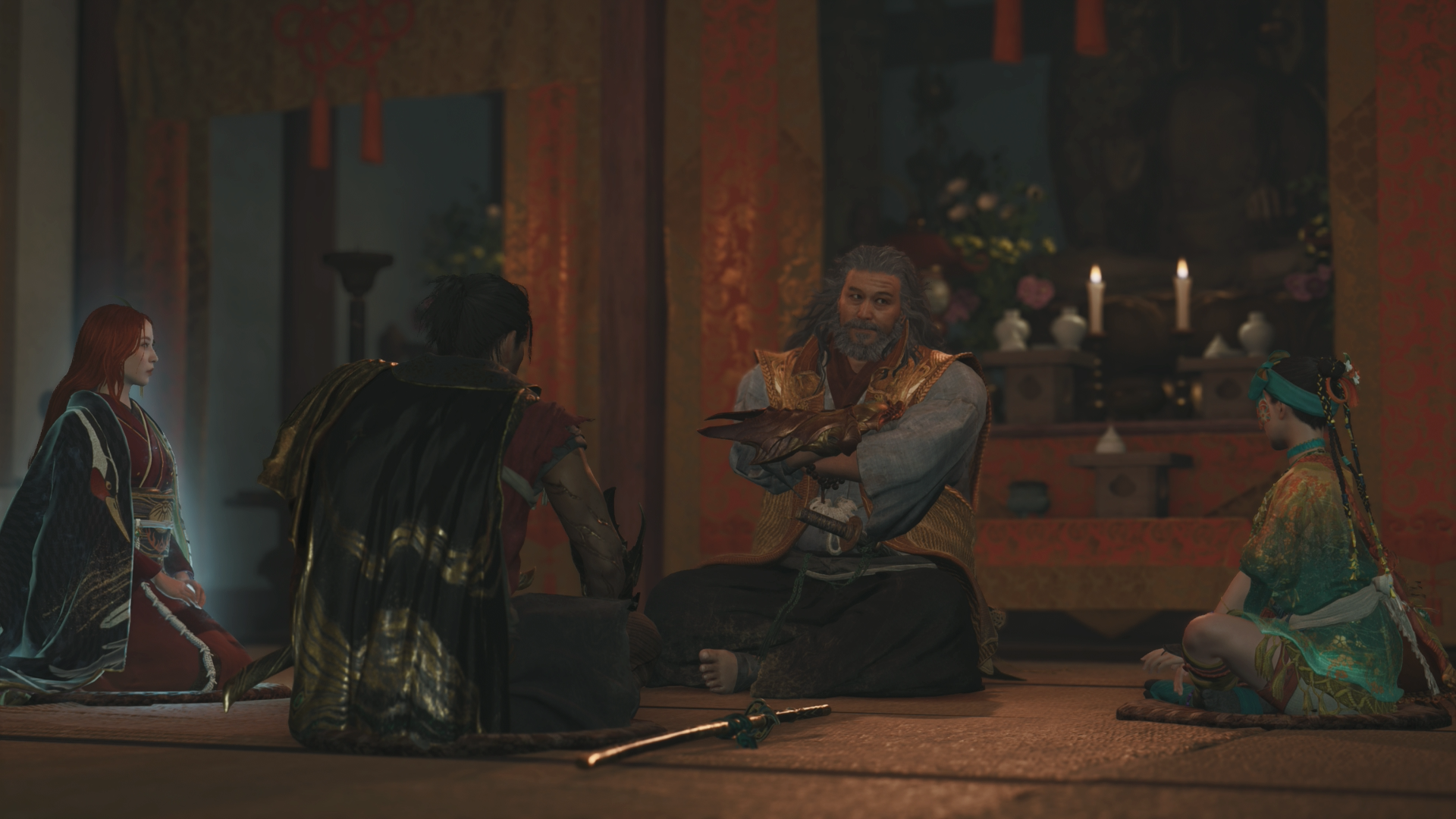
When he awakens, Musashi is floating down a river of blood toward a deep abyss. An elderly, robed man prevents his eternal demise, granting him an Oni Gauntlet against his will before sending him back to the land of the living. When he returns, he takes his revenge on the genma who’d slaughtered him, and the gauntlet absorbed their souls. A voice from the gauntlet then directs him to seek out Takamura, another human with an Oni Gauntlet, who defends the land of the living against undead forces. Takamura sets Musashi on a journey to stem the surging undead onslaught, driving him further toward his true destiny and the fate of the very world.
The story premise for Way of the Sword is intriguing. While there are a few good character moments and some interesting twists, the game’s narrative comes across less as a samurai epic and more as a fun, popcorn action flick. The game is full of enjoyable, memorable characters, but there are only a couple I would consider to be memorable in the long run. Still, for what it is, it’s a fun ride to see to its conclusion.
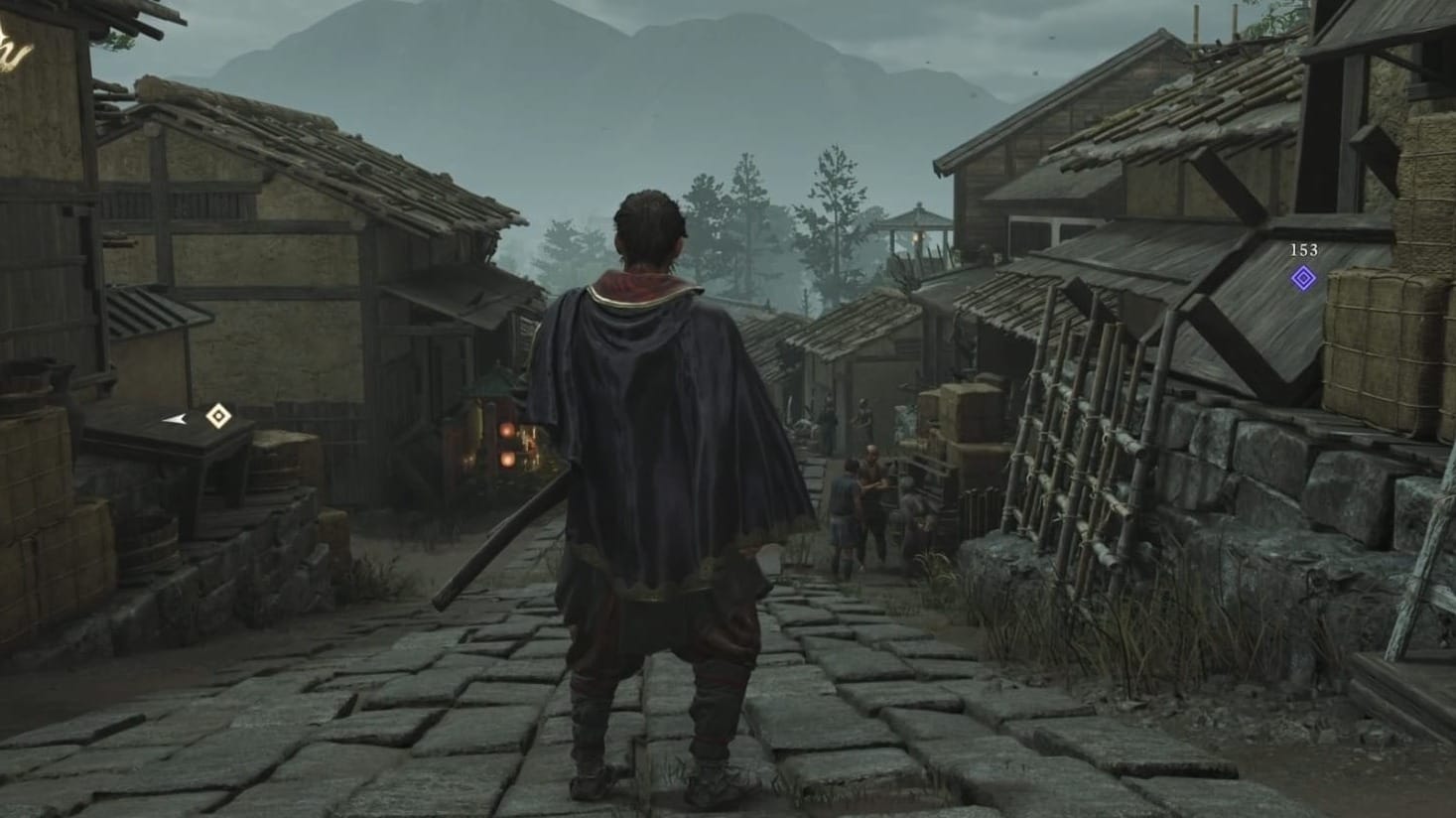
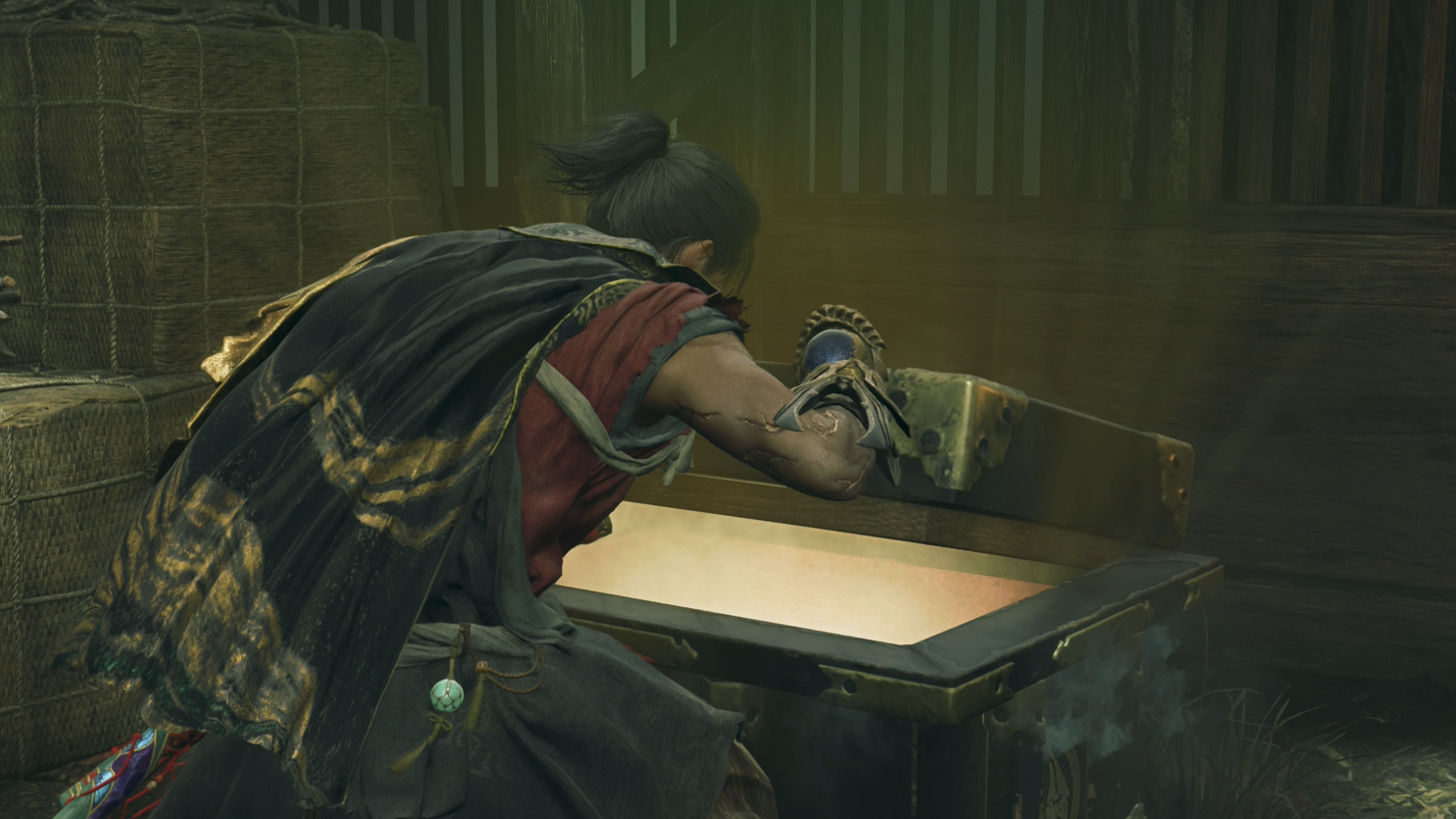
Part of the problem with Way of the Sword’s story is the inconsistent pacing brought by the game’s open-world nature. The way the game is structured, you’ll chase down a main story beat (often in a neat, bespoke location with its own fun identity), then unlock a handful of side missions to poke around with as you futz around Kyoto. The rewards you earn from the side missions are virtually essential if you want to fully upgrade Musashi’s gear and skills, but little of the narrative is meaningful as anything but filler content. This leaves a situation where you feel like you need to do everything available to remain powerful at the cost of stunting the storytelling.
Speaking of side content, there is a specific set of objectives that are more focused on telling a decent side story. I would say their narrative chops are notably better than those “kill-the-MacGuffin” side missions and offer a little bit of worldbuilding, but they do little to drive the main story forward.
Way of the Sword’s real bread and butter is in its combat system. While I’ve seen comparisons made to the Souls-like genre, I would argue it’s really more of a reactive hack-and-slash title with heavy dodge-and-parry mechanics (as any fan of the Onimusha franchise would probably expect). Musashi can do light and heavy sword slashes and fire a bow, but, as someone who lives and dies by the Way of the Sword, you’ll need to know when to dodge, parry, or react to incoming blows. Time your reactions well and the battle is yours. Get jumpy and react too quickly or drag your heels, and you’ll have to walk it off and tend to your wounds.
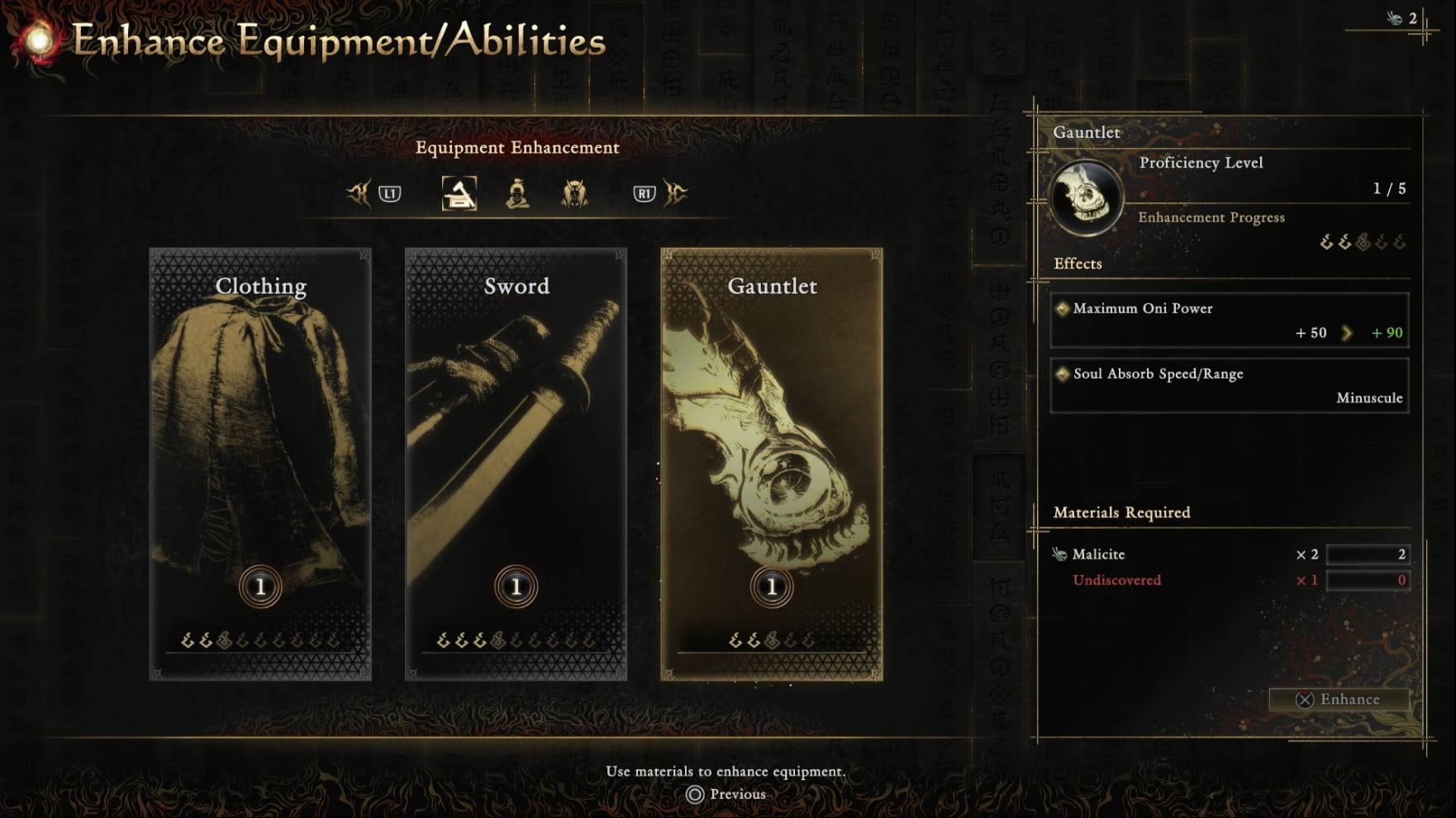
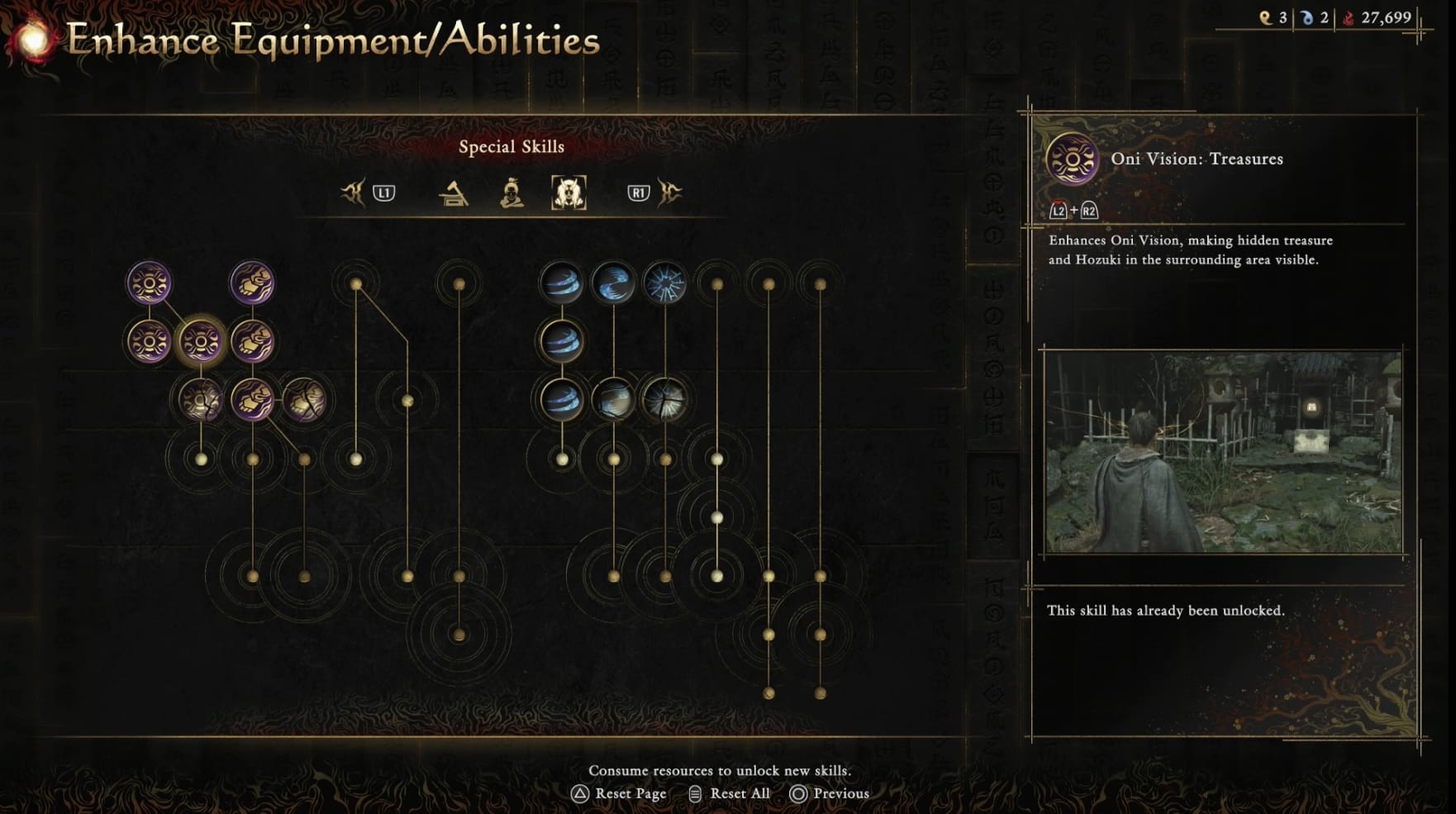
As the game progresses, Musashi will gain some additional mechanics in his toolkit. Parry enough blows, and you’ll enter a “Blaze” state that amplifies your combat prowess. Dodge enough strikes, and time will slow down for you to land some open strikes on the enemy. Using the materials from beating minibosses and completing side quests, you’ll be able to augment how each of these mechanics benefits you, too.
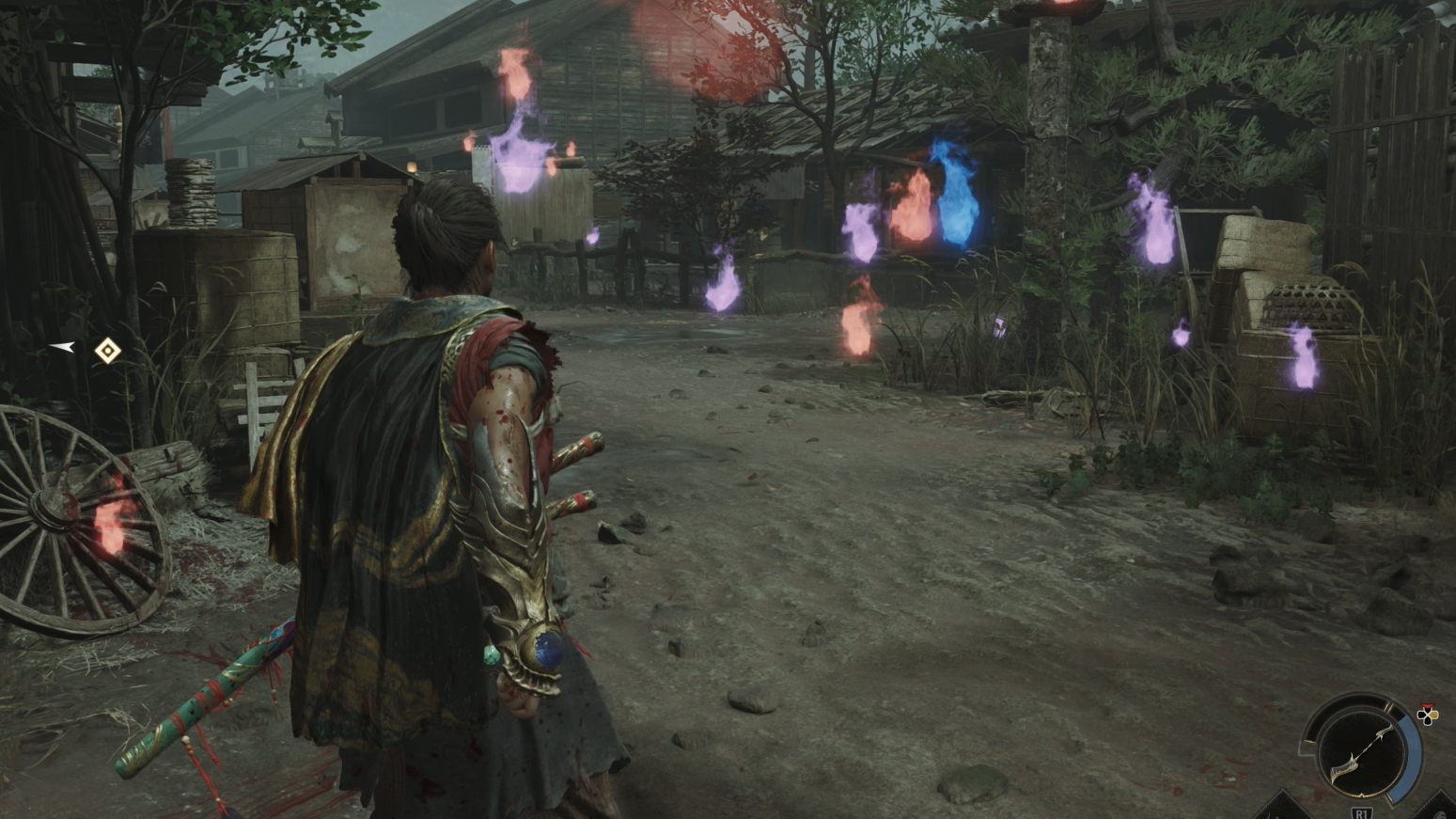
On top of your standard swordplay, Musashi can find special hidden weapons throughout the game. As you fight and absorb blue souls, you’ll build up a bar. When it fills enough, you’ll be able to unleash a variety of special effects. These can range from prying health souls from enemies to dealing massive stun damage and more.
One more aspect of combat that’s worth noting is how dynamic systems play together. Let’s take fire, for example. One of those special weapons mentioned above lets you create a tornado. If there’s a lantern in the vicinity, it will get caught up in the gale, creating a fire tornado that deals extra damage instead. You can also hit explosive barrels, push carts into groups of enemies, and so on.
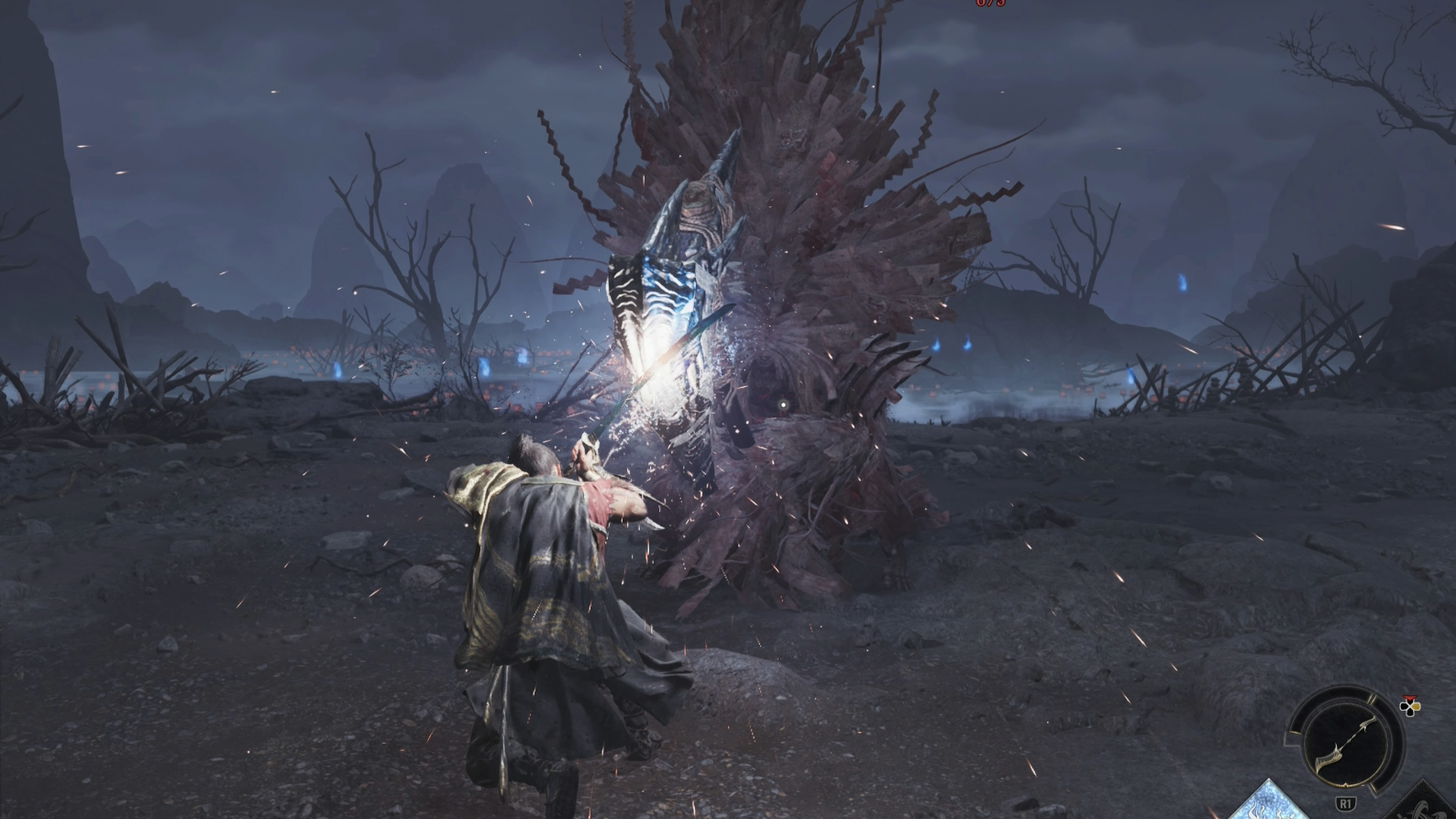
The strongest aspect of Onimusha: Way of the Sword is, in my opinion, the game’s big, set-piece boss encounters. Capcom has done an incredible job building fun, unique encounters that all have their own pacing and mechanics. I’ll probably get some flak for saying this, but I dare say some of Onimusha’s major boss fights would be in the discussion for best encounters, even amongst Elden Ring fans. The encounters and design are fantastic, but the slick, reaction-centered combat makes them feel incredible. When you’re in your flow state, parrying and dodging everything a major boss can throw at you, it’s a near-religious experience.
Unfortunately, Way of the Sword has a tendency to take some of its lesser bosses and throw them at you repeatedly. Sure, it still feels good to beat them the second or third time, but the boss encounters’ novelty is a big part of the fun, and that wears away when you’re fighting the same mid-tier demon for the 8th time.
Onimusha: Way of the Sword is a great game in a franchise that fans have long been pining for. The combat is quick and addictive, and the game boasts some of the most enjoyable boss encounters I’ve experienced in recent memory. The game is bogged down by a middling narrative, unnecessary open-world content, and rehashed minor boss fights that make the experience feel more cumbersome than it should. It isn’t perfect, but action fans would be doing themselves a disservice to let this one slip by. I genuinely hope this is the start of a renaissance for the franchise. Samurai and demons are cooler than viruses and umbrella corporations, anyway.
Onimusha: Way of the Sword
Great
Onimusha: Way of the Sword is a great game with excellent reaction-based combat, and some of the most enjoyable, satisfying boss encounters in gaming. The story drives the action, but ultimately fails to impress, and the open-world mechanics stunt the narrative pacing without adding much to the ~30-hour experience. That said, fans of great action combat, samurai, or the Onimusha series will have a great time with Way of the Sword.
Pros
- Incredible boss encounter design
- Fast, responsive, addictive combat
- Plenty of upgrades and cosmetics to unlock
- Musashi is likable
Cons
- Open-world missions pad the experience without bringing much value
- Rehashed mid-tier bosses get cumbersome
This review is based on an early PS5 copy provided by the publisher. Onimusha: Way of the Sword comes out on September 4, 2026.