I’m getting fatigue fatigue. The term is thrown around constantly: superhero fatigue, roguelike fatigue, friendslop fatigue, Souls-like fatigue. My issue with this indefatigable label is that it’s addressing a symptom, not the actual cause — the cause being that something got super popular, started a trend, and now there is a deluge of people piggybacking on said trend. This is not inherently bad; it’s simply how every artistic medium operates. Thing sees profit, everyone else wants to capitalize…with varying degrees of success. Most trends will eventually hit a peak of popularity and begin a slow descent, while others will have mountains and valleys for as long as their medium exists. The Souls-like hasn’t seen so much as a plateau (Altus or otherwise) yet, Soulslike doomers be damned.
FromSoft’s modern output has spawned many, many imitators; check out Iron Pineapple’s YouTube channel and you’ll see tens of videos in which he’s played hundreds of games ostensibly inspired by them. As with any genre, old, new, and in between, there are phenomenal innovators who take the core of what makes Dark Souls great and put their own spin on it, and there are mimics who try to copy their predecessor without understanding it. Mortal Shell II, a sequel to 2020’s clunky, slow, awkward Mortal Shell, understands what works because the team has learned precisely what doesn’t work. Cold Symmetry had a few fresh ideas with their first title, most notably the eponymous shell system which allowed for multiple playstyles, but didn’t have the experience to execute properly. Their sophomore effort contains exactly zero of the same mistakes, and makes startlingly few new ones. This may be a Soulslike all-timer.
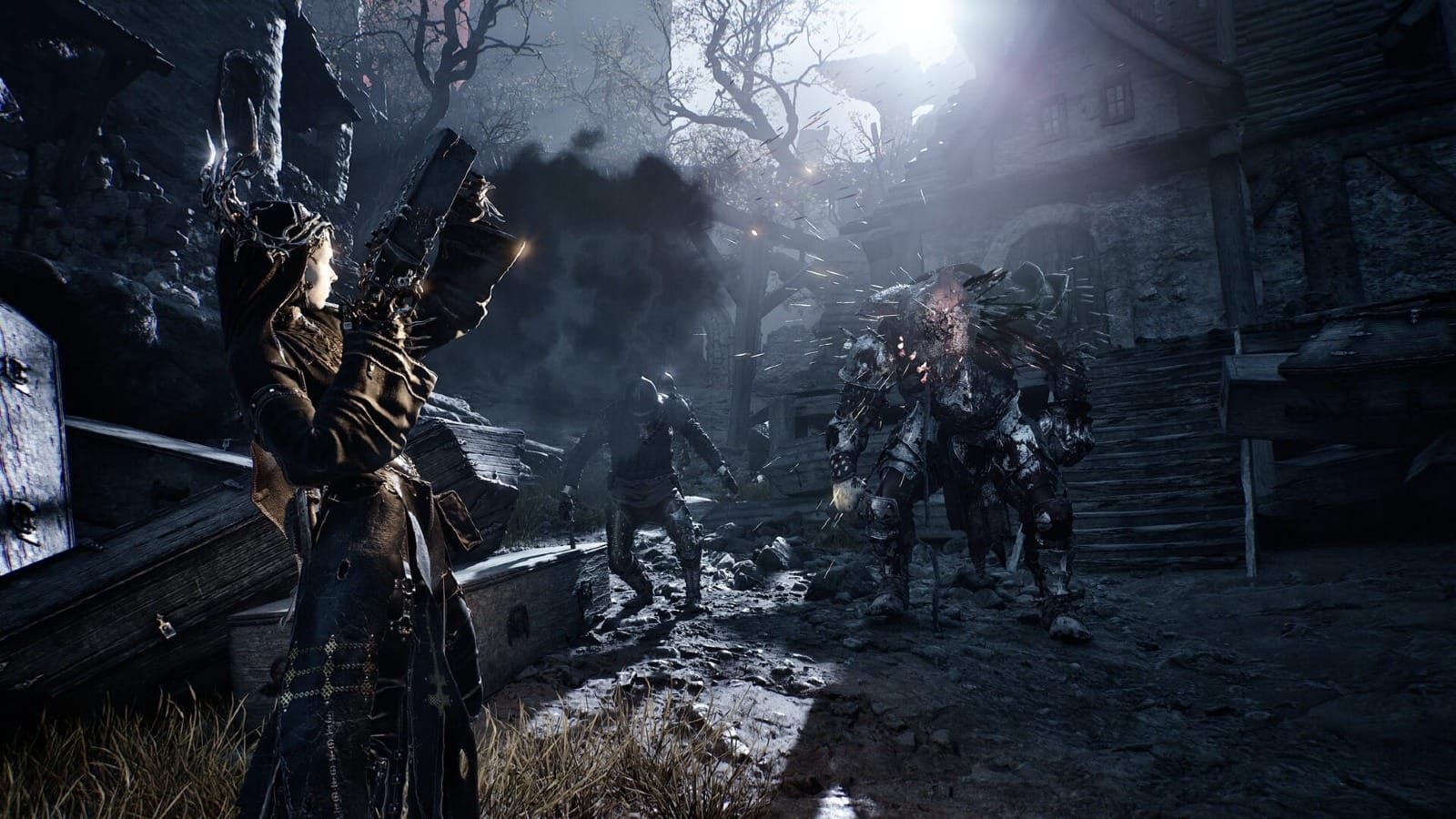
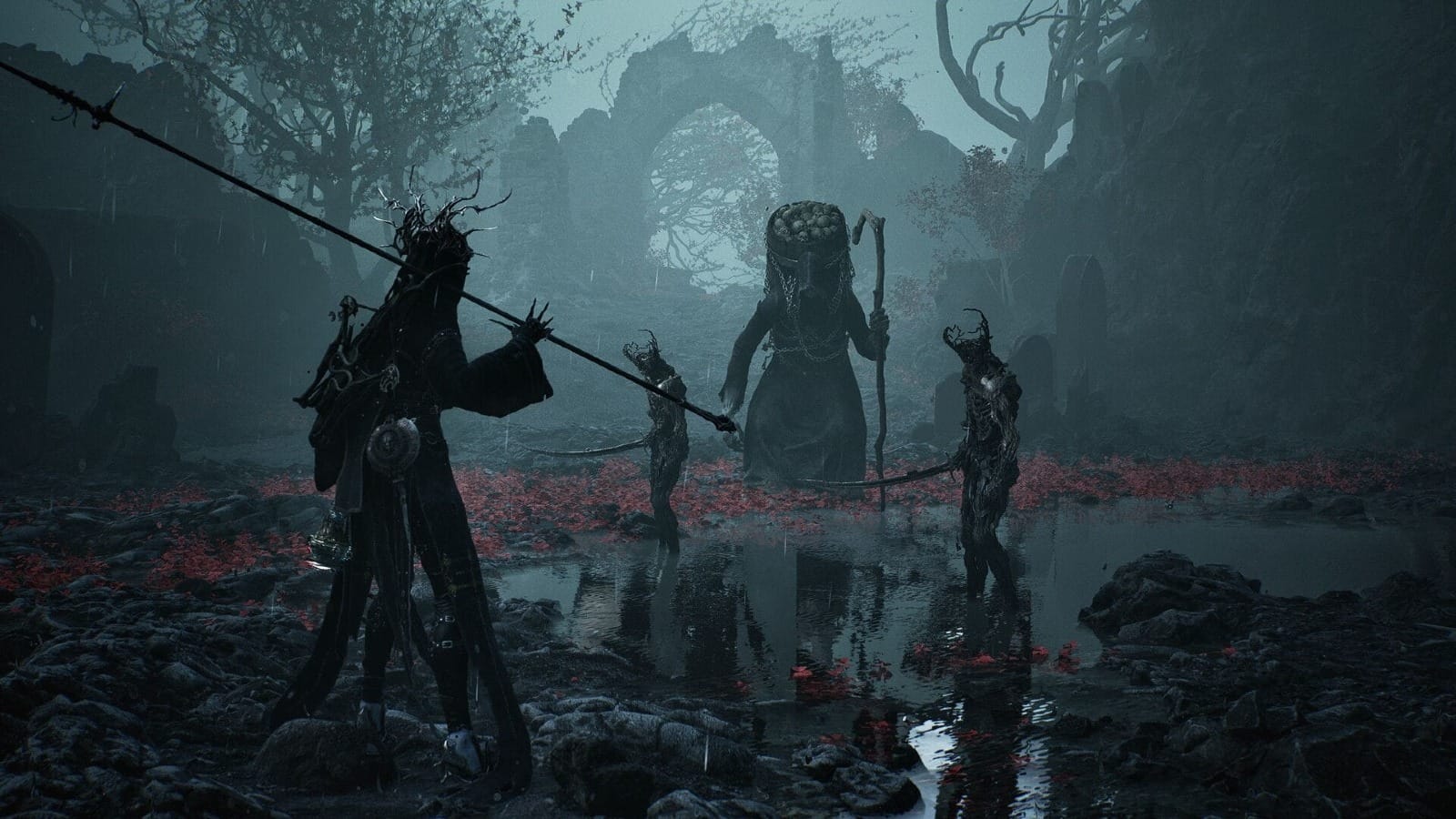
Perhaps most ambitiously, Cold Symmetry have opted for a semi-open world approach in Mortal Shell II, a stark contrast to the restricted and simplistic level design of Mortal Shell. Skeptics would say this is too big a jump to make, and I’m sure those skeptics (ahem, myself) are more than happy to be eating crow. Semi-open world doesn’t even do the game’s level design justice — with very few exceptions, you’re allowed to explore literally the entire map as long as you’re willing to sprint past throngs of overpowered enemies. Major bosses are relegated to areas separate from the main world map, and none of the overworld bosses serve as choke points, meaning you could hypothetically book it from one end of the map to another within the game’s first few hours. What separates it from a full open world is its lack of open fields; the map is designed more like an incredibly intricate web of forking paths that all wrap back around on each other in unexpected ways. I don’t know if I’ve ever satisfyingly said “oh, I’m back here!” more.
Exploration is, without question, Mortal Shell II’s biggest leg up on its competition. Every Soulslike struggles, to an extent, with its reward economy — even Elden Ring can’t make every chest enticing when there’s such high potential for it to contain another blasted recipe book. MSII has me wanting to scour every nook, cranny, and alcove, all because its reward economy thrives like no other. There simply are no bad chests. Most commonly you’ll find a Tarstone, which will either enhance your current build or give you an idea for another one. Other chests may provide you with one of the game’s few additional weapons. At worst, you’ll get gold, which is always welcome when gold is this scarce and crucial to certain upgrades. The map is littered with lucrative mini-dungeons, all of which I go out of my way to peruse every single time. It’s brilliant, frankly, that they’ve added so little filler to such a sprawling game.
In terms of combat, MSII is to Dark Souls what Monster Train is to Slay the Spire (or Monster Train 2 is to Slay the Spire II): StS is pure elegant game design, with balance refined to a sheen. The fun comes not from exploiting ludicrous combos but from mastering what little the game offers you. Monster Train says screw all that, isn’t it fun to make insanely overpowered cards and have them go up against unfair enemies? (and then Vampire Crawlers shows up unannounced, plays 100 cards in a single turn, refuses to elaborate, and leaves. But this isn’t a review of Vampire Crawlers’ stupid game design so I digress) MSII (in its current state, anyway) is filled with mechanics to mess around with, all of which provide the player with a power fantasy not usually associated with the Soulslike genre. What I hope is ultimately fixed is the second part of the Monster Train ethos — the enemies who are capable of fighting back against your power fantasy.
This could all be moot by the time the game gets its release patch, but for the time being, my build is stupidly overtuned. It all revolves around two of the game’s core mechanics, which I will detail at length: resolve and Tarstones. Resolve is MSII’s outright replacement for a stamina bar; Cold Symmetry has foregone a staple of the genre in favour of a system that encourages far more aggressive play. Resolve is similar to a mana system, building as you deal melee damage and getting spent on one of three offensive abilities. First is your shell’s signature move, often complemented by the shell’s passive perks. Second is your sidearm, a ranged weapon such as a simple crossbow or a device that shoots spinning explosive sawblades at enemies. I haven’t found it yet, but there’s a sidearm called the Ballistazooka. If you just read Ballistazooka and didn’t immediately preorder the game, I’m not sure what to tell you (Henry tells me this was in the first game as well; maybe it deserves another chance?)
Third are your Tarstones, which add some juicy depth to an already excellent combat system. Tarstones function similar to rings in Dark Souls, being slotted onto your character for bonuses, but they have far broader uses here. Around the world, you’ll find Tarstones in four categories: Support, Combat, Infusions, and Abilities. You have 10 slots in total, some of which are designated exclusively for certain types. As you use your Tarstones, they’ll passively gain XP and can be leveled up back at Marrow Keep, MSII’s (slightly confusing) hub area. With the upgrades, these Tarstones go from being fun little boons to ridiculous buffs: for an only somewhat well-balanced example, one Tarstone allows you to spend resolve to infuse your weapon with Bloodcurse for 4 hits, building up a meter on the enemy that does big damage once filled. The first upgrade imbues your weapon for 8 hits before having to reapply. The final upgrade makes the infusion permanent, giving you the passive ability to melt bosses as long as you can get consistent hits in.
An early-game boss offers you a Tarstone that feels like an ultimate of sorts, activating upon hitting L2 and R2 at the same time. At the cost of most of your maximum resolve, you leap into the air and descend upon a single enemy with your weapon, killing minor enemies and taking a decent chunk out of bigger ones. The first upgrade lowers the resolve cost significantly. The final upgrade tacks on stagger damage to the targeted enemy and any poor creature around it, allowing you to almost immediately follow up with a riposte, doling out even more damage. Did I mention that you’re invulnerable during the entirety of the attack’s lengthy animation? During exploration, this is a useful and fun way to deal with large groups and tanky individuals alike. During boss fights, however, I feel like I’ve broken the game. I use the ability, knock the boss down, get some hits in, riposte attack, and by that point all it takes is a few extra light attacks to have enough resolve to do it all again. Is it fun? Yes. Is it ultimately good for the game? Probably not.
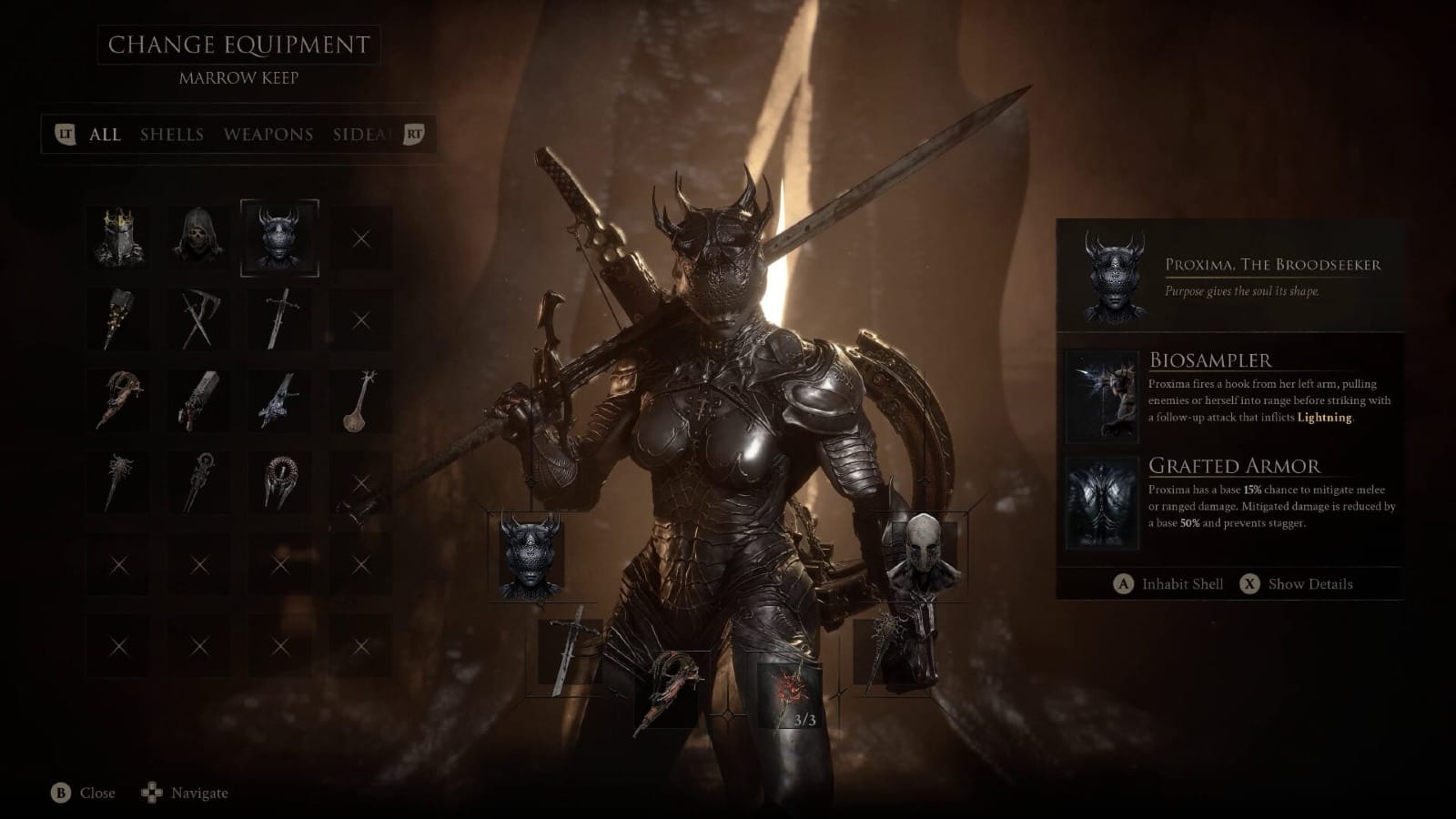
This is but a small balancing blemish on an otherwise impeccable system with a ton of potential for buildcrafting and minmaxing. Pair this with the fact that you can turn the game into any Soulsike you want by swapping out Seals that determine whether L1 is a block, parry, or auto-petrifying harden, plus the creativity and variety of the shells themselves, and you have a game with perhaps the most robust arsenal of any game in its genre. Oddly, the weapons themselves seem slightly underwhelming; changing only your R1 and R2 moveset and offering no other bonus, though I’ve only obtained a couple outside of the default sword.
MSII’s overarching narrative is relatively light, pulling a page out of the typical playbook and hiding most of its lore in item descriptions. You’re the Harbinger, chosen to undertake the herculean task of collecting the lost ova of the UnderMether, this world’s “benevolent” deity. Aided by various followers of the UnderMether (UnderMeth-heads, if you will), you must take down those who have stolen her ova and do…something with them. It’s a little fuzzy, but everyone keeps telling you it’s a great idea, and who are you to question a god?
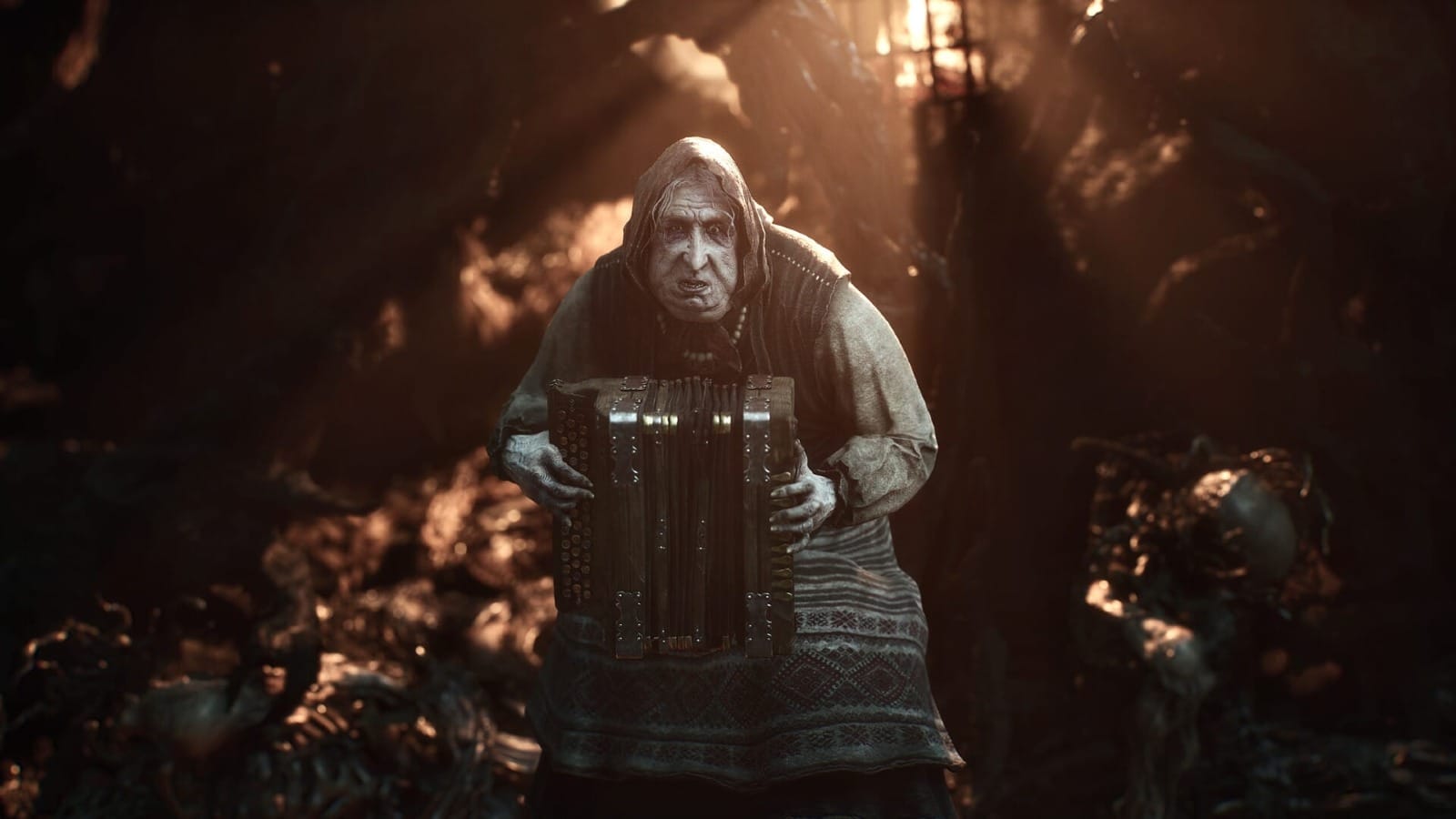
The game gets surprisingly rich, however, when you enter each shell’s series of flashbacks. Your shells are each the souls of a fallen individual, and using a special currency, you may deepen your connection to these souls, prying into their minds and tracing their paths. I’ve only delved into a few, and have not reached the conclusions of any, but I’ve found that these flashbacks are far better written than you may expect. There’s a strange sense of humour about MSII, a cheekiness and an irony of knowing the UnderMether is surely evil while characters like Smert only become more devout. Rather than being upset to have my gameplay interrupted, I’m happy to spend some downtime to learn more about this grand cast of fallen warriors. NPCs also fall on the glib side; they’re all quirky and strange in spite of their violent surroundings.
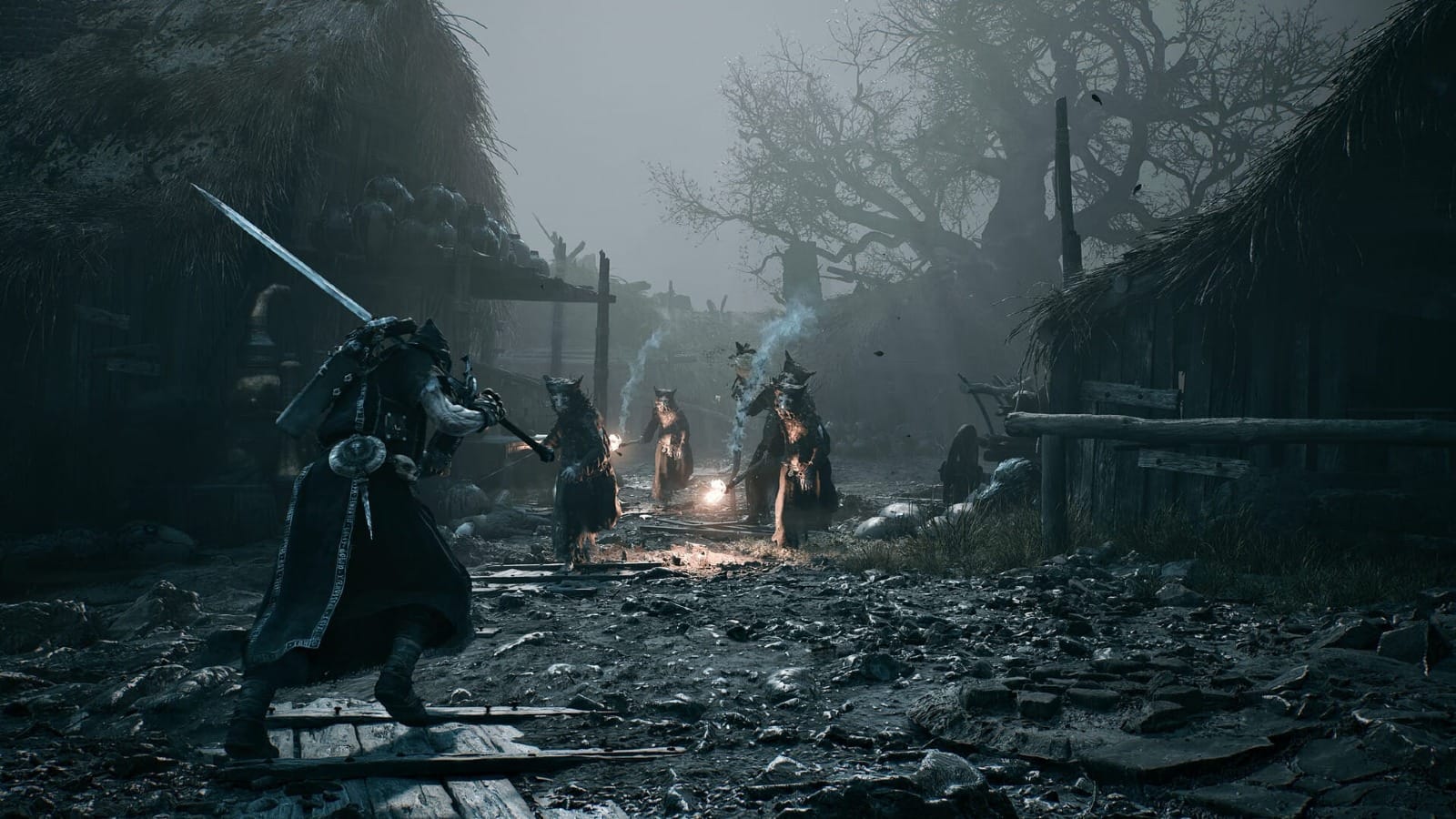
In the wake of Beast of Reincarnation, I’d be remiss not to discuss enemy variety. GameFreak’s recent release has been heavily criticized for its repetitive enemies spread far too thin across its lengthy runtime — rest assured, that is not an issue here. MSII has packed itself with an unbelievably impressive breadth of enemy designs, all of which are equipped with diverse attacks dangerous enough to kill you outright if you aren’t paying enough attention. In my infinite cockiness, I spent much of the game’s early hours using the parry Seal thinking I could learn to parry every enemy. I had no idea just how impossible that would be, and promptly switched to the cowardly blocking Seal. I’ve seen but a single repeat boss, with most being a little on the easy side but entertaining nonetheless. I would’ve appreciated some more variation in the boss music, but alas, I nitpick. There are very few things Mortal Shell does wrong, just some things that are done slightly less right.
Henry’s thoughts on PS5 performance, accessibility, and technical details:
Mortal Shell II comes in at 32.19 GB on the PS5 with support for Power Saver mode (who even uses this?). Load times are fairly quick coming in at around 7 seconds from the main menu. The game comes with both a Quality and Performance mode along with quality of life options like Off Screen Enemy Indicator and Auto Pick Up Gold. For the PS5 specifically, DualSense support comes with Force Feedback and Adaptive Triggers for shooting with your sidearm and in-game explosions.
There’s even a toggle for Camera Style featuring Action, which pulls the camera back for more spacial awareness, and Immersive, which prioritizes atmosphere with a tighter character focused view. I, of course, went with Performance mode and Action camera, as this is a punishing game after all that requires you to lock in. The controls can be rebound if you wish, but the default mappings are already perfect if you are a Souls veteran. Light attack on R1, Heavy attack on R2, and dodge on Circle.
If you feel the game is too tough, fret not, as Cold Symmetry has included difficulty modifiers, just not in the traditional way you’d expect. Early on you will find the Slayer Seal in Marrow Keep (the central hub area) that significantly boosts your power. Not only do your sidearms deal break damage, your health and resolve are also restored when riposting an enemy if you have this Seal equipped. The downside to using this “Easy Mode” of sorts is that achievements are disabled if you choose to use it. On the contrary, there’s also a secret “Hard Mode” called Night Mode that is unlocked after lighting the lantern above Marrow Keep.
My main gripe with the game is the inconsistent technical performance on PS5, as the review build often stuttered or suffered from frame drops even on Performance mode. I’ve also had the game hard crash on me once, along with my Gloom disappearing permanently after dying once with no way to retrieve it. Text size can also come across as too small, especially if you are playing on a large TV far away. You can’t change text size specifically, but you can change the overall UI scale, which includes the text. There is a huge Day 1 Patch coming before launch that includes performance and stability improvements, so here’s hoping it polishes a lot of the rough edges I faced.
Ron’s thoughts on PC performance:
On the PC, the story is the exact opposite. It runs like it’s set on fire, hitting over 300fps with support for DLSS 4, provided you have the hardware to take advantage. Even on a laptop, with DLSS disabled, punching above 4K 60 is more than possible on modern hardware. That said, a hard lock was visited upon Ron while he was playing the first few hours. The poor man is terrible enough at these games, so losing progress that way is just adding insult to injury. It does look absolutely drop-dead gorgeous, including support for ray-traced reflections and global illumination, and combined they make this game disgustingly beautiful. Water reflects the world above, distorted by ripples on the surface, or disrupted by your own footfalls. Lengthy draw distances feature a purposeful gloom that makes the wide-open spaces feel cold and damp. Armor looks scuffed with patina and small nicks and dents, even on low settings. Foliage has differences between settings, with higher settings featuring more density of things like flowers and other ground covering. Particles cast off more light and with extra detail the higher you go up on the setting scale, as do objects in the foreground when draw distances are pushed further out. One of the largest differences is in application of shadows. On lower settings we see darker peaks and valleys of shadows, but higher difficulty has more nuance, with layers of blue and black for a more realistic application. On the opposite side of the coin is character detail.
Character detail is almost negligible when it comes to character model textures. The team at Cold Symmetry have delivered characters that look gorgeous regardless of whether you’re running the min-spec 1060 or a 5090. The game applies to environmental objects like chairs, tables, torture devices, weapons, and everything in between. While some stability issues remain, there’s no arguing that this game is gorgeous.
Joey’s final thoughts:
Keeping this from being a full review are two things: first, I clearly haven’t completed the game. I’m about halfway through with a little over 20 hours logged — this is no Elden Ring, but it’s not short, either. Side content is everywhere and as I said, the reward economy is booming, so it’s very possible a full playthrough will take me longer than the expected 30 hours. Second, I’ve been playing on the review patch, which will ostensibly be significantly different from the release version. There is going to be a significant balance overhaul with some entire shell abilities and Tarstones being reworked, so it’s probably worth waiting to make sure some of the most egregiously overpowered items are brought down to size. The crashes and bugs will hopefully be fixed, as well. As it stands, though, these changes will only make a great game greater. Were I to give it a score right this moment, I’d confidently hand it a 90, and I maintain that the Soulslike genre is wide awake.