When you think monster-raising games, what’s the first series that comes to mind? At first glance, Pokémon remains the undisputed representative of the genre thirty years and counting, captivating hundreds of millions of fans worldwide with ever-evolving gameplay, countless critters to raise and cherish, and an endless assembly line of toys, anime, card games, and what-have-you. It is a cultural touchstone much as it is the bedrock of countless childhoods, seamlessly weaving from one generation into the next with its eternal, ever-growing premise of catching them all.
Ask gamers in China, however, and they may present an alternative: Roco Kingdom, a world of magic with its own media empire in cartoons, feature films, and, yes, musicals. Fifteen years after the original webgame’s debut in the Middle Kingdom, and it’s finally ready to take on the world next year with an open-world reboot for PC (Steam/Epic Games Store), PlayStation 5, and Xbox Series X. For Chinese gamers, the game evokes much of the same fondness and nostalgia as Pokémon, but most everybody in the Western sphere will likely be asking the same question: just what exactly is Roco Kingdom?
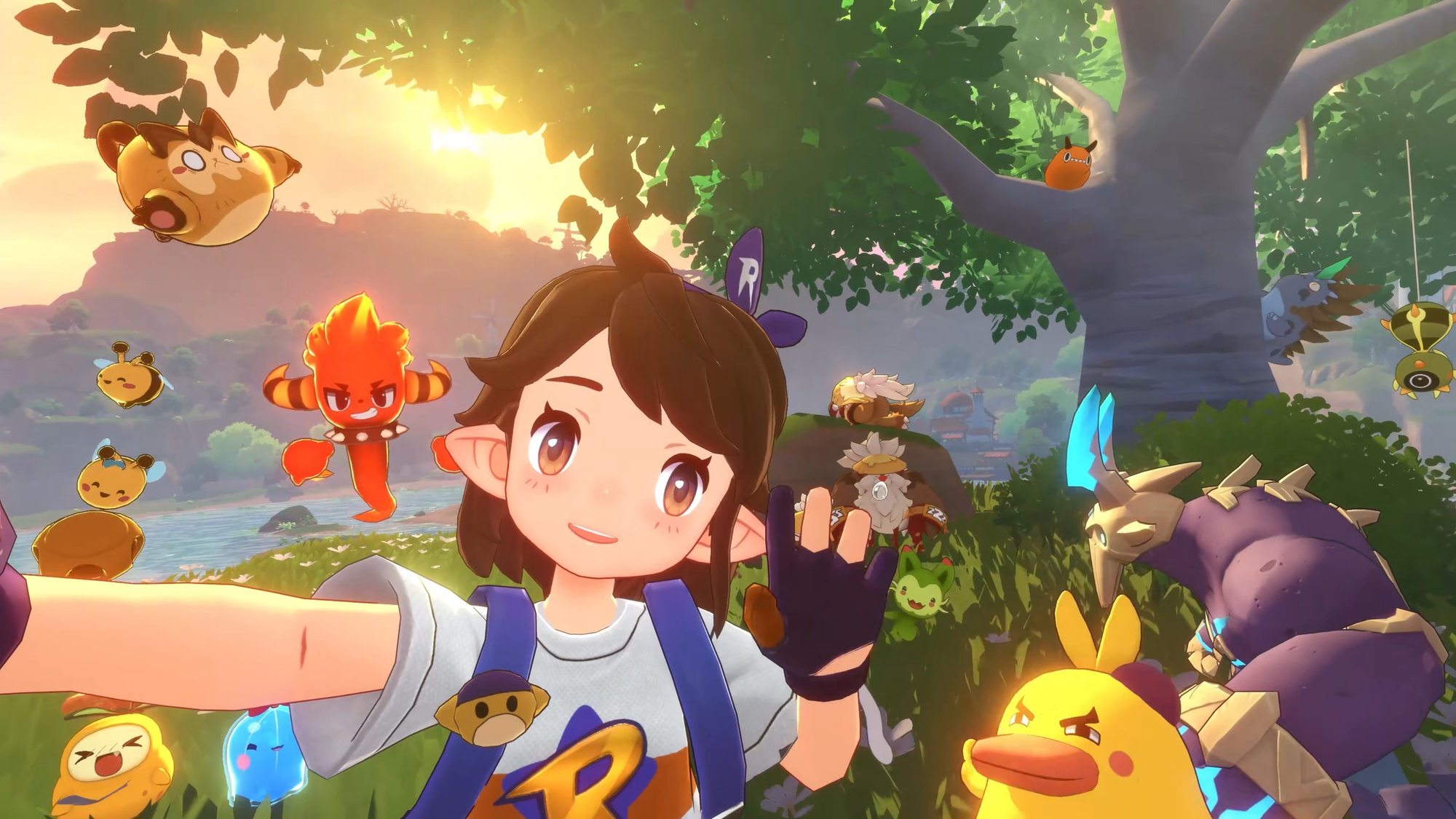
Members of the gaming press, including myself, convened at the game’s offices in Los Angeles to discover exactly that. Arriving courtesy of Tencent’s Morefun Studios (Arena Breakout), “Roco” (pronounced “Rocko”—as in, Rocko’s Modern Life) refers to students of the game’s magic academy—young boys and girls striving to become mages by taking command of “Jinies”: creatures and familiars of all sorts roaming the world of Rocaris.
“Our president actually started this [game] as a designer,” explains Xiaoye Tang, the game’s Global Content Lead. “Basically, he just wanted to make a huge, connective world where people could play with Jinies with other players. Back then, it was intended to be a game for kids, so many from that generation love that game.”
The stats certainly back Tang’s claim: the original Roco Kingdom debuted as a browser webgame in 2010, surpassing 200 million registered players by 2015. The property is certainly generational: this new entry—titled Roco Kingdom: World in China—released this past March and amassed fifteen million players on day one alone. It’s this enduring success that convinced Tencent to bring Roco Kingdom to the global stage.
“The game has been super phenomenal for the last sixteen years, but recently, we started to think how to continue this huge thing that we have, and then we started to reintroduce Roco Kingdom,” says Tang.
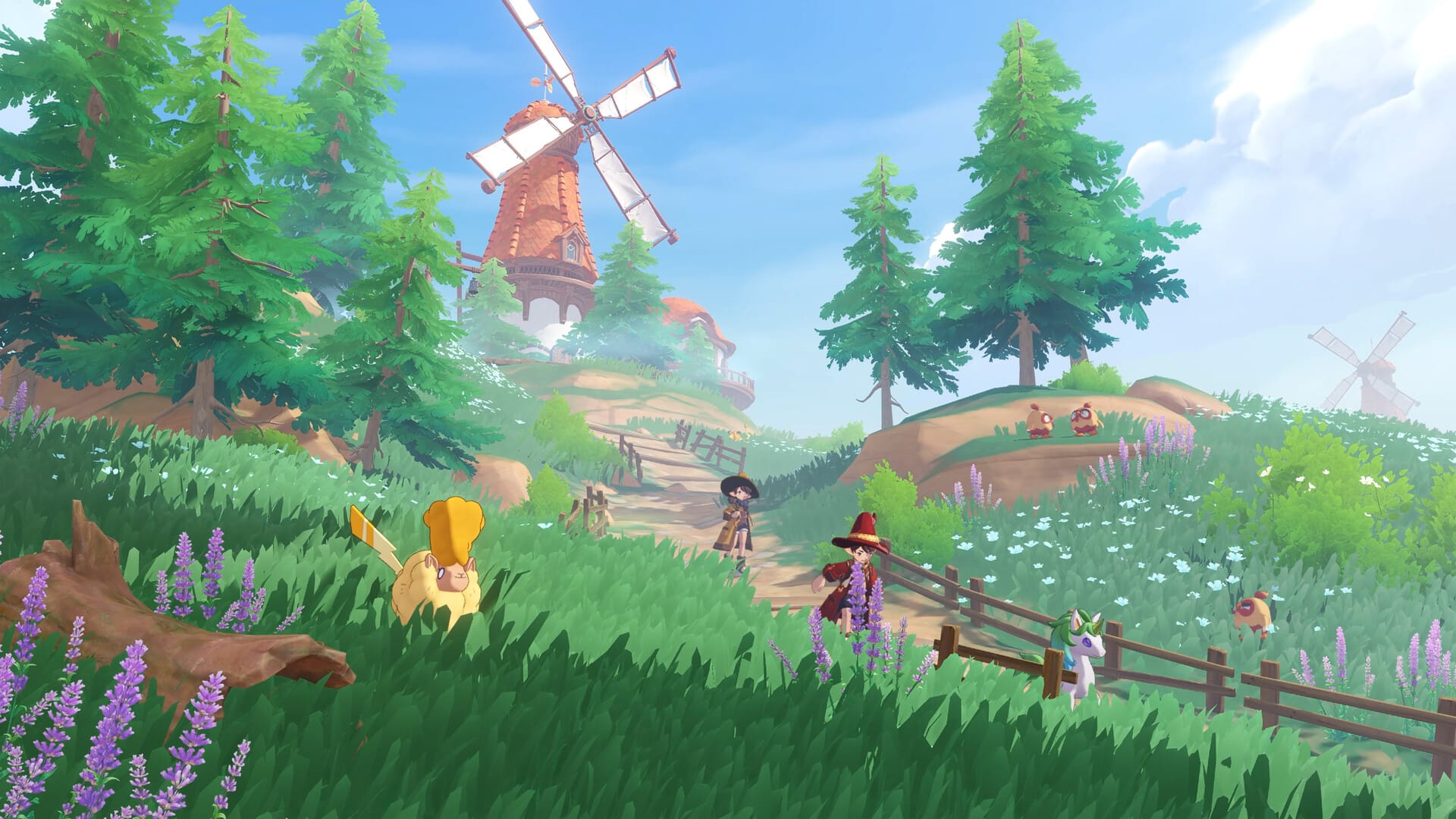
A reimagining of the original webgame, while Roco Kingdom features familiar characters and rewritten plot-beats for an open-world RPG, you won’t need to consult any fan wikis to familiarize yourself with it. The demo put us through an opening tutorial introducing us to the cast and combat mechanics, with talking owls situating us for orientation, bratty students challenging our avatar to battle, and a thrilling airship crash setting the stage for an unforgettable journey.
“We’re focusing on making this more of a living world RPG—a narrative RPG,” explains Tang. “The vision is quite ambitious, so we don’t want a game that has only one aspect in just catching creatures; we want a game that has everything. I grew up playing a lot of RPGs like Elder Scrolls and Fallout, and that’s what I wanted to make a game that has not just creature collection, but also intensive RPG mechanics and story elements while also being open-world and online. That’s the main vision behind it.”
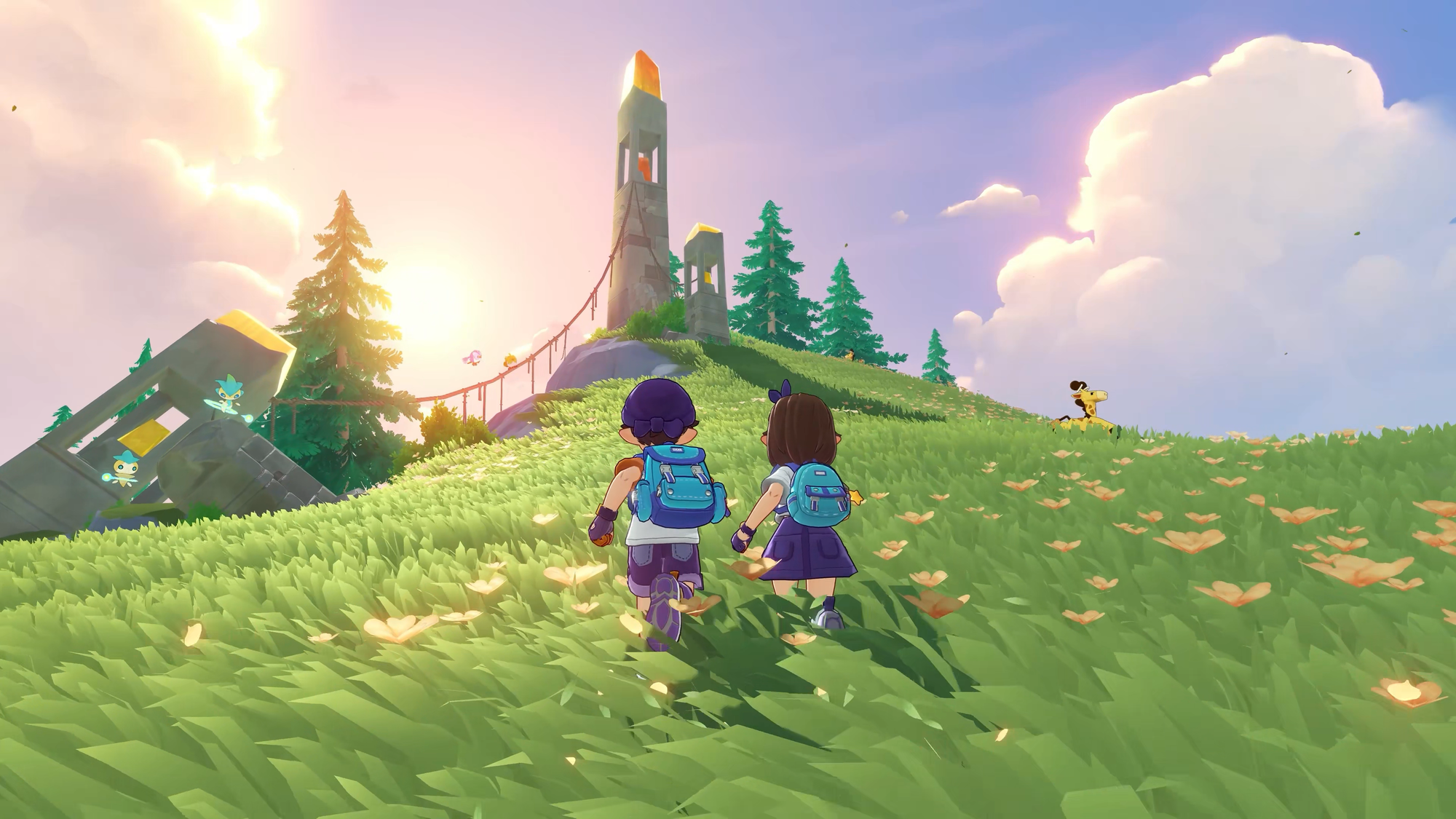
Roco Kingdom’s ambition is certainly palpable: the game promises an inviting array of biomes from rainforests to snow-capped mountains to abandoned castles. However, I was immediately arrested by the wild Jinies’ distinct behavioral patterns: some live in packs with their parents, others prey on each other, and they even challenge each other to combat. Naturally, wild Jinies react to your presence—Catapawn turtles will hide in their shells, but others aren’t so passive, with Blazehound wolves growling at my disturbing their territory.
I mention my being impressed with the game’s living ecosystem to Tang. “We make these behavior trees based on different Jini species and their environments, so they have distinctive personalities. The ultimate goal is to make them as close to real-life animals as we can.” He elaborates by saying this plays into each Jinie being one of a kind, varying in size and characteristics even within the same species.
Roco Kingdom boasts a wide line-up of creatures, from itty-bitty cuties to ferocious monsters—all with their own quirks, personalities, and inspirations. “Each Jini are inspired by literally anything,” says Tang, “there’s actually Jinies inspired by objects, such a historical Chinese bronze artifact that became a dragon-like creature.” Another example given was a broom-based Jini, Dustler, who will kindly clean your avatar’s hat given the opportunity.
Of course, object-based monsters aren’t anything new; indeed, Roco Kingdom is not shy with its Pokémon inspirations, be it evolutionary chains, catching monsters with balls called “Buddy Pods” or even choosing one of three Jinies at your journey’s beginning. Still, I find myself quickly taken to its bestiary, not the least in the Jinie I’d chosen: the leaf cat Meevy, a scrappy little thing with whom I waste time poking and prodding at in the game’s pause screen.
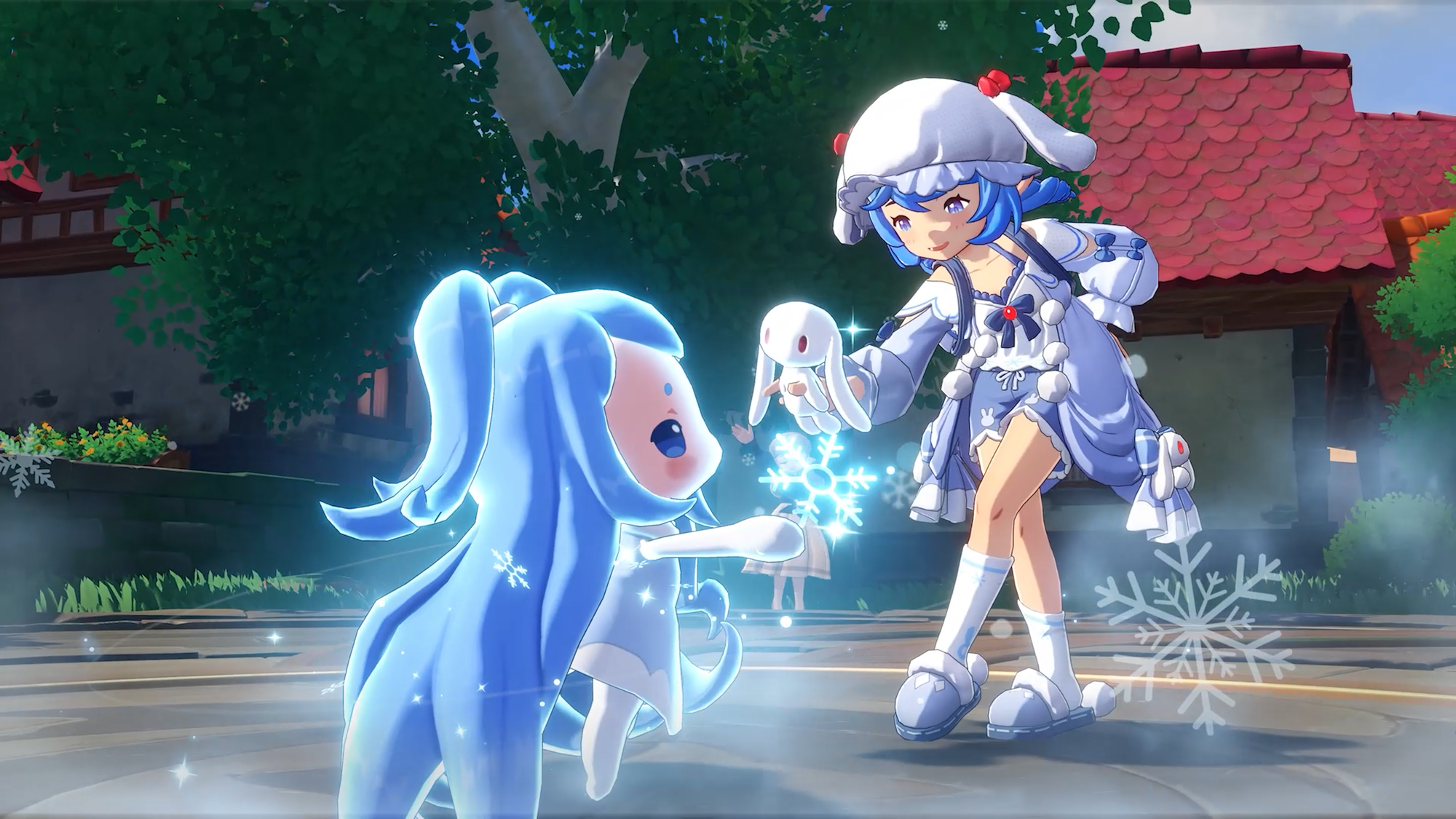
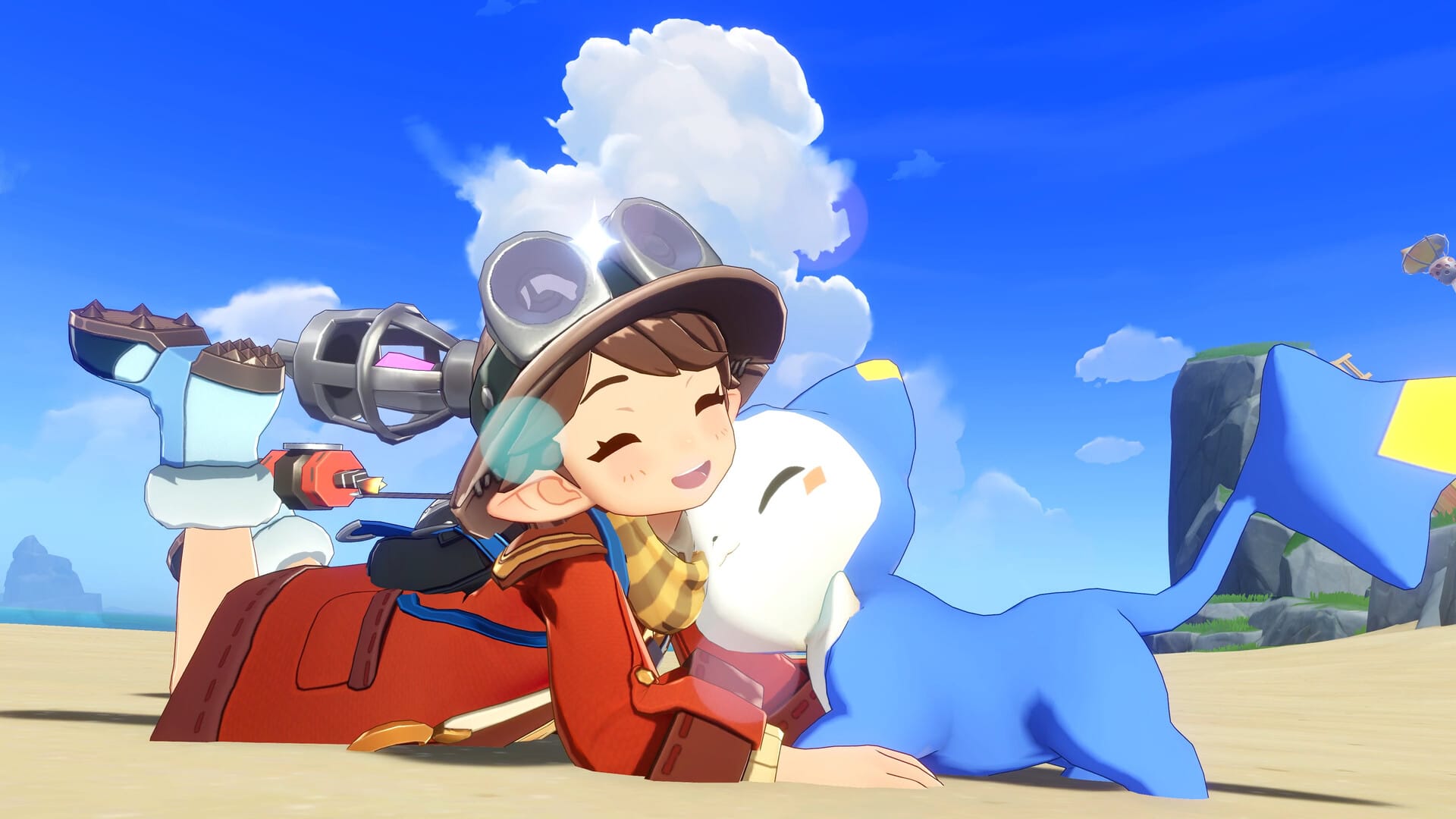
Dig past the inspirations, however, and you’ll find Roco Kingdom has carved out an impressive niche. If you treat your Jinies well, they’ll bring gifts; mistreat them, and they’ll run away, cry, or headbutt you. To be an ideal Roco, you can pet Jinies, send them off to gather materials, or even use them as mounts. (And in case they’re too small, don’t worry; you can just carry them around.)
After the tutorial, we’re left to explore the world at our leisure. I walk into town and surprise myself by scaling buildings. Residents whisper about monsters lurking about—clearly a hint towards rare Jinies to catch. Sidequests found in the open world grant rewards. I am again taken with the Jinies—this time with how my partners interact with the vast overworld in their own respective manner, be it sailing air currents for traversal or lighting torches to explore ancient ruins. Companionship is key.
One anecdote stands above the rest: as I putz around the outskirts of one village, I catch sight of an airship sailing the skies—adorned by one of many floating stars I’d seen scattered here and there. It’s soaring away, but while I’m taking note of the surrounding geography, an opportunity arises; I’m going to grab that star.
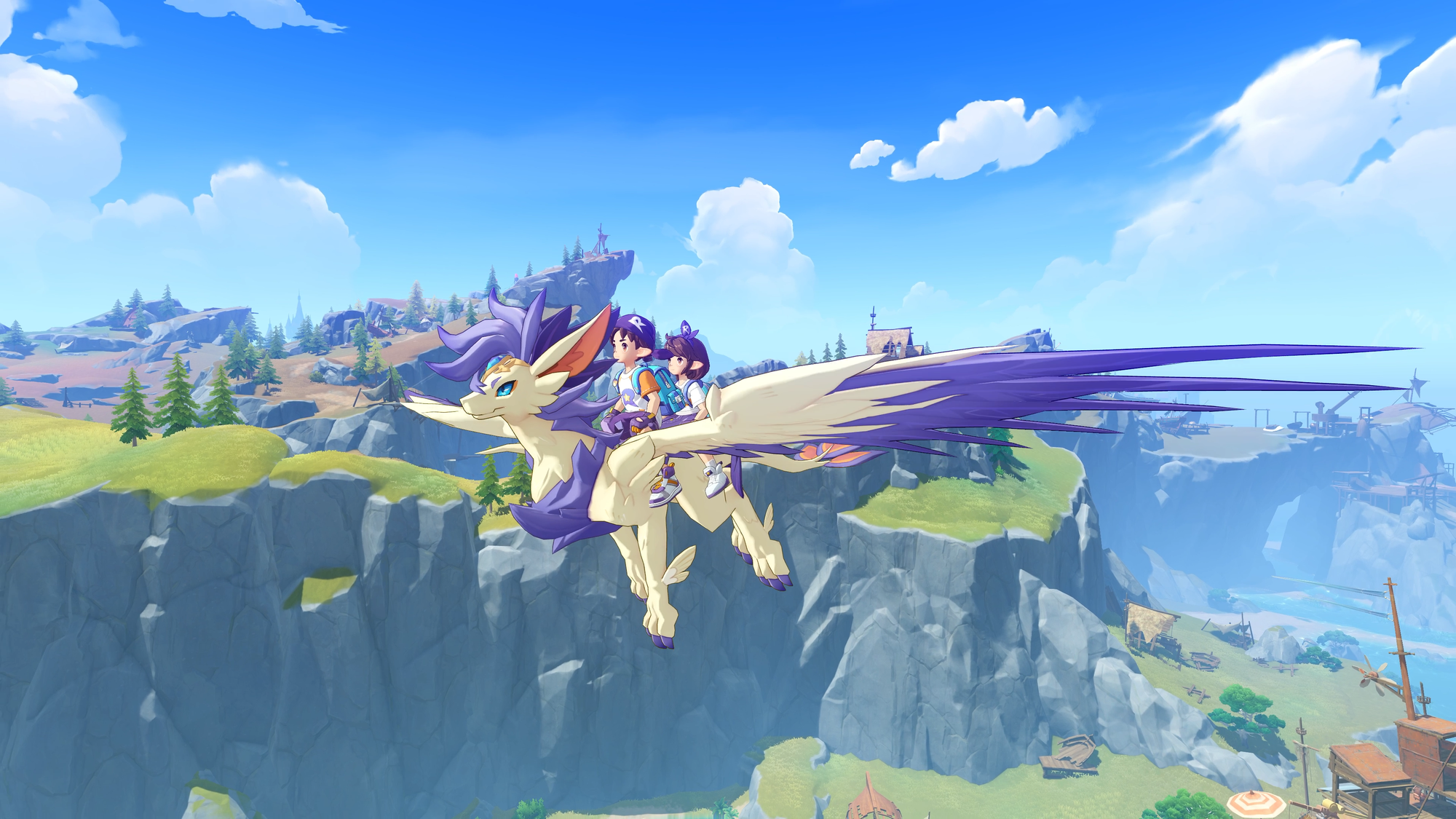
Switching out to an eagle-based Jini, we race to the top of the closest, tallest hill, where a rising current brews just off the edge. We take aim and leap off, riding the wind into the night sky above. We’re sailing the stars, the ship’s in reach, and I hold my breath, praying to whatever deity is watching over Rocaris as we close the distance…!
Alas, it’s not meant to be: we miss the airship by mere inches, dejectedly floating back down and left empty-handed.
Tang laughs as I regale my tale of woe. “The stars are a resource for a specific mechanic—did you happen to run into any owl statues?”
I nod, and he goes on. “Those are called Owl Sanctuaries, and you unlock with them those stars. Every Jini possesses a seed where, if you put it inside the statue, it’ll attract more of that Jini to appear near it, so it’s easier to catch. And since there’s only one or two seeds allowed in one sanctuary, you’ll need to unlock a lot of those, so you’ll want to collect lots of stars.”
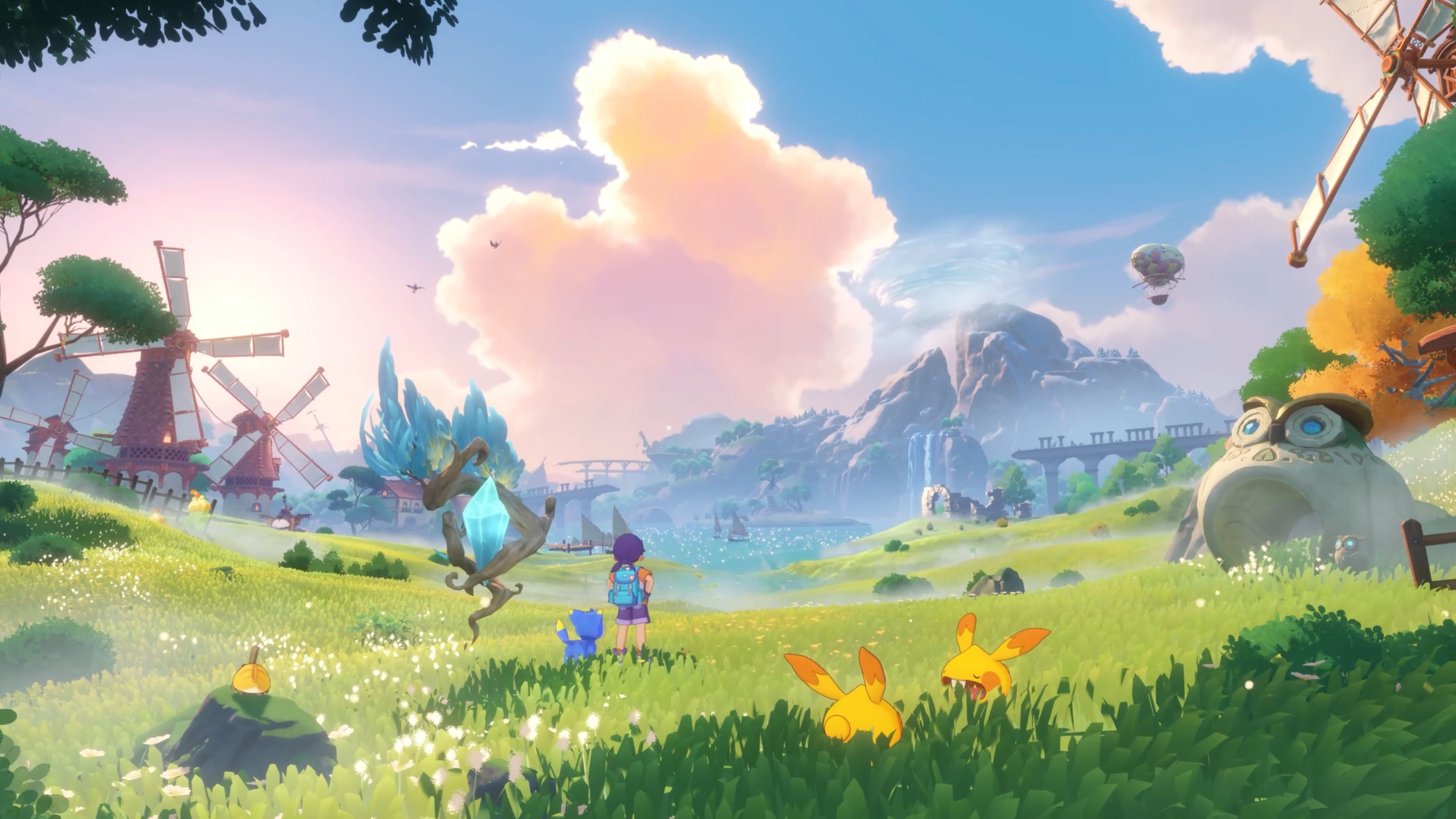
Roco Kingdom’s gameplay loop indeed seems endlessly inviting—far too impenetrable to gauge from a brief demo. Beyond the Owl Sanctuaries, there were other ancient ruins I hadn’t deciphered, collectibles I never got to use, and side-quests I’d only just started. And that’s not even touching what we hadn’t seen; namely, housekeeping, where players can maintain and decorate their own home.
“We’re planning on expanding it in the future, but the core feature is that that you gather resources from plantations that your Jinies can manage or put them at your house to guard because other players may come to grab some of the resources you’ve farmed,” says Tang. “It’s sort of PvP, but it’s more light-hearted since they’re not core resources—it’s more of a prank.”
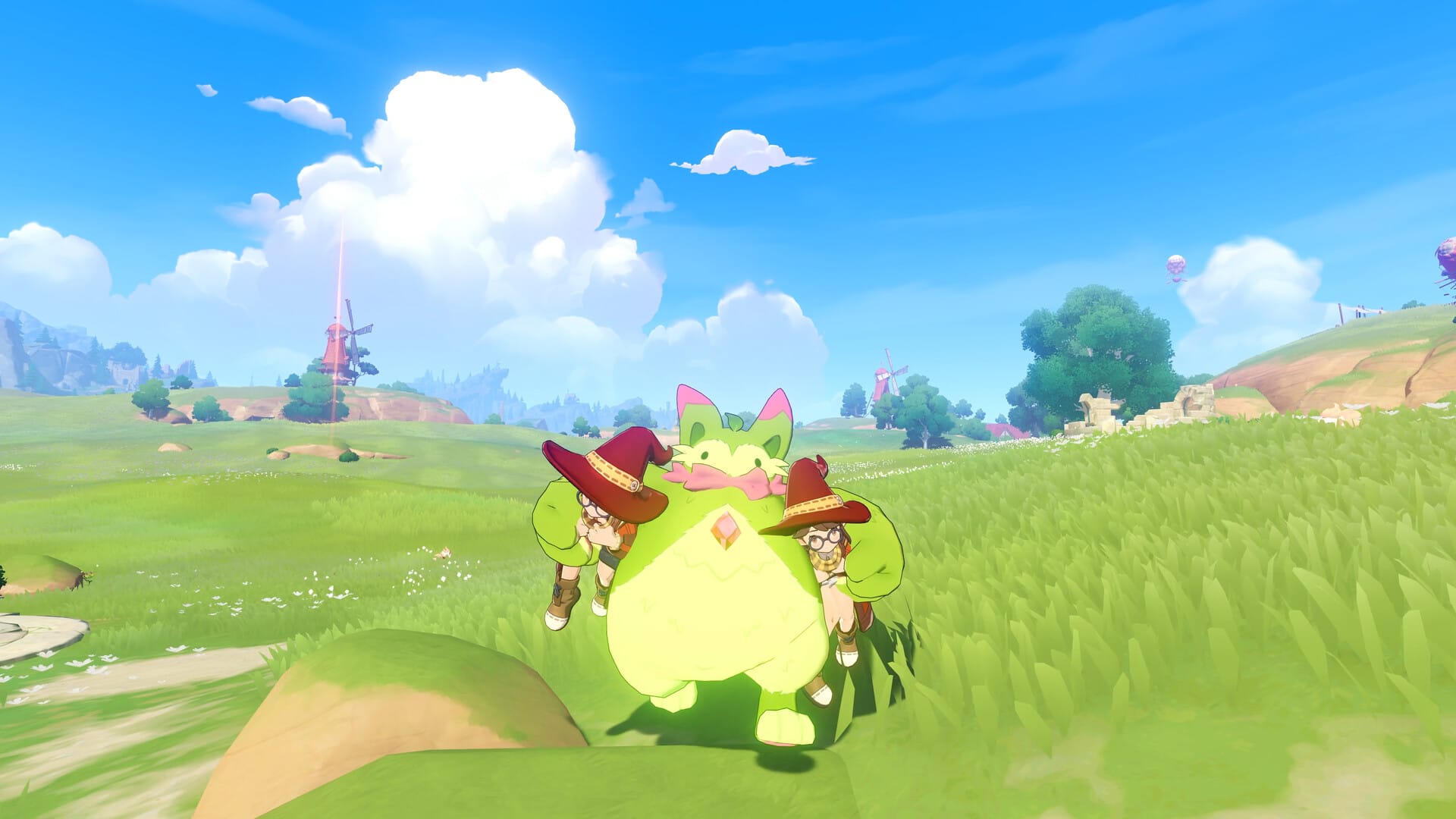
I’m reminded of the game’s core philosophy mentioned during Tang’s initial presentation: meeting, bonding, and journeying together. The room was certainly receptive to this goal: we cooed at the precious sight of in-game avatars hugging and holding hands together, and were abuzz with laughter at the varying ways players rode monsters together—a particular highlight being one player mounting a snake’s head while the other surfed on their tail. “The mounting animation is the funnest part since it depends on what their physiology is like, so we meticulously create dedicated animations for one or two people when mounting them,” says Tang.
With how cruel and uninviting the online gaming space can be, the way Roco Kingdom pursues companionship is certainly admirable. The game oozes already oozes warmth at its core with its cozy artstyle, and be it doodling messages to leave out in the wild to how players can travel to their friends’ worlds—where, with the host’s permission, they can catch rare Jinies for themselves—collaboration is undeniably the name of Roco Kingdom’s game.
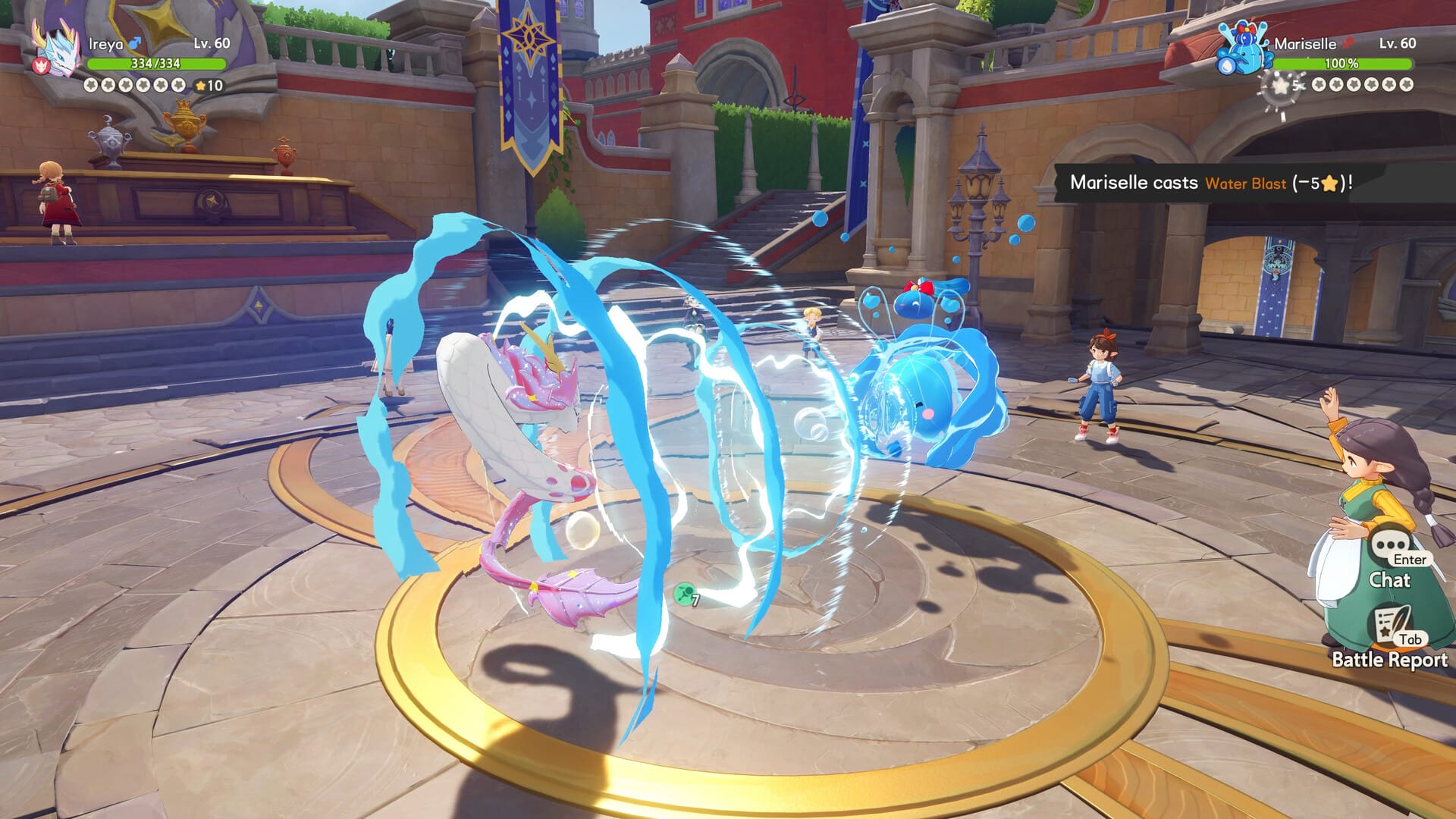
Of course, it wouldn’t be a monster-raising game without some friendly competition, and Roco Kingdom offers monster combat in spades. The Pokémon influences are overt: Jinies are divided into eighteen different classes, each with their own respective strengths and weaknesses (Fire beats Flora, Flora beats Water, Water beats Fire, and so on). Each Jini can only master four attacks, and their stats are divided into your typical assemblage of health, defense, speed, and physical and elemental attack.
While we’re told it can take upwards of a week to raise a decent team, Tang assures Roco Kingdom dispenses with an arduous grind. “It’s very easy to raise Jinies,” he says, “we want to make the overall growth experience to be light since you’ll be meeting so many Jinies”. Close observation noted that EXP works like modern Pokémon where it’s divided across your team rather than your leading monster, but be careful you don’t overdo it: we’re told Jinies will disobey if they outgrow your obedience level.
While fellow Roco mages will challenge you across the world of Rocaris, the Shining Tournament is the game’s main PVP mode. It’s here where we not only learn the ins-and-outs of battle, but where Roco Kingdom further differentiates itself: some moves can be used freely, but stronger abilities cost energy to unleash. You can rest to recover their availability, but you’ll need to skip a turn—potentially leaving your monster easy pickings for the opposing Jini to land a decisive blow.
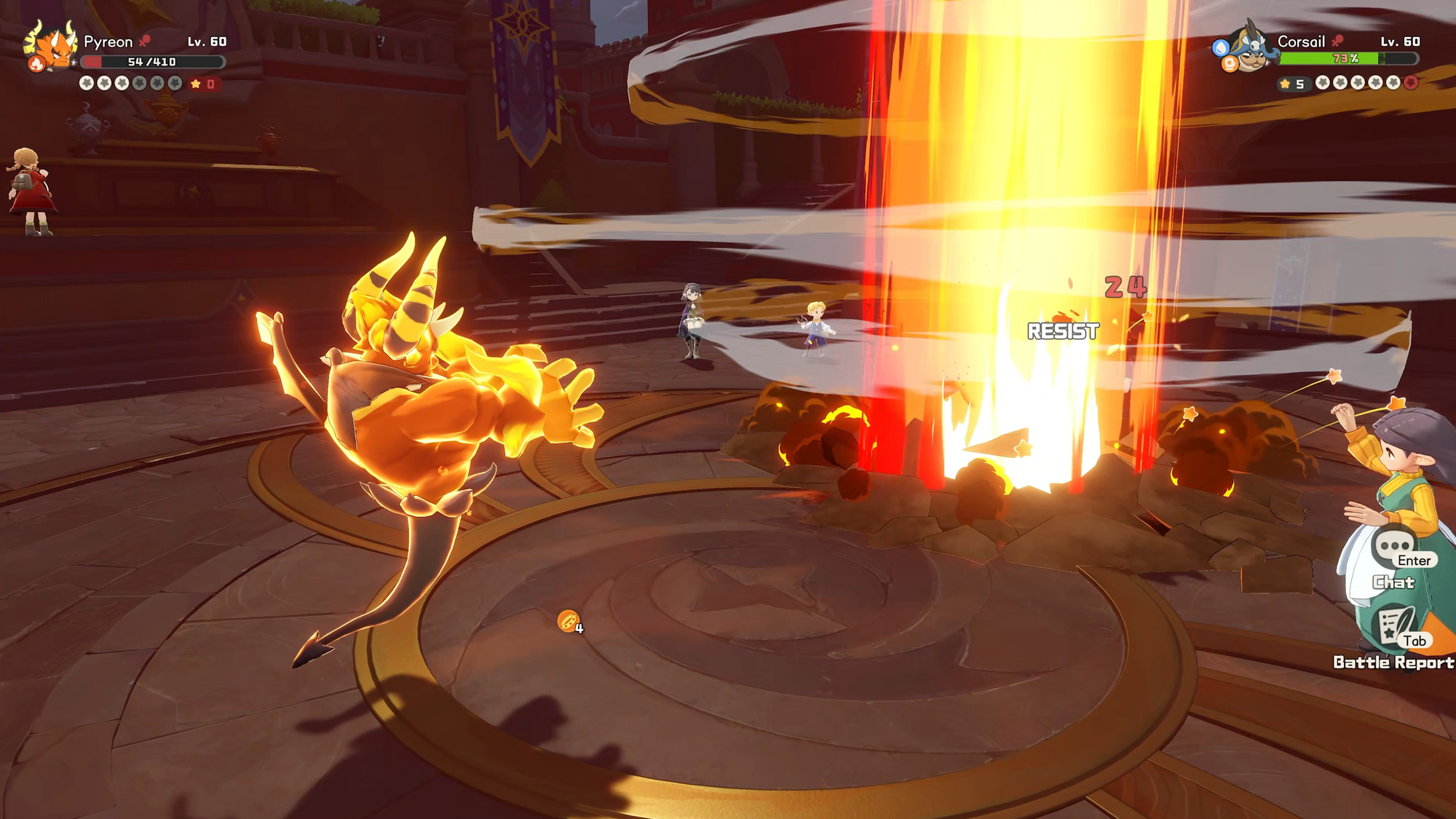
It’s a game of push-and-pull, learning where and when to use the right move and replenish our strength accordingly, but the CPU certainly didn’t make it easy: they knew when to switch to avoid bad match-ups, seeking to counter my own Jini’s weakness in turn. I struggled until I eventually found my champion: Somraja, a sleepy ape-ish monk wearing a bamboo-woven kasa. The big lug would go on to carry my party by punching everything, single-handedly demolishing entire teams. I suspect he’ll be mighty popular.
The combat was certainly promising, but I was curious: is there a competitive Roco Kingdom metagame? “Right now, we haven’t started anything like that since PvP isn’t the main focus—that’s the open-world RPG element,” says Tang. “But we are starting to think about real-life tournaments.”
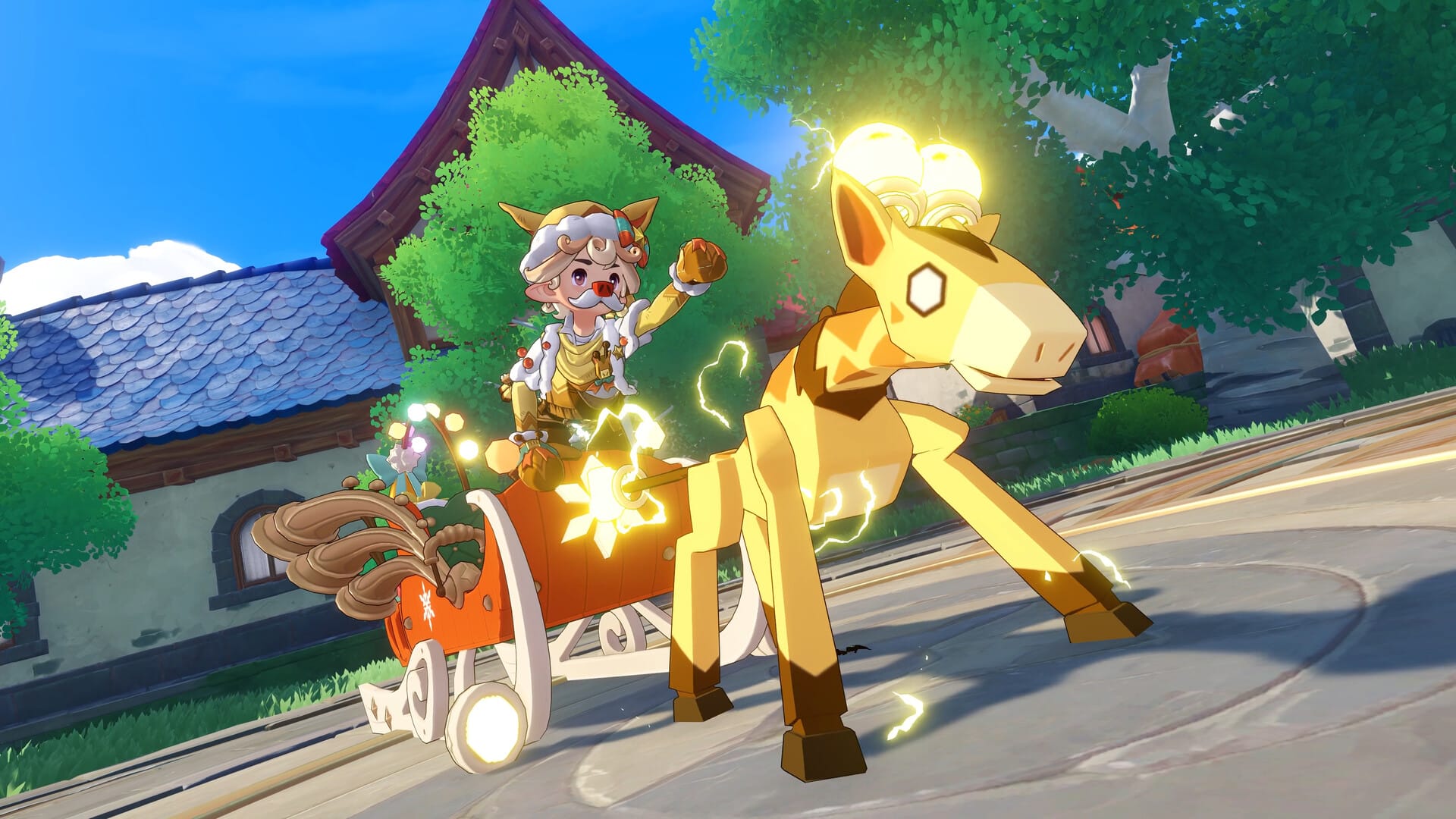
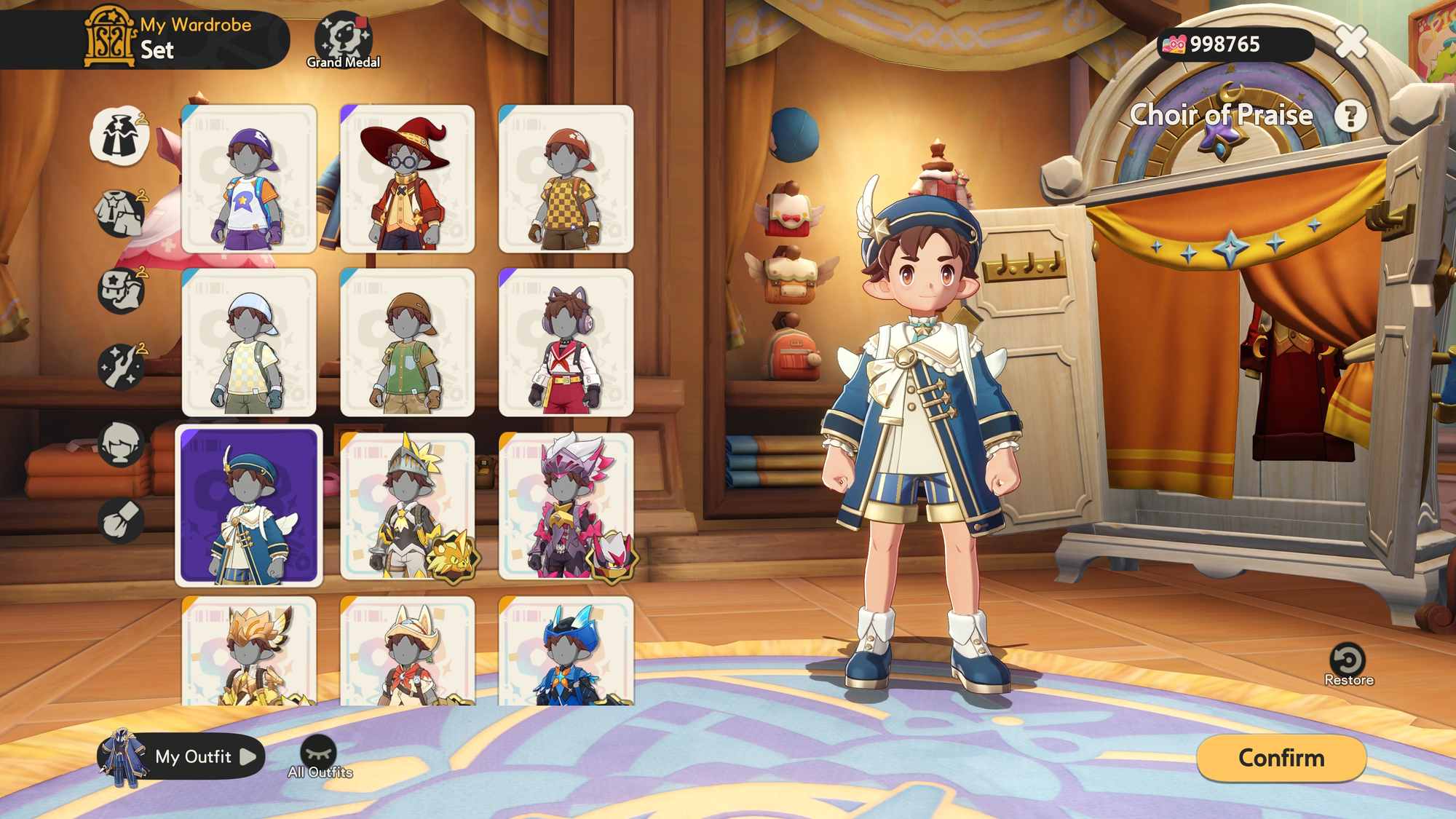
Being an online venture, Roco Kingdom is establishing a dedicated roadmap for its future—for instance, the current Chinese edition features up to 400+ monsters: a number that only barely scratches the surface of the original webgame’s thousands of Jinies. While they’ll slowly be brought back, no microtransactions or gacha features are involved, although a battle pass is available for cosmetic features—an emphasis echoed in the game’s monthly timed events, where exclusive Jinies have only visual differences. Moreover, new regions will gradually be added, but they’ll feature self-contained narratives, so you won’t need to catch up on the main questline should you fall behind.
But will all that be ready for Roco Kingdom’s Western launch? While Tang stressed there may be a small delay at the start, the overall goal is to sync up parity, so players outside of China likely won’t be left behind for long. (Thankfully, we’re told other goodies in additional body types and skin tones will be ready for its worldwide debut.)
Best of all: the game’s AI-free. “No AI has ever been used,” says Tang, “what we really care about is that when making characters and creatures, we want the soul to be in there. That’s a super important thing for the team.”
While Roco Kingdom is making its console debut, I couldn’t help but notice Nintendo was absent from the console line-up. Alas, a Switch 2 version isn’t in the cards. “The goal is to be able to launch on consoles at the same time, but it’s actually quite difficult since it’s our first console attempt,” says Tang, “as we’re not very familiar with the structure [of Switch 2], we’d rather not challenge ourselves by compromising our timing.”
Roco Kingdom is scheduled to arrive in the West by 2027’s end, but you might not have to wait long to try it: closed beta tests will begin October 27th following a pre-registration period sign-ups available on the game's official site. Dubbed the "Quack Quack Test", said beta will be conducted via PC, iOS, and mobile. (You can consult the site's FAQ for any additional questions n' answers)
Before we parted, I asked Tang if he had any final words for Westerners interested in Roco Kingdom. His message was simple: “We look forward to the game coming to the global market, and we hope you’ll look forward to it.”
That we certainly will. Stay tuned to GamingTrend for further updates on Roco Kingdom—set for its Western debut next year.