Counterplay Games arrived at Summer Game Fest 2026 with something to prove. After Godfall’s mixed reception (our original review, the 2.0 review, and the expansion review showed a steady march towards dialing it in), the studio could have played it safe, leaned back into familiar territory, or retreated into a quieter project. Instead, they showed up with Armatus, a third‑person urban‑fantasy roguelite that feels like the team took everything they learned through the life of Godfall and honed it to a razor’s edge. It’s loud, fast, stylish, grounded, and unabashedly focused on combat expression. And after spending time with the Switch 2 build and talking with CEO Ming Zang, it’s clear that Counterplay isn’t just iterating on their past work — they’re weaponizing it.
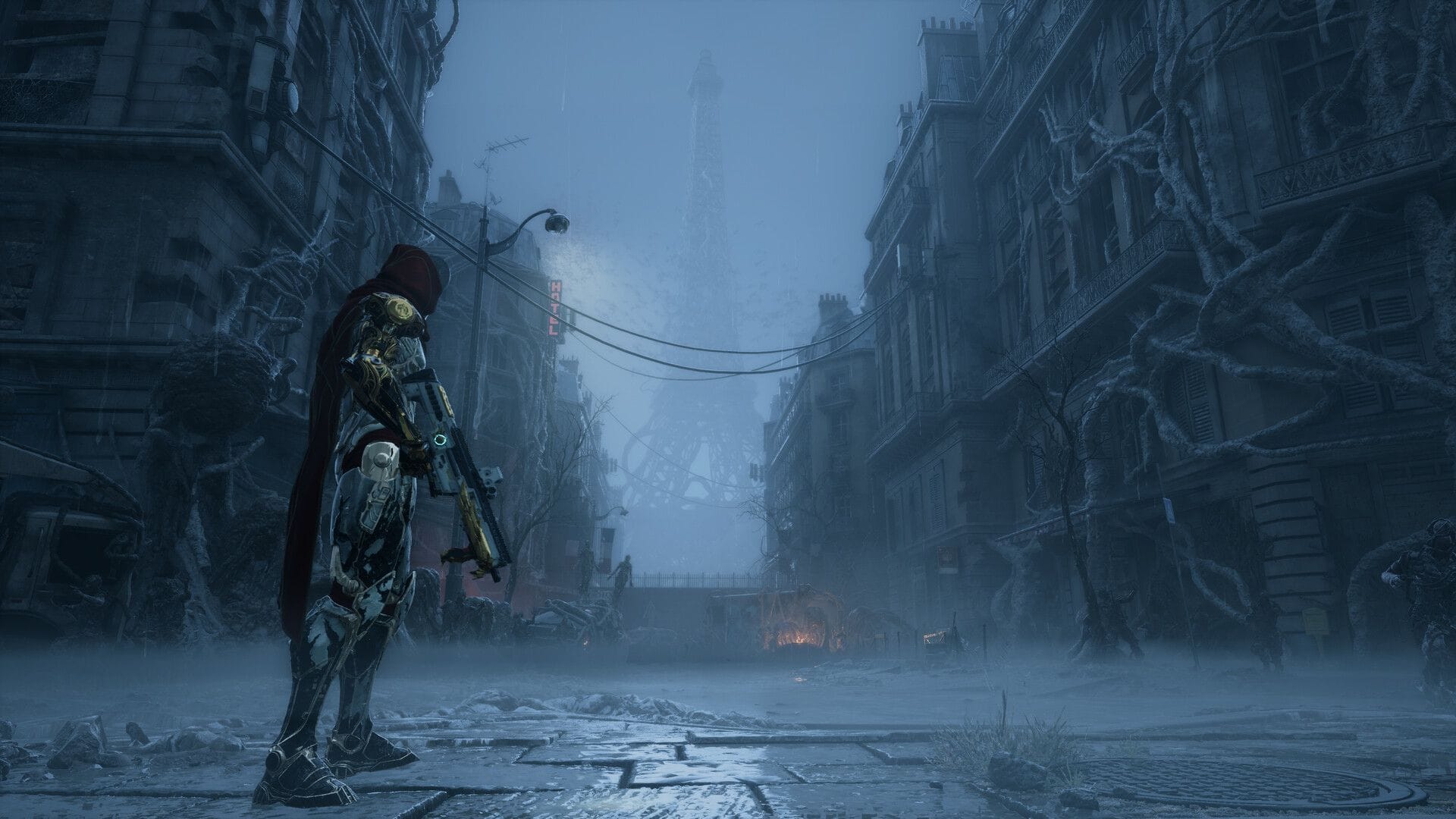
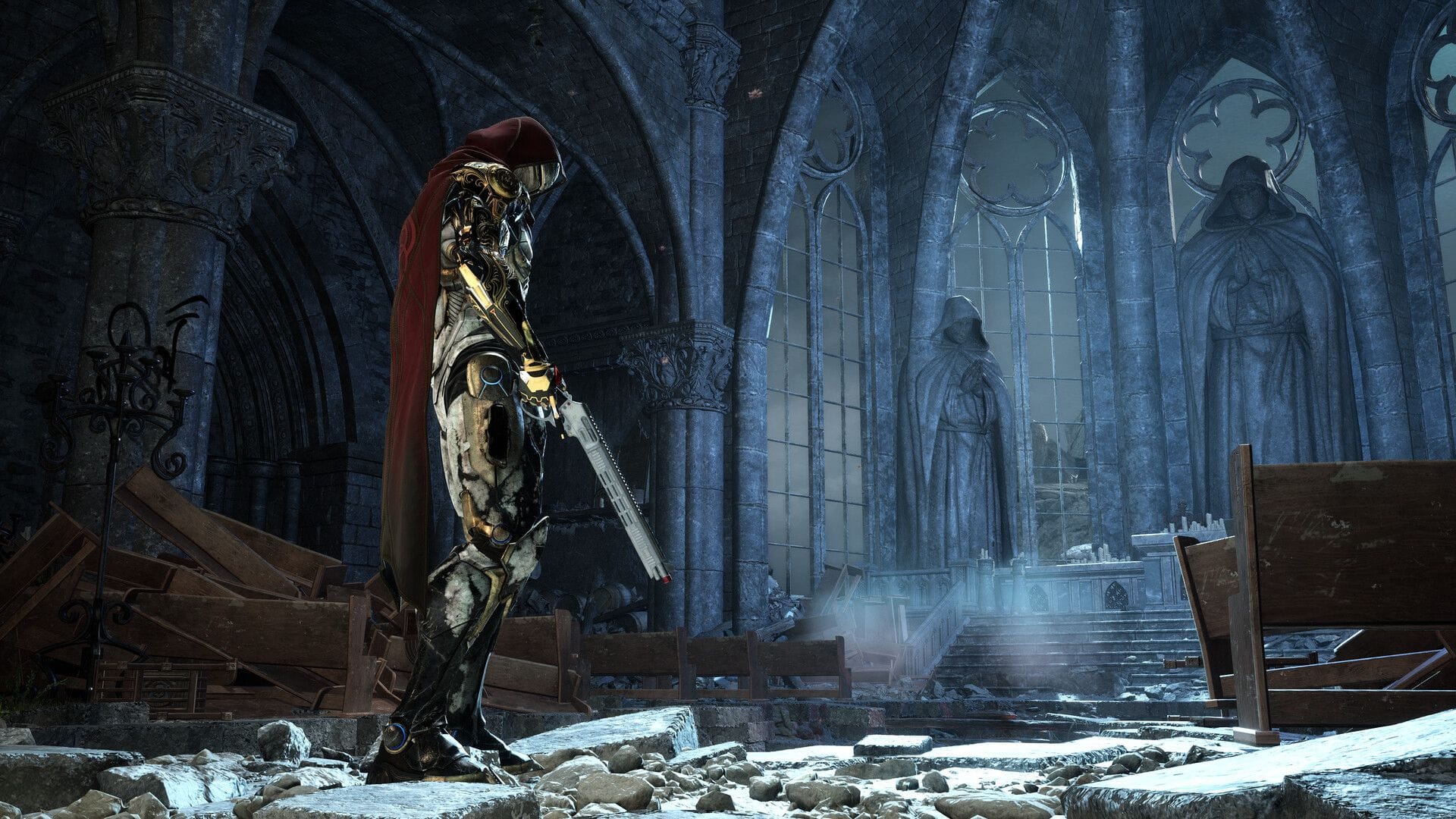
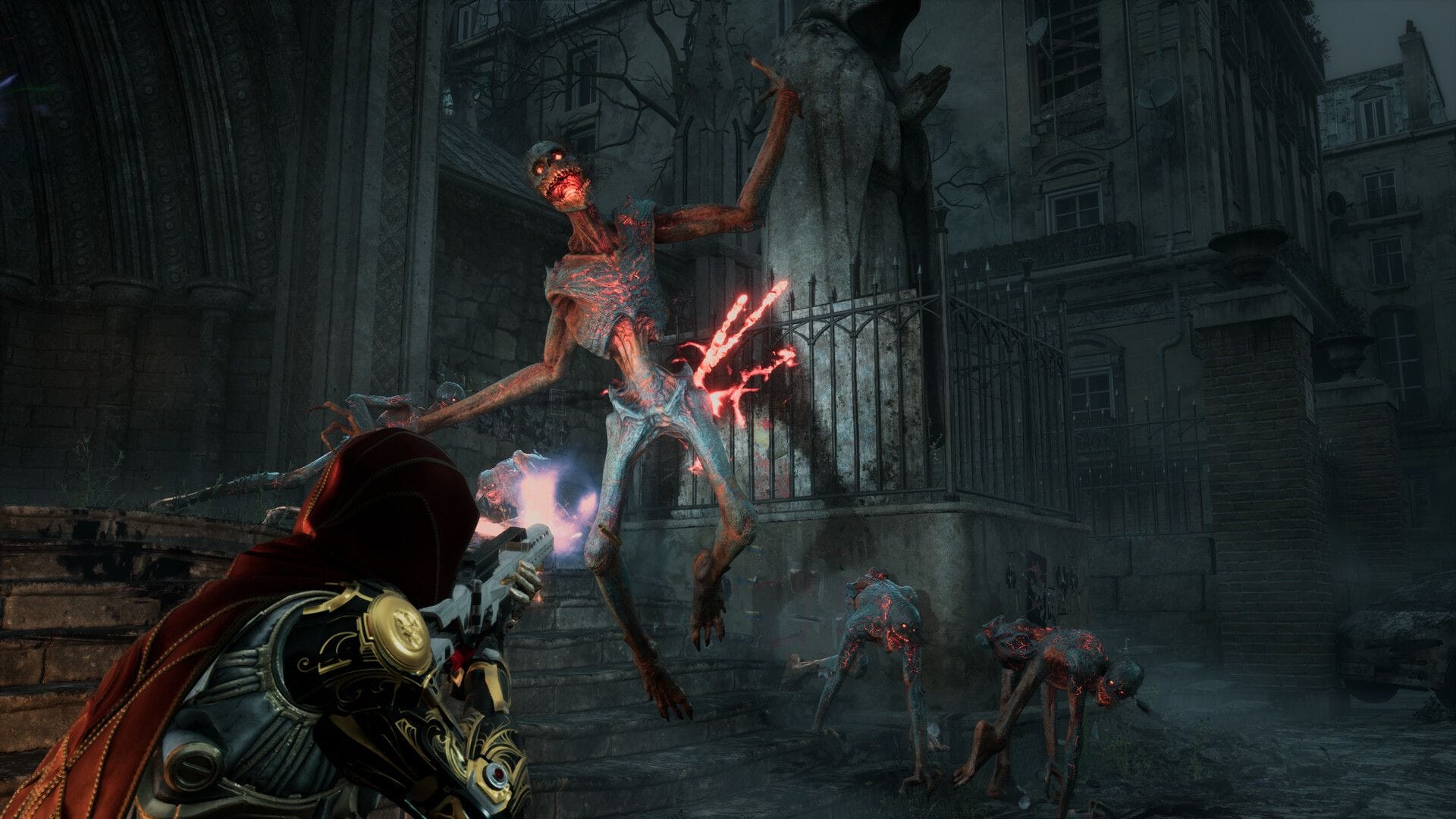
The first thing that stands out is the setting. Gone are the ornate Paladin‑knight hulking behemoths and ninja-like (but still armored to the teeth) Moebius, as are the mythic realms that served as the backdrop to Godfall. Armatus trades them for the Gothic ruins of Paris, a city that feels both familiar and haunted, modern and mythic – “NeoGothic” absolutely fits. Zang described the shift as a deliberate move into urban fantasy, a genre that lets the studio blend the “sound and fury of firearms” with supernatural abilities that erupt across the battlefield. It’s a smart pivot. The world feels grounded enough to give the guns real weight, but strange enough that the abilities don’t feel out of place. The result is a tone that lands somewhere between supernatural thriller and superhero origin story, with just enough grit to keep it from drifting into comic‑book camp. Demons aren’t out of place, oddly enough.
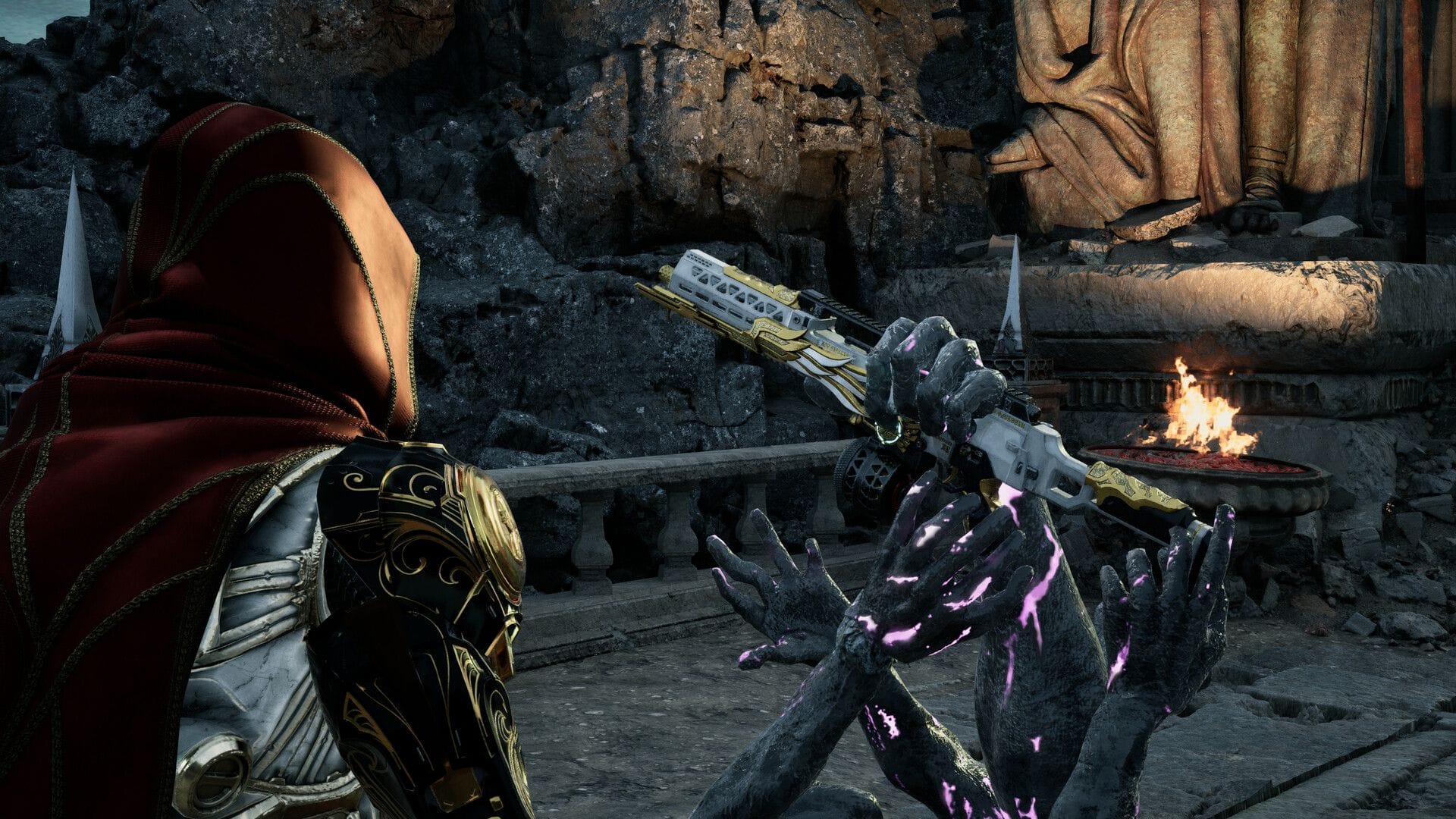
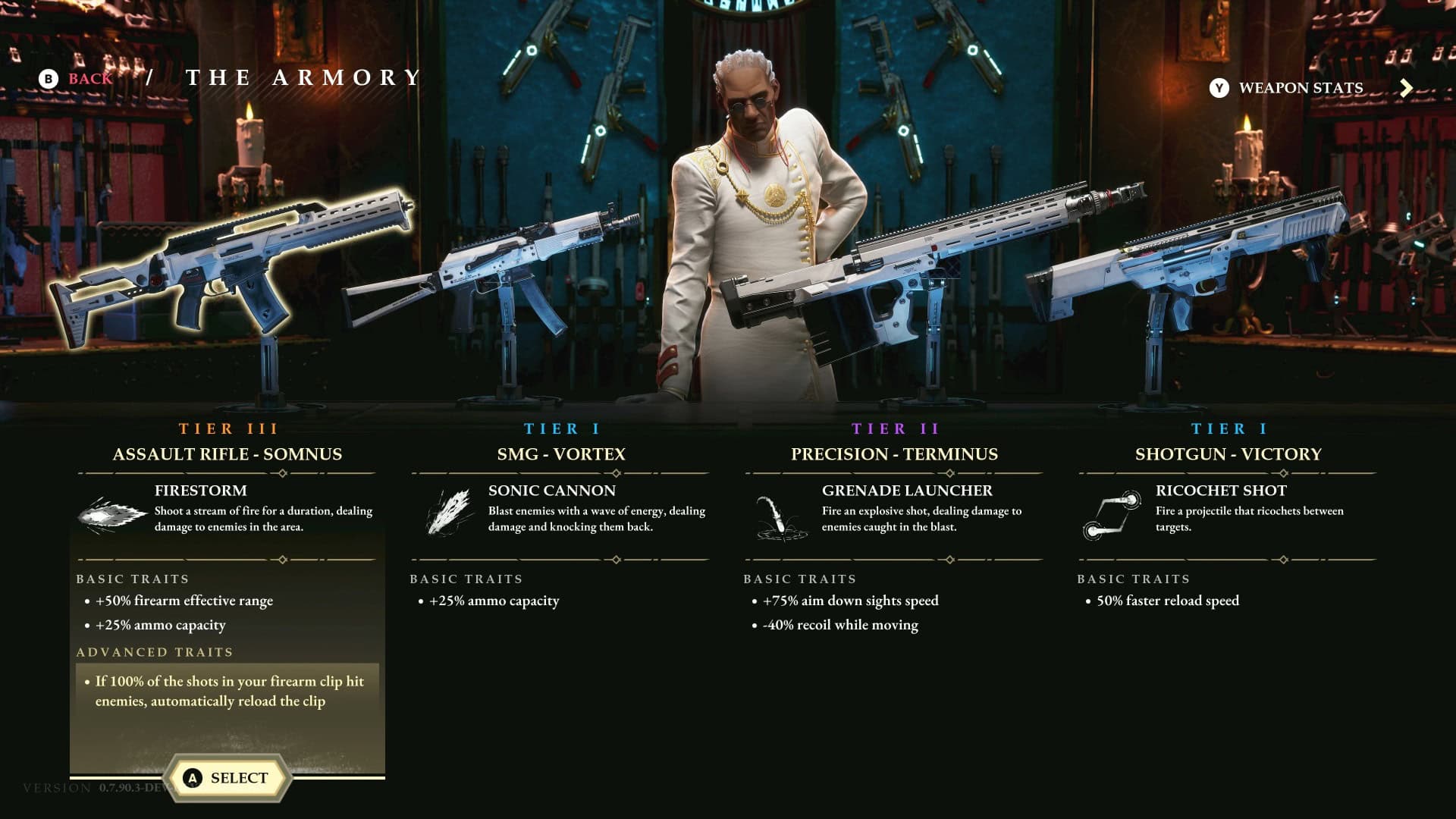
What really defines Armatus, though, is its roguelite structure. Counterplay has always been laser-focused on player agency — the idea that combat should be a conversation between the player and the game, not some sort of one-sided contract. In Godfall, that manifested as a steady drip of new moves and mechanics that kept expanding your toolkit. This power envelope evolved over time, but with a constant eye on ensuring the player always felt powerful. In Armatus, that philosophy continues. Every run begins with a choice between four weapon classes, each paired with a randomized alt‑fire. That randomness isn’t chaos for chaos’s sake; it’s the spark that ignites the run. One attempt might give your assault rifle a grenade launcher. Another might put a flamethrower underneath your shotgun. And then there’s the sniper rifle with a flamethrower attached — a combination that forces you to rethink your entire approach. Do you stay at range and use the sniper rifle to take out enemies from a distance, do you close the distance and melt them with righteous flame, or do you lean into the build and become a gun‑fu sniper who sets the world on fire at all distances? The game encourages that absurdity. No, it encourages it.
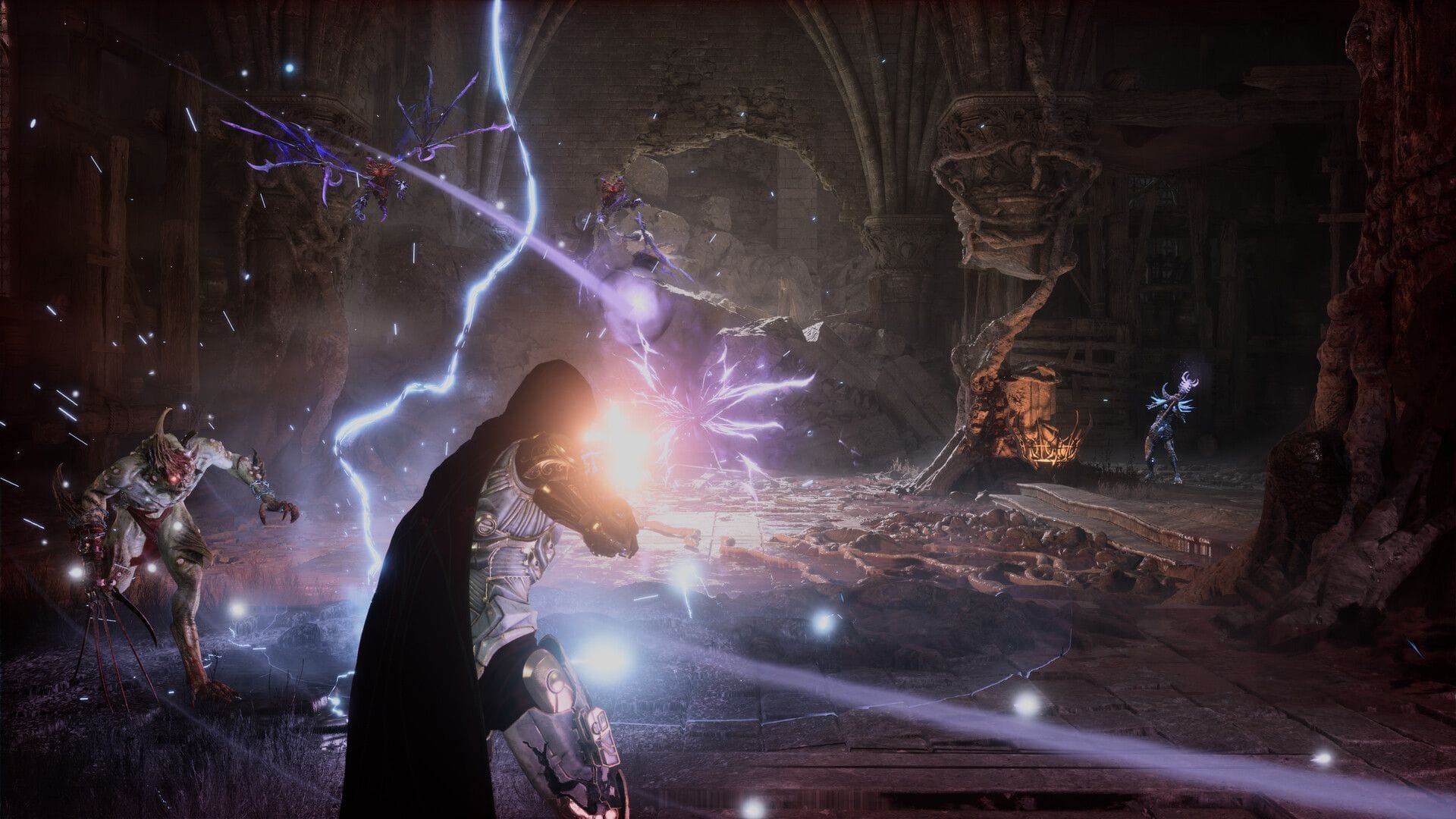
The deeper you get into a run, the more the game reveals its personality. Abilities stack in ways that feel intentionally designed to escalate into spectacle. One of the demo’s standout builds revolved around a sickle throw that petrifies enemies. Kill a foe with a well-placed sickle throw, and the enemy is petrified, shattering into stone shards. Pick up another upgrade, and those shards petrify enemies they hit. If you’re lucky and the RNG hits just right, you could add a passive that increases your damage based on how many petrified enemies are on screen. Suddenly, you’re turning entire rooms into cascading stone detonations that then trigger even more of them. As I said - absurdity, but in all the best ways. It’s the kind of synergy that makes a roguelite sing — not just bigger numbers, but new behaviors that reshape how you think about every encounter. It brings that anticipation and experimentation, where every run could be your next favorite.
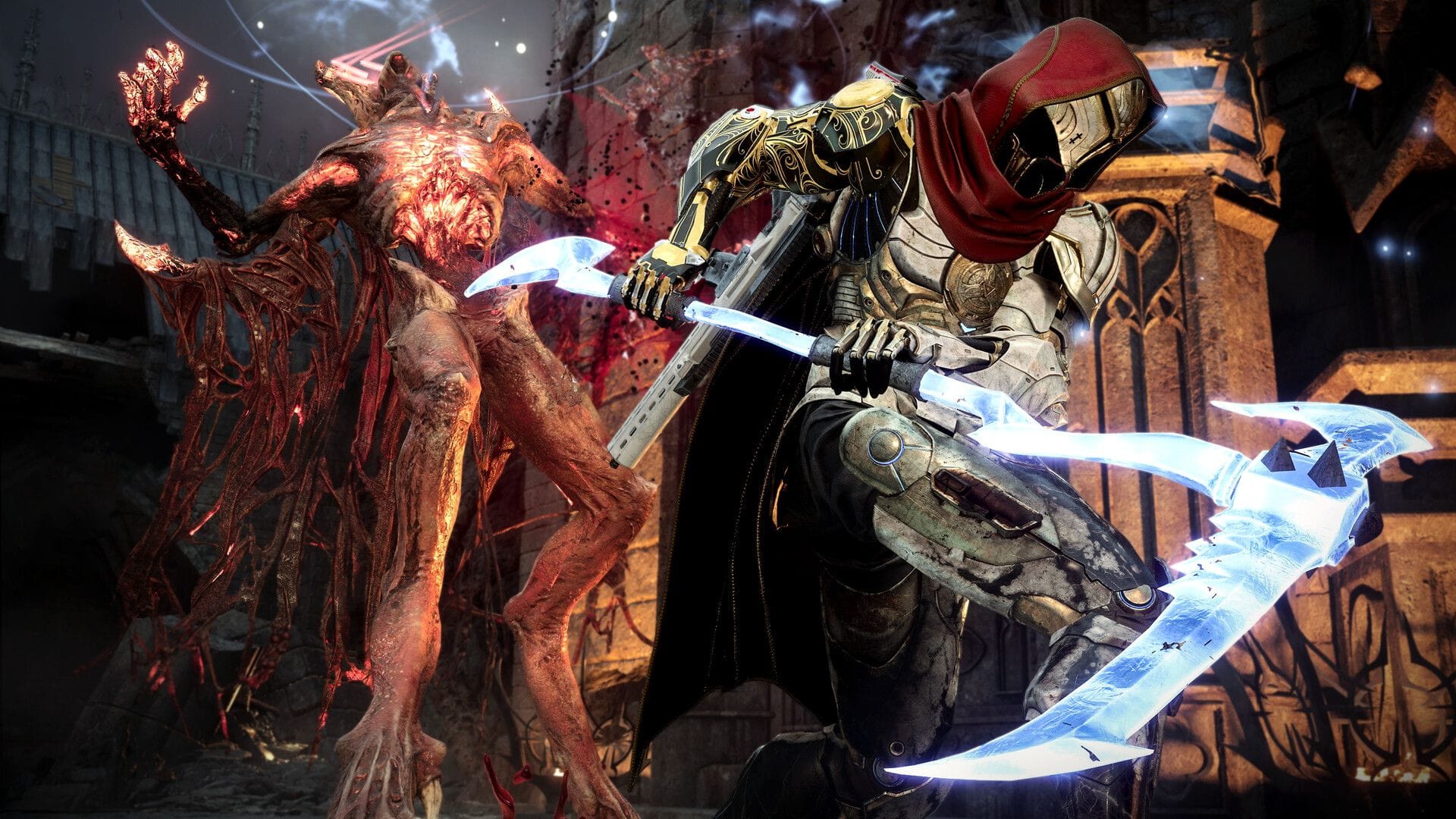
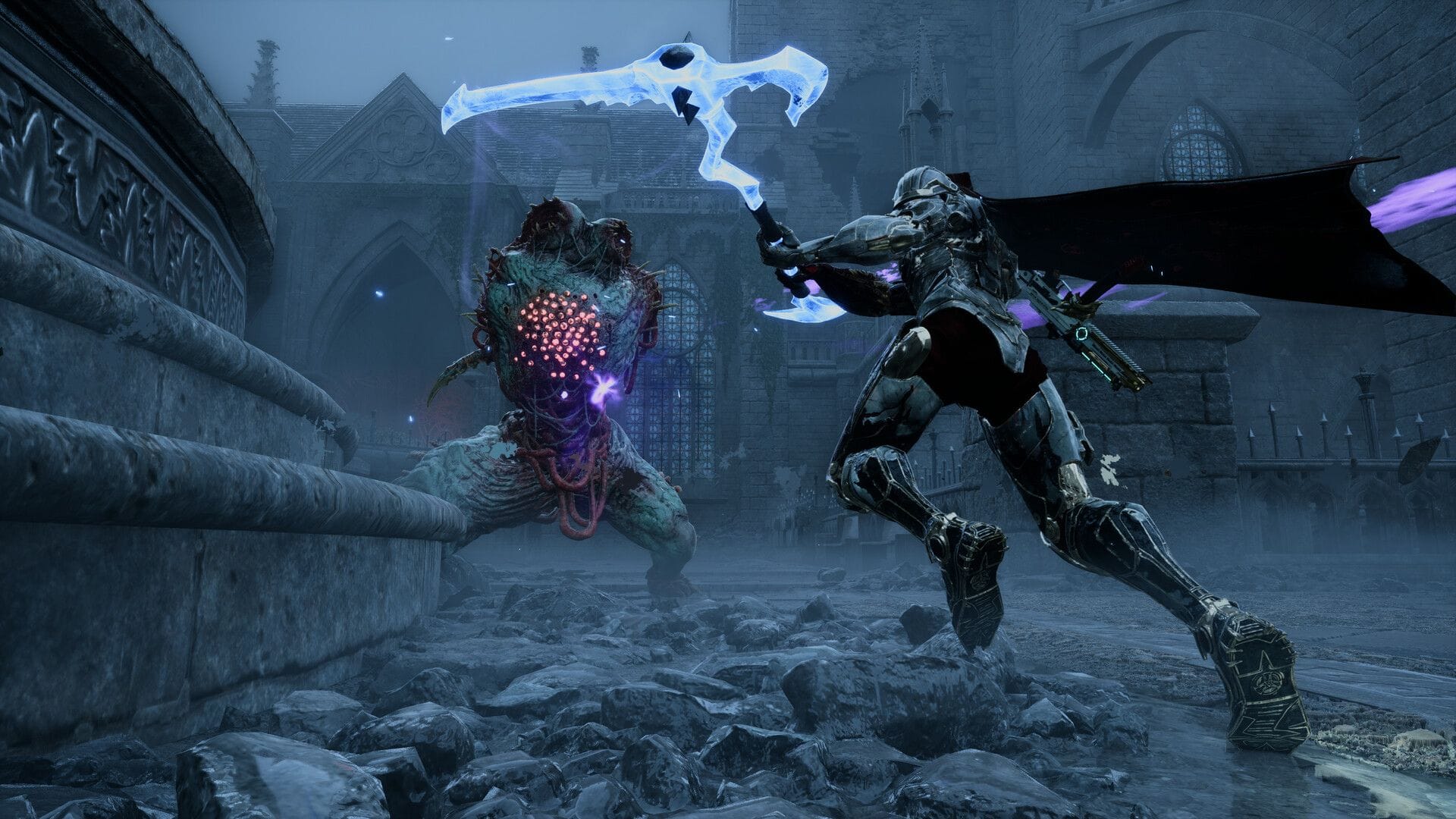
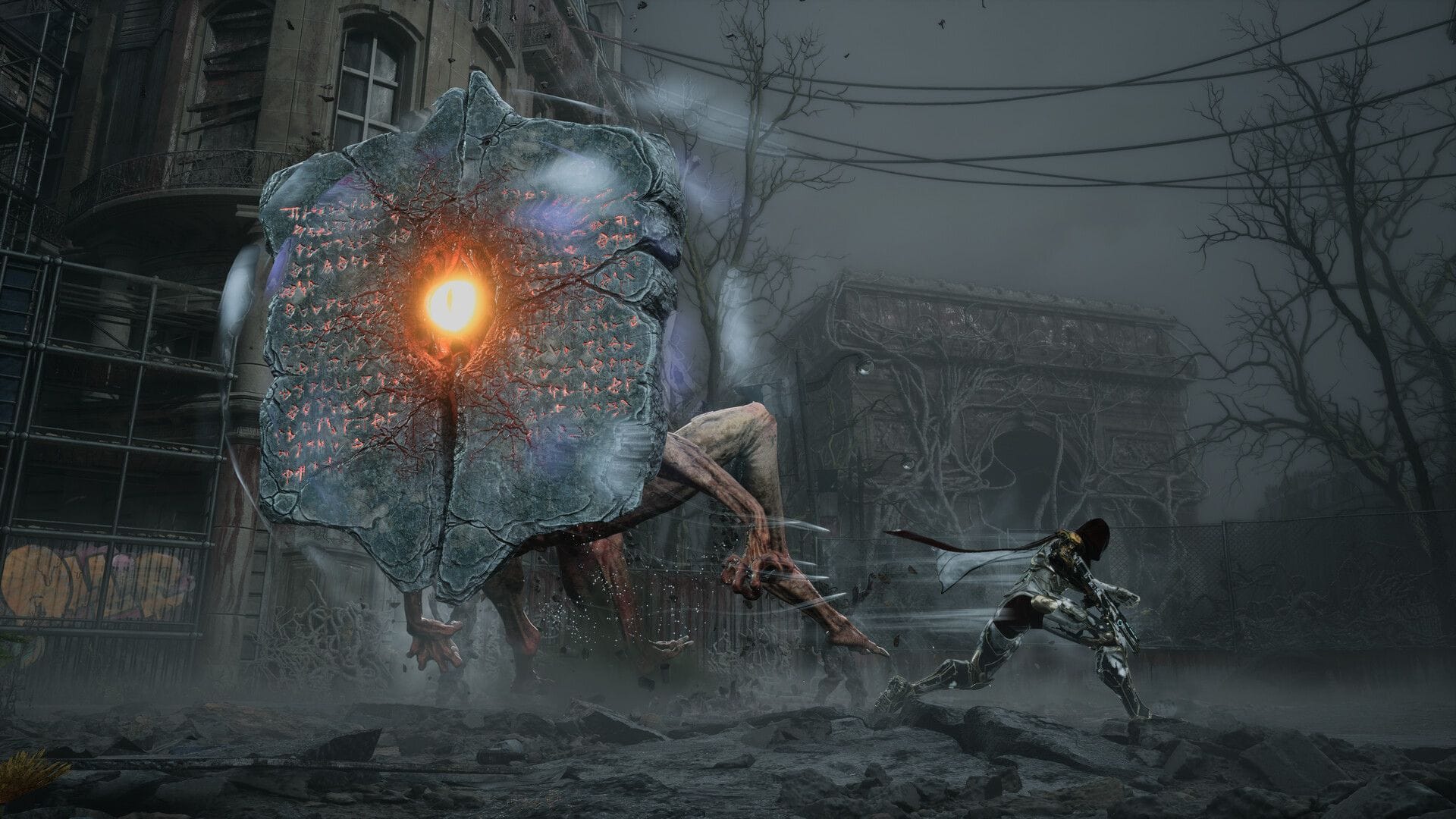
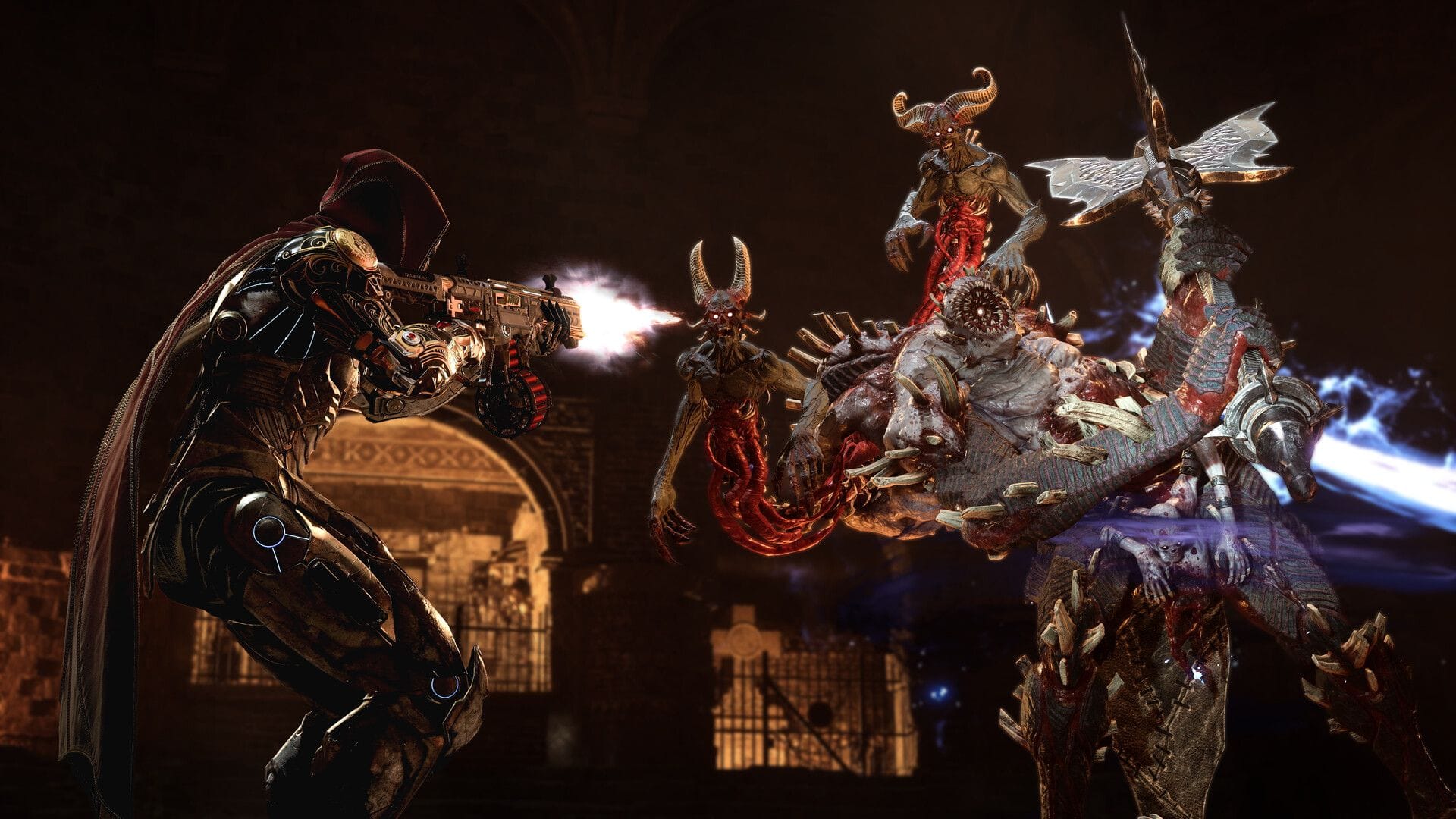
In Armatus, it’s not all guns. Melee not only gets its moment, it can be an entire build focus. A heavy attack on a short cooldown delivers a satisfying stagger and a chunk of damage, and upgrades like Blademaster transform it into a three‑hit combo that feels like a natural extension of the game’s “offense first” philosophy. If you’d rather stay at range, Divine Bolts turns your gunfire into a fountain of homing projectiles. The game constantly nudges you toward experimentation, even calling out abilities you’ve never used before when you're presented with your next choice. It’s a subtle but effective way of encouraging players to break habits and discover new synergies, but without restricting them or forcing their hand.
Between runs, Armatus introduces a layer of long‑term progression through inscriptions. Inscriptions are small, persistent upgrades that smooth out early difficulty spikes, or give you a little more breathing room for when things get more dangerous. Extra health injectors, better starting stats, and other incremental boosts help you push deeper into the game’s escalating challenges – the roguelite aspects of Armatus. Weapon mastery adds another dimension, offering small quests during runs that unlock new gun variants, alt‑fires, and glyphs. It’s a clever system that rewards skillful play without undermining the roguelite loop, while still finding ways to encourage player risk and reward.
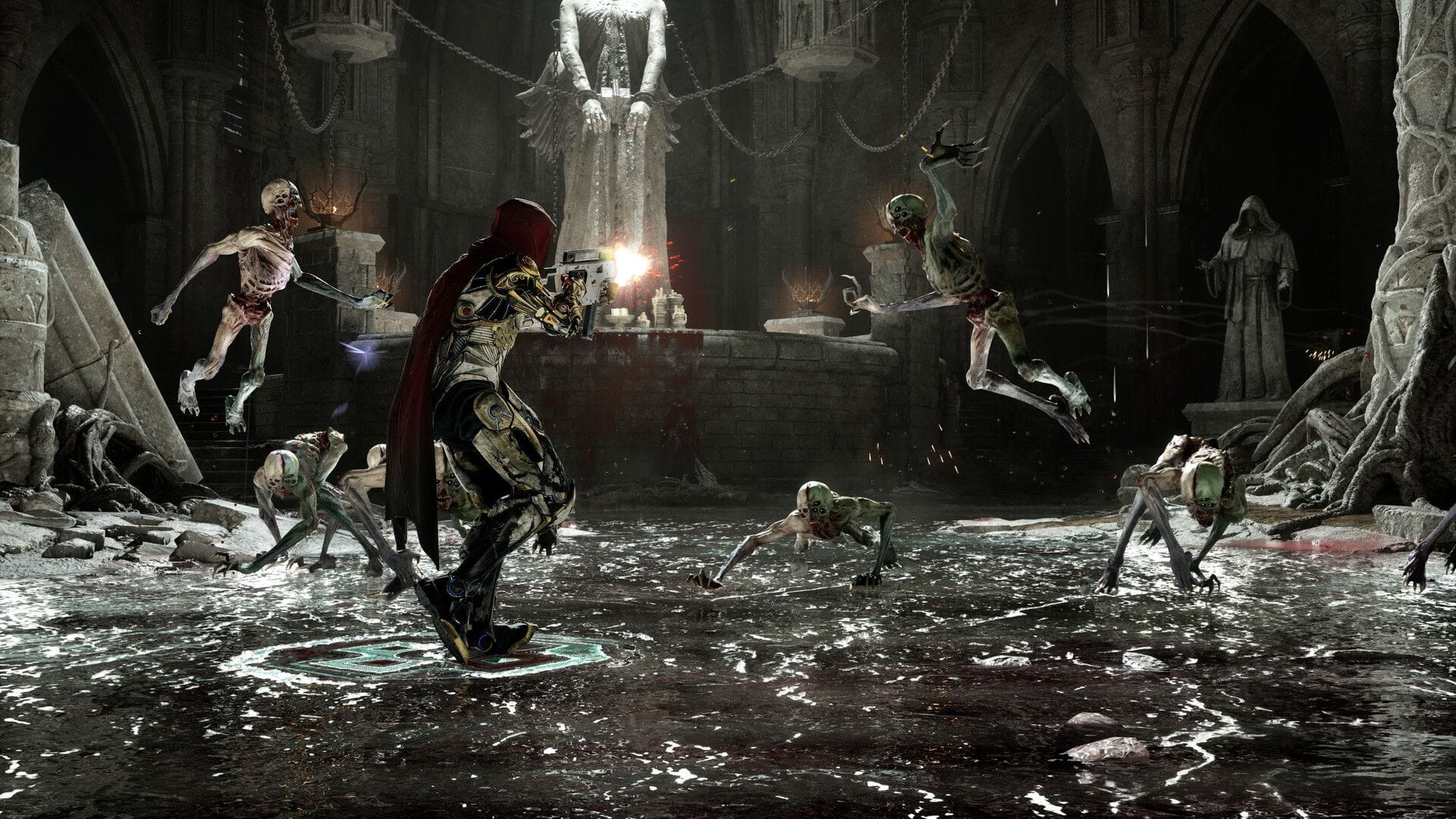
What impressed me most, at least in this brief demo at SGF, was how Armatus handles movement and physicality. Most of Godfall’s characters felt like walking tanks — powerful, imposing, and heavy, with a few highly-agile exceptions. Armatus’s protagonist is something else entirely. He moves with incredible agility, more akin to an assassin than a powerhouse. Counterplay was careful not to drift that agility into floatiness, though. You won’t find air juggles, aerial combos, or weightless acrobatics. Instead, the protagonist still feels grounded, occupying real space and focused on kinetic response. It’s a subtle shift, but it changes the entire feel of combat. You don’t stalk and charge down your enemy. No – you’re hunting them. They are your prey, and you intend to collect their heads.
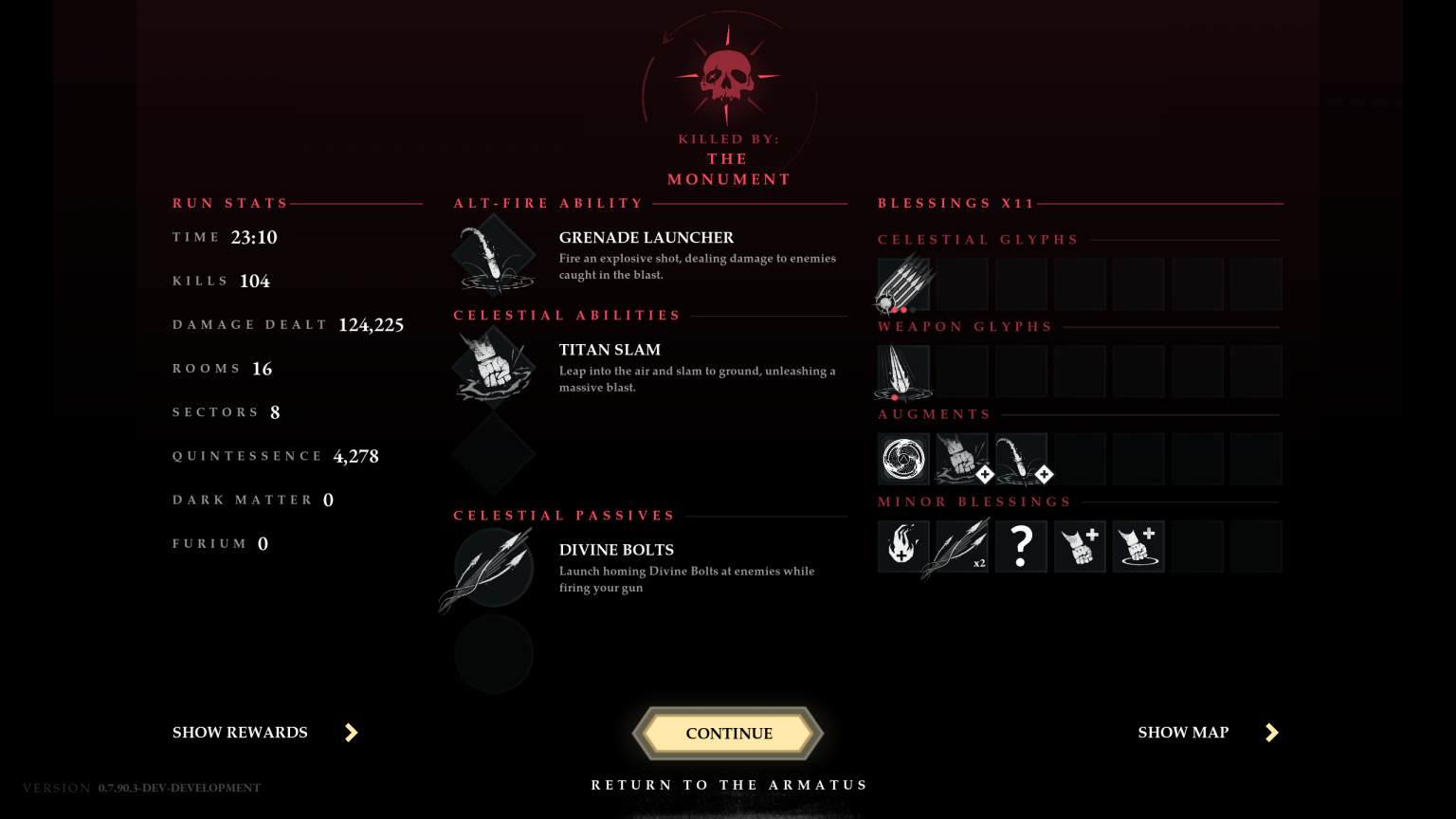
The end of your run presents you with a screen that reinforces the game’s focus on experimentation. It breaks down your build, your abilities, and your run stats in a simple way that ensures you can plainly see what works and what doesn't. After all, you get this screen if you die, as well. It’s gives you the data to make the decisions that might give you more success next time, true, but it also scratches that “I can do better if I just…” itch – I can see that already, even in this short demo. In this screen you can see not only how well you did (or didn’t do – I see you, “less than 2 minute death” run), but also on how your build evolved over time. Maybe you dealt out a tremendous amount of damage. Maybe made bad choices that had you looking at this screen after a few rooms. Either way, the game gives you the information you need to understand what happened and the data to change what you do next time.
To ensure a smooth curve to the power envelope, Counterplay is also building systems that let you raise the stakes mid‑run. Before entering a new area, you might be offered a tradeoff: take a reward, but accept a penalty. Increase the overall difficulty for better loot. Do you push your luck and accept some cool boon at great cost, or do you play it safe and lose out on a weapon that might turn the tide. It’s classic roguelite risk‑reward, but tuned for a game that wants you to feel powerful even when the odds are very much not in your favor.
Armatus is scheduled to launch this winter, and based on what I saw at Summer Game Fest, it’s shaping up to be a confident, stylish evolution of Counterplay’s design sensibilities. It’s a game that understands the appeal of escalation, of build synergy, of choices that rapidly spiral into beautiful unadulterated chaos. More importantly, it’s a game that feels like it knows exactly what it wants to be.
Armatus will head to PC, PlayStation 5, Xbox Series X|S, and Switch 2 (which ran it beautifully, even undocked, by the way!) this winter. Keep it locked right here for more on the game as it develops!