Asmodee has launched a new program designed to help bring players, families, and even those with cognitive disabilities to the table together:
Asmodee, a global leader in tabletop gaming, today launches asmodeeaccess.com. The free online hub helps players, families, teachers, carers and healthcare professionals find games that suit different needs and adapt them so more people can join in the fun.
The launch marks the next stage of asmodee access+. The initiative began as a range of games for people living with cognitive disabilities such as dementia, autism and learning disabilities. It is now being extended across asmodee’s creative studios, where it will shape how games are designed as well as how they are played. It has been developed with researchers, healthcare professionals and accessibility specialists, and aims to reduce the motor, sensory and cognitive barriers that can stop people taking part.
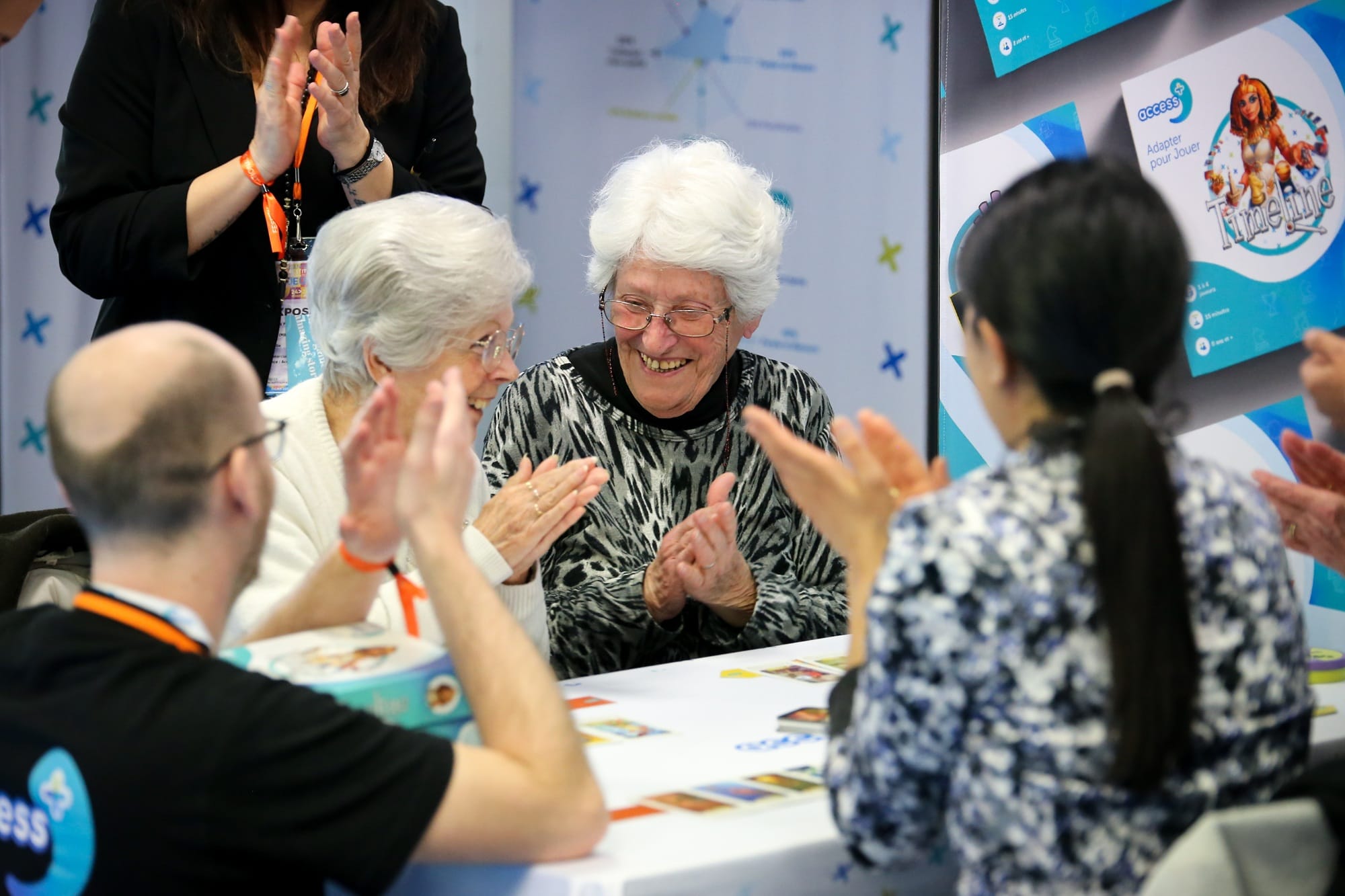
Arianna Ryan, Chief People Officer, EVP Sustainability, comments: “With asmodee access+, we want to make accessibility a shared practice that drives change across our industry. This means providing tools for our studios, as well as practical guidance and solutions for players. Our vision is to celebrate all players with shared experiences, and this new hub reflects that ambition: to help more people find their place around the table and share the joy of playing.”
Research surveying over 1,500 players, found that over a quarter (25%) report mental health or neurodiversity conditions that often involve specific needs requiring attention*. Tabletop games show strong potential to help address this need: they support social development across different age groups, foster communication skills, and help reduce depression*. Some players describe tabletop games as a social facilitator, offering the structure needed to foster interaction and build connection*.
Embedding accessibility in game design
The ambition of asmodee access+ centers on two complementary priorities: improving game accessibility and enabling more players to enjoy games. This encompasses the visual clarity of components, how easily they can be handled, how rules can be understood, and the optimized conditions in which a game session takes place.
asmodeeaccess.com brings together tools for players, families and friends, teachers, caregivers and healthcare professionals. Visitors can explore:
• A selection of games with information about their accessibility features and the skills engaged by their mechanics, helping visitors make informed choices.
• Game guides offering advice on facilitating play and suggestions for adapting games to participants’ needs.
• Printable resources and accessory recommendations to make handling components and communicating easier, or to improve comfort during play.
• Articles connecting play experiences with insights from research.
By sharing these resources openly, asmodee aims to spread good practice among player communities and partners. It also hopes to encourage the use of games at home, in classrooms, and in care and support settings.