The Division Resurgence feels remarkably like the rest of the The Division franchise, except it's built astonishingly well in Unreal, clearly made for mobile, and it's monetized the way mobile players would expect and other platform players hate. I enjoyed it but only for all the reasons The Division has continued on despite its supposed terminal collapse. There are elements I hope carry over to The Division 3 (cross-fingers), but there are just as many thorns that create persistent annoyances throughout.
Resurgence unfortunately retreads winter New York City during the events of the first-wave Division agents sent to maintain peace during the initial Dollar Flu outbreak. The events run parallel to The Division, but as someone who's invested in the story, I struggled to track how these events intersect, especially Faye Lau's role and when the JTF are abandoned in the Dark Zones.
Part of the problem with Resurgence's storytelling is that mobile isn't the best platform to convey such an important event. Voice acting is inconsistent. Sometimes it sounds like a human, sometimes it sounds like AI. Cutscenes lose emotional impact because they're lower quality compared to its higher fidelity counterparts—not that The Division has been very emotional, but it's harder to convey the feelings when someone is on their deathbed and their face doesn't change.
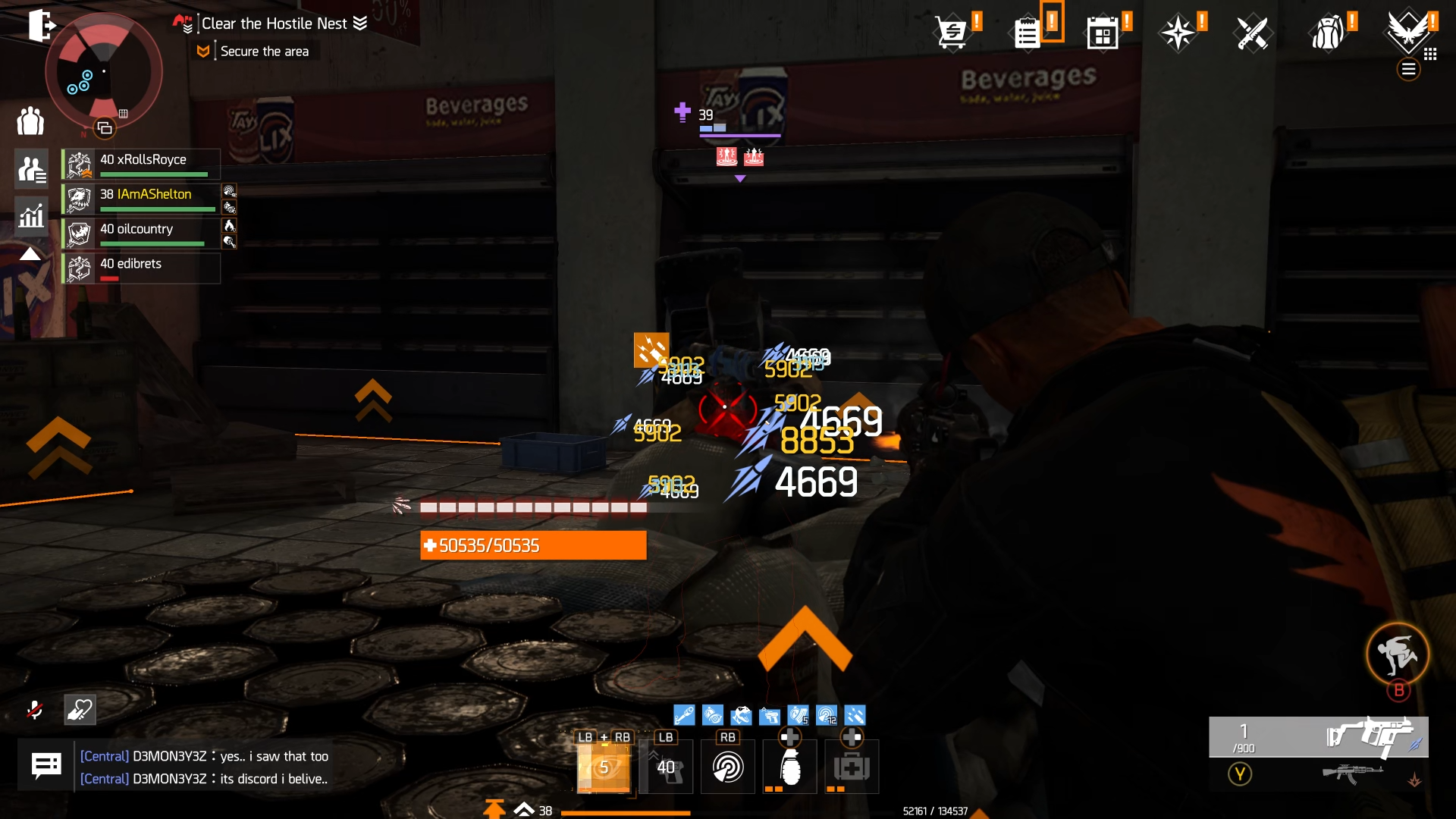
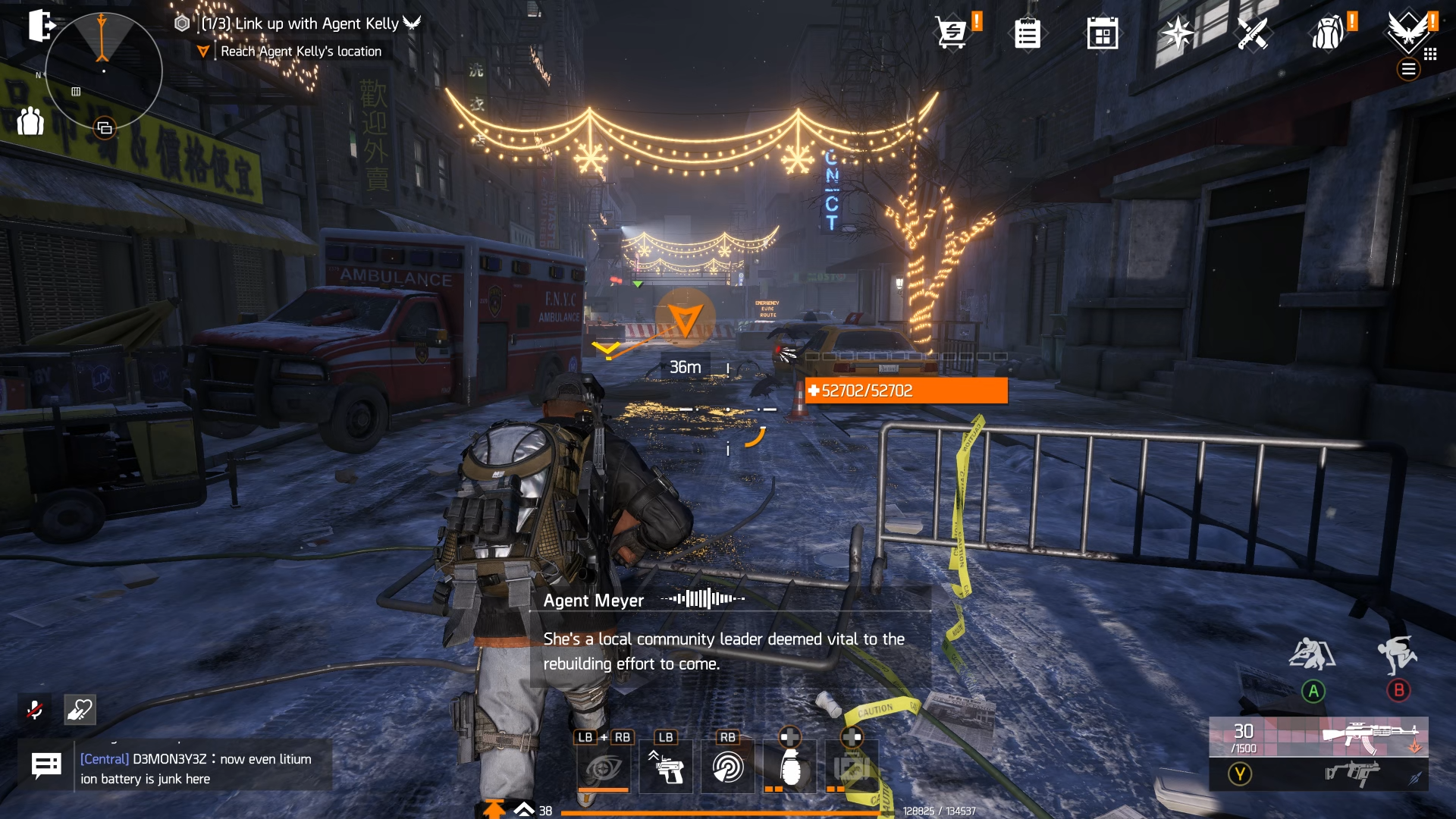
I enjoyed exploring new parts of Manhattan that weren't featured in The Division or Warlords of New York. But a lot of sections are familiar to The Division. Seeing some of the exact areas was a mixture of nostalgia and tired familiarity. Ubisoft is catering to fan requests of enjoying the snowcapped NYC again, but at some point we need to move on.
To Ubisoft's credit, despite being made for mobile, it looks good on PC. Don't expect The Division 2's quality, but you can clearly see everything on screen.
The familiar gameplay is a blessing and a curse. The blessing is that returning players will mostly pick it up quickly. The curse is that gamepad controls are annoying. I hate that the X button is both a reload and a new quick-equip option. When you grab new, more powerful gear, a prompt appears on screen to equip it. It's a fine idea, but if you're in the middle of a fight, you can swap out gear without knowing it. You either have to let your gamepad go and touch the screen to remove it or, on PC, hold ALT and click it off.
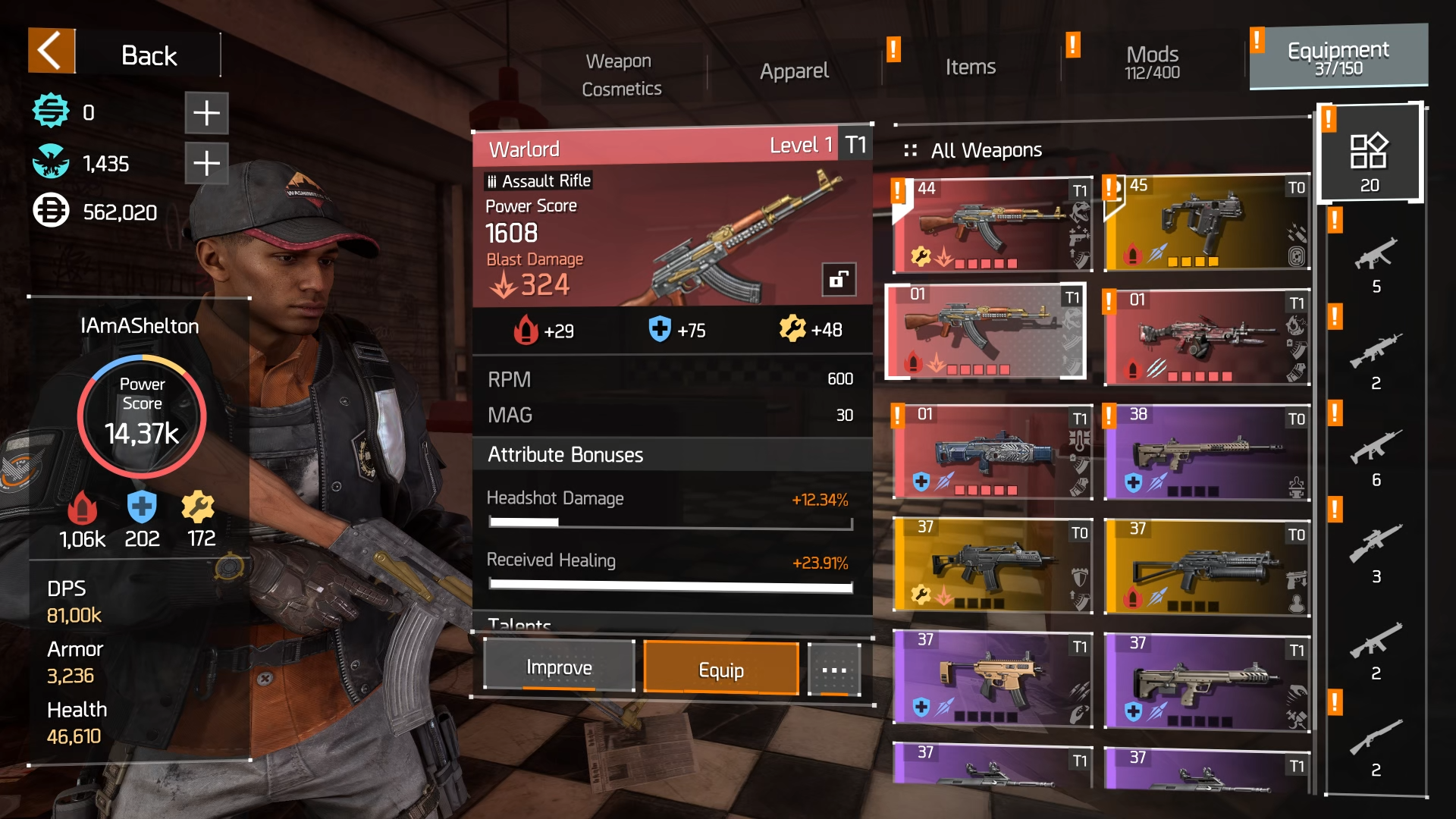
Taking or exiting cover isn't as responsive as TD1 or TD2. In TD2, pushing the control stick away from cover lets you come off it. It's hard to tell how it works in Resurgence. Sometimes it doesn't work no matter what direction the camera's in. The same goes for snapping to cover. I've mashed the A button trying to snap to cover, but I have to swing the camera around first.
Resurgence fully embraces its hero shooter concepts, and Ubisoft added ultimate abilities. Each class has its own ultimate ability. The class I chose gets a brief aimbot ability. It's obvious they're meant to support mobile players, and they work, especially in the context of this game with several different control styles. It's overpowered for gamepad and mouse users, but it's not game-breaking.
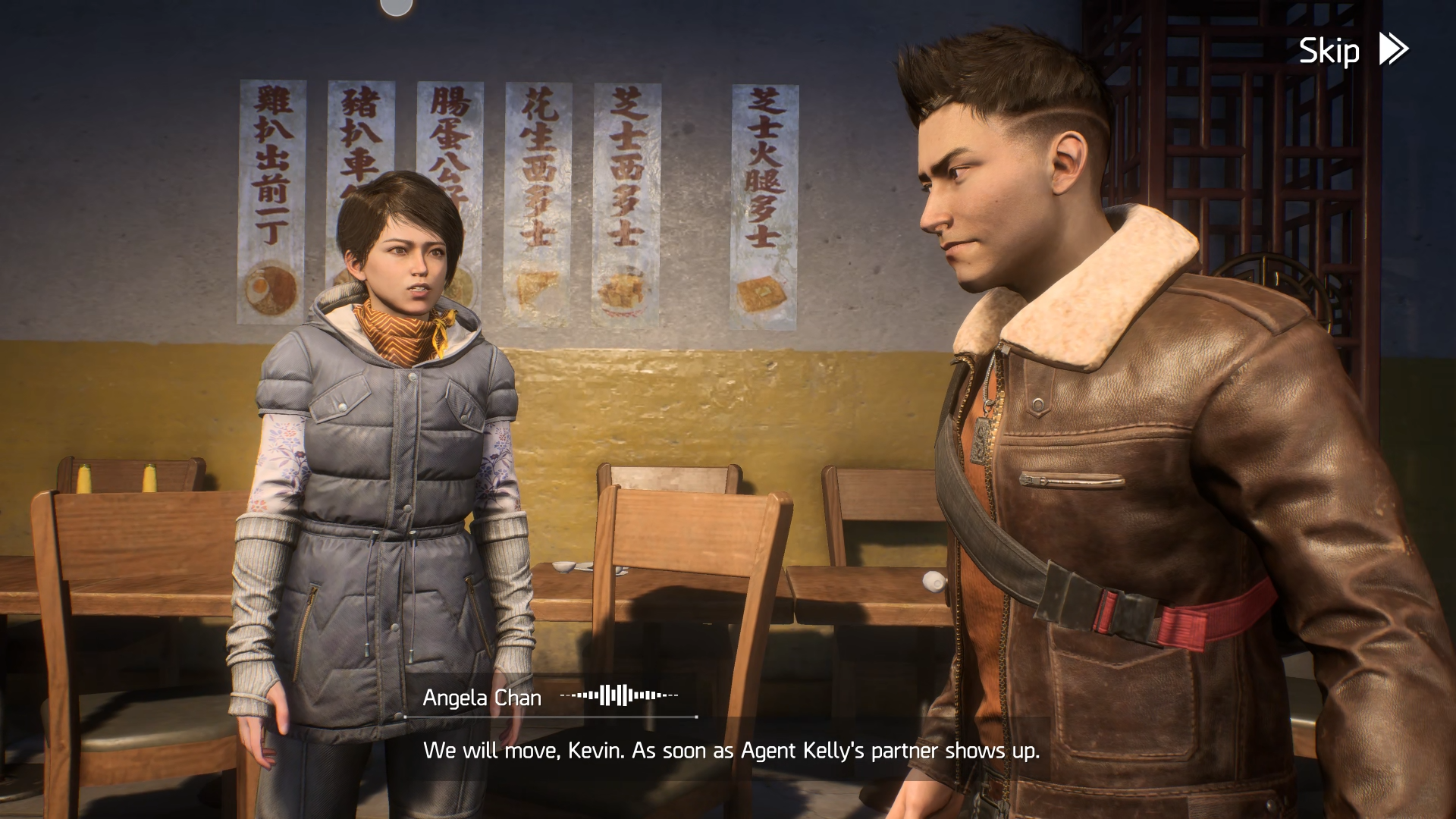
A new faction has been introduced: the Freemen. It's immediately noticeable they're inspired by the Confederacy with their steel blue shirts and the white stripes on the uniform, even though they're cast as construction workers. Mentions of selling kidnapped civilians obviously point to a form of slavery, but how they fit into the broader Green Poison narrative isn't clear without doing more in-depth digging. We understand why The Cleaners and Rikers, for example, exist and fit within The Division lore, but The Freemen seemed to be added to be controversial.
I don't buy that they were peaceful preppers ignited into action because another faction killed one of their leaders. Nearly every Division faction was created as a result of the outbreak. The Cleaners wanted to purge the outbreak, The Hyenas are scavengers, The Rikers are inmates who hate the law and used the chaos to exact their revenge, the True Sons are disillusioned JTF, the Last Man Battalion thought they could do better than the JTF and Division. The Freemen are as forgetful as their reason for existing.
The Division Resurgence feels like a mix between The Division's leveling system and The Division 2's fairly complex upgrade system, and then adds several more layers of concepts to account for. I've done several The Division 2's endgame seasons, but I tend to play obsessively for a few months and then drop, so I have to remind myself how everything works each time. Resurgence introduces some of the most complex Division 2 concepts early, and it makes the whole game feel like one giant endgame activity. It's not bad, but it is overwhelming, especially combined with the new weapon upgrade methods. For example, you now have to consider Power Tier enhancements, Proficiency, and Tactical Augmentations for weapons. Armor has similar upgrade concepts, and all of them require resources to level them up.
Mercifully, The Division adds a very easy "Find" system that points you to exactly where to get anything you need—mission, world activity, no matter what it is. It's such a time-saver and doesn't take away from the need to farm. The Division has always been a pioneer in making the loot grind approachable by removing the unnecessary elements. Ubisoft has further done that with Resurgence, and they should keep it for The Division 3.
Loot isn't common in Resurgence. Instead, it adds a weapon and gear level upgrade mechanic. Spend cash and resources and you can upgrade your weapons and gear to keep them leveled with you. It's a mildly cumbersome mechanic. Along with everything else you have to manage, you can spend 30 minutes in the menus upgrading, trashing, and claiming the drip-fed resources to keep your weapons strong. You're constantly checking your gear and manually clicking every weapon to upgrade it. There should be a mechanism to upgrade everything at once.
On one hand, the system solves a problem a lot of looter shooters deal with and should be in future Division games. On the other hand, it seems like Ubisoft created this system because mobile games are expected to have these kinds of currency mechanics to keep you dependent and hopefully spending.
Another cool but monetization-friendly idea is clan and base features. The game basically forces you to join a clan, but the benefits are good. You don't have to be an active participant in clan specific activities, and what you do contributes to different progression for your clan base. As you upgrade the base, you get more resources and perks. It's much easier to find groups to fight with in the world, but it didn't help coordinating specific runs of any specific missions.
The rest of the direct monetization is about as ugly and clunky as any other game. You can buy a battle pass that comes with guns, gear, and resources. The guns and gear are stuff you can earn later down the free track, but the resources are mostly tied to the paid track. You can buy specific weapon and gear upgrade resource packs, cosmetics, apparel sets, and sealed caches. Then there's the daily and weekly quests. Bounties have moved from an in-world event to something that happens weekly. It's exhausting and almost every element of the gameplay is monetized. It feels desperate. Resurgence's gameplay isn't so weak that it needs this much monetization. It feels like they're saying "If we can just get $2.50, that'd be great."
The Division Resurgence
Good
The Division Resurgence adds interesting concepts that will hopefully be added to The Division 3, and the core gameplay loop feels good in Unreal. But the absurd number of resources and currency obviously meant to be monetized, and the clunky performance deteriorates a game that's one of the better mobile games and a decent game to play on PC.
Pros
- Keeps The Division feel in Unreal
- New loot finding mechanic
- Weapon upgrade mechanic
- Clan feature is good
Cons
- Desperate monetization
- Lower quality Division while TD2 still exists
- So many resources
This review is based on a PC copy provided by the reviewer.