Star Fox is back! Nintendo has rebooted the franchise for what is hopefully the final time in a remake of Star Fox 64 by Velan Studios. Is this the new definitive version of a classic title, or is it just another entry in a long list of remakes? Editors Anthony Pelone and David Flynn have fought the Lylat Wars a dozen times and a dozen more to put this latest title through its paces.
Anthony Pelone
Nostalgia is, as one is wont to say, a hell of a drug. Its high is a siren’s call; a beckoning to the days of childhood yore. The thrill of dashing off the school bus to catch the latest Pokemon episode. The awe of watching Star Wars lightsaber duels on the silver screen. The hypnosis of diving into Super Mario 64’s painting worlds and searching for those mystical Power Stars. All this and more, enshrined into our most sacred memories—formative experiences for any modern follow-up to be judged upon the altar of impossible expectations; its keepers desperate for that high to whisk them back to those halcyon days.
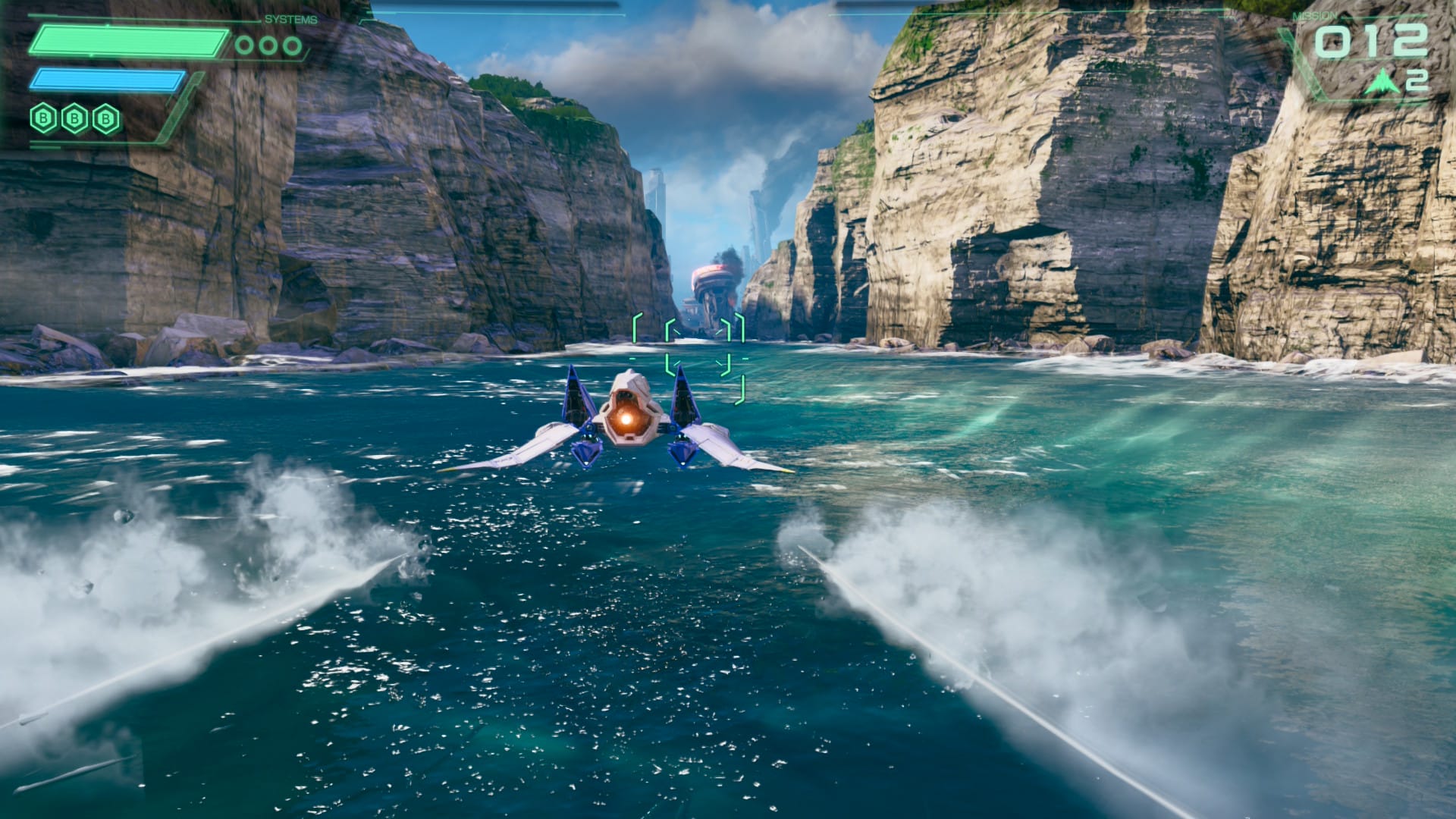
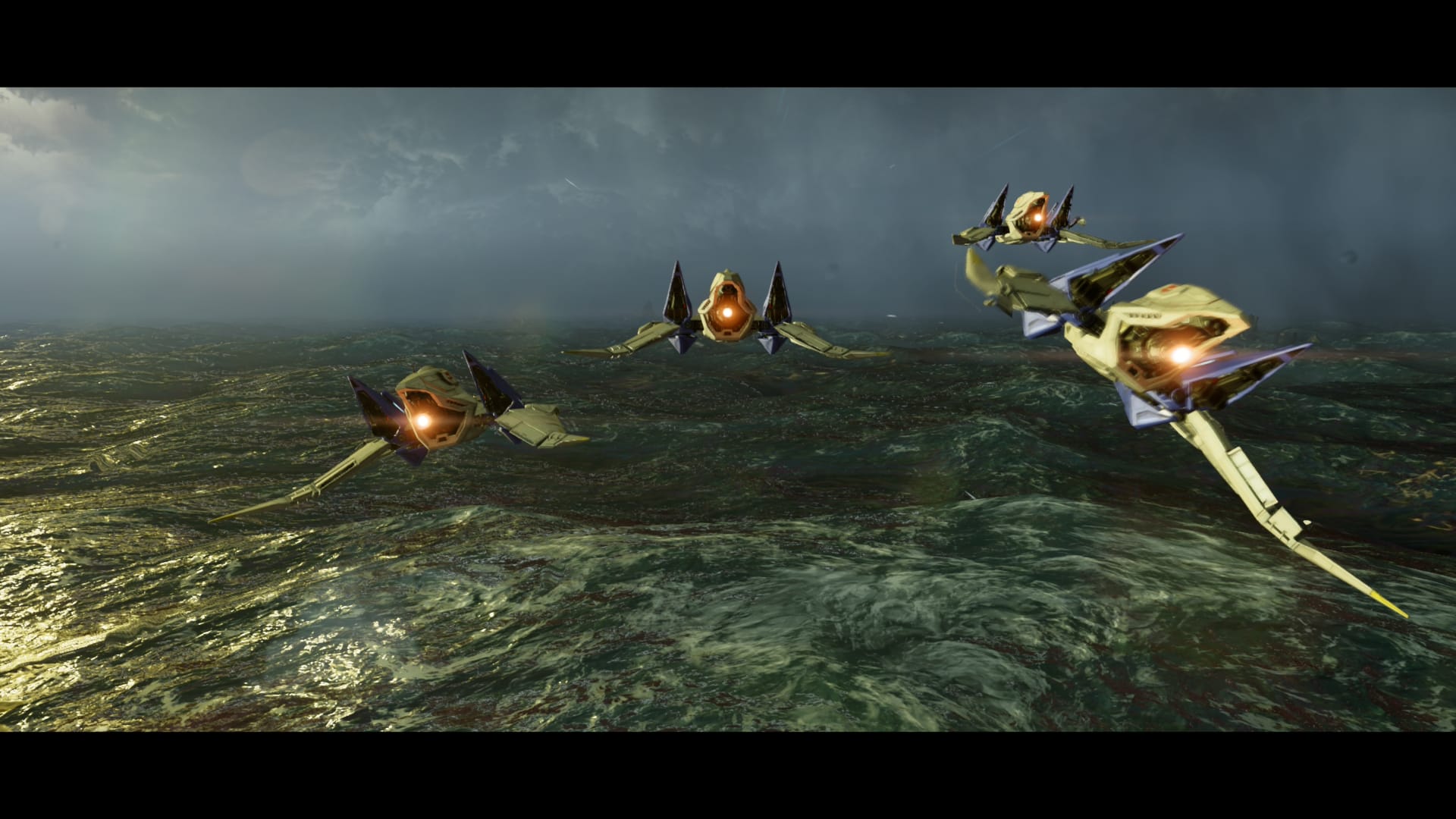
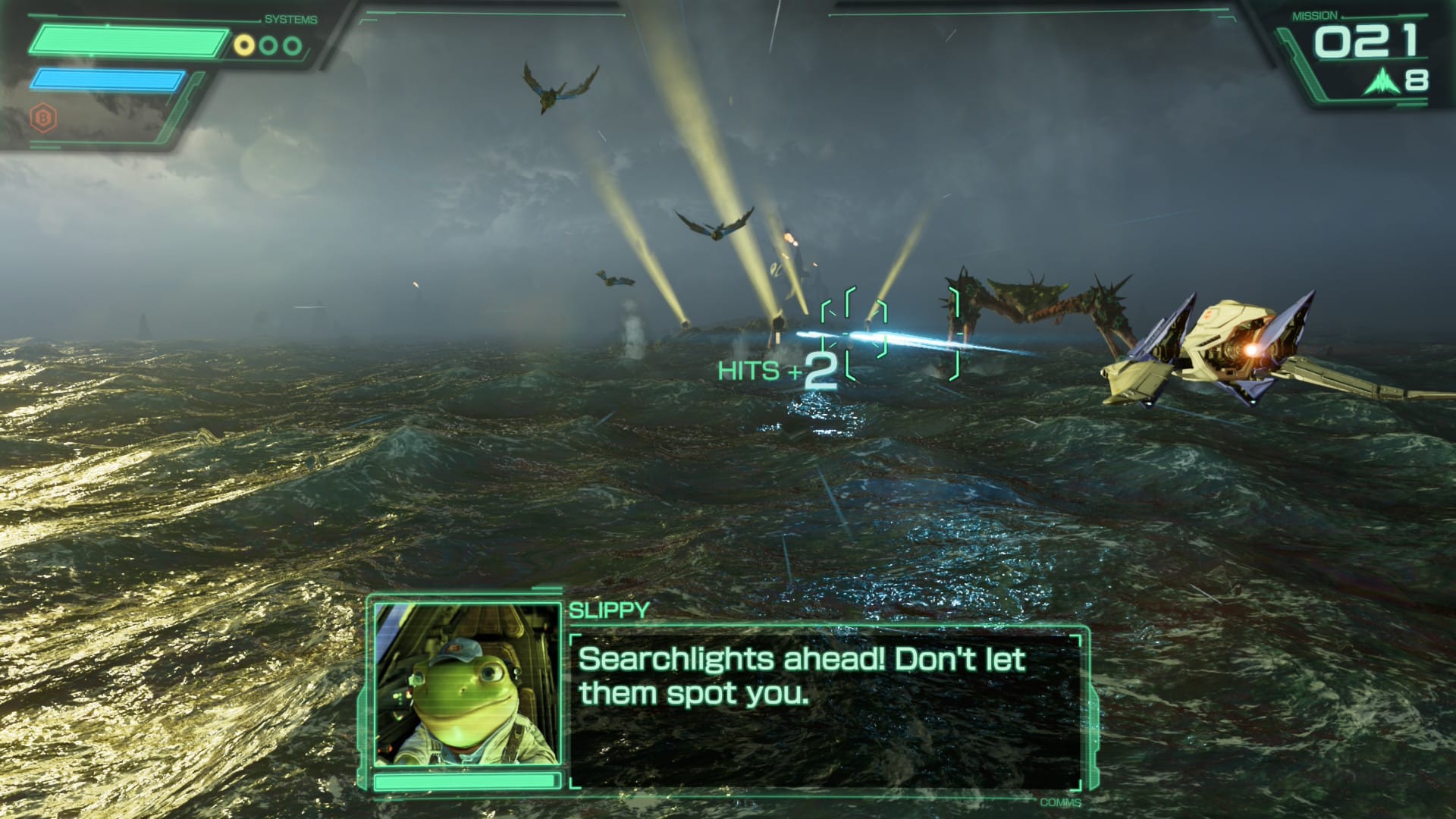
This isn’t to say “nostalgia” can’t serve as a lazy shutdown for criticism, yet in the business of remakes—products designed to court our wistful sentimentality—comparisons inevitably clash against our cherished memories. And what better test subject to this thesis than Star Fox 64: a game I just described last week as “timeless”? Nintendo and Velan Software’s Star Fox is the second remake of the Nintendo 64 classic, set to reintroduce the troubled shoot-‘em-up series for a modern age. For all the controversy surrounding its redesigned cast, the remake passes with flying colors—even if it comes up short in certain respects.
“Short” being the name of the game here: bold as its graphical direction may be, Star Fox makes no pretenses with its hour-long campaign. Hailing from a time when shmups still held sway over the gaming populace, it may seem antiquated in this age of sprawling open-worlds and hundred-hour RPGs, but the game’s brevity belies its addiction: the game’s elaborate framework in enemy placement, multiple routes, and point distribution alluring us time and again to rack up higher and higher scores. (There’s a reason why the Star Fox 64 scoring scene persists, y’know.)
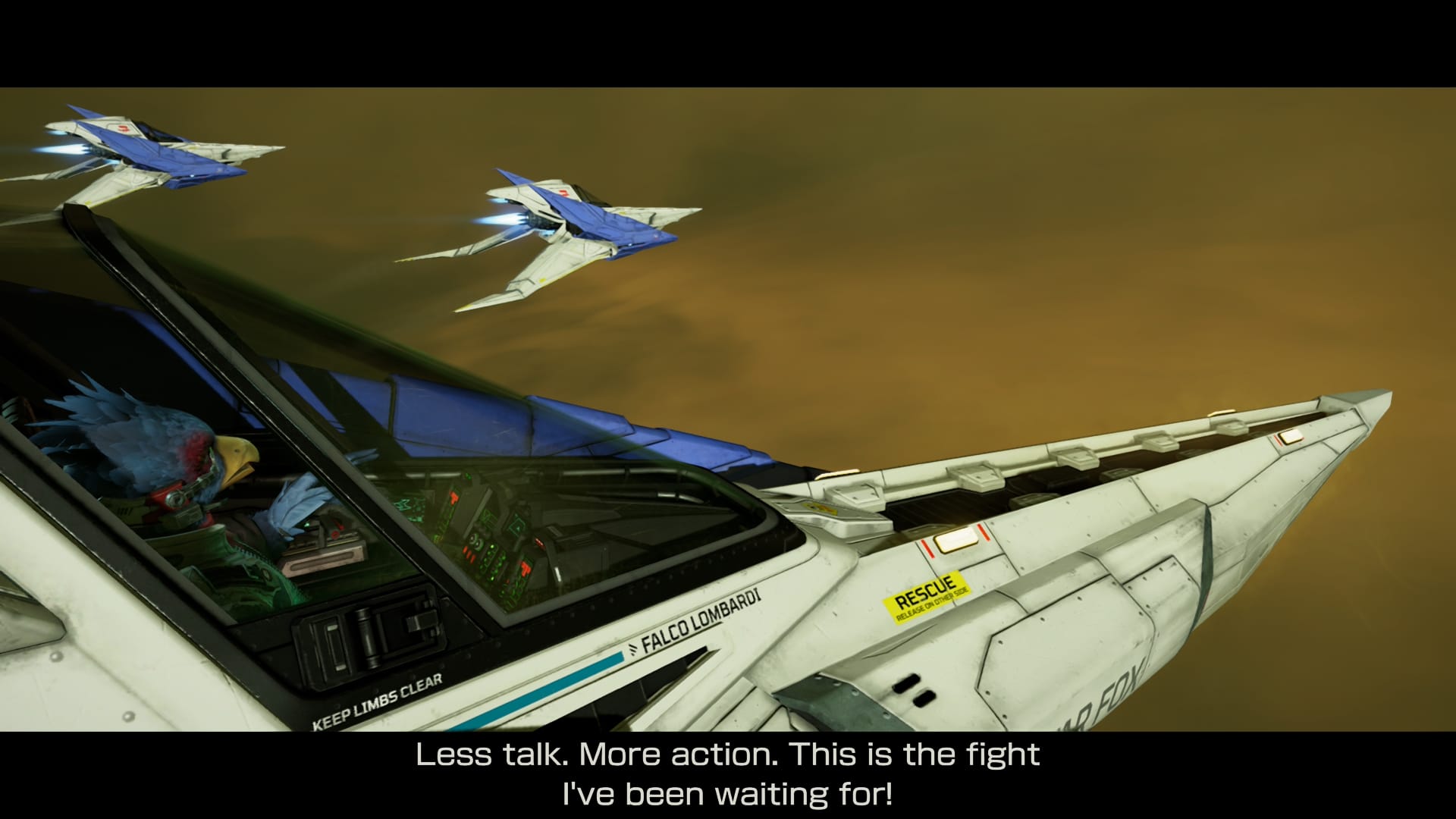
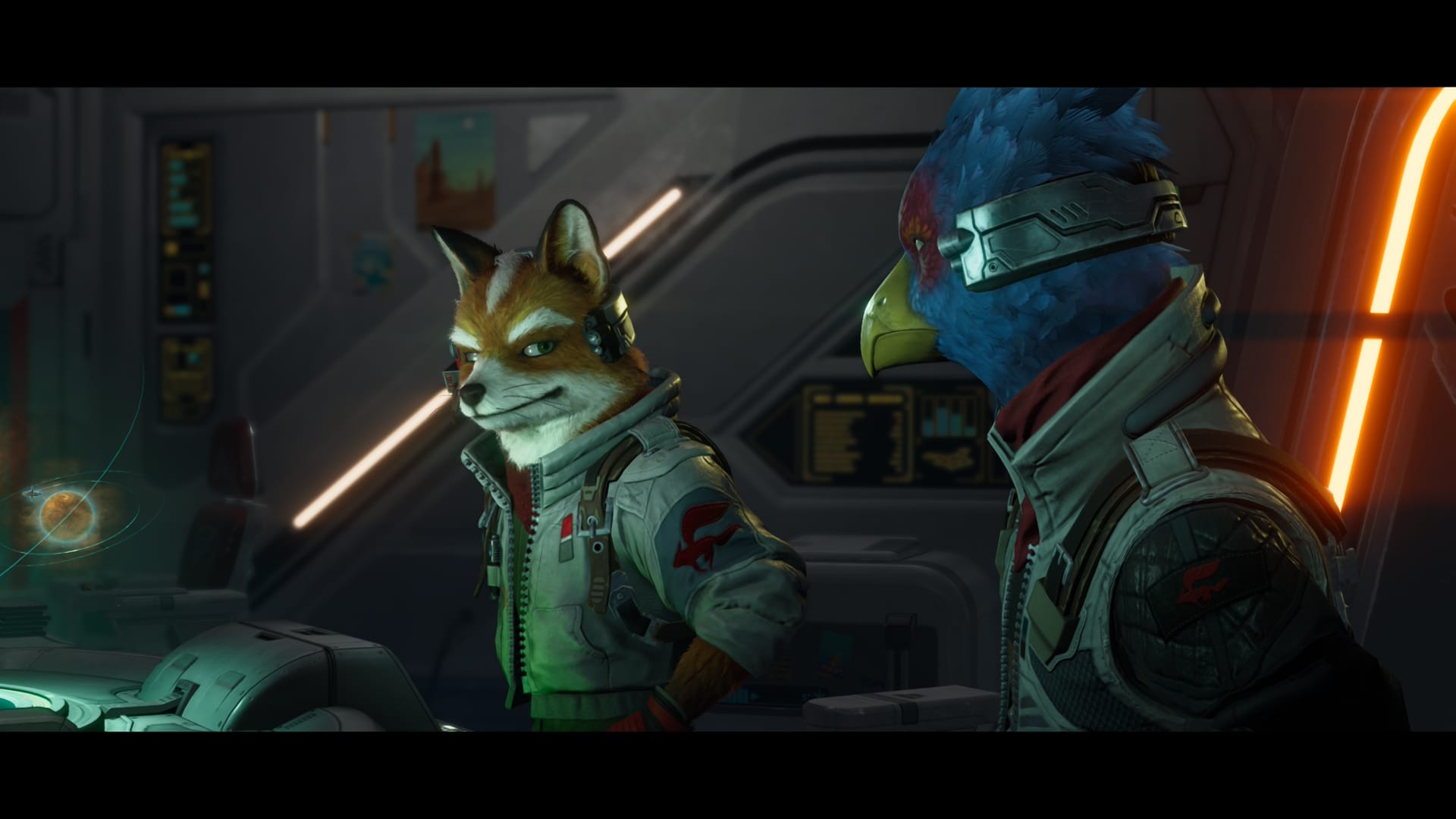
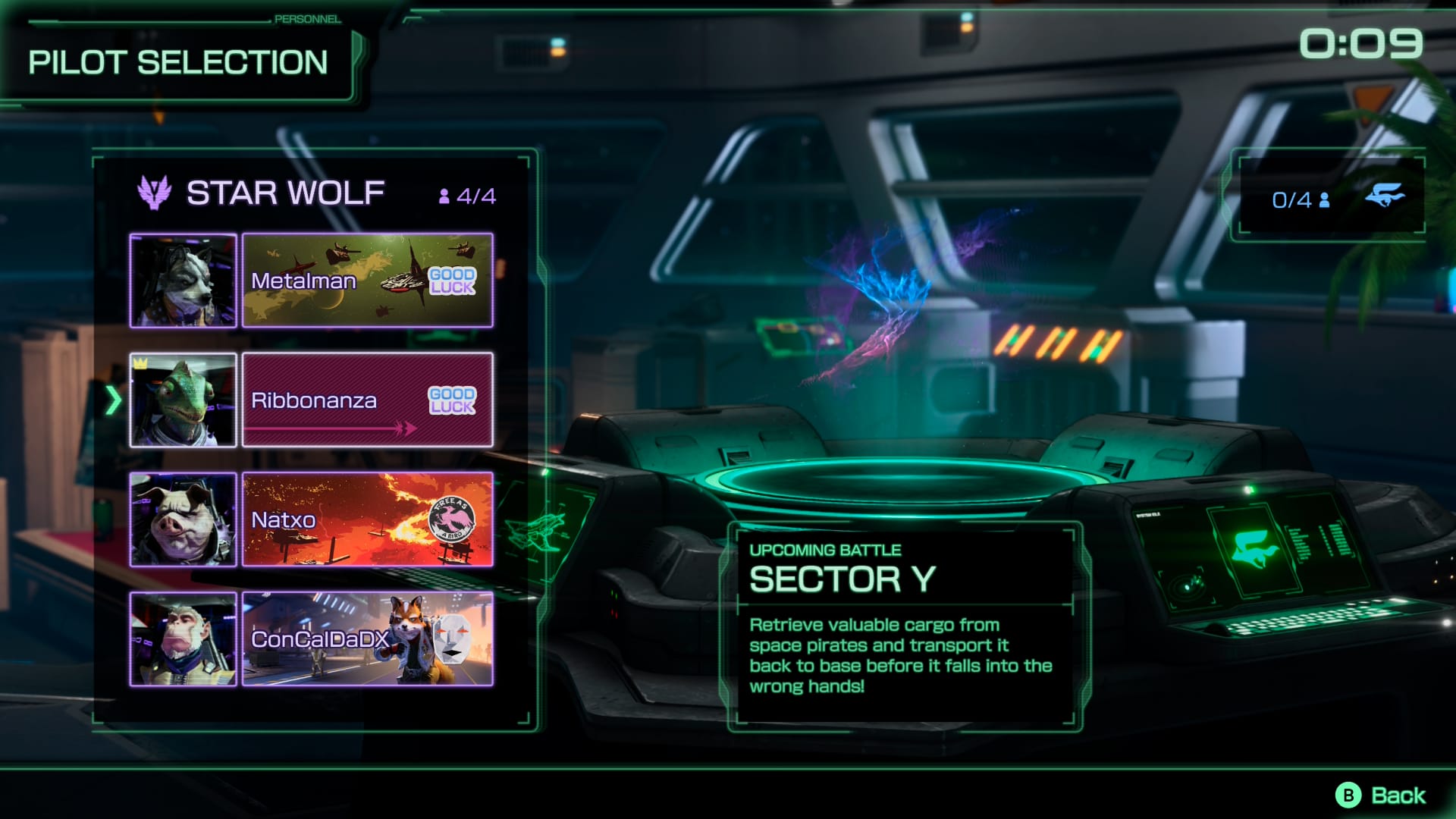
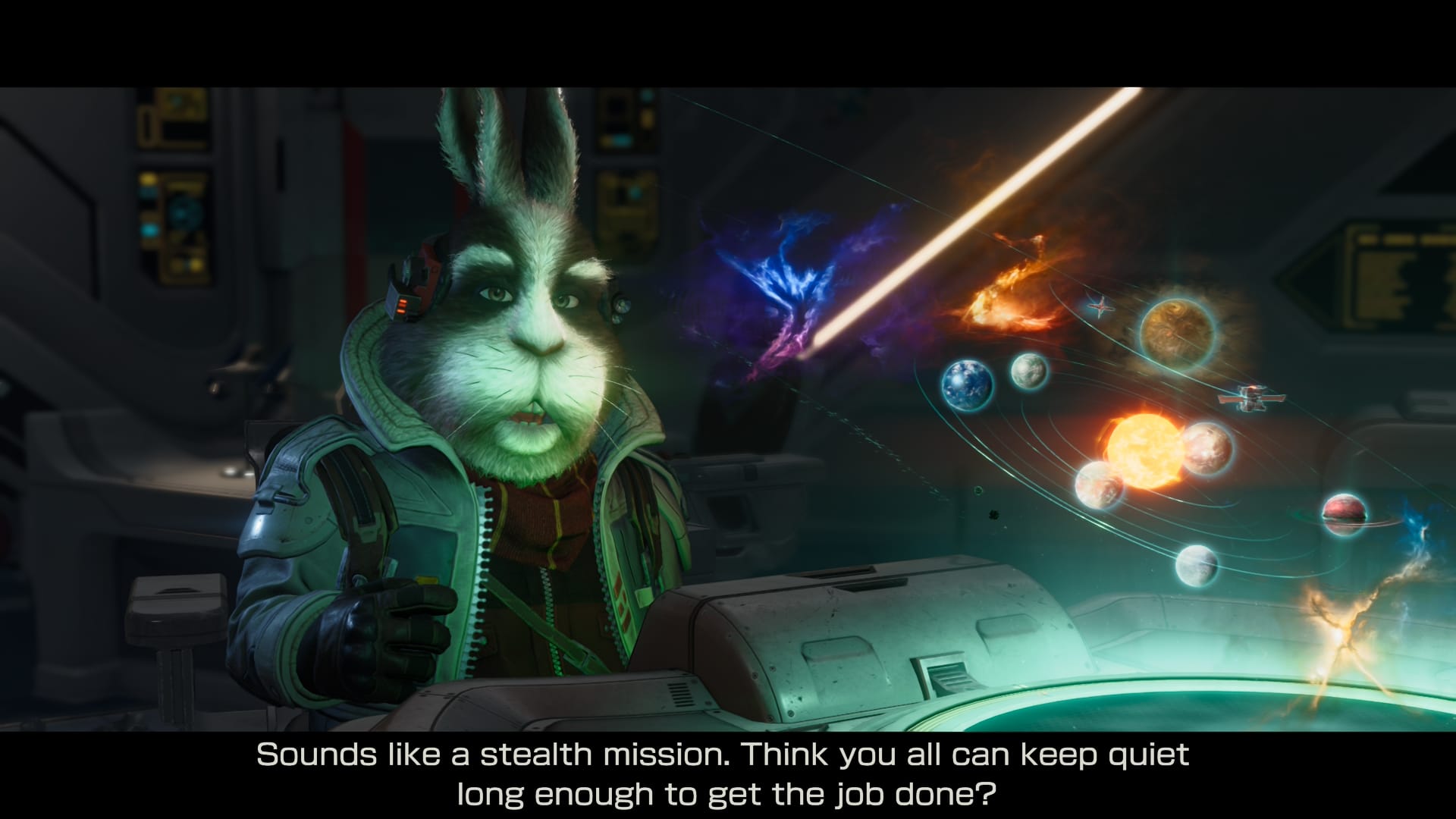
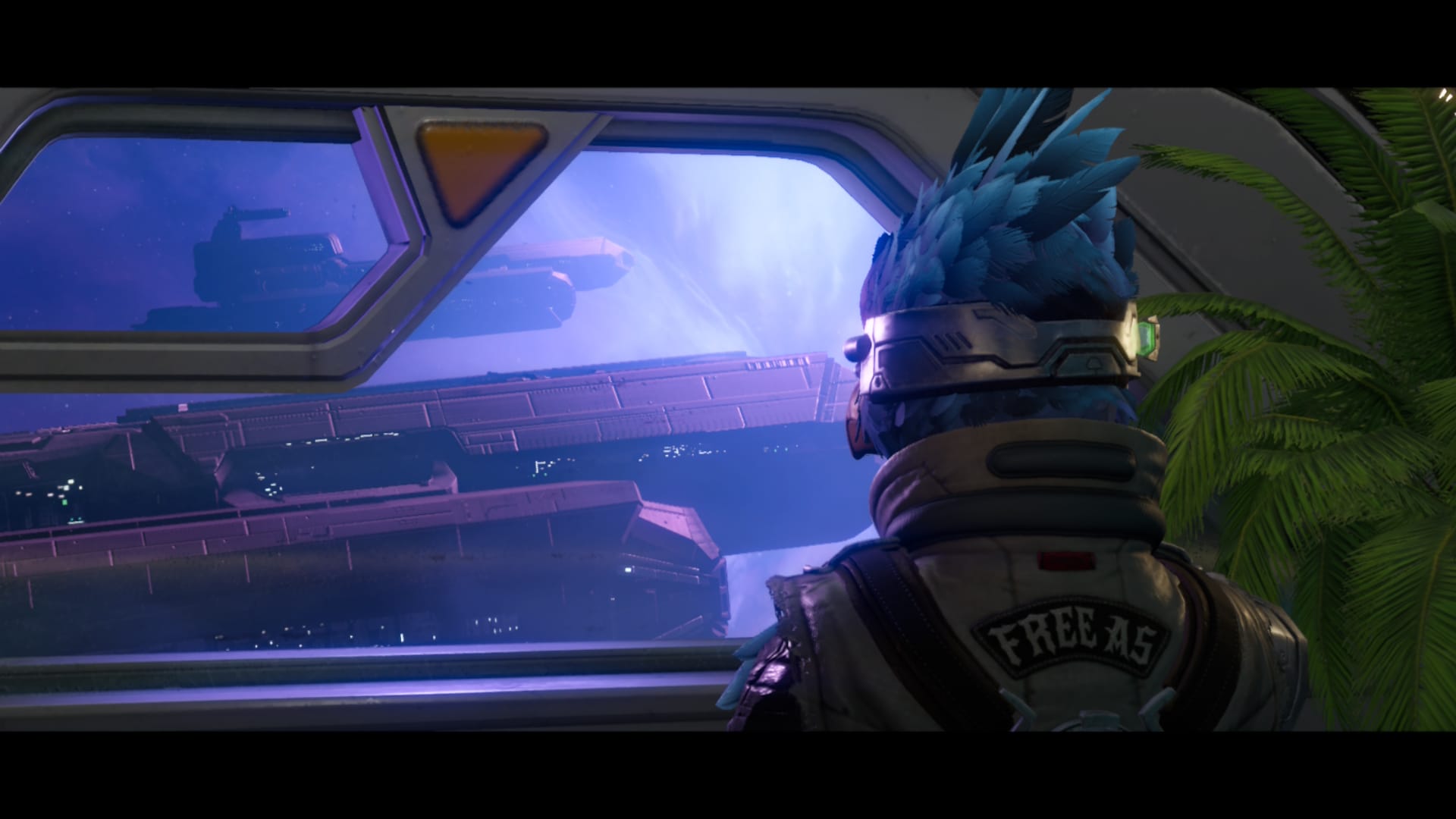
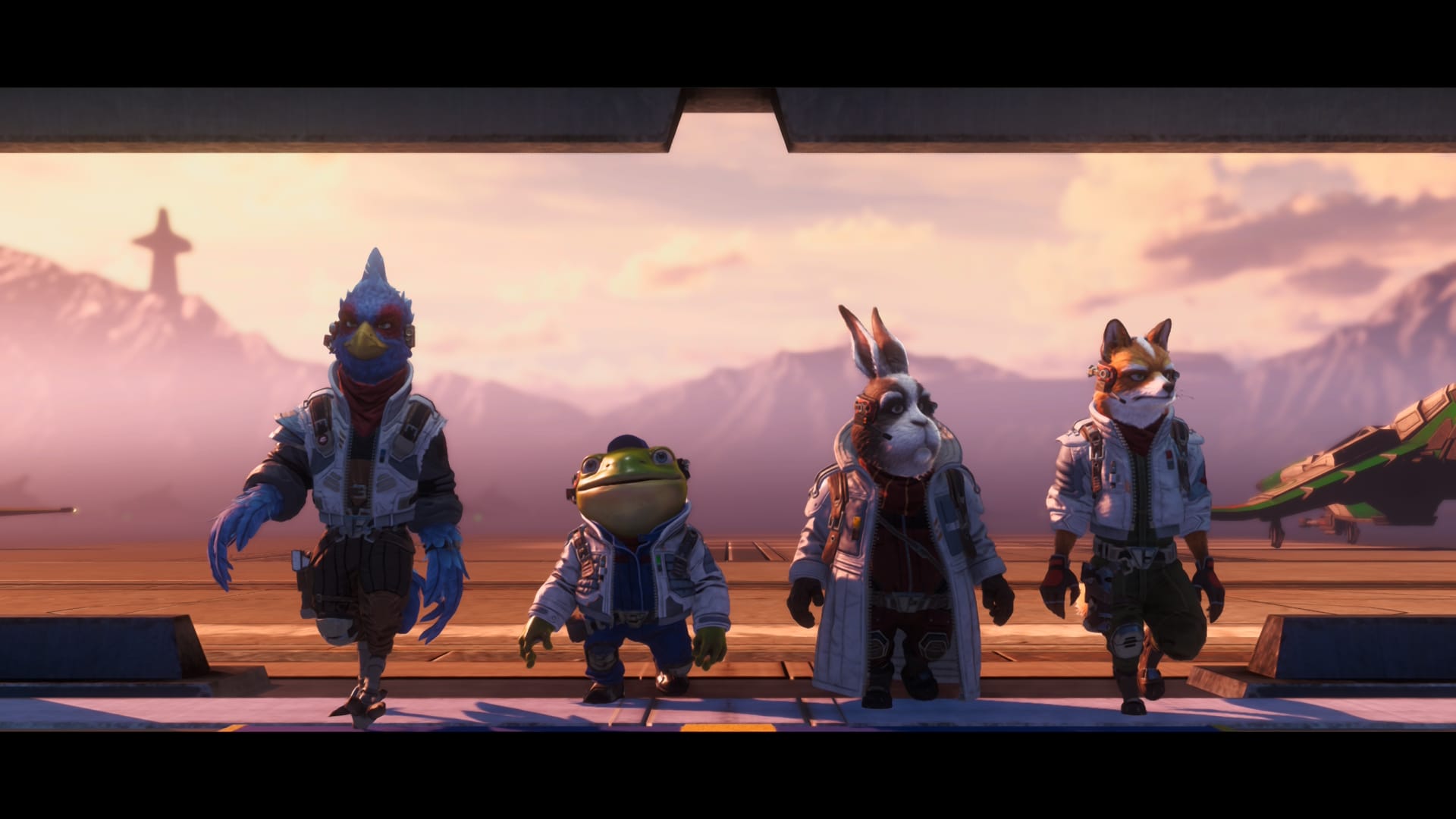
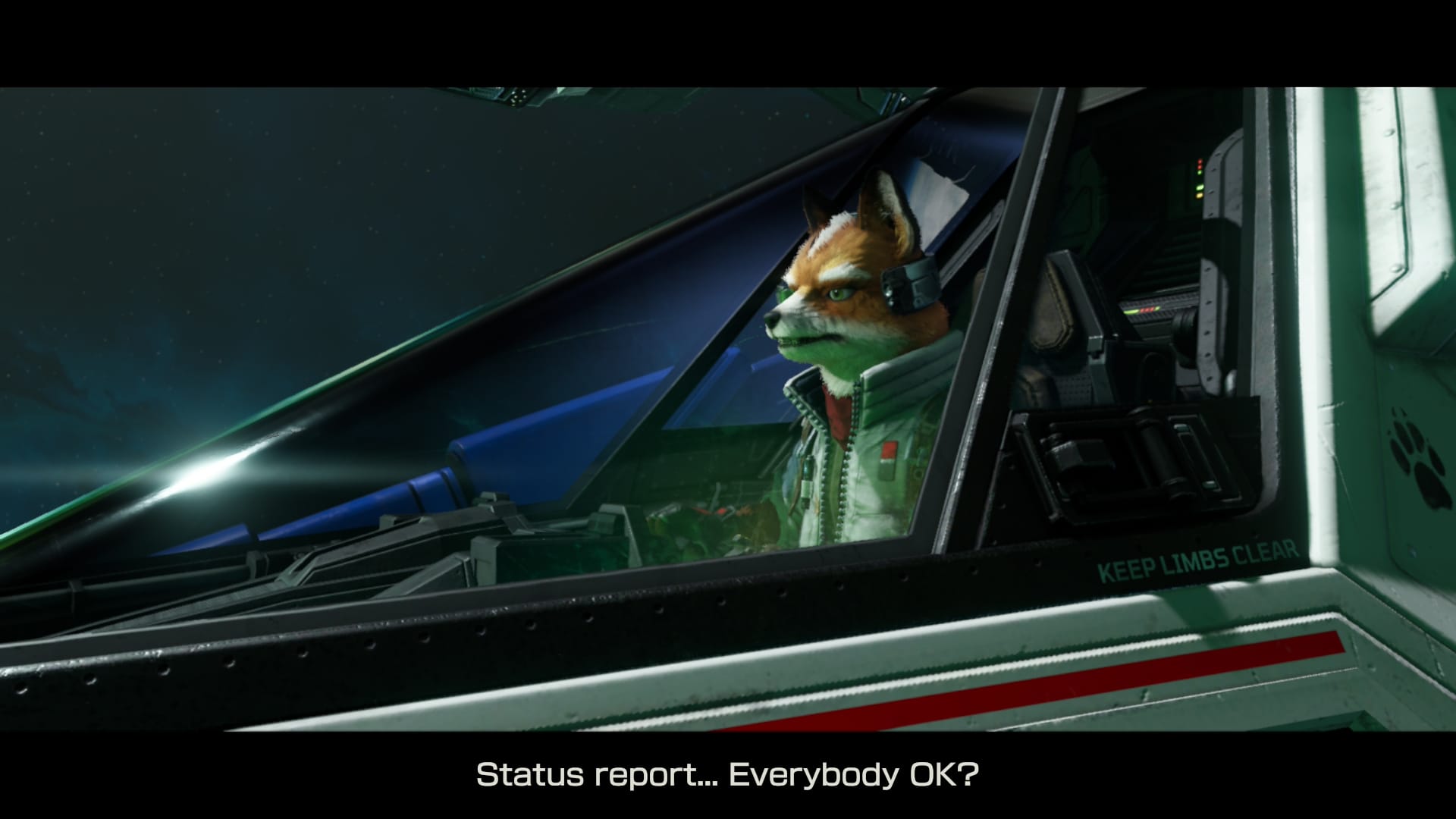
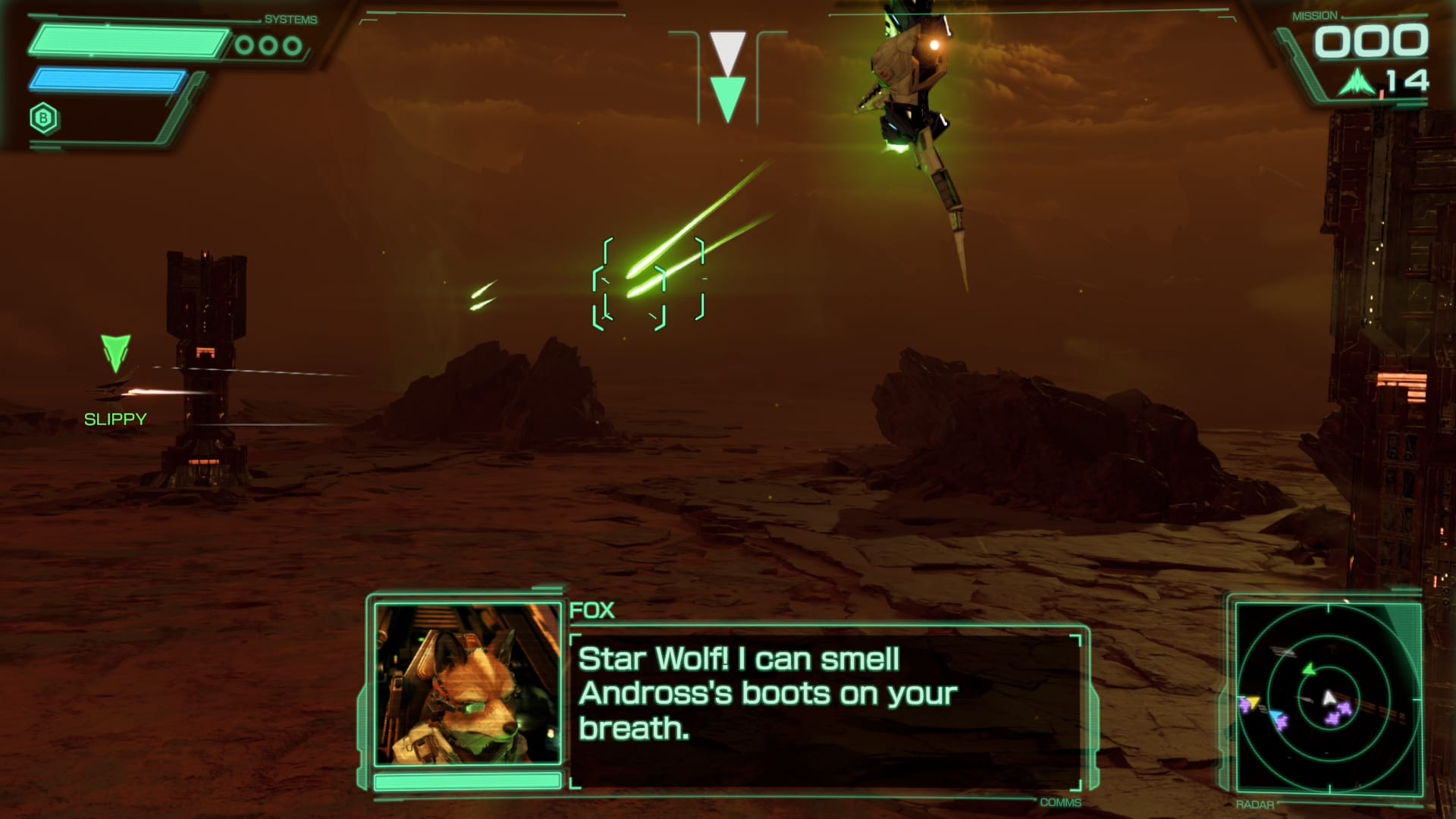
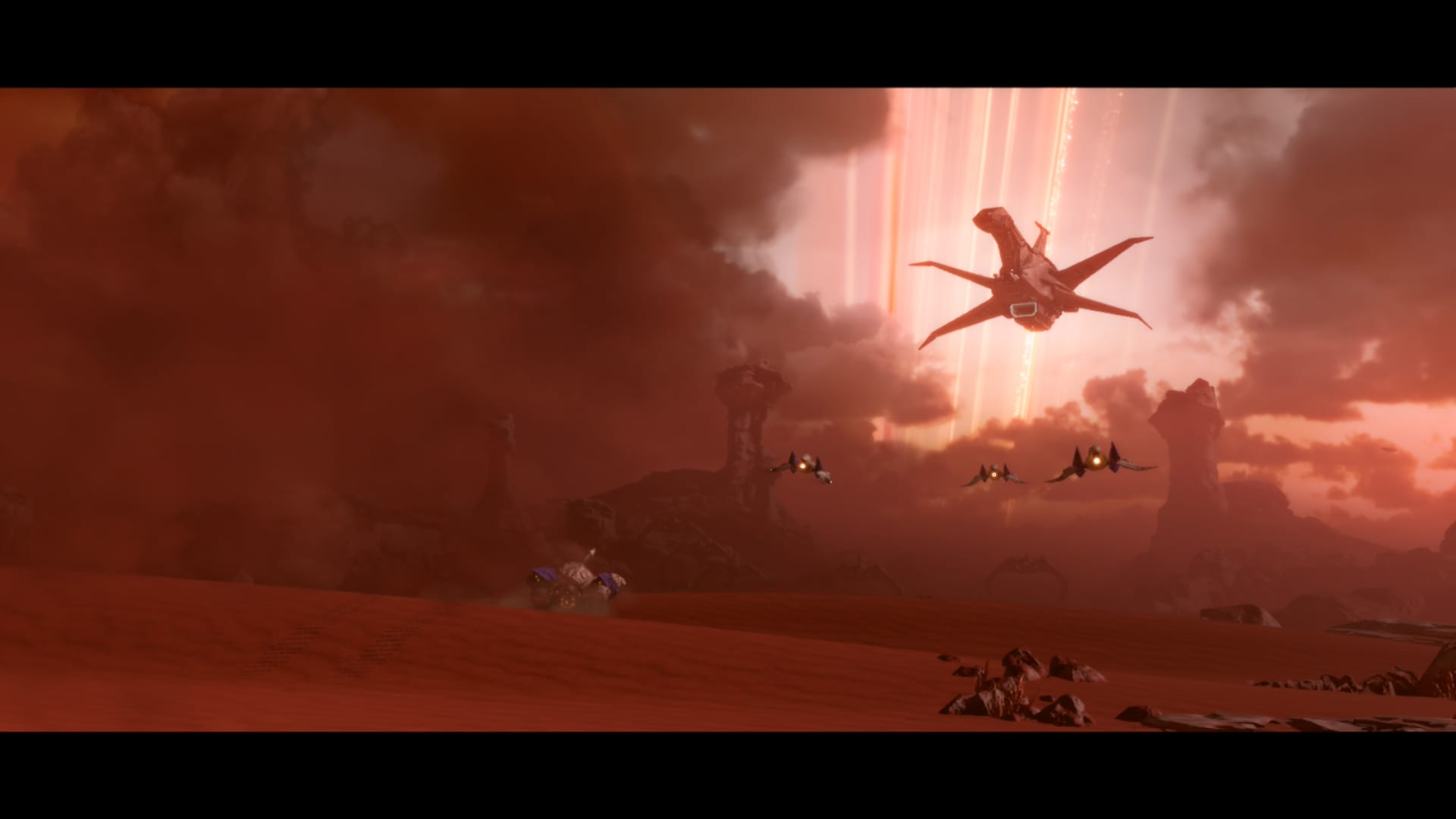
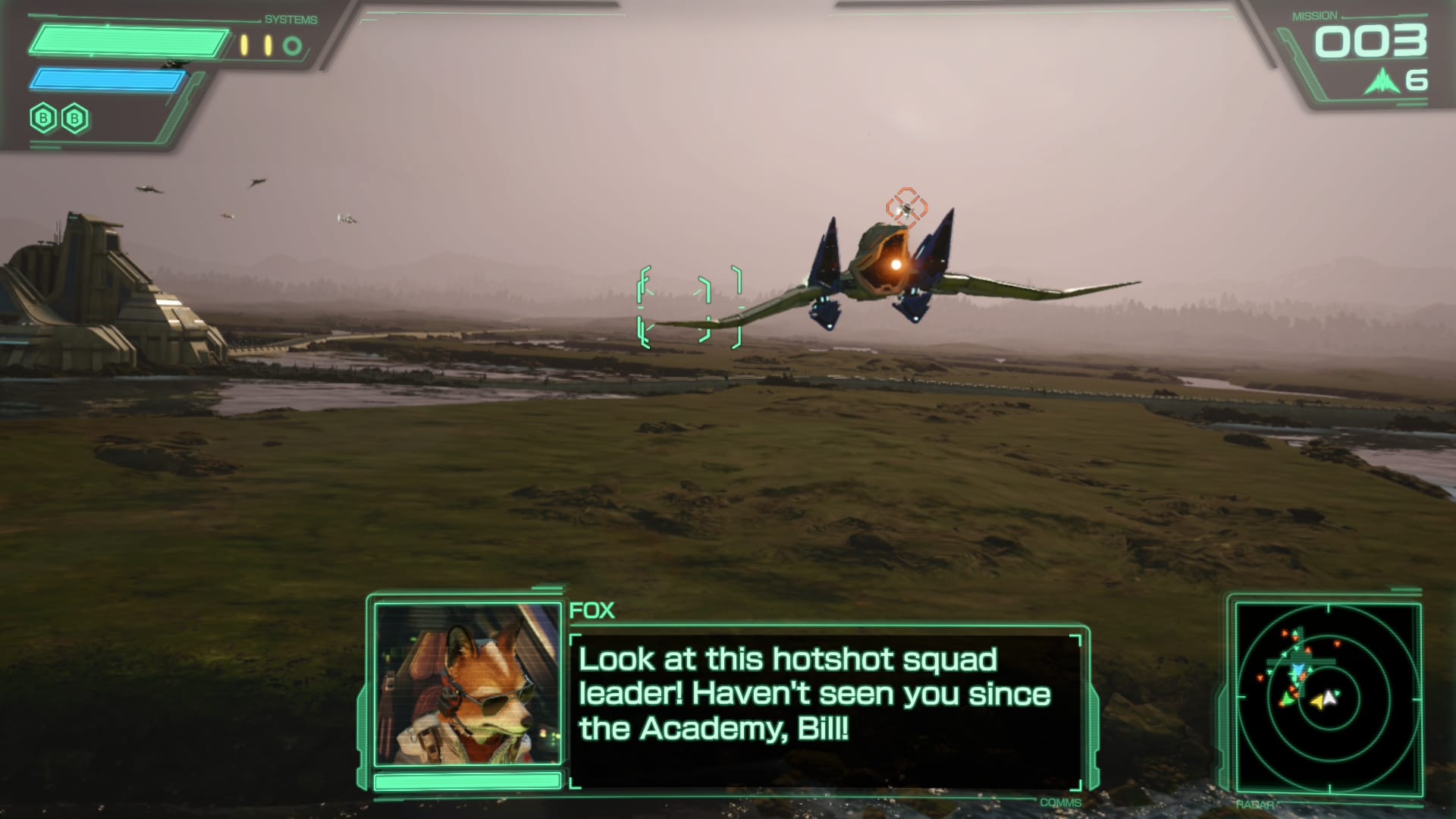
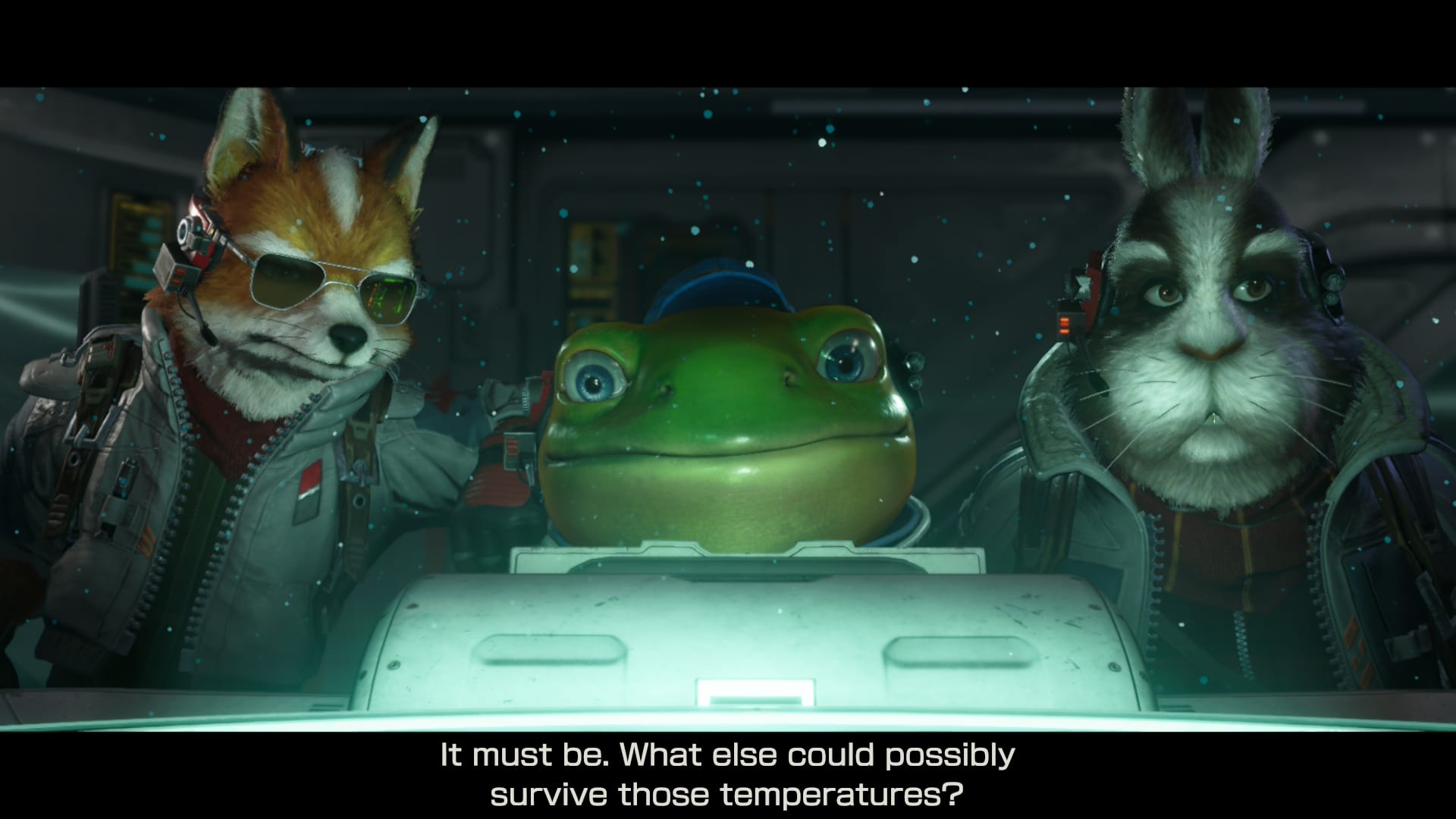
Star Fox’s appeal to veterans is simply thus: what if Star Fox 64, but as you always imagined it? Perhaps you never visualized Fox with digitigrade feet, but gone are the blocky animal puppets and abstract backgrounds—this Switch 2 upgrade features a photorealistic cast lounging and trading barbs in a dim briefing room straight out of Star Wars’ “used future” motif, while a live orchestra conducted at the world-famous Abbey Road Studios accompanies their aerial exploits.
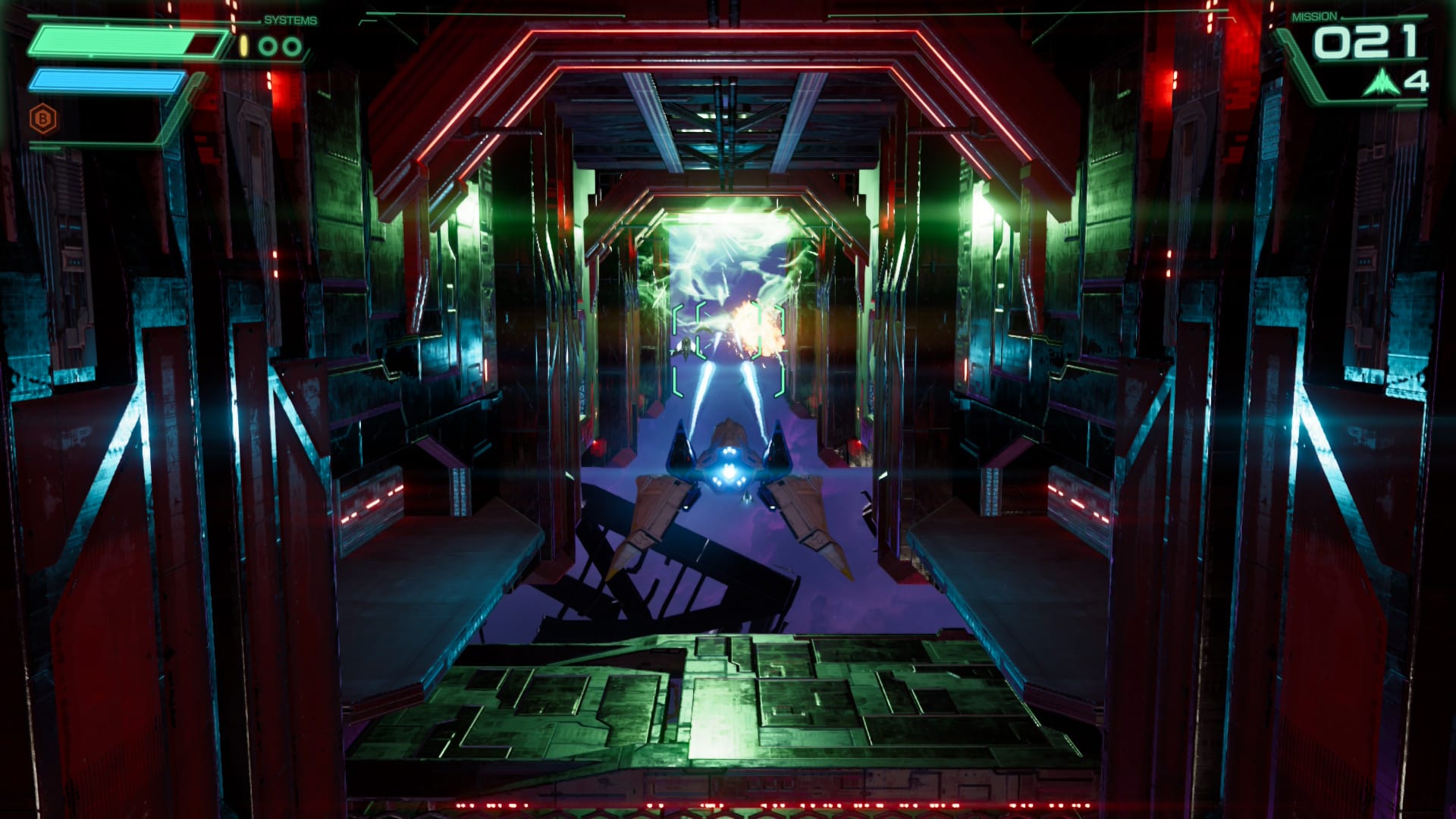
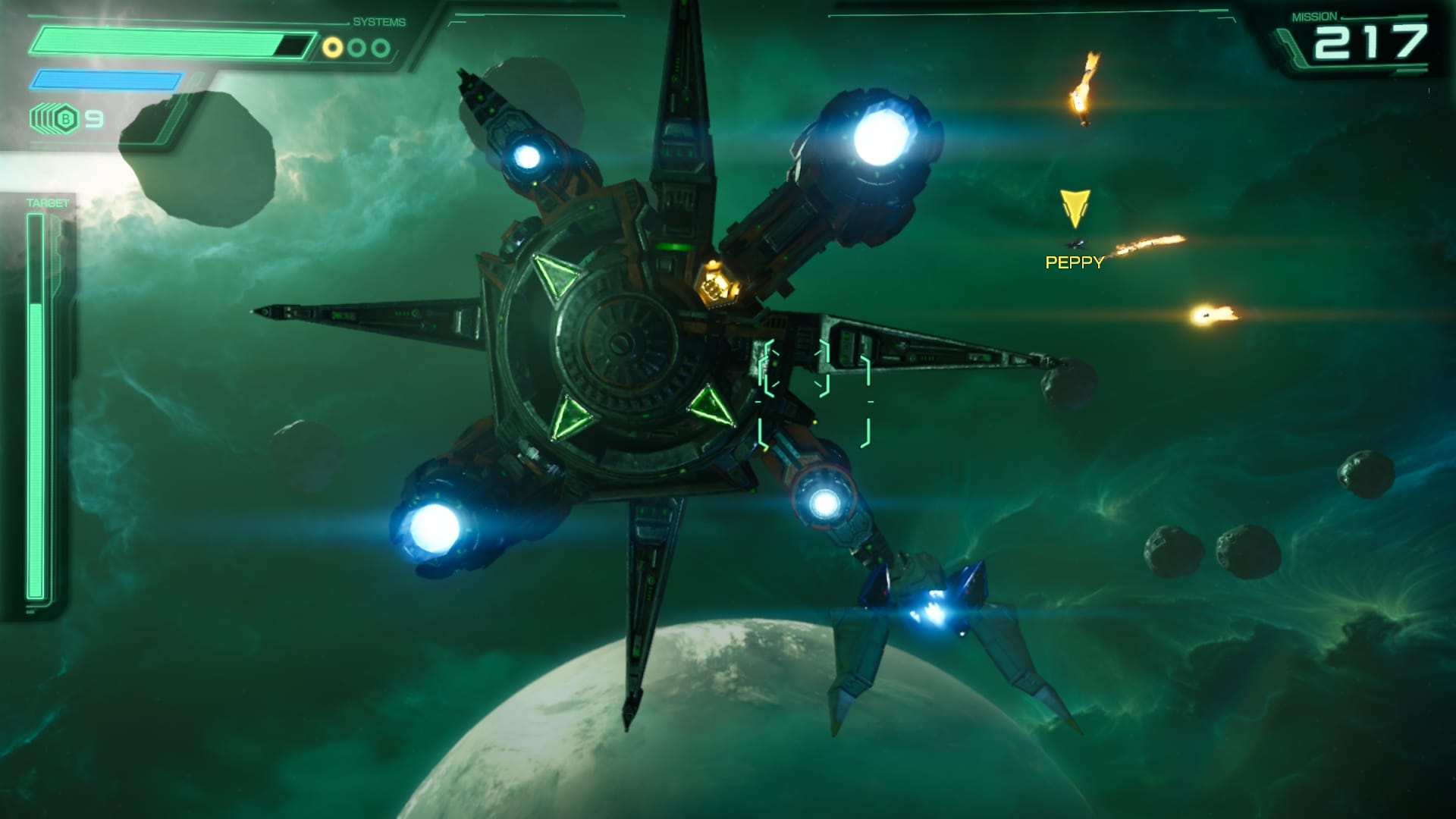
It’s the fusion of graphics and sound that makes Star Fox soar. Sector X is the game’s unexpected audiovisual setpiece: what was already Star Fox 64’s creepiest level is now the set of a sci-fi horror movie, with a haunting choir echoing the sight of an experiment horribly wrong. As the nebula’s golden lights illuminate the shattered space laboratory, the orchestra’s rising action works in tandem with cinematic storytelling to piece together the stage’s mystery.
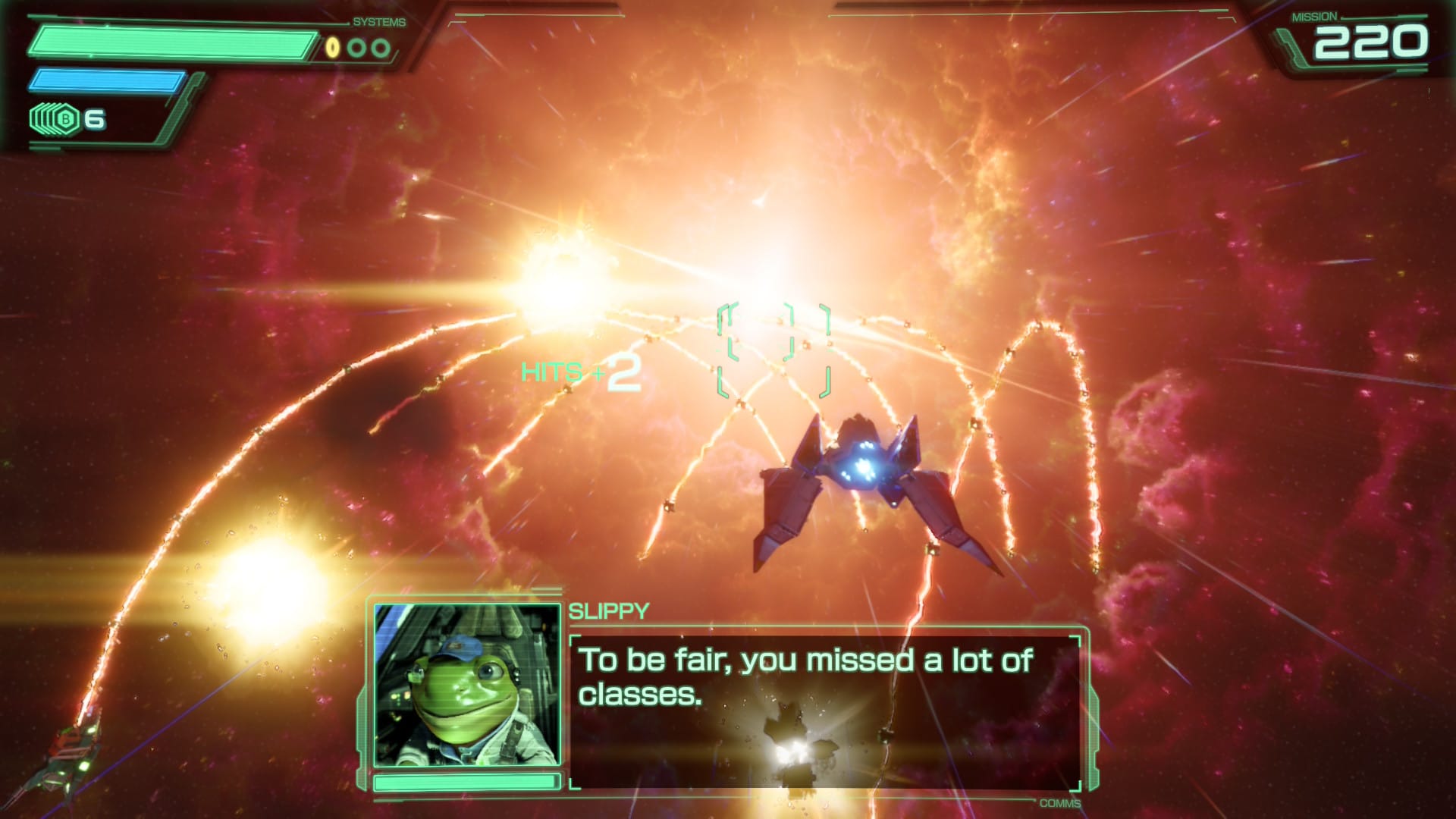
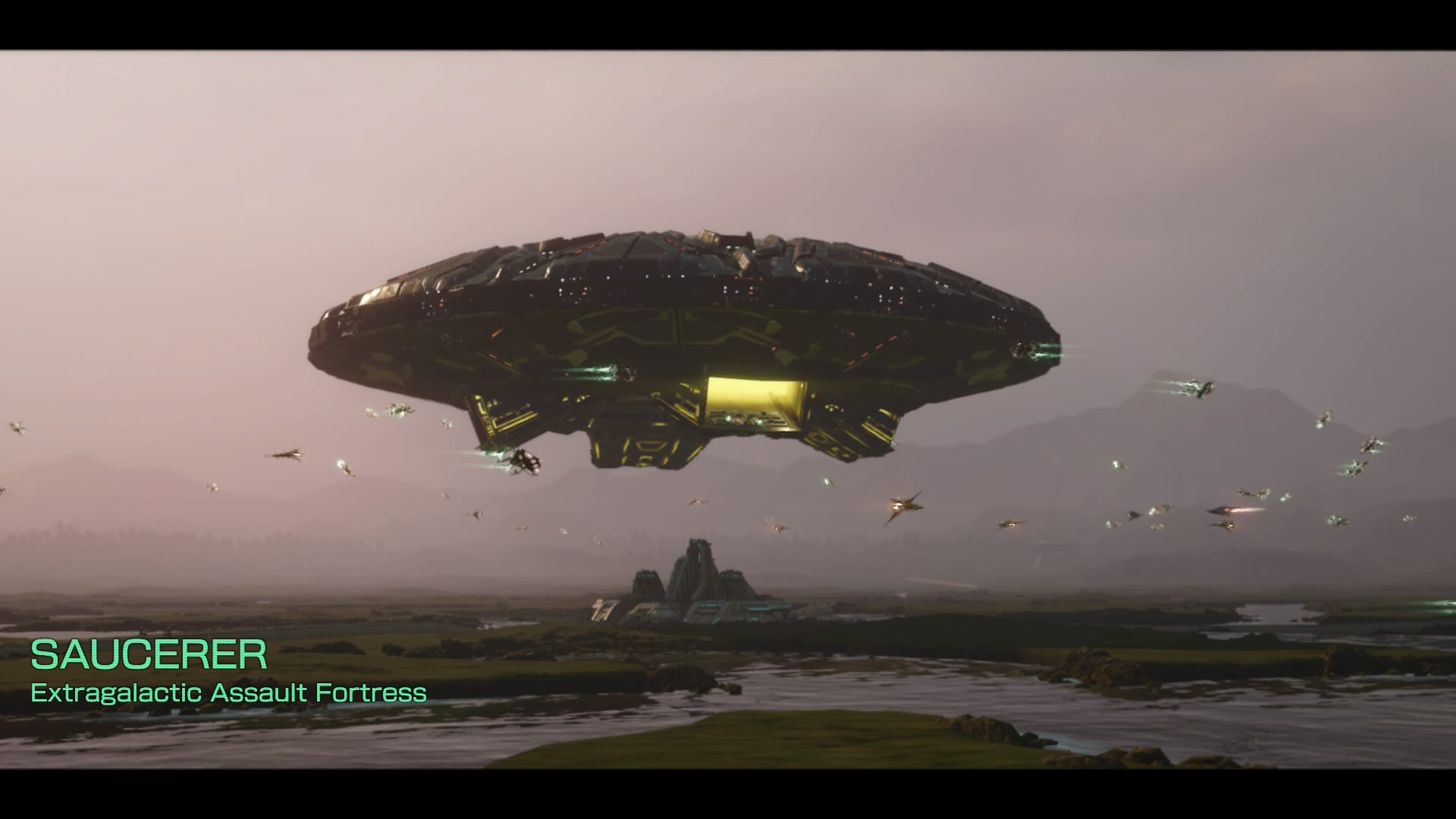
Other standouts impress one after another: Aquas’s choir and Zoness’s piano vocalize breathtaking tragedy in pollution marring ancient ruins and local fauna. A red-hot nebula lights up what was once the game’s plainest level in Sector Z. Every rousing boss theme may as well have been composed, arranged, and conducted by John Williams himself. I was positively giddy in unwrapping each inevitable glow-up as if they were custom-made gifts, right down to the thundering chorus I always envisioned for the final boss.
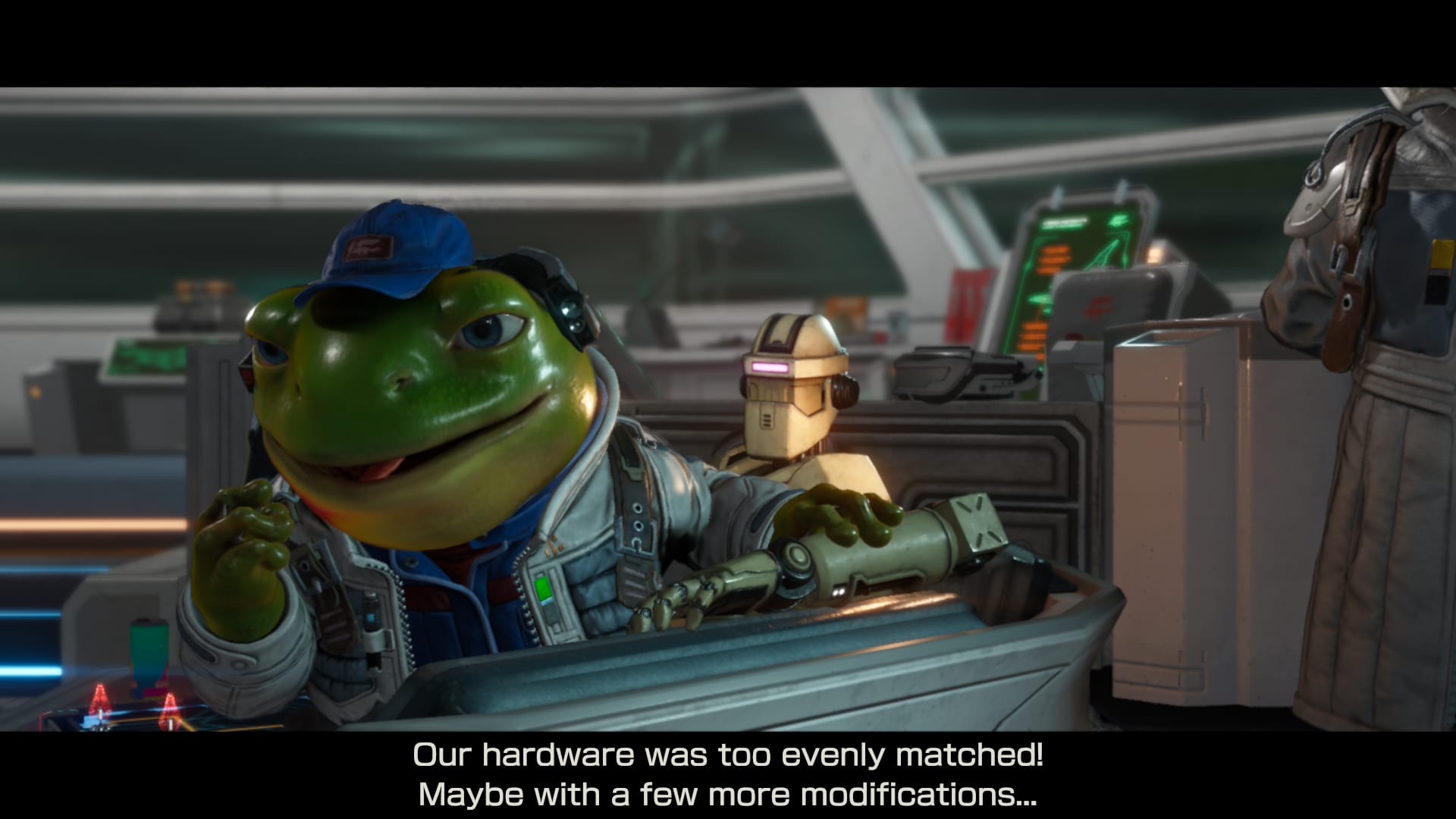
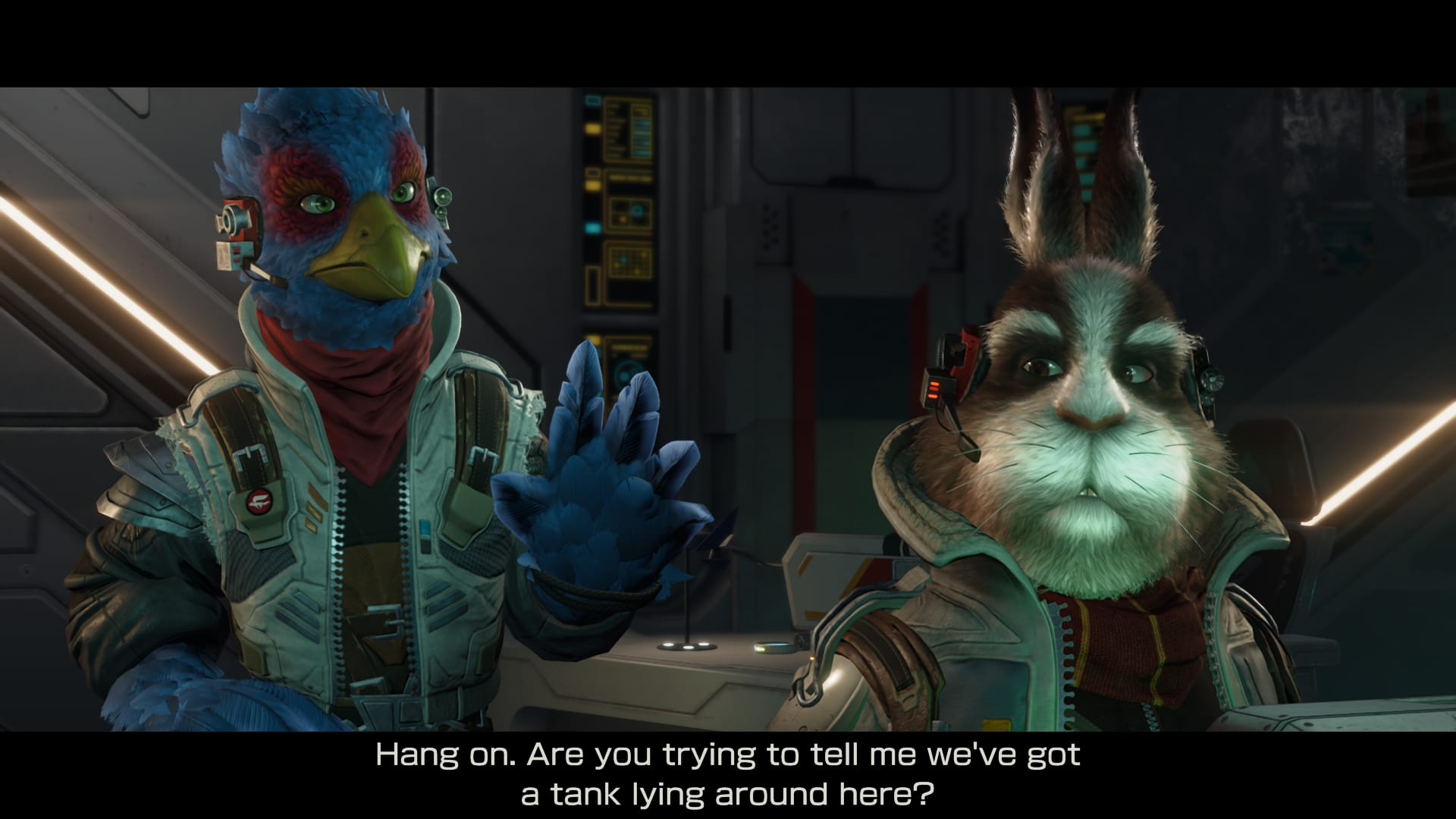
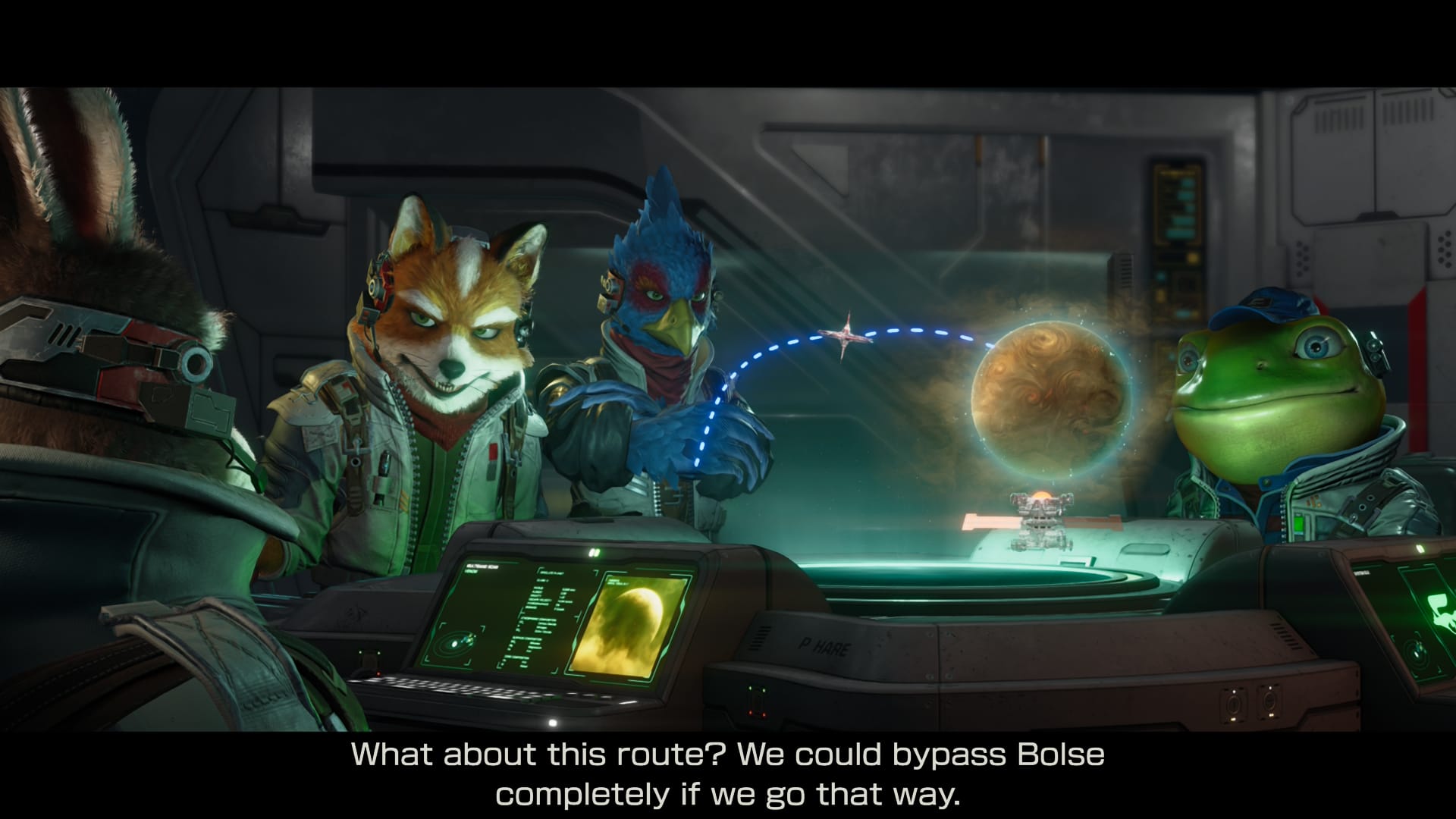
Star Fox 64’s minimalism adhered to razor-sharp pacing and memorable voice clips, yet the demand for modernity means Star Fox must carefully thread the needle lest it lose the secret spice. The new mission briefings are never bloated, laced with just enough personality and subtle cues to inform us what makes the team tick. Characters are given more texture: Fox is a cocky young leader whose snark masks the struggles with his father’s legacy, whereas Slippy’s now an overeager nerd whose curiosity is a magnet for trouble. There’s no room for stoic player inserts or easy punching bags in this ragtag band.
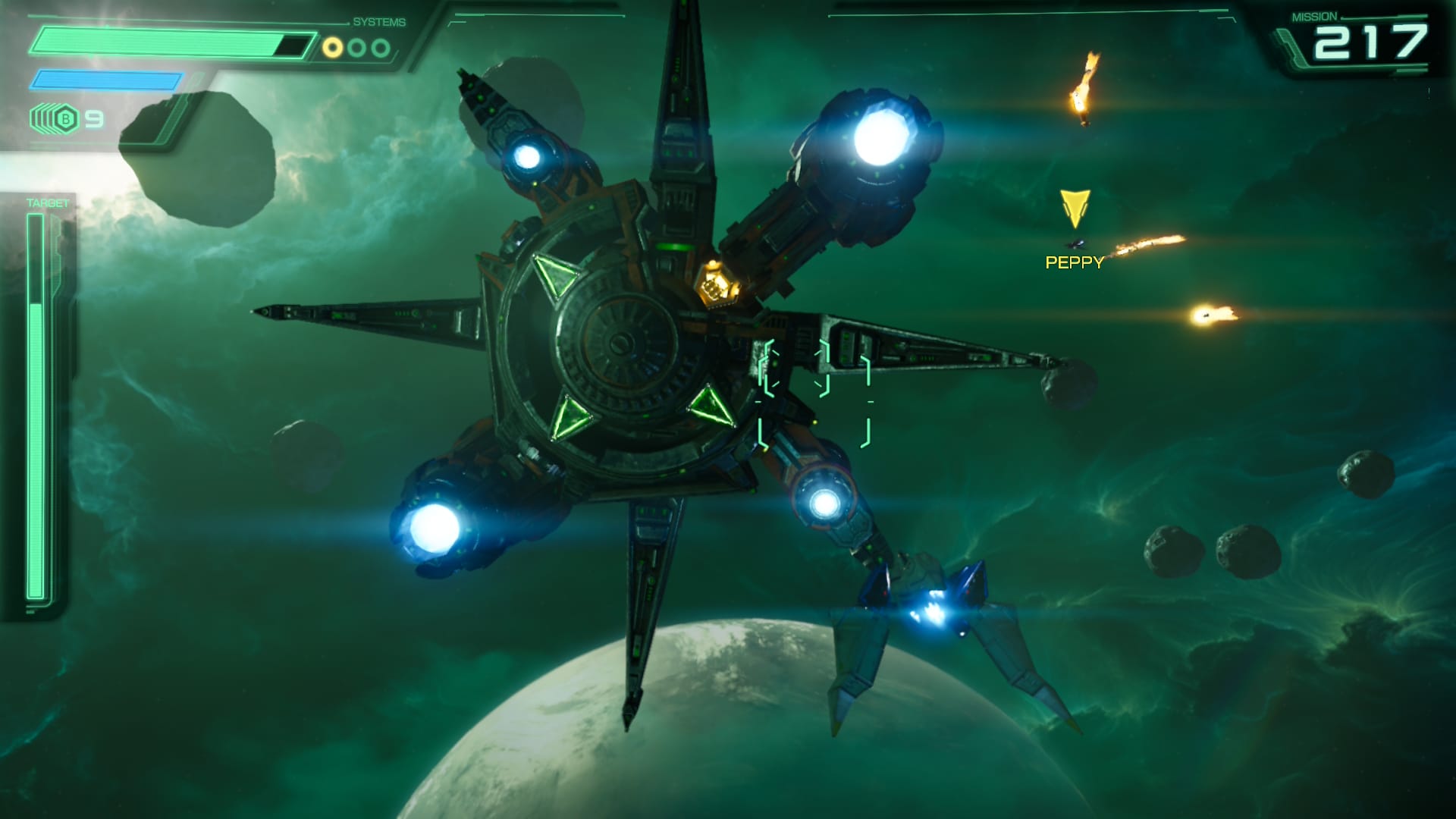
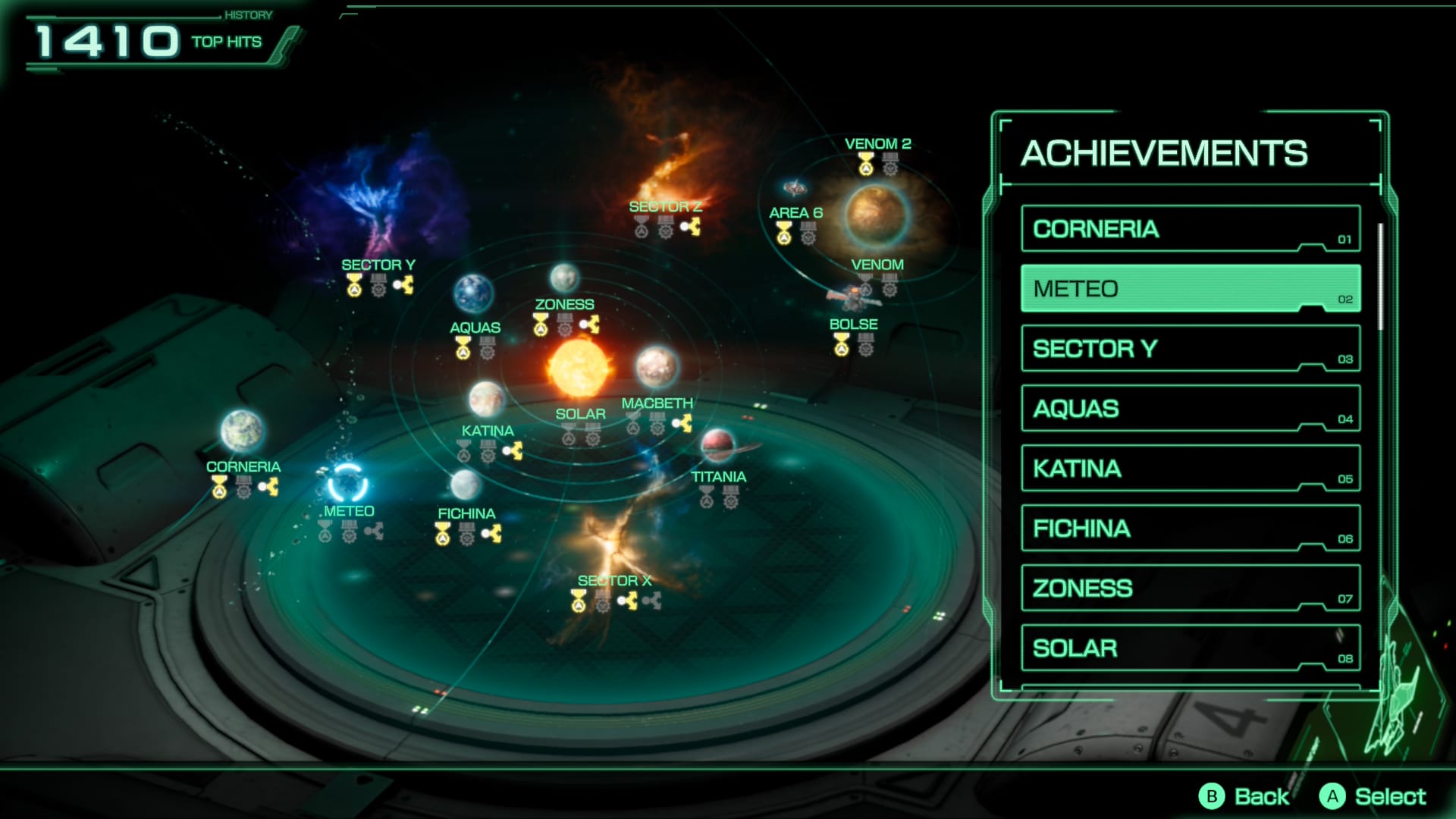
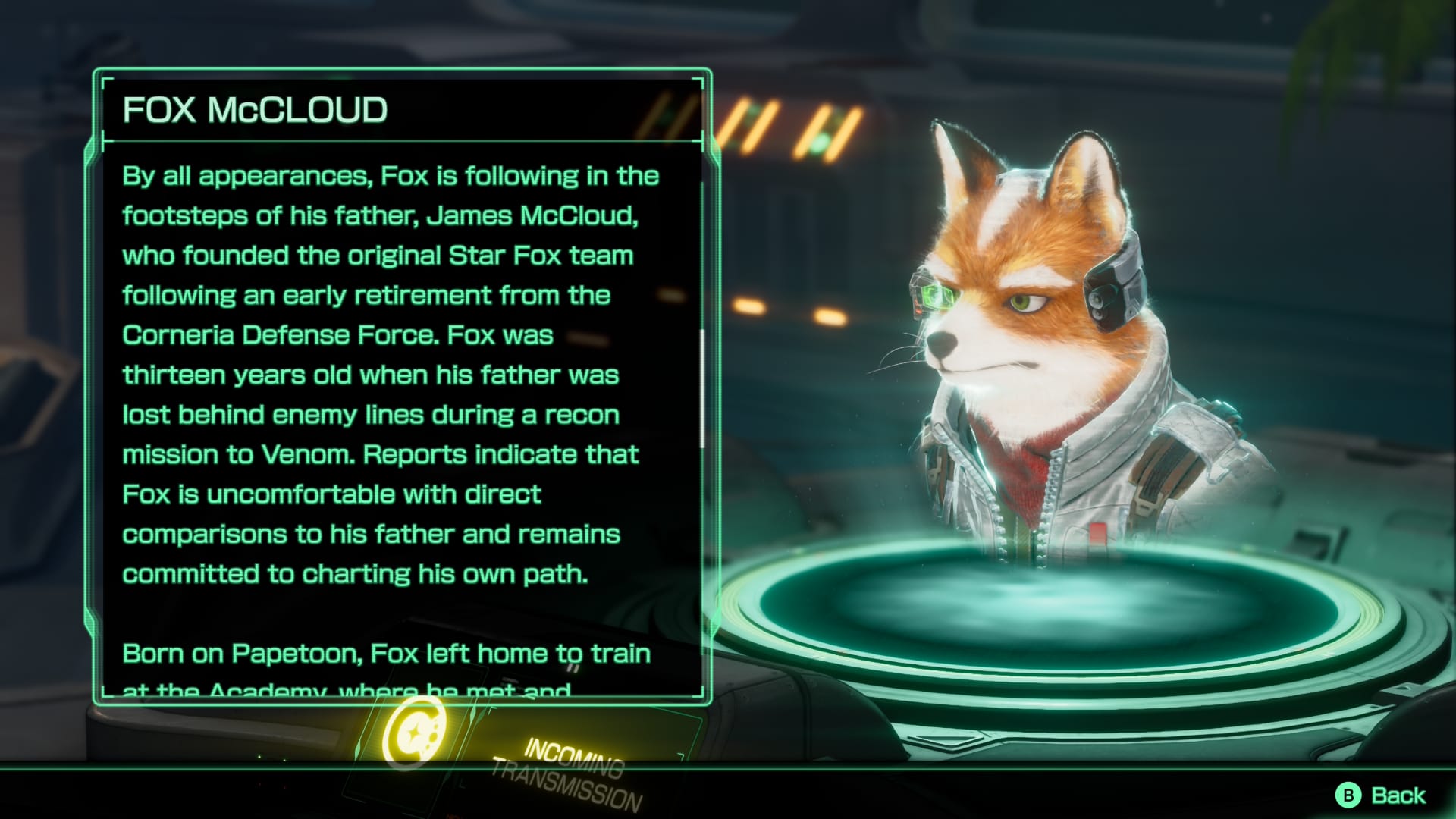
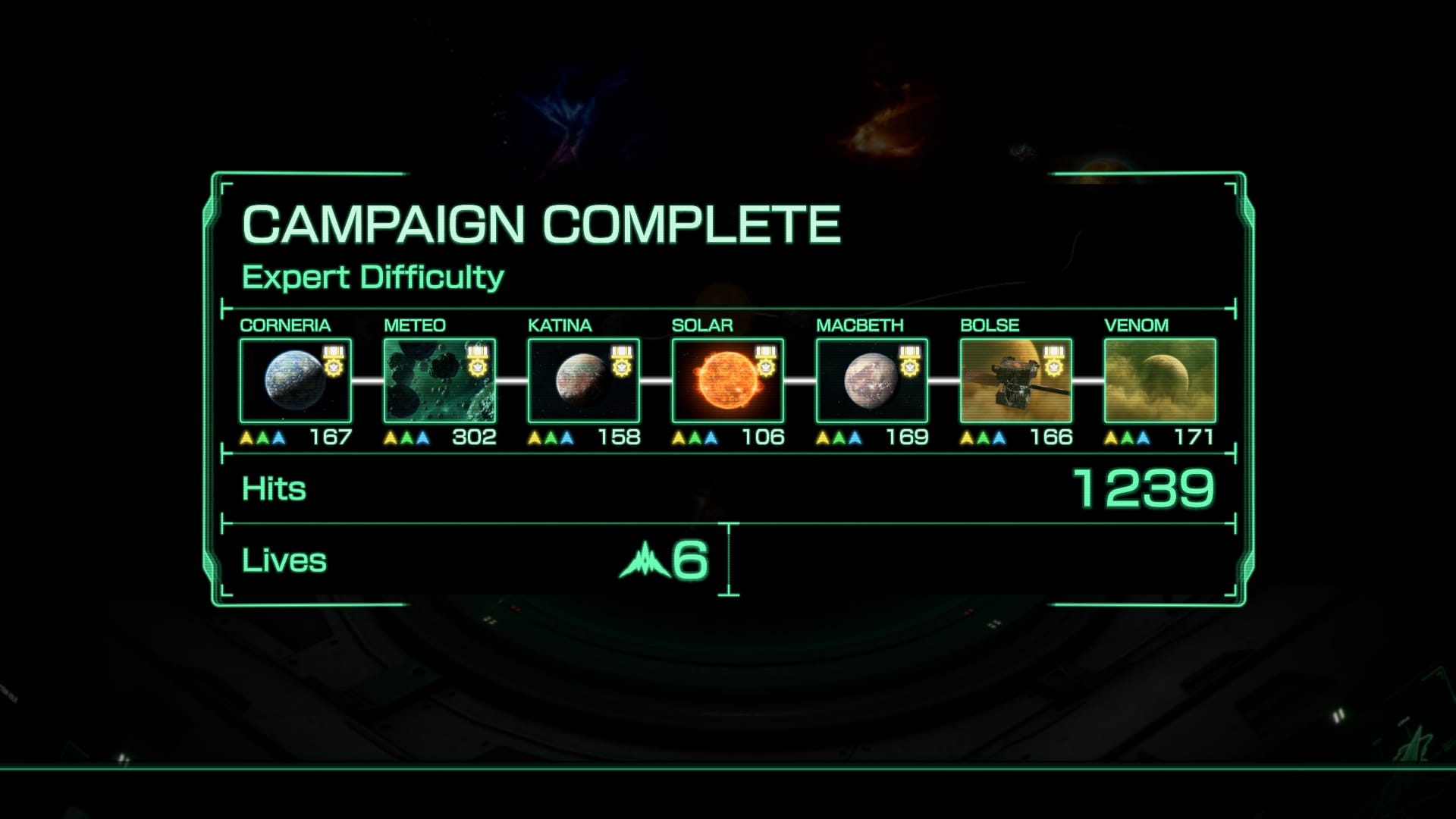
It’s a contextual hook that draws us further with the game’s conveyor belt of unlockables. The meat of Star Fox remains in earning medals—earned by achieving any level’s hit score; an enticing carrot to improve our skills. Alongside the return of the harder Expert Mode, the Challenge Mode plays into this incentive as well, offering individual missions to conquer the ins-and-outs of each level. High scores and cleared missions routinely install new entries into the Holoviewer’s library of lore—its diegetic storytelling having us dig through confidential files like we’re Cornerian archivists, studying every last detail of the Lylat System right down to those cackling bosses. (Did I need to know the Granga pilot was a paramilitary insurgent? No, but boy, am I having fun filling in the blanks.)
There’s something refreshing about Star Fox’s straightforward time capsule. It makes no pretenses about what it is: it’s an arcade game built for infinite replays, suitable for anything from momentary reprieves, high score binges, or just-before-bed runs. Its 1:1 recreation of the original level design is like riding a bike down old haunts, muscle memory kicking in at every turn. The compatible N64 NSO controller warp-drives us back to 1997, its three-pronged grip still fitting the game like a glove. (If only I could say the same for the new mouse controls: they work decently enough, but they shift the button orientation every time you so much as lift either Joy-Con—why would you switch the shooting triggers like that?!)
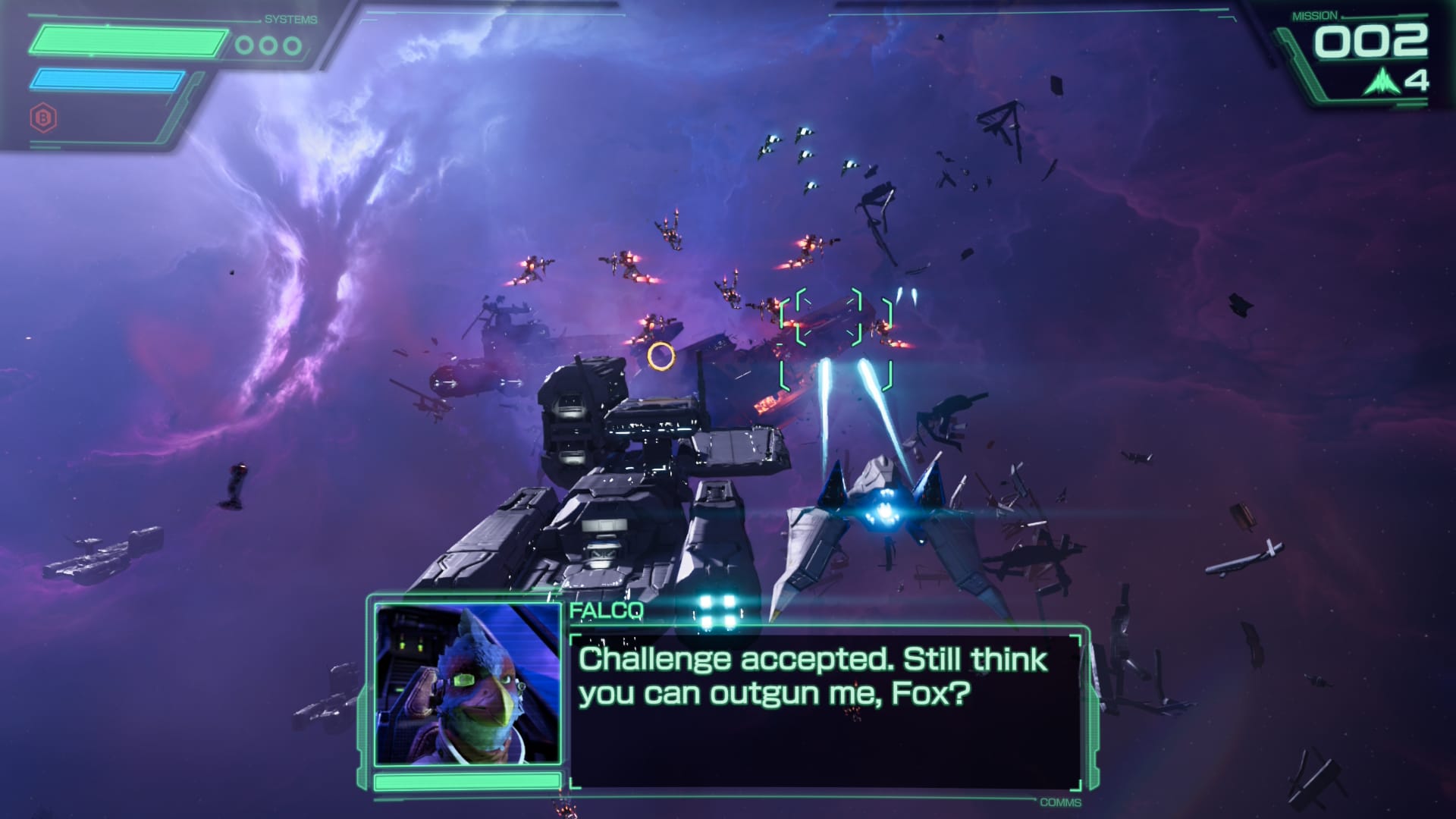
But is it just nostalgia talking when I say I wish the sound effects were crunchier? Perhaps—every sound effect, every line of dialogue, every note of its MIDI soundtrack is branded into my brain like a good little Nintendo propagandist. And for good reason: Star Fox 64’s symphony of sounds were dependable triggers for when to aim, lock-on, and shoot. It’s all part of that aforementioned framework—the game’s simplicity is duplicitous, every piece working together like immaculate clockwork.
Make no mistake: Star Fox’s refurbished machine boasts distinct improvements—the orchestral soundtrack is leagues above the N64’s dingy MIDI, and the more generous reset option preserves our lives, lasers, and checkpoints. Yet other changes are more dubious: much as I’m having much fun with these reinterpreted characters and the camaraderie they share, certain performances and line reads chafe like an itch I can’t scratch. Nostalgia may render Star Fox 64’s iconic voice clips a high bar for any new performances to clear, yet the absence of its intensity means missile attacks and factory explosions register on the same scale as troubleshooting at the office.
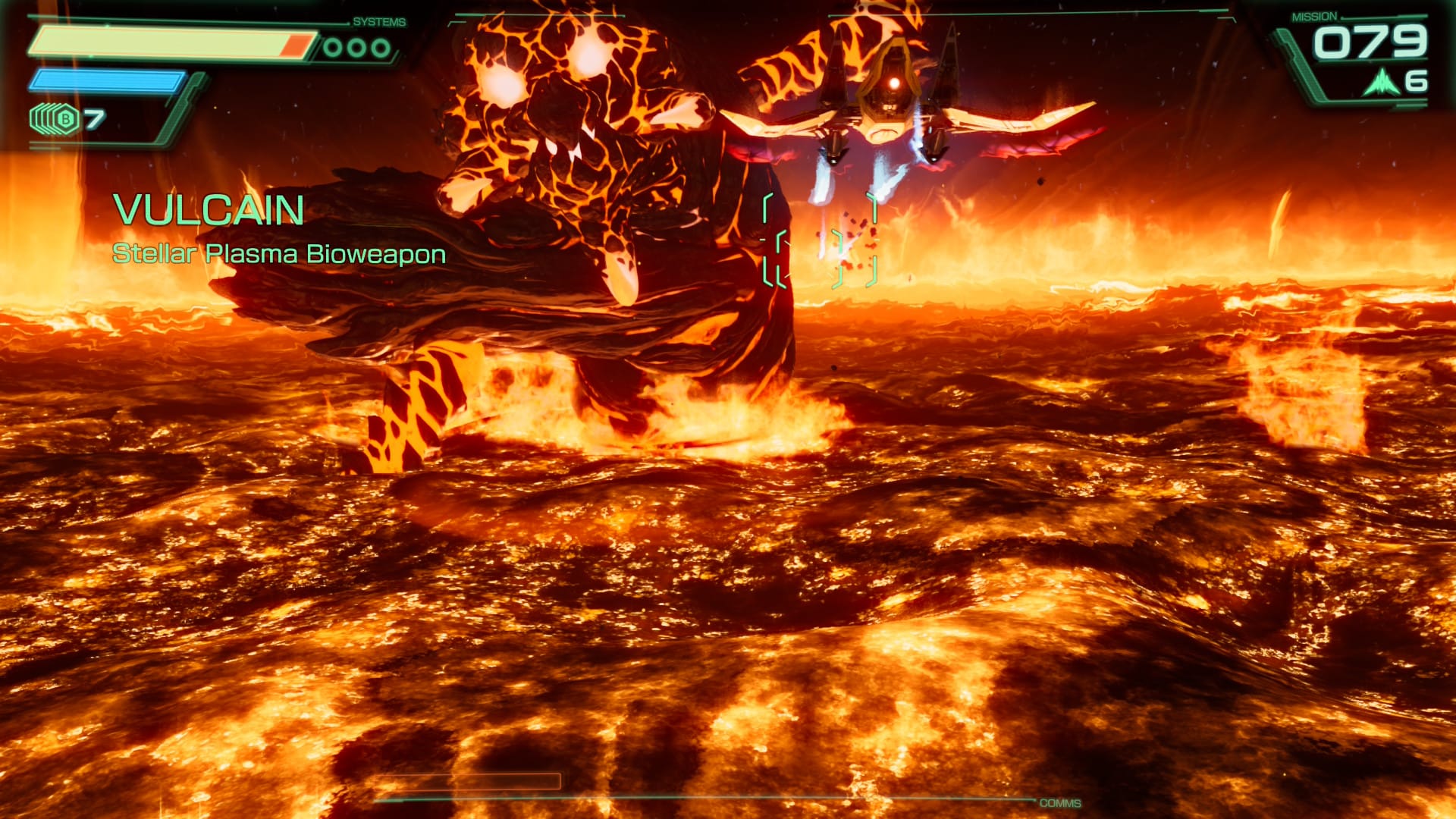
It’s in Star Fox’s quest for realism where its shiny new paint begins chipping away. Boss readability is an oft-cited factor, with reactive feedback and visual signposting at times poorly conveyed. That I miss the Saturday morning cartoon acting is a shame; that I can’t identify whether I’m shooting the final boss’s obvious weak point is a problem.
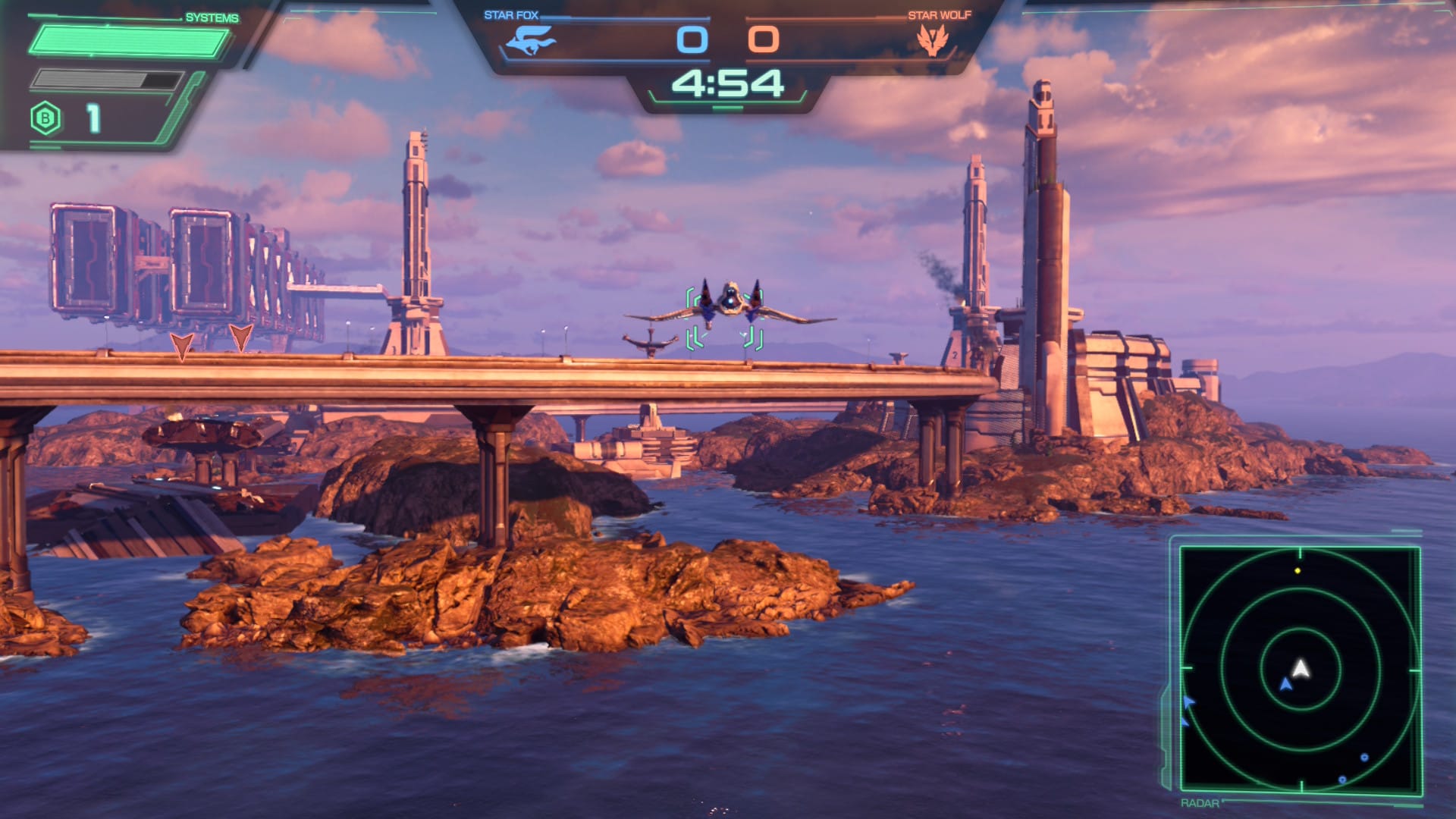
Star Fox’s biggest missteps lies not in its familiarity; nay, it’s that it doesn’t present a well-balanced modernity. The multiplayer is a perfect example: all three modes are brilliant and a substantial upgrade over Star Fox 64, complete with ridiculous face-tracking avatar graphics. (You won’t believe the filthy mouth on Slippy Toad!) But while the gameplay loop is improved, that it only features three levels—one for each mode— renders it just as barebones. I may revel in the Star Fox-patented rush of covering my teammates delivering precious cargo—affirming this via mic places one right in the Arwing’s cockpit—but such a paltry offering hampers its longevity.
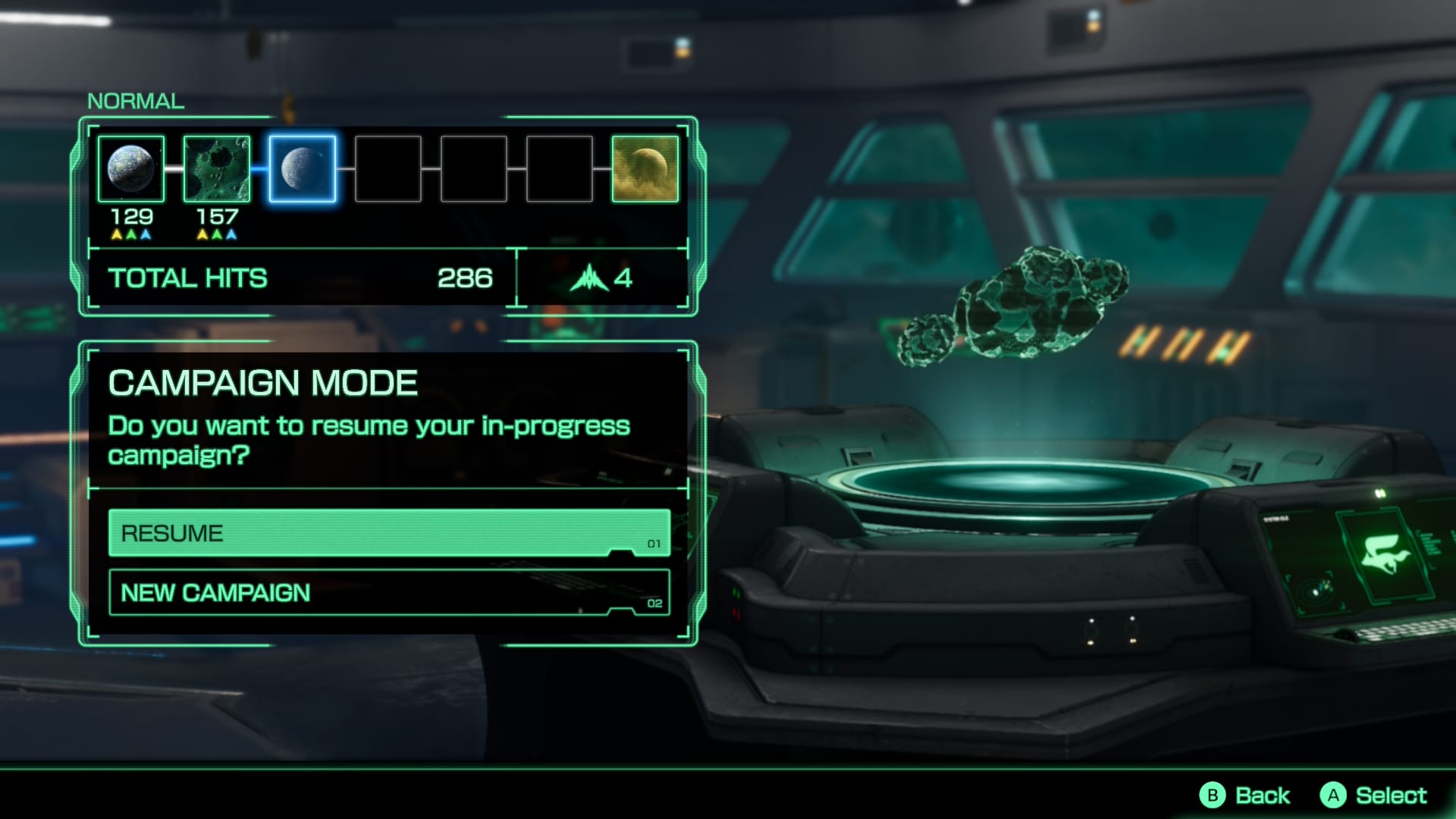
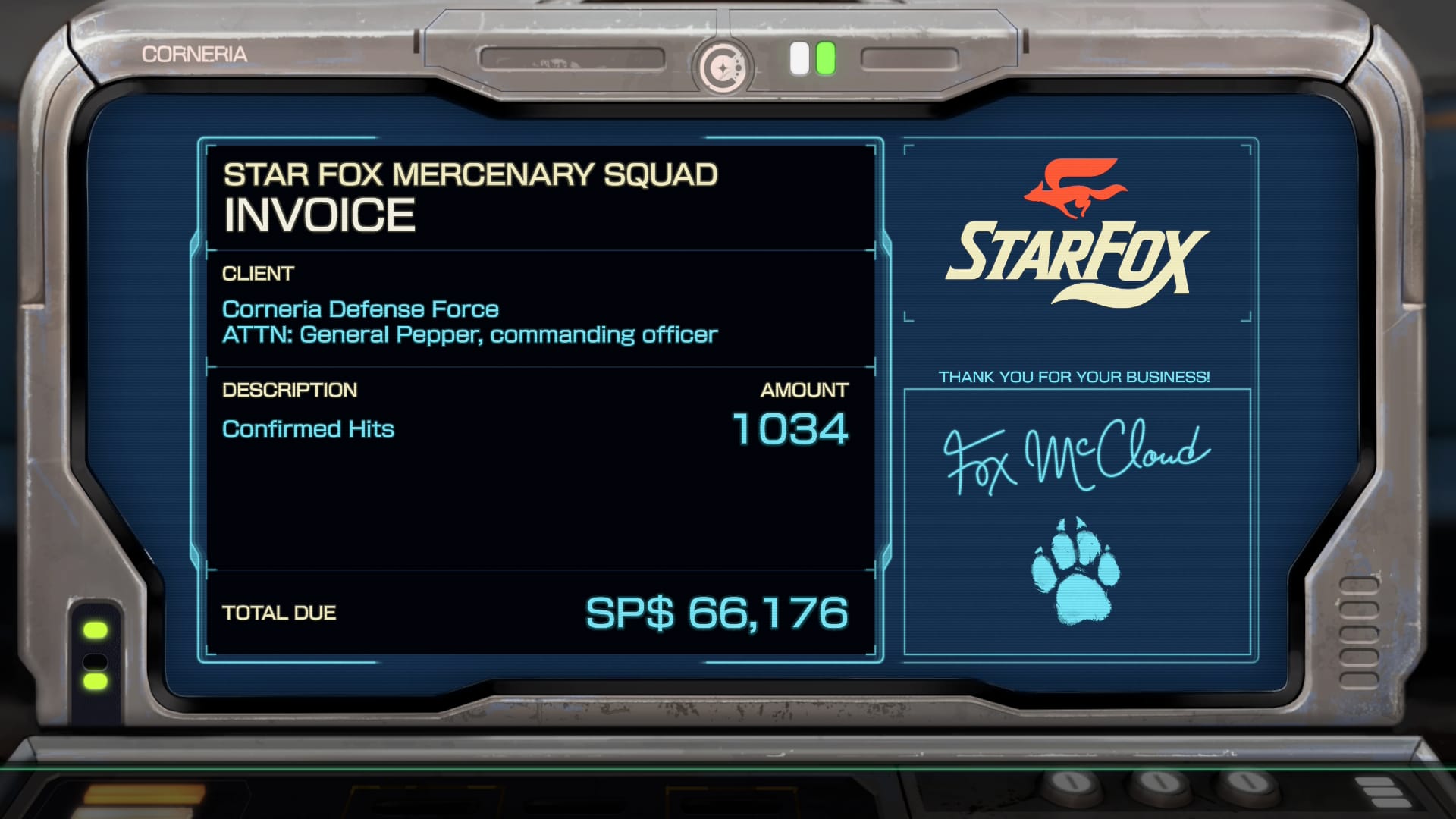
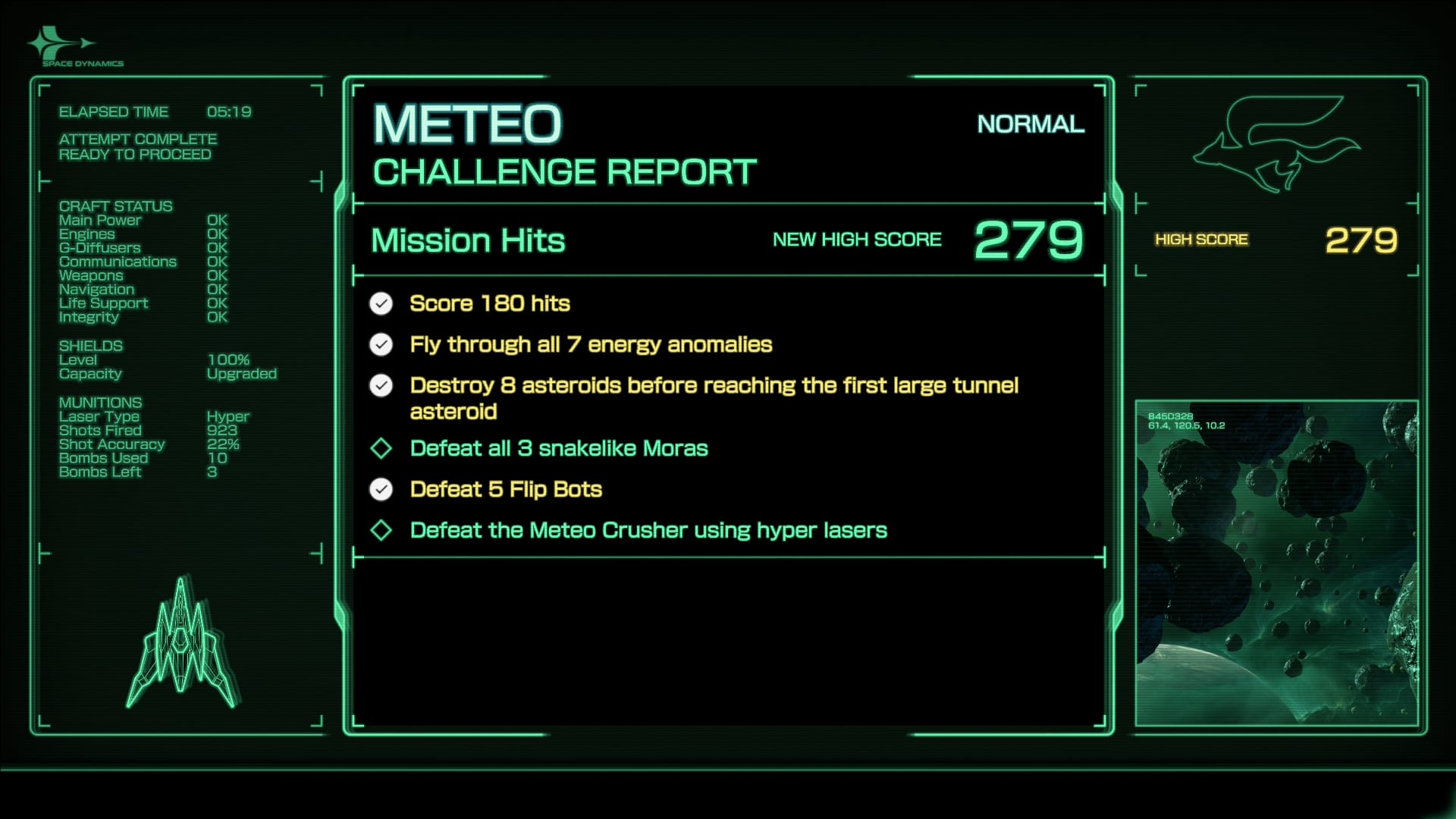
It’s dispensing with scoreboards that’s more confounding than anything else. Star Fox seems largely disinterested in the art of scoring, more concerned with medal perquisites rather than cataloguing our accomplishments. It’s a bizarre omission, especially coming off Star Fox 64 3D, which introduced a dedicated Score Attack mode to earn further medals of valor; in contrast, Star Fox only requests the occasional hit requirement in Challenge Mode. Other missing common-sense features in sound tests and cutscene viewers may raise eyebrows, but neglecting its progenitor’s beating heart is particularly baffling.
I don’t doubt new fans will take kindly to Star Fox—as opposed to prior entries’ wacky controls and unwanted genre-shifts, there’s nothing impeding what remains a rock-solid classic. But price value was a very reasonable concern coming off the game’s announcement, and whereas there’s a palpable quaintness to Star Fox’s compact offering, one could imagine a more robust argument had it not skimped on content. We can only hope further updates will tie up its loose ends.
But in the end, Star Fox is still Star Fox 64, and any pratfalls in this revisioning don’t undermine what’s a clear labor of love for the source material. What we have here is a stepping stone for Velan to follow—one that, much like the game’s innumerable routes, can lead to an infinite number of paths, of new frontiers and unexplored territory for the series to follow. Will they successfully build upon the series’ legacy, or crash and burn into another bad ending?
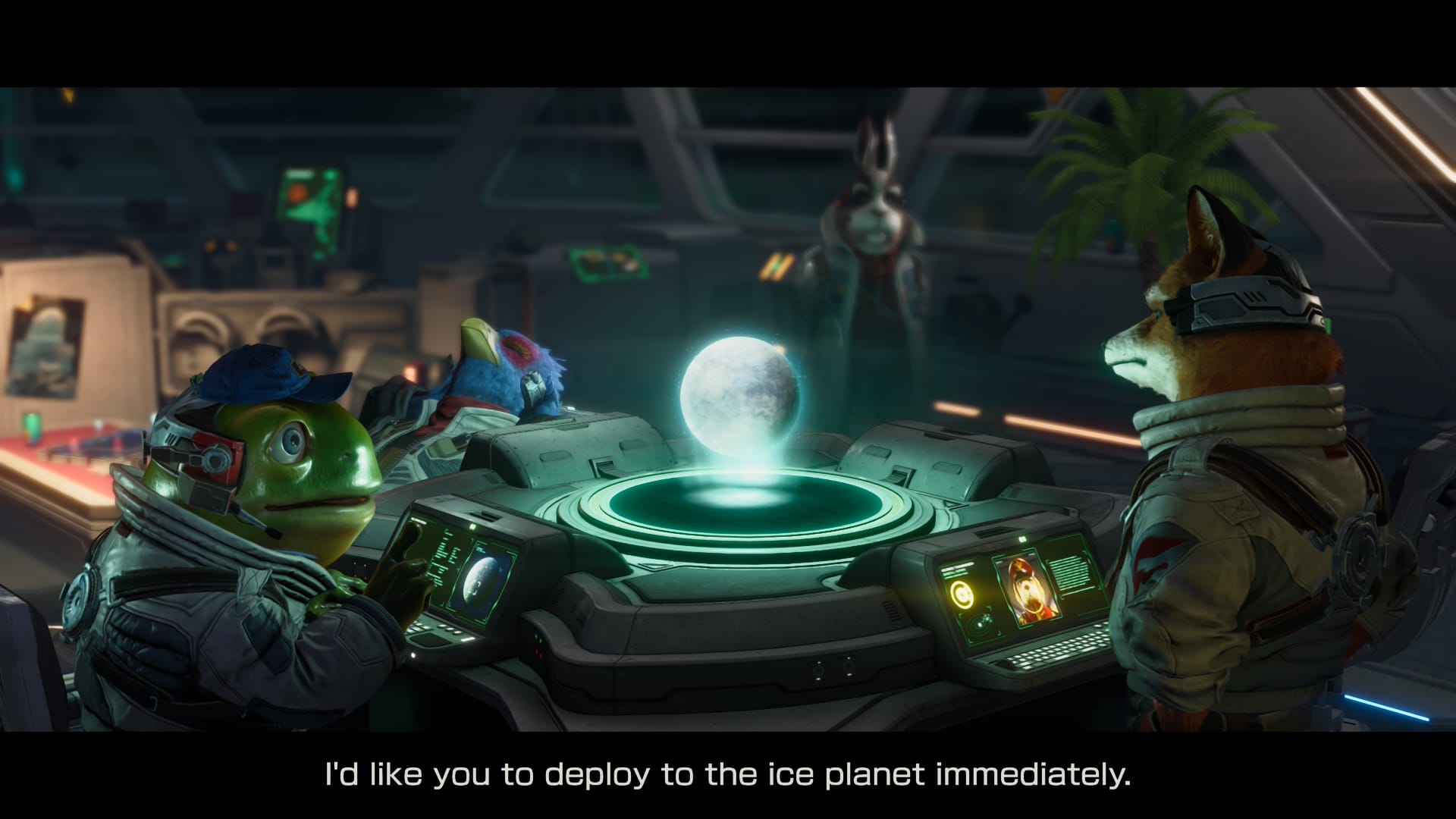
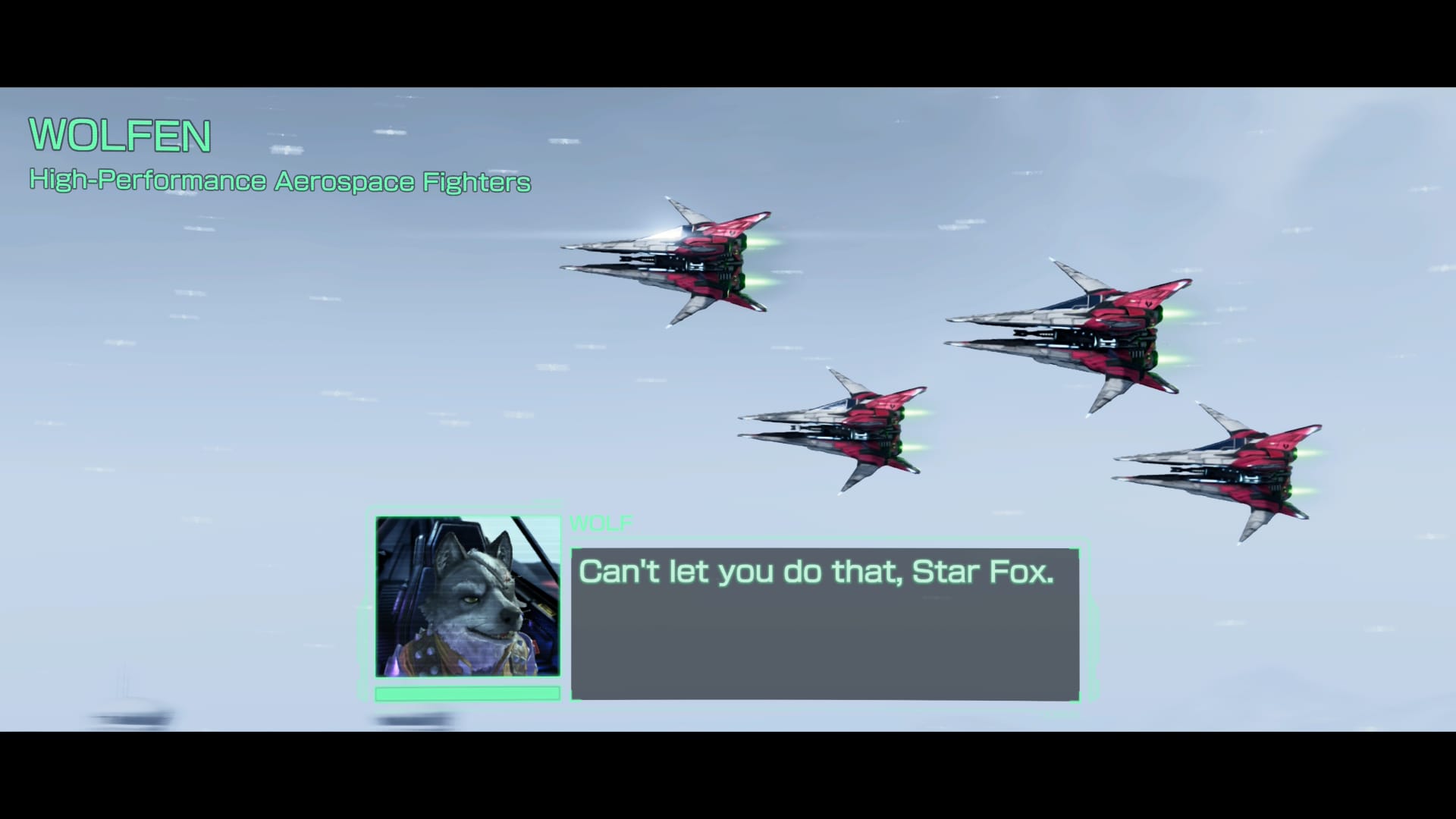
Me, I’m not so concerned. Merely observe how Star Fox unearthed a forgotten memory: my mindlessly shooting satellite poles across the snowy outpost of Fichina, idly killing time before Star Wolf came swooping down. Imagine my surprise when this irrelevant activity was reintroduced as a clearable mission—and a pretty tough one at that, tasking us with roving across the entire battlefield to shoot down all twenty-six poles; a task made monumentally harder once Fox’s archnemeses arrive nipping at our heels. What was once a pointless act of destruction is now a veritable push-and-pull.
If that’s not an attestment to translating the yesteryear experience into this modern age, I don’t know what is.
David Flynn
Star Fox is a series I hold very dear to my heart, despite many of its entries being less than stellar. The crew of the Great Fox has never been quite able to leave their first adventure, the Lylat Wars, behind for too long, and after the release of Star Fox Command back on the DS, we got two back-to-back remakes of Star Fox 64, which itself was a remake of Star Fox on the SNES. Star Fox 2 finally came out somewhere in there, but now in 2026 we add yet another remake to the pile, simply titled Star Fox. This one, though, blows all the other remakes to space dust.
Five years after James McCloud disappeared on Venom after the betrayal of Pigma Dengar, his son Fox reforms the Star Fox mercenary squad under his leadership, with James’ old pal Peppy Hare, Fox’s best friend Slippy Toad, and hotshot pilot Falco Lombardi joining the team. They are contacted by the Corneria Defense Force’s General Pepper and hired to take out Dr. Andross, defending the Lylat System as they make their way towards Venom.
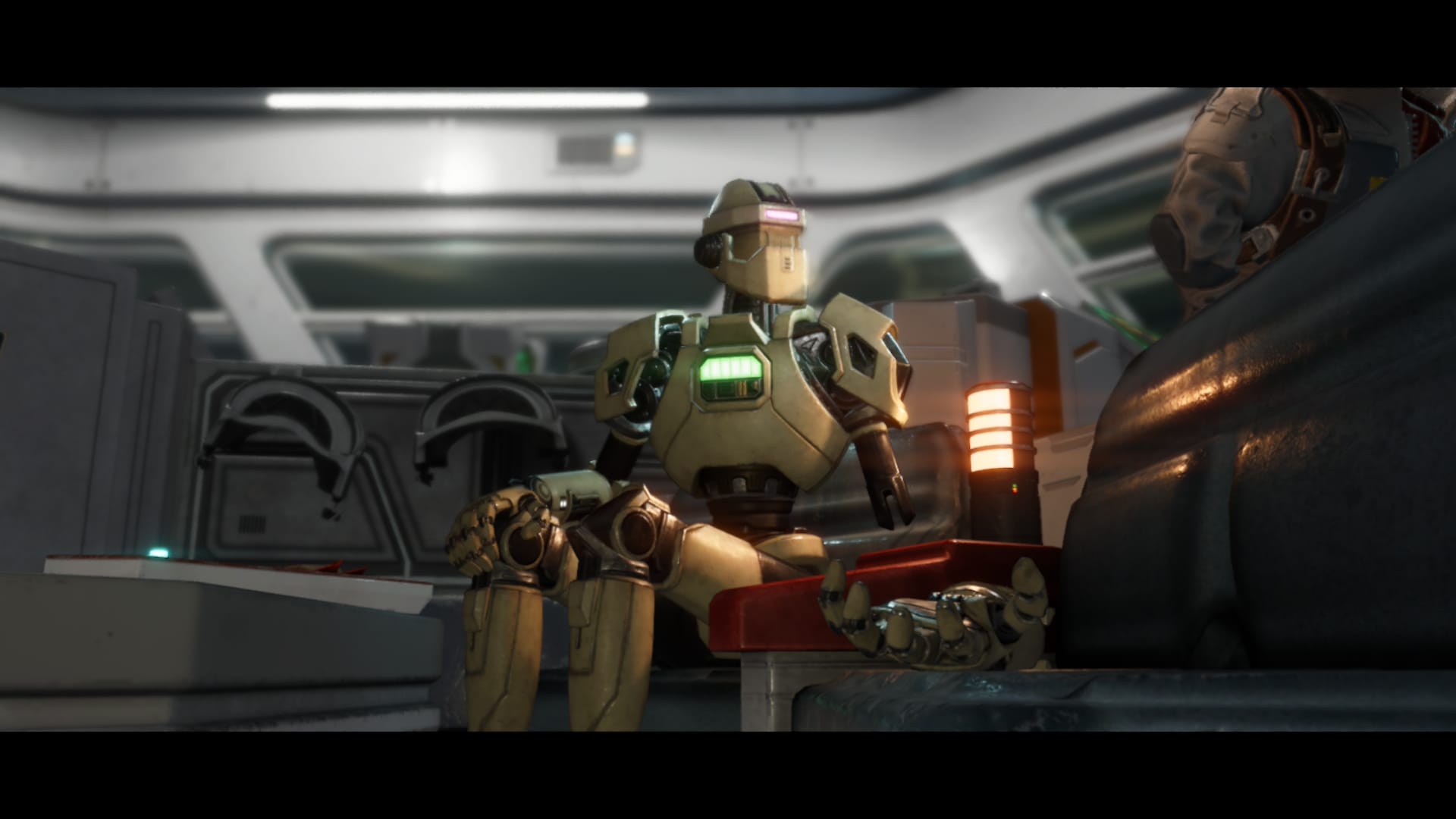
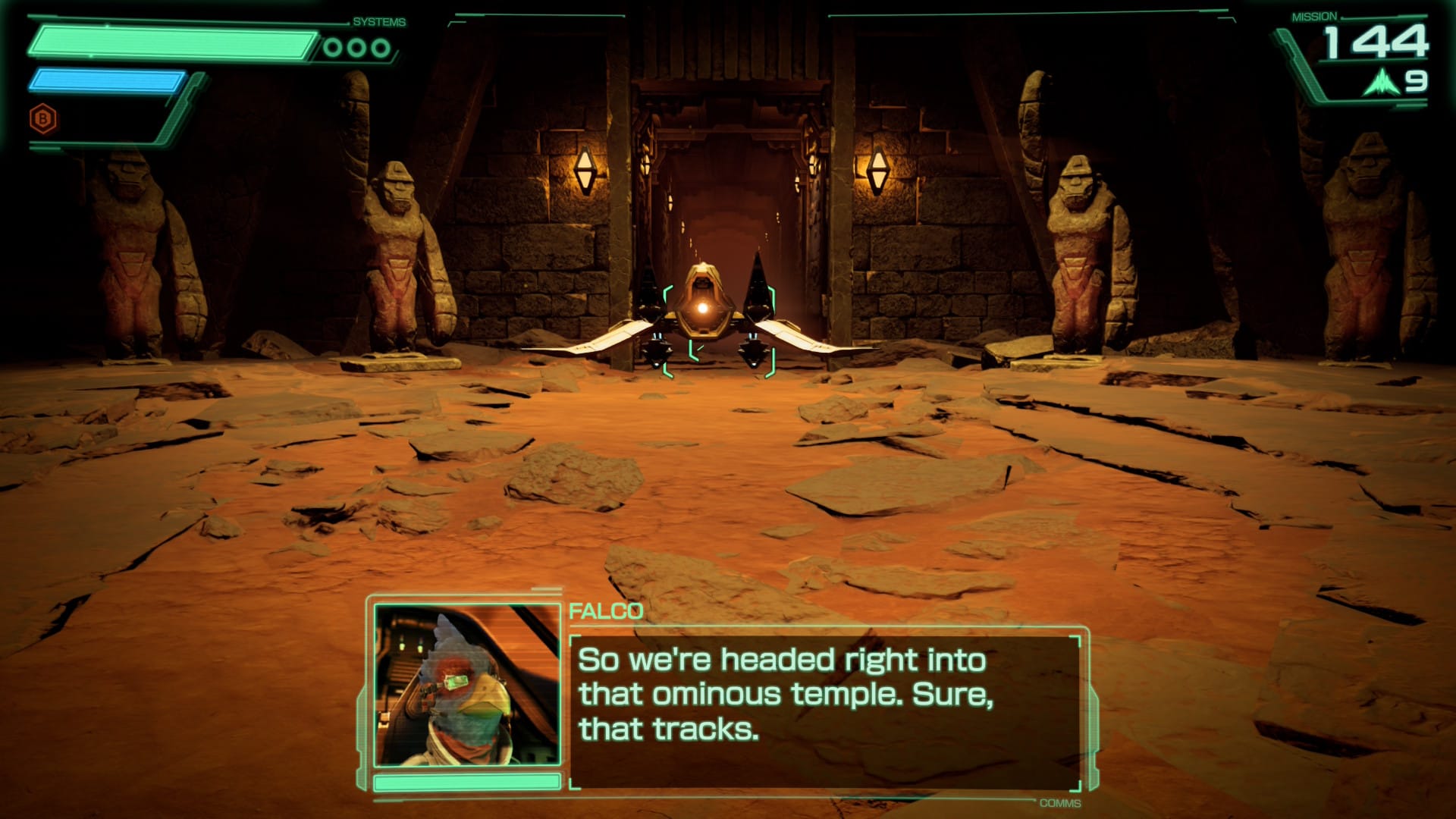
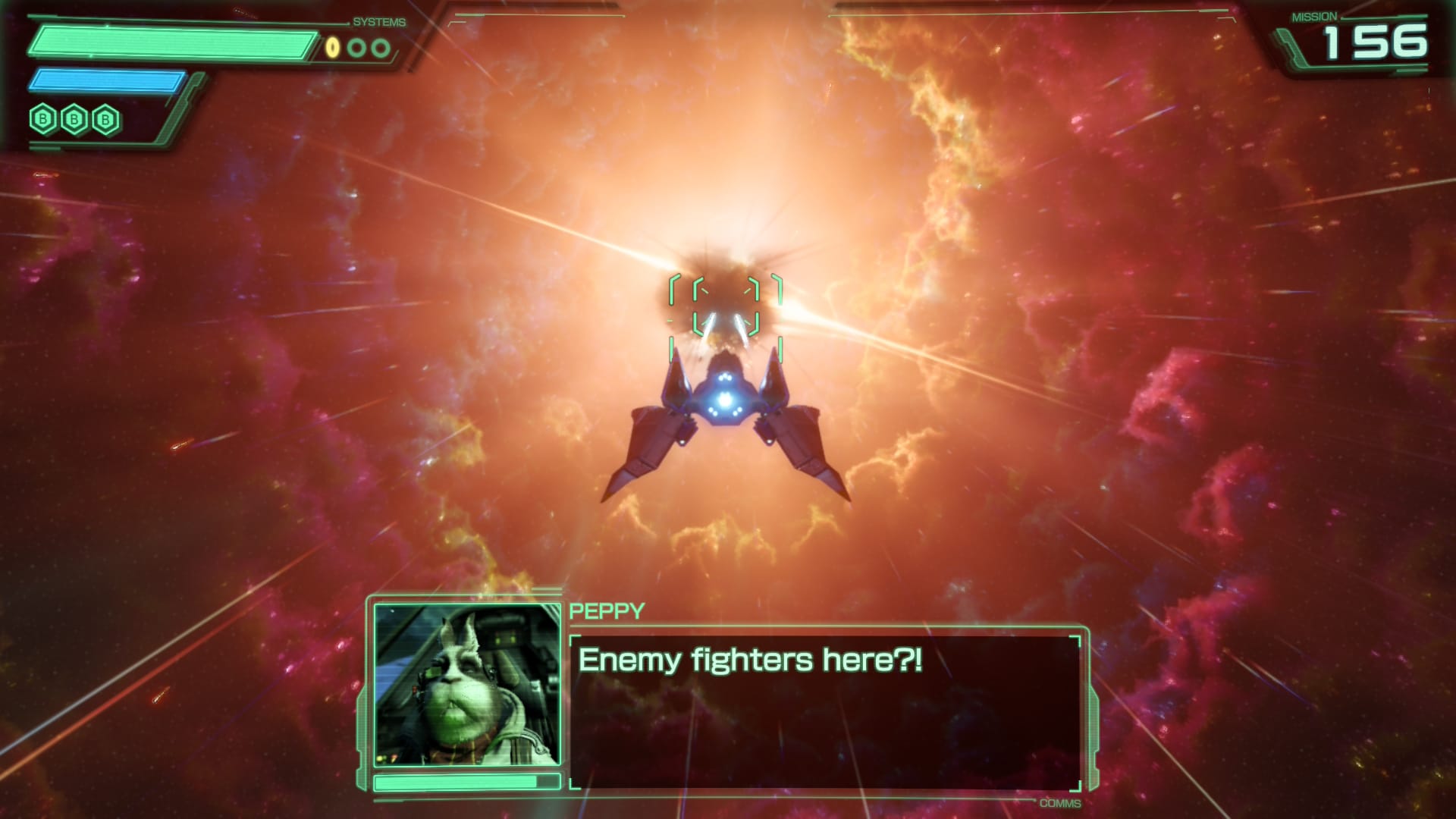
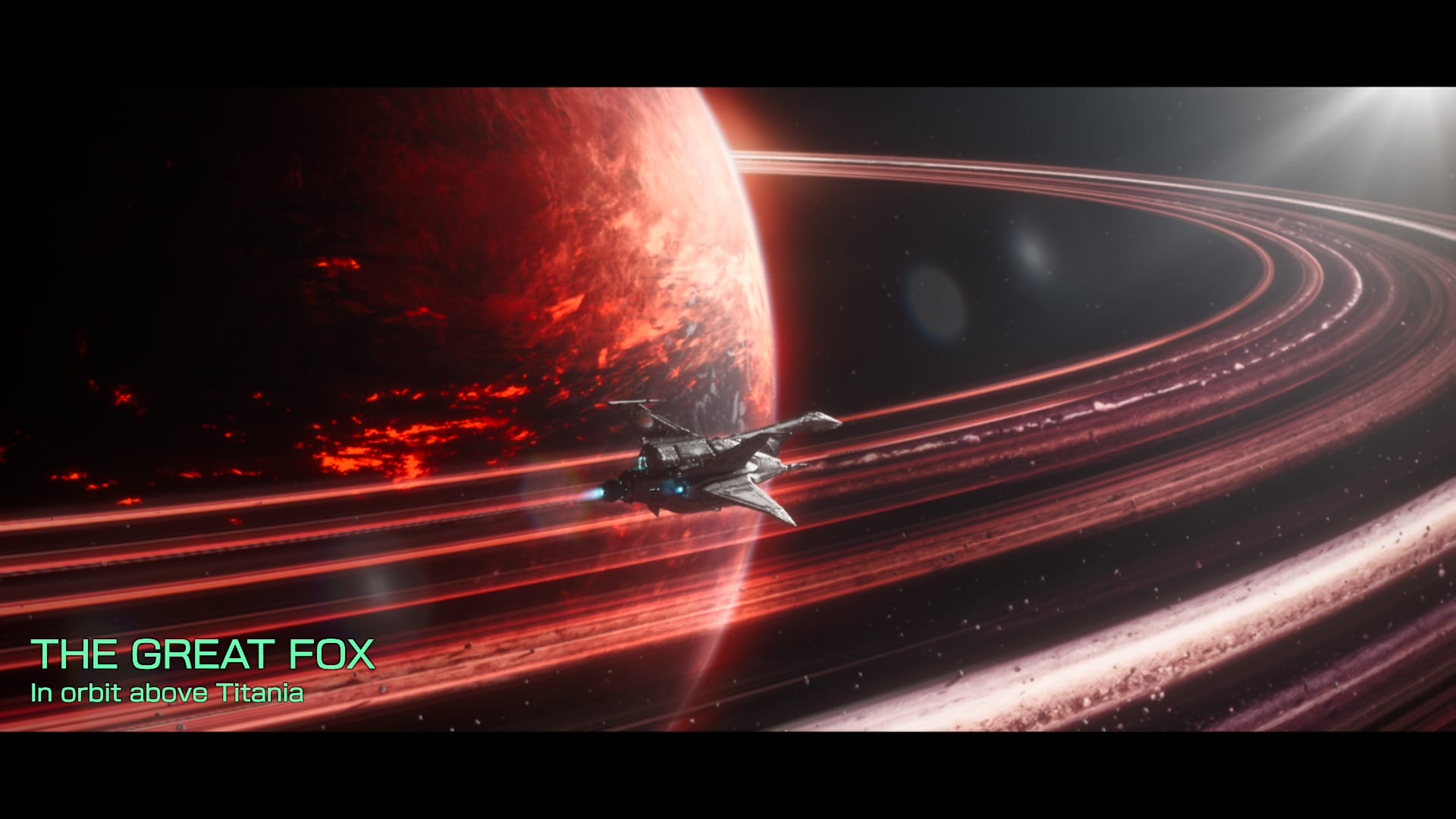
It’s a song and dance we’ve seen hundreds of times now, depending on how much you replay the games, but Velan Studios has put a bigger focus on storytelling this time around. Instead of quick one or two line briefings before a mission, you get fully realized scenes of the characters talking about next steps aboard the Great Fox. The characterization is pitch perfect, fleshing out each member of Star Fox in ways that make sense. Falco is confident and competitive to a fault, Slippy is more interested in machines and tinkering than that enemy ship about to blast him out of the sky, and Peppy is the mentor getting real tired of the kids’ shenanigans. Fox has had the most changes to his character, but it’s all in an effort to make him more interesting. In past games, he’s been self assured and serious. He’s still self assured here, but takes everything a lot less seriously, chasing thrills and cash more than seeking justice for his father. He’s still the team leader, but feels more on equal footing with everyone else.
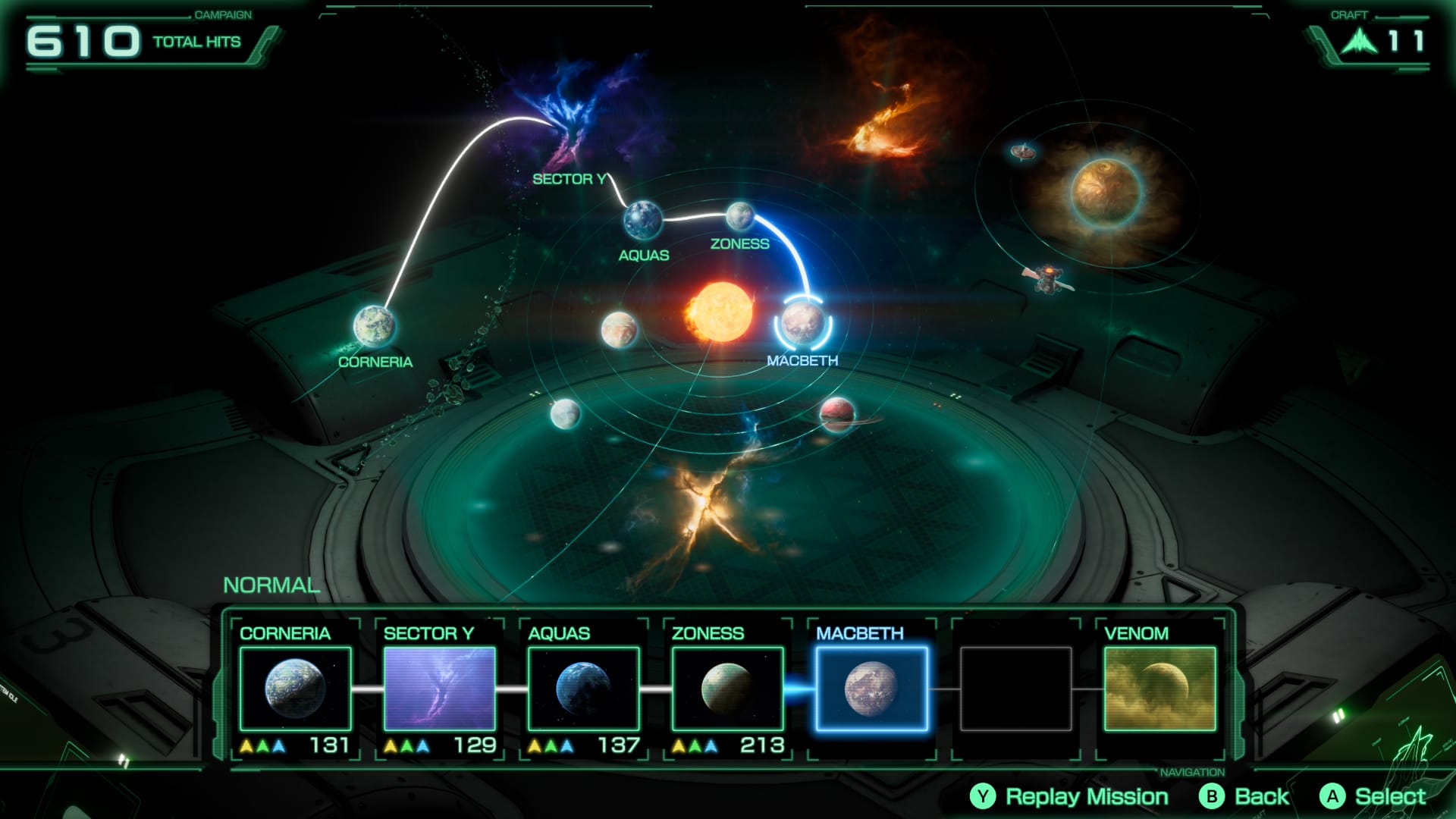
Discovering the various routes of Star Fox 64 was half the fun of that game, but it’s even more enjoyable here thanks to the cutscenes that bookend each level. I still wanted to visit each stage to get all the medals, but this time I was also curious about how the story would play out in all the different possible routes. For example, there are four different ways to get to Macbeth, and each entrance has a different cutscene to introduce you to the planet. They all end up with Slippy explaining the Forever Train to the team, but I still loved seeing every variation. Every possible entrance to a stage gets the same lavish treatment, I just wish there was a cutscene viewer to keep track of them all and watch them at my leisure.
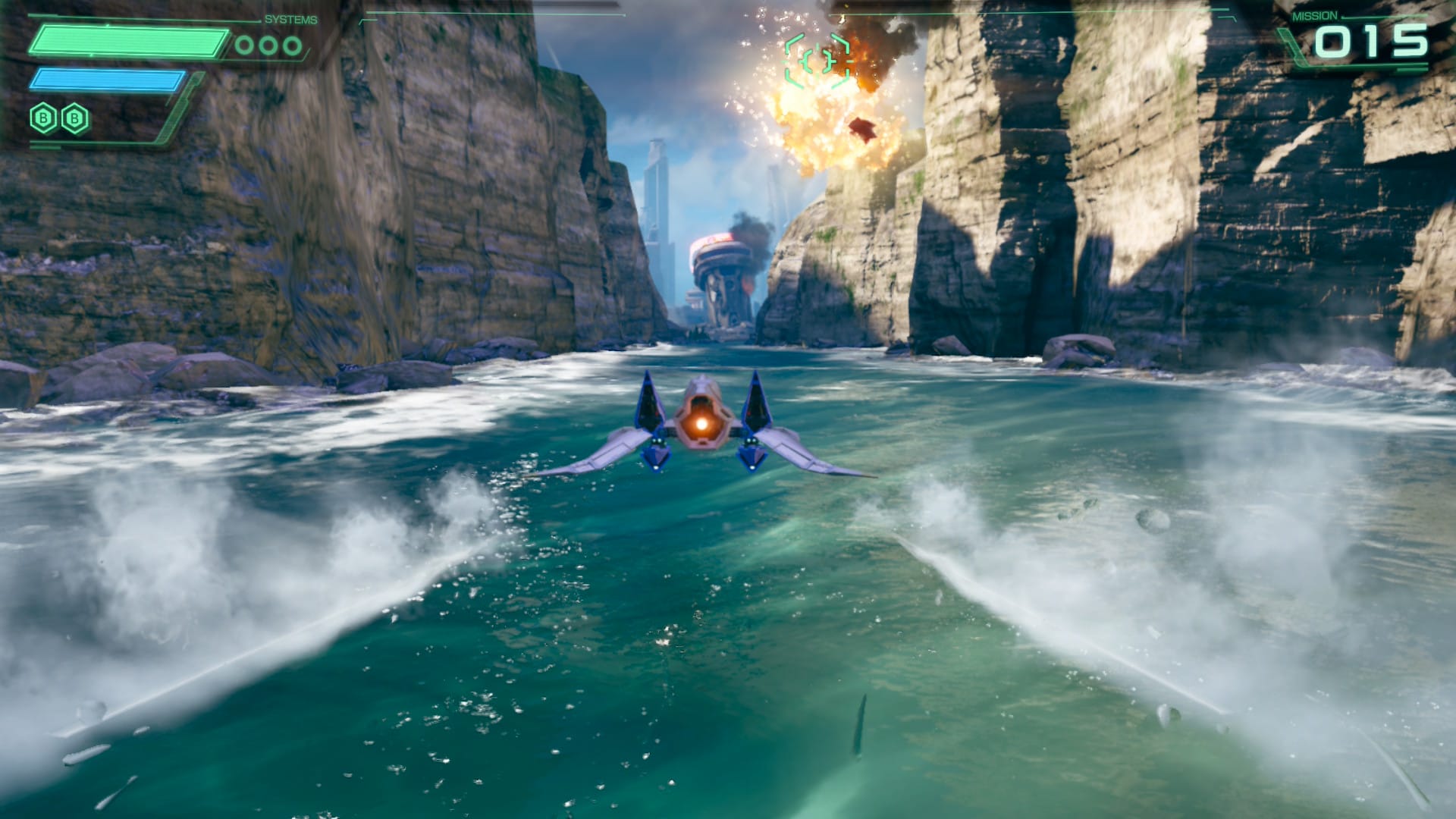
Every other change this remake has in store is a lot more subtle, and players who aren’t obsessed with Star Fox to an unhealthy degree probably won’t notice, but they still make a big difference. I’ve never been a fan of Aquas and the Blue Marine, with the stage coming down to asking how long you can mash the same three buttons over and over again. While the stage layout here is the same, one key change to how the Blue Marine controls makes everything a lot more interesting, and that’s the fact that performing barrel rolls now shifts you left or right a good amount. Instead of barrel rolling constantly and being virtually invincible, you need to pick and choose when to roll so you can cross the screen quickly, reflect incoming shots, or perform a last second dodge before you hit something. It’s still far from my favorite stage in the game, but that one tweak makes me actually enjoy playing it rather than wanting to avoid it at all costs.
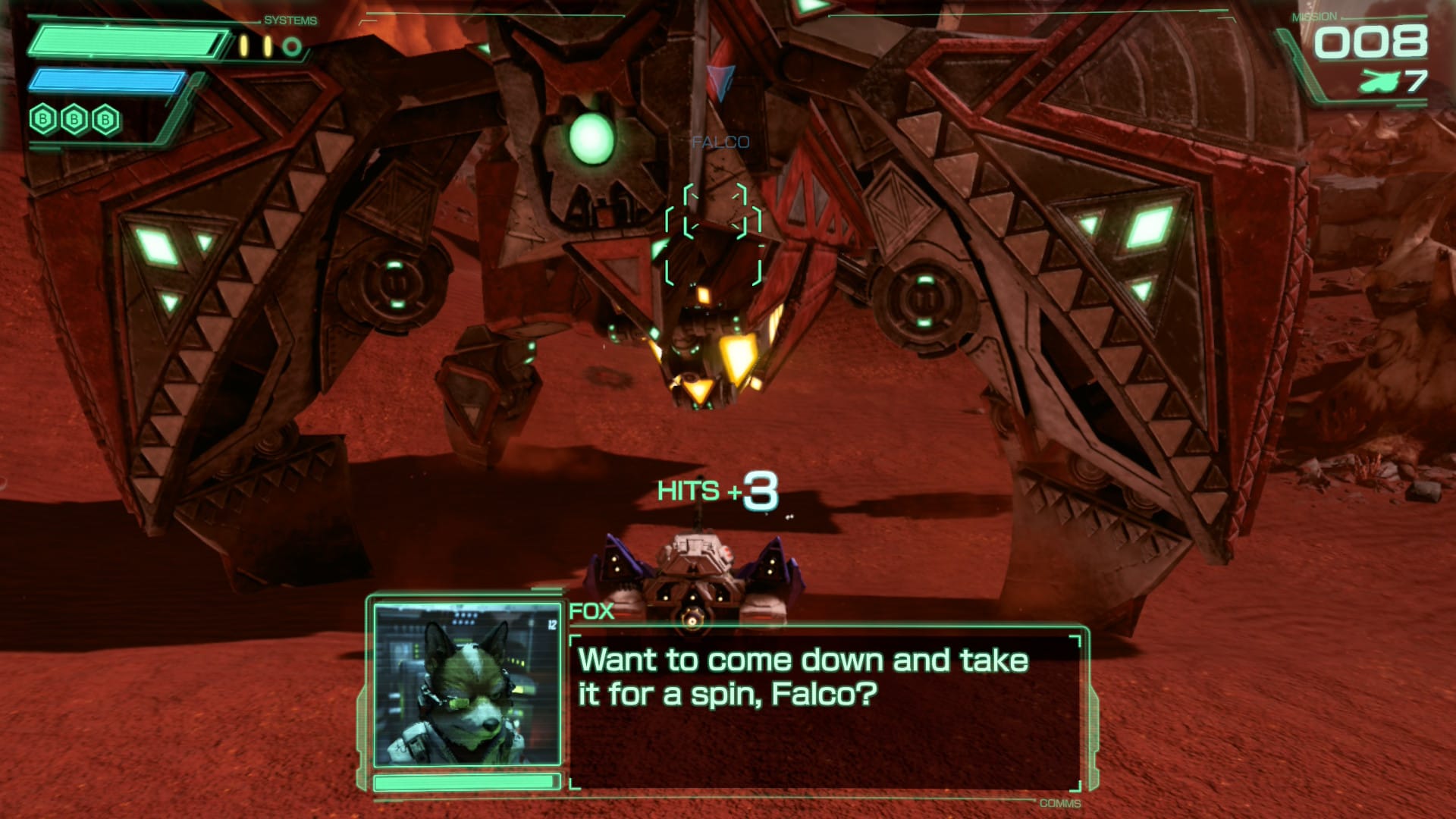
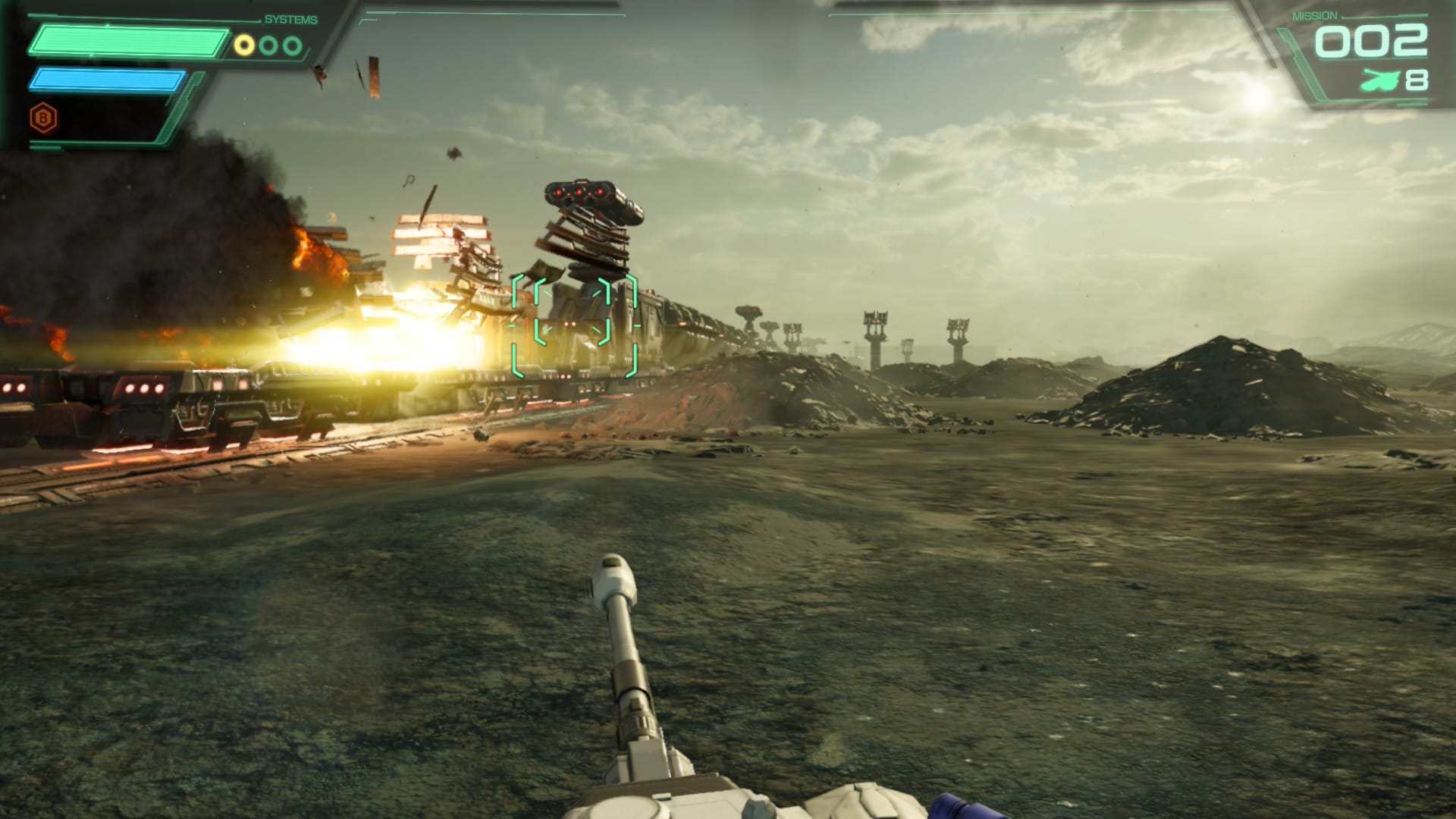
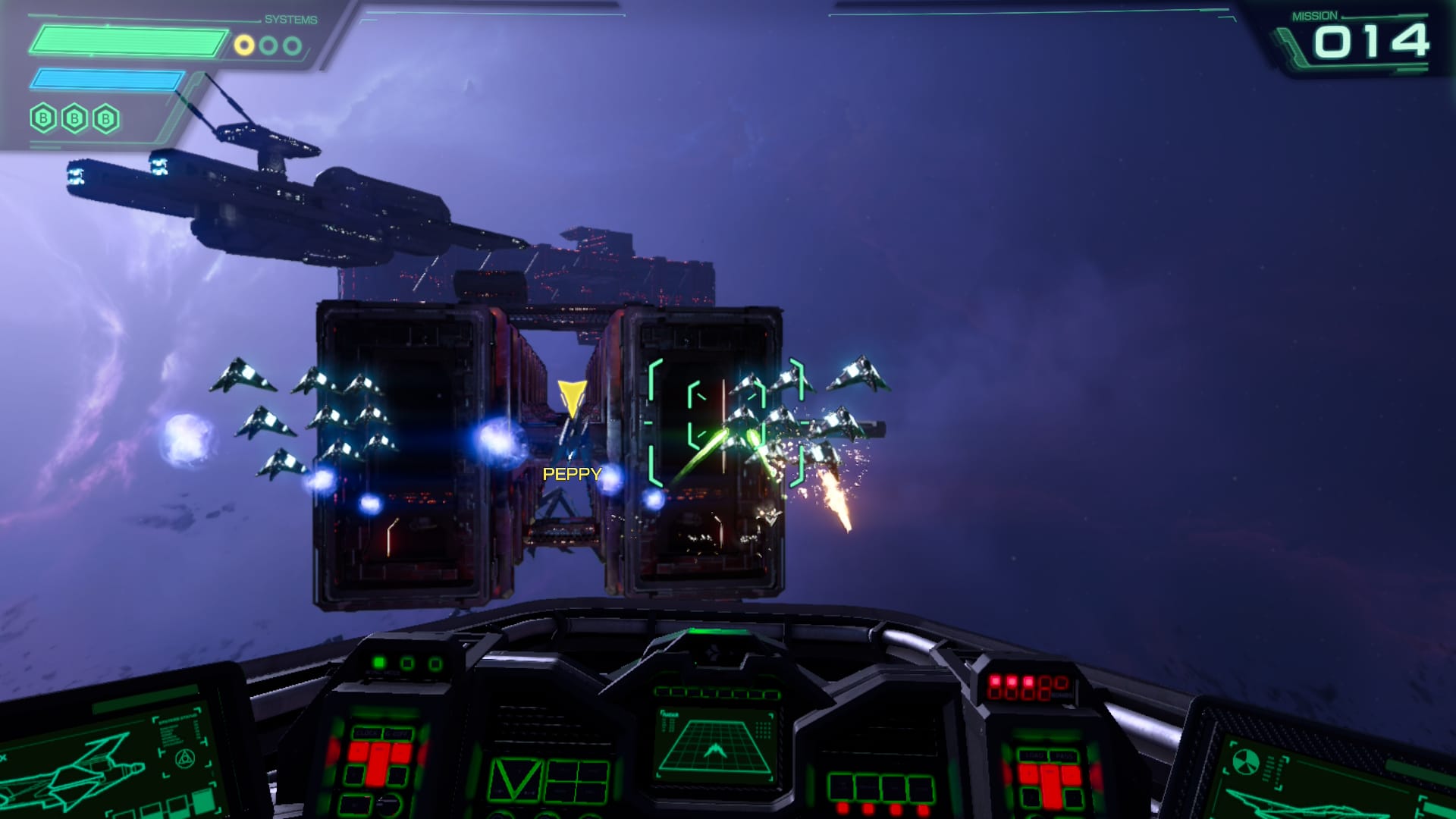
There are tons of tiny changes like this that, admittedly, do take some getting used to, particularly with the landmaster. It feels a little loose to control, but also far more maneuverable and suited to what the levels ask you to do in it. There are a few changes I’m not a fan of though, particularly in the sound department. The music is all fantastic, but sound effects like shots plinking off of a barrel roll don’t stand out as much in the mix anymore. I’m still never really sure whether I’ve deflected any shots without looking, which has resulted in me using the barrel roll a lot less. Still, most alterations are for the better, like allies participating in boss fights now, somewhat, as you can see them flying around and avoiding missiles in front of you. If you shoot down those missiles, they’ll often drop repair rings to fix up your shields which can be very handy. If a character is downed and they have some important dialogue, their background will also change to be on the Great Fox instead of in their Arwing. There are so many cool little details that make this my favorite version of an already incredible game.
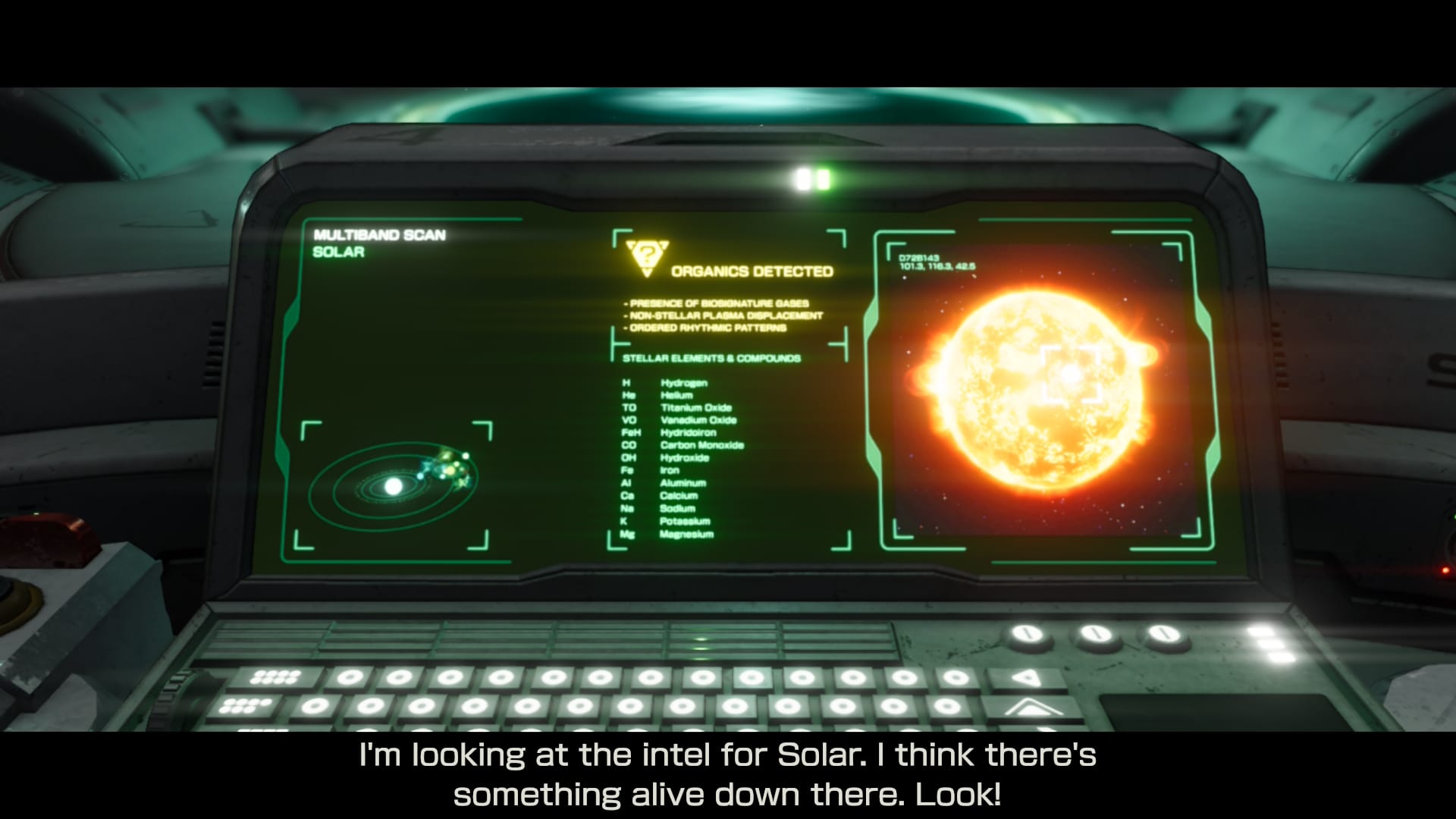
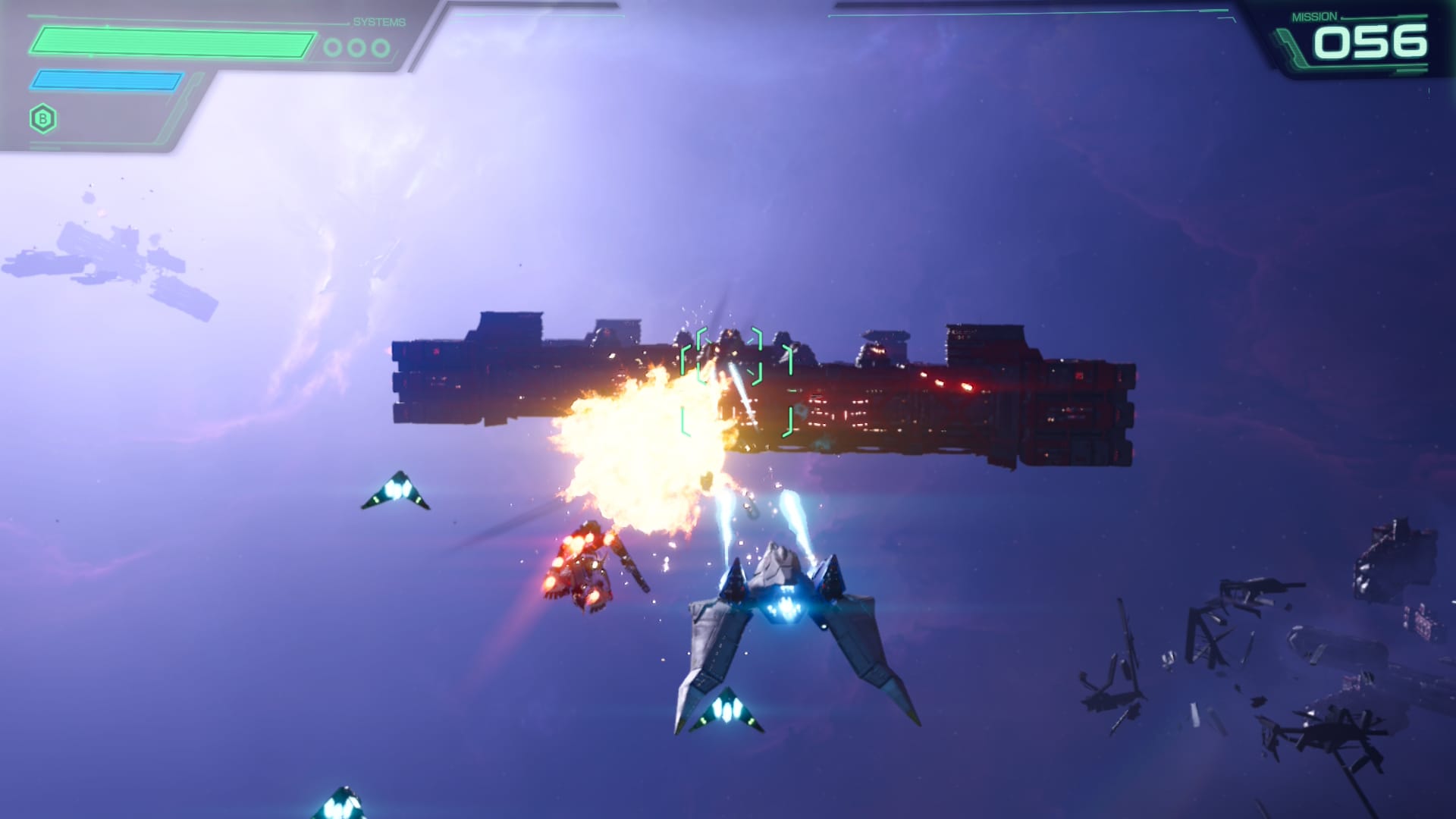
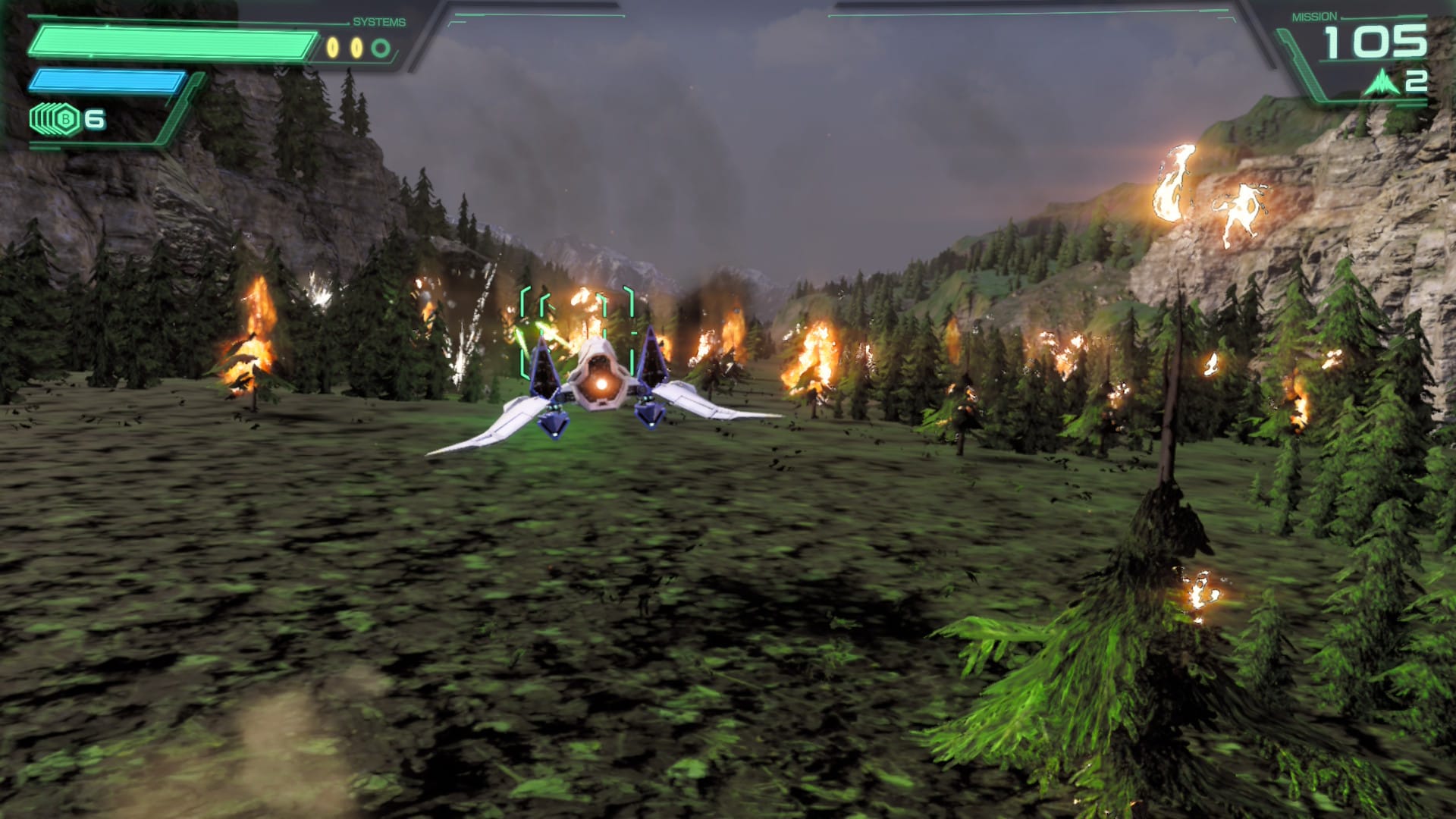
And make no mistake, this is still an incredible game. Whether you're blasting Ardross’ army on rails or in all-range mode, you’re guaranteed to have a good time. A run of the game takes about an hour, and you can see every level in three runs (probably 4 if you’re not meticulously planning things out). You might think Star Fox is only 3-4 hours long then, and you’d be right but also wrong. You’re meant to replay the game over and over and over again to get higher scores or just for a good time. After less than a week with the game, I’ve put in over 15 hours to get all the medals in normal and expert difficulties, and I don’t plan on stopping anytime soon. It’s just fun to play, and I’ve still got the Challenge Mode levels along with multiplayer to dive into.
Challenge mode is essentially your stage replay, though unfortunately scores here don’t count towards medals. Every level has two sets of challenges for you to accomplish, ranging from getting a certain amount of hits or completing the level within a time limit, to beating Falco through the arches on Corneria or not hitting any friendlies on Katina. It’s neat, but not the most compelling stuff out there.
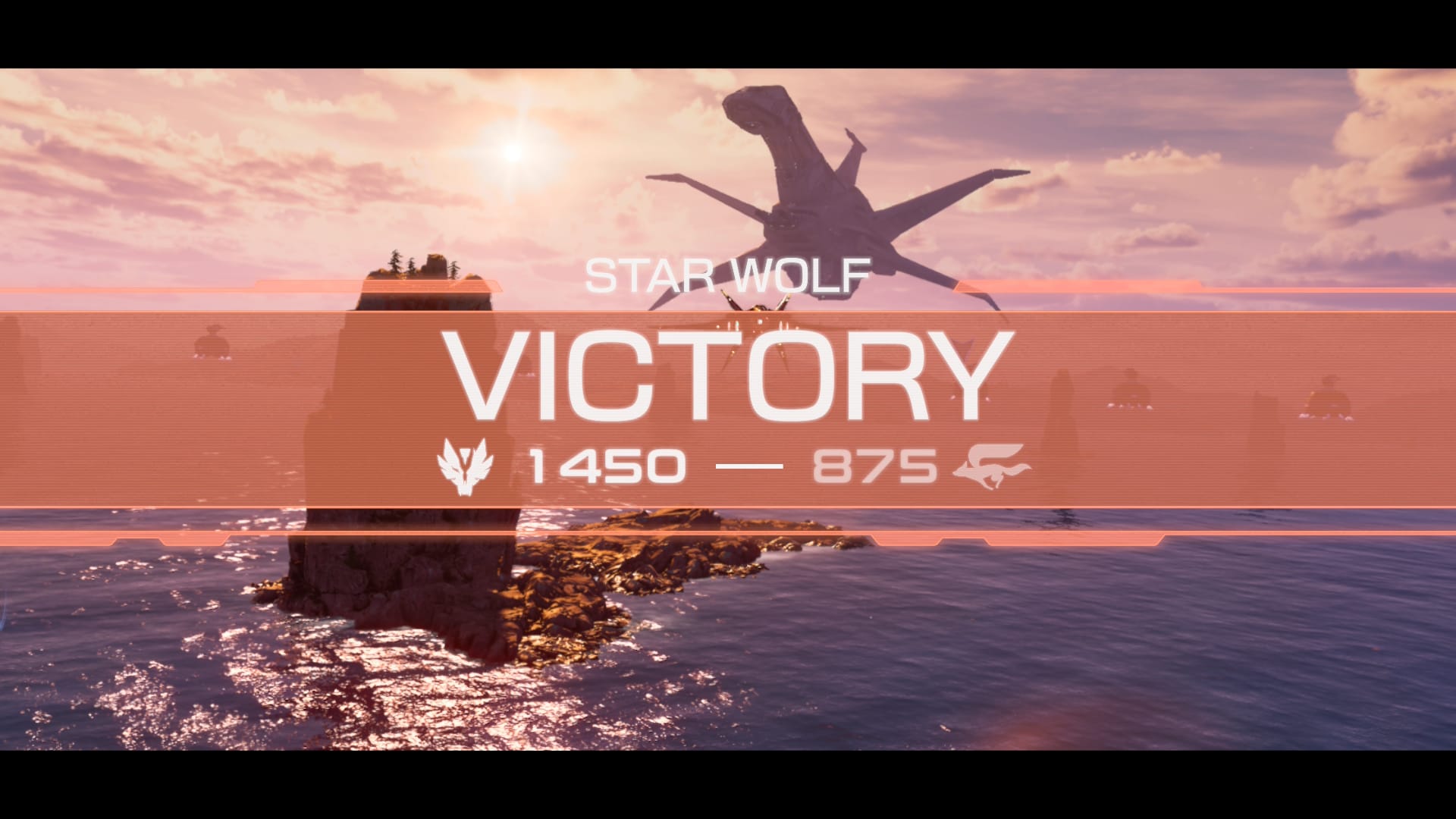
Multiplayer is very limited, but a ton of fun. Eight players (or you and some bots) are divided into two teams: Star Fox and Star Wolf. Each map has a different game mode attached, with the overall goal being to score more points than the other team by taking down enemy ships, bringing cargo back to your base, collecting meteorite fragments, or holding an area of the map. All three modes are great, but as a whole they can feel pretty limited. It feels like it needs a bit more.
That’s a big feeling I’m left with writing this review. On one hand, I loved the more detailed spin on a beloved game and want to see more of what this team has to offer in the Star Fox universe. On the other hand, the game can feel like it’s missing some key features, like a local leaderboard, detailed scoring, a sound test, a cutscene viewer, and more. I want Krystal back. I want Miyu and Fay and Panther. I want the series to finally move forward and do something new. Part of me worries that, since Star Fox has historically been used as a technical showcase, this new direction won’t actually lead anywhere. I hope I’m wrong there, as what Velan Studios has done here is very exciting. While Star Fox’s future is and always probably will be uncertain, the present is pretty bright with an incredible game.
Star Fox
Excellent
Star Fox is, at its core, just the same game we’ve been playing since 1997, but it’s also yet another reminder of how good that core game is. A short, immensely replayable title is refreshing in this day and age, and it feels enhanced by the focus on storytelling and cinematics. It has a few extra trimmings too, like Challenge Mode, Multiplayer, and a large swath of lore, but still leaves you wanting just a bit more.
Pros
- An incredible rail shooter reimagined
- Amazing cutscenes and characters
- Great attention to small details
- Challenge Mode and Multiplayer
Cons
- Multiplayer can feel very limited
- Missing some features from previous remakes