Shure has been shaping the sound of live entertainment for more than a century, and if you’ve watched a concert, a news broadcast, or a podcast worth listening to, you’ve heard their microphones whether you realized it or not. Their SM7 series has become the default choice for streamers who care about audio quality, but the tradeoff has always been complexity. Great sound usually means expensive interfaces, cumbersome preamps, adapter cables, and a little bit of engineering knowledge. The MV6 was Shure’s attempt to bridge that gap for creators and gamers, and the Shure MV6 Gen 2 pushes that idea further by putting the engineering inside the microphone itself. You plug it in, and it handles the rest.
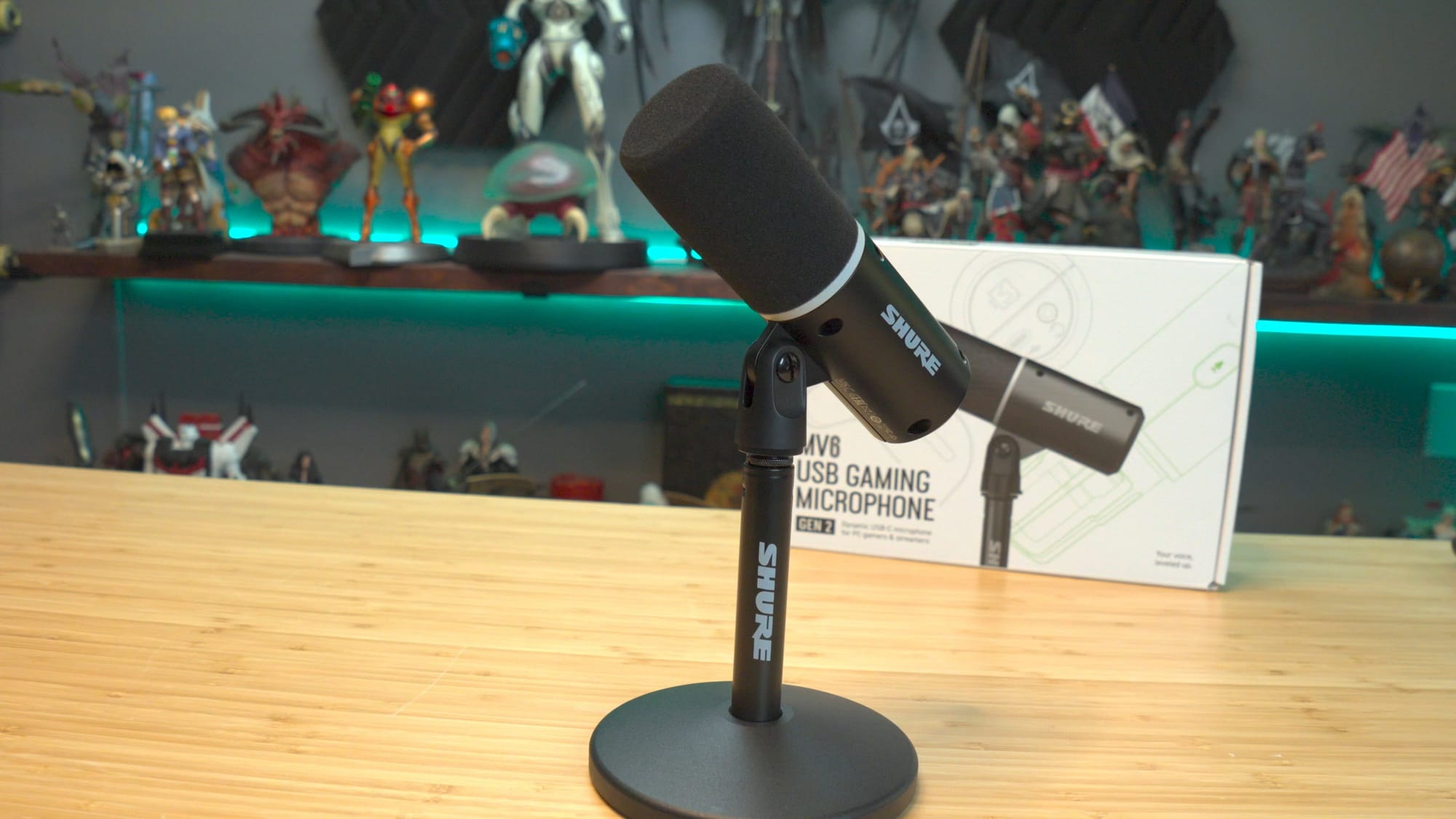
From the moment you take the device out of the box, it’s clear that Shure is aiming for simplicity. Inside the box is a heavy round base that refuses to budge, topped with a threaded metal mounting pole. The USB‑C cable is a generous six and a half feet long, and the microphone itself feels like a proper piece of gear rather than the hollow plastic you get from most USB mics in this price range. The built-in foam windscreen handles plosives and wind noise (with a little help from tech that we’ll talk about later), and the rubber isolation gasket under the stand is one of those small touches that ends up mattering more than you expect. Anyone who records at a desk knows how often you accidentally thump it, slam a key, or bump something during a game (and if you’re me, it’s way too often). That gasket helps disperse those vibrations before they reach the capsule.
Shure also includes a threaded adapter so you can mount the MV6 Gen 2 on a boom arm or shock mount without buying anything extra. It supports both ¼‑inch and 5/8‑inch threads, making it compatible with just about every stand on the market. The whole setup feels intentionally simple: cable, microphone, done. No interface, no pop filter, no adapters. The MV6 experience feels refreshing for what’s not in the box as much as what is.
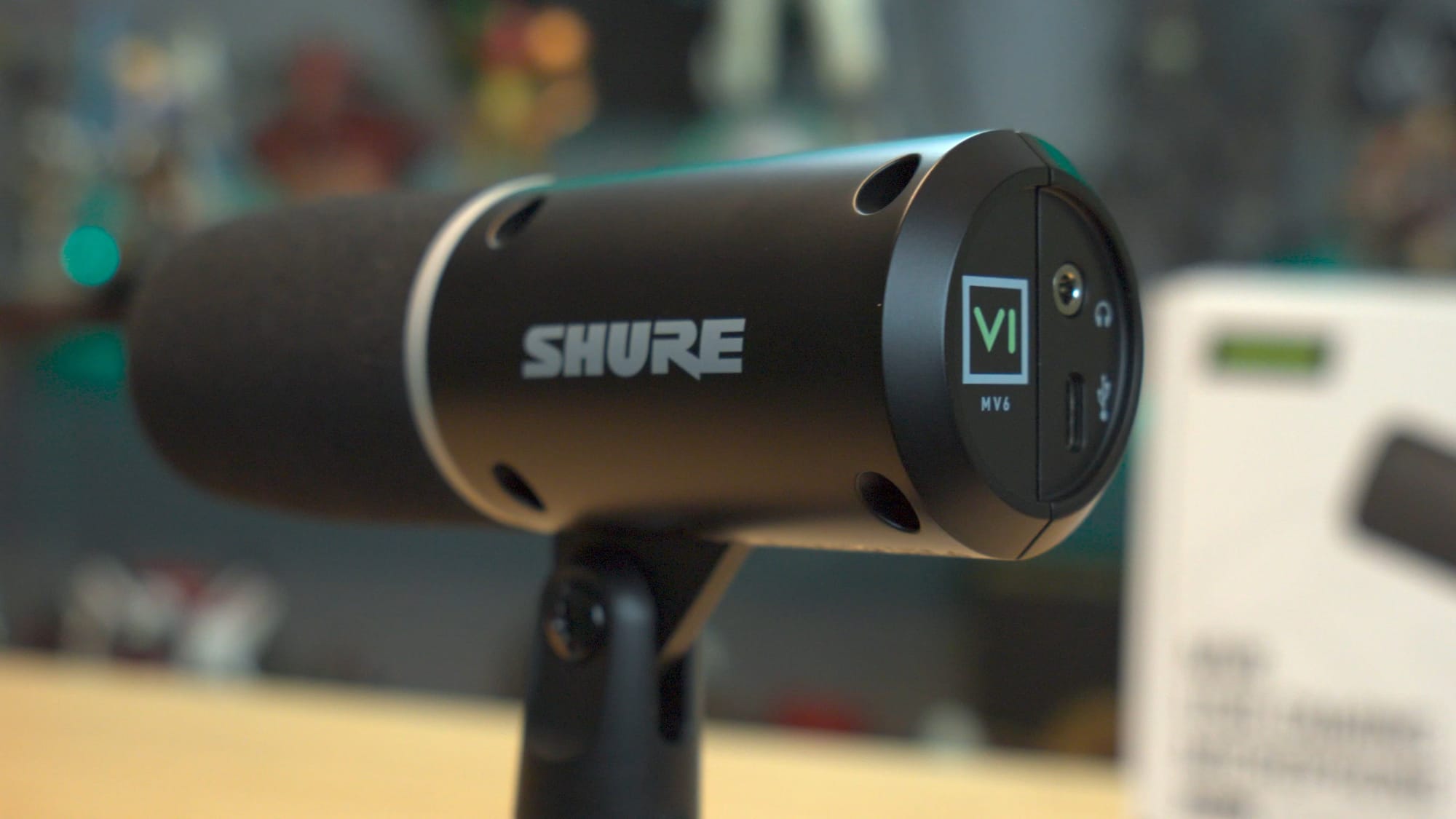
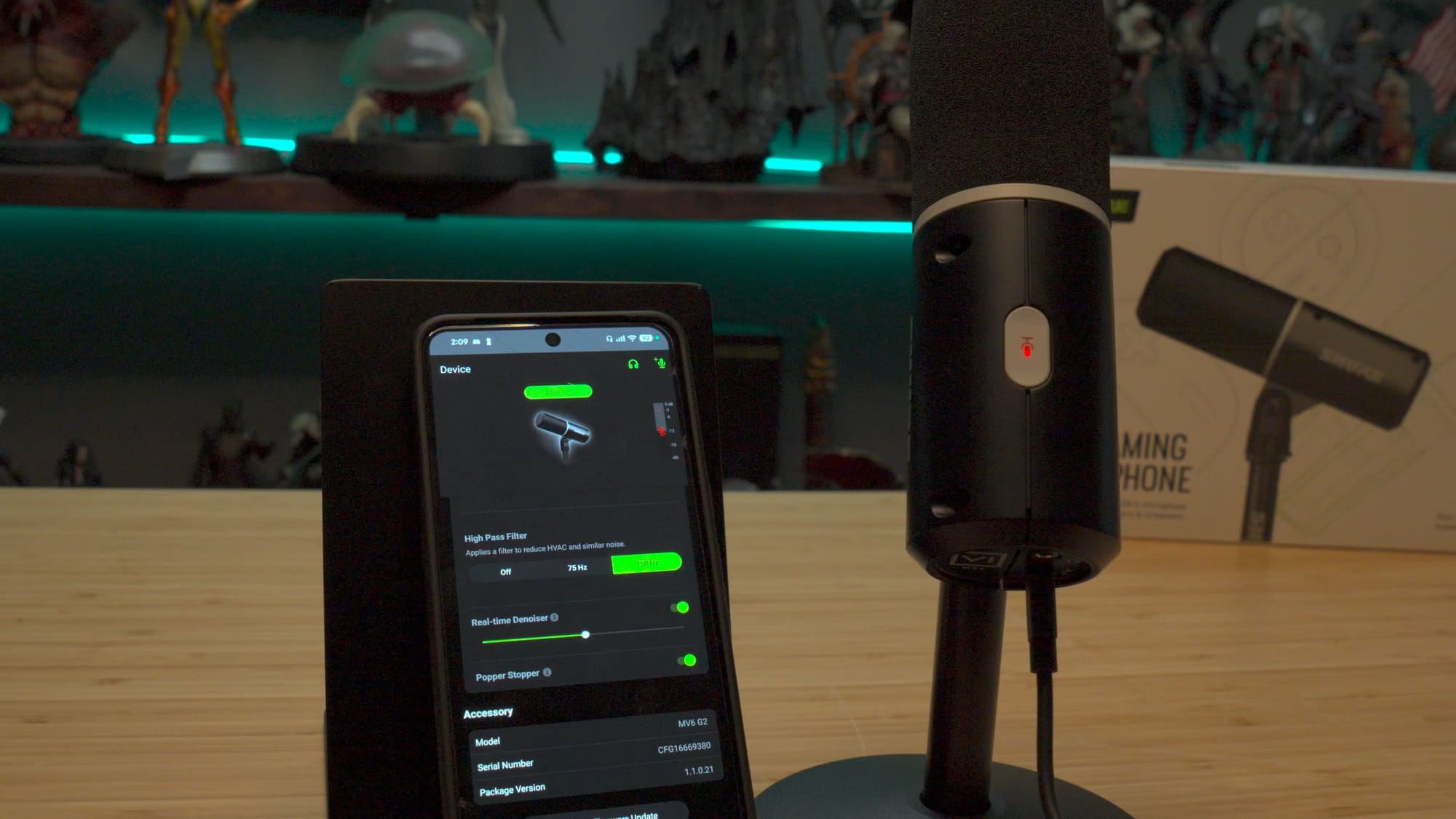
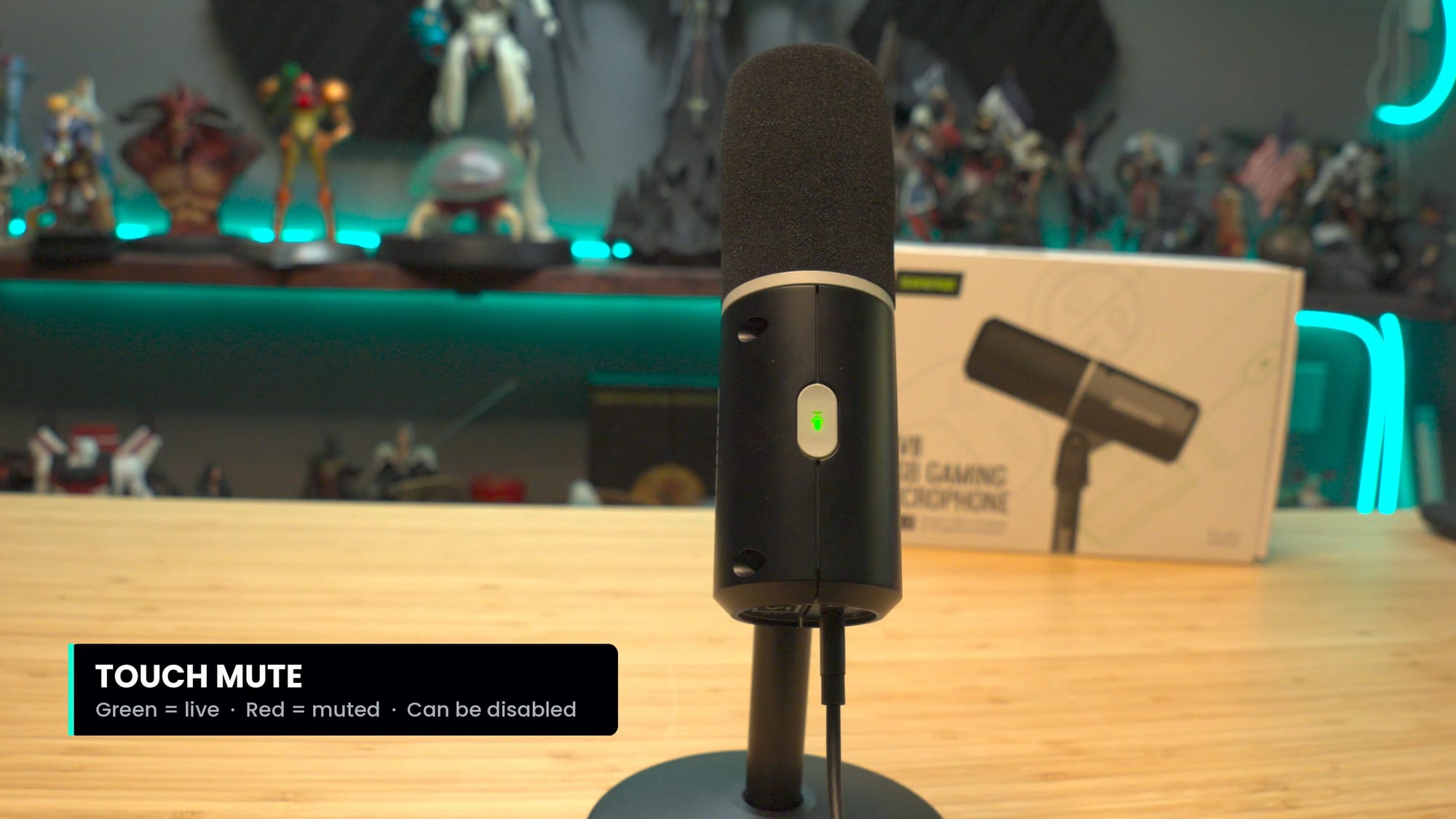
The controls for the MV6 are equally straightforward. The touch‑sensitive mute button is one of the smartest additions in this upgrade, and one that owners of the previous model asked for frequently. A quick tap flips the LED from green to red, making it obvious whether you’re live or muted. If you’re running the show, you can disable the touch controls entirely for the more “grabby” guests on your favorite podcast. It’s the kind of feature you don’t realize you need until you’ve fumbled a mute mid‑stream and spent ten minutes talking to no one. On the back, the zero‑latency headphone jack solves one of the biggest problems with cheaper USB mics: monitoring your own voice. Hearing yourself a quarter‑second late is disorienting and makes it nearly impossible to judge your levels. Because the MV6 Gen 2 handles processing internally, you’ll hear yourself without delay.
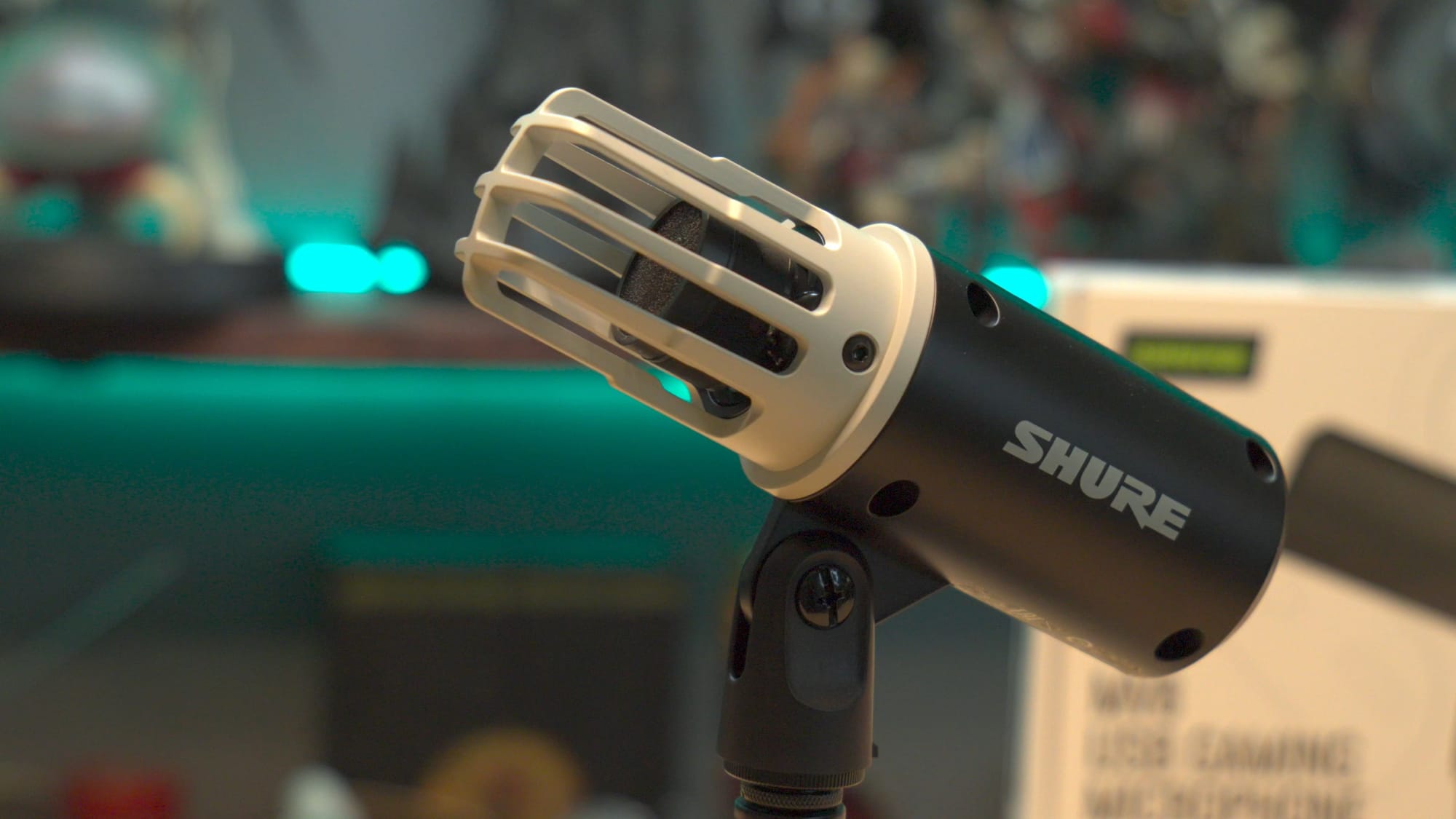
Aesthetically, the MV6 Gen 2 is intentionally minimalistic. You can get it in black or in white with a space‑gray windscreen, and neither version tries to compete with RGB‑heavy setups. This microphone isn’t trying to be a desk ornament. It’s built for audio quality, and it doesn’t apologize for that. If your entire setup revolves around lighting effects, this mic won’t dance for you, but if you want something clean and professional, you’ll appreciate the minimalist aesthetic.
Inside, the MV6 Gen 2 uses a dynamic capsule with a cardioid pickup pattern. This means it focuses on what’s directly in front and rejects the noise around it. That’s exactly what you want for gaming and streaming, where clacky keyboards, humming fans, and background noise can easily ruin a recording. It captures audio at 24‑bit/48 kHz, works with Windows, Mac, iPhone, iPad, and Android, and is MFi certified for Apple devices – essentially anything you could possibly want. As such, the Shure MV6 Gen 2 is remarkably portable. You place the mic on a desk, plug in a single cable to your phone, and you’re recording crystal clear audio without a single additional piece of gear. You plug it in, and you’re done.
The biggest changes from the first MV6 are all under the hood. Auto Level is no longer just a simple limiter. You can set your target loudness and how quickly the mic reacts when your voice changes. If you whisper during a stealth section and then yell during a clutch play (“YO, that’s FIRE!”), the MV6 Gen 2 adapts without clipping or forcing your audience to ride the volume knob. The real‑time denoiser now uses a slider instead of a binary toggle, letting you dial in exactly how aggressive you want it to be depending on your scenario. If your space is noisy, crank it up. If you want a more natural tone, pull it back. The digital popper stopper blends the physical windscreen with DSP (digital signal processing) to eliminate plosives without needing a pop filter in your shot, which keeps your on‑camera look clean. Your Ps, Bs, and S sounds no longer spike and flatten the signal.
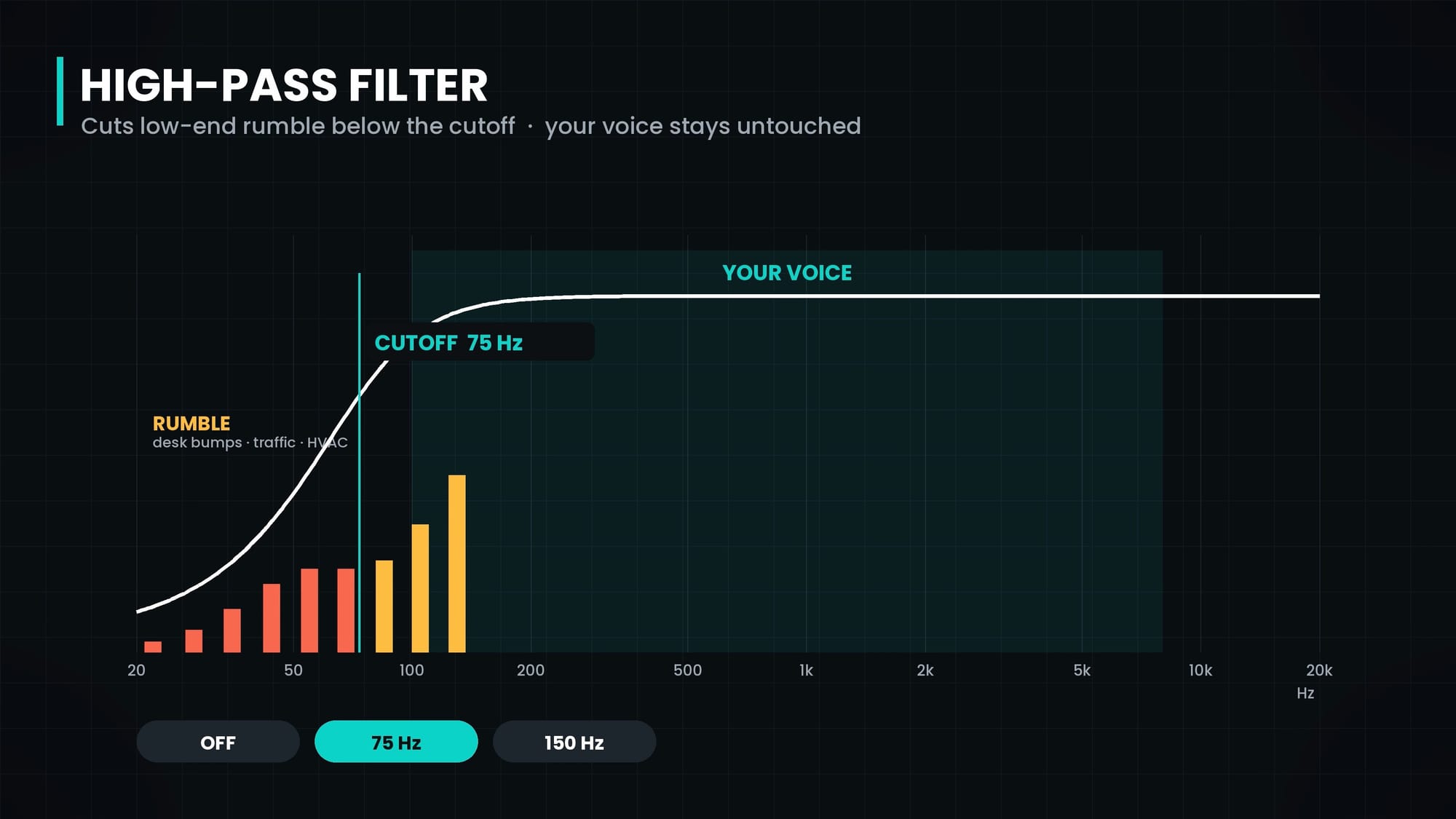
If you’re the tinkering type, you’ll be happy to hear that Shure also added a five‑band EQ. This gives you access to dark, natural, and bright presets, plus high‑pass filters at 75 and 150 Hz to cut out low‑end rumble. Quick presets for speech, singing, and instruments make the mic more versatile than its gaming‑centric marketing suggests. All of this is controlled through the MOTIV Mix app, which lets you manage up to five audio channels—game, chat, music, mic—from one window. It’s free, works on mobile, and none of the processing relies on your PC’s CPU. As one of Shure’s engineers put it, gamers and streamers aren’t audio engineers, and they shouldn’t have to be.

Over the course of several weeks, my wife put the Shure mic through its paces—she’s the lead singer of a symphonic metal band. Quiet and loud transitions stay controlled, plosives are handled cleanly, and her singing tests show the mic can hold its own against direct competitors—something we tested in the video above. Both of us tested the mic with a speaking voice check, highlighting how adaptable the EQ presets are, especially for different vocal ranges. After using the MV6 Gen 2 for weeks, the takeaway is simple: this is a meaningful upgrade. It’s sturdy, well‑built, and genuinely plug‑and‑play. More importantly, the improvements are the ones that matter day‑to‑day—how loud you are, how clean you sound, and how quickly the mic reacts to you. If I had any complaint, it’s the one thing that this device seems to be missing: memory. Much of what makes this microphone sounds its very best is tucked inside of the MOTIV app. If that could be stored in the device itself, not unlike higher end webcams do, that would be an absolute game changer. It would be truly independent of its software, making it even easier for non-engineers to tune and sound amazing. Perhaps that’ll be in whatever the next step is from Shure, but it’s a minor wishlist item that I’m hoping comes true.
As always, our reviews end in the same place—talking about price and warranty. The Shure MV6 Gen 2 comes in at $169, carrying a 2-year warranty on the device. This covers the microphone from the date of purchase, with Shure offering a free repair or replacement in case of failure. At that price point, 2 years feels like an appropriate amount of time. As someone who has used a Shure MV7 for years without an issue, I suspect that warranty never gets used.
Shure MV6 Gen 2 Microphone
Excellent
The Shure MV6 Gen 2 delivers a generational leap over its predecessor, integrating nearly every feature the superior MV7 has, but with only a plug-and-play USB-C connection requirement. It’s a smart, meaningful refresh that nails the fundamentals, and at a price that can’t be beat.
Pros
- Highly reasonable price
- Truly plug-and-play
- Motiv software provides a TON of flexibility…
- …but it’s not required in any way
- Onboard processing to prevent latency
Cons
- Single polar pattern may be limiting
- Settings are locked behind MOTIV
This review is based on a retail version provided by the manufacturer.