Hellraiser and its sequels may live in the horror category, but they're less about being scary and more about making the viewer uncomfortable. Uncomfortable with the reality that death, dismemberment, torture, pleasure, and the heights of ecstasy and incomprehensible pain are often just different echoes of the same guttural sound. Later movies descended into campy shock horror, but the first few, and arguably the most recent installment, understood this concept well. I'm very happy to say that the team at Boss Team Games and publisher Saber Interactive have made a game that in no way pulls its punches. It doesn't shy away from the gore, sexual sadism, and themes that make Hellraiser a singular standout even among its gory contemporaries. Sure, there are a handful of jump scares in both the movies and the game, but most of what it does is hold up a mirror and ask what you would do in the same situation. Where is the line between pleasure, pain, and surrender?
In Clive Barker's Hellraiser: Revival (hereafter simply called Hellraiser: Revival), the game asks a simple question: when facing unimaginable ecstasy, power, and excess, what would you give (or give up) to get what you want? It's the very question that Aidan and his girlfriend Sunny face when they come into possession of a mysterious box. It offers much to those willing to embrace it, but the Genesis Configuration exacts a heavy toll…
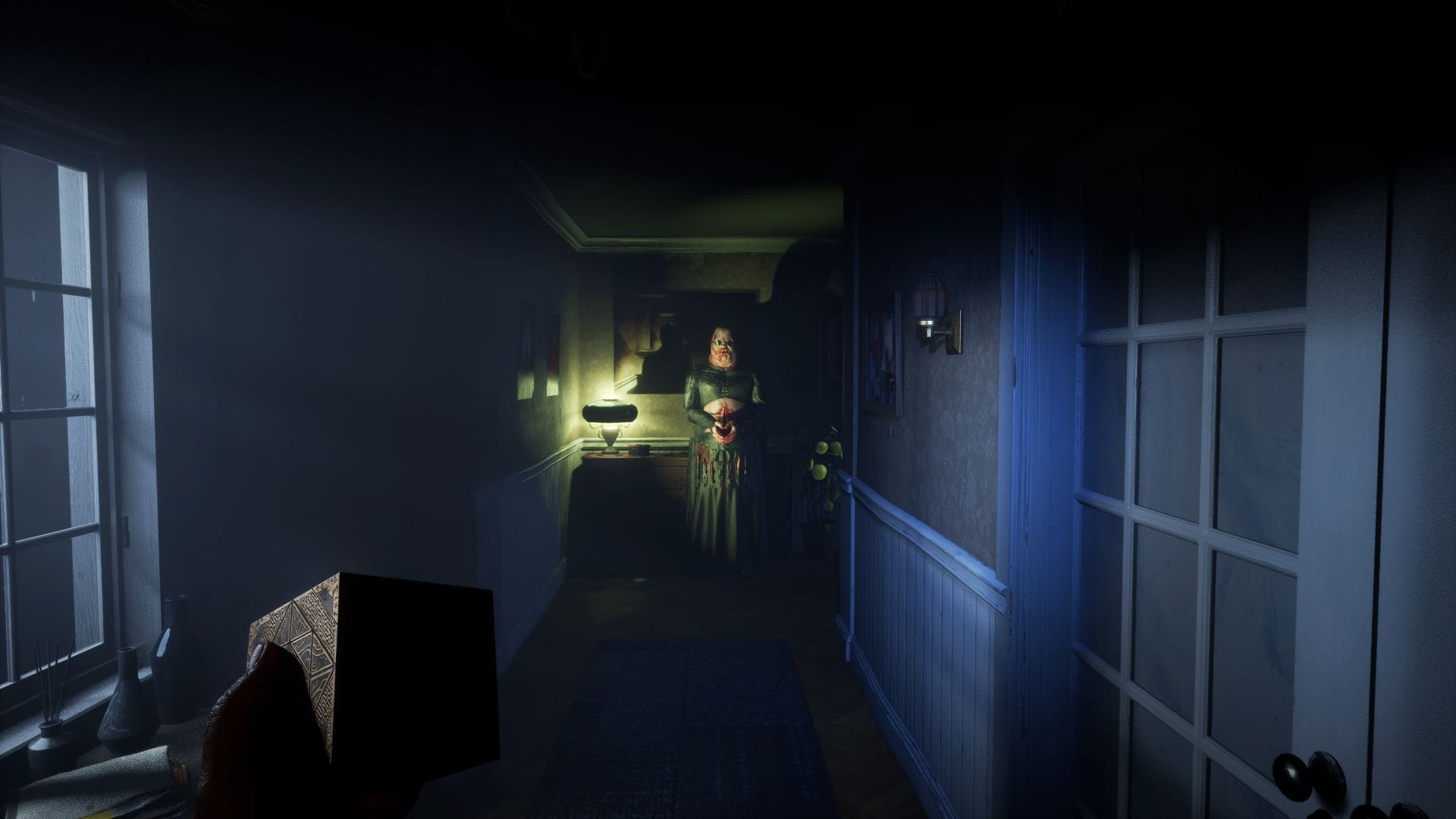
I'm going to provide a general warning for this review: I'm going to discuss, in detail, some of the grittier elements of this game. In being specific, it might easily drift into areas that some folks would consider taboo at best and vulgar at worst. Brace yourself, dear reader. This is the sort of game that sticks to you long after the credits roll, and you should be well aware of what lies ahead. It is NOT for the faint of heart. If you’re unsure about whether this game is for you, please play the demo on Steam – and not in front of the kids. This game is just barely on the M side, teetering on AO for ESRB rating.
Hellraiser: Revival tells the story of Aidan Lynch (played by Xalavier Nelson Jr.), a lovesick idiot who, while engaging in some BDSM and needle play with his girlfriend Sunny, comes face to face with The Box. It's unclear how Sunny came into possession of it, but naturally she is undaunted by Aidan's fear. Blood is spilled, the box answers, and the Order of the Gash arrives, led by the Hellpriest himself. As if drawn by the promise of infinite pleasure, Sunny gives herself to the Labyrinth without a second thought. Against all good sense, Aidan rushes headlong in behind her to try to save her. Sunny seemed to have a good idea of what she'd give to see what lies beyond, but Aidan is about to discover much about himself, a sadistic cult called the Scarlet Church, and the terrifying Cenobites.
Let's be clear about something: Sunny is not a wonderful person… but that doesn't make Aidan a good person by default. It would have been easy to write Aidan as the white knight charging into Hell to rescue the damsel, and the game is smart enough to not let you get comfortable with that framing. Aidan isn't rescuing Sunny so much as chasing her, and the further into the Labyrinth he goes, the blurrier the reason becomes. Is it love? Guilt? Obsession? Or is a small part of him just as curious as she was about what's on the other side of that door? Nelson Jr. plays Aidan with a raw, frayed edge that sells a man who is in way over his head and too stubborn (or love-stupid) to turn back. You won't always like him, and I suspect that's entirely the point. Standing between him and Sunny is the Scarlet Church, a cult that wants to use the box to carve out a debauched paradise of their own, but that only scratches the surface, and boy do they love to scratch…
One of the best things about Hellraiser: Revival is that it makes you look. Really, really look. Unlocking puzzles, finding keys, hunting for codes: you have to examine every gory bit to find what you need. That combination scrawled on a wall? It might be written in something other than paint. That key you need? It may well be on, or in, a body that's been "lovingly" arranged by someone with a very particular aesthetic. Resources, both ammunition and crafting materials, are tucked into the same grim corners, and you will not have enough of them to make it through if you walk past the things you'd rather not see. It's a clever bit of design that puts the central thrust of the franchise into your hands. The movies ask you not to look away – often demand it. Unnerving sights like gore are common, but there are plenty of nods to fun phobias like a mix of ophidiophobia (fear of snakes) mixed with belonephobia (fear of sharp pointed things) raise your hackles as you crawl through bloody tentacle snakes with small knives at the tips lashing at you. Having to walk down a hallway full of various holes (trypophobia) will give you pause. Nyctophobia is non-stop: that's fear of the dark. If you have a fear of these things, pharmacophobia, trypanophobia, hematophobia, non-consensual sex, BDSM, dysmorphophobia, and just about any other uncomfortable thing you can imagine when you picture the Hellraiser series is here. What’s cool is that Hellraiser: Revival makes looking away from these things a mechanical mistake. You'll find yourself leaning in, scanning a mutilated corpse for a glint of tiny coins or looking at the skull of a bondage-clad enemy to see if you can pull that machete out or not. You’ll jam your hand into the mouth of strange creatures to improve your overall health. You’ll touch corpses twisted into art for clues, and worse. Somewhere in the back of your head a little voice might just ask why you've gotten so comfortable doing it.
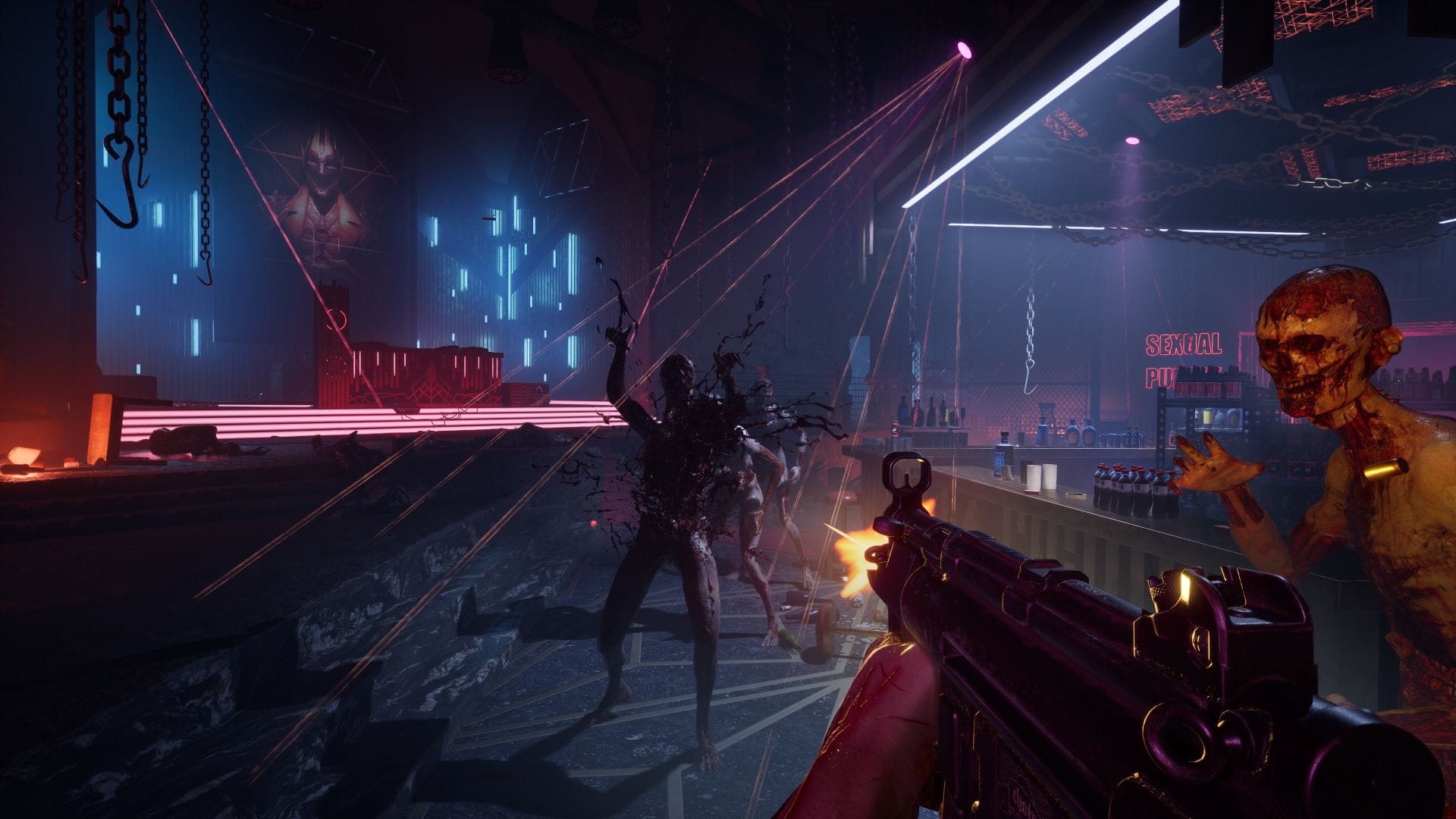
The best example of just how far this game can push is the level that’s available for the demo – the Scarlet Church sex club. You’ll be asked to interact with several latex-clad participants, interacting with all sorts of sex toys while you parse through other toys and participants. Sure, there are all manner of dildos, but in one sequence you need to find the BIGGEST dildo. That’s not your only task – you’ll also need a ball gag and a spreader bar. Depending on your particular “life experiences” you may or may not know precisely what those objects look like, meaning you’ll be sifting through all sorts of sexual implements to find them. That, my friends, was one of the most tame things you’ll see in this game. If Hellraiser’s brand of sexual sadism doesn’t move the needle with you, you’ll be pleased that it didn’t stop the team at Boss Team either – this is Hellraiser unrestrained.
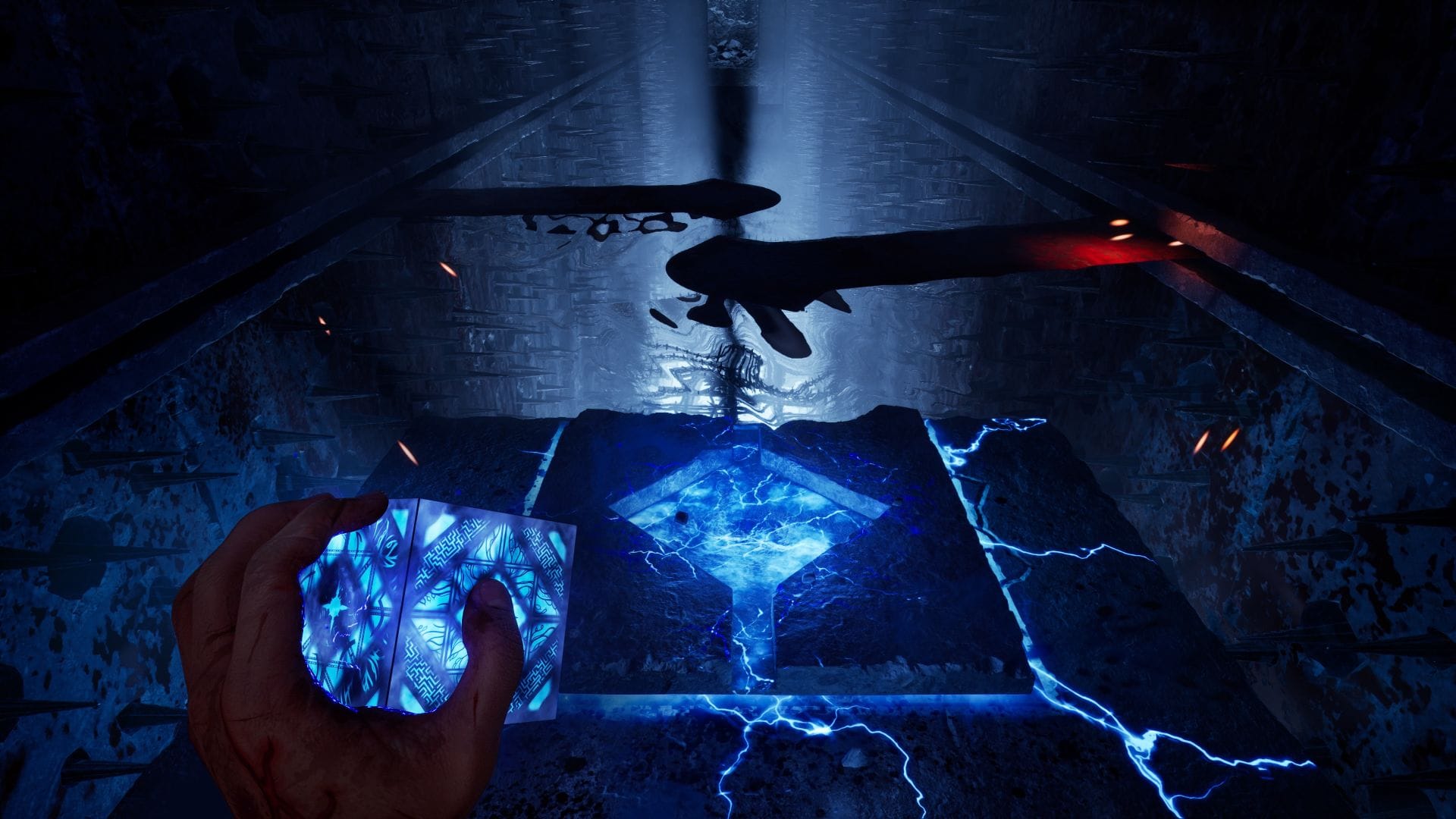
At the center of the world of Hellraiser is the Labyrinth. Flesh-dwelling folks like us debate whether this multi-leveled maze of intertwined corridors and twisted rooms are actually “Hell” in the strictest Christian sense, but one thing is certain - it has a god. Floating at the center lies a massive diamond shape simply named “Leviathan”, and its gaze is as enduring and destructive as a thousand suns. It holds captive the souls of man, and its army of angels are known as the Cenobites. These grisly creatures were once humans that have themselves solved the Lament Configuration puzzle box and were “rewarded” with transcendence. Morality, pain, pleasure, death, life, sadism, masochism, and all other sensations are indivisible from one another, and they seek others who have solved the box to offer them their delights.
In the game, you’ll visit the Labyrinth. The team at Boss Team Games pull a lot of slick tricks to make the turns of this twisted place seamlessly confusing. A hallway you just walked down is no longer there when you turn around. A door opens onto a room, but turning the corner has you facing the door once more. Geometry folds in on itself, and reassembles in interesting and confusing ways, and it’s downright disorienting in the best possible ways. The Labyrinth isn't a level; it's a place that is actively playing with you, and the game never lets you forget that you are a guest there, and not a welcome one.
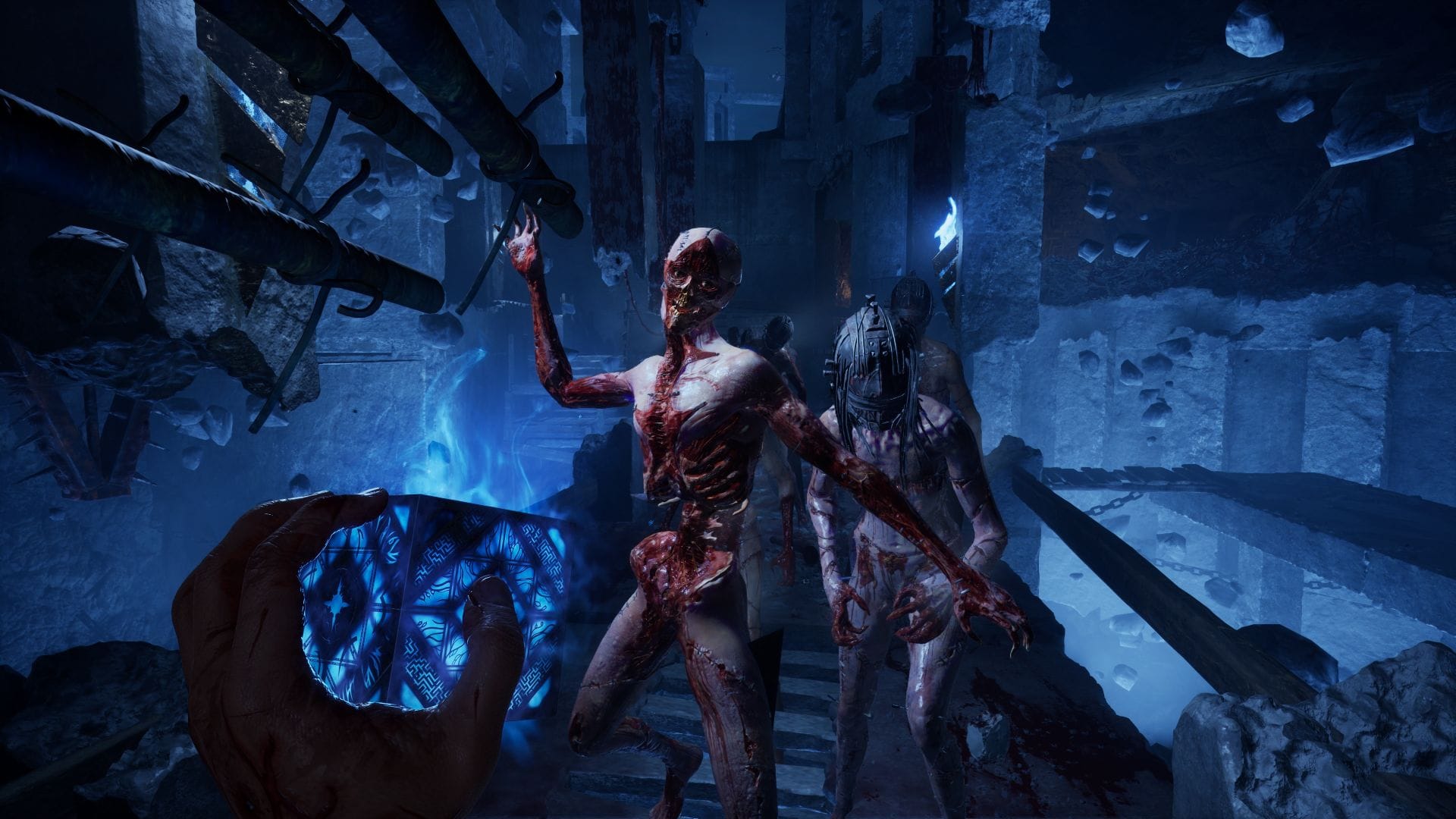
The combat in Hellraiser: Revival has a great deal in common with games like Condemned: Criminal Origins. It's first-person, heavy, and personal. Melee weapons like clubs, knives, and machetes break down with use, and firearms are around, but ammo is precious enough that you'll think twice before pulling the trigger. Many enemies are armored, which means you need to focus on the fleshy bits that are exposed, or use a heavier club to break their armor before dealing with the soft parts underneath. A swing at a metal gimp mask is a wasted swing; a swing at an unprotected arm is a different story. If you're lucky, a blade to the neck can do the trick. Not every foe is meant to be fought, either. Some are best avoided entirely, and learning which is which is part of the survival education the Labyrinth hands out. In the case of The Chatterer, he’ll educate you by snapping your arms as his teeth clack in your face, but otherwise stays silent.
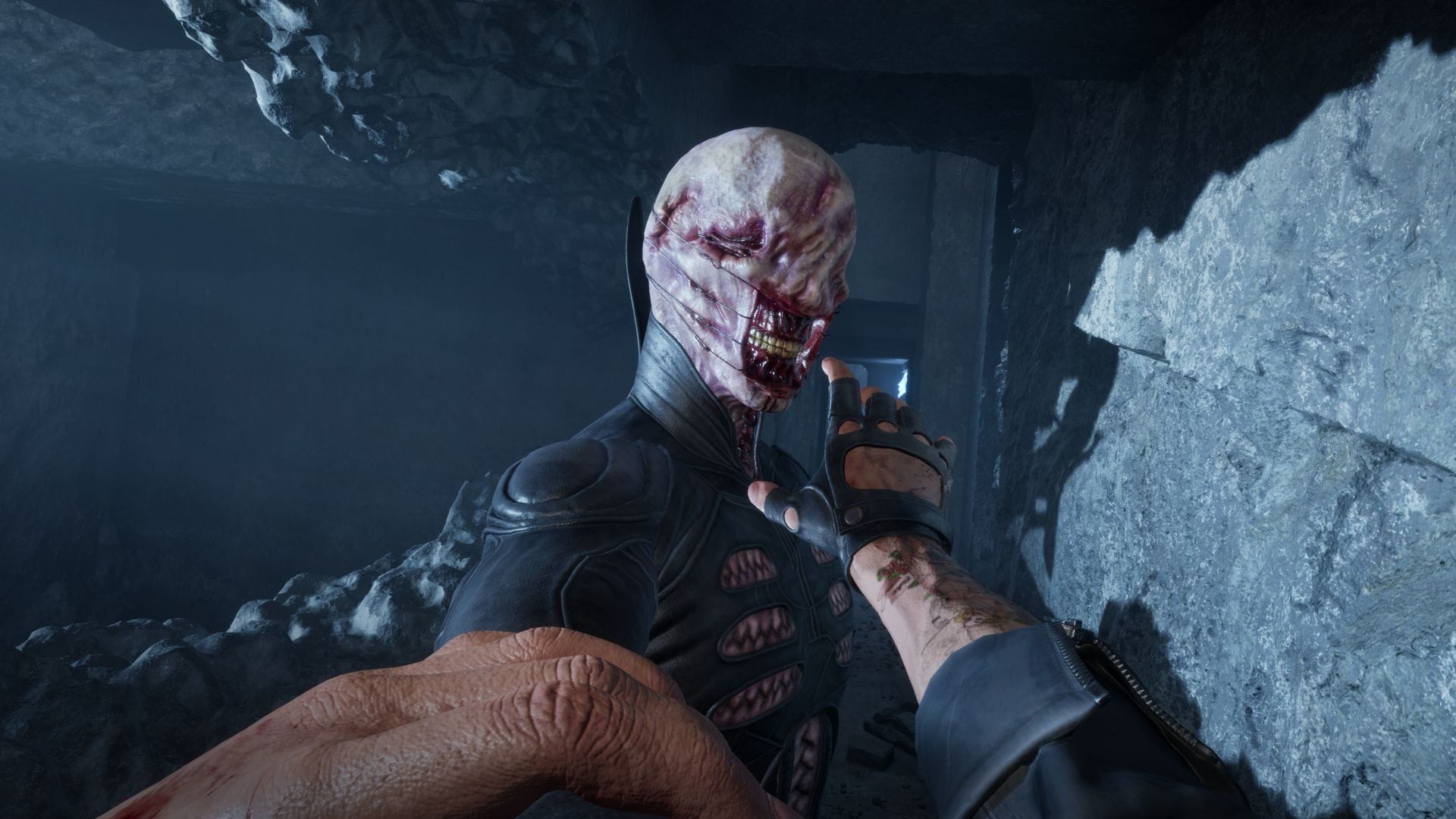
On the other hand, the bigger weapon in your arsenal, the Box, operates on suffering. You build suffering by bringing an enemy right to the edge of death without finishing them. Instead of delivering the killing blow, you shove the box into their face, where chains proceed to rip their skull apart, or into their chest to consume their soul. It's always vicious, and it pays you back with a bit of health and the suffering you need to power the various abilities of the Genesis Configuration. It's a brilliant inversion of the usual combat loop. Most games reward you for killing efficiently. Hellraiser: Revival rewards you for being cruel, for keeping someone alive just a little longer so that you can take something more from them. There is also a stealth kill mechanic, but outside of the tutorial you’ll have few chances to use it. It’s a touch underused as a system.
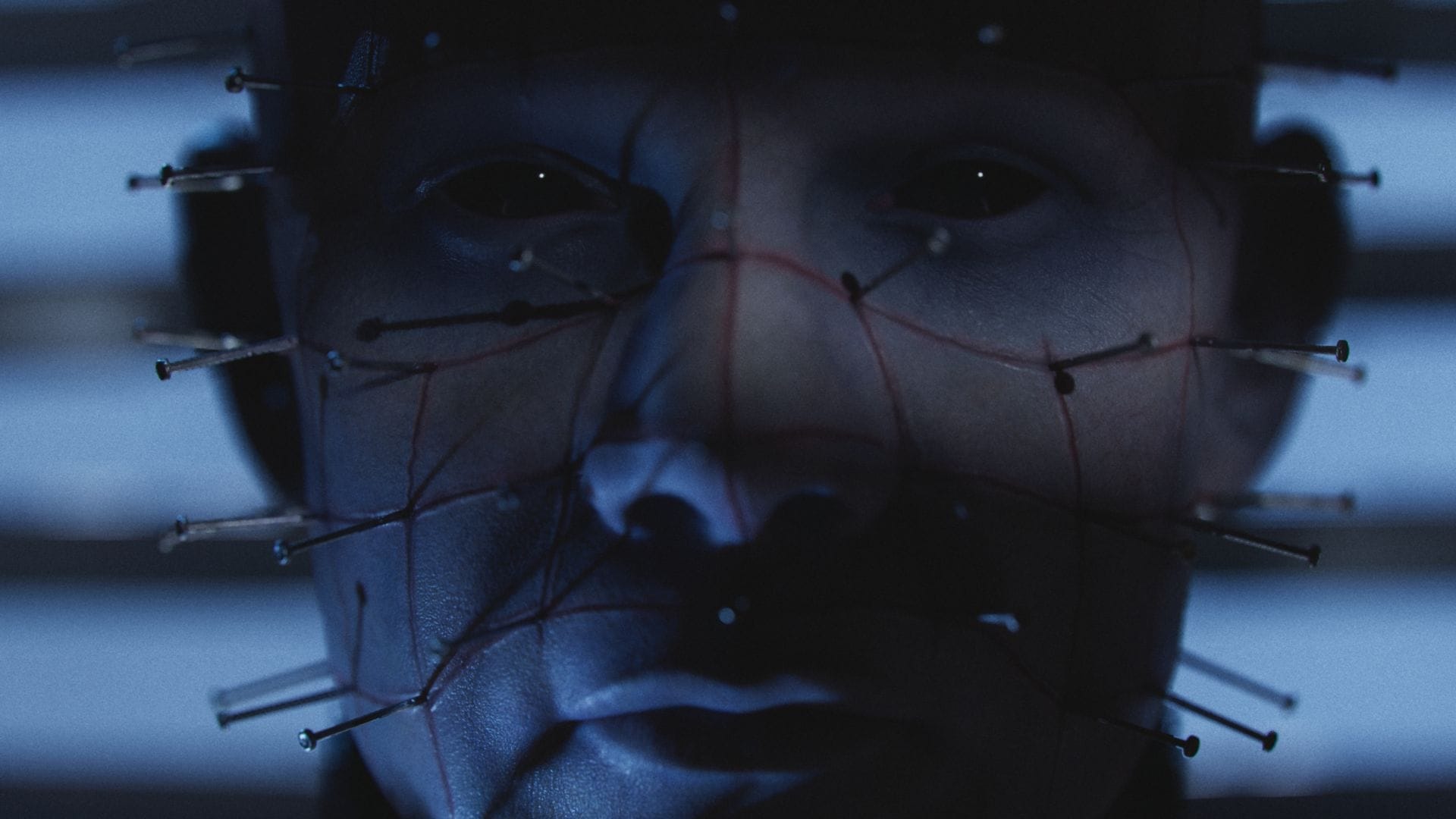
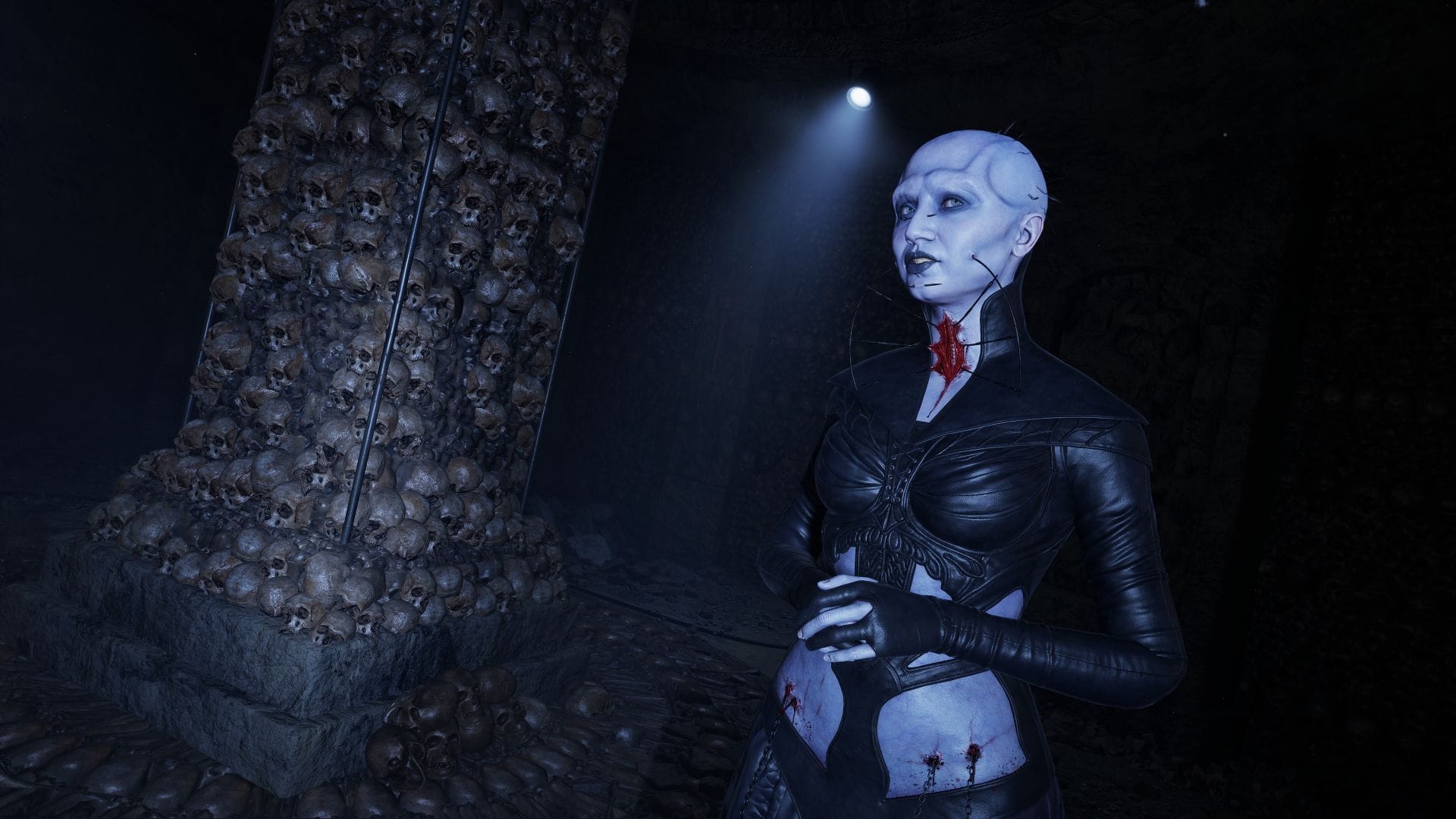
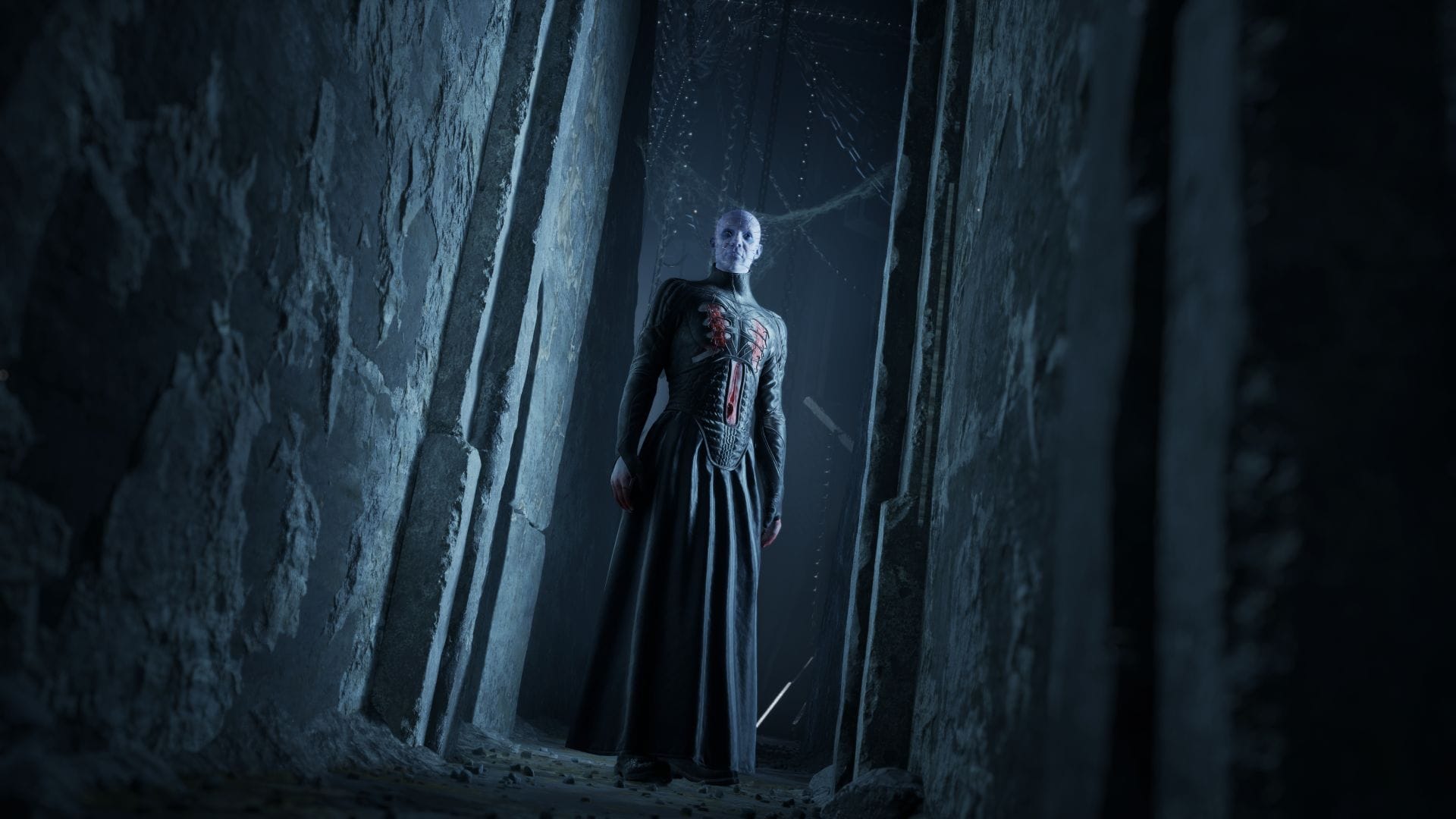
Your powers with the box grow over time, but I would not want to ruin what they are. Suffice it to say, you've seen some of them many times on screen, and it's always satisfying / horrifying. Graphically, the game is absolutely gorgeous, which makes the gore and sexual sadism on proud display that much more visceral. Running on Unreal Engine 5 means the number of enemies you can turn into human sashimi can number in the dozens, all with the detail of a main character. Skin stretches, tears, and glistens, and blood is EVERYWHERE. Cultists are decked out in all of the bondage gear you could ever want to see. Cultists that have gone through more “complete” transformation bear the scars, piercings, burns, and other signs of transcendence that tell their own stories. There's a temptation for horror games to hide in the dark, but Hellraiser: Revival wants you to see every detail, and it has the visual fidelity to make that a deeply unpleasant (and deeply impressive) experience. When you DO face the main characters in this game… well, they are the stuff of nightmares. The Cenobites are rendered with an almost reverent level of care. You'll recognize Butterball, Open Throat, The Chatterer, and of course, Pinhead himself. Seeing them this close, this detailed, and this real (and occasionally this “interactive”) is something the films, for all their brilliance, could never quite deliver.
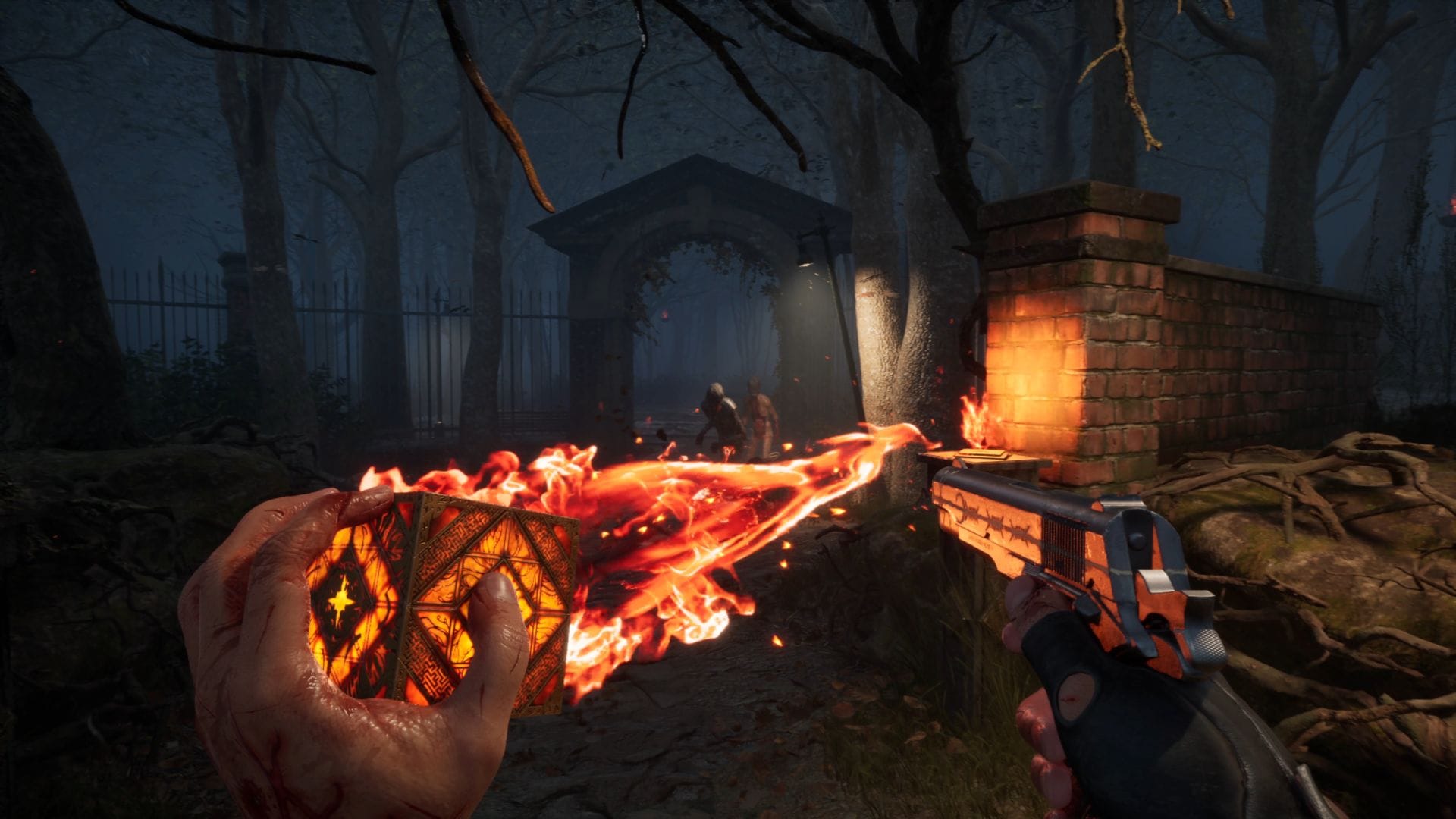
In terms of sound design, Hellraiser: Revival is absolutely nauseating in a great way. The wet squelching of flesh, hooks catching meat, bones snapping, and worse do a wonderful job of curdling your stomach with each violent interaction. The audio team clearly understood that what you hear is often worse than what you see. There were moments where I was more disturbed by a sound coming from the next room than anything I could actually see in front of me. Hearing The Chatterer's boots echo through the Labyrinth as his teeth clatter through its haunted halls is pure horror magic. You know he's coming. You know roughly where he is. And somehow that makes it worse.
Eventually your desires and despair will have you face to face with the Order of the Gash in full, including the amazing Doug Bradley as Pinhead. Bradley hasn't worn the pins in nearly two decades, and you would never know it. He delivers an incredible performance, as if it were recorded when the first few films were shot. That voice, measured, patient, almost kind in the most terrifying way possible, is exactly as you remember it. Every line lands with the weight of someone who has seen the end of everything and found it… interesting. He clearly still knows how to bring Pinhead to life, and every scene he's in is a highlight. If you're a fan of the films, his presence alone may be worth the price of admission.
Unfortunately, the Labyrinth isn't the only thing that's a little unstable. In the last third of the game, I ran into frequent crashes to desktop, and they plagued me throughout the final two hours. This wasn't a case of underpowered hardware, either. My test rig is running an RTX 5090, 42GB of CUDIMM memory, and an Intel 285K processor, about as bleeding edge as PC gaming gets right now. Checkpoints are generally fair, so I rarely lost much progress, but repeatedly getting yanked out of the experience right as the story builds toward its finale bleeds the moment, and not in a fun way. It's the kind of thing that a day-one or near-launch patch can hopefully address, and I'll update this review if that happens, but it's worth knowing going in.
That said, it's hard to overstate how well Hellraiser: Revival understands its source material. It would have been easy to make a generic gore-fest with a Pinhead skin stapled to it. Instead, Boss Team Games built a game around the idea that made Clive Barker's work endure: that pleasure and pain are two sides of the same coin, and that the most frightening monsters are the ones who simply want to show you what you really are. The team clearly set out to make an unrestrained and unfiltered Hellraiser experience unlike anything we’ve ever seen. They’ve succeeded, and we are all along for a very disturbing ride. Whether that ride awakens something inside you, well…that’s a story for another bloody time.
Clive Barker’s Hellraiser: Revival
Great
Clive Barker's Hellraiser: Revival is an excellent entry into the horror genre and an even better entry into the Hellraiser universe. It pushes boundaries, revels in the uncomfortable, and makes you complicit in its cruelty through a suffering-based combat system in a world that forces you to look at every gory detail. Gorgeous visuals, stomach-churning sound design, and a career-capping return from Doug Bradley make it a must-play for horror fans, provided they have the stomach for it.
Pros
- Nails the uneasy, uncomfortable heart of Hellraiser rather than settling for cheap scares
- The suffering mechanic is a great economic engine
- Unreal Engine 5 visuals bring Hellraiser to grotesque life
- Nauseating sound design, in the best possible way
- Doug Bradley is Pinhead, as if he never left
Cons
- Frequent crashes to desktop in the final third
- Content could be a hard line for some players
- Stealth mechanic feels a touch underbaked
This review is based on a retail PC copy provided by the publisher.