Warlocks walk the fine line between Hell and the land of the living, commanding demonic forces and binding them to their will, but even that line has its boundaries. In Diablo Immortal, we find that boundaries aren’t always absolute; sometimes you have to cross the line to prevent an even greater evil from emerging. Described as more reckless in the usage of Vizjerei magic, Warlocks in Diablo Immortal take it to the next level. The Warlock class has slowly been rolling out as part of the Diablo 30th Anniversary celebration, and we finally get to see what this class looks like in the PC/Mobile hybrid, Diablo Immortal. We’ve got even more demons to battle, souls to gorge ourselves on, and Hell to unleash in our hands-on preview.
As with any new class, there is an origin story of sorts to introduce players to the Warlock class, which shows us exactly how the Warlocks in Immortal came to possess a remarkably darker power than their Diablo II: Resurrected and Diablo IV counterparts. The story takes us to a Vizjerei tower, where the demon Gorrut is scouring every corner to unveil its secrets. Should Gorrut manage to uncover and take control of this power, Sanctuary will face an evil unlike any they’ve ever seen before (or so they say, there’s always a ‘greater evil’ lurking around every corner). As we follow the trail of corpses, we come face-to-face with the demon himself and get our first chance at thwarting his efforts. Unfortunately, we are overwhelmed by his power and are forced to flee deeper into the tower.
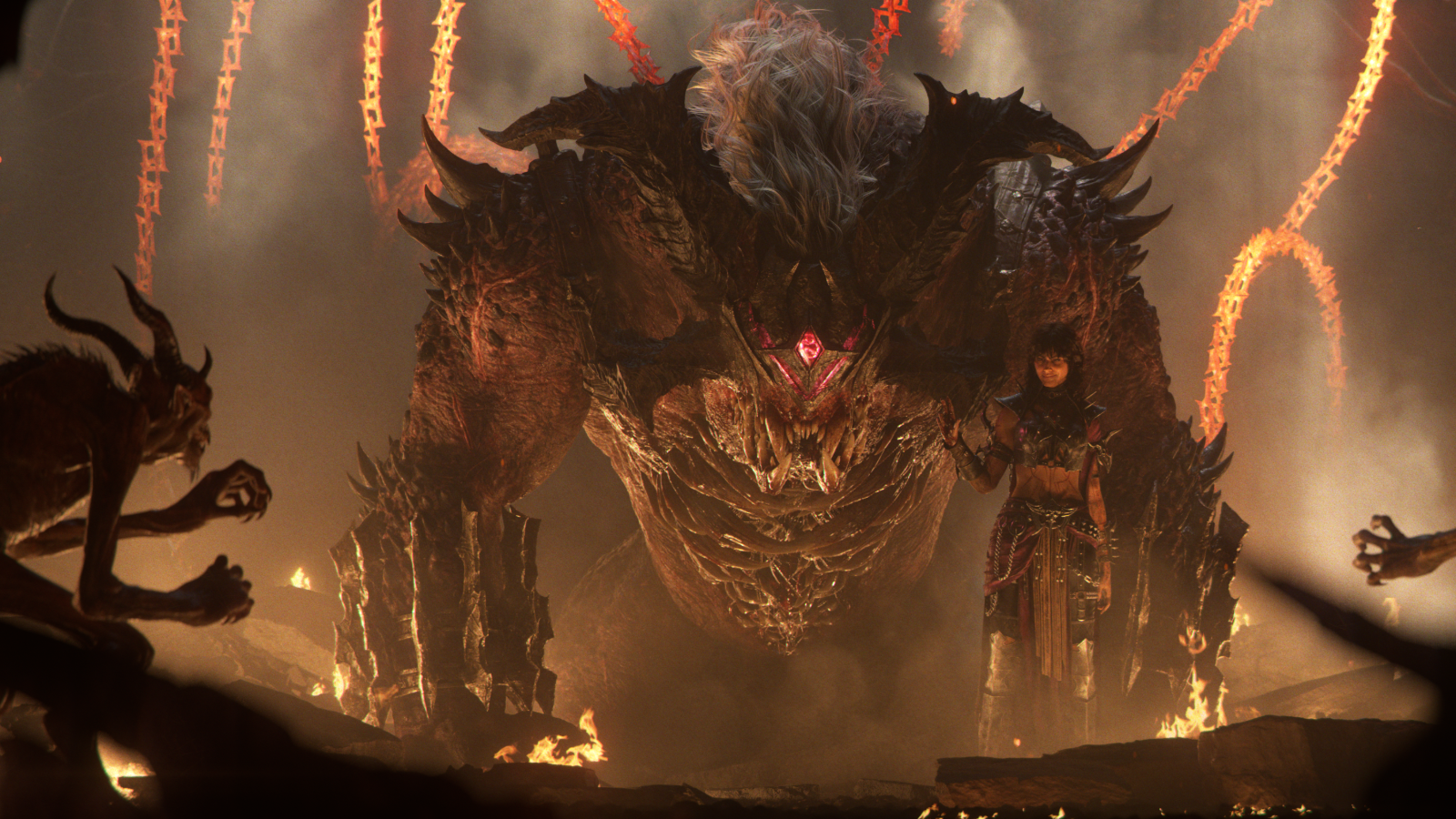
The only way to stop Gorrut is to acquire the very power he seeks for himself. As we search the tower, we find several tomes that warn us of the dangers of meddling with such darkness, telling us not to underestimate it, but also what we can accomplish if we manage to wield it. It is here that we learn how to communicate with and bind demons by speaking the only language they know: violence. But this won’t be enough to defeat Gorrut, we must go deeper. Our greatest asset to taking down Gorrut also requires the greatest sacrifice. After drawing up a summoning circle and offering up our own blood, we finally find the power we need: the Soulgorger.
An ancient demon that thrives off the souls of demons and humans alike, the Soulgorger knows no limits with its appetite and will consume anything and everything that crosses its path. It takes a bit of coaxing, and brute force, to get the Soulgorger to surrender, but once this is done, we have everything we need to face Gorrut and put an end to his madness.
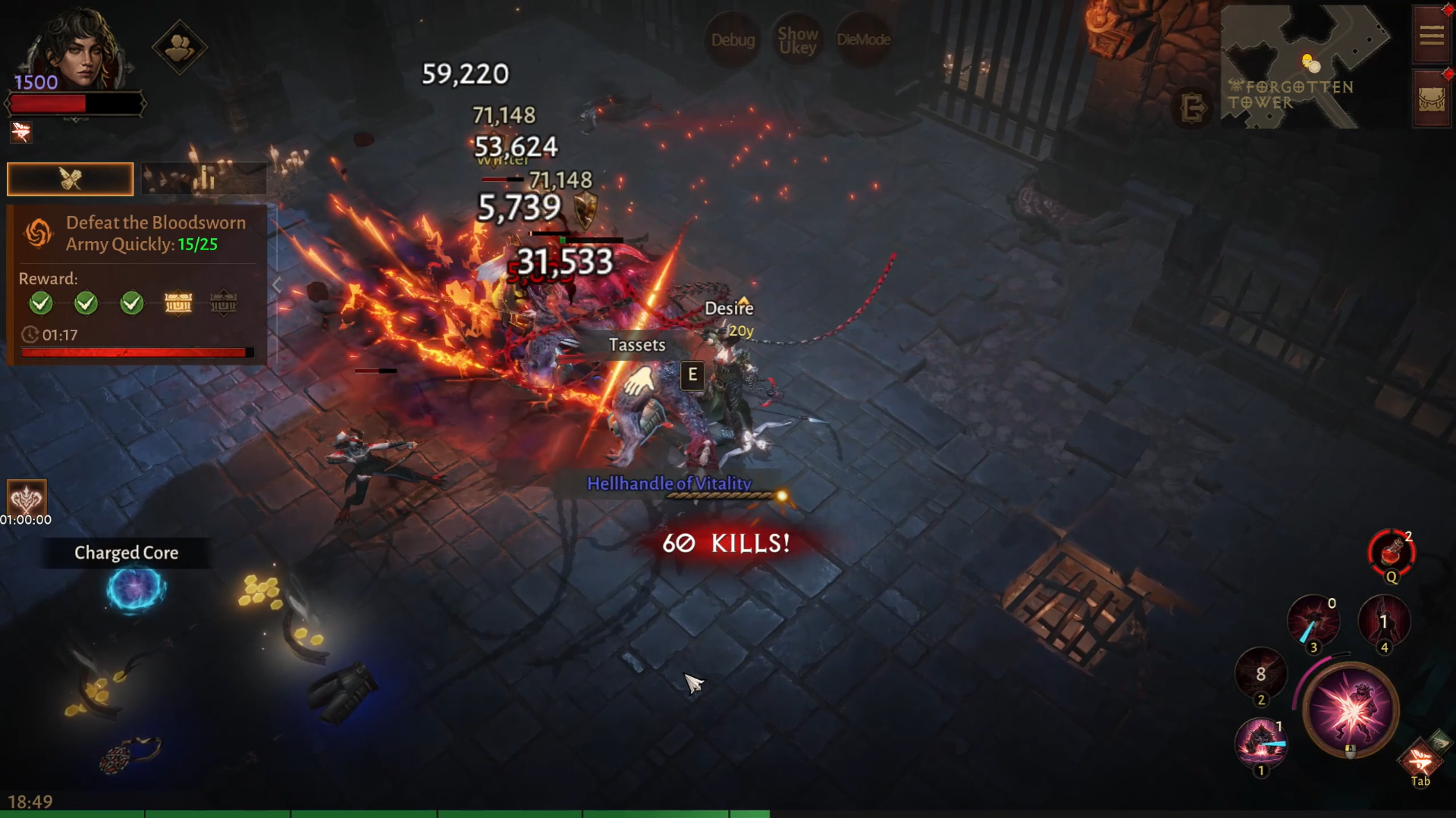
The Soulgorger is just one of the many Hell-ish abilities that the Warlock is able to unleash on the evil forces found throughout Sanctuary. It’ll follow you around, slamming the ground to damage and stun enemies, devouring the souls of other demons you summon as they die, and even sacrificing a little bit of its own health to help regenerate yours if you fall below 50%. It is also immune to total loss of control and knockback effects, some of which we can see in our first encounter with Soulgorger during the Warlock origin quest.
The rest of the Warlock’s abilities are much the same as you’d see in Diablo IV and Diablo II: Resurrected, including raining hellfire, siphoning health, creating portals to hell to summon demons to fight, and more, each having their own Immortal twists. I particularly enjoy summoning the Hellflyer to carpetbomb enemies, which also grants a movement speed boost after dismounting. Being wielders of demonic power, Warlocks have the same hellfire and darkness aesthetic as you’d expect. Much of the gear to be equipped is dark and pointy with a lot of blacks and reds, fire and skulls, and other evil-looking features. Their weapons of choice include a demon skull and a sacrificial blade for a good mix of magic and melee combat.
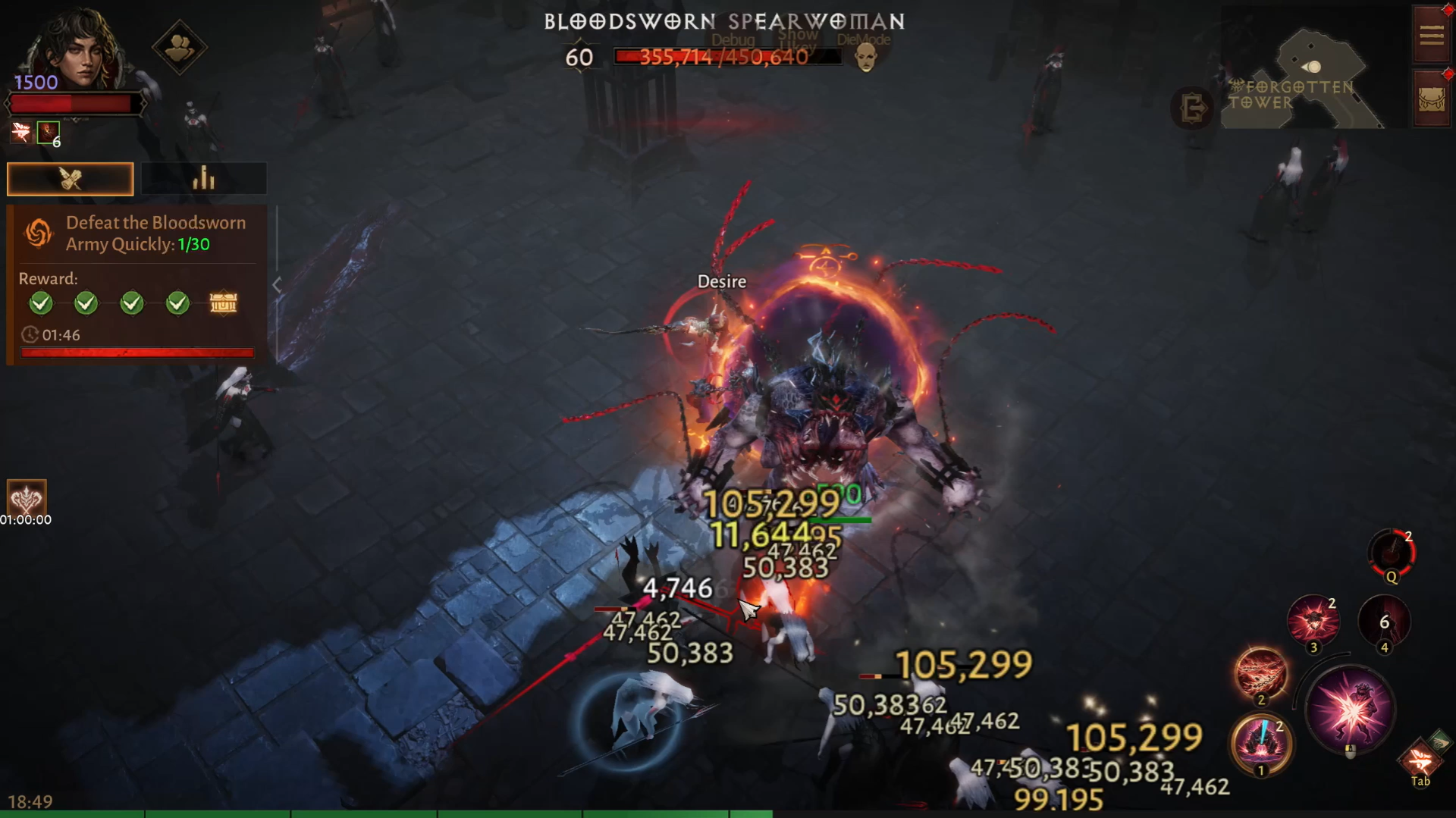
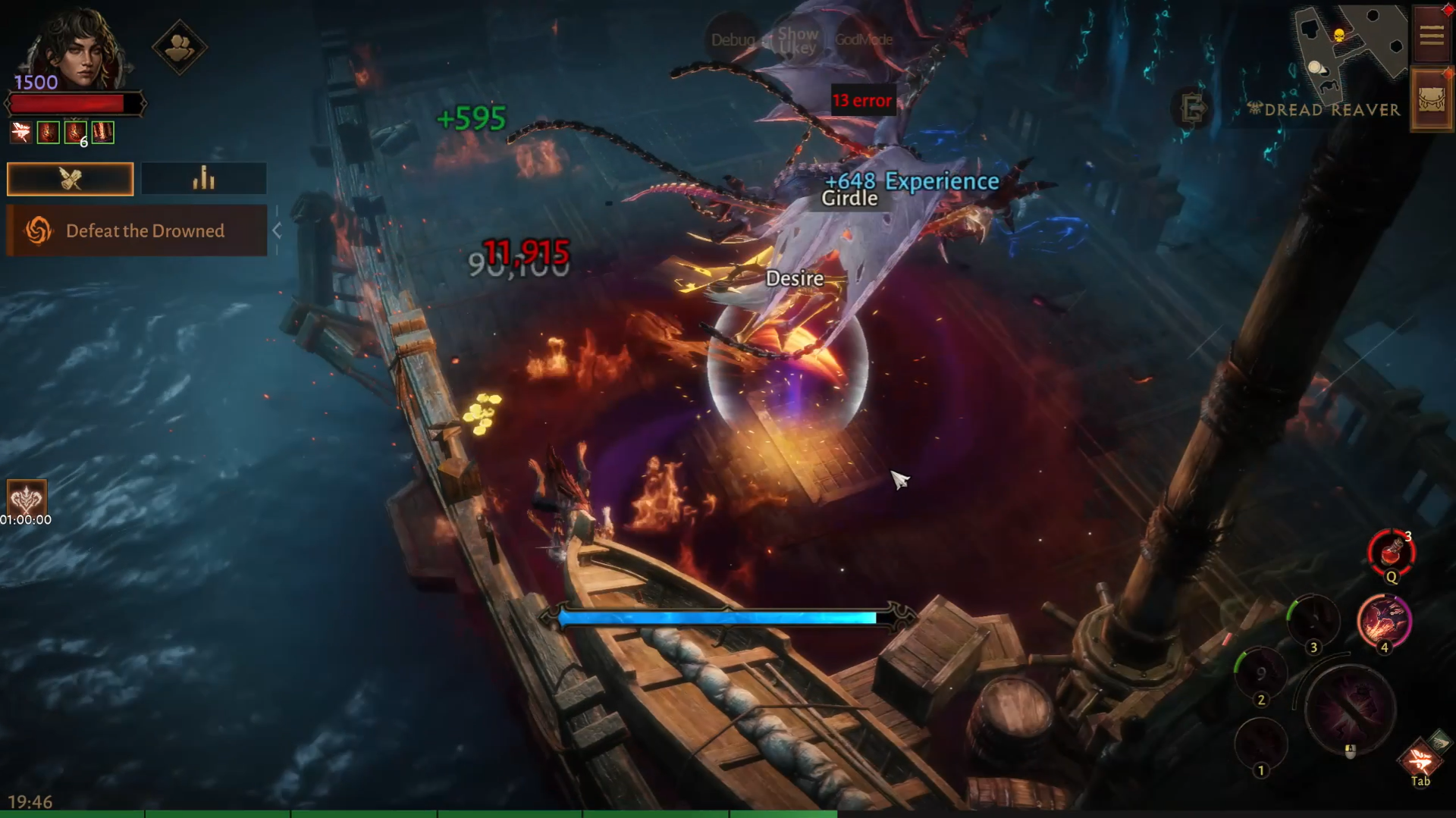
In action, attacks from the Warlock are quick and powerful. Right from the start, you can see and feel the power of this class as it dispatches foes in an instant, making it easy as pie to blitz through the game’s opening sequence. We were given a pre-built max-level character to play around with as well, which proved to be a mighty force when taken into dungeons and during large boss battles. I’ve stuck to many of the tried and true abilities and skills that I used in the early game, although there are some impressive and even amusing skills found later on, like the one where a demonic hand comes through a rift, grabs enemies, and slams them into the ground.
It’s about time the Warlock was added, especially to Diablo II: Resurrected, which is 26-years-old now. With each game putting its own twist on what the Warlock is and what their backstory is, it shows there’s no shortage of opportunities to recreate any of the classes found throughout the Diablo games. In Diablo Immortal in particular, the Warlock is an incredibly fun class to dive into, for me sitting right up there next to the Tempest as one of my favorites. You can check out the Warlock for yourself when it comes out in the 5.0 update, The Bloodied Jewel, this Wednesday!