Recently, GamingTrend reviewed the Velvet Inks set and awarded Kimera Paints with a 2026 Editor’s Choice Award. With so many paint lines out there to choose from, it can be overwhelming for a new, or even veteran, painter to find a paint line that they like and that also remains consistent for them on their painting journey.
So what does that mean for someone wanting to level up their painting game, or even return to a higher level of painting execution? Does Kimera fill that need in such a bloated, competitive market? What space is available for it on your painting shelf?
My History of Painting
My true painting journey began back in 2014/2015 when I started painting one-off Warhammer models, repainting Heroclix, diving into Star Wars: Imperial Assault, and painting Relic Knights on commission. My local LGS really only had two paint lines in stock: Citadel and Army Painter. At the time, Games Workshop had on their boxes and website a “paint-by-numbers” guide for their sets, so all I had to do was pick up those paints and I could, in theory, paint up my model to look like the box. Of course, that was way easier said than done.
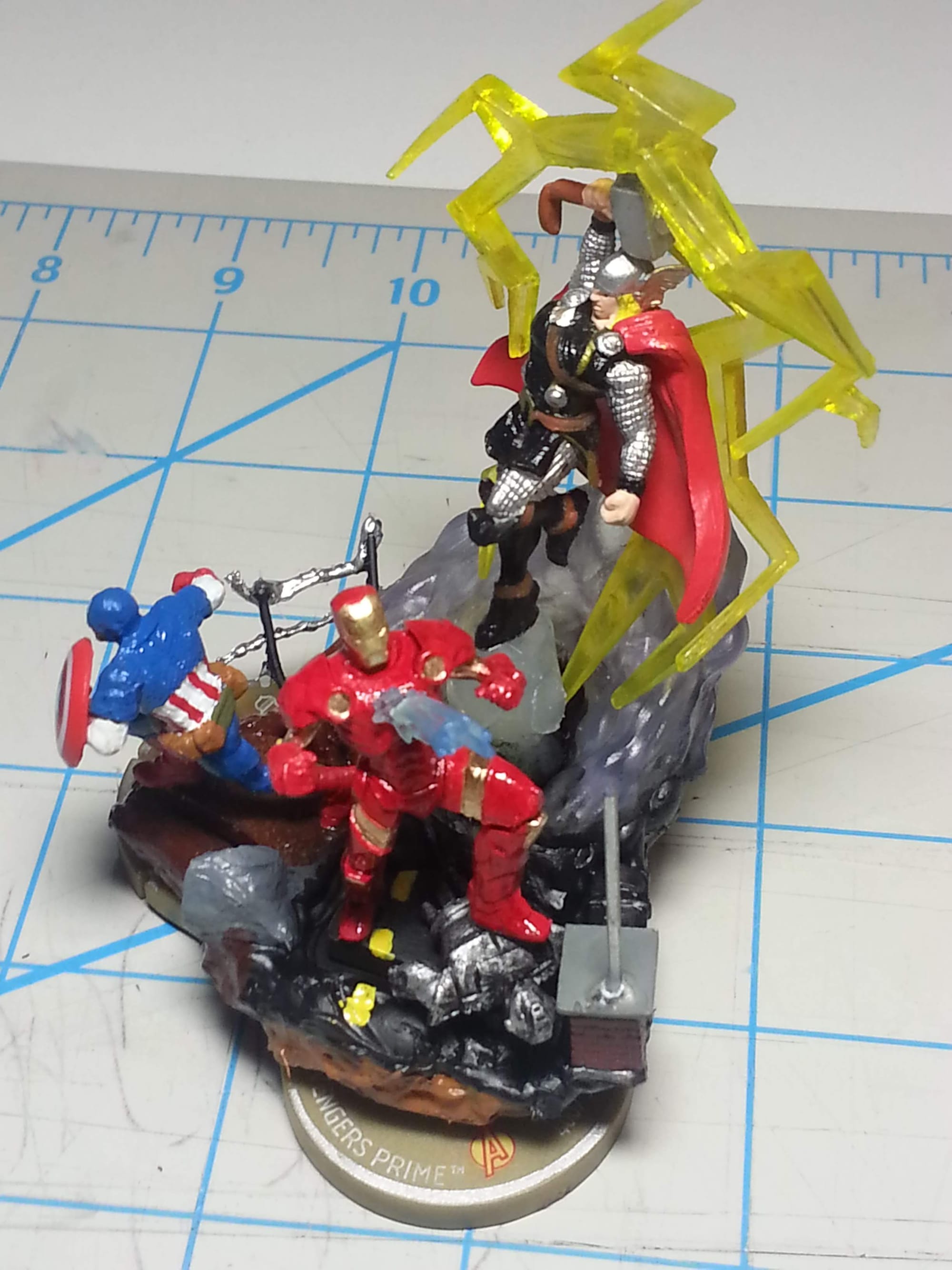
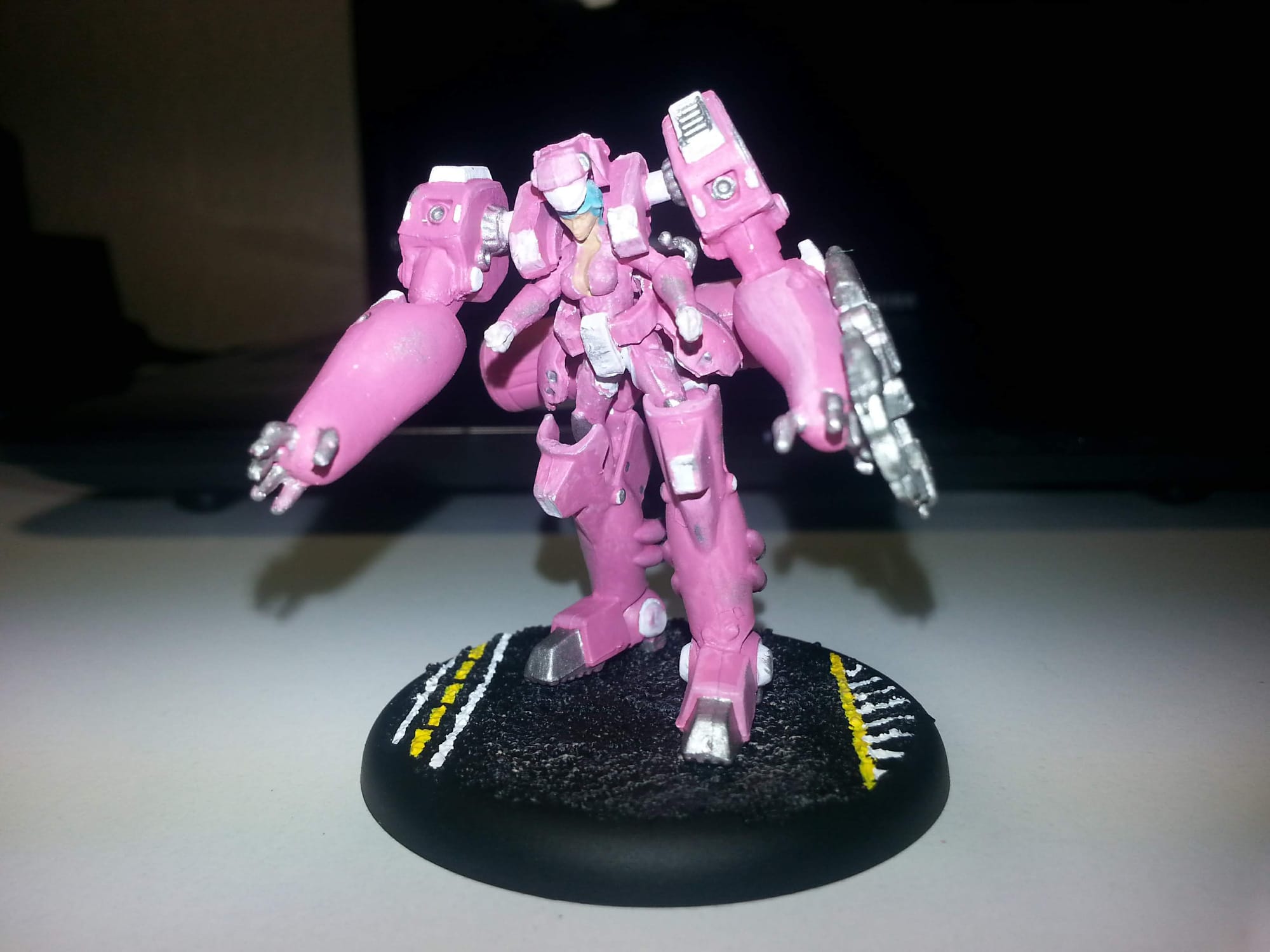
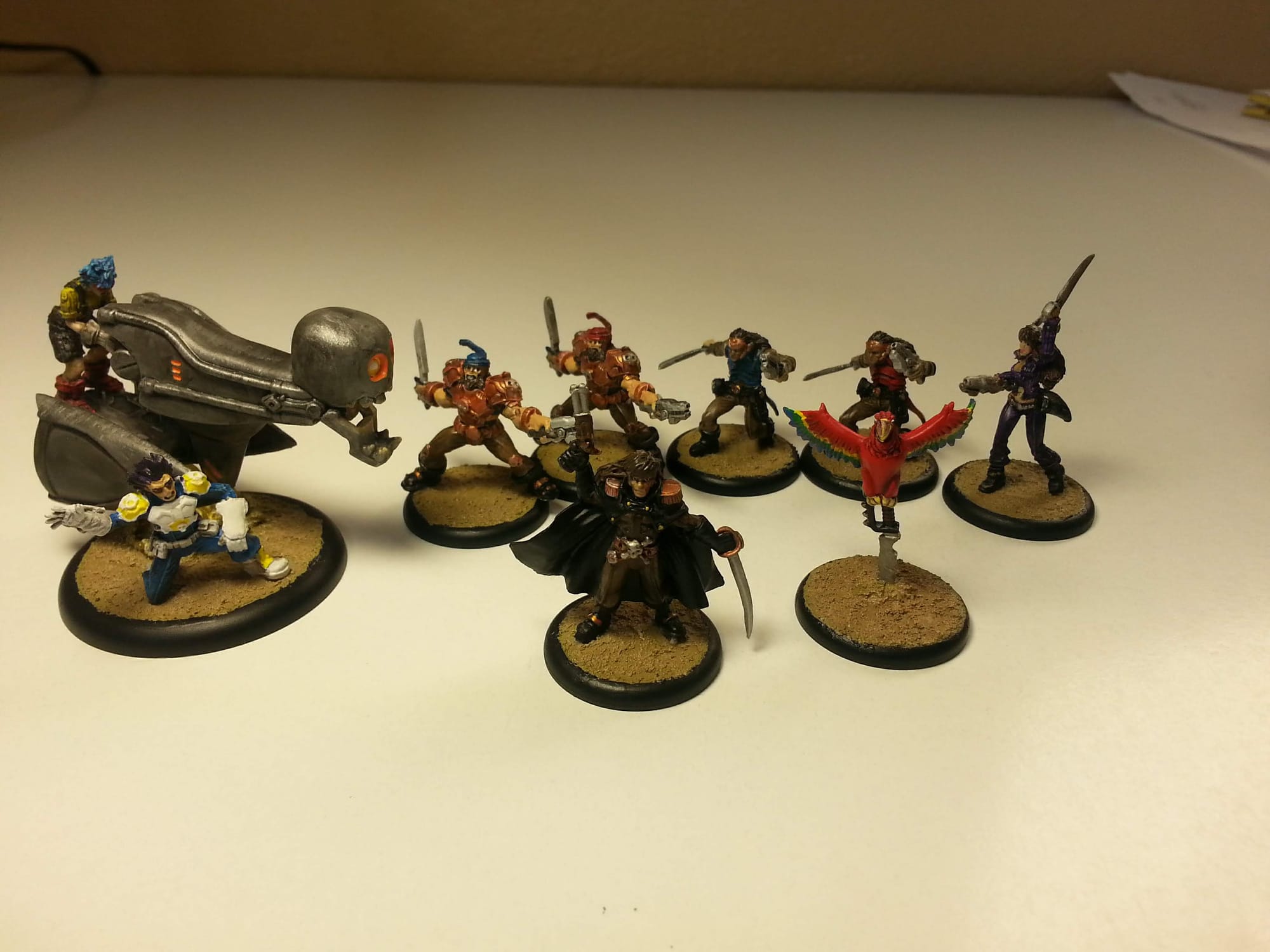
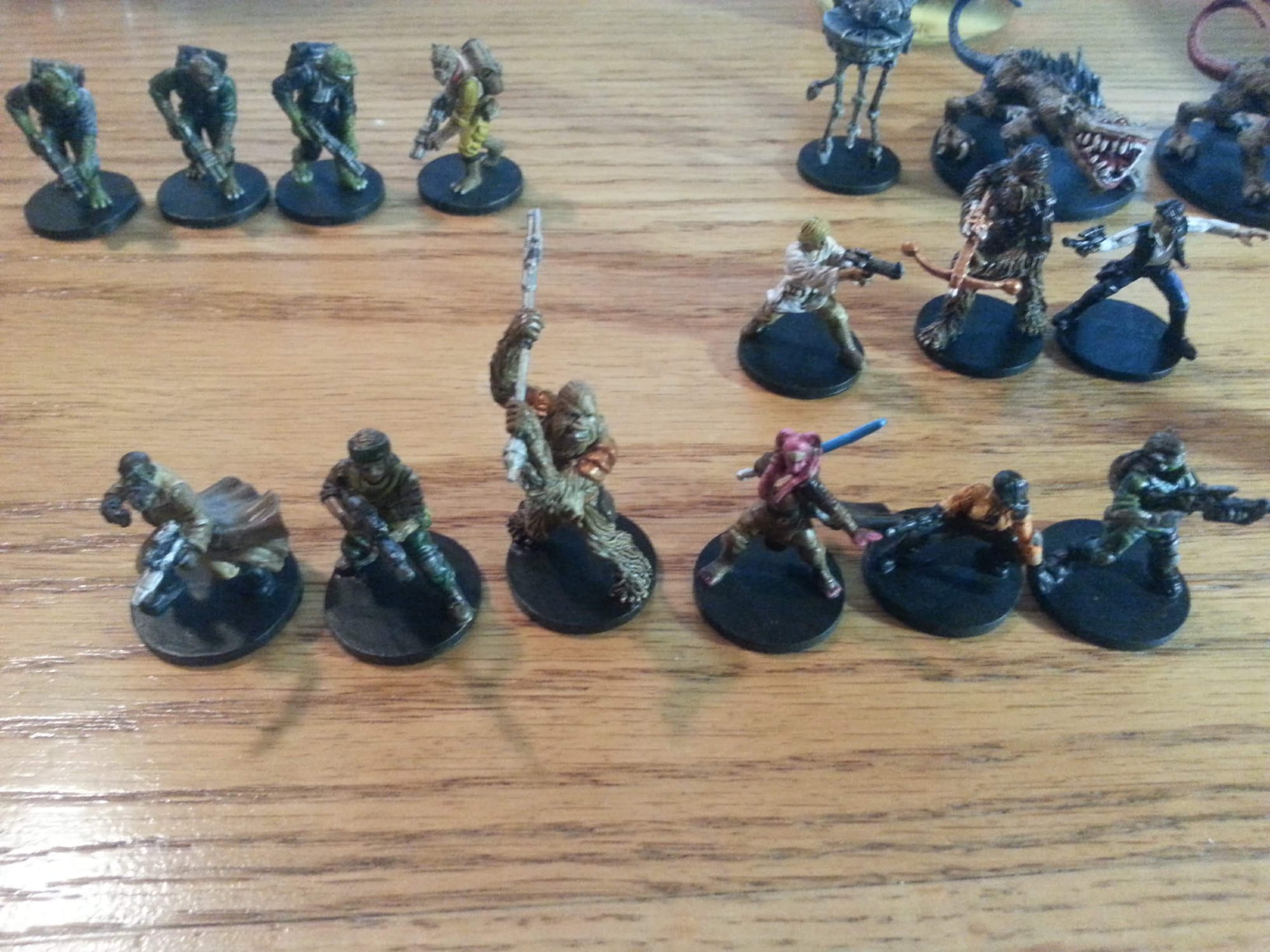
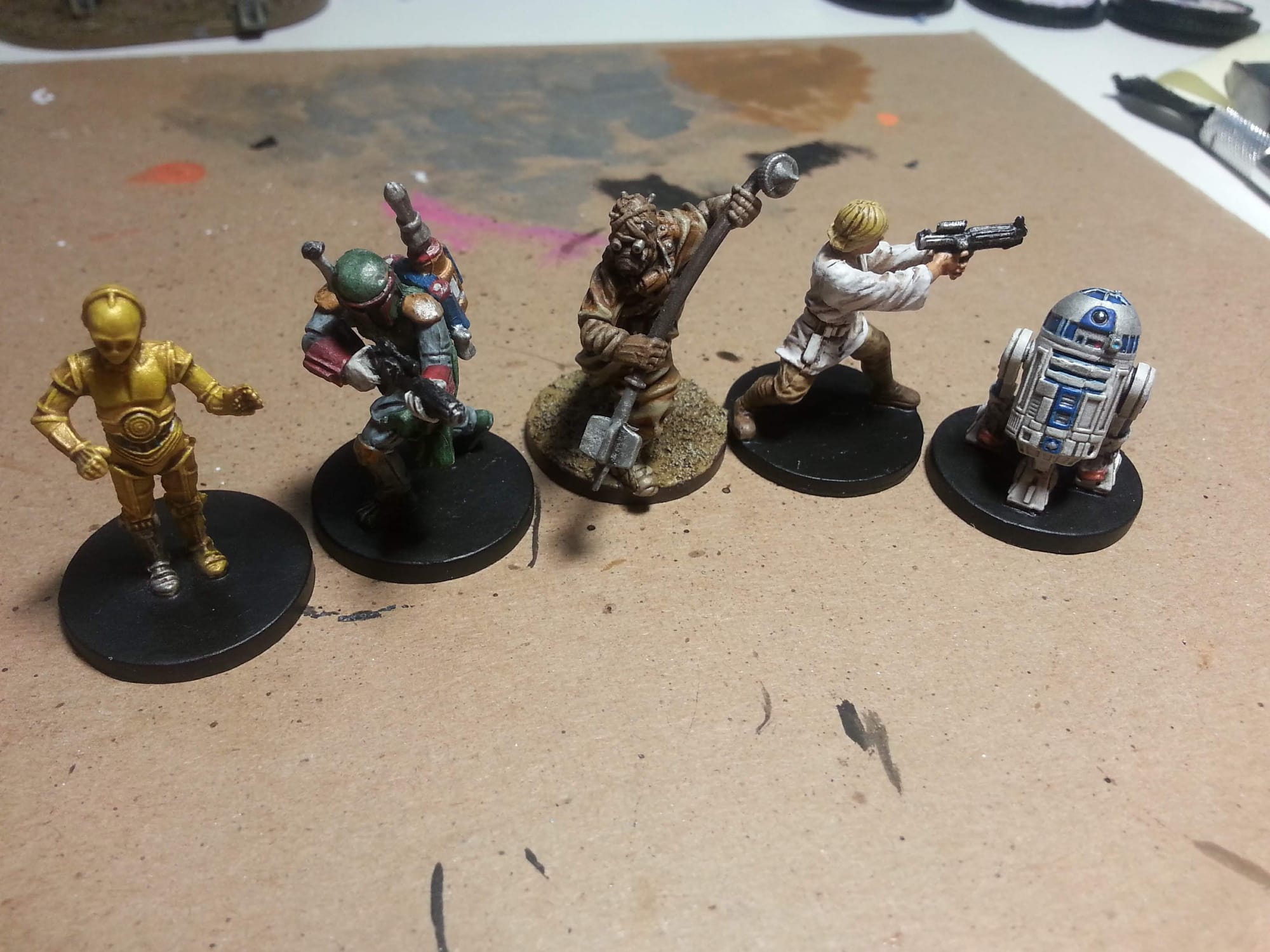
My painting, and photography, journey had to start somewhere
I would paint on and off over the years, and even introduced Randy to the hobby at a GenCon in 2016. Full disclosure, he has been hooked ever since. My “ah ha” moment with painting happened with the introduction of Contrast Paints, which allowed me to quickly paint up Bolt Action and Star Wars: Legion armies, a task that would otherwise be incredibly daunting. From there, I started commission painting, which offered me the opportunity to paint some amazing models for some really wonderful clients. During that time, I started expanding my paint lines and tried to find paints that really worked with me and not against me, focusing more on the paint consistency and wet blending efficiency. It was during this time that I was given a Kimera paint set, which has since become a staple in my painting arsenal.

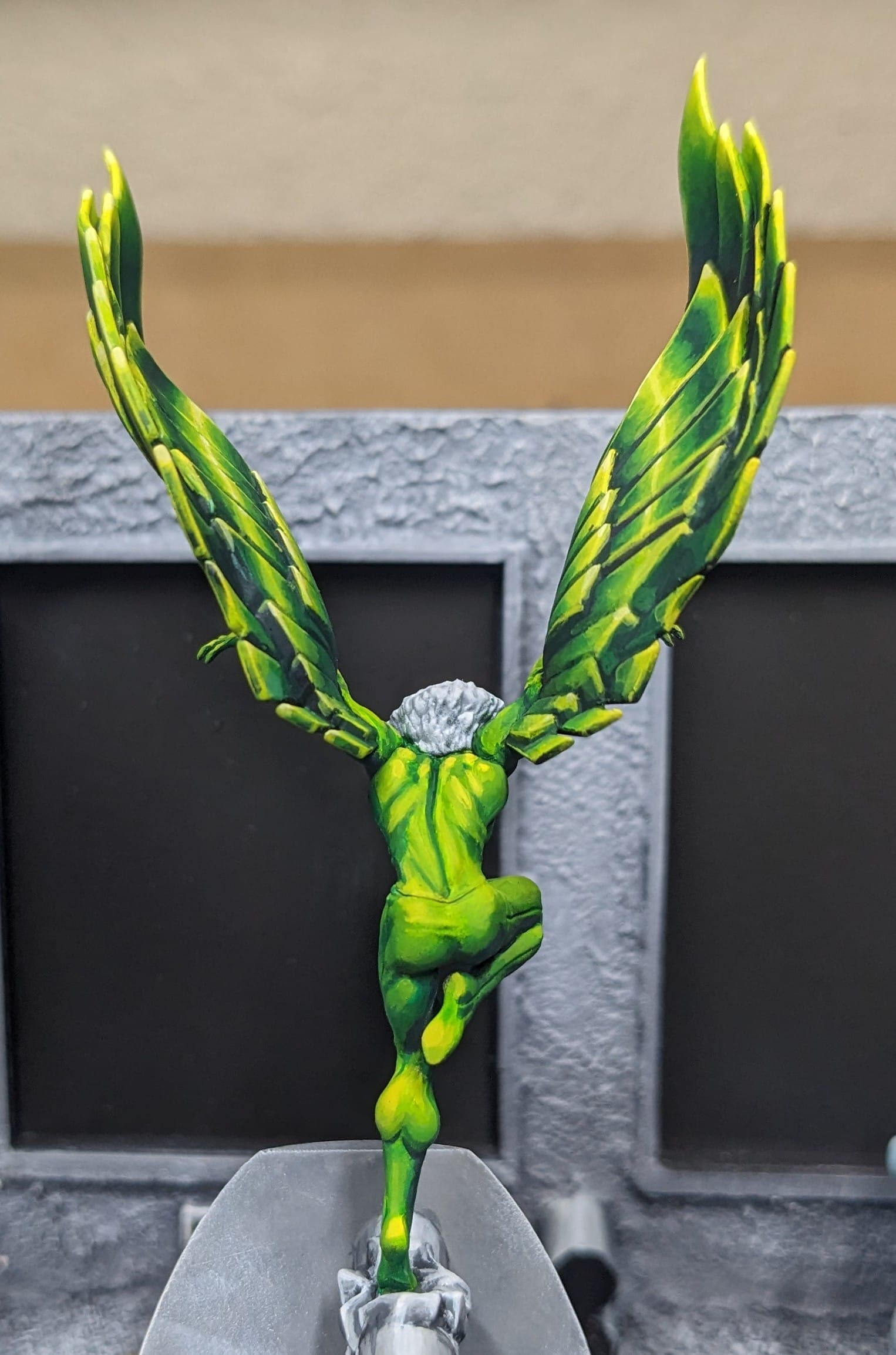
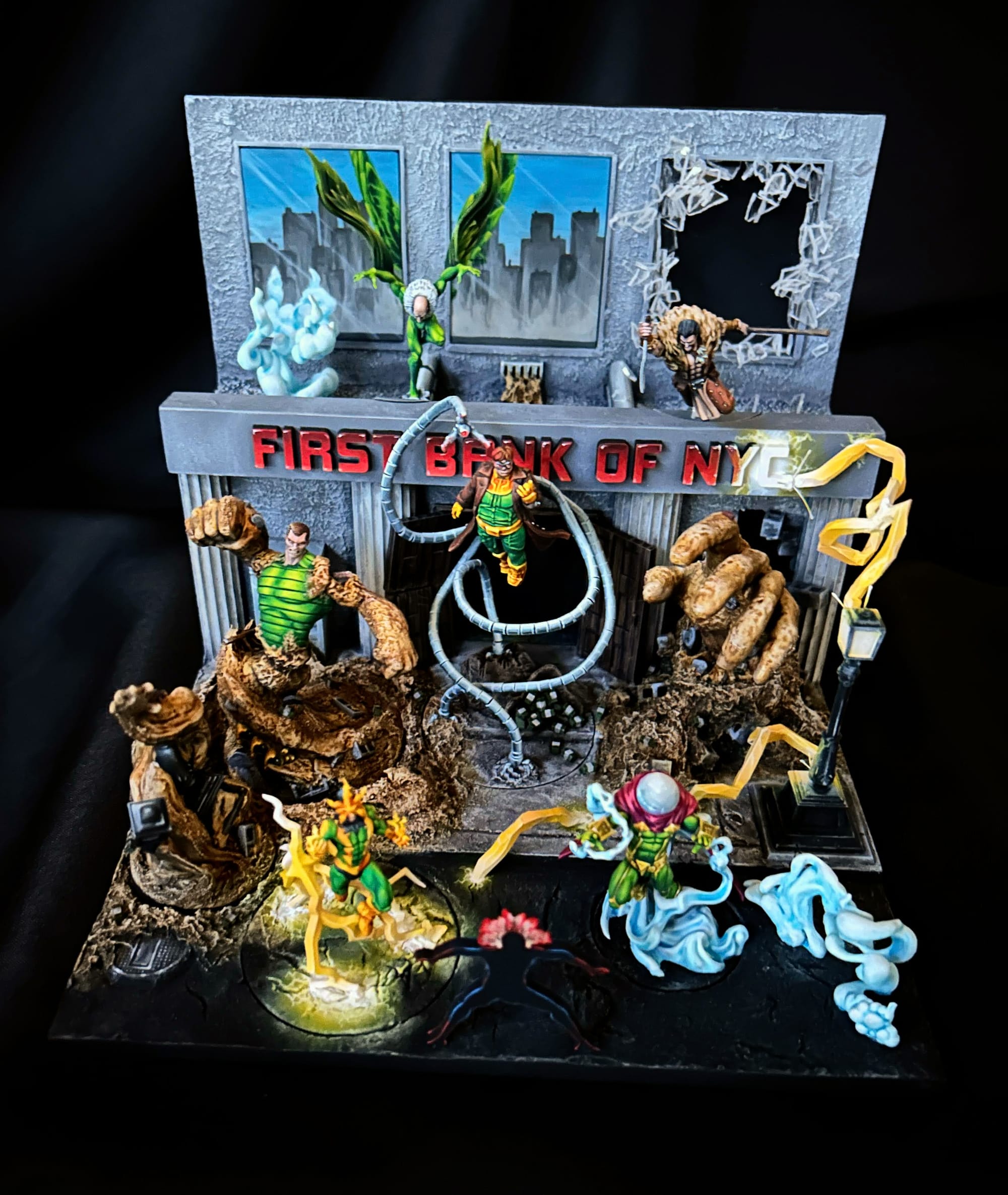
After painting (literally) thousands of miniatures, I really began to hone my skills and refine my technique, giving me the confidence to enter into some painting competitions. In 2025, I pushed my painting, printing, and sculpting skills to their maximum level and entered into Atomic Mass Games’ Path of the Worthy at Adepticon, where I won Gold for Squad. I was proud of my achievement, but more so I was proud that I could see the visual improvement from some of my earlier “great” pieces. What I was able to accomplish on the piece- taking what I envisioned and actually executing it- came down to a few factors, but was most importantly due to the techniques and paints I used. My Sinister Six diorama had, unsurprisingly, a lot of green to it, and Kimera’s greens and yellows were what I used.
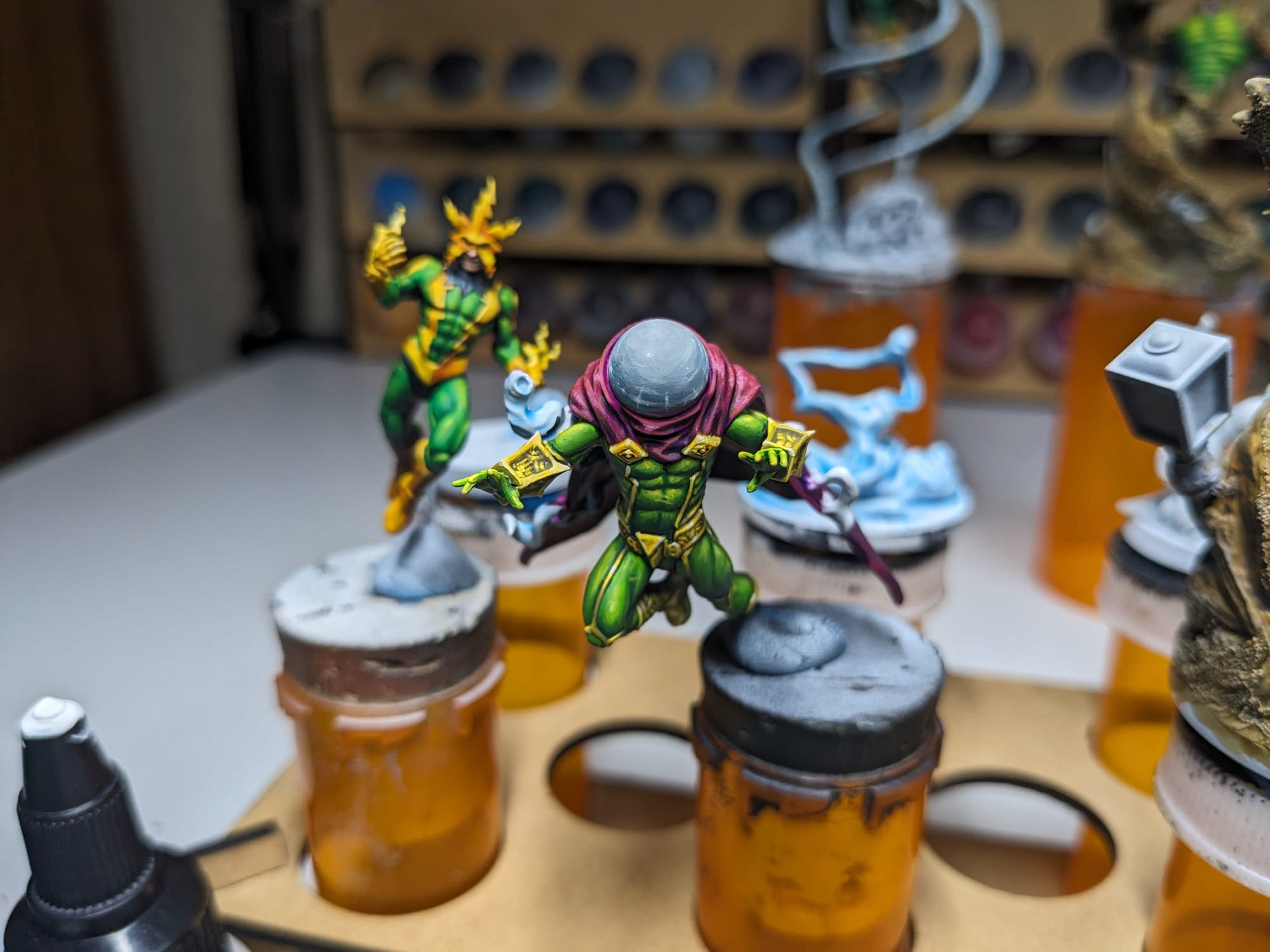
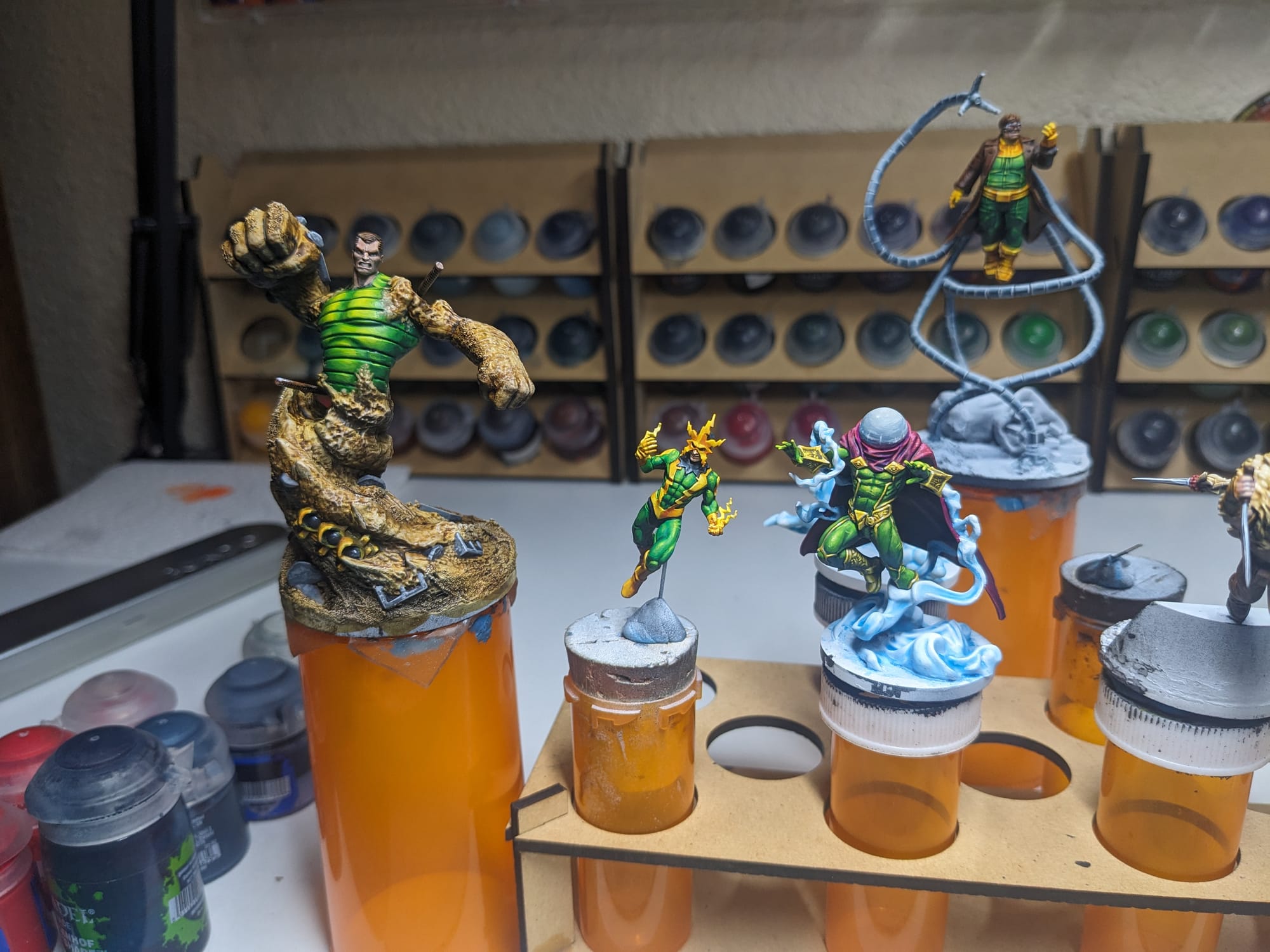
A Return to Form
A lot has changed since Adepticon 2025, and I don’t paint competitively, or even to that level, as much as I used to. School paid off and I have started my new career, which keeps me pretty busy. With the seemingly endless supply of models from my ‘Shelf of Opportunity,’ many projects lend themselves to being quick paint jobs, Slapchop, airbrushing, etc., and I simply don’t have the time to dedicate myself to the detailed projects of yesteryear.
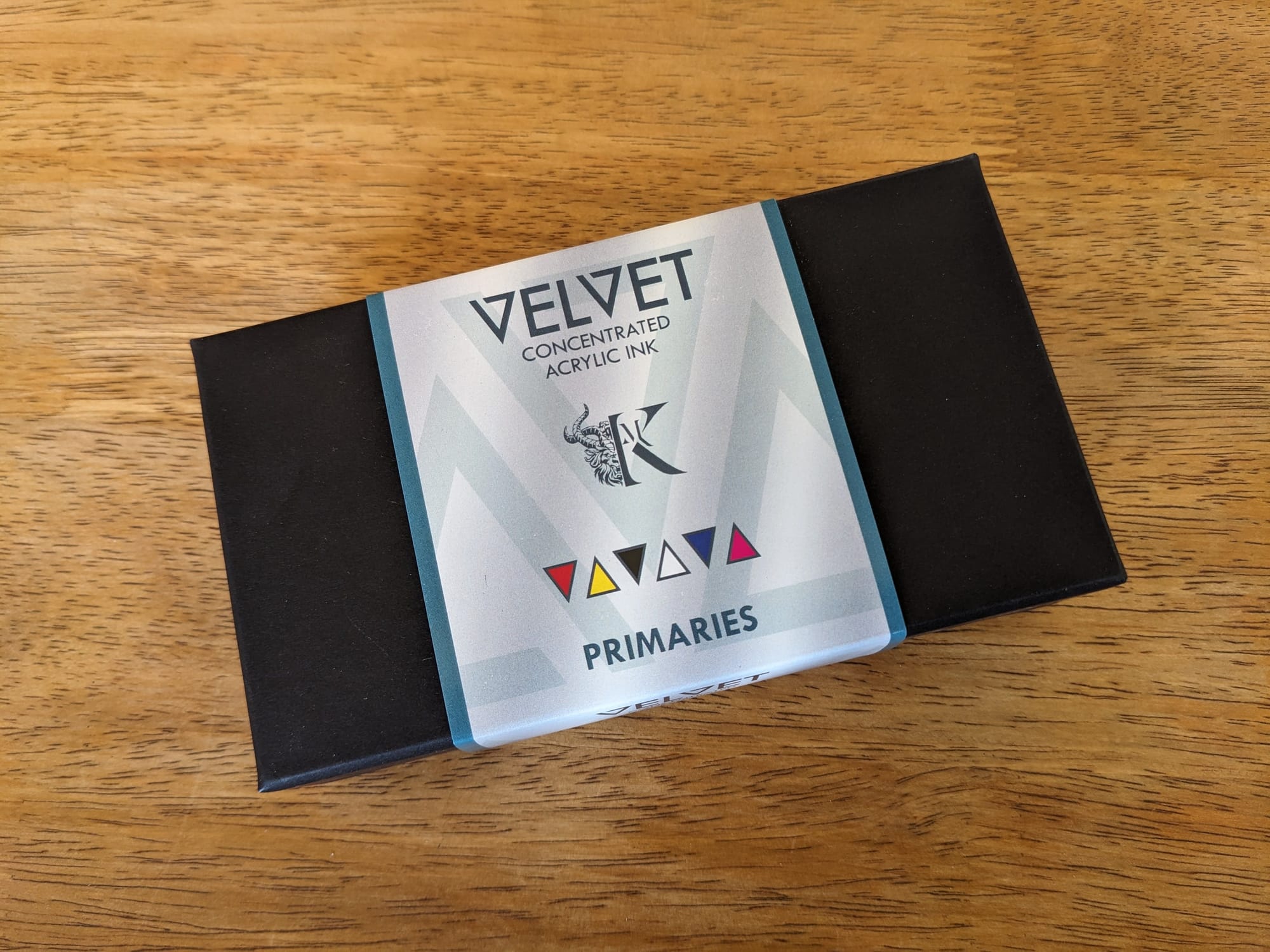
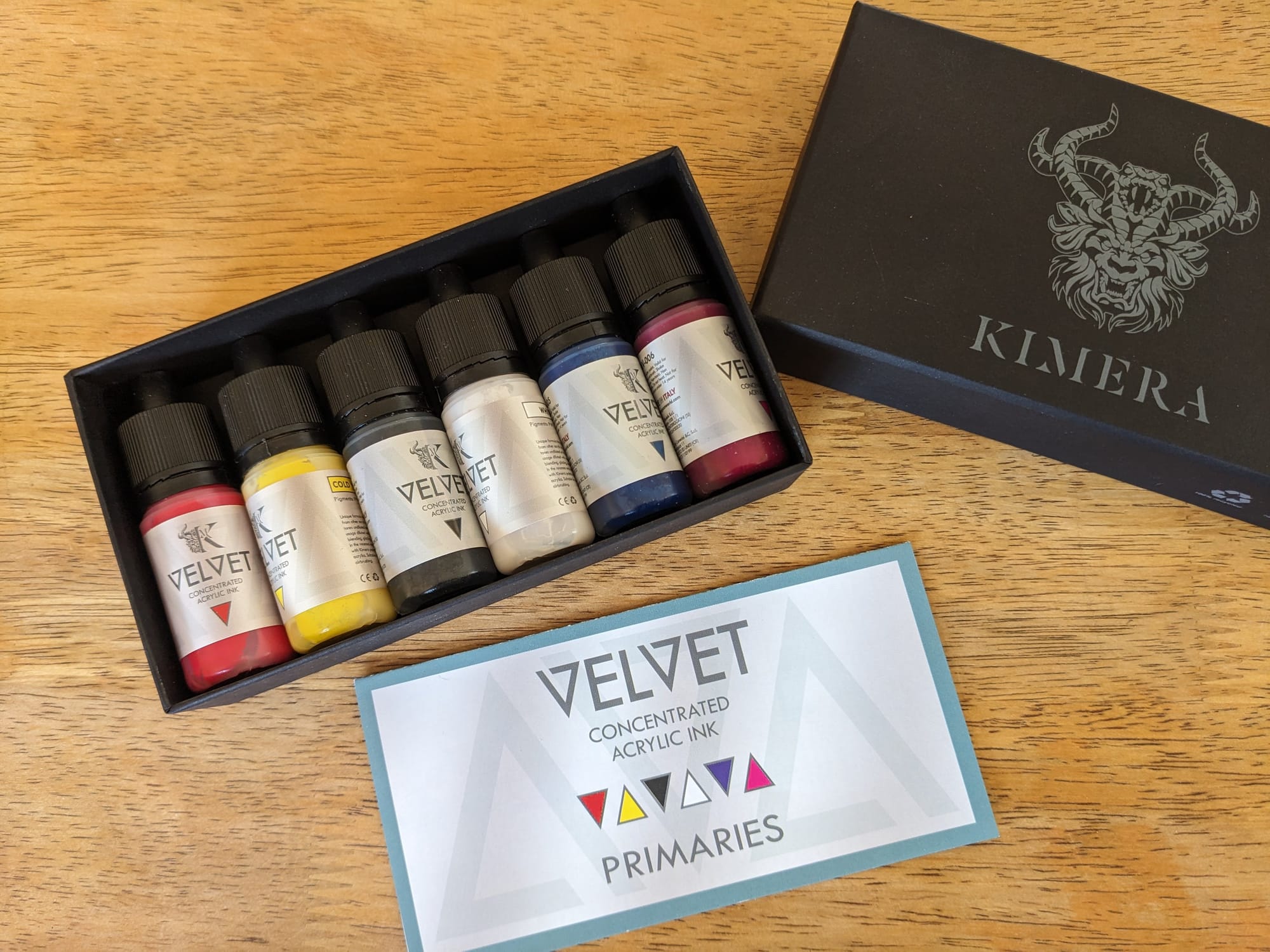
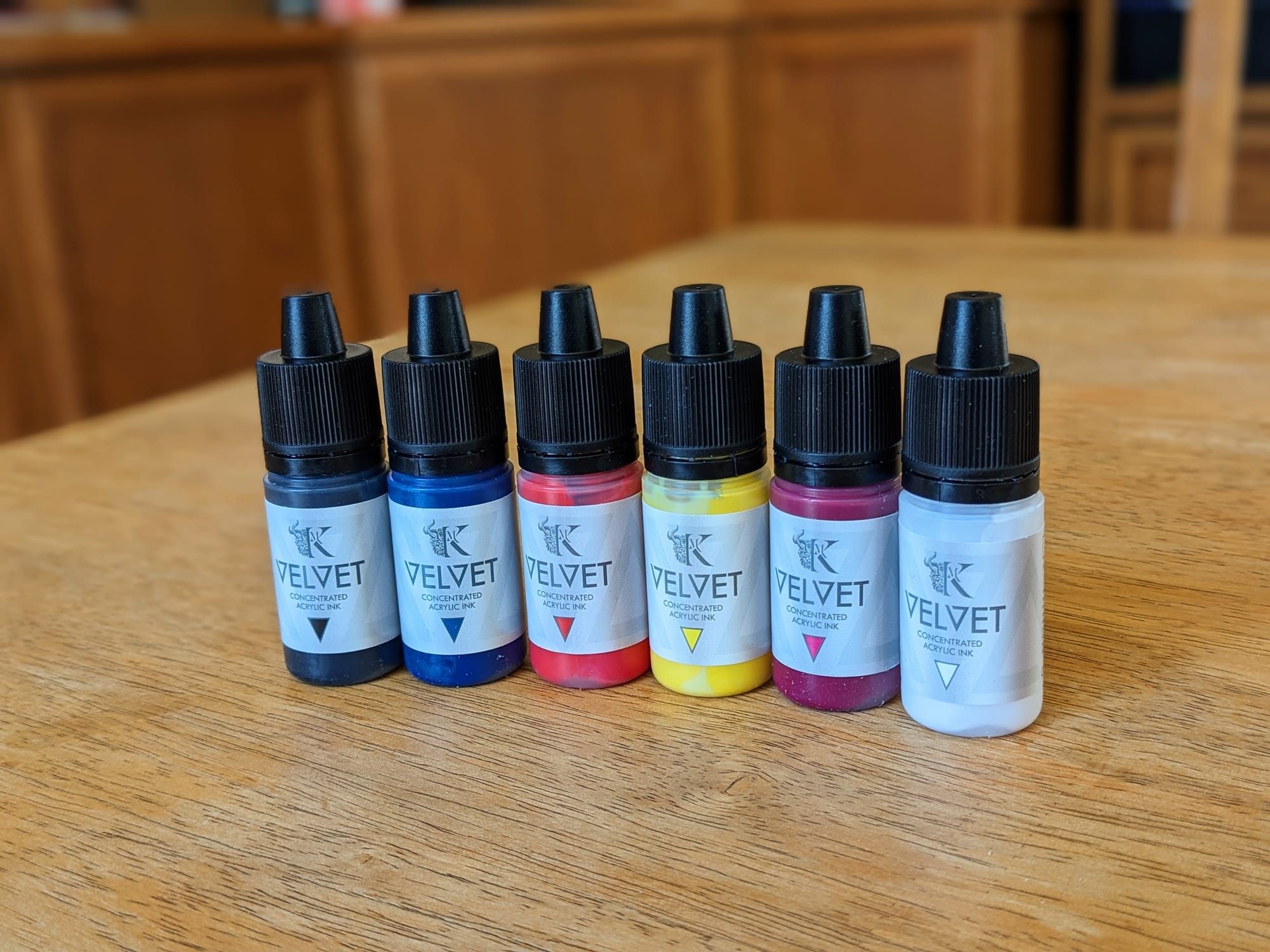
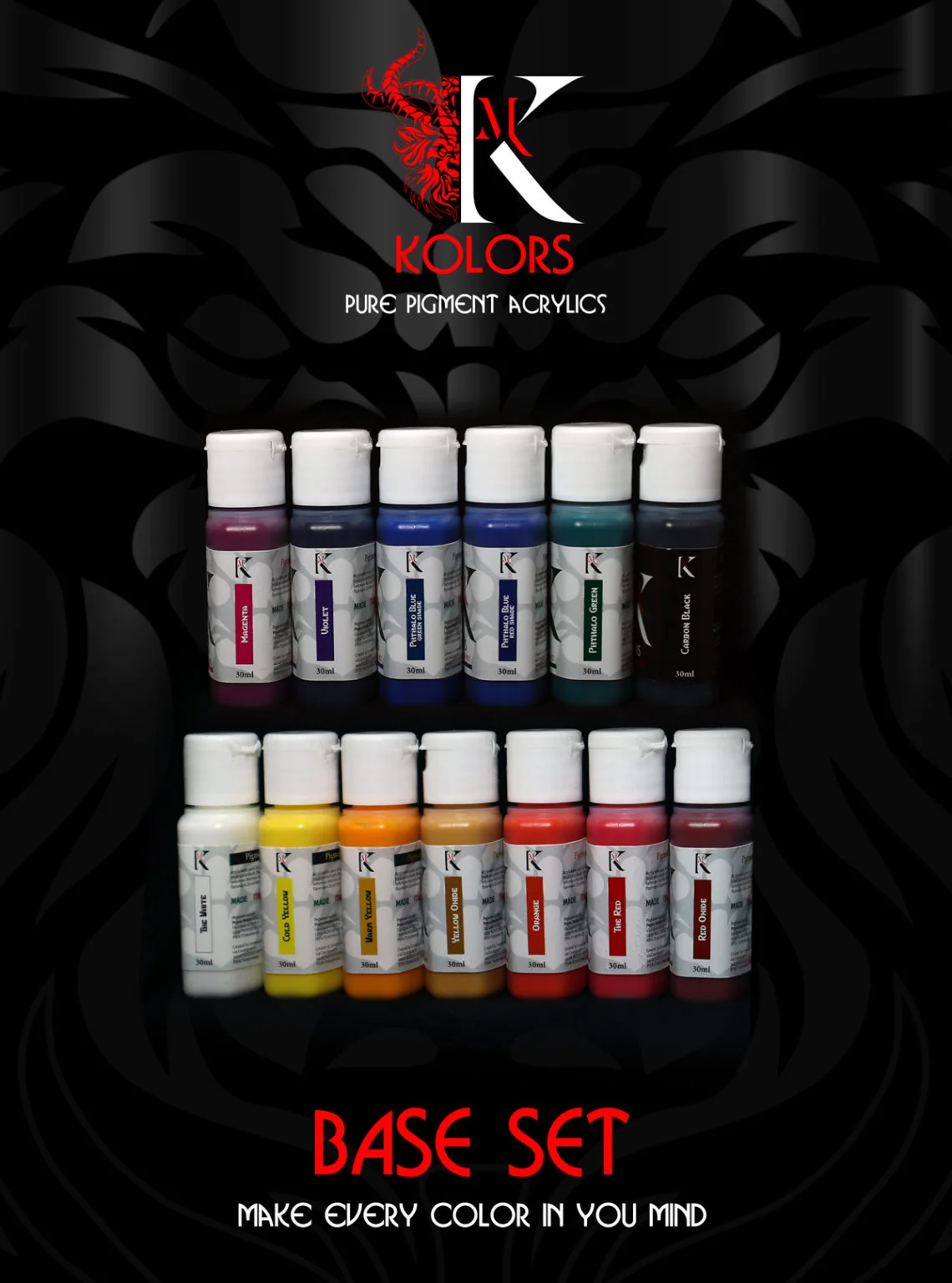
However, with Kimera Paints and Velvet Inks, I wanted to paint up Angel from Marvel: Crisis Protocol to a higher standard than my usual projects. I have been apprehensive about getting back on that particular horse, mostly due to a fear that my learned skills have separated from me more than a cheap paint on my wet palette. Pushing that aside, I sat down and, during a rainy afternoon, painted up the Angel.
Painting Angel from Marvel: Crisis Protocol
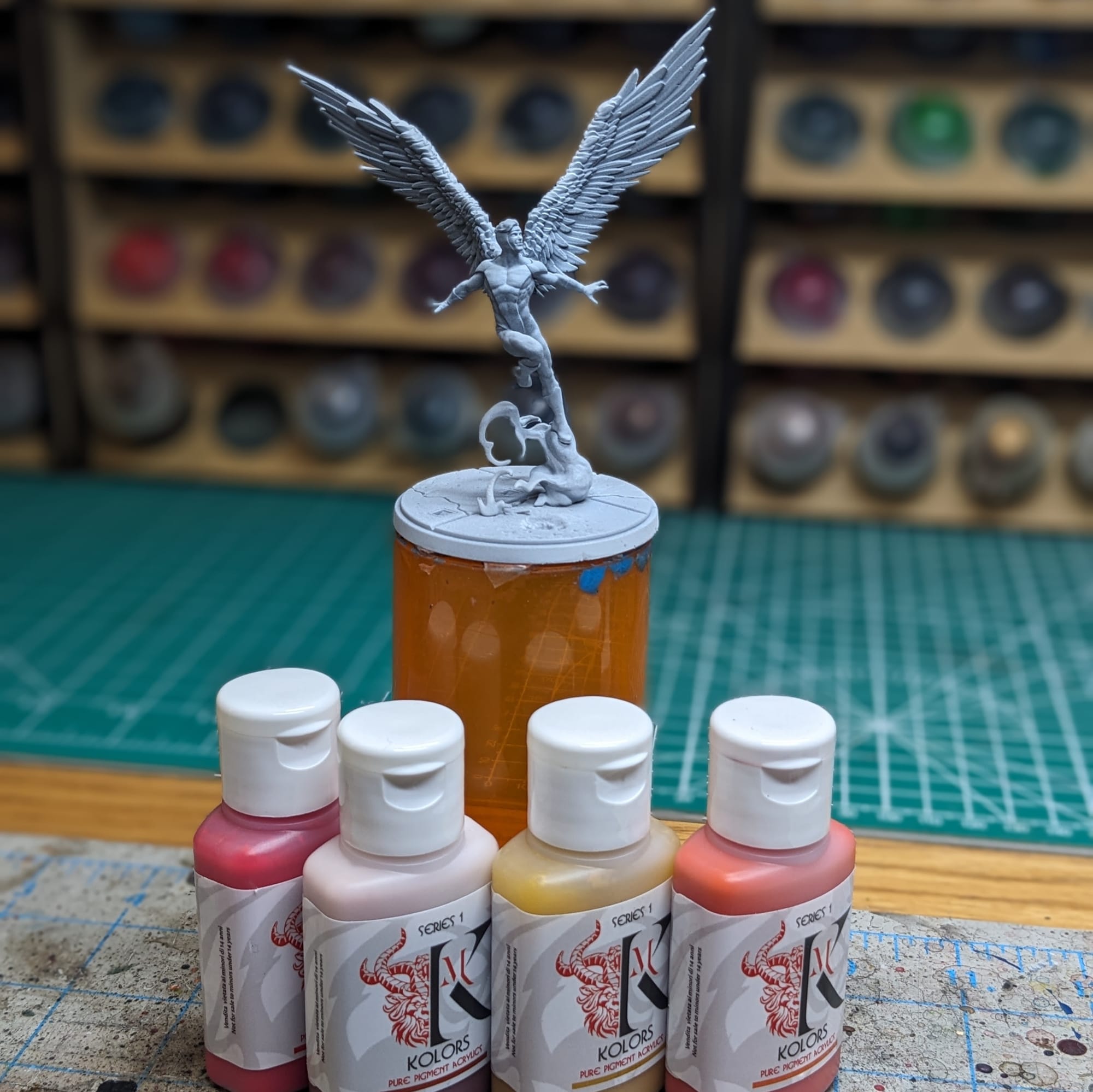
I primed Angel in a white and grey zenital, which would give me a little shadow to work with when placing the paint, without comprising the white and feathers.
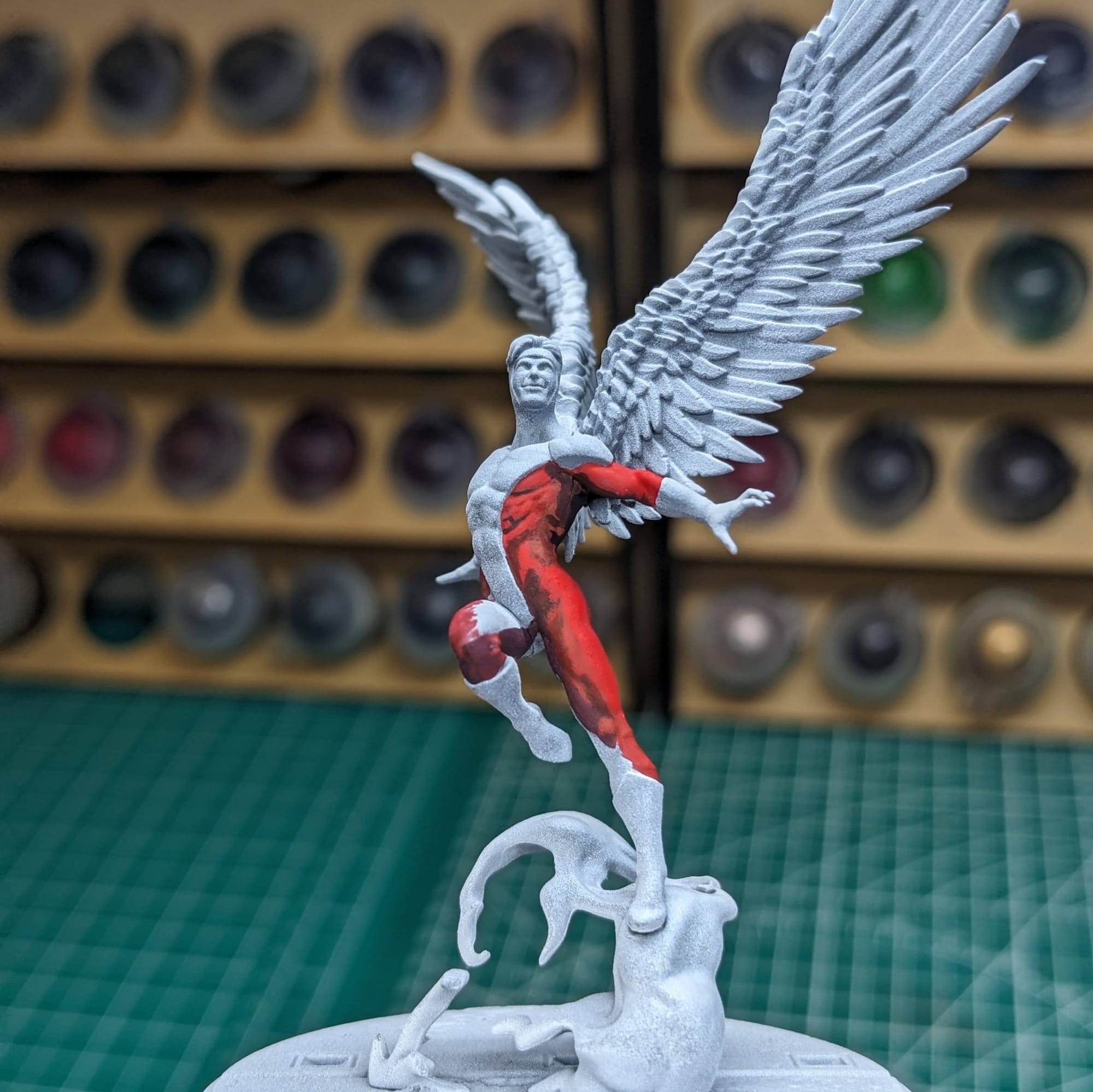
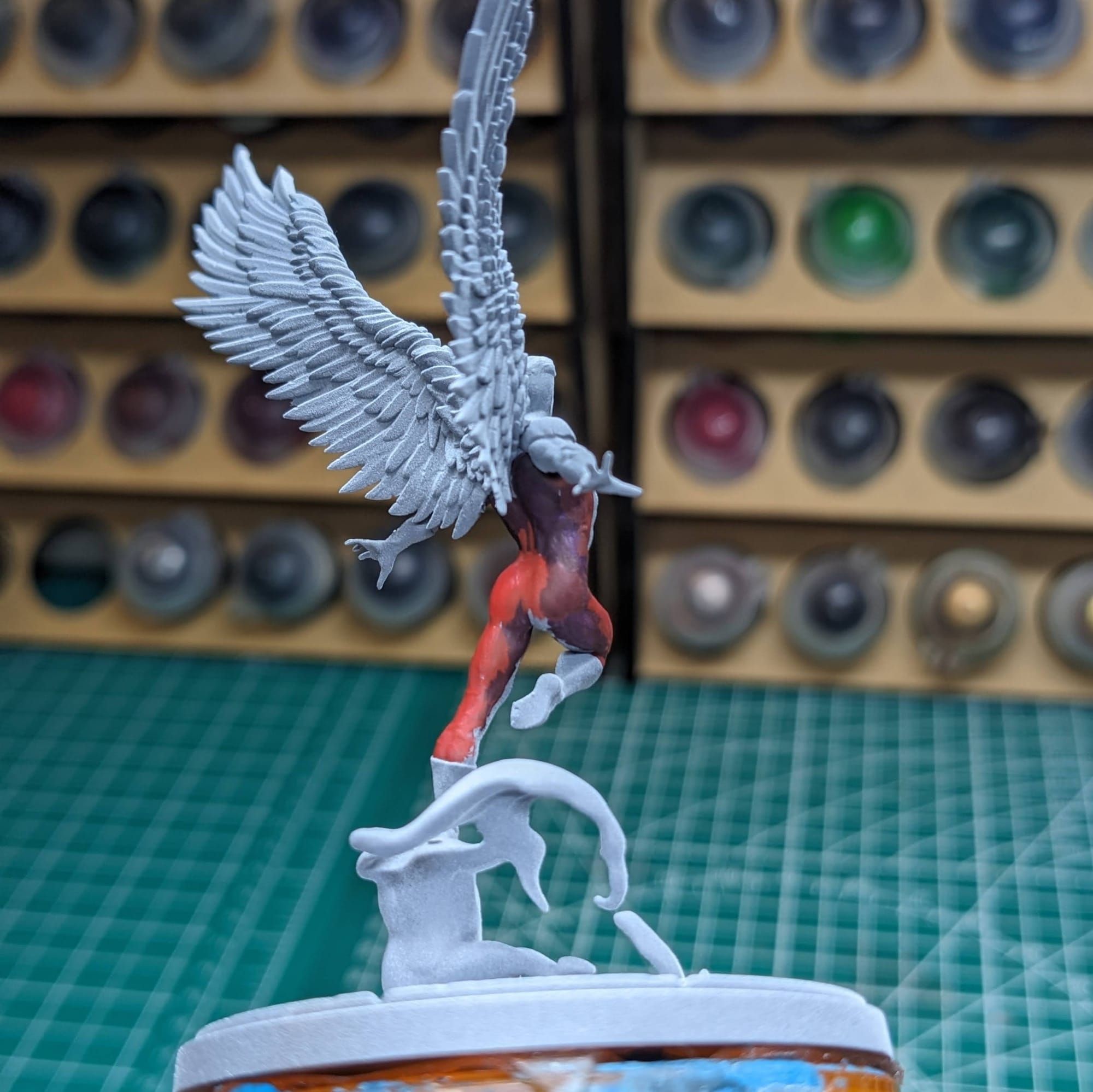
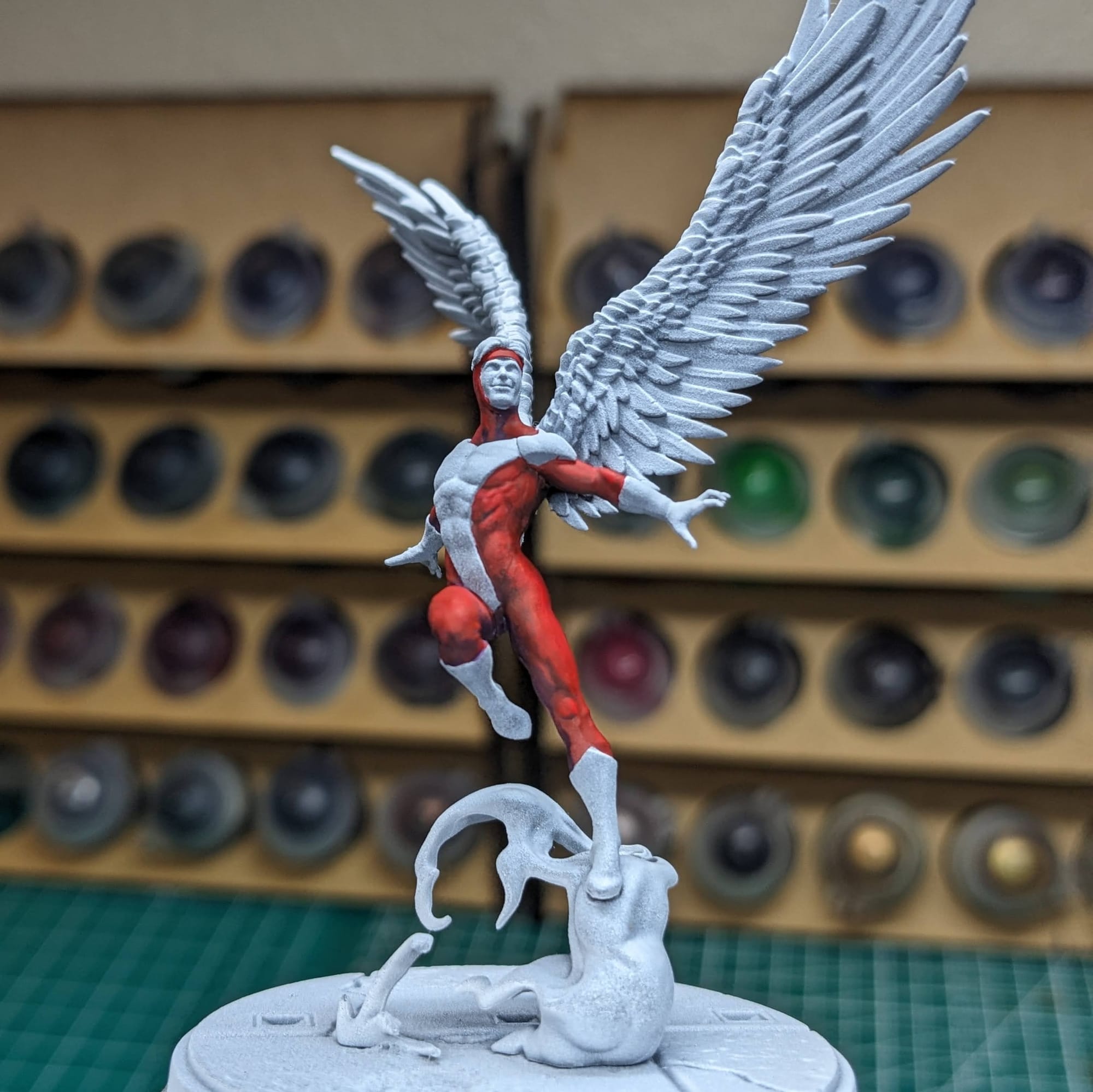
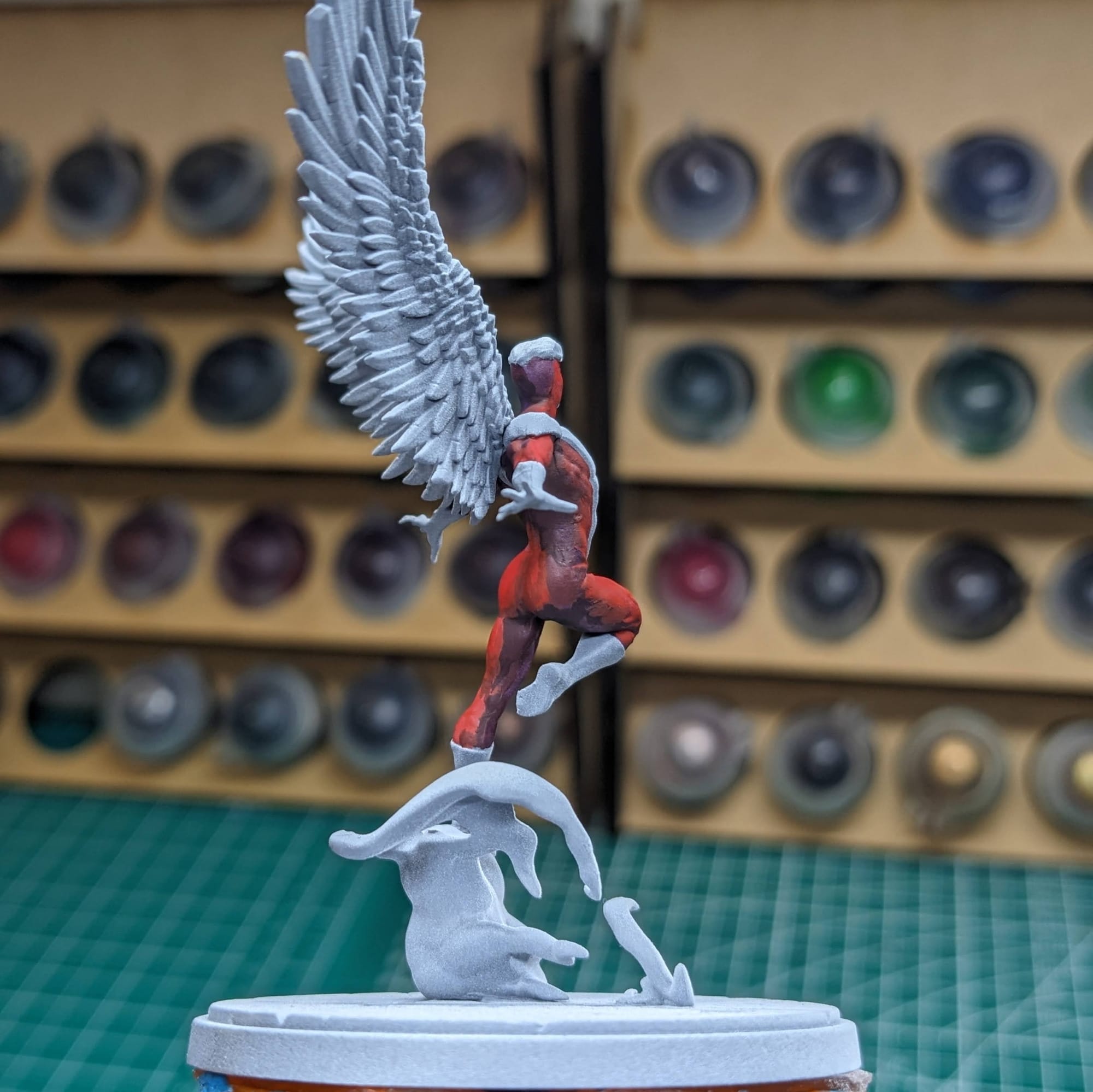
Color Blocking (top) and tuning the details (below)
Starting with The Red, Red Ochre, and the Blue Velvet Ink, I sketched out highlight and shadow locations. Once I was happy with the positioning, I tightened up the paint and focusing on accenting the shapes on the body.
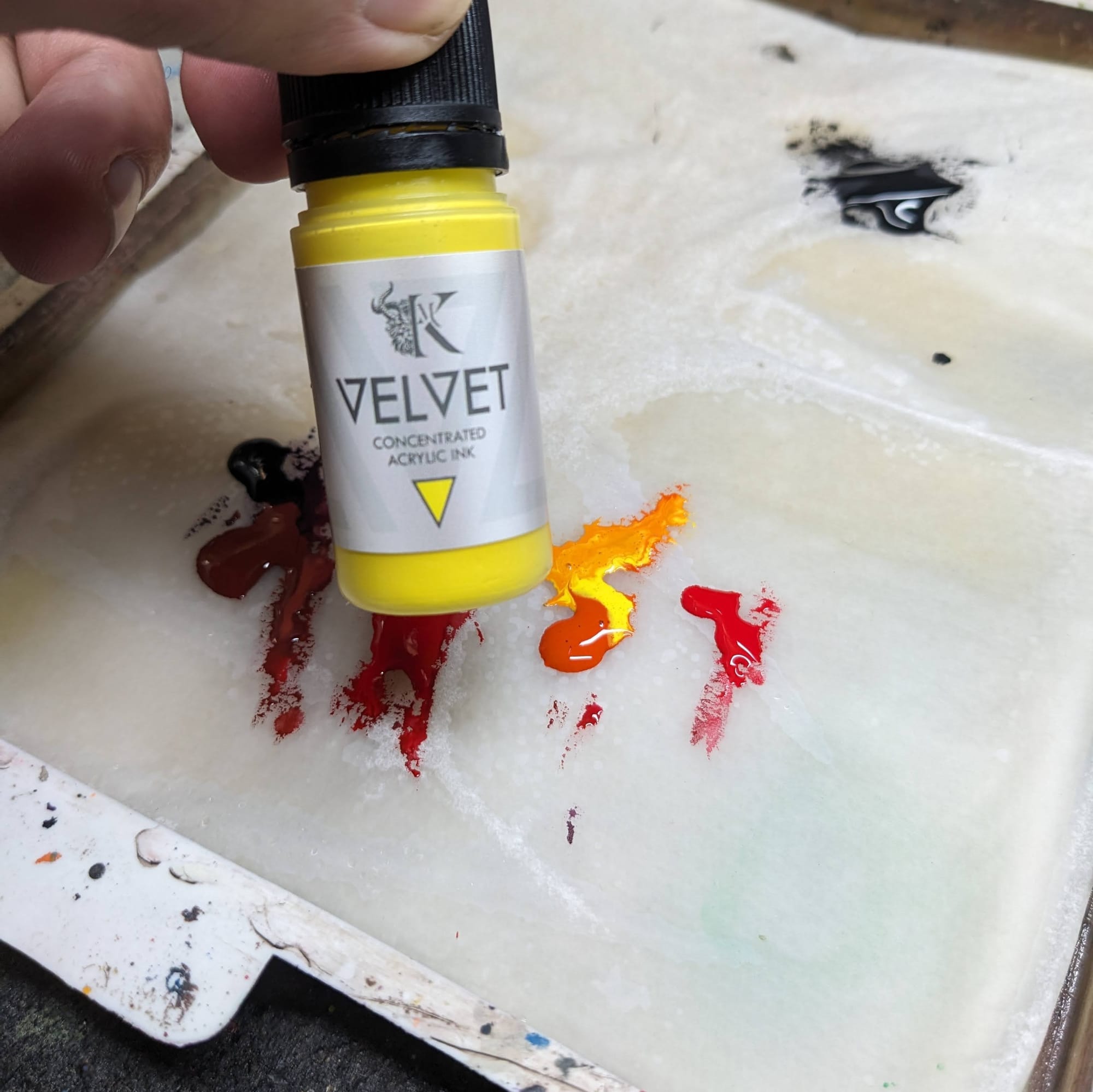
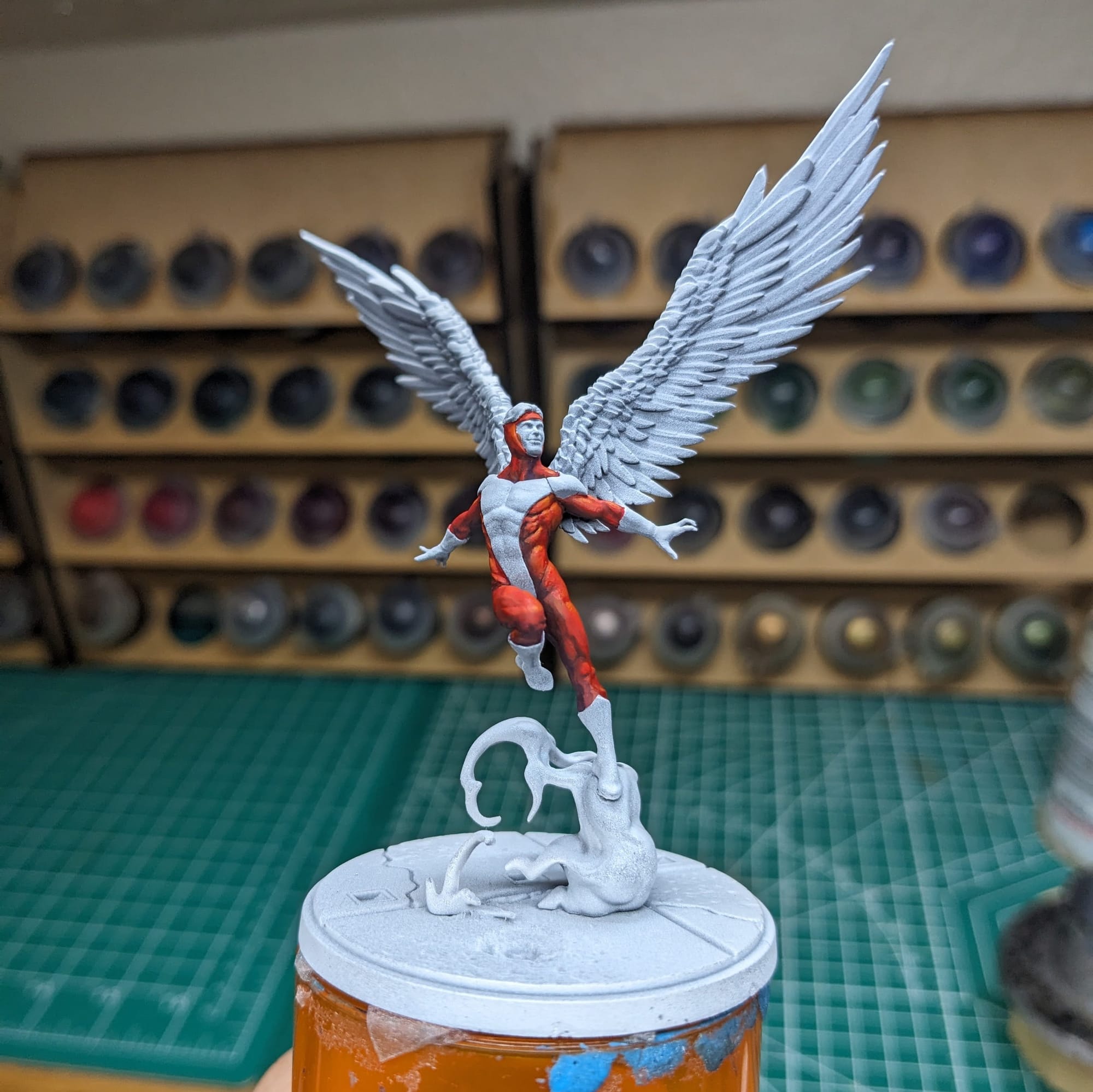
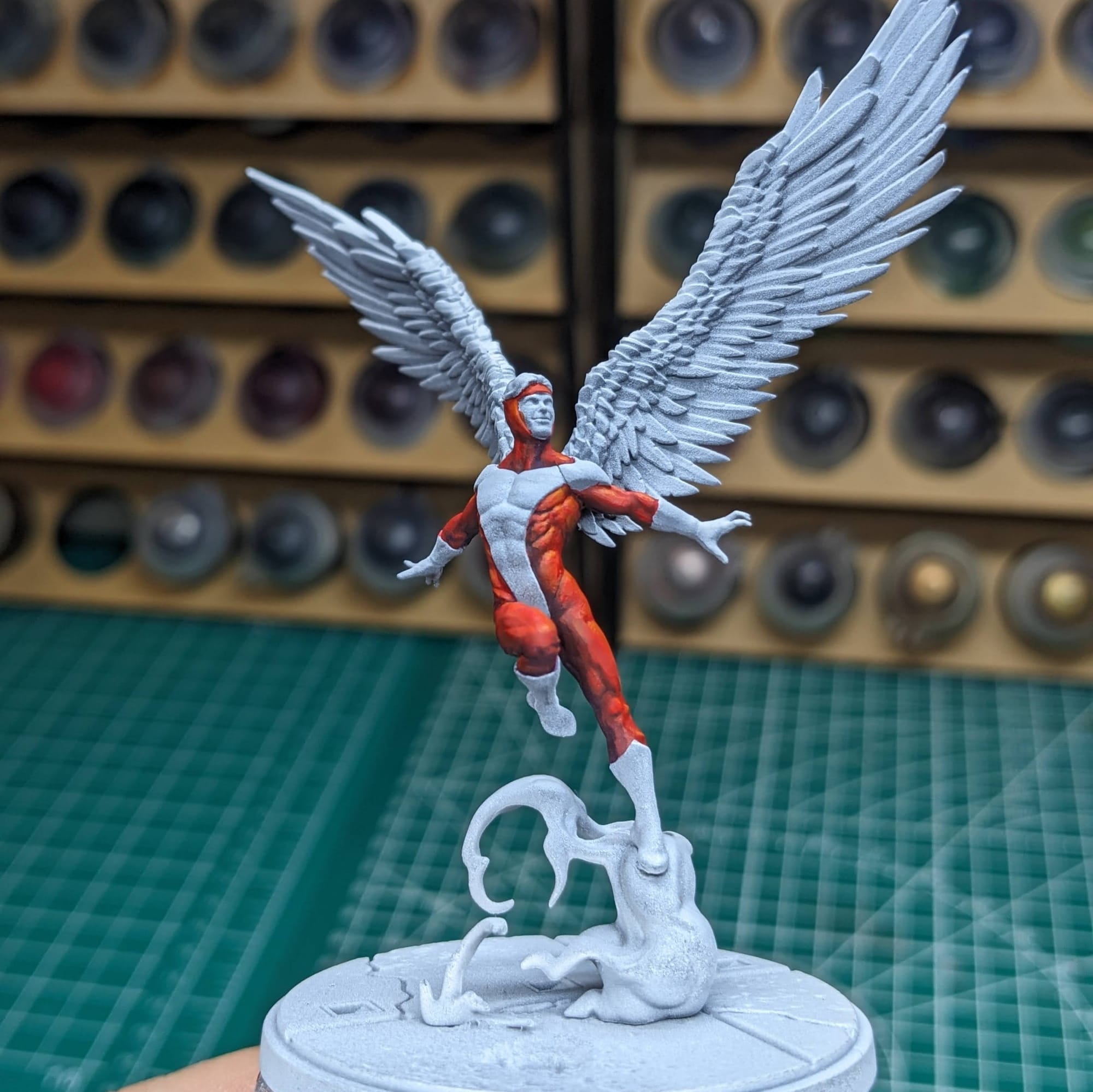
From there, it was a matter of pushing the shadows further down, especially underneath the legs and undersides of various muscle groups. Highlighting up, I used The Red, Orange and Cold Yellow, with the latter being used at the topmost points of the various shapes like the abs and calves.
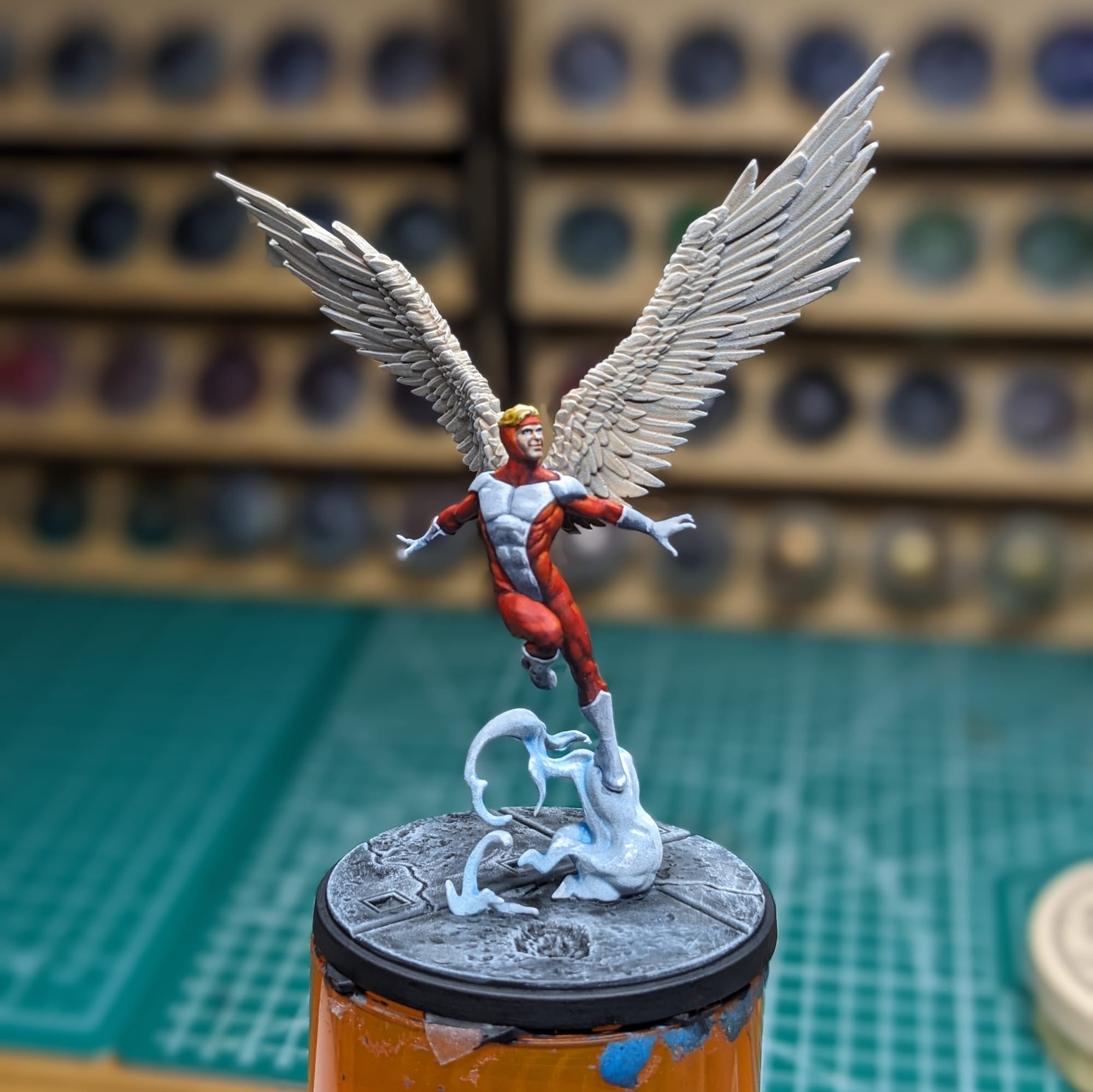
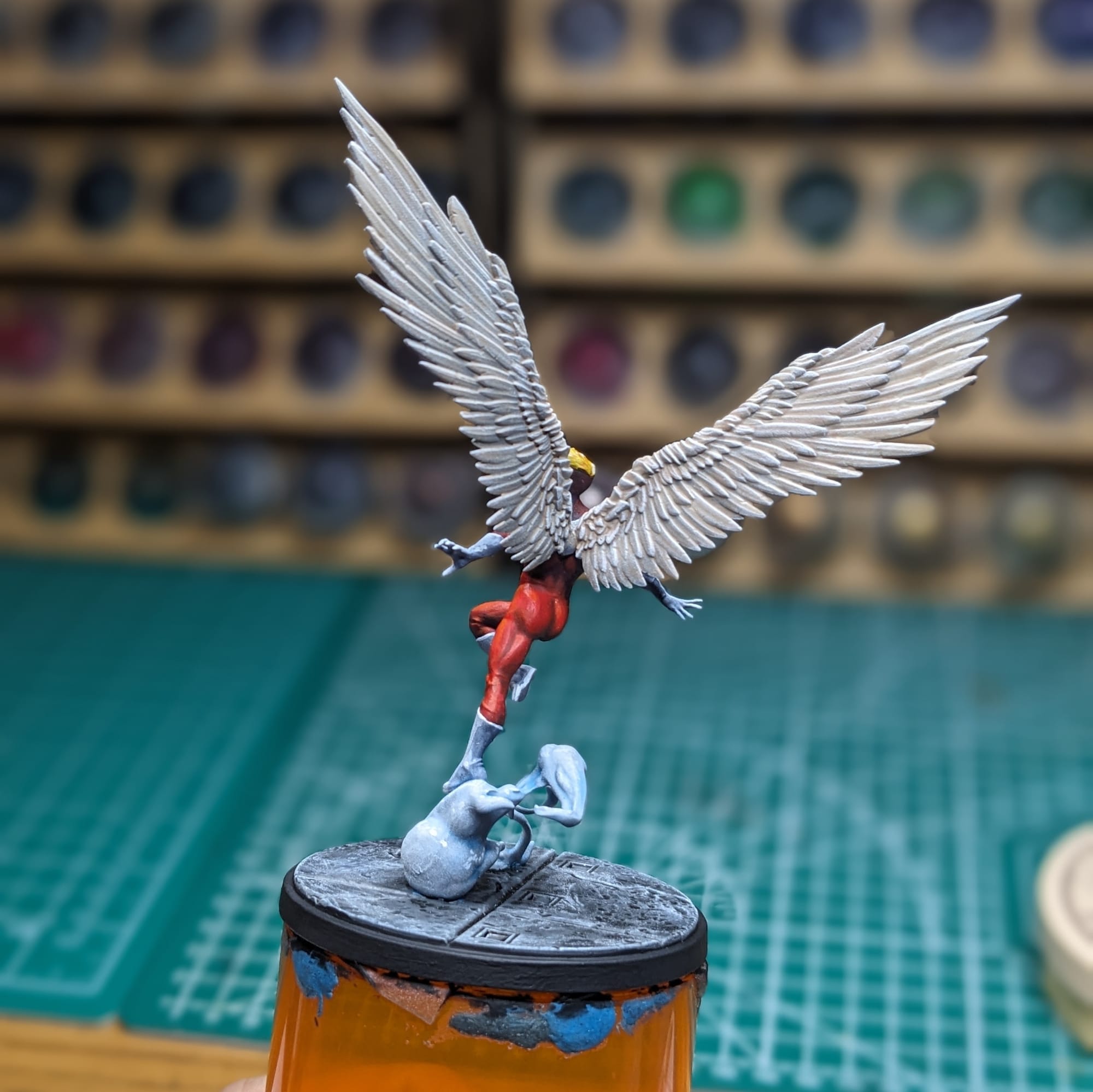
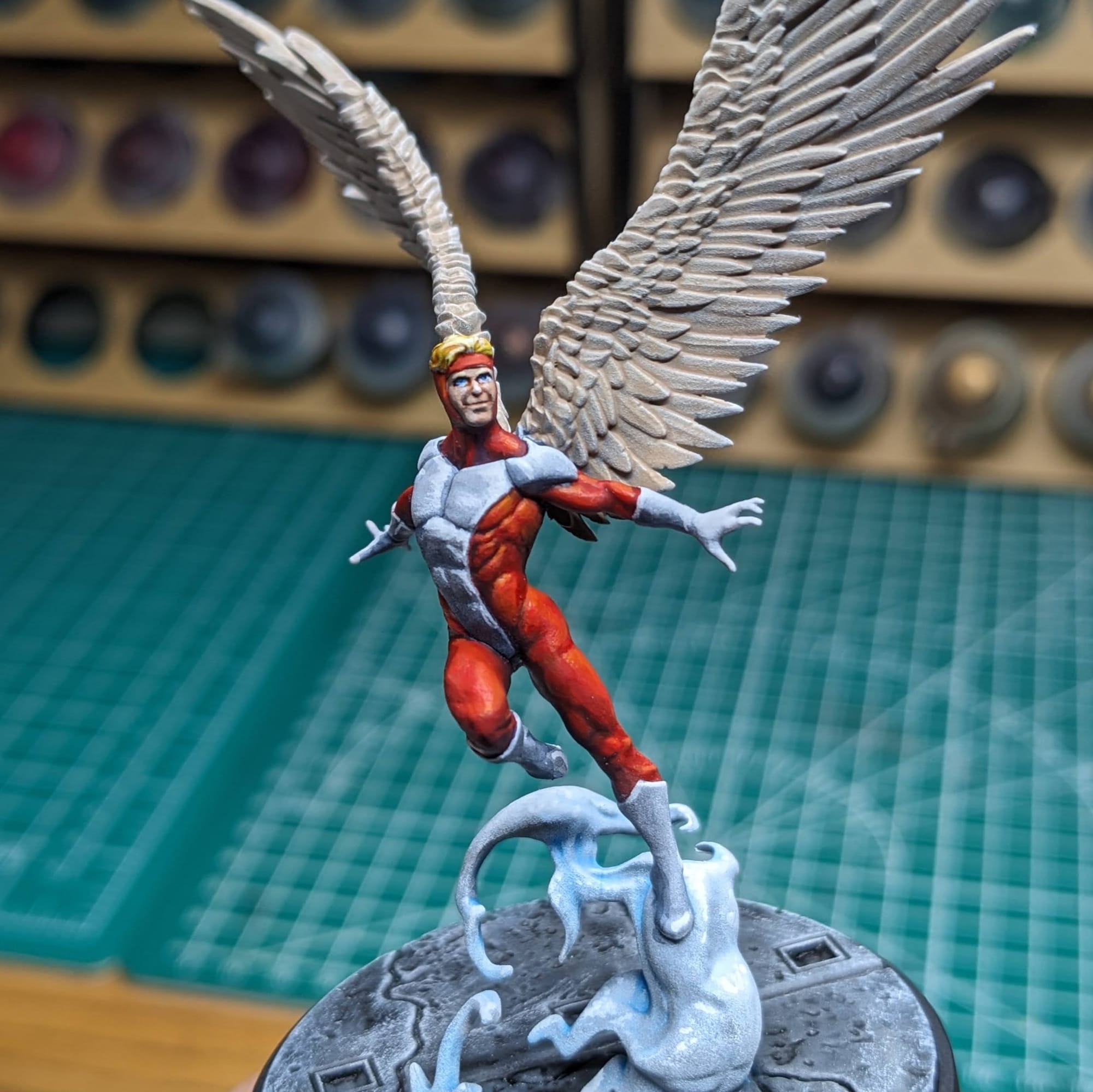
From there, it was a matter of mixing the smallest (and I mean the smallest) amounts of blue into the white to create shadows for the clouds and torso. The wings were the trickiest, as I ended up mixing this several times until I got right. Ultimately, I settled on a combination of Warm Yellow, White Ink, and a touch of Red Ochre, thinned down to create a moderately-thick wash.
Kimera paints and velvets worked with me every step of the way. I was able to ease my way back into the detailed painting mindset, focusing on blending, shading, and highlighting the various shapes and forms within the model. Angel has a unique design with a contrast of his rounded body against the hard angles of his wings. I spent a fair amount of time moving the blending lines up and down the shapes to find a spot I was happy with.
The velvets and the paints worked seamlessly together. The velvet inks allowed me to mix and blend in the right reds and whites I needed for Angel’s outfit. The wings took a little bit longer to experiment with, because I was looking to create a darker wash/single shade with it. Creating a yellow-brown wash gave me the look I was needing, applied in a single coat.
Finished Piece & Closing Thoughts
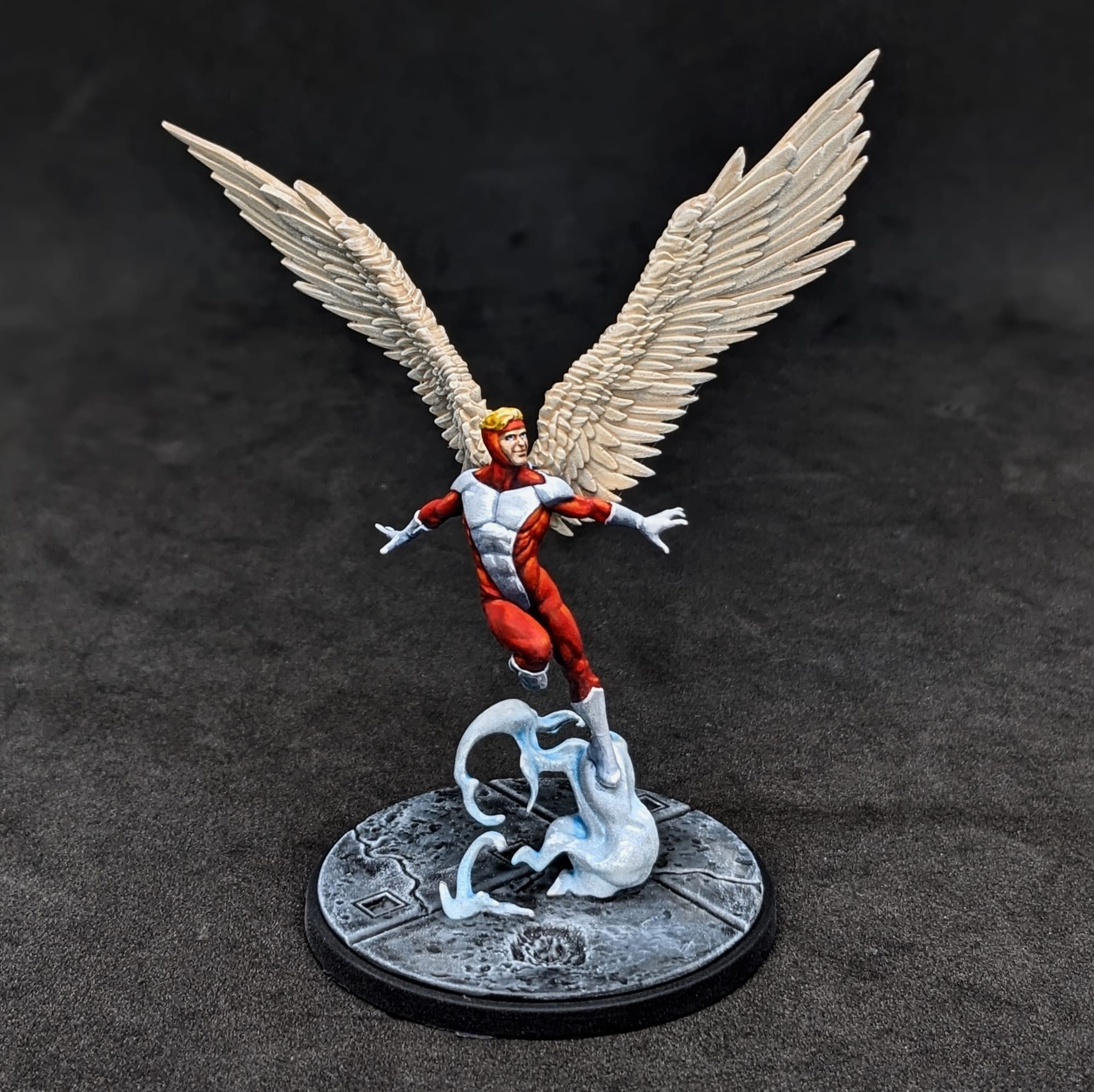
To be honest, I could have spent far longer painting him and pushed the shadows deeper and the highlights higher. As with all projects, there is a threshold where a painter can overdo it, and so I wanted to quit while I was ahead. The brilliance of the red really pops for me, both on the table and on camera.
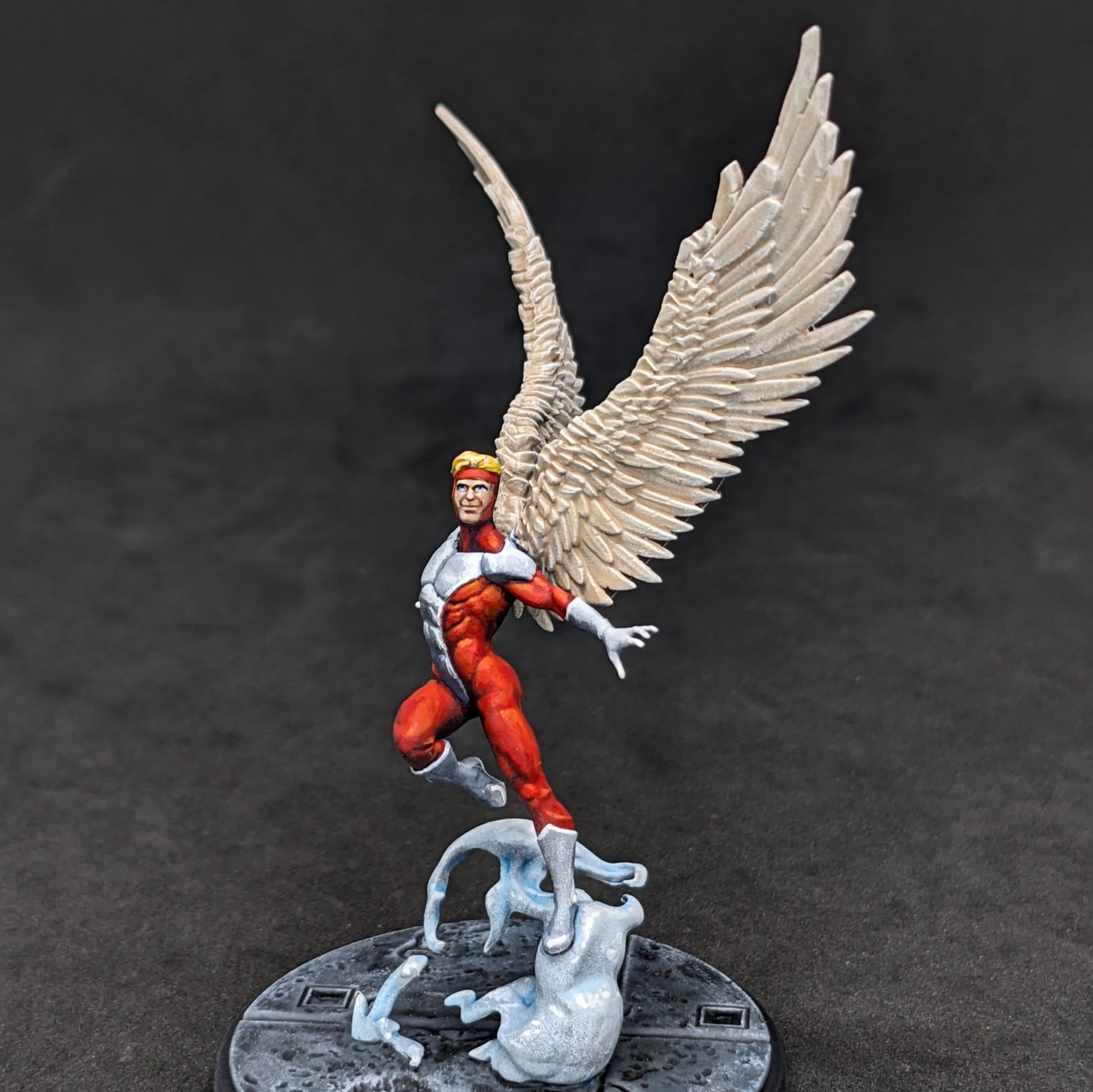
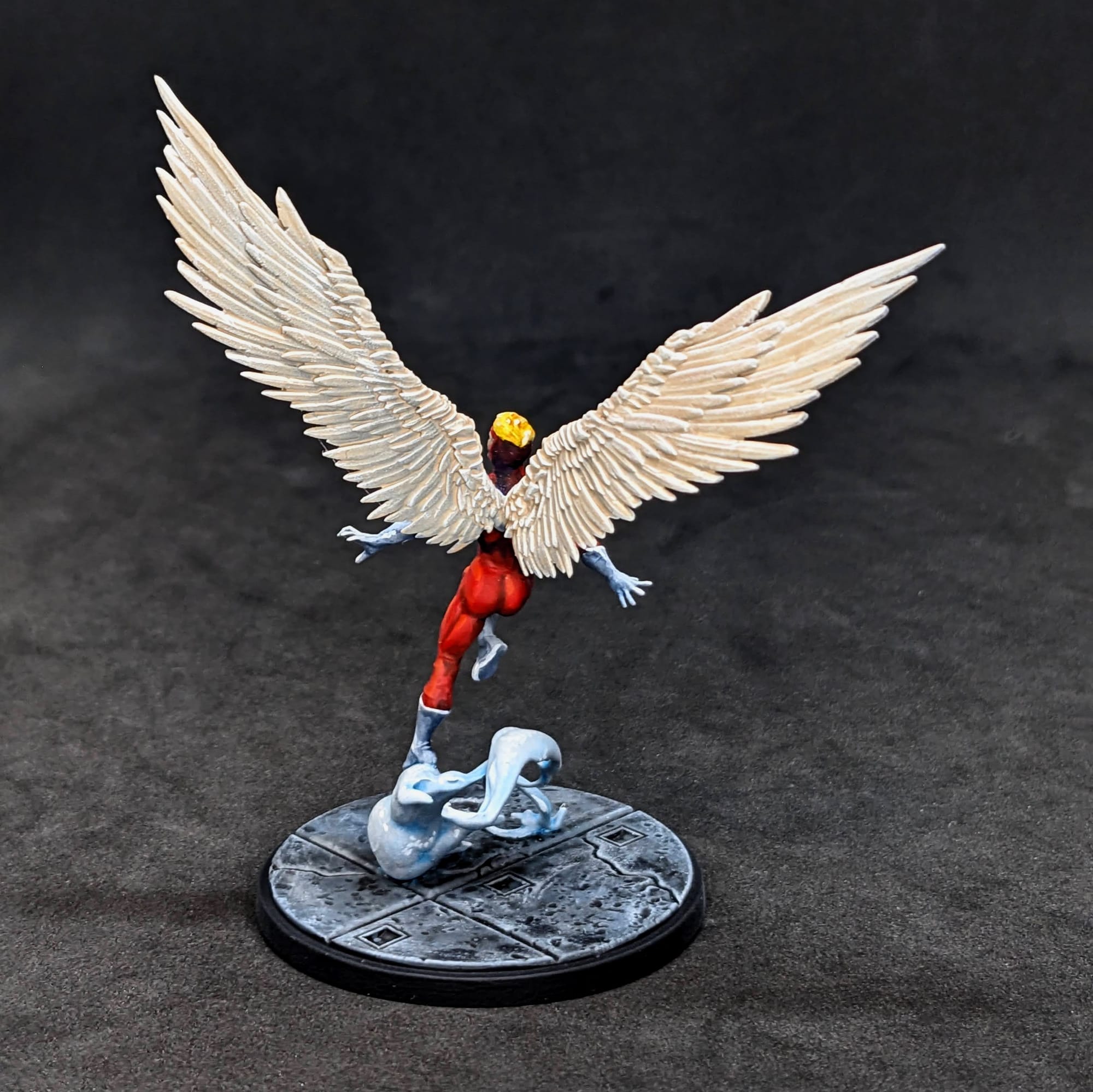
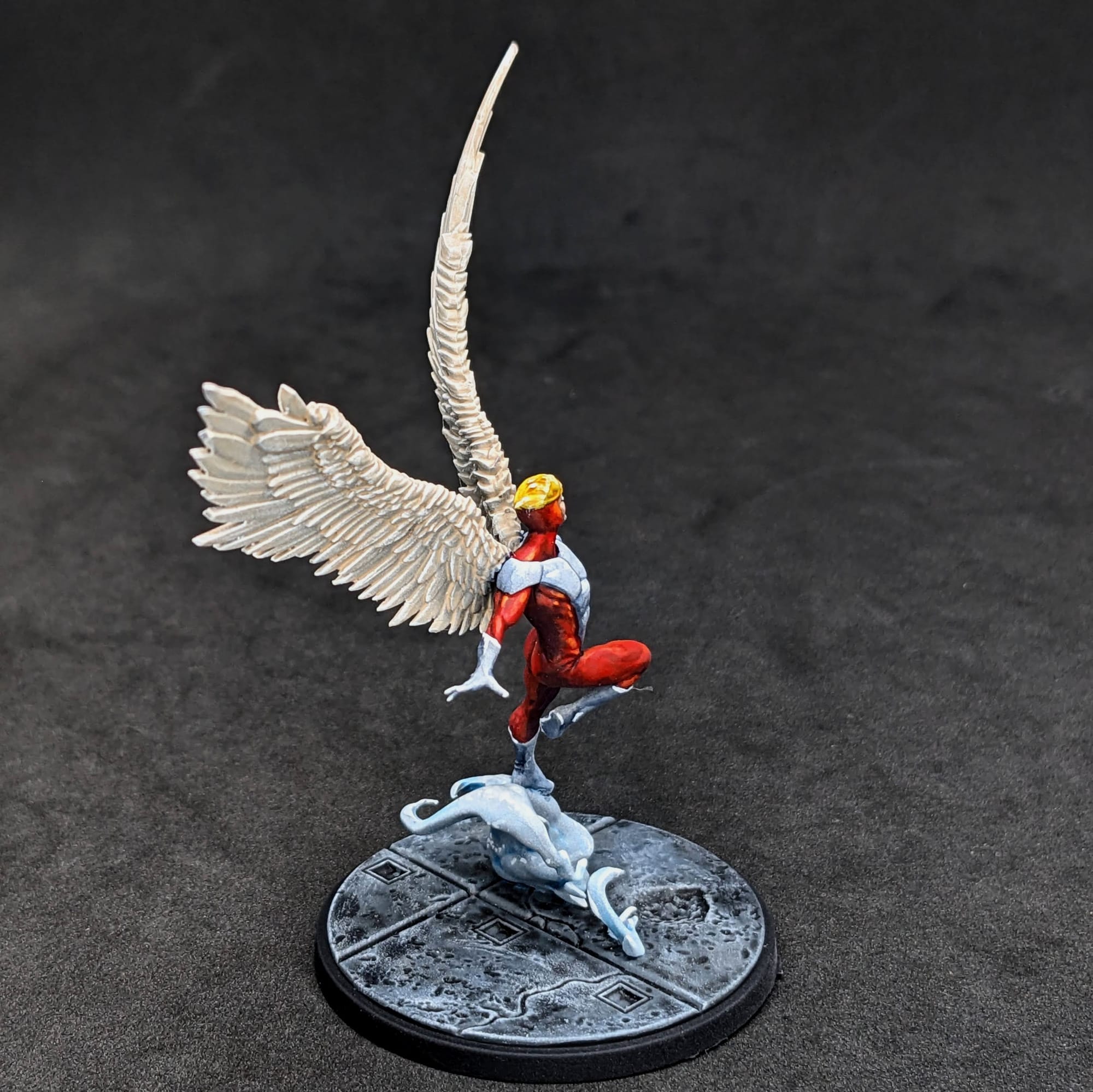
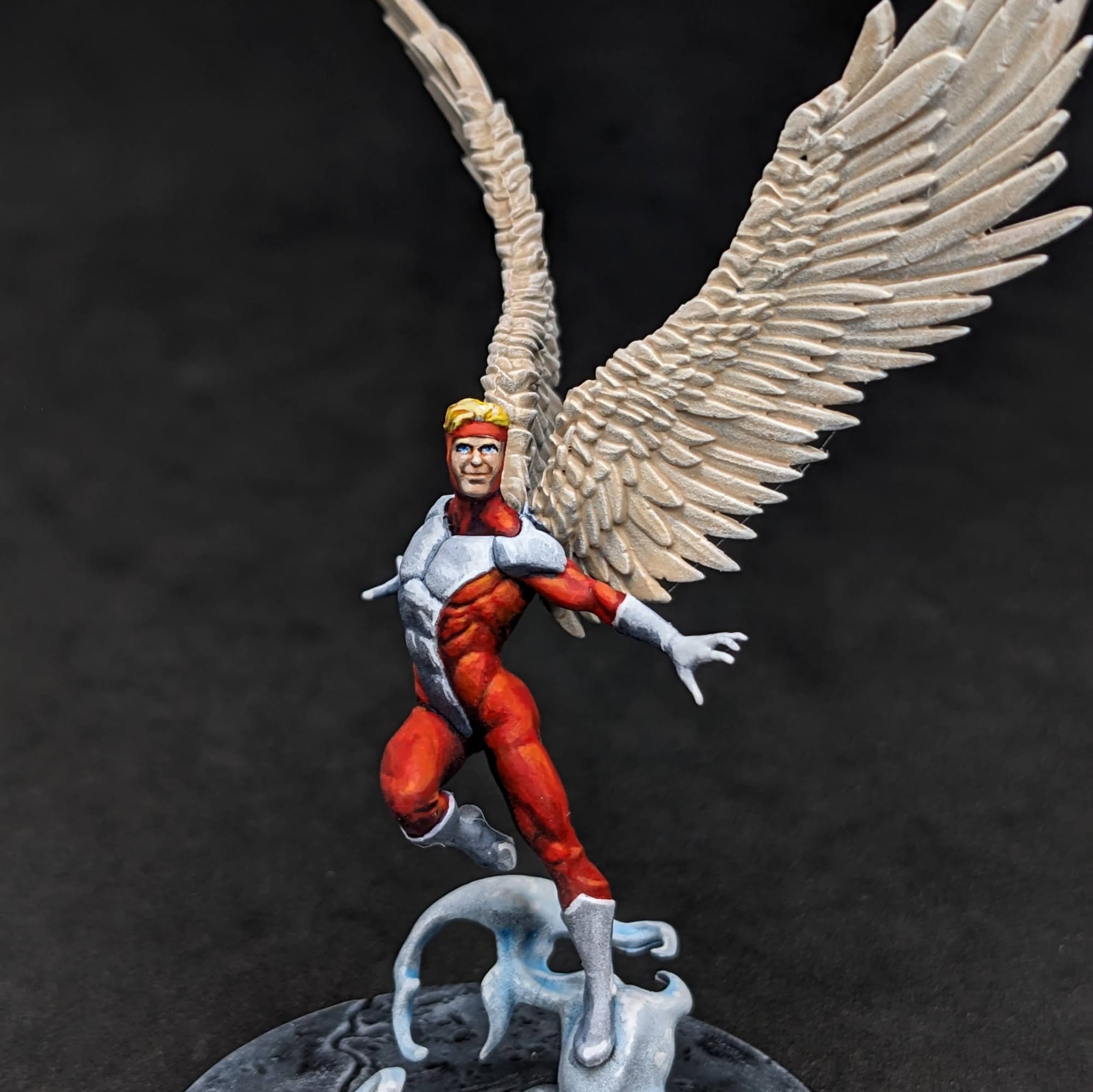
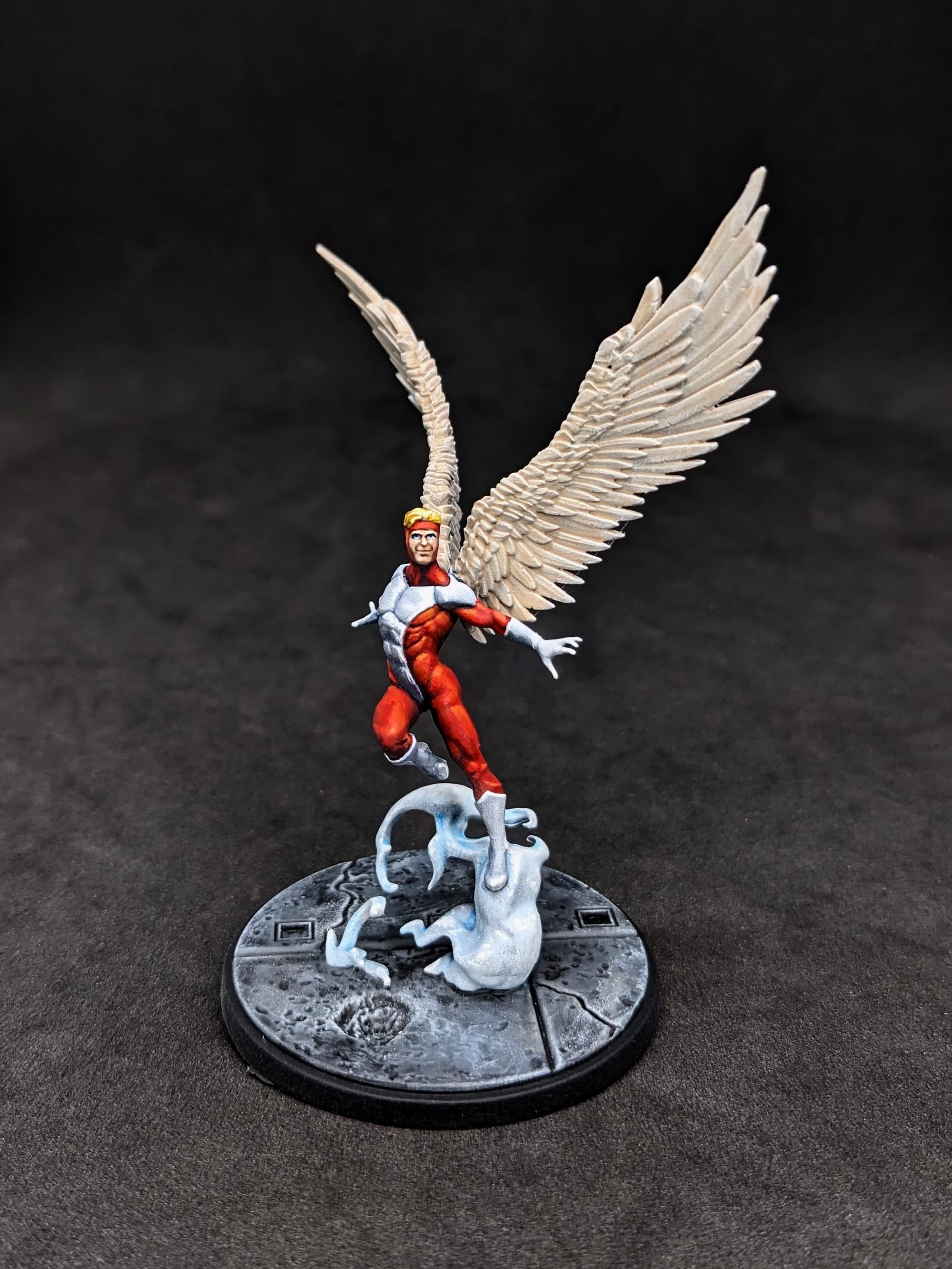
Kimera paints have been, and continue to be, a go-to paint for me. They are smooth, pigment-rich, and flow with you. Living in an arid state, fighting quickly-drying paints is a constant battle and can, at times, ruin a perfectly good paint job if I am not careful enough. I don’t have that same fight with Kimera. Now, not all models require the top-level treatment, but when they do, I reach for Kimera. Even though there is a bit of a sticker shock for the sets, I highly recommend the paints for anyone considering pushing their painting skills to the next level, especially if they’re considering competition painting.
For anyone who is looking to push their painting skills to the next tier and move on from the entry-level paints out there, I highly recommend Kimera. Your models will thank you.
Where to Buy Kimera Paints
 Kimera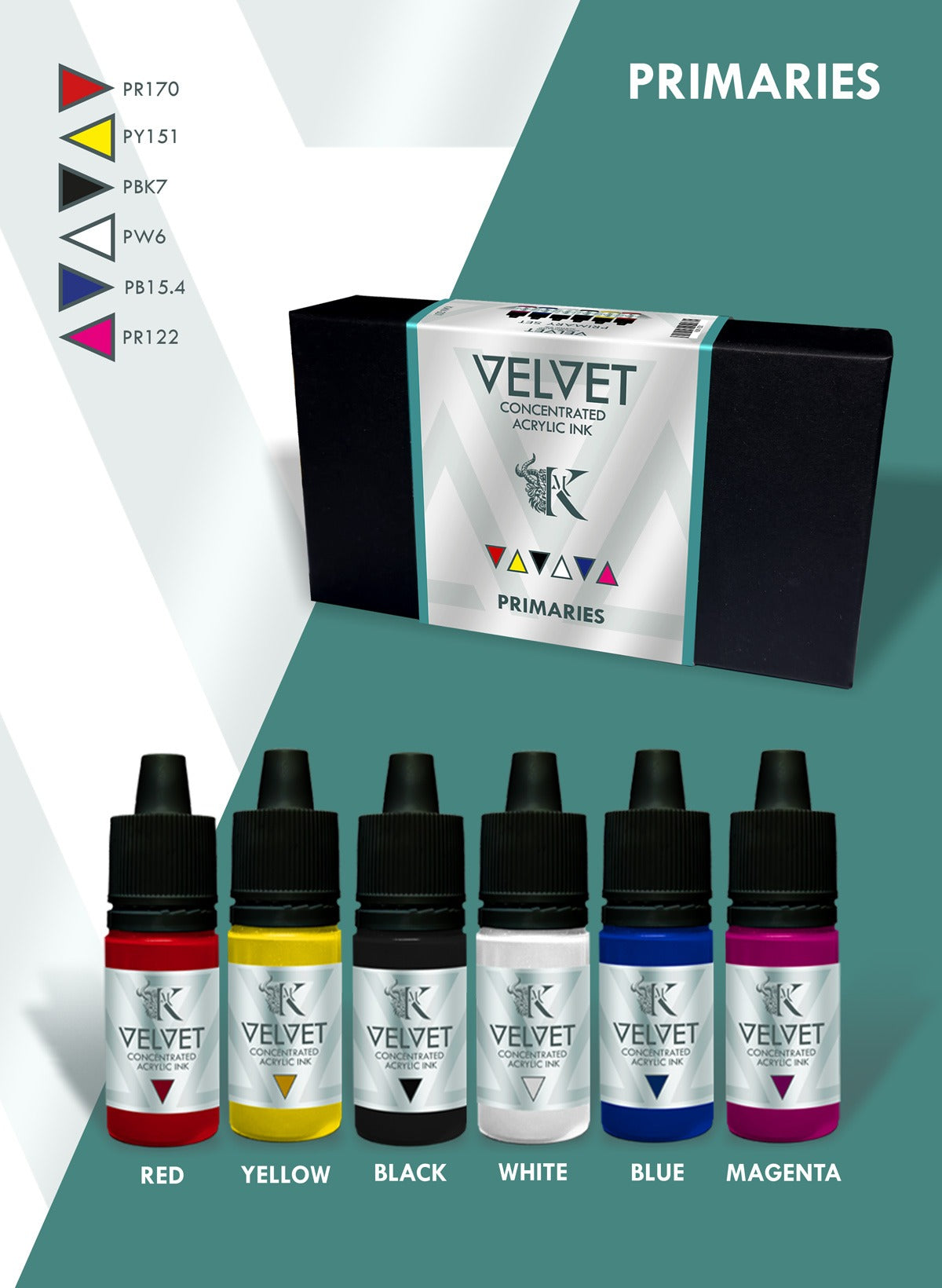
 Kimera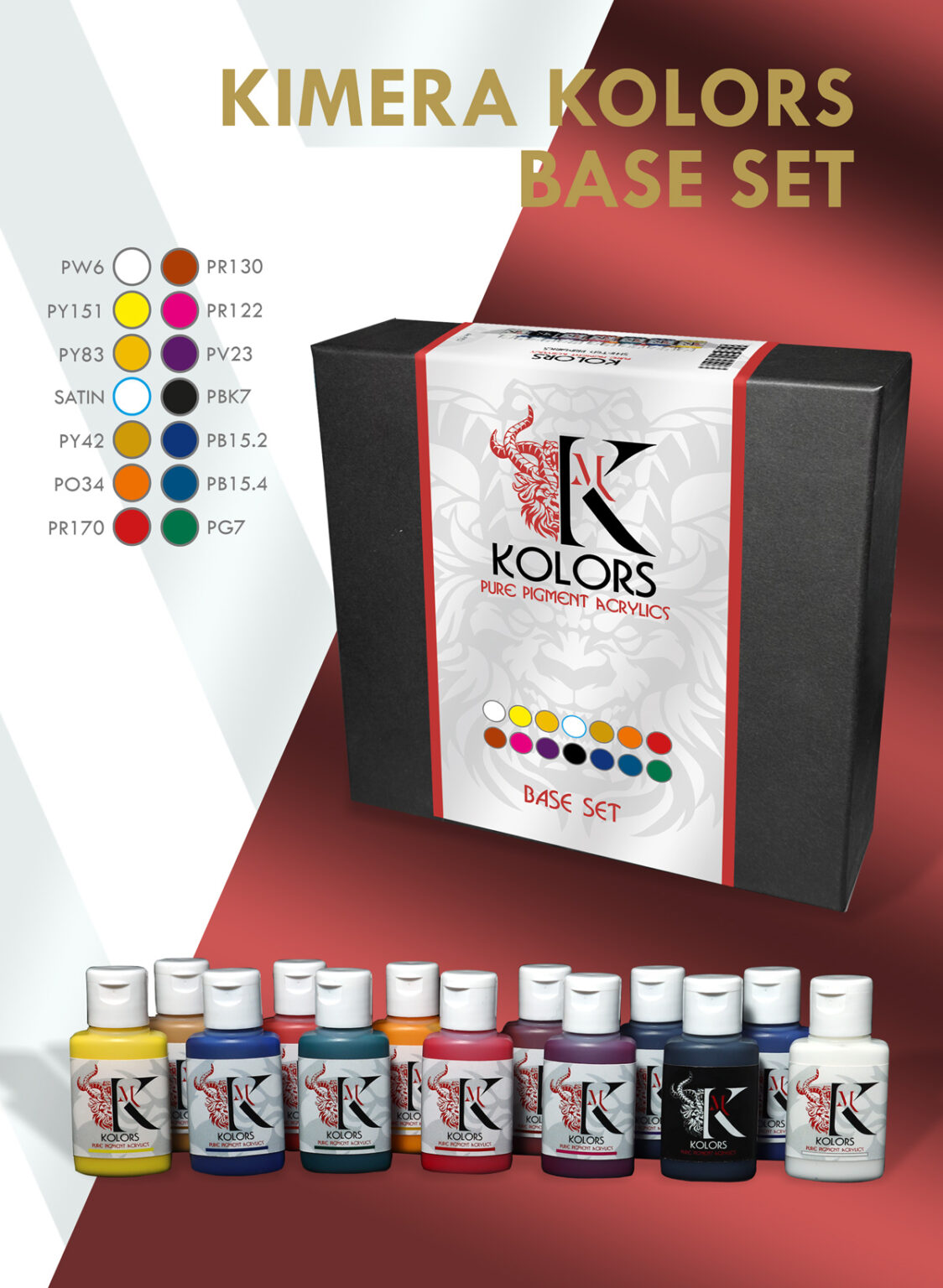
You can purchase Kimera paints directly from Dracoya, who is the American Distributor. She is a lovely human being, a talented artist, and an enthusiastic business owner who offers a top-of-the-line product for those of you in the states. There is a wonderful selection of Kimera paints on her website, so go check them out!
Don’t forget to subscribe and follow GamingTrend on Instagram, Bluesky, and YouTube for more reviews, painting guides, and Learn to Play articles.