TOEM 2 is truly a tale of two halves. On one hand, it’s an even more gorgeous and refined casual adventure game compared to the first title, providing yet another short, entertaining romp through a varied and fantastical world. On the other hand, it was difficult to escape the nagging and somewhat disappointing feeling of retreading old ground over the course of the 5 hours it took to 100% my photo journal.
The core conceit of TOEM 2 is identical to its predecessor: a young adventurer beginning in a small, isolated home, venturing out to witness another magical TOEM event. It worked in the original, and it works here - it’s just unfortunate that from the offset the final destination is so apparent this time around, with little to no meaningful surprises in store along the way. Even reaching the conclusion, while still satisfying, left something to be desired in comparison to the emotion and spectacle elicited by the first game.
Each of the game's five regions have their own unique sense of style and place, and with a short runtime it was a blast to romp through them all in a single evening. They’re each filled with just the right number of NPCs to speak to, and are efficiently designed to make searching through every nook and cranny for objectives and/or cosmetic collectibles a breeze. The controls being so intuitive and responsive are the icing on the cake.
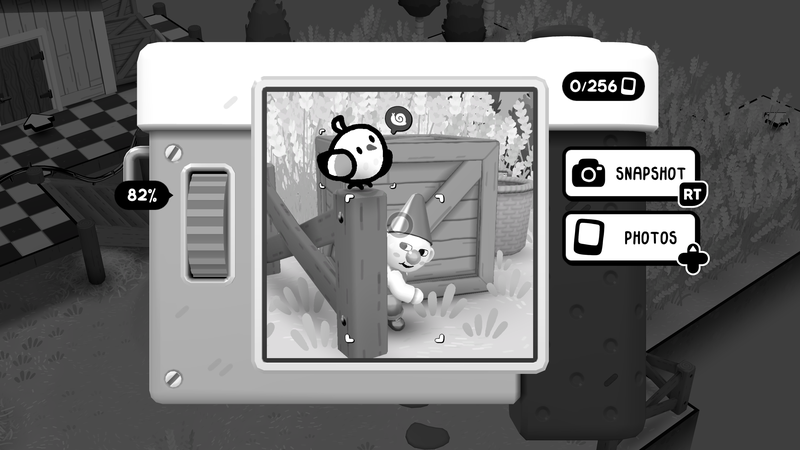
What helps further in this explorative endeavor is an absolutely incredible OST by returning composers Launchable Socks and Jamal Green; effortlessly creating multiple catchy, whimsical and thematically appropriate tunes for each zone you explore. Furthermore the monochrome, hand-drawn art style returns and, though a touch more cartoony, it’s a welcome refresh of the original’s endearing aesthetic.
The studio, Something We Made, found a novel and compelling loop in TOEM and incrementally iterated on it here; Speak with an ensemble of characters to garner clues that help you take photos which double as objectives to get you from one location to the next. The incremental approach to design is both the feather in TOEM 2’s cap and the thorn in its side. More of a good thing is still good no doubt, but it’s the new that’s truly exciting - and that’s in somewhat short supply.
That being said, camera mechanics have been fine tuned and a few new features have been added to build on the basics. The issue is that implementation and variation therein leave much to be desired. In what feels like a regression compared to the original, the new camera tools are exclusively related to environmental interactions, as opposed to the photo subjects themselves. As an example, you will encounter an NPC in the third region who needs to fix things. Using a hammer he provides, you’ll help him nail down and secure these renovations. While aiming your camera at a nail, you can perform a short or long press of a button in specific sequences to successfully hammer it down.
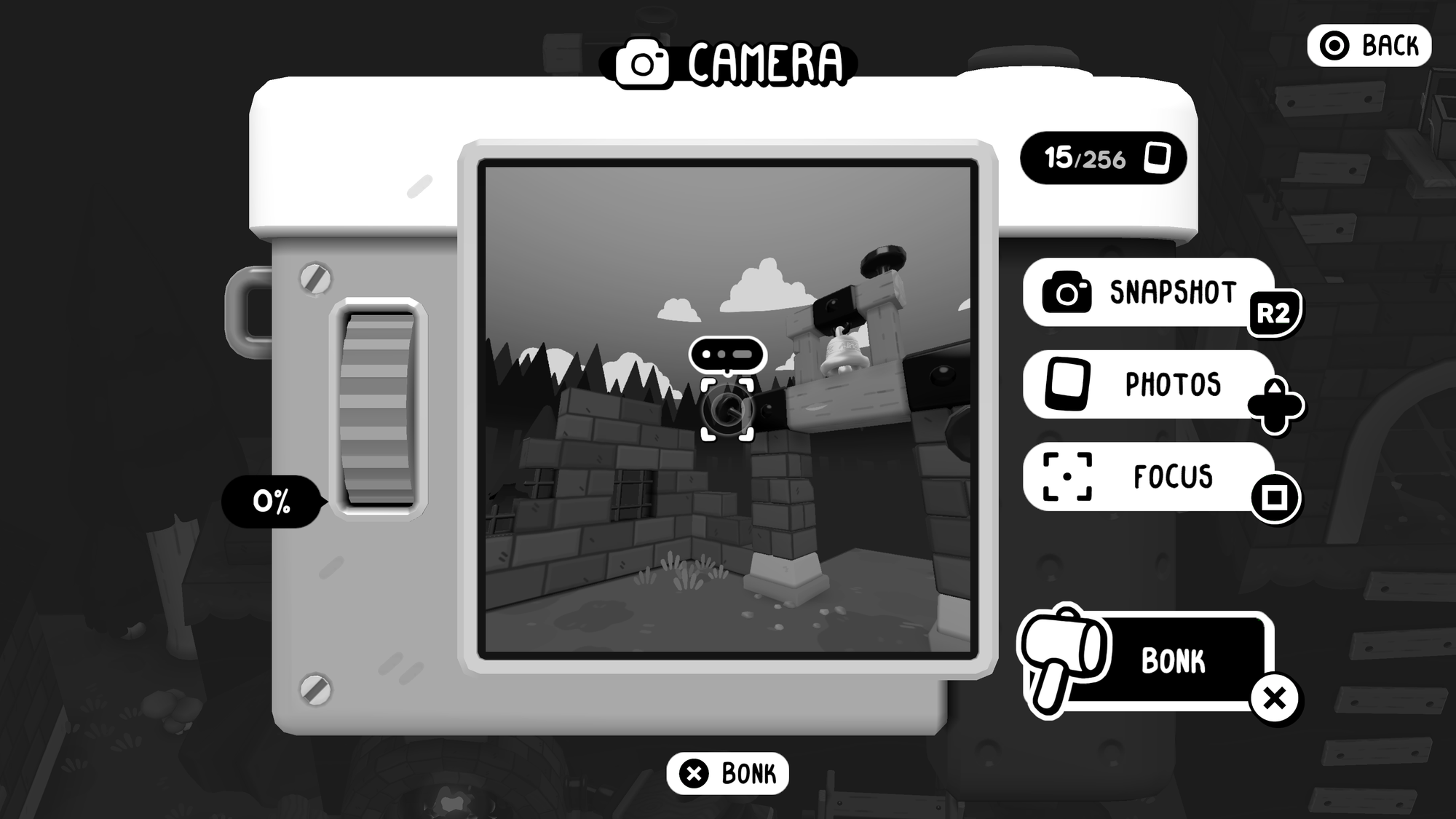
This mechanic extrapolates out to a few other use cases (like smashing rocks) in the region, but I still longed for more instances where I could use it, and in more varied ways. These unique camera mechanics are also restricted to their respective regions, meaning there’s no real horizontal application across the game. No elements exist where a future region employs a previous mechanic, or where you’re encouraged to travel to a previous zone to use a new tool in order to 100% the area or reach places you couldn’t before. That lack of incentivization to circle back and find new things or interactions was disappointing. As a result, the additions here have great inherent promise, but don’t contribute or come into play enough to leave a lasting impression.
The Where’s Waldo? photo-based puzzles and objectives remain mostly simple affairs with only a couple that stumped me for longer than a minute or two. That’s entirely the point and vibe of both TOEM games though; to be pain-free journeys full of silliness, whimsy, and some heart with a little problem solving thrown in for good measure. The game still thoroughly succeeds in that regard.
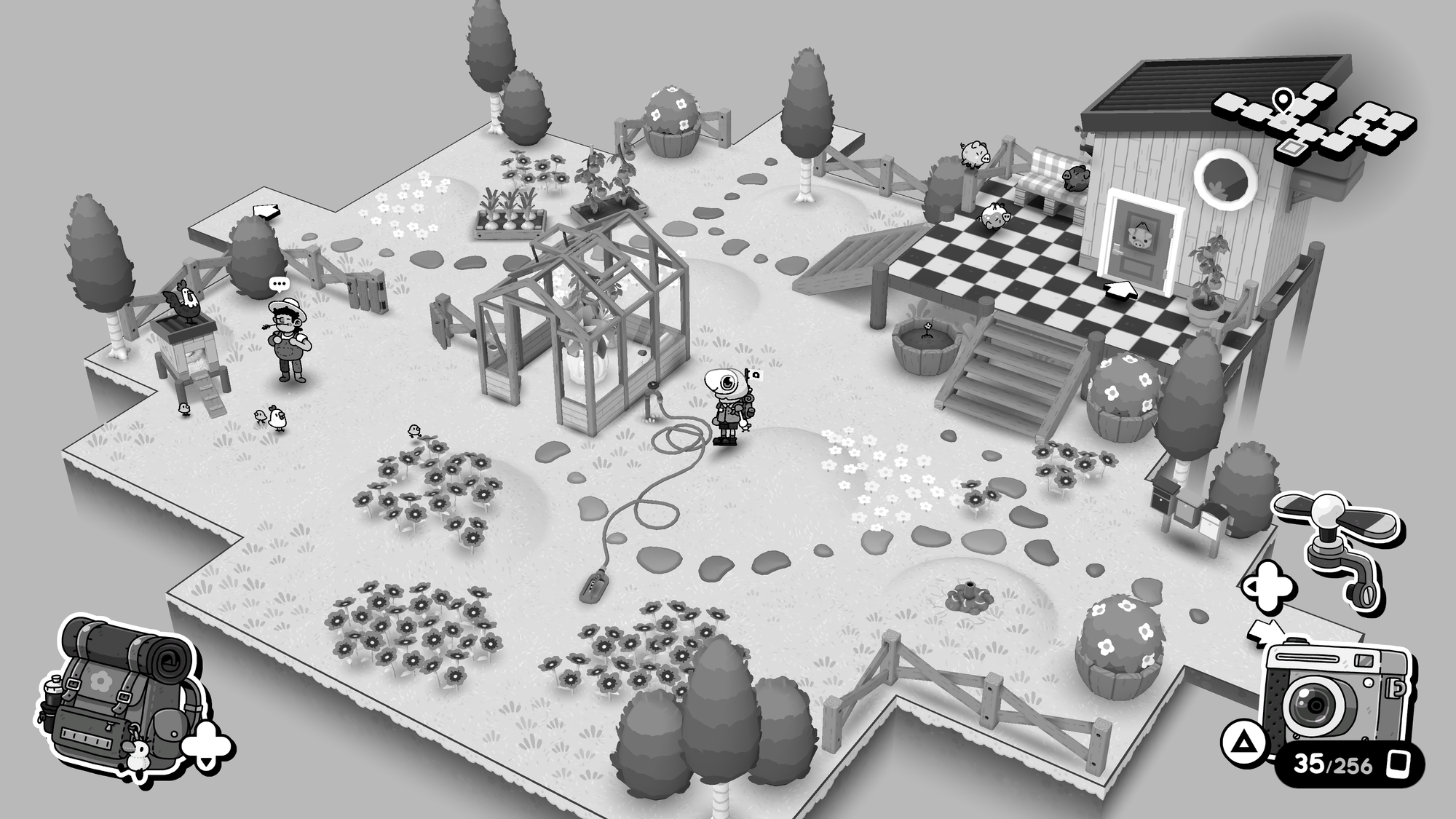
Speaking of silliness and heart, TOEM 2 definitely got a handful of smiles and chuckles from me as I stumbled upon one of the more eccentric NPCs or unearthed a hidden goofy secret in the world via my camera lens. The writing, while simple, is well executed and encouraged me to speak with everyone I encountered multiple times to see if any new lines came up. While the differentiation between the two games felt lacking, that uncluttered and straightforward joy is arguably the more important takeaway when it comes to the game.
There aren’t many games like TOEM and thus I’m glad we got a second outing, regardless of its replicative nature. I just wonder if a potential TOEM 3 (TO3M?) can shift its angles further to develop new, more substantive and exciting ways of seeing or interacting with its world; truly encouraging photographic curiosity beyond what the devs have proved deftly capable of thus far.
David Flynn's thoughts:
While I adore the original TOEM, I largely agree with Sam’s thoughts on this sequel. TOEM 2 mostly plays it safe, feeling closer to a typical adventure game than a photography adventure. It’s a bit like complaining about finding a dollar in your pocket, yes, but it feels like the game is going through the motions at times.
TOEM 2 is more polished than the original, but I found it also removed some of the interesting friction in the process. For example, you have a new Focus button on your camera that allows you to lock on to a moving photo target. Part of the fun of the original was setting up the perfect shot, then getting it or messing up and laughing at your subject being just out of frame. The lackadaisical attitude alleviated any frustration you’d feel in trying to solve some of the game’s trickier puzzles.
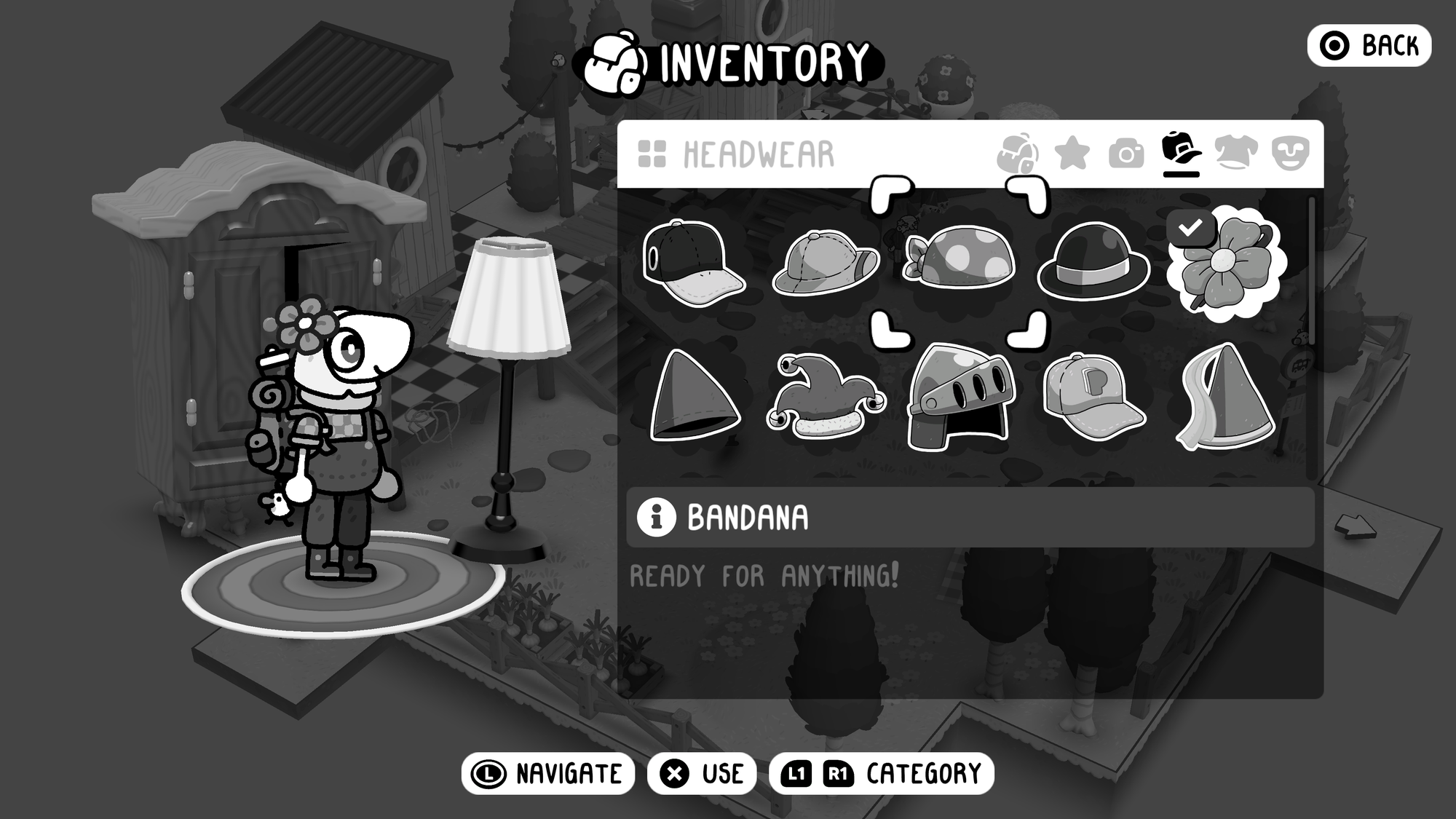
TOEM 2 went down a bit too smooth for me. I greatly enjoyed my time with it, for sure, but I never felt clever in solving a puzzle or needed photographic skills to add something to my album. I was checking things off my quest list, filling out my stamps, and then it ended. It all kinda blurred together after the credits rolled, with the most memorable parts being the outfits I put together and the music.
I played the game on Switch 2, and TOEM 2 feels perfectly suited to the console. The game looks and runs fantastically, both docked and portably, at 60 fps with quite literally no visual blemishes I could perceive. I actually played most of the game using the NSO GameCube controller, and it felt like a great fit for TOEM - particularly with the shutter button being on Z.
I’d still recommend TOEM 2, even if I’m focusing on how it underwhelmed me in this review, but that’s because I love the original so much and wanted this one to surprise and delight me in the same way. Something We Made couldn’t quite capture that same magic, but parts of it remain nonetheless.
TOEM 2
Good
TOEM 2 is much like a show you put on even though you’ve seen it before. It’s still as perfectly enjoyable as the first time you watched it, but some of the sheen wears off when you know what’s coming next. The same core story and mechanics are present, and it’s partially successful in eliciting the same feelings - but it's a reshoot; slightly reframed with a more polished coat of paint and not much else.
Pros
- Simple yet satisfying progression
- Well-written, entertaining NPCs
- Excellent OST
Cons
- Largely a retread of the original
- Underwhelming finale undercuts the journey
- New mechanics feel underutilised
This review is based on an early PS5 copy provided by the publisher. TOEM 2 comes out on August 17, 2026.