Buying a gaming chair usually means choosing between two embarrassments. You could get a fake Formula 1 bucket seat and pretend the racing stripes helped your aim, or you could buy a classic office catalog but not quite feel like a gamer. The FlexiSpot Sentinel-Pro belongs to a newer, hybrid wave of chairs. It calls itself a gaming chair, looks like ergonomic office furniture, and prices itself right at the border between mainstream and premium. After a couple weeks with the chair, I finally have some thoughts!
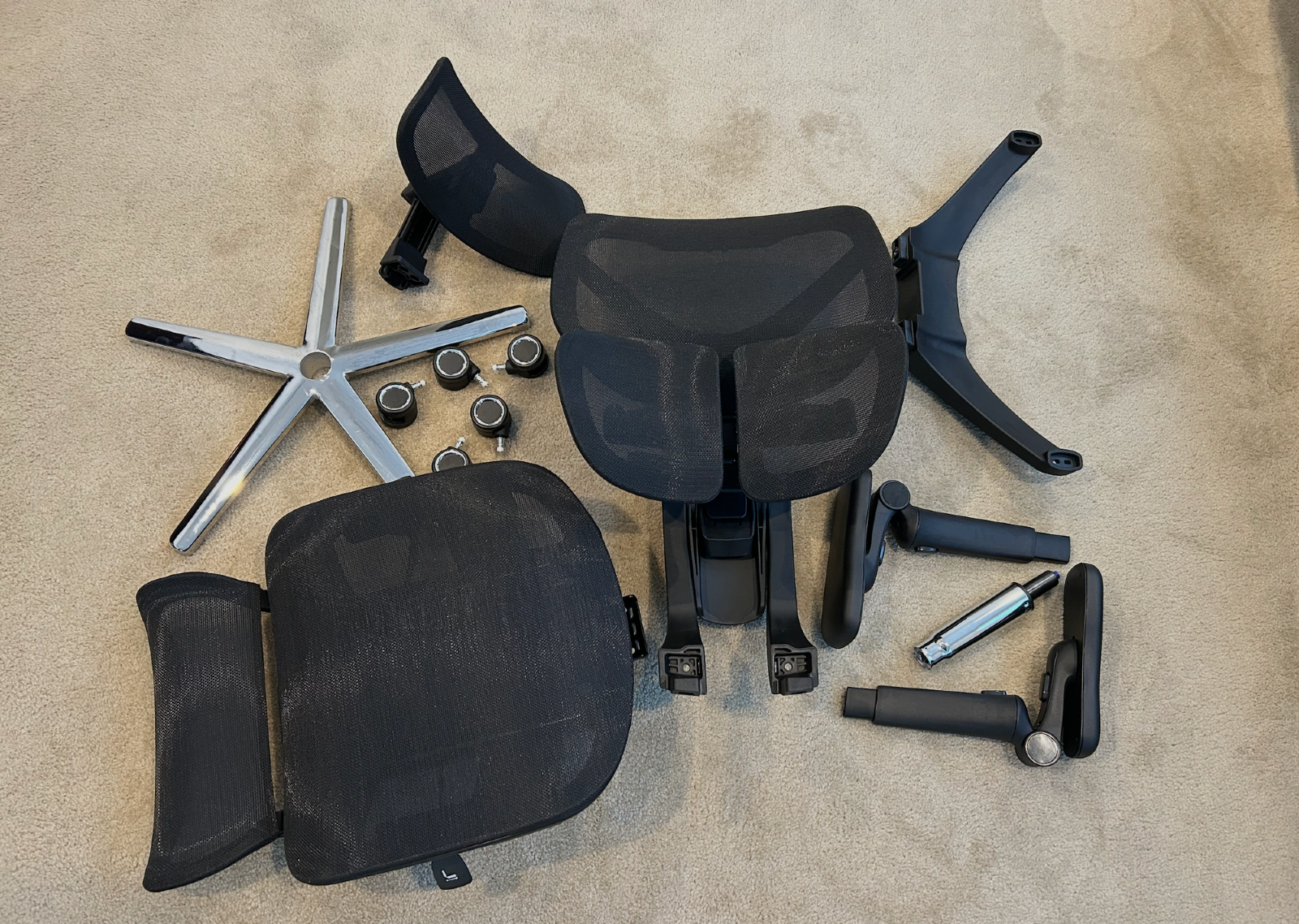
The good news starts before you even sit down. Assembly is painless and quick. Everything you need is in the box, including a surprisingly ergonomic screwdriver that made the whole job pleasant rather than a chore, and I had the chair built and rolling in fifteen to twenty minutes. If you have ever lost an evening to a never-ending instruction sheet, you will definitely appreciate this.
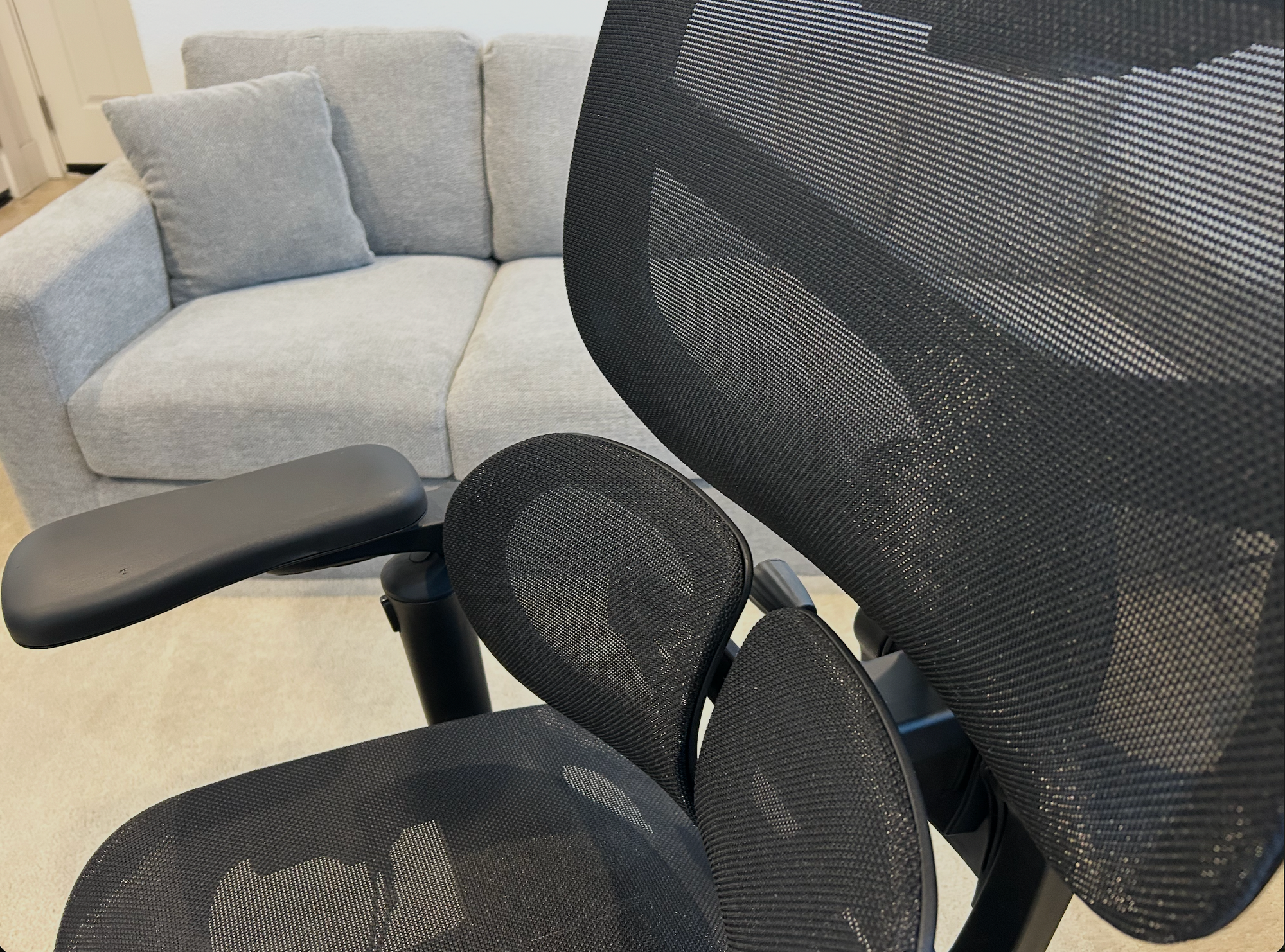
FlexiSpot Sentinel-Pro
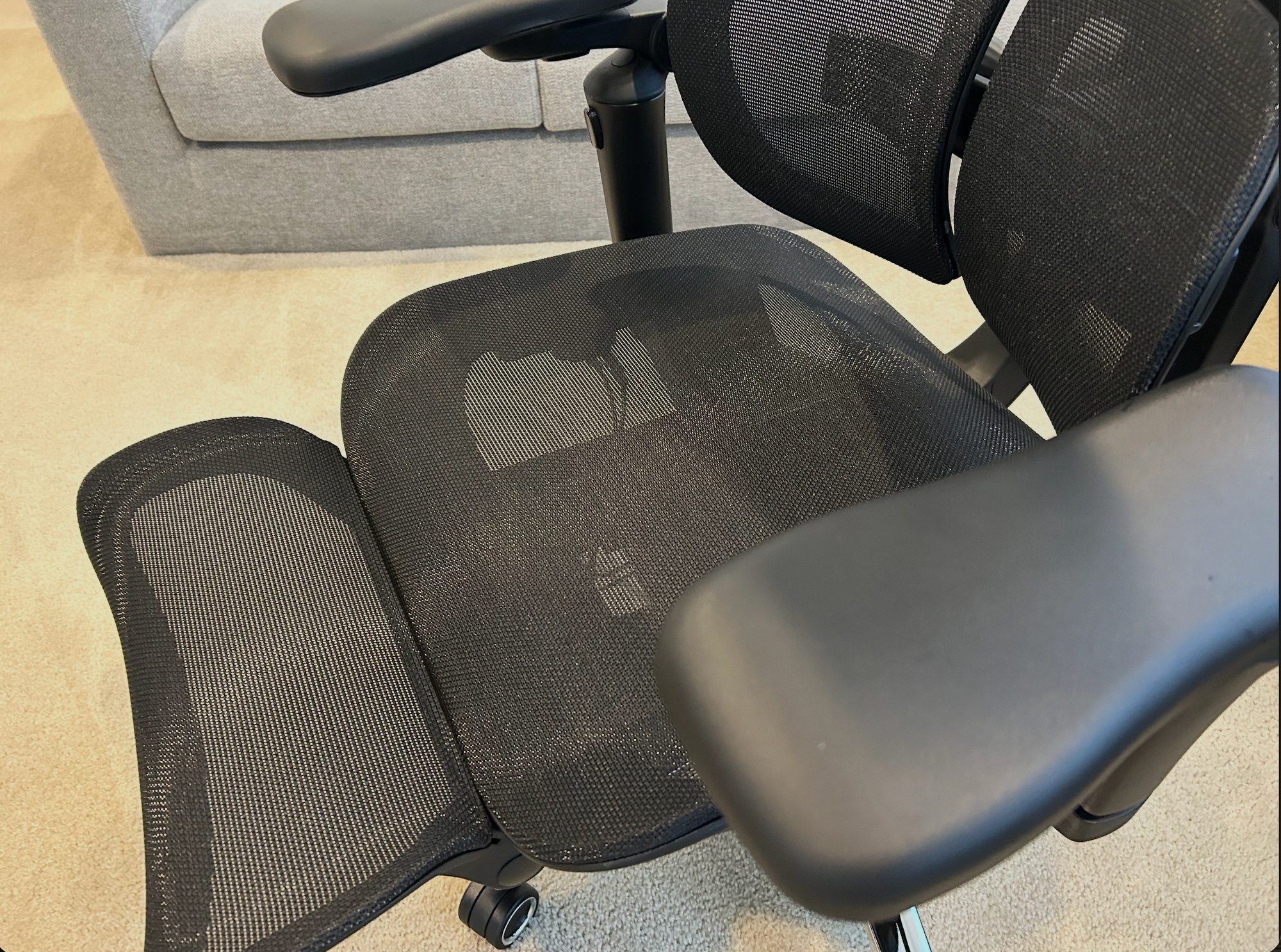
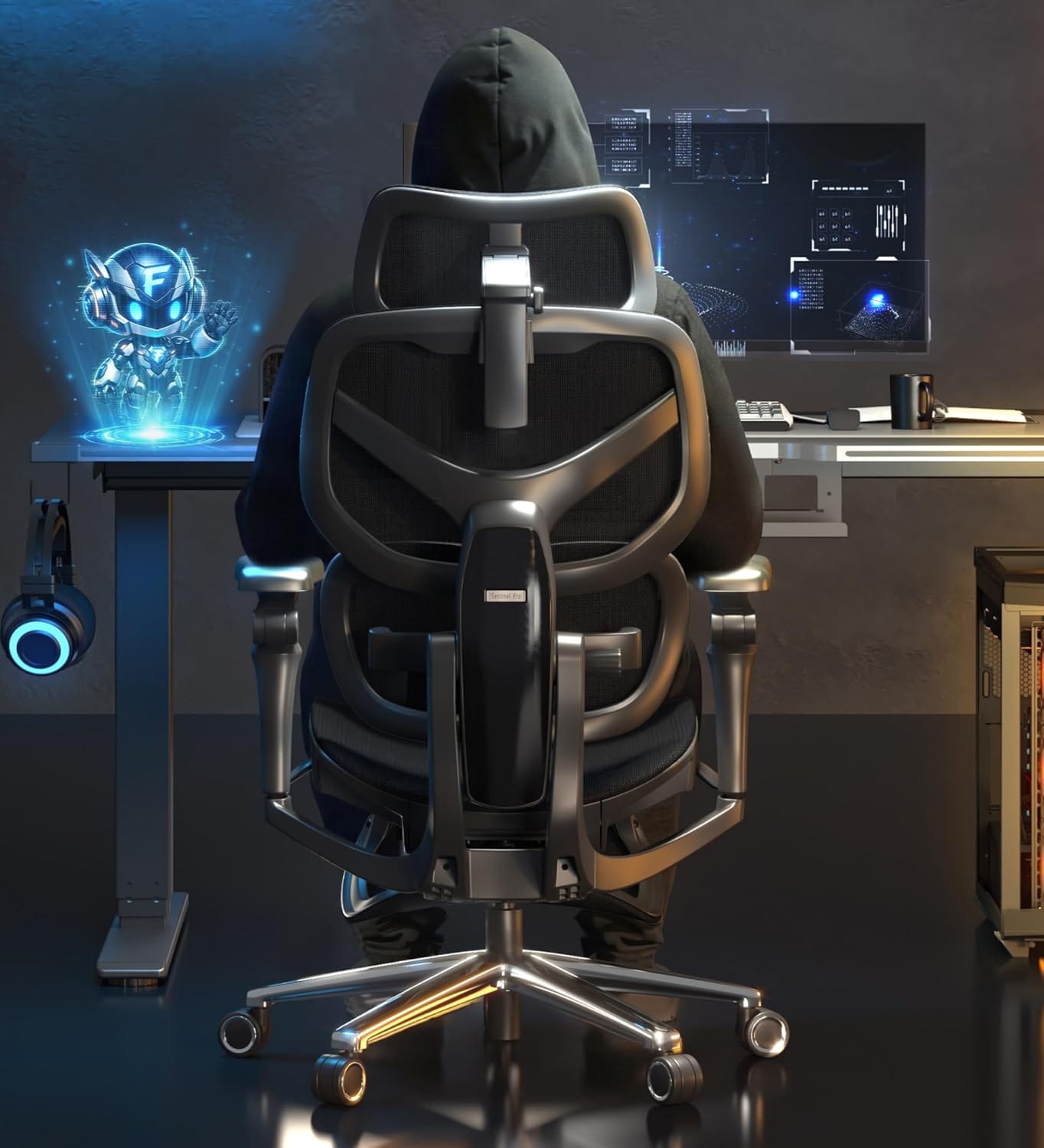
The Sentinel-Pro is a full mesh chair, and that feature shapes everything about how it feels. If foam padding is like a memory mattress that hugs you, then mesh is a trampoline that holds you. You sit on tension rather than cushioning, with air moving through the material constantly, so you aren't suffocating with all that gamer sweat.
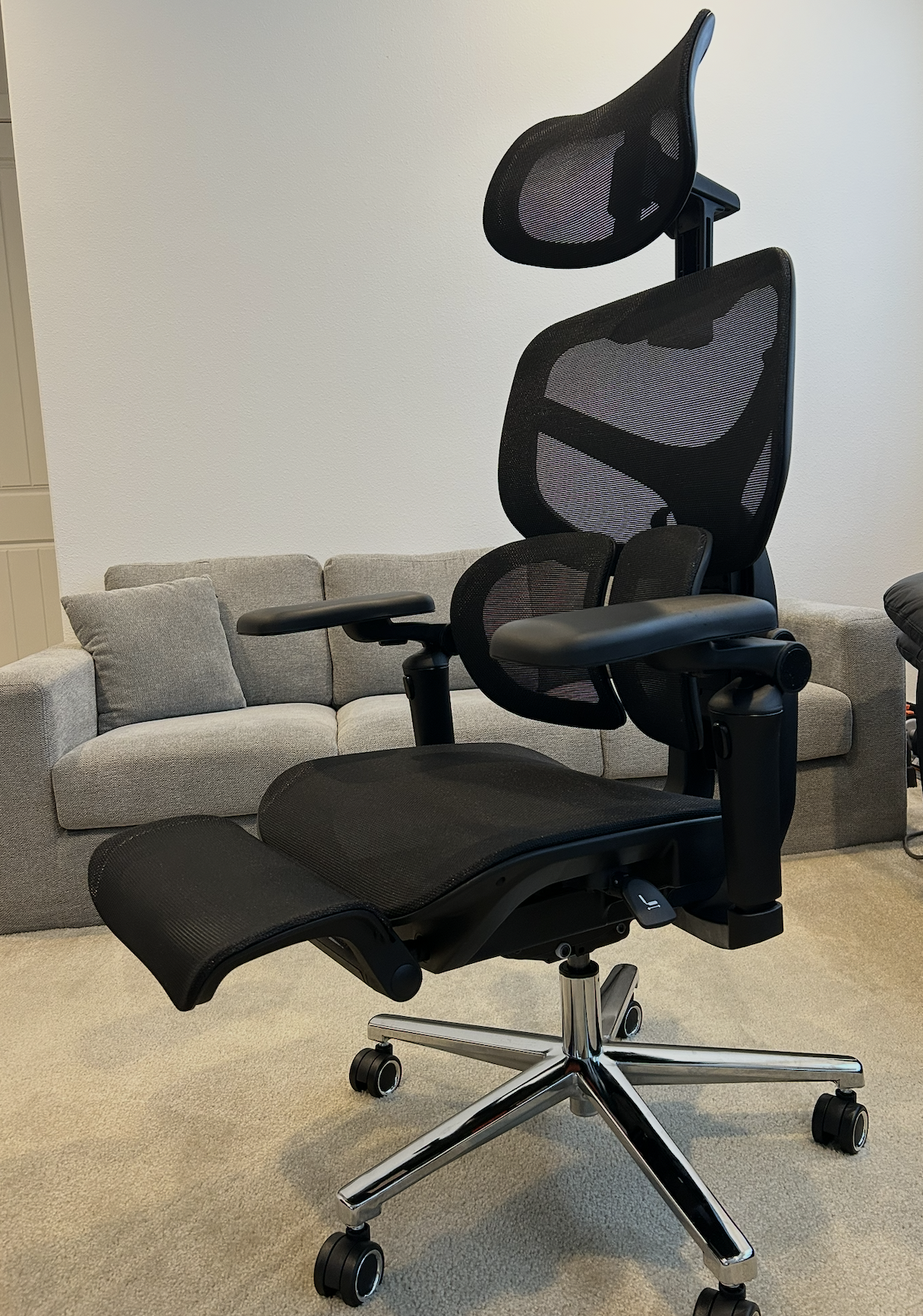
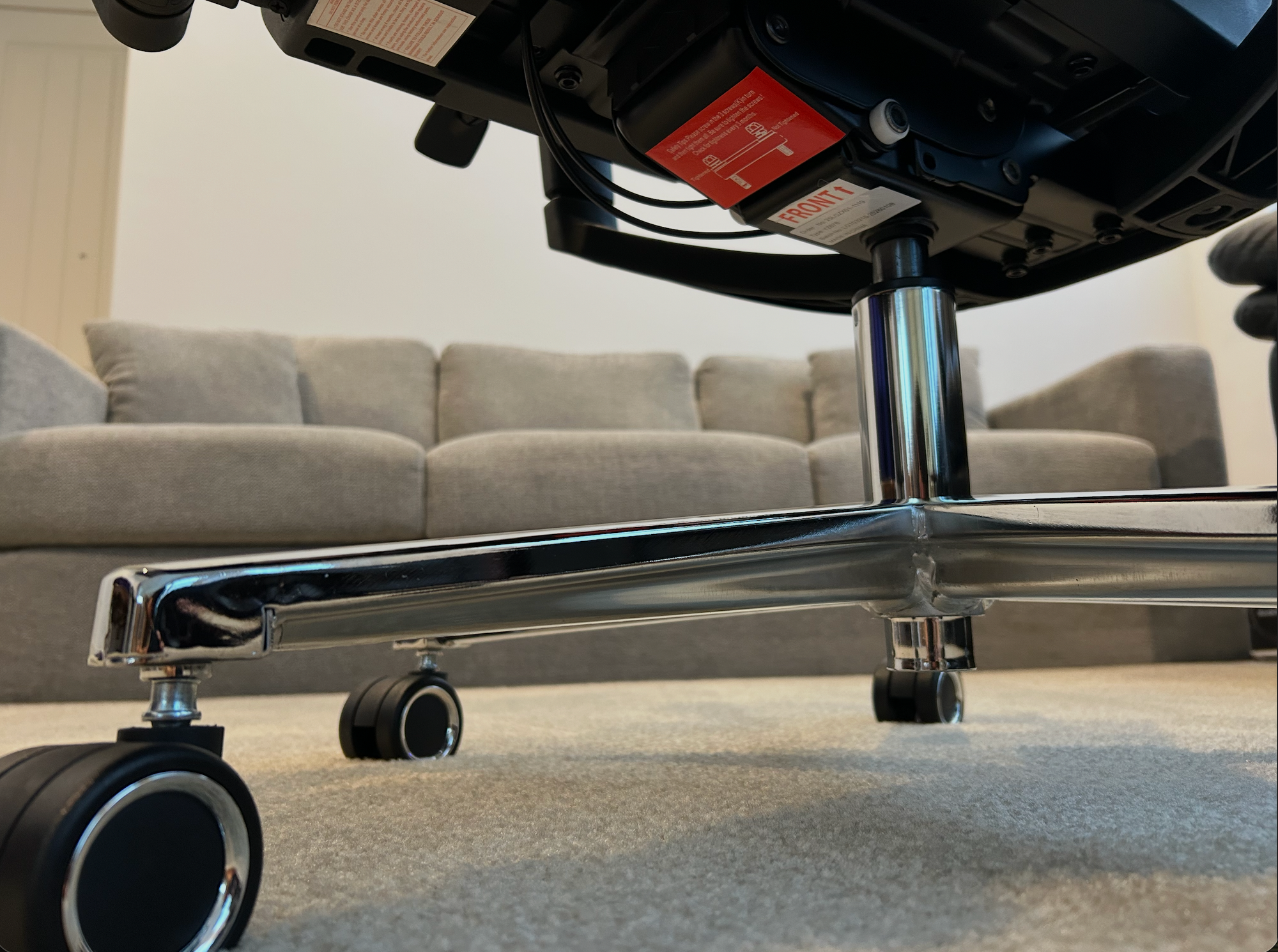
Overall, construction seems solid on paper but feels a bit flimsy in reality, and I want to be specific about what I mean. The base is metal rather than the nylon you find on cheaper FlexiSpot models, the casters roll quietly, and the whole package carries a five-year warranty, which is two years longer than what the standard Sentinel gets. And yet the chair is light and wobbly in a way that undercuts all of that. Parts that should stay put simply don't. The look, at least, is restrained and not too flashy, with all black mesh and clean lines.
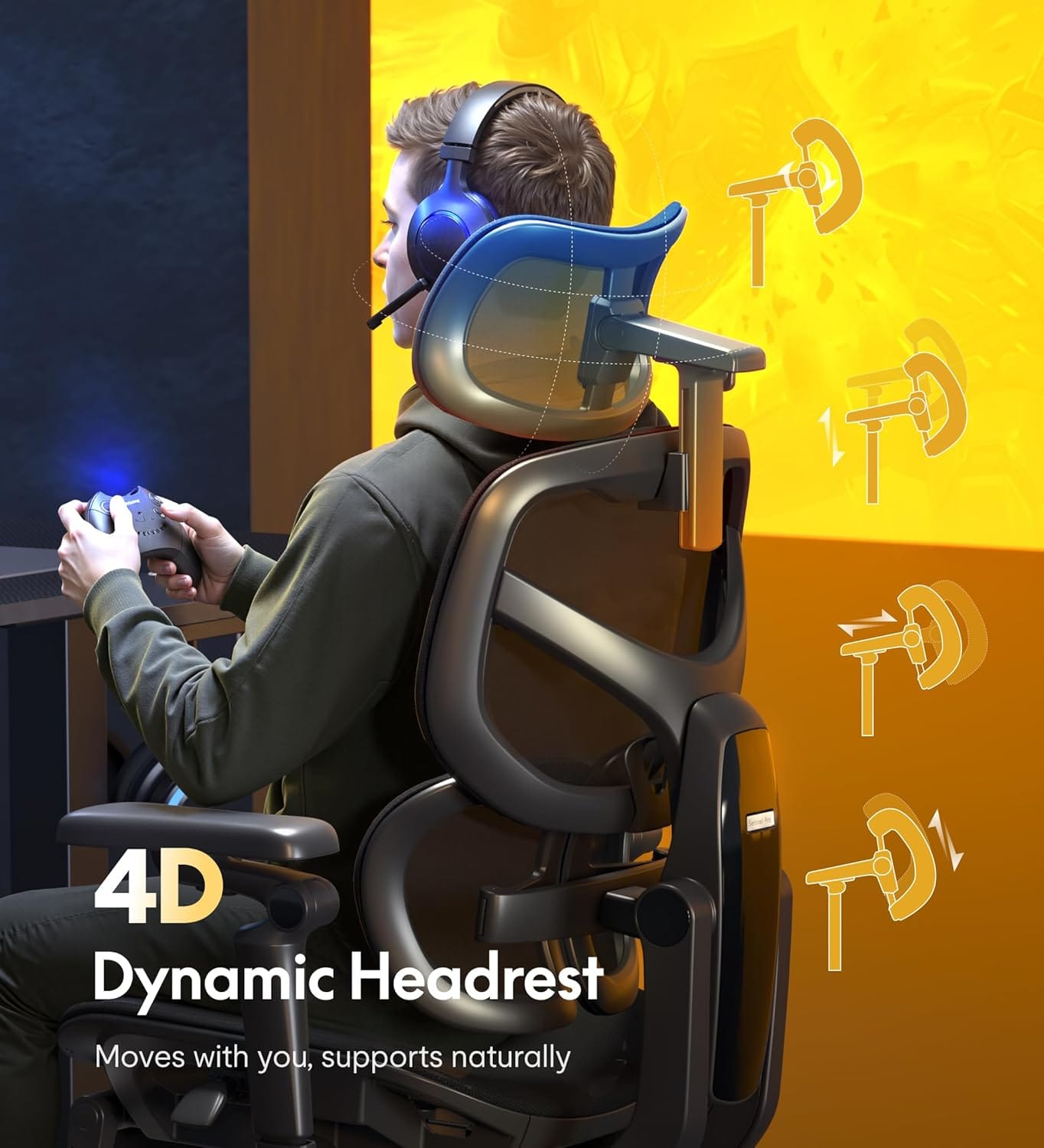

FlexiSpot Sentinel-Pro
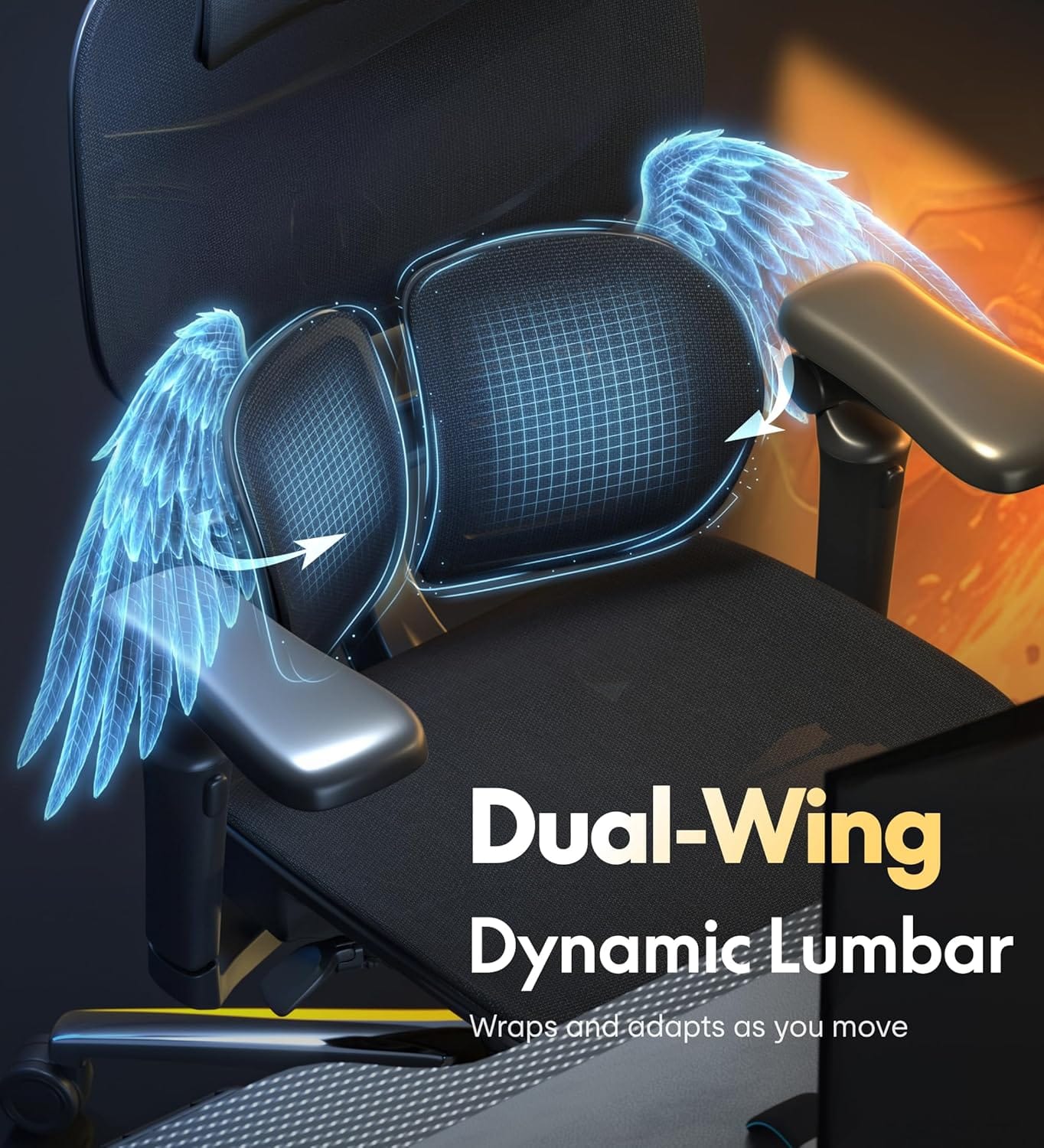
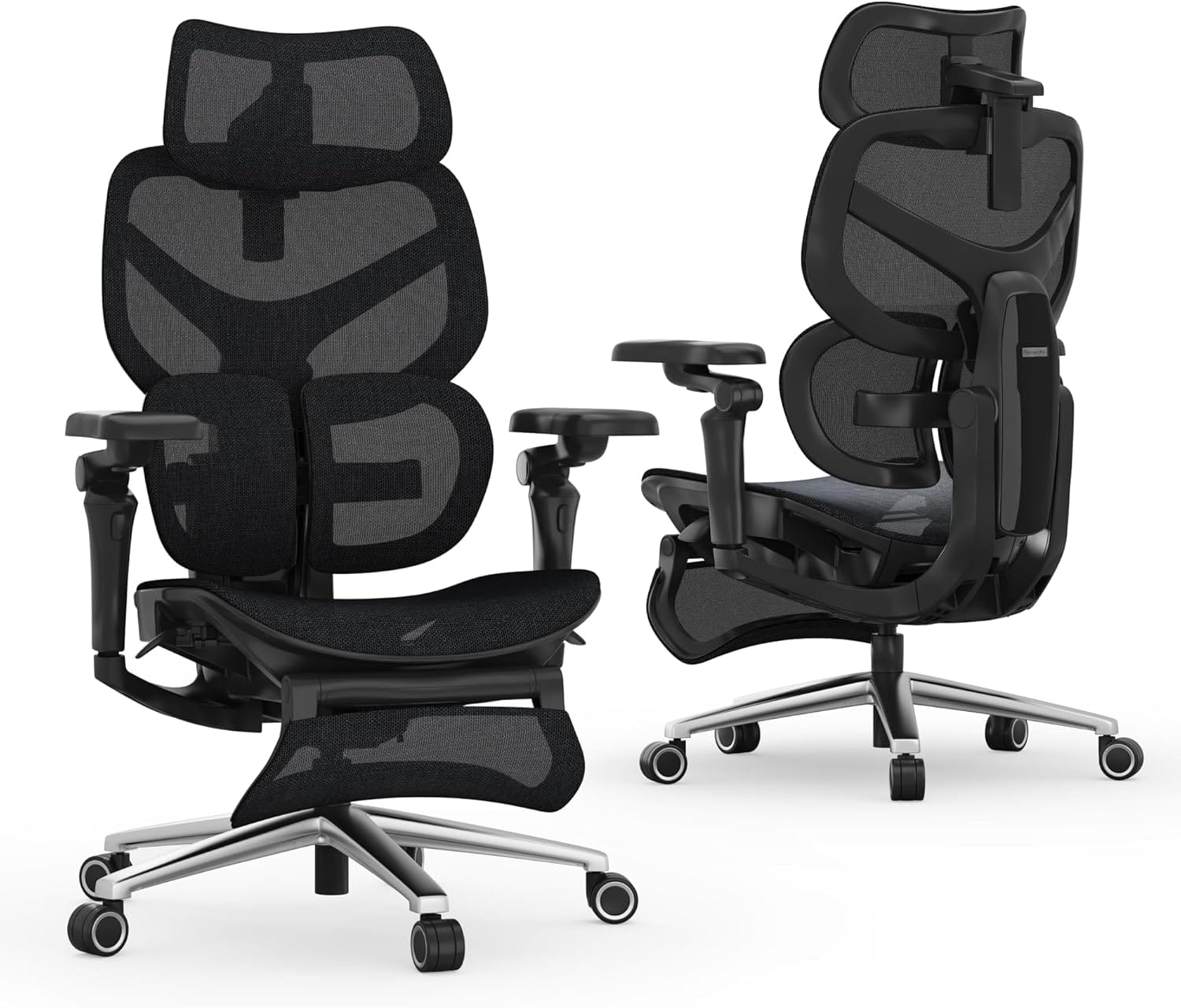
The headline feature is the dual wing adaptive lumbar support, two independent panels that flex and pivot as you shift around. The everyday comparison would be a good pair of walking shoes versus a stiff dress shoe. One moves where your body moves; the other forces your body to move where it wants. Static lumbar bumps work fine if you sit like a statue, but nobody games like a statue. You lean into corners, slump during loading screens, and perch forward in ranked matches. This system works, and it is the thing I would miss most if the chair disappeared tomorrow.
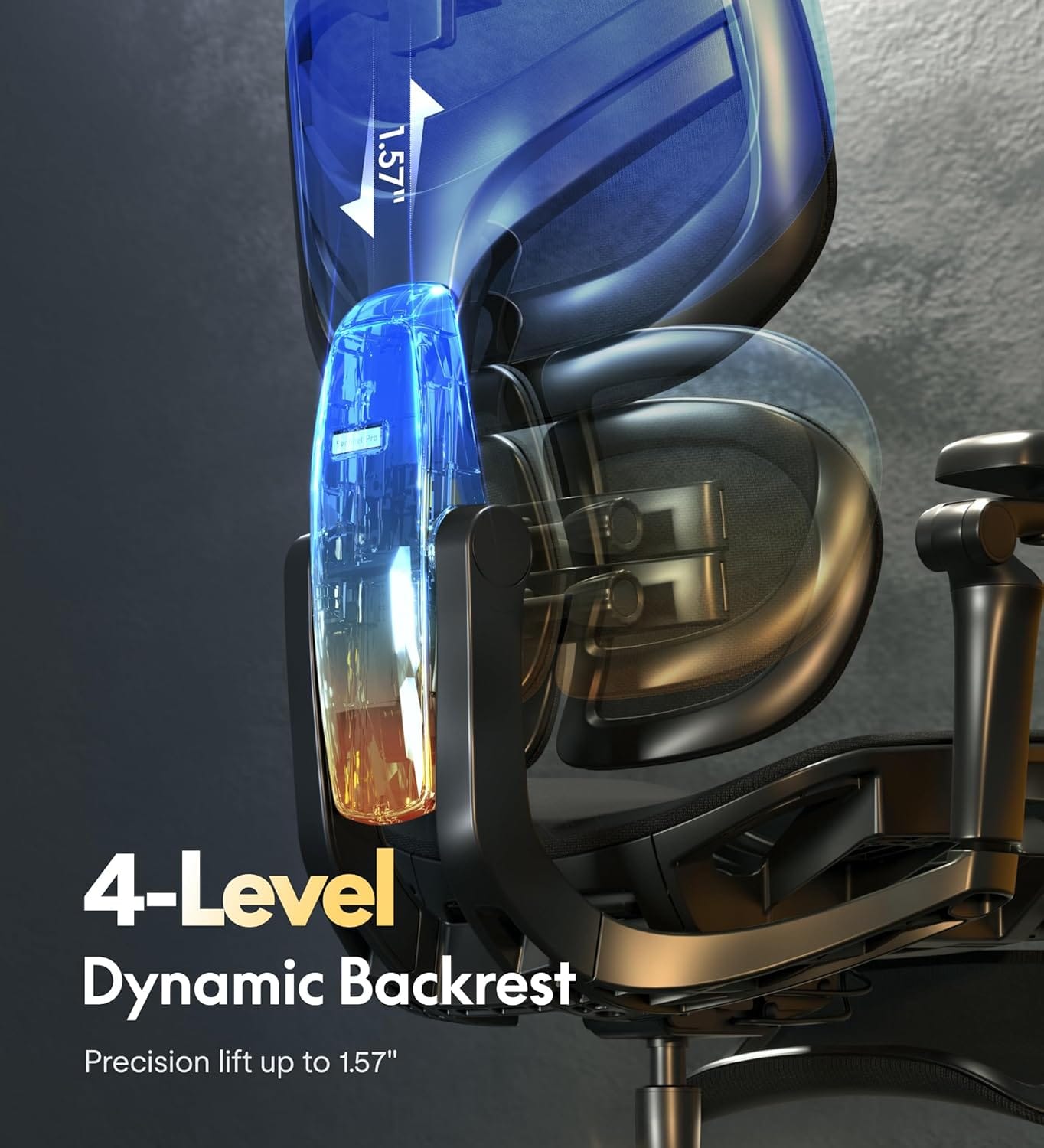
The smarter and less flashy feature is the height-adjustable backrest, which lifts roughly an inch and a half to align the lumbar zone to your actual torso. Most chairs are usually built for one imaginary average human, and everyone taller or shorter just suffers or makes do with it, but this one fixes that issue.
FlexiSpot Sentinel-Pro
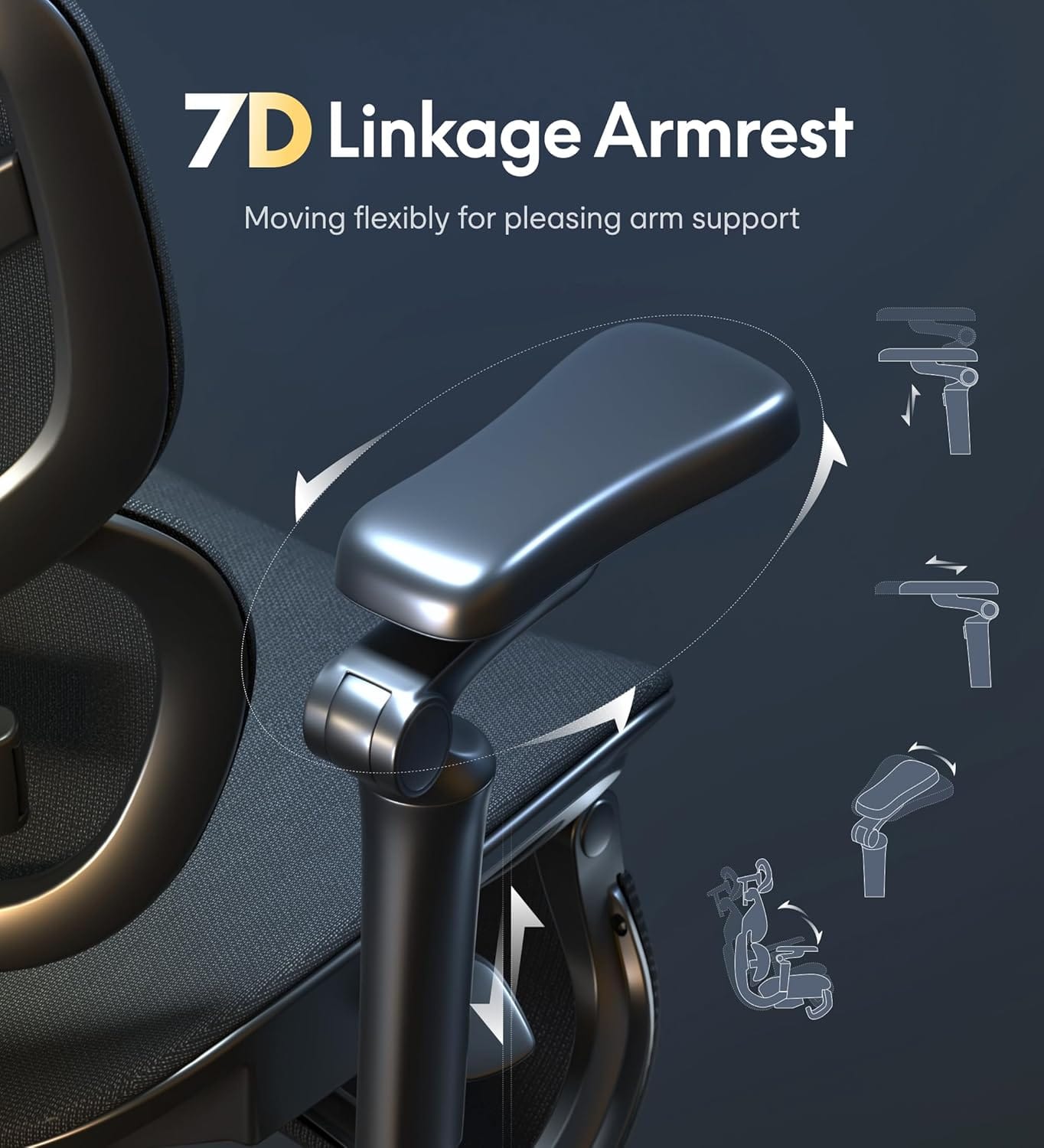
Then there are the 7D armrests... Once armrest dimensions climb past four, the numbering becomes pure marketing arithmetic, the chair equivalent of a razor adding a sixth blade. The practical takeaway is that these arms adjust in nearly every direction and can follow you into a recline, which is useful. The problem is that adjustable cuts both ways: almost none of those positions actually lock. Most chairs have a mechanism that holds the armrest firm until you press a button to release it. Here, brushing against an armrest is enough to shift it out of place. Bump it getting up, nudge it with an elbow, and you are readjusting again. Seven dimensions of freedom are less impressive when the chair exercises them without your permission.
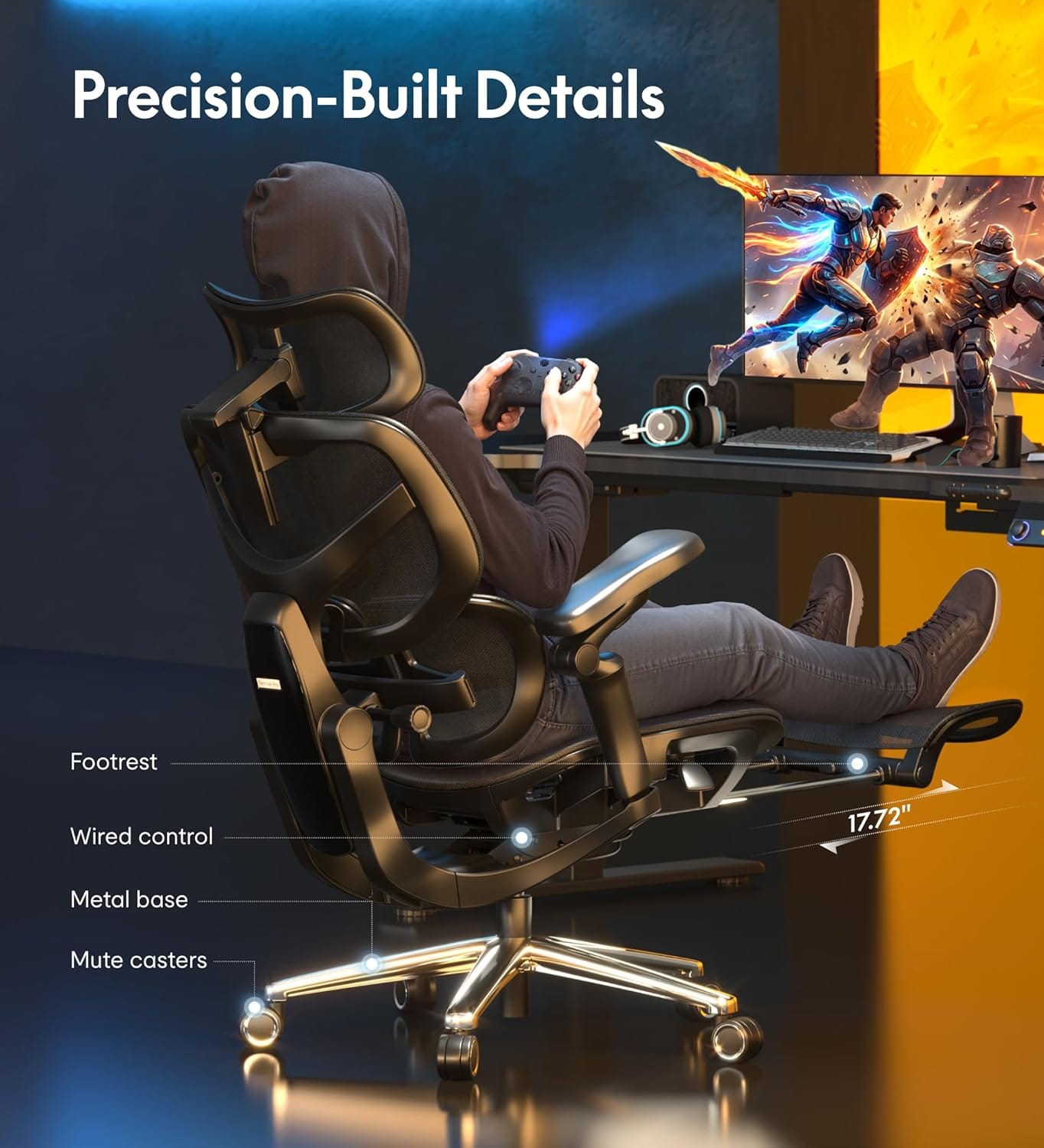
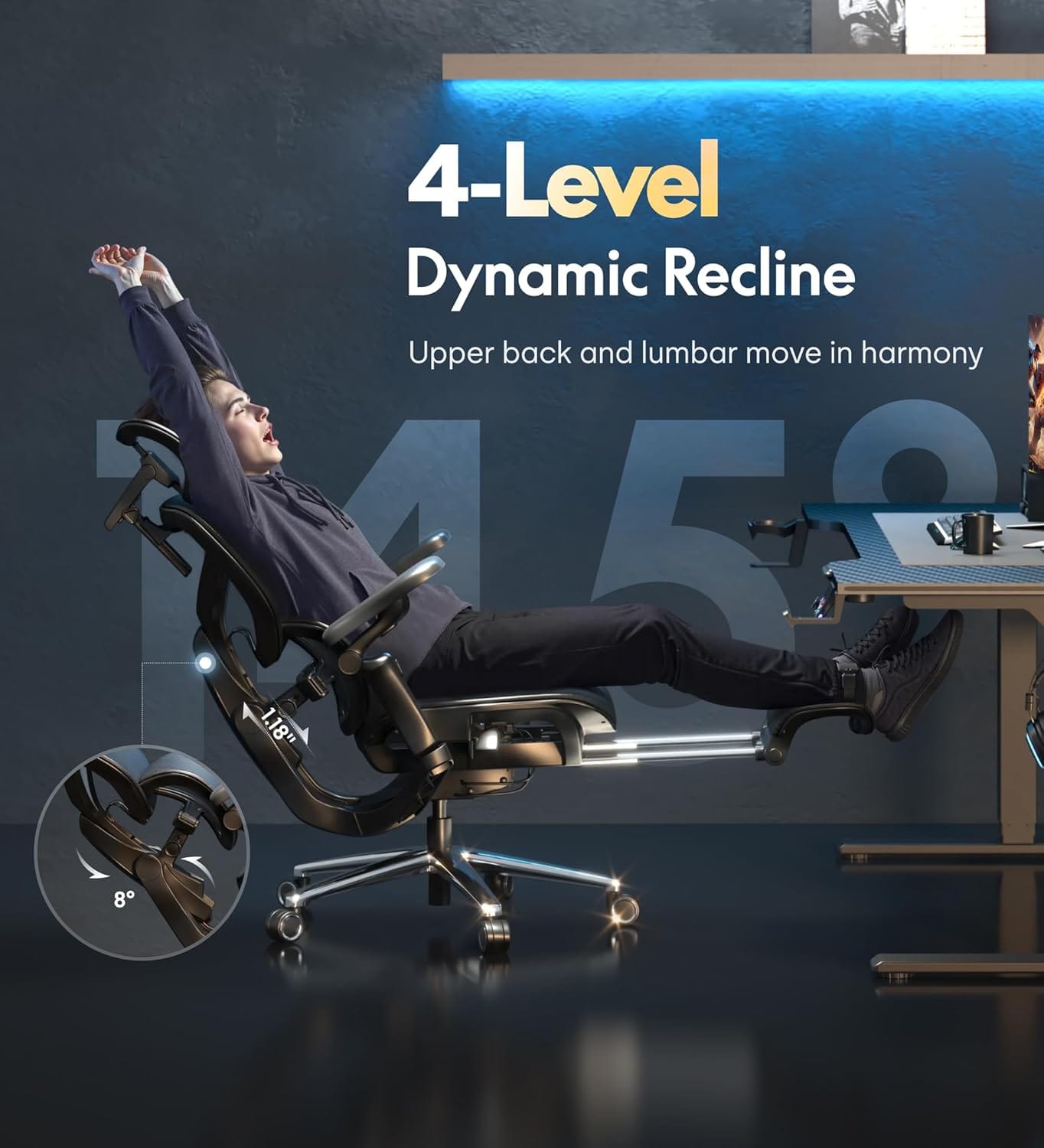
The backrest tilts through four locked positions up to 145 degrees, and an integrated footrest slides out from under the seat for proper lounging. At 145 degrees with the footrest out, the chair becomes something like a half-reclined bed, and it is legitimately one of the most comfortable positions I have found for watching a movie or resting between matches.
My biggest concern going in was the wired control system, the network of cables and paddles that operates the adjustments. Mechanical linkages under a seat are the part of any chair most likely to fail. I also noticed that the footrest doesn’t click into place. You pull it, and it slides out, push it, and it slides back in, with nothing holding it anywhere in between. Maybe I got a bad unit, but this seems like a poorly designed feature.
FlexiSpot Sentinel-Pro
The price is where the analysis gets uncomfortable. The Sentinel-Pro lists at $599.99 and routinely sells for near $499.99. The standard Sentinel, which shares the same dual-wing lumbar and adjustable backrest, regularly drops to around $300. The Pro buys you fancier armrests, a deeper recline, and a longer warranty. Whether that bundle is worth roughly two hundred extra dollars depends entirely on how much you recline.
There is also the matter of the company behind it. FlexiSpot built its name on standing desks and affordable chairs. The Sentinel-Pro is clearly the brand's attempt to slide into serious ergonomic territory, and the ergonomics largely back up the ambition. The build quality, however, does not. At five hundred dollars, you are within the range of a refurbished Herman Miller chair, backed by decades of credibility and quality.
FlexiSpot Sentinel-Pro
Good
The FlexiSpot Sentinel-Pro is a thoughtful, well-equipped mesh chair wearing a gaming label mostly for marketing reasons. The adaptive lumbar system and the adjustable backrest are great ergonomic features. But the whole thing is lighter and flimsier than a chair at this price has any right to be, with armrests and a footrest that wander.
Pros
- Painless 15-20 minute assembly
- Breathable full-mesh construction
- Dual-wing adaptive lumbar support
Cons
- Light, wobbly build quality
- Armrests and footrest don't lock in place
- Expensive vs. standard Sentinel
This review is based on a retail copy provided by the publisher.