Comfort zones don't exist at Remedy Entertainment. The team has always been adamant about pushing their limits and expanding their horizons, whether it works or doesn’t. This has resulted in one of the most creative companies of our era, and even though that is welcome, it’s a scary conviction to hold in regard to CONTROL Resonant. Here is a sequel to a game that was a critical darling, but that steps away from the original protagonist and genre to make something new. It’s a risky bet, and while Resonant has its issues, it pays off in ways I couldn’t have expected.
Resonant begins with Dylan Faden in a coma inside the Oldest House, Jesse Faden (the current director of the Federal Bureau of Control/FBC) having to leave him for an important matter no one knows about, and the Hiss somehow finding a crack in The Oldest House to escape from, all seven years after the events of the first game. Thankfully, Jesse politely stabs Dylan with the Aberrant (your form-shifting weapon), which pulls him from slumber after she absconds. After making his way out, encountering new agent and eventual handler Zoe De Vera and helping take down an initial Resonant entity, our mystery begins in full. Dylan is now in FBC garb and ready to make amends for his past misdeeds, and to face a new threat: The Patterning, a phenomenon that is twisting reality and… stopping the Hiss?
Watching the exploration of current events and Dylan’s past never disappoints. Remedy has always been a master of constructing a narrative, and that’s evident in Resonant. It starts a tad slow, introducing you to this new version of Manhattan and the characters in play, but as you reach the middle and end, everything ramps up into tremendously executed story threads, alongside several bombastic setpiece moments. They’re all sewn up in the most satisfying ways possible, with a beautiful ending that is thematically perfect. Everything comes full circle, and I look forward to seeing where the story may go if a third entry comes to fruition.
Dylan is an intriguing protagonist to follow. Where Jesse seemed more assured of herself in her search for her brother – even as everything was challenging her belief in what was real – Dylan carries different burdens. Yes, he’s looking for his sister, but he’s thrust into a much bigger conflict than Jesse was. More still, he’s dealing with everyone else’s expectations of him, along with his own self-doubt. As you walk past random FBC agents, they’ll hurl insults at you or remark angrily. Jesse was a hero; Dylan is a means to an end, and one where they won’t care if he survives or not.
Their dynamic makes Resonant all the more fascinating. We already had a read on Dylan and Jesse being two sides of the same coin – paranatural-powered siblings with different story arcs. The intensity of what Dylan has truly been through hasn’t really been revealed until now, and all of that comes out in spades. His torture at the hands of the FBC, along with his home life before the fatal AWE day in his hometown of Ordinary, is explored in depth, and to great effect. It makes it worth the slow early burn, and the way Remedy presents the final segment showing his childhood is done in only a way they can do it, and alone might be worth the cost of entry. I do bemoan the lack of one of our favorite characters – Ahti. He pops up in a specific instance, and it’s simply not close to enough.
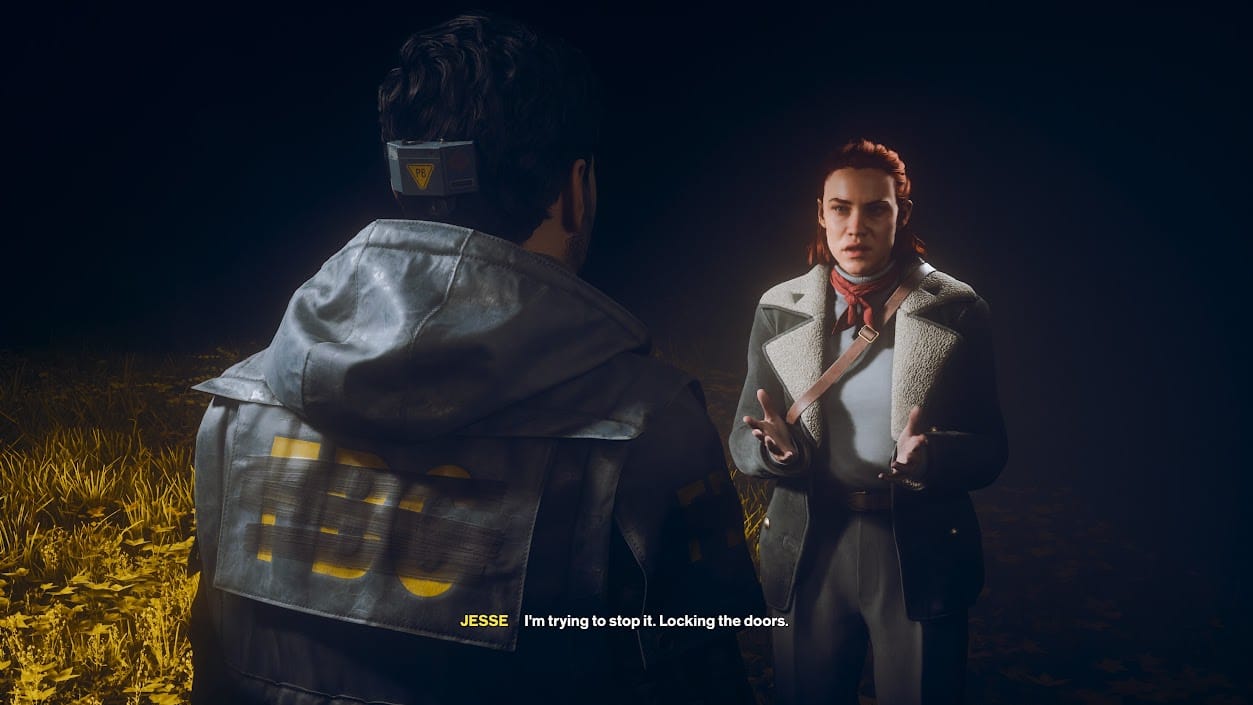
Oddly, the gameplay design is responsible in part for the sluggish beginning of the narrative. Make no mistake, Resonant might be Remedy’s magnum opus in terms of gameplay. However, the way they’ve implemented the action-RPG elements hinders your discovery of the story by both forcing you in directions you may not want to follow, and keeping you locked in place.
I’m reminded somewhat of an Open Air Zelda game in structure. In order to keep you from moving too quickly, Resonant establishes zones in their “open world”. The enemies in these will have numbers on their health bar denoting their difficulty (or power level), or a skull telling you to get out of their way. This is a form of soft-locking, attempting to press you to look around and upgrade your Dylan in order to take on greater challenges in new places.
My only qualm here is how freaking hard it makes the game. If I get cornered in a spot where something is only a single power level higher than me, I can feel caught with my pants down. Most of this comes from the waves of enemies – I can survive one-on-ones. I also understand that there are not a ton of levels to face, as I encountered power level 8 at the highest. Even so, it’s rough to feel like you can’t punch up that easily, especially when the game is as open with the objectives as it is in the world.
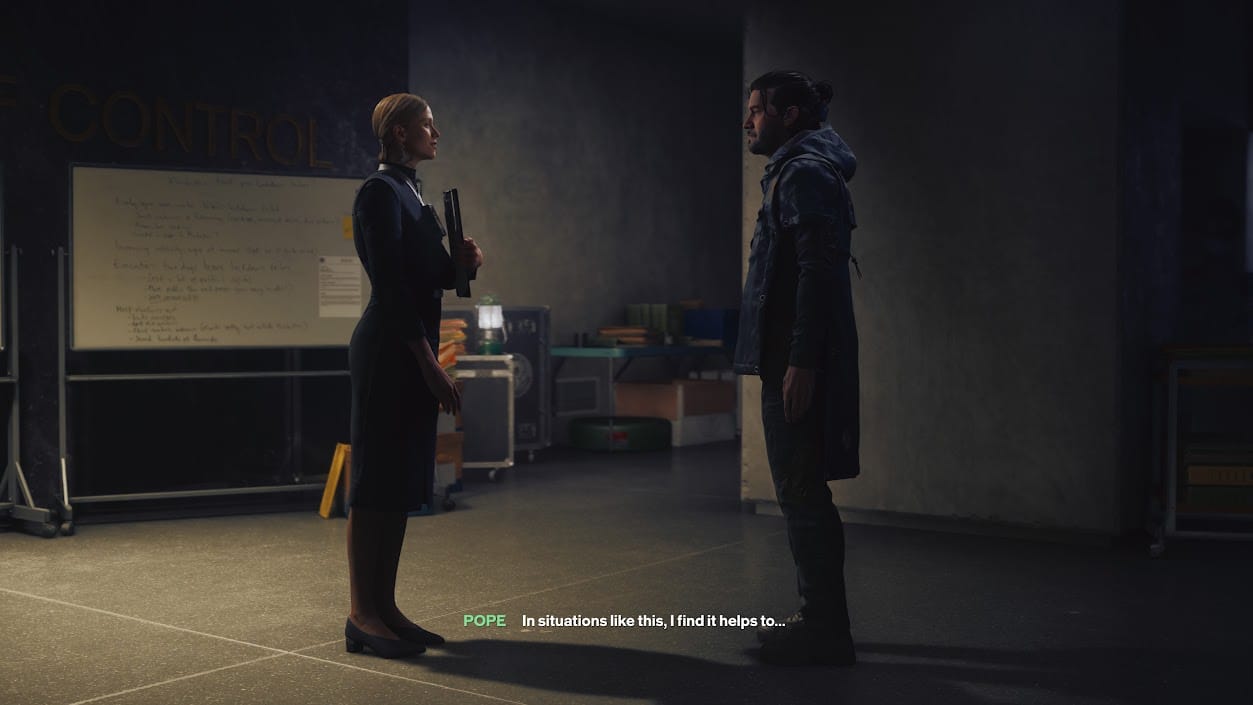
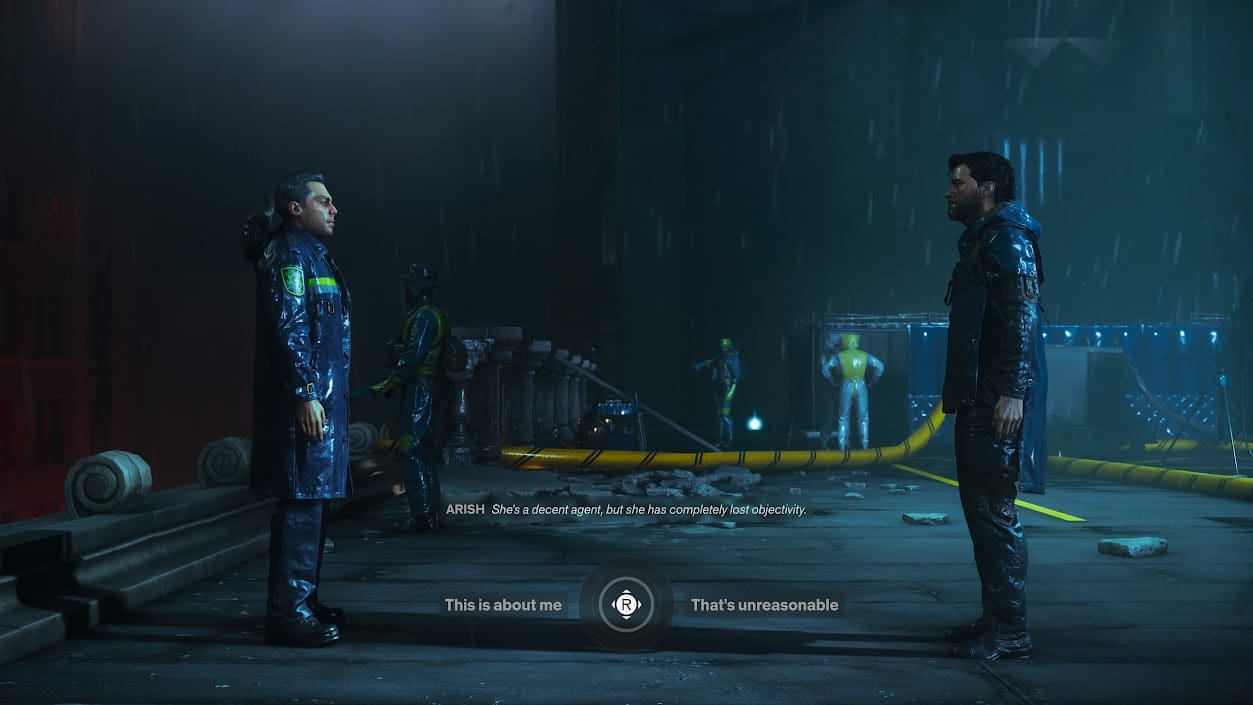
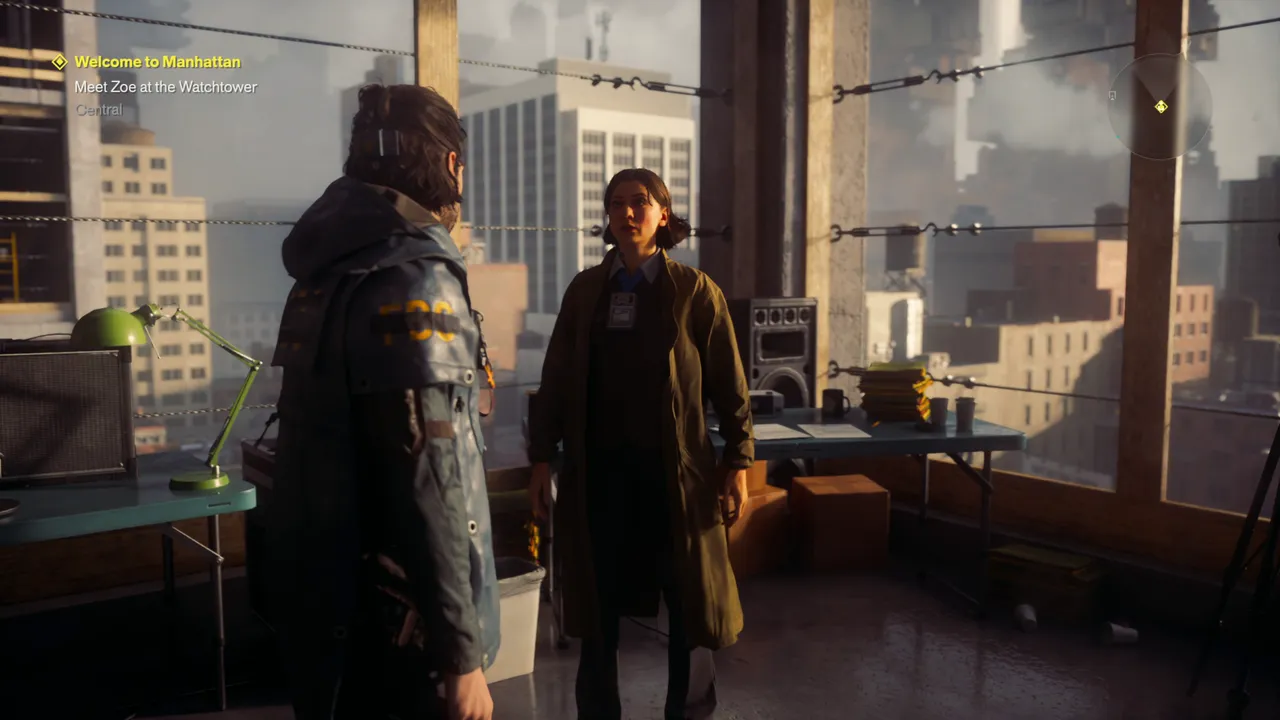
Obtuse leveling also contributes to how challenging the game feels. You have to go to the menus, scroll to your loadout, and then hit a button to show your stats just to find the number for Dylan’s current power level. It shouldn’t be hidden like this; I’d stick it next to the health bar. Compounded is that it is an amalgamation of your equipped Weapon Forms, Talents (the skill tree), and core upgrades (health and the power meter for abilities). That means to level up, you’re running around the world hunting for upgrades.
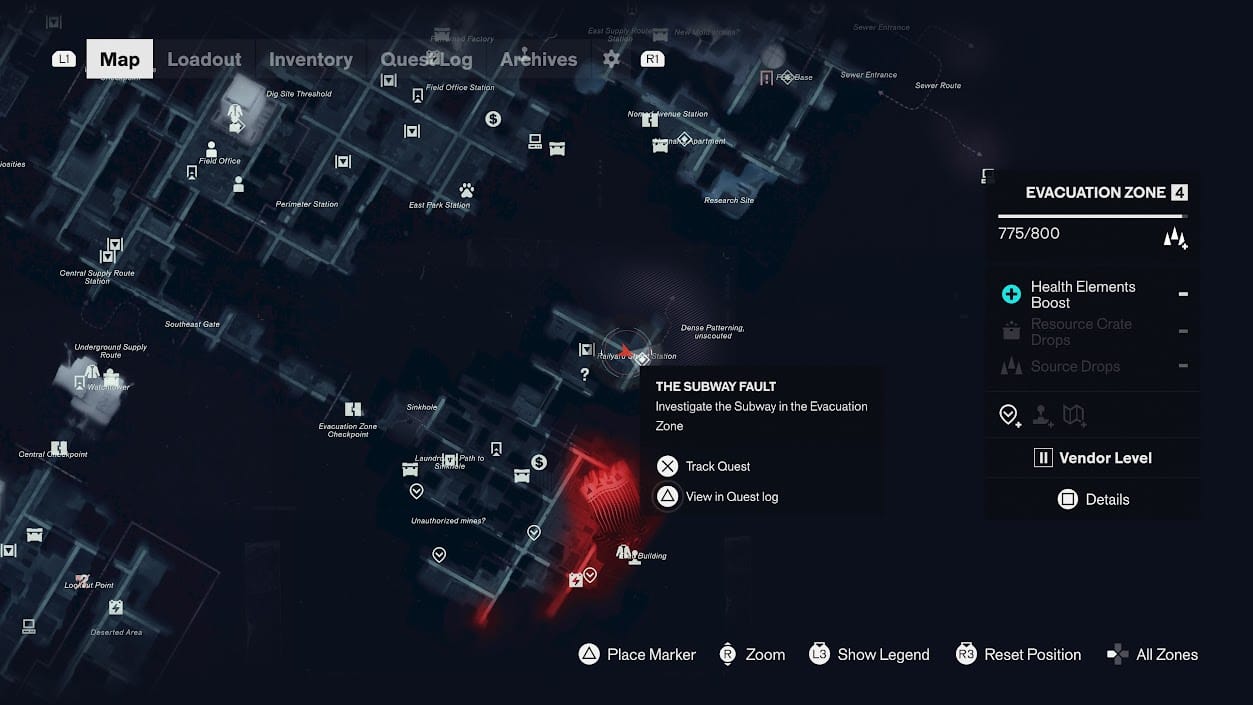
While the map does a decent job at showing you what’s available, I found myself often frustrated by the arbitrary nature of leveling Dylan up. For instance, I remember finding three power nodes (getting three will upgrade your core power meter), and it apparently didn’t move the needle – there’s no bar to show progress. There’s just not enough tracking to let you know that what you’re doing is making a difference, and having to dive into a menu to know if I should engage with a hostile isn’t fun.
Thankfully, Remedy doesn’t just leave you hanging, with an excellent collection of difficulty presets and sliders available. This is called Assist Mode, which the team advises you to leave off at the beginning to truly engage with their game. These kinds of modes are great for accessibility, and I love being able to tweak my experience so finely. Even better, they don’t interfere with collecting achievements and trophies – your digital awards are safe here.
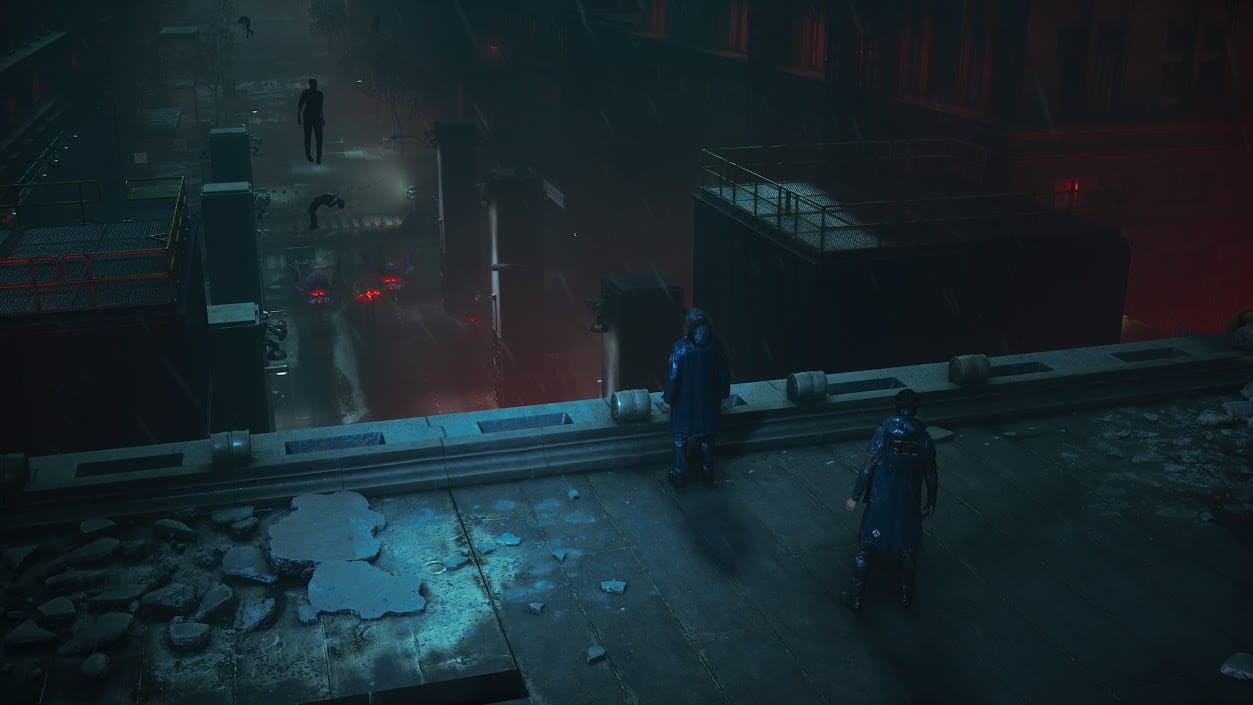
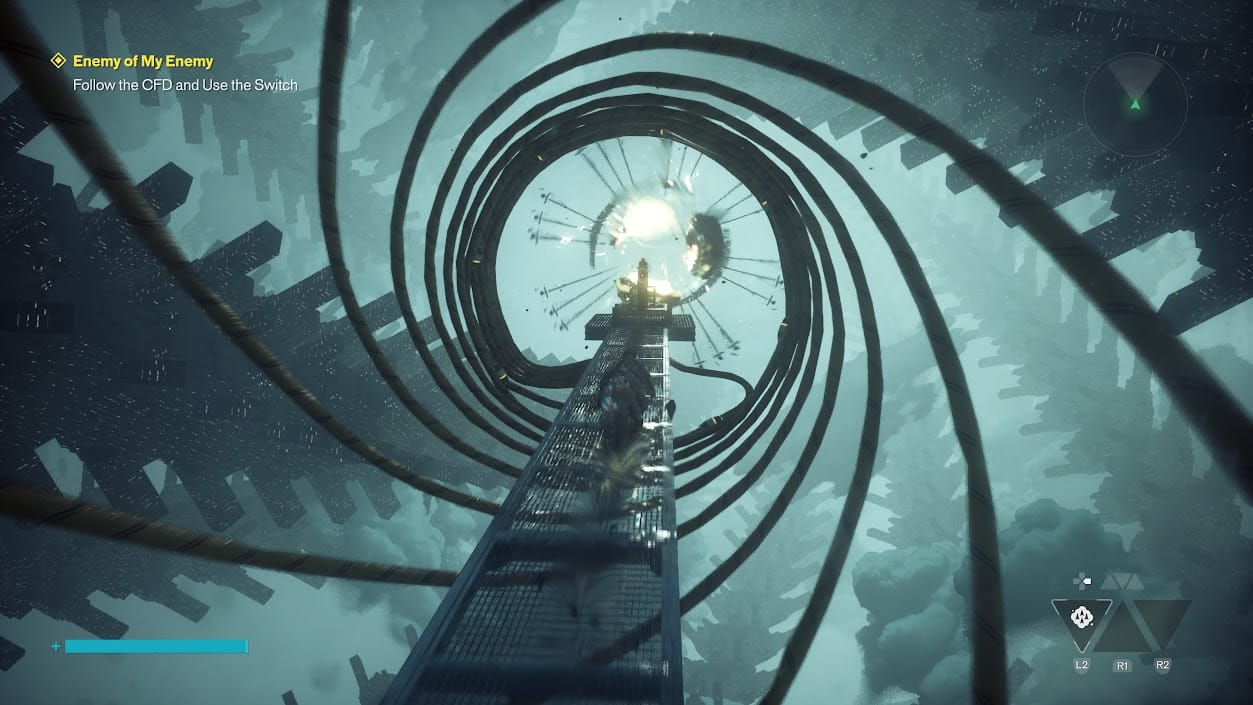
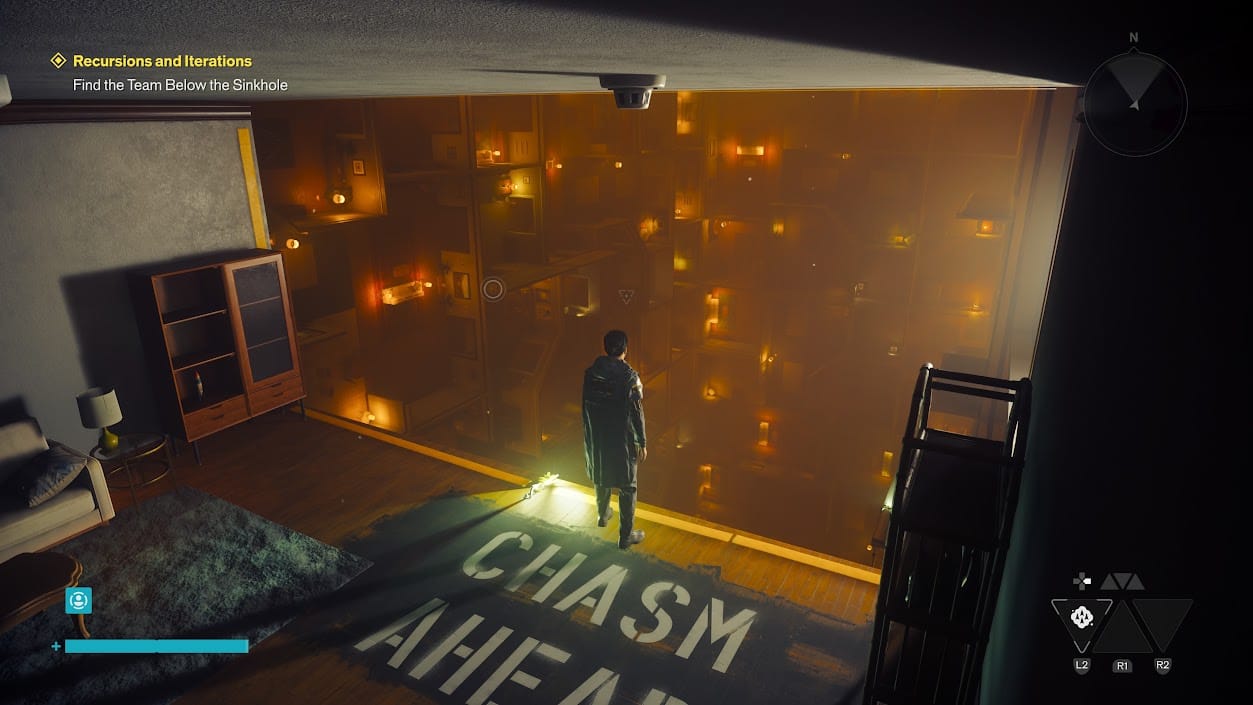
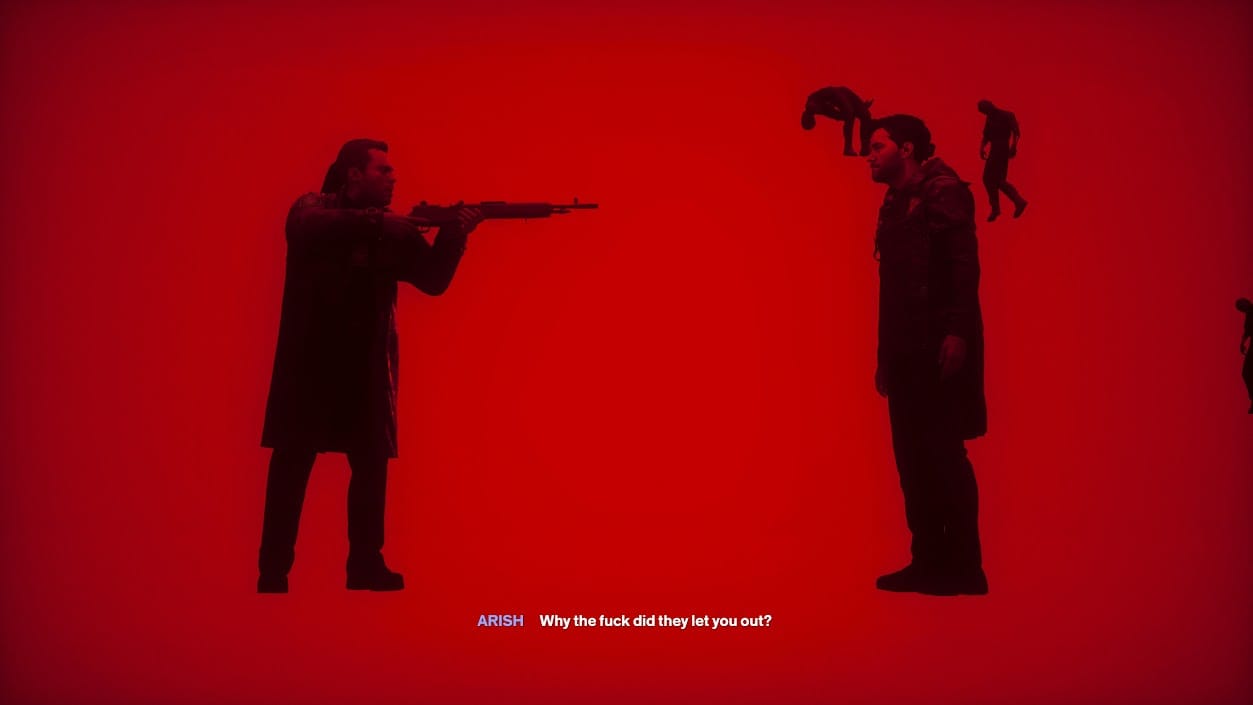
All of my complaining aside, I’m enamored with the world and gameplay that Remedy has built. One of my favorite parts of CONTROL was Jesse’s movements, and Dylan’s are fresh and formidable. As I mentioned in our preview, the yin and yang of the two are on display, as Dylan moves quickly and ferociously, whereas Jesse was more reserved and deliberate. Given Dylan’s lack of care surrounding his safety, it makes sense he’d just throw himself into violent confrontation. It’s the little details that make so much impact, and Remedy’s attention to them is impeccable.
This continues into the move set you receive as you play, with double jumps and dashes, a more truculent levitation, gravitational shifts, and a reach ability that allows you to flow directly to a specified point denoted by an orb. All of these have that aggressive nature to them, and all are incredibly gratifying to pull off. The flow to Dylan’s movement is immaculate, wonderfully translated from his character into your hands. Just like Jesse before, you feel the power he possesses.
It wouldn’t be a CONTROL game without a bunch of special abilities and weapon forms, and Resonant provides a ton of these to play with. Dylan has a loadout you can tweak at almost any time (even mid-combat), although I’d love a second slot to save for quick swapping. Deeper changes occur in The Gap – think The Mind Place from Alan Wake 2. You can adjust your loadout of weapons and abilities outside of it, but all purchasing happens away from combat in a paranatural space somewhere in another dimension which seems to reside inside the Aberrant. It’s a button hold away, and has a lot available to fine-tune.
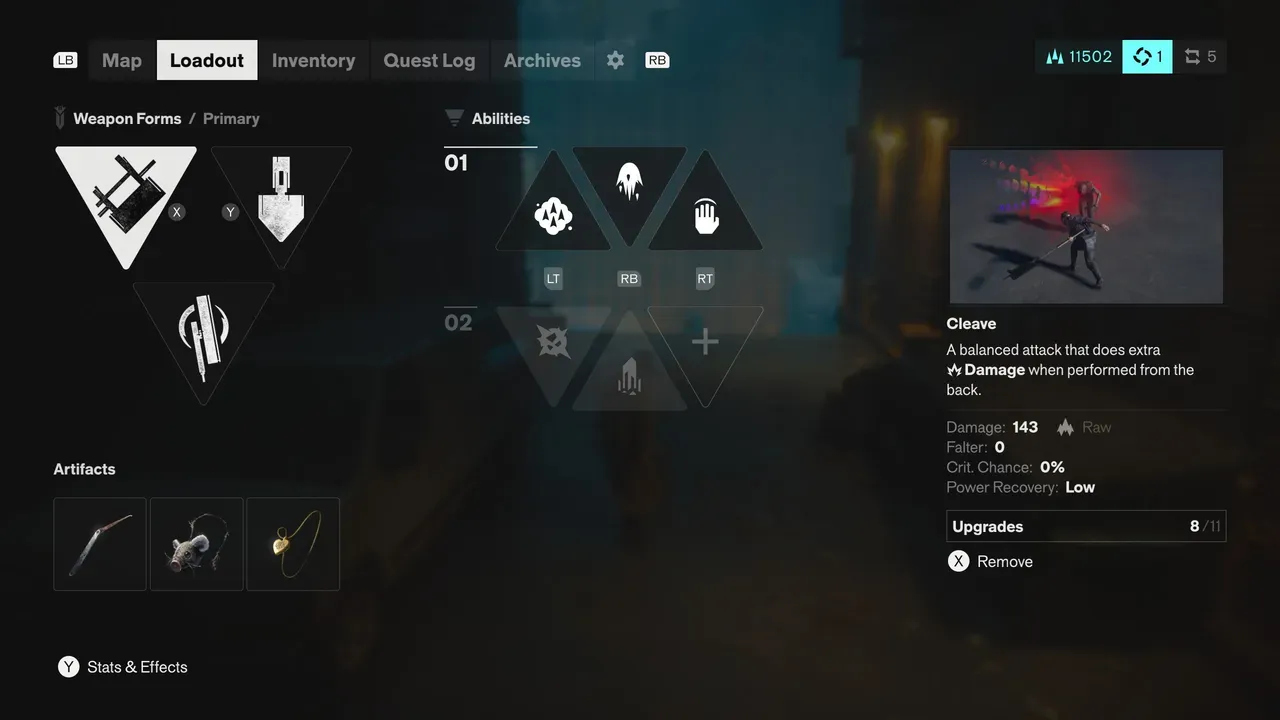
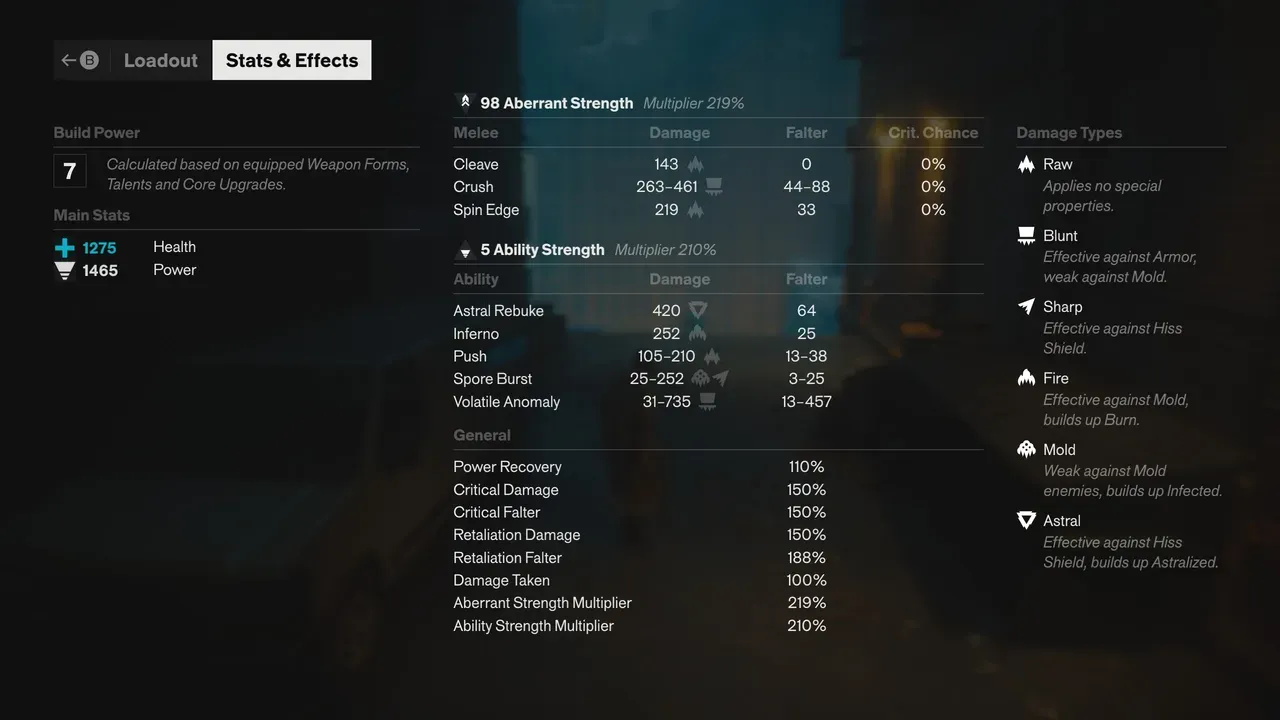
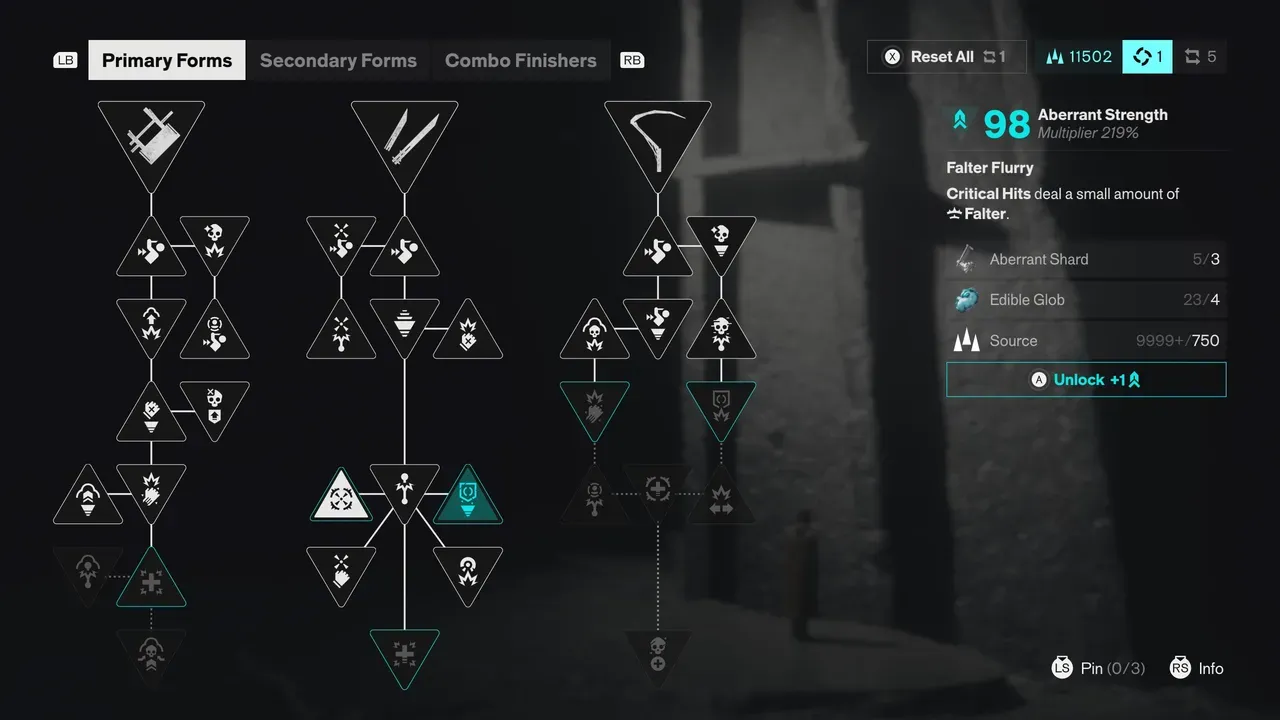
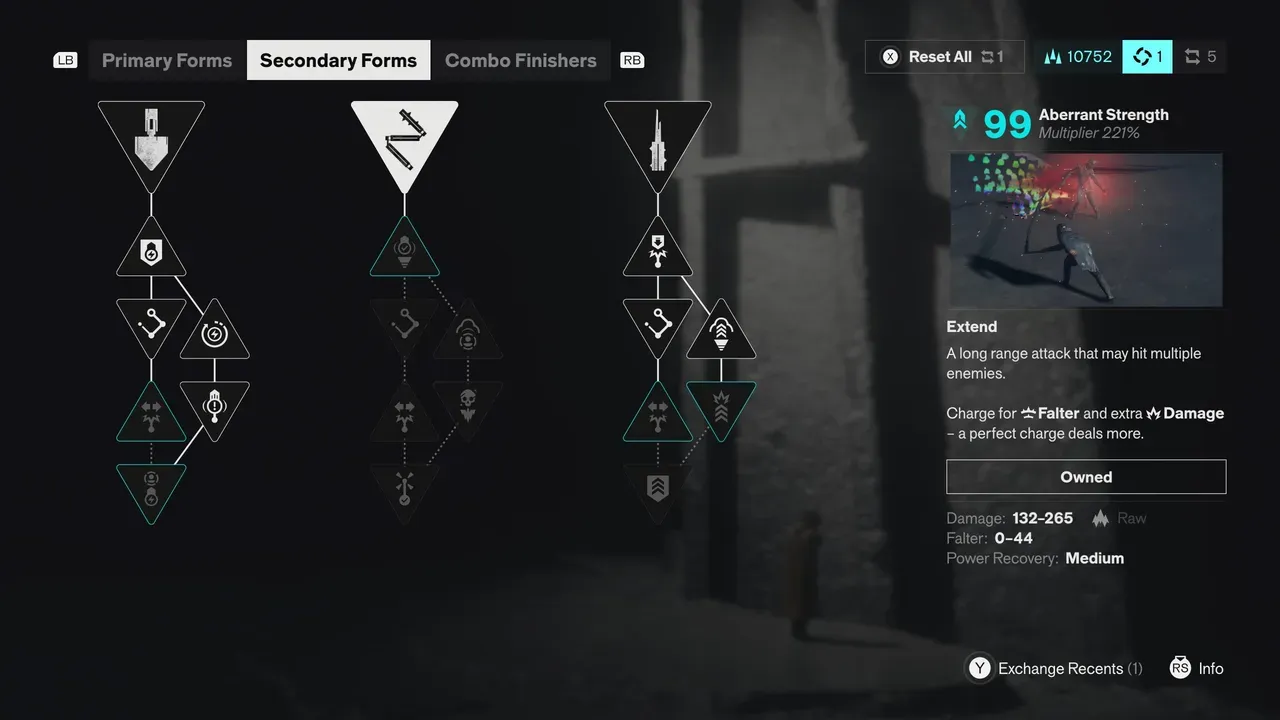
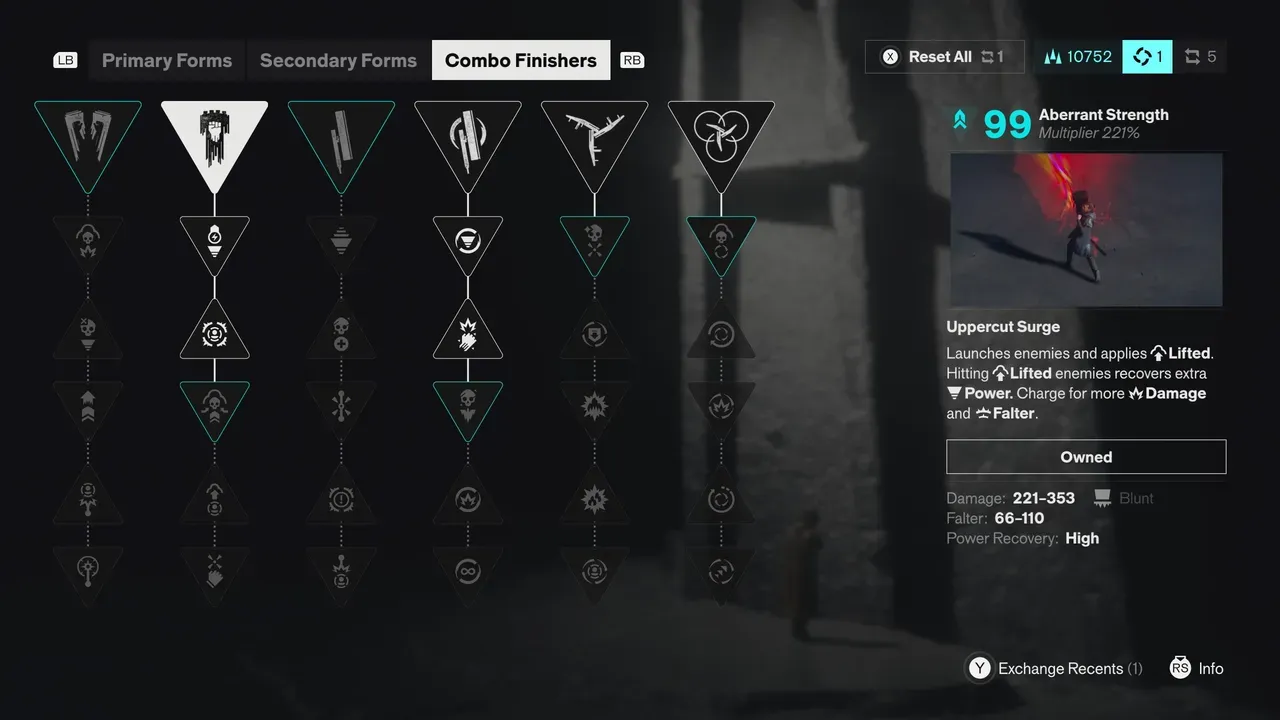
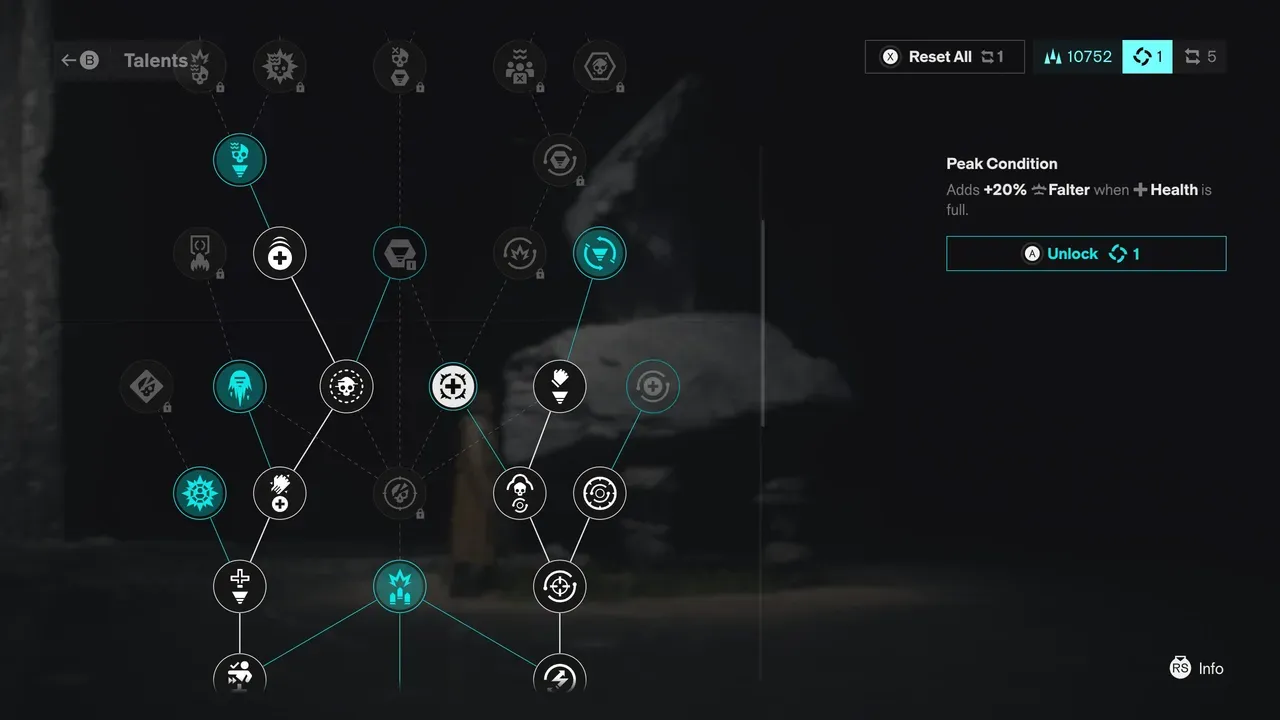
Playing around with your kit is another key to your power level, and will give you better chances against different enemy types. The Aberrant takes many forms; there are three primary and secondary weapon types to choose from alongside six combo finishers. Each has its own type of damage, and this is important as certain enemies will succumb to certain ones.
Similarly, there are also six possible combinations of powers to use at a time (with a seventh in its own space), along with twelve power choices. These rival CONTROL; I'm having a blast firing off a bunch of mold seeds to infect an enemy, then activating a fire buff on my weapons to attack, which in turn will cause an explosion together that may just finish them off. I've heard of others who have gone heavy on summon builds, bringing out a bunch of little friends to keep hostile attention before delivering a final blow. There is a veritable playground of destruction available for you; how it happens depends on how you build Dylan out.
Beside these are a bevy of talents. Your skill tree should be scoured and experimented with, just like the abilities and weapons. This is because there is no choosing every talent – you'll finish the game with a particular build that suits your playing style. I appreciate that Resonant will call out if you aren't using a power a talent may buff, which helps in making decisions as you dot up your board. At any rate, there is no illusion of choice in this game; Remedy compels you to select from the options in front of you and go from there.
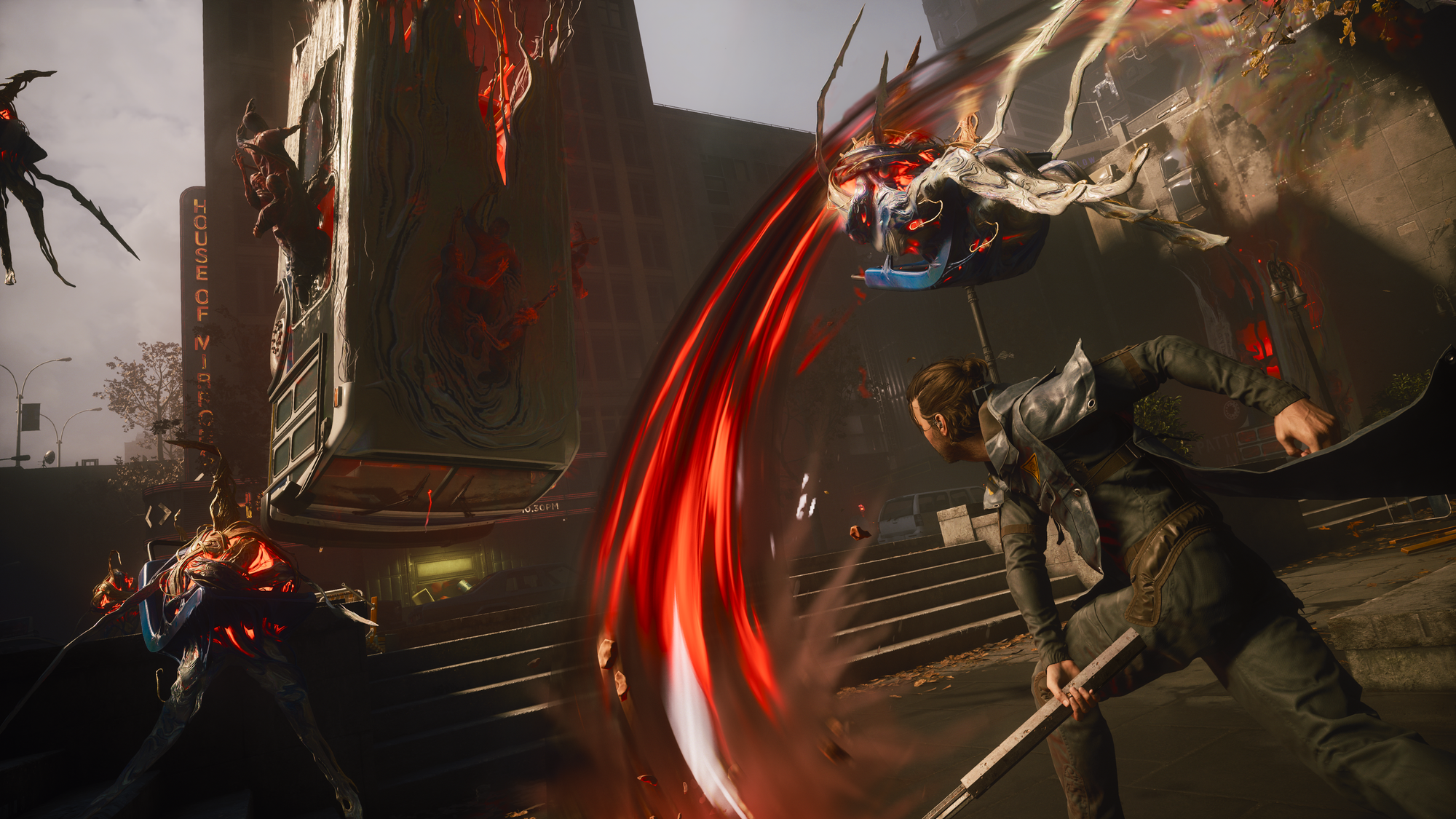
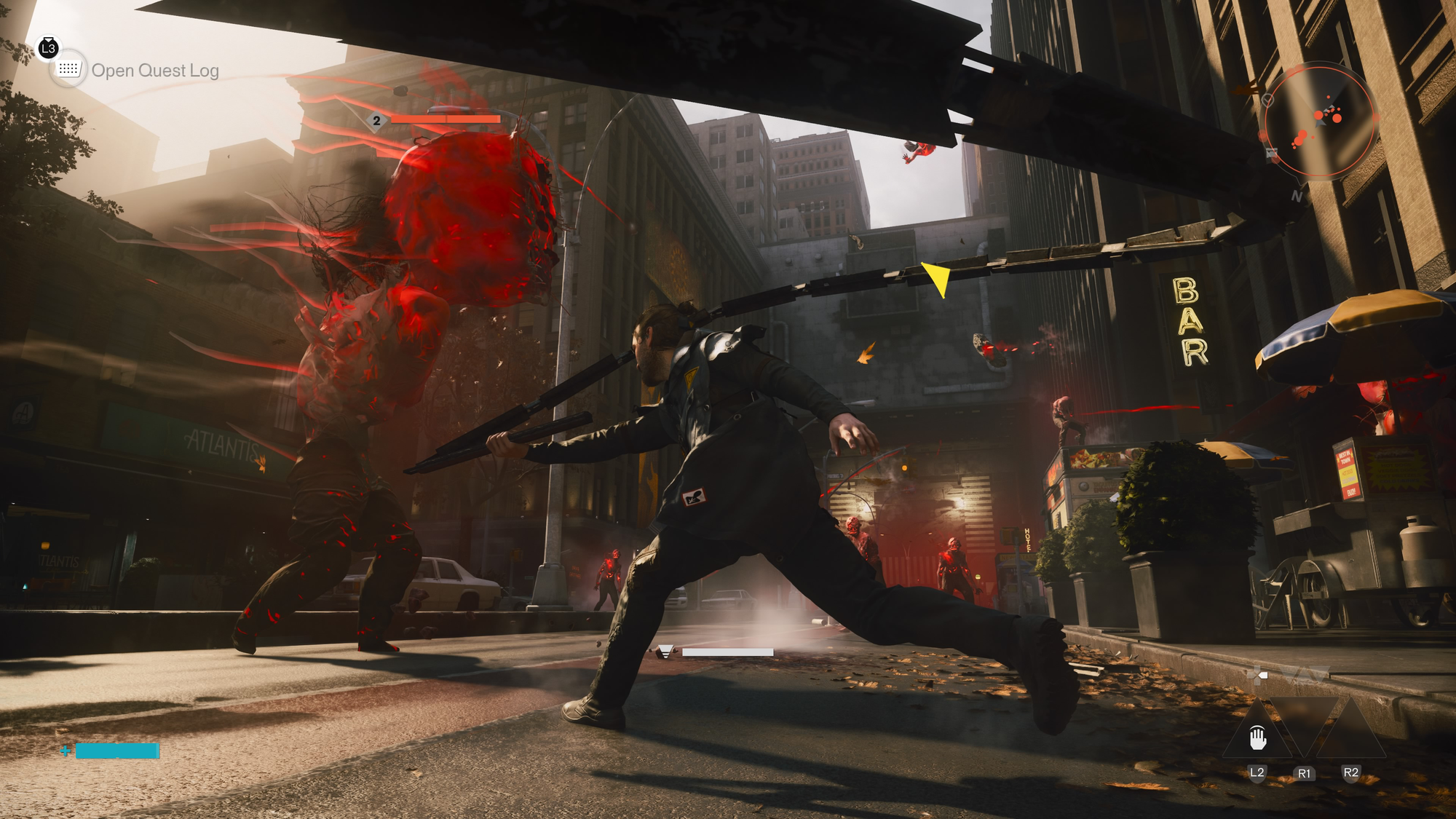
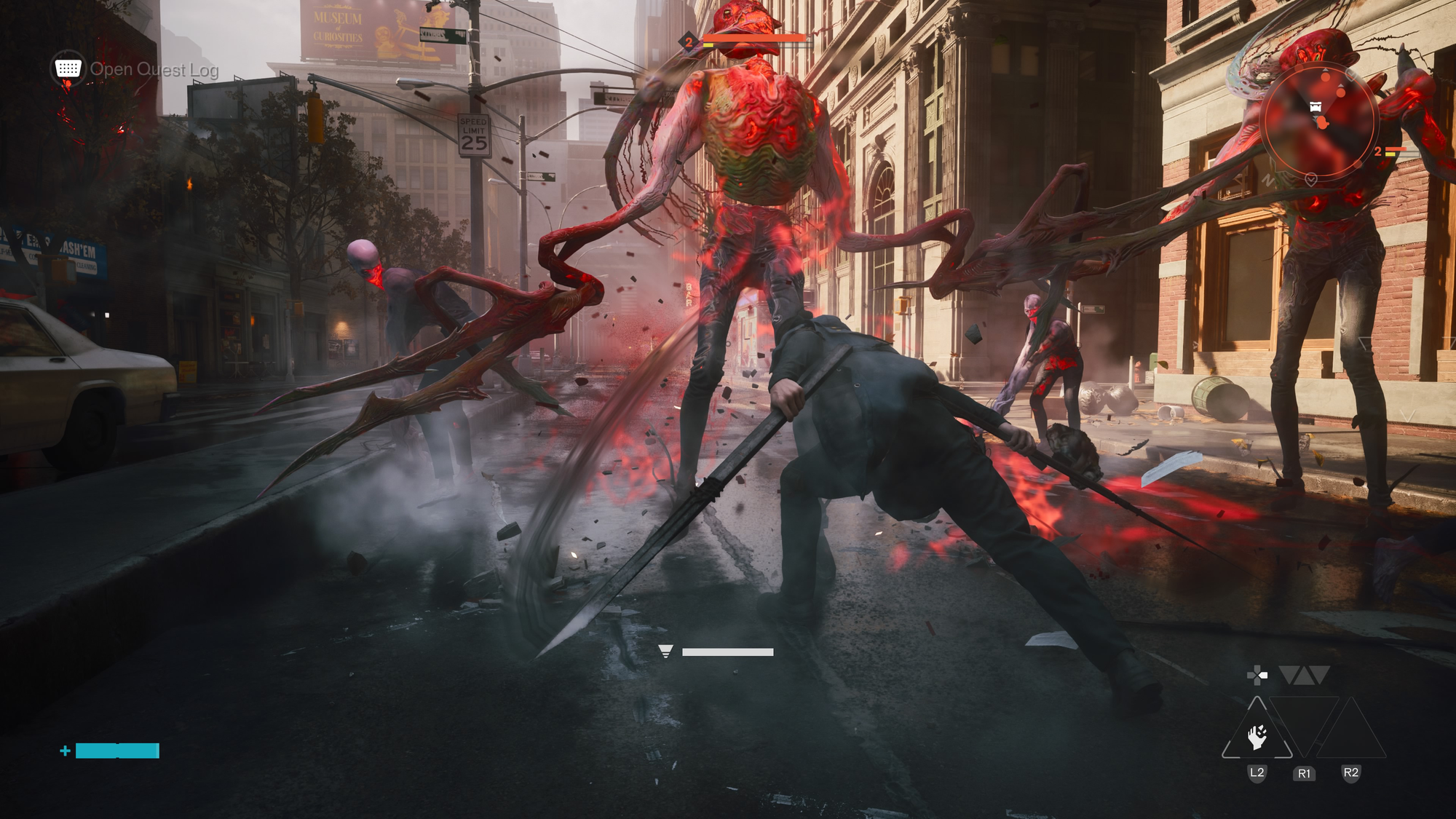
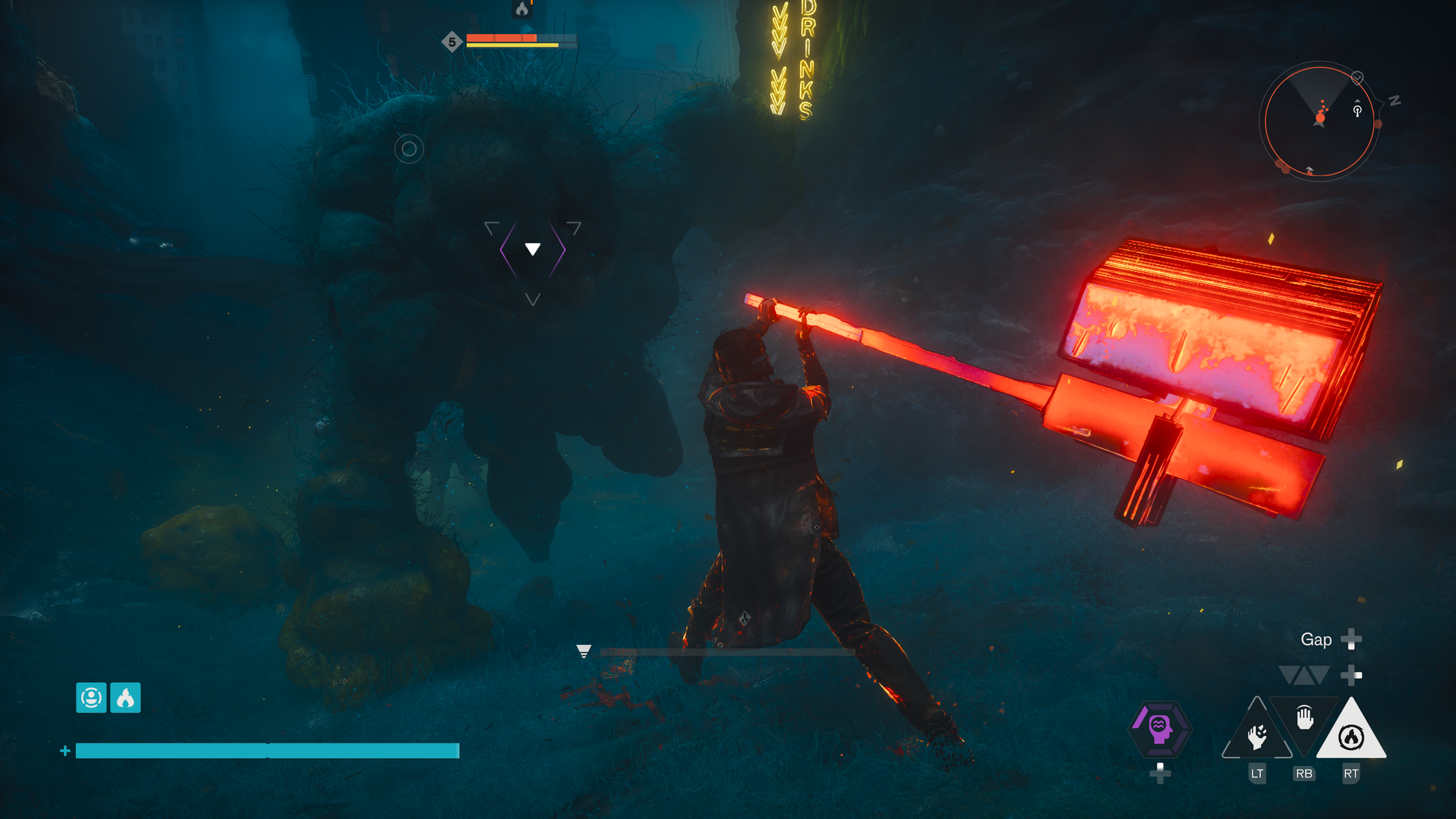
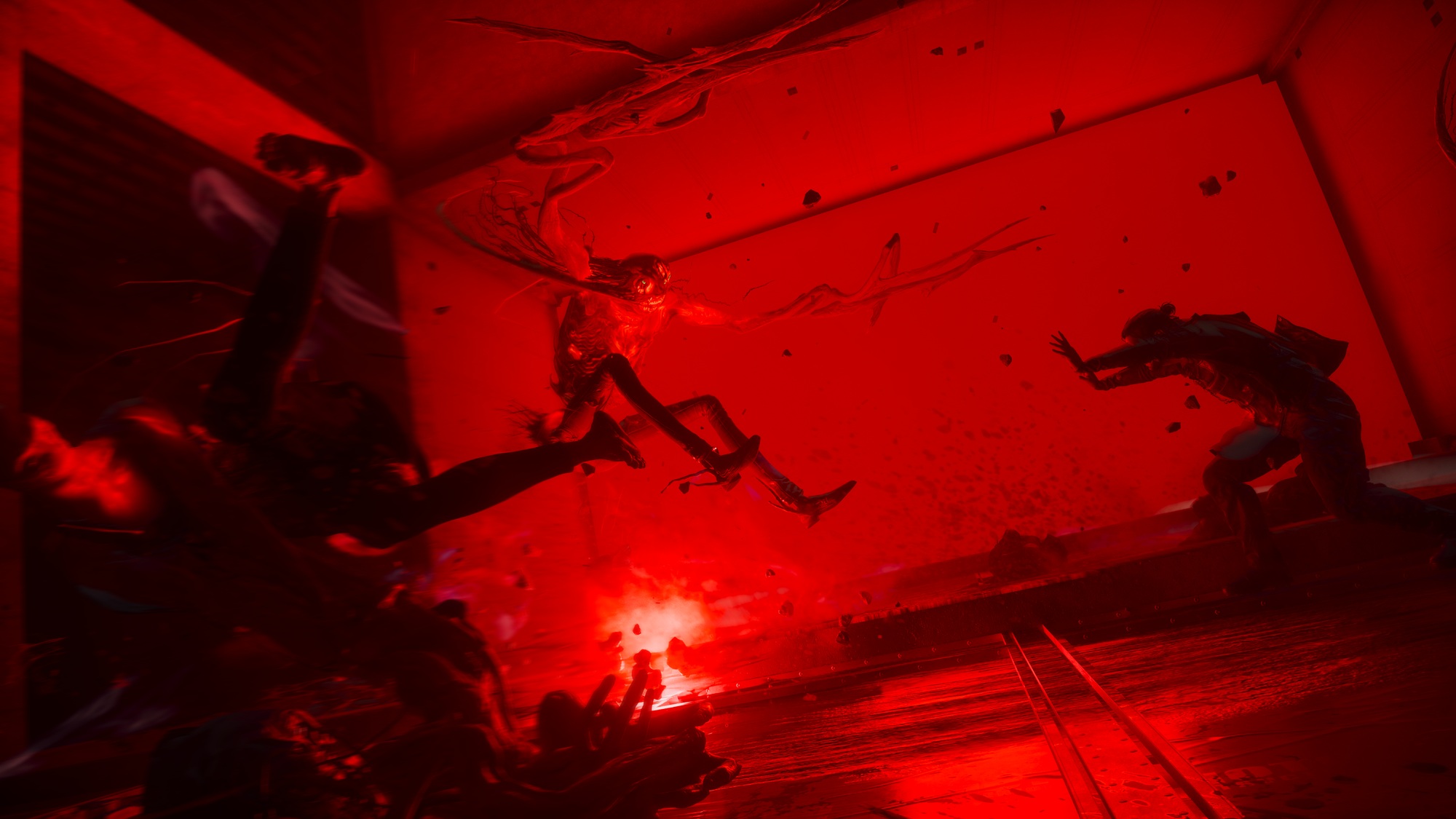
Together, all of your weapons, abilities, and talents make for some of the best gameplay Remedy has ever crafted. It's like poetry in motion as Dylan lunges across the patterned streets of Manhattan, bludgeoning and slashing at foes. The way he can slam an enemy down and then launch them into the air, before viciously performing a finisher is simply brutal. There's a savagery here that wasn't in the original CONTROL: Jesse was elegant, Dylan is turbulent. He's somehow smooth yet chaotic at the same time, an indicator of having great power but not knowing how to use it properly. The air-juggle can be a bit overpowered, but overall, the combat is decently balanced.
Supporting the combat design is a menagerie of enemies, and they make up the reasoning for shifting your loadout. Each category of baddie generally houses similar grunts, heavies, and so on, but the makeup of the Hiss, Mold, and another faction that appears later is unique enough to create a wealth of distinctive encounters. The highlight of all of this is the Resonants, patterned characters who become boss fights. All of them are extraordinary, not only fun in design and aesthetic, but different experiences. They don’t blend; they feel special and represent exceptional creativity.
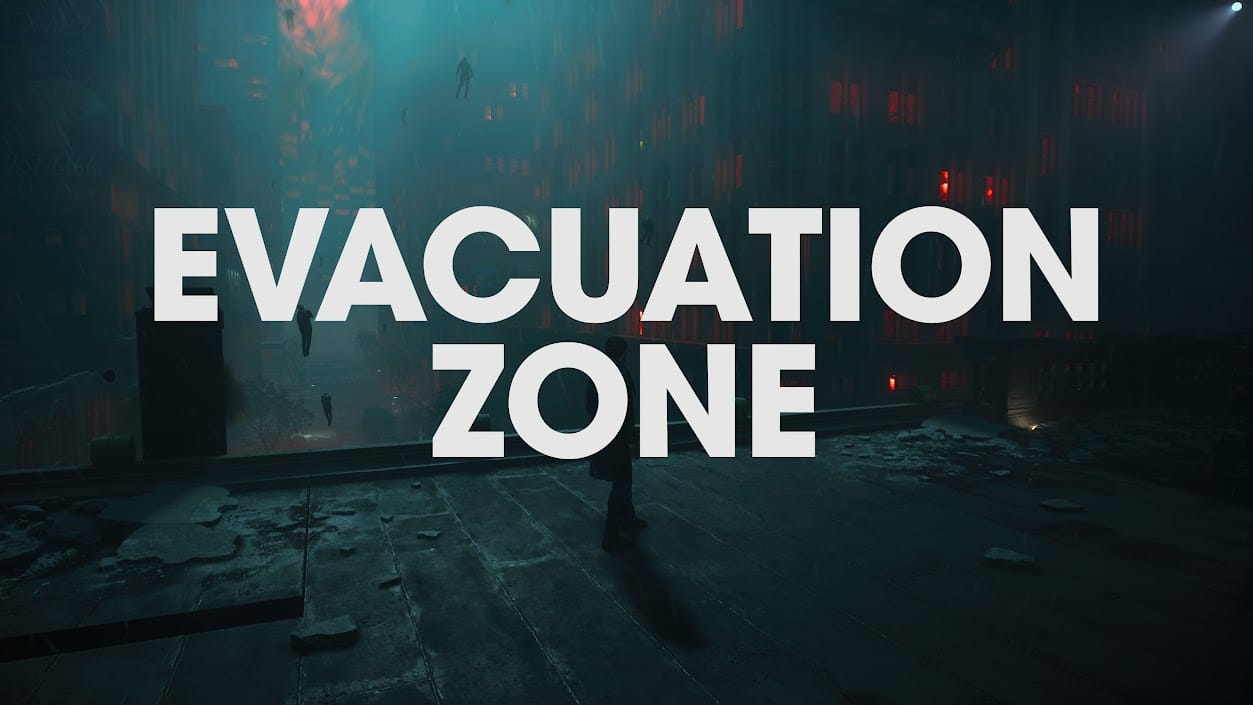
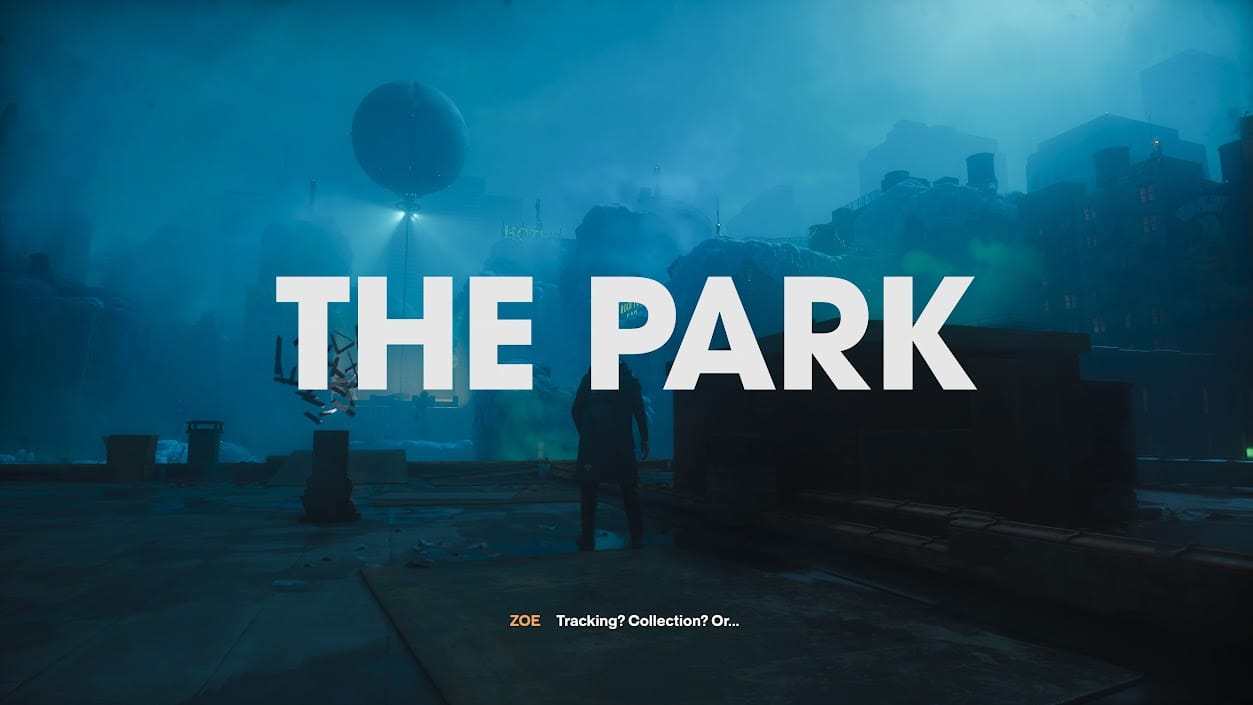

None of this creativity exists without a world to house it, and Remedy’s first real dive into such a large space is outstanding. Manhattan largely feels like Manhattan in the opening hours, at least, until you reach places like the West Incursion Zone and The Park. This is the beginning of the weirdness, as Remedy’s signature oddity powers up over the course of Resonant. I love the Inception-esque cityscapes, requiring your shift power to navigate them alongside fighting an enemy and knocking them onto a wall before joining them. The Park’s mold-infested zone is its own vibe entirely, a musty blue area that screams CONTROL’s ambience. That’s before you even get to The Underpass and The Unknown – I’ll let you discover those amazing locations on your own. Needless to say, the same feeling I got in the Oldest House’s bizarre environments persists in the sequel.
If you were hoping the sprawling streets of Manhattan were covered in side missions and content, I’m here to say “Kinda?”. Your map has a lot of what you pass or open up via enabling mapping towers listed, and important people in the world will ask you to do tasks as you go. There are several standouts in optional missions, like helping Langston find his cat or rescuing people who are stuck dancing because of an Altered karaoke machine. That said, I’d have liked more of that variety. A lot of the content boils down to finding boxes for resources and doing little puzzles. What’s here is good, but there could be more of it. Maybe I’m just greedy for more of what Remedy excels at, though.
Something else Remedy excels at is adding music to their games, and while it is similarly good, I feel like it didn’t make the same impact as other prominent moments in Remedy games. There are several great tracks used (especially ‘Fight For Control (We Go To War)’ by Heviteemu or 'Another World' by Frida Amundsen and Sakima), and of course Petri Alanko delivers fantastic background music. It’s more that there aren’t any levels that become the song. They’re implemented well, but previous Remedy entries have done more with what they had.
Lastly, let’s talk about polish and performance. This is one of the crispest games I’ve played this console generation; Remedy has knocked that out of the park. In this day and age, it’s rare to see a game come through bug-free, but they’ve accomplished that beyond a hiccup or two. On the performance side, I had little to no frame rate drops, with a solid 60FPS in performance mode on PlayStation 5 Pro. Although I’m all about the smoothest experience, I’m tempted by the quality mode that boasts ray-tracing alongside the 4K resolution. In the end, you’re spoiled for choice; Remedy provides remarkable fidelity with their superb workmanship.
CONTROL Resonant
Great
Remedy’s choice to bet on themselves is another one worth making. CONTROL Resonant is a stellar sequel that risks everything yet succeeds in nearly every area it touches. Certain design choices and a slow start aside, Resonant has the heart of CONTROL inside it with a beautiful story that reaches your soul, vicious combat, and a spectacular world to explore that only they could build. Shaking things up usually works best with Shake 'n Bake, but Remedy cooks with Resonant's shift from the status quo.
Pros
- Excellent narrative that builds into a phenomenal finale
- The best combat in Remedy history, oozing with depth
- Dylan is a terrific protagonist
- Manhattan’s overrun atmosphere
- Polished to perfection
Cons
- Starts slow
- Obtuse leveling
This review is based on an early PS5 copy provided by the publisher. CONTROL Resonant comes out on September 24, 2026.