It’s 2002, and I'm playing the first Kingdom Hearts, Fable, Splinter Cell, Metroid, and a new Grand Theft Auto game. It's 2026, and I'm waiting on a just-announced remake of a Zelda game, another Kingdom Hearts installment, a Fable reboot, a remake of Splinter Cell, and another Grand Theft Auto game. The other game that spanned those two timelines was Godzilla: Destroy All Monsters. Now Godzilla: Destroy All Monsters Melee Remastered, this newest installment from Atari and Pipeworks Studios (Yes, that Pipeworks – the studio that made the original, though they were known as Pipeworks Software then) promises that same Kaiju on Kaiju action that made the original so special. Now they get another shot at bringing one of their best games back to life for a whole new audience. I got to play it, and it transported me to a much simpler time, but with a fresh coat of paint. Let’s take a look at Godzilla: Destroy All Monsters Melee Remastered.
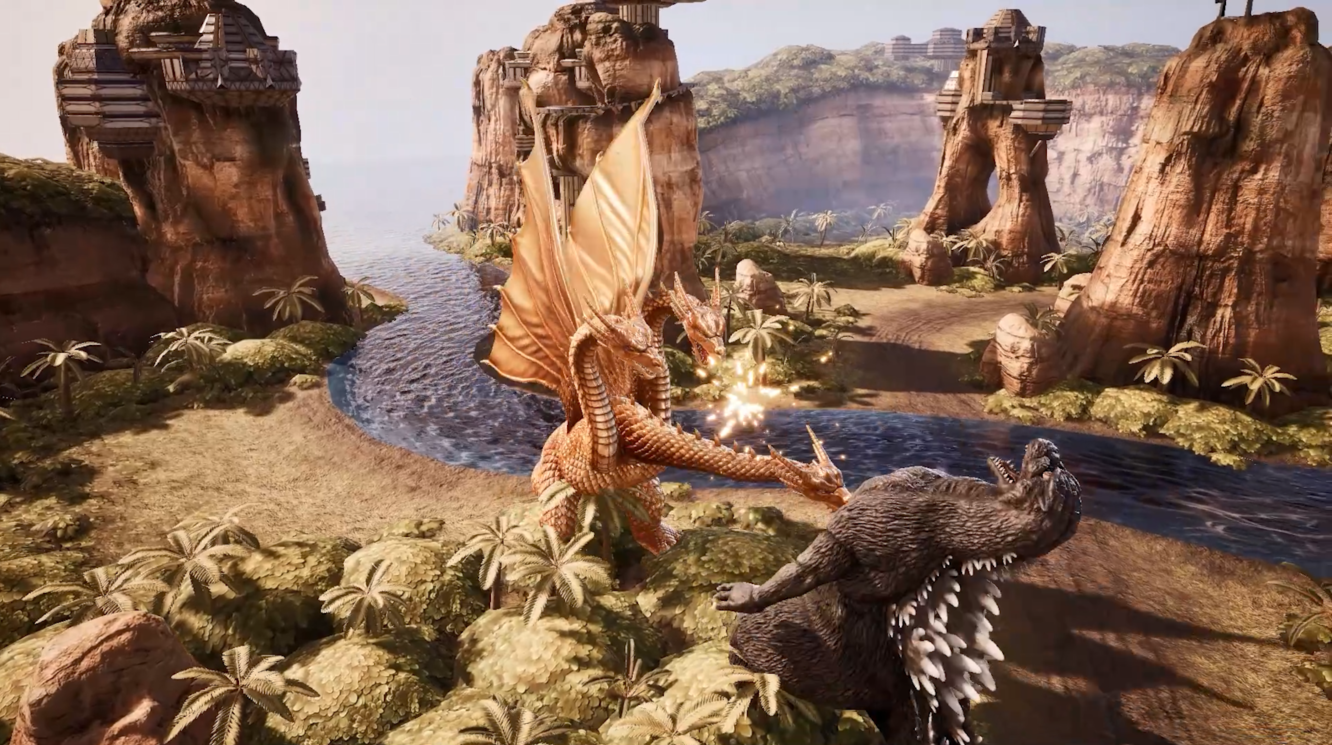
First and foremost, if you’re concerned this is going to be some ground-up rebuild that changes the feel of the fight in the original, rest assured, the core is intact. It’s the same game you played with updated controls and far better graphics. It features an almost 1:1 roster as the original release, including Heisei Godzilla, Godzilla 2000, Anguirus, Megalon, Orga, Rodan, King Ghidorah, Mecha King Ghidorah, Gigan, Destoroyah, and Kiryu. Similarly, every stage is ported directly from the original GameCube release, including San Francisco, Seattle, Tokyo, London, Los Angeles, Monster Island, Osaka, Japan, and The Mothership. I’m not sure if Vortaak, Thashberg, or the Boxing Ring from the Xbox version will make an appearance, but time will tell. Because the game is no longer restricted by the technology of the original, the team has expanded the arenas significantly, so they no longer feel restrictive or too small for the big battles and bigger beasts. Online multiplayer returns, but now has the advantage of being cross-platform – something we could have only dreamt of back in the day. That’s all of the goodies that are returning, so let’s talk about what’s new.
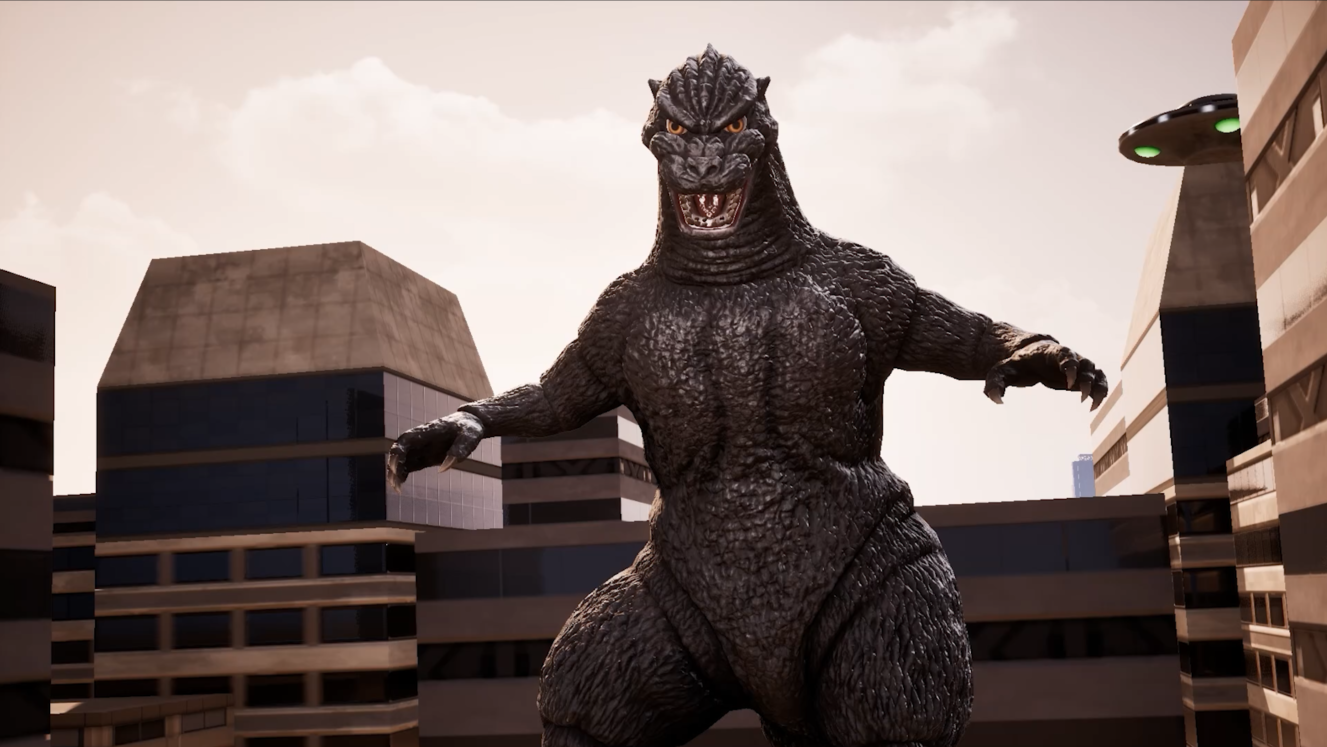
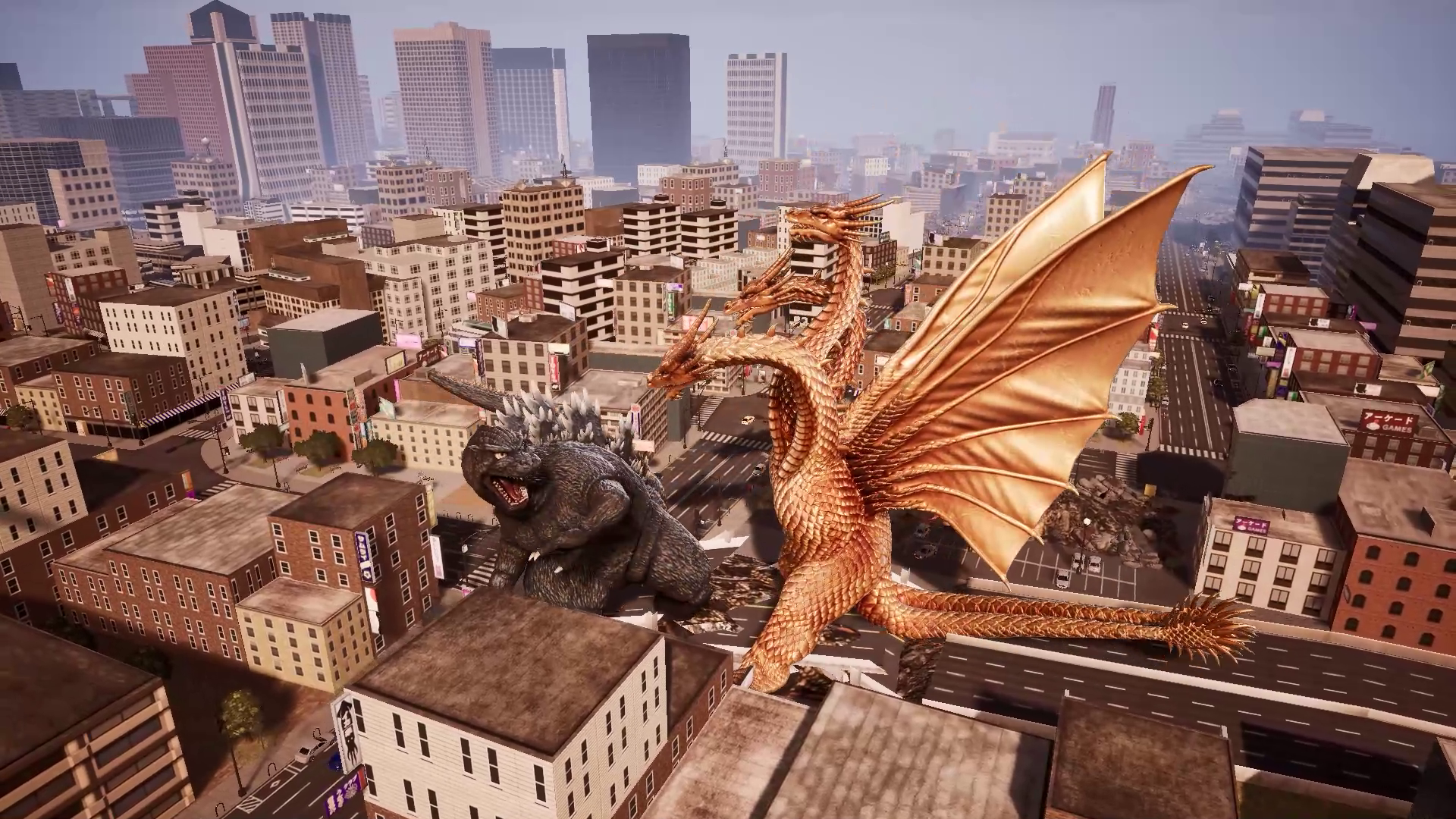
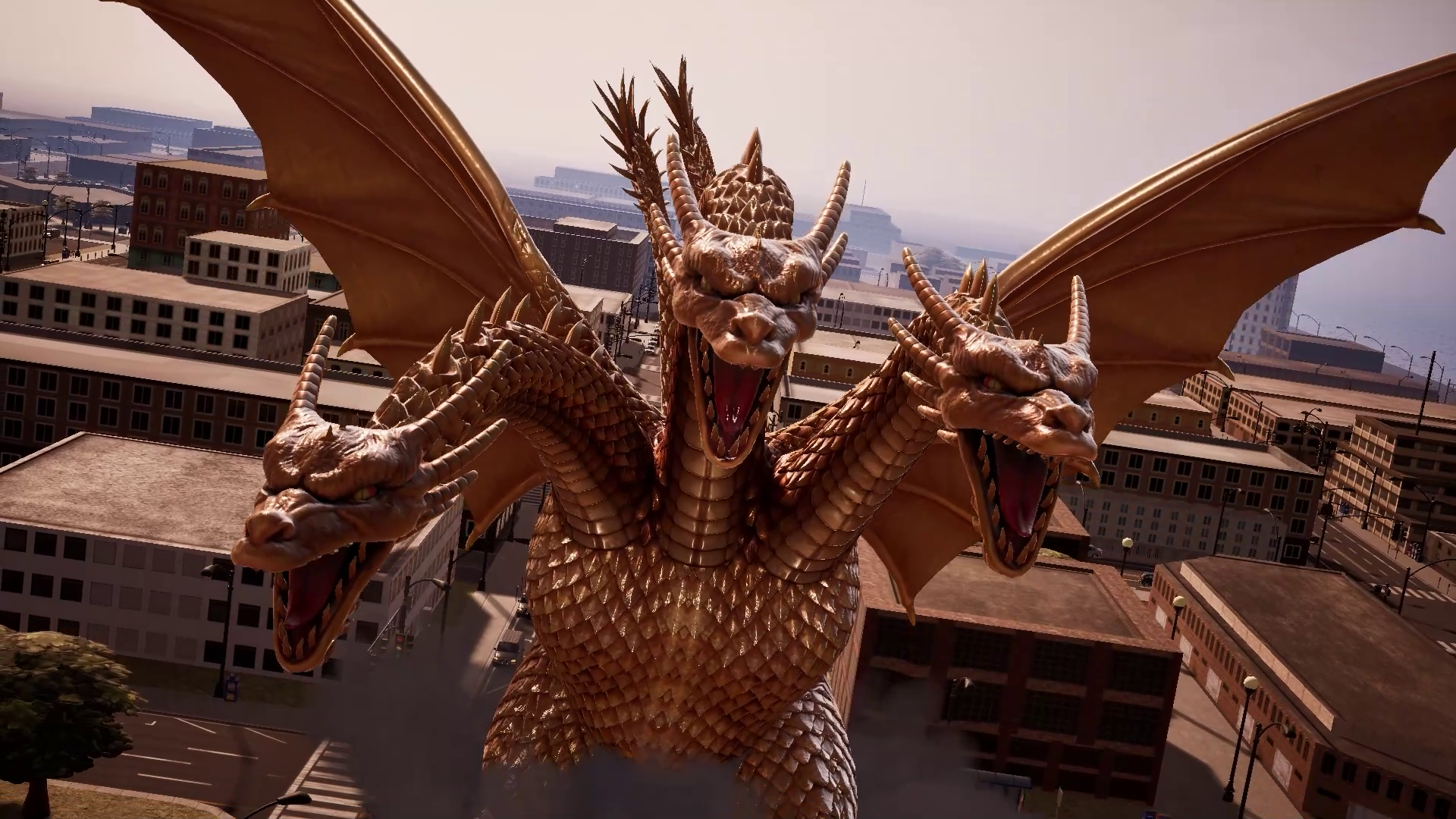
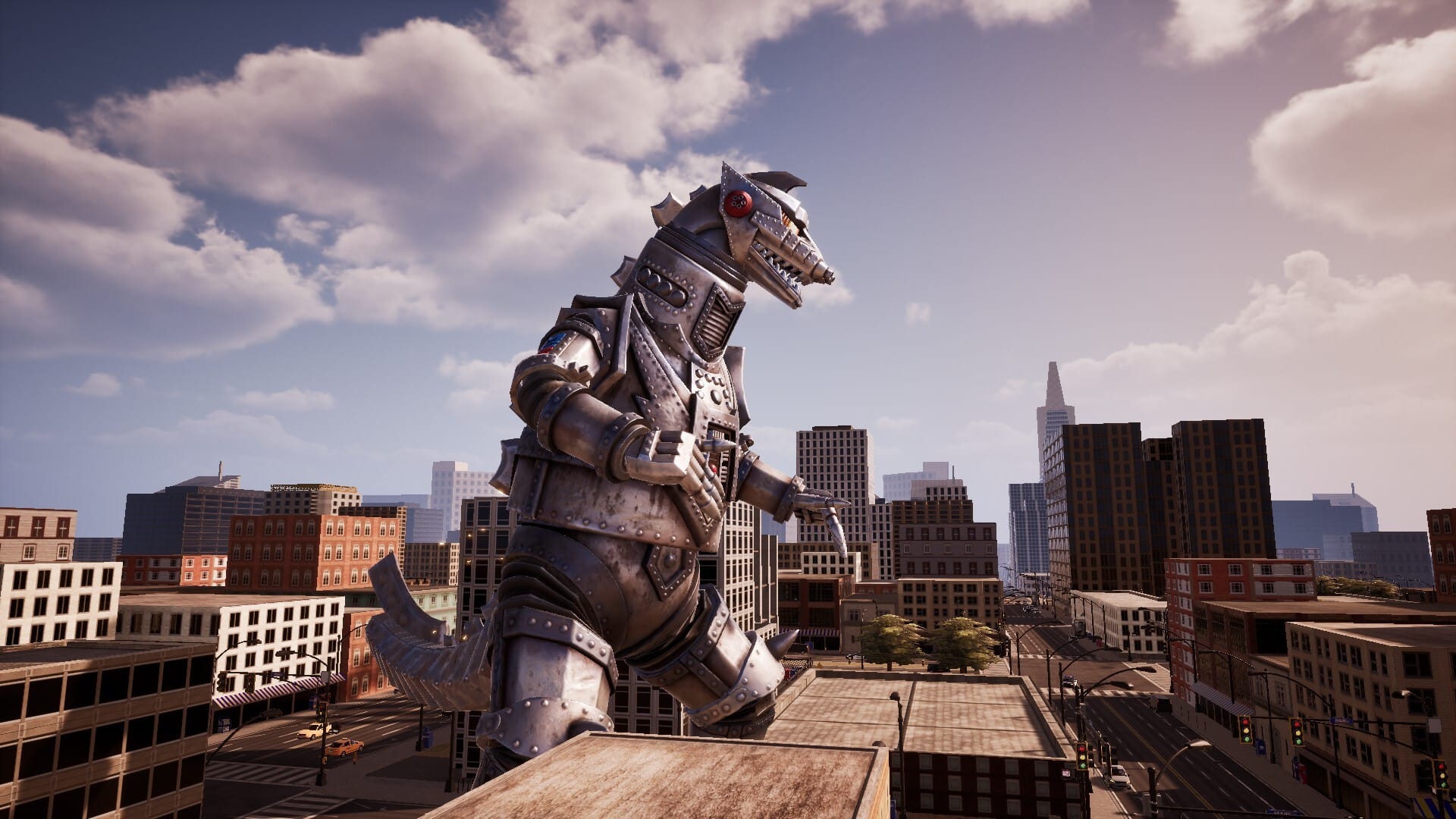
The first and most noticeable change is the move to Unreal Engine 5. It allows the stages to be far better looking than the original. Rather than going for hyper-realistic, the team instead focused on keeping the look and feel of the original, but with all of the details that our nostalgia brain imagines it to be when we reminisce. Godzilla: Destroy All Monsters Melee Remastered now looks like every Toho monster movie version brought to life. King Ghidora now has the proper horns and looks like he’s covered in individual scales, not the texture of scales painted on. Mecha Godzilla now has hands that spin, tiny bolts that protrude, and looks like steel, versus the original, which was far too smooth. Godzilla himself looks like he has scales and moves in the same way as his movie counterpart, versus the original, which had an odd mossy, strand-like texture. Buildings now have windows, fire escapes, traffic and traffic lights, crumble when hit or fallen into in a realistic manner, and they aren’t socked in with enough fog to keep the framerate stable. The team was working with the limitations of time, and they did their best with the original. What’s on display with this new version is absolutely lore-perfect in a way that has to be seen to be believed.
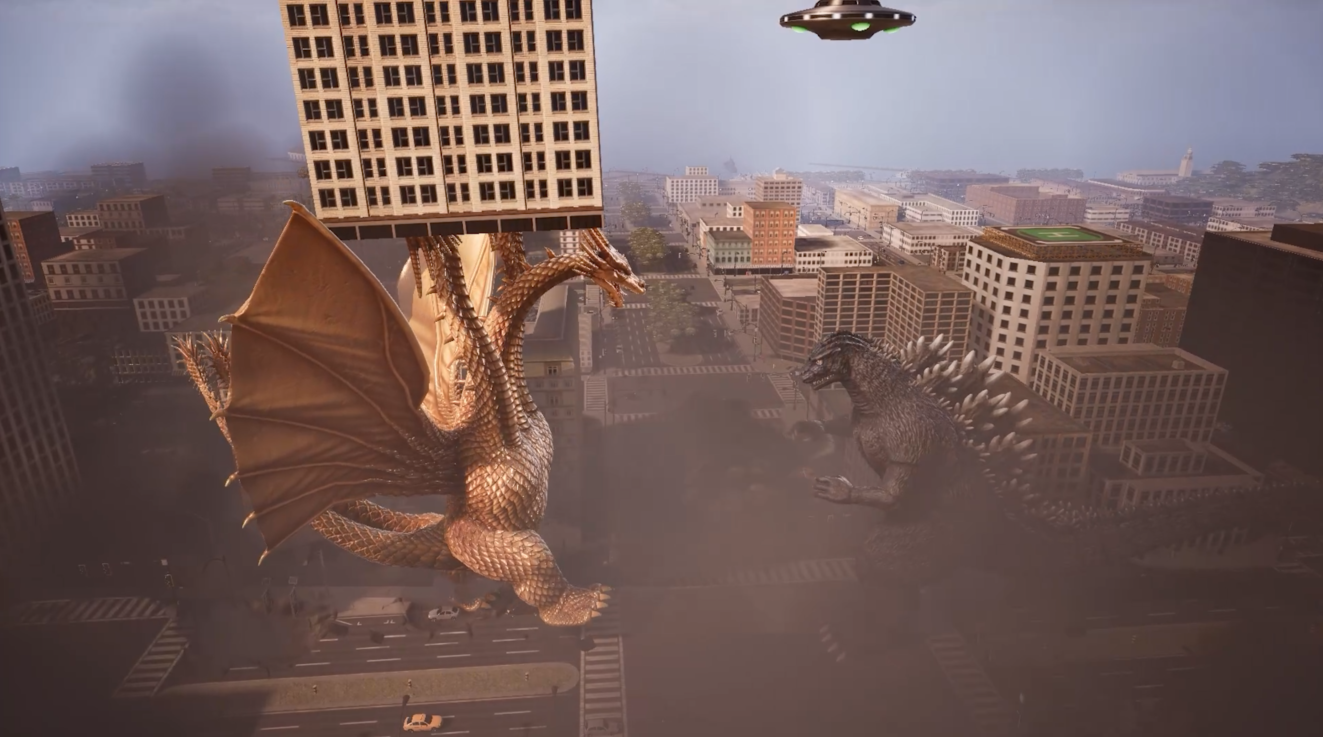
One of my favorite additions is an all-new local co-op mode, as well as the introduction of achievements and an all-new single-player campaign for each Kaiju that replaces the arcade ladder mode in the original. Tournament Mode gets an expansion. While the original supported Versus and Melee, it now has a formal, structured bracket system, supporting up to four players. Destroy Mode is a new destruction-focused mode where you earn points by leveling cities, then using the points to upgrade stats and skills. This progression system wasn’t present in the 2002 game, so it should provide some replay and longevity. Online Multiplayer is also new, allowing two players to square off online, as well as random matchmaking. Local multiplayer returns, but the larger maps allow for four-player chaos. That’s exactly the kind of chaos a good Kaiju battler needs. Another thing that sees a rework is the unlock system. Characters, maps, and gallery items are now unlocked via in-game currency earned via all of the modes I just mentioned, not just campaign completion. Add in controller haptics and a slew of other quality-of-life improvements, and this is shaping up to be a fantastic remaster that takes everything the original gave us and cranks it up to 11.
Godzilla: Destroy All Monsters Melee Remastered is coming our way on November 3rd, 2026, on Xbox Series X|S, PlayStation 5, Switch 2, and PC. Stay tuned here for more Summer Game Fest goodness, and look for our continued coverage for other games coming from Atari – they’ve got a few real gems headed our way!