Onimusha: Way of the Sword has its ups and downs, with the ups being the incredible combat and the downs being the constant busywork in the open world, but if you’re worried about the Switch 2 version not being up to par with others, you can put that fear to bed. While not perfect, the game feels substantially smoother than Resident Evil Requiem earlier this year, which already ran pretty well by my eye.
Visually, you will be dealing with noticeable compromises. Just like other RE Engine titles, this comes mostly in the characters’ hair and a lot of aliasing. Some characters look fine, like Musashi and Takamura, while others like Shizuka look like they’re wearing a very stiff wig. Some of this is mitigated in cutscenes as the game will seamlessly shift into a “graphics” mode of sorts, applying significant amounts of post-processing, but Shizuka’s still gonna look a little weird, which is a shame because she’s such a major character. In some close-ups, you may also see the inside of characters’ mouths look too shiny and smooth, which can be a little distracting.
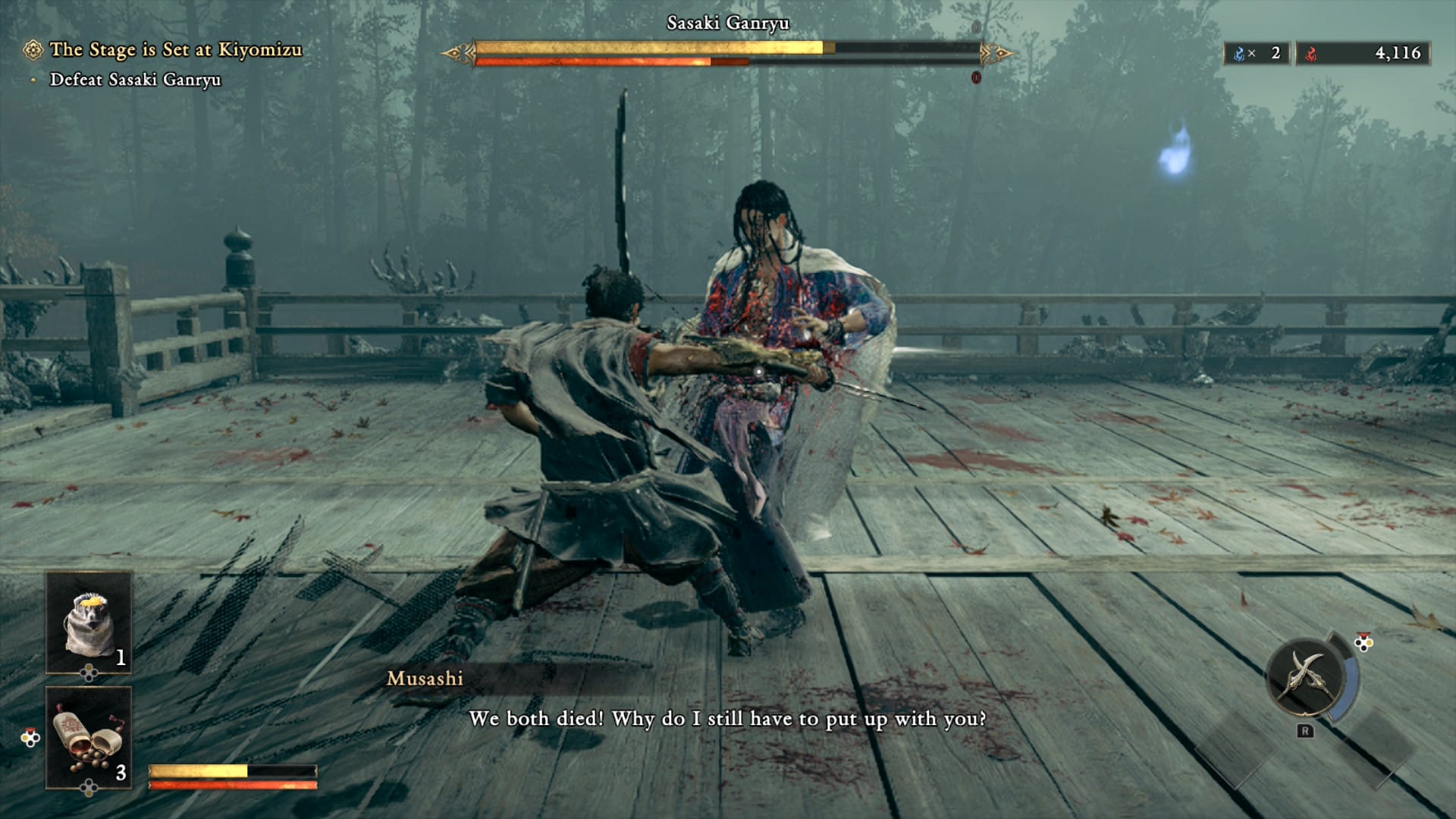
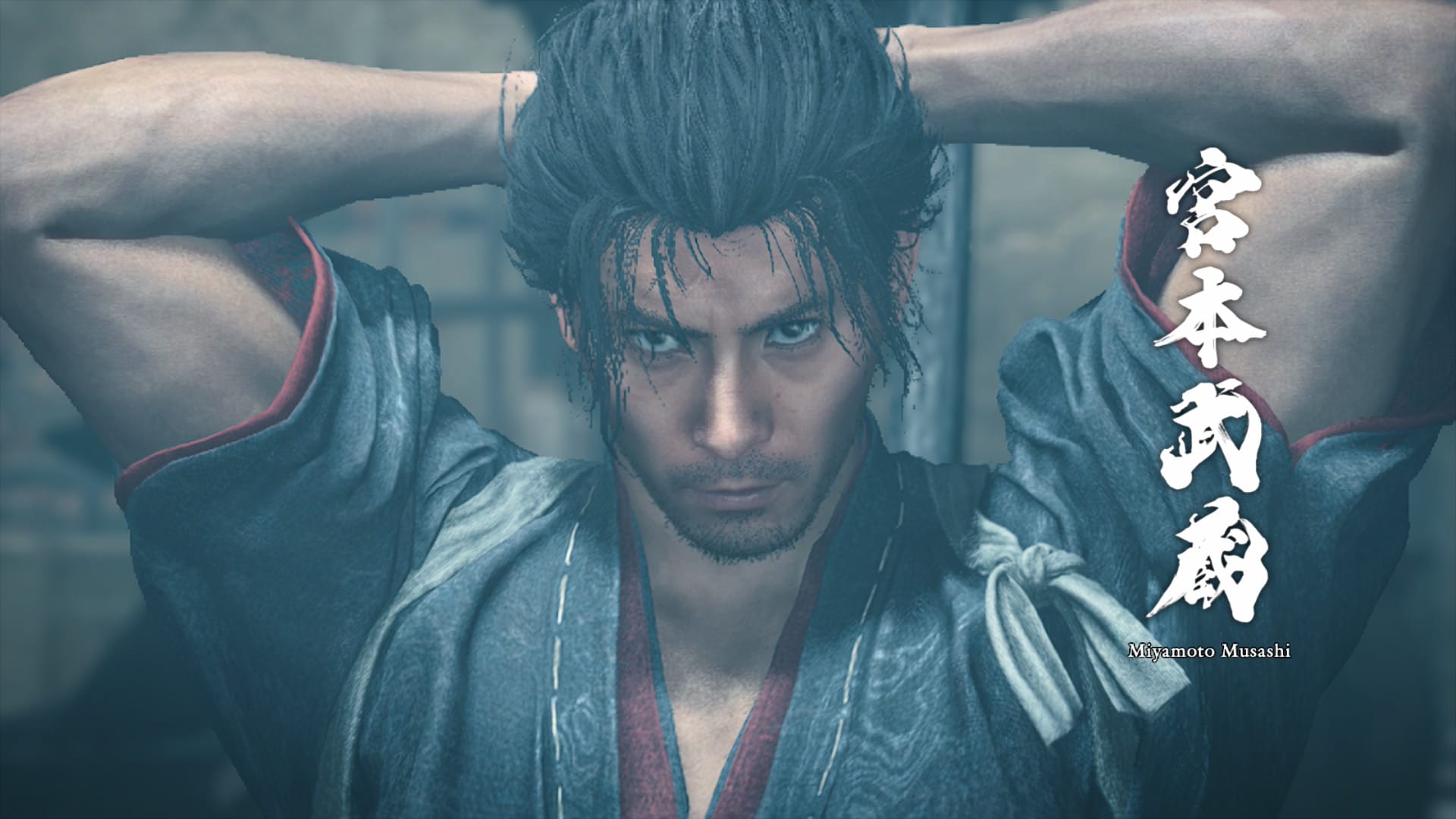

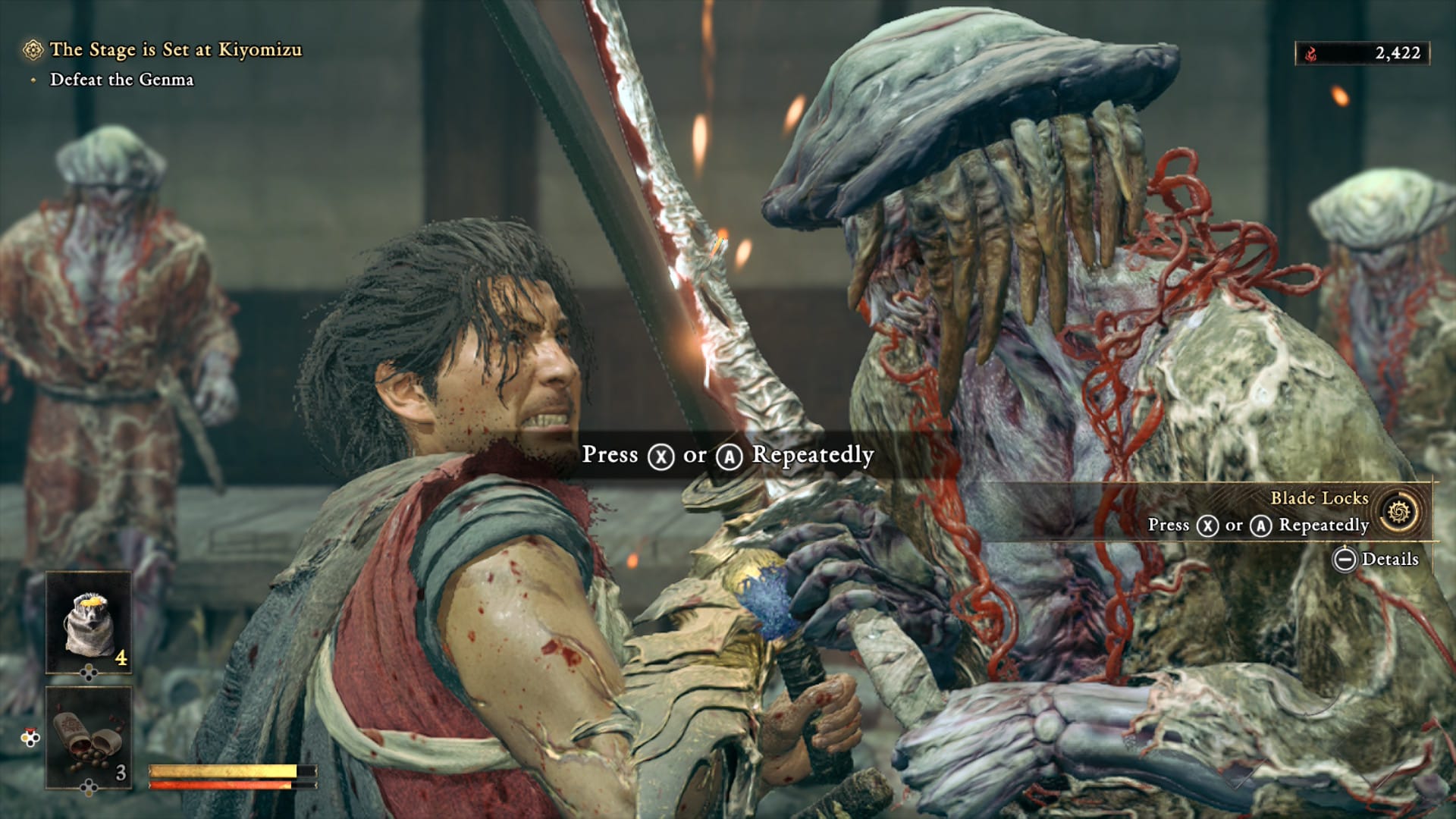
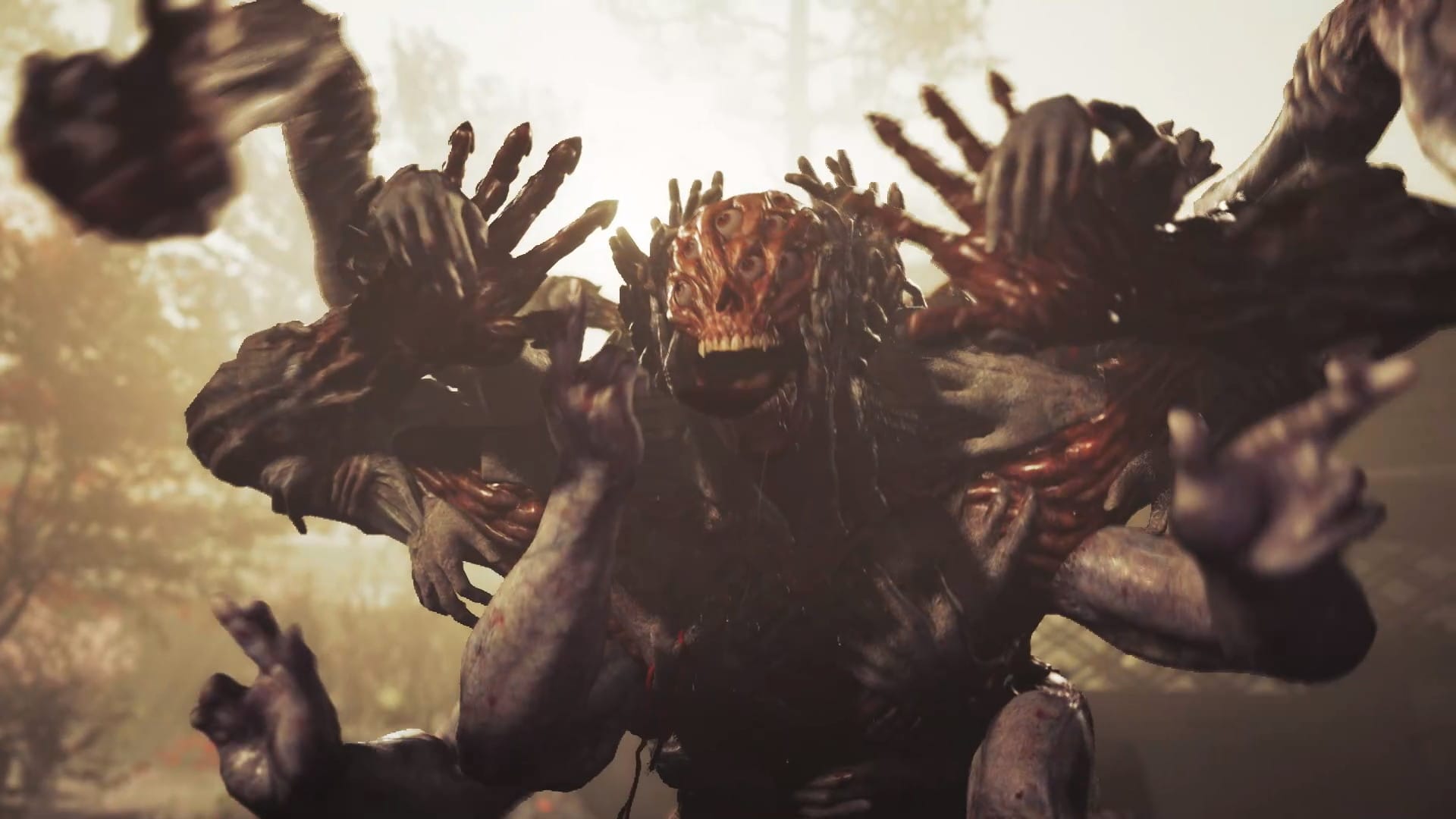
During gameplay, you’ll also be able to notice some fuzziness from whatever upscaling the game must be doing in the background. That’s only if you’re looking really closely though; it just fades into the background otherwise. The game generally looks fantastic. Though you might not think it because of how drab Kyoto is, once you get into the linear levels, which we’re mostly not allowed to show you, there’s some fantastic visual design that’s impressively creative. Like, just look at this underground lab! That’s how you know this game has some Resident Evil DNA.
The linear levels are where the game really shines, visually and gameplay-wise, and I wish more time was spent in these rather than in the open world of Kyoto. In Kyoto, you’re essentially just running from arena to arena doing whatever the plot needs you to at the moment, whereas the linear levels have puzzles to mix things up. You’re not going to get as many as the original Onimusha, which is a shame, but they still really help to break up the pace and get you excited for the next combat encounter rather than going through the motions.
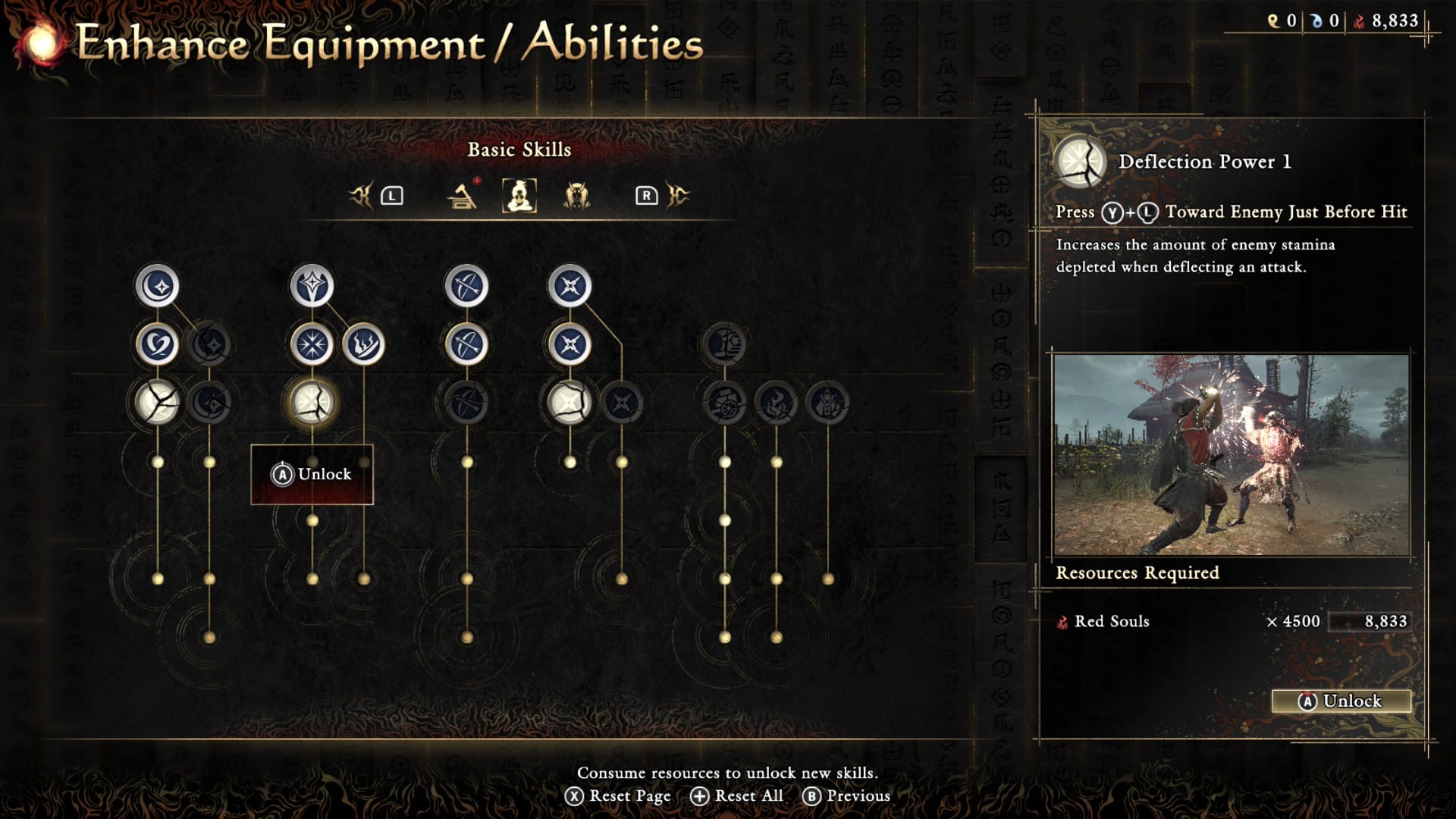
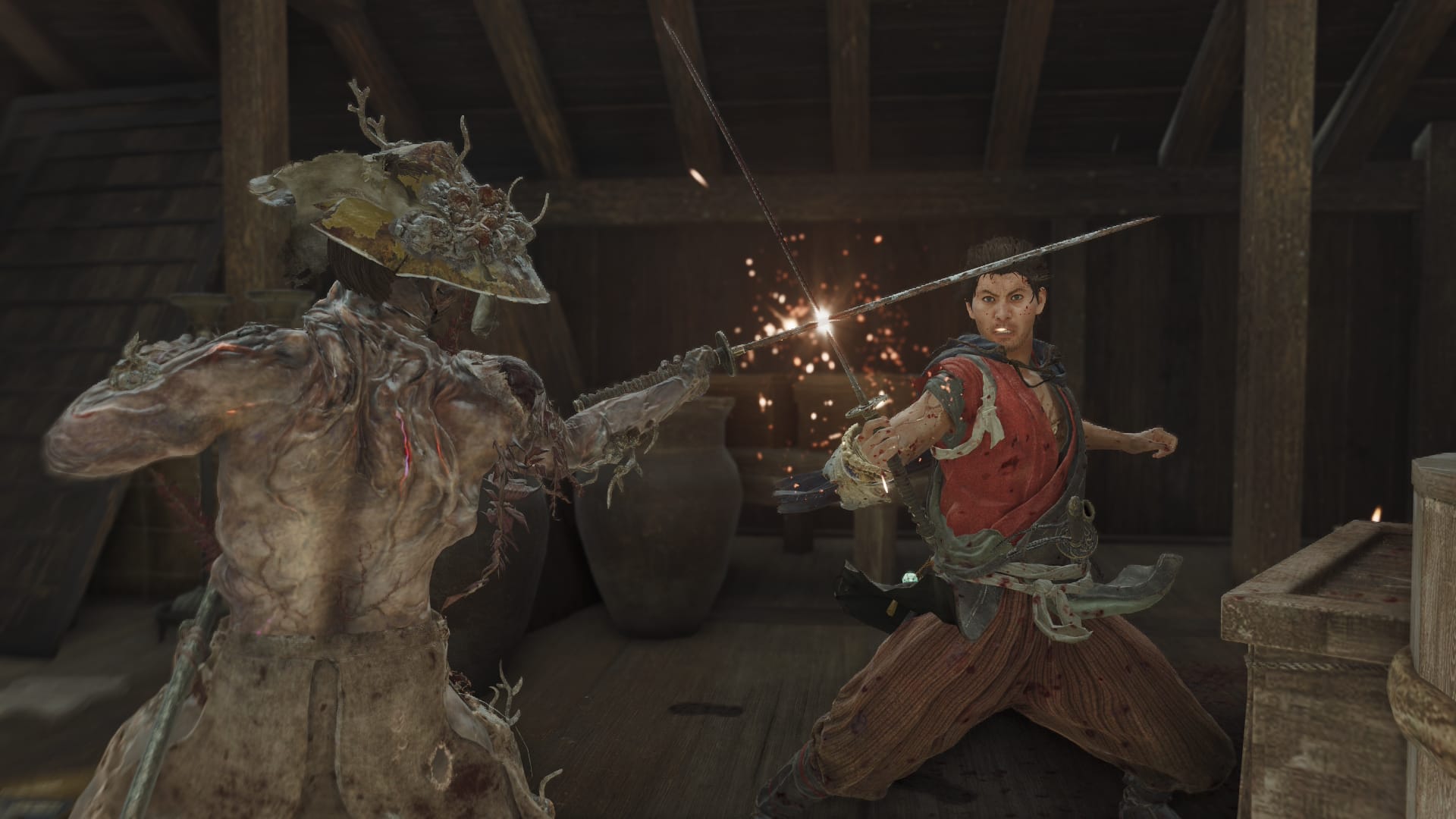
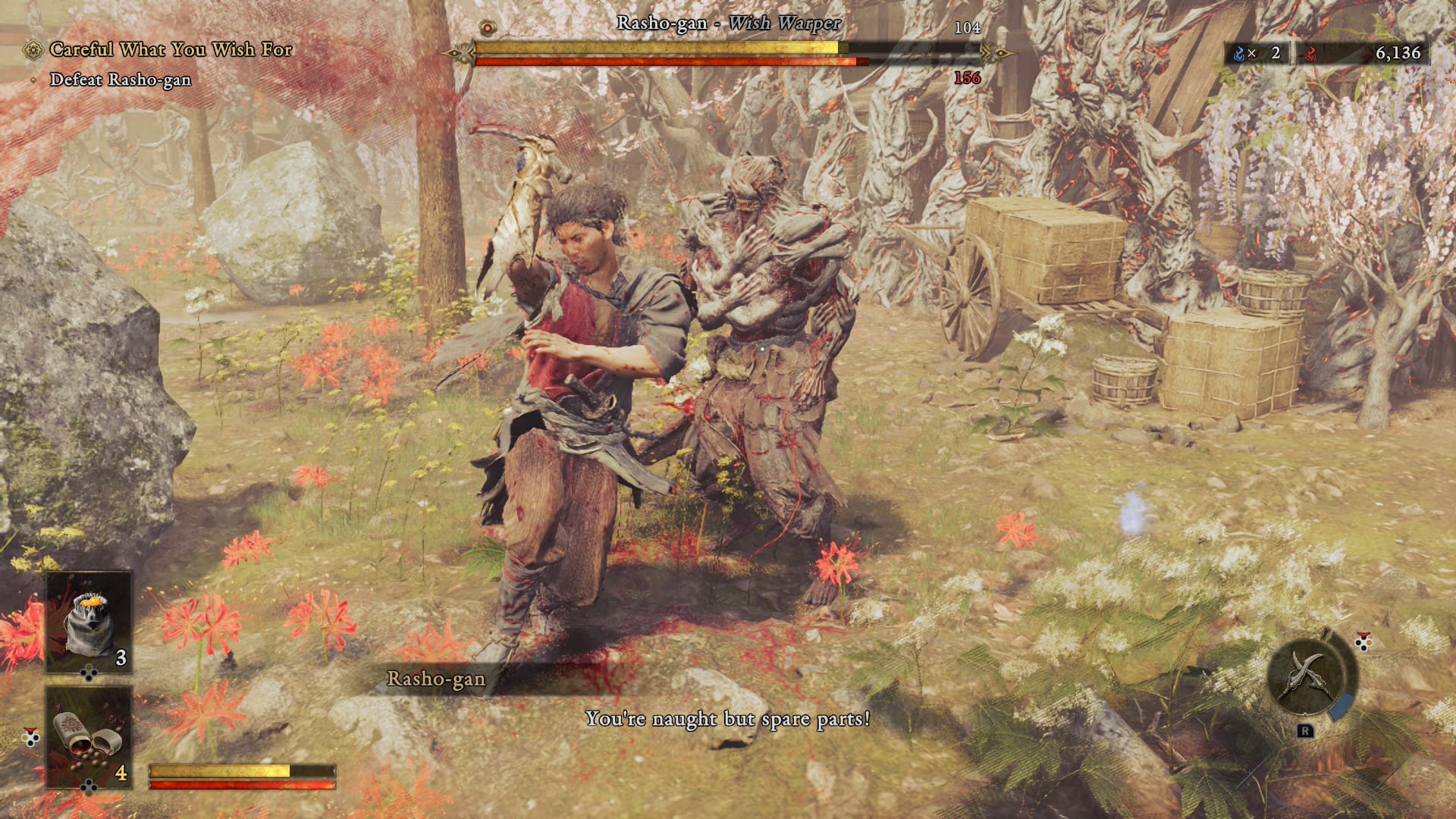
The game also runs way better in these areas. You’ll mostly be hovering around 45 fps in Kyoto with the framerate unlocked, but certain parts of the linear levels can even reach 60. Portable mode’s VRR screen does help a lot with making the game look smoother than it is, but if you’d rather have something consistent, you can cap the framerate at 30 in the settings. In fact, I think the game starts with the cap on by default, but personally I’d recommend turning it off and never looking back. This is an action game where you need split-second reactions, and every frame you can get helps. Capping the FPS will also make the frametime a lot smoother, though, so it’s really down to preference.
Unique to this version are motion controls, which bring me back to the Wii days where everyone was trying to shove them in. They work pretty well here, but won’t give you the precision you really need for even basic combat encounters. You shake the right Joy-Con 2 horizontally for one-handed attacks, and vertically for two-handed attacks. You will still need button controls for some other actions, but what actually attracted me to this control scheme was the motion aiming. I could play the game normally with buttons, then use gyro to aim my bow. It’s a shame you can’t enable this in other control methods.
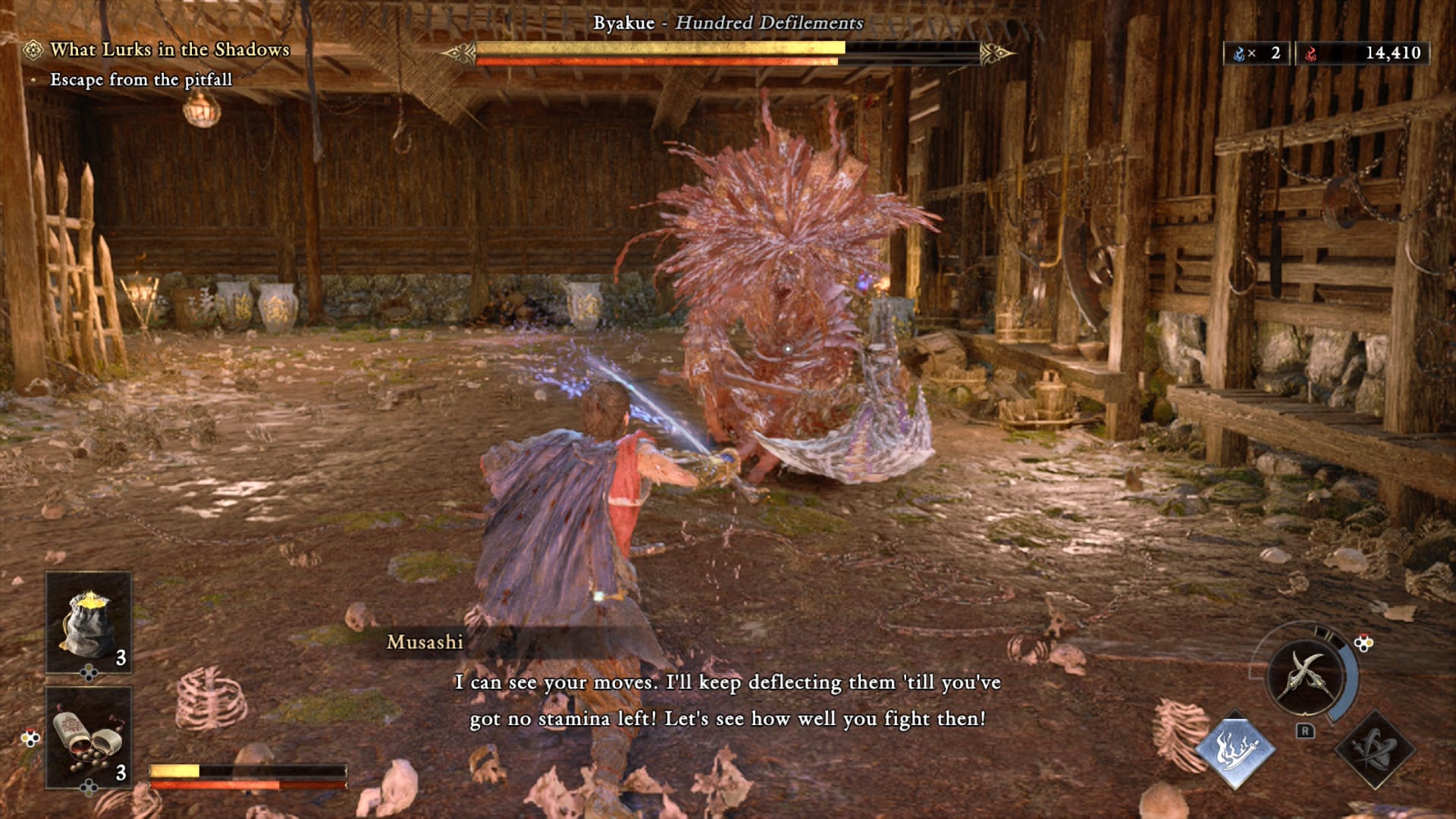
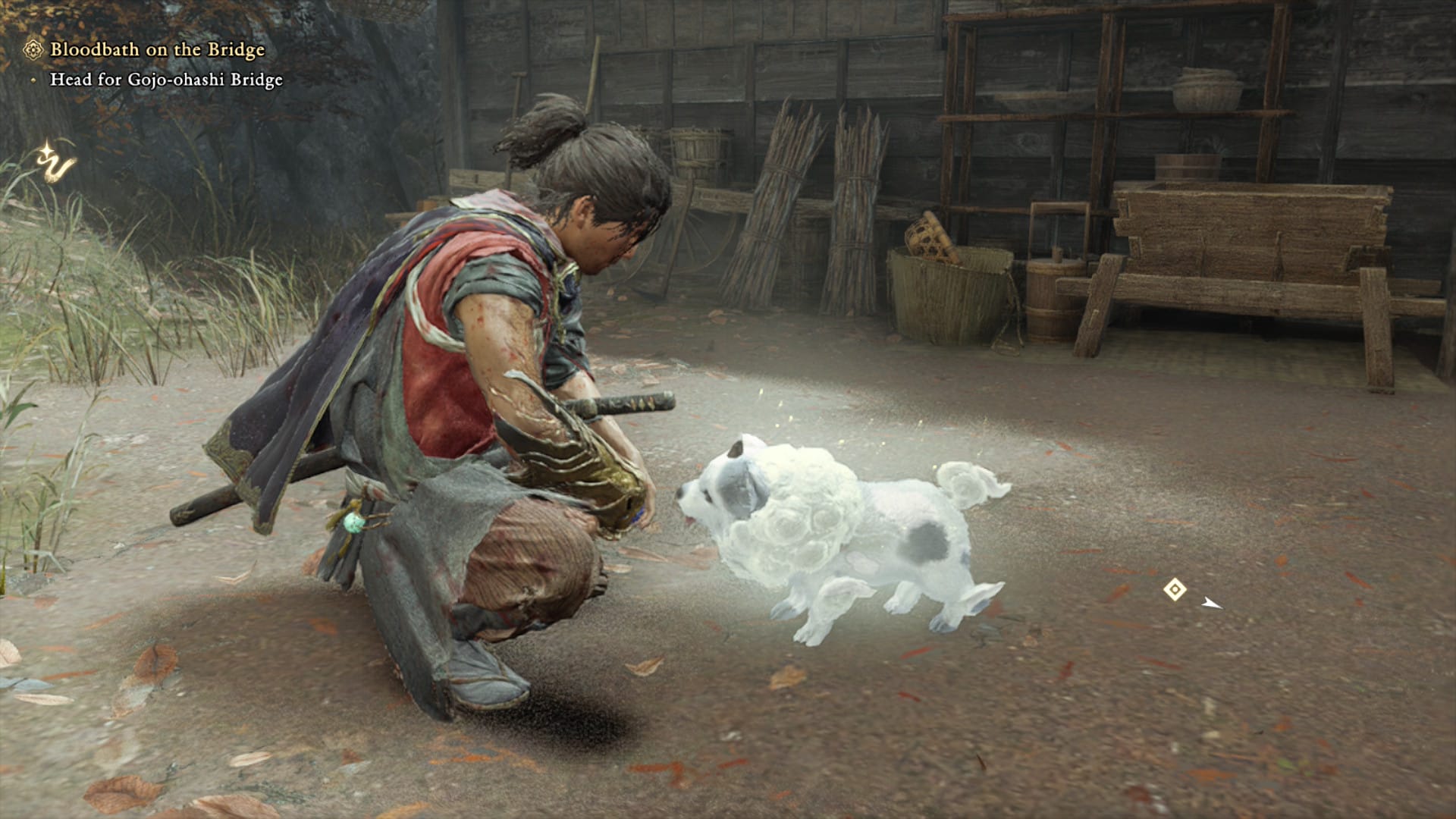
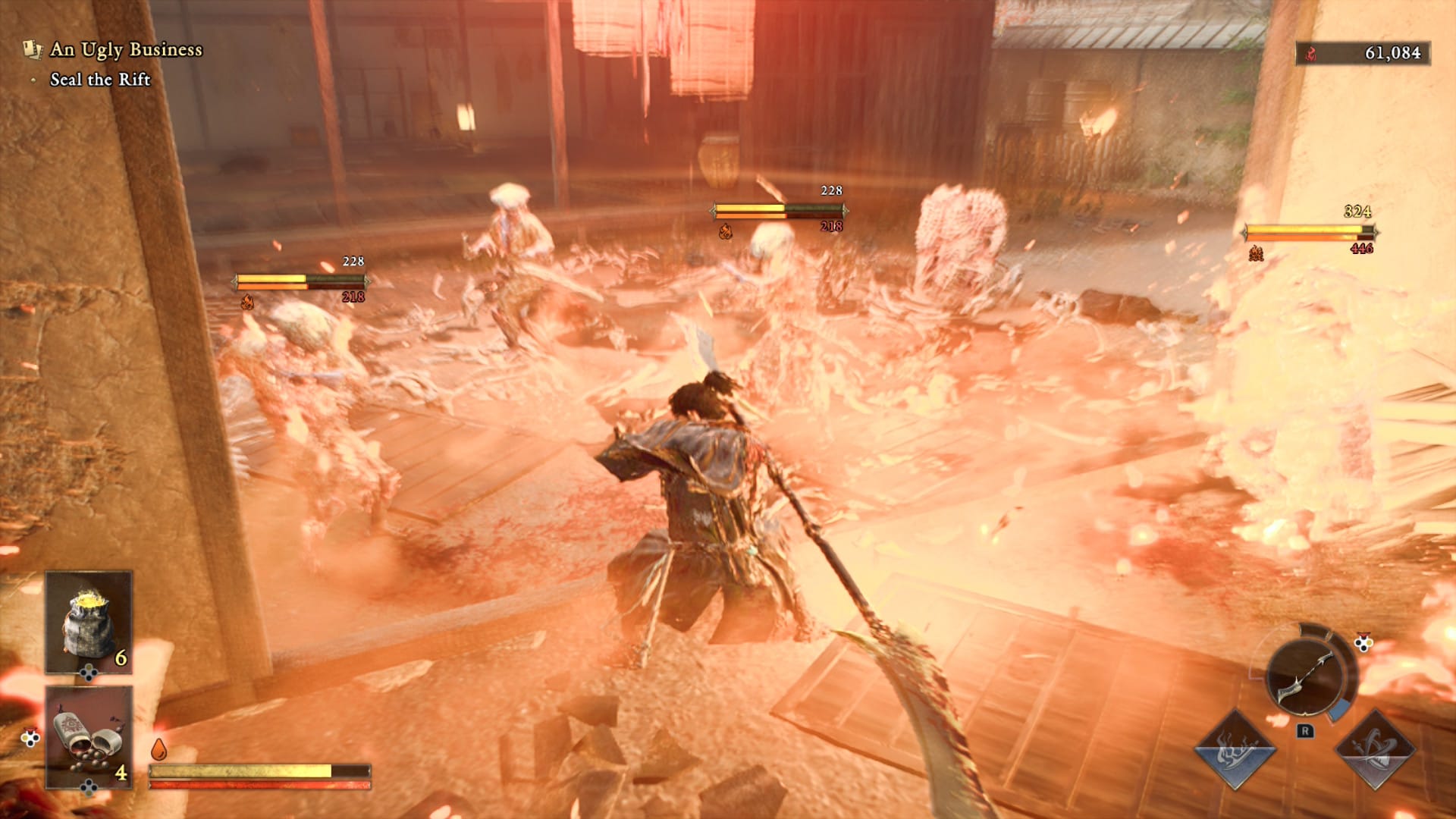
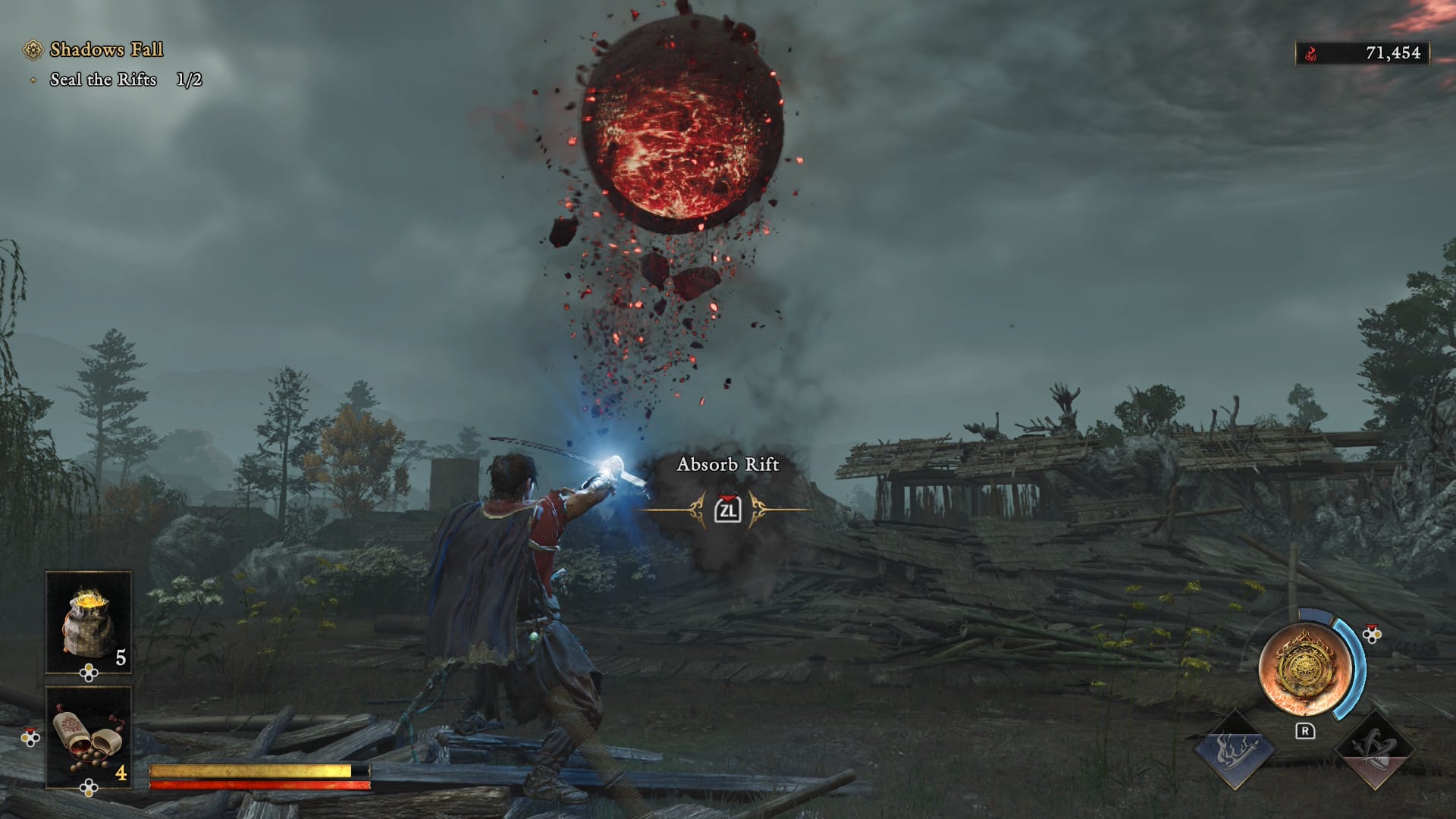
You can read more about this in our full review of the game on PlayStation 5 by Joe Morgan, but the combat in Onimusha: Way of the Sword is phenomenal, particularly the boss fights, and there are a ton of boss fights. While Musashi’s characterization and writing are all over the place, with the game sometimes feeling like that AAA Mario meme, one thing consistent is that he wants to test himself against strong warriors. With the game sometimes feeling like you’re just killing time between boss fights, you start to feel the same way, just waiting for the chance to perfect parry a literal lightning strike from the heavens or sever a Nue’s tail and throw it back at the creature. You’re going to die a lot to these fights, but you’re also going to get back up every single time just for the thrill.
Again though, that thrill is a little diluted when the game has you running errands in the open world for hours at a time. Most of the game’s 30-or-so-hour runtime does feel like padding, and Way of the Sword would have been better served by cutting all the fat and delivering the incredible, action-oriented experience at its core. I’ll probably still go back and replay this at some point because that’s just what you do with most Capcom games, but I’m not eager to do so because of the open world and terribly written story. However, you can refight all the bosses whenever you want, so that might be the better option.