H.P. Lovecraft once wrote of dreams, saying “It is in dreams that I have known the real clutch of stark, hideous, maddening, paralyzing fear”. At Miskatonic University, Professor Harry Everhart has begun to see waking dreams – bizarre and unsettling black ink that intrudes into his reality. At the same time, one of his students, Evangeline Drayton, begins seeing dreams of an artifact and massive otherworldly towers that defy all logic and explanation. Together they must work to uncover the source of these dreams, both waking and asleep, but what they find will rip the very fabric of their world.
Call of the Elder Gods is based on H.P. Lovecraft’s “The Shadow Out of Time” – a lesser known story from the author’s pantheon of works, written in 1936. In it, a professor experiences a form of body swap possession where his mind is juggled with an alien life form from the Great Race of Yith. The story is one of the earliest science fiction / horror blends in literature and further refines and establishes the concept of the Great Old Ones and unknowable cosmic horror.
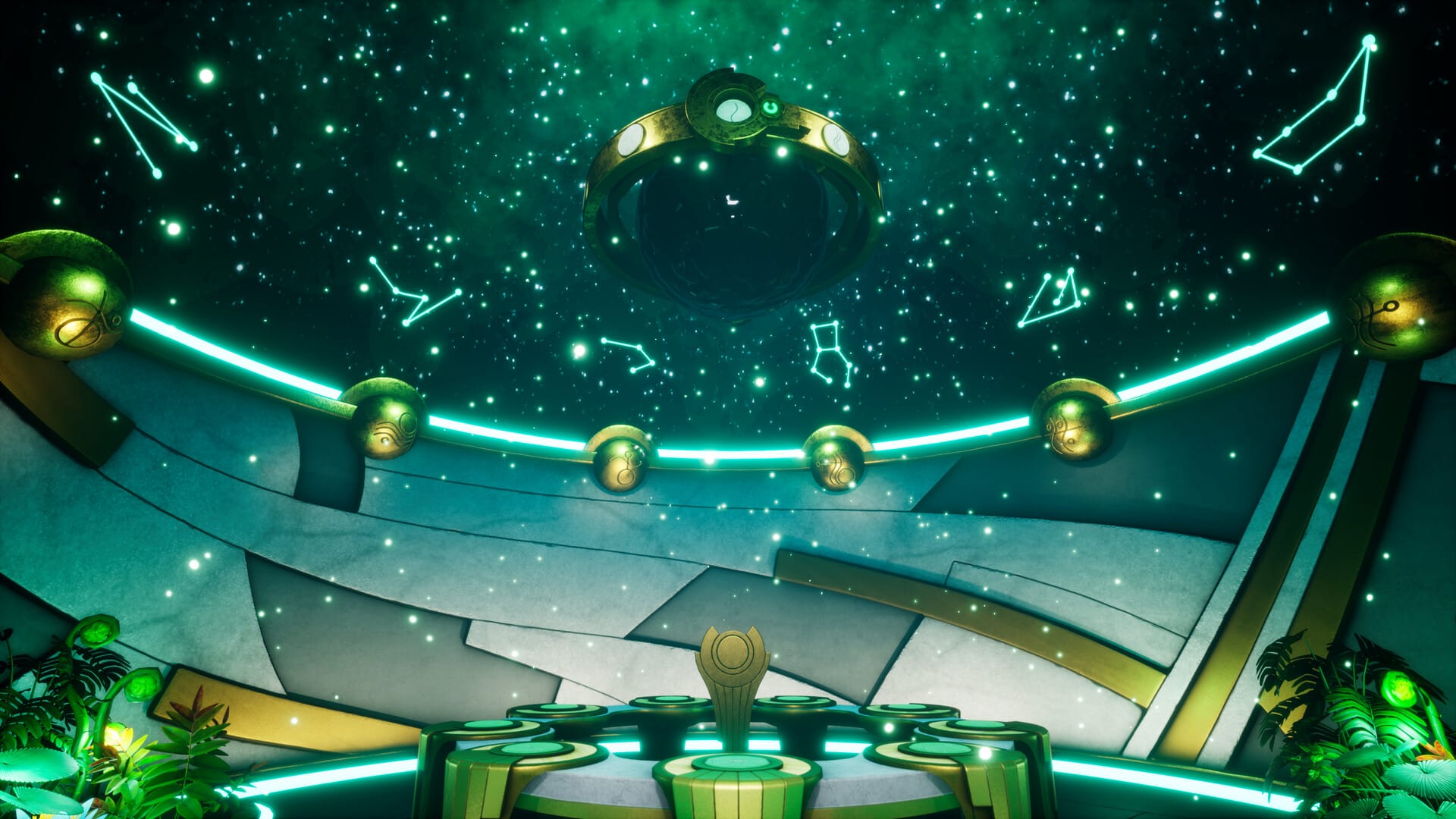
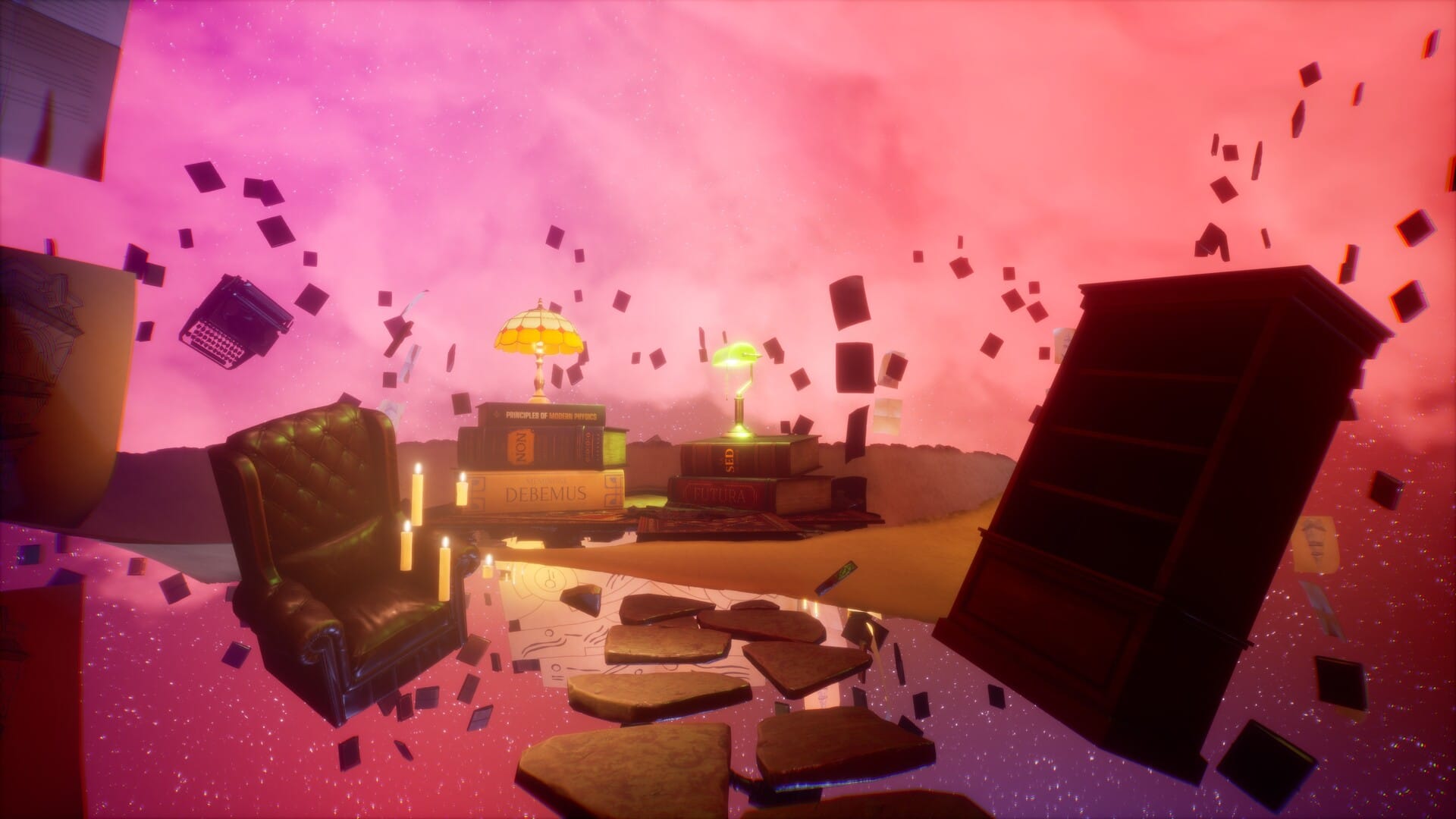
Call of the Elder Gods starts off simply enough, expanding the story that once focused on Professor Everhart (Nathaniel Peaslee in the book) to include a second protagonist – Evangeline Drayton. Drayton, having an odd dream that looks not unlike Alice in Wonderland, complete with bizarre plants and creatures, hears a disembodied voice that chant "Kanh... Vek-Tur... Yag-Na...Yith. Dok-Tur...Ooest...". Before she can make sense of that, she finds an odd artifact and wakes just as she grasps it. Not knowing where else to turn, she explains to Professor Everhart that she’s been having this same dream about this very artifact for months and that she needs his help. Her haunted dreams and the Professor’s visions will take them both all across the world, encountering the bizarre and ancient unexplainable world of the Eldritch Gods.
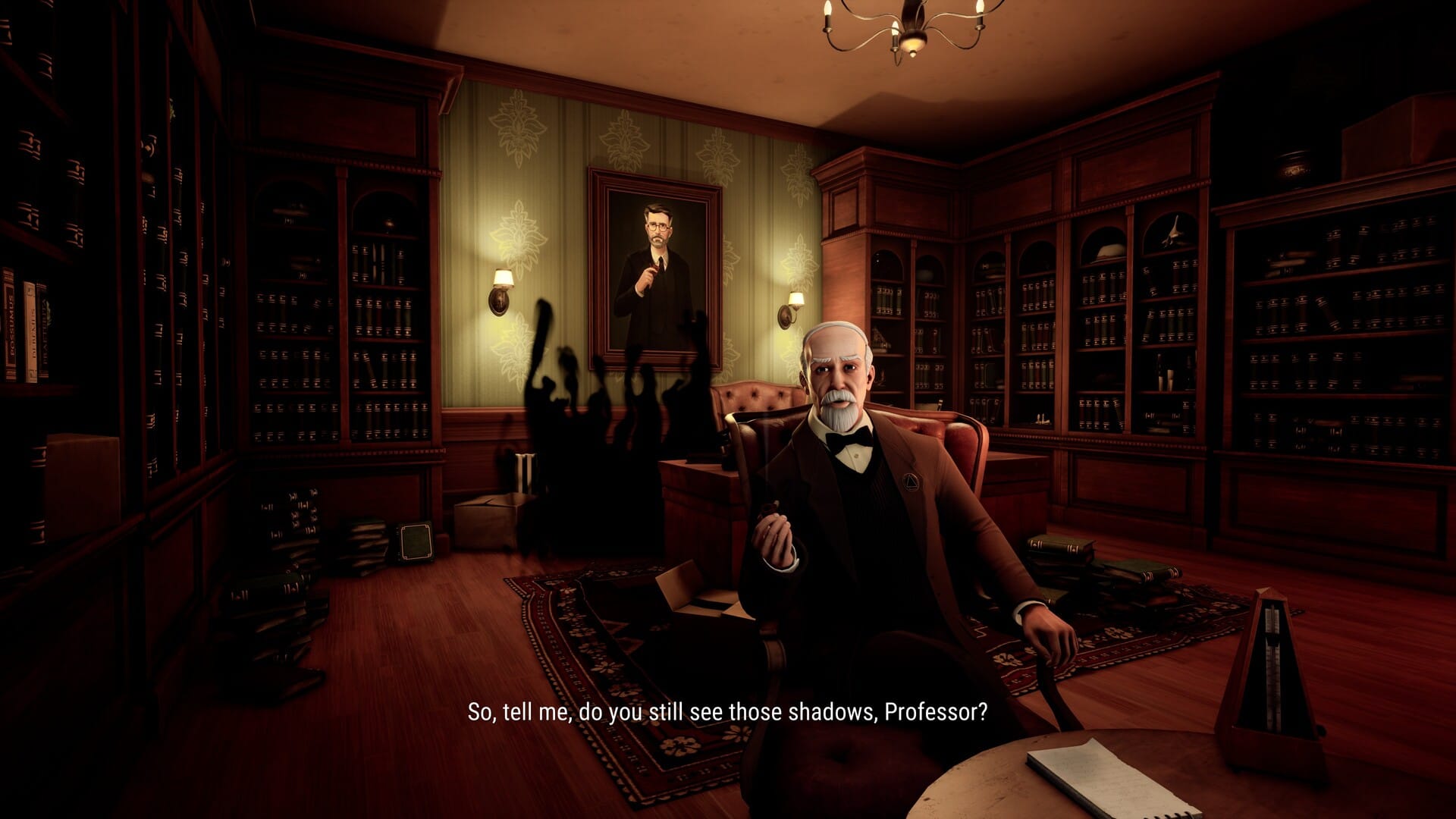
Developer Out of the Blue Games, based on their back catalog, specializes in a specific type of game, emphasizing puzzles and mysteries to uncover. Call of the Elder Gods stays firmly in that lane, providing roughly 13 hours of engaging and challenging puzzles to move a storyline. It also has a distinct hallmark of a great game – it made me want to go back and play its predecessor, Call of the Sea! I missed that one when it came out in 2024, but if you played it, you’ll be given the option to select that as a toggle. It changes a handful of narration elements that ties the two games together, but otherwise it’s not necessary to have played the previous game. Still, having now done so, I’m going to recommend you do – it’s quite good!
There are a lot of ways to tackle puzzle games, with impossible logical leaps and an expansive inventory to juggle. Call of the Elder Gods goes the other way, with almost no inventory to manage, ensuring what you need to use is found somewhere within the nearby environment. Context clues are found through exploration and careful observation. Puzzles are solved with logic and deductive reasoning. It’s a breath of fresh air from the “use rubber chicken with a pulley in the middle on the rope” days.
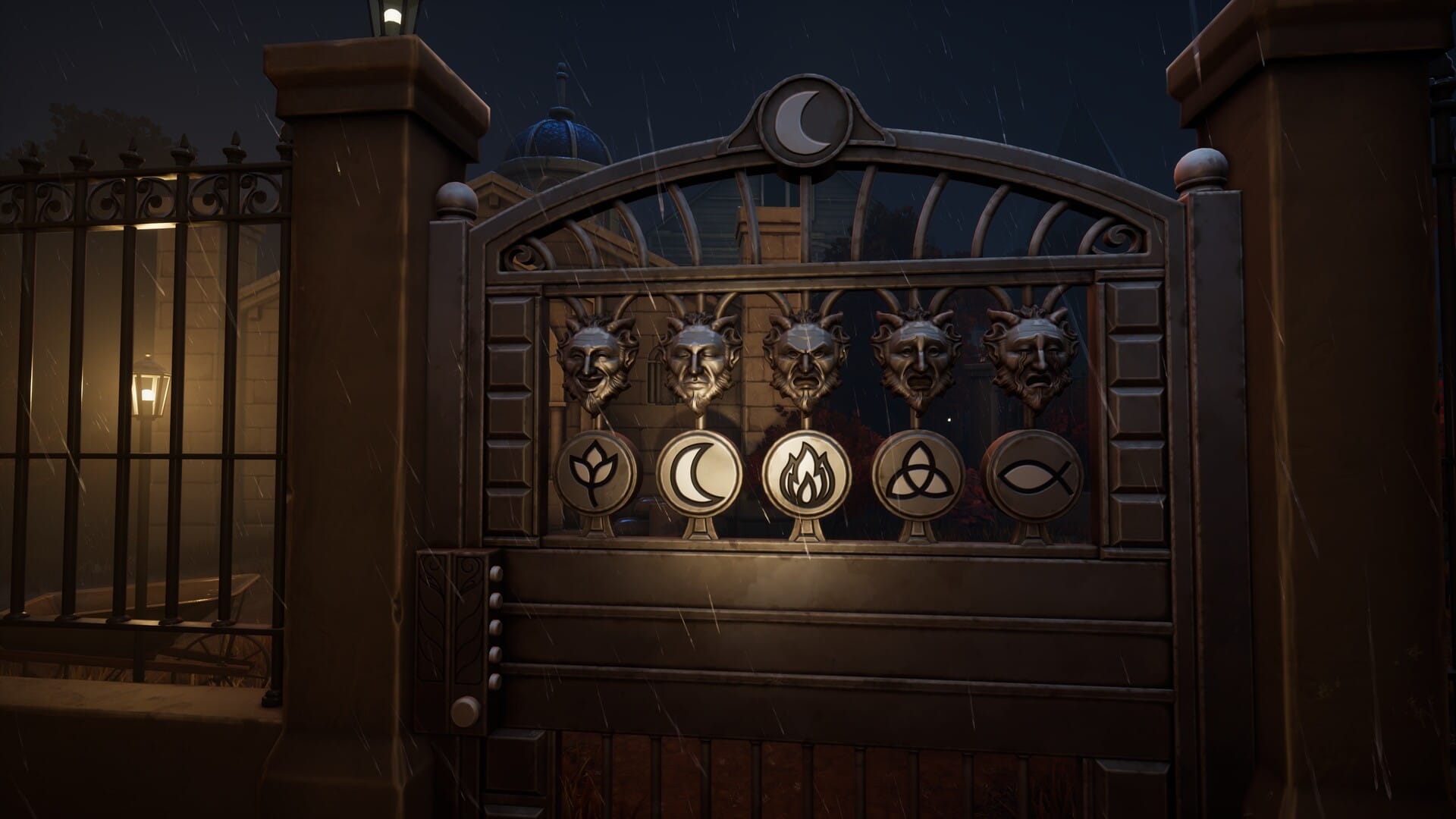
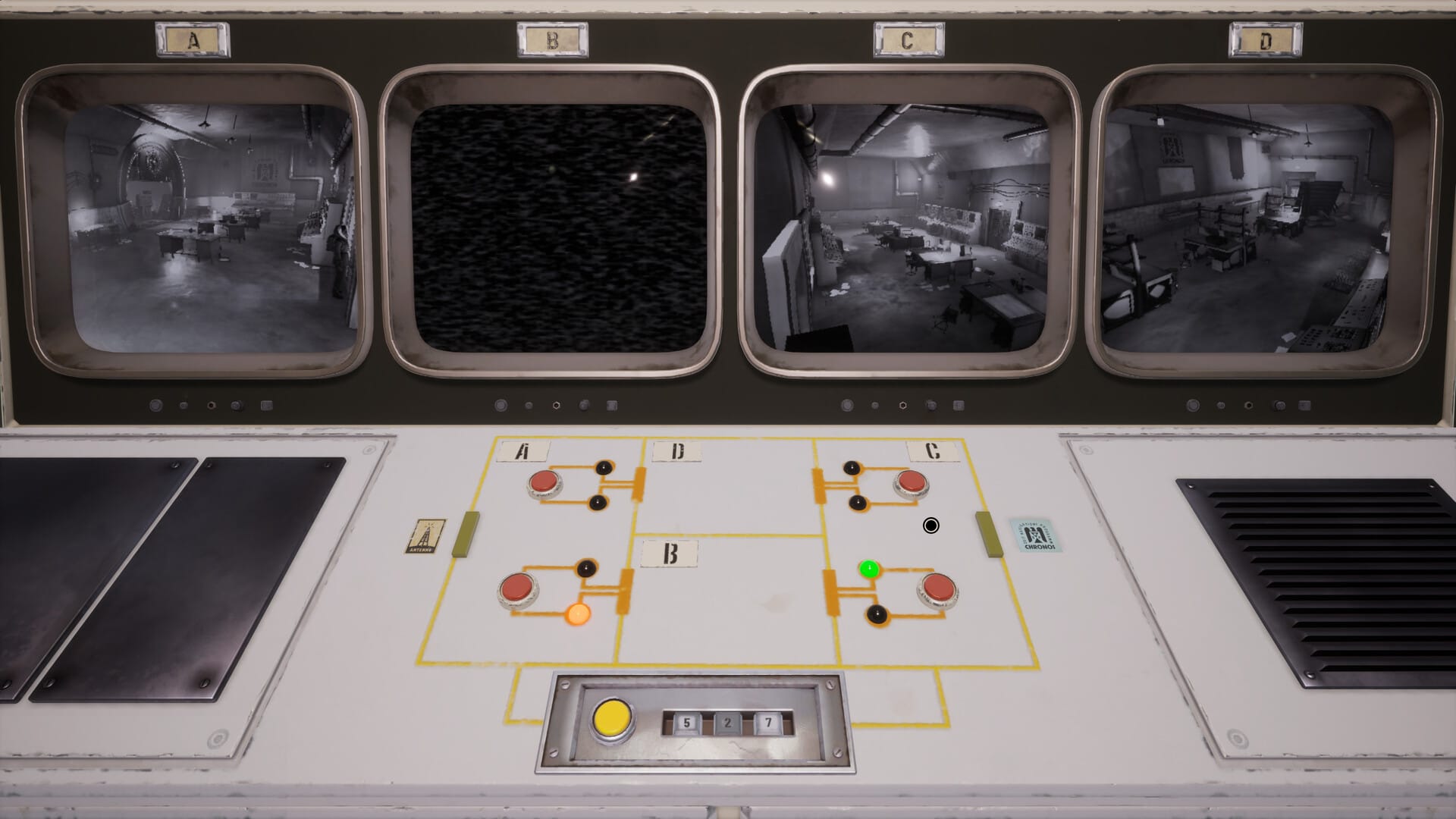
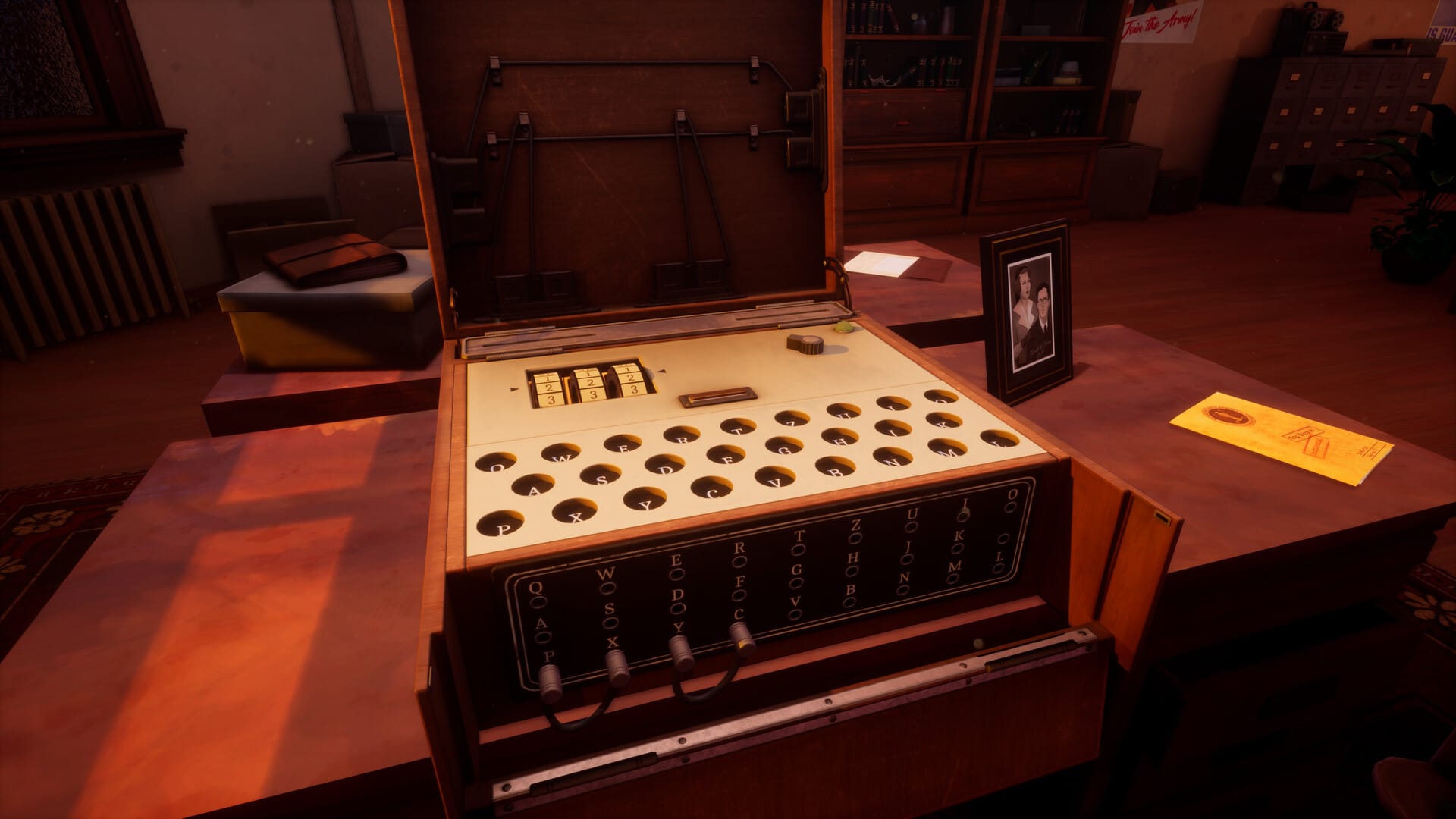
The puzzles vary widely in Call of the Elder Gods, though most of them won’t be head scratchers, at least in the beginning. For example, one could be a “squeeze the toothpaste” style puzzle, asking you to add power to a circuit by toggling four switches, but without overloading it. Another might ask you to interpret a pictogram to translate dots on a mural into musical notes that must be hit in a certain order to trigger an action. They’re all pretty satisfying, and they do get more challenging across the game’s runtime - in some cases, a great deal more challenging.
At one point Laura and I hit a brick wall with a deductive reasoning puzzle that has you figuring out a series of individuals and several bits of information based on deductive reasoning and logical elimination. We had all of the information, but we didn’t figure out the order correctly. After racking our brains for a bit, we availed ourselves of the hint system. It doles out a small bit of information rather than solving it for you wholesale. If you’re still stuck, you can hit right on the D-pad and get the next more specific hint. If you’re still stuck, more hints await you, until you ultimately get the answer for the puzzle in its entirety. This means you can figure out an element, a small hint, or the entire solution without penalty. The game is also kind enough to inform you that you can still unlock achievements if you use hints, so you can feel free to use them rather than getting frustrated that you can’t figure something out.
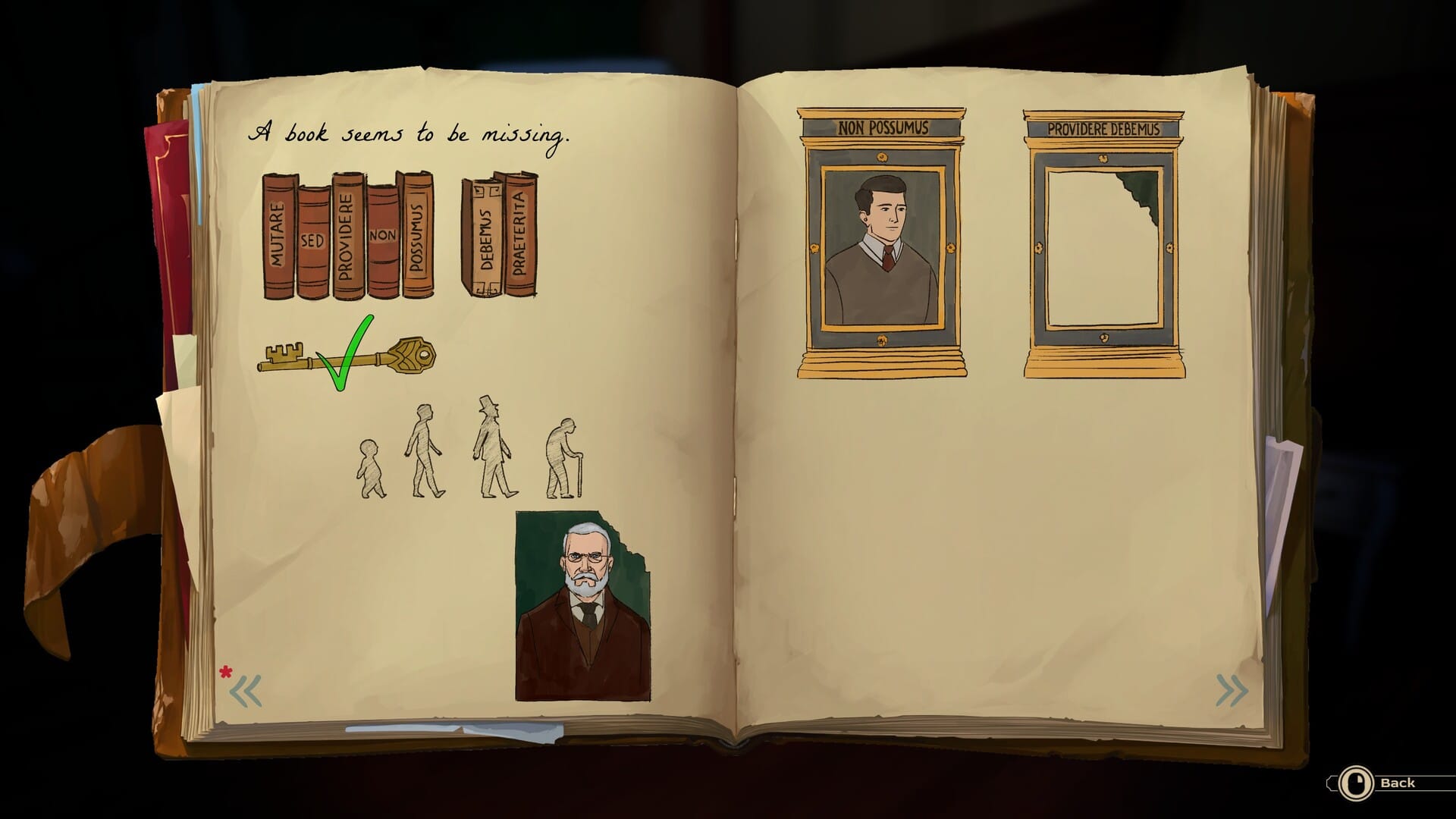
Looking at a clue will cause your protagonist to jot it down in the diary that both protagonists share. It allows you to pull your clues into one place, reducing the amount of backtracking or using your phone to take a picture of your screen. It’s another quality of life thing amidst many, including a toggle for two difficulty modes. The “normal” setting is the game as it was intended, but Hard Mode puts your brain to work, disabling the journal for tracking clues, and disabling interactions that help you solve puzzles. The game warns you that this is not the intended method, but also doesn’t penalize you by disabling achievements should you fall back to normal mode.
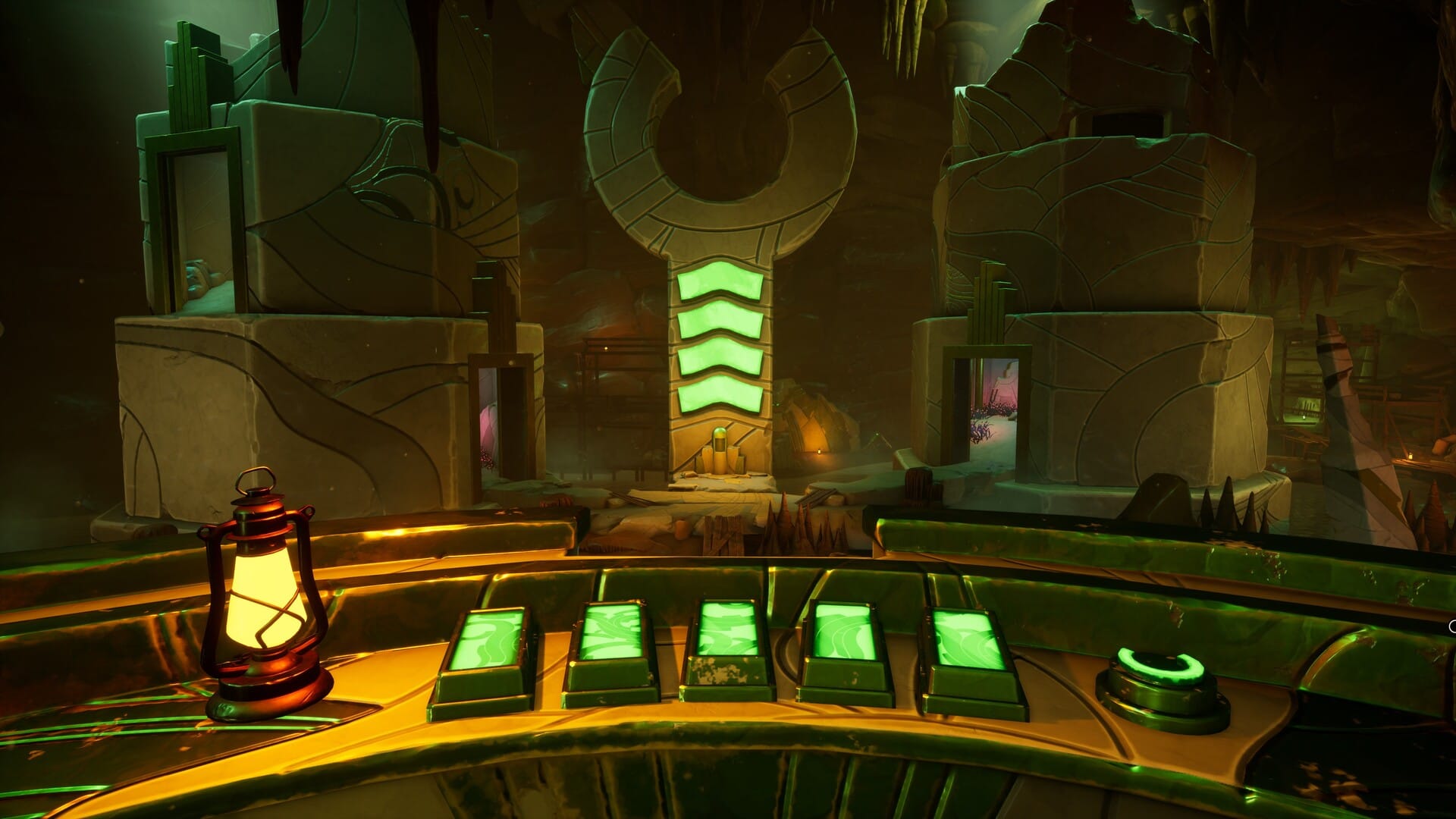
On the visuals side, the game uses Unreal Engine 5. It maintains a stylized look that gives the game an almost hand-crafted oil painting look, allowing the team to avoid expensive hyper realism. That said, there are moments of brilliance where you can really see the underpinnings of the powerful engine. For example, shiny floors reflect lighting and look gorgeous, casting clean and accurate reflections you’d normally see in a AAA production. Lighting bathes rooms in realistic and soft lighting, or looks ominous in the darker spaces. Chapters are capped by moving comic panel style hand-drawn artwork that furthers the story and sets up the next moments. With roughly two dozen developers on the team, it’s an impressive feat that keeps you plugged into the world without spending the entire budget on expensive interstitials.
The voice work and audio also punch well above their weight. The soundtrack is provided by multi-award-winning returning composer Eduardo De La Iglesia, who also scored this game's predecessor, Call of the Sea, as well as American Arcadia (another entry from this developer), and other titles like Red Matter, Commandos 2: Men of Courage, Young Justice: Legacy, and Gylt to name a few. For voiceover we get the incredible talents of Yuri Lowenthal (Spider-Man, Arcane, Final Fantasy VII Rebirth, The Outer Worlds 2, The Mighty Nein, and more) and Cissy Jones (Firewatch, Starfield, Baldur’s Gate III, Shin Megami Tensei V: Vengeance, Star Wars Jedi: Survivor, etc.) Caleb Bowen is voiced by Darin De Paul (Overwatch, Borderlands 2, Doom the Dark Ages, etc), and Frank Drayton is Regi Davis (Kung Fu Panda, Tom and Jerry in New York, Shin Megami Tensei V), and Dr. Eugene Kingsley is Christopher Swindle (Star Wars: Maul - Shadow Lord, Monster Hunter Wilds, Terminator Zero, Young Jedi Adventures), and others. There isn’t a single slouch in the entire cast.
There are two endings to two Call of the Elder Gods, and thankfully the team understands that you’ll want to experience both without a great deal of friction, even if they are remarkably similar. Hitting continue after the credits roll puts you right back in the action just prior to your choice, allowing you to pick the alternative. It’s yet another quality of life choice that I appreciate.
There isn’t a great deal to complain about with Call of the Elder Gods, but at launch there are still a handful of cosmetic bugs that remain. We also ran into a handful of puzzles that we couldn’t figure out how they arrived at the conclusion, even with the solution in hand. These odd logical leaps can lead to a little bit of frustration, through having the answer at your fingertips can alleviate that. Beyond this, there is unfortunately little reason to replay the game beyond achievement chasing, and this is best expressed with the ending. There’s so little difference between them that it robs the game of an emotionally impactful moment.
Out of the Blue Games has nailed down a specific type of puzzle games, and Call of the Elder Gods does a great job of pulling the player through a great storyline while tickling their brain with fun logic-based puzzles. If you loved the previous game, this improves upon that formula nicely. Best of all, you don’t have to take my word for it – you can check out the demo for yourself right here!
Call of the Elder Gods
Great
A solid and satisfying puzzler wrapped around an H.P. Lovecraft story that hasn’t been told to death. It leaves you wanting more, with a shorter runtime, but thankfully a price to match. Another hit from developer Out of the Blue Games, and one I hope they continue into a third installment.
Pros
- Great stylized look with Unreal Engine 5 flair
- Voice and audio is solid
- A good story that isn’t overused
- About a dozen hours of puzzle fun
Cons
- Lack of replayability
- Ending is stripped of emotional choice
- Handful of cosmetic bugs
This review is based on a retail PC copy provided by the publisher.