It’s a sci-fi tale as old as time; the Earth is dying, a crew of experts is sent to prepare for colonization on a new world, only to run into hostile alien life on the way over. Such is the case with the crew aboard the Cassiopeia, they awake from hypersleep to find the sleep crew missing in action, just a few hours before reaching the orbit of Tau Ceti f. The hull has been breached by some space debris and, over the course of their mission, will slowly infest the rest of the ship. Will the crew survive long enough to call for help, or will they all perish, one by one, in the attempt? Their fates are in your hands…
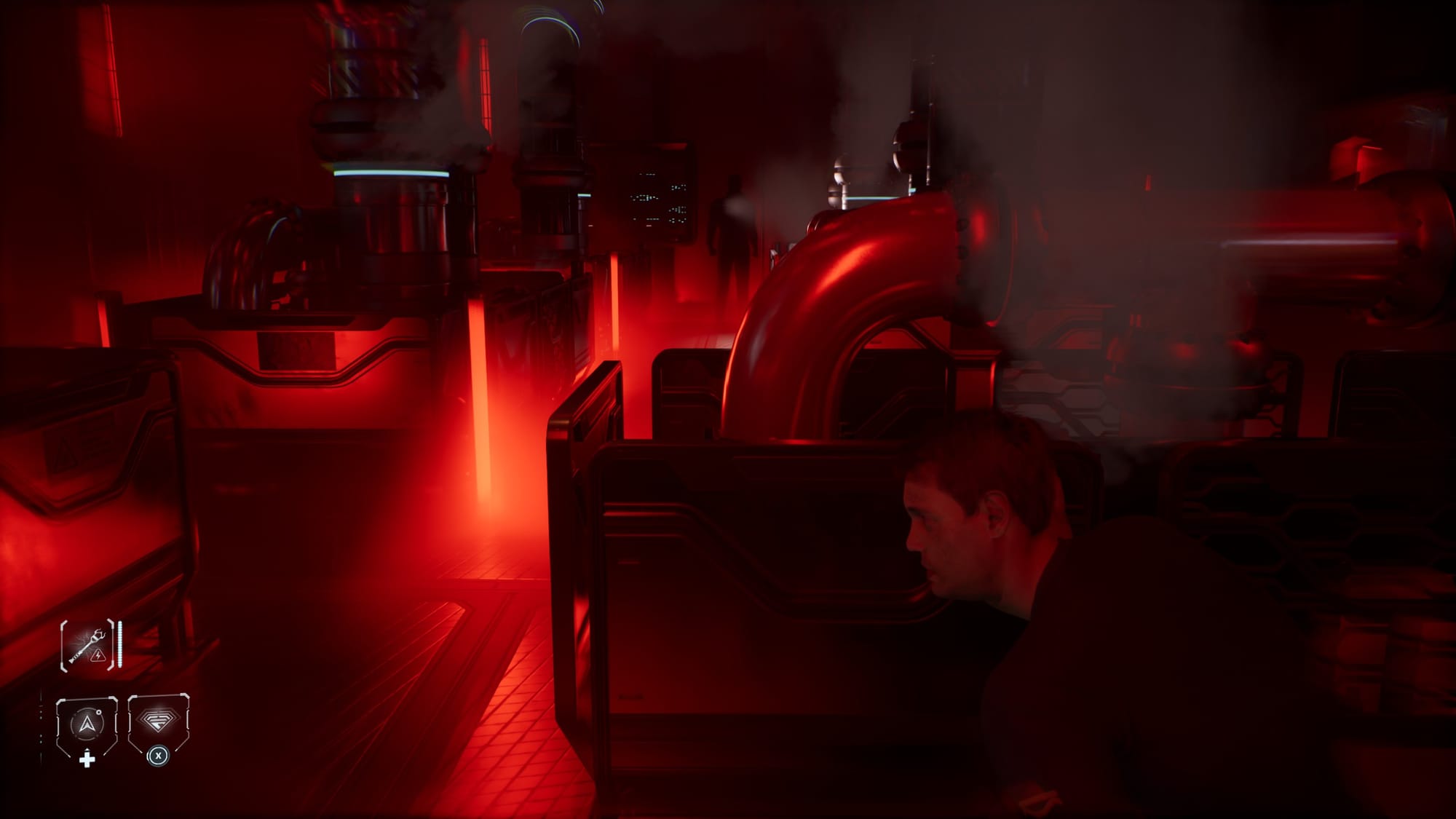
Directive 8020 is the latest title in Supermassive Games’ The Dark Pictures Anthology. They’ve taken some time between entries to refine things, and I think they’ve landed on a pretty great base to build further off of. That said, the game definitely has some issues and doesn’t reach the heights of House of Ashes, though I’d still call it the second-best the franchise has to offer. In addition to the choice-focused narrative you’ve come to expect, Directive 8020 is also something of a light stealth game. Every few scenes, you’re asked to sneak your way through an area, avoiding detection from one or more hostels. This isn’t Metal Gear, though, so it’s pretty rudimentary even when playing on hard. Enemies will chase after you if they see or hear you and can detect things like your flashlight, but if you’re patient and keep an eye on your surroundings, you can make it through the whole game without being spotted once. If you are spotted, you have a lifeline in the form of an electric baton-like tool to stun an enemy after they catch you. The stun doesn’t last very long, and the baton has a lengthy cooldown, so you do have to run and hide quickly after that.
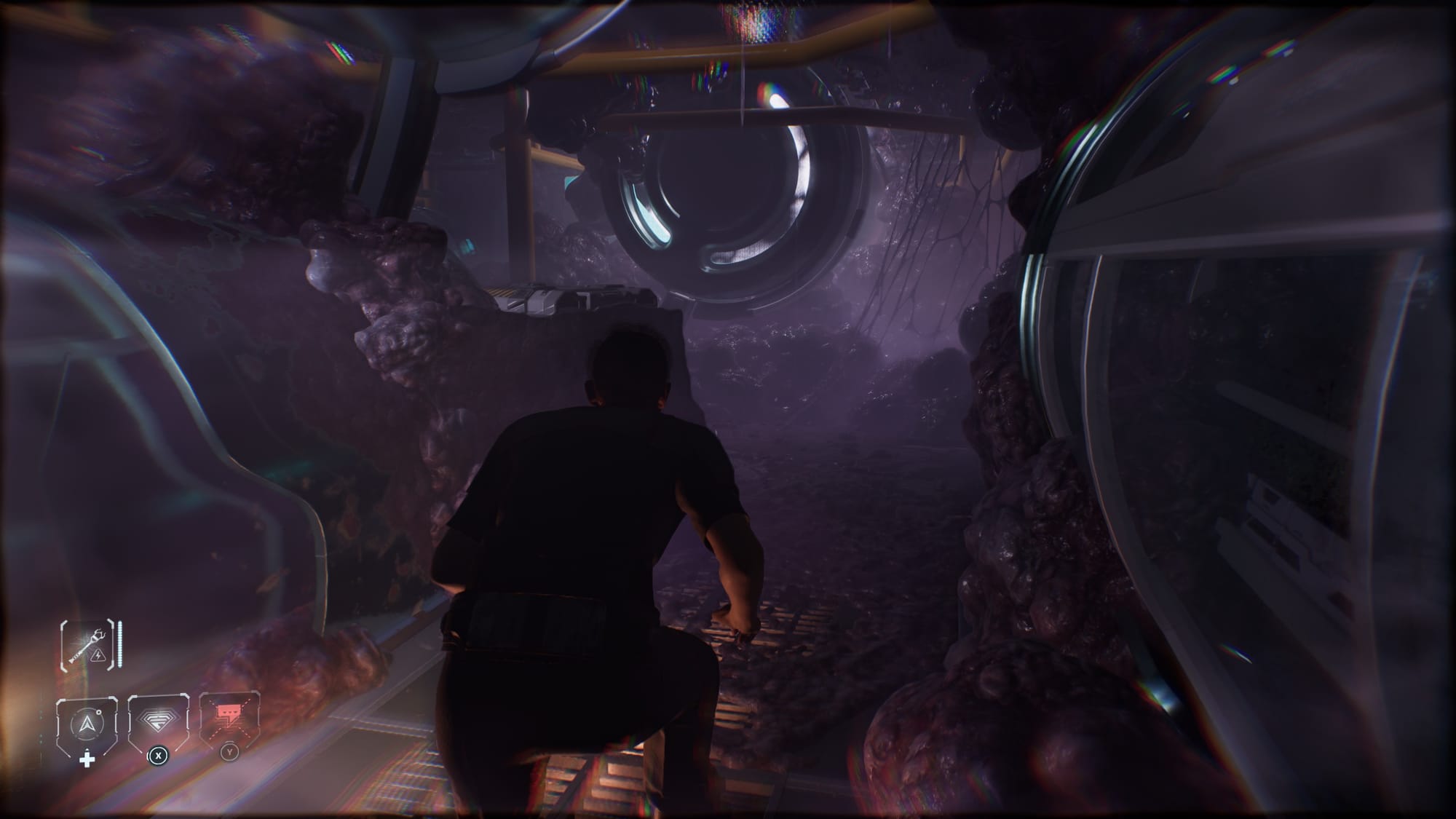
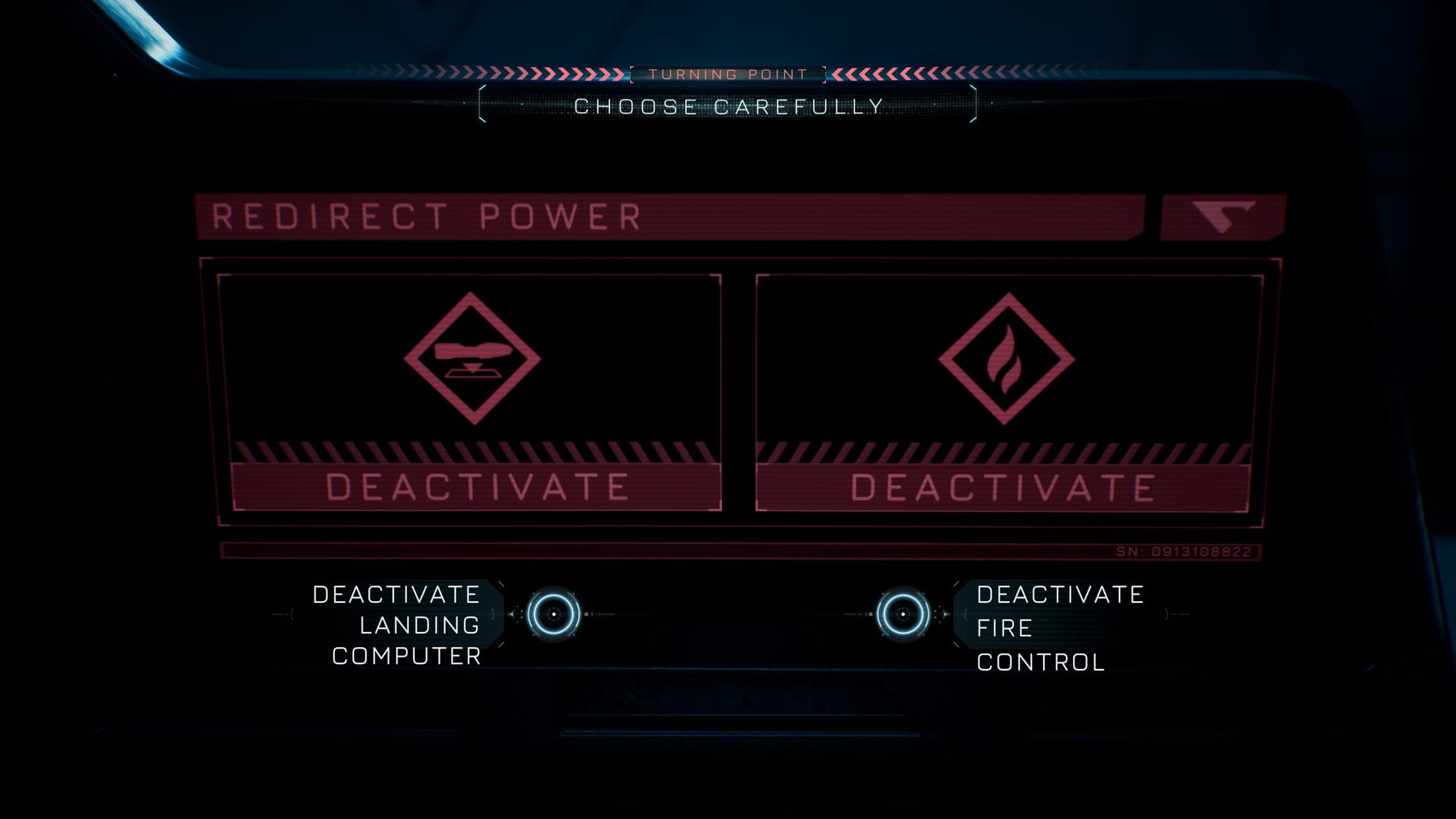
These sections and other walking-around sections also include some light puzzle-solving elements. You might need to figure out a numerical password, mix the right chemicals together to make a drug, or reroute electricity around the ship to open some doors. It’s fun, but I do feel like the game is afraid to let you play on the narrative end for too long and both the stealth and puzzles can drag a bit, especially at the end of the game. I think that dragging feeling would have been appropriate to put you in the mag boots of the characters as they scramble in a last-ditch effort to survive, but since I had already been stealthing and puzzling around for the entire game, that feeling was lost.
This is the core problem of Directive 8020. The story is great and I enjoyed the characters, but the rest of the game feels like it’s trying to actively sabotage your enjoyment in that aspect. Several times throughout the game, you’ll flash forward a dozen or more hours into the future to play a stealth section with no context. In a game that touts player choice and actions determining who lives and dies, this is totally baffling, as it directly spoils that some characters will survive at least until you catch up to the flash forward. There are some caveats to that, which I won’t spoil here, but it nevertheless saps some of the tension when you get back to the present. Additionally, if I’m already invested in the present, why take me away from that to put me in a set piece I don’t yet have the setup for? People come to these kinds of games for the narrative, not the gameplay. This needed to be a slow burn, and Supermassive kept setting off the fireworks early. Have some confidence in your story and don’t jangle the gameplay keys in my face to get me to pay attention.
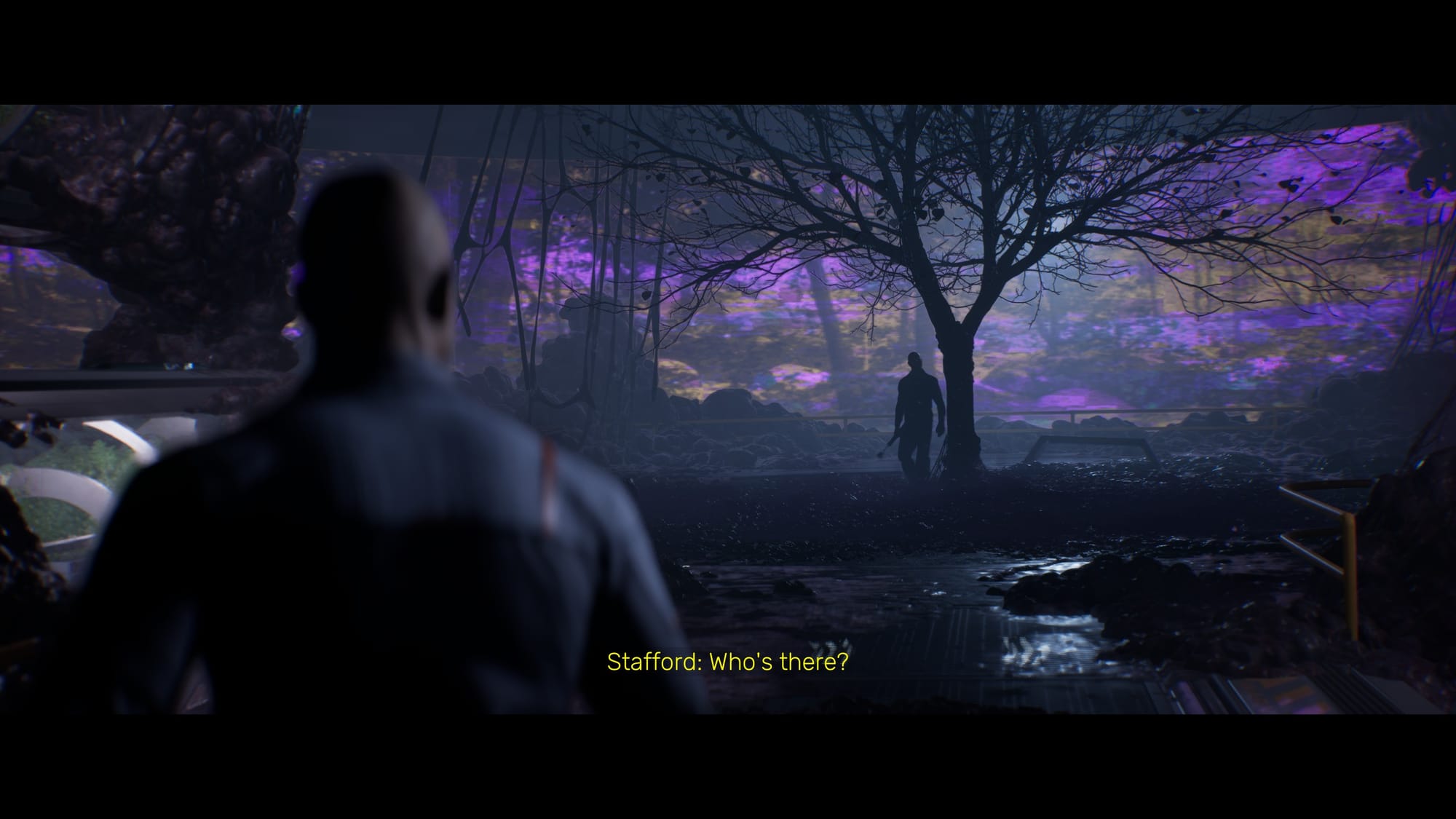
I’m already paying close attention, because the story in Directive 8020 is fantastic, and might be the best plot from Supermassive yet. There are big twists just like previous games, but they recontextualize the entire game in a great way instead of deflating it. On a second playthrough, the amount of foreshadowing you couldn’t catch the first time is absolutely wild. It’s the kind of thing where it’s obvious in hindsight, but you definitely won’t figure it out on your own. It makes multiple playthroughs an absolute must, at least for the morbid curiosity of what would happen if you made different choices.
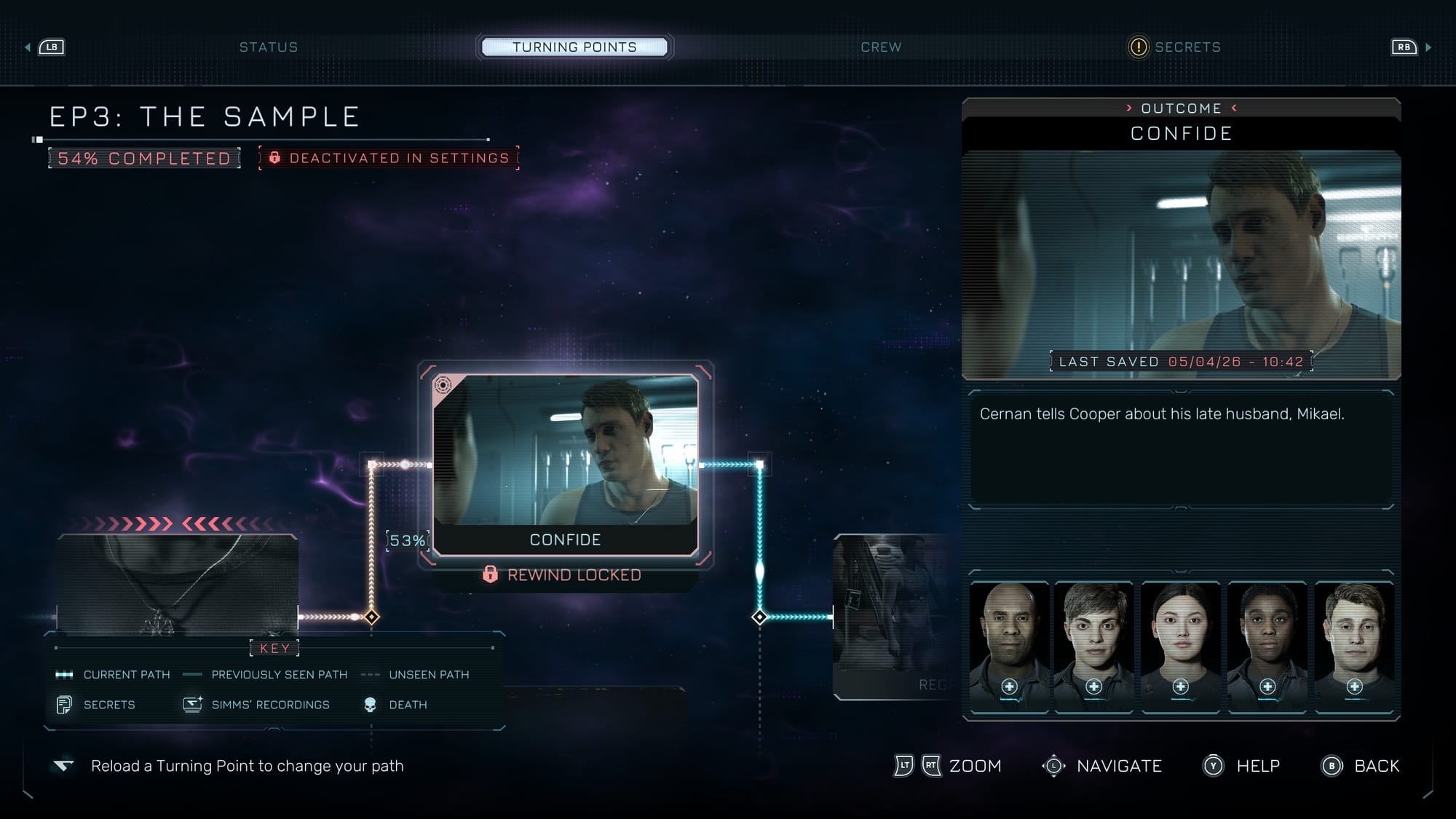
Directive 8020 has made repeat playthroughs a lot easier through the Turning Points system. Much like the Zero Escape trilogy or Detroit: Become Human, each of the game’s eight episodes has a flow chart you can view at any time. The chart lays out everything you could possibly need to know: what choices affect future events (once you’ve reached that future event), which actions branch off greatly and which have only a little impact, and what things in the past brought you to the current node. Even when you’re not actively looking at the chart, pop-ups will let you know when you are currently experiencing the consequences of your actions and allow you to rewind back to that decision if you want. That is, if you’re not playing on Lethal mode, which prevents rewinding and forces you to live with your choices. This restriction is supposed to be lifted after clearing the game, but pre-release, it was bugged and wouldn’t let me go back. I have been informed this will be fixed in a Day 0 patch, however, so be sure to update your game at some point. For a bit of inside baseball, Supermassive games are always way more buggy pre-release, but they have fixed them pretty much every time in my experience, so I trust them to get this done and not count all the bugs against the game.
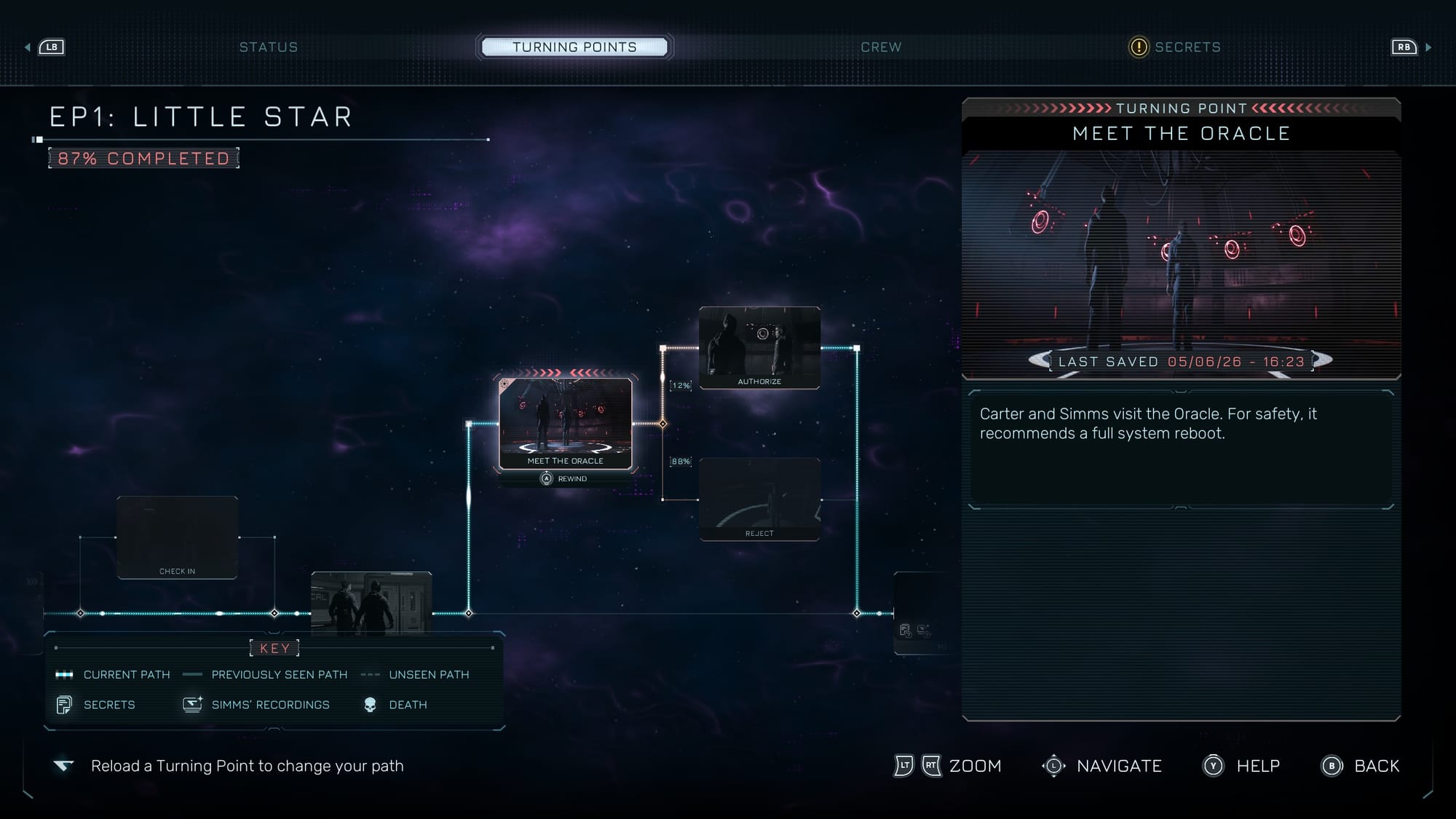
Turning Points are great and I love having them even to just observe what I could have done differently, but they’re not perfect unfortunately. You can’t just jump around willy-nilly to change one thing then observe the consequences, for any changes you make to your story you need to see the whole thing through again for it to stick. And I don’t just mean finishing the current episode, if you try to jump forward all your decisions will revert back to those made in your first playthrough to reach that node. This is a pretty long game, and I don’t want to sit through the same cutscenes or play the same stealth sections and solve the same puzzles over and over. Once the game is over, I really should just be able to play around as I wish. This reverting certainly makes sense if you jump far enough in the future, but if I’m just heading to the next branch, my changes really should be persistent. Maybe an unlockable fast forward or scene skip would help.
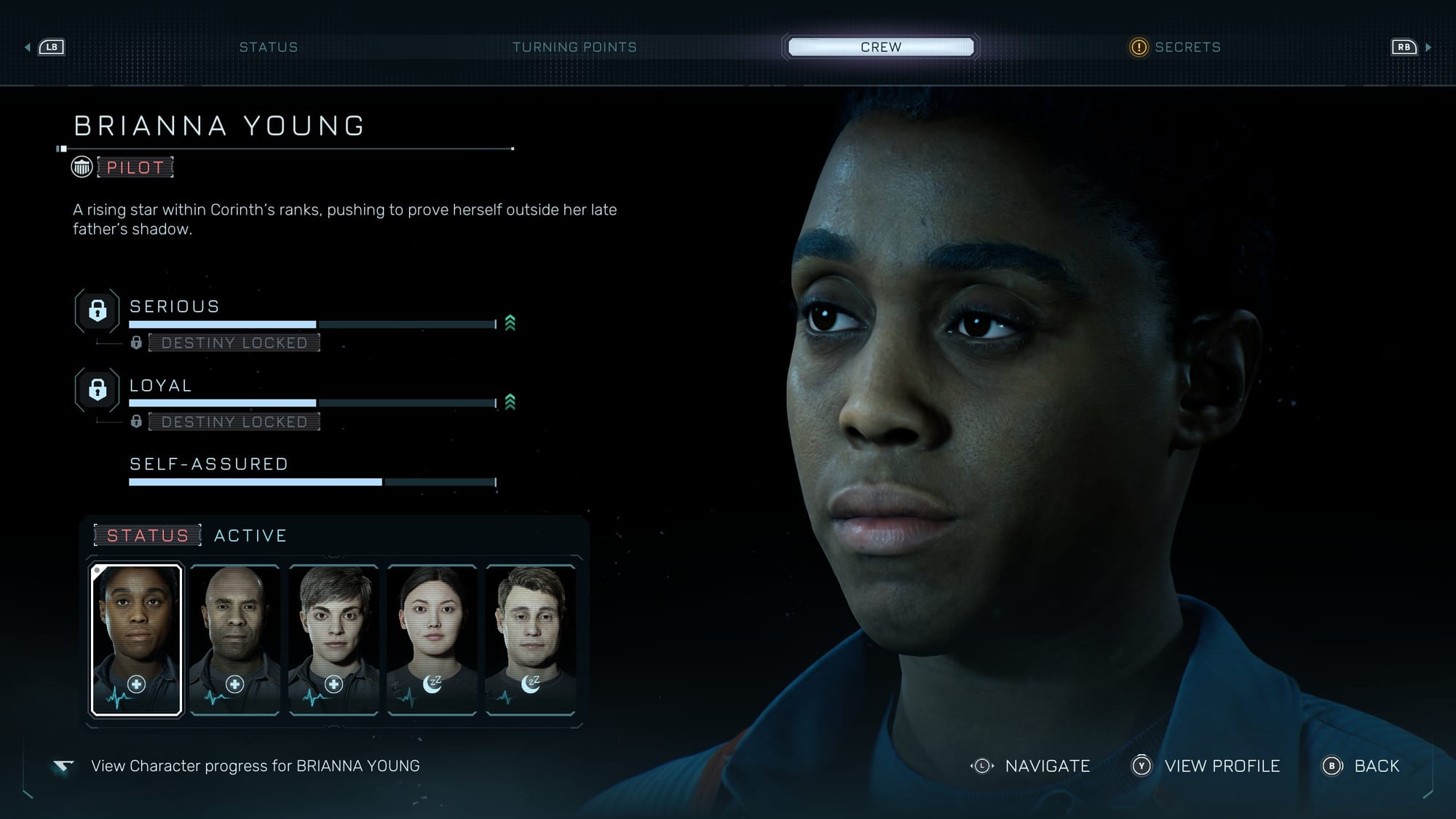
Even with the issues, the amount of possible variance here is astounding. In my initial playthrough, I kept everyone alive as long as I could, but going back, you can actually kill off several very important characters by episode 2 or 3. Given that I spent a ton of time playing as those characters later in the game, their deaths have big ripples throughout the story. If you’re going for a kill-everyone playthrough, you will have to wait a lot longer for everyone to perish, but you can accomplish it very early on in the final episode. Hovering over the last playable node in that instance and holding right to reach the end of the chart takes a lot longer than you’d assume, with several “it’s still going?!” thoughts popping into my head. It’s pretty dang cool, and for sure makes me want to go back and replay the game multiple times. There’s also the plethora of logs and other collectibles to find. While he may not be our narrator here, the Curator is still in this game, and I won’t spoil how to find him, but it’s going to take some doing to even catch a glimpse of him.
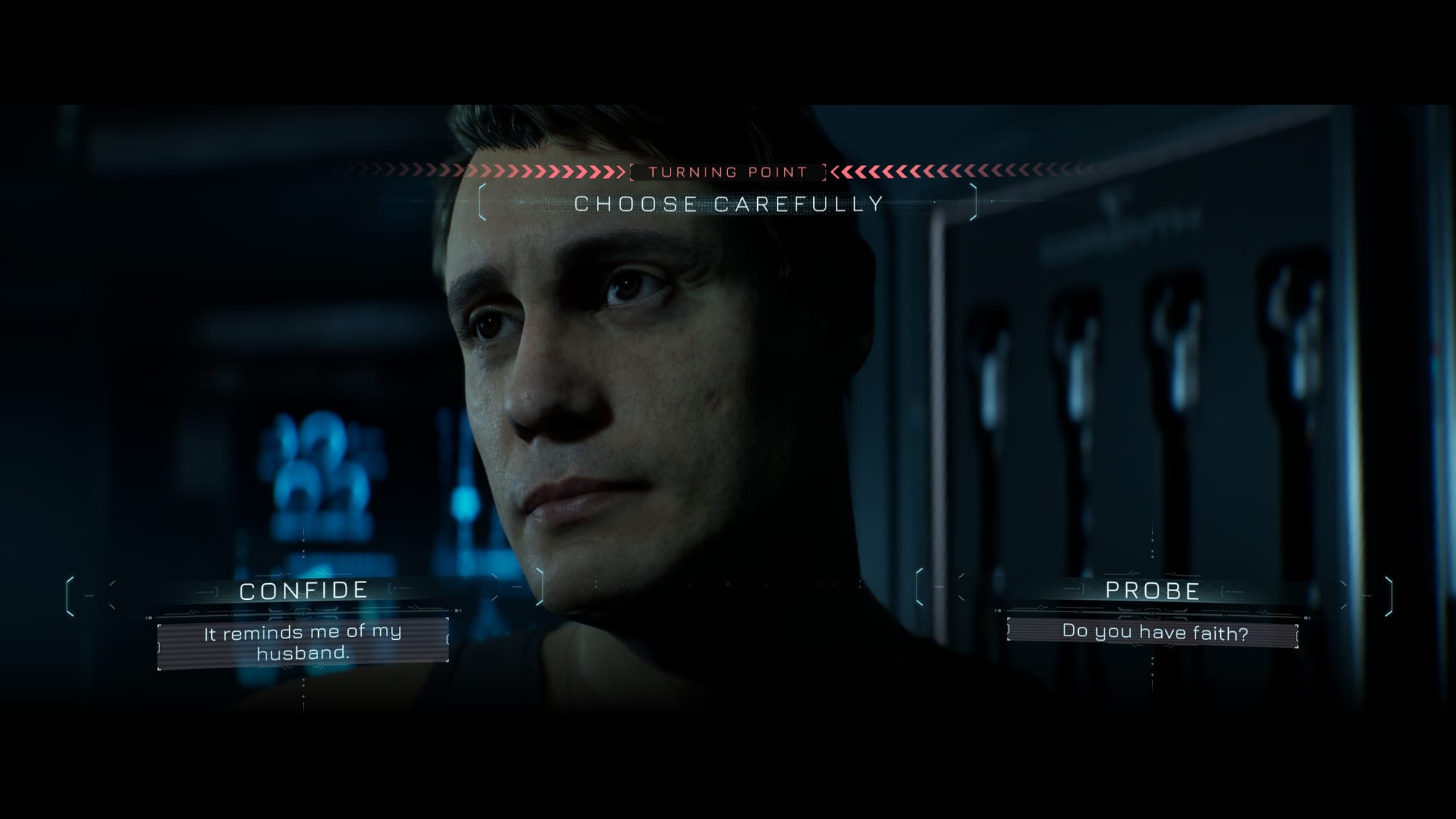

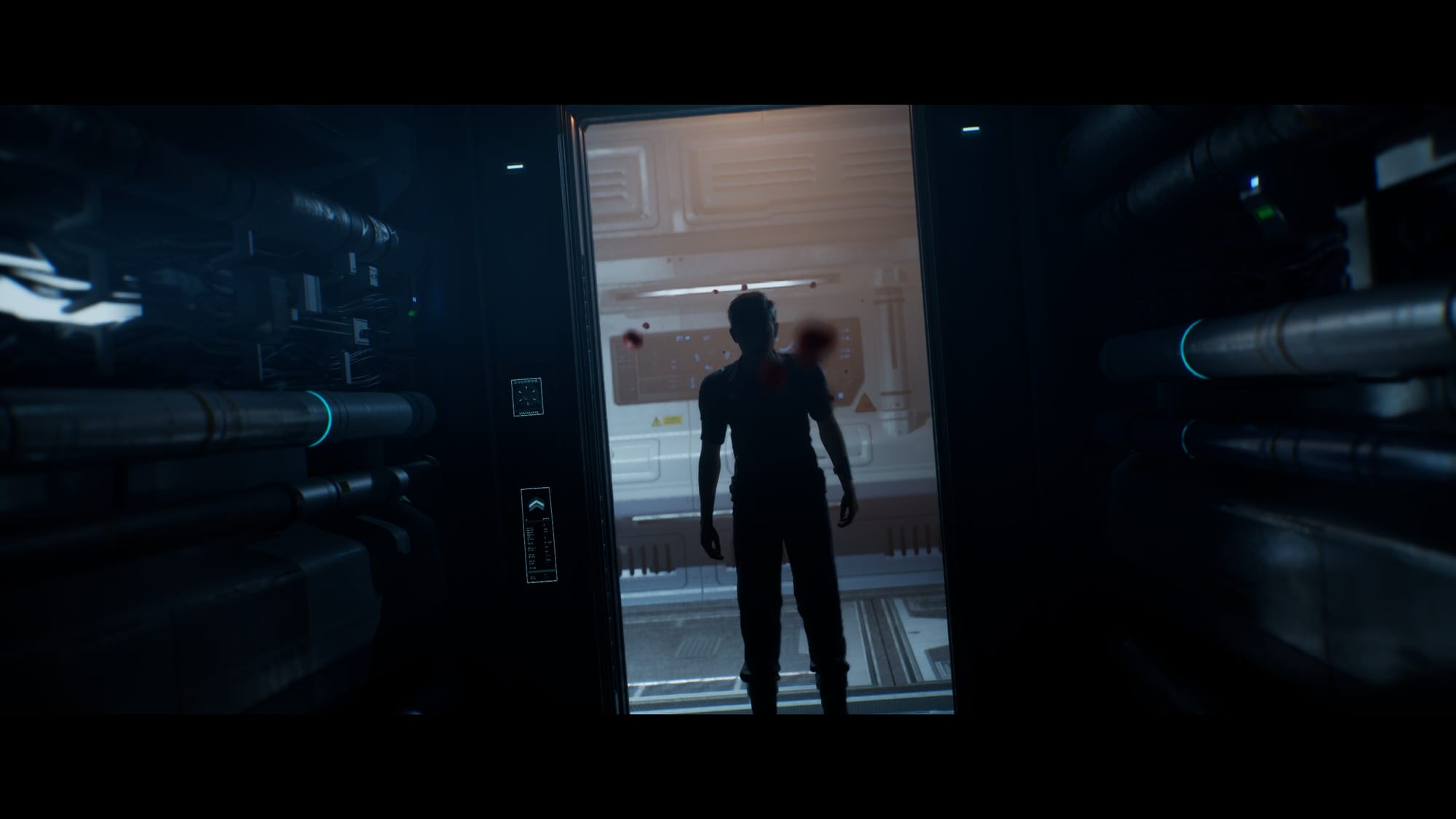
As for the scares, I did find Directive 8020 very frightening, but as I’ve said before, I am a coward. There are also a lot more jump scares here than usual, which feels a bit cheap, especially when there are some great sources of tension built right into the premise. Space is beautiful and awe-inspiring, but it’s also horrifying, deadly, and indifferent. Aside from the alien, the game doesn’t really take advantage of those strengths too often, choosing instead to go for quick scares with something jumping out at you or a loud noise. It always gets me, and always feels cheap.
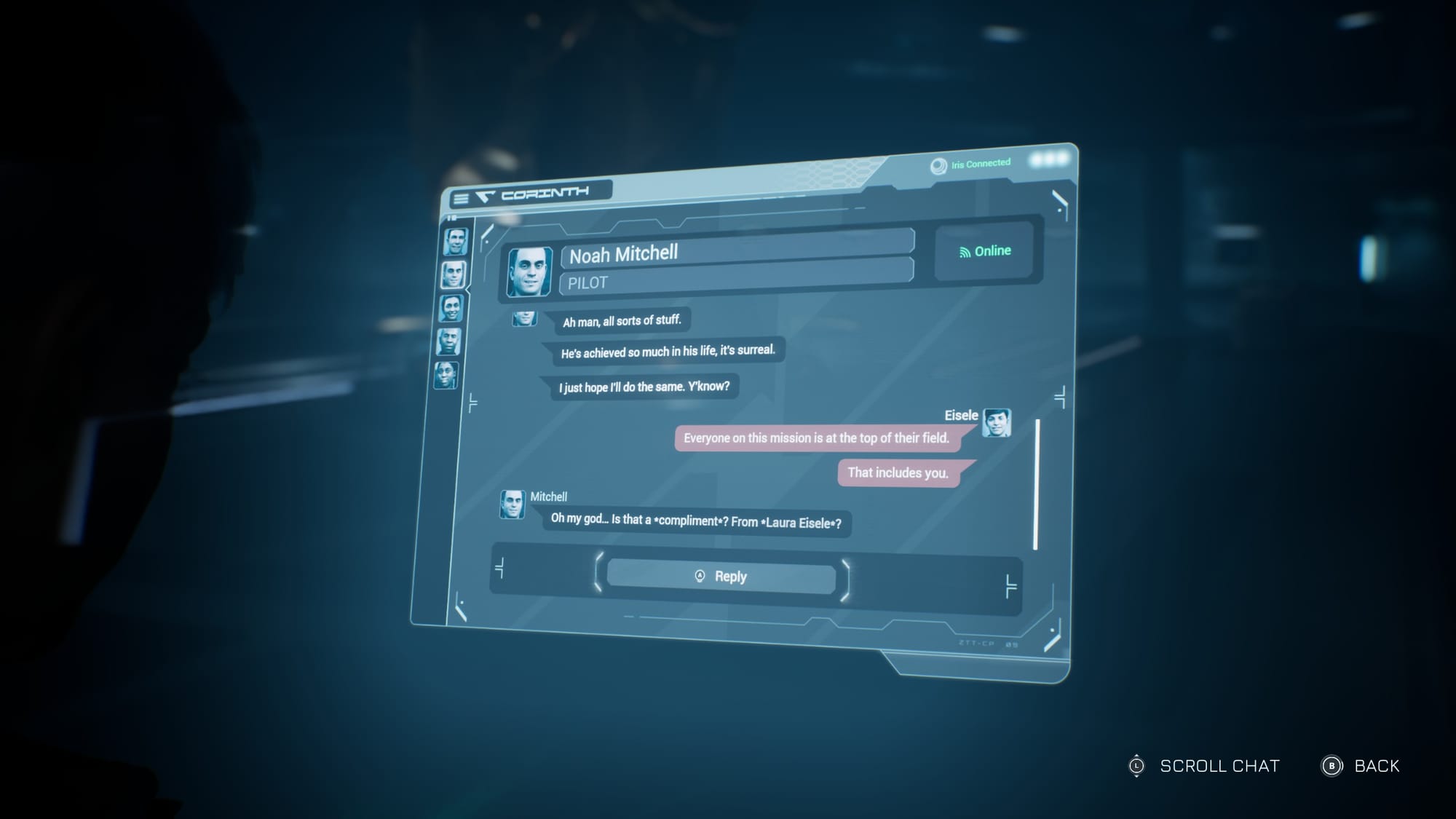
The game looks and sounds great. On that note, though, there are again some caveats to that. Facial animations can often look very stiff and lifeless, and while the voice acting is often great, there are some very off-kilter line deliveries strewn throughout the game. The photorealistic visuals are very demanding on my PC, and I had to turn off a few Ray Tracing features like Path Tracing and Ray Reconstruction to get a mostly stable 60 fps. I’m using an RTX 4070 Ti, so imagine my surprise when I booted the game up on Steam Deck, and almost out of the box, it ran at a solid 30 fps. I genuinely don’t know how they accomplished that feat, and while I can’t read the messages between characters as it's too low rez, it is fully playable otherwise.
Directive 8020
Good
Directive 8020 isn’t the best game The Dark Pictures Anthology has to offer, but it is better than most of them. The story has some fantastic twists and turns, the characters are likable if a bit too shallow, and it's intensely replayable with an absolutely astounding amount of variance.
Pros
- Great story
- Choices really do matter
- Turning Points is a fantastic addition…
Cons
- …But a bit more restrictive than it should be
- Shallow characters
- Poor pacing
- Flash forwards sabotage the story
This review is based on an early PC copy provided by the publisher. Directive 8020 comes out on May 12, 2026.