About fifteen minutes into Reanimal, you’re confronted with a gloomy courtyard. Train tracks run through a brick building, a tunnel indented into it to make room for a train that has surely come and gone many, many times. I’ve been to this place; I know its history—this is Auschwitz. At least, this is Reanimal’s interpretation of the most notorious concentration camp of WWII. A place once designed to commit genocide in the most efficient way possible, now a monument of humanity at its lowest point. In Reanimal, it stands somewhere in between: largely abandoned, serving as neither instrument of evil nor reminder of it. Curiously, a computer sits in an office inside, 2000s era from the looks of it. Reanimal knows that evil existed before the 1930s and 1940s, and it will continue to exist as long as we do. We are just animals, after all.
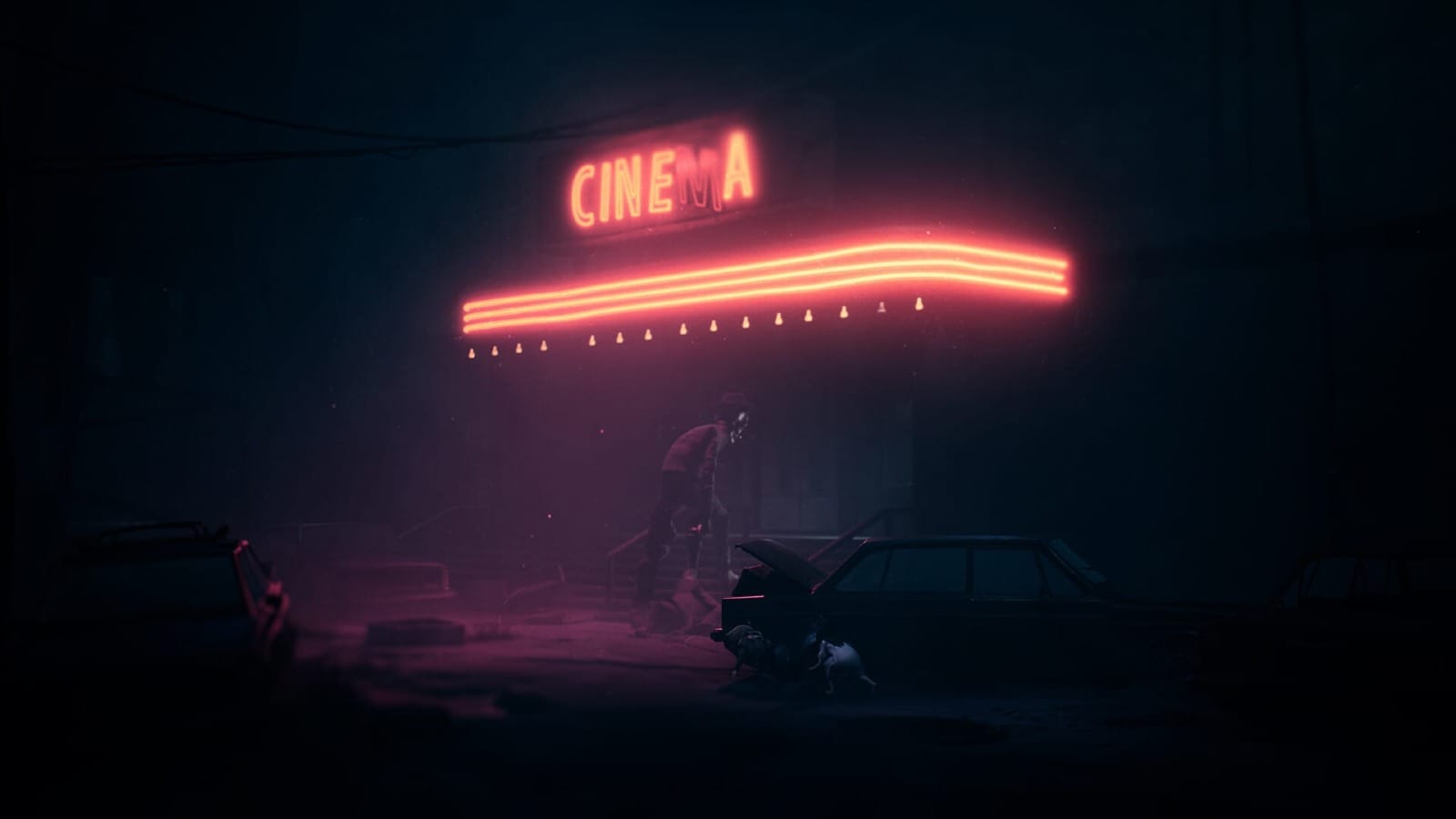
Developed by Tarsier Studios, Reanimal is, reductively, Little Nightmares for grown-ups. The studio saw massive success with Little Nightmares, a franchise of horror co-op puzzle games where you play as a tiny character in a big, spooky world. Perhaps it is to my benefit that I’ve never played any of the Little Nightmares games, considering Reanimal certainly looks like it isn’t much of a departure from Tarsier’s previous efforts. But clearly Tarsier themselves had gotten their fill of their own creation, handing Little Nightmares III over to the unlikely arms of Supermassive Games (with mixed results).
This new endeavour is, from what I can tell, almost identical in terms of gameplay, art style, and focus on co-op. The difference—and it’s a biggie, even if it doesn’t sound like it—is subject matter. From this review’s intro I’m sure you can tell, Tarsier has gone for a far heavier approach to storytelling this time around. Like its predecessor, the narrative is largely told through its environment and atmosphere, with the amount of spoken lines countable on two hands. You play as a child (or two children, in co-op) who finds themself in the margins of a war far larger than them, literally and figuratively. You fight for survival by hiding and puzzling through bleak locale after bleak locale, braving danger and saving fellow traumatized children along the way.
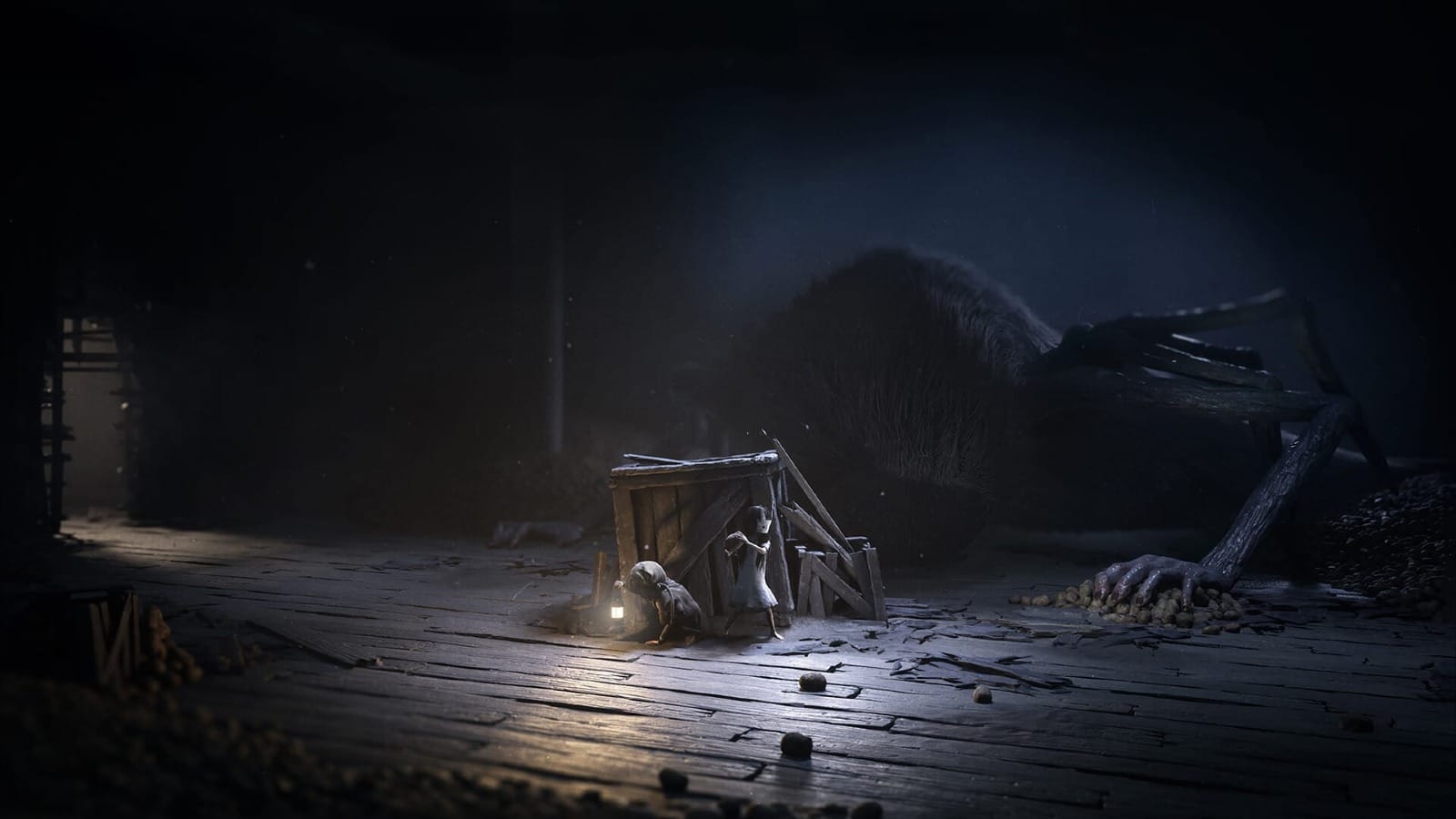
The narrative felt frustrating at first, giving me little to chew on past its glaring homage to WWII near its beginning. Slowly, though, the disparate set-pieces started to form a bigger picture, one of hopelessness and cruelty and the return of our most base animal instincts. The first enemies you encounter appear to be two different results of a botched experiment: slithering human-esque husks that look like Scarlett Johannson’s victims in Under the Skin, and hulking human-esque giants with uncannily thin limbs, faces, and crooked necks.
With the Nazi imagery fresh in my mind, it wasn’t too difficult of a leap to reach the conclusion that these are Reanimal’s versions of Nazi experiments. The post-apocalyptic landscape suggests that the game could be depicting some kind of alternate history where an experiment gone wrong resulted in a WWII that continued past Germany’s surrender. Later in the game, you’ll find WWII trenches packed with soldiers who have lost any semblance of hope. The most depressing interpretation would be that the game takes place in the present day, but the war to end all wars never ended.
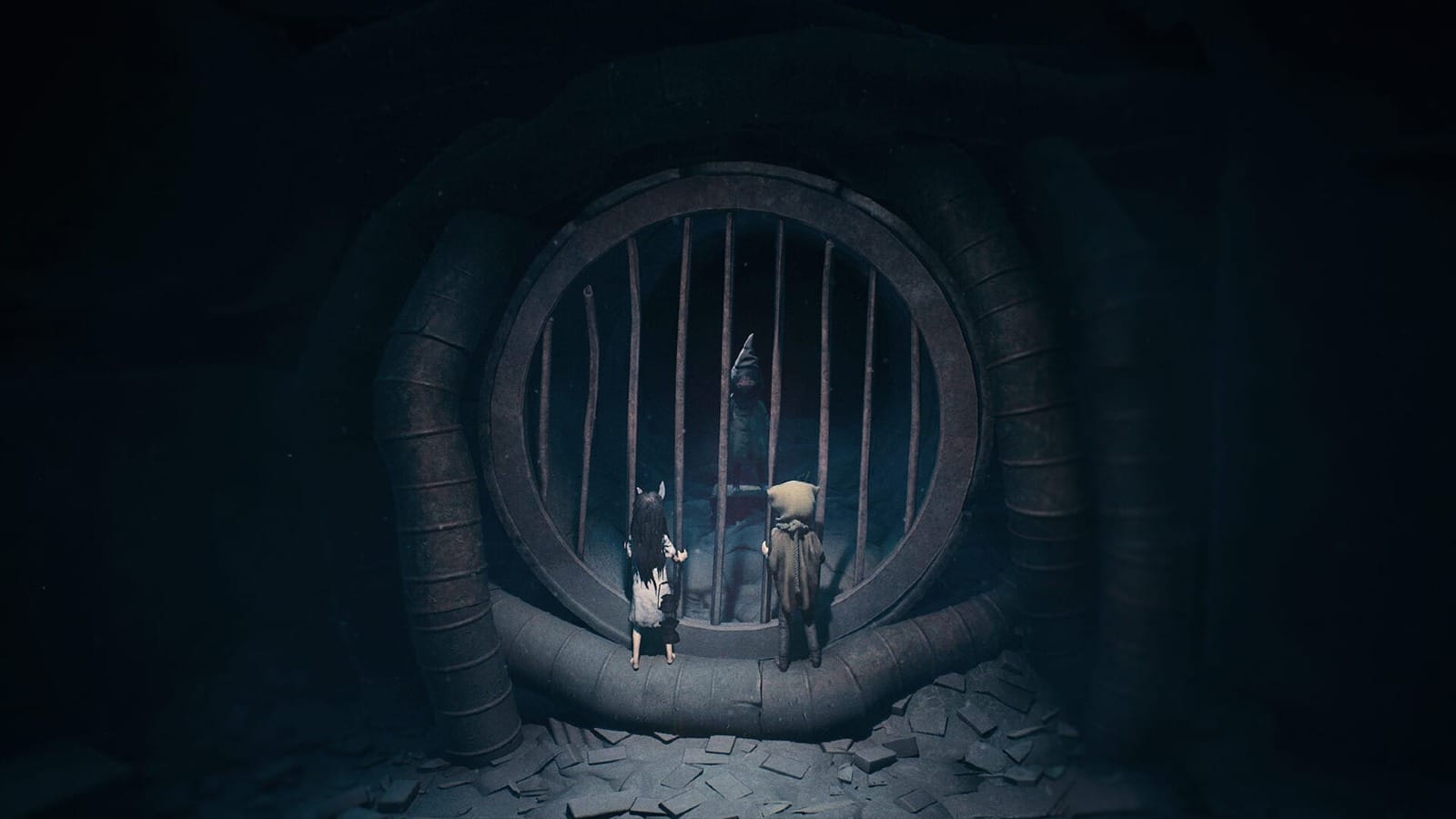
It’s important to note that Reanimal’s story is purposely vague, with the imagery I’ve referred to previously being nonspecific enough that someone could have a wildly different but equally valid interpretation. The game’s ending throws a curveball at my highly Holocaust-based understanding, with a confusing focus on the protagonist’s unfortunate condition of having a massive mutated sheep creature growing inside her (or it’s just a vision? It’s unclear). Perhaps the truest form of evil is falling in line, much like a sheep. The game’s upcoming DLC may be able to clarify some of the especially cryptic story beats.
There’s a reason I’m spending so much time dissecting Reanimal’s story and so little discussing its gameplay: there simply isn’t all that much gameplay worth discussing. The puzzles are enjoyable but not particularly thoughtful, never requiring more than a cursory test of the area’s interactables. One puzzle had me and my exceptional co-op partner girlfriend scratching our heads for far longer than any other, only for us to realize that the puzzle was meant to be returned to later—at which point the puzzle effectively completed itself. I’d be hard-pressed to remember a single puzzle solution; they’re more a means to an end than a mechanic.
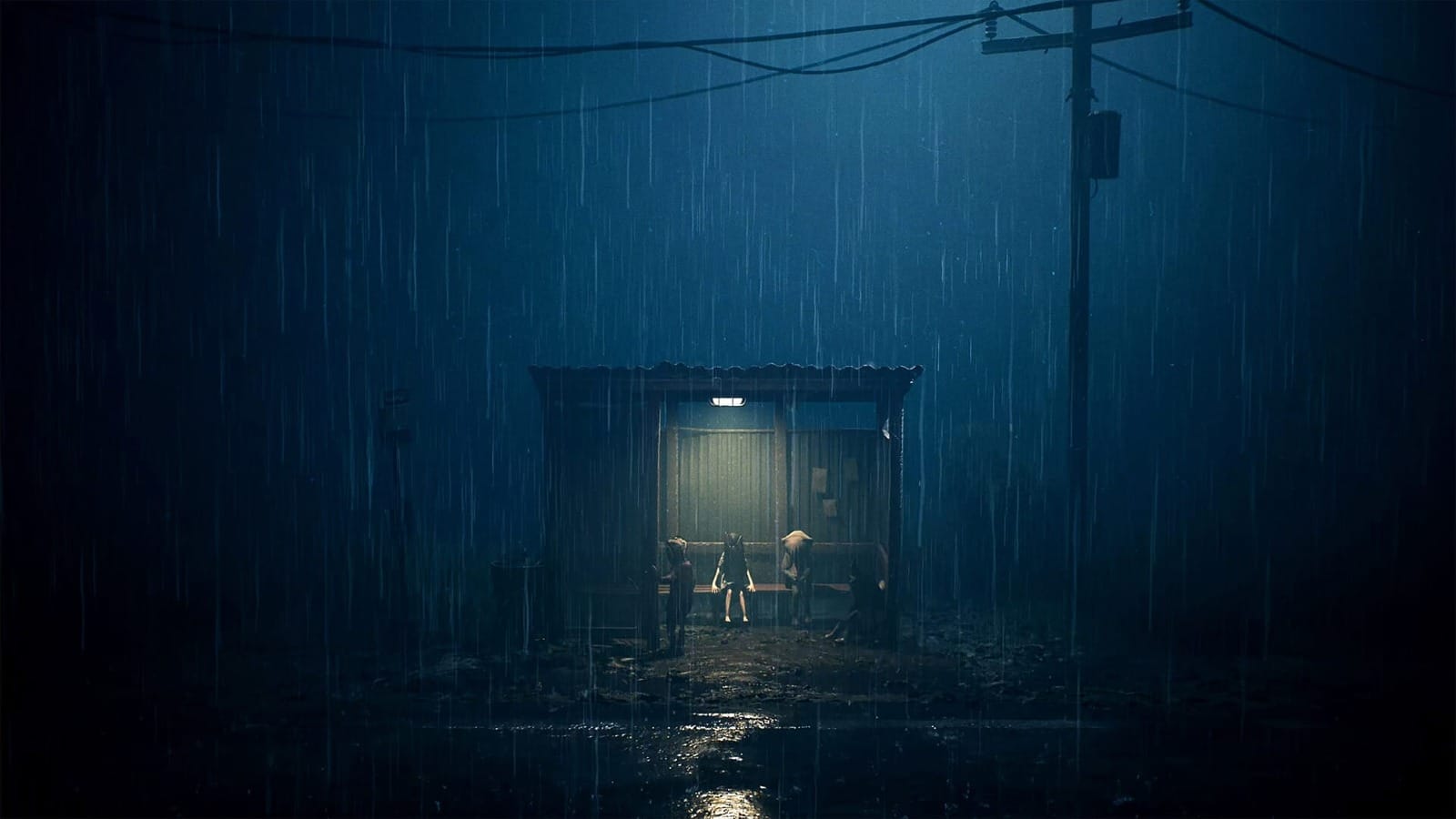
Combat and platforming are present, containing neither depth nor challenge. Instead, they serve as vehicles for grotesque spectacle, to excellent effect for the most part. Stealth sections are a common source of tension-building, and chase sequences punctuate most areas, keeping the momentum up just when the action starts to lull. Reanimal allows for extremely limited exploration at times, rewarding the player with haunting concept art or a morbid mask for daring to stray from the obvious critical path. It’s clear that Tarsier is far more interested in atmosphere and visuals than capital-G Gameplay, and I respect that. It allowed me to focus more on the environmental details that contain the majority of the game’s often opaque narrative.
Reanimal’s crushing atmosphere is built mostly around the visuals, but its subtle soundtrack does a great job of making this strange world feel more immersive. The sound design in general is phenomenal, with moments of dread brought on by nothing more than a distant inhuman drone. The music never builds to much more than background sound in the game’s quieter moments, driving home just how lonely it is to exist in such a broken place.
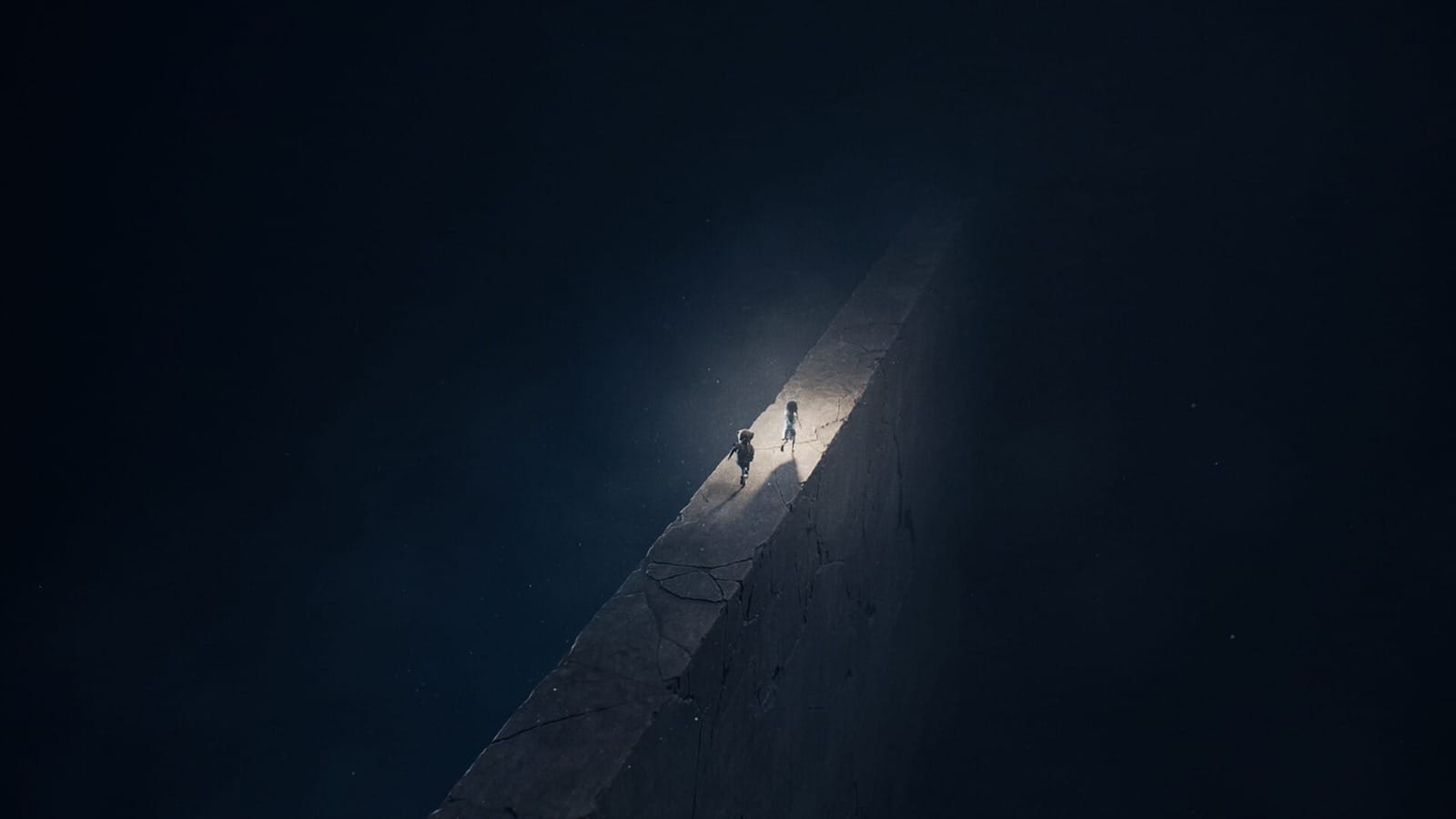
Reanimal scratches largely the same disturbing itch that the Little Nightmares games do, but does so with a sharper nail than ever before. It lacks any ambition whatsoever in the gameplay department, but more than makes up for it with a compellingly dour and confounding story. The game is playable in a sitting or two, making it easy to recommend to anyone looking for a short and sweet horror game to play with a partner or friend. That being said, it’s harder to recommend when taking into account the price tag, which is rather steep for a very brief experience with little replay value. My score doesn’t take this into account, but it is worth noting that the game is rather overpriced for the volume of content presented. Reanimal’s brevity won’t keep it from sticking around in my brain, though, thrashing against the walls of my head like some poor animal trapped in a deep well.
Reanimal
Great
Reanimal may be brief, but it leaves an impression. The game has no friction in terms of gameplay, reserving it all for a story that requires significant reflection to wrap your head around. Your mileage may vary, but I found its bleakness rewarding and evocative.
Pros
- A bleak, well-paced, and layered narrative
- A beautifully broken world to (very linearly) explore
- Excellent sound design
Cons
- Overpriced for how short it is
- Gameplay that may be too scant for some
- The rare bug here and there
This review is based on a retail PS5 copy provided by the publisher.