In my recent discussion of Albert Pyun’s Captain America, I referenced my thoughts on fan edits and the difficulties they present to artists. Shortly after that, I became aware of the work of Kazuyuki Sakamoto, who goes by Kazuchoice professionally. He has released two major edits of Ridley Scott films: his Alien cut adds in Jerry Goldsmith’s full score, of which only two tracks made it into the theatrical release. The Blade Runner White Dragon cut is far more comprehensive, including deleted footage, new visual effects for scenes that were in the script but not filmed.
I spoke with him about his process, but first I want to give some context about the nature of films and fan edits specifically. I don’t think it’s legitimate to limit art to specific corporate brands, who may or may not have any real interest in the “integrity” of the art, or even participation in the process of creating it. My Pyun article discussed the difficulty of editing a movie where you don’t have access to all of the film stock, and White Dragon takes a step forward to addressing this complexity. For one, it does incorporate substantial footage and material that was made for the film.
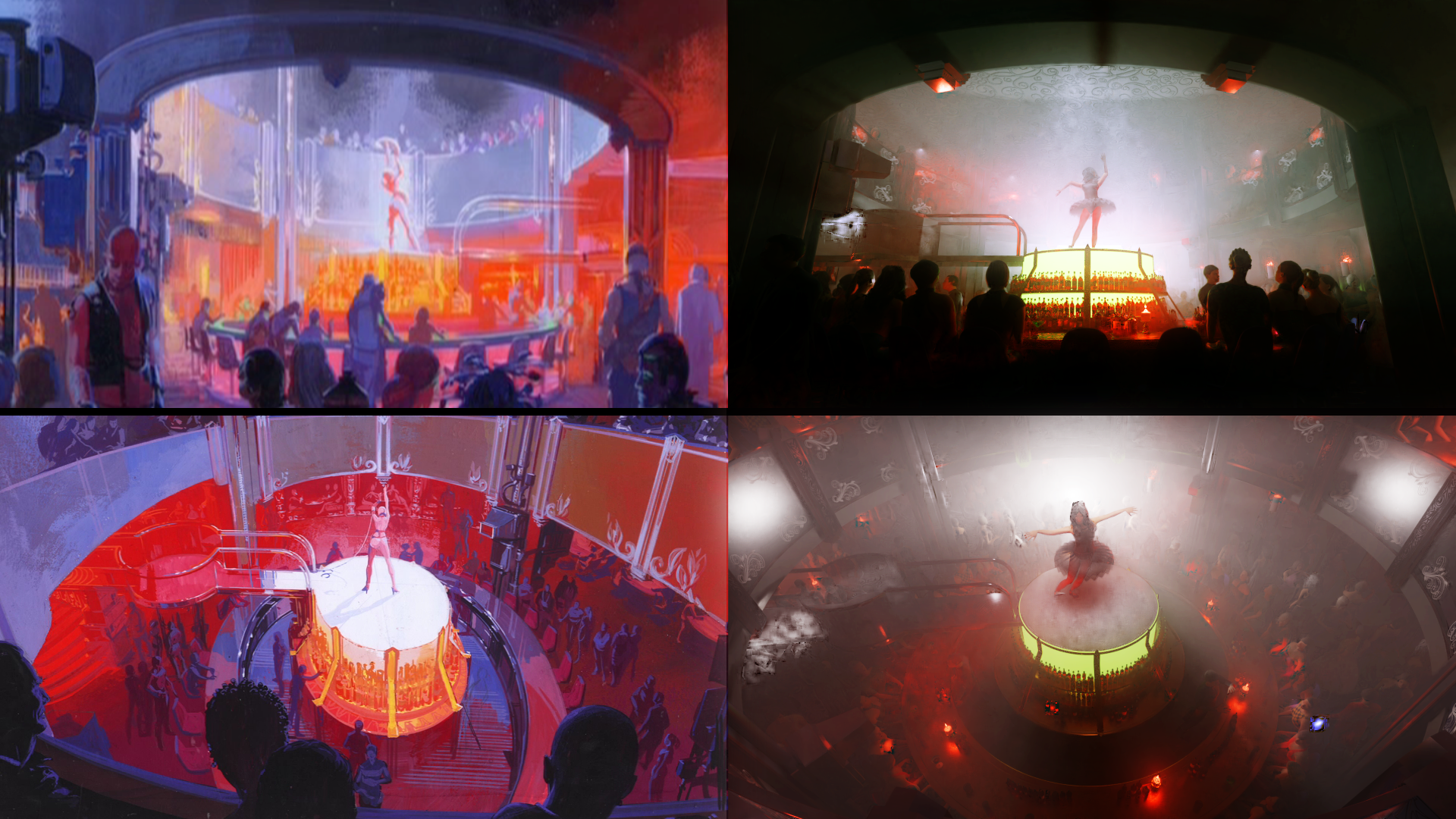
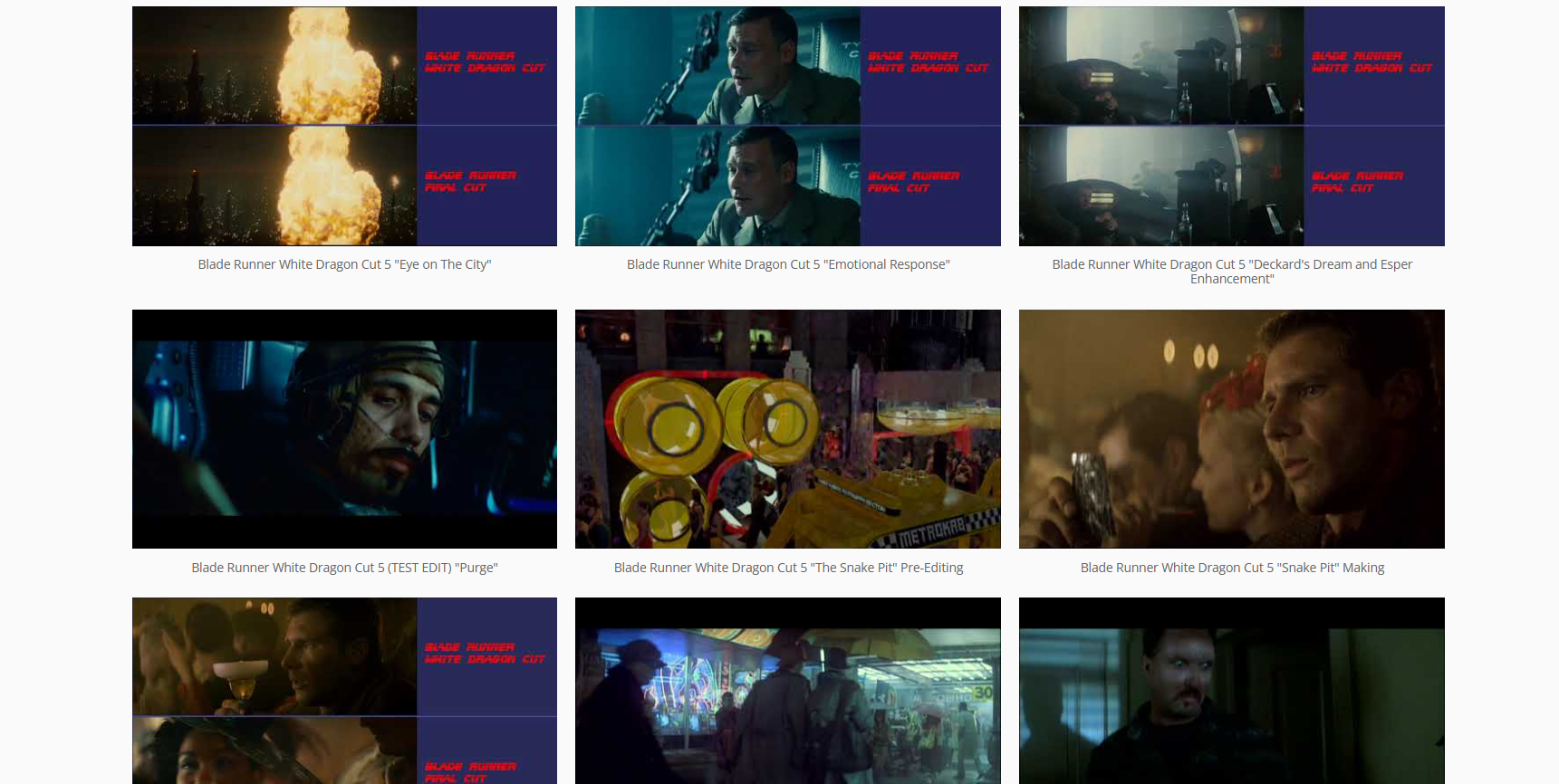
Overall, the Blade Runner project exists as an experiment, to show what the movie would be like if it hewed closer to the original script. It includes all unused content, sometimes shots only onesecond in length, and the (rightfully) infamous narration from Decker. This does nothing to supplant Blade Runner, a movie already laden with MANY alternate cuts. It just adds a new vision to the film, and a new experience for fans already interested in getting everything they can out of it. By the time you’re deep enough into Blade Runner to watch this edit at all, you are invested in the filmmaking and the creative decisions behind it. White Dragon contains immense information about those decisions, and leaves you as a viewer to evaluate which of them were correct.
1. Would you be comfortable giving some background on yourself and how you got into filmmaking? What led you to making these alternate cuts specifically?
I am 62 years old and used to run a small company creating research CGI for a university in Japan, but I am now retired.
I became interested in movies in junior high school and went to the cinema every week. I was a teenage boy who loved to fantasize, imagining new movies I directed playing out in my head.
Seventeen years ago, I read Paul M. Sammon's “The Making of Blade Runner” and learned that the film “Blade Runner” was not shot or edited according to the final script. I became intensely passionate about seeing Blade Runner as it was shot and edited according to that final script. That is why I decided to create the Blade Runner White Dragon Cut.
When Alien was released in theaters, I felt something was off about how little of Jerry Goldsmith's soundtrack was actually used in the film.
It wasn't until the 2000s, with the spread of the internet, that I learned the truth: most of his score had been rejected. I'd always wanted to create a version of Alien where Goldsmith's entire soundtrack was used. After finishing the Blade Runner edit, I finally began editing towards realizing this dream.
2. What was the process of production like? I'm sure it was a major effort to go back through and conduct the re-edits.
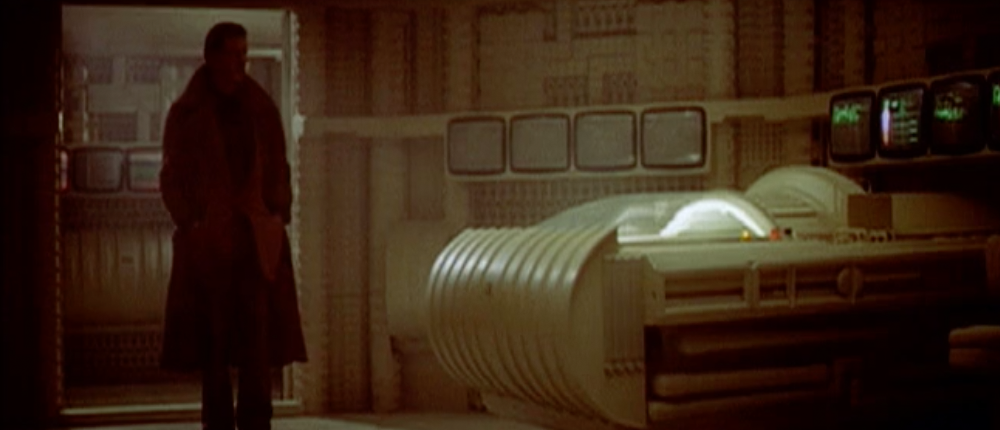
As you pointed out, the preparation phase, including re-examination, took a significant amount of time.
The process for creating the Blade Runner: White Dragon Cut was broadly as follows:
1. Compare the final script with the film to understand structural differences and scenes that were not reproduced.
2. Classify the discarded footage obtained by scene.
3. Remove film scratches and noise from the footage in step 2 and perform color correction.
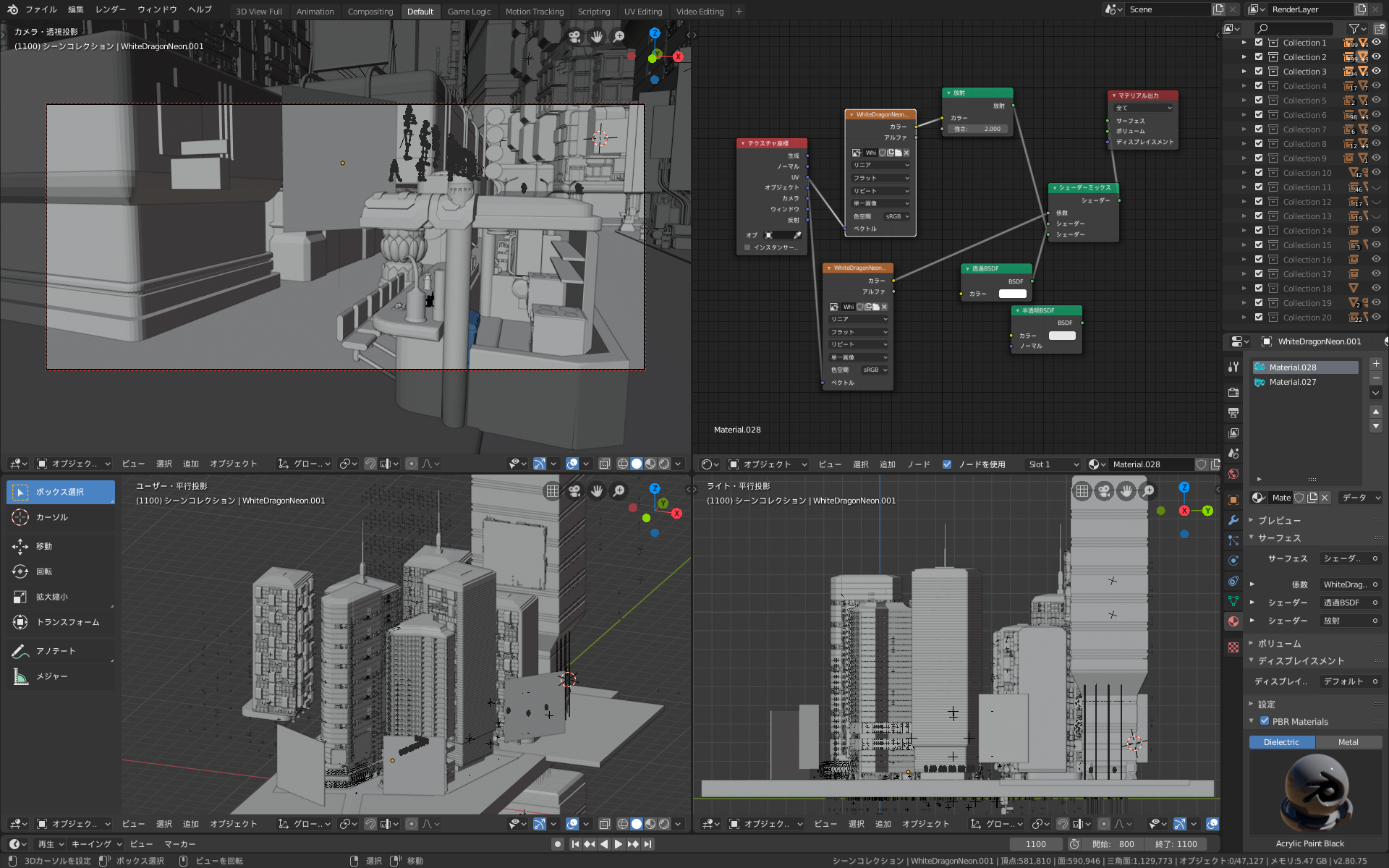
3. Recreate scenes that could not be obtained (including scenes never shot) using footage from other scenes or newly created CGI scenes.
4. Integrate the footage from steps 2 and 3 into the main film.
5. Expand the soundtrack to match the integrated footage.
Film scratch removal proved particularly labor-intensive. Blade Runner features many scenes with rain and smoke, so automated film scratch removal applications didn't work well. Therefore, I reviewed discarded footage frame by frame and manually removed each scratch individually. It took me a full week just to remove scratches from about five seconds of footage. I believe the effort paid off, resulting in deleted scenes that look more beautiful than ever before.
3. Do you have any future projects planned, for edits or your own work?
I am currently editing the film “Phase IV,” the only movie directed by graphic designer Saul Bass.
The plan involves removing film scratches, redoing special effects scenes, and restoring the original ending that was cut from the theatrical release.
While no official plans have been finalized for subsequent projects, the following films are under consideration:
Solaris (Andrei Tarkovsky version)
Dune (David Lynch version)
Aliens
Close Encounters of the Third Kind
Damnation Alley
Bye Bye Jupiter (1984 Japanese film)
Star Crash (1978 Italian film)
I may also re-edit the Blade Runner White Dragon Cut.
4. How would you respond to concerns about fidelity or respect to the original director? Do you feel you are bringing their original vision to life, or creating something more your own?
I have respect for the original director and the original version. I believe their vision was realized in the theatrical release and the director's cut. Even if they weren't exactly as the final script intended, or if budget and time constraints meant they couldn't fully realize the original concept, they still achieved the best possible result within the given time and budget.
The White Dragon Cut exists to explore the questions: “What if it had been made according to the script?” and “What if it had been made with sufficient budget and time, following the original concept?”
Therefore, the White Dragon Cut is not a recreation of the original director's vision. I find it fascinating to watch the White Dragon Cut to examine the intent behind the changes made from the original concept to the theatrical release, and to see the resulting outcome.
5. What are your feelings on other fan edits you have seen?
Have you watched the “Blade Runner Ultimate Workprint” edited by my Japanese friend? The concept is the same as WDC's, but he edited it using only Ridley Scott's original footage, following the final script. I think this “Ultimate Workprint” is the best fan edit for examining how the film changed from the final script's structure to the theatrical release.
Conclusion
If you are interested in learning more, the best resource is the website itself. I am digging more into the world of fan edits myself. Most have, disappointingly, been Star Wars related, trying and failing to salvage something from the wreckage of bad filmmaking. If you know of any interesting projects or are working on any of your own, please feel free to contact me for coverage!