Ten years ago, Rainbow Six Siege gave gamers a new challenge; it told us to slow down, to think critically, and, above all else, to coordinate as one cohesive unit. Little did we know that many of us would be signing up for a decade-long operation. There aren't many games out there that can boast reaching their 10th anniversary. The road we've traveled on hasn't always been easy, and a lot has happened that just hasn't made sense, but this game still has a way of pulling me back in. I think Gridlock said it best: “You’ve gotta have a couple of roos loose in the top paddock to sign up for this life, but there’s nowhere I’d rather be.”
It actually took a bit of convincing for me to finally latch onto Rainbow Six Siege. What I'd actually wanted was another campaign, a follow-up to the Rainbow Six Vegas games, which I'd enjoyed immensely. When Rainbow Six Patriots came across my radar, I was thrilled to say the least. I was excited to dive into a story about a homegrown terror threat that also promised all-new gameplay mechanics and a riveting narrative. However, that excitement would turn to dread when Patriots was eventually nixed in 2014. I was finally introduced to Rainbow Six Siege in January of 2016, but the absence of a campaign was a big turnoff for me, so I turned away. However, I didn't stay away for long as I was brought back to the game later in the year when I found a Twitch streamer, MissesMae, playing the game on stream. After seeing more of the action, I decided to give the game a second try, and I've been here ever since.
In a world that was dominated by same-y run-and-gun shooters, Rainbow Six Siege shook things up with slow-paced, tactical realism, and it almost didn't work. The game struggled to gain traction for over a year due to server instability, balancing issues, and numerous bugs. It became a huge undertaking just to keep the game alive as the devs worked tirelessly to patch and balance, while also trying to keep a stream of interesting post-launch content for players to dive into. Still, players were intrigued enough to stick it out, including myself, having already dedicated a good 100+ hours in just a few months. But what was it that had us all coming back despite all the issues plaguing the game?
It's all about the gameplay loop. Core Rainbow Six Siege is a 5v5 competitive shooter where teams attack and defend objectives. Teams are composed of operators with different specialties that can have staggering effects on the course of a game when well coordinated. Metas have come and gone over the years, from the very early days of fully reinforcing and camping an objective to the gadget meta of 2019/2020 to the shield meta, and so on. Gameplay has constantly evolved as more and more maps and operators were introduced, creating something fresh and addictive.
The unique systems and game features in Rainbow Six Siege are some of its biggest strong points and why the game stands out so well among FPS juggernauts like Call of Duty and Battlefield. It stands its ground well, even compared to Call of Duty's iconic Search & Destroy mode, which has been the standard for single-life modes for years. While the pace is slower and the game favors tension over spectacle, its asymmetry and information warfare make for some of the most exciting gameplay from match to match, and even round to round. The game's usage of reinforcements and targeted destructibility is also uniquely a Siege feature, with the only thing being even slightly comparable being Battlefield's large-scale destruction. Of course, all of this also meant new challenges with operator and map balancing, brand new bugs, and everyone's favorite, cheaters.
Things were looking pretty dismal towards the end of Year 1, with many choosing to step away from the game due to all of its problems. Publisher Ubisoft realized they had a real crisis on their hands and needed to do something quick if they wanted this game to last another year. Year 2 Season 2 was aptly named Operation Health. It was a pivotal season where the devs opted to forego releasing new content to instead focus entirely on fixing the game, including improving server stability, fixing technical issues, and starting the never-ending journey of balancing. It was at this moment that Siege truly became a "live service" game, something that had only ever been achieved by MMOs, MOBAs, and CSGO. The term "live service game" hadn't even been properly defined yet, but the efforts of Operation Health helped develop the foundation upon which such games would be built, including games like Overwatch and Fortnite.
Siege has had its fair share of ups and downs, some really high and some really low. The cost of longevity is the constant battle against cheaters, bringing in new players, and releasing exciting content so people keep coming back, as well as finding better ways to bring in money to keep funding development projects.
The cheating situation in Siege has been a problem for years, from players using various software to acquire wallhacks and aimbots to the input manipulators on console using Xim and Cronus, as well as those who claimed glitch exploits are a 'feature' that players couldn't be blamed for using. The outrage from players, creators, and pros reached an all-time high last year as the game became almost unplayable for higher-level players who were facing cheaters in almost every match. Many felt like Ubisoft just wasn't doing enough to combat the cheating epidemic, resulting in many players leaving the Siege space, including one of its biggest creators, Jynxzi, who was noticeably absent from the game's biggest content showcase for Siege X back in March.
I've been fairly fortunate not to have experienced much of the cheater problem myself, as it's not seen nearly as much in upper Gold and Platinum lobbies, but the pain I felt for my fellow community members, and fear for the fate of Siege if the rate of cheating reports continued to increase, felt like a dagger to my heart. All the negativity surrounding the game from people's posts on X as well as the commentaries on Twitch and YouTube filled me with despair, as well as a longing for the "good old days" of Siege where I was able to sit back on my couch and play a few games with friends at the end of a long day. Back then, I wasn't as invested in the scene as I am now, so I wasn't exposed to any of the drama or backlash that came with the game's or the community's issues. Nowadays, I'm watching lore deep dives from Kudos and Hacker Replays from VarsityGaming, attending remote previews and showcases, and regularly streaming my own gameplay, so I'm fully embedded in this world and seeing it all as it unfolds.
Original opening cinematic title screen (left) and the new opening cinematic title screen (right)
Another grievance often cited was the content fatigue and the sense of sameness with each season launch. Especially over the last couple of years, it has felt like creativity was a struggle, so it was instead replaced by multiple operator and map reworks and the focus on Siege X improvements. Year 10 was particularly stale, with only two new operators, no new maps, and only one major map rework (Fortress). The introduction of the new 6v6 respawn mode, Dual Front, gave players an entirely new experience to explore, but it appears to have fallen off rapidly due to complaints about time to kill, the map feeling empty, and other issues. There are many promises for content in Year 11, as well as ramped-up anti-cheat efforts, but only time will tell.
What Siege majorly lacks is a real competitor. Sure, there are other shooter games people can go play; there's certainly no shortage. There is nothing else out there that is like Siege. Having a comparative competitor challenges you to keep innovating and improving. Call of Duty and Battlefield are better when they're actively competing against each other. Valorant challenged Valve by giving players an alternative to Counter-Strike. Fortnite, Apex Legends, and Warzone (and now Battlefield REDSEC's battle royale) challenge each other. This is one of the biggest downsides of Rainbow Six Siege; it's almost too unique, which maybe leads Ubisoft to be a little too comfortable with letting things slip through the cracks.
A big question that was asked a lot last year is why didn't we get a Rainbow Six Siege 2? Why did we instead get Siege X? Creating a Siege 2 would've given Ubisoft the chance to literally rebuild on newly advanced systems, including potentially a more robust anti-cheat. While the cheating situation has improved in the last couple of months, it feels like only a matter of time before we see another surge.
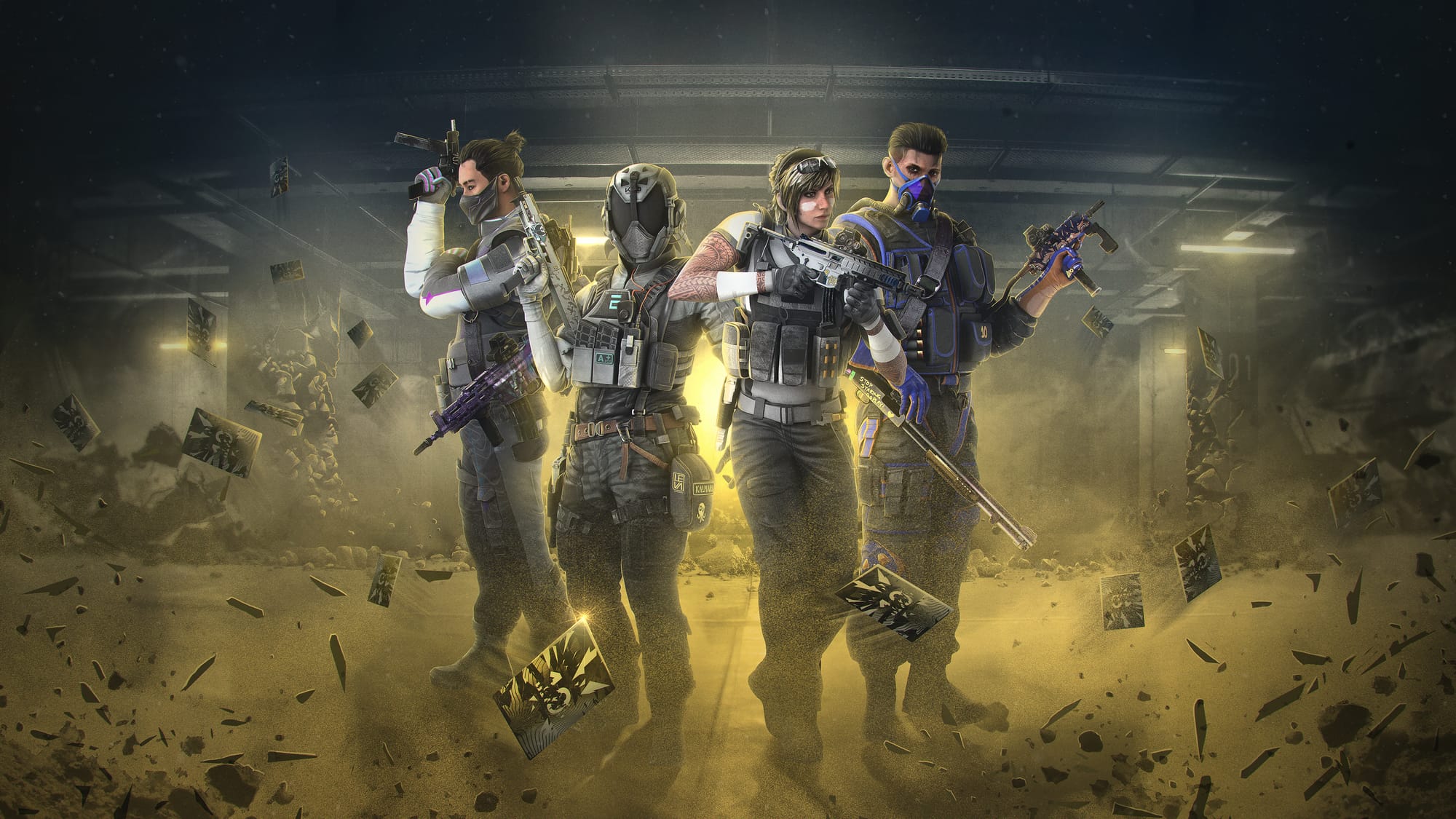
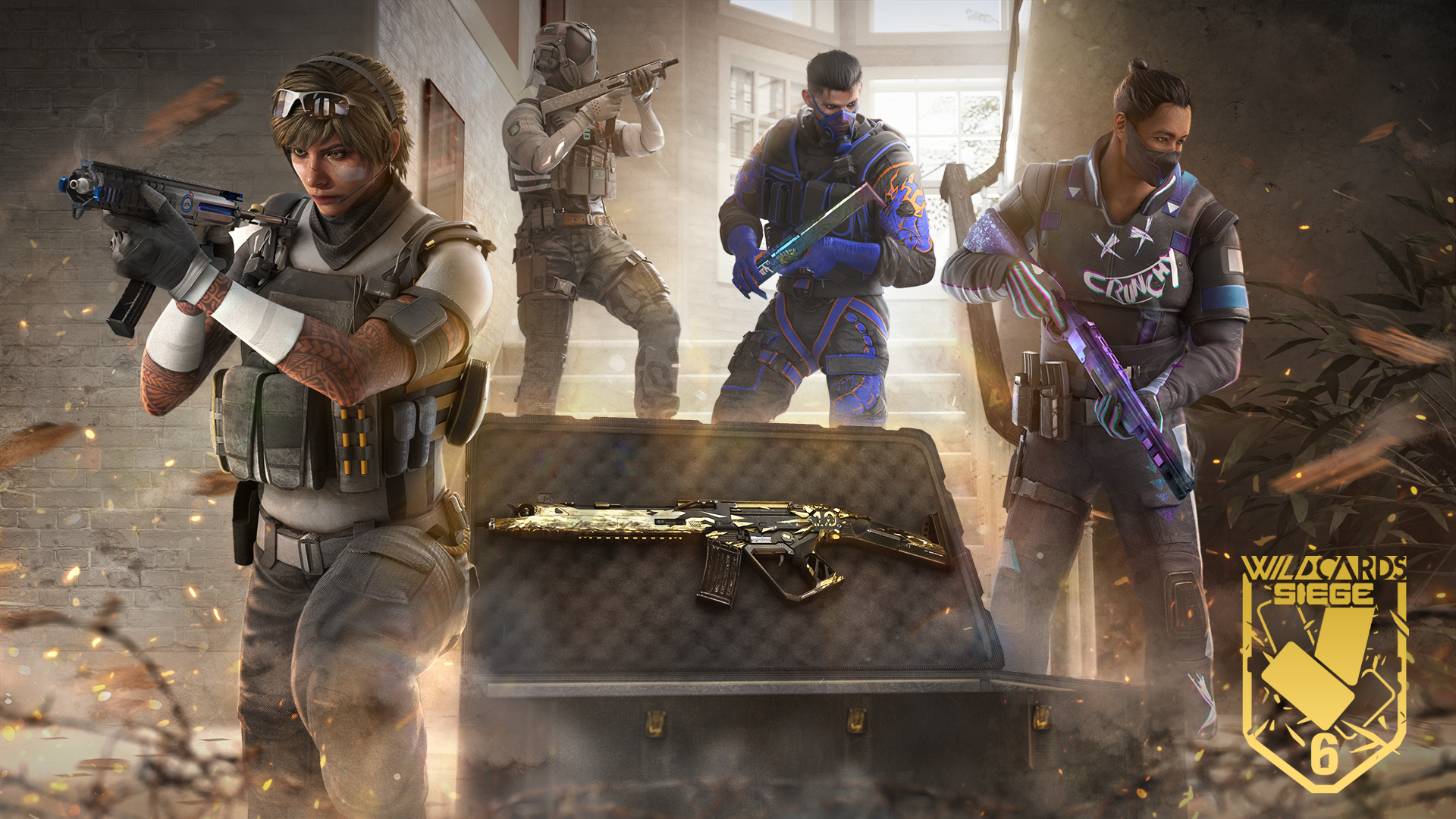
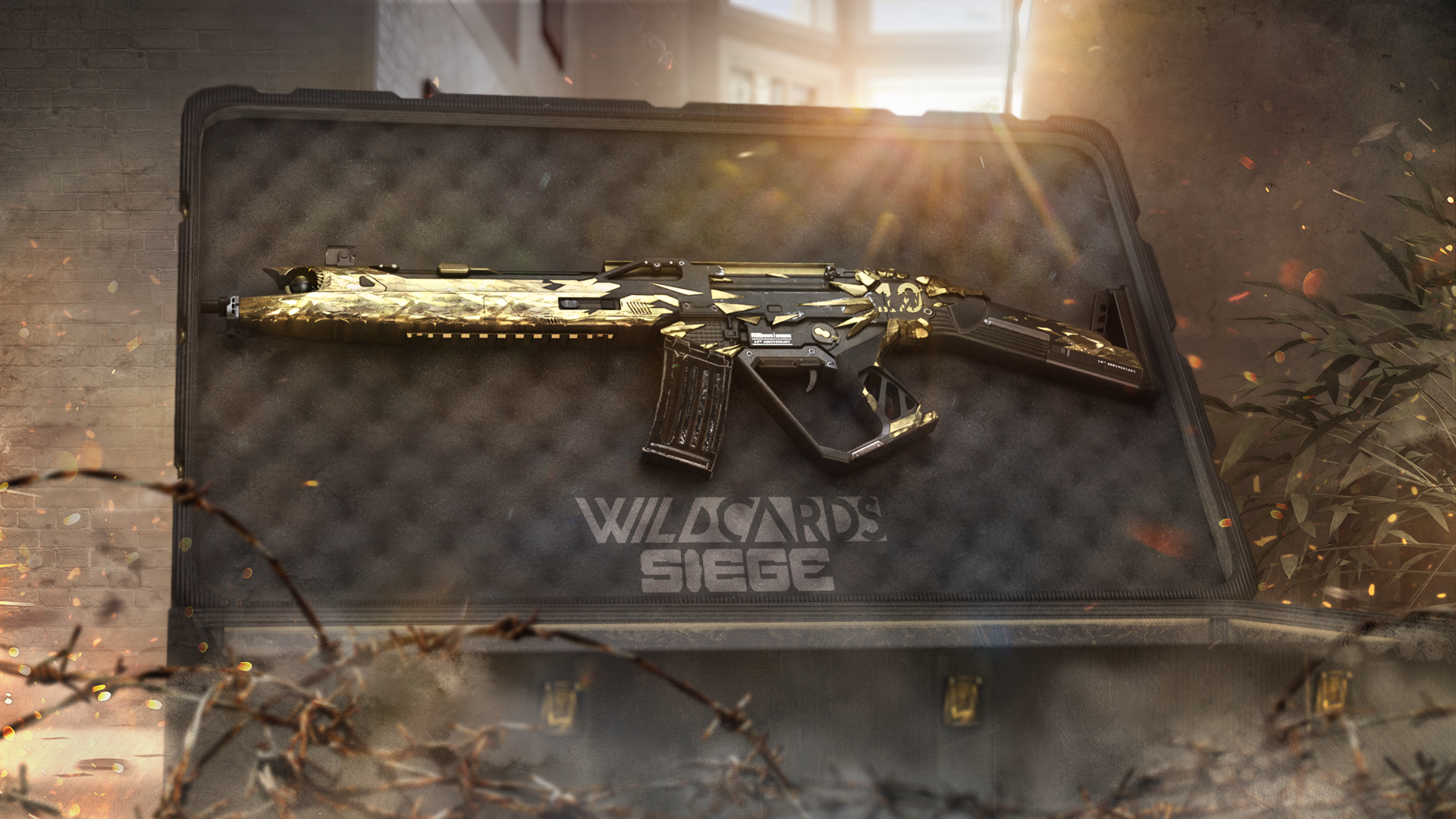
Wildcard event and 10-year anniversary cosmetics
I asked Live Content Director Christopher Budgen at the Siege X showcase last March, and his response (simplified) was that they didn't want players to lose their years of progression and inventories. True enough, there are some items in my locker that date all the way back to Year 1, which are quite valuable on the marketplace (if it ever comes back). This response holds very little ground when you look at other games that have moved to a sequel, like Overwatch 2 and Counter-Strike 2. While the inventory carry-over for those games may not have been perfect, it has been proven that it can be done. There are many ways to honor veteran players, like the year badges we did get in Siege that show the year we started playing (mine is 2016), as well as the exclusive veteran cosmetics. Using the 'lost progression' as an argument feels more like a cop-out for whatever the real reason may have been.
Entirely rebuilding does come with a tremendous amount of risk, especially if too much is changed and takes away from the experience for veteran players, or if too little changes and it then feels like a waste of resources. However, having a more open conversation with the Siege community would tell you that many would probably have been less concerned about the cosmetics locker and more interested in seeing the game be rebuilt to last another decade. I'm not saying that it won't, but the pace of advancements in game development technology is showing no signs of slowing down, so game makers need to make sure they're keeping up. Siege has a very dedicated core of players who are willing to see the game through to whatever end.
The Siege community, from the players to the viewers to the developers, and everyone in between, is a real thing of beauty. Never have I seen a group of people come together more passionately than I have seen the Siege community. Even with all of the game's issues, people still wanted to consume and create content, cheer on their favorite esports team at the various majors and other events, and hop into the game in hopes of having at least a few good matches. They're also readily willing to go to war to try to save their beloved game, starting the #SaveSiege movement on social media to encourage Ubisoft throughout their various efforts to restore balance. The developers deserve so much credit for putting up with all of us, but also for deciding to hear us out when we were seemingly shouting our concerns into the void.
Of course, a big part of that community is also the pros. With the 2026 Six Invitational well underway in Paris, the hype around Rainbow Six Siege is peaking once again as we gear up for the grand finals as well as the reveal of Year 11 Season 1, especially after the spicy Solid Snake tease we saw last week. I've never been much for the esports scene myself, but over the last year, I've been more invested, tuning in to watch RE:LO:AD that took place in Rio, as well as the Munich Major. I wish I'd started tuning in sooner because I love the energy and the spectacle of each event. It's crazy seeing the clutches and the upsets, and seeing how my predictions pan out by the end of the series. So far, it's not looking too good.
Siege is a game with one of the steepest learning curves. Not everyone can go straight into Pro League (unless you're Stompn). There are over 70 operators across both Attack and Defend, each with their own specialties and gadgets, strengths and weaknesses, and 27 maps with a handful of objective points for each of the three core modes (Bomb, Hostage, and Secure Area). The combinations of operators, loadouts, sites, and setups are nearly limitless, which can be daunting to newer players who just want to jump in with their veteran friends. Onboarding efforts have continued to evolve, with the Situations being removed and replaced with various learning tools, like landmark drills, the shooting range to try out different weapons, and others. However, the best learning tool will always be jumping straight into a match.
Where will Rainbow Six Siege be ten years from now? That question has weighed heavily on many minds over the last year. Ten years is a long time to hold an angle, and I sure hope this game has many more years ahead of it. There's no denying the impact that Rainbow Six Siege has had on the gaming world. Despite its flaws and its failures, this game still matters and holds space in the hearts and minds of many.
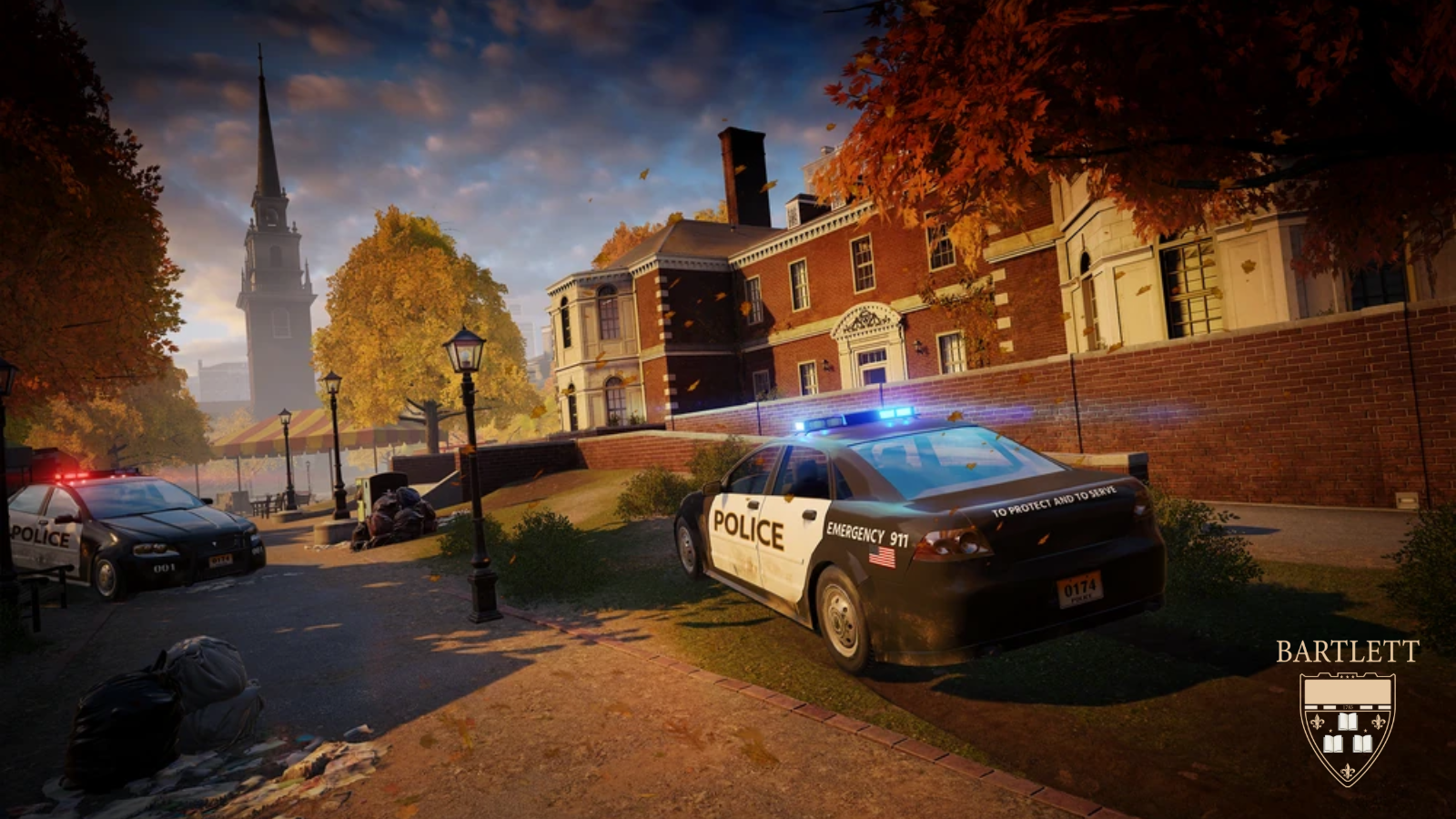
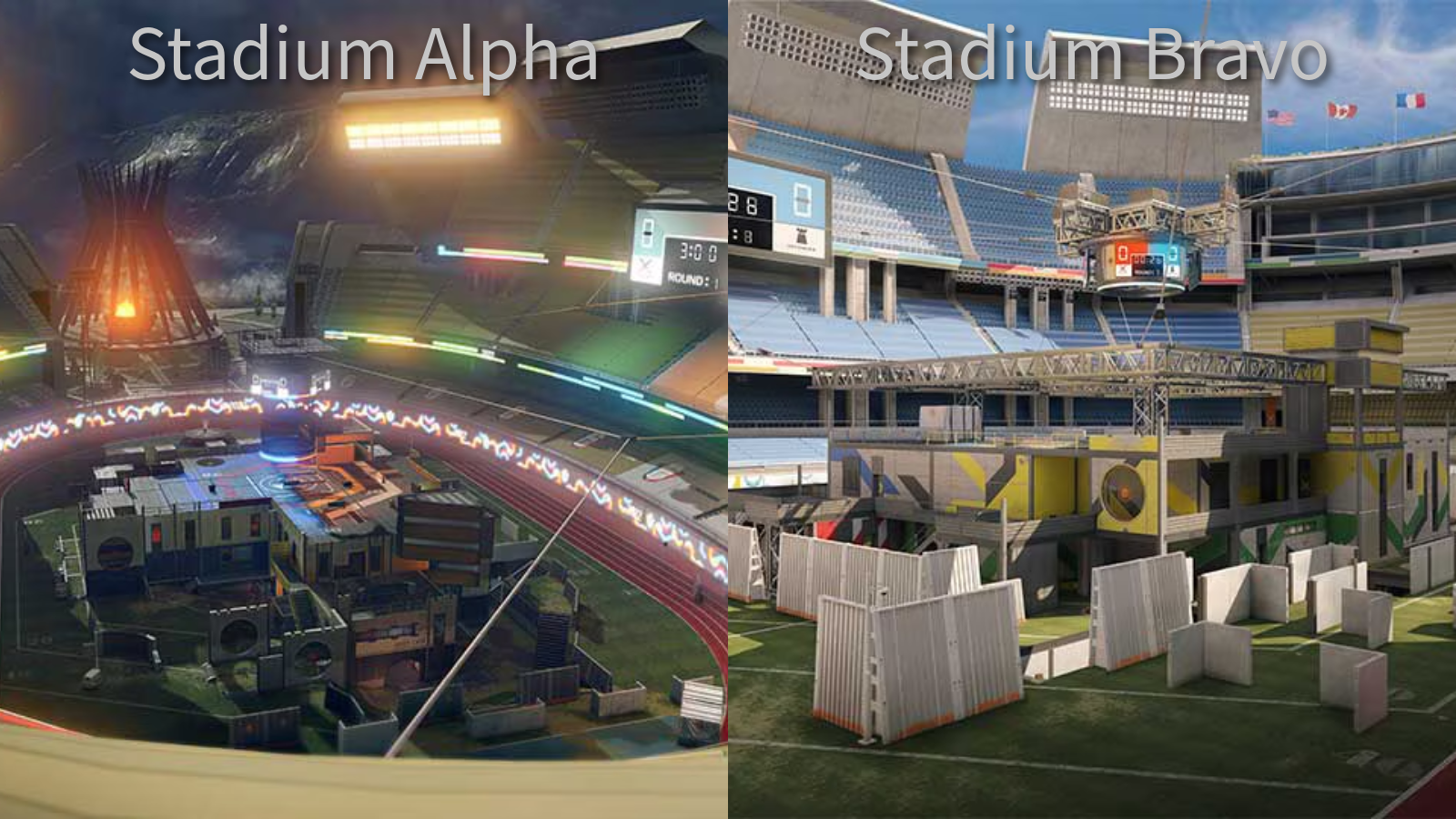
Over the course of the last ten years, I've spent nearly 3000 hours playing Rainbow Six Siege across three platforms. I remember back in the day when I would crouch-walk around the map, scared of every little sound and barely hitting my shots. I remember the first time I ever went live on Twitch while playing a match on old Consulate in 2017. I remember getting my first ace and uploading it to YouTube. I remember getting stuck in the wall on Bartlett, which isn't even in the game now. I remember how weird it was when they tried turning the game into a gladiator sport played in a stadium in 2020. And more recently, I remember the first time I hit Platinum rank, less than a year into my PC Siege journey. I have so many memories, good and bad, that I will cherish even years after this game either dies or I somehow stop playing it.