The Oscars are upon us once again, back for the 98th time for a night of celebrating another excellent year for cinema (and for cringe bits by actors who shouldn’t be this uncomfortable-looking on stage). I have a love-hate relationship with The Academy Awards; they frequently disappoint me with their misguided picks (see: Emilia Perez, Green Book) but have impressed me by experimenting with weirder films as of late. Horror has finally been getting its due since Get Out in 2017, and every year it feels like the Best International Film category leaks more and more into the Best Picture conversation.
There’s a predictable but welcome template for what will be nominated for Best Picture these days — we have the dad movie, the good ol’ Oscar bait, the experimental pick, the one nobody saw, the movie everyone loved at first but then soured on since the discourse was allowed too much time to spoil…this year is no exception. Nearly all of my favourite movies of 2025 are represented in the ranking below, and that’s a massive win for both myself and for The Academy that I’m sure has been kept up at night, wondering what I think of their choices. You’re off the hook this year, voters!
10. F1
I thought I would hate Top Gun: Maverick. I avoided seeing it in theatres, dismissing it as well-produced military propaganda and nothing more. When I finally got around to watching it, I was won over within the first five minutes. Tom Cruise's charisma, the rush of the jet sequences, the charming hamminess — Joseph Kosinski had the juice. But he took too big a sip, and now he's all outta juice. Just goes to show what happens when Christopher McQuarrie isn't helping out behind the scenes; nobody is quite as good as him at nailing high octane schlock.

There's no hook to F1. Brad Pitt, an actor consistently awarded the title of "character actor in a leading man's body", is exhibiting his most terminally bland leading man tendencies here. The script has given him absolutely nothing to chew on; it's pure formulaic (pun intended) schmaltz occasionally interrupted by insipid vroom vrooms. This would be forgivable, perhaps even watchable if it were approximately 90 minutes shorter, but at nearly three hours, it lost any good will somewhere around the 50th routine racing sequence. Kerry Condon tries to wrest some personality from the jaws of milquetoastery, to no avail. Apple TV had nothing else to campaign for this year, so my guess is that they incinerated all their money in the Oscars pyre in an attempt to will a nomination into existence. They succeeded. I hope they're happy.
9. Hamnet
Chloe Zhao is never going to make a movie that connects with me. She tries a different tack here, though; I'll give her that. Instead of Nomadland's too-quiet humanity or Eternals' feeble attempt at prestige-ifying Marvel, Zhao opts for sickening sentimentality and sheer misery. The first half hour is promising enough — we bear witness to the tryst-immediately-turned-marriage of Agnes (Jessie Buckley) and Bill Shakespeare (Paul Mescal). It's strange and a little off-putting in a cute way, but the visuals and music are more concerned with the tragedy to come than with the gleeful newlyweds. As is the norm for Zhao, Hamnet has had all of its colour vacuumed out, leaving behind a Stratford that's perpetually on the brink of rain and death. While at first I was against the use of such a bleak aesthetic for what was ostensibly a romance, the inevitable tragedy arrived promptly and justified the austerity. Perhaps the happiness wasn't so happy after all, when it only led to pain.

Grief, pain, anger and screaming and maybe some love and more pain; Jessie Buckley goes through it all. The problem is, she looks devastated in every frame of the film, with severely diminishing returns. She does a lot of capital-A Acting — hell, maybe even capital-A capital-C ACting, unmasking the immense effort behind every choice. I feel the effort in her wails and cries and the effort in even the subtler moments. I can see the talent, too, don't get me wrong, but I felt immune to her narrow range of negative emotions. By the time she started yelling during Hamlet like Abraham Lincoln, I couldn’t help but root against poor Agnes. I don’t care who you are, if you’re disrupting a performance, you get the boot. Guards should’ve escorted her out at the first sign that she was gonna ruin it for the rest of the audience.
Paul Mescal does a better job with the treacle he’s been given, though nothing could save a preposterous scene of him writing aloud the “to be or not to be” monologue as he draws stupidly obvious parallels to his own tribulations. It’s all so simple. Grief drives people apart, art brings people together. Hamnet is tugging — nay, yanking, thrashing even — at your heartstrings so hard that they all come loose. Once again, Zhao is mining for depth that she can’t seem to unearth.
8. Frankenstein
Let’s take a step back and appreciate something: we have enjoyed an awards cycle without major controversy. Last year's nominees were some of the best I've been alive for, and yet all of it was slimed in the overpowering stench of Emilia Perez (with a side of an overblown AI-related smear campaign against The Brutalist). What do we have this year? Timothée blabbing about the opera and…that’s all. I know last year was a disaster that shan't be replicated, but is this really all we have? Couldn’t we make up something to be mad about like we usually do? Even the stories about the Safdies being shady went away so fast that it barely hit the mainstream; they must have excellent PR guys. This is all worth discussing only because it’s more interesting than talking about Frankenstein.
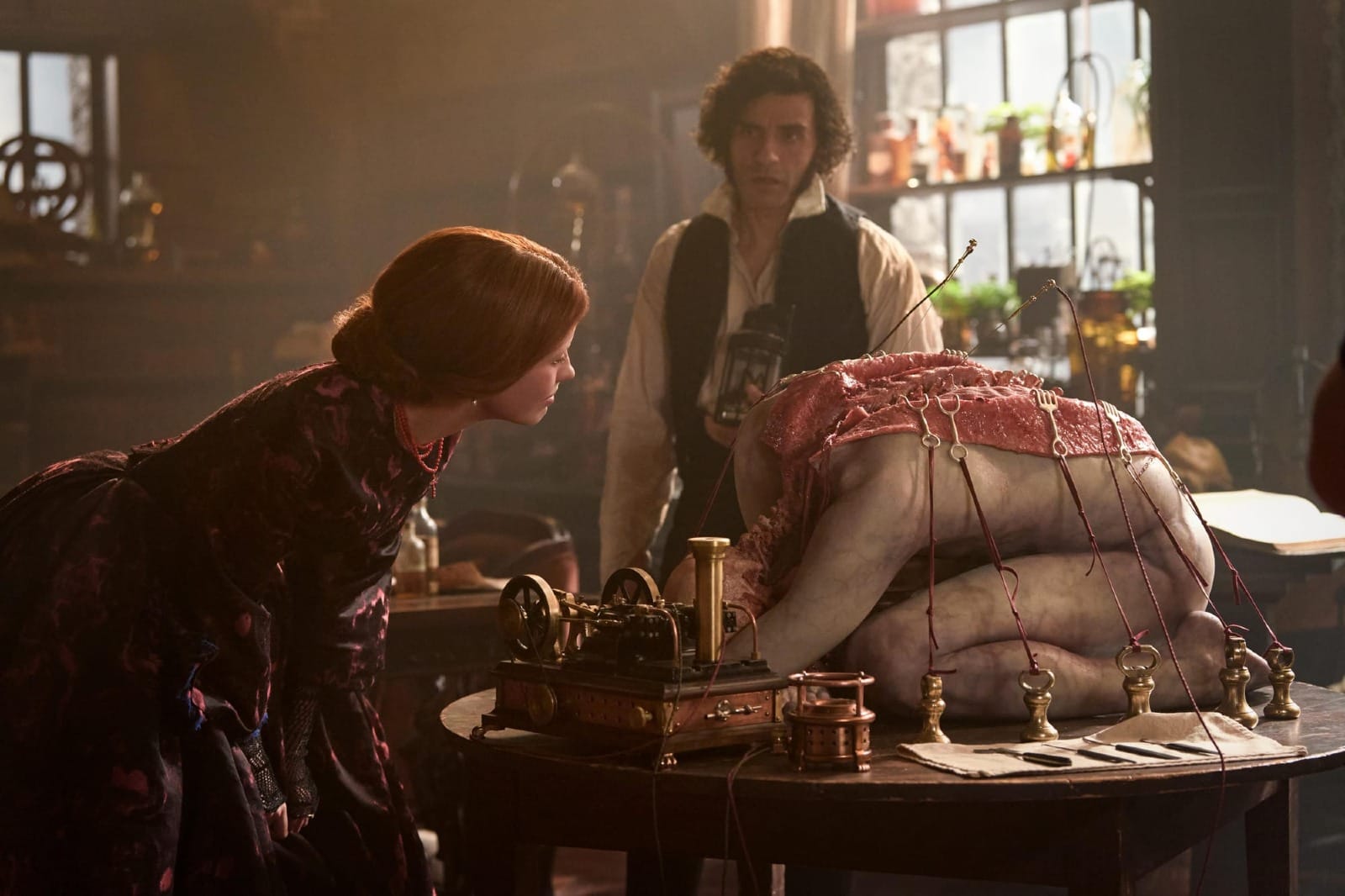
Frankenstein is uncontroversial in all the most boring ways. It’s a solidly made, solidly acted movie from a solid filmmaker who always makes movies that I want to like about three times more than I actually do. Guillermo del Toro tackles the well-worn tale of the sympathetic monster, providing us with little in terms of a new perspective or alternative take. The film is split into two half-baked halves, first following Victor (Oscar Isaac) as he descends into madness, and concluding with the monster himself (Jacob Elordi) discovering his humanity. Victor’s side of the story is overstuffed with unnecessary detail, while the monster is relegated to a handful of rushed beats that don’t offer him enough room to develop. In another world, there’s a version of this movie that’s 3 hours long and more of a slog, but technically a better product. I loved the body horror, though. Please, more Oscar nominated movies with body horror. Coralie Fargeat, thank you for kicking off this trend.
7. Marty Supreme
Nothing exists in isolation, and for that, Marty Supreme suffers. Had this been Josh Safdie’s sophomore effort, I could envision myself being kinder and more forgiving of Marty Supreme’s shortcomings — but Uncut Gems exists. You swap out Adam Sandler for Timothée Chalamet, you swap 2011 out for the 1950s, you swap sports betting out for ping pong, voila: Marty Supreme. The twin films play out almost identically, both featuring detestable protagonists on ignoble quests who lie, cheat, and steal their ways toward their foolish goals.
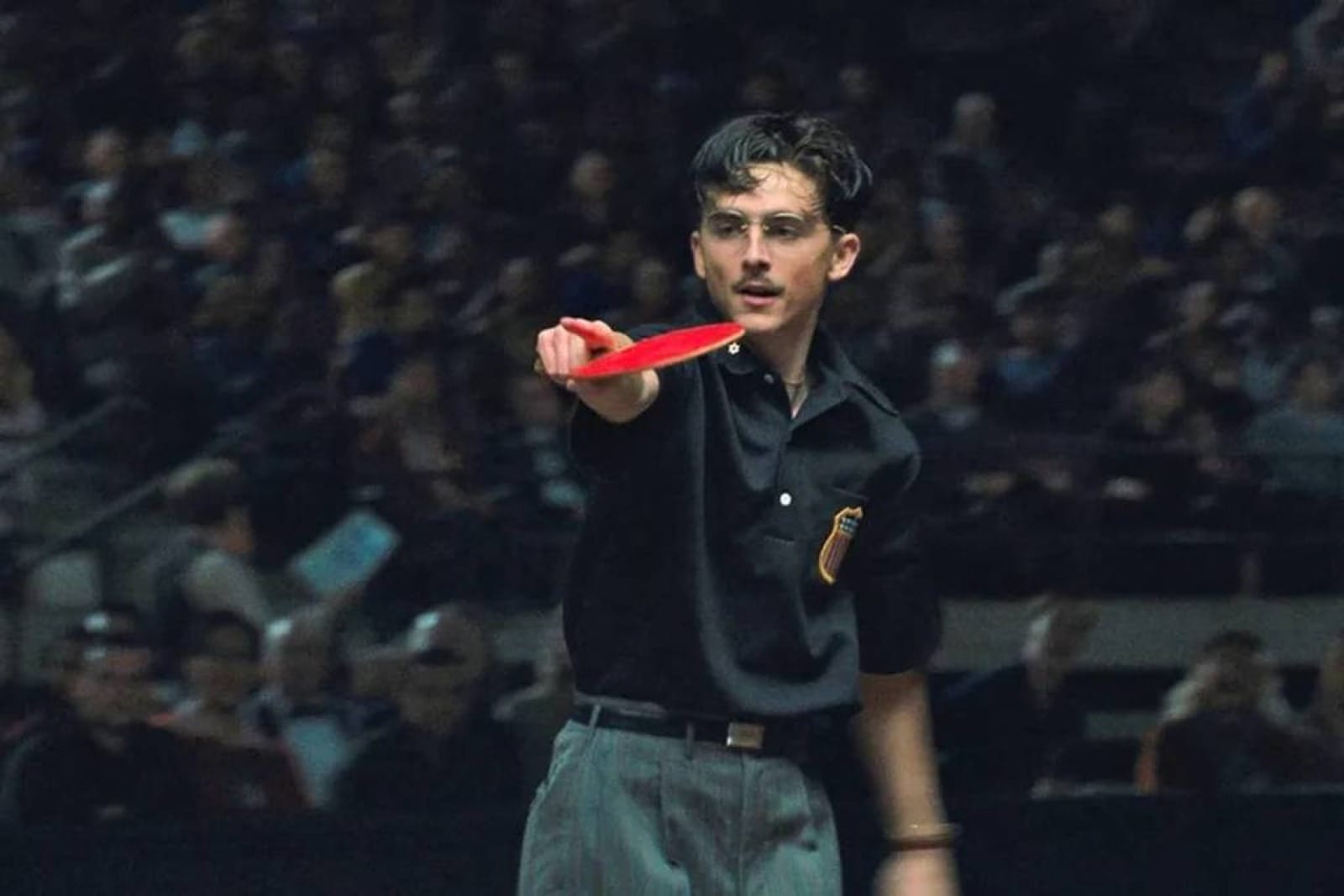
Both films are hellbent on making you as stressed as possible, but here is where their paths diverge: where Uncut Gems felt like rubbernecking a delectably gnarly car crash, Marty Supreme is a minor fender bender. It doesn’t take long to become accustomed to Marty’s tricks and harebrained schemes, and the chaos becomes predictable; repetitive. I had seen each scene before not only in Uncut Gems, but earlier in that same movie. Marty never changes, he never wavers, he is single-minded, and that makes him, frankly, boring. The people around him are far more interesting — Marty’s love interest Rachel (Odessa A’zion) has the conniving spirit of Marty without his wit and sheer luck, making her failures more spectacular and costly than his. They’re a shitty Bonnie and Clyde, and the few scenes that featured the two of them bouncing off each other revealed that Josh did have at least a couple new ideas.
I want to see Josh make a movie about something rather than someone next time around. He’s proven in all three of his features that he can write a character study of an unlikable man; this much we know. But one of Marty Supreme’s greatest disappointments is that it almost feels like it wants to be about something greater than Marty himself but never rises to the occasion. Moments here and there suggest a greater meaning to Marty’s pathetic journey — that concentration camp honey scene? I thought for sure that would tie into some commentary on post-war America, but nothing came of it. Each of Marty Supreme’s scenes are good to great individually, but they become lesser together. I pray I won’t be saying the same of the Safdies’ movies in a decade.
6. Bugonia
Yorgos Lanthimos and Emma Stone, two soulmates who found each other by the grace of some benevolent god. They are a perfect pair, a director-actor combo hitherto unforeseen in its complementary strangeness. Lanthimos, an auteur of the grotesque and the uncomfortable, turning the abnormal normal and the normal into some freaky shit. Stone, the boldest project-chooser in Hollywood and the only person with the range to perfectly embody every demented idea in Lanthimos’ head. Everything they’ve done together has been spectacular, and Bugonia is no exception.
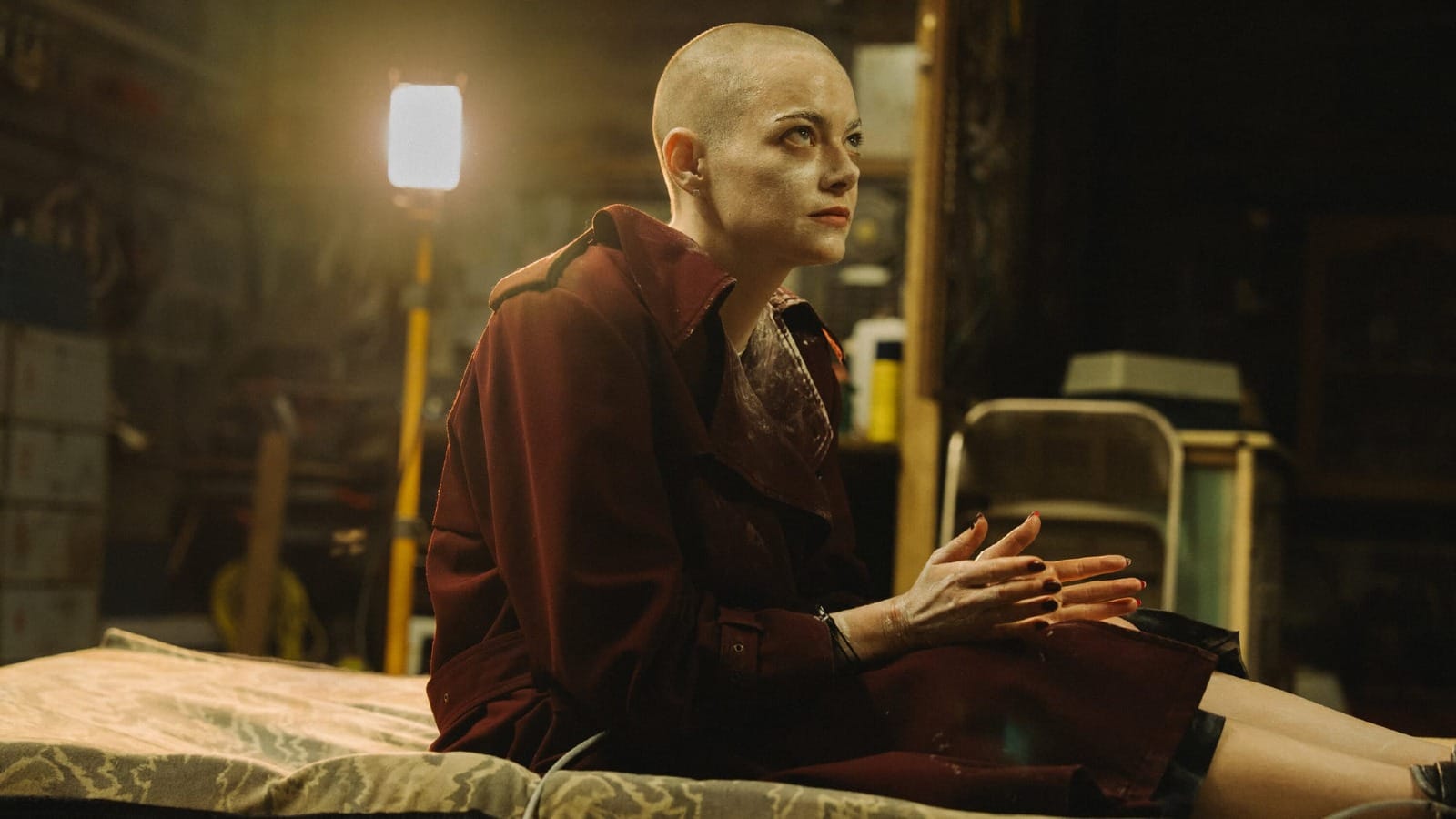
The film itself is a grimy, cramped conspiracy thriller with just the right amount of sympathy for its tragically misguided protagonist, Teddy (and his cousin Don dragged along for the ride). Jesse Plemons is phenomenal as usual, and newcomer Aidan Delbis more than holds his own playing off two of the greatest actors of their generation. You’re never quite rooting for any of these characters at any given moment, but you develop a deep understanding of them and what went so awry in their lives that they’ve ended up in such a bleak predicament.
You know that Teddy thinks he’s doing the right thing, and that Don trusts him enough to do whatever he says. You know that Michelle (Stone) is a victim, and yet it’s hard to shake the notion that she — and every other major CEO, for that matter — may be subhuman to some extent. It’s a brilliant balance, one that builds to a climax that could only end one of two ways. It sure as hell ends one of those ways, and though I flip-flop on my ultimate feelings on the ending, the imagery presented just before the credits is some of the most haunting I saw in all of 2025. I would expect nothing less from my beloved modern Lanthimos.
5. Sinners
It’s easy to ignore Sinners’ numerous issues when its high points are so damn special. Does its opening act drag? Sure. Is the action confusingly shot and requires some leaps in logic? Assuredly. But when that shiver-inducing aspect ratio change graced my IMAX screen, I knew I could forgive anything. Ryan Coogler, free from Bob Iger’s cold clutches, swung for the fences with a genre-bending ensemble film that finally realizes his potential as a filmmaker.

Sinners is so daring and different and weird and fun and spooky and sticky and sexy and nearly all of it works, almost entirely because of Coogler’s smart writing and direction. It’s a very smart movie that never forgets to be fun as hell. The “I Lied to You” scene was my favourite scene of 2025 when I first saw it and was never usurped — how could it be? What might have easily come off as silly and ham-fisted is, in Coogler’s hands, an earnest expression of music as a connective tissue, a worldwide and perennial art form that should not be homogenized lest we lose a part of what makes us human.
There was a moment near the end where I braced for a minor disappointment, thinking that we wouldn’t get to see the KKK get what was coming to them. Then Michael B Jordan put enough holes in them that the sun would shine through their corpses. And thus, Sinners is devoid of any disappointments at all. All is well.
4. The Secret Agent
While I did find the true story behind the film fascinating, I can’t say I enjoyed 2024’s I’m Still Here all that much. Its opening act ratcheted up the tension but peaked too early, leaving the rest of the movie fumbling for something to do with its characters. I’m extremely glad I watched it, though, considering The Secret Agent operates as though the viewer is already familiar with the military dictatorship in Brazil during the 1970s, which — shockingly — I did not know anything about before seeing I’m Still Here. It’s weird that two movies in two years tackling a highly specific part of Brazilian history were both nominated for Best Picture (and both their leads were nominated for Best Actress and Best Actor, respectively), right? Not to mention them both utilizing a modern-day framing device in which historical records hold great importance? Why are people not talking about this more? Is it because nobody bothered to watch either of them? I digress.
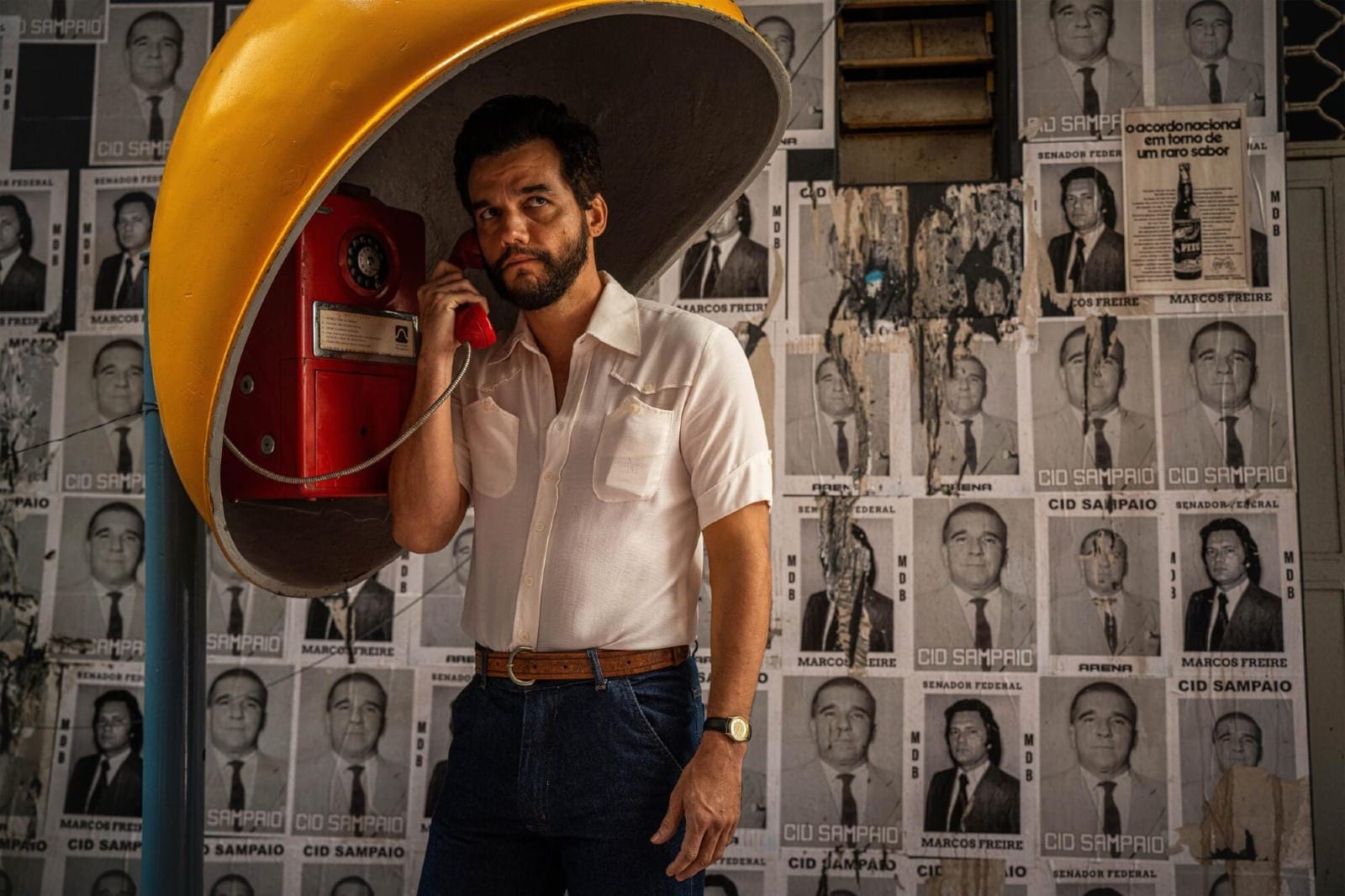
The Secret Agent likes keeping you in the dark. It’s important to put your trust in the film and allow it time to lay itself bare on its own schedule; in the meantime, just enjoy the bizarre ride. You’re even left alone to piece together who our protagonist, Marcelo (an Oscar-deserving Wagner Moura), is, a mystery that cleverly places you in the very same shoes as the people around him as he tries to dodge connections to his past. Though it may not be clear who everyone may be and how they’re all connected, it doesn’t take long to fall in love with them. Marcelo is a good man surrounded by good people, all of whom wouldn’t dare speak of the good they’ve done for their country.
But bad people are after them. Very evil, very vindictive, very stupid but dangerous people. The Secret Agent is a tragic farce, at times an absurdist comedy (a hairy severed leg kicking gay lovers in a park wasn’t on my Best Picture bingo card), but with an unspoken understanding that a happy ending is but a fantasy. Even the title is ironic: it suggests espionage and convoluted schemes when in reality the plot against Marcelo is comically simple, and the movie doesn’t take on a Bond-esque vibe until moments before the film abruptly shifts to its bittersweet epilogue. This may be one of the strangest movies nominated for Best Picture in ages, and I can’t help but respect the Academy for putting it forward and encouraging more people to give something odd (and foreign) a chance.
3. Sentimental Value
Following up on the brilliance of The Worst Person in the World is an impossible task, and writer/director Joachim Trier didn’t exceed my astronomical expectations. He met them, though, and that’s incredible in its own right. Renate Reinsve returns, this time going halfsies with Stellan Skarsgard as dual protagonists in this family drama. I’ll admit, it took some time for me to get accustomed to the film’s structure; I couldn’t help but question early on whether or not the film would have benefitted from sticking to a single character’s perspective. But as the pieces fell into place and the themes became more tangible, I gained a deep respect for every subtle move Trier made without me even realizing it.
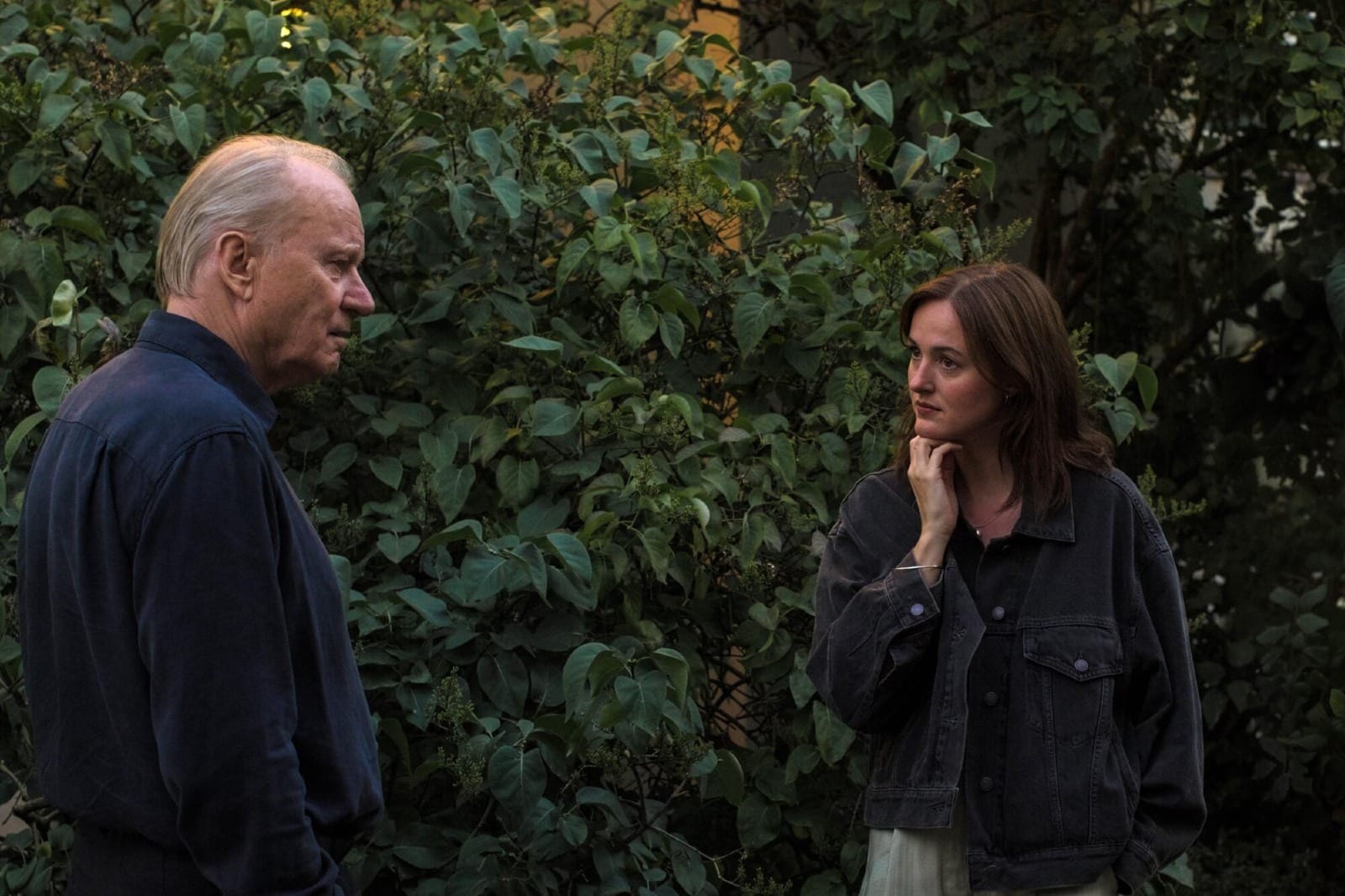
Much like Hamnet, Sentimental Value is about the power of art as a form of communication (but executed without all the cloying, overwritten BS). We follow Gustav (Skarsgard) and Nora (Reinsve), father and daughter, both artists in the entertainment world, but disconnected entirely on an emotional level. The more we uncover just how broken these two people are, the more we yearn for them to find a way to reach out. We see how much closer they are to each other than they think; the right exchange of words could put them on equal footing, but neither seems capable of finding them. Their traumas are so similar, each capable of adding dimensions of understanding to the other; oh, if they could only have a conversation!
But that’s not how these artists work. They aren’t like Gustav’s other daughter, Nora’s sister Agnes (a radiant Inga Ibsdotter Lilleaas), the only well-adjusted (and non-artistic) member of the family. She becomes the emotional heavenly body that the movie revolves around, a speck of unconditional love caught between two people who don’t think they’re capable of receiving such affection. From there, art can finally begin the healing process that it was always capable of. Dammit, maybe Trier really did outdo himself once again.
2. Train Dreams
One of my favourite books of all time is Stoner by John Williams (no, not that John Williams). It’s about the eponymous Stoner, a turn-of-the-century man who grew up on a farm, goes to university, and falls in love with the English language. He meets a woman and gets married. He has a daughter whom he adores. And then he grows old and dies. His life is of no note whatsoever; he left no mark on the world and he would not be remembered. Williams has a matter-of-fact way of writing about Stoner that does little to add any exceptionality to his life; instead, he finds profundity within the unremarkable itself.
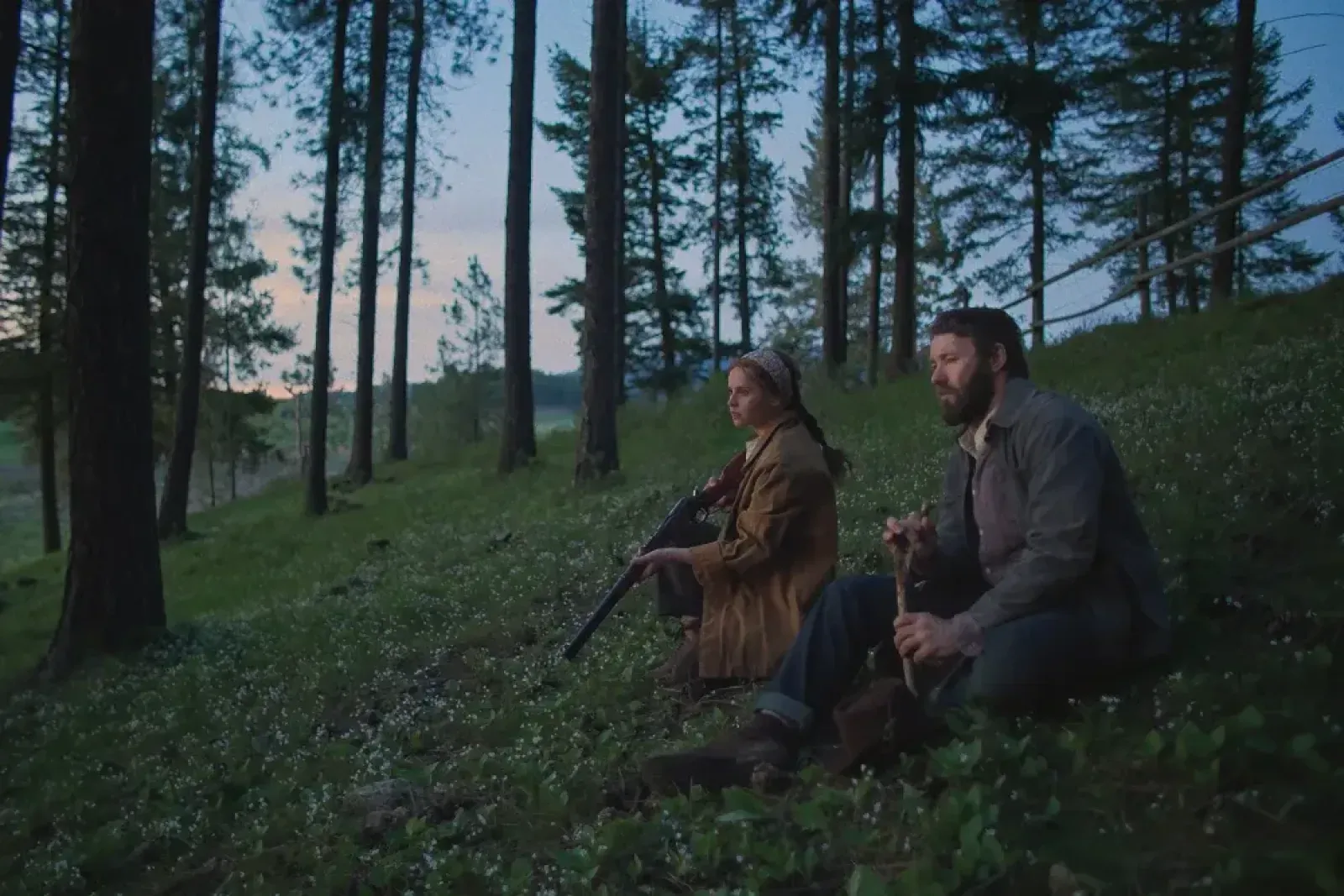
Train Dreams is the closest we’ll get to an adaptation of Stoner. Robert Grainier (I know I said Wagner Moura deserves the Oscar but so does Joel Edgerton for this performance) is a turn-of-the-century man as well, a simple man with a simple lumberjack job and no real passions, moving through his life casually searching for meaning without ever straying from the beaten path. He finds his passion by pure chance, falling in love with a woman who makes him whole. They, too, have a child. Robert is happy. And then they’re gone, and Robert is aimless again.
Another movie might see Robert do something about this. But Robert continues to move through his life in a perpetual state of loss, never encountering anyone or anything that could make him whole again. His life may as well have begun when his wife appeared and ended when his family perished. I don’t think it’s too shallow of a read to simply say: that’s life. Train Dreams depicts a life so common and yet so underrepresented, the kind of life that most people silently lead. Life doesn’t often have resolution or a neatly tied bow, it doesn’t have complete character arcs; some people are broken and then they die.
It’s especially true of people like Robert, a man living through an insurmountable surge of technological progress that a layman like him could never keep up with. Robert had one chance, and by no fault of his own, his one chance was taken from him. We need to appreciate the good because the bad could always be just around the corner. That’s the beauty of it all, isn’t it? Or is that terrifying? I’m starting to think it’s more terrifying. Anyway, Train Dreams is incredible (and the most gorgeous movie of the year, to boot).
1. One Battle After Another
Everything about OBAA is refreshing. We just don’t have revolutionary (in the French way, not the artistic way) movies like this anymore, ones that take an honest look at the wars being fought in the streets of North America and reflecting our fears and hesitations and desperation for a better world. OBAA imagines a noble group of freedom fighters who risk their lives in the name of a version of America they believe in, and even in this fantasy, they still suck at it. In-fighting is basically a trademark of us liberals at this point, and even organized rebels are suffering from the destructive affliction. Overcoming these internal differences is a necessary start, but the real enemy is far more insidious.

When the system is so entrenched in its adherence to oppressing the less fortunate and stuffing the rich, how can there be any effective attempts at justice without changing the rules themselves? It’s all in the little victories — battle after battle, loss after loss, to maybe, maybe eke out a win. And it’s worth it, because every individual saved matters in the grand scheme of the war. These little victories can be as big as the emancipation of a border prison camp, or as small and heartwarming as a nurse taking on the risk to allow a rebel’s escape from the cops. None are going to change the world, but all of them make the world just a tiny bit less hopeless.
The film doesn’t just have a lot to say, though: Paul Thomas Anderson is still perhaps the best director alive, so you can be damn sure that his message comes through in highly entertaining fashion. This is the best paced movie of 2025, punctuating quieter moments with instances of pure thrill. We get the best car chase since Mad Max: Fury Road. We have Leo DiCaprio screaming obscenities into a phone as the world crashes down around him. We have Sean Penn’s Captain Lockjaw and the rest of the Christmas Adventures, an unbelievable-but-terrifyingly-believable group of corporate white supremacists, one of whom must utter the iconic words “semen demon”. The movie can be funny and deeply uncomfortable, with its frequent connections between power and lust and hatred and the confusion of feeling all those things at once. This movie will win Best Picture, and the world will be just a little bit better for it. Another minor victory, a minuscule but significant step in the right direction.