Monster collecting games, with few exceptions, are intended for children. Mostly because Pokémon is targeted at kids, and every copycat is trying to grab a piece of that pie. In reality the appeal stretches across all ages. Meanwhile, I doubt there are many kids out there playing Monster Hunter, with its deep, complex mechanics and repetitive gameplay loop. The Monster Hunter Stories series has, so far, been going the way of most monster collecting games: putting you in the shoes of a kid on a grand adventure. Stories 3: Twisted Reflection puts this subseries more in line with the mainline titles, retaining the serious yet still playful tone with a largely adult cast given the new target audience of adult players. It's a shift that affects just about everything, from mechanics to difficulty to storytelling, but creates an experience that feels deeper and more rewarding.
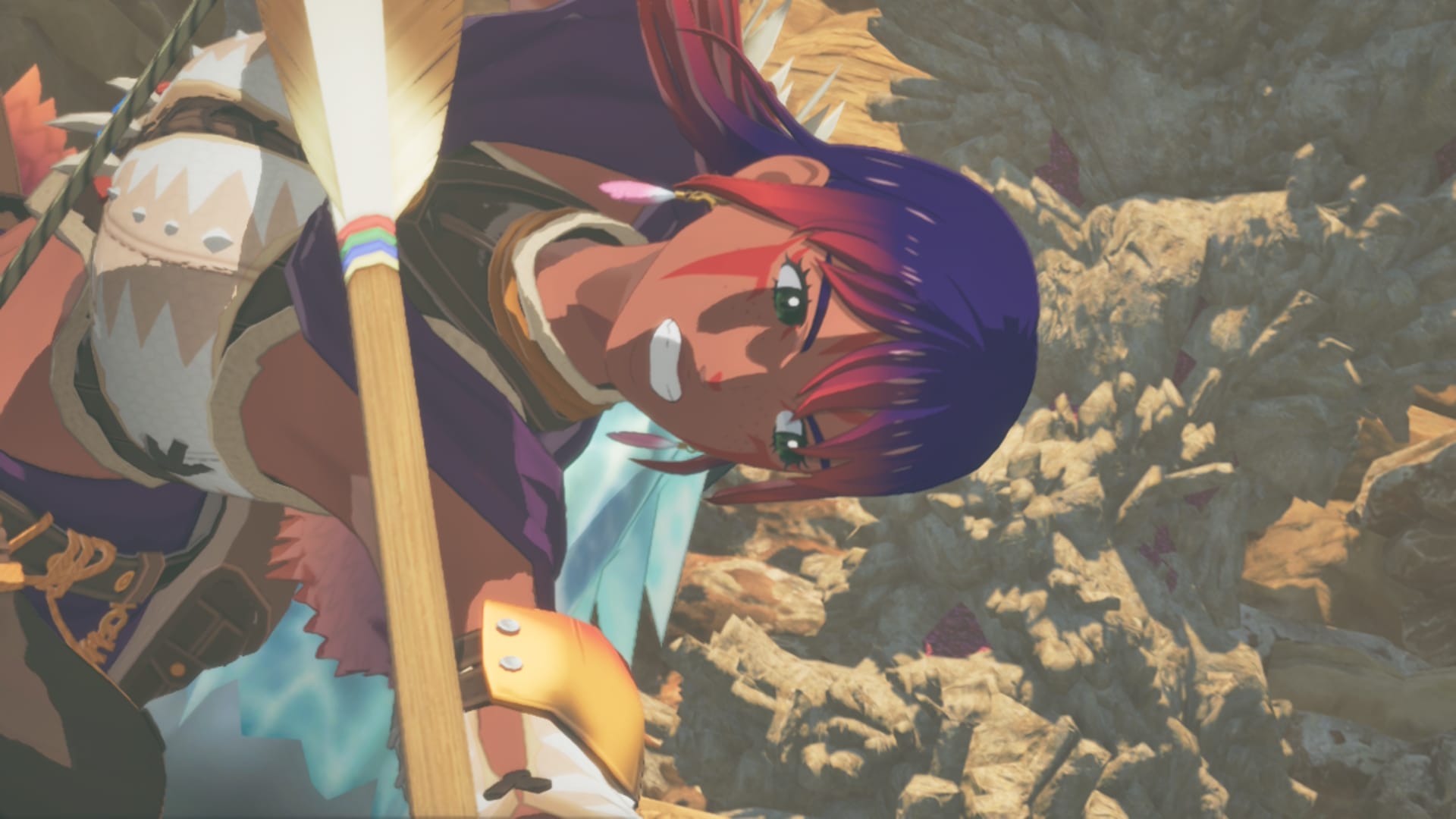
Monster Hunter Stories 3: Twisted Reflection puts you in the royal raiment of the prince or princess of Azuria, a prosperous kingdom cut off from the rest of the world. That is, aside from their long-time adversary, Vermiel. Your mother, an immigrant from Vermiel who caught the king's eye, discovered two Rathalos eggs buried deep within Egg Quartz. Rathalos were thought to have been extinct for generations, and while these twins could reintroduce the species to the environment, they also posed an ill omen, each with one broken horn. The queen absconds back to Vermiel with one of the Rathalos in tow before it's sacrificed in a superstitious ritual, branding you the child of the traitor queen. 10 years later, you've become the captain of the Rangers, a royal group of Riders dedicated to preserving nature. However, tensions are once more heating up between Azuria and Vermiel, and your group, along with your best Monstie Ratha, may be called to war.
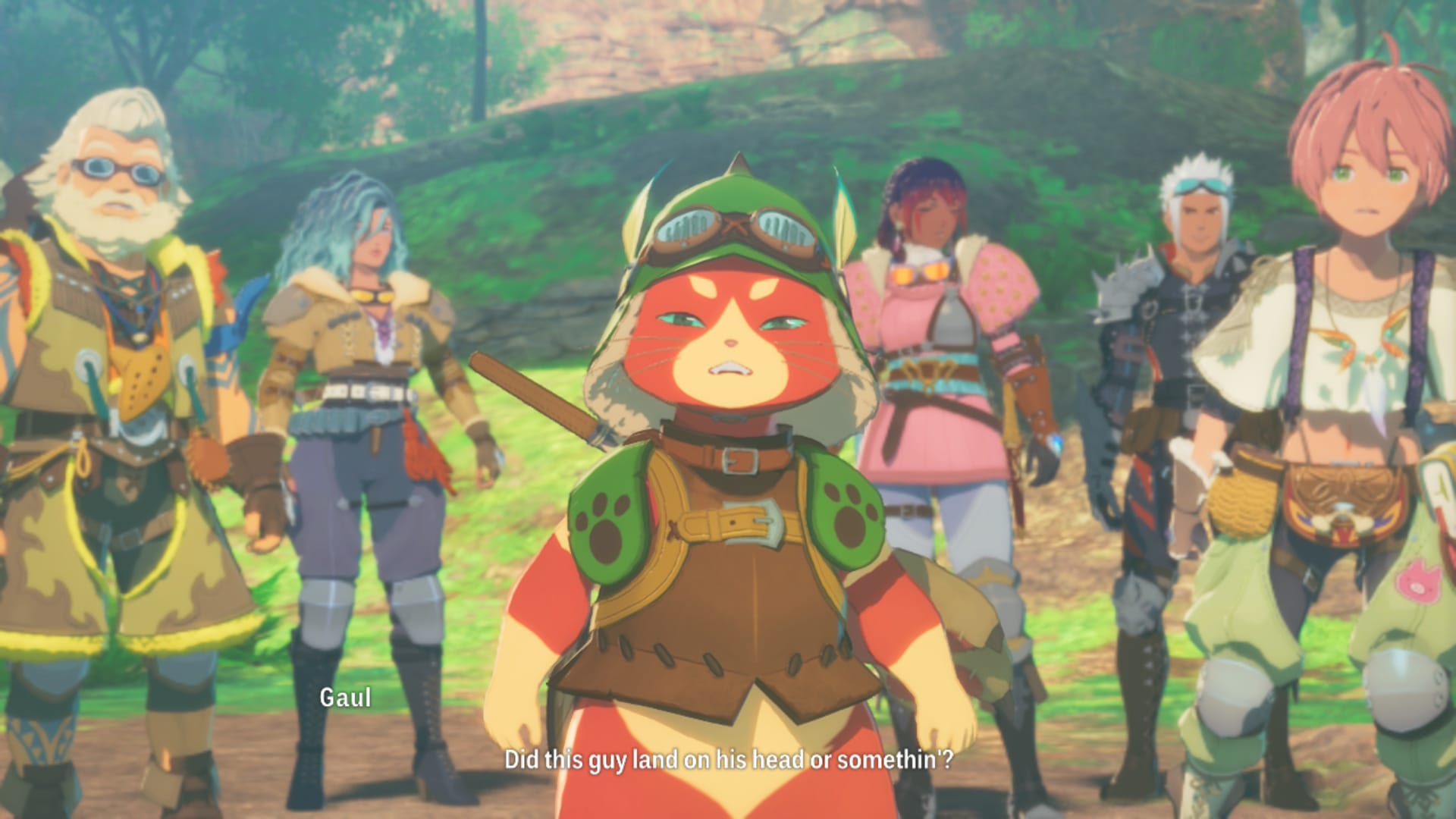
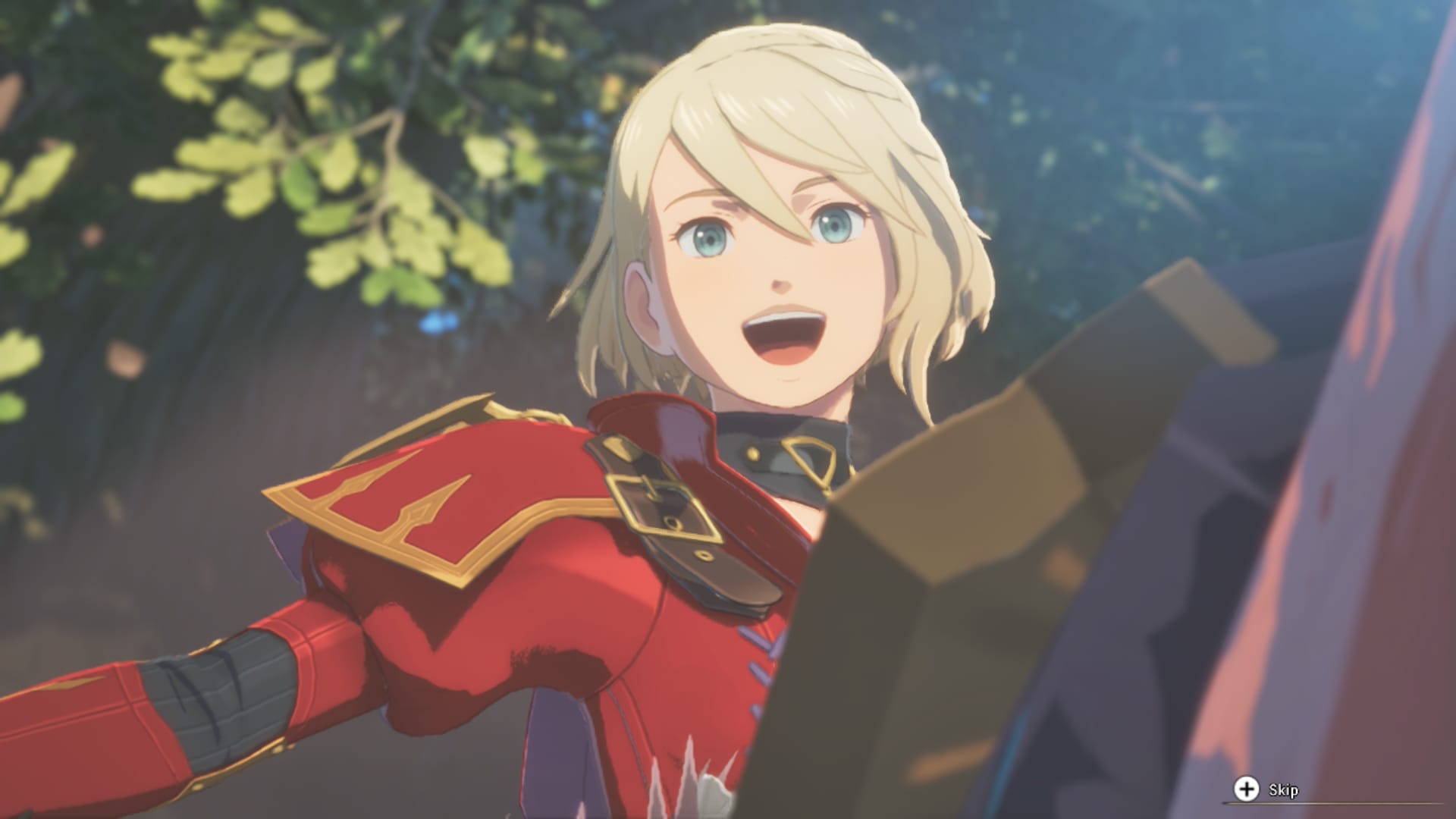
The setup for Stories 3 is layered and complex, expecting you to pick things up on the fly as the characters aren't going to explain things they already know. It's a bit overwhelming at first, but there are a few things that help you get up to speed. First is the sister of the Vermielian queen: Eleanor. She joins your party early on after offering herself as a hostage to prevent conflict between nations, and is thus unfamiliar with the state of things in Azuria. A lot of dialogue with her serves as world building and exposition, but it never feels too expository and is always pushing the story and character arcs forward. Which brings us to the second thing helping you get familiar with this world: your party members. Each chapter of the game offers a Side Story quest for each of them, and while they're optional, they really should be mandatory if you want to get invested in these characters. You're not going to get much backstory on any of them just bee-lining the plot and you'd probably be underleveled besides. These quests are a ton of fun, taking you to new dungeons, exclusive minigames, or special boss fights all while letting you get to know your party, each character's relationship with the protagonist, more about the world, and important pieces of backstory. None of it is strictly required to enjoy the main story, especially once it takes you across the Meridian and out of Azuria, but it will get you more invested overall.
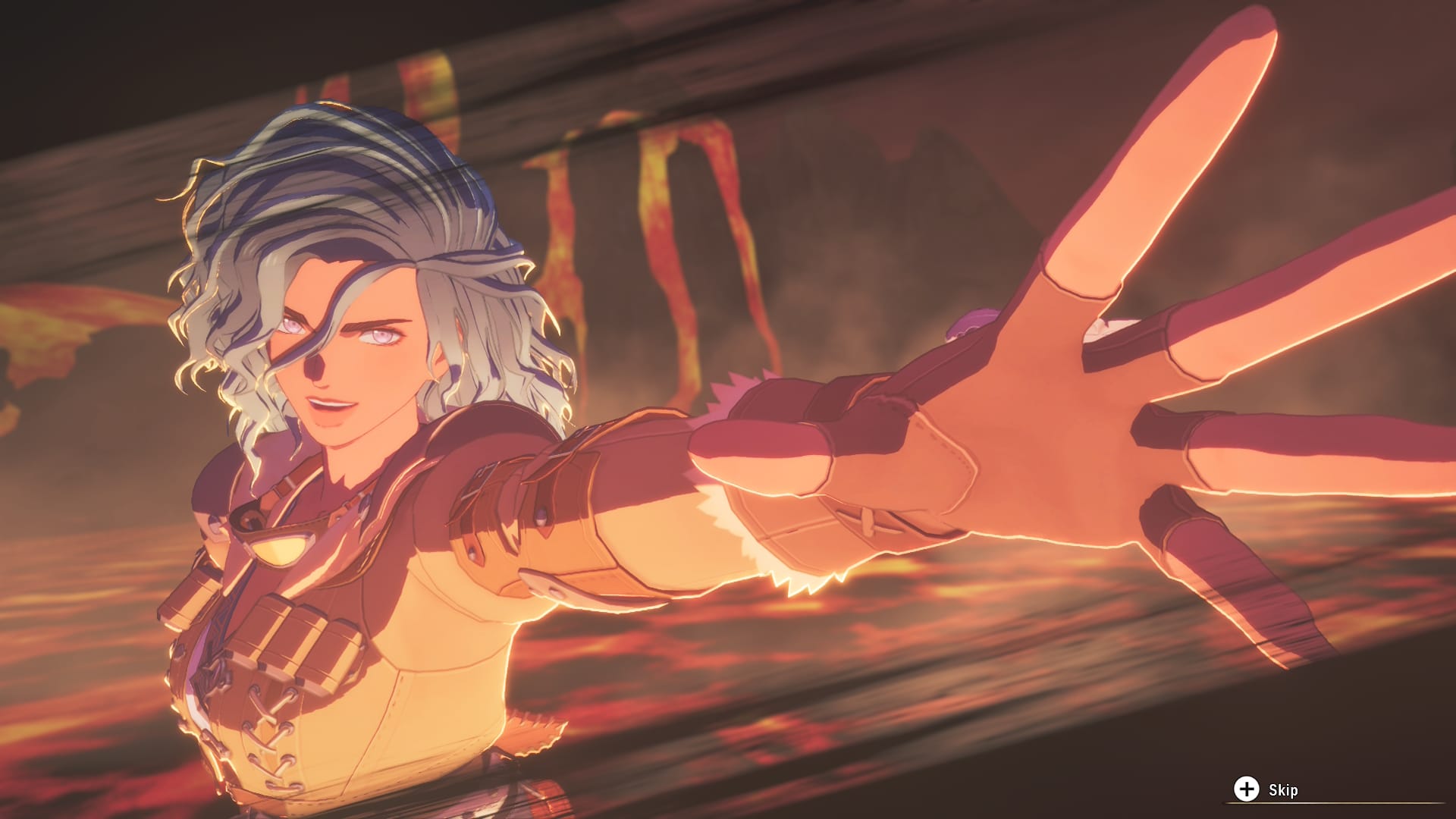
The story is more complex than previous entries, and while it can have the occasional odd bit of dialogue or some weird acting trying to match the Japanese lip flaps, it's incredibly well written. The game expects you to be able to pick up on its subtleties, assuming you understand what the characters figure out in their own heads, and never stops in its tracks to explain something. It's refreshing, and makes for a much quicker pace. There are a few beats that could have used a bit more fleshing out, but overall the plot and character arcs are satisfying and lead to a bombastic conclusion.
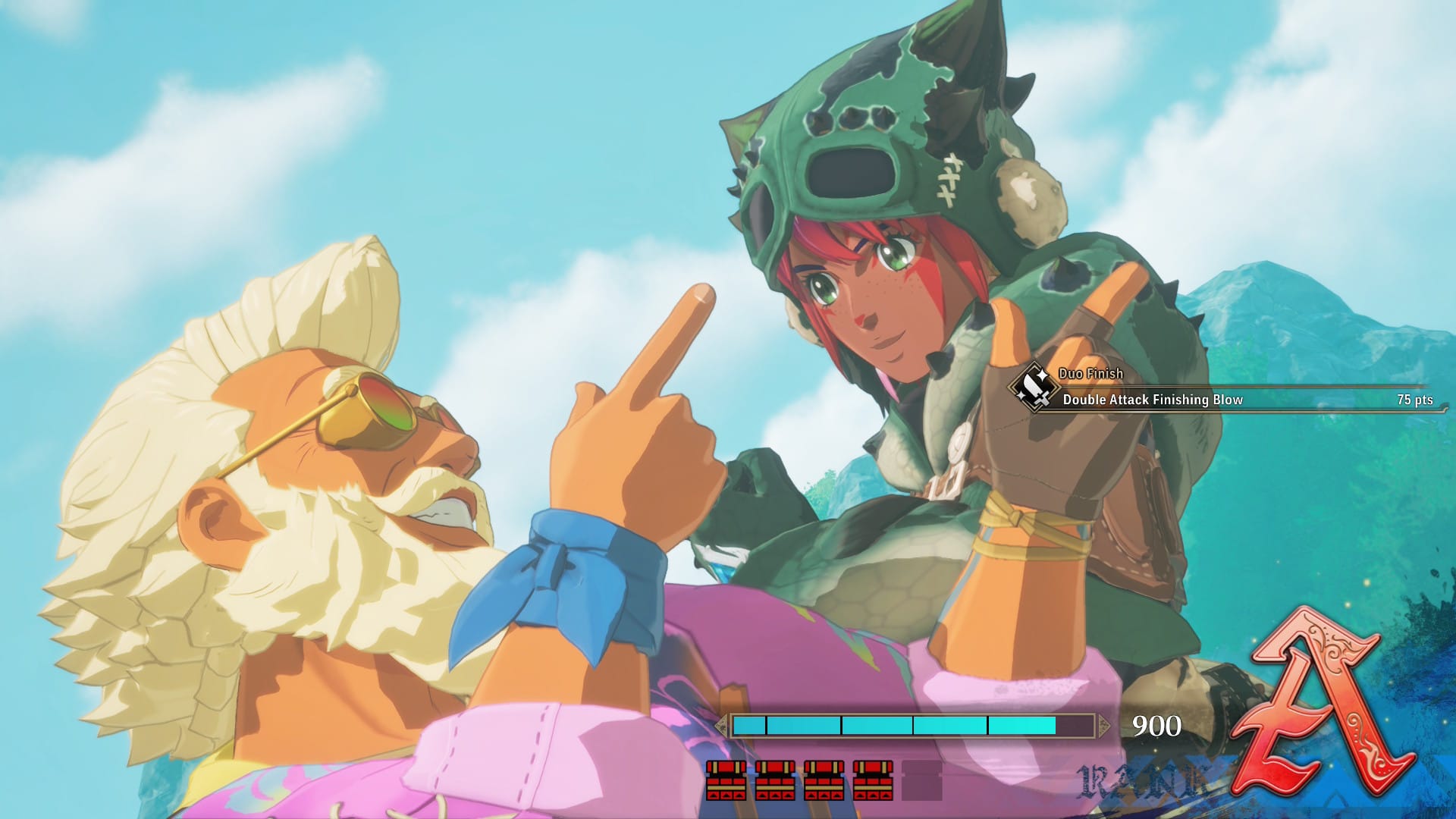
The battle system isn't any more complex on the surface, but certainly expects a higher level of strategy and preparation from you. The basics remain exactly the same as previous entries, using the rock-paper-scisors style system. Normal attacks and most abilities are color coded, with Power being red, Speed being blue, and Technical being green. Just like Pokémon, red beats green, green beats blue, and blue beats red. The color only truly matters in a Head-to-Head, however, when you and the enemy are targeting each other. Whoever wins in this clash will gain the advantage: deal more damage, take less, etc. If you go into a Head-to-Head alongside one of your Monsties (both of you attacking with the same color while one of you is targeted, humanoid party members don't count for these anymore either) and win the clash, you'll trigger a Dual Attack. This will also allow you to deal more damage, but you'll also negate the enemy's attack completely.
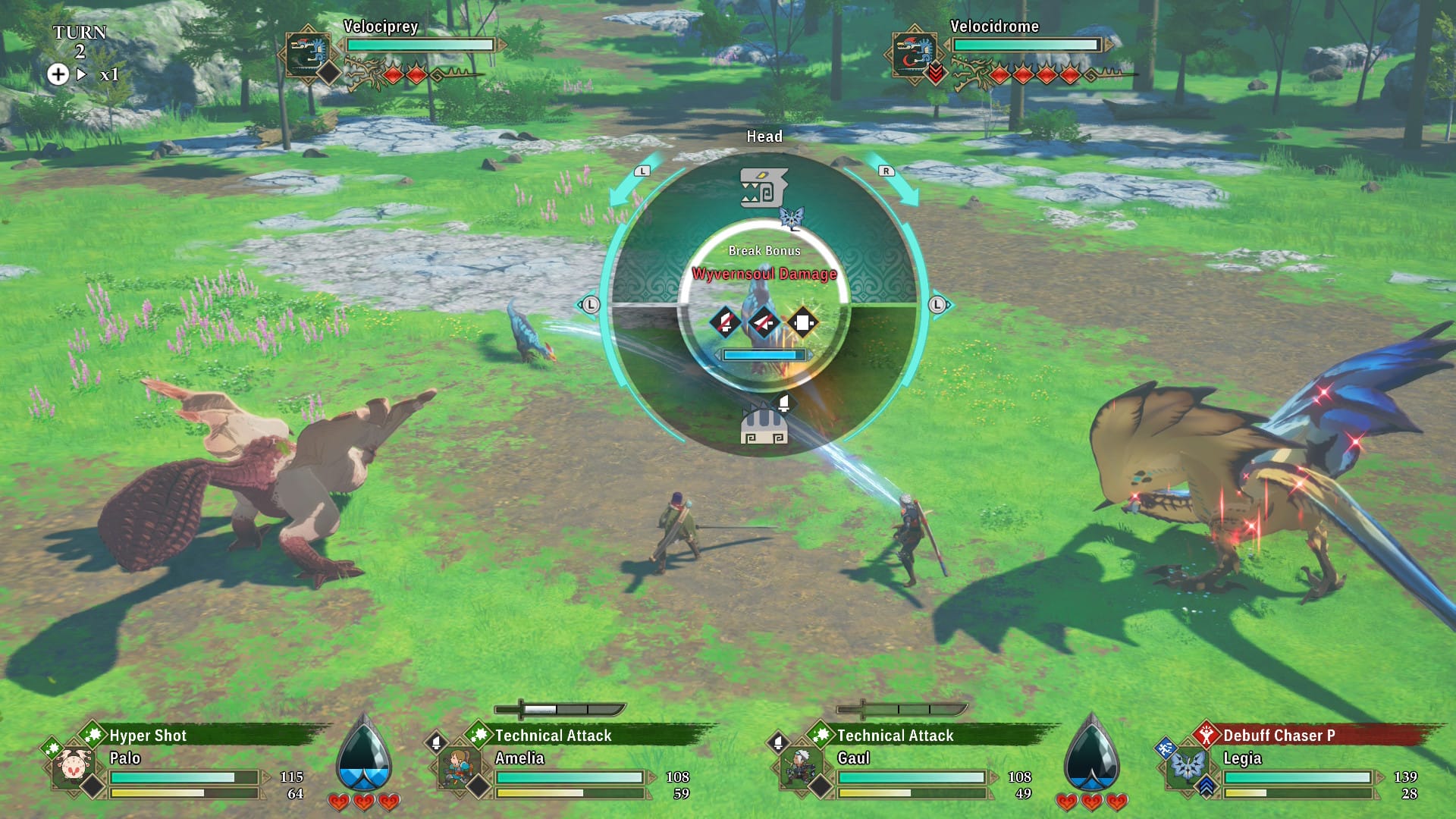
You also need to take the three weapon types into account: slashing, piercing, and blunt. Greatswords and Longswords are slashing (they cut my beloved Sword and Shield), Bow and Gunlance are piercing, and Hammer and Hunting Horn are blunt; Monsties count as all three weapon types simultaneously. You can equip up to three weapons at once, swapping between them mid-battle through the Skills menu. You'll be doing this frequently to destroy the various parts of a monster, getting you unique rewards, removing some abilities from them, or even staggering them.
Fighting well alongside your current Monstie will increase your Kinship Gauge which, once full, allows you to ride them in battle by pressing ZL. This will heal both you and the Monstie to full, increase the Monstie's max health temporarily, and allow you to directly control them. While riding, the meter will start building a second gauge, showing you the current level of your Kinship Strike, a special move that deals a ton of damage but ends riding (riding will also end if your Monstie is reduced to 1 HP or in other circumstances). You can also pair up with your party member for a Dual Kinship Strike for even more power so long as they are also riding. It's always fun to build up to these and then see the enemy's HP drain massively when you finally pull it all off.
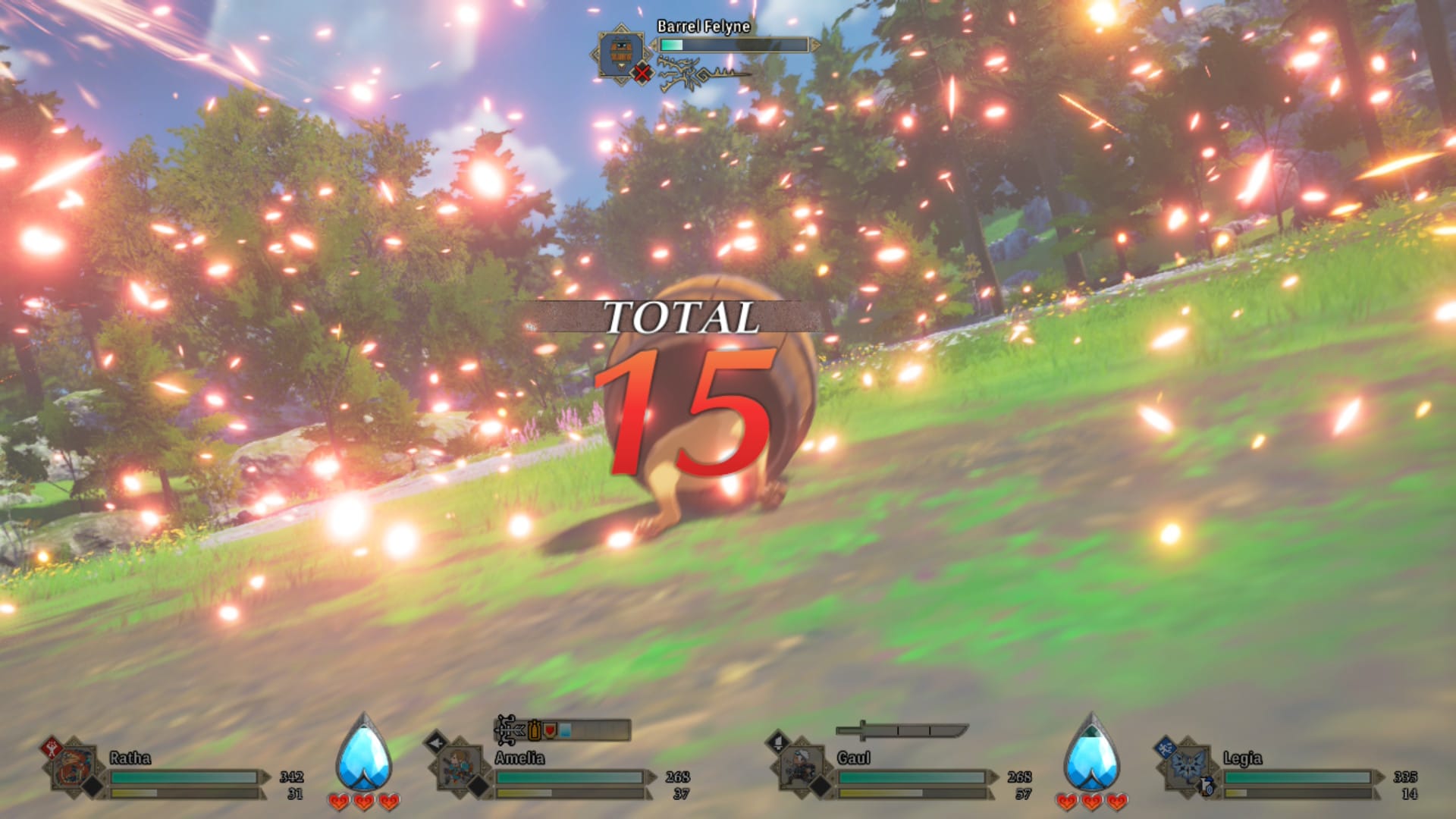
In past titles, you'd focus mainly on color management and weapon types, making sure your Monstie and other party members are dealing effective damage and winning Head-to-Heads. In Stories 3, though, elements and status effects matter a lot more and you also have the Wyvernsoul gauge to deal with. Elements and statuses are especially important for defense, because if you're weak to whatever the enemy is dishing out you're basically dead. There were a ton of fights, not just boss battles, where my entire party was downed on the first or second turn, requiring me to equip different armor and weapons for the situation. For normal encounters at least, you can overcome this through levels and sheer numbers, but pretty much every boss has taken me multiple attempts. That might be annoying were it not for how fast combat flows here. It's all been sped up significantly without losing clarity, and you can still go up to 2x speed if that's not fast enough for you. Battles are still fairly long, but most encounters still feel significant and are spaced out enough that you don't forget where you were going before the encounter began.
Larger foes (i.e. most of them) will have a Wyvernsoul gauge under their health bar. Attacks of the correct weapon type or breaking parts of their body will reduce this meter, and fully draining it will stagger them. Staggering a monster will make them more vulnerable and stop them from acting on the next turn, but you can also perform what's called a Synchro Rush instead. By pressing X when the monster is falling down, you can call on your allies to all attack at once, dealing a decent amount of damage together but letting the enemy stand back up once you're done. This is what you'll want to do most of the time, but that one turn break from the beatings can be crucial if you need to heal or want to apply status effects. There's a lot of strategy here, both in combat and before the battle even begins. You'll need to use that strategy to the fullest, because this game gets very difficult if you're not optimizing or using overpowered strategies. It's not a frustrating kind of difficult though, aside from needing to grind several levels between successive boss fights a few times. Every fight feels like you could win it with some tweaks in strategy, more preparation, or just planning a bit further ahead.
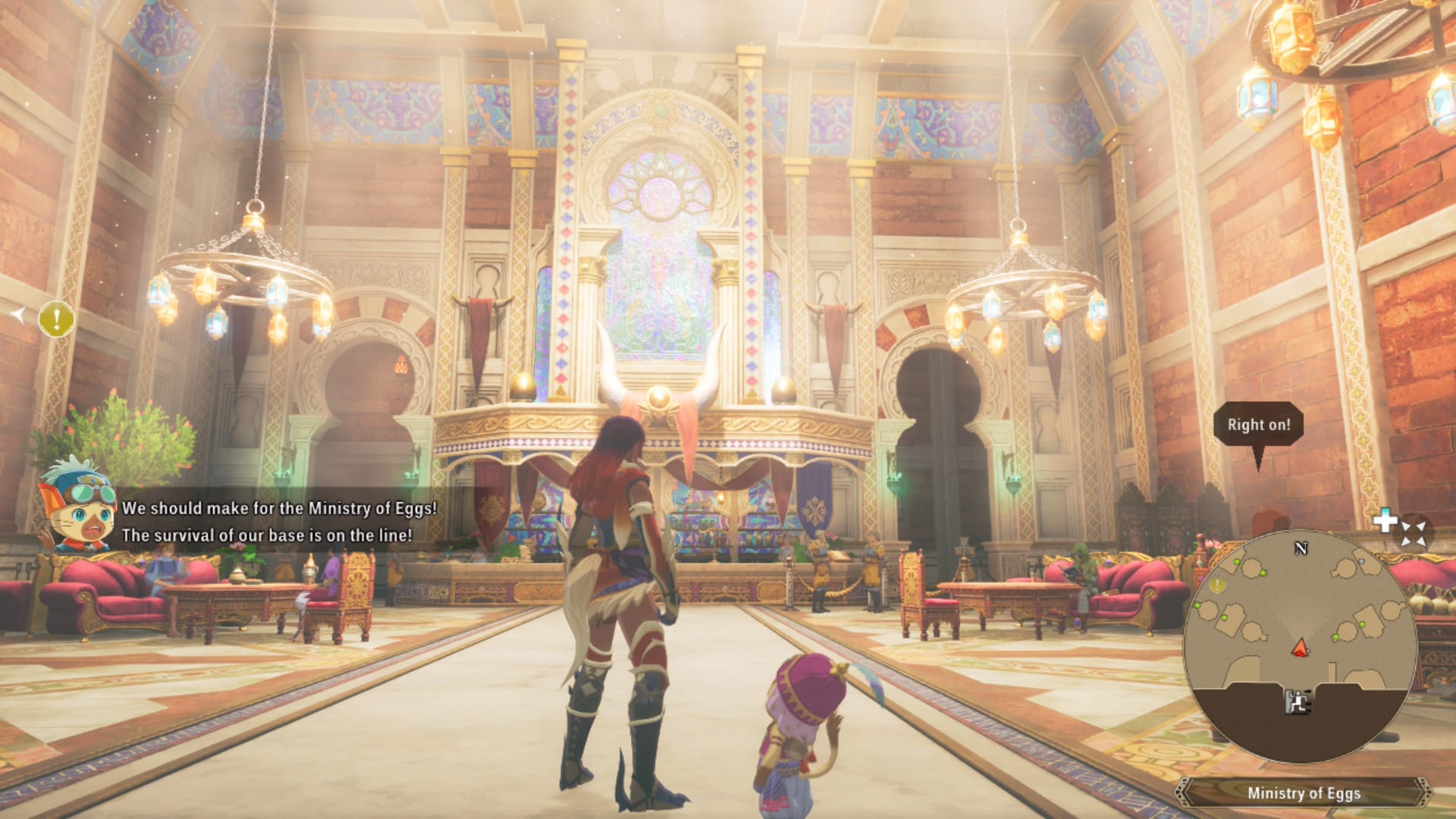
Exploration is similar to past titles, but with much larger open zones and a bit more freedom of movement-Ratha can glide great distances right off the bat, for example. These places are chock full of side quests, enemies to battle, poogies to find, and monster dens to collect eggs to hatch more Monsties. Every area has its own ecology and monster population, but you can manipulate it through Habitat Restoration. Accessible at camp, this will allow you to release some of your Monsties back into the wild, adding their species to the population pool of available egg types. Certain environments will cause changes in species not native to that area, giving any newly hatched Monsties special traits like elements or just different color scales. It's fun to experiment with and see what comes out. Additionally, it's helpful for cleaning out your stables as the Rite of Channeling, which allows you to move abilities and traits between Monsties, doesn't release the channeler back into the wild anymore. All of this gives you great control over your party composition, both for exploration and battle, with combat demanding that you take advantage of this freedom to meet the challenges before you.
I'm playing on Switch 2 because I wanted all three games in the same place, and while I don't exactly regret that choice the game doesn't run very well here. The framerate is targeting 60 fps, but almost never hits that, usually hovering just above 30 when exploring. Some locations certainly fare better than others, but in Azuria and the second major area that's what you can expect. It's not awful, but you can definitely see the game struggling to go above 30 and I think a locked framerate would have been more beneficial. Or, better yet, a performance mode to hit 60 or even 40 in portable mode consistently. The game looks phenomenal and, as far as I can tell, isn't using upscaling techniques like DLSS to achieve 4k in TV mode, however, text can be a bit difficult to read and low resolution in portable mode. There's a lot of optimization work to be done here to be on par with Capcom's other impressive Switch 2 port, Resident Evil Requiem, so hopefully patches will solve these issues.
Finally, I want to touch on the amazing soundtrack, as is typical for Monster Hunter. Songs lean more towards traditional Monster Hunter fare rather than Stories 1 and 2's more playful compositions, but focus less on accentuating the moment. They still do that more often than not, but there were more than a few times where I took a moment before selecting an attack just to jam out. Special mention should be given to the masterful use of leitmotifs as well, as noticing those in the music made whatever I was listening to that much more hype.
Monster Hunter Stories 3: Twisted Reflection
Excellent
Monster Hunter Stories 3: Twisted Reflection is a phenomenal game, with a gripping story and combat systems that encourages you to constantly evolve your strategy. It's a game that treats you like an adult in all its aspects, but is never too punishing when you fail. For fans who have been asking for Pokémon to "grow up", this is your answer.
Pros
- Stunning visuals and music
- Amazing battle system
- Sharply written story
Cons
- Can get a little grindy near the end
- Switch 2 performance isn't great
This review is based on a retail Nintendo Switch 2 copy provided by the publisher.