The Metroidvania genre isn’t estranged from a myriad of zippy platformers, as the genre practically builds its name out of these types of experiences. Team Cherry’s sensational and sensationally popular Hollow Knight and Hollow Knight: Silksong combine swift platforming with slick and tautly challenging sword-slashing gameplay, and have managed to carve a rousing reputation for themselves among their brethren. Moon Studios are another studio that is especially familiar with this breed of Metroidvania, containing ethereal creatures, naturalistic environments filled with an abundance of overgrowth, and a variety of pesky hostile creatures ready to gnash slices of health from your healthbar. Mio: Memories In Orbit enters the fray as the first notable hit of 2026 and it carries the weight of its inspirations on its shoulders, but can it find a comfortable space for itself amidst its juggernaut contemporaries?
Mio does an eloquent job of making an impression on you as soon as you begin this mysterious yet fascinating Metroidvania adventure. Memories In Orbit positions you in the role of an angelic and agile android named Mio, who gradually uncovers the tainted spaceship majesty known as The Vessel and its vast mechanical confines teeming with overgrowth and corrupted machines in need of swift correction.
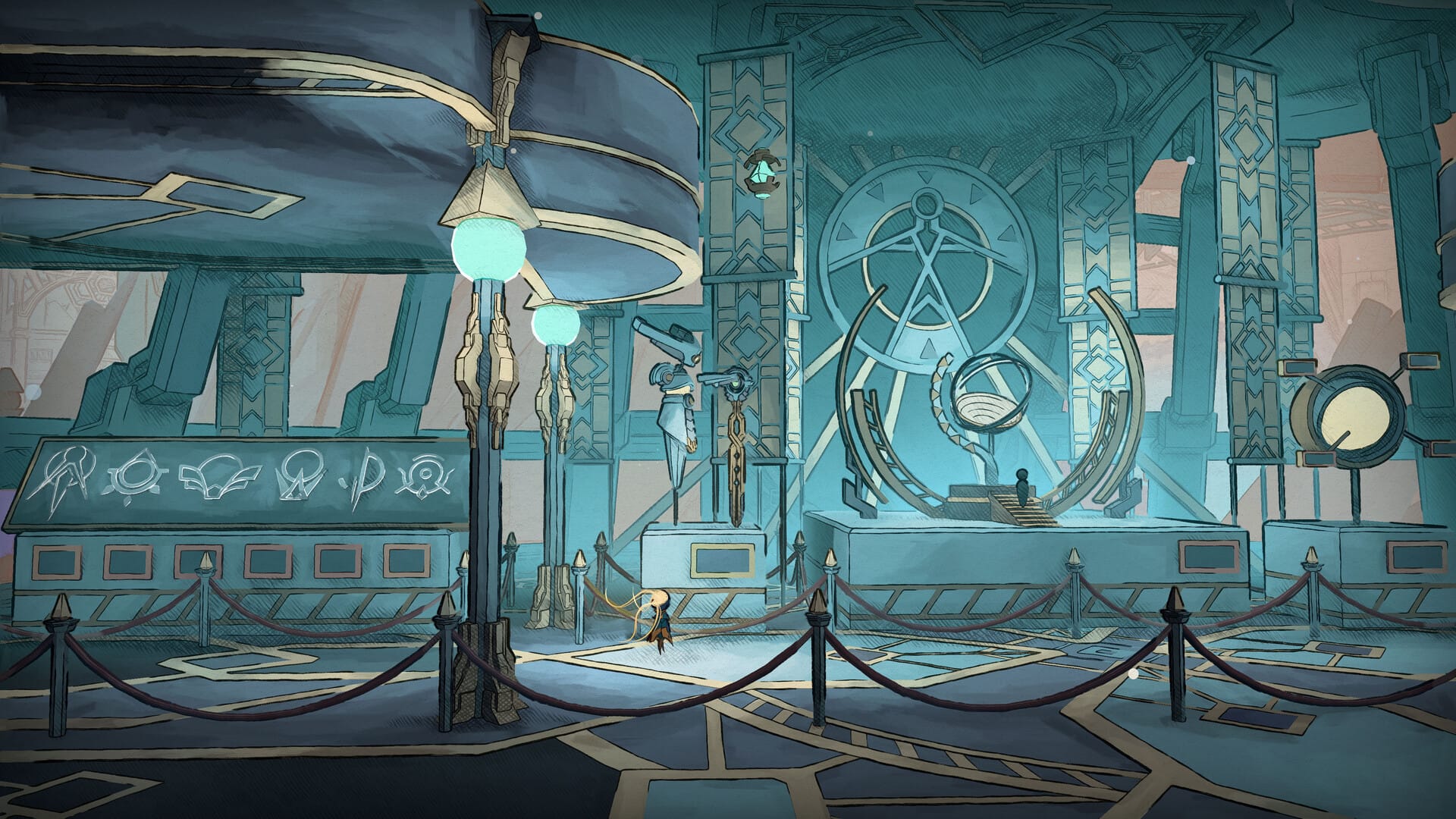
The way in which Mio draws you in is spirited and memorably resonant. It’s effortless to admire the game’s elegant environmental detail of the Vessel and finding vestiges of sanity and civility amidst the ruins. Coming across friendlies providing insights relating to the history and state of the Vessel allows you to feel the urgency of the situation despite the flickers of hope dwelling within. The dire state of matters fuels Mio to repel the encroaching rot and restore the vitality of this ailing technological living space.
The movement of Mio can only aptly be described as vibrantly fluid. Much like its forbears in the Metroidvania genre, the way Mio moves is buttery and delicate, light and energetic. Even Mio’s twirling tendril hair dances and flutters gracefully with every zip, jump; and jolting movement It is utterly celestial to behold and conveys Mio’s ethereal motivation to turn back the tide of desolation.
Underpinning the fascinating mood presented is complemented by a low-key but effective soundtrack that hits all the right notes to create an evocative aura. Each tune reflects the striking themes Mio showcases including identity, consciousness and rebirth, profoundly and carefully weaving a tapestry of strangeness amidst the startlingly relatable.
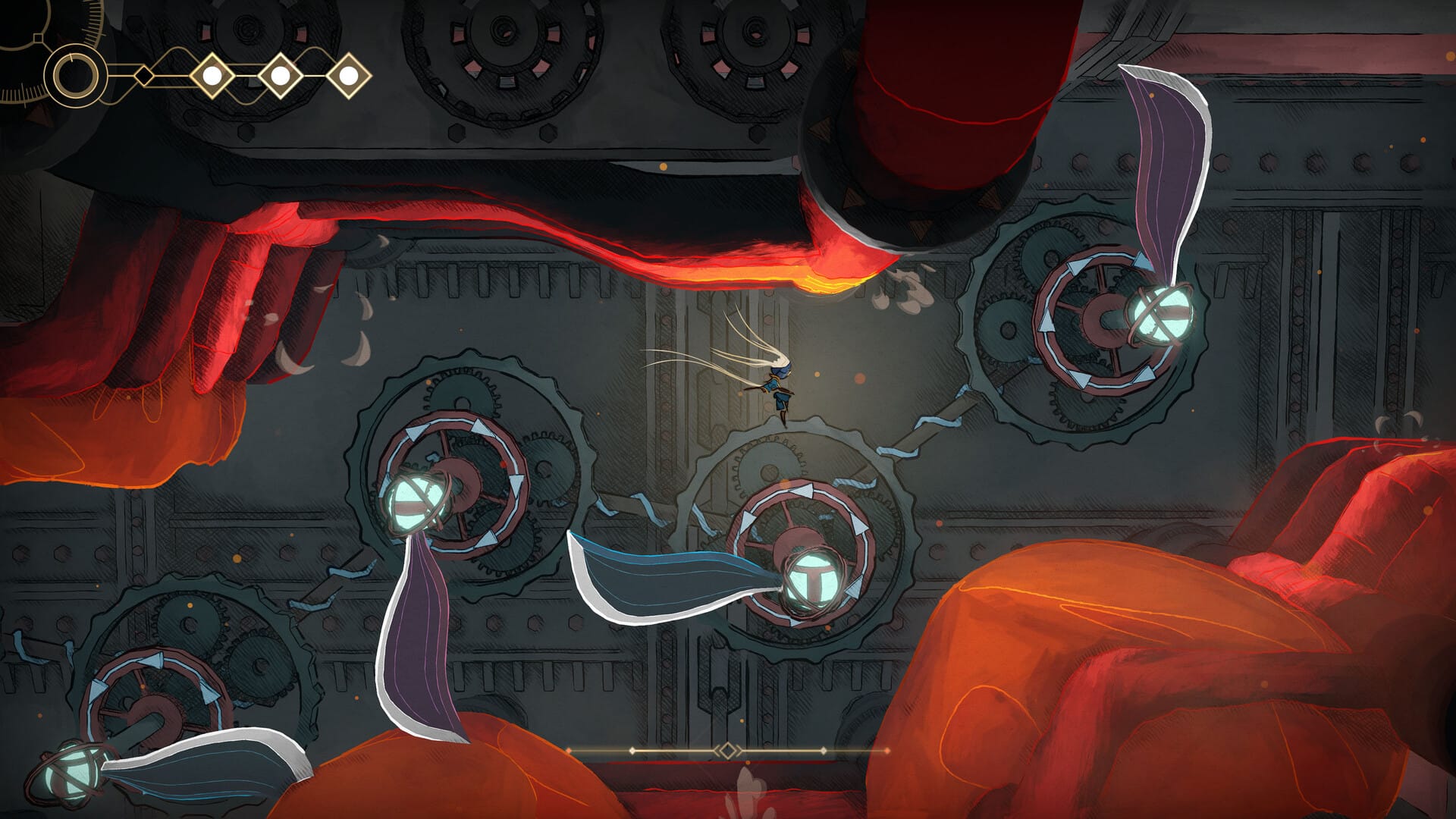
Mio’s job is obviously not an easy one, as she is tasked to delve deep into the innards of the Vessel and retrieve lost memories. To achieve this, she’ll need to survey the Vessel’s labyrinthine environments, cut down rogue machines with gratuitous precision, access lifts to new areas, and learn new abilities. These abilities discovered from foraged remnants found during active gameplay, provide further nuance and usefulness to Mio’s platforming navigation and combat prowess, which can be installed and uninstalled from the upgrade menu as you see fit. Furthermore, Mio can pour her collection of memory tears into a protective entity to regain health, which is certainly welcome when you can locate them. To this end Mio isn’t a game you can just breeze through, as health needs to be managed with care, especially when taking on all the hostile machines.
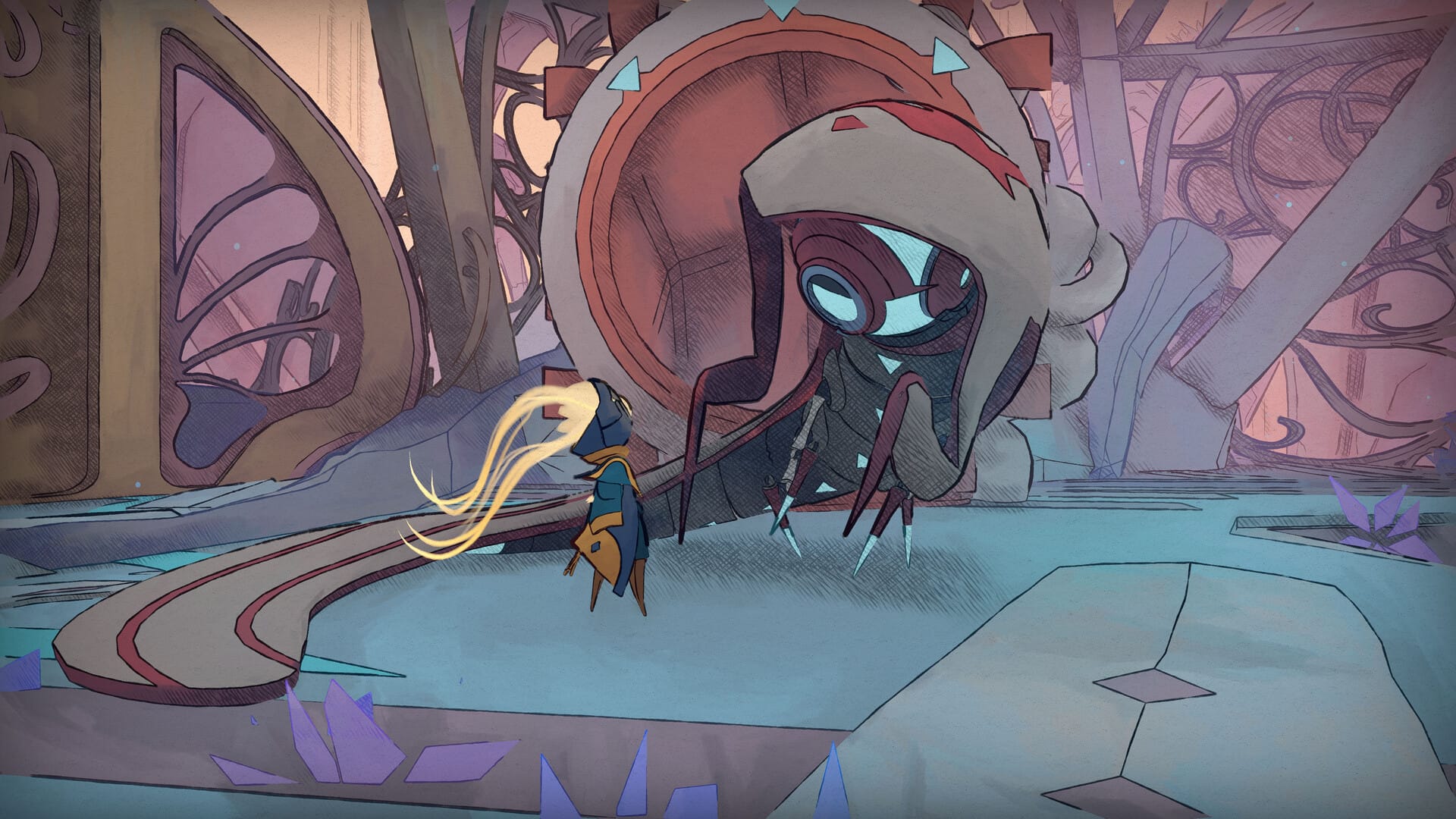
On the subject of the machines you’ll face, you’ll encounter typical enemies like puny guardians who wield huge hammers, drones that’ll reign down fire as they hover in the air, and simpler types who can be chopped down swiftly. You cannot be reckless even against the standard assortment of tainted machines because they’ve a tendency to strike even as you fiercely and fearlessly slash them up. The hulkier and bulkier bosses are a highlight, and will test your reflexes and familiarity with all the skills you’ve acquired. Their attacks can be very swift and unpredictable, so you’ll be accustomed to careful pattern recognition as you learn when they strike and exploit openings by attacking them when exposed. This’ll open a controlled degree of frenzy to capitalize on as you whittle down their health bars whilst utilizing caution to deflect furious reposts and backlashes that’ll fly back at you if you aren’t prepared.
Though it is indeed satisfying to engage in combat and witness the sleek and speedy actions of Mio, it is clear that combat isn’t one of the game’s outstanding qualities. This is because Mio is light and her attacks don’t feel as powerful as her zippiness feels stylish. Furthermore, evading attacks isn’t very slick due to dodging unreliability. Playing defence isn’t Mio’s forte it seems and there’s a lack of punishing counter attacks and ways to inflict vengeful flurries besides the aforementioned exploitation of enemy openings when they temporarily slow down or halt after a huge attack.

Platforming carries with it some irksome qualms as well. Mio is capable of propelling forward at high speed, and while she usually feels delightfully fluid to control, she is prone to spiked walls. Also, when you’re able to use Mio’s hairpins as a tool for platforming traversal, you’ll need to be in the right position on a platform to make it work, otherwise, you’ll find yourself trying to ascend upwards, but then unexpectedly falling off course.
On the subject of going off course, it is often a chore to navigate Metroidvania titles unless the maps are easy to understand, but in Mio there’s a tendency for a lot of venturing back and forth between areas. It can be very frustrating to find where you need to go. Being sent on a remedial task to fetch items isn't fun but it's an example of a foible modern games utilize again and again and it can often feel draining.
Another such foible Mio is infatuated are locking you out of areas until you've found crucial items to progress. Yes, locked areas are abundant in Metroidvanias, but stumbling upon them restricts players too liberally. Finding the right components to unlock the way forward shouldn’t be a necessity, or it’ll be seen as a modern gameplay trapping design that’ll become deflating before too long.
The question of how Memories In Orbit fits into the Metroidvania has a straightforward answer. It’s very competent and a very slick example of a Metroidvania with the optimum amount of challenge, a protagonist with a satisfyingly swift movement style, and a map with many branching paths and tucked away areas to discover. Mio can’t escape the shadow of those that inspire it, so instead chooses to forge its own little niche inside of it, which is the best it could do given the strength and inspiration of its exemplars. You may find Mio to be overly familiar, risk-averse, and carrying some platforming and combat flaws, but Memories In Orbit enchants you with its solemn narrative undertones and a luscious art style that should be enticing to anybody curious enough to give this one a shot.
Mio: Memories In Orbit
Good
You may find Mio to be overly familiar, risk-averse, and carrying some platforming and combat flaws, but Memories In Orbit enchants you with its solemn narrative undertones and a luscious art style that should be enticing to anybody curious enough to give this one a shot.
Pros
- Great atmosphere
- Beautiful art style
- A competent and enjoyable Metroidvania
Cons
- Combat, particularly the dodging is lacking
- Refuses to be anything particularly new
- Frustrating Hairpin ability
This review is based on an early PS5 copy provided by the publisher. Mio: Memories In Orbit comes out on January 20, 2026.