It's been a century since humanity lost contact with the UESC Marathon colony ship, which was headed out into the stars to create a new frontier. Conspiracy theories and rumors were ablaze regarding the fate of the 30,000 souls aboard, until a mysterious distress signal from Tau Ceti IV echoed across the cosmos. As corporate overlords heed the call and descend upon the colony, you enter the front lines of a proxy war as a runner to recover assets, gather loot and discover the dark secrets of New Cascadia.
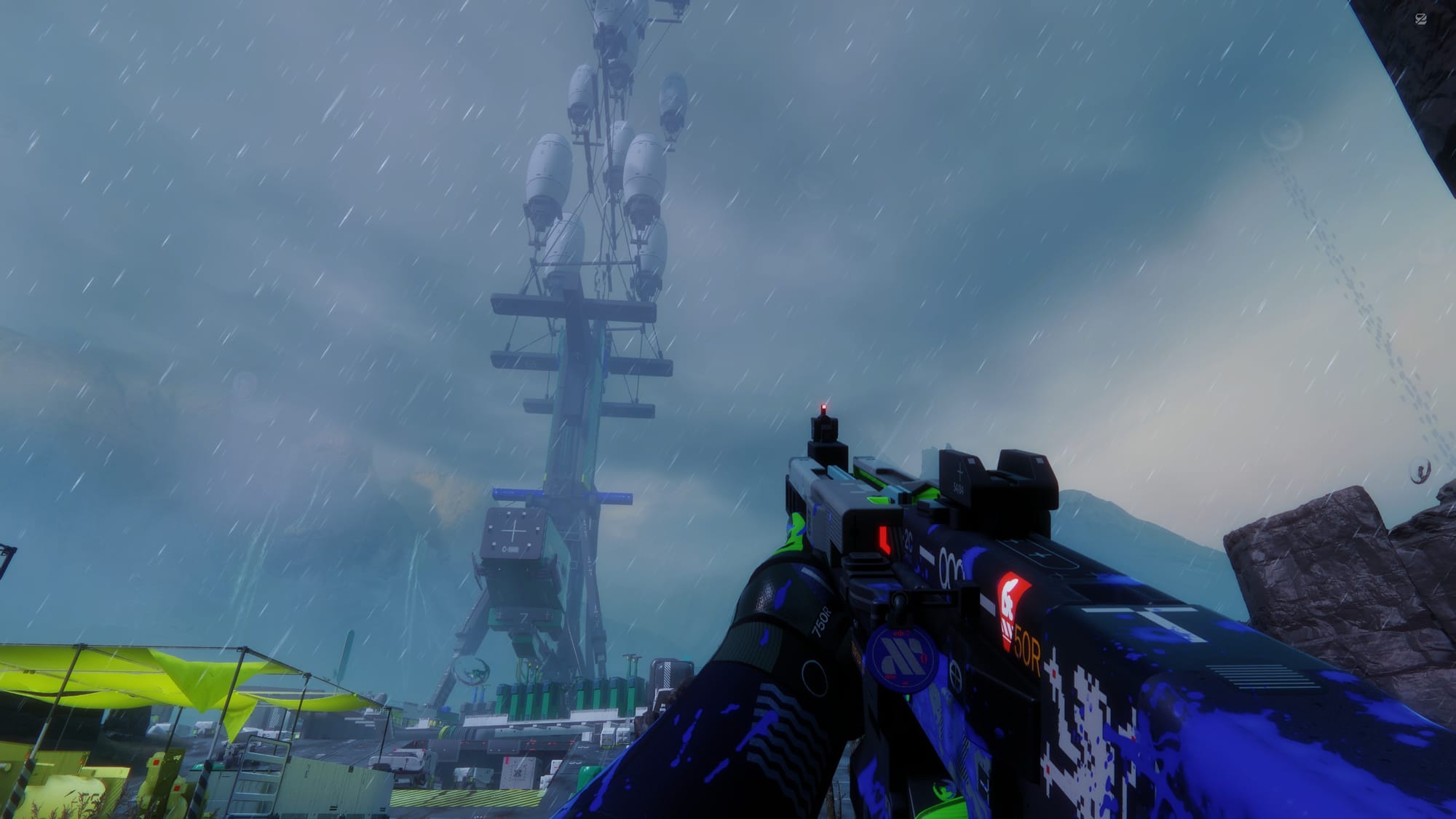
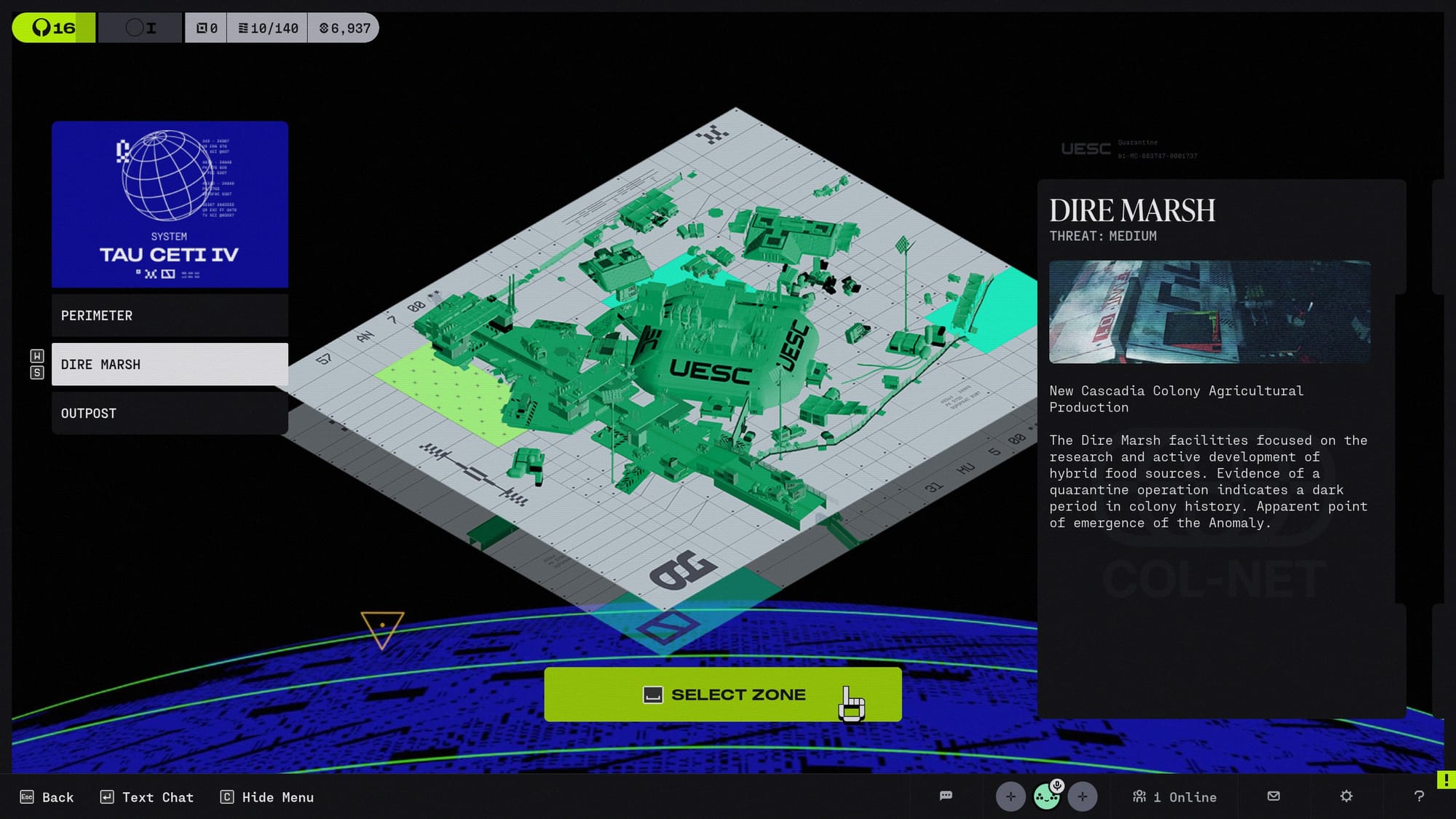
Whether solo or with up to two other runners, each run follows the same basic flow. You'll pick one of three locations for your mission, with the fourth endgame location being open on the weekends. You can jump into the low-threat Perimeter zone for low stakes runs in the early game, or take on the Dire Marsh with its Anomaly and increased dangers. Outpost, a perpetual hotbed for PvP action, features a lot of corridors and an inhospitable environment that literally rains fire. The fourth location, the Cryo Archive, will test not only your skill as a runner but also your loadout, requiring a kit valued at a minimum of 5,000 for entry.
After that, you and your squad will prepare for your run by choosing your active mission, which runner shell you'll drop in with, and what equipment you want to bring for the ride. You'll need to be mindful when making your choices, though. Your experience can vary wildly based on your shell, environmental threats, and the equipment at your disposal. You also risk losing any items you bring in, should you fail to survive (though choosing to take a pre-made sponsored gear kit can alleviate some of that stress).
Once your crew is all kitted up and ready, you'll load into the location of your choice. When you load in, you and your team will have to check out the map, mark locations of interest, and make your way to those spots. As you traverse Tau Ceti, you'll want to stop and fill your bags with as much loot as you can carry. Maps like Outpost and Cryo Archive also feature some puzzle elements, requiring you to collect keys to access restricted areas or build up security clearance by hacking the Marathon's computer systems. Your squad will also have to contend with environmental hazards, UESC drones (which are aggressive in a way that builds a satisfying tension), and most dangerously of all, other player-controlled runners.
With the recent popularity of ARC Raiders, it would be understandable to assume you could drop in, meet some other friendly players, and have a positive experience where everyone helps everyone. Based on our time with the full game, Marathon will not cater to the same community. Every encounter we had with other players was aggressively shoot-on-site, so it's best to always be mindful of your team, equipment, health, and the potential for an encounter with other runners at any point in the match.
Should you survive Tau Ceti, the UESC, and your fellow runners, you'll have to exfiltrate to take all that sweet gear you picked up during the run. Each mission will typically have two to three extraction points at any given time. Two are your standard activate-and-wait spots where you can try to hide from danger until the mechanism is ready for you. One, though, will drop a squadron of UESC drones on top of you. Defeat them (without drawing the attention of aggressive runners) and you'll have another way back home. Wait too long and miss the extract timer, though, and your consciousness will be forcibly ejected from your shell and you'll return with nothing.
Marathon's mission structure flows well, which shouldn't come as a surprise since nearly every extraction shooter follows a similar template. There are some unique aspects, like the runner shells, that help Marathon stand out, though. Mission objectives will encourage you to explore various locations across the planet, along with encouraging violent interaction with enemy players. While some of the missions can certainly feel more boring than others, like basic quests that require you to loot a specific kind of box, the majority of them felt fulfilling to accomplish.
Before you even start a run, your first build-crafting decision comes from selecting your runner. These are woven shells that house your consciousness, and each comes with a unique set of abilities that can change your playstyle dramatically. You'll start out with the Destroyer shell, which offers a shield to block damage and sprint jets that also allow you to perform a dodge boost. Each shell also has a prime ability, which is a powerful ultimate that offers specialized utility in a fight. Destroyer's prime ability, for example, is called Search and Destroy, which allows you to passively fire shoulder-mounted rockets at any target you are firing at.
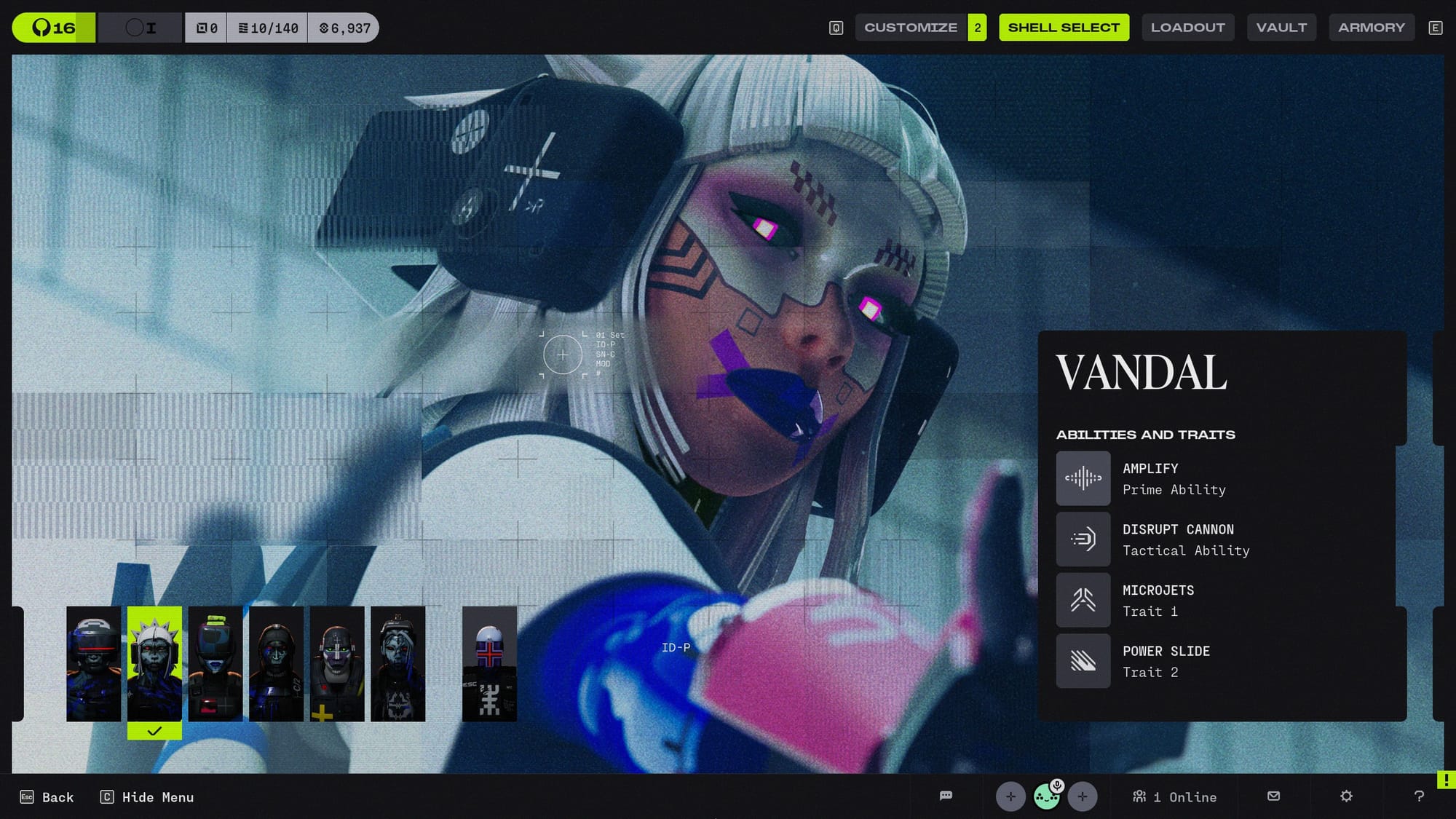
They aren't all about dealing damage, though, with the Vandal shell's prime ability allowing you to supercharge your movement systems and the Recon shell providing an area scan that pings nearby hostiles. These shells can also be pushed further with cores you find on runs, which provide additional perks or modifications to support your weaknesses or amplify your strengths. And if you just lost everything on your last run, you can always use the Rook shell, which is essentially a base-kit vulture that drops in mid-match to scavenge alone that can be augmented through faction upgrades. There's a lot of freedom in choosing which shell fits your playstyle, and I enjoyed swapping between them from round to round to match with other components of my build.
Each player will find a shell that best suits them. I (Joe) gravitated toward the Assassin, while Corvo leaned heavily into Vandal. There are a handful of others we enjoyed (Recon gives a team the opportunity to see dangerously obscured enemies, and Thief can scan through walls and use a grappling hook) but they've all got their situational uses and complements, and it's neat to see the variety well balanced (and represented in matches).
In my mind, if Bungie is known for only one thing, it's making shooters that feel fantastic. Marathon follows that legacy with gunplay that's tight and responsive, which is particularly important in a high-stakes game of survival, where every shot can be the difference between life and death.
As with any extraction shooter, you'll work on building your arsenal over time, relying on in-the-field acquisition for the lion's share of your equipment, especially early on. At launch, the game features 28 firearms across eight classifications that use four different types of ammunition. Not only does each category handle differently (of course, a sniper rifle will fire differently than a submachine gun or shotgun) but each of the individual weapons has its own unique feel. The BRRT (yes, you should read that phonetically) fires in short bursts, for example, while the V22 Volt Thrower starts with a high rate of fire that slows down over time. I love that each weapon feels unique, and everyone is sure to find one that best suits their playstyle.
With Marathon, the attachments you use to modify your firearms are every bit as important to the feel and effectiveness of your weapons as the guns themselves. These can be anything from a new scope or bigger magazine to upgrades that affect rate of fire, stability, range, or reload speed. Given the volatile nature of losing everything on your person if you die, it can be tempting to run in with a bare-bones sponsored kit, but for more serious outings in high-tension zones, how you make use of your weapons and their attachments can be the deciding factor on whether you return home or not. I love the customization factor, but it's even more satisfying to feel how these mods can completely change a weapon you've used for hours.
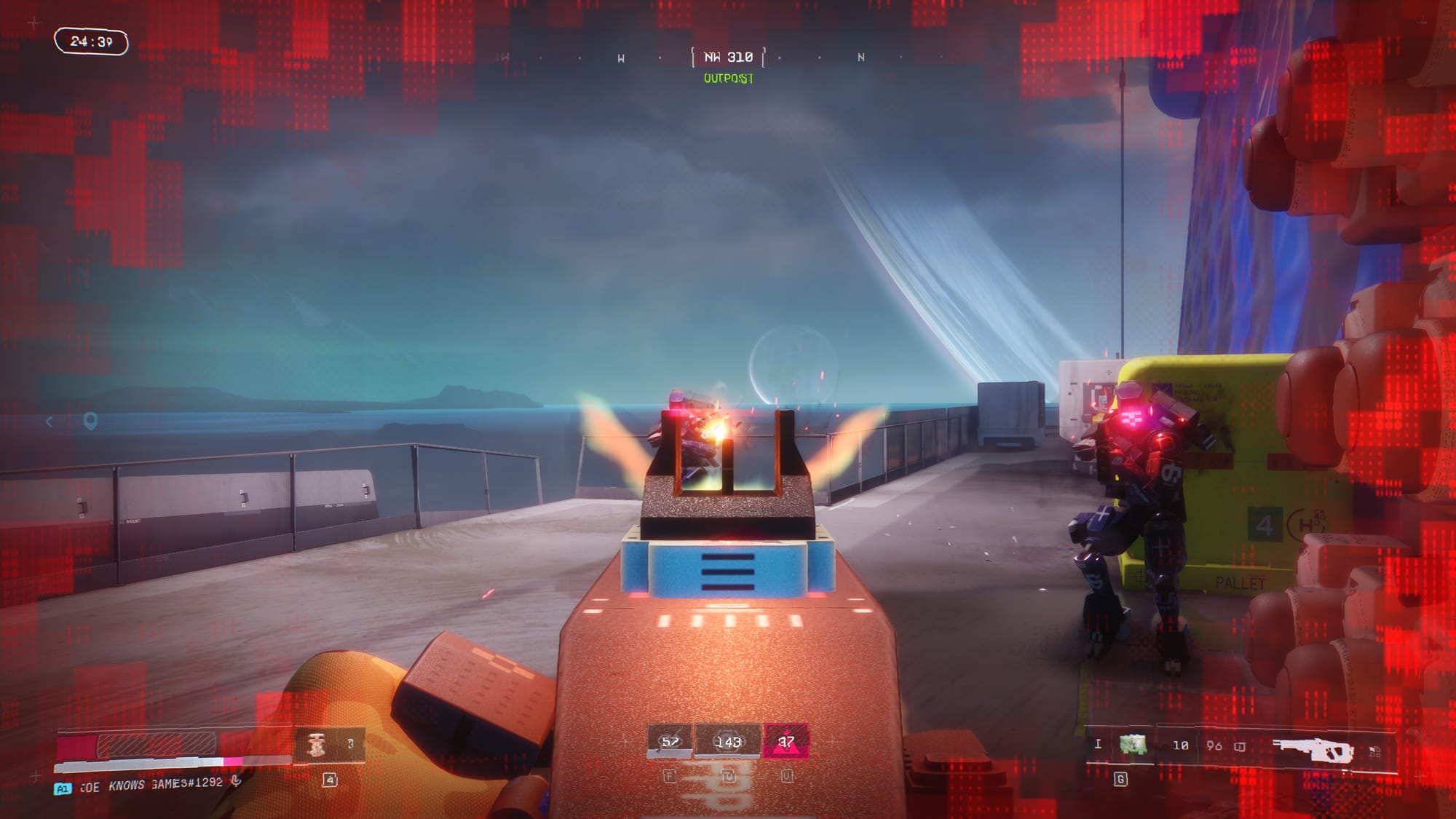
You need to be mindful that you'll likely be pretty squishy starting out your time on Tau Ceti. The game's time-to-kill (TTK) is pretty quick and you can get burned down by another player or a group of UESC drones before you realize what's happened if you're not paying attention. For many of the early levels this can feel like a bit of a drag, especially when you're running into players with better gear than you. This can be mitigated as you level up and get access to better shields, but firefights will always necessitate keeping a hand on your medical gadgets for a quick heal or repair if you get jumped.
With extraction shooters, you have to fight to earn everything you take home. With those experiences etched into your memory, it can be difficult to go into runs with that hard-earned loot, knowing it's on the line if things go south. Most other games of this nature I know (ARC Raiders, Escape from Tarkov) offer players a "safe pocket"—an inventory slot that ensures you can take one thing home even if you die. Marathon has no such safety features. You'll either take home everything or leave with nothing. That sounds pretty brutal, and it can be (especially if you just nabbed a rare purple item you've been searching for) but those highs and lows weave the fabric of this genre. What's more, as you level up through the game's factions, you get access to free gear daily that helps ease the pain of, say, a lost backpack or overusing healing items.
While we've kind of talked around the threat of the world, let's address it more specifically here. Other players will absolutely be the bane of your existence. ARC Raiders has a community that's pretty easy-going and willing to help out if you jump on comms. That vibe is not present in Marathon. In my (Joe) experience, players have universally acted with a shoot-on-sight modus operandi. Oni (The CyberAcme Faction leader) even tells you at one point that other people aren't to be trusted, and she's right.
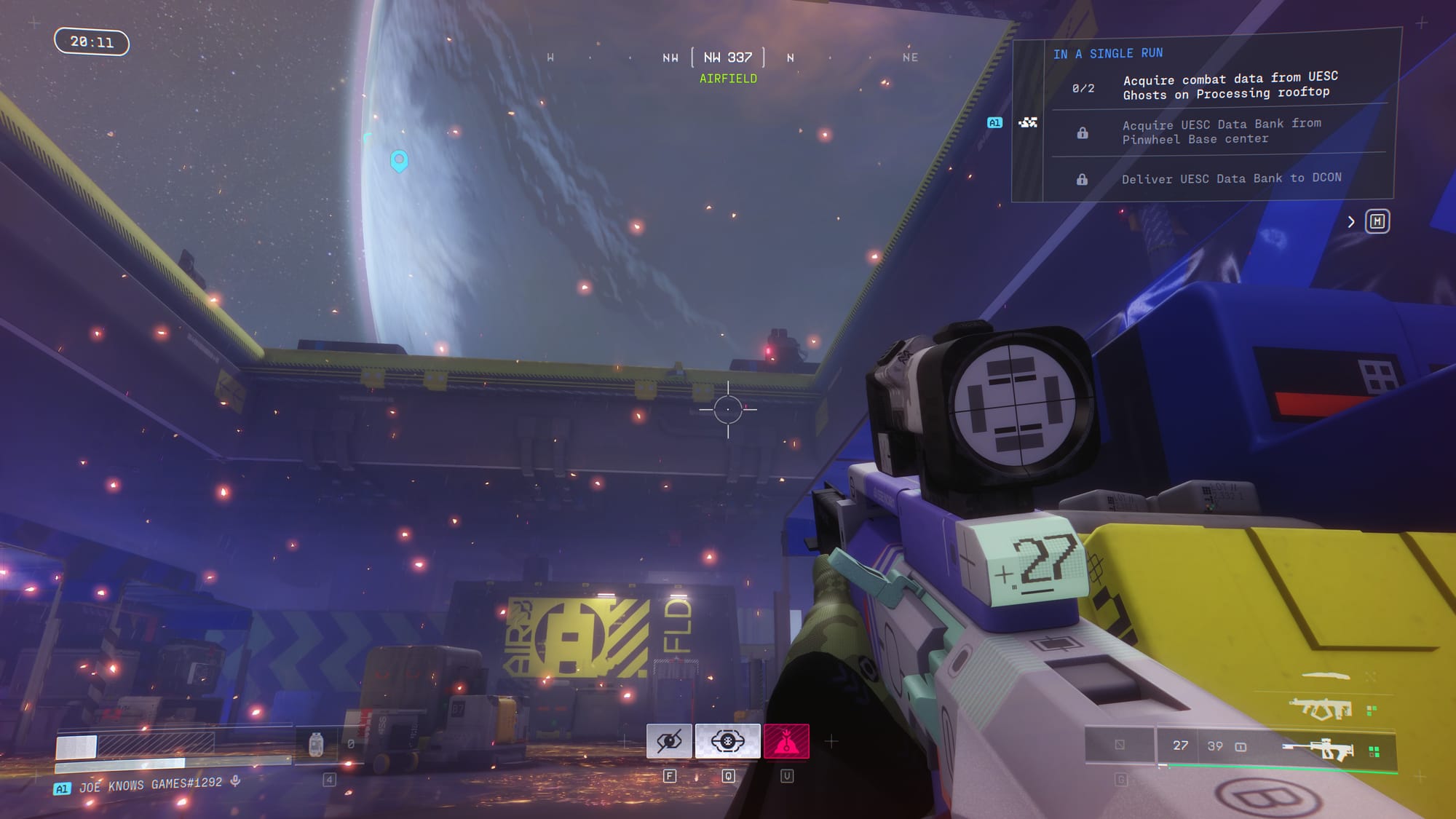
Outside of slaying other players, there are plenty of AI enemies for you to interact with, too. UESC regularly stations drones around all their points of interest and as the mission timer winds down, they start dropping in more heavily geared foes. The UESC bots are no pushovers, either. Sure, they're usually easier than humans, but they'll use intelligent tactics or downright aggression to put a hurting on any runner that gets too cocky. They will flank you, throw grenades to push you out of cover, whatever they need to do to eradicate you from the planet. At one point, we encountered a late-game group of UESC that felt like humans. When I got knocked to the ground, they continued to fully eliminate me, pouring bullets into my crawling shell to make sure they ended my run. It's actually a welcome challenge since mindless goons would get boring pretty quickly.
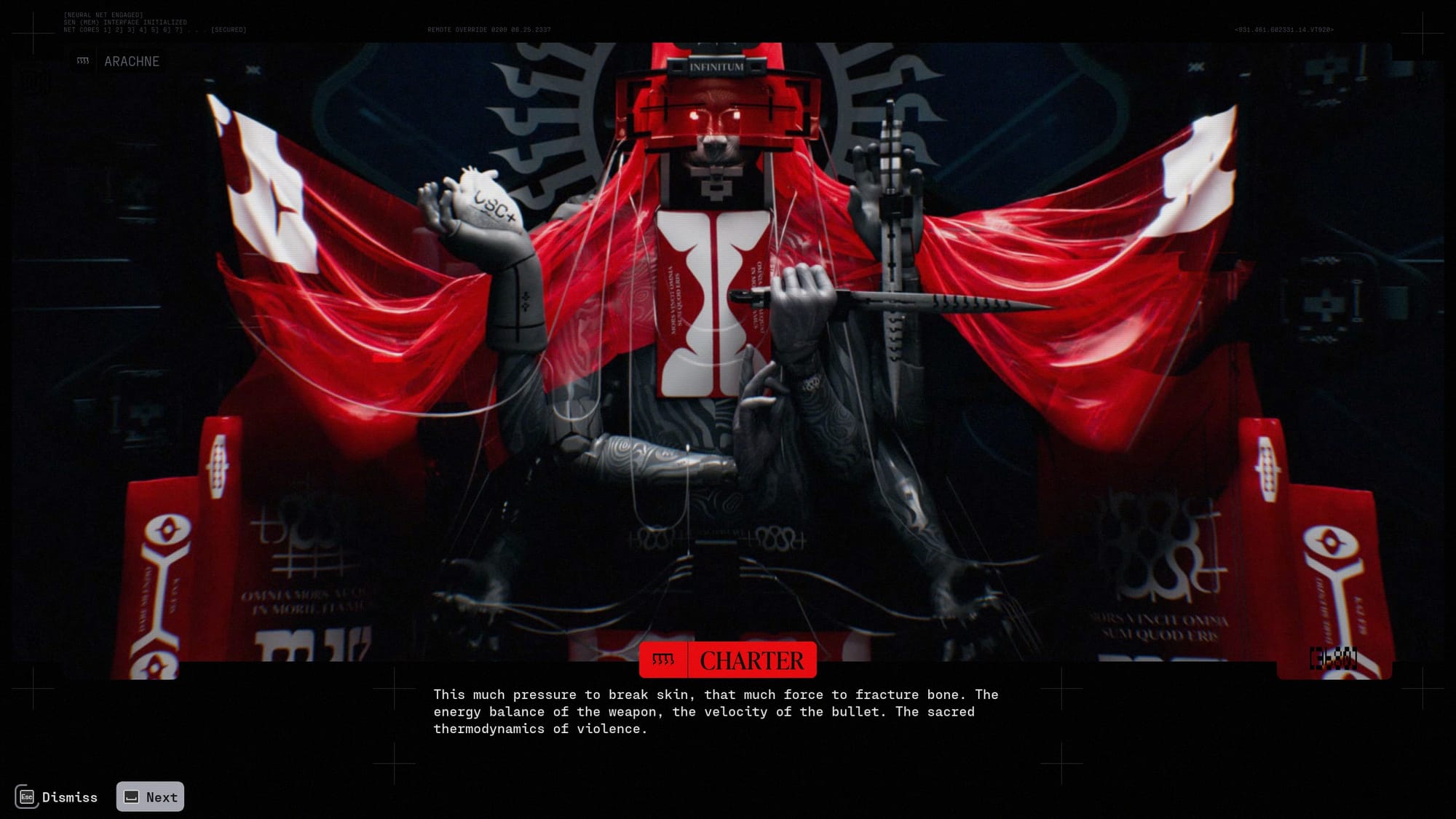
The narrative of Marathon is largely told through meetings with the corporate patrons who are bankrolling your ventures onto Tau Ceti. Each faction has a different reason for scrounging the wreckage of the lost colony, and you can choose to ally yourself with any number of them to complete contracts. NuCaloric will have you examining agricultural reports and exfilling food-related items, whereas Traxis will reward recovering weaponry and looting arms-lockers. The faction leaders themselves also provide a lot of personality and world building, from the ever-reliable floating head named Oni at CyberAcme to the towering religious entity of Arachne, Charter. I was always looking forward to progressing the narrative by checking in with these leaders and peeling back the next layer of the mystery.
Beyond gaining new story beats, each faction also brings an upgradable skill tree that unlocks as you progress through their contracts. These upgrades typically relate to the factions's interests as well, with the rebellious MIDA group offering upgrades related to explosives and mayhem, while CyberAcme provides you with run-essentials like ammo and health-consumables. While it can be a bit daunting at the start considering you begin quite weak, the progression system here provides a way to increase your power-floor over time and gives quests real meaning.
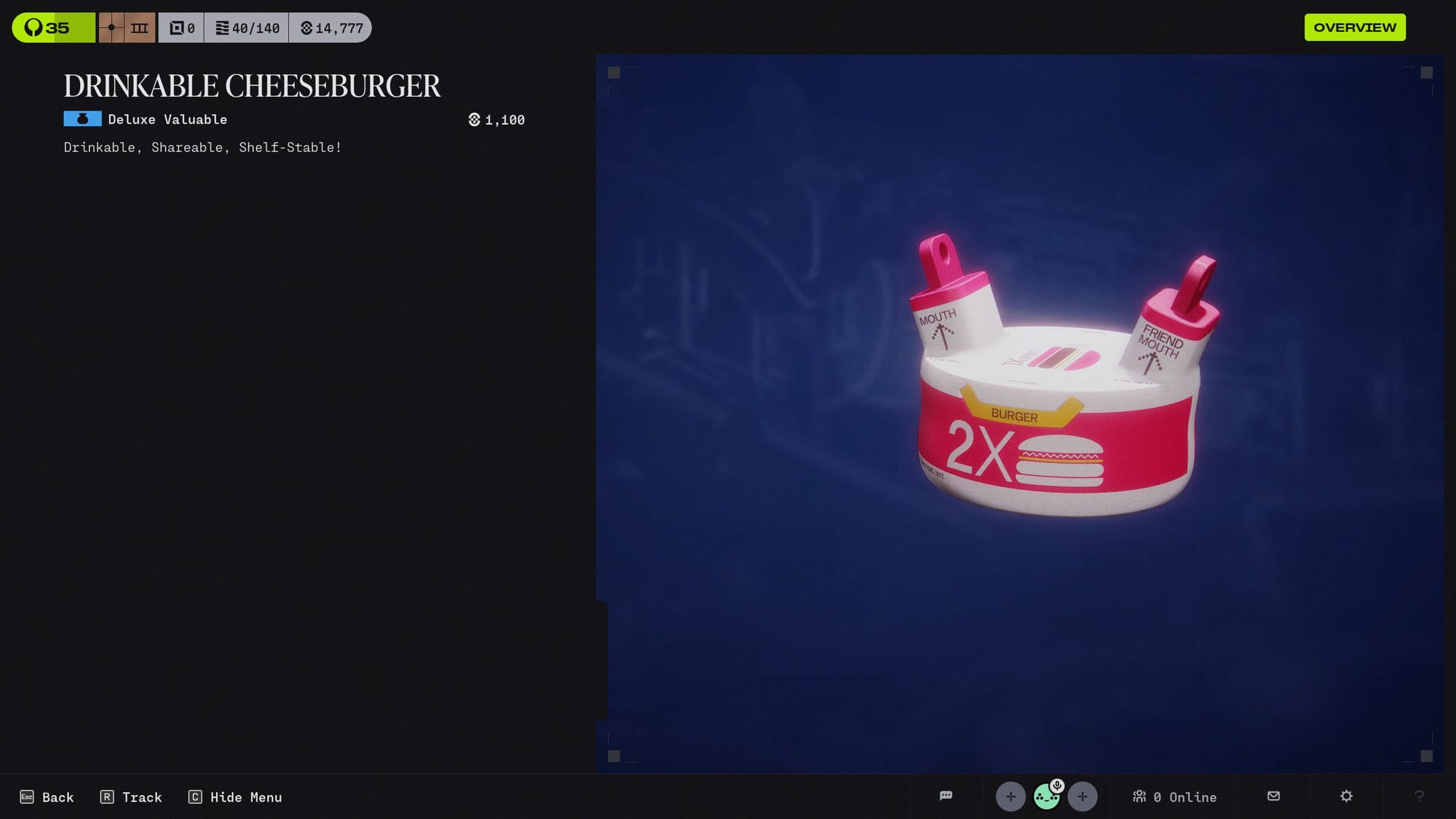
Marathon has been a brutal but rewarding extraction shooter that boasts an incredible visual style and is steeped in excellent Bungie gunplay. The learning curve can be steep at first, and losing everything to a bad run can sting, but the game truly opens up after a few hours to be something very addictive. With every map providing a ramp in challenge, the ladder to raising your power feels satisfying, with great heights and devastating lows in the best way possible.
Marathon
Great
Marathon is top-tier Bungie gunplay in a beautiful extraction shooter setting, and it makes for an addicting gameplay loop. Exploring the dangerous world of Tau Ceti IV and the looming colony ship with your gear on the line makes for some of the most intense PvP available, though the punishing early game might be too brutal for some.
Pros
- Stunning and unique art direction
- Gunplay is incredible
- Runner shells create varied builds
- Intense PvP and deadly PvE combatants
Cons
- Early game can be punishing as you gear up
- May be too competitive for genre-beginners
This review is based on a retail PC copy provided by the publisher.