Avatar: The Last Airbender is a surprising set in a lot of ways. The set was announced far later than normal, and with that, I wasn't sure what to expect with it. Avatar comes on the heels of Spider-Man, and these two sets are a great comparison of what can be done with Universes Beyond. So does the Avatar: The Last Airbender live up to the legendary animated series?
Mechanical Overview - Accumulate Wisdom
First off, Avatar is a full set, unlike Spider-Man, which was a small set with fewer cards. I don't even like that I have to make this distinction. The Avatar set is tasked with translating the world of element bending into the mechanics of Magic, and with that, it introduces four new mechanics: Airbending, Waterbending, Earthbending, and Firebending.
Airbending allows players to exile something, usually a permanent, and while that something is exiled, its owner can cast it again for two generic mana. This allows players to remove blockers, save their own creatures, or "blink" creatures for extra enter the battlefield effects.
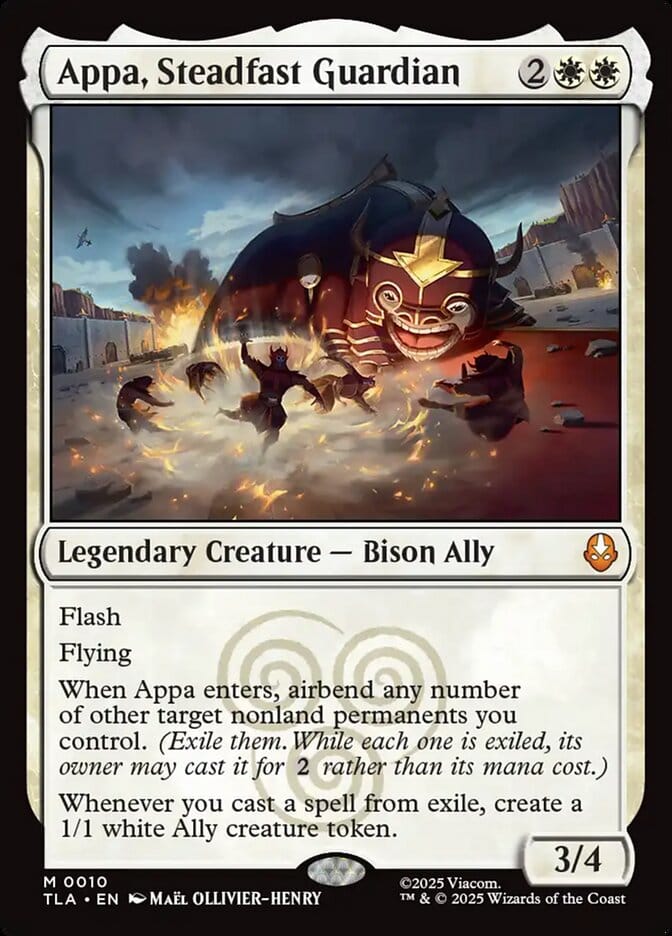
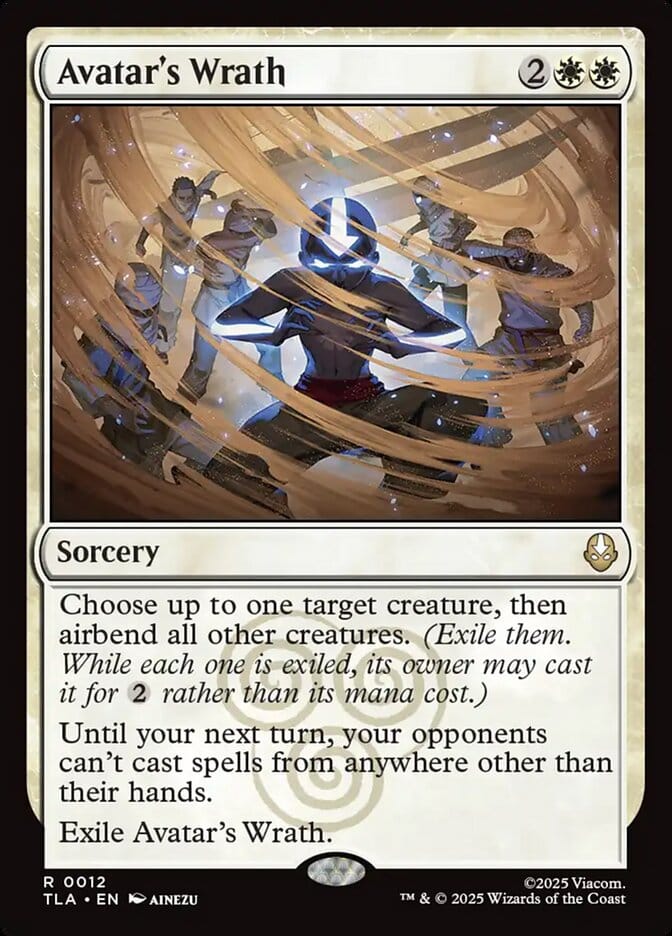
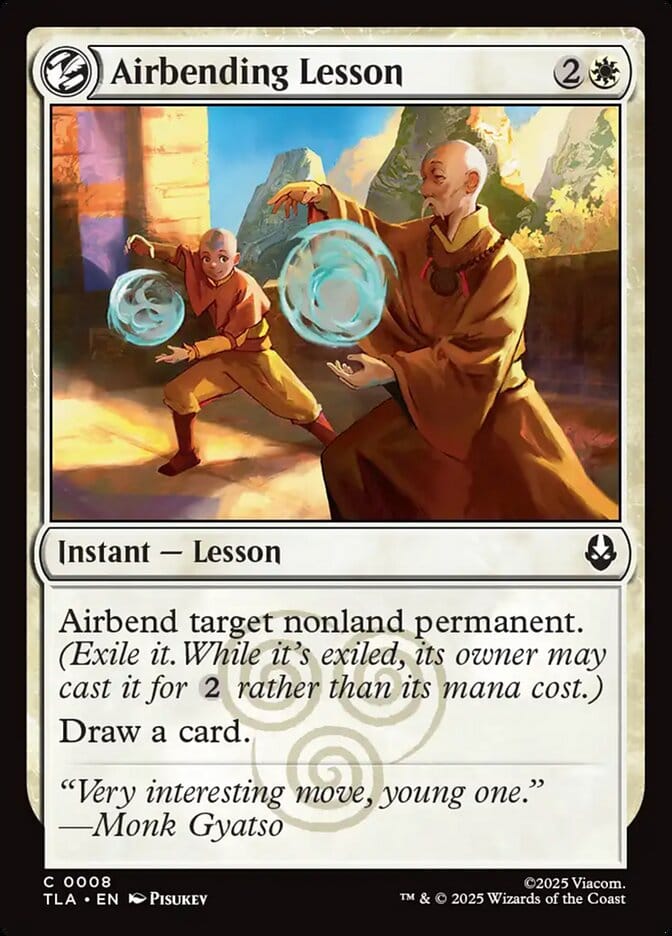
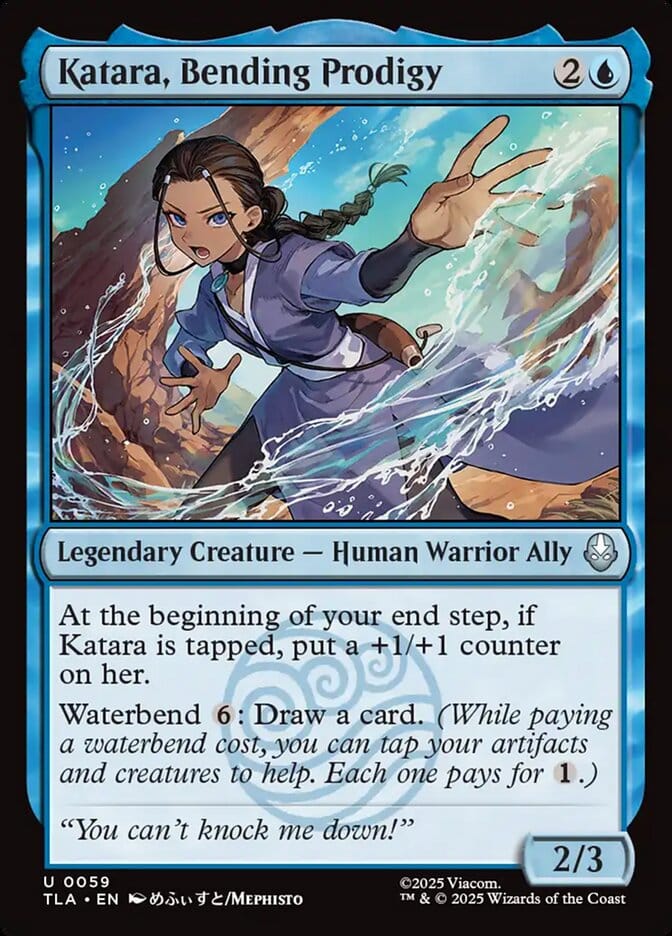
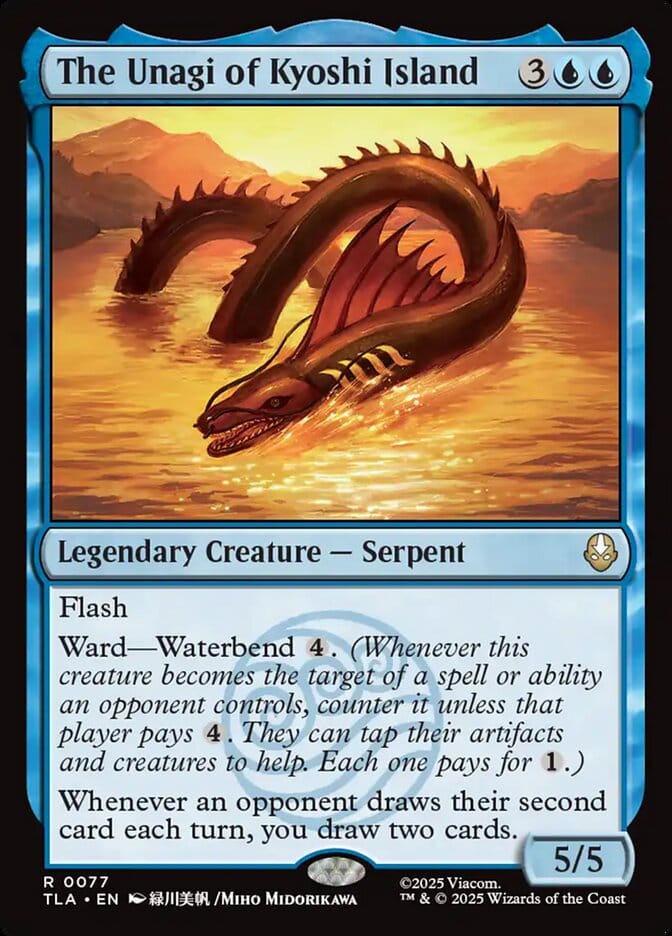
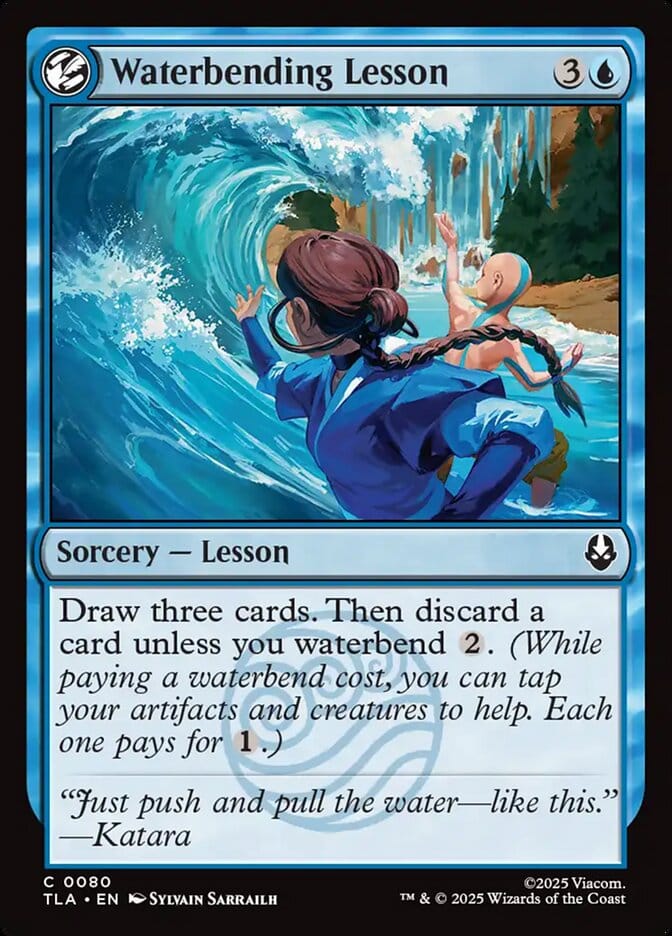
Waterbending isn't entirely a brand new concept to Magic as it is a combination of Convoke and Improvise. Waterbending allows players to activate its ability by paying mana, and you can pay that cost by tapping creatures and artifacts. Waterbending is the most complicated of the new mechanics, as each card uses Waterbending differently. While paying the cost is always the same, each card is unique.
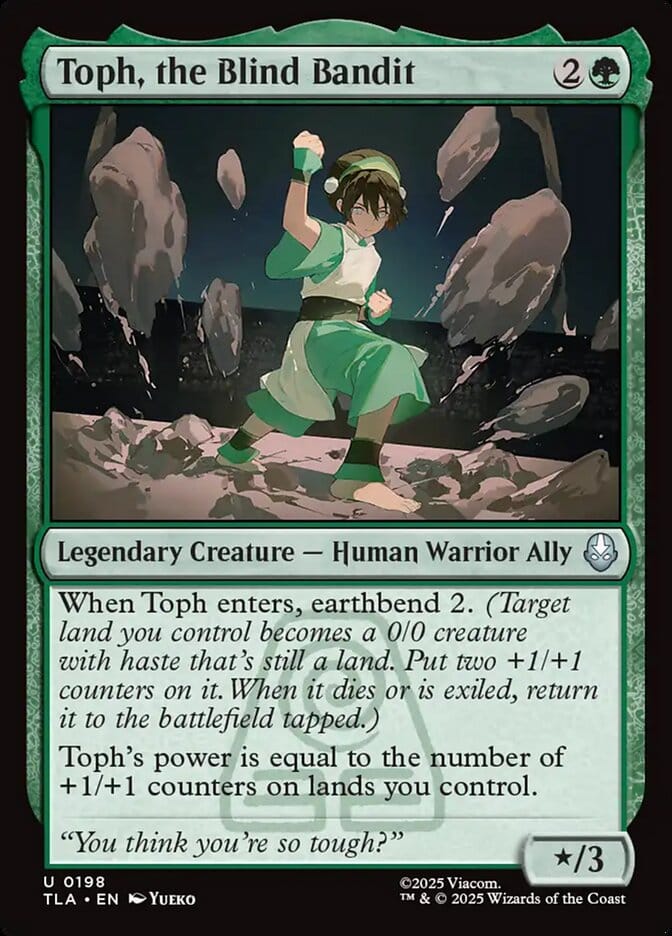
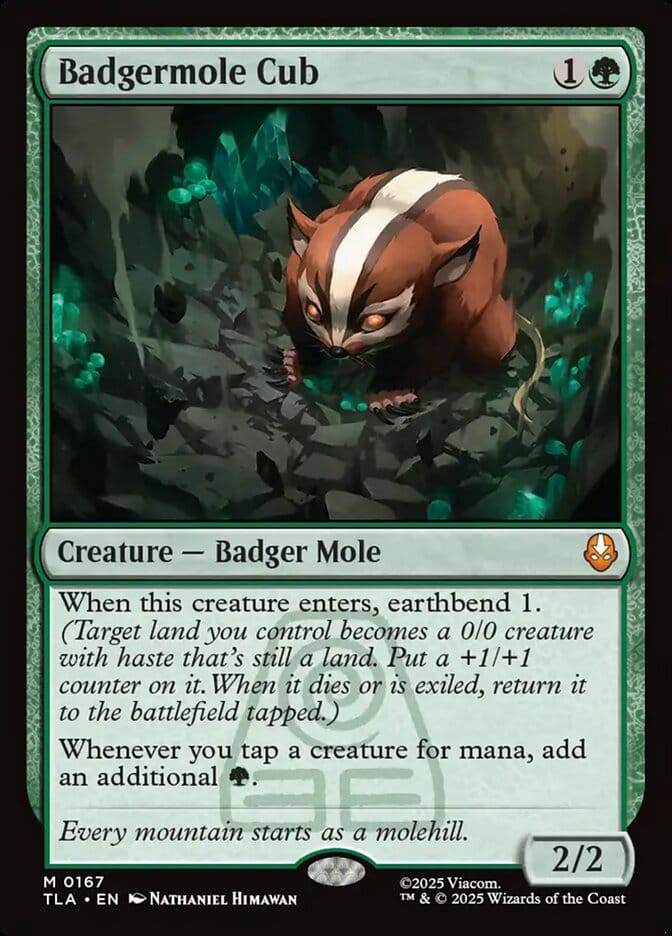
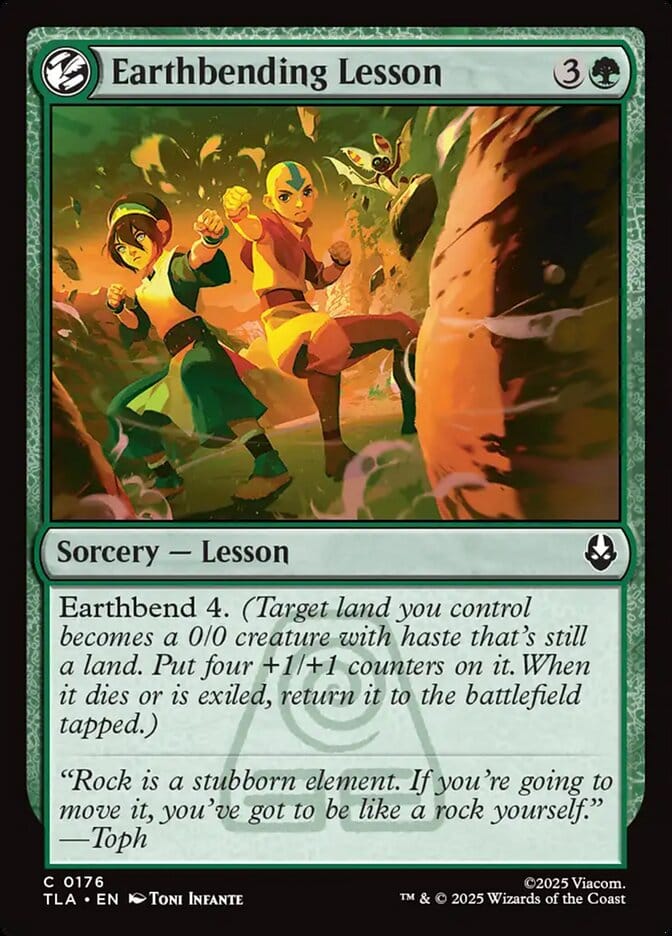
Earthbending allows players to turn a land they control into a creature by putting +1/+1 counters on it. While this would normally be a risky endeavor, Earthbending has a crucial stipulation, which is that the creature land returns to the battlefield tapped if it dies or is exiled.
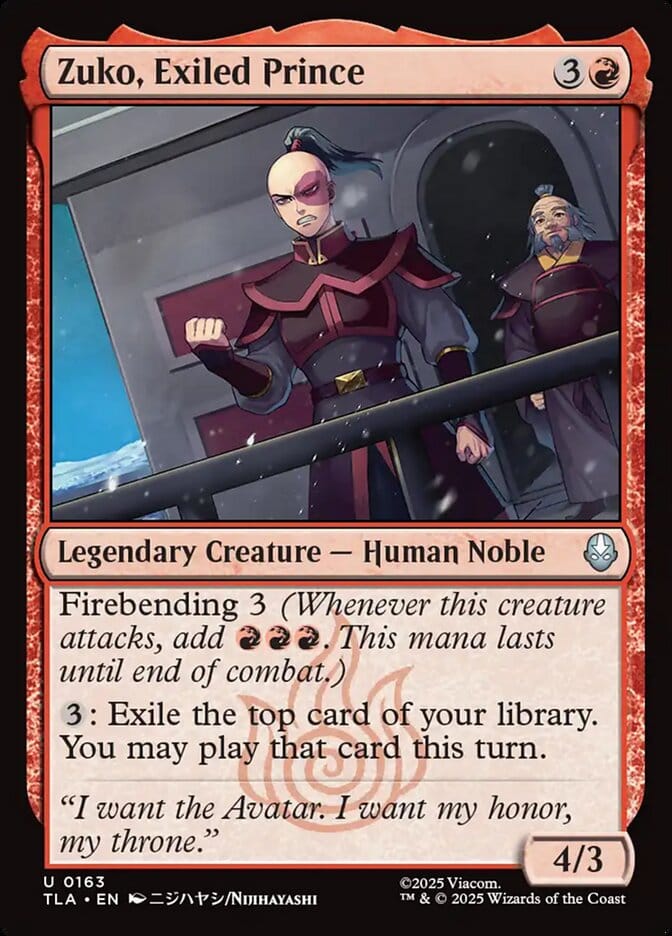
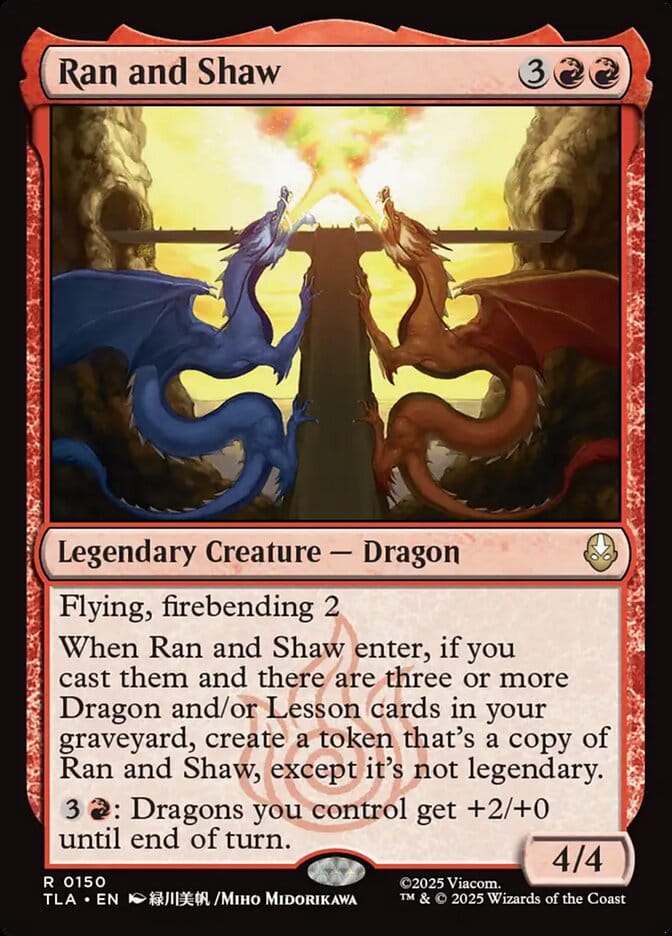
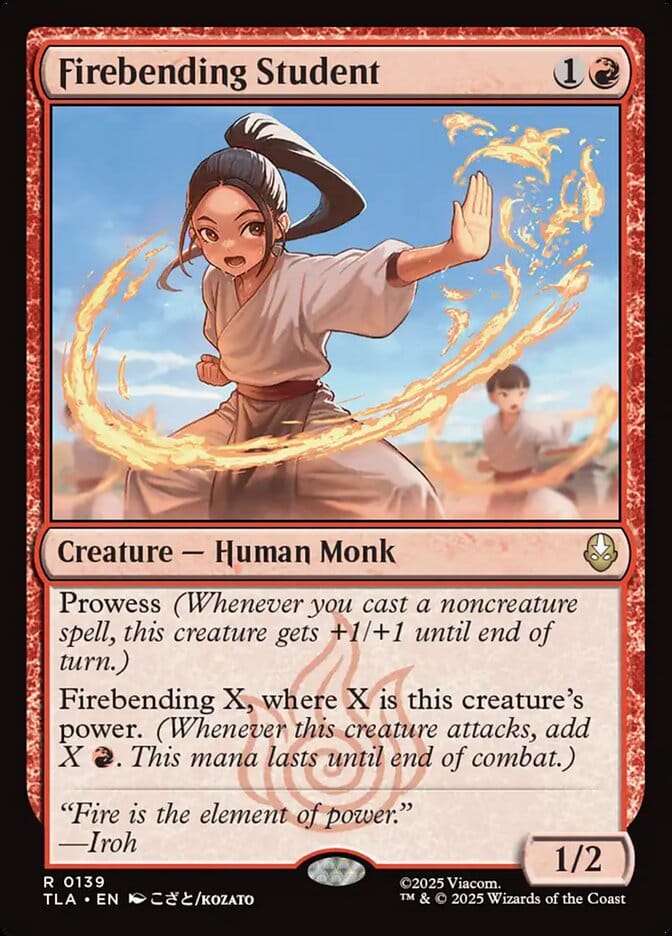
The last new mechanic, Firebending, is the most straightforward. When a creature with Firebending attacks, it will Firebend X, generating X red mana. This mana specifically lasts until the end of combat.
It turns out Firebending Lesson doesn't have firebending on it.
Pros - Aang's Journey
We've gone over the mechanics themselves, but do they come together to form a coherent set? Absolutely. There is some bleed into adjacent colors for the various bending, but these mechanics are each tied to a color: white for airbending, blue for waterbending, green for earthbending, and red for firebending. This all makes good sense, but this does leave black without a mechanic. Black instead receives a wide variety of secondary mechanics like Clues, Exhaust, or Kicker.
Mechanically, the four bending styles work as strong mechanics that define the strategies found within the set. Airbending can be used offensively to remove opponents permanents, or defensively to save your own side. This a nice way to show the adaptability of airbending. Waterbending focuses on the power of teamwork by using your own creatures and artifacts to power yourself up. Earthbending gets you more creatures into the game via your land cards. Earthbending's ability to return the lands if they're destroyed is important as you would otherwise not want to lose them. Firebending ability to generate extra mana in combat seems odd until you realize this lets you cast instants or crack clue tokens mid combat. These four mechanics are the foundation to what makes this set so great.
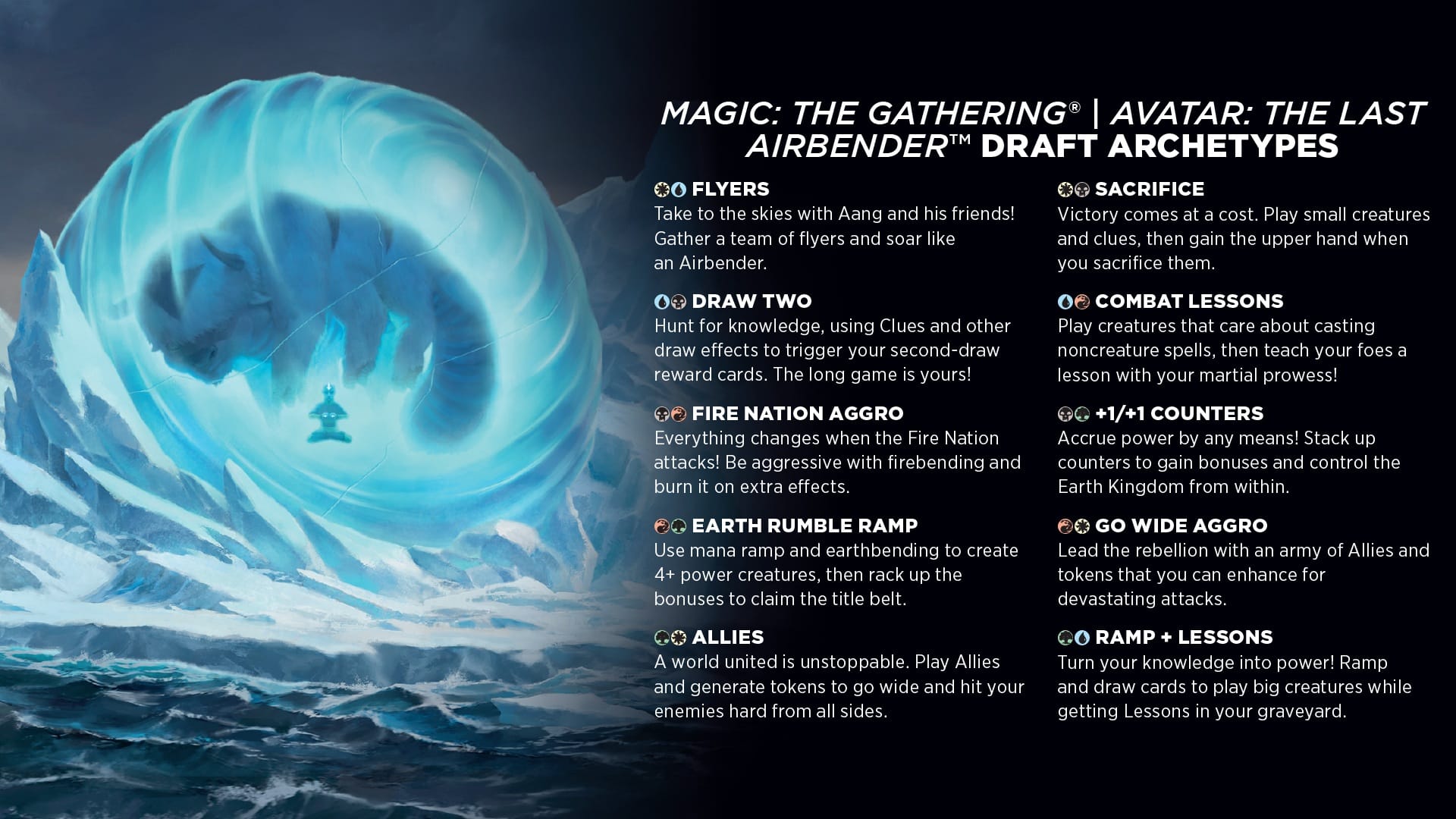
Expanding from that foundation, the Avatar set has a lot more smart design choices within it. Black doesn't get a major mechanic; instead, it finds itself with a wide variety of smaller mechanics. I find it a great secondary color to attach onto another color in support of that first strategy. Two-color pairings normally make up the backbone of limited decks. If you're a new player and building a two-color deck, this set ensures you'll have a competent deck as the usual guardrails are here. (Two color uncommons.) On top of this, though, there are multi-color legends that make fun build arounds. You can also build single color decks with smart use of the hybrid mana cards. If you're a veteran, these additional options keep the set more interesting than other entry points.
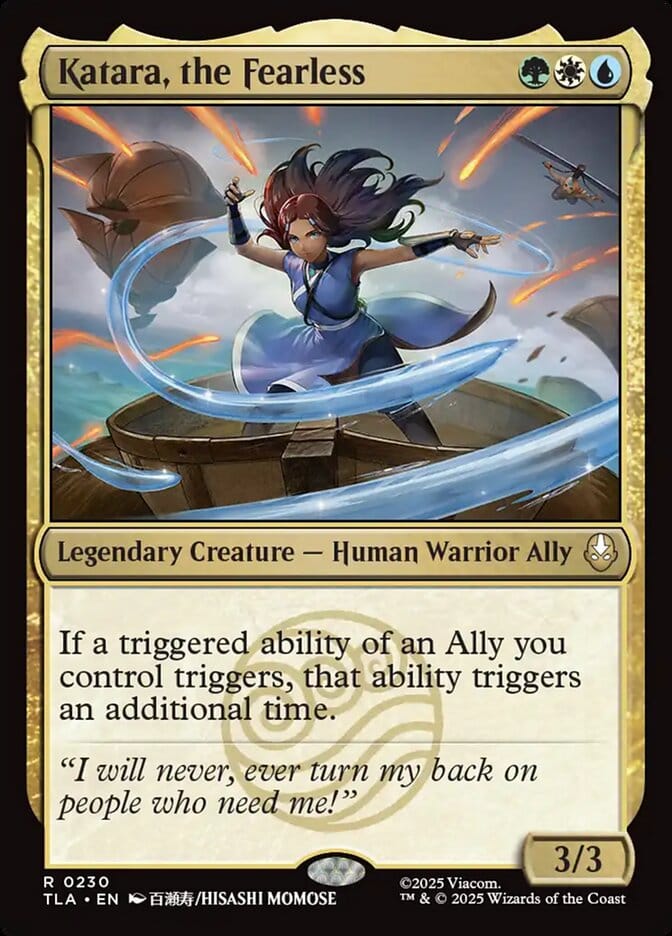
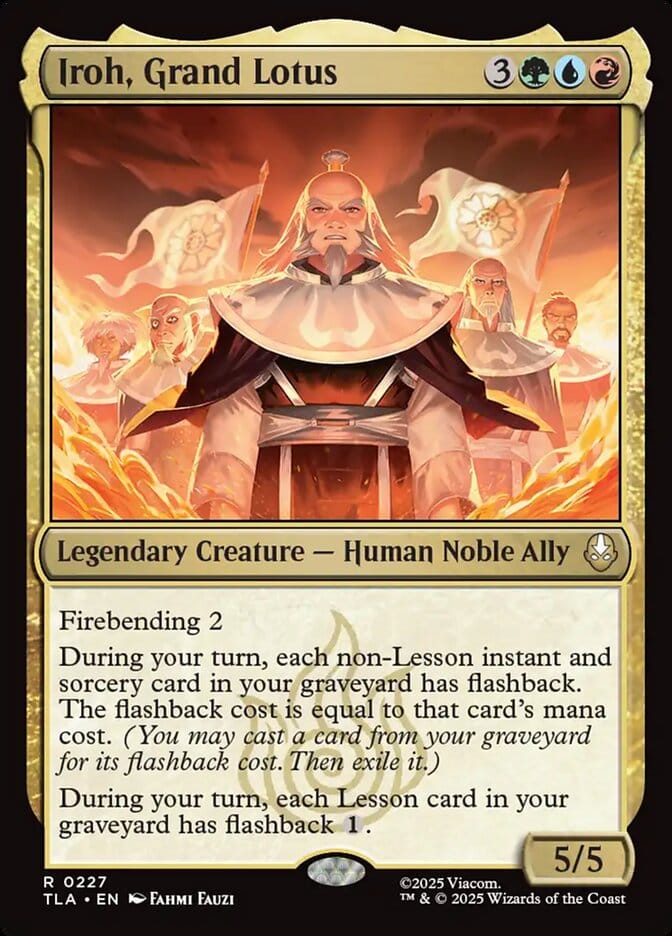
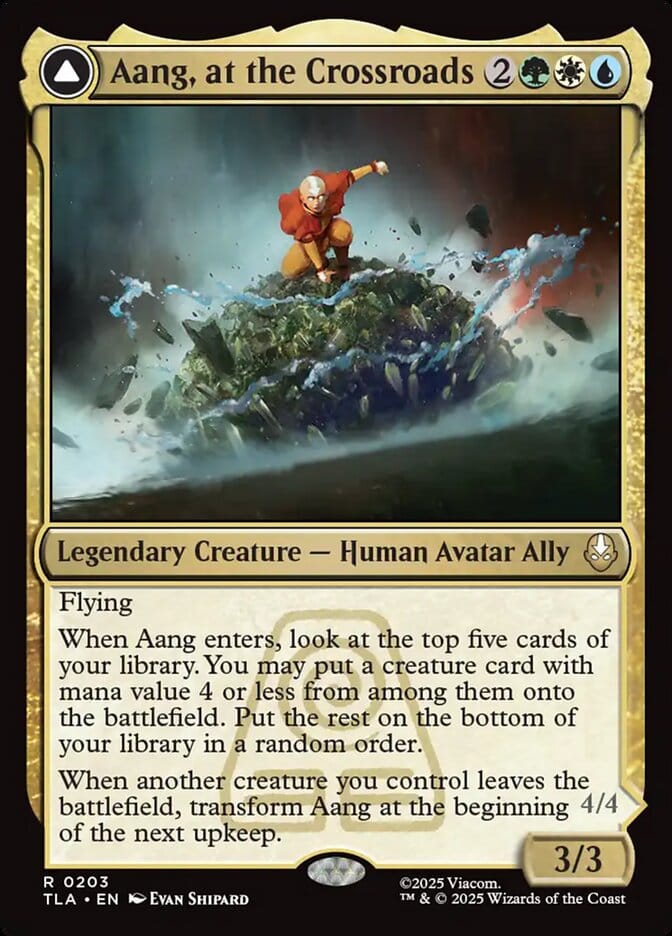
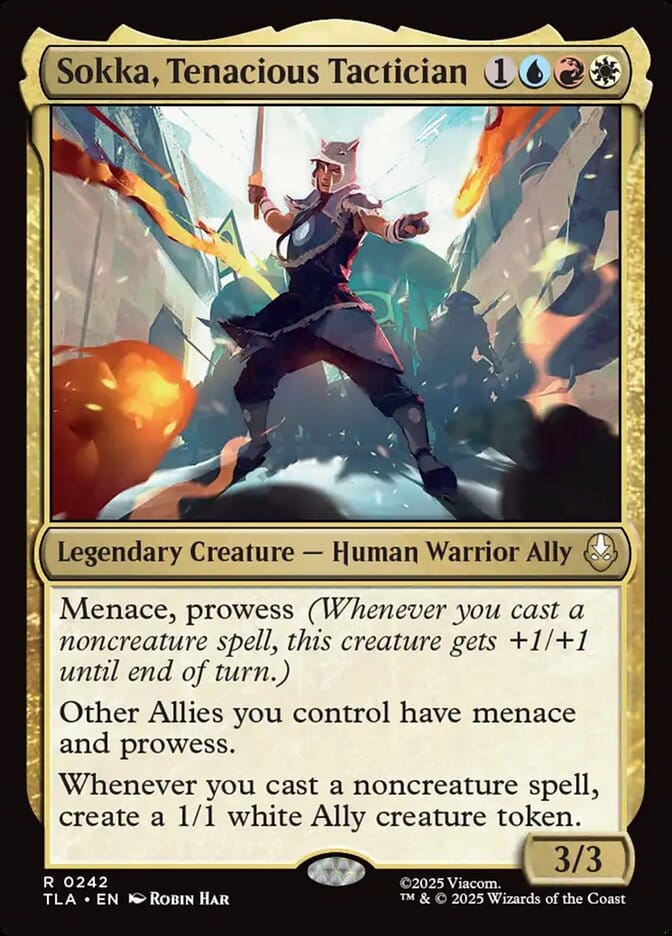
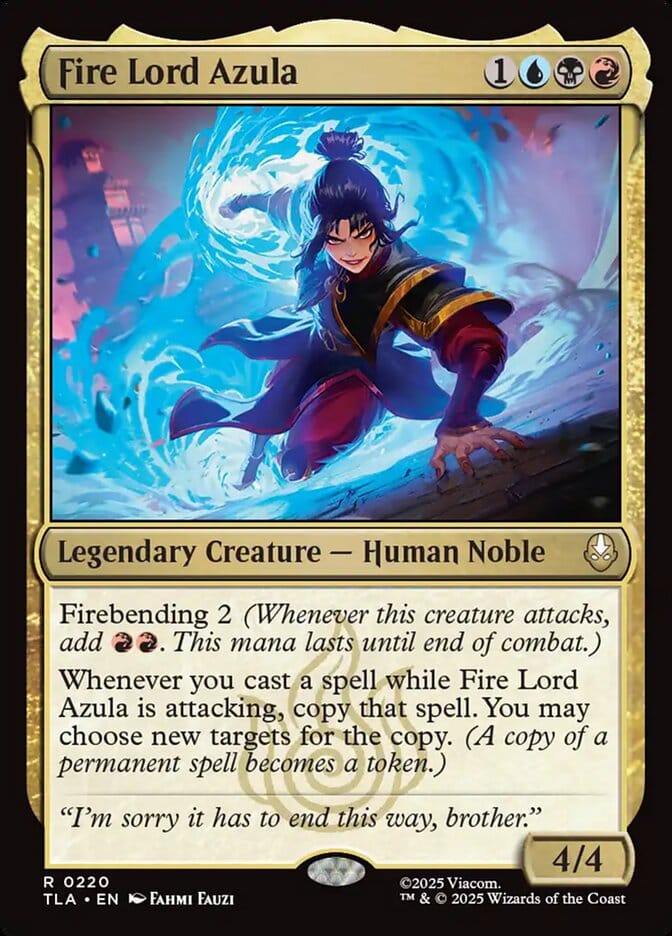
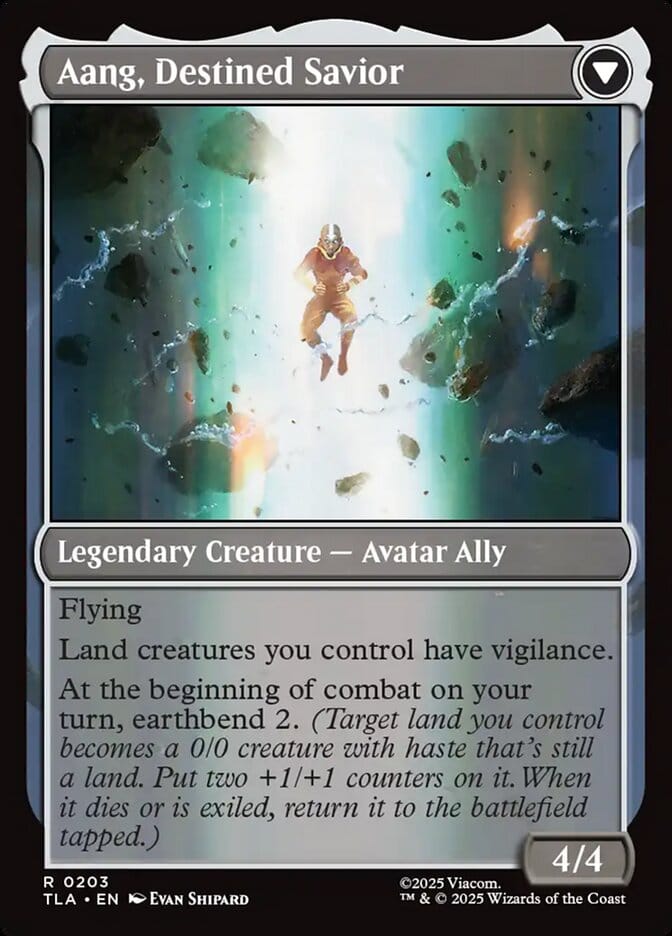
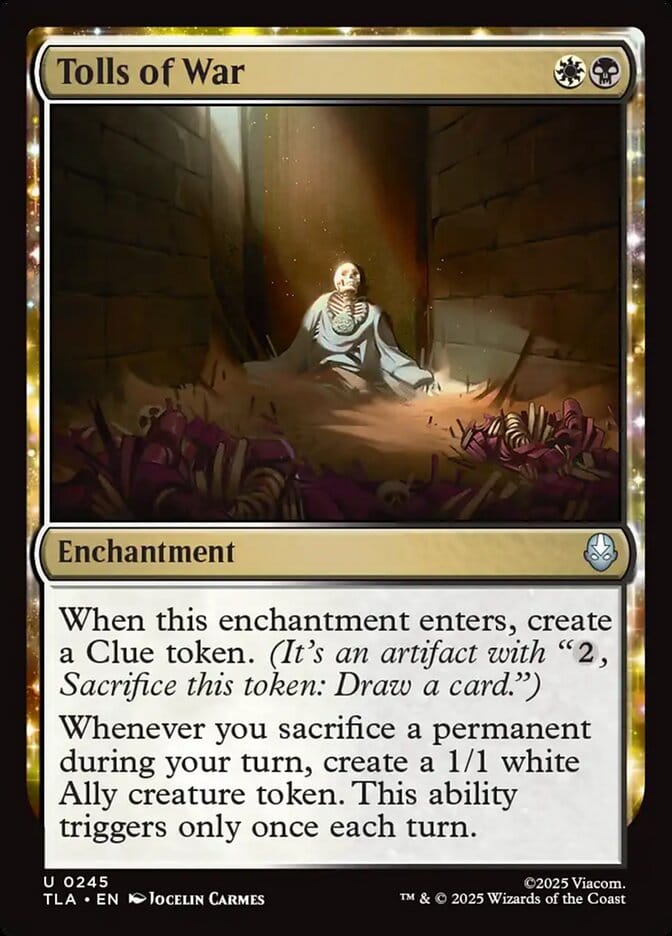
There are other subthemes within Avatar that help the mechanical strategy go even deeper. White has an ally creature type subtheme that rewards synergistic gameplay styles. The Lesson card subtype returns from Strixhaven as a payoff for all kinds of cards within the set. This is an additional wrinkle to keep in mind as you deckbuild. These cards need a certain density to be worth adding into a deck. Lastly, in this category, Clue token creators support decks looking to control the game or keep pressure on their opponents. These subthemes are another layer that experienced players can hunt for.
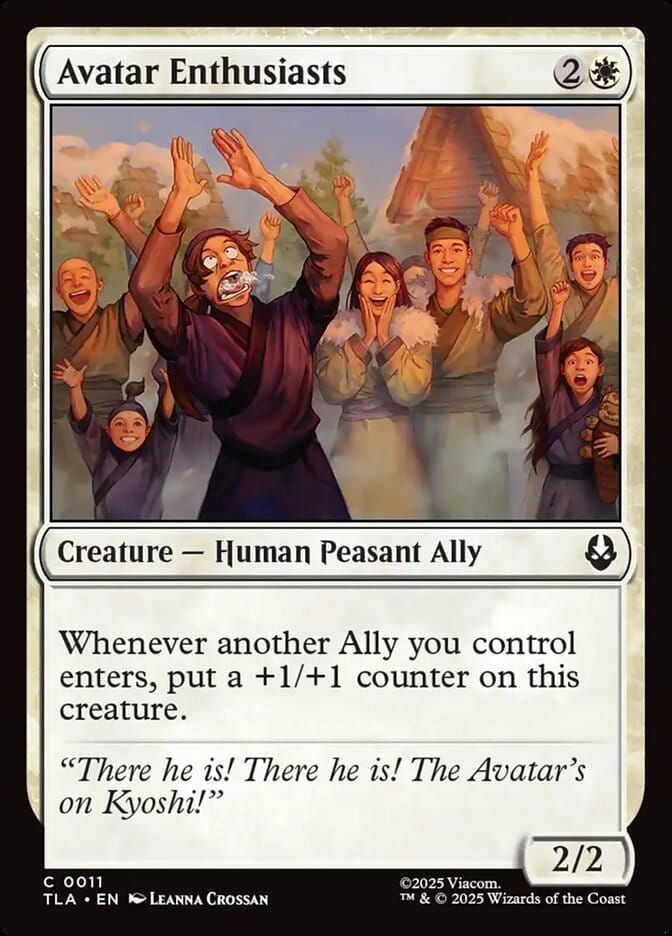
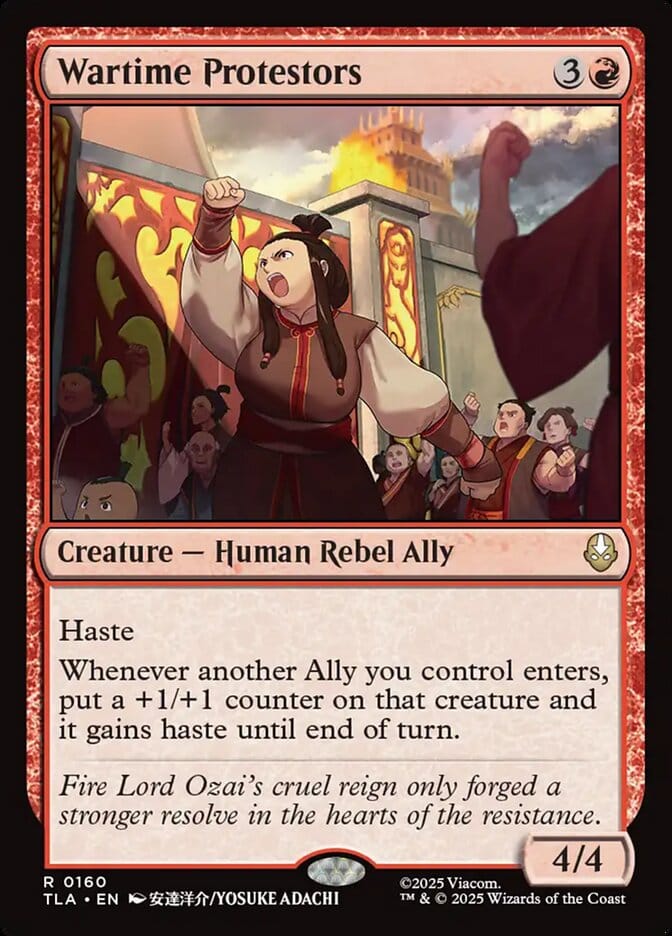
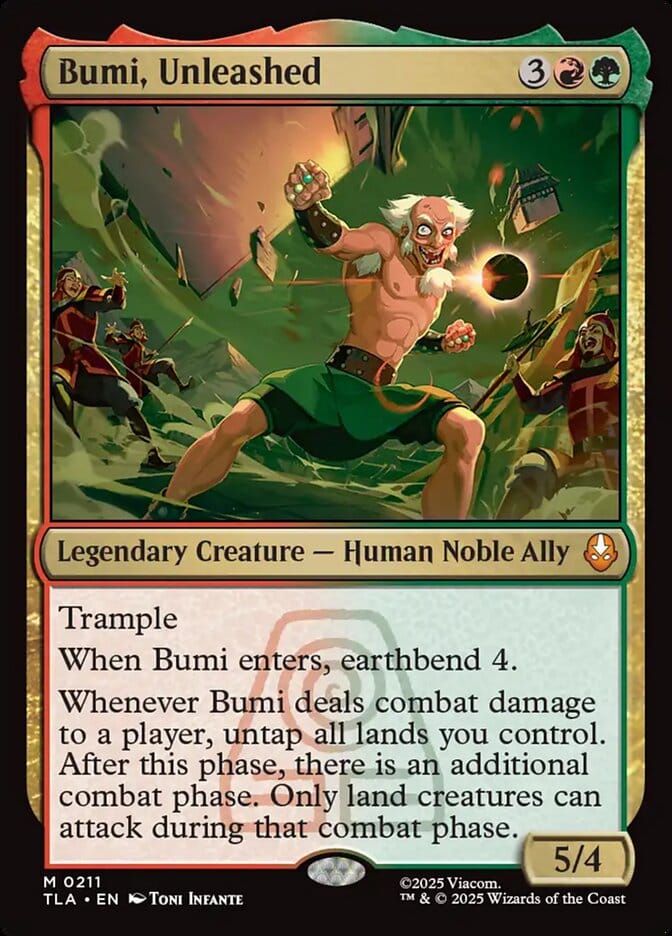
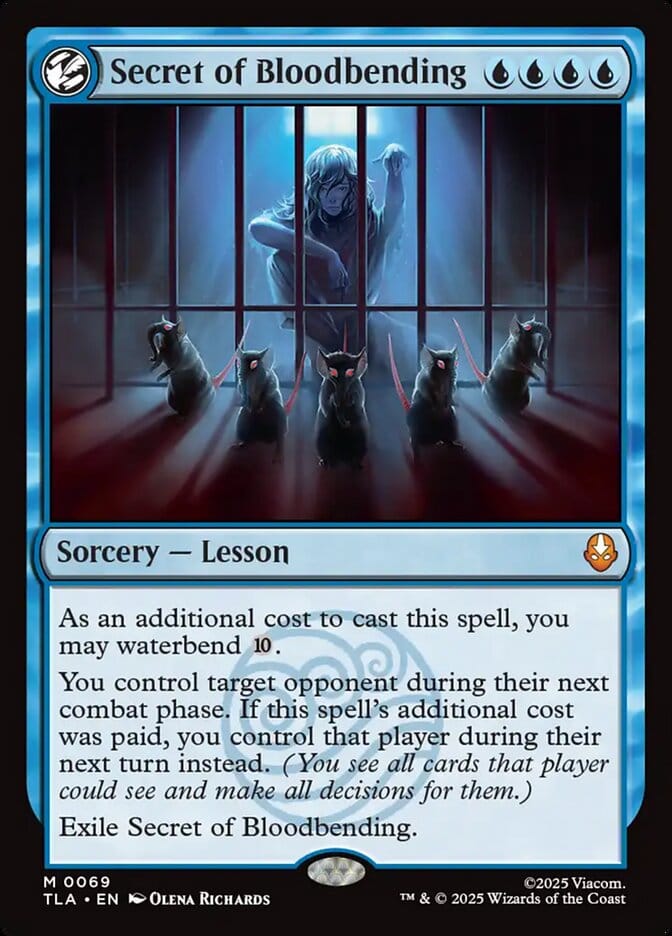
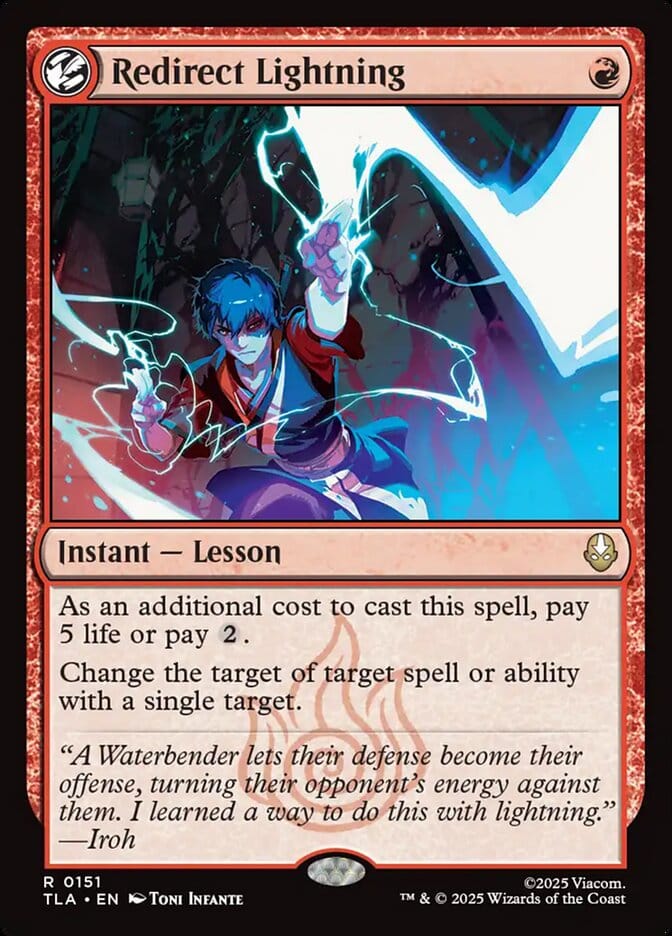
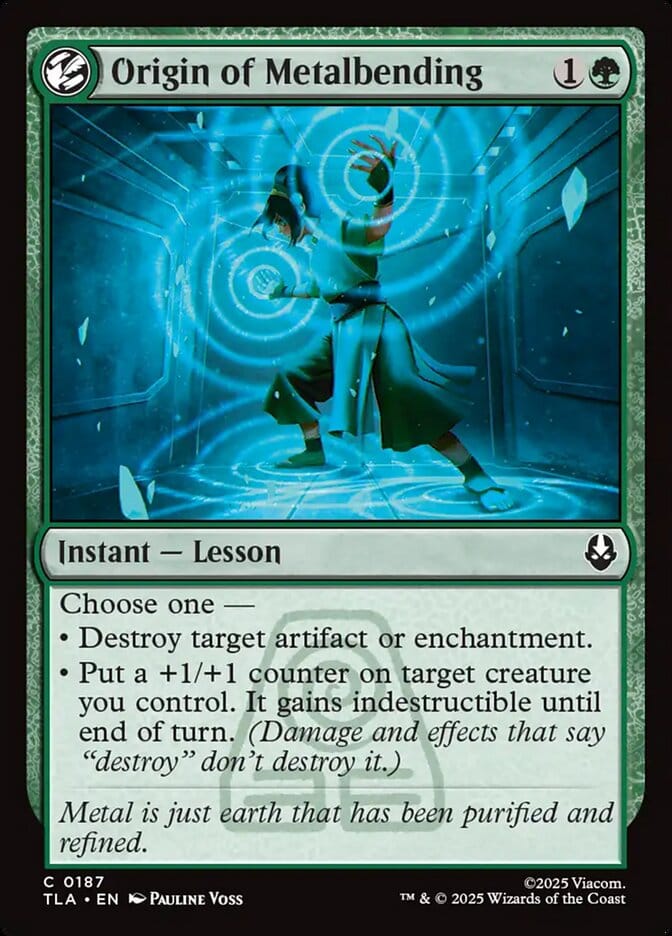
The gameplay for Avatar can be summed up as fun and powerful for limited decks. You can build synergistic decks that build themselves up or play strong individual cards that can turn the game around for you. The diverse strategies found within Magic are on display within this set. What it means to be in a specific color or color combinations comes through. If I'm playing some kind of red based deck, I know I'm the aggressor with the goal of killing my opponent as quickly as possible. Other decks would be trying to Airbend or remove my creatures to live long enough until the red deck runs out of cards. If you're new to the game, this set teaches you what the colors do. No matter what colors I end up in when I play this set, I am happy, and that's not the case for every Magic set. From a Magic: The Gathering design and mechanical perspective, this set is a masterpiece.
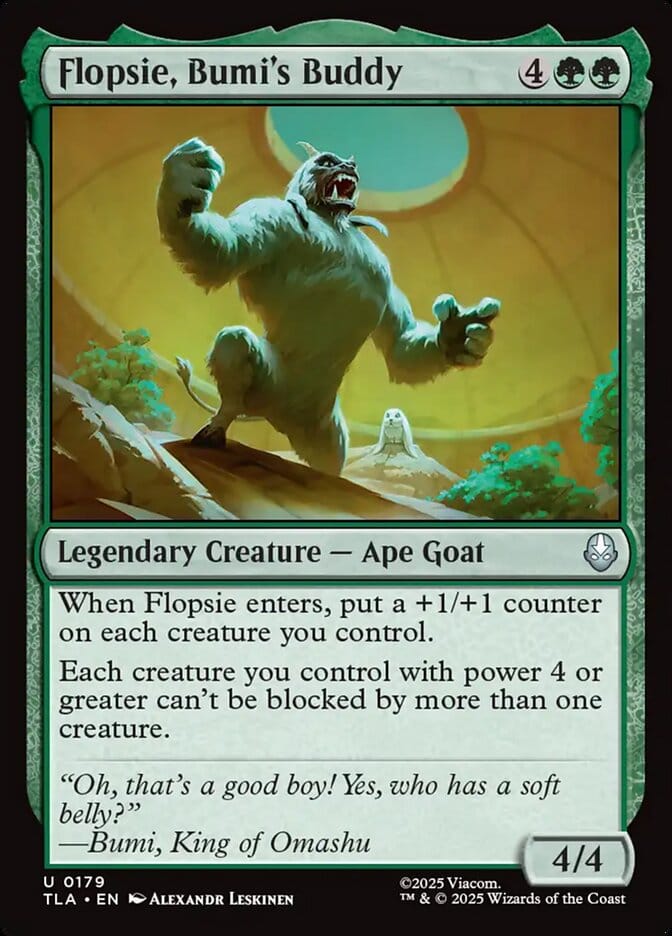
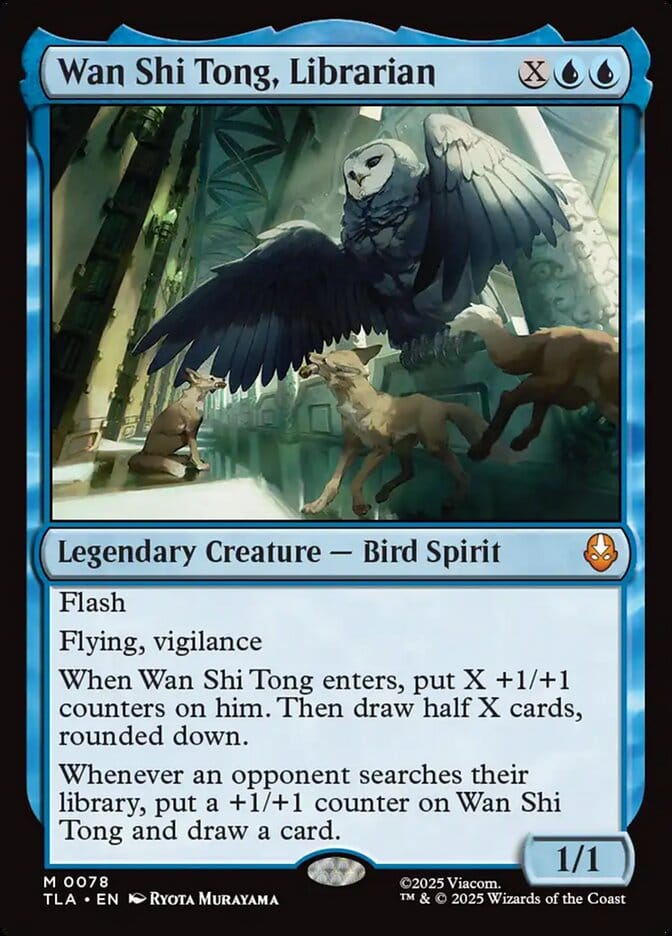
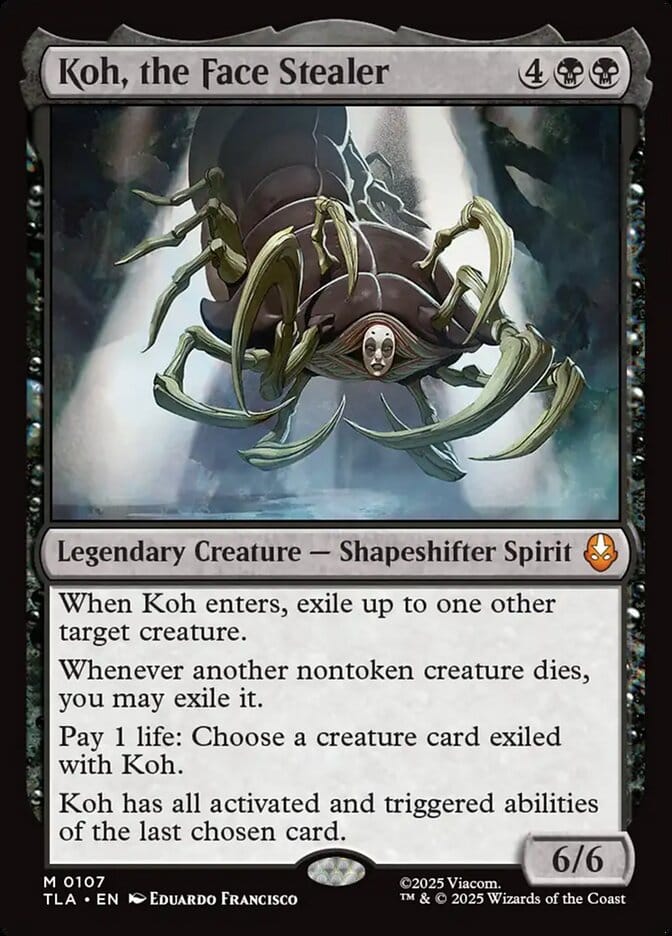
So I've been gushing about the Magic side of the set, so what about the Avatar: The Last Airbender side? Here's where I am much less of an expert. I have seen the show, but it was many years ago. I was surprised by how much of the show I could remember by looking through the cards. The use of Lessons and Allies seems thematically on point. Pushing your Firebending creatures into combat only to fire off a Lightning Strike mid fight is tons of fun. Even the more exotic bending styles make appearances on cards with Bloodbending and Metalbending.
This set does not have any Commander decks, which is a shame, but it does have a Beginner Box and Jumpstart decks. The main set is fairly complex and might overwhelm brand new players, but the inclusion of these other options mitigates that immensely. Both of these contain Jumpstart half-decks that let players mix and match them to play beginner friendly games of Magic. If you're looking to learn Magic and love Avatar, this set has kept you in mind.
Cons - Callous Inspector
I do have some criticisms of the set, not many, but small ones. When you translate other properties to Magic, not everything is a perfect thematic fit. Airbending and exiling permanents doesn't exactly line up, but I understand the intent. Airbenders delay and avoid, which is what exiling allows. In a similar vein, Earthbending is more akin to animating the land into an elemental type creature, but both use the land as their offense. I find it odd Waterbending uses artifacts, but I could be missing something. No notes on Firebending. :)
One of the other products on offer are the Avatar: The Last Airbender Scene Boxes. I don't think these are bad products; I just don't recommend them as much as the others. They also highlight a confusing aspect of these newer Standard legal sets. Cards in the Beginner Box, Jumpstart packs, and Scene Boxes can be Eternal Legal (TLE), not Standard Legal (TLA). If you're not playing in tournament Magic, this doesn't matter, but it's not readily apparent. A new player could find themselves with illegal cards in a tournament deck and not understand why.
Art/Artwork - Leaves from the Vine
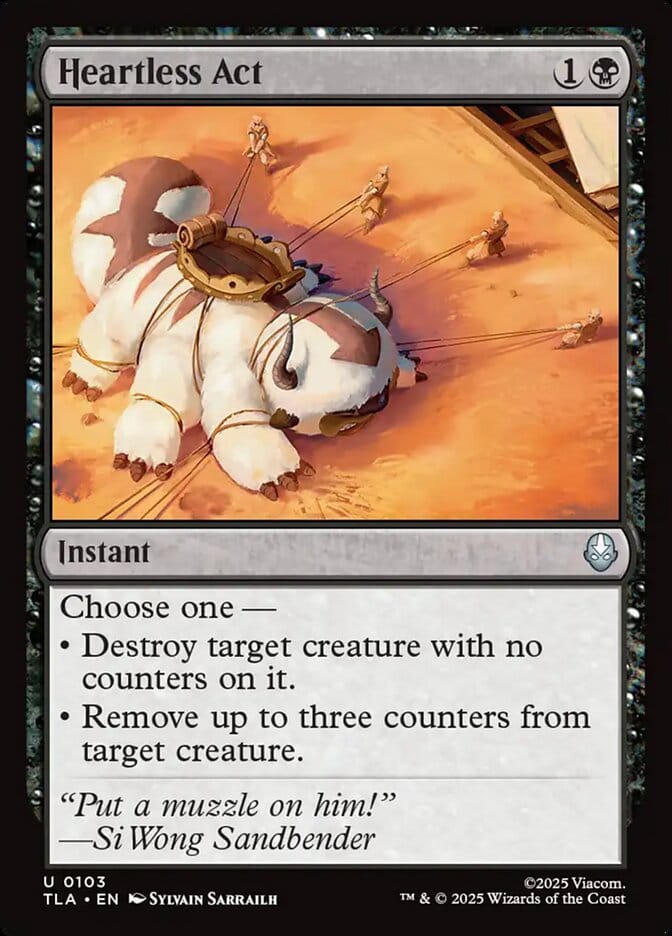
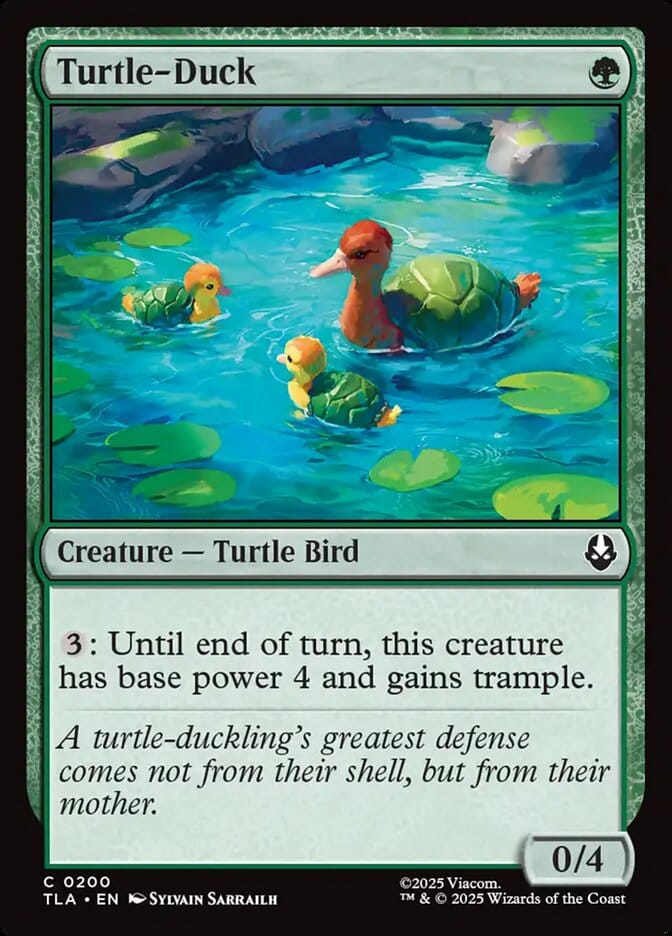
I know art is subjective, but I haven't been able to express why the artwork in the Avatar set works for me while the Spider-Man set does not. Maybe it is that the fantasy based world of Avatar just "feels" closer to Magic. If the artwork for a set is a window into that world, I want more windows for this one. There isn't a version of these cards that I think are bad.
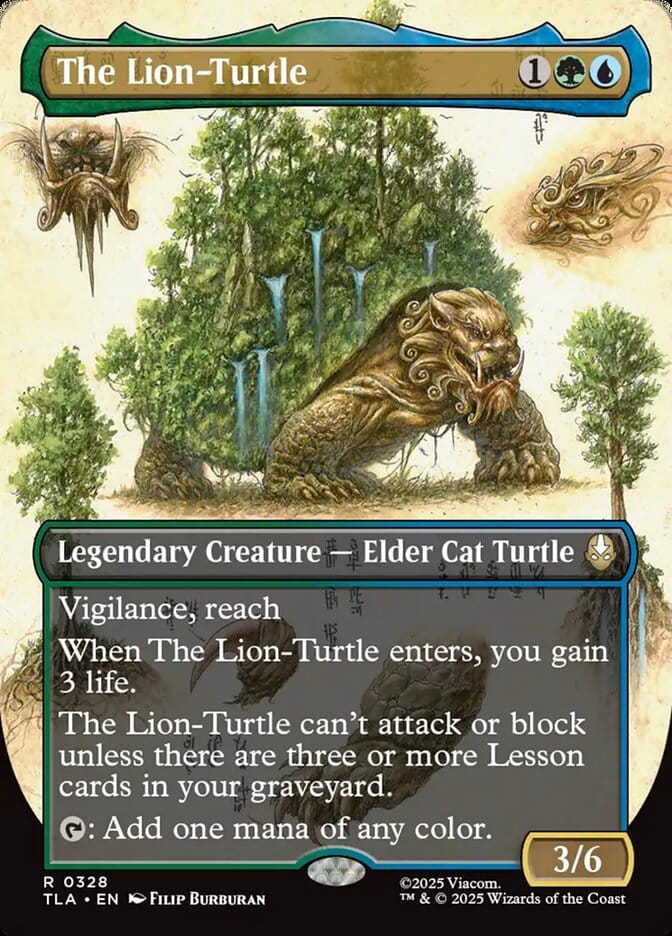
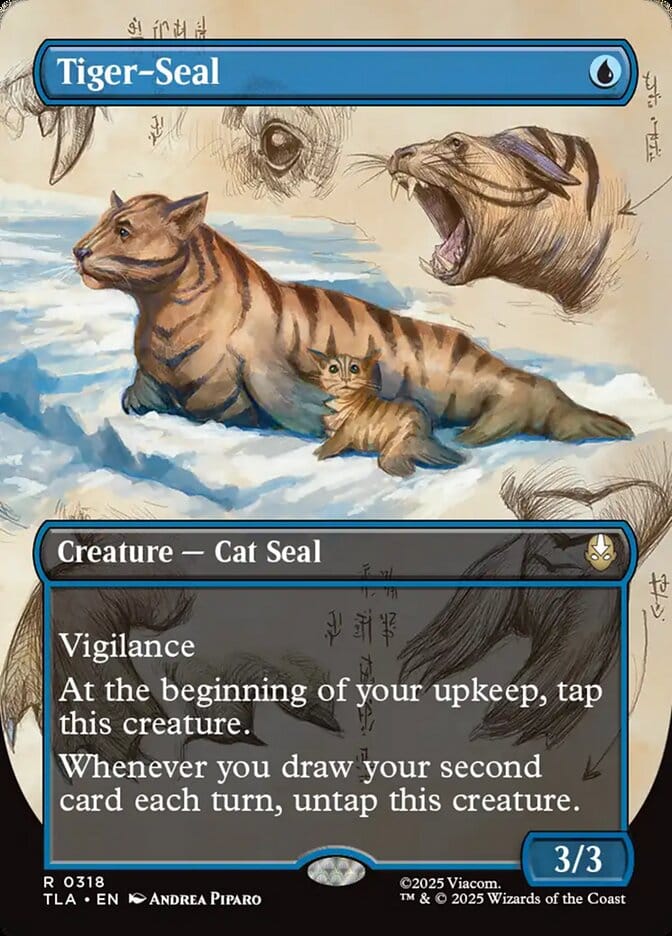
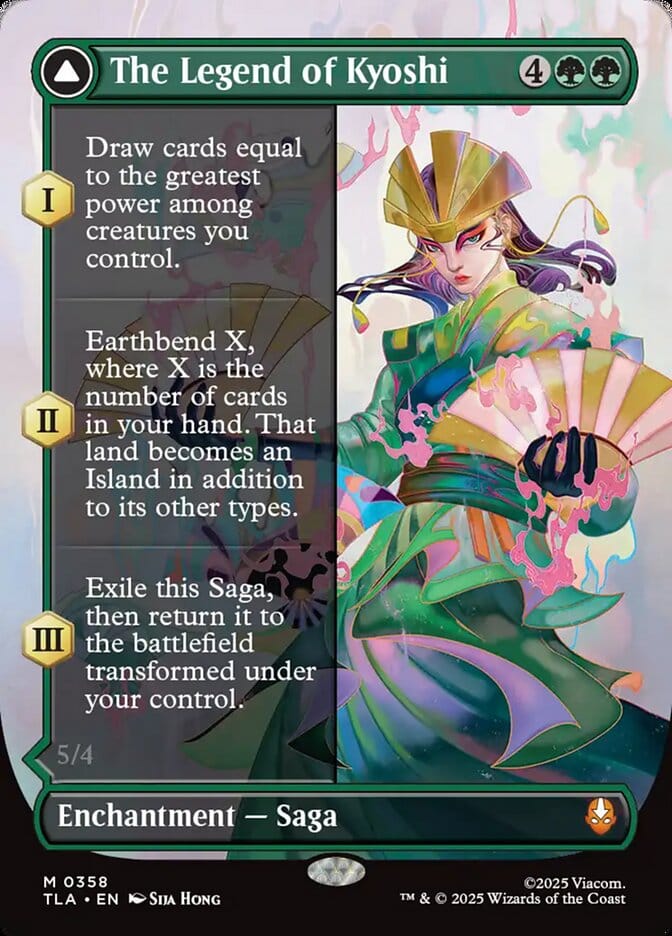
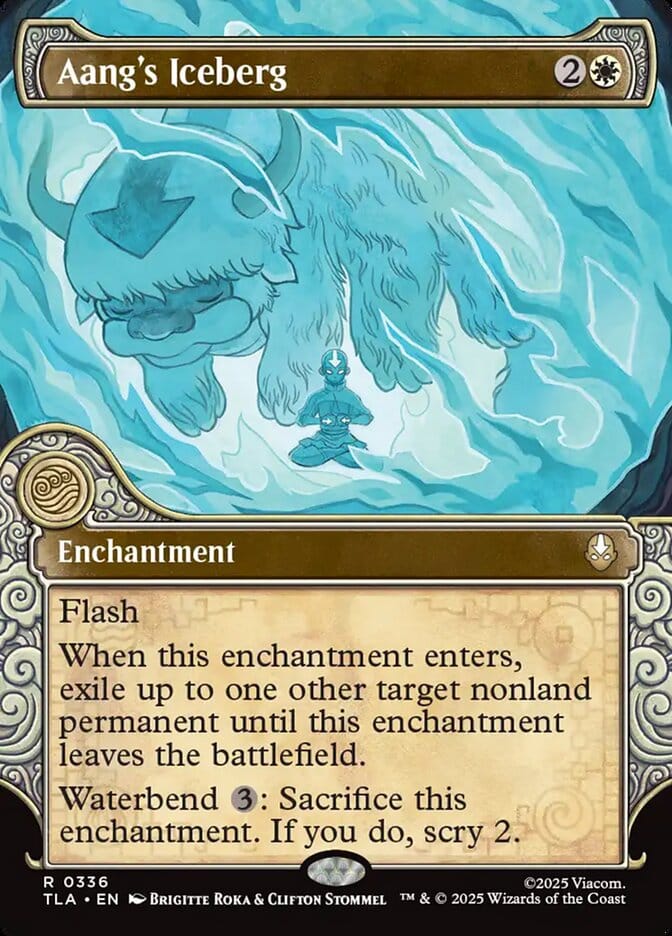
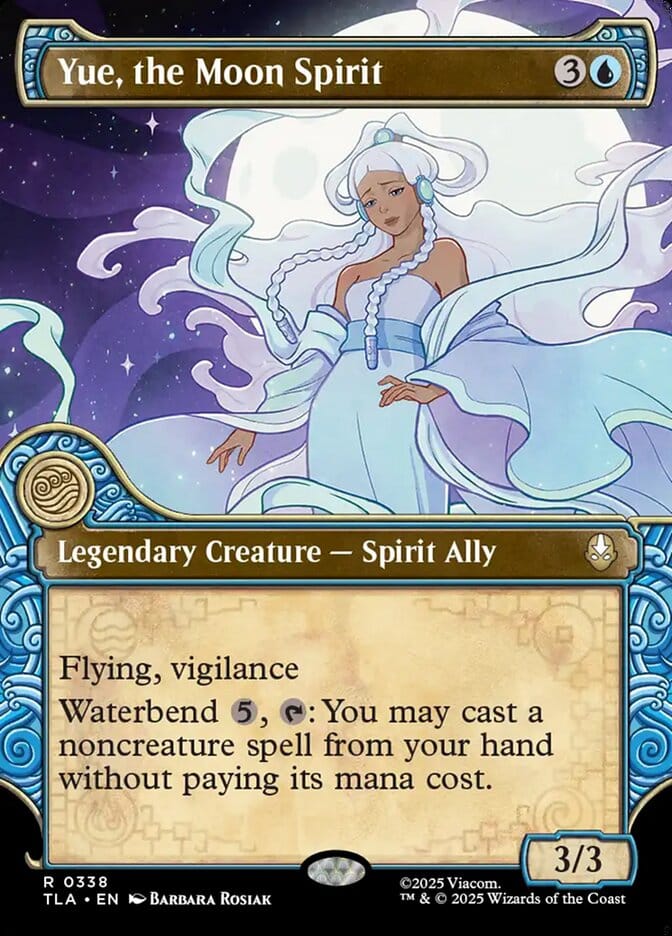
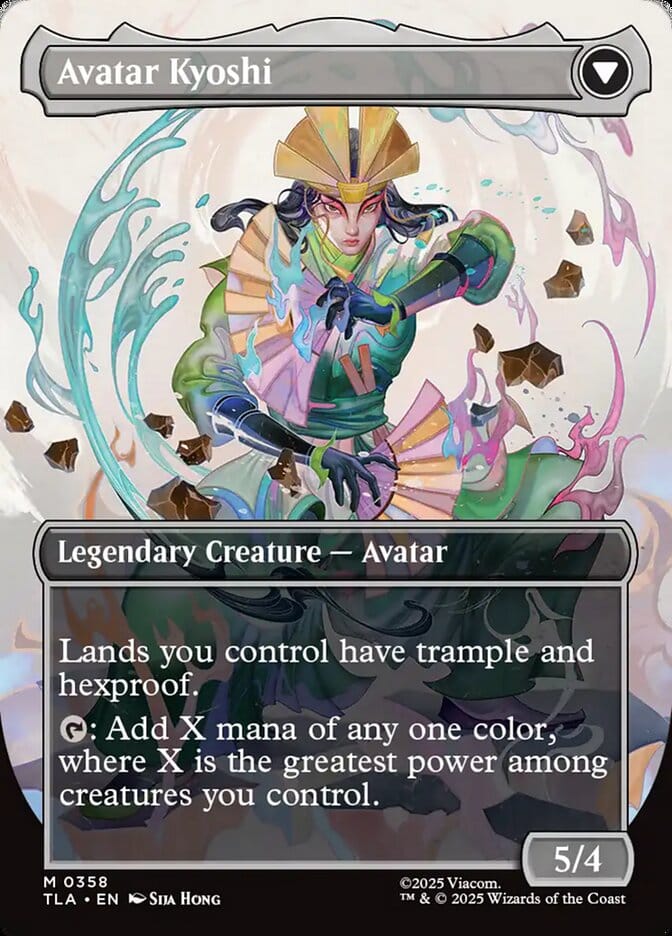
Alternate frames for Avatar: The Last Airbender
The one missed step here are the bonus sheet cards. Avatar isn't the first Universes Beyond set with a bonus sheet, and Wizards has been following a trend by using first party artwork. With Avatar, these are scenes from the show. Please stop doing this, these are bad. If anything, they show why Wizards' own artwork and card framing is the gold standard of TCGs.
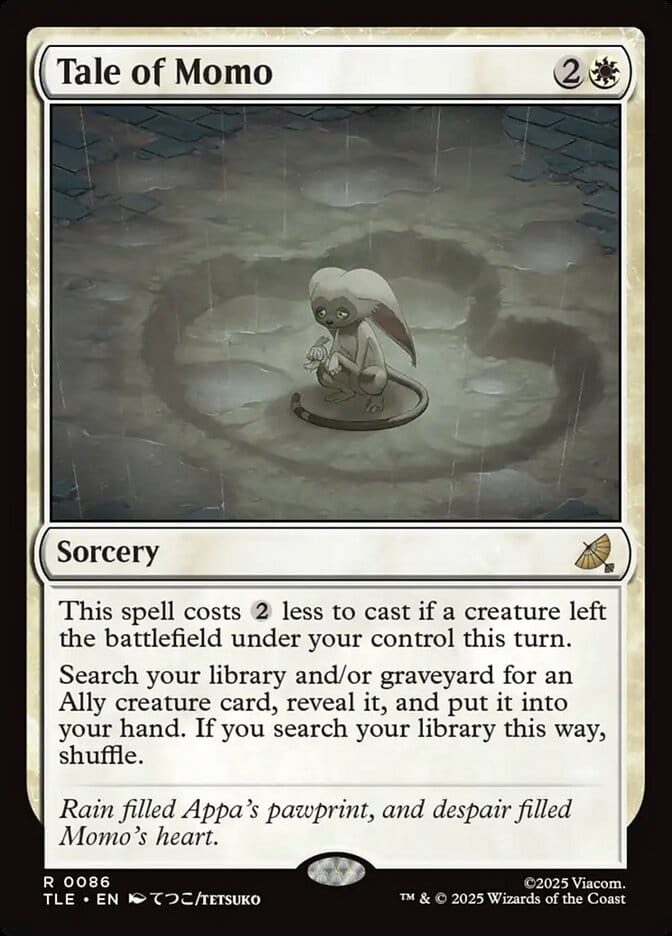
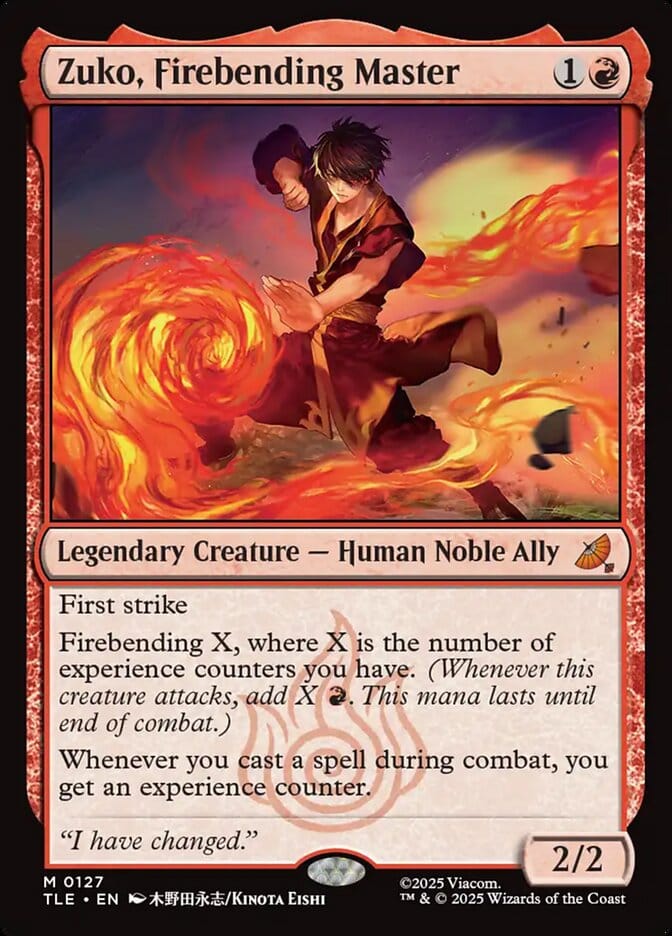
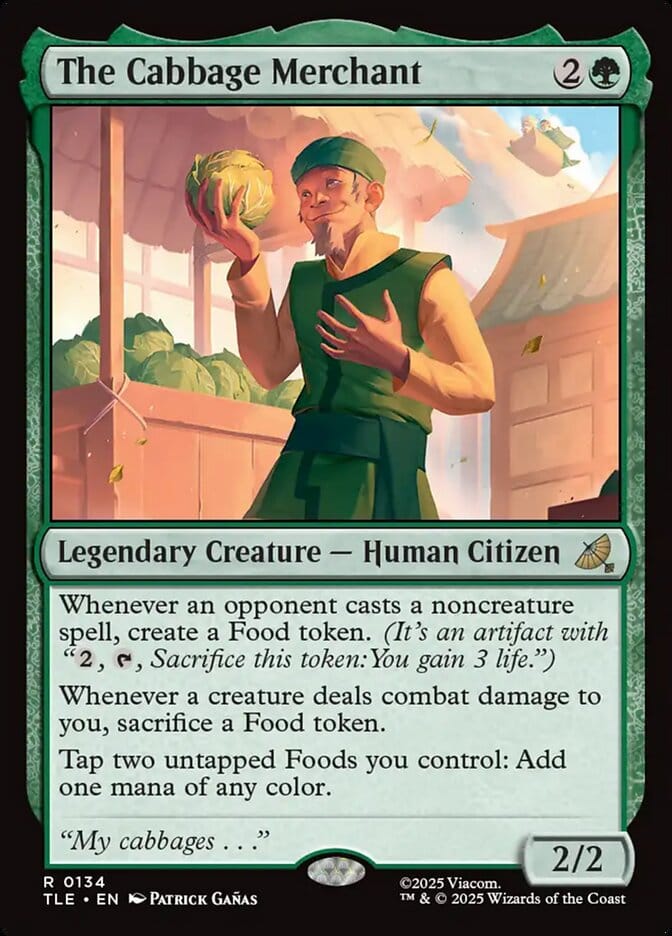
Can you tell that these cards aren't Standard Legal?
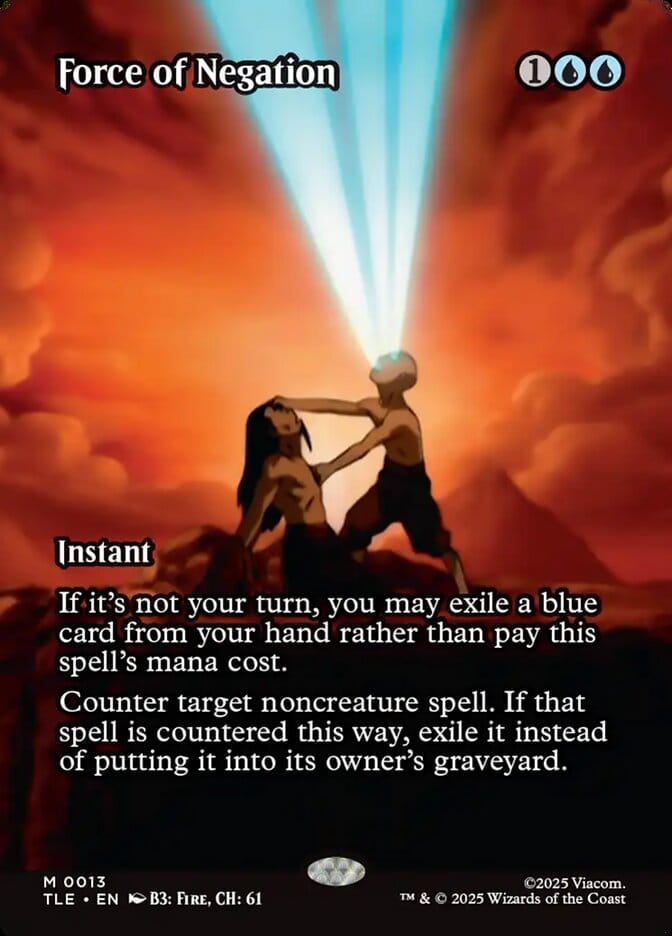
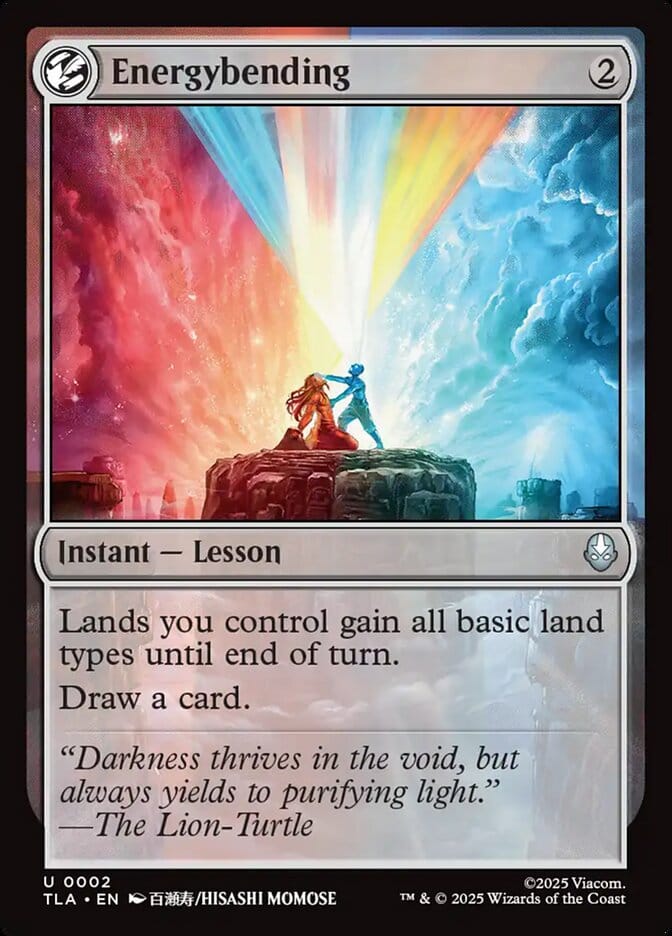
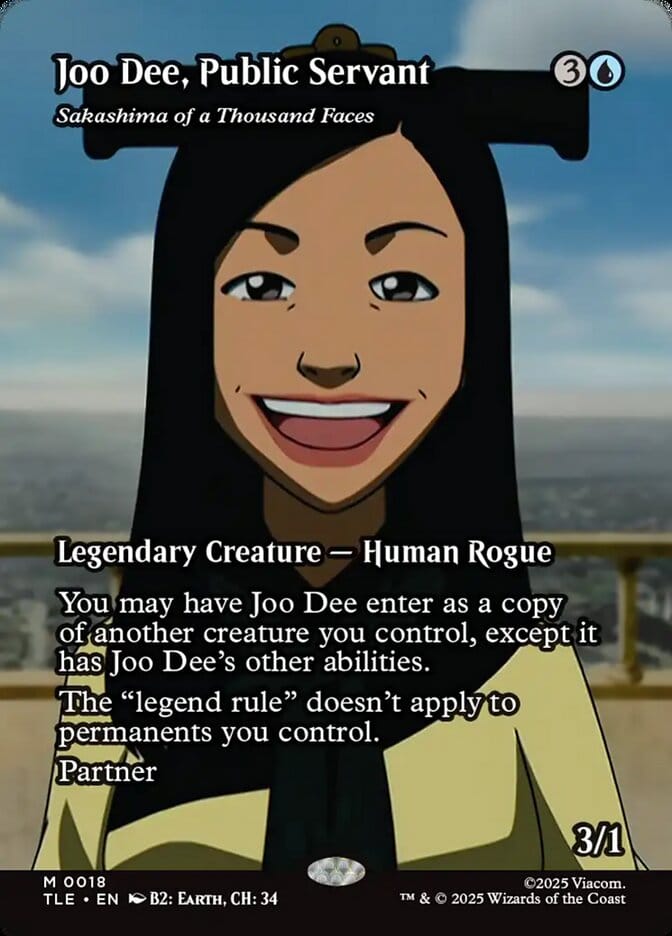
Force of Negation and Energybending depict the same moment. One of them is hand-crafted artwork and the other a screen capture.
Magic: The Gathering: Avatar: The Last Airbender
Excellent
Avatar: The Last Airbender is as perfect of Magic set as there can be. The mechanical design creates a Limited environment with a myriad of deckbuilding choices. The new mechanics are fun and powerful while also reflecting the beloved show. This set also masters the difficult task of being an entry point for new players while also offering interesting choices for veterans. I have a quibble with the bonus sheet artwork, but otherwise, the set features a beautiful window into the world of Avatar. Hands down, Avatar: the Last Airbender is my favorite set of 2025.
Pros
- A deeply layered set with many choices
- A powerful limited environment with fun gameplay
- Amazing Artwork
Cons
- Bonus Sheet artwork is bad
- Easily confused card legality (LTA/LTE)
This review is based on a retail copy provided by the publisher.