You might look at our audio reviews and think we only review the bleeding edge of audio, but that'd be false. There are plenty of more reasonably priced audio solutions that we use on the regular that deserve just as much attention, and today we're talking about one of them — the ZE3000SV from Final. Not focused on having every feature under the sun, the company is aiming at real-world use and acoustic engineering. Let's talk through how it went.
If you've not heard of Final, they've actually been around a while. Established in 1974, they began as a company working on internals for speakers, record players, amplifiers, and much more. With help from parent company Molex (yes, the company that makes connectors for a wide variety of use cases, including many inside of computers of all sizes, such as the 4-pin power connector), Final re-formed as a new company, and since 2009 they've focused exclusively on excellent audio and the components that bring it to life. Based in Japan, this company knows and understands great sound. With that pedigree, they have launched numerous headphones, in-ear monitors for studio work, VR earbuds, and innumerable earbuds like the subject of this review — the ZE3000 SV. With a bit of history under our belt, let's dig in.
Design and Build Quality
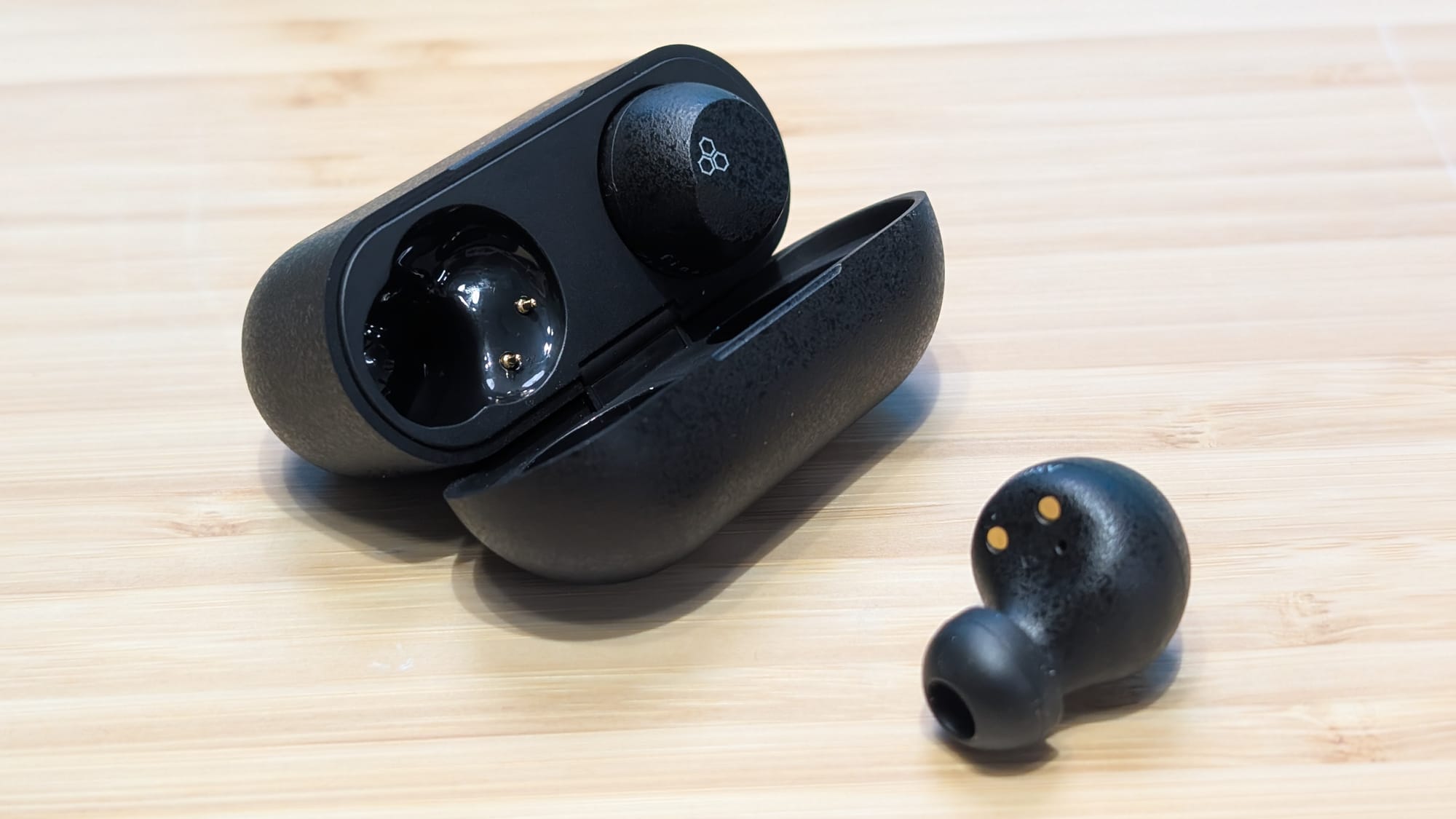
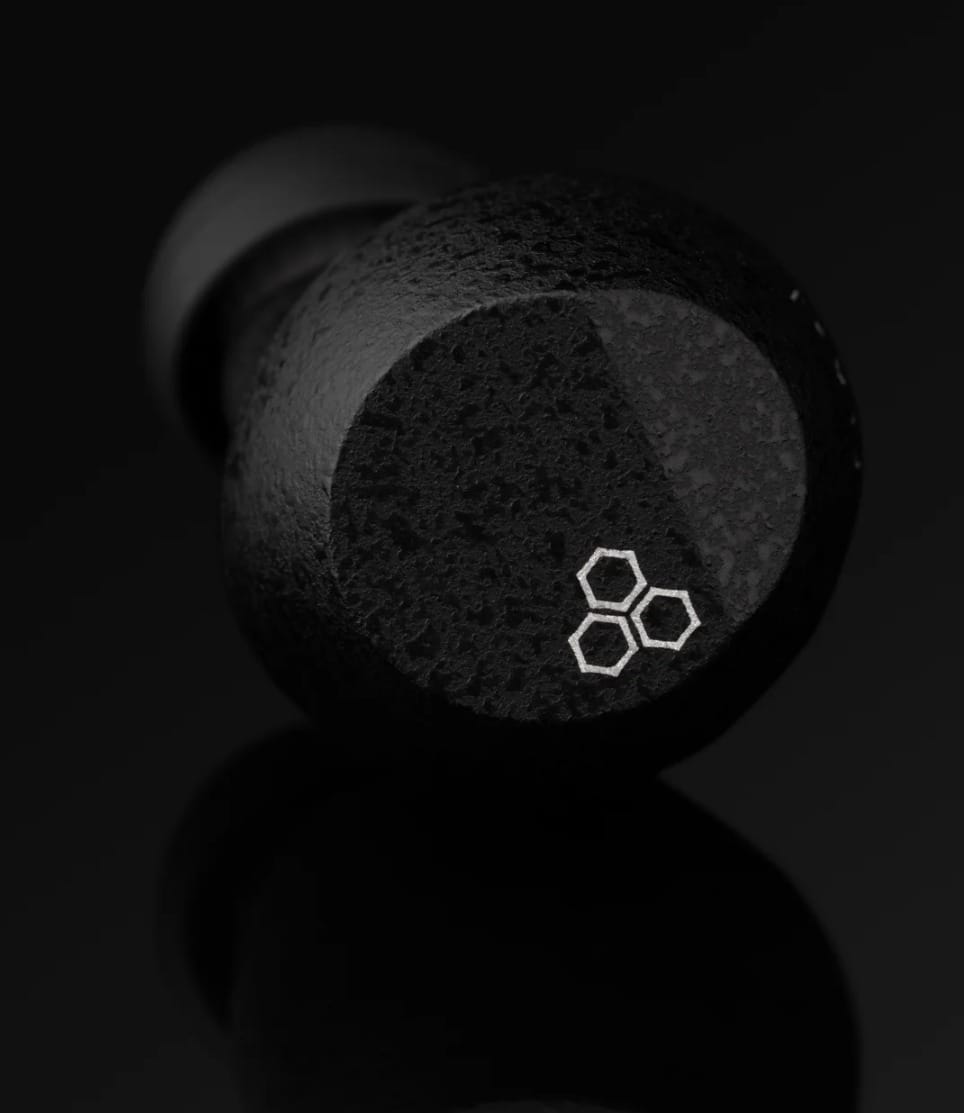
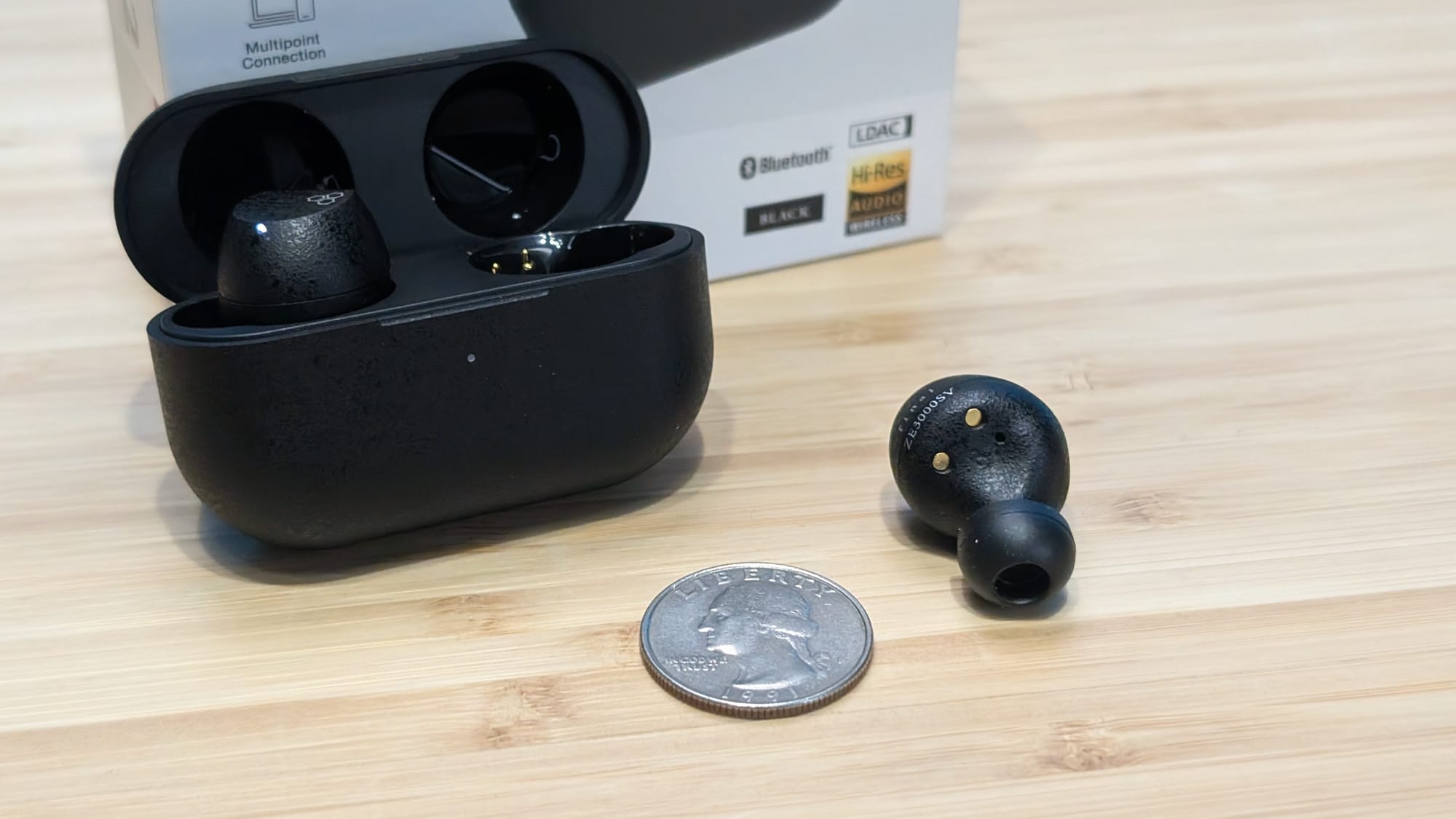
Final’s design language is unmistakable. Like the honeycomb symbol they put on their gear, their devices usually carry an obtuse angle somewhere. The ZE3000 SV is probably the most restrained I've seen, as it only has one slight flat corner that makes them easier to grab. They're otherwise fairly unobtrusive, with the micro-electronics residing inside a rounded end that rests comfortably in the ear canal. They are matte black with a stone-like texture to it that resists fingerprints, helps with grip, and feels premium without resorting to gaudy and shiny bits to attract attention. Unless I miss my mark, the texture is inspired by Shibo, the unique texture that mimics the texture on a traditional lacquered cloth eboshi hat. It's a nice touch of culture where I didn't expect it to be, and the coating is as pleasing to the eye as it is to the touch, but also hides fingerprints, resists scratches, and feels subtly luxurious.
Picking them up, you can tell that they have enough heft to where they don't feel cheap, but they're not heavy in your ears either. They also don't feel like they're so light that they'll fall out on a solid run — they're "just right" at 4 grams each. They're also IPX4 water resistant, uses a Type E tip to create a secure ear-seal, and tuck into a slim charge case that my wife assures me fits in her "useless" pants pockets, also assuring me that ladies will understand.
Comfort
Earbuds are a very personal thing, so my experience might not match yours. That said, most earbuds fit me comfortably using the standard tips that ship with them. I've been using the ZE3000 SV for the last few weeks and have found that the Type E creates a very comfortable and secure ear-seal, but without causing any pressure buildup. They don't create a suction on the way out either, meaning they fit properly.
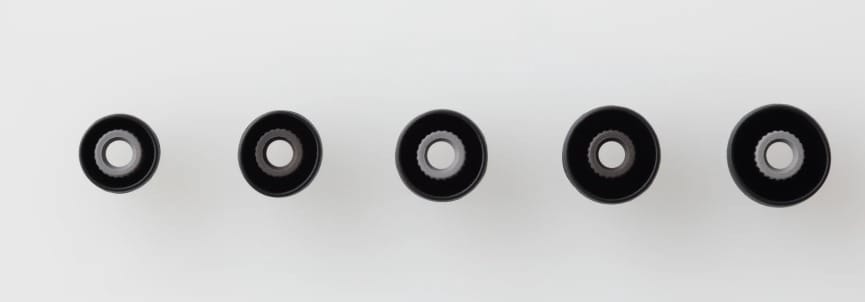
If the standard earbud tip is not to your liking, the team has also included five additional tips to help ensure you've got a clean fit. These tips are the same rubber material, but they are comfortable and should provide a clean fit without adding pressure in the same way the default ones do.
I tend to wear earbuds often while I work out, fly, or take care of chores around the house. I'm happy to report that I didn't encounter any soreness even during multi-hour listening sessions. They don't feel like they "plug" your ears, so if you're especially sensitive to that issue. I tend to wear lightweight earbuds when I play in VR, and again the ZE3000 SV came in clutch with its robust audio cancellation, but we'll come back to this specifically when we talk about audio quality.
Specs and Connects
As I mentioned earlier, the Final ZE3000 SV it not filling the back of the box with every feature under the sun, but they do hit the ones that matter. They have Active Noise Cancellation (ANC), feature multipoint (which is to say you can connect to a laptop and a game console simultaneously without shutting down one or the other), have spatial audio in the form of SBC, AAC, LDAC, Qualcomm, aptX, and aptX adaptive, the latter two of which providing low-latency and auto-correcting signal quality to ensure it can handle a crowded wireless signal space. It even supports either Japanese or English Voice Guidance, and they even have touch controls — single tap for play/pause, hold on the left for skip back, hold on the right for skip forward, double tap left for audio down, and double tap right for audio up. You can also use them for answering calls with tap controls – tap to receive, double tap to end, and tap and hold to refuse a call. Firing up Siri or Google's assistant is a triple tap when music is stopped. For a company not focused on features, these are robust! Let's get connected and see more.
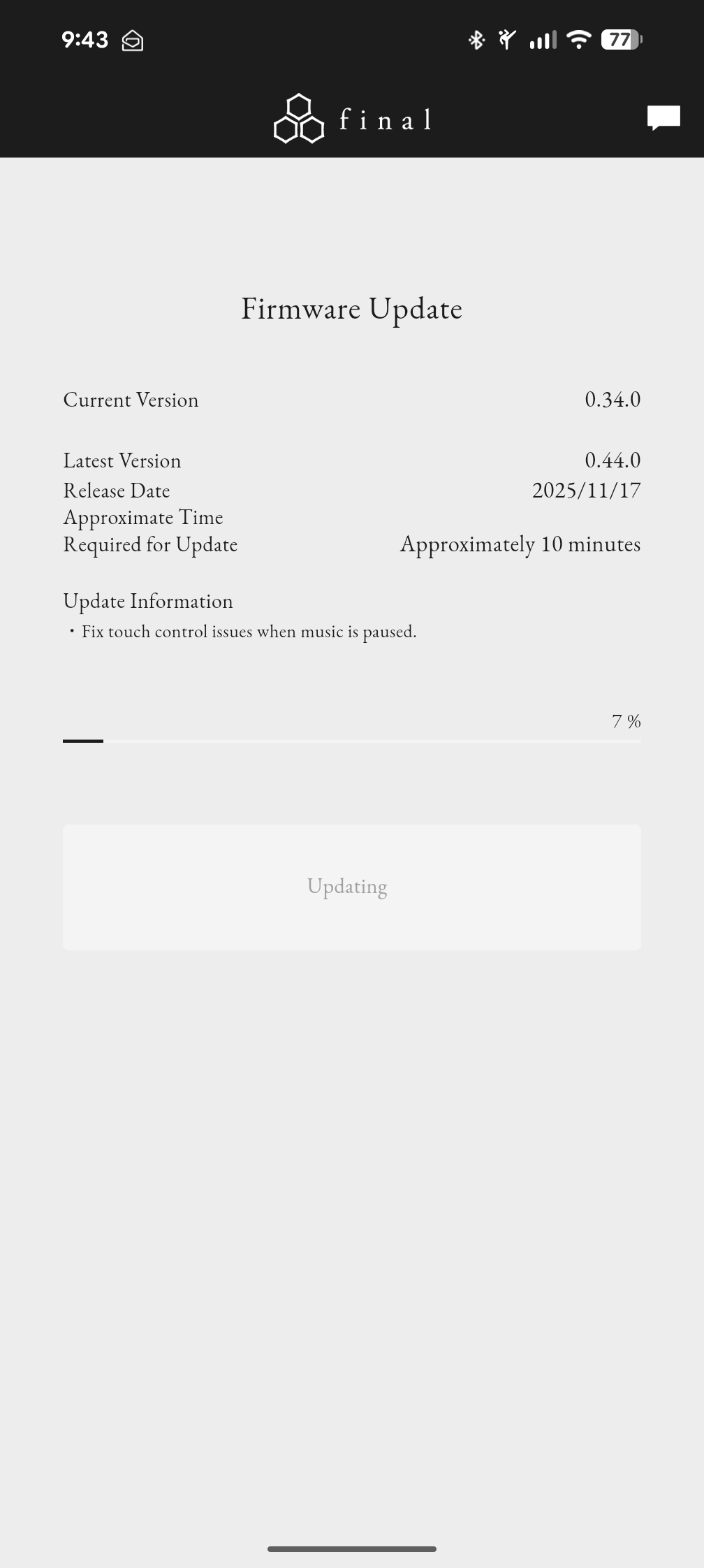
Using the Final CONNECT app, you'll click the device you're using (with a picture of it, so you can be sure), and then you'll be greeted by a very welcome sight — instructions on how to pair! In this case, it pairs with your normal Bluetooth settings with the name "final_ZE3000 SV" — no mystery name here. After connection, you'll see the app spring to life, showing you simple navigation to enable the Noise Cancellation, app-based 7-band EQ, turn on "Gaming Mode" (more on that in a few), Multipoint Connection (LDAC requires very high data throughput for high-resolution audio, and splitting it is not supported on devices at this price point), as well as firmware updates. The app will tell you it takes ten minutes to do an update, but they're being conservative — it took less than half that.
Patched and ready, you'll find that these last around 7 hours of constant use before needing a charge, with the case carrying 28 hours of additional charge. In practice, I have earbuds that hold more juice, and I have cases that hold more and recharge faster, but they also cost a third to double the price. These are consistent, and they don't seem to take much of a hit at all from having ANC engaged.
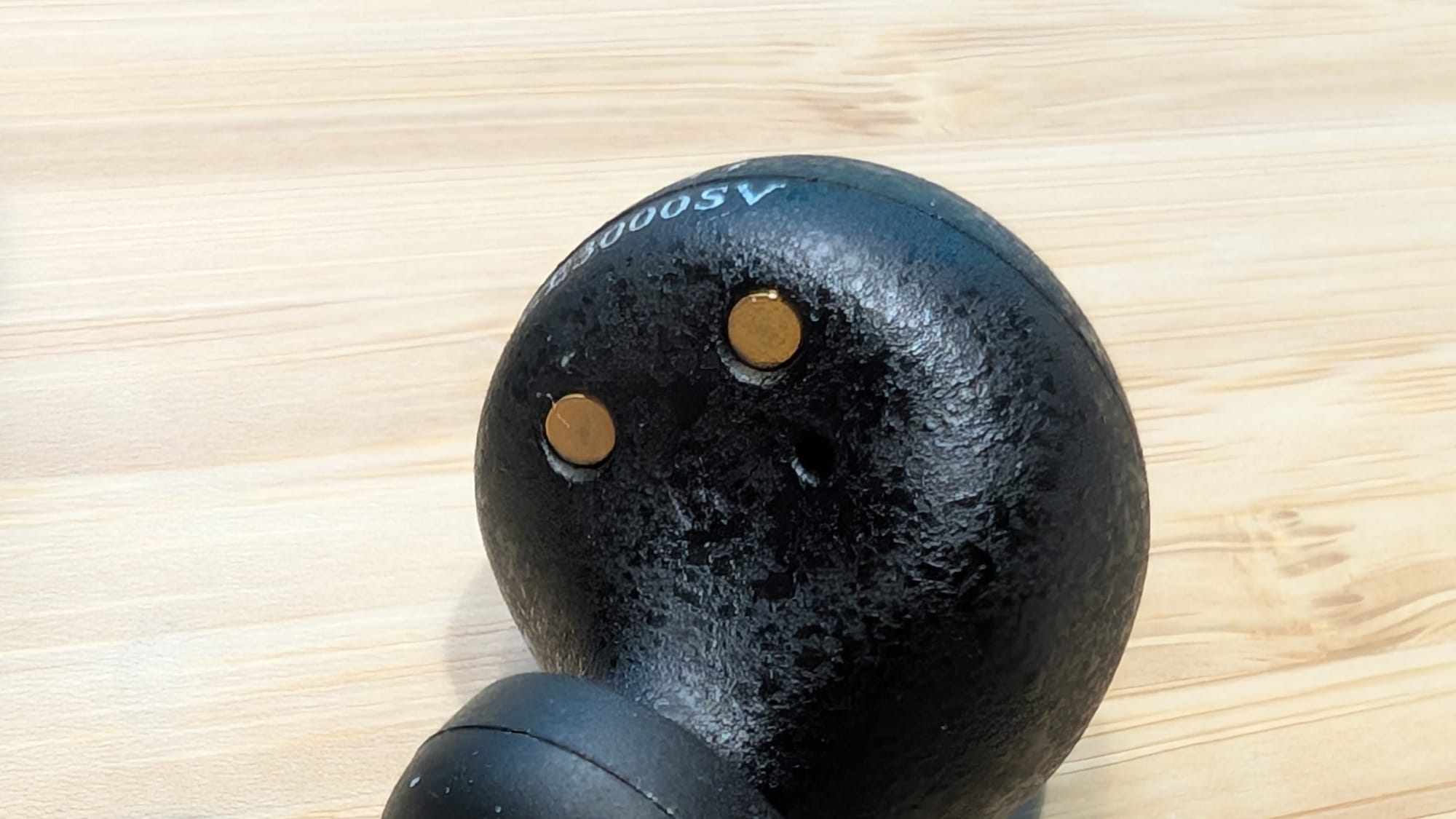
At this price point you can't expect to find wireless charging, and the ZE3000 SV does not buck that trend. Using an included USB-C cable, you'll charge these devices via the case, with its port on the bottom of the device.
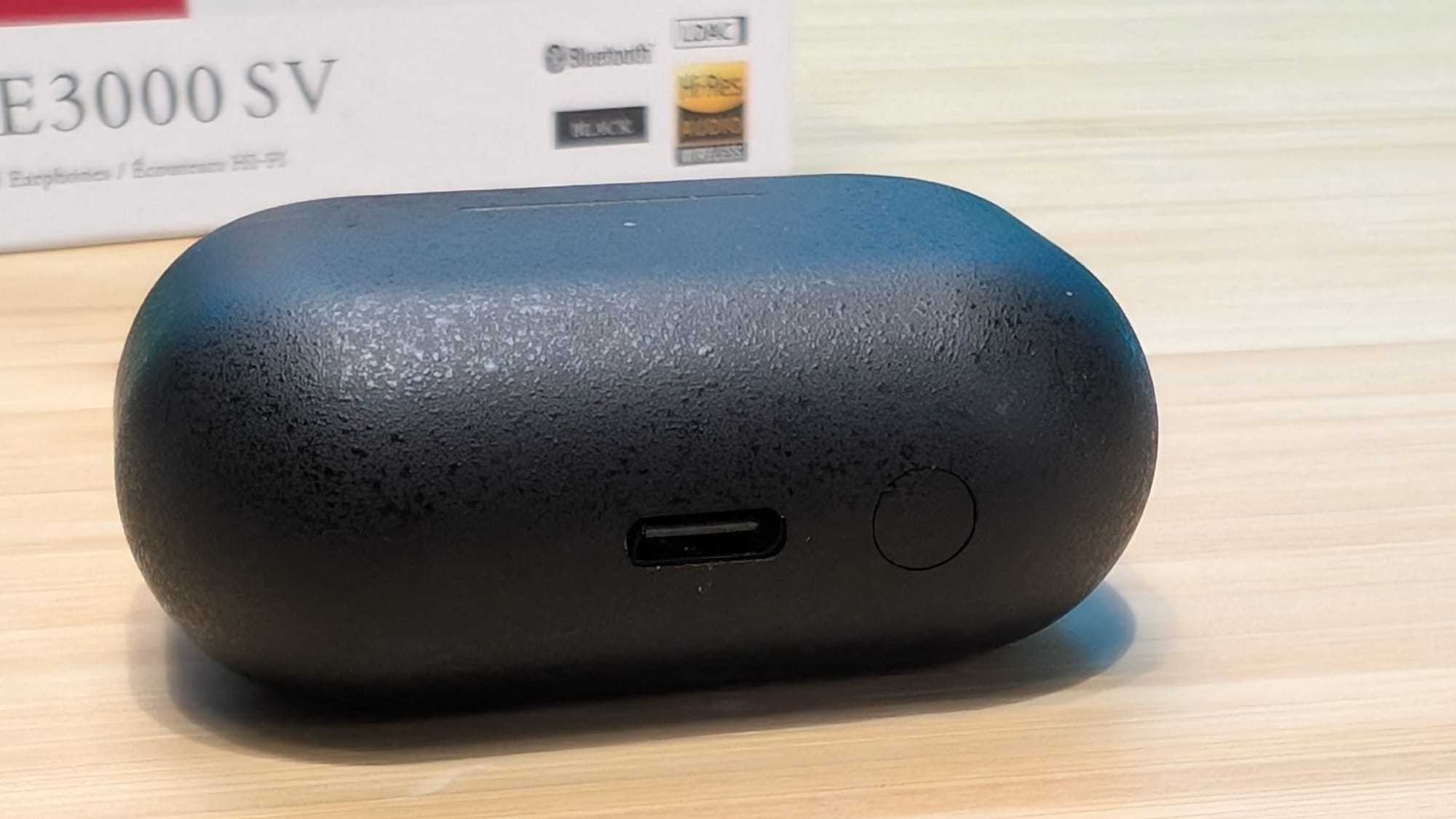
Charging time for the earbuds is quick. They charged to full in roughly an hour and a half, granting me another full 7 hours of listening time. I made a point of just charging to full over lunch and that'd take me all the way through the day every time — I ran out of juice before they did.
Back to the ANC settings, there is more to noise control than I expected. Rather than just being on or off, these remove the ambient noise, making the audio you're listening to clear and robust while removing ambient things like road noise, jet engine hum, or other loud sounds. What's interesting, however, is that it doesn't just remove ALL sound. Dubbed "Comfort ANC", this mode won't be quite as silent as more conventional ANC, but for anything less than plane noise, it worked remarkably well. Planes are extraordinarily noisy in the cabin, so I found myself carrying other earbuds when I fly.
What I like about this Comfort ANC is that, if you aren't playing music, you can still hear people talking to you. It's a little muffled, as you'd expect after processing, but you absolutely can hear people talking around you, if you wish. Wind Cut is useful when the air is whistling past your head, such as riding a bike, but again without losing all of the sound around you. Unless I'm mistaken, it cuts down the audio pickup being pulled in by the microphones. Ambient Sound doesn't just turn off active noise cancellation, instead allowing you to hear both things simultaneously, allowing you to tune your audio to hear both — perfect for a work environment where someone might need to grab your attention. You also have "Off" which, as you imagine, goes into passive mode. This mode will maximize your power, but I'd rather have some ambient reduction in just about any situation.
Gaming Mode is important for ensuring you don't lose any synchronization while gaming or watching a movie. Turning this mode on works to reduce latency, getting it all the way down to just 60ms, which makes any lag imperceptible. More expensive earbuds might employ aptX Low Latency, which allows you to achieve as low as 30ms (with a range up to 100ms), but the average is somewhere between 100 and 300. Here, we have atpX and aptX adaptive in a price range 1/3 of where you'd expect this tech to appear. A latency between 100 and 300 is perfectly fine for audio playback, but not great for watching video where lip sync will stick out. Why wouldn't you enable this all the time? This additional bit of processing will eat up some battery life, though in my testing, it only reduced it by an hour. Your mileage may vary, and depending on how long you listen in any one sitting, it might not ever affect you.
The one downside of the software is the 7-band EQ. You can either turn it off, or you can enable "Custom" to adjust the frequencies from the bottom (62.5) to the top (8k). The problem is that most folks don't have a clue what they're doing here — having some guidance presets to start from would go a long way to ensuring that the devices are tuned to pull the best possible sound out of them before user adjustments. It's a minor nitpick, but most people aren't going to want to spend their time in here for very long.
Processing – the V-shaped problem
There are folks out there who will tell you that scratchy vinyl sound is the best sound in the world. There are those who will argue that stripping back the pops and snaps and raising the quality of the audio gives us the richness of the instruments as intended. One thing I know for certain -- a great recording will sound great on almost anything, and a bad recording will sound bad on everything. The problem most audio gear will have is V-shaped tuning. Let's get into what that is.
The frequency response on audio gear is split between the left side (bass) and the treble (right side). When you elevate both, while leaving the midrange (center) lower, the curve looks like the letter V. That's boosted bass and treble and recessed mids, creating an energetic and punchy sound that is pleasant, but inaccurate. Companies use it because it's a more "detailed" sound (though it's artificial) and also punchier, brighter, and easier to tune. Its closest analog would be turning up the contrast and saturation on TV — you can see more detail, but the colors are more washed out than they are accurate. There's nothing overtly wrong with it, sounding impressive on a short demo, but if you know the music in question and have heard it played in person and with real instruments, you'll immediately know the difference. So, what does the ZE3000 SV do differently?
The Final's drivers in the SV3000 SV are engineered to reduce distortion while maintaining natural timbre, and it shows. The signature sound doesn't sound "too clean" or "artificial", instead preserving the layers more cleanly. It doesn't carry the unnatural processing and has a sound signature more akin to a wired headset or in-ear-monitors you'd find in a recording studio.
The other side of the audio signature coin is that you do lose some of the punchy, rattling bass some devices have, but instead you're trading for a more authentic sound. It won't rattle the fillings in your teeth, but it does carry a very solid thump as the sub-bass is present, but not artificially boosted. You're getting realism over hype.
Ultimately without artificially punching the bass and treble, the star of the show becomes the midrange. Without needing to compete with the highs of the "v", you end up with a far more realistic and clean vocal track. It lets the instruments that lie in the midrange (guitars, saxophones, piano, violins, trumpets, snare drums, and vocals) have their moment in the sun without becoming harsh or distorted.
Without the V shape, voices in calls can sound somewhat quiet, though clearer. The V shape would punch up the overall sound, if not the quality. If you're taking a lot of calls with these, you might find yourself pushing your volume higher than you would normally if you're in a loud or noisy space.
A new driver
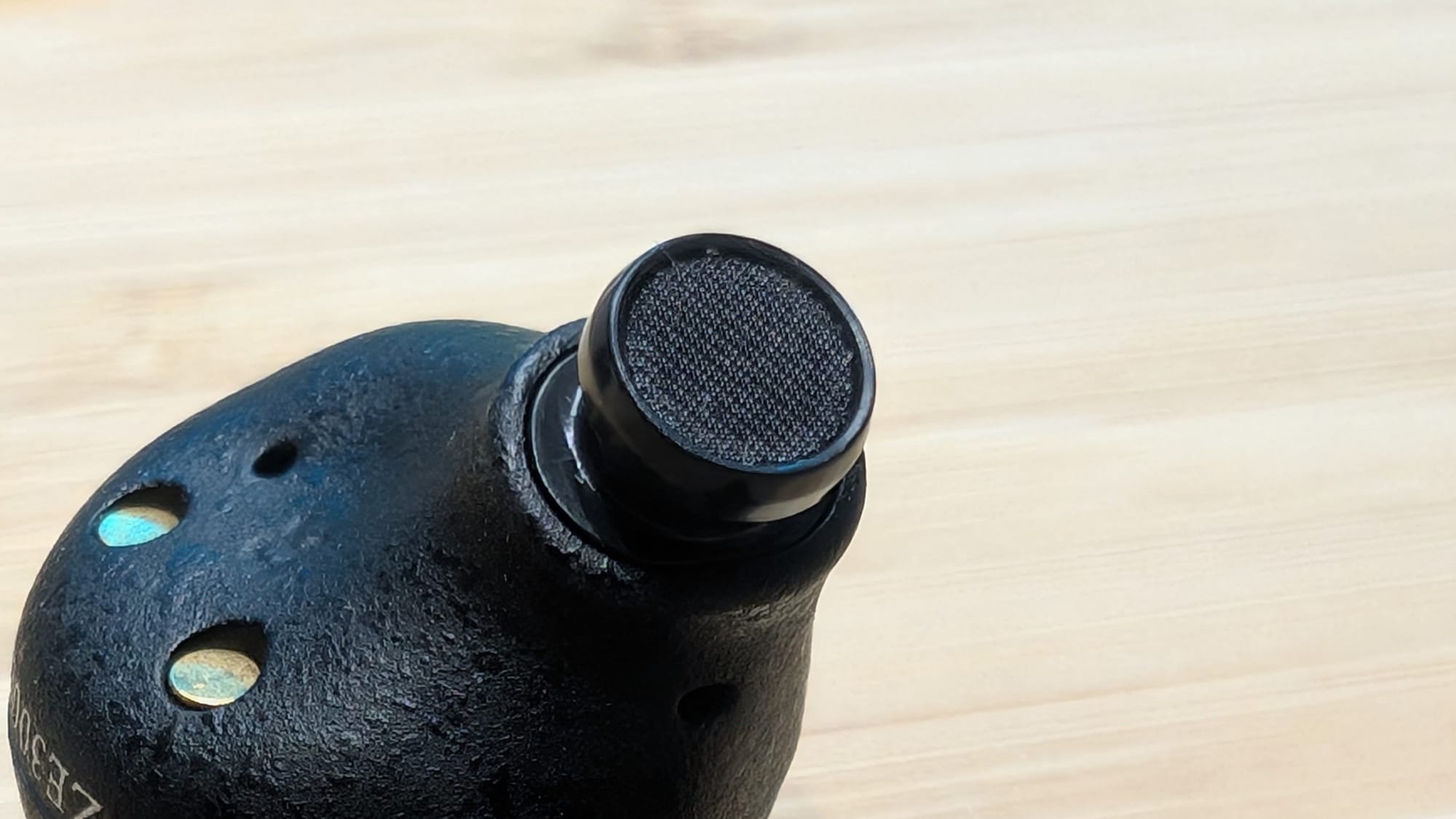
To provide that warm and whole sound, Final designed an entirely new driver, expanding from their previous-used 6mm driver to a larger 10mm one. This allows for a little more movement by the driver, and with less effort. This results in a deeper and more powerful bass response, higher overall efficiency, and better dynamics with less distortion. This new "F-Core SV (Ef Core)" uses the same approach you'd find in larger audio devices, utilizing the acoustic space inside of the earphone housing for movement rather than simulating it.
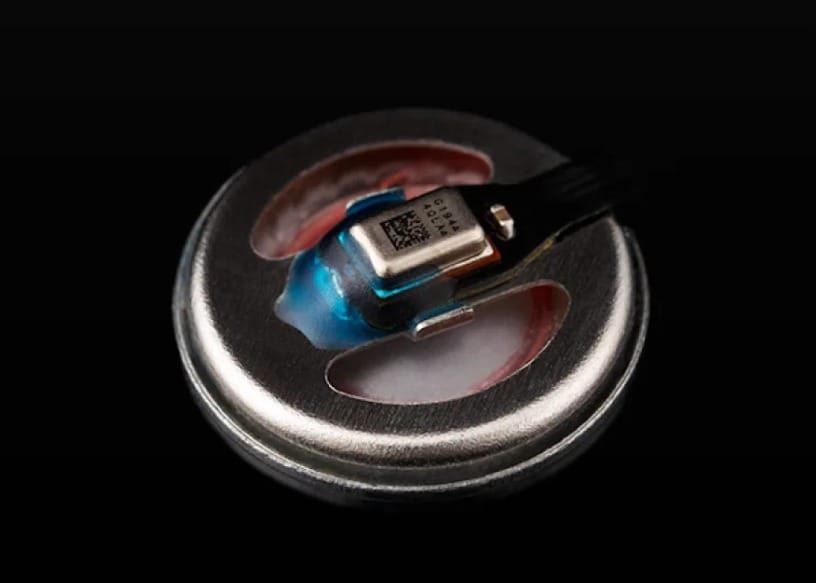
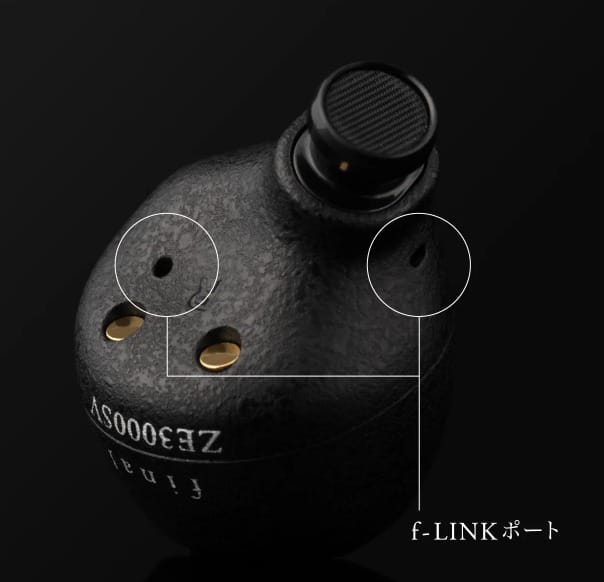
This new driver is paired up with a pair of ports you'll find on each earbud — the "F-Lik port". These ports optimize the pressure of the device without creating pressure inside the ear. This pairing is, quite frankly, a marvel of engineering, and you can truly hear (and feel!) the difference. This is far better quality than you'd expect out of an earbud at this price range, punching well above its weight, thanks to this new F-Core SV driver.
Value and Warranty
Any of our hardware reviews end in the same place — warranty and price. The price on the Final ZE3000 SV is, at the time of writing, $108 on Amazon, making them among the lowest cost high-quality hardware before you dip into things closer to their flagship device — the ZE8000 which will set you back $239. That gives these an incredible value as the only trade-offs are vastly outshined by the extraordinary audio quality offered up by these earbuds.
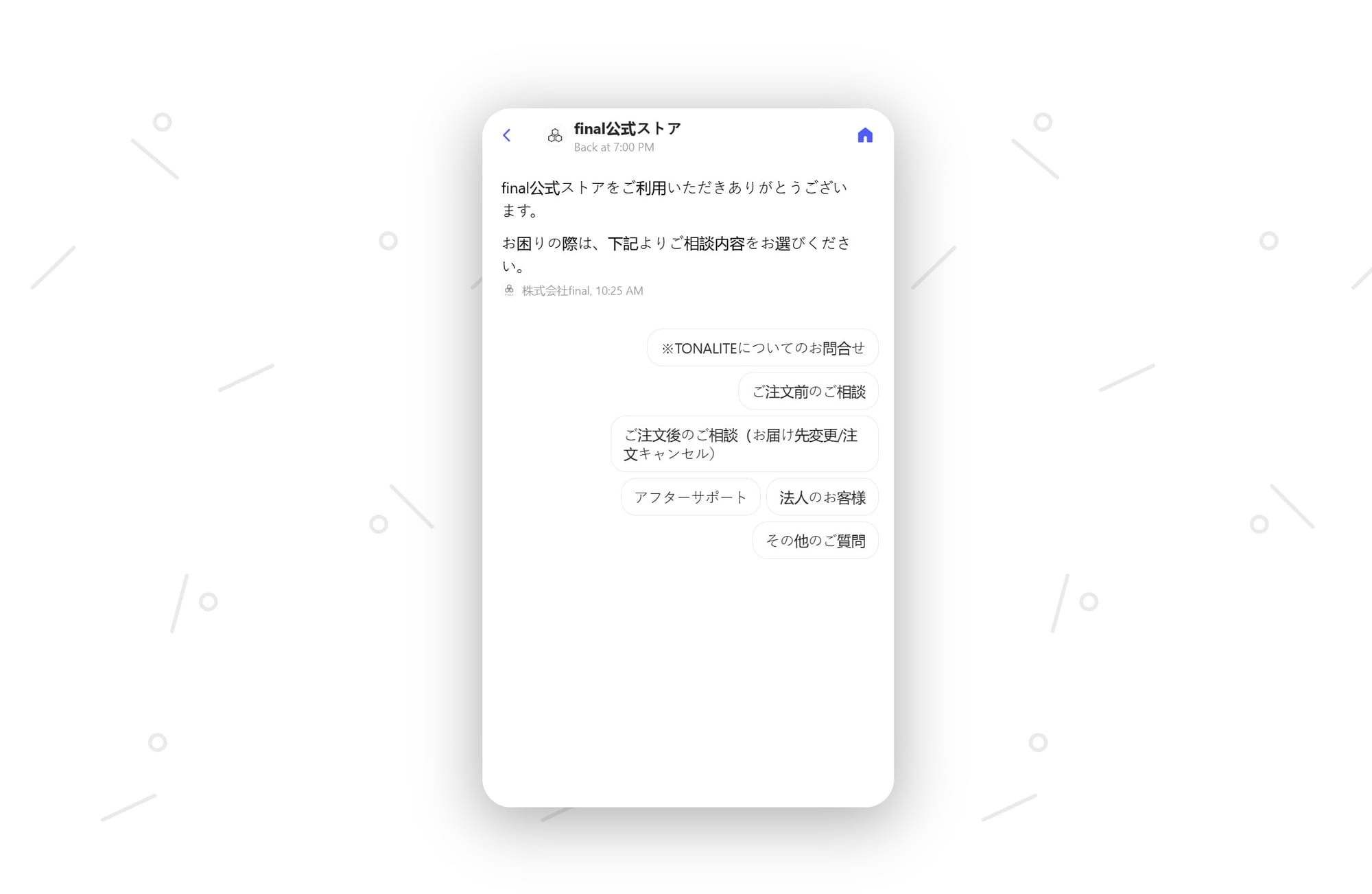
The ZE3000 SV carry a 12 month warranty, which is on-par with similar devices at or around this price point. They offer support via email, but you'll have to navigate the AI chatbot first. Unfortunately, this is an area where Final needs to put in some additional work as the bot speaks Japanese, and I was unable to find a way to view it in English. This can be overcome with translation software, but ultimately, it's up to Final to help fix this for their US audience.
Final ZE3000 SV Wireless Earbuds
Excellent
In a market saturated by expensive earbuds with a laundry list of expensive features, Final focuses on a rich and accurate sound and the features that matter. The Final ZE3000 SV is unapologetically focused on sound quality above all else. The result is a rich and clean sound that punches far above its weight and at an impossibly good price.
Pros
- Excellent bright and natural sound
- Fantastic price point
- Slim rapid-charge case is appreciated
- Comfortable and easy to grab
- Hi-res audio with LDAC and aptX support
- Solid "Comfort ANC" performance for this price point
Cons
- 7-Band EQ could use some presets
- More real midrange make for a quieter midrange
- Support page needs translation
This review is based on a retail version provided by the publisher.