When it released in 2021, Demeo made a splash as a love letter to tabletop RPG players. It makes complete sense, then, that we would see the game pursue a Dungeons & Dragons crossover; it's a perfect match. When you take Demeo's gameplay structure and meld it with the worlds and lore of the Forgotten Realms, what you get is an experience that could only have been conjured by the most skilled practitioners of the Weave.
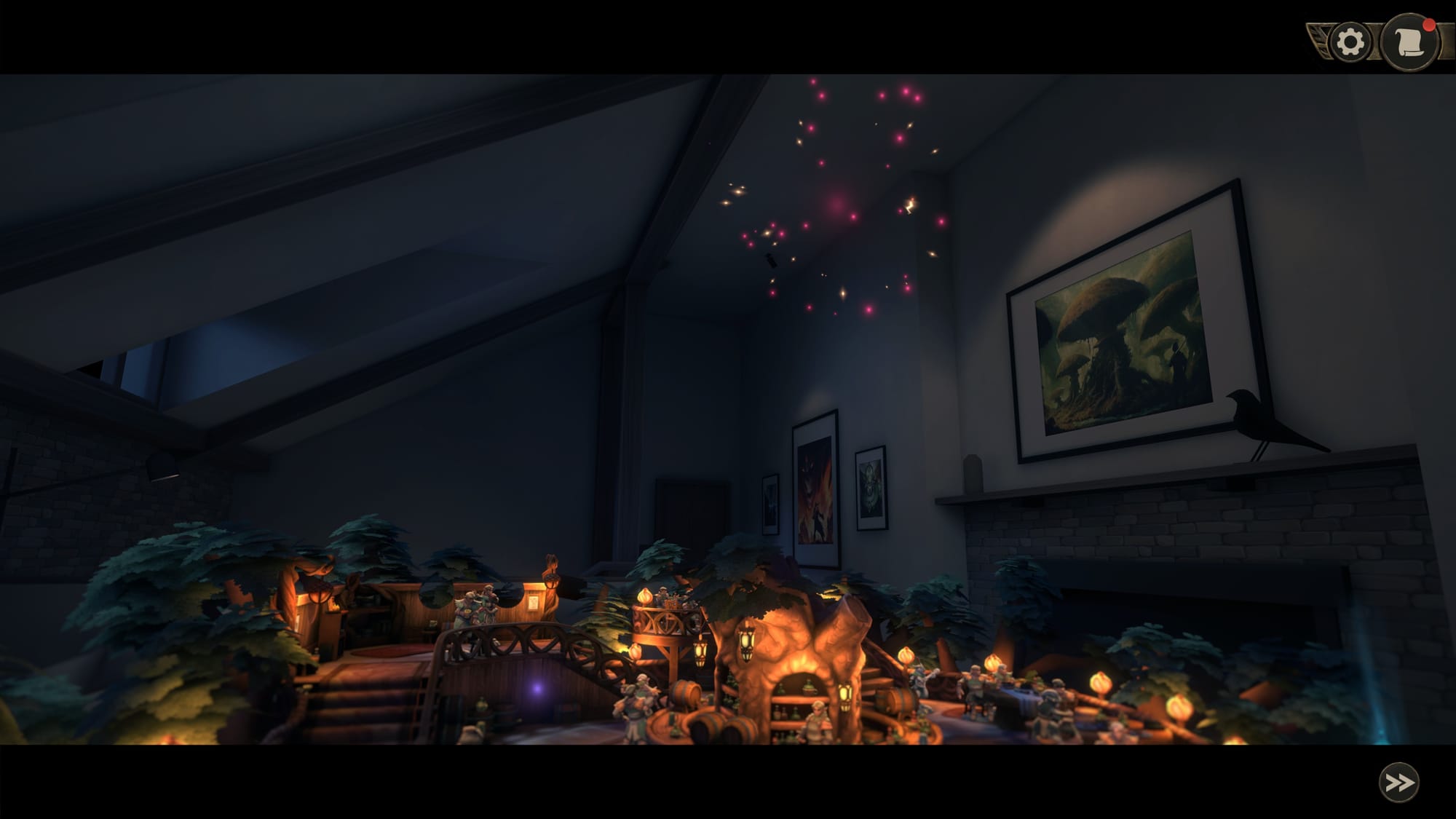
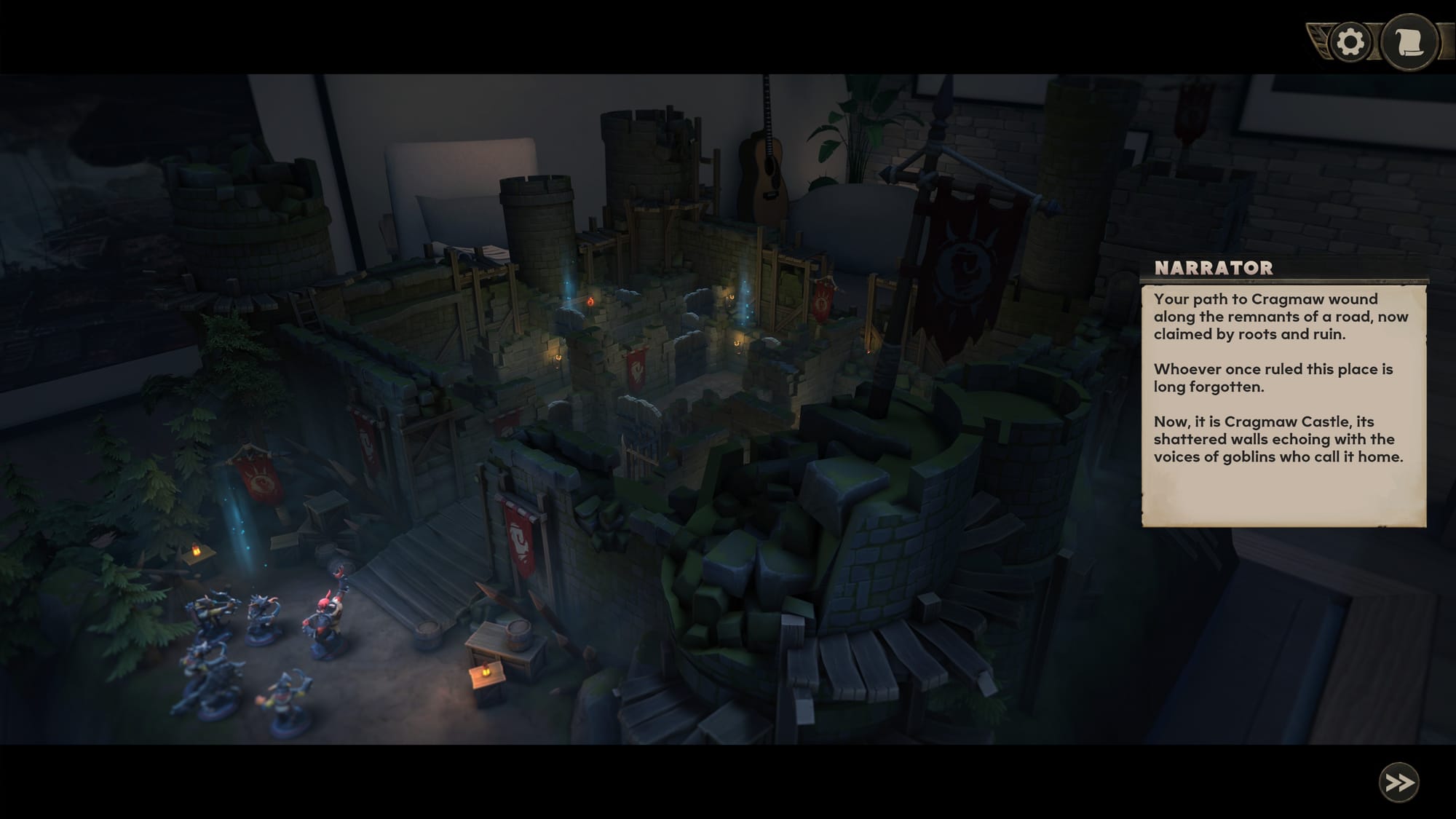
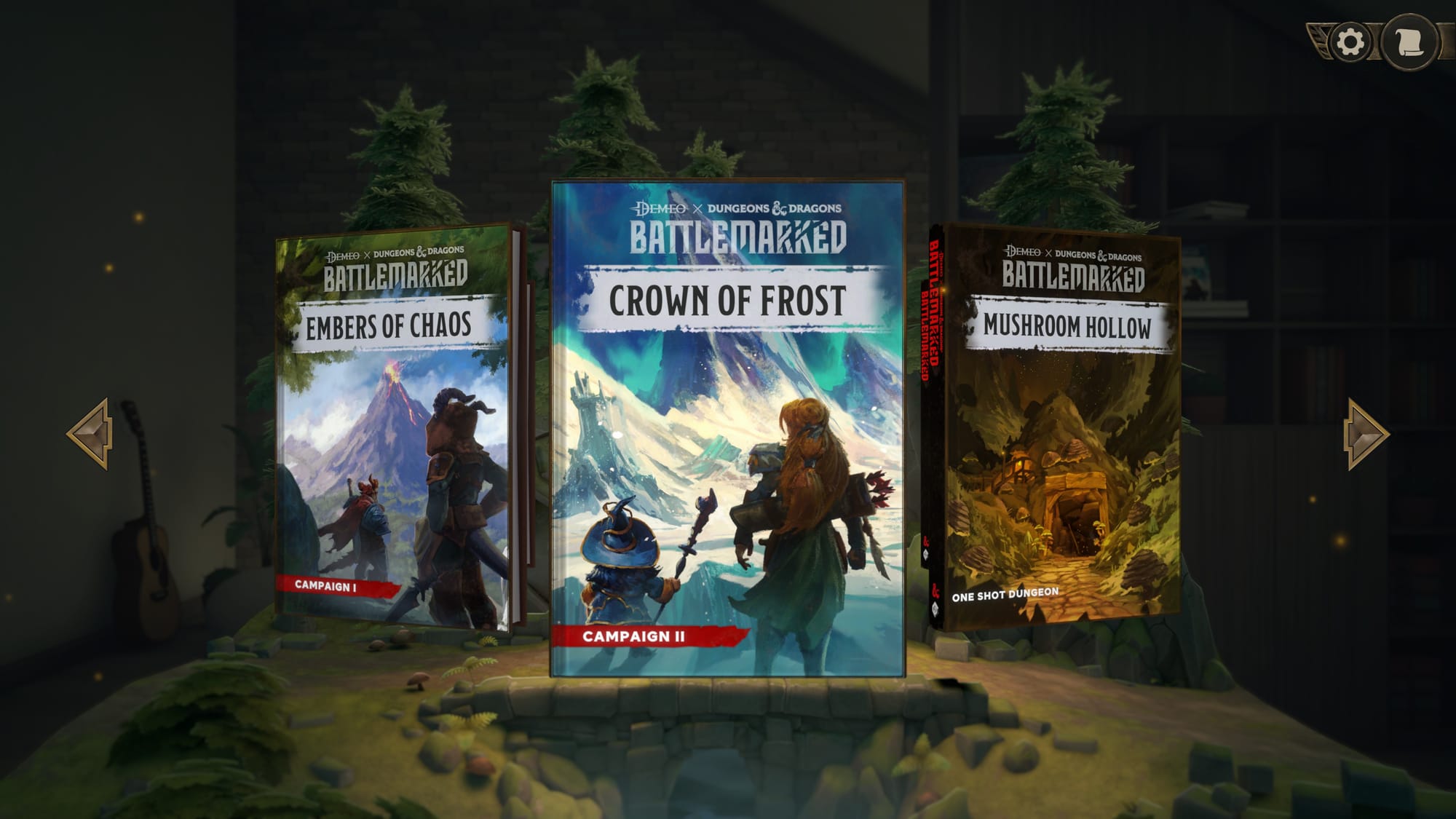
Battlemarked, at its core, is a turn-based strategy game that employs random chance to build tension and decide successful actions. You'll control a group of four adventurers traveling through familiar places in the Forgotten Realms (Neverwinter, Icewind Dale, etc.) as they work to solve problems, complete quests, and topple some of Dungeons & Dragons' most notable monsters. It's a fantastic setup that works wonderfully in execution.
The standard flow of battle will let you take each of your characters' turns, which typically consist of two actions. These actions can be as simple as moving or as complex as executing a skill to attack or cast a spell. The maps are all grid-based, just like a Dungeons & Dragons battle map (or a Demeo map, for that matter). Moving your character on top of an enemy in range will execute an attack. Skills, which are granted to each character in the form of cards, can be spent for an action point. As you perform actions, you fill a meter that, when completed, will give every member of your party a skill card. Each character has a different max hand size and, based on your equipment, you'll have some cards that stay in your hand (frequently usable like D&D cantrips). From poison to ice to fire, the game also gives you plenty of elemental barrels you can set up or target to cause elemental damage to everything around them.
For each attack or skill card you use, you'll have to roll a die. There are two forms of dice in Battlemarked: standard attack dice and skill dice. Skill dice are represented by a D20, and their use is typically based on some stat check, like a Charisma check to persuade someone or a Strength check to see if you can break something. The standard die is still a 20-sided die, but it's represented by 16 swords (a "success"), 2 double-swords (a "critical"), and 2 skulls (a "failure"). This die is weighted in such a way that yes, you will most often succeed in your action, but there are chances for both something incredible and something awful to happen, too. It honestly feels far more even than, say, X-COM's randomized success tools. It probably helps that it's physics-based in its action, too, instead of some random number generator just spitting out a result. It's fun to grab the dice and throw it off structures or down hills in the maps.
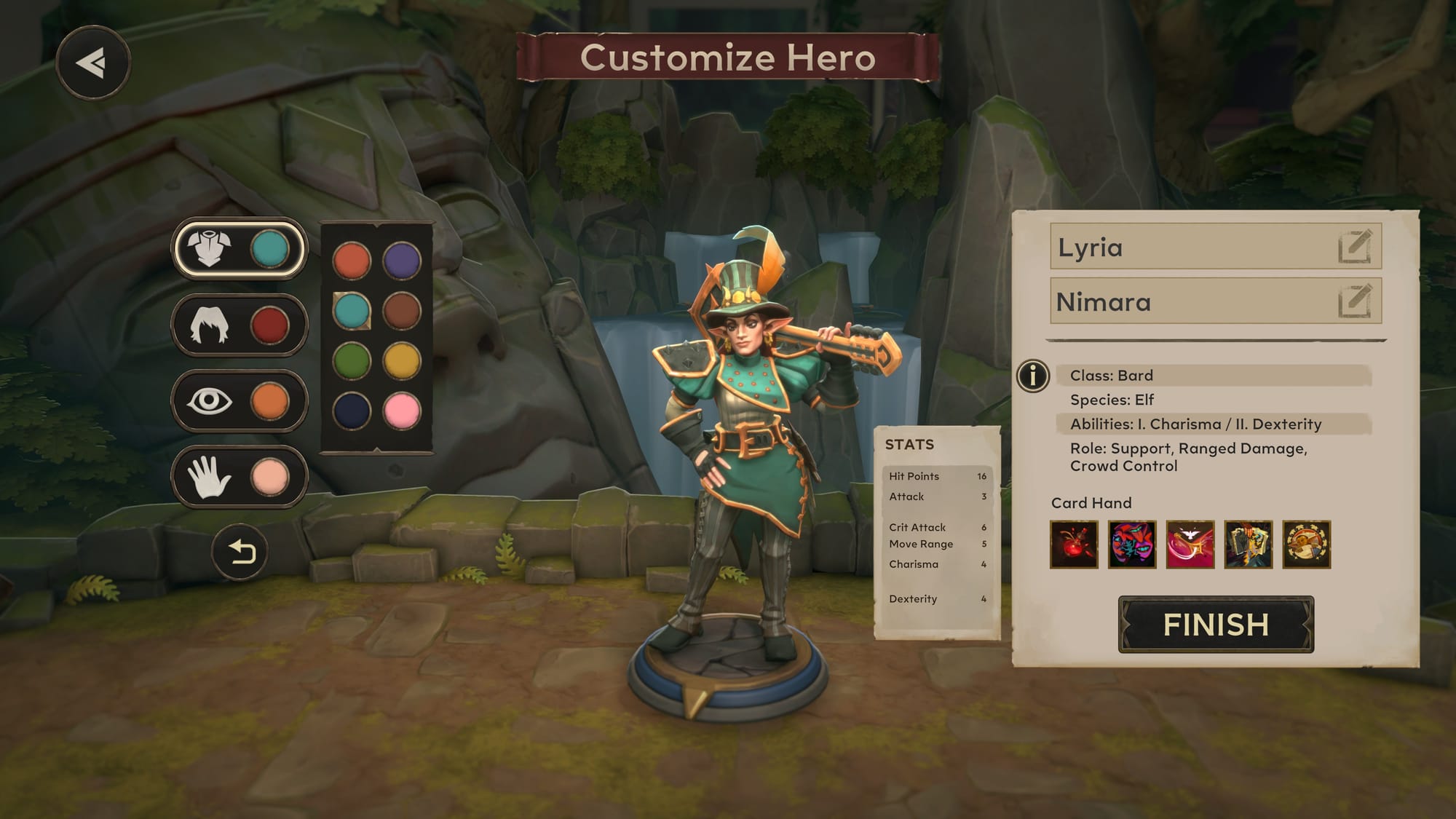
As mentioned, you'll control a party of four adventurers, but you'll have some options in how you outfit the party. At launch, the game comes with six playable classes: Paladin, Fighter, Rogue, Ranger, Bard, and Sorcerer. Each class is actually a pre-made mini, which also effectively provides them with a race and appearance, too. You'll have a dragonborn paladin, a dwarven fighter, a gnomish sorcerer, and so on. When the rubber meets the road, it all works wonderfully. Still, as a fan of the choice afforded by Dungeons & Dragons, I can't help but wish I could build my own characters. As a druid/cleric player myself, it's also a bit disappointing to see a few classes missing, though there are promises of more to come in their 2026 roadmap.
The classes that are here work well for the two campaigns they've provided. The paladin and fighter make suitable tanks, the bard can buff and debuff, and the rest contribute damage and control options. The encounter designs are well-balanced, letting you experiment a little, but you'll rarely feel overwhelmed, at least on the default setting.
Without some form of progression, the game wouldn't really fit the bill for an RPG. Battlemarked gives you three upgrade paths for each character, letting you choose growth augmentations based on their class, primary stat trait, and a secondary trait of your choosing. While these won't change the way your characters play drastically, they do give you the chance to have some agency in skill cards your character can get, as well as boosts and passive augmentations to fit your play style.
As any TTRPG gamer will tell you, one of the neat aspects of playing the game is choosing your own personalized dice. Battlemarked lets players embrace that by giving more colors and custom dice options to choose from as achievements are unlocked and story beats are completed. On top of that, you can customize the baseplate your miniatures are using, as finishing campaigns will unlock new baseplates. While you can't fully create new minis, you can adjust some different color settings to personalize each of your characters' appearances, if you'd like.
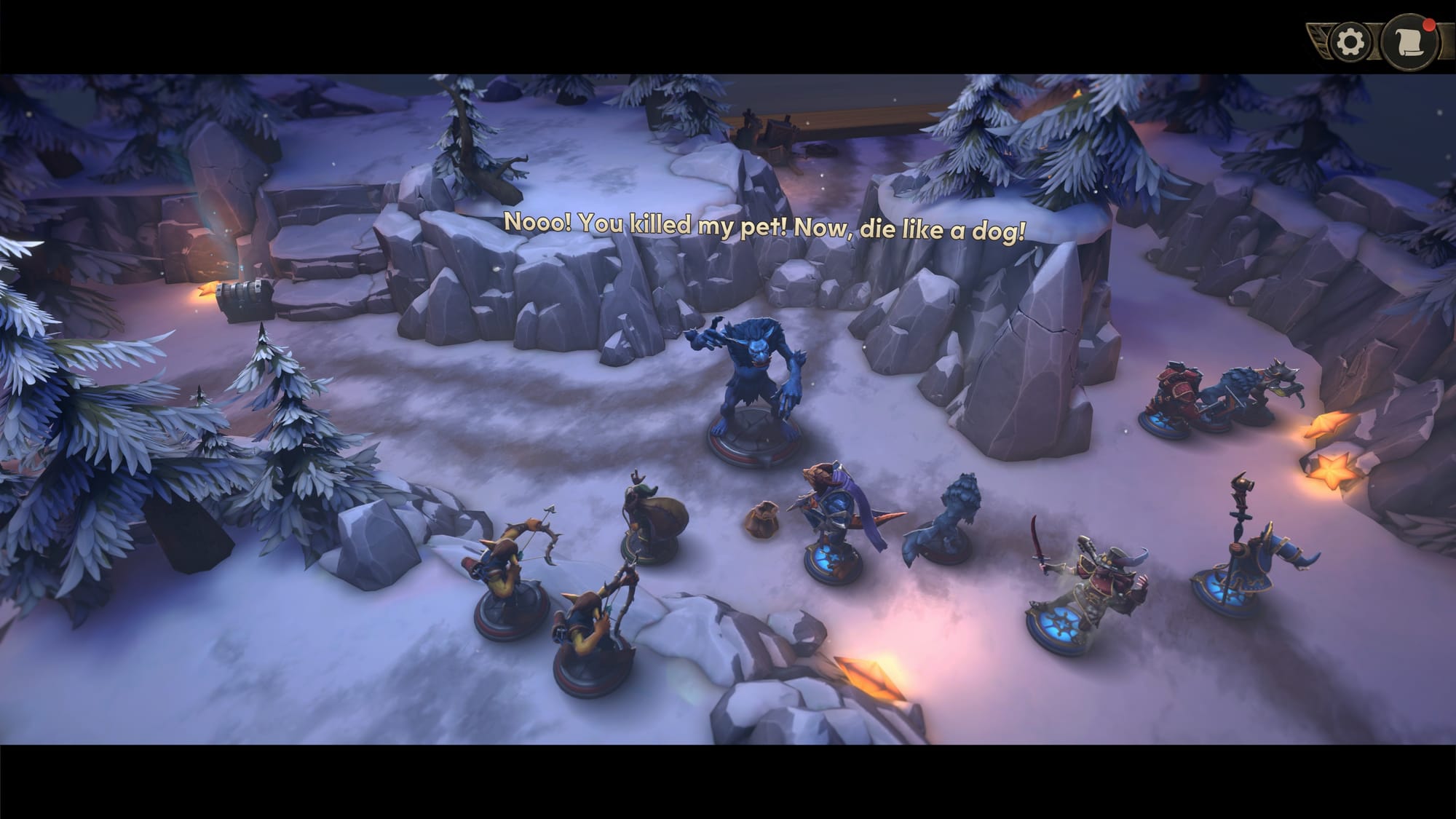
Demeo x Dungeons & Dragons: Battlemarked feels like a great option for fans of the Dungeons & Dragons universe. It offers a few elements unique to Demeo while showcasing the world and lore D&D fans are looking for. The game is gorgeous, and the campaigns are well-told with some truly standout moments. Combat is well-balanced, and the skill and success systems grant you the satisfaction of dice rolling with the added randomness of a TCG to dictate your skills. I would recommend Battlemarked for anyone looking to enjoy a turn-based strategy game or who just wants to spend more time in the Forgotten Realms. The developers' promise to continue supporting the game gives me reason to return in the future, too.
Demeo x Dungeons & Dragons: Battlemarked
Great
Demeo x Dungeons & Dragons: Battlemarked is a great strategy RPG set in familiar Dungeons & Dragons locations. The game is a gorgeous celebration of the at-home tabletop experience complete with minis, dice, and imaginative storytelling. The campaigns feature some great moments, and the one-shots provide content you can revisit for added challenge. If you enjoy strategy games or the world of Dungeons & Dragons, you'll have a good time with Battlemarked.
Pros
- Great storytelling with familiar locations
- Gameplay deftly combines D&D's skills with Demeo's strategy
- Varied environments, monsters, etc, with some standout surprises
- Roadmap promises more content to come
Cons
- Still missing some core D&D classes (Monk, Druid, Cleric, Wizard)
- Randomized card-based skill system removes a little player agency
This review is based on a retail PC copy provided by the publisher.