What’s that? It smells like teen spirit up in here! This can only mean Mixtape has landed, embellished in all the cool, rad, and retro things your dad keeps on busting your basilar membrane (inner ears) about. Mixtape is a narrative adventure game that could double as some kind of indie retro paradise that’s both relaxingly subversive and wonderfully nostalgic. Critics adored Mixtape for its existentialist, carefree vibes and wondrous imagination.
However, no matter how glowingly Mixtape was scored by critics, cages were rattled by the gaming community, and Mixtape was the undeserving bird trapped inside while enduring this shabby treatment from a vitriolic crowd. Mixtape’s LGBTQ leanings and overly soft demeanour are the cause of this fracas, which is both somewhat understandable, but largely disrespectful and predictable. I personally find myself skitching a ride on the two opposing sides of Mixtape’s reception, and thus I’m left with mixed feelings I want to express here.
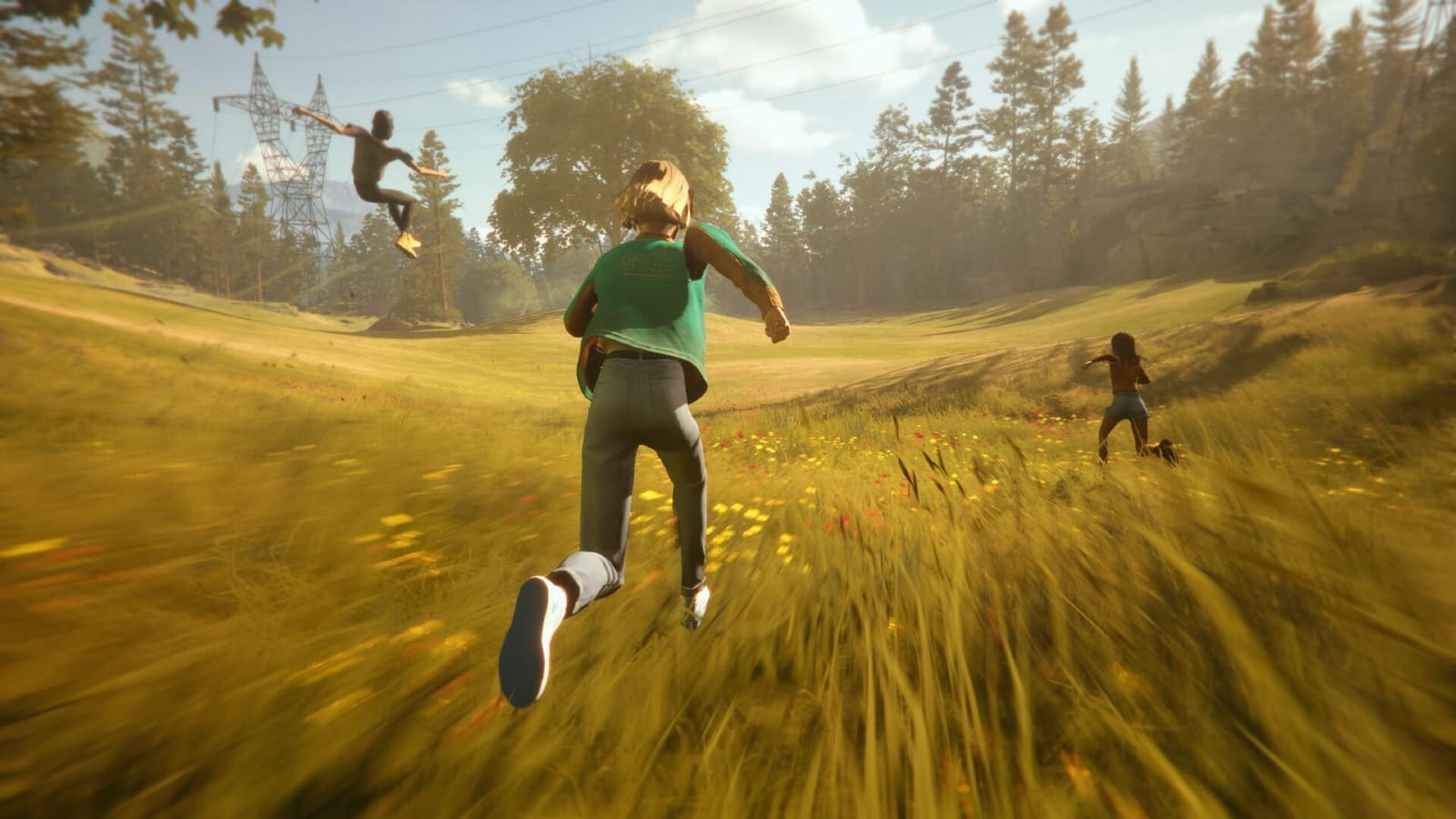
As stated, Mixtape was a critical darling upon release, and has been considered by some as one of the best indie games in modern gaming. The protagonists are nonchalant retro dreamers, the interactive gameplay portions are delightfully freeing, the art style and animation areis bold and quirky, and Mixtape has generally become the epitome of a short and sweet narrative adventure.
Though Mixtape reviewed very well, there’s no doubt this expressive indie title has attracted scathing polemics since the game launched on Game Pass. The gaming community barked out with disdain when they discovered Mixtape’s soft approach, bespoke art style, and its joyously retro jives. They gaze with discontent at Mixtape because they believe it symbolizes LGBTQ values, concluding that the game covertly enforces those beliefs onto players.
Framing Mixtape as something of a poster child for LGBTQ values isn’t a fair assessment of what the adventure symbolizes. It is a game about three teenagers finding their voice, and it is a coming-of-age tale, one that would stand quite resonantly alongside 90s fiction like 1995’s ‘Clueless’ and 1999’s ‘American Pie’, only with an emphasis on skateboarding and music. Actually, Mixtape cues somewhat close to Jonah Hill’s Mid90s skateboard-centered film from 2018.
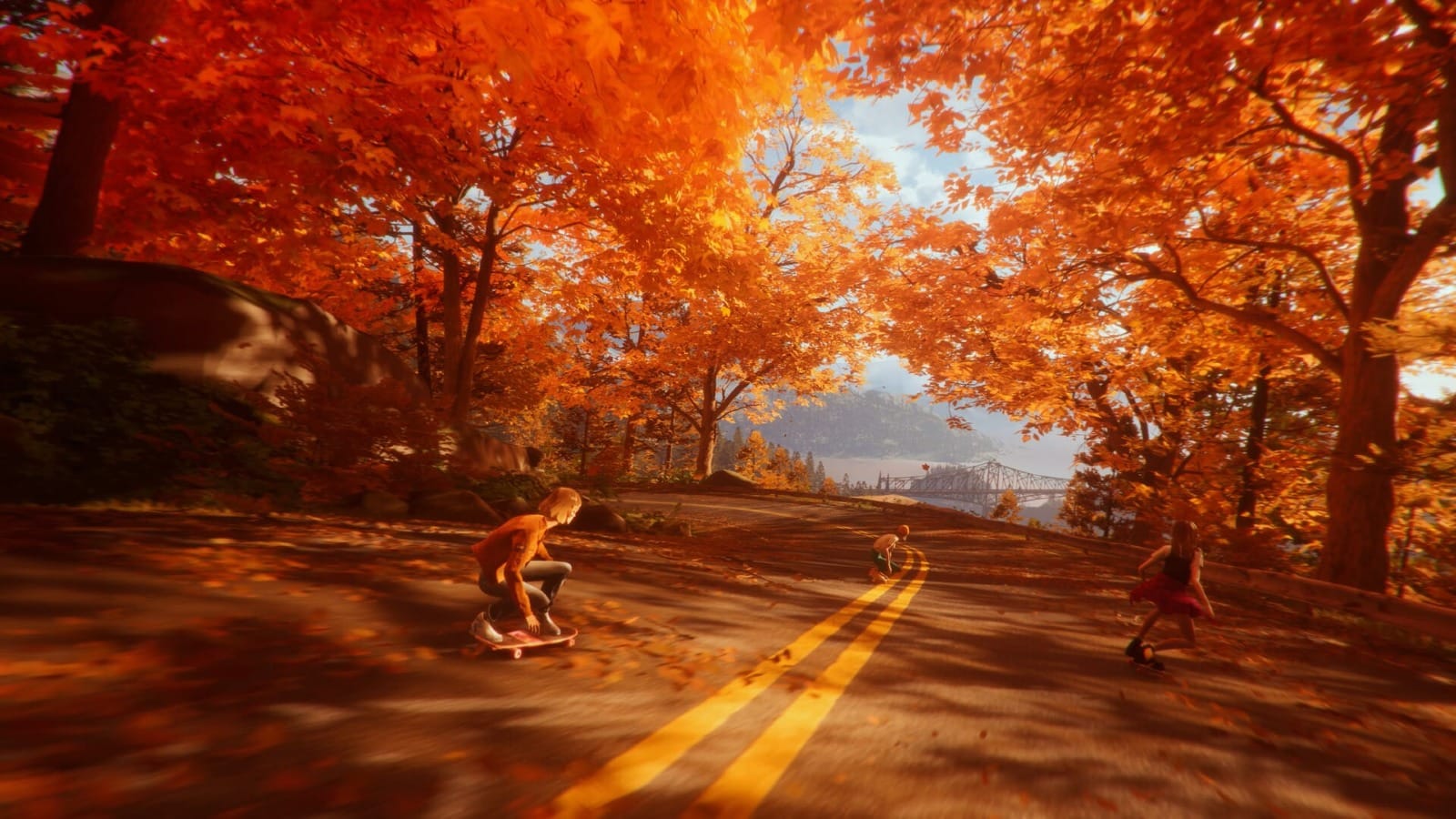
Furthermore, Mixtape sings with memorable gameplay sequences, such as one where John Paul Young’s ‘Yesterday’s Hero’ is playing while protagonist Stacey Rockford charges chaotically through neighbourhood backyards and properties, whilst trying to avoid obstacles. Another has you swinging a baseball bat as Stan Bush’s You’ve Got The Touch blasts through the airwaves, which coheres brilliantly with the baseball minigame you’re playing.
These examples and a litany of other moments exemplify why critics absolutely love Mixtape. However, some deride Mixtape as “not a game” because the level of interaction in the game isn’t to their liking, which is laughable, quite frankly. In a way, Mixtape is like 2021’s Last Stop in that there are video game bits in it, but there’s a narrative core. Mixtape has more interactivity than Last Stop, though, so presumably those sass-talking members of the gaming community are hating on the game for being critically acclaimed and representative of LGBTQ.
Although I love how Mixtape expresses itself in the various ways it does, I do have some gripes with it. Like Life Is Strange and last year’s Lost Records: Bloom And Rage, there’s an excess of dialogue that feels sappy and overindulgent. It’s cool seeing the threesome hanging around, talking and yapping, but sometimes it feels obsessed with itself in a way that is off-putting.
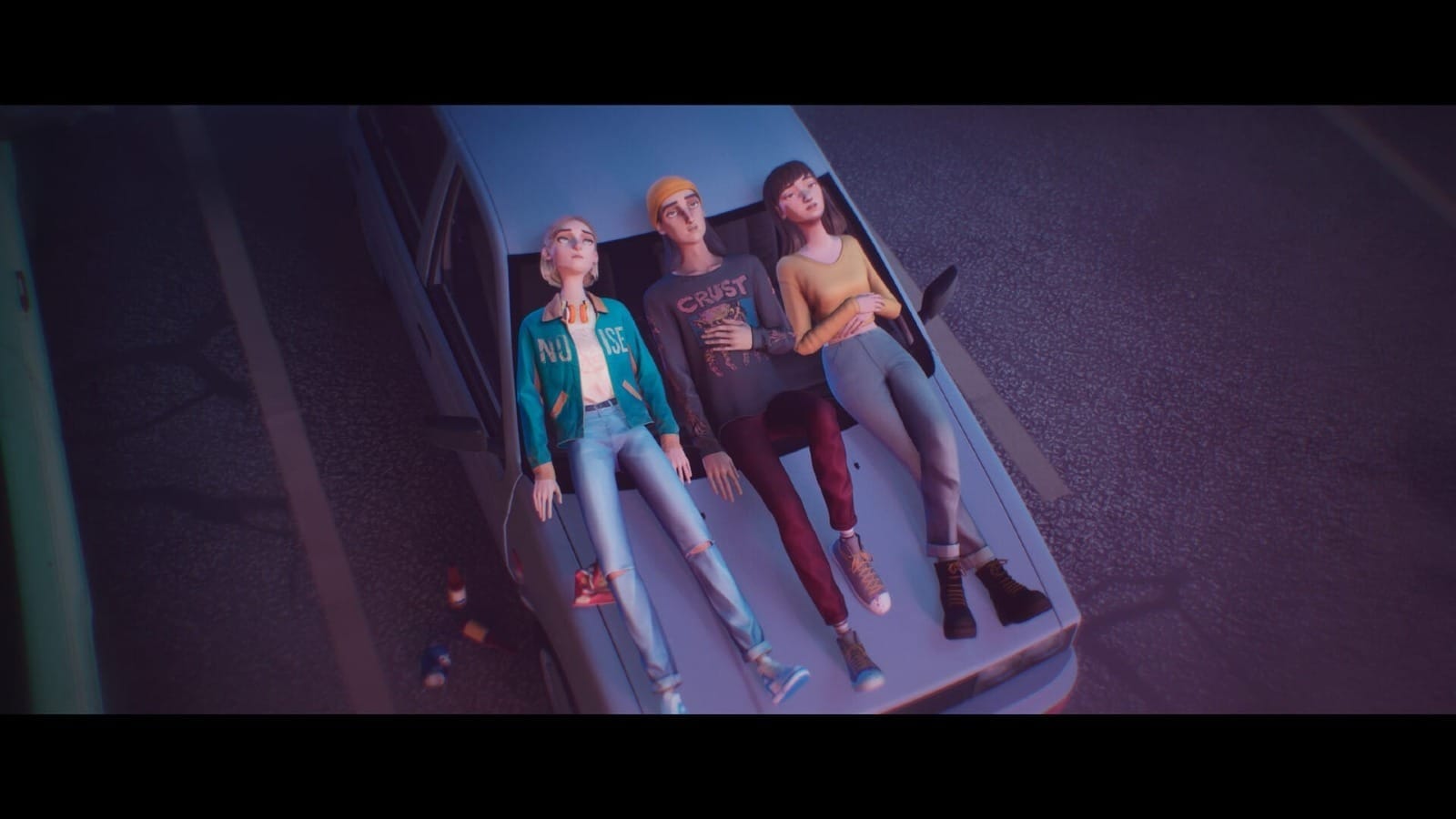
One of my biggest personal bugbears with Mixtape, however, is its tone. I do embrace its existential and liberating voice through the means of skateboarding and cool retro stuff, but when you look at the three protagonists, do you really think any of them do inspire you to stick to the man? Stacey Rockford and Cassandra Morino wear attire that can make them look rebellious, but sometimes their appearance can give off teenage book club vibes. Relishing the 90s does definitely feel authentically presented in Mixtape, yet it is sometimes hard to know whether we should like these characters because they enjoy breaking the law, trespassing, and breaking into properties.
There is an argument to say Mixtape is nostalgia bait. Of course, Mixtape isn’t selling you on anything other than classic tunes from yesteryear, but sometimes those songs come across like an advertisement because of how they’re introduced. There are also retro devices you’ll interact with throughout the story that further convey the game’s impassioned obsession with nostalgia.
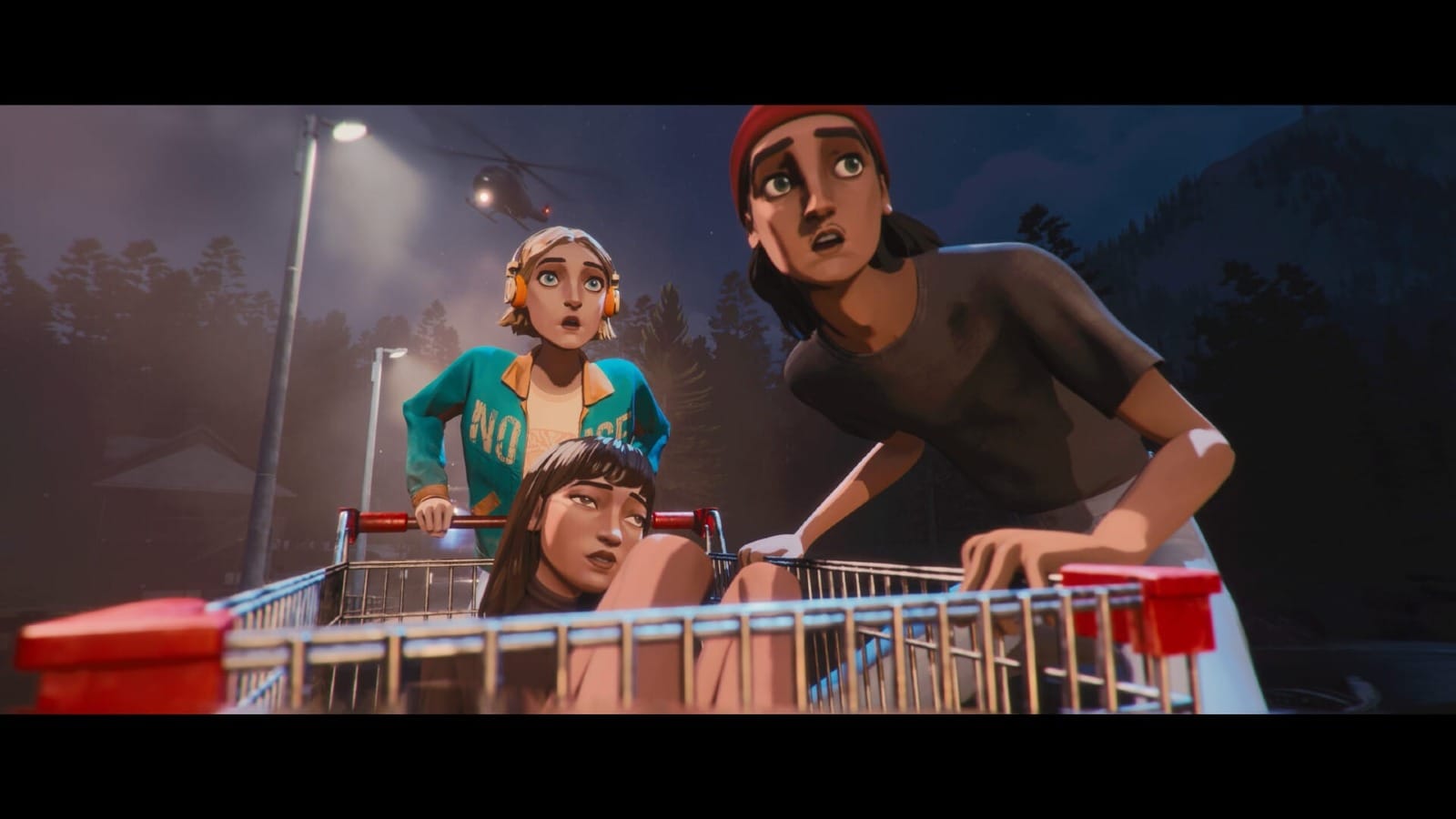
As for the argument doing the rounds suggesting Mixtape "isn't a videogame", well this is outrageously false. There are many titles out there with similar design idiosyncrasies like Mixtape. Take 2021's Last Stop from developers Variable State and publisher Annapurna Interactive (the same publisher as Mixtape) for instance. Last Stop only contained subtle and fleeting moments of interaction, but it was still an entertaining experience.
Many are saying videogames need fail states in order to be considered videogames. Such claims minimize the industry's artistic expression, and some gamers just want fun experiences they can simply enjoy without the complexities prolong interactions can bring. Mixtape is breezy and demonstrates its abundance of ideas in a way anybody can enjoy, and there is absolutely no problem with that.
So it is true, the “Mix” in Mixtape means more than the curated playlist on Stacey’s cassette player. As a game, Mixtape is fantastic and expressive, but like the Life Is Strange series and Lost Records: Bloom and Rage, it can err on the side of uncomfortable and cloying softness. Mixtape’s tone does leave something to be desired, but at the same time, it is a retro nostalgia feast, albeit an American one and one we’ve become extremely familiar with in pop culture. Mixtape definitely deserves more commendation than condemnation, but what is undeniable is that there’s no stopping indie developers from expressing their art the way they deserve to. Kudos to Beethoven & Dinosaur, as well as Annapurna Interactive, for bringing their vision to fruition.