Grinding Gear Games has spent over a decade refining the action RPG formula with the original Path of Exile, all thanks to consistent updates and a fair free-to-play model. Path of Exile 2 launched in early access December 2024 and has since received two major updates: The Third Edict and The Last of the Druids, adding a fourth Act, new classes, seasonal leagues, and a robust trading system.
The story picks up years after the original, taking you back to the dark continent of Wraeclast to stop corruption spreading across the land. The opening cinematic sets a grim tone, and that's about it for cutscenes. Most storytelling happens through environmental details and optional NPC conversations. But nobody is playing this game for the narrative.
The world building works through environmental details rather than dumping exposition on you. Dig deeper through side conversations and you'll get rewarded with more lore. The campaign spans four acts and a couple interludes before hitting endgame. The story provides enough context for the demon slaying, though it’s still incomplete before the game hits 1.0.
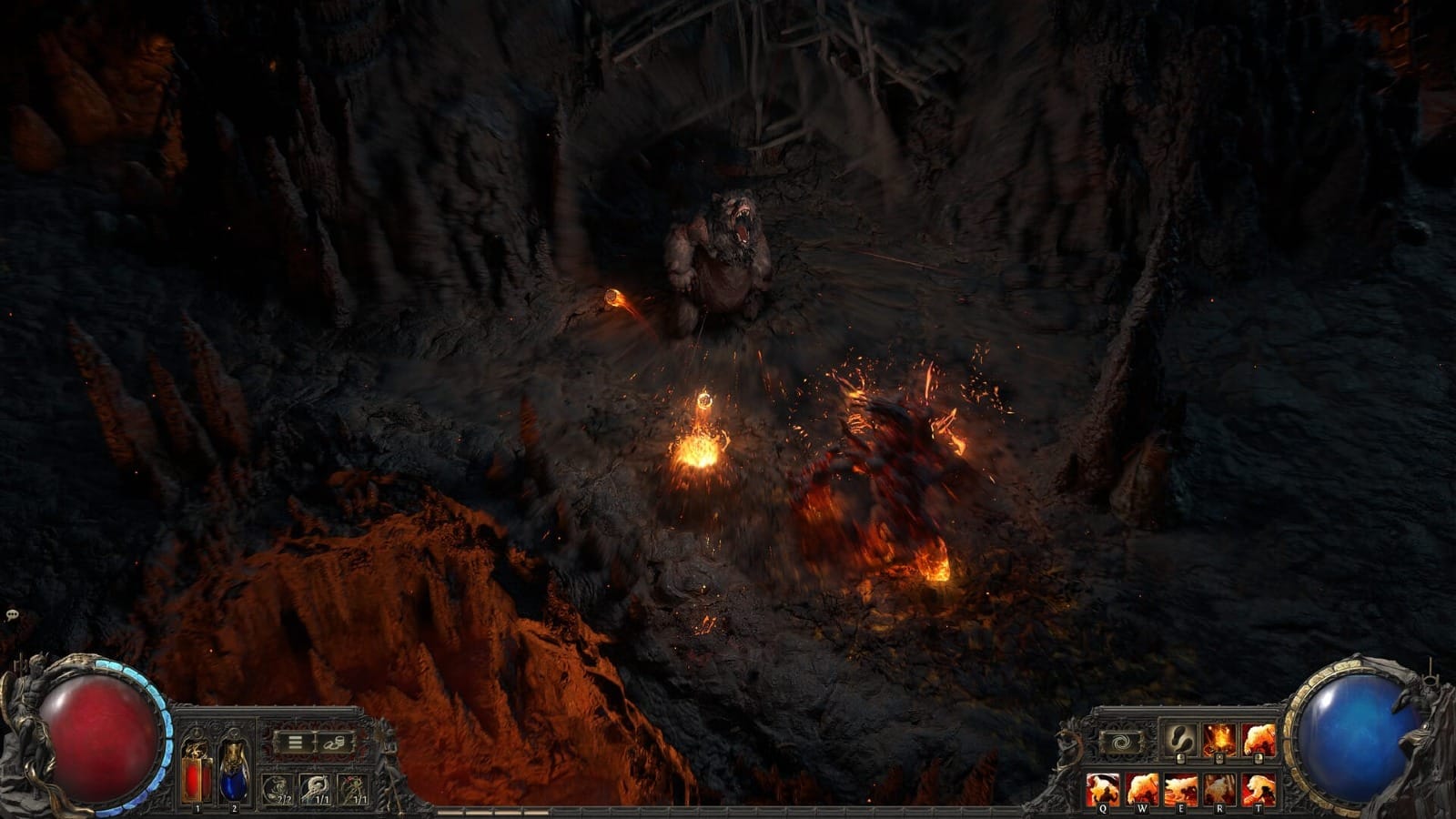
Gameplay is probably why you’re interested in Path of Exile 2. Combat operates completely differently from the original's. For one, there’s a dodge roll now. Press spacebar (or Circle on a DualSense controller) and your character tumbles through attacks and projectiles, though you'll still eat damage in large AOE effects. Everything moves slower and more deliberately. You need to learn enemy attack patterns instead of facerolling through content. Boss fights demand proper timing because some attacks will one-shot you. There are over 100 unique bosses in early access, and they actually all feel pretty distinct.
Eight classes are available right now, all playing differently with unique passive trees. I spent the majority of my time with the new class, the Druid. The skill system uses socketable gems that modify and grant new abilities. Abilities are augmented with support gems that enhance your vanilla skills in meaningful ways.
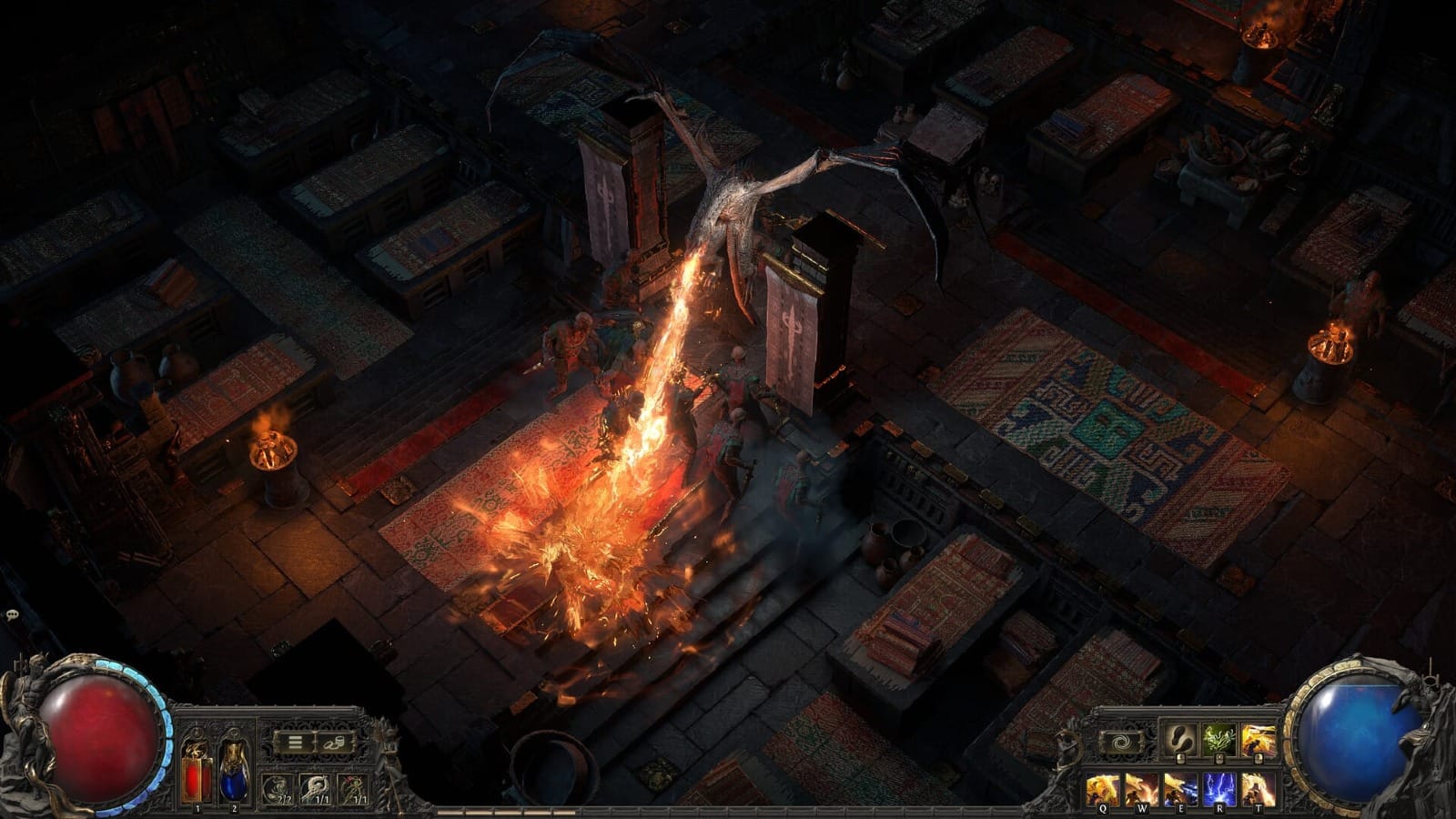
Combat has weight to it, with each spell or stomp feeling impactful. You need to think about positioning, crowd control, and managing your health and mana pots. Though once you understand the systems, you can still build for those insane clear speeds.
The passive skill tree is absurdly large. I’m talking over a thousand nodes spread across six core attributes. Each class starts in its own corner but you can path anywhere. The interface explains things far better than the original, and abilities clearly communicate what they do, but it can still get quite overwhelming.
Build diversity feels great. The support gem system alone creates countless variations. You're not locked into predetermined paths, and experimentation pays off. Each class unlocks Ascendancy subclasses for more specialization, though the full twelve classes won't show up until after early access ends.
Gear upgrades drop constantly, you're unlocking new skills, and always expanding your options. The crafting system lets you modify gear through currency items, adding or rerolling modifiers. It's complex but learnable, but I do recommend looking up a guide first.
The Atlas of Worlds is your postgame playground. It's an infinite map expanding in all directions. After beating the campaign, you'll hit the Ziggurat Refuge around level 65. From there you’ll use Waystones to unlock portals to different maps with unique challenges, layouts, and loot. Clearing maps gives you Atlas passive points for yet another skill tree that customizes your experience.
The Atlas passive tree is different in that each endgame mechanic has its own section, so you can invest in Breach, Ritual, or Expedition without choosing between them. You craft Waystones to add difficulty modifiers that boost rewards. Random events pop up: Delirium mirrors, Breaches, corrupted zones. Lost Towers let you slot Precursor Tablets to modify nearby maps while citadels have beefed up campaign bosses guarding fragments.
Path of Exile 2 has rolled out two major seasonal leagues: Rise of the Abyssal and Fate of the Vaal. These reset the economy and add temporary mechanics. This means you’ll have to start a new character from scratch.
Rise of the Abyssal introduced fissures spawning across maps. Seal them to summon enemy waves that drop splinters for pinnacle bosses. Straightforward and effective. The Third Edict update that came with it added Act 4's eight islands you can tackle in any order, plus three narrative Interludes.
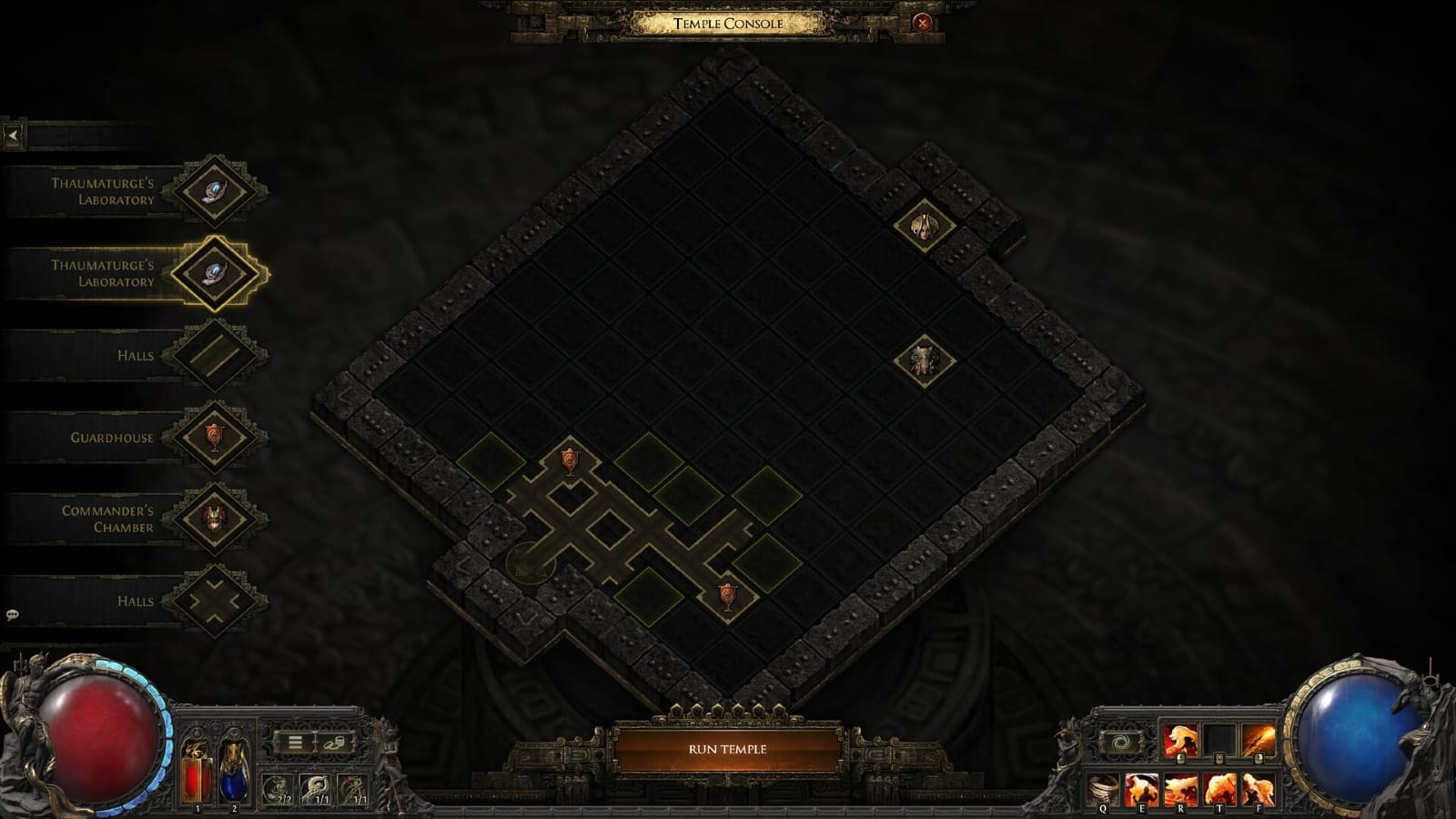
Fate of the Vaal is more complicated. You build your own Vaal Temple by placing room cards that determine layout and rewards. Some rooms upgrade others when positioned correctly. Tier 3 rooms unlock powerful crafting, including corruption mechanics that can brick your gear or create insane items. The temple leads to fighting Atziri, Queen of the Vaal.
GGG provides near zero in-game explanation, forcing you to hunt for external guides or videos. Building a temple requires activating beacons across six different maps, which feels tedious. Most rewards involve corruption that can destroy gear, so I skipped the Vaal temples most of the time.
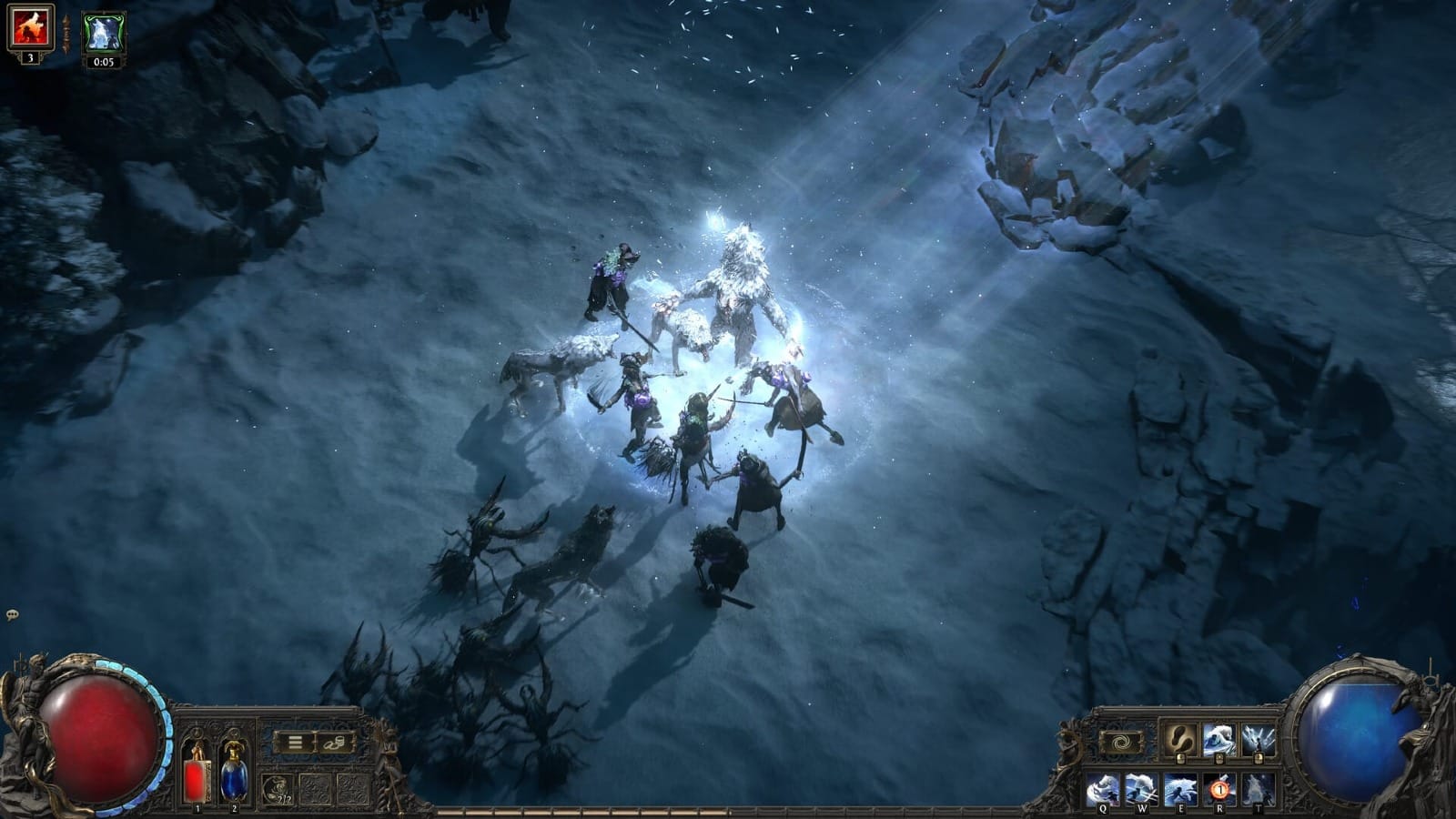
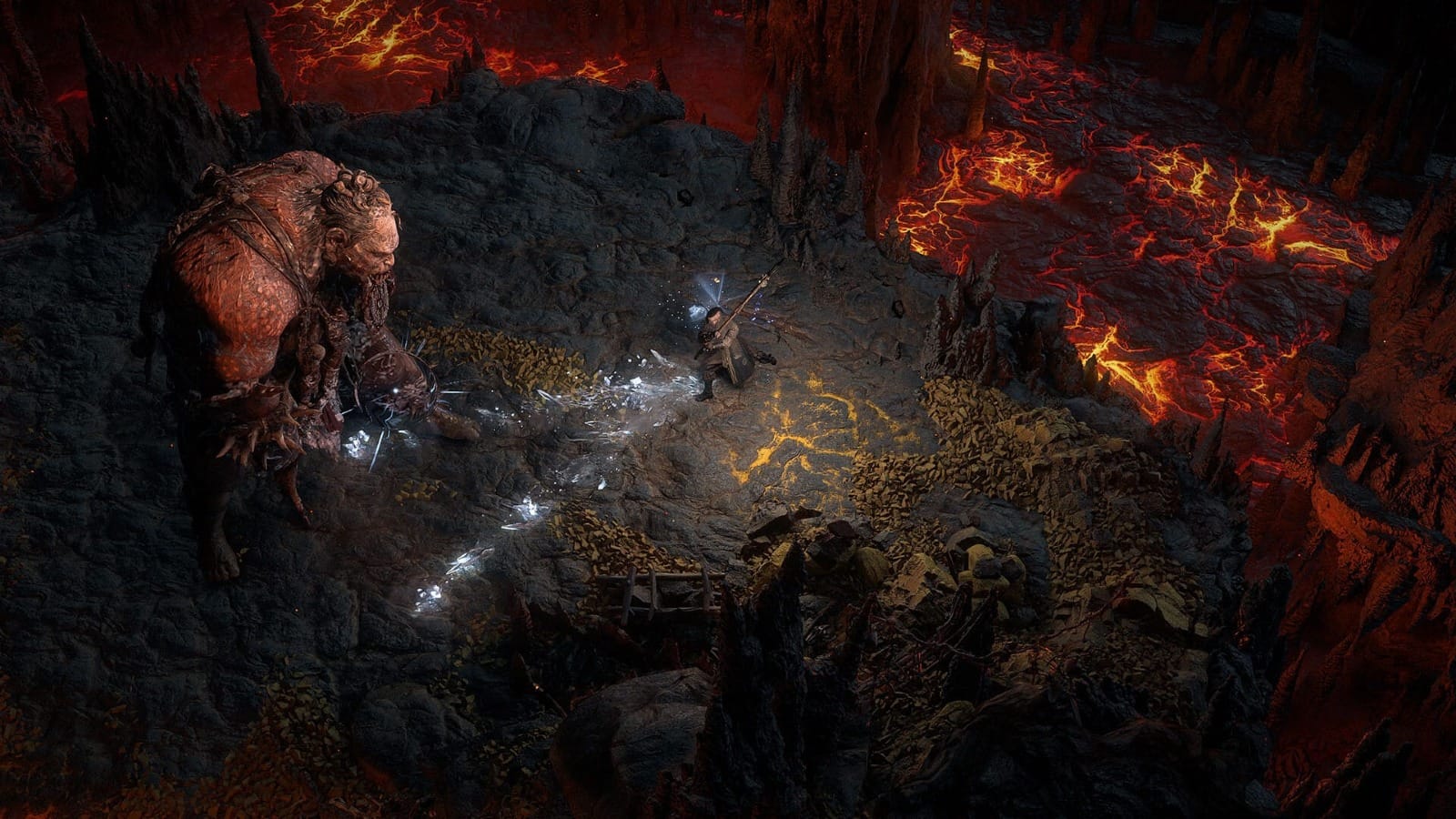
The Druid arrived as the eighth playable class, and it's one of the most interesting additions. This Strength/Intelligence hybrid lets you swap between human spellcasting and three beast forms: Bear, Wolf, and Wyvern. Bear is your tank with heavy armor, massive slams, fire damage, and warcries. Wolf focuses on speed and freezing, leaping around, summoning wolf packs that hunt marked targets. Wyvern is tactical, eating corpses for charges, calling lightning, breathing fire, and even flying over terrain. Human form casts nature spells like Volcano that leave lingering effects, allowing you to set up combos when you shapeshift.
The two Ascensions for the Druid class are Shaman and Oracle. Shaman boosts elemental damage and generates charges easily. Oracle unlocks extra passive nodes and has Fateful Vision, where you see glimpses of future actions that spike your damage if you follow through. Oracle feels more technical, whereas Shaman is a straightforward power up. It’s interesting that Animal Talismans can be equipped by any class, so you can be a Warrior or Huntress and still shapeshift.
The Third Edict update introduced asynchronous trading, probably the single best quality-of-life improvement the game has ever received. The old system required both buyer and seller online simultaneously. You'd whisper dozens of people, get no responses, and waste hours. Sellers had to drop everything to complete trades. It sucked. Now you can recruit NPC Ange to your hideout after Act 4. She manages Merchant Tabs where you list items with prices. Other players can visit and buy from Ange even when you're offline. Currency goes straight to your stash.
Merchant Tabs cost 40 points or you can convert old Premium Stash Tabs for free. Each item gets individually priced with a brief grace period to change your mind. Buyers pay a small gold fee, creating an economy sink. The marketplace feels healthier overall, but the only downside is you need to reach Act 4 to unlock it.
Technical performance is all over the place depending on your hardware. The game suffers from stuttering, frame drops, and crashes, on both PC and PS5. It’s not unplayable, but the overall experience can use that extra polish before the full release. Inventory management on console is also a huge headache, so I recommend PC over console if possible.
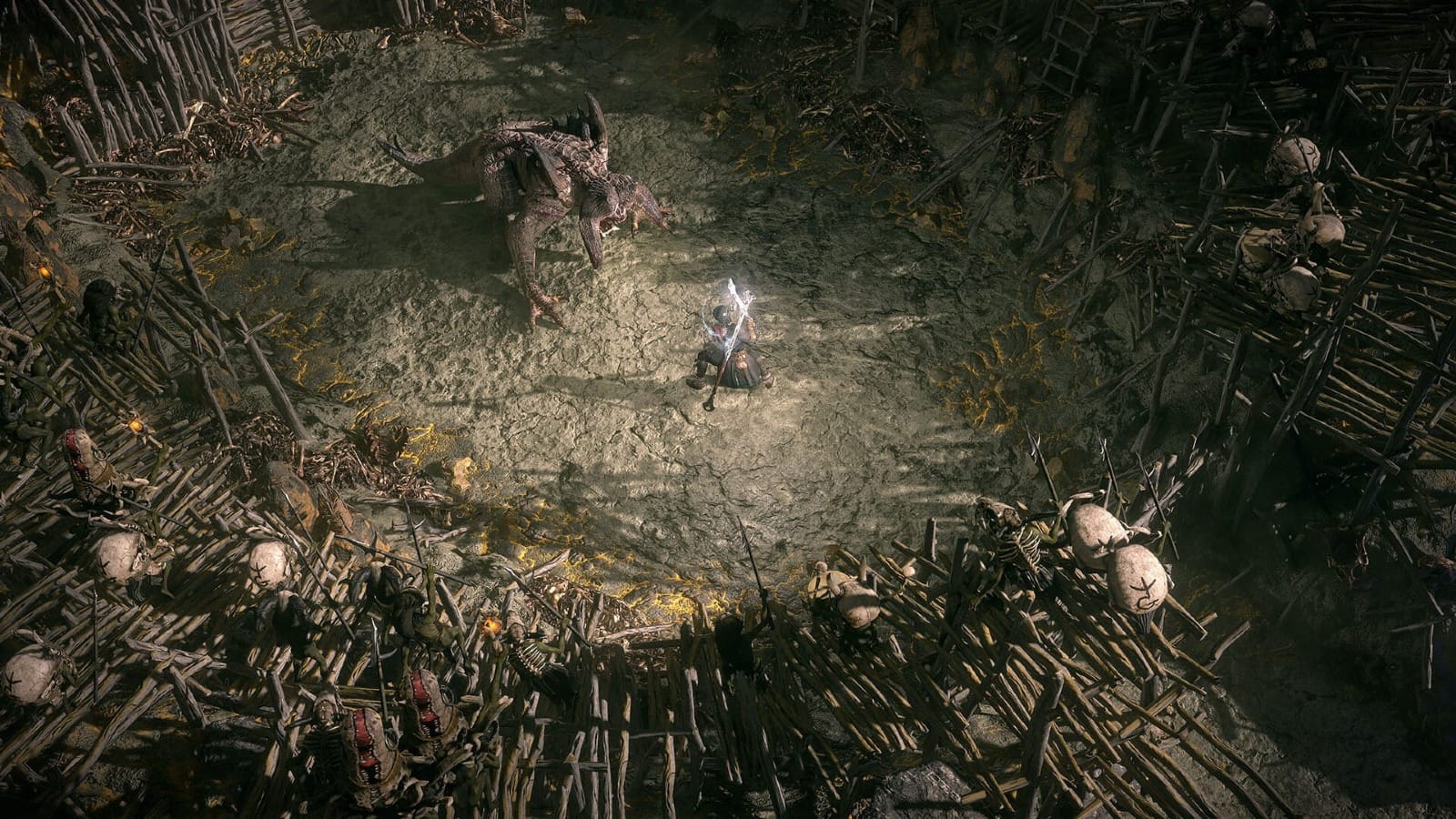
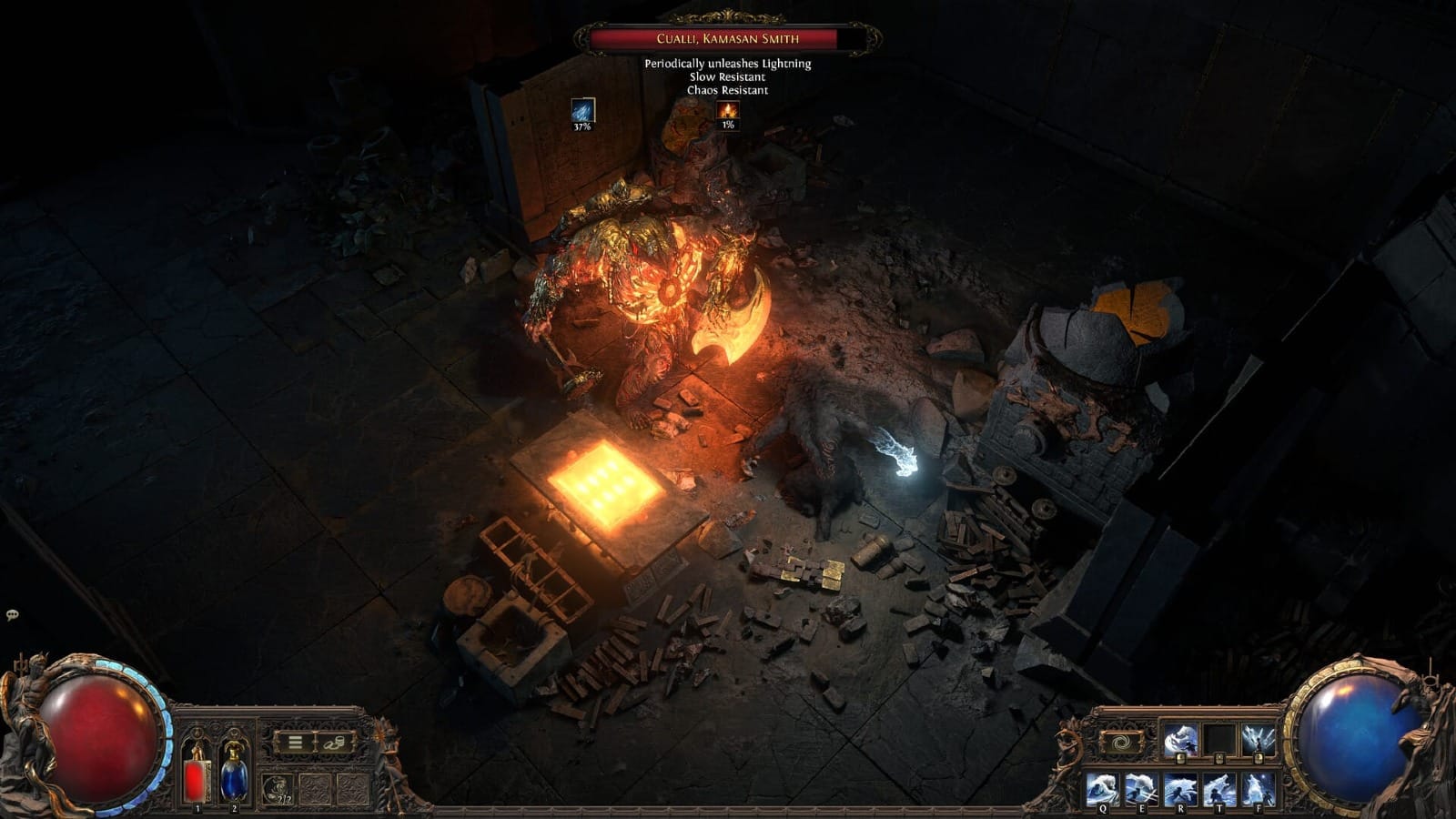
The art direction goes all-in on dark fantasy, giving you twisted landscapes, decrepit ruins, and nightmarish creatures that hit the oppressive vibe. Each biome feels distinct, but they do get samey after countless hours of grinding. Character models and animations are way better than the original. Spell effects look spectacular. The UI is much cleaner than the first game. Inventory management is still somewhat clunky with all the loot dropping, but you can install an external loot filter to help with all the clutter.
Visual clarity is a huge problem during intense fights. When multiple mechanics trigger at once, the screen fills with effects that can hide important attack telegraphs. Sometimes I can’t tell if it’s my attack or the enemy’s given everything flashing nonstop on the screen.
Path of Exile 2 is a sequel that rethinks established formulas. The combat overhaul succeeds by slowing everything down and demanding engagement, with boss fights being the best in any ARPG. Seasonal leagues add fresh mechanics, though the execution varies. But technical problems remain along with poor beginner onboarding. Let's see how the game fares once it launches in 1.0 sometime this year (hopefully)!
Note: The $30 early access pack includes $30 in microtransaction points, so it’s basically free.