When Code Vein launched back in 2019, it carved out a strange little niche for itself. It was coined anime Dark Souls. The result was divisive, but I actually adored its flashy aesthetics and versatile build system. Still, it was criticized for lacking the precision that defined the genre’s best. Seven years later, Bandai Namco is taking another swing with a sequel nobody expected. Code Vein II thankfully addresses some of the original’s shortcomings with a bold vision, while also introducing new concerns of its own.
First off, this is not a direct continuation of the first game’s story. Instead, Code Vein II establishes an entirely new world with an original cast, though you might spot familiar weapons, items, and callbacks. In an interview with the PlayStation Blog, director Hiroshi Yoshimura explained that "directly linking it to the previous game's world would risk overturning the established history and player experiences." Fair enough, I guess.
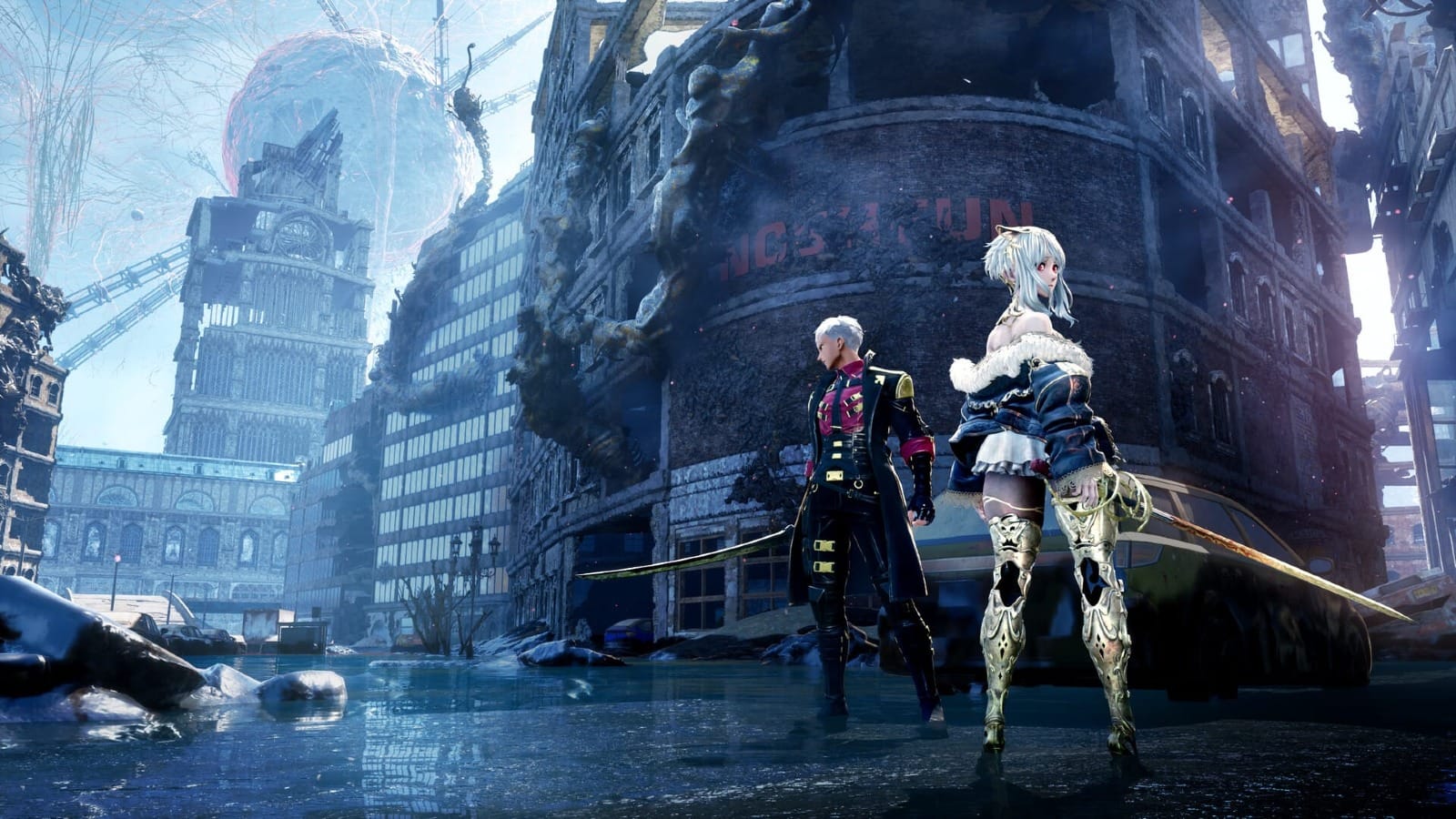
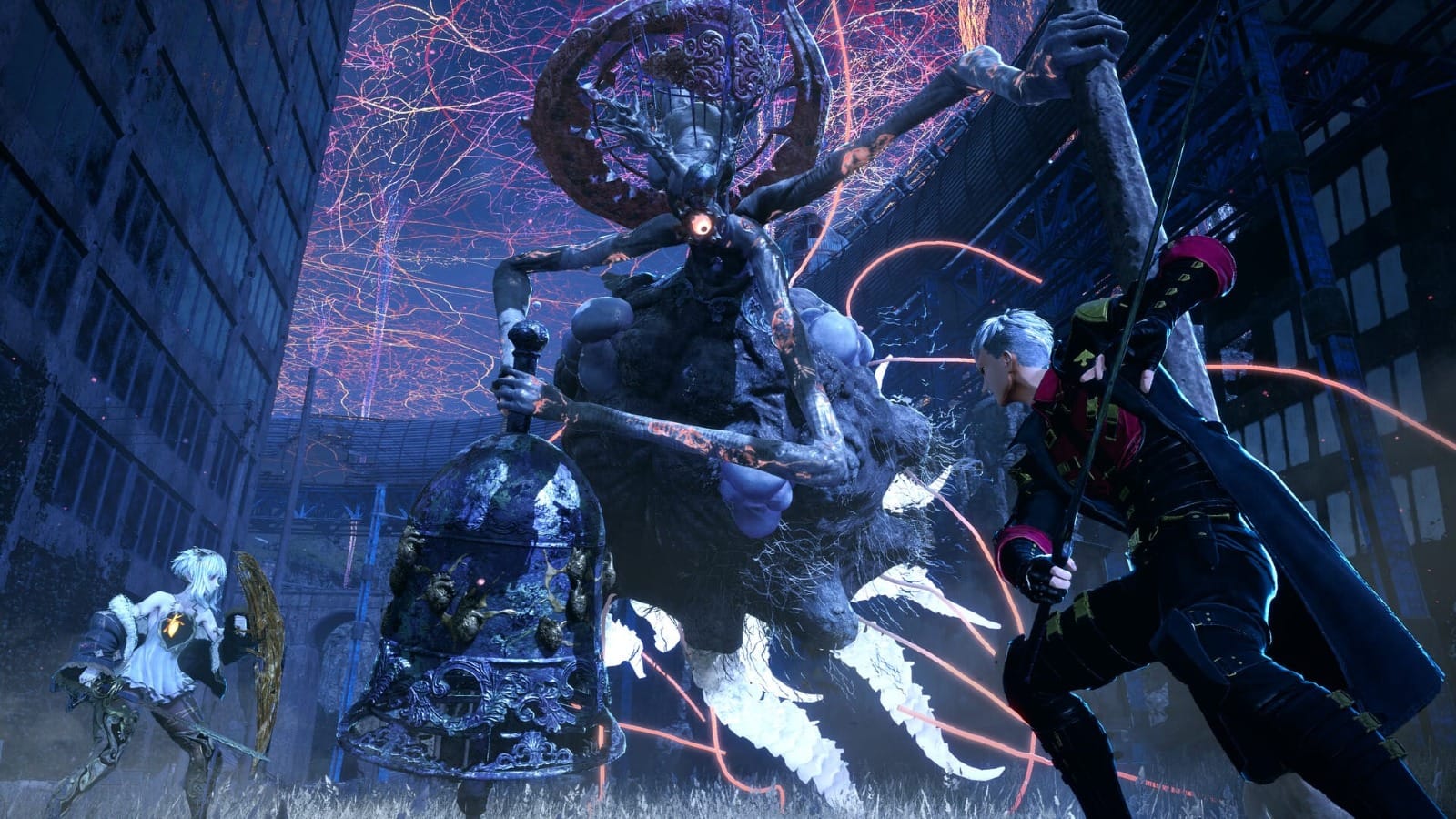
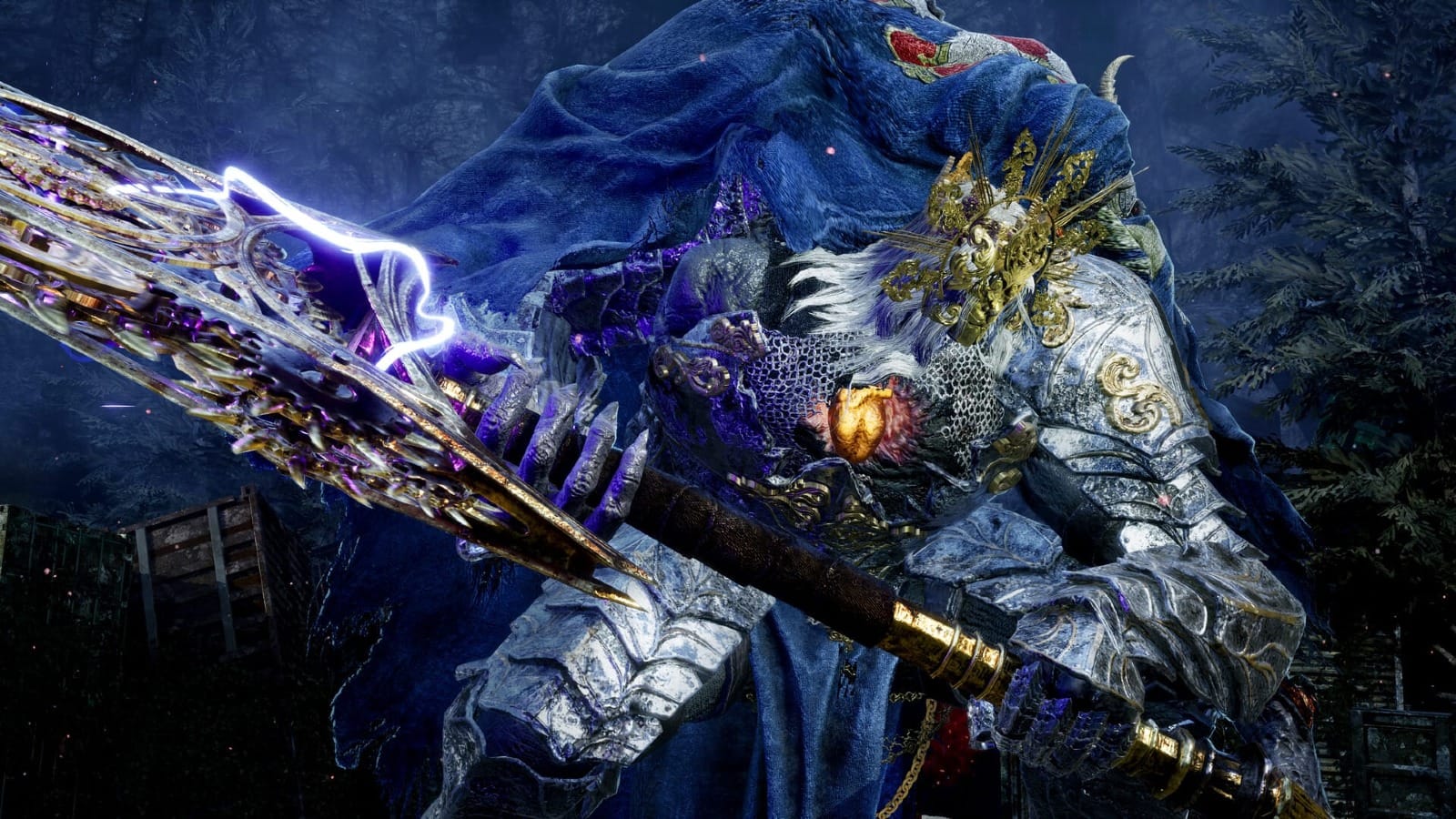
The premise this time centers on you, a Revenant Hunter, partnered with a girl named Lou who possesses the ability to manipulate time. Of course, like with any other RPG, the world stands on the brink of collapse! Your mission involves traveling 100 years into the past to alter the fates of legendary heroes who sealed away a previous catastrophe called the Resurgence. These figures, now trapped in cocoons, have become corrupted monsters in the present. You must earn their trust in the past, then release and defeat their corrupted forms in the present to save the world.
It sounds pretty convoluted on paper, but the time travel narrative manages to make sense. The emotional core lands in the beginning, like in your fight against the first hero, Josee, who transforms into a blind, towering warrior consumed by sorrow. Defeating her felt less like a victory and more like a mercy, as she thanked me before fading away. But this theme drags on across the other heroes as well, diminishing the overall emotional effect. The main thing I’m not a fan of is the typical JRPG silent protagonist trope. The first Code Vein followed the same design choice, with your character awkwardly nodding, shrugging, or grunting, but never speaking a word.
Overall gameplay structure is where Code Vein II makes its biggest strides, for better or worse. The first game never quite achieved the satisfying rhythm that Dark Souls delivers almost effortlessly, and sadly neither does this sequel. Sure, Bandai Namco has tightened things in some areas but not others.
The Elden Ring influence is obvious: open world structure, closer respawn points before bosses, a poison swamp, dedicated main and side dungeons, a jump button, and an emphasis on verticality. Bandai Namco clearly studied what worked and adapted accordingly, even though it doesn’t quite hit the mark in the end.
The original Code Vein funneled you through a strict sequence of zones with little room for exploration. Bandai Namco decided to go open world this time, with multiple interconnected areas that branch out across both timelines. Traveling between past and present is relatively unrestricted too, allowing you to tackle each hero’s region in any order, though you might be over or underleveled depending on your choice. The open world showers you with crafting materials to pick up but never truly teaches you or encourages you to craft consumables.
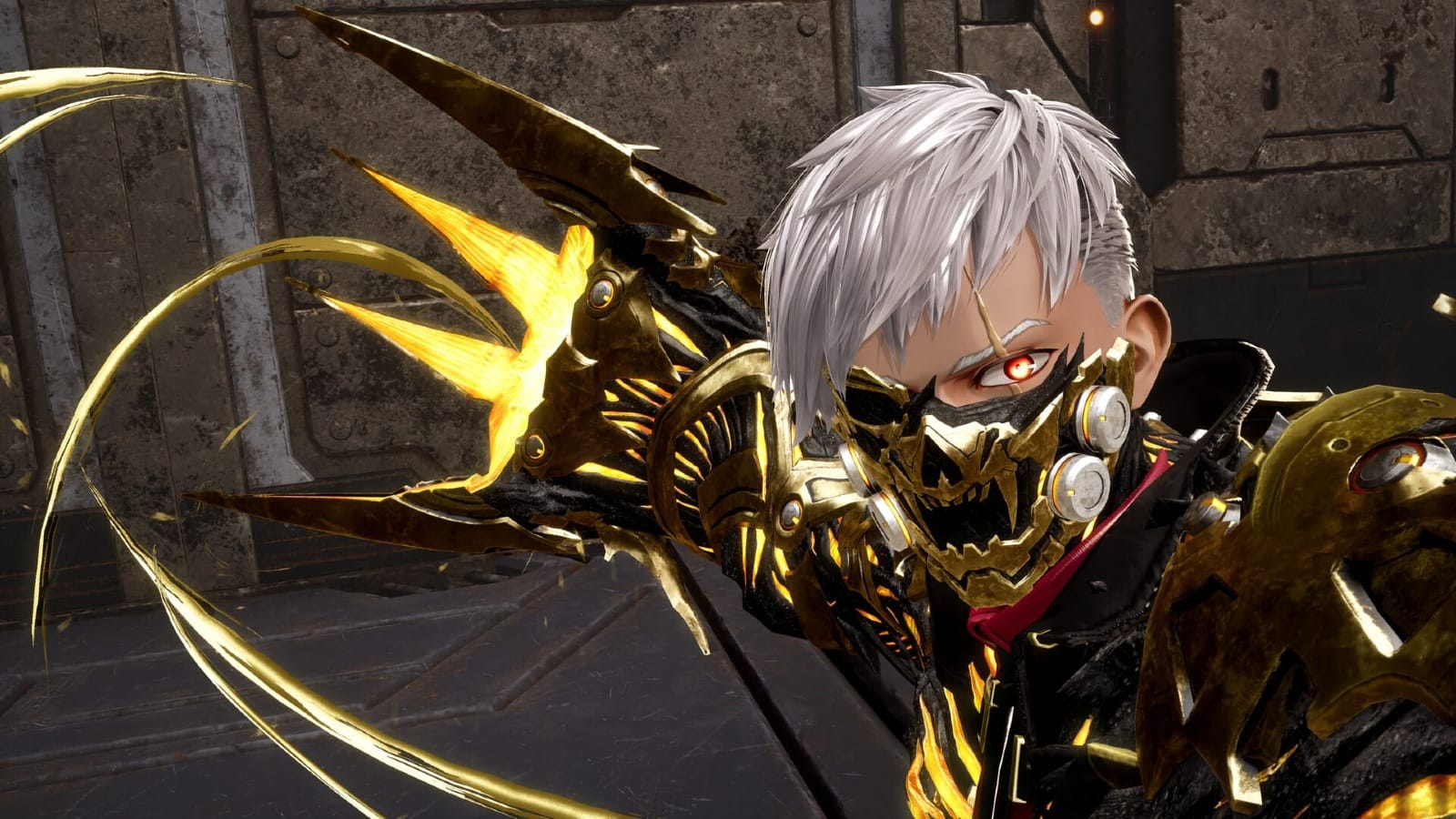
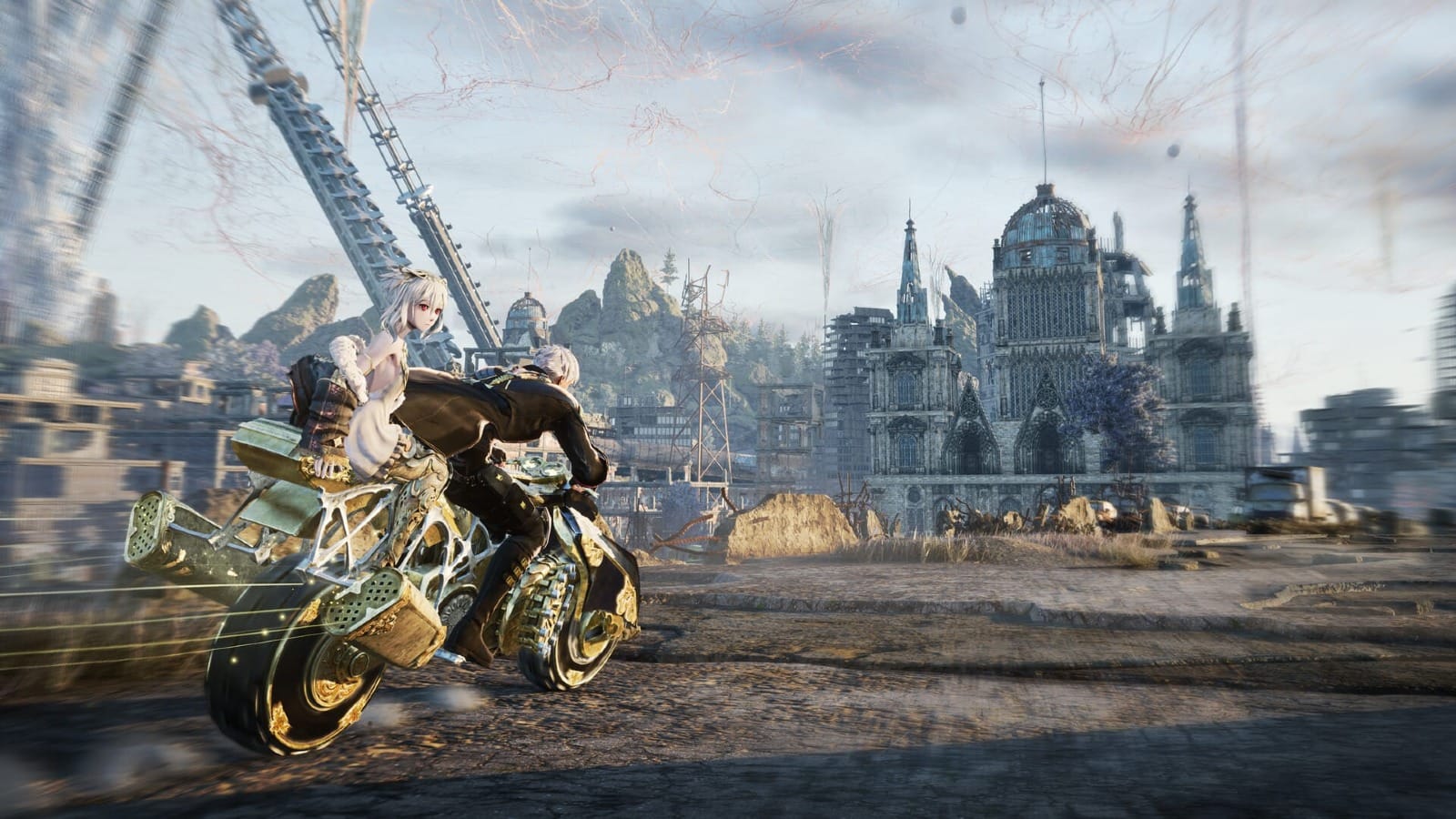
The Motorcycle is Code Vein II's answer to Elden Ring's Torrent. Outside of dungeons, you can summon this golden, gothic-styled vehicle at will to cross the game's larger zones. No fuel, no maintenance. It runs on your supernatural energy, fitting the magical logic of a world where vampires and time travel coexist.
Movement feels slower and stiffer. It’s hard to describe until you actually play it. The responsiveness exhibits some sort of delay, making the combat less fluid than it should be. That being said, animations are more deliberate, with cleaner telegraphs that let you read enemy attacks and respond with precision rather than panic rolling. There is an emphasis on spacing and timing that encourages positioning over button mashing. Oh, and your weapons have almost no reach, so expect to be hugging your enemies if you want to deal damage.
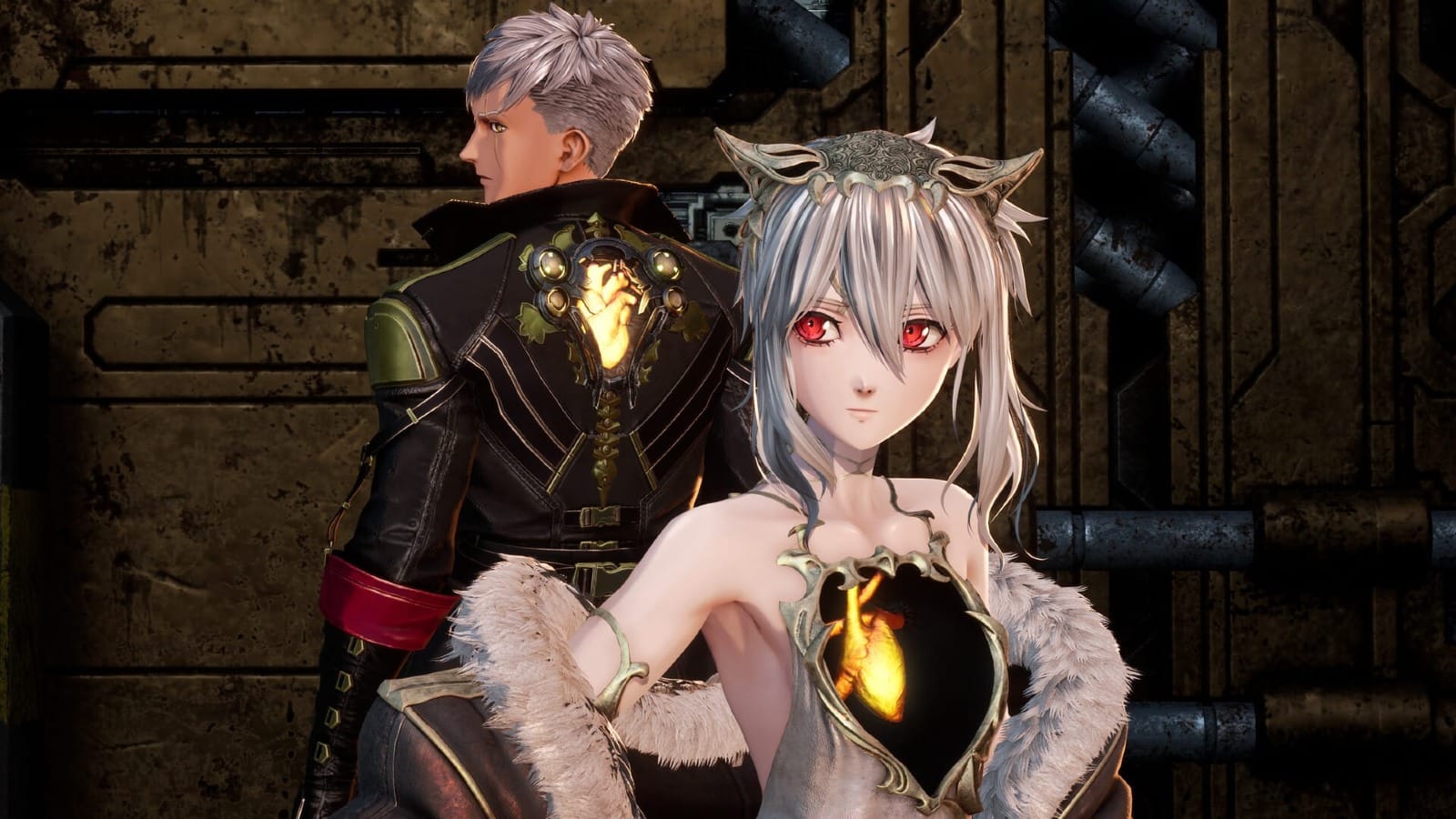
Dungeon layouts now emphasize verticality, since there’s now a jump, with a backtracking mechanic that color-codes routes based on how recently you explored them. A small quality-of-life touch, but useful in complex areas. That said, level design is alright at best, with plenty of open areas that feel empty and lifeless. The space between combat encounters also lacks engagement, with bland hallways or corridors between fights.
There are, of course, secrets to be discovered, including hidden side dungeons, quests, unique gear, and extra narrative tidbits to add to the overarching lore. There are also multiple endings to achieve, based on certain actions made throughout your 30-35 hour playthrough (expect 40-50 if you decide to do all the side stuff), and an included New Game Plus mode at launch. You won’t get any other spoilers here!
The weapon roster expands with the inclusion of two new weapon types: Twin Blades and Rune Blades. Of course, those from the first game return as well, including the One Handed Sword, Bayonet, Halberd, Hammer, and Greatsword. What matters more is how these weapons interact with the overhauled ability system.
Gifts from the first game have been replaced by Formae, which come in three categories: Weapon Formae buff your attacks or grant active skills, Bequeathed Formae summon special weapons (like a bow), and Defensive Formae offer you the ability to block, parry, or evade. You can equip up to four Weapon Formae tied to your face buttons, activated by holding R1 and pressing a face button on a DualSense controller.
Between weapons, Formae, Jails, Blood Codes, and stat burdens, the number of systems competing for your attention becomes overwhelming quickly. For one, you have both an HP bar and an LP bar, which is blue, that stems from the current partner you have. It tries to act like a shield but ends up just being like HP anyways. Then there’s the 16 negative status effects that you need to memorize.
It doesn’t help that the entire user interface and experience is poorly designed, so navigating all of it is almost just as frustrating as understanding what everything does. Caring about a weapon's Bleed Factor and which Blood Codes it synergizes with while also tracking your Weapon Formae’s Reliability, Handling, Conversion, and Conductivity values is a lot to do at once. Don’t even get me started on the other dozens of stats like defenses, resistances, dodge effectiveness, and attributes.
Blood Codes return as the foundation of your build, but now you can switch between them mid-combat and equip any weapon regardless of which Code you have active. This is a welcome change from the original, where certain weapons felt locked to specific builds. Now a defensive Code can still swing a greatsword if you want, though synergies still matter. One tip is to always level your Codes and speak to Lavinia to max it out.
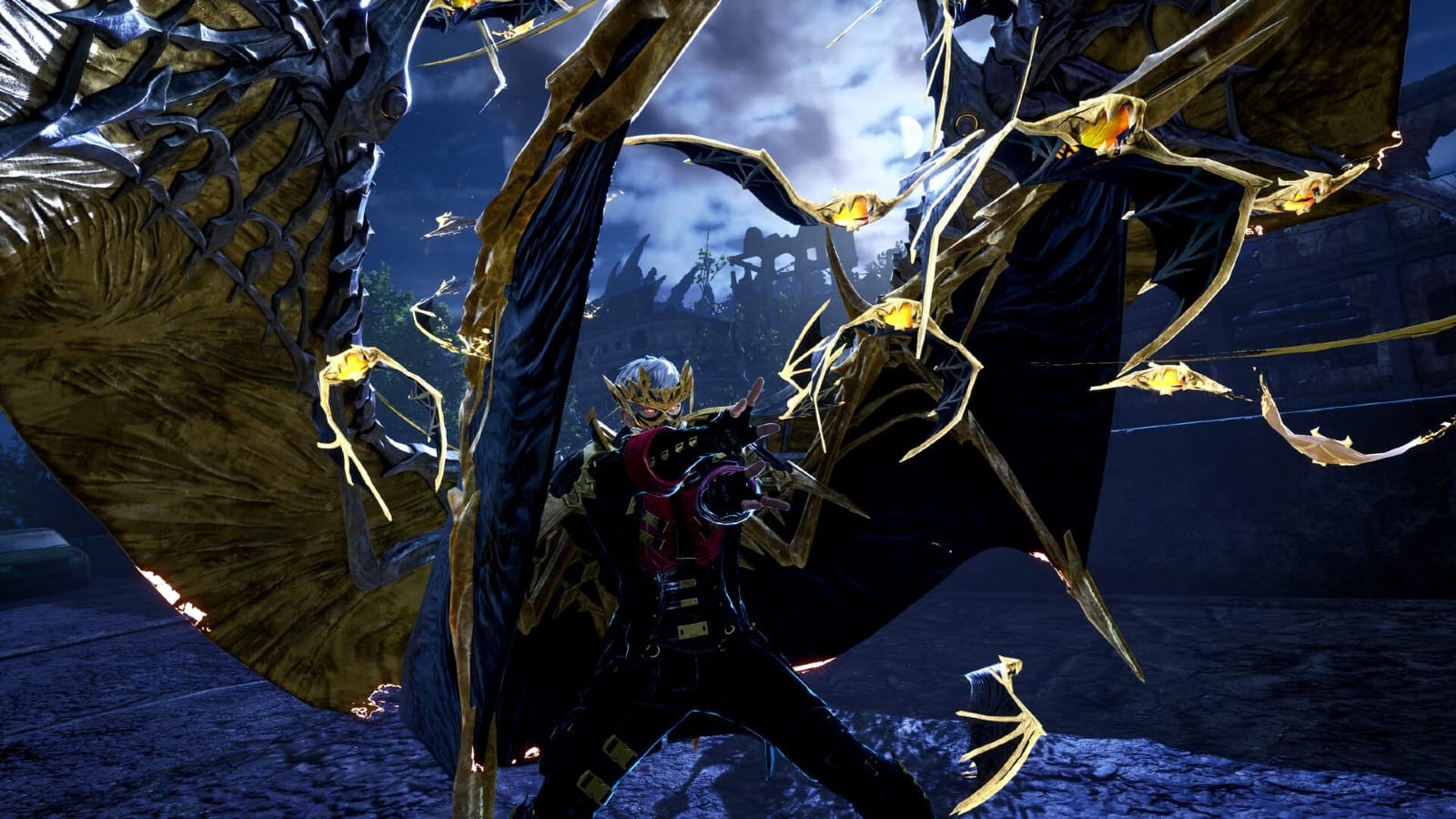
Jails replace Blood Veils as your back-mounted equipment, modifying stats and determining how your Drain Attacks function. Draining blood from enemies still generates Ichor to fuel your Formae, but different Jails offer distinct variations. There is also a burden system where equipping heavier gear strains your stats. Each stat has both a benefit and a drawback when pushed past its threshold, opening doors for some unconventional builds. Boosters add another layer of complexity, letting you unlock attributes and activate traits tied to your Blood Code and equipment.
The Partner system has also been changed. The first game let you bring AI companions into battle, but they mostly provided extra damage and distraction. Now you can "assimilate" your partner, absorbing them temporarily for stat boosts while removing them from the field. It creates a trade-off between diversion versus powered-up solo performance. Partners also serve as a safety net through Restorative Offering, reviving you when your health runs out at the cost of putting them on cooldown. This absolutely trivializes the difficulty curve for newcomers. The main disappointment is that online co-op is gone. Previously you could summon other players into your world, Dark Souls style. That feature has been cut entirely. Boo.
Technical performance issues are present with frame drops during combat and open world traversal. Sometimes your summoned partner gets stuck in terrain, making them essentially useless during combat scenarios. A minor annoyance is that the interact button and dialogue button are both mapped to R1, and sometimes if you want to progress through dialogue, you can’t rest at a checkpoint or pick up an item, and vice versa. Thankfully, I’ve run into no game breaking bugs or crashes. The game clocks in at 59.38 GB on the PS5 and takes around 8 seconds to load into the game from the main menu. Unfortunately, there’s no dedicated home page music on the PS5, whereas there is one for the first Code Vein.
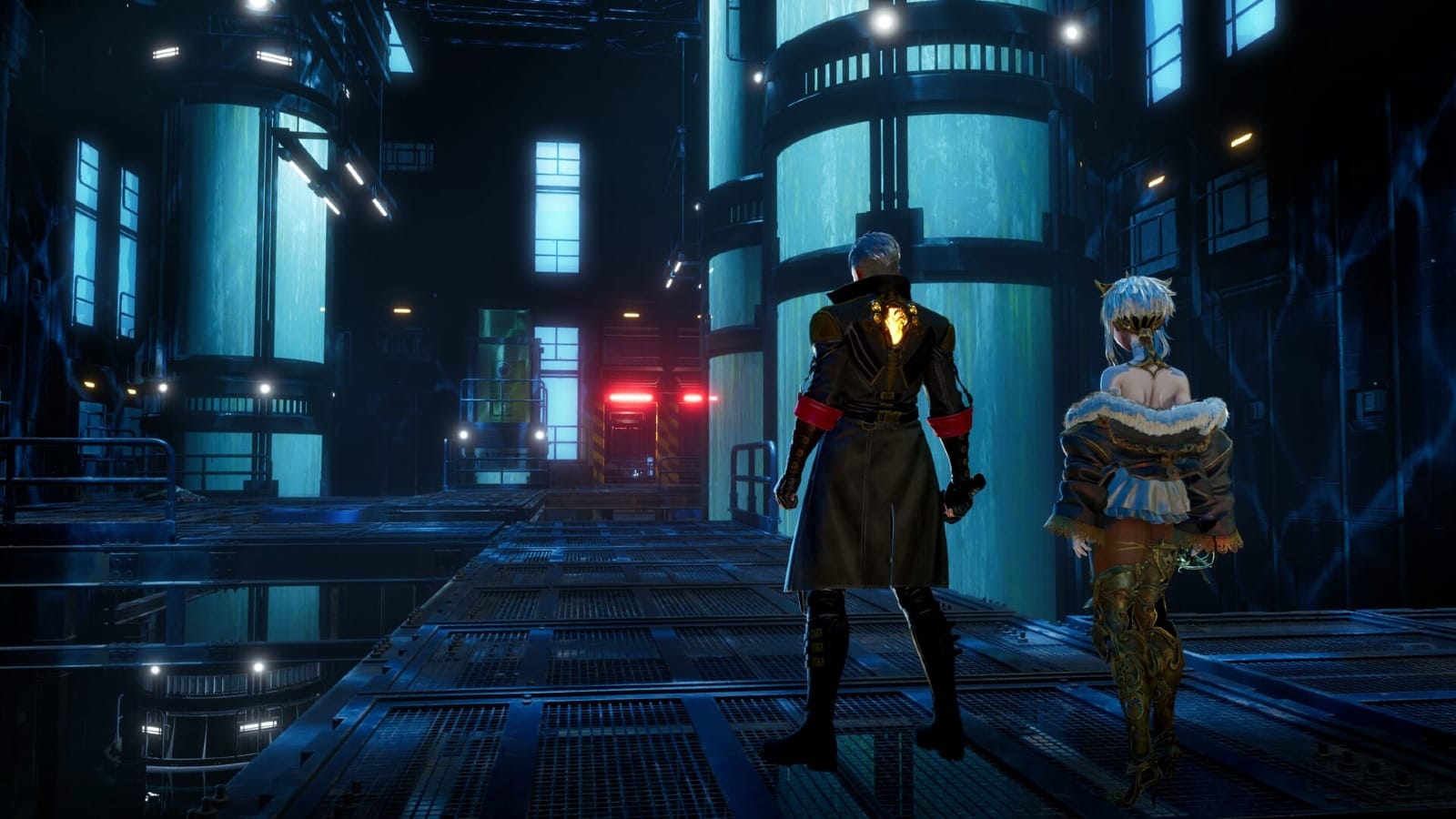
The elephant in the room we need to address are the visuals. For me, Code Vein II is a visual step down from its predecessor. The art style looks completely different, and not in a good way. The original had a distinct gothic anime look that felt unique. The sequel's aesthetic feels off, like something got lost in translation between entries. I’m not sure if this can be accounted for by the game’s switch from Unreal Engine 4 to 5. The sequel lacks any visual identity, and looks like any other generic UE5 anime game.
The character creator, thankfully, has been expanded further. Body shape adjustments are more granular, and hair options let you tweak everything from strand curliness to how bangs fall across the face. You could easily lose an hour here before seeing any gameplay. A free Character Creator Demo is available now, letting you build your Revenant early and transfer them into the full game. And yes, the female character designs still lean heavily into fan service, if you catch my drift.
Code Vein II is clearly an exceptionally ambitious sequel, but the execution is uneven. Build options and world design have improved, yet the art style has shifted in an unflattering direction, combat still lacks fluidity, and the removal of online co-op is a disappointment. Frame drops during fights don’t help either.
Code Vein II
Good
For fans of the original, Code Vein II delivers more of what you enjoyed with meaningful expansions to the formula. For newcomers, the partner system creates a low barrier to entry. For those hoping Bandai Namco would finally create their own Elden Ring, temper your expectations.
Pros
- Flexible builds and two new weapon types
- Open world with interesting time travel mechanic
- Impressive character creator
- Partner system lowers barrier for newcomers
Cons
- Poorly designed user interface
- Visual downgrade from the original's style
- Online co-op completely removed
- Frame drops
This review is based on an early PS5 copy provided by the publisher. Code Vein II comes out on January 30, 2026.