Six years in the making, Transport Fever 3 is the most ambitious project Swiss studio Urban Games has ever attempted. After selling more than two million copies of Transport Fever 2, Urban Games had both the confidence and the capital to make and self-publish their best project yet. The game will have over 300 vehicles, 35 industries, and 40 types of cargo.
The elevator pitch hasn't changed much on paper. You build transport networks, move cargo and passengers, and watch small towns grow into cities. You've been doing this since Train Fever in 2014. But the execution here is noticeably sharper, the scope is wider, and the studio is clearly trying to address the two biggest criticisms of its predecessor: a steep learning curve that scared away newcomers, and a lack of meaningful endgame that left veterans feeling bored.
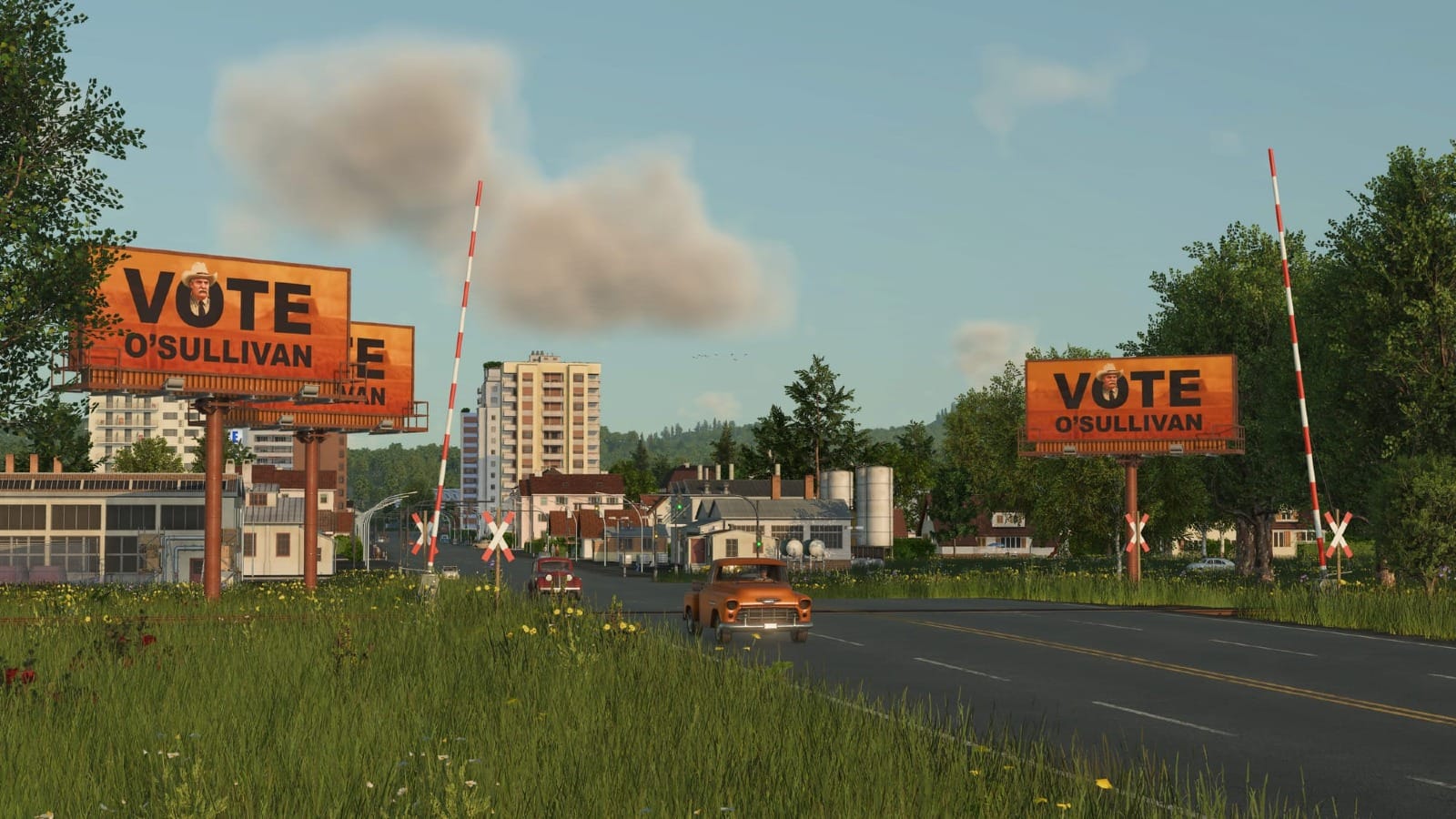
The series has never been known for storytelling. Previous entries had missions, sure, but they were essentially tutorials with some historical window dressing. This time, Urban Games built a proper campaign with eight missions, voice acting in both English and German, and stories that are loosely inspired by real historical events but given a creative spin.
The campaign takes you across the globe and across time. The eight missions are:
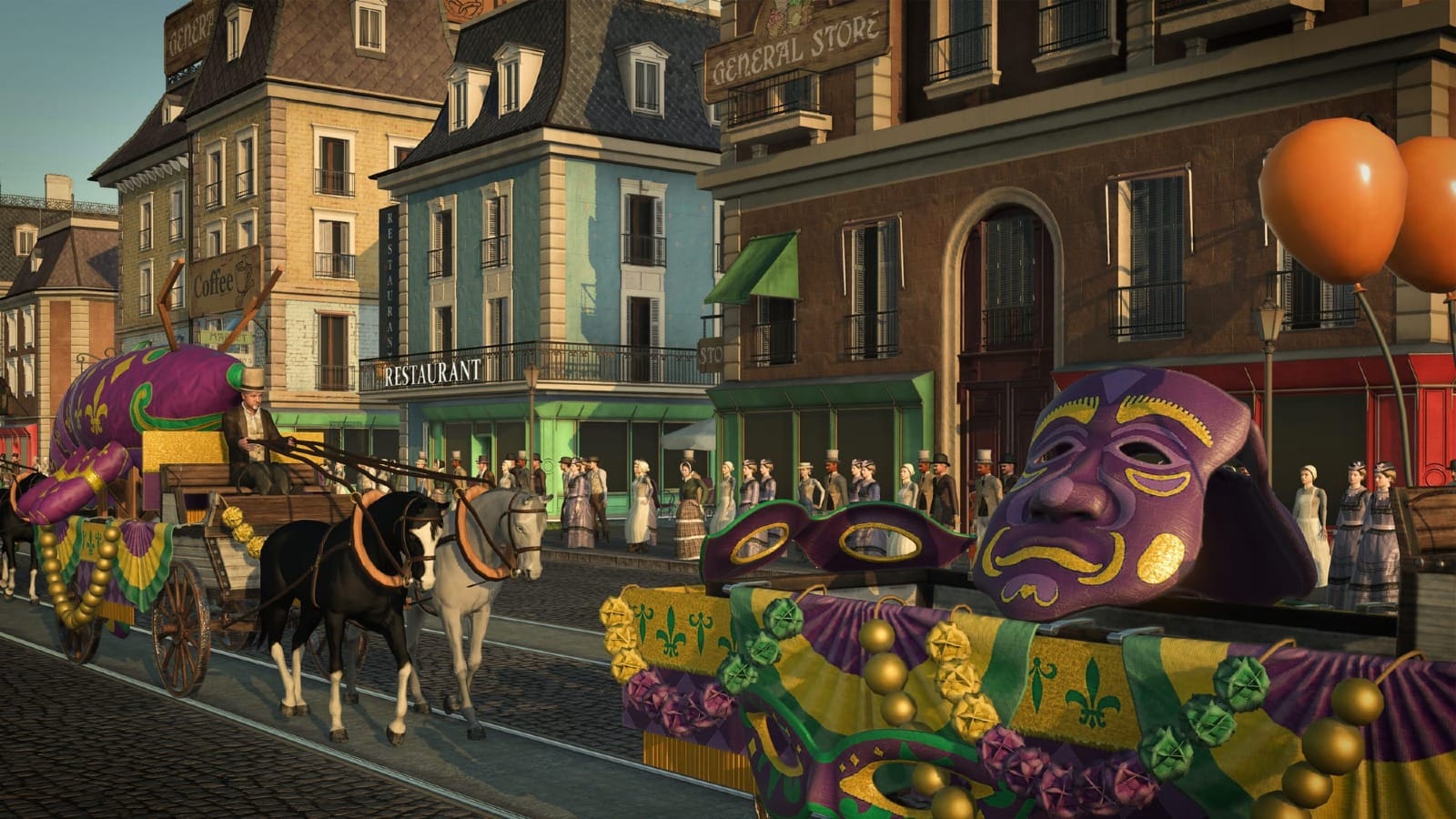
- Mardi Gras, New Orleans, 1906
- Alpine Crossing, Italy, 1920
- Desert Wonder, Wadi Rum, Jordan, 1956
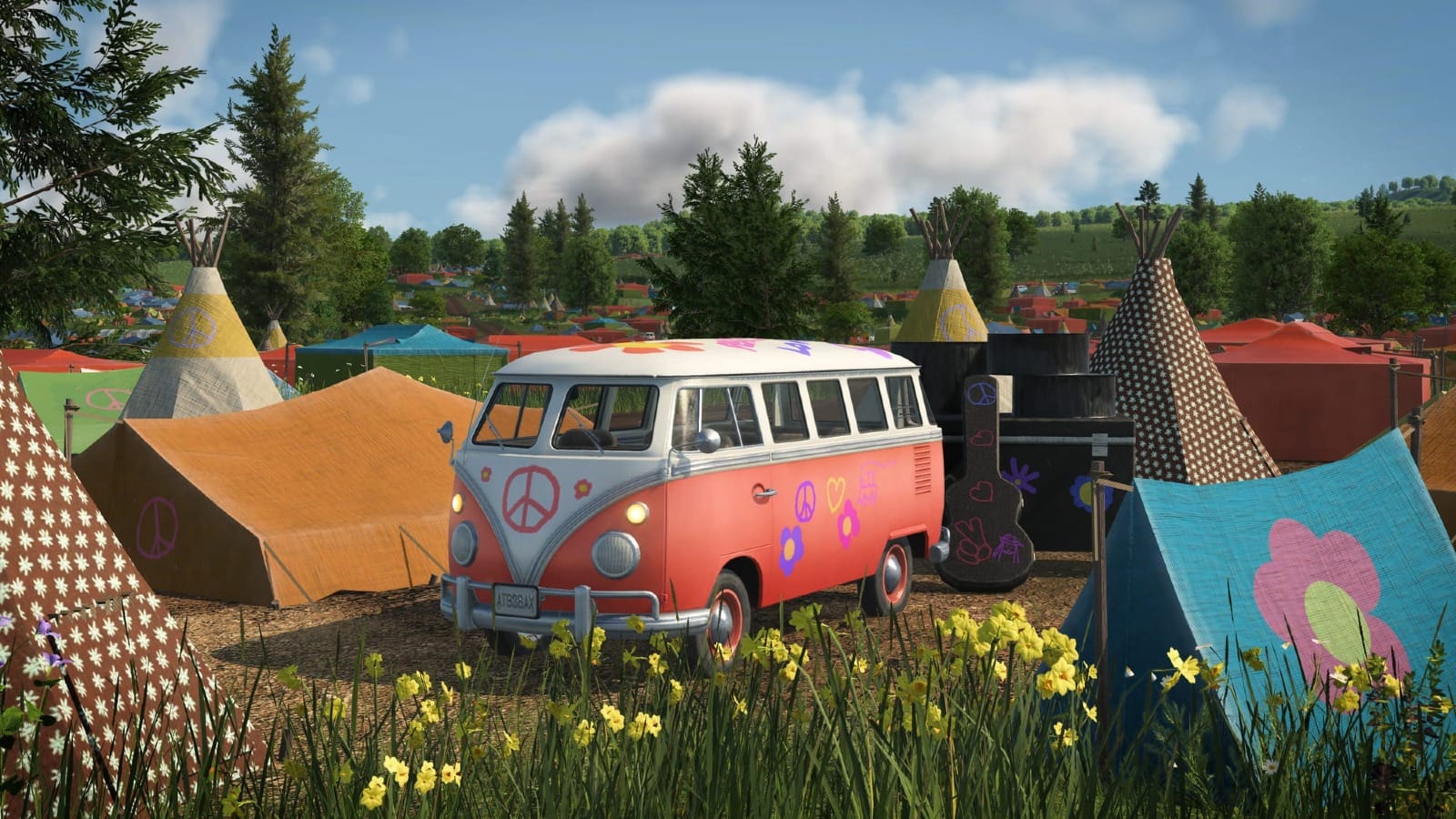
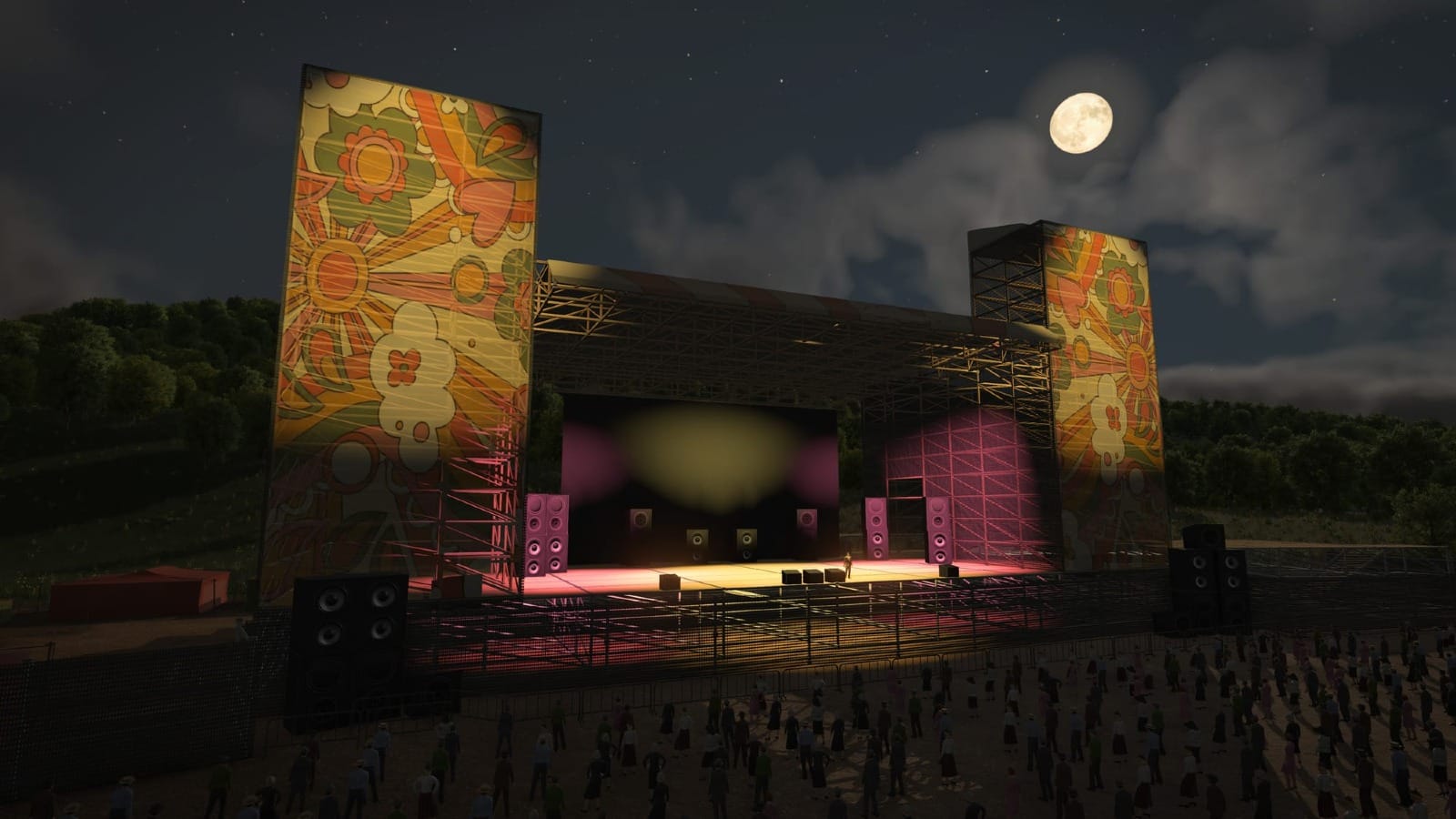
- Largest Festival in the World, Bethel, USA, 1969
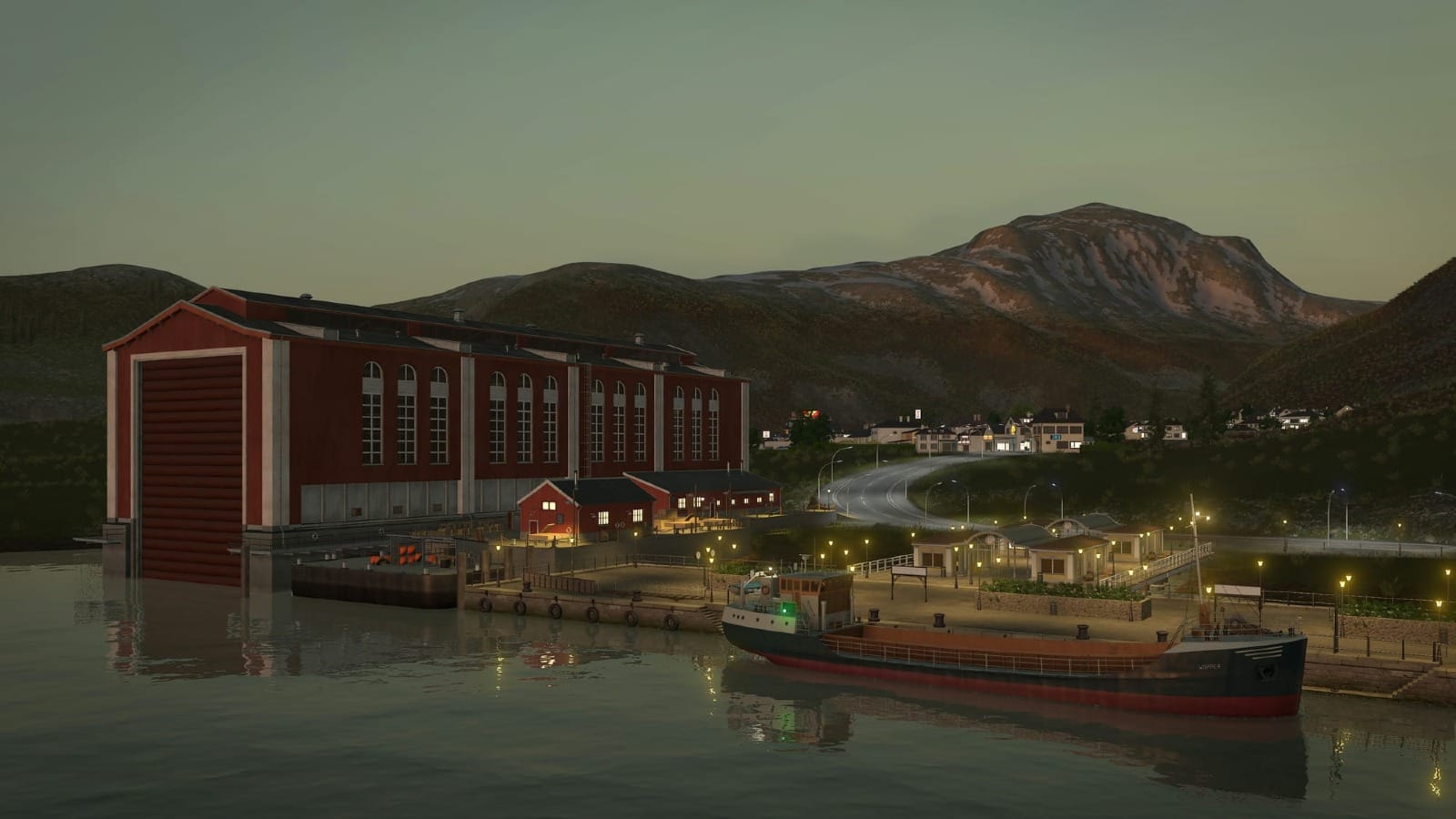
- Norway's Oil Rush, Norway, 1971
- Islands Under Construction, Philippines, 1999
- Big City Big Problems, Australia, 2015
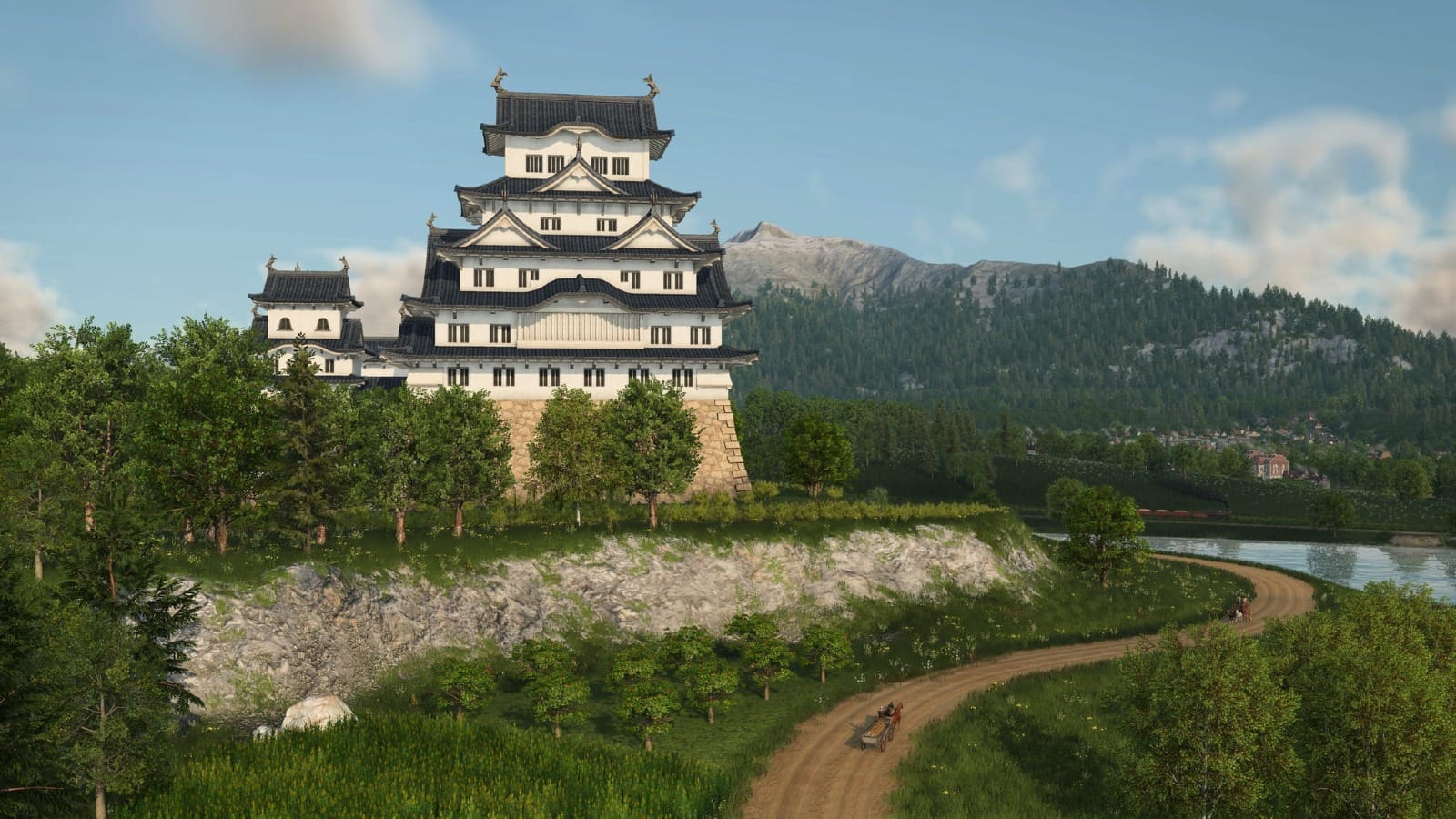
- Final Countdown, Japan, 2033
I played the first and fourth missions during my preview session. The New Orleans mission functions as both the opening chapter and a tutorial of sorts, taking roughly 30 minutes to complete. It introduces the basics of transport line creation, vehicle purchasing, and route management without burying you in menus. Mission four, the Woodstock-era festival scenario, took closer to an hour and demanded a firmer grasp of the gameplay mechanics. The difficulty ramp between those two felt appropriate, though I can see the jump being rough for someone who skipped straight to mission four without absorbing the earlier lessons.
Each mission offers up to three stars based on specific performance requirements, plus optional special awards for creative objectives like finding hidden instruments scattered around the festival map. It’s nothing revolutionary but a nice touch nonetheless. That final mission set in 2033, teasing concepts like space travel, is an intriguing escalation that I unfortunately didn't get to try.
What caught me off guard was the dialogue system. Missions feature voice-acted characters that present you with choices during conversations. These aren't Mass Effect-level branching narratives, but they give the campaign some personality. The developers made a point of telling us that no AI was used in character creation, and that is what I like to hear.
If there's a weakness in the campaign, it's the rigidity of certain missions. You can't add new roads in the campaign scenarios I played, which limits your problem-solving toolbox. For a game that prides itself on creative freedom, this restriction is a bit unwarranted.
The core loop remains satisfying in a way that's hard to articulate until you've spent twenty minutes agonizing over whether a bus route should turn left at the intersection or loop around the block. Transport Fever 3 is about creating transport lines across land, rail, and water; buying vehicles, setting up stops, warehouses, and stations; and then watching your network either hum along or collapse under the weight of its own inefficiency.
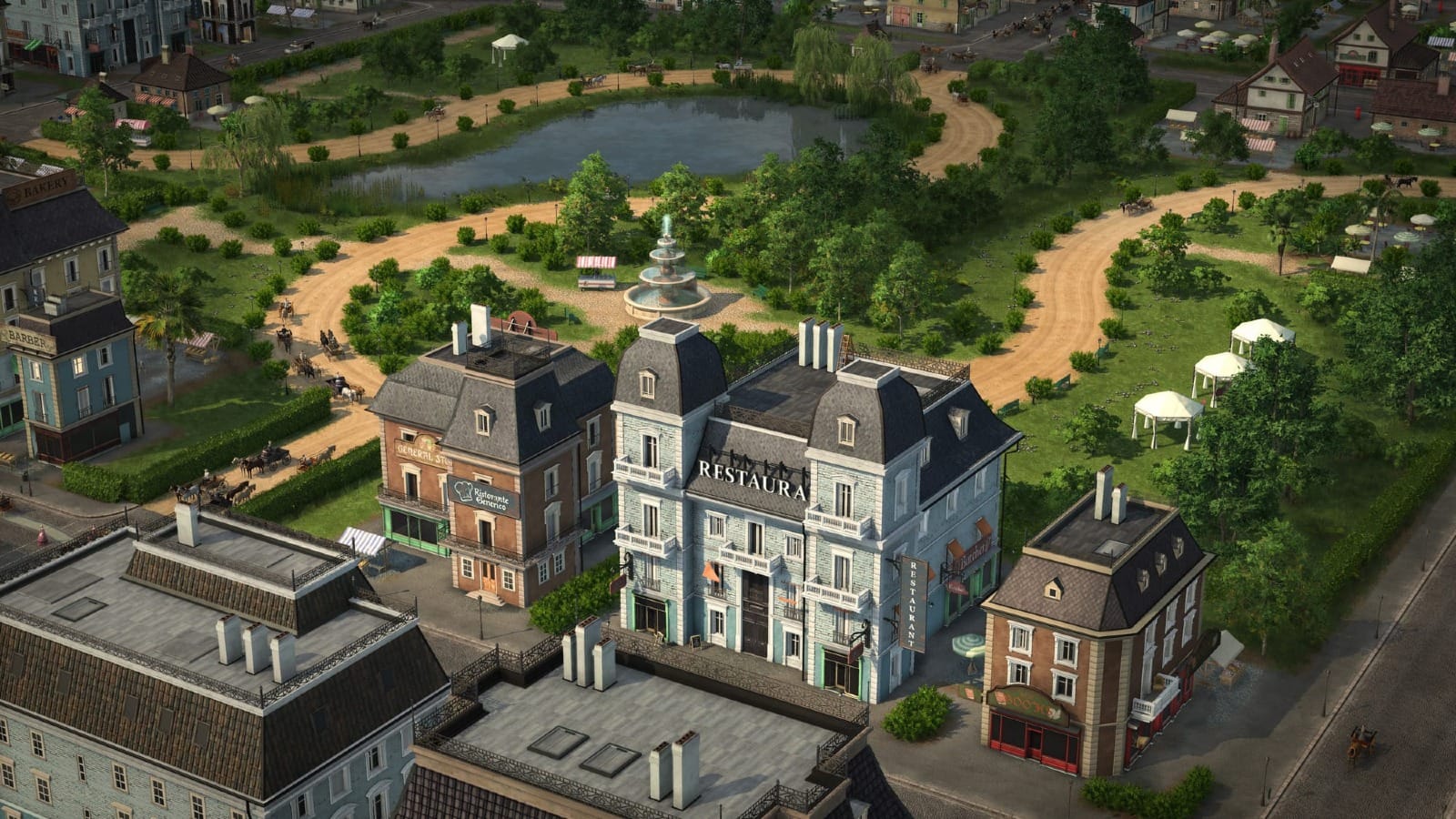
The big additions here are depth and consequence. Every city now tracks satisfaction across multiple metrics: supply levels, reputation, happiness, delivery efficiency, traffic congestion, noise pollution, and environmental pollution. Feed a town enough goods and it grows. Neglect its sewage system, and, well, people will definitely notice. You actually have to build infrastructure to handle waste, which is a realistic detail that distinguishes Transport Fever from more casual city builders.
Faster vehicles cost more to purchase and maintain, but if a cheaper truck spends twice as long at the dock, you're losing money anyway. Micromanagement has been expanded in smart ways. If you have two trucks running the same line, you can assign each one to different stops so they aren't wasting fuel. It sounds minor, but in a game where margins matter, this kind of granular control is appreciated.
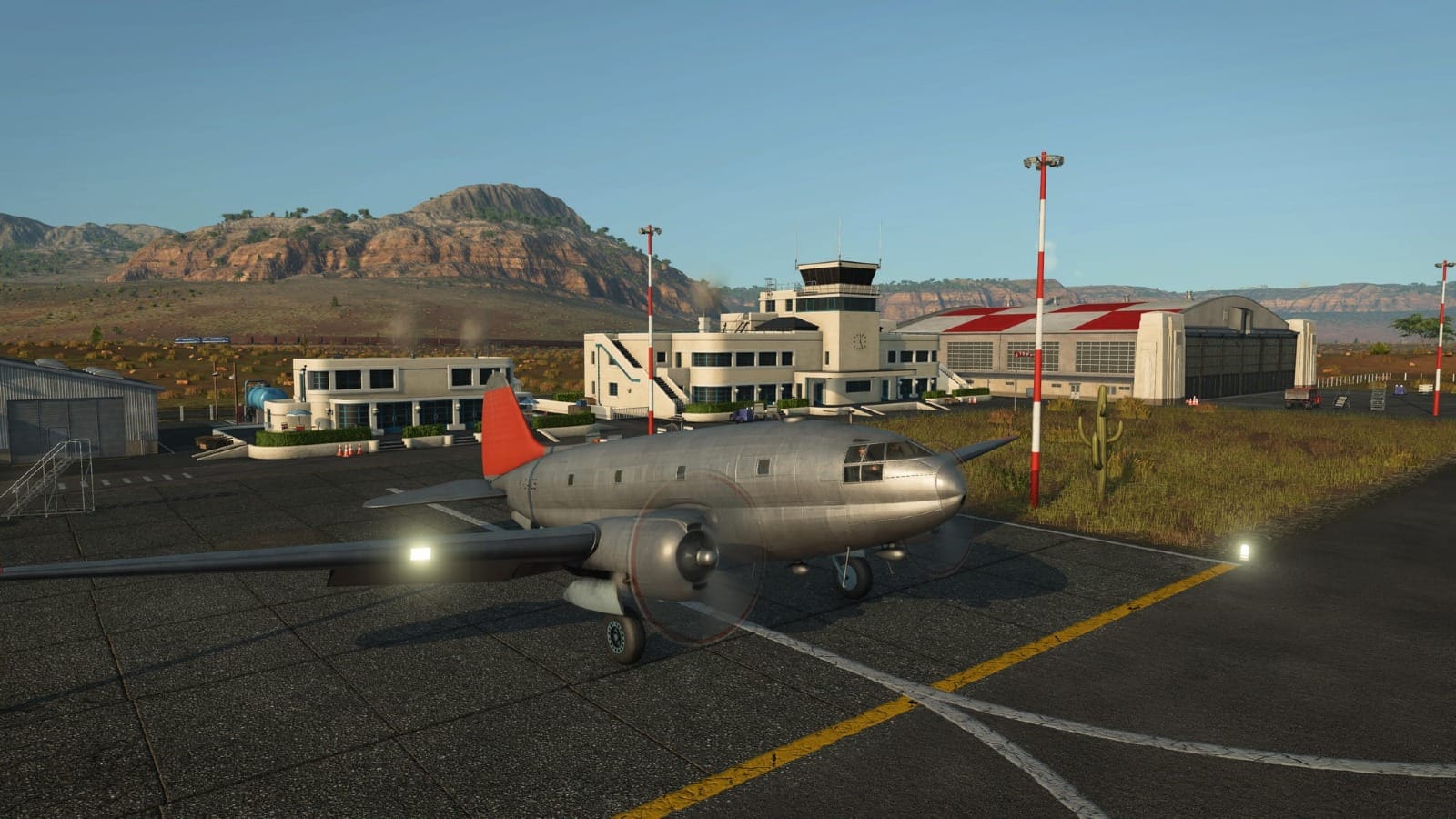
Where the gameplay still stumbles is in communication. I’m someone coming in completely new to this genre. The game tracks an impressive amount of data through overlay layers covering terrain, town zoning, traffic flow, passenger flow, noise, and pollution. But when something goes wrong, like a traffic jam choking your main supply route, Transport Fever 3 doesn't do a great job telling you why it happened or how to fix it. You're left to diagnose the problem yourself, which is fine for experienced players but will absolutely frustrate newcomers (aka me). The tutorials cover the basics, but someone who has never touched this series before could still use more guidance.
Also, I wish you could speed the game up beyond the current 3x option. When you're waiting for a delivery to complete or a town to hit a growth threshold, staring at the screen at triple speed is still painfully slow. A 5x or even 10x option for those downtime moments would be a welcome quality-of-life addition.
Progression in Transport Fever 3 operates on two tracks (no pun intended): the campaign's structured escalation and the open-ended tycoon mode. In the campaign, difficulty increases across the eight missions, and the star system gives you clear goals to chase.
Tycoon mode is where most players will spend their hundreds of hours. You generate a new map by selecting one of four biomes (temperate, subarctic, tropical, or dry), choose a map size ranging from small to very large, pick a start year, take out a loan, and get to work. You can dial the economy, city behavior, and citizen demands up or down to craft your ideal experience.
New gameplay elements like landmarks and offshore industries add wrinkles to the progression curve. Landmarks are iconic buildings that require dedicated supply chains to construct, giving late-game players something to work toward beyond raw profit. Offshore industries expand the geographical puzzle by forcing you to extend your network out to sea, which introduces ship routes and port logistics into the equation.
One thing worth noting that I learned: deleting transport lines you no longer need is critical. Unused lines still cost money, and the game doesn't alert you when a route has become redundant. This quiet drain on your account balance will have you wondering why your bank account is in the red.
The map editor is back and improved, letting you sculpt terrain, import heightmaps, and create maps that match real-world geography or something from your imagination. The mod hub is integrated directly into the game, and the developers are supporting official mods including time-period-agnostic vehicles, so you can run steam trains alongside bullet trains if historical accuracy isn't your thing.
The game is still in early beta, so judging technical performance at this stage is a bit unfair. That said, what I played ran reasonably well, though I can't speak to how the game holds up on larger maps with sprawling networks, which is historically where Transport Fever games start to sweat. The console version of the game is what I’m assuming is one of the team’s biggest obstacles, with the difficulty around the UI in terms of navigating menus, naming routes, and managing the volume of controls on a controller.
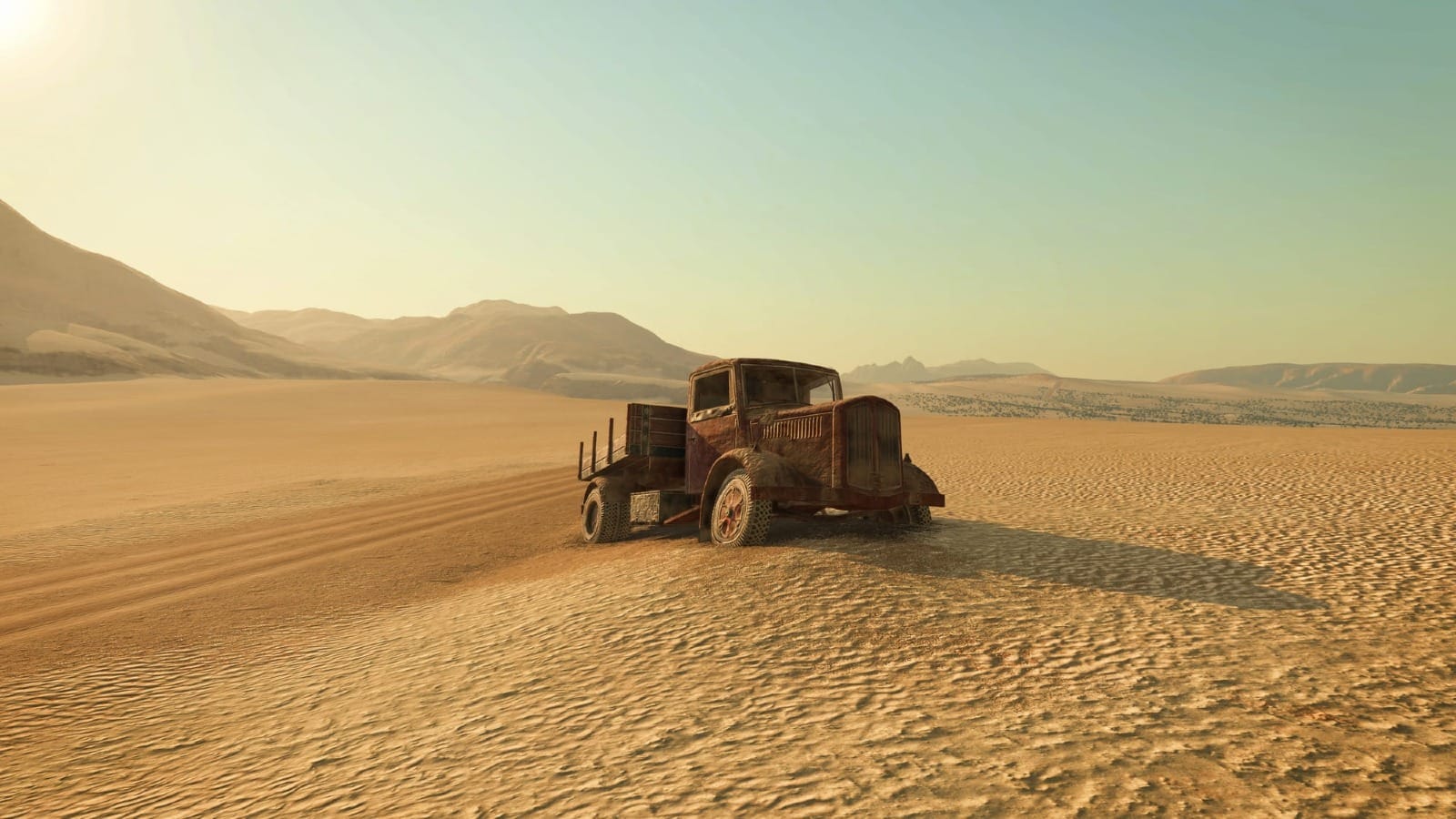
Transport Fever 3 is a good-looking game, and that matters more than you might think for a genre where you spend hours staring at overhead views of intersections. The new day-night cycle, one of the most requested features from TF2 players, transforms the atmosphere of your transport empire. Dynamic weather is in, too. Rain changes the mood of your world and interacts visually with the new water reflection system. If I'm being critical, the visuals, while improved, aren't going to blow anyone away. This is still a management game running on a custom engine, not Unreal Engine 5.
The soundtrack includes some licensed tracks, and hearing familiar melodies like "When The Saints Go Marching In" during the New Orleans mission is a nice touch.
Honestly, I walked into this preview expecting a game that would be difficult for me to enjoy considering it isn’t my usual cup of tea. But you know what? I left my preview session wanting to play more. The transport tycoon genre doesn't get many big releases. If Urban Games can successfully launch Transport Fever 3 and deliver on the performance front, then they’ll have something truly special.
Transport Fever 3 spans from the 1900s to the near future, where the game even flirts with the idea of space travel. It launches simultaneously on PC, PlayStation 5, and Xbox Series X|S sometime in 2026. For more news on Transport Fever 3, stay tuned to GamingTrend!