Forza Horizon has come a long way. Who would have thought it would outlast Forza Motorsport? But Horizon scratches an itch in ways most racing games can’t, and Playground Games has done it five times. For the sixth entry, the Horizon developer wants to push the series forward, away from the inferior hardware it was tethered to. After spending time in Forza Horizon's version of Japan during a digital hands-on preview, Horizon 6 doesn’t seem groundbreaking, but it’s hard to imagine it will be anything less than the best in the series.
Playground Games unlocked a limited portion of the map to speed through their version of Japan’s many biomes. Just with a fraction of the sample size, it feels like the most organic Horizon map so far. Horizon’s Japan naturally splits into distinct regions that almost eliminate the unrealistic quadrant design and the monotonous single biome type found in previous entries.
Forza Horizon 3 comes to mind as the inspiration for FH6, as it's the only other Horizon game with a large city. Tokyo City is enormous and contains its own biomes, including the famous Daikoku Parking Area. Once you're ready to leave Tokyo City, transitioning to the Highlands, for example, feels lifelike, as if the roads were informed by actual road design, then expertly blended with circuit layouts to maximize the fun.
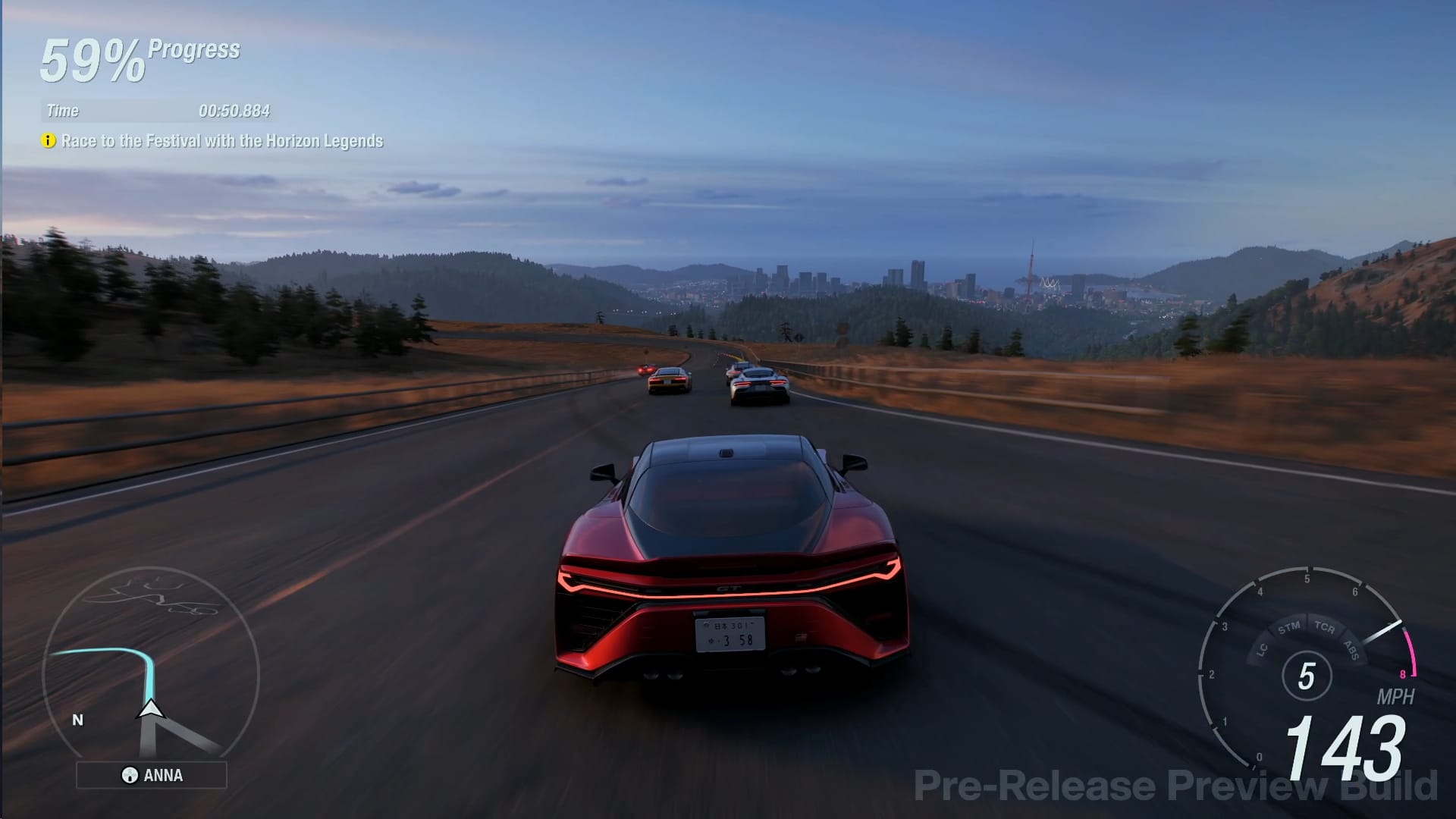
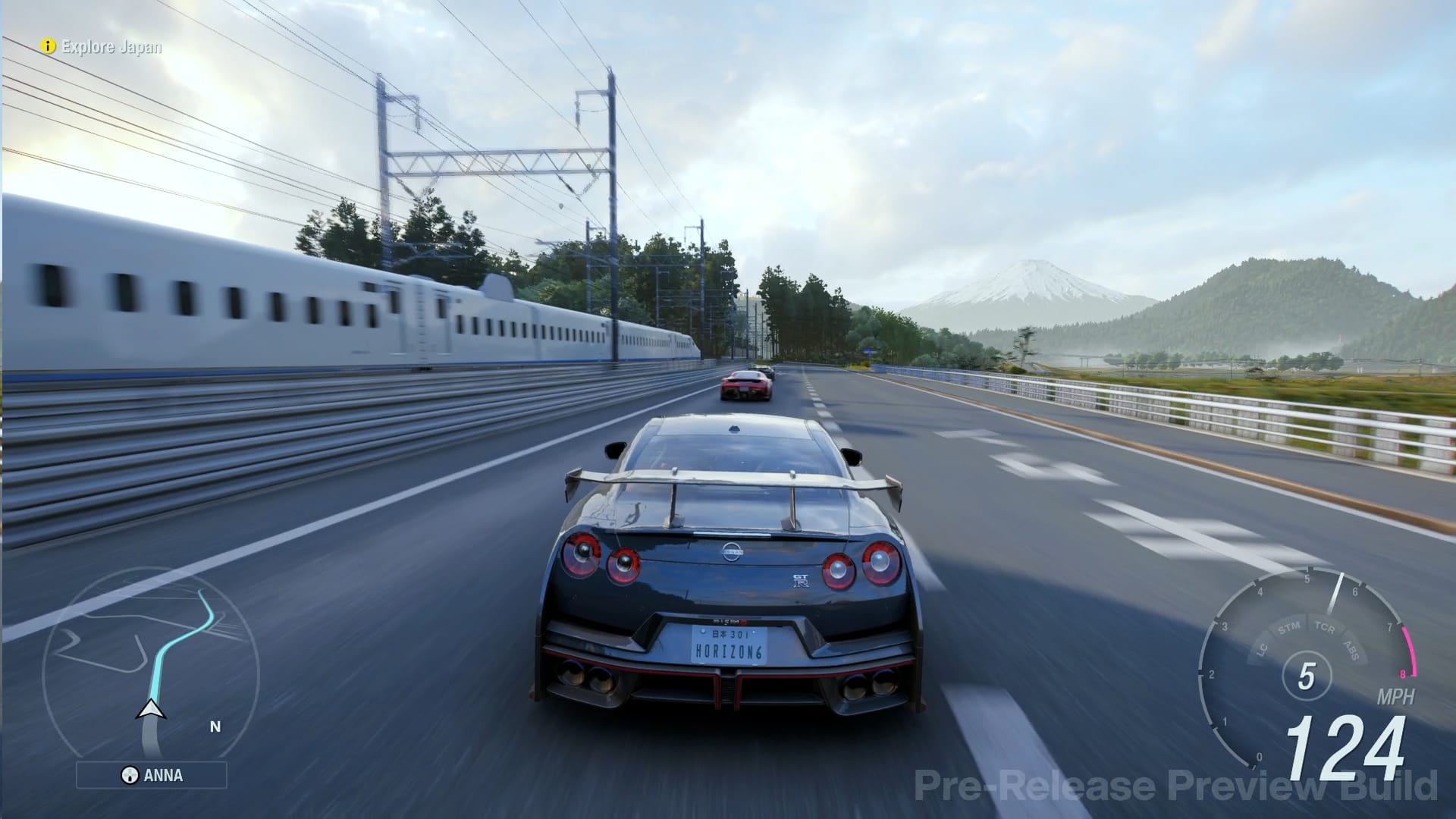
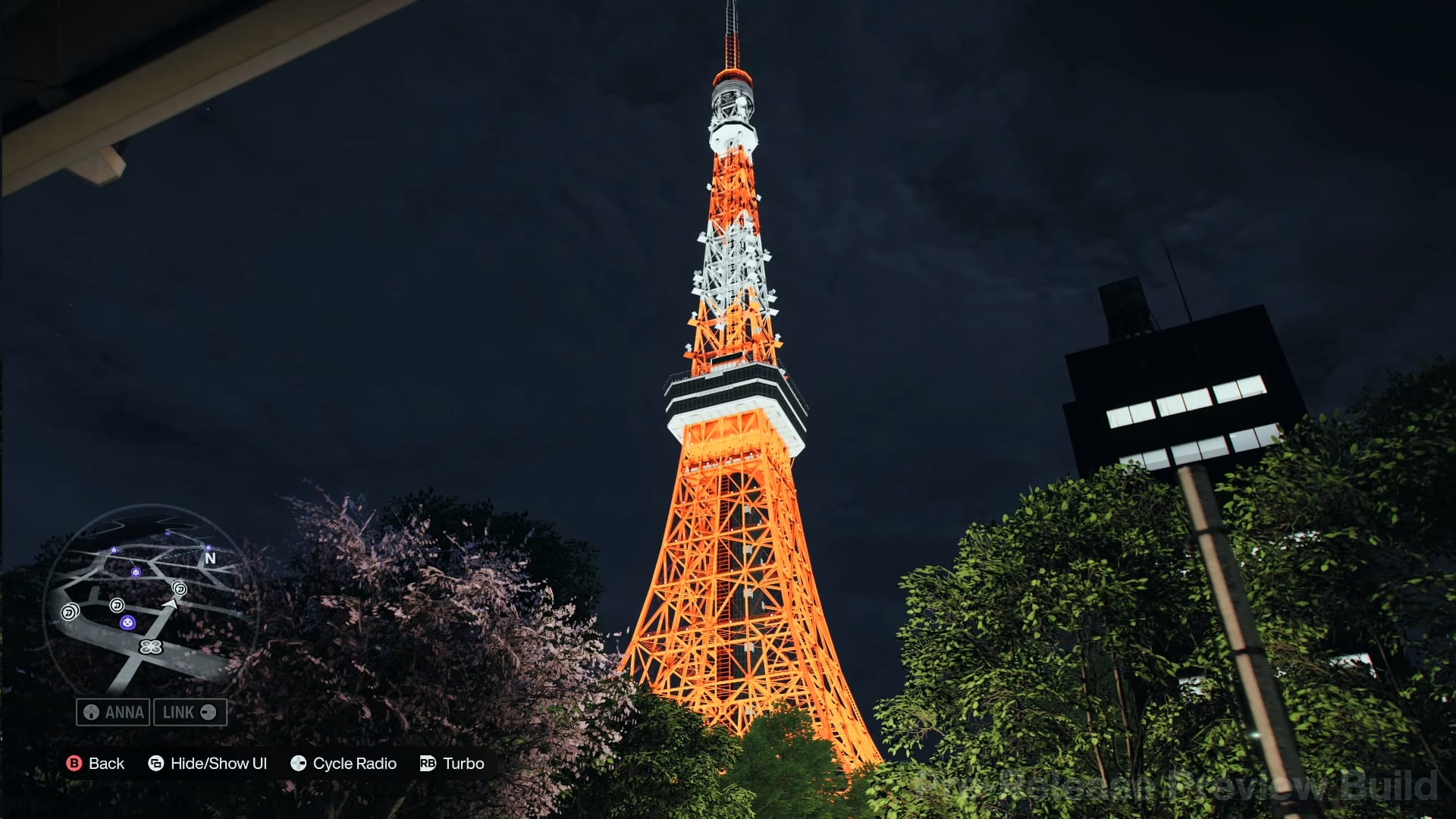
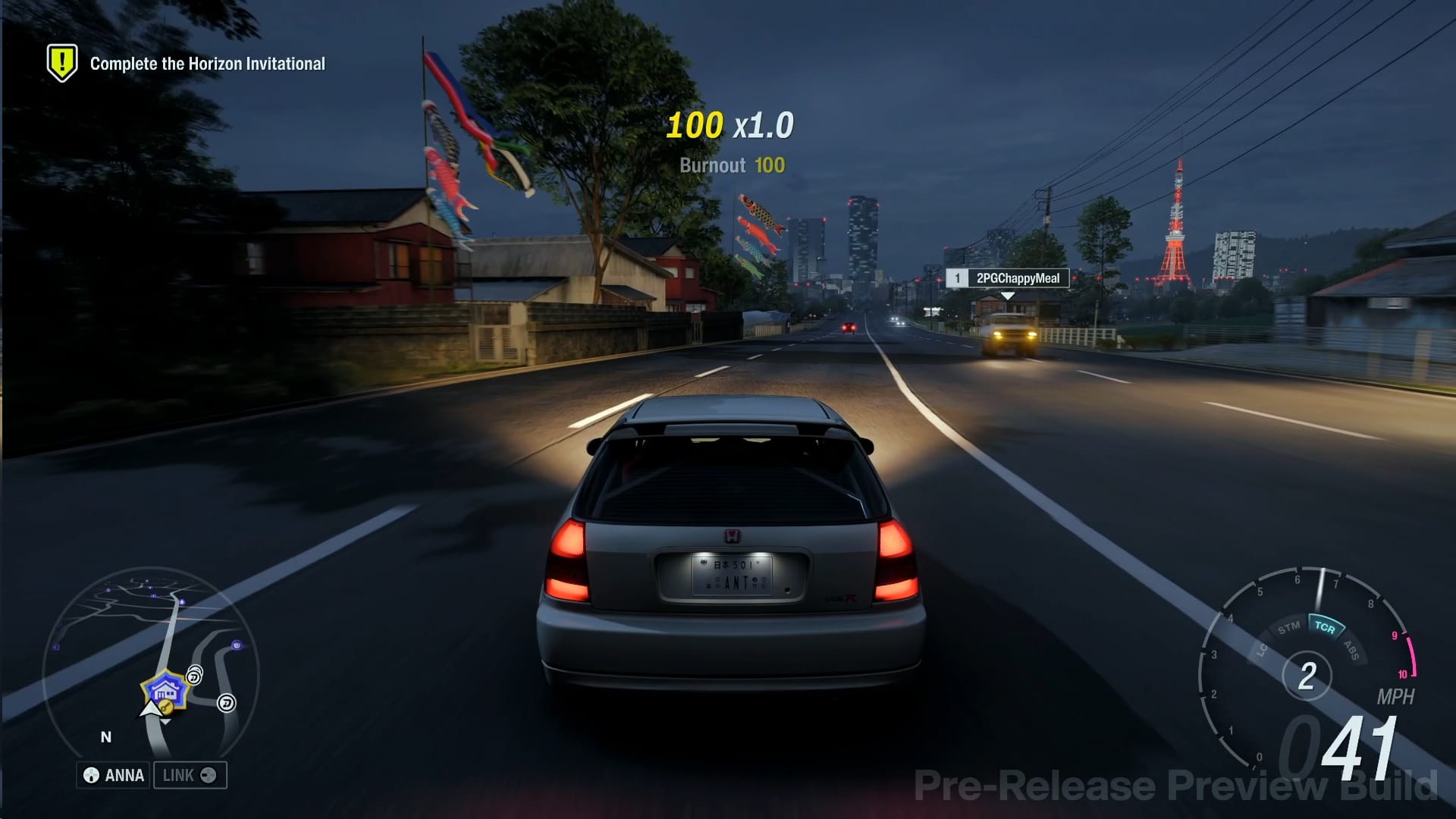
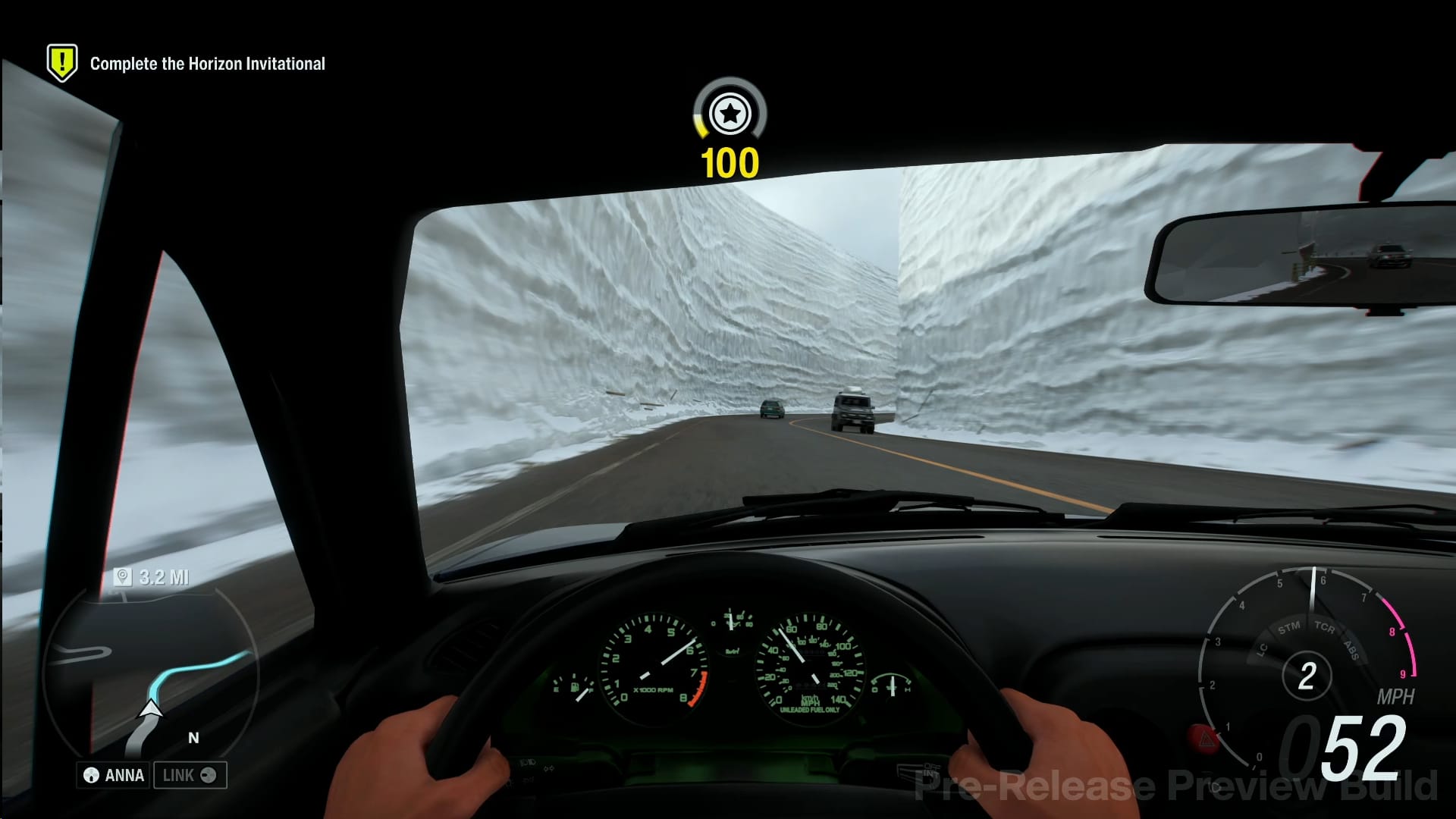
The map also includes ample variety. There are four-lane roads and extremely narrow alleyways. Vibrant pink cherry blossoms and lovely susuki grass flank the streets. Bright, sunny days illuminate the colors. Storms gray the skies and rain soaks the pavement. All of it is beautiful, rendered gorgeously on the Xbox Series X.
The streets are filled, too. A common criticism from previous Horizon games and recent footage of Horizon 6 is that there’s not enough traffic. Playground Games mentioned they turned down the traffic in their initial showing. They weren't lying. Plenty of cars took up space on the roads. Bobbing and weaving through incoming and ongoing traffic, racking up near-miss skills, was especially fun. Drivatar bots also drove the streets, adding more vehicles to skillfully navigate.
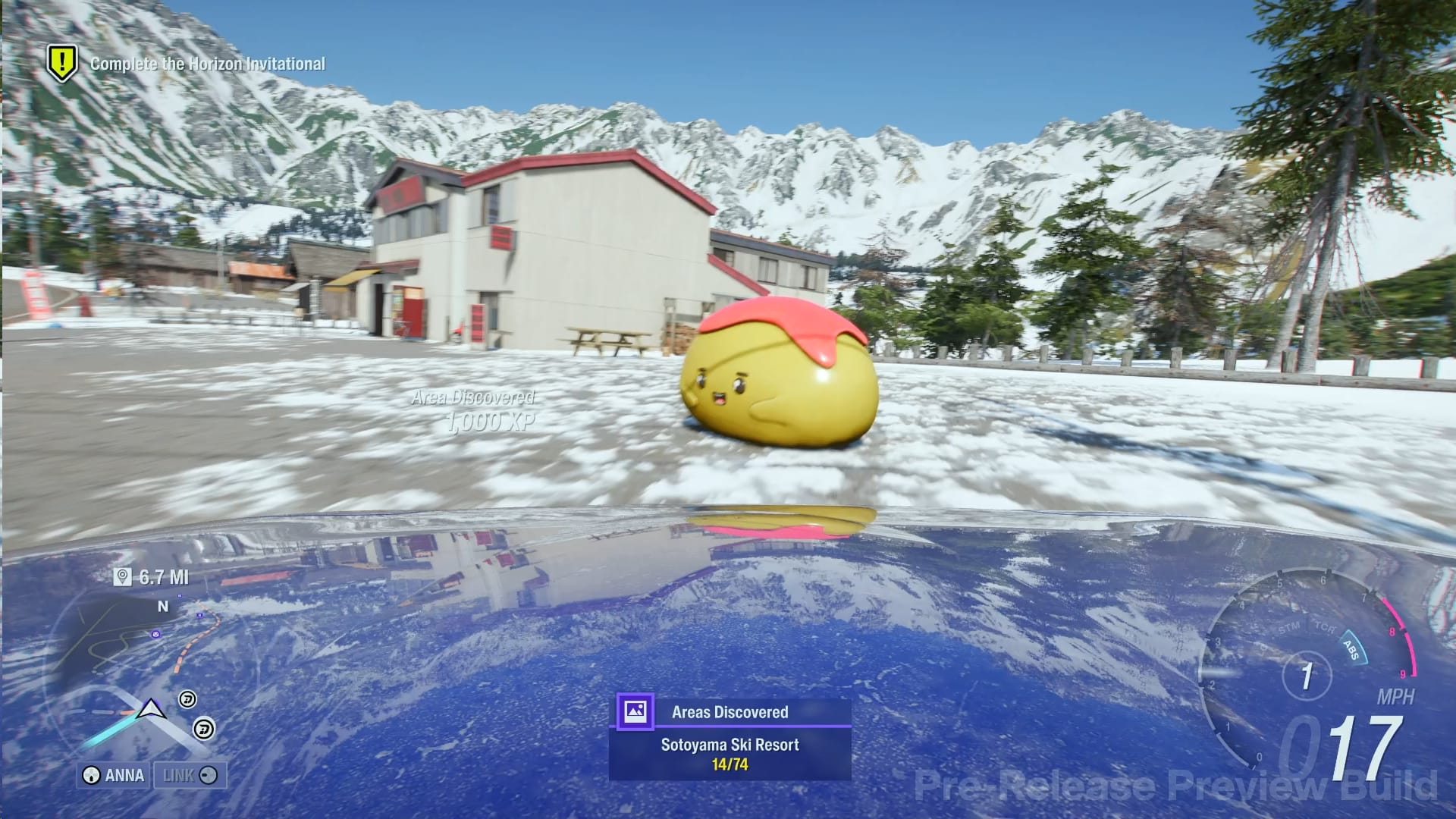
While driving, Japan’s beauty is impossible to overlook. Again, in this short preview, there are so many colors, and the draw distances are stunning. Seeing ice-covered mountains or large man-made structures in the distance makes the map feel majestic. I can’t imagine what the full map will look like.
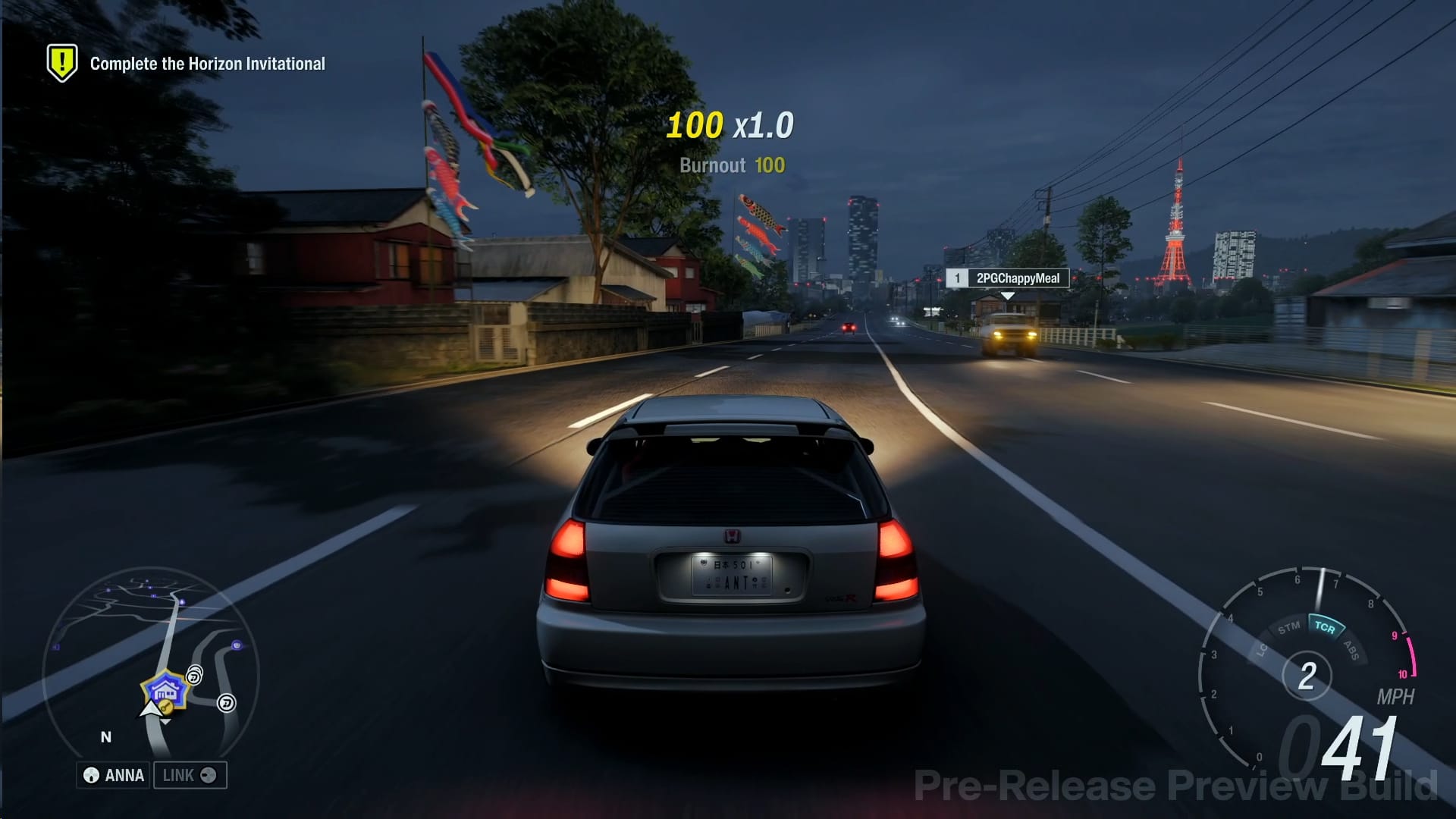
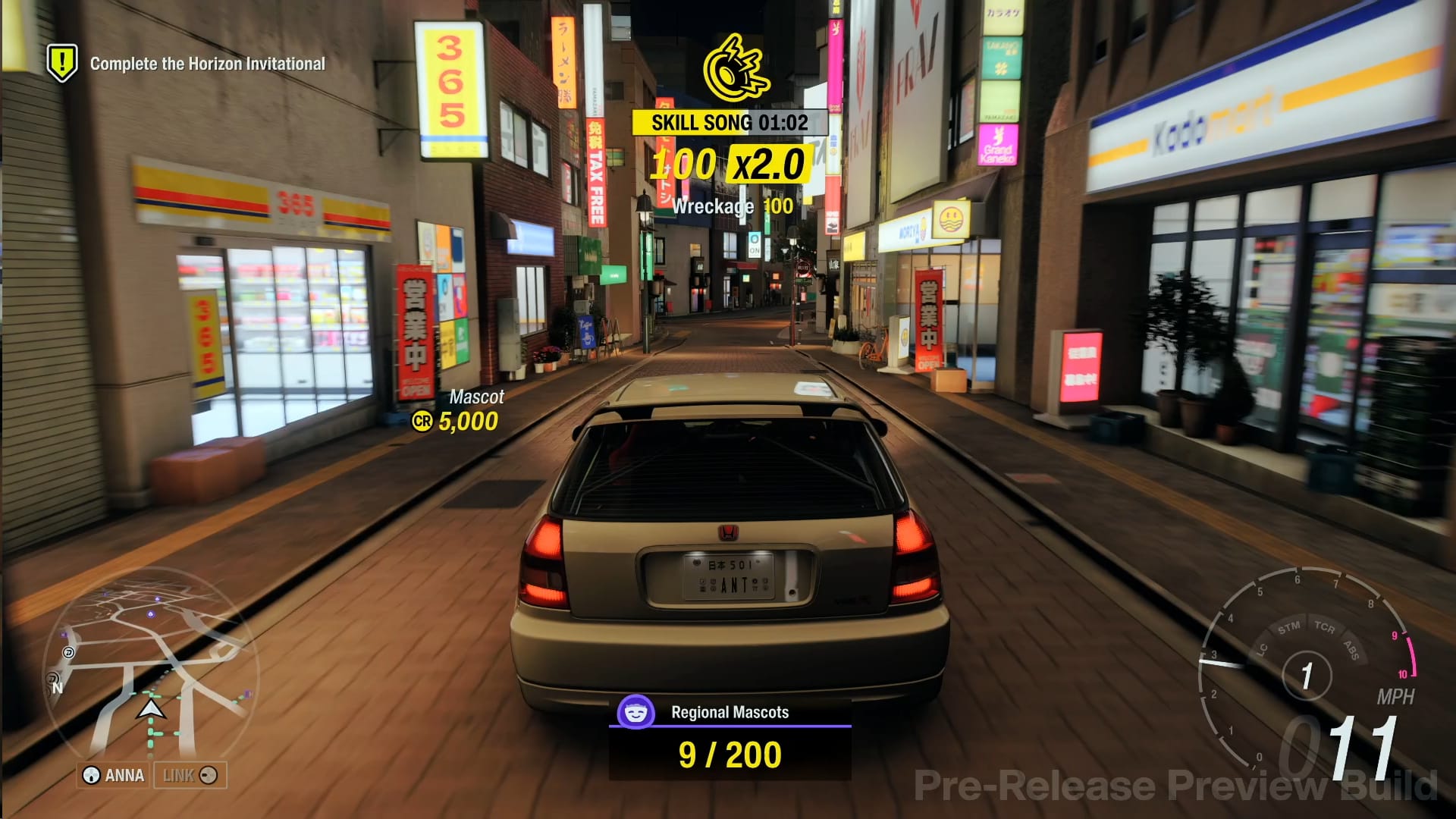
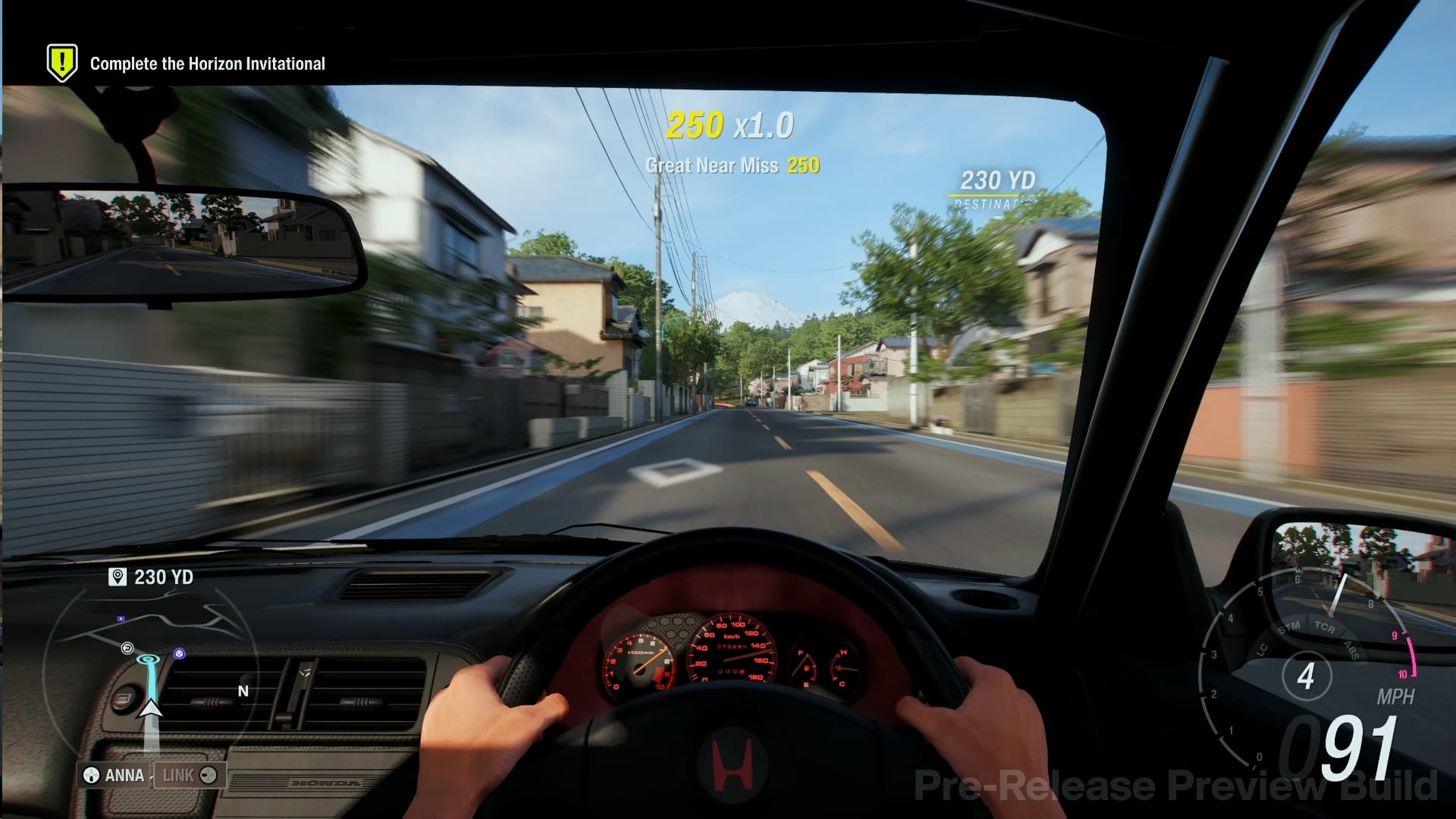
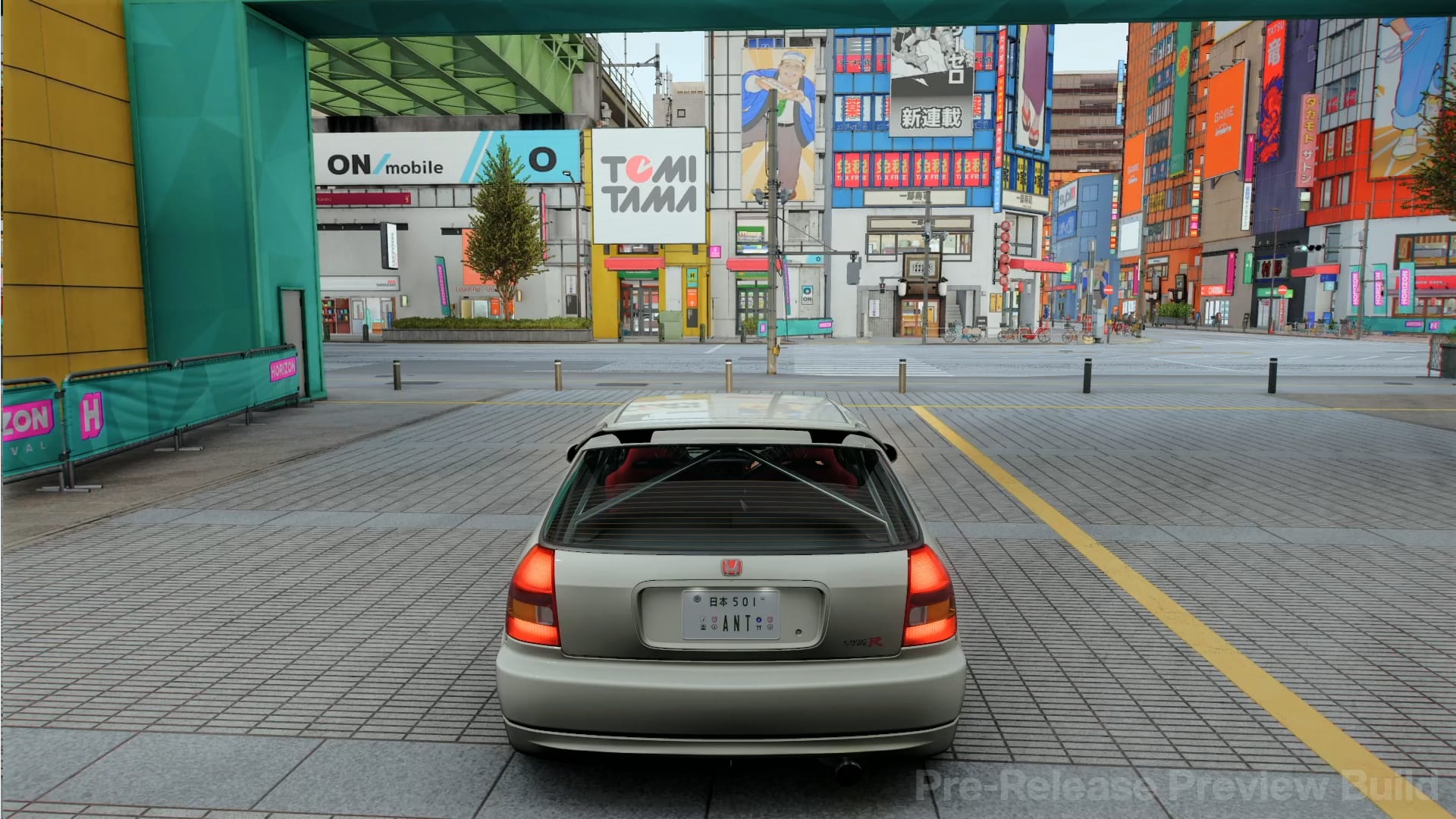
Because Japan is so beautiful, it invited me to drive to nowhere. And Playground is incentivizing and rewarding players for doing just that. ANNA returns, and she now gives you a drone you can fly for expanded sightseeing potential. I didn’t see an option to take photos with the drone, but I anticipate there will be a way to do so.
Auto Drive is another feature that’s great to use for marveling at the scenery. Set a destination, and you can tell ANNA to drive you there, letting you look around along the way. Hopefully, in the full game, you can take photos that way.
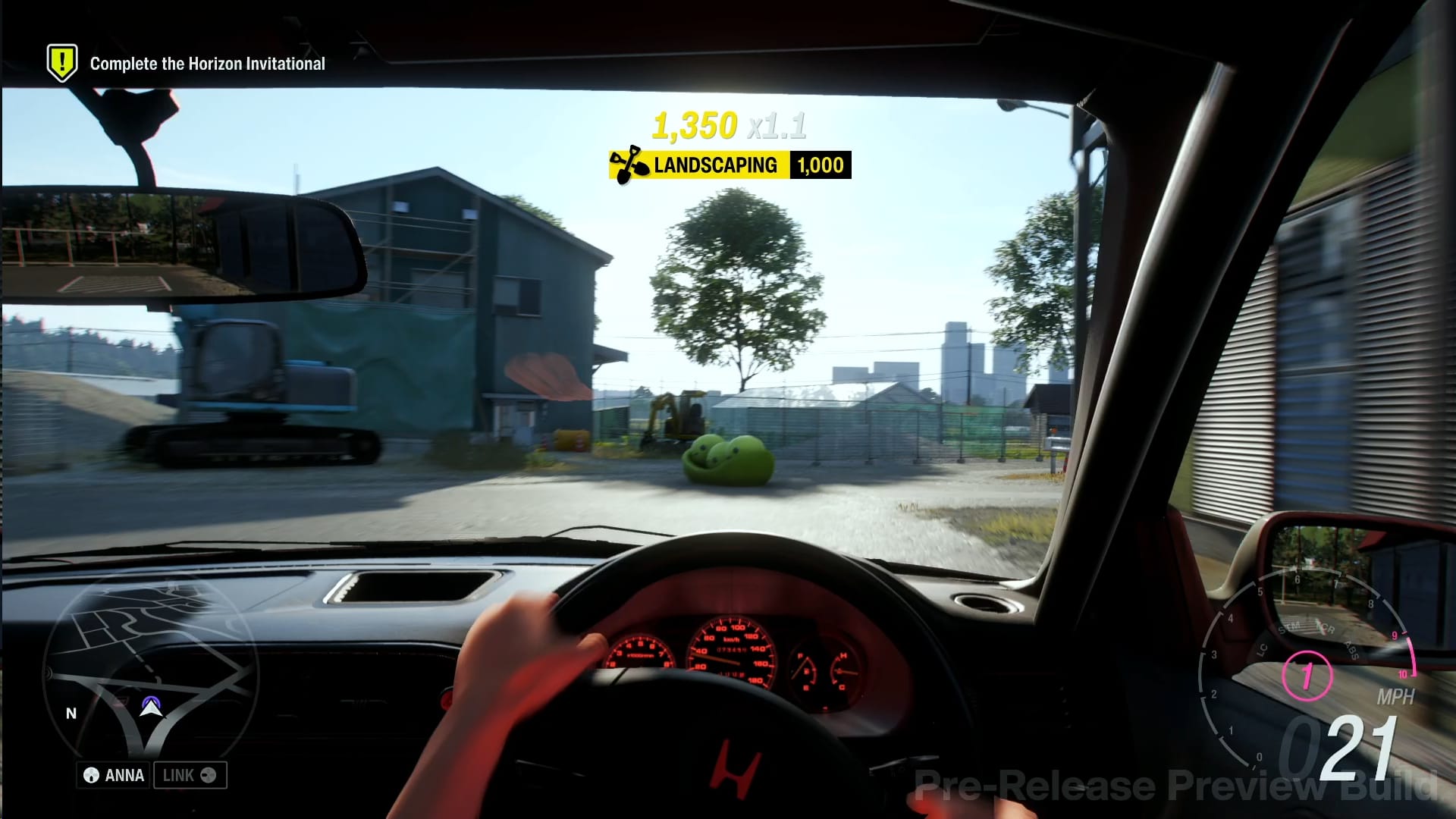
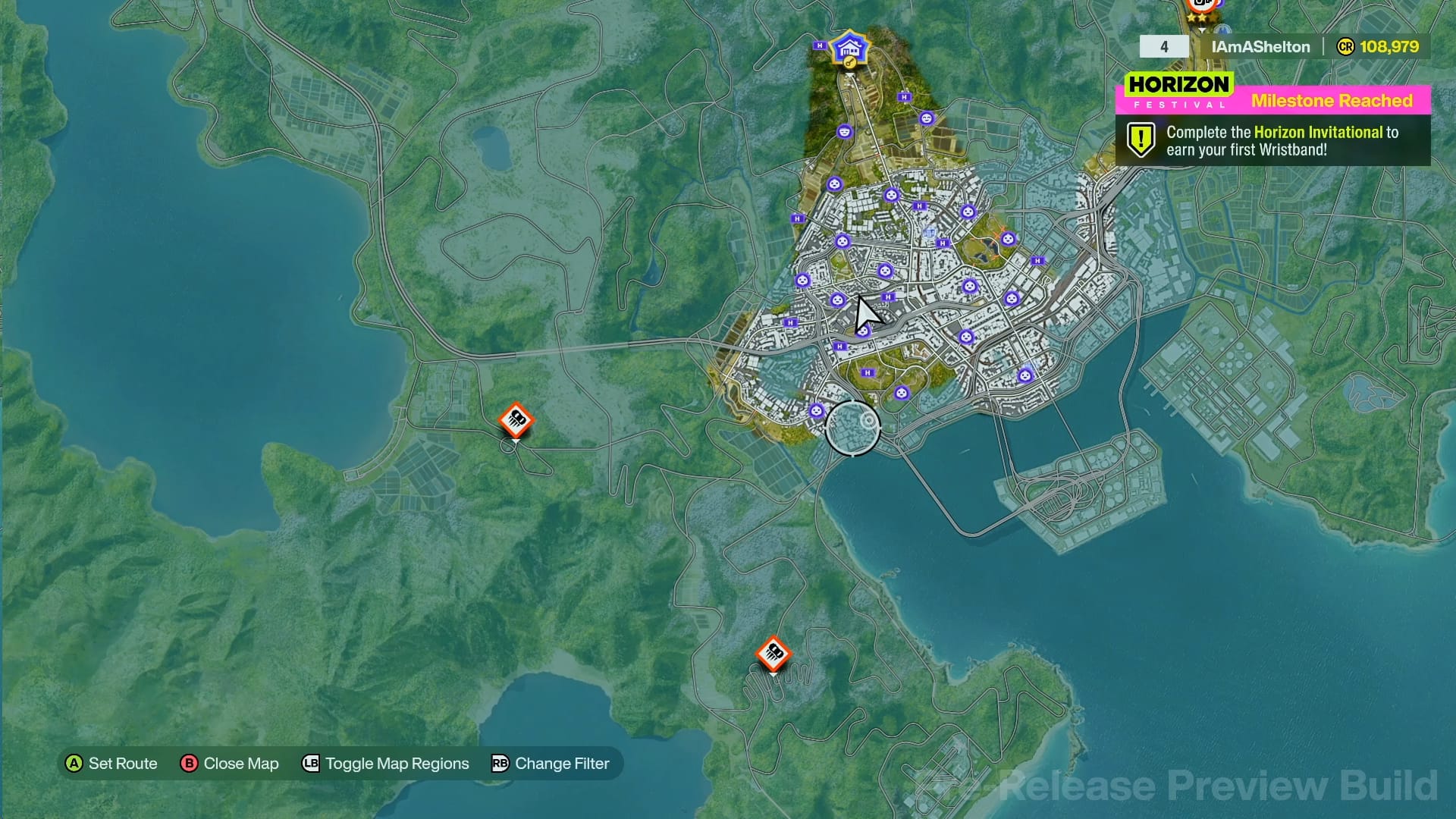
Playground Games continues to emphasize exploration with collectibles. In addition to XP boards, you can smash into oversized Japanese-food-inspired collectibles like Onigiri or Tempura. I kept discovering new roads while searching for the adorable food. I want to note a huge quality-of-life update that made collecting much more efficient and less chaotic: each region shown in the map screen can be isolated, allowing you to focus on just one region’s roads, collectibles, and races. That might be my favorite improvement demonstrated in the preview.
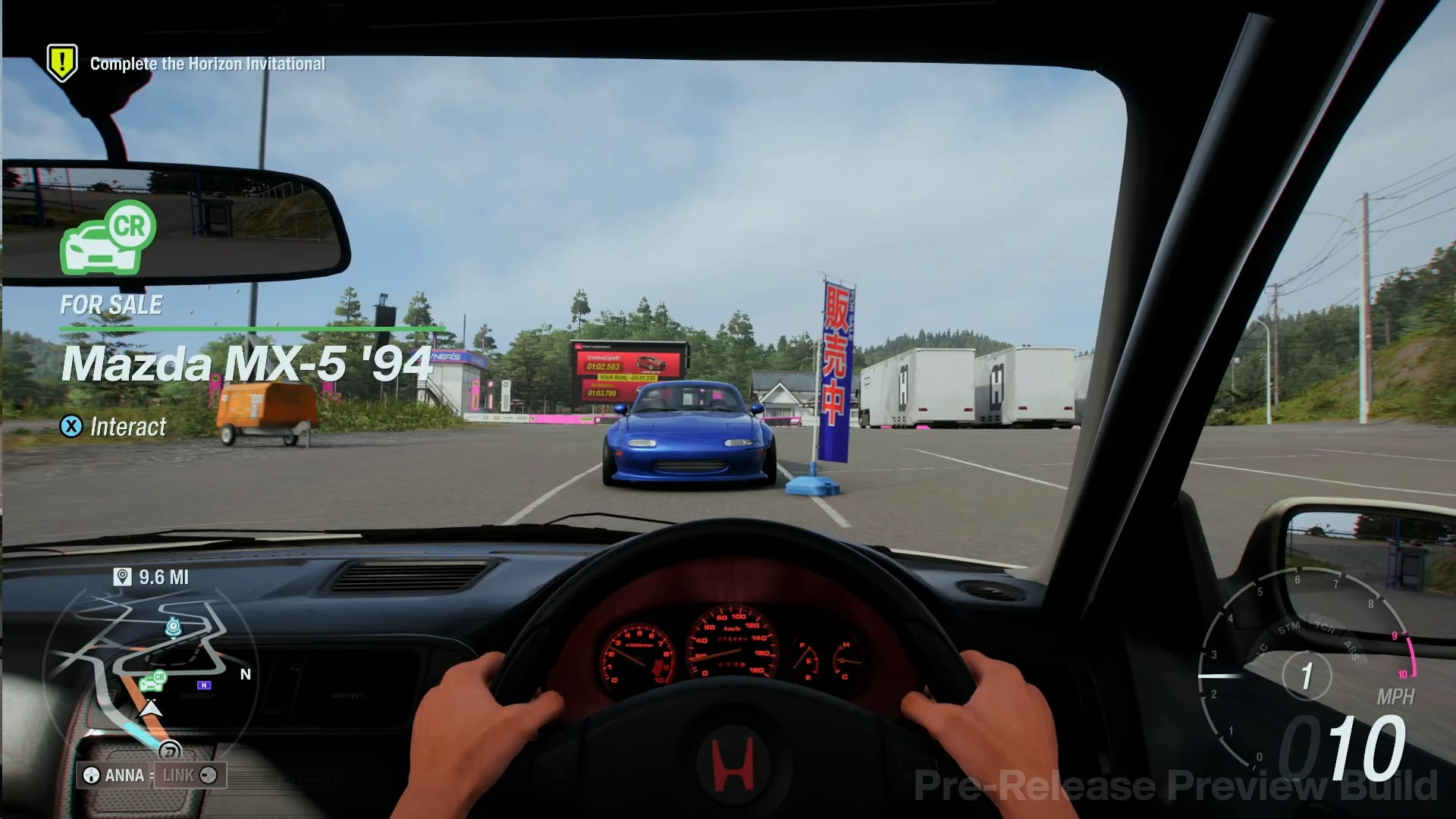
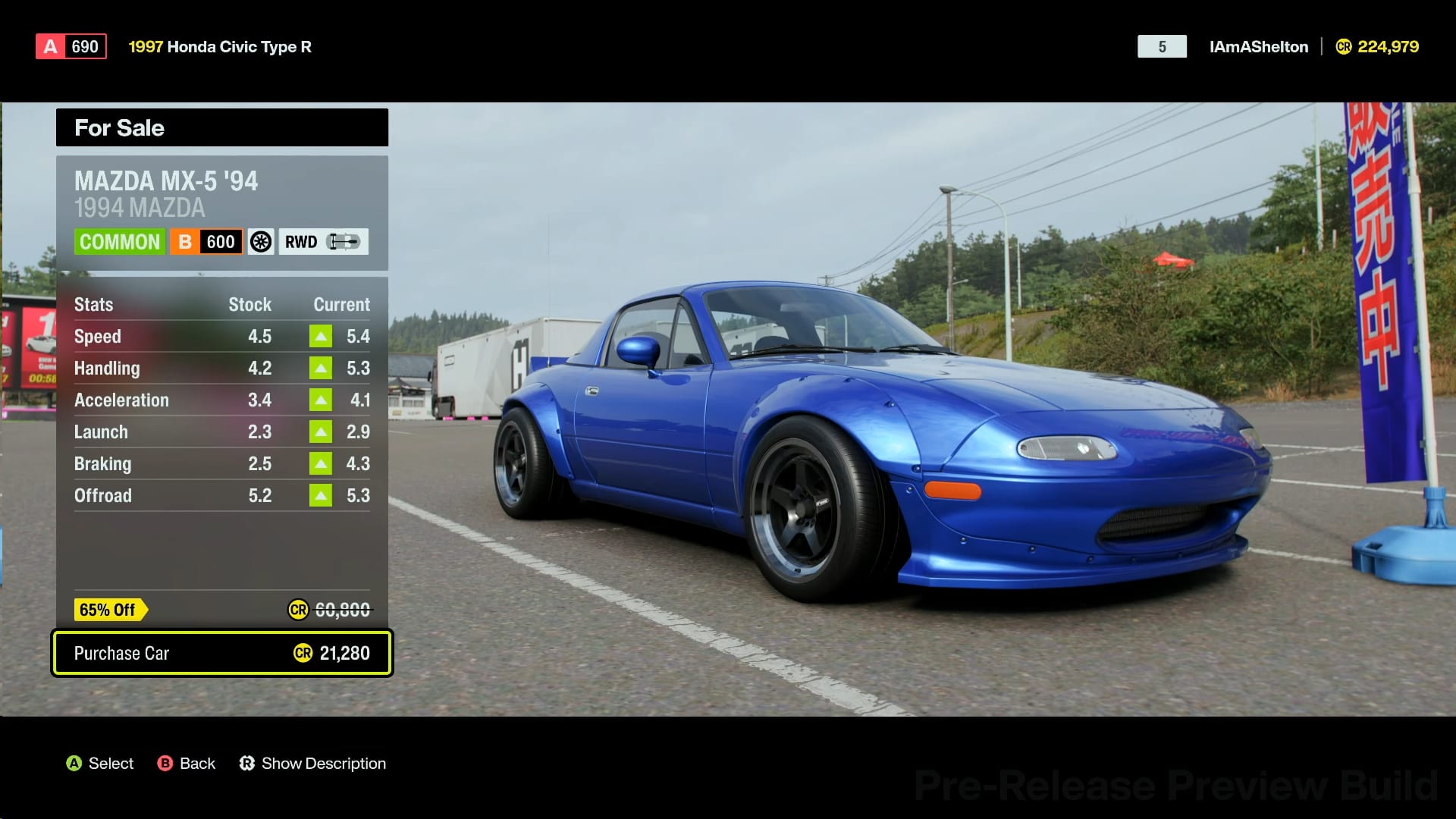
Some elements on the map are hidden—at least initially. Unless you drive around, you might miss cars parked in the open. Unlike barn finds in previous Horizon games, these are aftermarket vehicles you can buy at steep discounts, fully equipped with modifications, and can immediately drive once purchased. Most of the cars I found were A-class, but I found an S1, so there may not be a limit on the kinds of cars you can find. These deals are a cheap way to fill your car collection, but they are also limited-time offers.
Driving the aftermarket cars gives a range of handling feels, but every car in the preview felt good to drive. No longer bound by the constraints of developing for the previous generation, Playground makes each car lovely to look at and drive.
Car sounds are noticeably better. I allowed myself to race with the music off and just listened to the cars. Forza Horizon 5’s cars sounded muddy or tinny. Based on the preview, Horizon 6’s cars had distinct engine voices that roared and screamed at full throttle, and sighed eloquently when letting off the gas. It sounded much more believable.
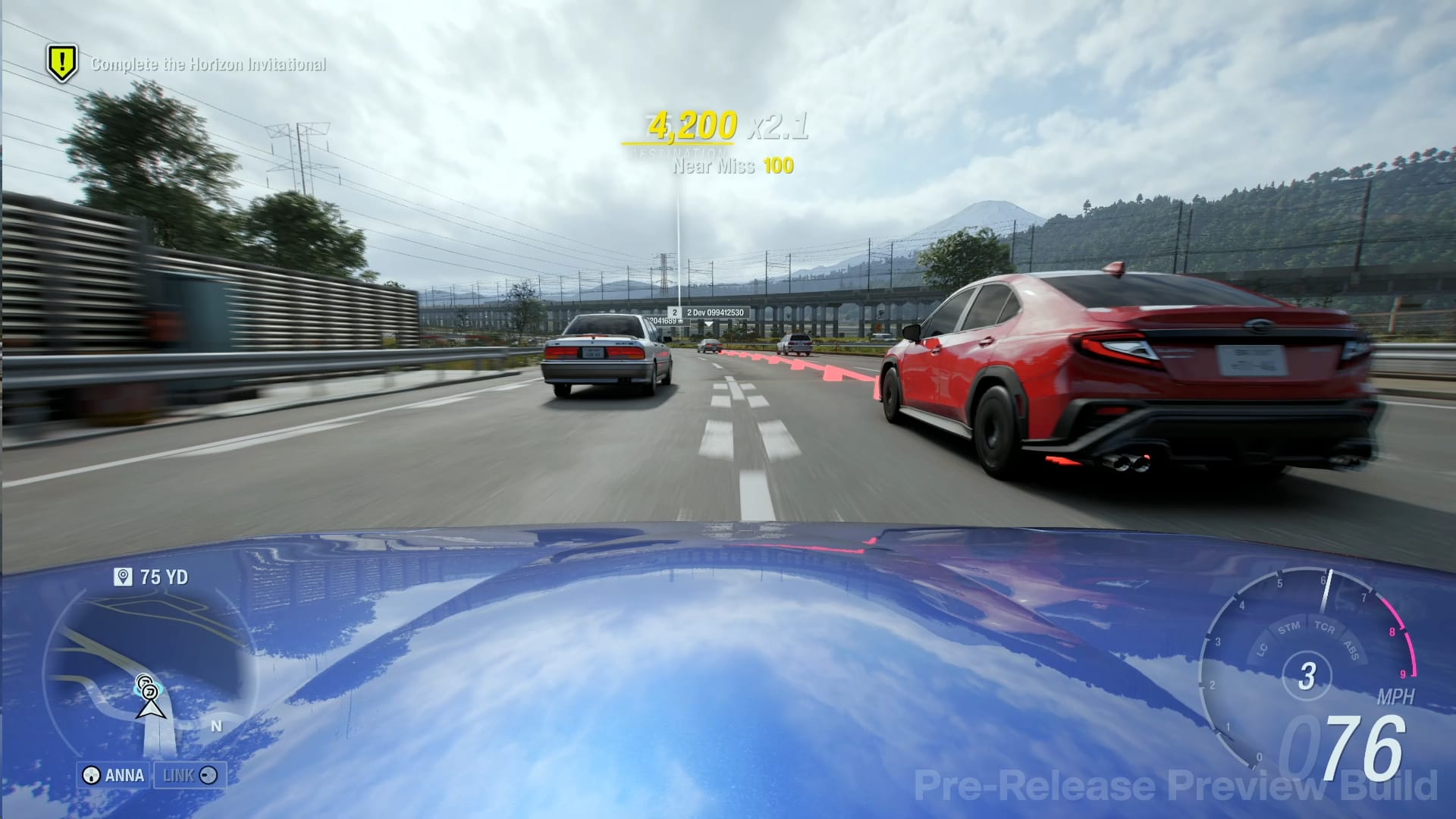
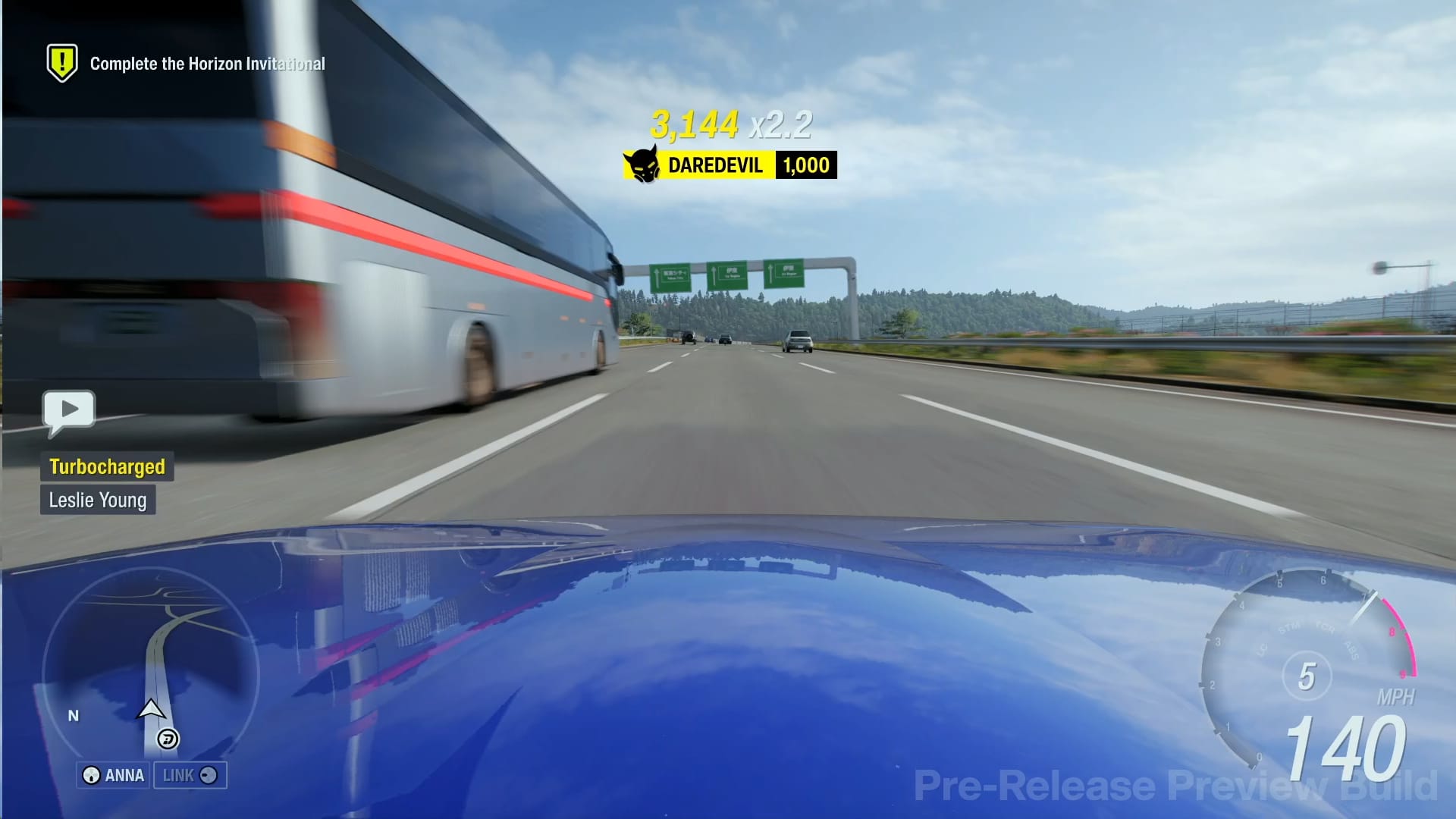
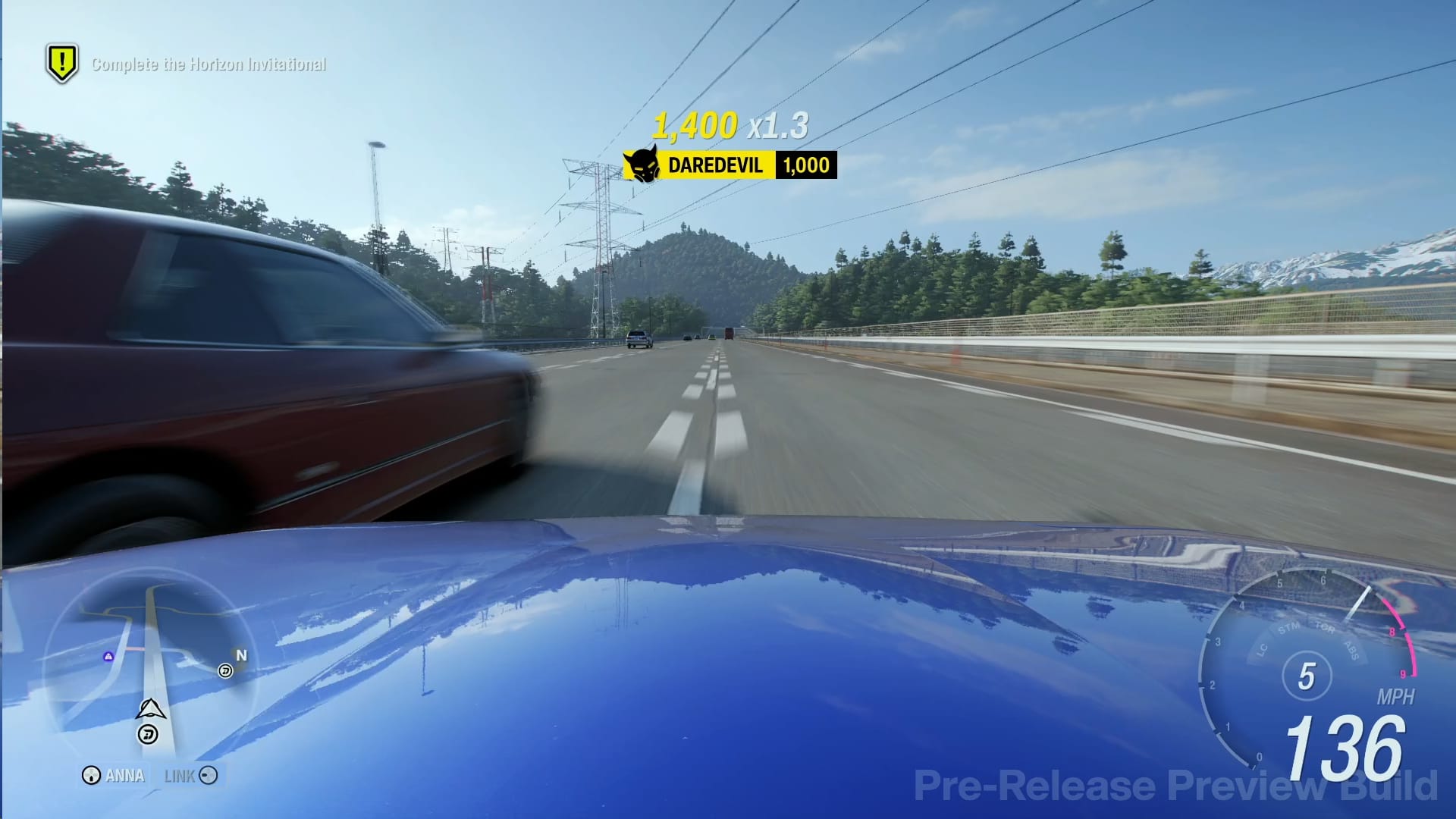
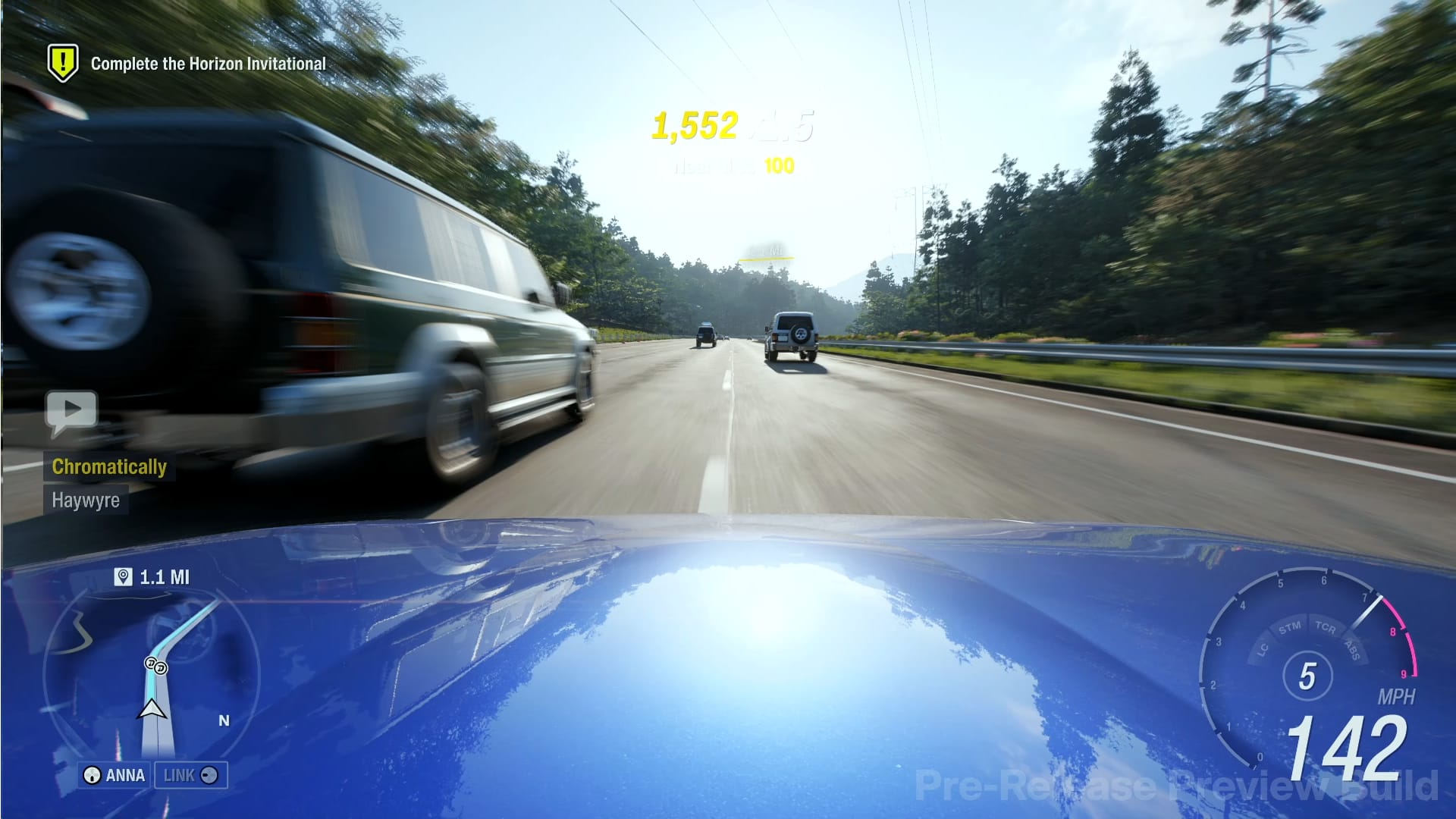
Definitely seemed like more traffic.
Most of the available cars were B-class, but all felt wonderful to drive. Some cars were driftier than others, making it hard to avoid traffic at higher speeds, but that felt more like my driving than the car's slippier back end. I imagine the preview simply highlighted better cars, so we’ll see how handling plays out in the full game.
Horizon 6 includes world events you can participate in without loading into them. You can find unassuming time attack circuits spread around the map like hidden sacred grounds. Drive onto the track, and your time automatically starts. But randoms can join, too. They’re ghosted so you won’t collide, but as you’re hot-lapping, if you and another player perform the same skills, you both get additional skill points. Playground Games calls them Link Skills, and they're not limited to world events—you can do them anywhere. It’s just easier to link skills in spaces where everyone is doing the same thing.
I wasn’t able to experience Link Skills during the preview, but I know that’s something that will motivate me to take part in the world events, especially during a skill song.
When you’re done driving—or maybe driving is the least of your concerns—you can customize garages. Customization is surprisingly granular. I’m not good at it, but after looking at the available options for this preview, I can imagine creating a skate park with beautiful cars as set pieces, or a Jeep-themed Jurassic park, or a sports-themed layout with coveted luxury cars as the main feature.
My concern is the cluttered menu design—something the franchise has always struggled with—and customizing the garage feels just as clunky as anything Playground has done before. It’s not controller-friendly; there are too many clicks to get to things. This is the blessing and curse of Forza Horizon: amazing granularity, impossible to make it easy to navigate. I can only hope there are sufficient tutorials to ease new designers into the process.
Forza Horizon 6 doesn’t look like it will be a bold step in a new direction. That’s not necessarily a bad thing. It feels like Playground Games is making up for lost time—previously held back by the Xbox One. That means Forza Horizon 6 could be the biggest, most beautiful, most social, and ultimately the best version of Forza Horizon yet.
Forza Horizon 6 launches May 19 on the Xbox Series X|S, PC, Game Pass Ultimate, and PC Game Pass.