First and foremost – thanks for taking a second to chat with us.
Q: For those who don't know, what is ChromaGun 2: Dye Hard? And for those who might not have played the first, what's new?
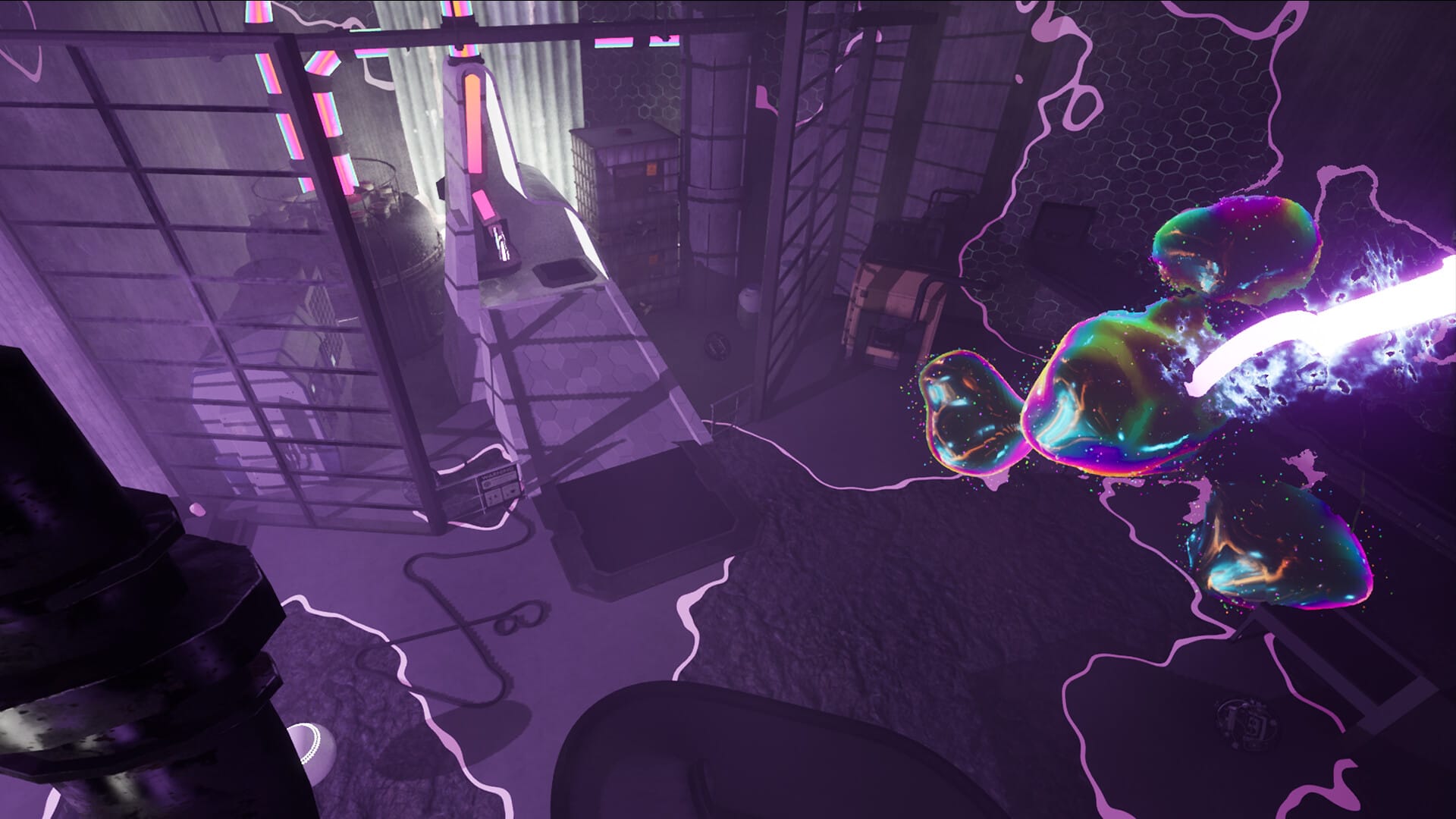
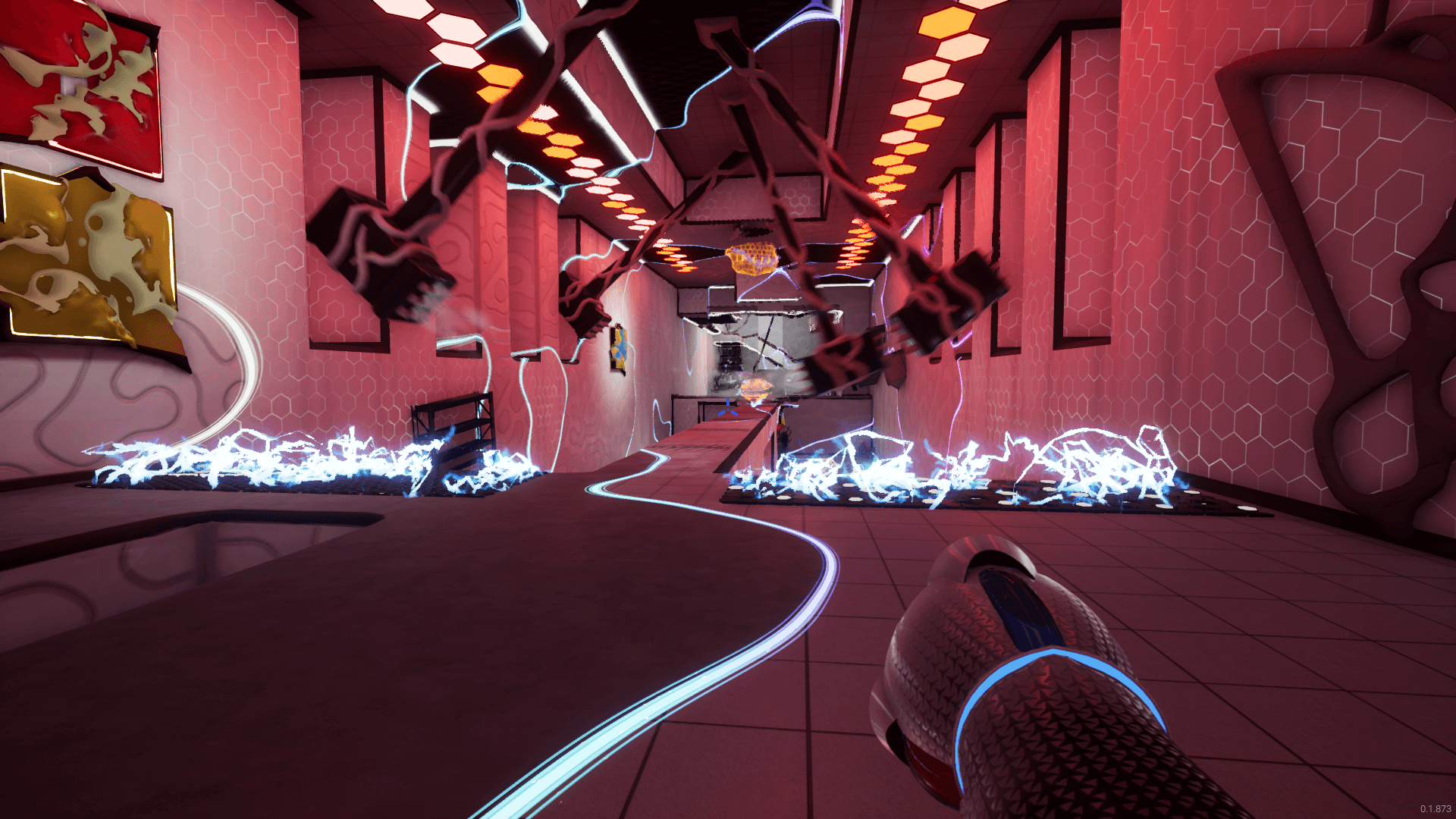
A: ChromaGun 2: Dye Hard is a first-person puzzle shooter in which you try to escape an organization called ChromaTech by using your ChromaGun to mix and shoot colors in order to solve puzzles. It is the sequel to ChromaGun, which was released in 2016. ChromaGun 2 is not just an improved version of the first game, but an entirely new game featuring the same core mechanics. Puzzles in ChromaGun 2 are more three-dimensional, and some features that didn’t work so well in the prequel have been removed with others added, like the color-showers and various hidden secrets. We also added cutscenes, switched from Unity to Unreal and overall drastically improved the game’s graphics. The available budget for the development of ChromaGun 2 was also much higher than the prequel, which helped.
Q: The game leans into dark humor – what inspired the tone shift for the sequel?
A: We were able to dive much deeper into the narrative with ChromaGun 2, allowing us to explore various plot opportunities and ways to deliver that signature humor. In total, we wrote more than a hundred pages of script for this title, and we’re excited for players to check it out.
Q: I saw reference to the "Rulebook" for the WorkerDroid – what is that and how does it play into the game?
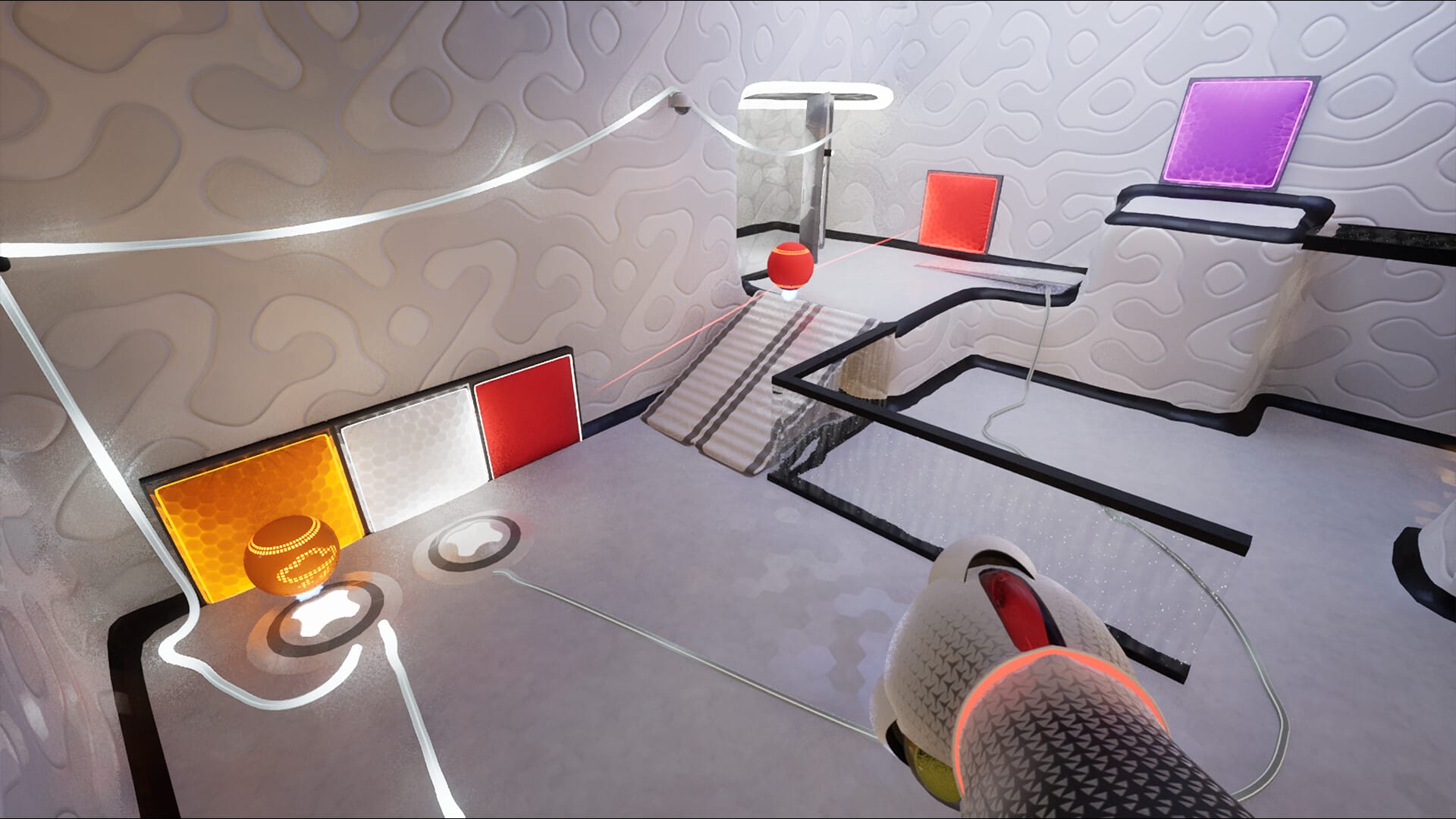
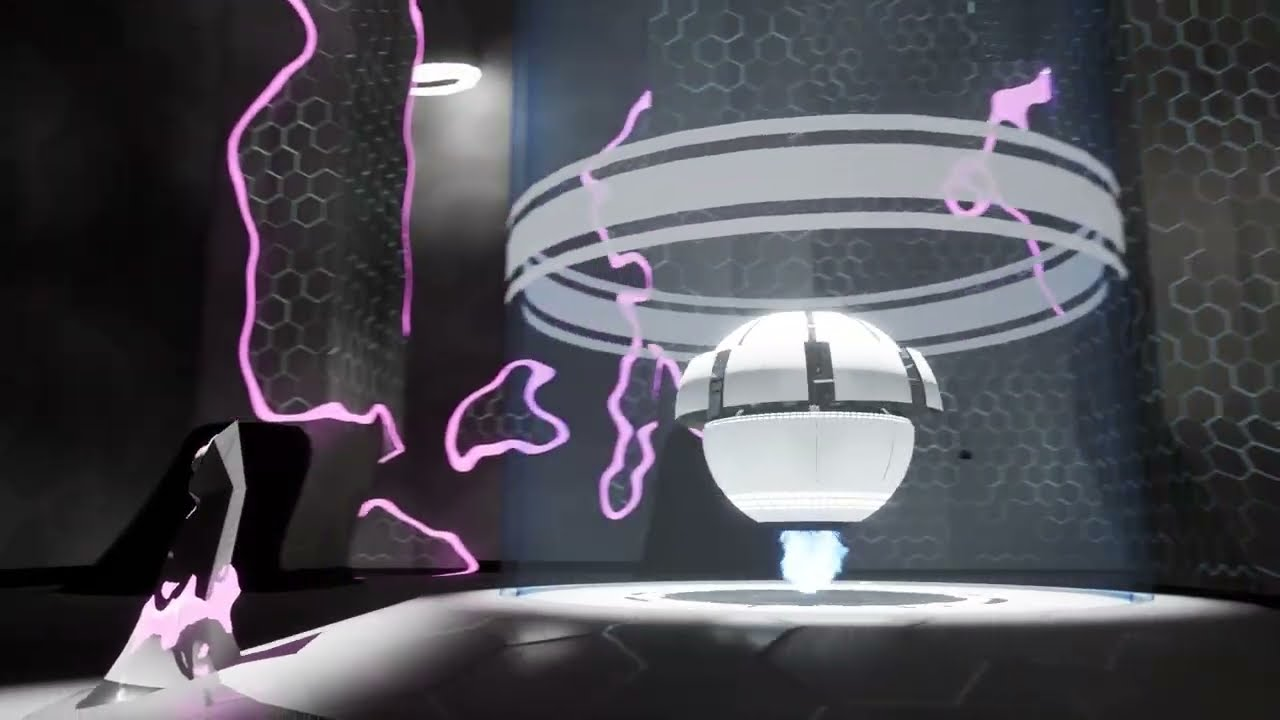
A: WorkerDroids within the game follow a clear ruleset. It’s not specifically named a “Rulebook”, but rules do exist for the droids. There are specific reasons as to what their purpose is and which rules they follow and why, which I do not want to spoil here :) But from what you can see in the trailer, they are a very key element of our gameplay, as you can color them in different ways to move them around in our levels, making them key parts of puzzle solving.
Q: How did the introduction of removable paint change your puzzle structure compared to the first game?
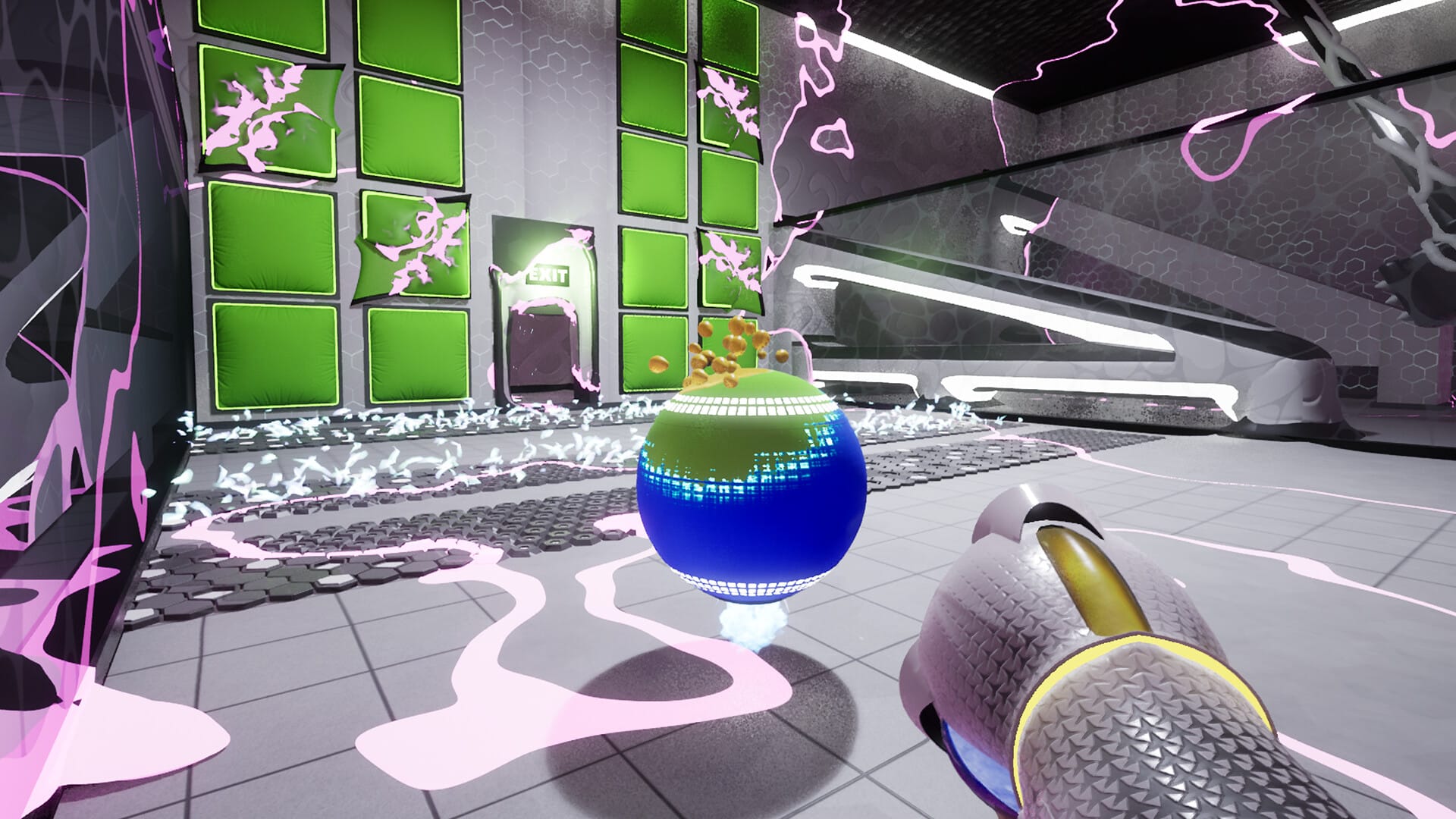
A: The ability to remove the paint was highly requested from fans of the first ChromaGun, so we made sure we implemented it for the second title. In the prequel, players had to wait until the color disappeared by itself after a short cooldown. Adding this feature to ChromaGun 2 made the puzzle design more flexible and intuitive.
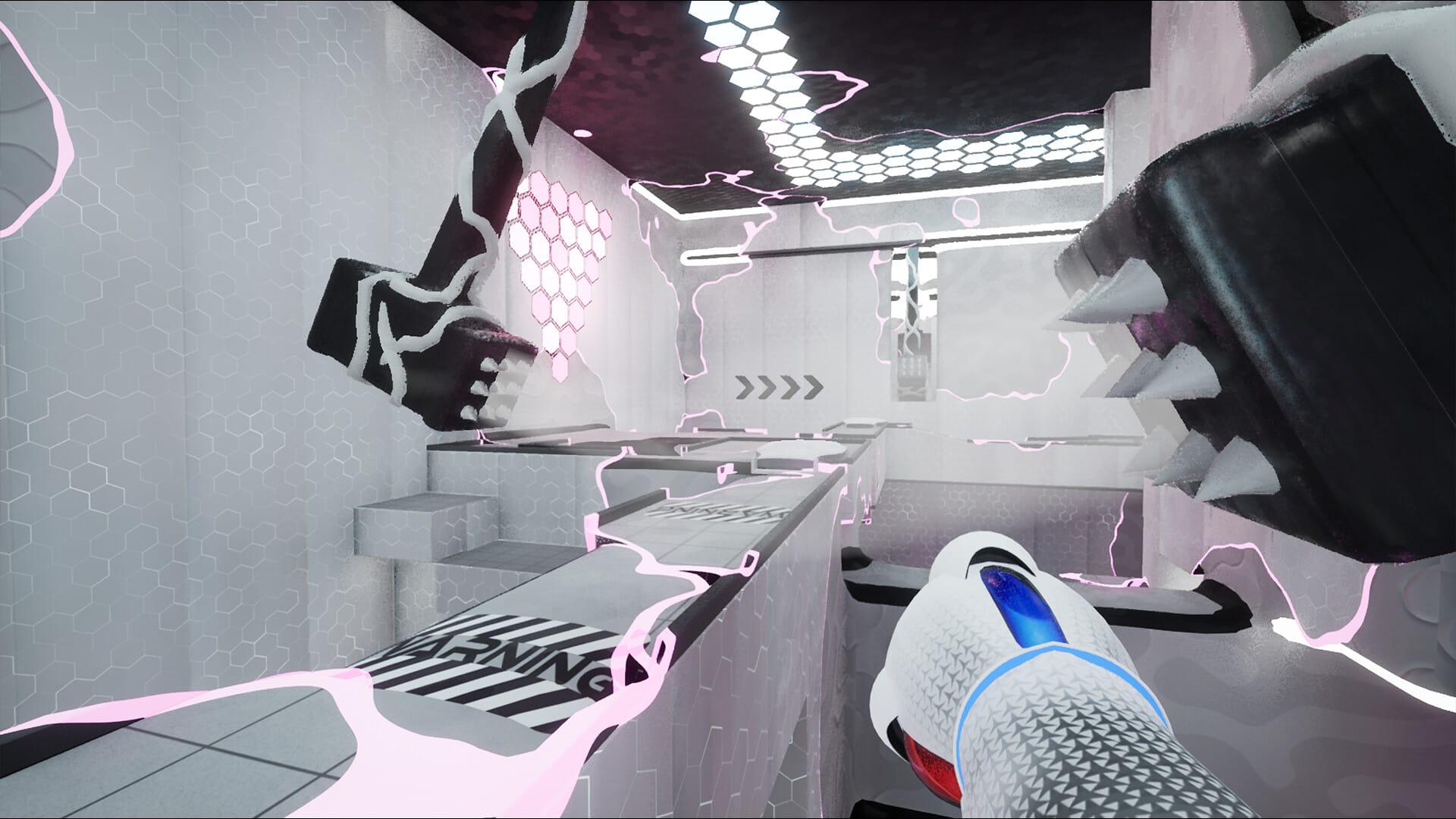
Q: How do you balance puzzles so they feel clever and challenging rather than tedious or ones you can brute force?
A: We solved this with maaaany playtests: we showed the game at many events across the globe. At WePlay in Shanghai, China, at gamescom in Cologne, Germany, at multiple events in the US and of course also online. We did a campaign where we searched for playtesters of the demo via TikTok, where more than 25,000 playtesters registered and gave their feedback to our demo before it was released.
The demo itself was made public during Steam Next Fest, which was also a very intense playtesting period. Looking at the progression that players made, where they failed, where they just ran through and felt bored, all went into how we structured the levels. Just like in the original ChromaGun, which we developed around 10 years ago, we built many of the levels first and then changed the order afterwards depending on gameplay elements. We then adjusted levels to account for our desired progression of difficulty at that specific point in the game.
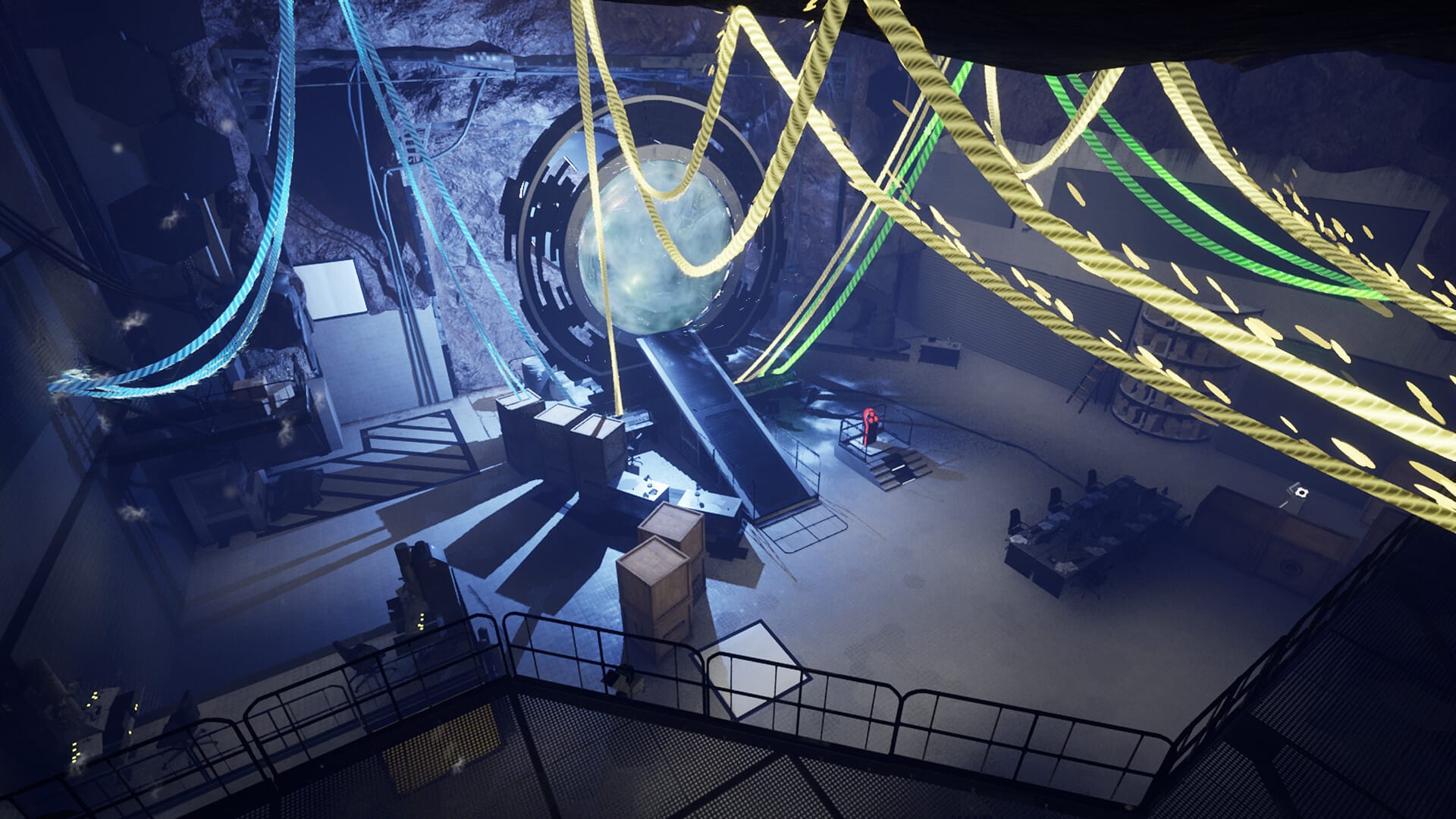
Q: Tell me about a puzzle solution that players or testers found that you didn't intend? Did you keep it?
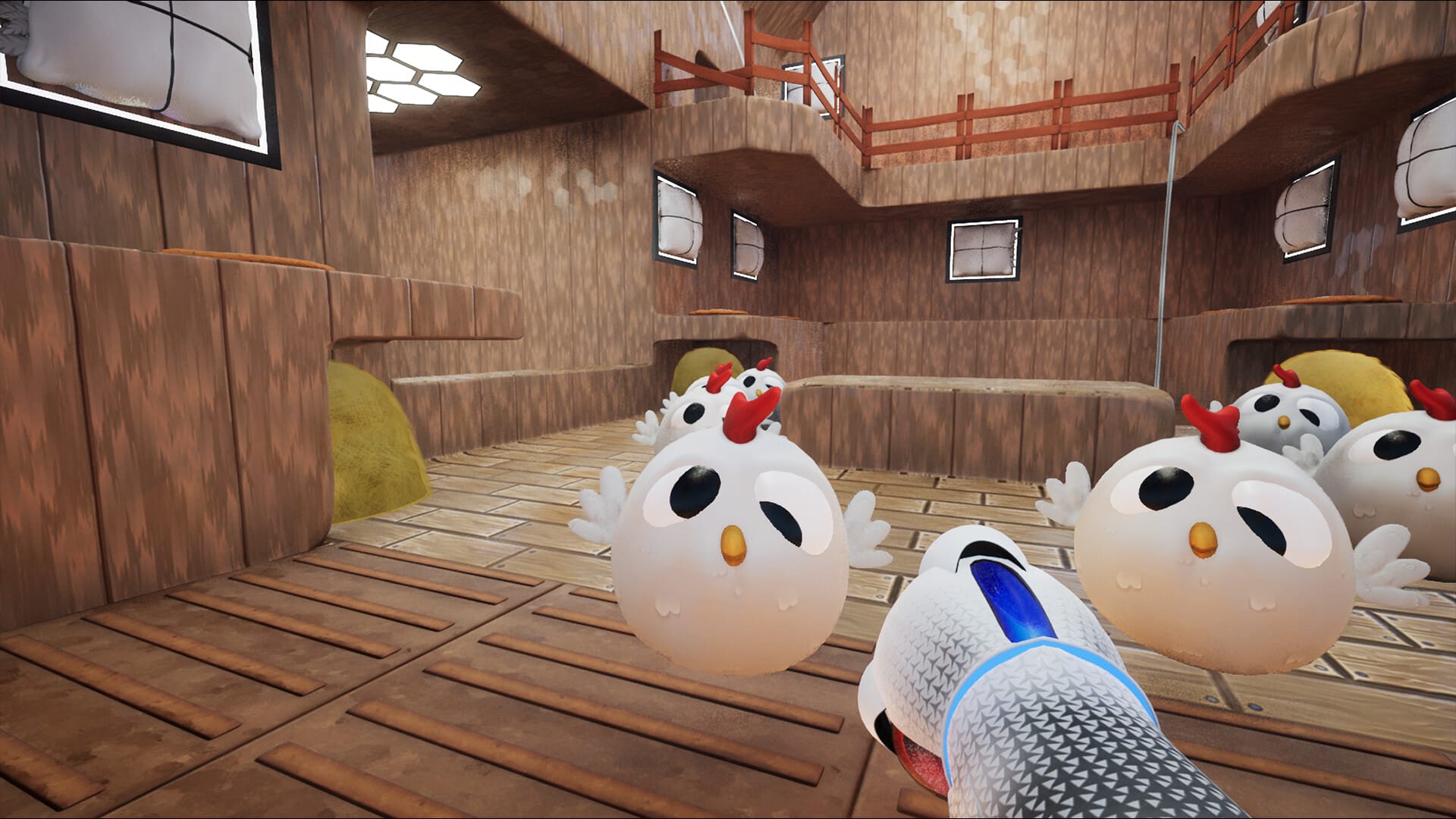
A: We did a speedrun challenge during the demo release of ChromaGun 2, where the quickest speedrunner could win prizes. That revealed many different possibilities of shortcuts we never thought about. One interesting thing playtesters did is that they used a swinging hammer as a catapult to move more quickly through a level, which we found pretty funny. We kept it in the game, as you intentionally can not die in ChromaGun 2: Dye Hard and we thought the ability to fling yourself around was fun. Also, in one level a speedrunner used a chicken to press a trigger instead of a droid, which the person could use to skip about 95% of the level. But as you have to really think and contemplate to execute weird solutions like this, which would never happen unintentionally, we kept this one as well.
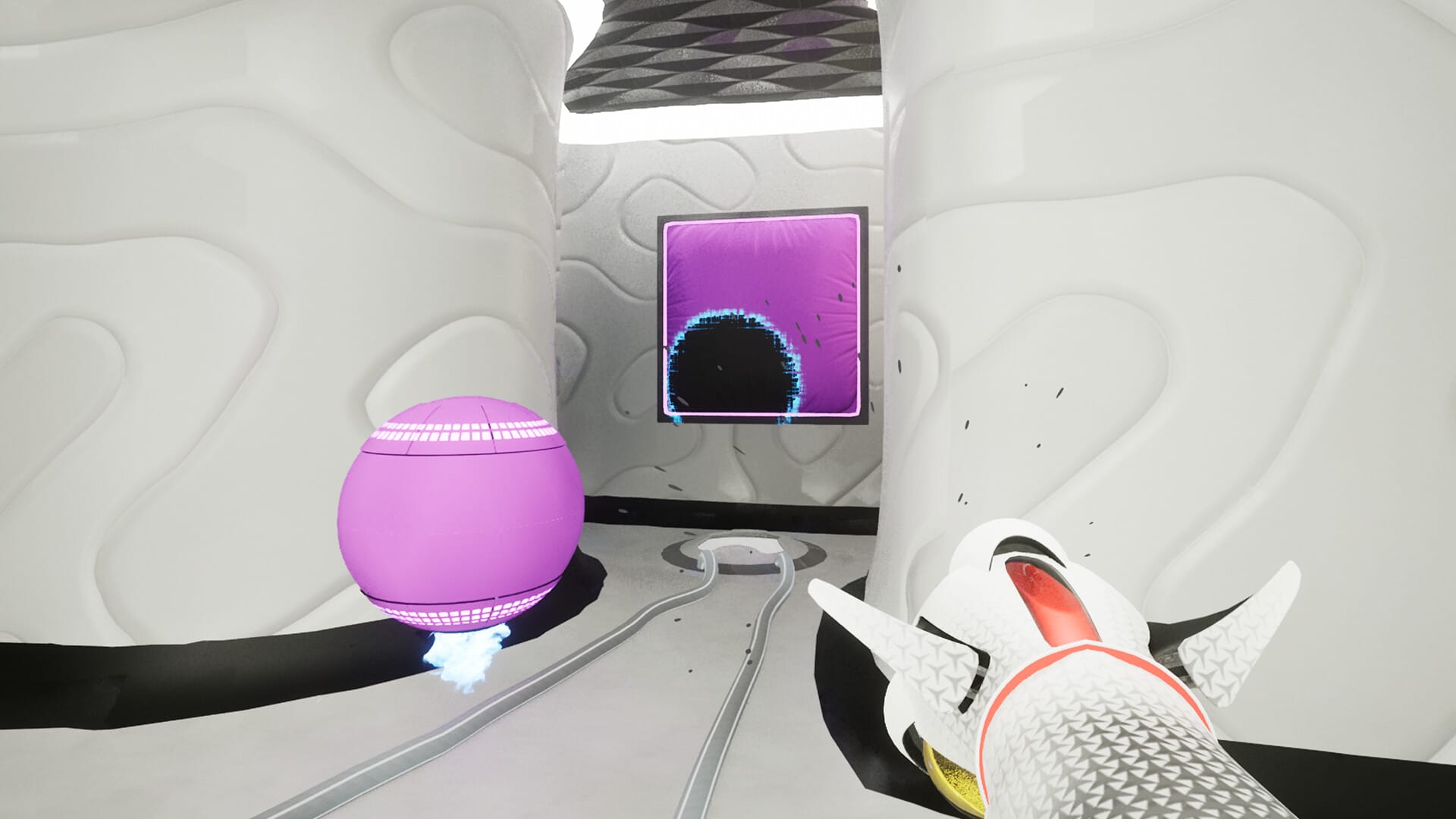
Q: Was there anything that was an unintentional design choice or happy accident that ended up sticking in the game?
A: The above hammer-catapult mechanic is definitely still in the game, however, this is just an optional element you can use that has no real value if you’re not doing a speedrun of the game. That and the chicken solution are two fun finds that we thought worth leaving in.
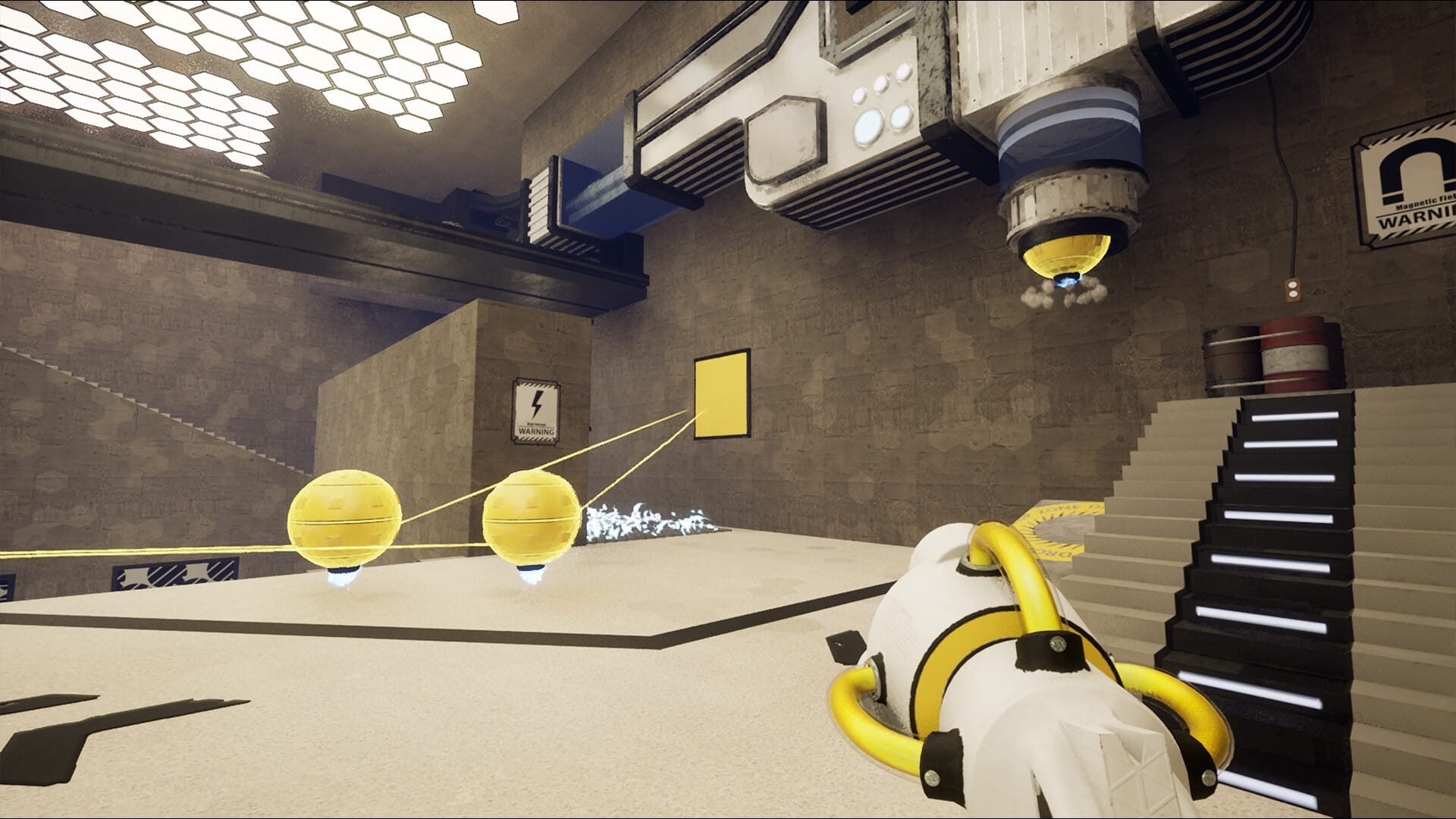
Q: Shifting to technical – What engine are you using? Did the color-mixing and physics present any technical hurdles?
A: For ChromaGun 2: Dye Hard we switched from Unity to the Unreal Engine 5. We are extremely happy with this shift.
This is not specifically a technical issue, but a note about the color mixing mechanic; at first, we thought about adding an extension of the subtractive color mixing mechanic with the base colors of yellow, red and blue, with an additive color mixing mechanic. But it quickly turned out to be very unintuitive for players, that’s why we kept sticking with the subtractive color mixing. A technical hurdle was that we wanted to be able to prototype new levels quickly, but did not want to build a full level editor of our own for this during the prototyping phase. That’s why we used the Portal level editor at the beginning of development, and tried to read that file format in our project. However, that quickly became very tricky, as we have many elements in our game that are not represented in Portal. At first we had rules that element X in portal means element Y in our game, but the difference between the two games is just too big. In the end, we built our own level editor within the Unreal Engine, which turned out to be a great decision.
Another challenge was that we initially used Unreal Engine's Lumen for high-quality visuals. However, this setup proved too performance-intensive on some console platforms, particularly due to Lumen's real-time global illumination. As a result, we opted to replace Lumen with pre-baked lighting where feasible.
Q: Did the demo feedback lead you do redesign or rewrite any elements of the final game?
A: Yes, the feedback definitely led to many changes within the final game. We released the first polished version of the demo around one year before release, and a lot of the feedback we collected was taken into consideration throughout the later development of the game. We did very long surveys with many questions and hundreds of participants, and used this feedback as qualified but also grouped numeric data to further improve the game ahead of the release.
Q: What’s the most surprising piece of player feedback you’ve received so far?
A: For myself as a marketeer for the game, I found it very interesting to see how the feedback of players often compared our game with Portal. Back in 2016 it sometimes felt like we offended players that love Portal (like we do), and we almost never hear any comments like this anymore in 2025. Instead, we heard stuff like “oh wow these elements are similar to Portal, definitely going to play it”, etc. I believe this might be because the last Portal was released so long ago, and that people are used to more specific genres like Portallikes, Dredge-Likes and of course the many Survivors-likes.
Q: What’s the strangest bug you encountered that almost made it into the final game?
A: The first version of the game was a publisher demo which we used to convince publishers of partnering with us. It had a dolphin in it, in a very tiny and not important section of the game. This dolphin is definitely cursed, because multiple times during development in the past 4 years this dolphin caused some kind of weird bug or crash on multiple platforms. It did not almost make it into the final game, thankfully. Well, I at least hope so 😄
Q: Anything else players should know, or should they just play the demo already and answer them for themselves?!
A: Definitely go play the demo! We tried to build the game in a way that is self explanatory, and hope that comes through in gameplay, haha! 😄
Q: And finally – what platforms will the game come out on and when can players enjoy the final thing?
A: ChromaGun 2: Dye Hard will release on Steam, Epic, Xbox, PS5 and Switch 2 on February 12, 2026.
Big thanks to the team for taking the time to answer our questions, and congratulations on the launch!