by Dominique' McClain
by Henry Viola and Kristian Longden
by David Burdette
by Chris Wyman
It’s hard not to get excited about what’s to come in Sand Land. Come on, the game’s main character, Beelzebub, is sporting...
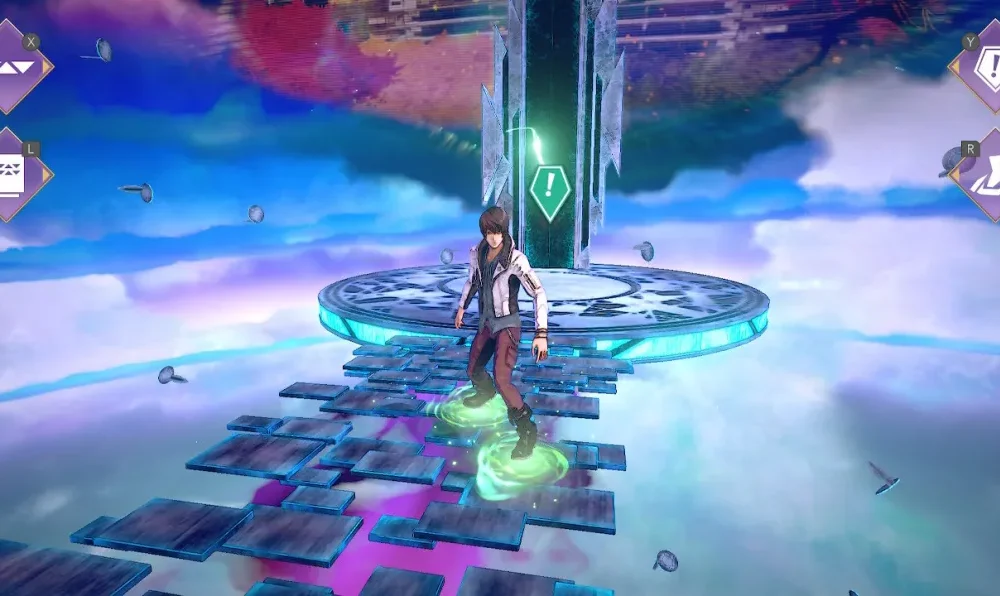
It’s truly remarkable how Shift Up, the Seoul-based studio behind Stellar Blade, were able to develop such a competent action adventure title...
SaGa has been around since 1989, having released 15 titles as of writing this. We’ve seen this game on almost every platform...
by Adam Moreno
Arcade1Up just announced that their Infinity Game Table and Infinity Game Board will both be receiving a massive update which will allow...
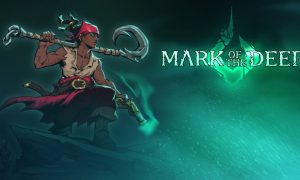
Mad Mimic, known for their indie hits Dandy Ace and No Heroes Here, just unveiled their next title Mark of the Deep, ...
Inflexion Games has released a new update for Nightingale, which released in February in Early Access. This new update was created after...
Holly Hudspeth, or resident Elder Scrolls Online addict, has been playing the game since the beta. She’s also reviewed every expansion since...
Ready for all the video game news to hit us again? We might not have E3, but IGN is bringing their own...
We recently had a chance to talk to James Robbins from Dynabook about their new E-11 computers, their mission, and the partnerships...
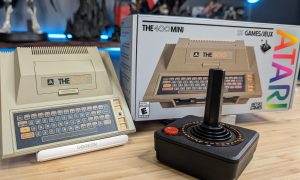
Atari recently announced that they have established a new publishing label under Infogrames, with a purpose of acquiring IPs and publishing. The...
The PDP RIFFMASTER guitar is one of the more popular accessories around, and you’d imagine it’d work with the biggest video game...
Destiny 2’s The Final Shape expansion is shaping up to be the swansong of the series, and it looks incredible. It’s always...
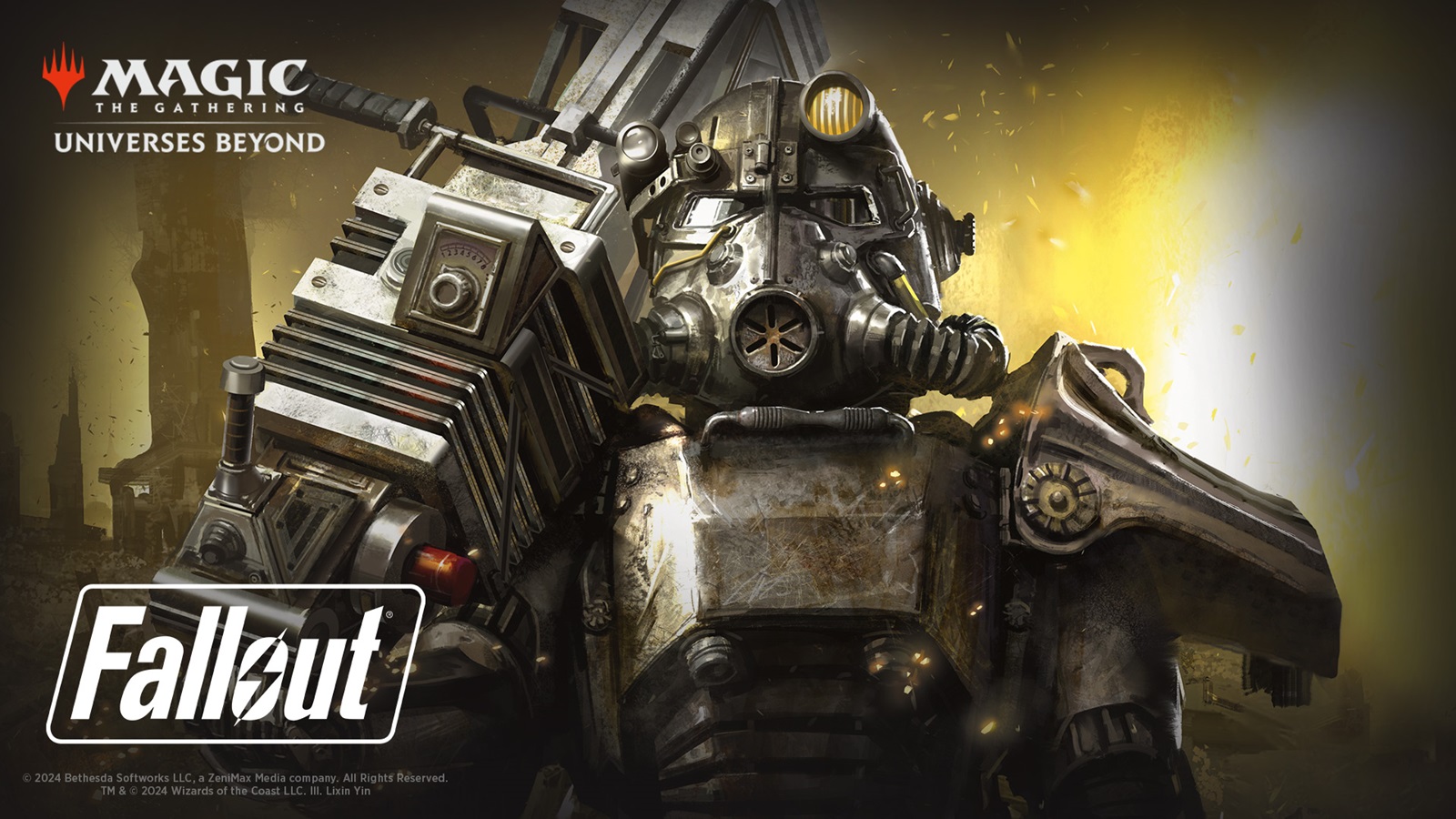
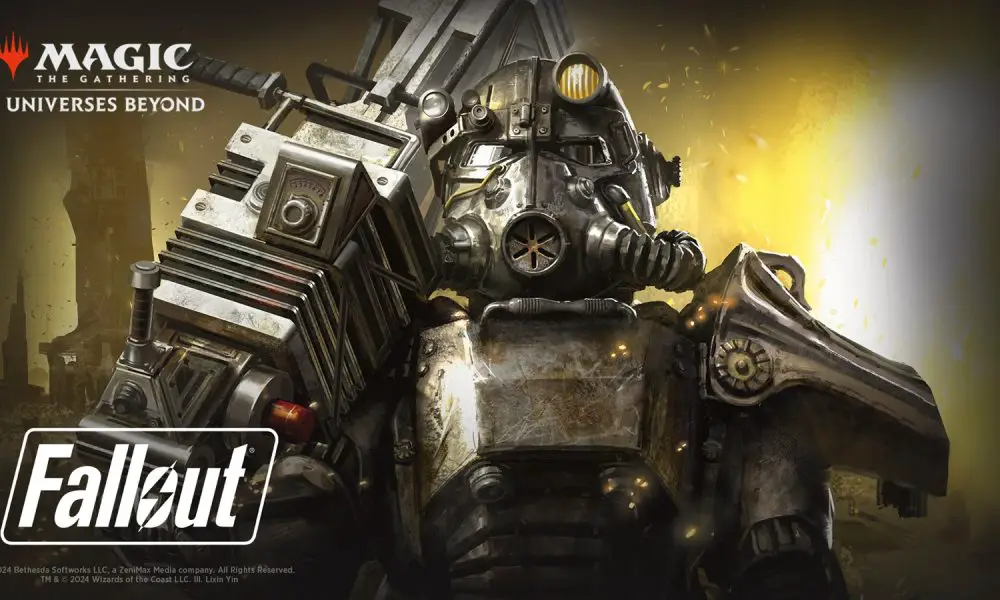
The quote I’ve shamelessly stolen for my tagline is from Mr. New Vegas, a radio host in Fallout: New Vegas. It almost...
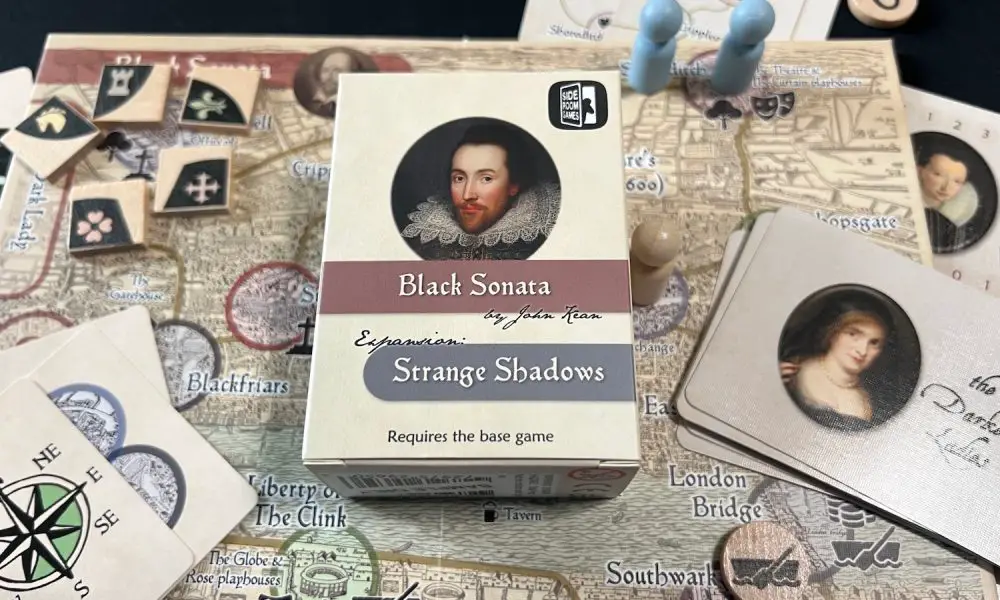
What is your substance, whereof are you made, That millions of strange shadows on you tend? Normally we don’t publish full reviews...
Many games in the tabletop space have solo modes. Oftentimes they adapt the rules to add in a dummy player, have players...
Maximum Entertainment has revealed that their upcoming epic survival adventure game Smalland: Survive the Wilds VR will launch on May 2nd for...
Get ready undead-sniping heroes, because a new story trailer for Zombie Army VR was just released. Zombie Army VR takes place alongside...
Today FarBridge, Inc., in partnership with Gearbox Entertainment, made a surprise announcement regarding the Homeworld franchise. Homeworld: Vast Reaches, a new virtual...
The Thousand have taken over your childhood home of Sacramen-Cho. By summoning the eldritch entity known as Rhok’zan, the Black Goat of...
As you grip the shotgun in your hands, you quickly lose track of whether the pulsing beat that fills your ears is...
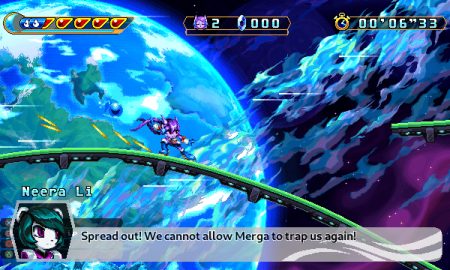
In 2D platformers, my favorite thing to do is to go as fast as possible. Maybe it’s because I grew up playing...